

Free visual inspection and a written scope of work before any mitigation begins - photos, moisture readings, and drying logs go in your claim file
The scope we write is the scope we bill. Anything new gets shown to you, in writing, before we touch it.






 Before
 After
After Before
 After
After Before
 After
After24/7 Emergency Fire & Smoke Damage Restoration in Munsey Park
Fire and smoke damage in Munsey Park moves fast. Soot bonds to plaster within hours, water from firefighting soaks into old-growth framing, and smoke odor works its way into horsehair plaster keys where surface cleaning will never reach it. Call (917) 924-4221 any hour, day or night, and a live dispatcher answers. Our crews reach Munsey Park quickly, perform a free visual inspection, and start stabilization the same visit. The first hour determines whether a period home can be saved in place or whether the damage spreads into a slow-motion teardown. We’ve spent years on Munsey Park’s specific housing stock, and we know what waits inside those walls.
Understanding Fire & Smoke Damage Restoration Severity in Munsey Park Properties
Not all fire damage is equal, and in Munsey Park the difference usually comes down to what the house is made of. A small kitchen fire leaves dry soot residue that responds to HEPA vacuuming and chem-sponge treatment. A smoldering electrical fire inside a wall cavity produces wet, oily soot that migrates through balloon framing and settles on the back side of plaster. Then there’s protein soot from cooking fires, nearly invisible but aggressively adhesive, bonding to oil-based trim paints common in pre-war homes. Munsey Park’s 1920 to 1940 construction changes the math: full-dimension chestnut and oak framing burns slower than modern lumber and produces a finer, more acrid soot. Horsehair plaster over wood lath wicks smoke deep into the keys behind the surface. Any restoration plan that treats a 1930s Georgian like a 1990s colonial will fail, and the odor will return within weeks.
Why Munsey Park Property Owners Choose Floodline Restoration Co. of Manhattan
- 45-minute response commitment: when fire damage is active, every hour spreads soot further. Our crews are dispatched from the New York City office and reach Munsey Park fast.
- 24/7 live answer, always a person: you’ll never reach a recording. Curt Bowman built this company around a dispatch board, not a sales desk.
- IICRC-certified crews: our technicians hold FSRT and OCT certifications and train on pre-war construction methods, not just modern drywall assemblies.
- Free visual inspection: before any work begins, we walk the property with you and explain exactly what we see.
- Direct insurance billing: we document, photograph, and bill your carrier directly. You never play messenger between us and the adjuster.
- One team from first response to final coat of paint: the same crew that sets containment handles the rebuild. No handoff, no inherited strangers in your home.
Our Fire & Smoke Damage Restoration Process
Inspection & Assessment
We map every affected room with thermal imaging, document char depth on framing, and test soot type. In Munsey Park homes, this includes checking the plaster keys behind crown molding and the attic spaces under slate.
Stabilization & Board-Up
Emergency board-up and tarping secure the property immediately. We protect original windows, doors, and any period fixtures before further weather or entry.
Water Extraction & Structural Drying
Firefighting water is a hidden second disaster. Using Dri-Eaz air movers, Phoenix dehumidifiers, and hygrometer-logged daily readings, we dry old-growth framing and plaster to the dry standard before mold can establish in unventilated cavities.
Soot & Smoke Residue Removal
HEPA air scrubbers run continuously during cleanup. Dry soot is removed with chem-sponges and vacuuming. Wet and oily soot require solvent-based techniques. On Munsey Park’s pre-war stock, we treat horsehair plaster with soda blasting or controlled key removal rather than surface shellac sealing.
Odor Removal & Deodorization
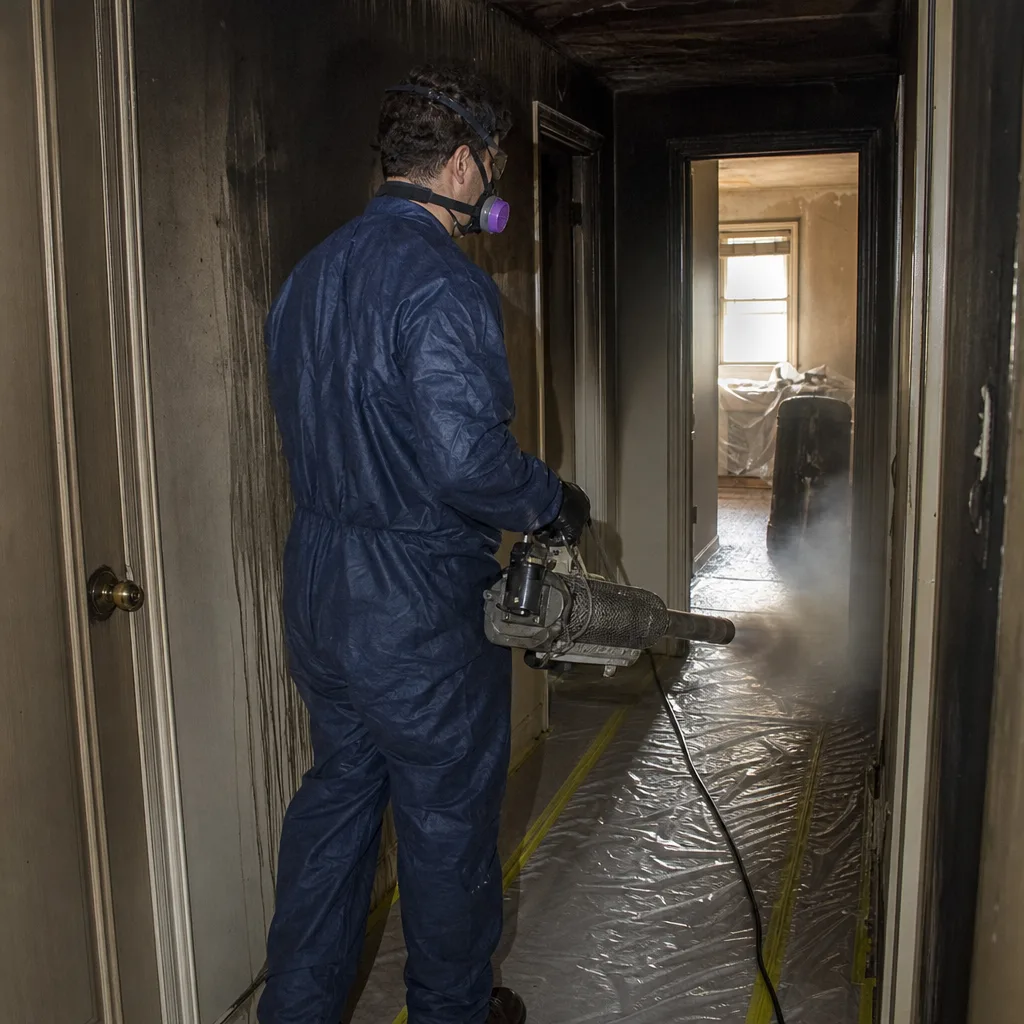
We deploy thermal fogging, ozone treatment, and hydroxyl generators as the surface warrants. For plaster key odor, we open the keys mechanically or media-blast the lath before refinishing. Hiding odor behind shellac fails every time; we remove the source.
Repairs & Full Restoration
Work proceeds from cleaning to carpentry. When framing can be wire-brushed, treated, and retained, we keep it. When replacement is necessary, we match species, dimension, and profile. The result is a house that looks and smells like it did before the fire, not a patch job.
Need Emergency Fire & Smoke Damage Restoration in Munsey Park Now?
Crews minutes away, answering live 24 hours a day. The sooner we start, the less it costs.
Working With Your Insurance Company
Fire claims are complex, and Munsey Park homeowners rightly expect like-for-like replacement of original materials. We document from the first hour: photos of every affected room, soot mapping, moisture readings from the initial visit through the final drying log, and a line-item scope of work written to industry estimating standards. Our team communicates directly with your adjuster, provides access to our documentation, and answers technical questions about plaster, old-growth lumber, and period millwork. Direct insurance billing means we invoice the carrier and you see exactly what was billed. No surprises on the bill, ever. That’s part of the Fire & Smoke Damage Restoration standard our company was built around.
What We Provide Your Insurer
- Thorough documentation of the loss
- Photos of all damage, room by room
- Moisture readings and drying logs
- A detailed, line-item scope of work
- Direct coordination with your carrier
Built for Munsey Park’s Loss Calendar
Munsey Park’s fire season follows the weather, and the weather here has opinions. November through March, nor’easters drive wind-driven rain under aging slate flashings and send tree limbs onto steeply pitched roofs. Water finds its way into unventilated attic spaces, and attic fires from compromised wiring follow. January deep freezes burst the original copper and galvanized supply lines tucked inside the walls of these estate homes, triggering electrical shorts where water meets original knob-and-tube remnants. Summer thunderstorms produce lightning strikes on the tall oaks and maples that define the village’s character, and June through September, cooking fires in original kitchens with aged venting become the leading call. Every season has a pattern, and we’ve seen them all in Munsey Park.
Fire & Smoke Damage Restoration Across Munsey Park’s Neighborhoods
Munsey Park is one incorporated village, but different sections present different restoration challenges. The Birdsall section, with its large Georgian estates near the western edge, has the deepest setback properties and the oldest original trees. Our crews regularly navigate narrow service drives behind these homes, where the fire apparatus itself can only reach the front wall. The homes along Manhasset Woods Road tend toward Colonial Revival stock with tightly spaced wall studs and dense plaster, meaning smoke spreads room to room through wall cavities more slowly but holds odor longer. Properties near the village’s eastern boundary, closest to Port Washington, include some of the original 1920s Tudors with steeply pitched slate roofs; after a fire, attic access is restricted, and our techs work with extension ladders and remote moisture probes rather than gutting the roofline prematurely. Around Abbott Road and the central village core, smaller Cape-style homes from the late 1940s sit on tighter lots, so exterior board-up and tarping must be done with minimal impact on landscaped gardens. Each area has its own rhythm, and our techs know the roads before we arrive.
Specialized Fire & Smoke Damage Restoration Services We Offer in Munsey Park
Fire Damage Cleanup
We remove charred material, stabilize framing, and clean every affected surface according to soot type and substrate. In Munsey Park’s 1920 to 1940 homes, wire-brushing charred old-growth oak and chestnut framing is often the correct first step, preserving structural timber that has decades of service left. Where charring extends past the surface, we measure, document, and advise honestly before recommending replacement.
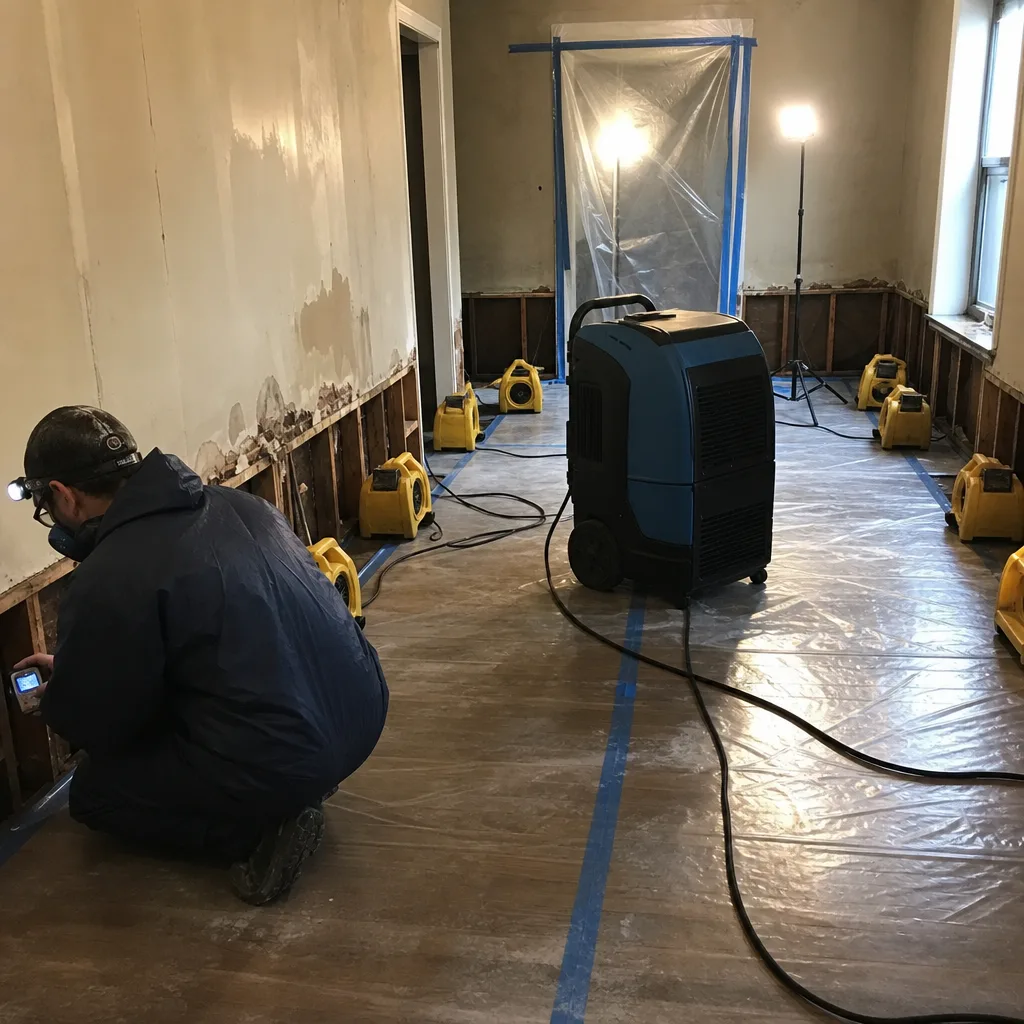
Smoke & Soot Removal
Soot on horsehair plaster, oil-based trim paint, and original millwork requires techniques that modern-drywall crews don’t know. We use dry chem-sponges on painted surfaces, solvent-based methods on oily residue, and controlled soda blasting on plaster keys where soot has penetrated below the surface. Original woodwork gets cleaned and restored, not sanded down and painted over.
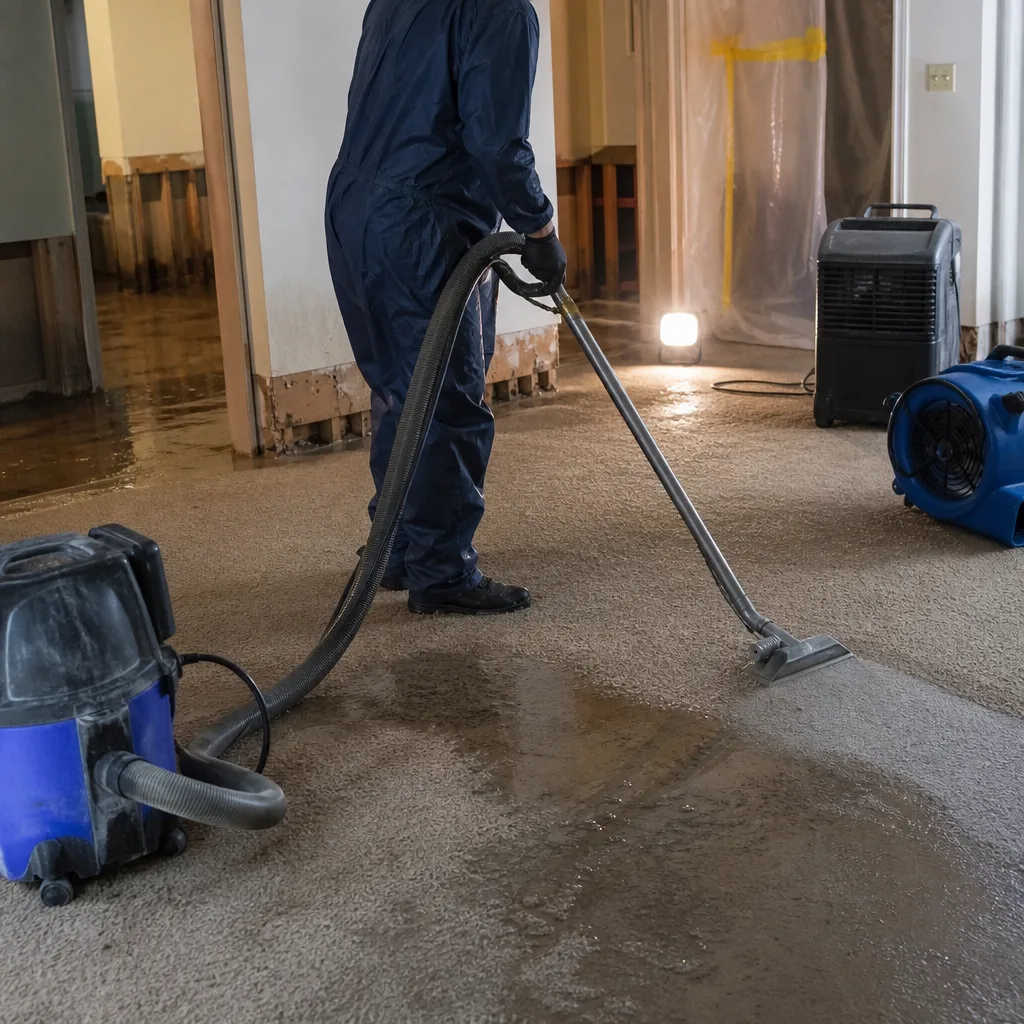
Odor Removal & Deodorization
Smoke odor in Munsey Park homes usually lives in three places: plaster keys, old-growth framing, and the underside of original slate or clay tile roofing felt. We deploy thermal fogging and hydroxyl generators for air and surfaces, but the real work is opening the trapped spaces. Plaster keys get mechanically opened or media-blasted. Framing gets treated and sealed or replaced in matched species. Attic assemblies get vented and neutralized at the source. We’ve seen shellac-sealed odors return in three weeks; we don’t do temporary fixes.
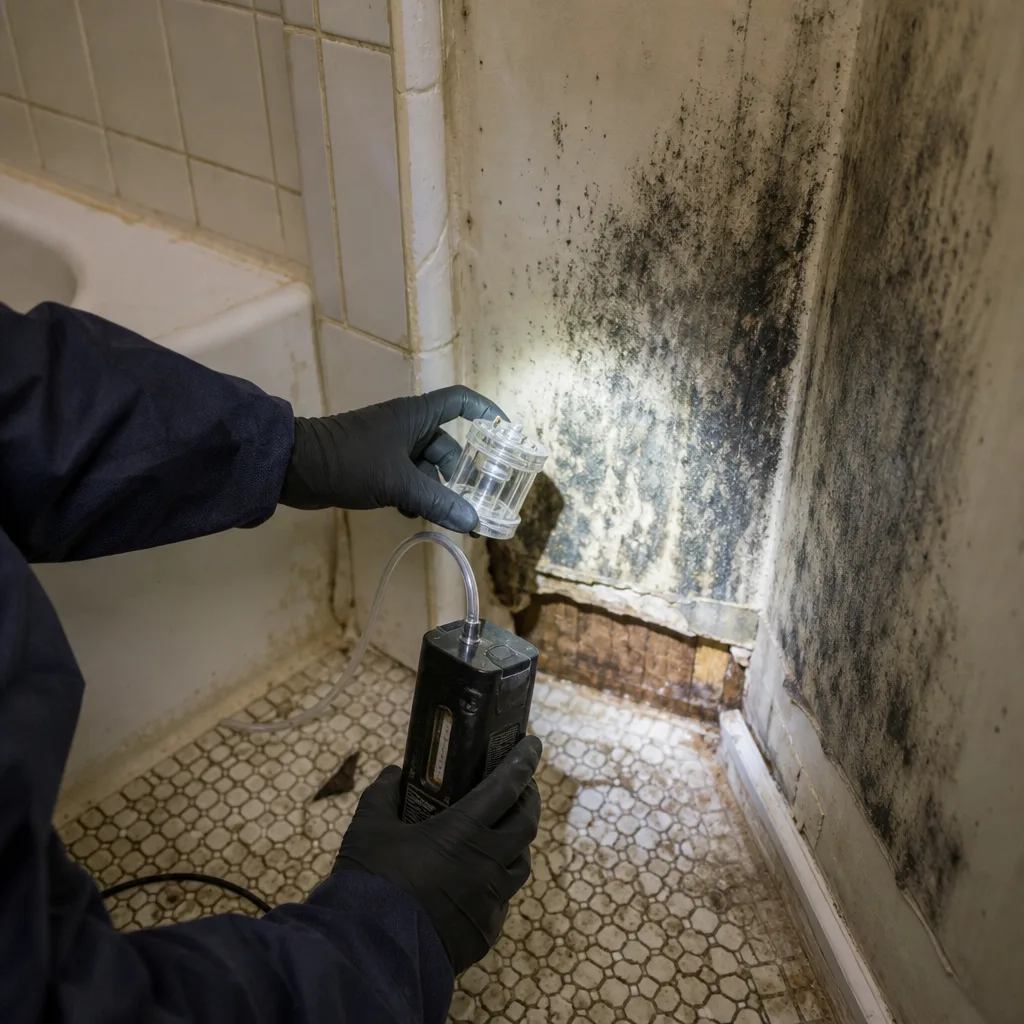
Contents Cleaning & Pack-Out
Munsey Park estate homes often contain collections: Limoges porcelain, inherited silver, first-edition books, oil paintings, original furnishings. Our pack-out team inventories, photographs, and crates each item before transport to our secure cleaning facility. Each piece is cleaned using appropriate methods for the material, from ultrasonic cleaning for hardware to cold storage for heat-sensitive textiles. Everything is documented against your claim, and nothing leaves your property without a signed inventory.
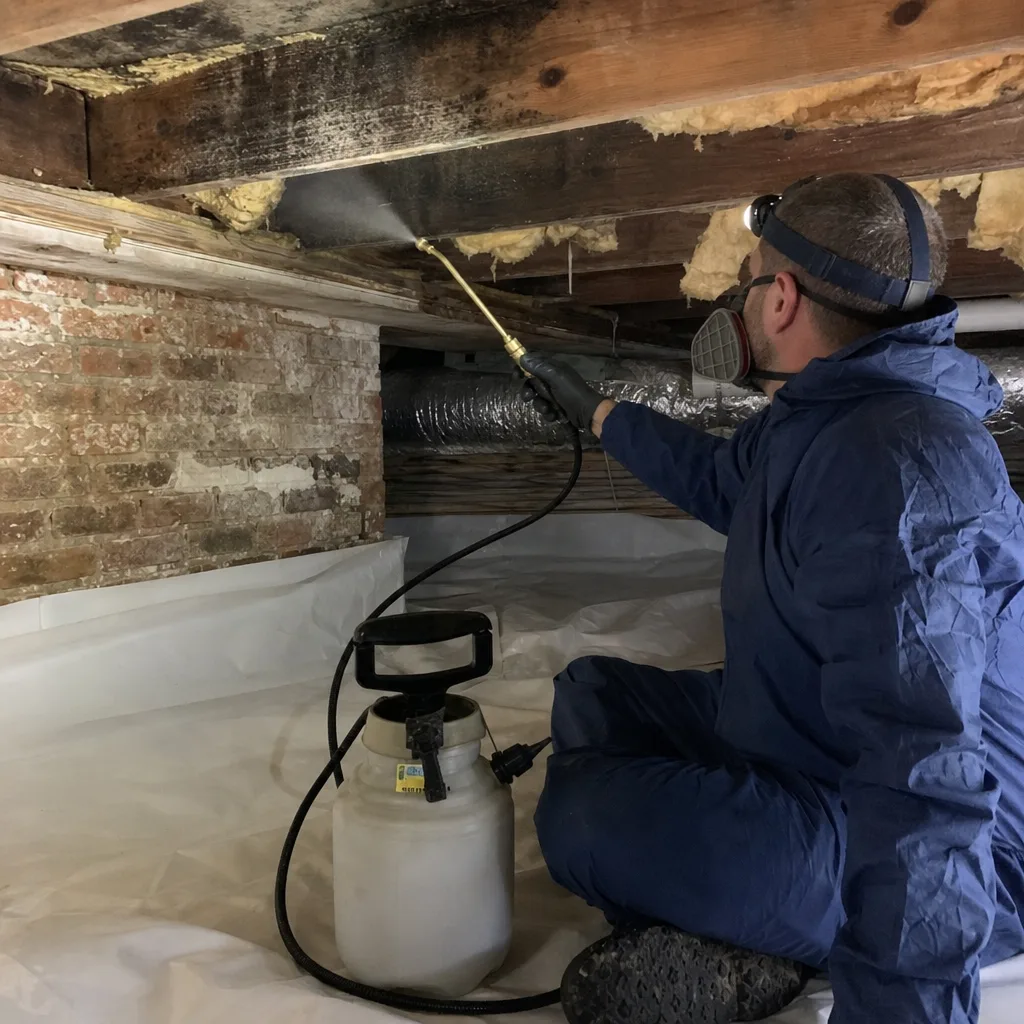
Emergency Board-Up & Tarping
After a fire, your home is exposed. We board up windows and doors with weather-resistant panels and tarp damaged roof sections before the next rain. On Munsey Park’s steep slate roofs, tarping is done with care for original flashing and ridge lines, not with nails driven through visible surfaces. Board-up is temporary; it buys time to plan the restoration without further loss.
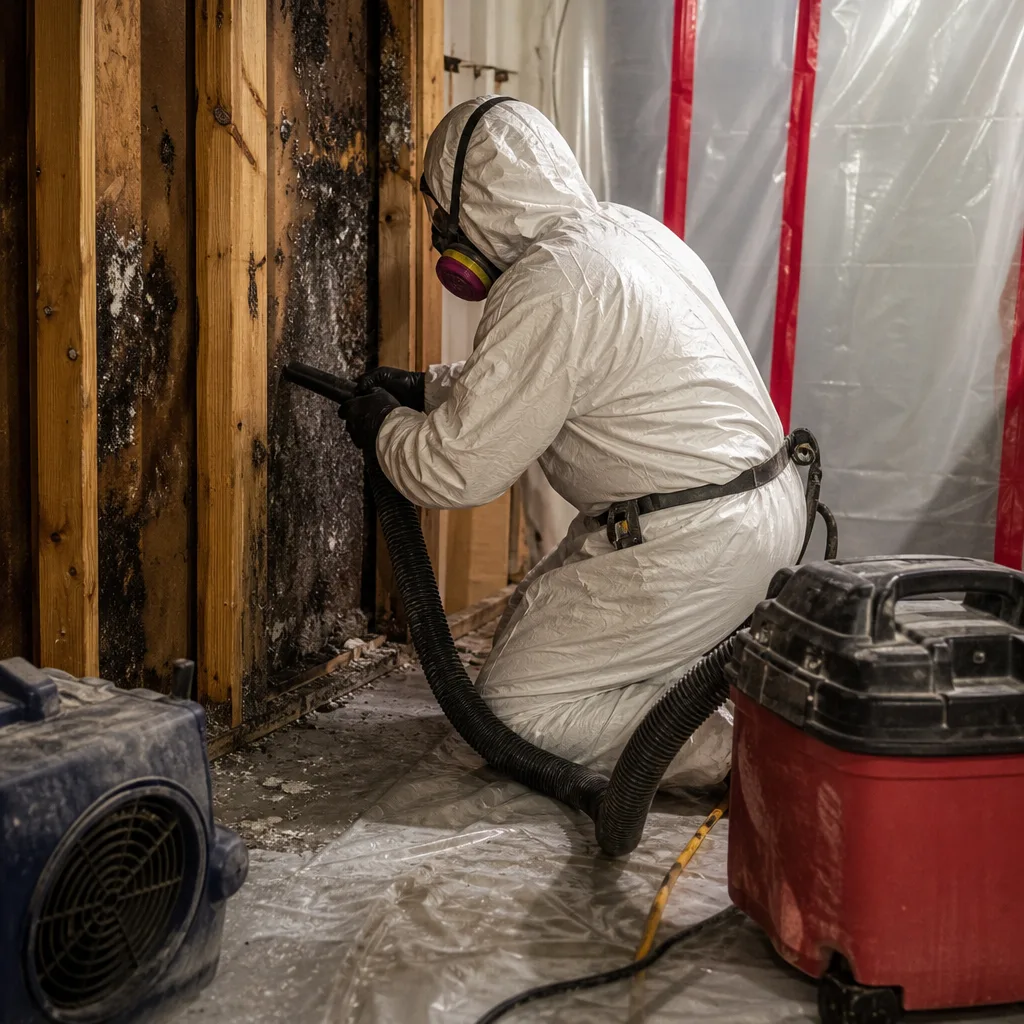
Structural Fire Repair
When framing must be replaced, we match the original species, dimension, and joinery. Old-growth chestnut and white oak are not available at the lumberyard, so our crews source reclaimed stock or have new lumber milled to profile. This is slower and more expensive than modern framing, but Munsey Park homes demand it. We don’t cut corners on structure, and we don’t modernize what should stay original.
What happens when you call
- 1
A real person answersNo phone trees - you reach a local pro.
- 2
You get an upfront price rangeHonest numbers before anyone is dispatched.
- 3
A background-checked tech heads outLicensed & insured, dispatched right away.
- 4
You approve before work beginsNothing starts until you say go.
Fire & Smoke Damage Restoration Costs in Munsey Park, NY
Expect real numbers, not vague ranges. A small kitchen fire with light soot residue on plaster and cabinetry in Munsey Park typically runs $4,500 to $9,000 for cleanup, deodorization, and surface restoration. A contents pack-out with cleaning and deodorization of an estate home’s furnishings adds $8,000 to $20,000 depending on the collection. Smoke and odor removal requiring soda blasting of horsehair plaster keys runs $6 to $12 per square foot of wall surface, with full key removal and re-plastering running higher. Structural repairs involving charred old-growth framing replacement run $15,000 to $60,000 depending on the framing member and the extent of replacement. Emergency board-up and tarping ranges $1,200 to $3,500. Insurance covers most of these costs when a policy is in force; the free visual inspection gives you a firm, written scope before any work begins, so you know the number before you commit. Call (917) 924-4221 for an exact quote.
We Also Serve Cities Near Munsey Park
Our crews regularly restore fire and smoke damage in Munsey Park and the surrounding communities, including Fairview, Harrison, East Bronx, and Hunts Point. Same response times, same certified technicians, same written scope before work starts.
Munsey Park Fire & Smoke Damage Restoration Questions, Answered
How does Floodline Restoration handle smoke odor that has penetrated the original horsehair plaster in Munsey Park’s 1920s homes?
We remove the odor at the source, not from the surface. That means mechanically opening the plaster keys or media-blasting the lath to reach the soot trapped behind the surface. Shellac sealing is a temporary mask that fails within weeks; we don’t do temporary fixes. For a firm scope and timeline, call (917) 924-4221.
Can the charred old-growth oak or chestnut framing in our 1930s Munsey Park house be saved, or does it all need to come out?
In most cases, charred old-growth framing can be saved. These timbers burn slowly, and char depth is often shallow enough that wire-brushing and treatment restore structural integrity. We measure char depth on every affected member and remove only what is structurally compromised. Call (917) 924-4221, and we’ll assess your framing honestly.
What is the biggest mistake restoration companies make when drying a Munsey Park home after firefighting?
Skipping moisture mapping on the roof decking and attic assemblies. Firefighting water pools in unventilated attic spaces common to Munsey Park’s slate-roofed homes, and delayed drying allows mold to establish in the sheathing. Our techs run daily readings until the dry standard is met, and we give that log to you and your carrier. Call (917) 924-4221 with questions.
Will your pack-out process protect our estate home’s original fixtures and heirloom contents during smoke mitigation?
Yes. Every item is inventoried, photographed, crated, and moved under signed document control. We handle Limoges porcelain, silver, original oil paintings, and first-edition books with material-appropriate methods. Nothing leaves your property without a written inventory, and everything is cleaned and returned against that same list. Call (917) 924-4221 to discuss your contents.
How quickly can Floodline Restoration be on site after a fire in Munsey Park, and what does the emergency board-up include?
We commit to a 45-minute response from our New York City dispatch office to Munsey Park, 24 hours a day. Board-up includes weather-resistant panels over all breached windows and doors, tarping of roof penetrations, and temporary securing of the structure. The goal is to stop further loss before the next rain or the next day. Call (917) 924-4221 now; a live person answers.
Will insurance cover fire and smoke damage restoration on a Munsey Park pre-war home?
Most homeowner policies in Munsey Park cover fire and smoke damage, including like-for-like replacement of original materials when documented. We bill your carrier directly, provide photographs and moisture logs, and communicate with your adjuster so you never have to negotiate technical restoration details. Call (917) 924-4221 for a free inspection and clear documentation from day one.
How long does fire and smoke damage restoration take in a Munsey Park estate home?
For a typical kitchen fire with light soot damage, expect 5 to 10 working days. When odor has penetrated plaster keys or structural framing requires replacement, 4 to 8 weeks is realistic, especially when matching reclaimed materials. We provide a written timeline with the scope before work starts and update you at each stage. Call (917) 924-4221 for a clear schedule.
What should we do in the first 30 minutes after a fire in Munsey Park?
Call us first, then your insurer. Prioritize getting the source identified and the space stabilized. We answer live at (917) 924-4221 any hour. While you wait, don’t touch soot-covered walls or contents, and don’t attempt cleanup yourself. Soot is acidic and can permanently etch original millwork and plaster with even light contact.
Serving Munsey Park, NY - Our Local Coverage Area
We’re based in the Munsey Park area and know this community well. Use the map below to see our service coverage - if you’re nearby, we can almost certainly help.
A Note on Munsey Park’s Pre-War Frame of Mind
Munsey Park’s 1920 to 1940 estate homes were built with full-dimension chestnut and oak framing that burns slowly and produces a finer, acrid soot than modern engineered lumber. The walls are almost always horsehair plaster over wood lath, and those lath keys trap smoke odor far deeper than any surface treatment can reach. Our restoration protocol for Munsey Park begins with this fact: the fire cleanup cannot turn into a slow-motion demolition of the very character that makes the house valuable. In the Birdsall section, our crew responded to a kitchen fire that smoldered behind a 1930s Georgian’s original plaster crown molding. Because the old-growth oak studs had charred into the tongue-and-groove sheathing, our techs ran containment from the scullery to the butler’s pantry, removed the lath in the header pocket, and logged every moisture reading while our Dri-Eaz air movers and Phoenix dehumidifiers brought the horsehair plaster down to pre-loss condition before pack-out of the homeowner’s Limoges porcelain. That’s what we mean by done right, and backed in writing. The 90-Day Done Right Promise, our Keystone Standard, covers every job we do in Munsey Park. If it’s not done right, we make it right. No paperwork battles, no arguing.
Founded in 2010 by Curt Bowman, Floodline Restoration Co. has built its name on a simple idea: a square deal, a written scope, and a crew that stands behind its work. Our technicians are background-checked, uniformed, and certified to IICRC, RIA, and IFA standards. We run Dri-Eaz, Phoenix, XPOWER, and B-Air equipment on Munsey Park jobs because these are the tools that get pre-war materials dry without destroying them. And we answer the phone with a person, every time. Call (917) 924-4221 for a free estimate on fire and smoke damage restoration in Munsey Park.
Written by Curt Bowman, Owner at Floodline Restoration Co., serving Munsey Park and the surrounding communities.