
Free visual inspection and a written scope of work before any mitigation begins - photos, moisture readings, and drying logs go in your claim file
The scope we write is the scope we bill. Anything new gets shown to you, in writing, before we touch it.






 Before
 After
After Before
 After
After Before
 After
After24/7 Emergency Fire & Smoke Damage Restoration in Upper East Side
Fire and smoke damage in Upper East Side moves fast, and so do we. A kitchen fire in a prewar co-op can push soot through a wet-column chase and into apartments three floors away within the hour. Call (917) 924-4221 and a live dispatcher answers, not a recording. We dispatch crews to Upper East Side around the clock, every day of the year. The first hour after a fire determines how much original plaster, parquet, and millwork can be saved. Soot is acidic. It etches marble, corrodes brass hardware, and drives odor deep into horsehair plaster while you wait. Our crew arrives, sets containment, and starts the assessment the same visit. Free visual inspection. Direct insurance billing. One team from first board-up to finished rebuild.
Understanding Fire & Smoke Damage Restoration Severity in Upper East Side Properties
Fire damage restoration in Upper East Side is rarely a one-room problem. In the neighborhood’s 10 to 20 story prewar masonry co-ops, smoke follows the same paths water does: wet-column riser chases, cast-iron radiator pipe runs, elevator shafts, and the gaps behind original millwork. Soot residue types matter. Dry soot from a fast-burning fire is easier to lift from non-porous surfaces. Oily or wet soot from a smoldering fire bonds to plaster and requires chemical sponges and HEPA agitation. Protein-based soot from a kitchen fire is nearly invisible but carries a rancid odor that lingers inside cabinetry and behind lath. In Upper East Side buildings, we regularly find smoke migration three floors from the source because the shared risers were never compartmentalized. Severity is measured by soot type, migration distance, and surface porosity, not just the room where flames were visible. Prewar horsehair plaster is porous. It holds smoke differently than drywall and cannot simply be sealed with primer. Parquet floors, especially the hand-laid patterns common in Carnegie Hill and Lenox Hill, trap soot between individual blocks. Correct assessment requires thermal imaging and borescope inspection behind walls, not a surface wipe test.
Why Upper East Side Property Owners Choose Floodline Restoration Co. of Manhattan
- 45-minute response commitment: We get a certified crew rolling to your Upper East Side address within 45 minutes of your call, day or night. No answering service. A real dispatcher knows the neighborhood and routes our trucks accordingly.
- 24/7 live answer: When you call (917) 924-4221 at 2 a.m., a person picks up. Not a menu tree. Not a callback promise. A live dispatcher who can send help immediately.
- IICRC-certified technicians: Our crews hold FSRT (Fire & Smoke Restoration Technician), WRT (Water Damage Restoration Technician), and AMRT (Applied Microbial Remediation Technician) certifications. They are background-checked, uniformed, and trained to RIA and IFA standards as well.
- Free visual inspection: We walk the property, assess soot type and migration, and give you a written scope of work before any restoration begins. No charge for the inspection. No obligation.
- Direct insurance billing: We bill your carrier directly. You never play messenger between Floodline Restoration Co. and the adjuster. We send photos, drying logs, and line-item estimates to your insurer so the claim moves.
- One team, start to finish: The same crew that sets containment on day one handles daily readings, pack-out, odor treatment, and the final rebuild. No mid-job handoff to an unfamiliar subcontractor.
Our Fire & Smoke Damage Restoration Process
Inspection & Assessment
We arrive and walk every affected room, plus adjacent units and shared chases. Thermal imaging and borescope inspection map smoke migration. Soot type is identified. We document everything with photos before touching a surface.
Extraction & Stabilization
Emergency board-up and tarping secure the property same visit. We remove charred debris, standing water from fire suppression, and unsalvageable materials. Containment is set floor by floor to stop cross-contamination through riser chases and radiator pipe runs.
Drying & Dehumidification
Fire suppression water needs structural drying, not just surface drying. We place Dri-Eaz dehumidifiers, Phoenix air movers, and Injectidry systems inside wall cavities and under parquet. Daily moisture readings are logged until the dry standard is met.
Cleaning & Sanitization
HEPA vacuuming lifts loose soot from plaster, millwork, and contents. Chemical sponges treat oily residue. We clean HVAC registers, duct interiors, and behind radiator covers. Every surface is sanitized to prevent secondary damage.
Odor Removal & Deodorization
Smoke odor is not covered by paint. We treat it with hydroxyl generators, ozone where appropriate, and thermal fogging. Porous materials like horsehair plaster and parquet get deep treatment so the smell does not return with the first humid week.
Repairs & Restoration
We rebuild what needs rebuilding. Original decorative plaster, hand-laid parquet, and millwork are restored to match. If NYC Landmarks Preservation Commission approval is required for a historic facade or interior element, we coordinate that documentation and sign-off.
Need Emergency Fire & Smoke Damage Restoration in Upper East Side Now?
Crews minutes away, answering live 24 hours a day. The sooner we start, the less it costs.
Working With Your Insurance Company
Fire claims in Upper East Side prewar buildings involve more than one policy. The co-op’s master policy, your individual unit policy, and sometimes the building’s loss assessment coverage all come into play. We have handled hundreds of these claims and know what adjusters need. Our documentation starts the first hour with photos of every room, every chase, and every piece of affected contents. We write estimates in industry-standard Xactimate format so the adjuster can approve line items without back-and-forth. We speak directly with your carrier, your co-op board, and building management so you are not the go-between. A written scope of work is agreed before restoration starts. No surprises on the bill. Direct billing wherever your policy allows.
What We Provide Your Insurer
- Thorough documentation of the loss
- Photos of all damage, room by room
- Moisture readings and drying logs
- A detailed, line-item scope of work
- Direct coordination with your carrier
Built for Upper East Side’s Loss Calendar
Upper East Side fire and smoke losses follow the season. January and February bring the deep freezes that burst supply lines and overload electrical systems with space heaters and supplemental radiators. When a burst pipe hits original wiring or a steam riser fails inside a party wall, the resulting short can spark a fire inside the wall cavity. Spring thaw brings condensation and sweating pipes that drip onto junction boxes and old cloth-insulated wiring in Yorkville walk-ups and postwar brick buildings. Summer thunderstorms and Con Ed stress push aging breaker panels in 1920s buildings past their capacity, and kitchen fires spike during holiday cooking. Nor’easters in late fall bring down tree limbs onto service drops and start exterior fires that migrate smoke through window frames and vent stacks. Every season has a pattern, and we know which one matches your building’s age and systems. Fire & Smoke Damage Restoration in Upper East Side is a year-round service here, not a seasonal afterthought.
Fire & Smoke Damage Restoration Across Upper East Side’s Neighborhoods
Carnegie Hill co-ops between Fifth and Park in the 90s present a specific challenge: shared wet-column risers inside party walls. A kitchen fire on the 10th floor sends smoke down the chase and into units on the 9th, 8th, and 7th before anyone calls. We establish containment on each floor and coordinate access with the board unit by unit. Along the Lenox Hill corridor, especially on Madison and Park in the 70s and 80s, original horsehair plaster and decorative moldings require LPC-compliant restoration, not drywall replacement. Yorkville, east of Third Avenue, has more modest prewar walk-ups and 1960s brick buildings where fire spreads through shared attic crawl spaces and old galvanized pipe chases. Near Second Avenue in the 80s and 90s, we respond to restaurant and commercial kitchen fires below residential units, where smoke rises through floor penetrations and settles in apartments above. Each neighborhood has a different building DNA, and our restoration approach changes with it.
Specialized Fire & Smoke Damage Restoration Services We Offer in Upper East Side
Fire Damage Cleanup
Charred framing, burned flooring, and fire-damaged plaster are removed with care for what remains. We clean structural surfaces, seal what can be saved, and prep the space for reconstruction. In Upper East Side prewar units, we never demo decorative plaster without first documenting it for LPC review.
Smoke & Soot Removal
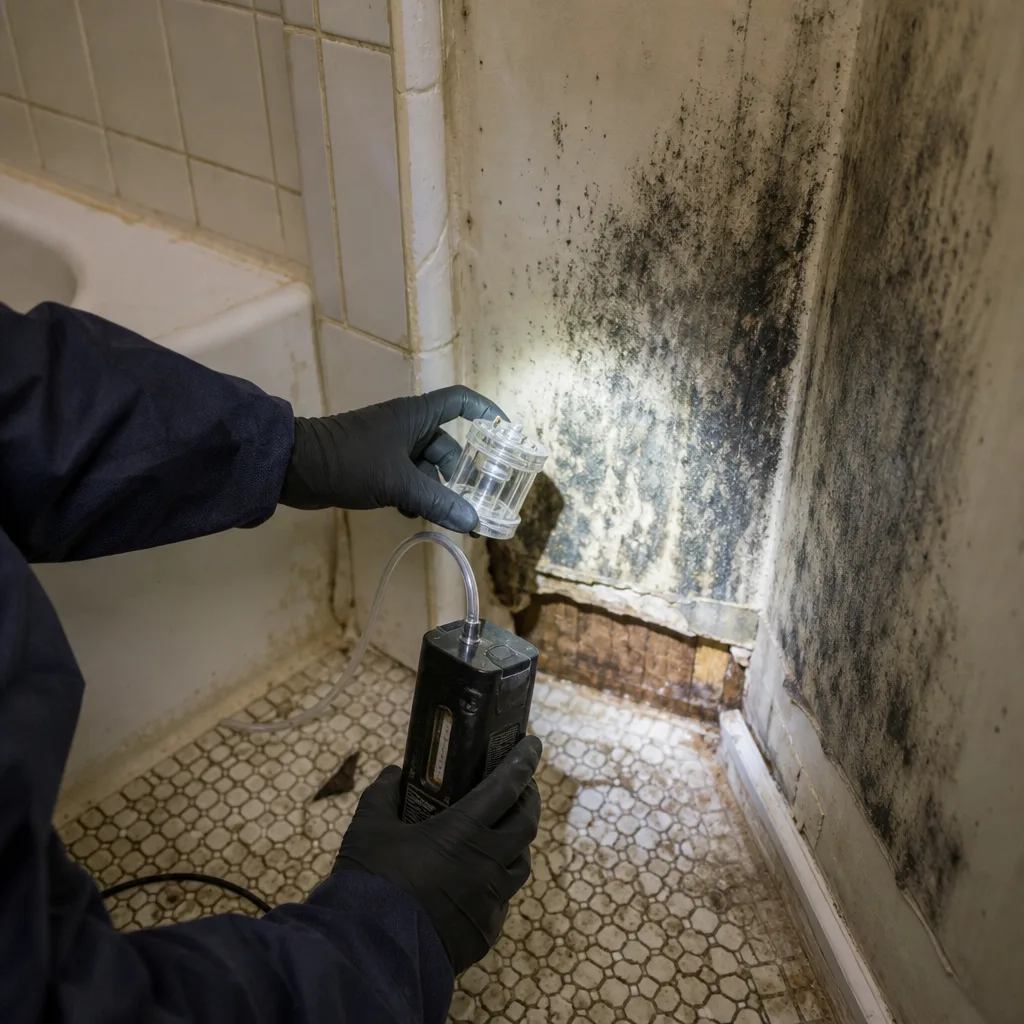
Soot is acidic and does its worst damage in the first 72 hours. We use HEPA vacuuming, chemical sponges, and specialized surface cleaning to lift soot from plaster, millwork, marble, and brass. In Upper East Side co-ops, we clean radiator covers, behind baseboards, and inside the pipe chases most contractors never touch.
Odor Removal & Deodorization
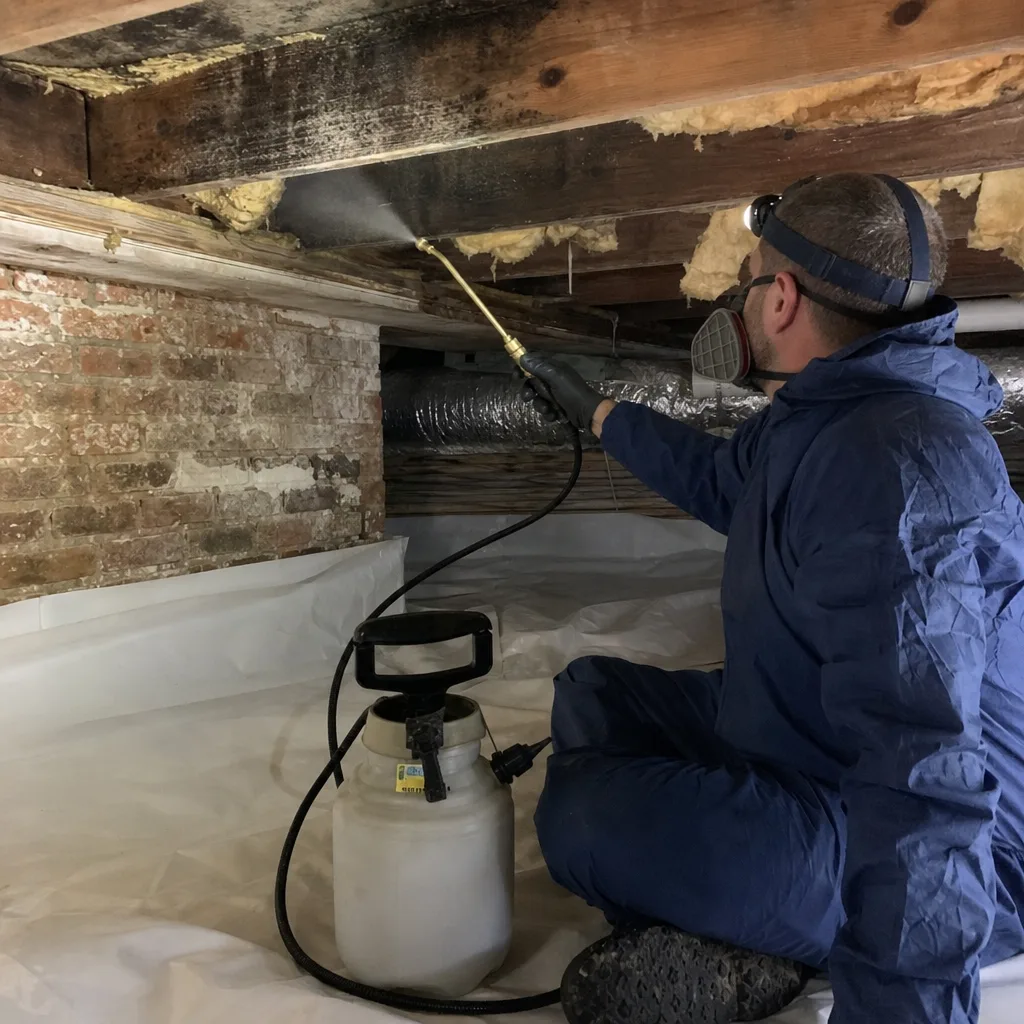
Smoke odor in a prewar building lives inside porous materials: horsehair plaster, parquet, original doors, lath. We treat it with hydroxyl generators, ozone, and thermal fogging, then verify with a third-party olfactory test. Painting over the smell does not work in Upper East Side humidity, and we will not pretend it does.
Contents Cleaning & Pack-Out
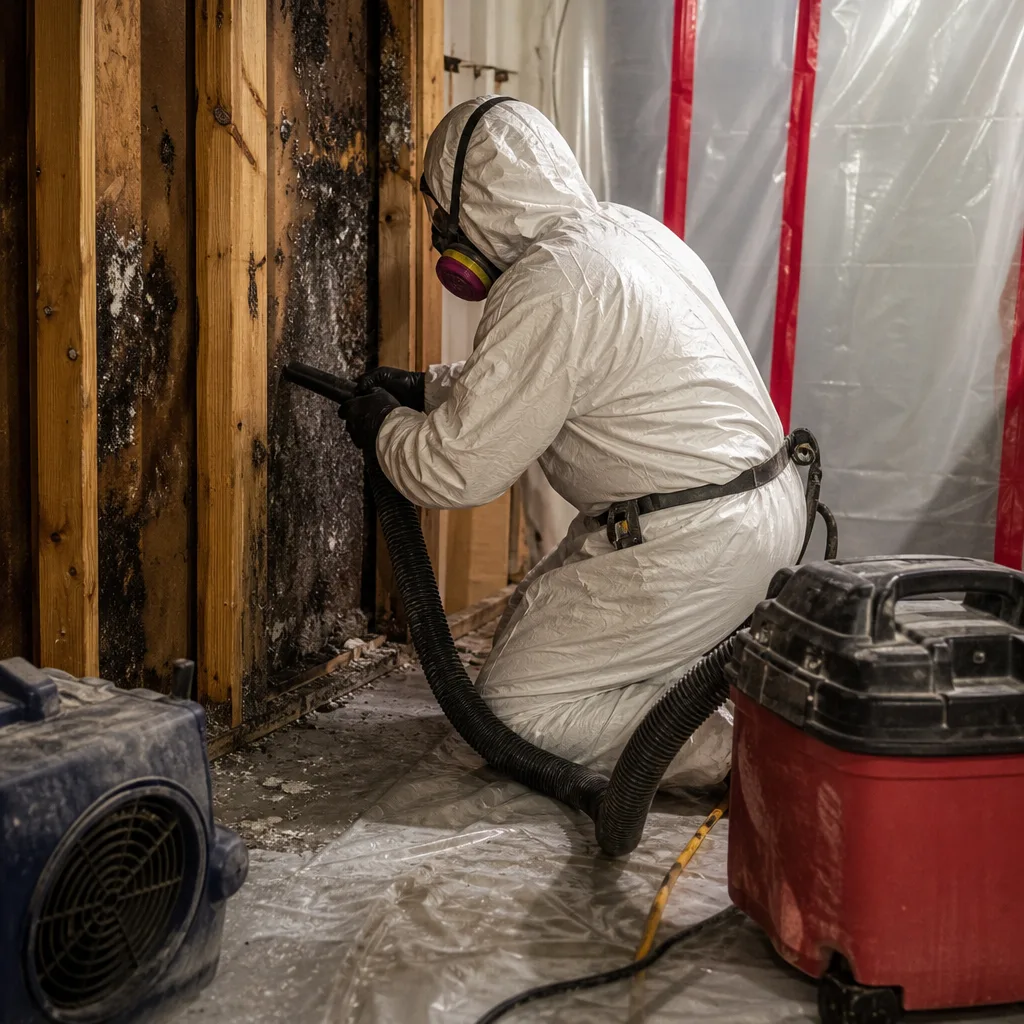
We inventory, photograph, and pack out smoke-affected contents to our climate-controlled facility. Clothes, books, art, upholstery, and kitchenware get cleaning appropriate to their material. In Upper East Side homes, that often means handling antiques, original art, and heirloom furnishings that require specialized treatment.
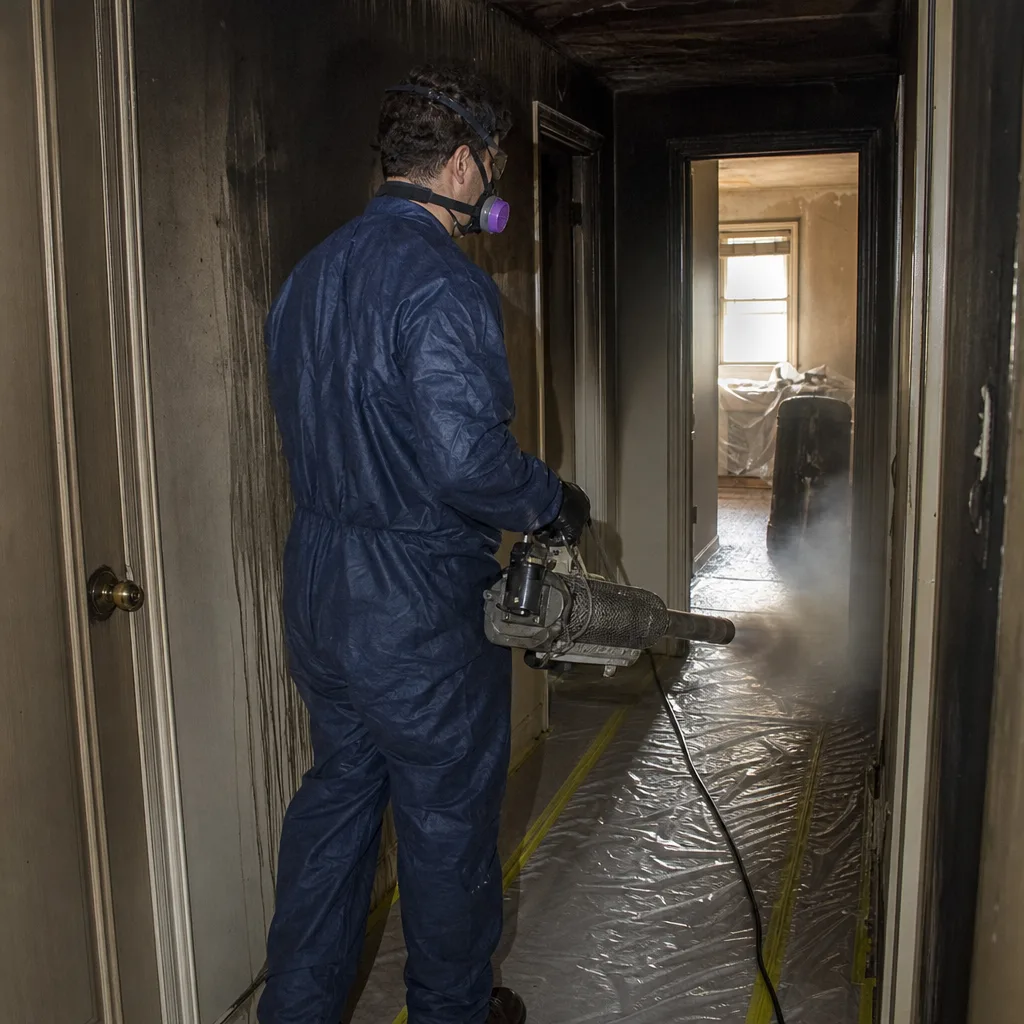
Emergency Board-Up & Tarping
After a fire, your Upper East Side apartment or townhouse is exposed. Windows are gone, doors are compromised, and rain can enter through the roof. We board up and tarp same visit, keeping the property secure and preventing additional water damage on top of the fire loss.
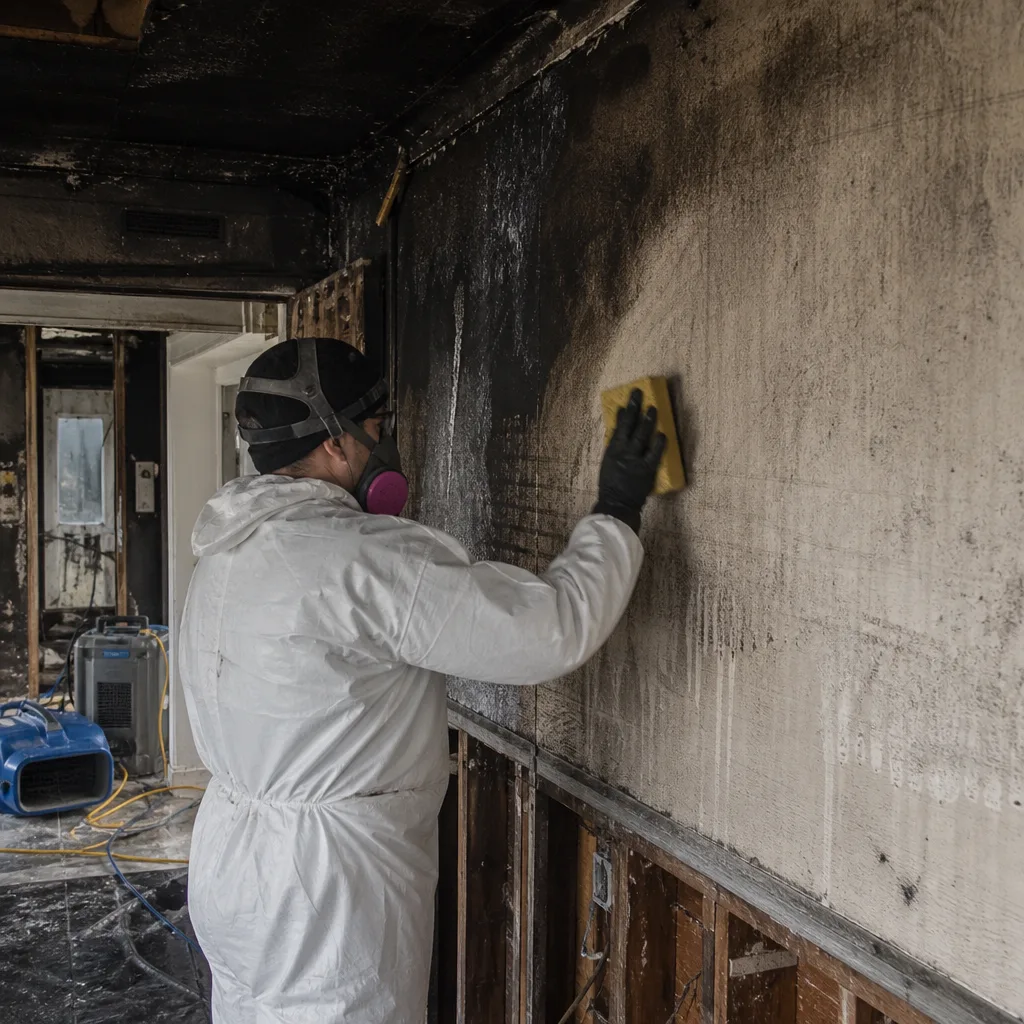
What happens when you call
- 1
A real person answersNo phone trees - you reach a local pro.
- 2
You get an upfront price rangeHonest numbers before anyone is dispatched.
- 3
A background-checked tech heads outLicensed & insured, dispatched right away.
- 4
You approve before work beginsNothing starts until you say go.
Fire & Smoke Damage Restoration Costs in Upper East Side, NY
In Upper East Side, smoke and soot removal from a single contained kitchen fire typically runs $1,800 to $4,200. Odor removal and deodorization for a full apartment adds $1,500 to $3,500 depending on square footage and surface porosity. Contents cleaning and pack-out usually lands between $2,000 and $6,000 for a one-bedroom, more for multi-room prewar units with antiques. Full structural fire repair including plaster restoration, parquet replacement, and repainting runs $15,000 to $80,000, and multi-unit riser-chase events in Carnegie Hill or Lenox Hill co-ops routinely exceed six figures once LPC compliance and board approvals are factored in. Most Upper East Side fire claims are covered by insurance, and we bill directly. The free visual inspection gets you a firm written scope before you commit to anything.
We Also Serve Cities Near Upper East Side
Floodline Restoration Co. of Manhattan serves Upper East Side and the surrounding communities including Fairview, Harrison, East Bronx, and Hunts Point. Our crews know these neighborhoods and respond with the same 45-minute commitment and live 24/7 dispatch.
Serving Upper East Side, NY - Our Local Coverage Area
We’re based in the Upper East Side area and know this community well. Use the map below to see our service coverage - if you’re nearby, we can almost certainly help.
Upper East Side Fire & Smoke Damage Restoration Questions, Answered
How does fire and smoke restoration in a prewar Upper East Side co-op differ from a standard apartment job?
It differs in three ways: shared riser chases spread smoke to units floors away, original horsehair plaster and parquet require specialty restoration rather than replacement, and any work on landmark-protected interiors or facades needs LPC sign-off. We handle board coordination and LPC documentation on every job.
Can smoke damage in my Upper East Side apartment be cleaned without replacing the original plaster?
Yes, in most cases. Horsehair plaster can be HEPA-vacuumed, chemically cleaned, and deodorized. If the plaster is structurally sound, we restore it rather than replace it. We only remove plaster that has lost its keys or been burned through, and we document everything for the board and LPC before any demo.
What is the first thing your crew does after a fire in a Carnegie Hill co-op?
We secure the property with board-up and tarping, then set containment on the fire floor and any connected riser chases. Thermal imaging maps smoke migration so we know which stacked units need attention. We photograph everything before touching any surface so the insurance claim is airtight from hour one.
How do you handle smoke damage that has spread through a shared wet-column riser to floors below?
We establish containment on every affected floor, then run HEPA air scrubbers and negative air pressure to stop further migration. We inspect the riser chase with borescopes, clean the interior surfaces, and coordinate access with the co-op board for each unit. The board gets a separate written scope for each apartment.
What should building staff know about delaying fire restoration in older Upper East Side buildings?
Delay lets acidic soot etch marble, corrode brass hardware, and drive odor into plaster and parquet. What looks like surface staining behind original plaster is often soot trapped inside the wall cavity. The sooner restoration starts, the more original material gets saved and the lower the final claim. Call (917) 924-4221 the day of the fire, not the week after.
How fast can you get to an Upper East Side apartment after a fire?
We commit to 45 minutes from your call to our crew rolling. Upper East Side is our home service area. We know the routes, the building types, and the doorman protocols. A live dispatcher takes your call at any hour and sends the nearest certified crew.
Will my homeowner’s insurance cover fire and smoke restoration in a co-op building?
Most individual unit policies cover fire and smoke restoration inside your apartment. The building’s master policy covers structural elements and common areas. We photograph and document everything to support both claims, and we bill your carrier directly so you do not have to front the money and wait for reimbursement.
What should I do in the first 30 minutes after a fire in my Upper East Side apartment?
Call 911 first if you have not already, then call us at (917) 924-4221. Do not wipe soot off walls or furniture, do not turn on fans or HVAC systems, and do not enter heavily damaged rooms. Soot is acidic, and wiping it into surfaces makes restoration harder. Document what you can from a safe distance, then let our crew take over.
Floodline Restoration Co. of Manhattan serves all of Upper East Side with 24/7 fire and smoke restoration, direct insurance billing, and the 90-Day Done Right Promise in writing. The Keystone Standard: if it is not done right, we make it right. No arguing. No paperwork battles. We answer the phone with a person, day or night. We show up when we say. We stand behind the work. Call (917) 924-4221 for a free estimate and a written scope before any work begins.
Written by Curt Bowman, Owner at Floodline Restoration Co. of Manhattan, serving Upper East Side homeowners, co-op boards, and building managers since 2010.