
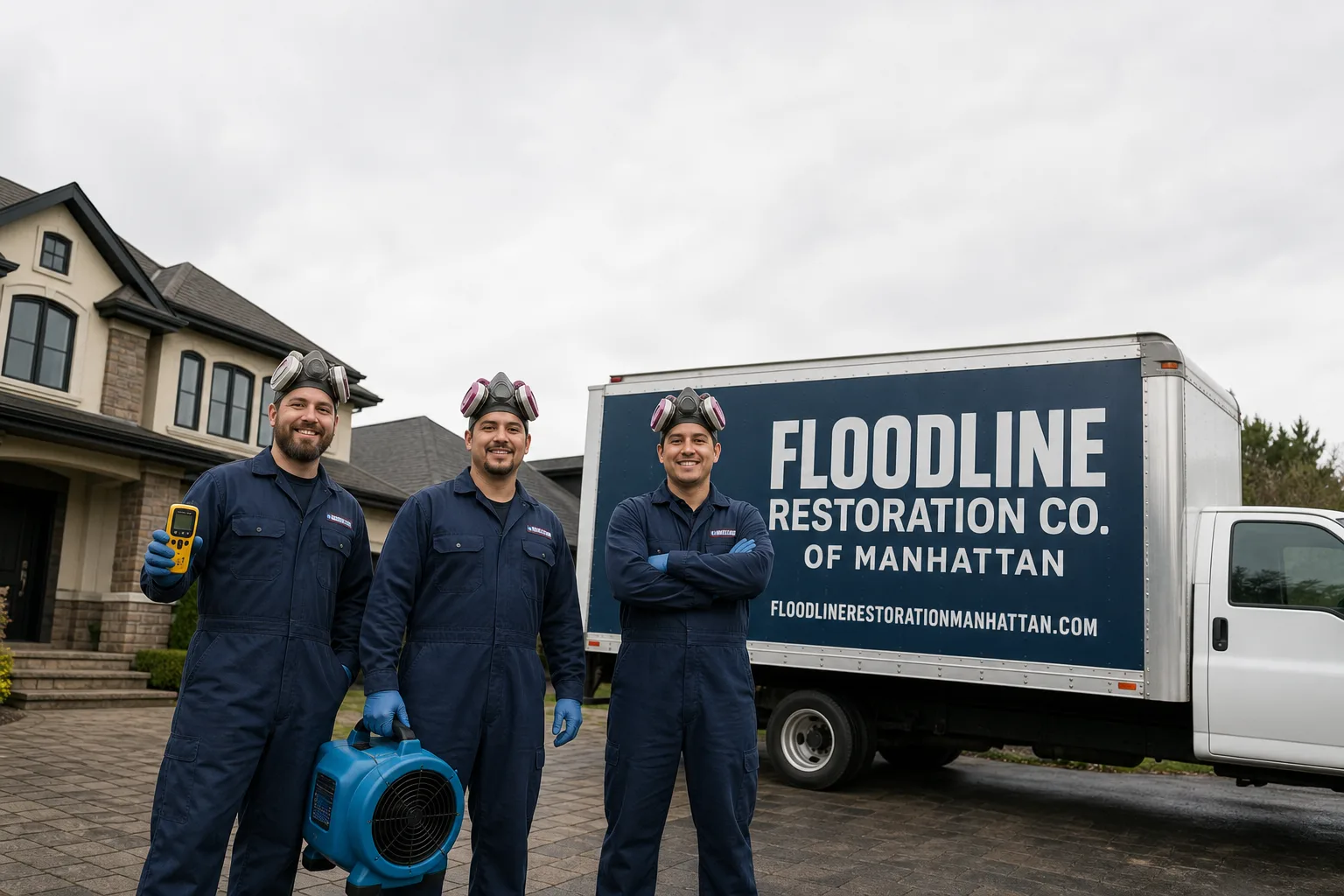
Free visual inspection and a written scope of work before any mitigation begins - photos, moisture readings, and drying logs go in your claim file
The scope we write is the scope we bill. Anything new gets shown to you, in writing, before we touch it.






 Before
 After
After Before
 After
After Before
 After
After24/7 Emergency Mold Remediation in Ardsley
Mold remediation in Ardsley typically runs $1,800 to $6,500 depending on how far the growth has traveled, and a same-day crew can be at your door in about 45 minutes. That’s the honest range for this village’s pre-WWII housing, where plaster-and-lath walls and fieldstone foundations hide moisture in ways a newer house doesn’t. If you’ve found mold after a storm or noticed a musty smell you can’t place, call (917) 924-4221 right now. A live dispatcher answers at any hour, and our certified technicians arrive with moisture meters, HEPA air scrubbers, and a written scope of work before anything gets touched.
We don’t send a salesperson first. We send a background-checked, uniformed technician who reads the moisture map, explains what’s actually happening, and tells you the truth about what needs to happen next. In Ardsley, where the Saw Mill River watershed pushes groundwater up through aging cellar floors, the first hour matters because mold colonies establish within 24 to 48 hours. The faster we contain and dry, the less demolition you’re facing.
Understanding Mold Remediation Severity in Ardsley Properties
Not every mold problem in Ardsley is the same size. We classify what we find in three broad categories, and the distinction changes the entire job. Surface mold, usually under 10 square feet, sits on materials that can be cleaned with antimicrobial treatment and HEPA vacuuming rather than cut out. Settled mold growth between 10 and 100 square feet inside wall cavities or under flooring requires full containment, negative air pressure, and air scrubbing while we remove affected material. Systemic mold over 100 square feet, or any mold that grew because of recurring water intrusion through a fieldstone foundation or failed sump, is a structural problem with a moisture source that must be corrected before remediation holds.
Why does this matter more in Ardsley than in a newer Westchester suburb? Because the village’s 1920s-to-1950s Colonials, Tudors, and Cape Cods were built before vapor barriers and perimeter drains were standard. Plaster-and-lath walls hold onto moisture differently than modern drywall. They can feel dry to the touch while the cavity behind them reads 30% moisture on a hygrometer. And the clay-heavy soils this close to the Saw Mill River watershed mean foundation back-pressure is a recurring event, not a rare one. That’s why we moisture-map every affected room before we touch a single surface. Containment goes up first. Then drying. Then removal. Then clearance testing.
Why Ardsley Property Owners Choose Floodline Restoration Co. of Manhattan
- 45-minute response commitment across Ardsley. We dispatch from our New York City office and keep crews staged for the village’s storm calendar. When you call with a mold emergency, we commit to having a truck on the way within the hour.
- A live person answers every call, day or night. At 2 a.m. you get a dispatcher, not a recording. If a sump fails during a nor’easter and water is rising, you talk to someone who can start a crew moving immediately.
- Technicians certified to IICRC, RIA, and IFA standards. Our AMRT-certified mold remediation specialists understand the containment, air-scrubbing, and clearance-testing protocols required when asbestos-containing materials may be present, which is the rule rather than the exception in pre-WWII Ardsley homes.
- Free visual inspection with a written scope. Before any work starts, you get a line-item scope in writing. No surprises on the bill, and the price doesn’t change mid-job unless the scope changes with your signature.
- Direct insurance billing. We document from the first hour, send the adjuster everything they need, and bill the carrier directly. You never play messenger between us and your insurer.
- One team from first inspection to final rebuild. The same crew that reads the moisture map handles daily drying readings, runs the HEPA scrubbers, removes the mold, and rebuilds what needed to come out. No mid-job handoff to a subcontractor you’ve never met.
Our Mold Remediation Process
Inspection & Assessment
We start with a visual walkthrough and moisture mapping using thermal imaging and hygrometers. In Ardsley homes built before 1960, this includes checking for vermiculite insulation, asbestos pipe wrap, and other materials Westchester County may require us to test before we disturb them.
Containment & Air Filtration
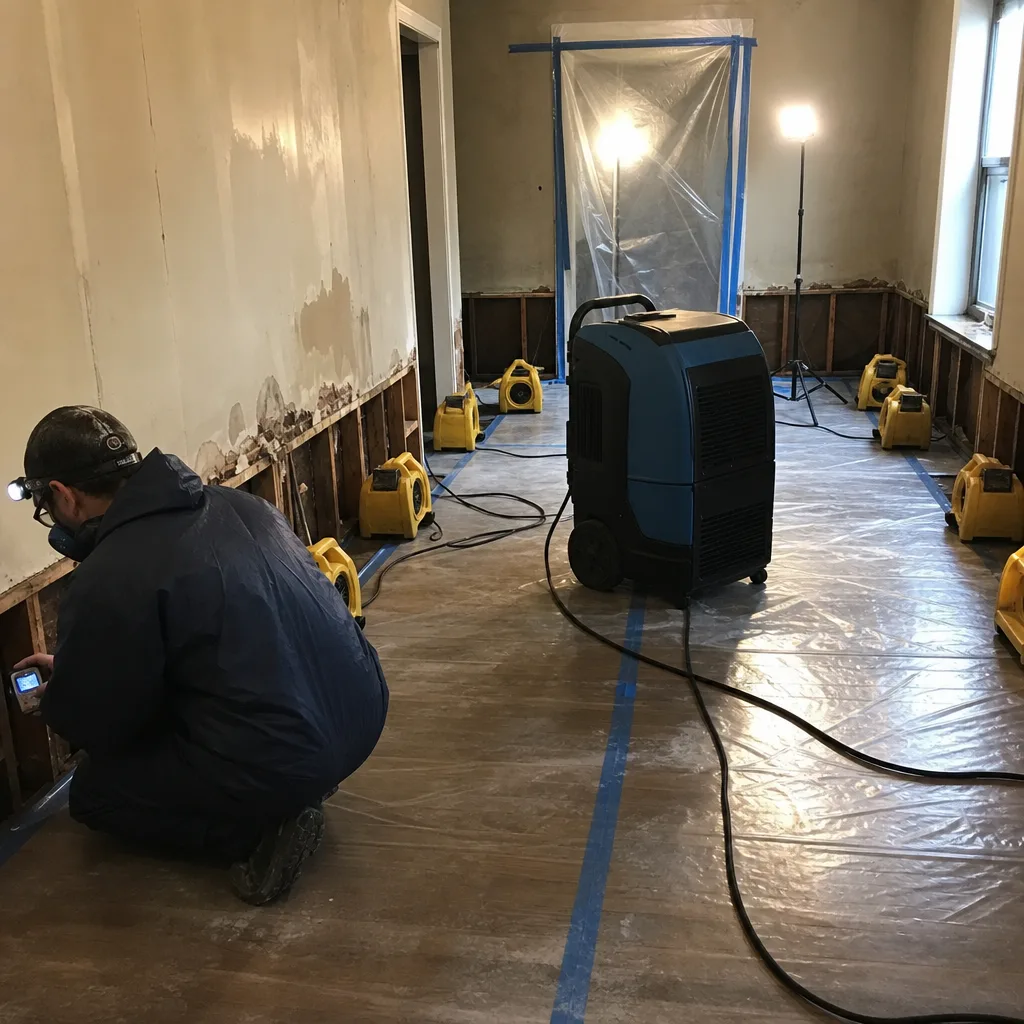
Before any drywall comes out, we seal the affected area with 6-mil polyethylene and put it under negative air pressure using HEPA air scrubbers. This keeps airborne spores from moving through the house during removal.
Drying & Dehumidification
We run Dri-Eaz and Phoenix dehumidifiers with XPOWER air movers until the dry standard is met, taking daily moisture readings and logging every number. The log goes to you and your carrier.
Mold Removal & Cleaning
Affected materials are removed in sealed bags and disposed of under Westchester County protocols. Remaining surfaces get antimicrobial treatment and HEPA vacuuming. Porous materials that can’t be fully cleaned get cut out, not painted over.
Clearance Testing
After remediation, we verify the space is clean. If your insurer or a county requirement calls for third-party clearance testing, we coordinate that. We don’t call a job done until the air and surfaces pass.
Repairs & Moisture Correction
The mold didn’t start because the house was unlucky. It started because water got somewhere it shouldn’t. We rebuild what was removed and address the moisture source, whether that’s a sump pit upgrade, foundation sealing, or a dehumidification system sized for the space.
Need Emergency Mold Remediation in Ardsley Now?
Crews minutes away, answering live 24 hours a day. The sooner we start, the less it costs.
Working With Your Insurance Company
Most Ardsley homeowners assume mold isn’t covered. That’s not always true. When the mold results from a covered water event, whether a burst supply line, a nor’easter that overwhelmed the sump, or a sewer backup, the remediation is often covered as part of the water loss. Carrier policies vary widely on mold-specific riders and caps, so we document everything from the first call: photos of the source, moisture readings, and the full containment setup before removal begins. We write estimates in the exact line-item format insurers expect and talk directly with your adjuster. You never carry messages between two parties who don’t answer each other’s phones.
What We Provide Your Insurer
- Thorough documentation of the loss
- Photos of all damage, room by room
- Moisture readings and drying logs
- A detailed, line-item scope of work
- Direct coordination with your carrier
Built for Ardsley’s Loss Calendar
The mold calls we take in Ardsley follow a pattern, and it tracks the village’s geography. January and February bring frozen supply lines in uninsulated cellar spaces, pipes that burst inside walls and feed moisture into plaster cavities for days before anyone notices. March and April deliver snowmelt and spring rain that saturate the clay-heavy soil around the Saw Mill River watershed, creating back-pressure against fieldstone and early poured-concrete foundations. June through August brings quick, violent thunderstorms that drop water faster than aging storm drains can carry it away, flooding low-elevation streets near the river corridor. September and October, nor’easters push 4 to 6 inches of rain into basements that haven’t dried from the last event. Every one of these events creates the same downstream risk: a moisture intrusion that becomes a mold problem within 48 hours if the drying isn’t done right the first time.
We plan our Ardsley scheduling around this calendar. We know which streets near the Saw Mill River are repeat-call addresses, because we’ve done the follow-up water mitigation. And we know that a mold problem in a 1920s Tudor on Heatherdell Road costs more and takes longer than the same-looking problem in a 1980s colonial in Dobbs Ferry, because the older house requires environmental testing before we can legally disturb the materials where mold is hiding.
Mold Remediation Across Ardsley’s Neighborhoods
We work the whole village, and the housing stock changes block by block. The streets around Pascone Park and the Ardsley Middle School area hold a dense concentration of 1920s and 1930s Colonials with stone foundations and original cellar stairs. These are where we most often find asbestos pipe wrap on heating lines running through mold-affected joist bays, which means testing first and drying later. Around Ardsley High School and down toward Larchmont Road, the postwar Capes and split-levels from the 1950s and 1960s have different problems: poured concrete walls are newer but the footing drains are often original, and mold appears at the cove where floor meets wall after heavy rain. The Condominiums and co-ops near Saw Mill River Road sit on some of the lowest elevation in the village, and we’ve seen the same basement flood two or three times in a single storm season there. The homes up the hill toward Ashford Avenue and the higher streets between Route 9A and the Saw Mill River Parkway tend to drain better, but that doesn’t spare them from roof leaks, ice dams, and condensation-driven humidity problems in closed-up attics that end up in second-floor ceilings rather than basements.
Wherever the mold is, our approach is the same: containment, documentation, testing where Westchester County requires it, removal to protocol, drying to the standard, and a repair that fixes the water source. Different neighborhood, same written scope before we start.
Specialized Mold Remediation Services We Offer in Ardsley
Mold Inspection & Testing
You don’t always need to see black spots to have a problem. We run moisture mapping and air sampling in Ardsley homes where the musty smell is present but the source isn’t visible. For pre-war homes, our inspection assumes hidden moisture behind plaster-and-lath and checks the basement for vermiculite, pipe wrap, and other environmental triggers before anything gets disturbed.
Mold Removal
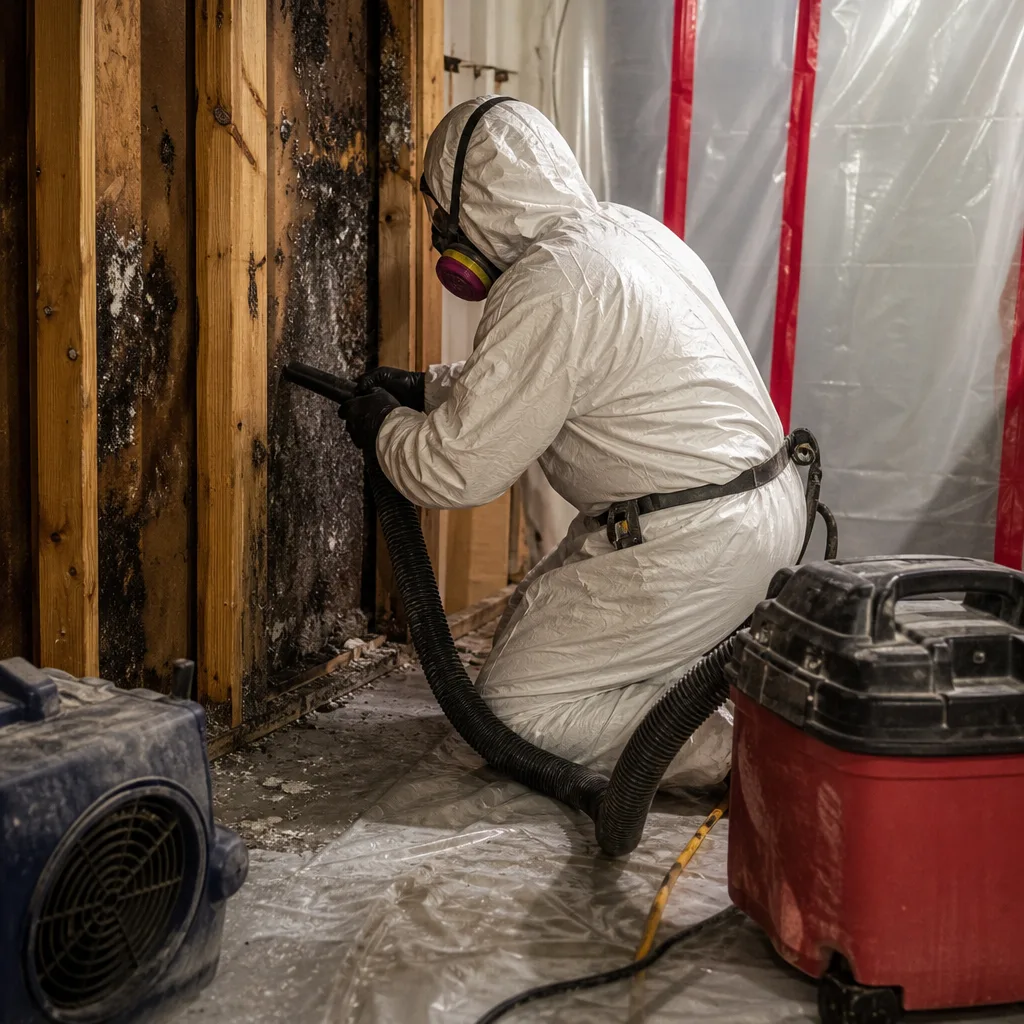
We remove mold the way Ardsley’s building stock requires: containment up before drywall down, full PPE, and disposal under Westchester County rules. Our Mold Remediation team handles one-room outbreaks and whole-basement situations with the same protocol discipline. The goal isn’t just removing what you can see; it’s removing the colony without spreading spores through the rest of the house.
Black Mold Remediation
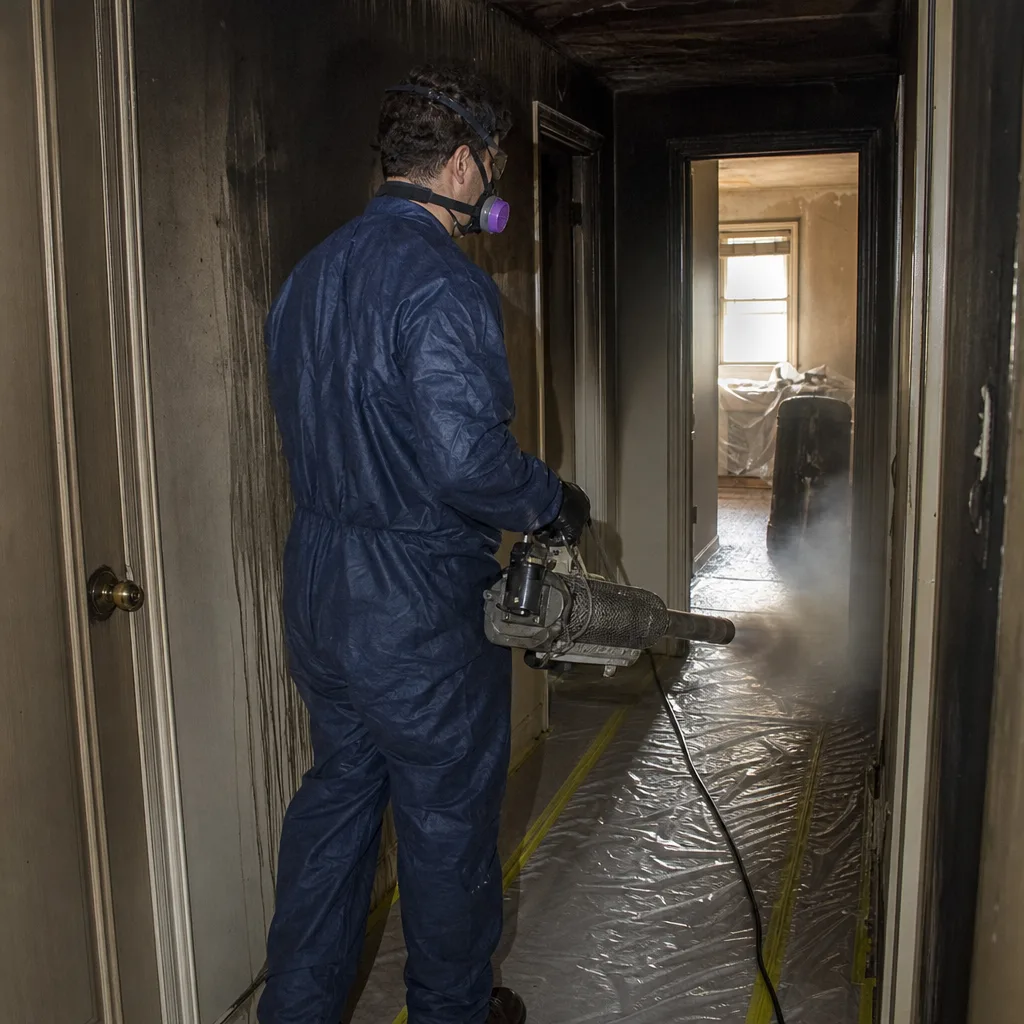
Stachybotrys, the black mold most homeowners worry about, grows in continuously wet, high-cellulose material: drywall, ceiling tiles, fiberboard. In Ardsley basements with recurring water intrusion, it’s common enough that our containment and clearance protocols assume it until testing says otherwise. We contain, remove, treat, and verify.
Air Quality Restoration
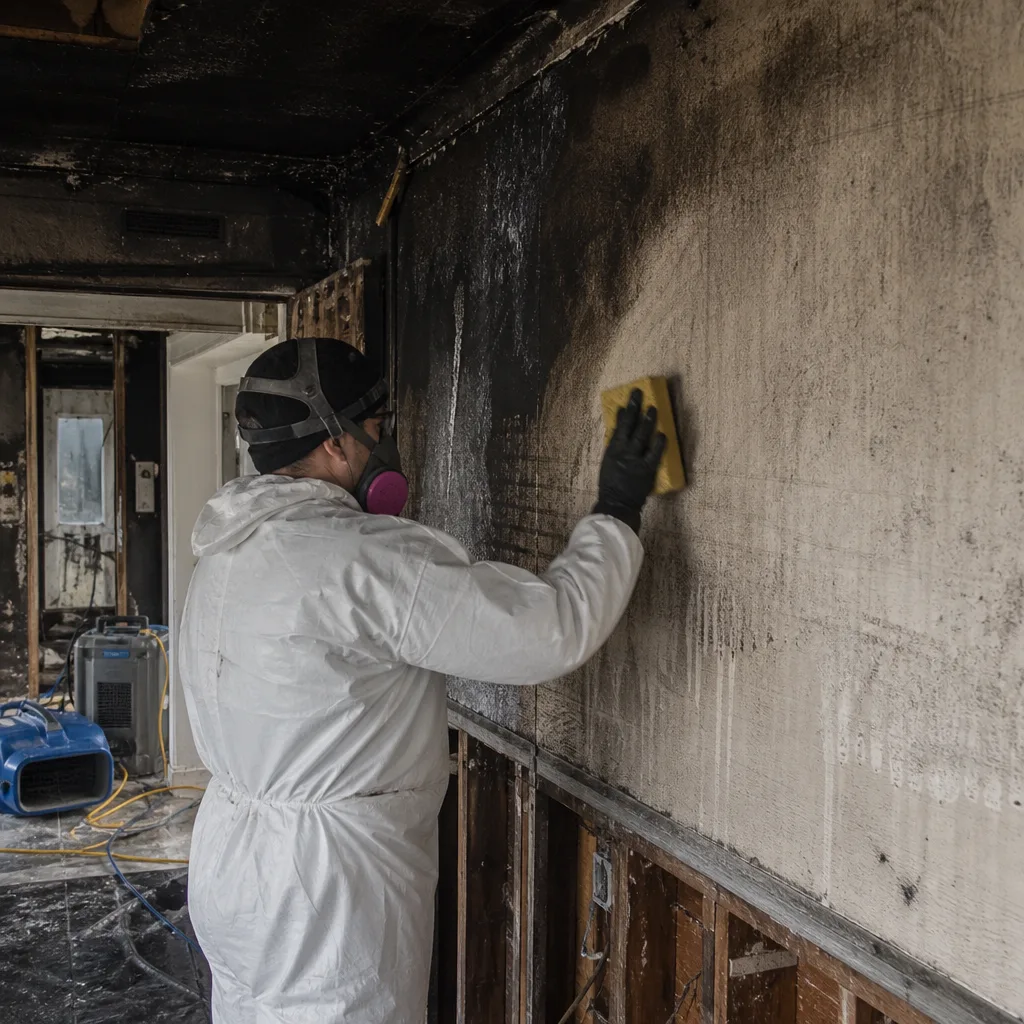
Mold spores that never get into visible growth still move through the HVAC system. We run HEPA air scrubbers during remediation and can clean duct runs and replace affected filters before clearance. For Ardsley homeowners with allergies or respiratory concerns, we can also run post-remediation air quality testing to confirm spore counts have dropped to normal outdoor levels for the village.
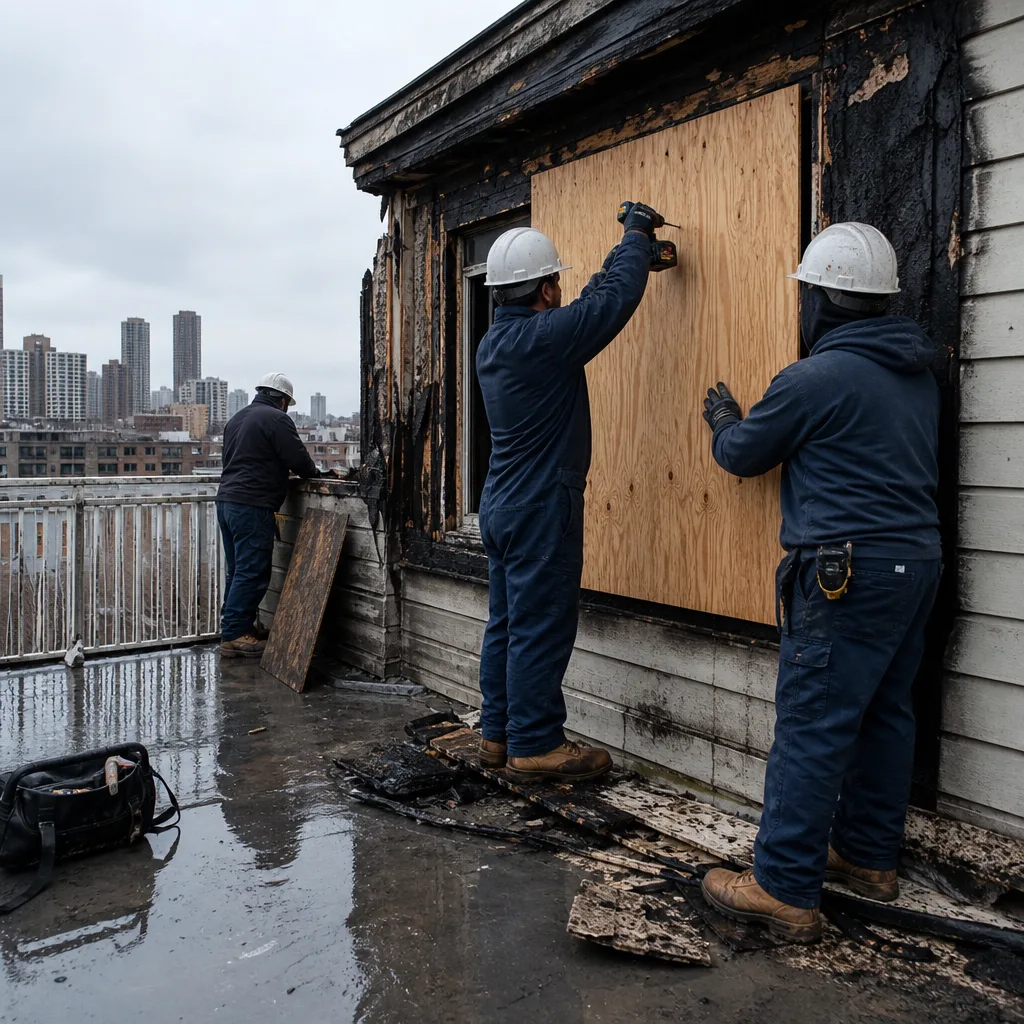
Crawl Space Treatment
Many of the Capes and small Colonials built in the 1940s along the lower streets have crawl spaces rather than full basements. Dirt floors, no vapor barrier, and the same clay-heavy soil means these spaces stay damp from March to November. Mold grows on the joists overhead. We treat the wood, seal the floor, and install dehumidification where the space allows.
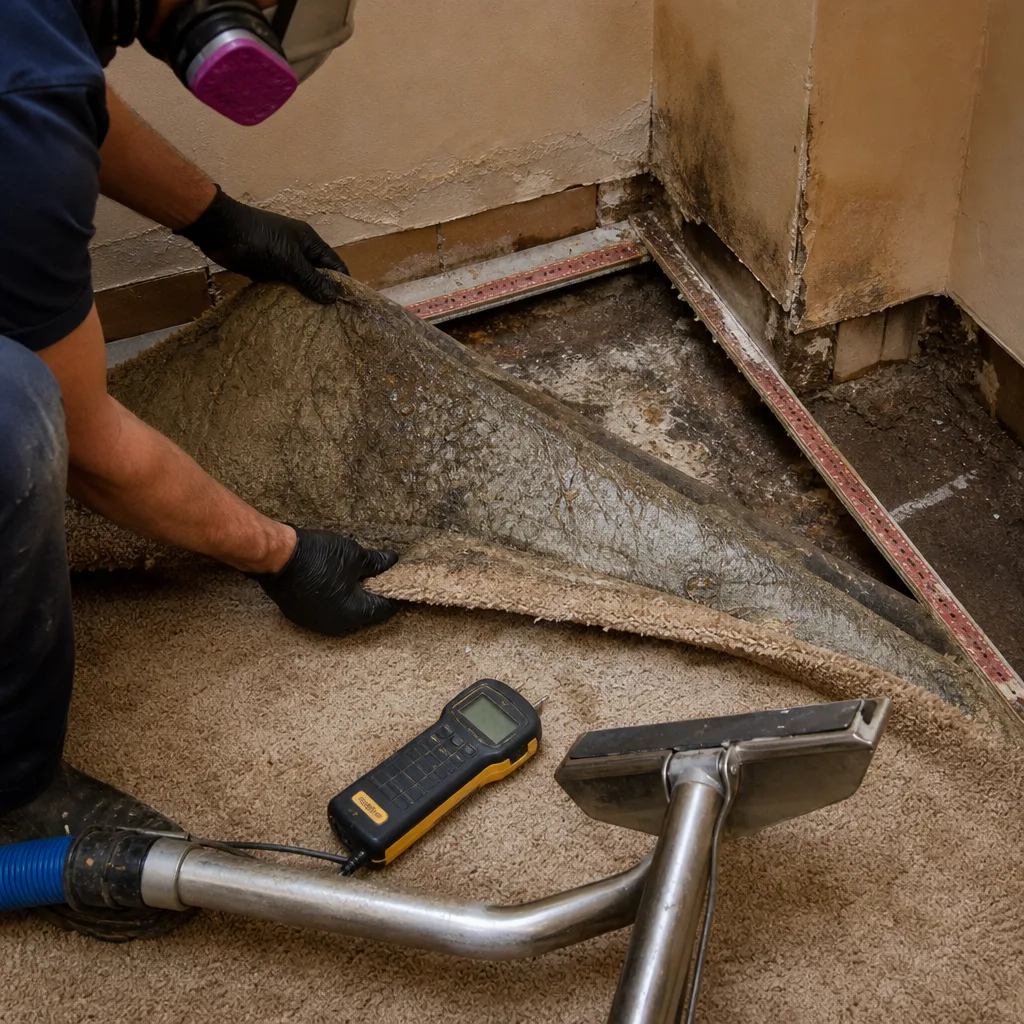
Moisture & Humidity Control
Mold remediation without moisture control is repainting a sinking boat. In Ardsley, the permanent fix is usually a combination of sump pit upgrades, foundation sealing at the cove, and a dehumidifier sized for the actual square footage. Our crew installs the moisture controls before we rebuild, so the new drywall isn’t feeding the same mold in eighteen months.
What happens when you call
- 1
A real person answersNo phone trees - you reach a local pro.
- 2
You get an upfront price rangeHonest numbers before anyone is dispatched.
- 3
A background-checked tech heads outLicensed & insured, dispatched right away.
- 4
You approve before work beginsNothing starts until you say go.
Mold Remediation Costs in Ardsley, NY
For a typical single-room mold removal in Ardsley, expect $1,800 to $3,800. A full basement remediation with containment, subfloor removal, and structural drying runs $4,500 to $6,500. Add $800 to $2,000 when Westchester County requires asbestos testing and clearance before we can touch vermiculite or pipe wrap, which is common in the village’s pre-1960 housing stock. Black mold remediation with HVAC cleaning and full air quality restoration lands in the $5,000 to $9,000 range depending on square footage.
What moves the price: square footage, how far mold has traveled behind walls, whether the material is plaster (labor-intensive) or drywall (faster to cut), and whether the moisture source is already fixed or still leaking. Insurance covers a meaningful share of jobs that trace to a covered water event. The fastest path to a firm number is a free inspection. We give you the written scope before we start, and that number doesn’t move unless the job changes with your signature. Call (917) 924-4221 to schedule one.
We Also Serve Cities Near Ardsley
Our Ardsley crews also cover Mold Remediation in Ardsley and the surrounding villages. We’re on the ground regularly in Dobbs Ferry, Hartsdale, Irvington, and Scarsdale, with the same live 24-hour answer and the same written-scope guarantee. Call (917) 924-4221 and a dispatcher will route you to the nearest available certified crew, wherever you are in the lower Hudson Valley.
Ardsley Mold Remediation Questions, Answered
Does Westchester County require asbestos testing before mold remediation in my Ardsley basement?
Yes, when the remediation will disturb materials that could contain asbestos, which includes vermiculite insulation, pipe wrap, and pre-1980 floor tiles, Westchester County mandates testing before work begins. This is the rule on most of Ardsley’s pre-WWII Colonials and Tudors. Our crew was called to a 1920s Tudor on Heatherdell Road after a nor’easter pushed Category 3 water through a fieldstone foundation. During moisture mapping we found elevated readings behind plaster-and-lath walls and suspected asbestos pipe wrap on the heating lines. We set up containment and ran antimicrobial treatment with Dri-Eaz air movers, but only after county-mandated asbestos testing cleared the loose-fill vermiculite in the cellar. That added a full week to the drying log. Call (917) 924-4221 if you suspect your home falls under this requirement.
How quickly does mold start in a flooded Ardsley basement foundation?
Mold spores germinate within 24 to 48 hours on wet drywall, paper, and wood in the right temperature range. In Ardsley, where clay-heavy soil back-pressure keeps water against foundation walls for days after a storm, the window closes faster than in a well-drained suburb. If water sat in your basement overnight, assume mold is already active. Call (917) 924-4221 now and we can get moisture meters and air scrubbers running before the colony spreads.
Why does the same home on a low-elevation street near the Saw Mill River keep getting mold after every storm?
Because the water source was never permanently fixed. Properties on low-elevation streets near the Saw Mill River corridor are repeat-call addresses, and our crews have learned to frame every job conversation around permanent waterproofing and sump-pit upgrades. A contractor who replaces moldy drywall but doesn’t address the foundation back-pressure is selling you a countdown to the next nor’easter. We install the moisture controls before we rebuild, not after. Call (917) 924-4221 to talk about what a permanent fix looks like for your foundation type.
Can mold hide behind 1920s plaster walls that feel dry to the touch?
Yes. Plaster-and-lath walls in Ardsley’s older homes absorb moisture into the lath and stud cavities, and the plaster surface can feel dry while the cavity behind it reads elevated moisture. We use thermal imaging and penetrating moisture meters to find these hidden pockets before we decide where to cut. If your house smells musty but the walls feel dry, don’t wait for visible growth. Call (917) 924-4221 for a free inspection with the right equipment.
Does mold remediation on a 1940s Cape Cod require different containment than a newer home?
Yes, and the difference is asbestos risk. A 1940s Cape Cod in Ardsley is likely to have vermiculite insulation in the attic, asbestos pipe wrap in the cellar, or both. Containment and disposal protocols change when those materials may be disturbed. Newer homes face a simpler path: contain, remove, dry, rebuild. Older homes often need the extra week for testing paperwork. We navigate that process so you don’t have to.
How fast can a mold remediation crew actually get to Ardsley?
We commit to 45 minutes from your call to a truck rolling toward your address. Our New York City dispatch office coordinates with crews staged in and around Ardsley, and a live person answers 24/7. For mold emergencies where containment matters right now, call (917) 924-4221.
Can we stay in our home during mold remediation?
It depends on the size of the affected area and whether containment can seal it off from your living space. For small jobs under 10 square feet, staying is usually fine. For larger remediations that involve negative air pressure, full-containment barriers, and multiple air scrubbers, we may recommend staying elsewhere for a few days. We’ll tell you honestly before we recommend an option. Call (917) 924-4221 for specifics about your situation.
What should we do in the first 30 minutes after finding mold?
Don’t disturb it. Don’t scrub it, don’t run fans over it, and don’t open the wall to look further. Disturbing a mold colony launches spores into the air. Close the door to the affected area, keep children and pets away, and call (917) 924-4221. We’ll get a technician to your home who can assess whether containment is needed immediately and tell you what to do next.
Serving Ardsley, NY - Our Local Coverage Area
We’re based in the Ardsley area and know this community well. Use the map below to see our service coverage - if you’re nearby, we can almost certainly help.
Done Right, and Backed in Writing
Mold remediation in Ardsley means working inside homes built before most of today’s restoration companies existed. It means knowing when Westchester County requires testing before demolition, reading moisture inside plaster walls that look dry, and treating the water source rather than selling you a temporary cleaning. Floodline Restoration Co. of Manhattan has been doing this work for over 42 years, led by Curt Bowman, with the same discipline on every job: containment before disturbance, documentation for your insurer, a written scope before we start, and the 90-Day Done Right Promise in your hand when we finish. If it’s not done right, we make it right. No arguing, no paperwork battles. Our background-checked, uniformed technicians are trained to IICRC, RIA, and IFA standards. A live dispatcher answers at (917) 924-4221 any hour, any day. Call now for a free inspection and a straight answer about what you’re dealing with.
Written by Curt Bowman, Owner at Floodline Restoration Co., serving Ardsley with full-cycle mold remediation, moisture control, and rebuilding.