

Free visual inspection and a written scope of work before any mitigation begins - photos, moisture readings, and drying logs go in your claim file
The scope we write is the scope we bill. Anything new gets shown to you, in writing, before we touch it.
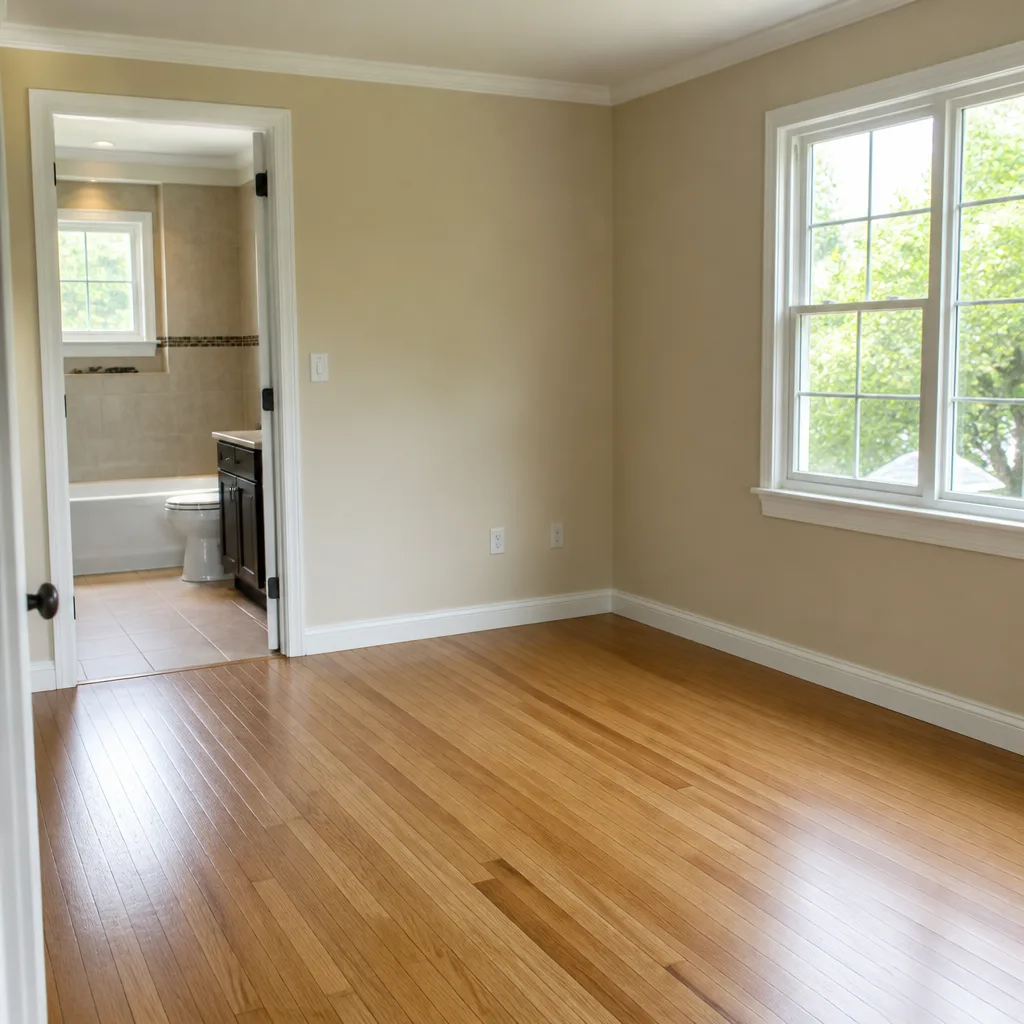
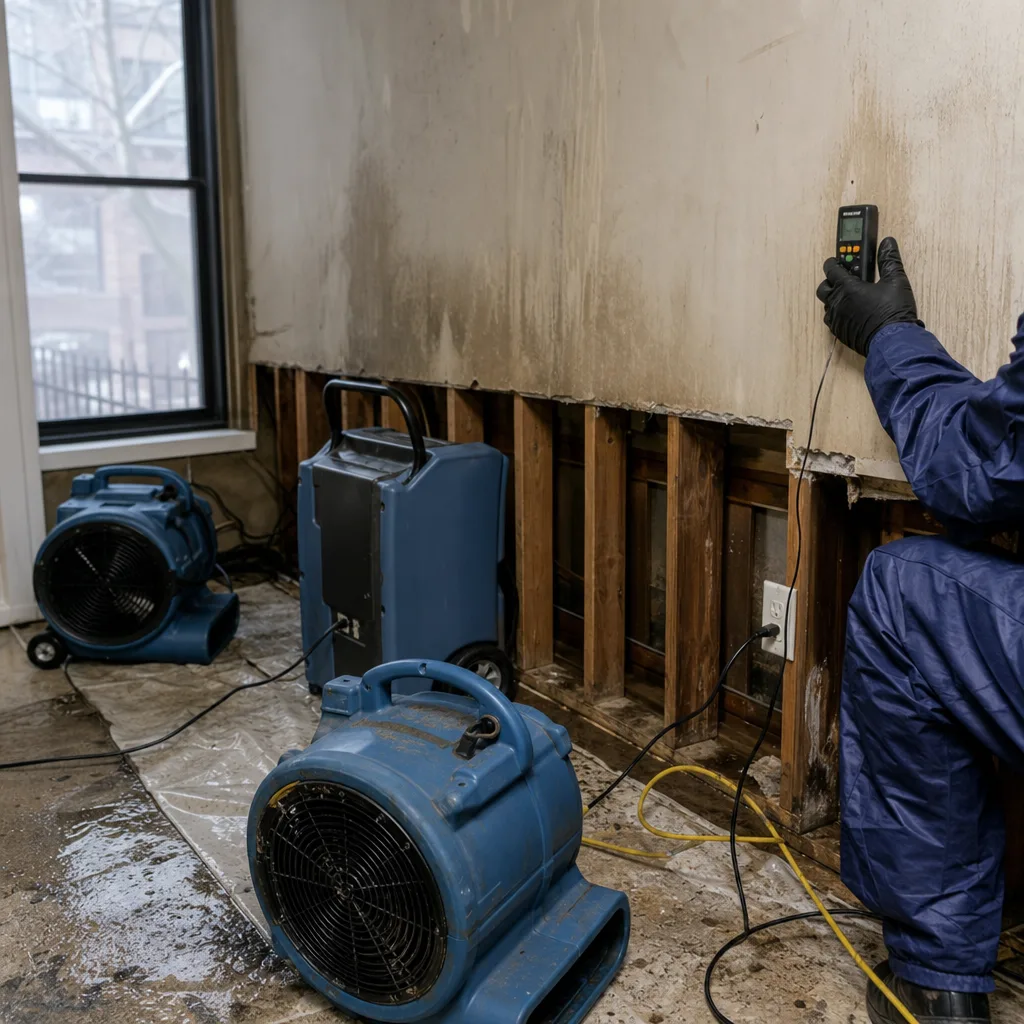 Before
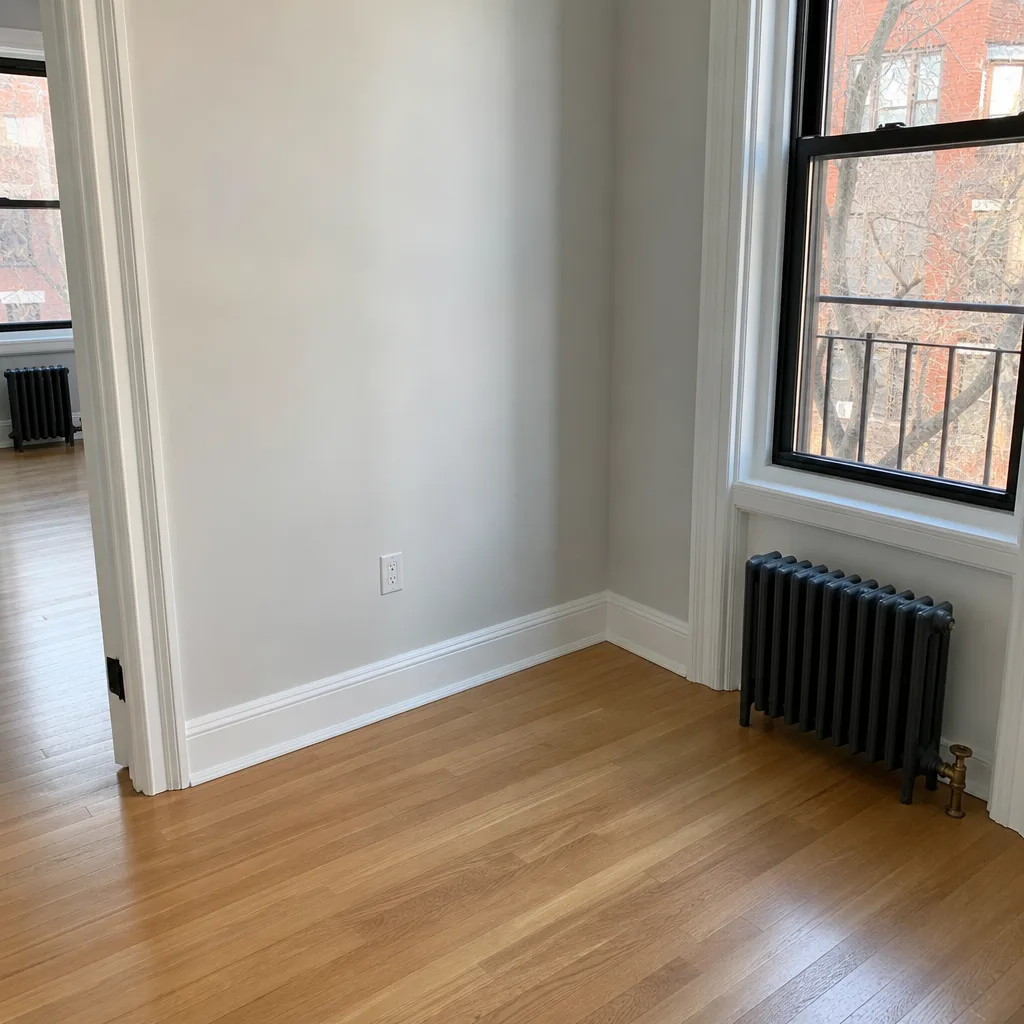 After
After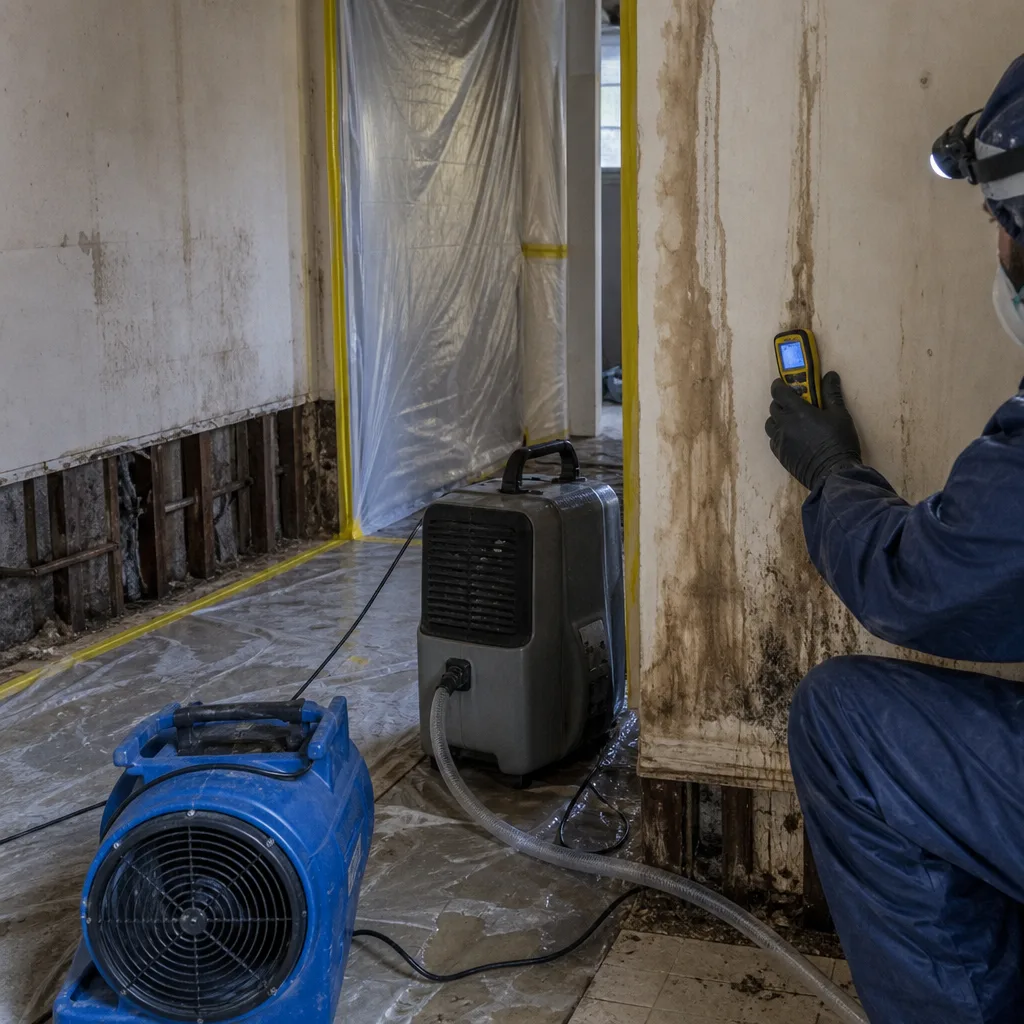 Before
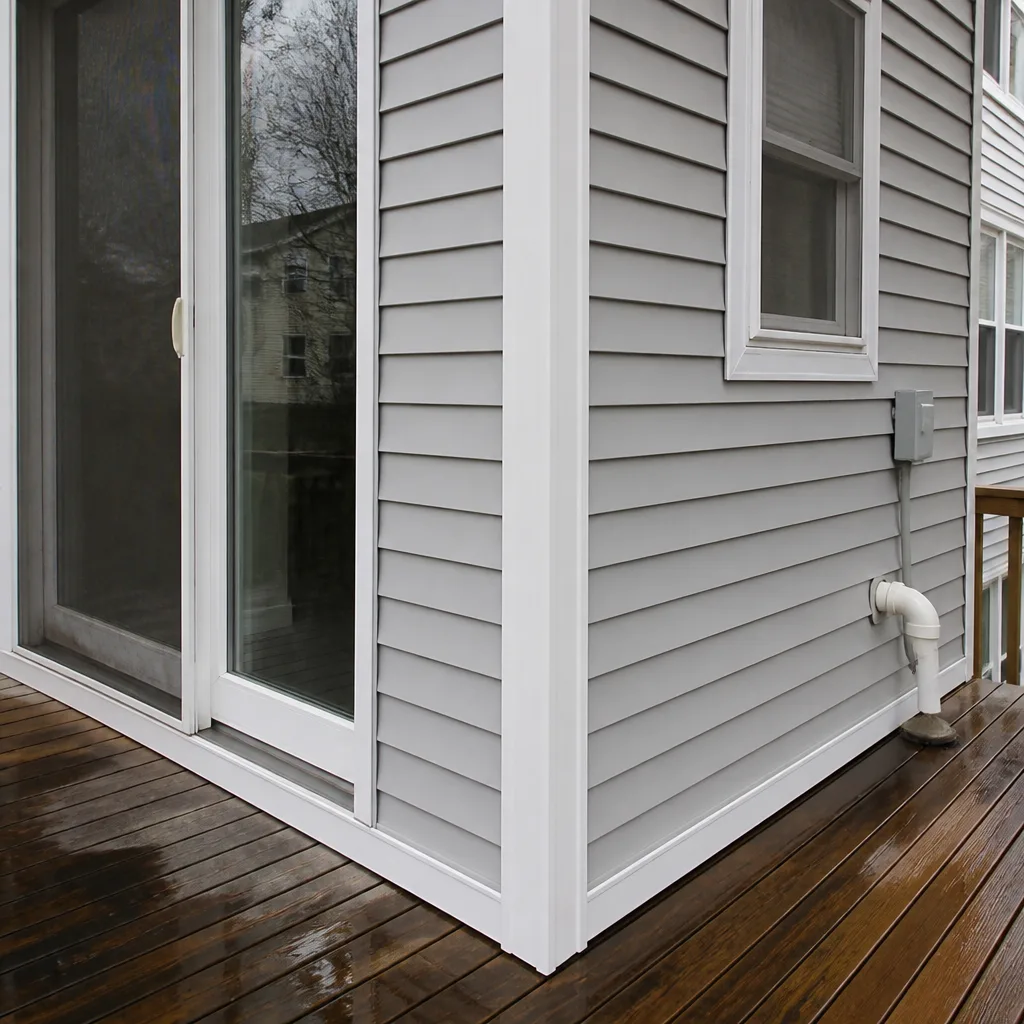 After
After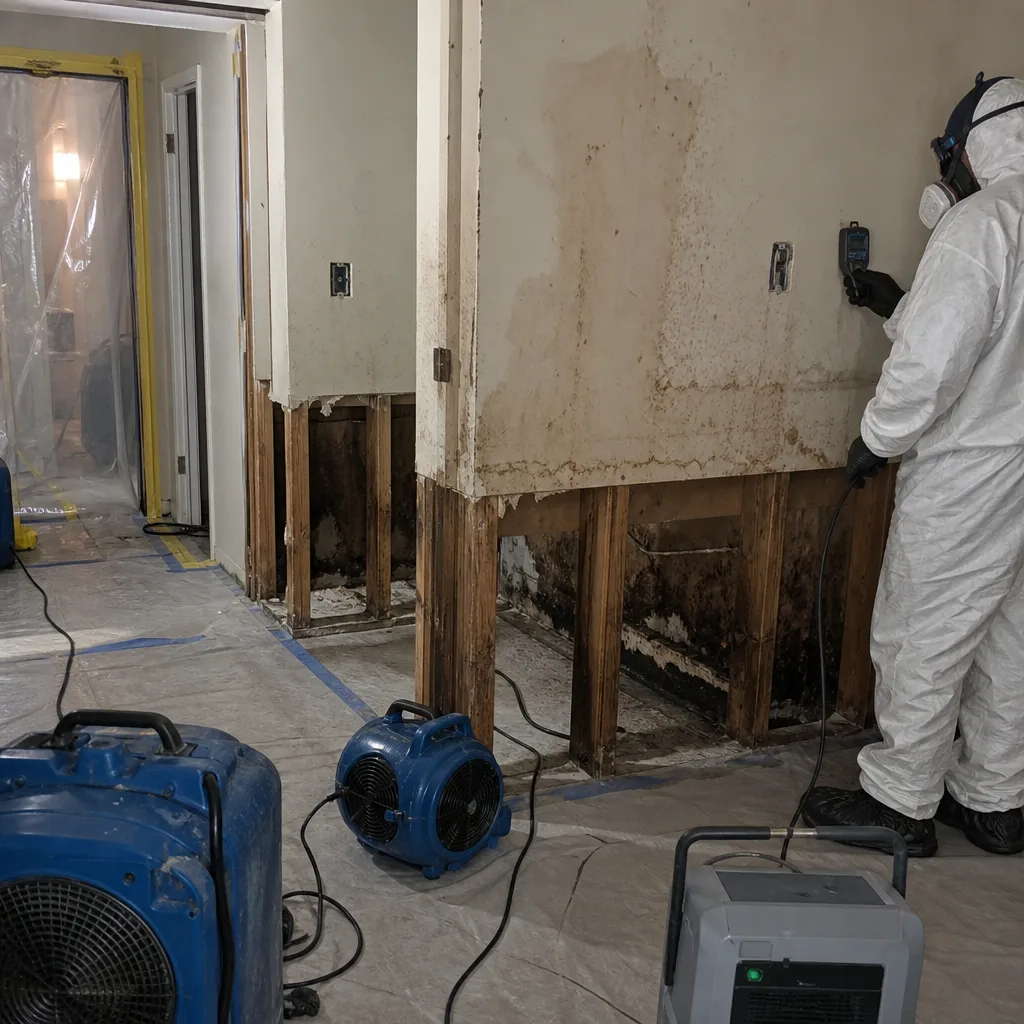 Before
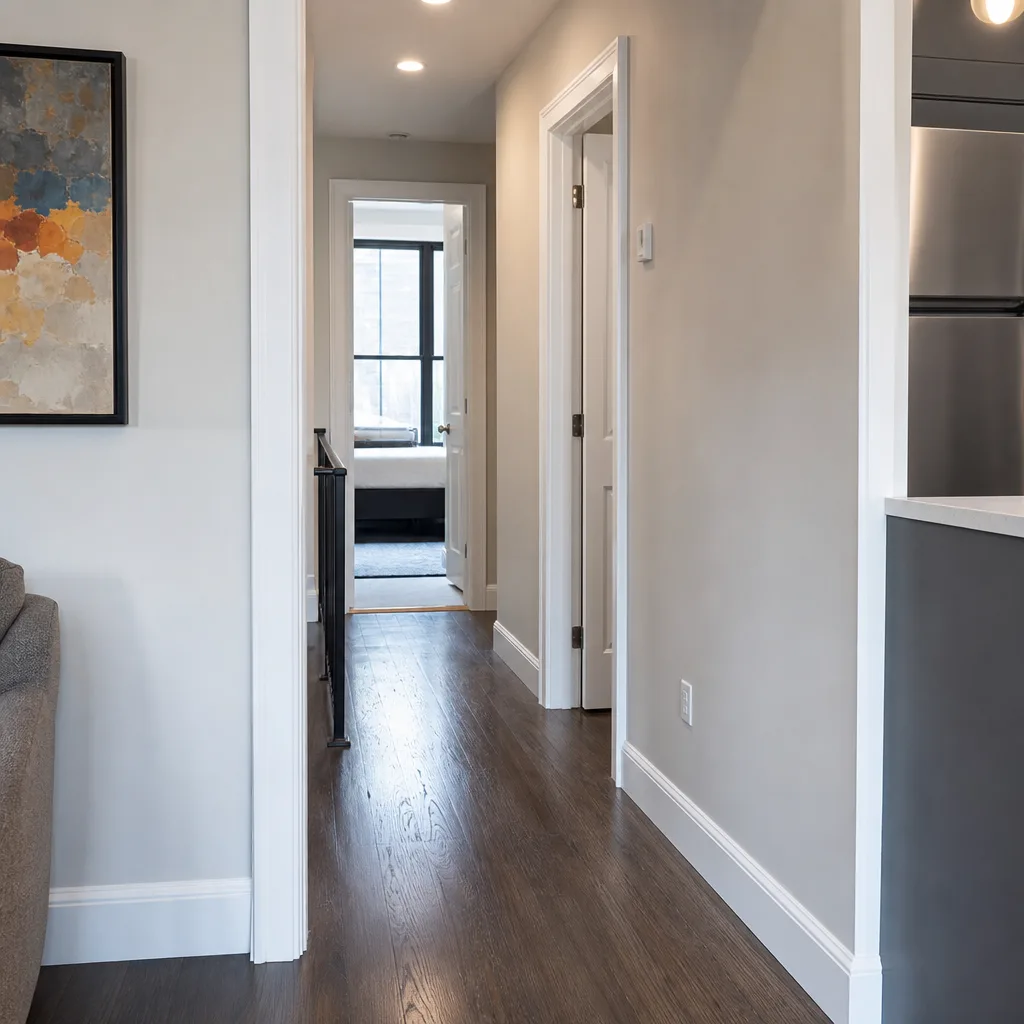 After
After24/7 Emergency Mold Remediation in Mount Ivy
If you’ve found mold in your Mount Ivy home, the core question is simple: how fast can a certified crew get here, contain it, and remove it without tearing your house apart unnecessarily? Our answer: a live dispatcher answers at (917) 924-4221 around the clock, and a background-checked, IICRC-certified team reaches Mount Ivy properties within 45 minutes. We start with a free visual inspection, identify the water source, and map the full extent of contamination before a single wall is opened. In Mount Ivy, where stormwater sheeting off the Ramapo escarpment re-wets basements season after season, the first hour is the difference between surface cleanup and a full containment job. Call now and you’ll speak to a person who can dispatch a crew, not a recording.
Understanding Mold Remediation Severity in Mount Ivy Properties
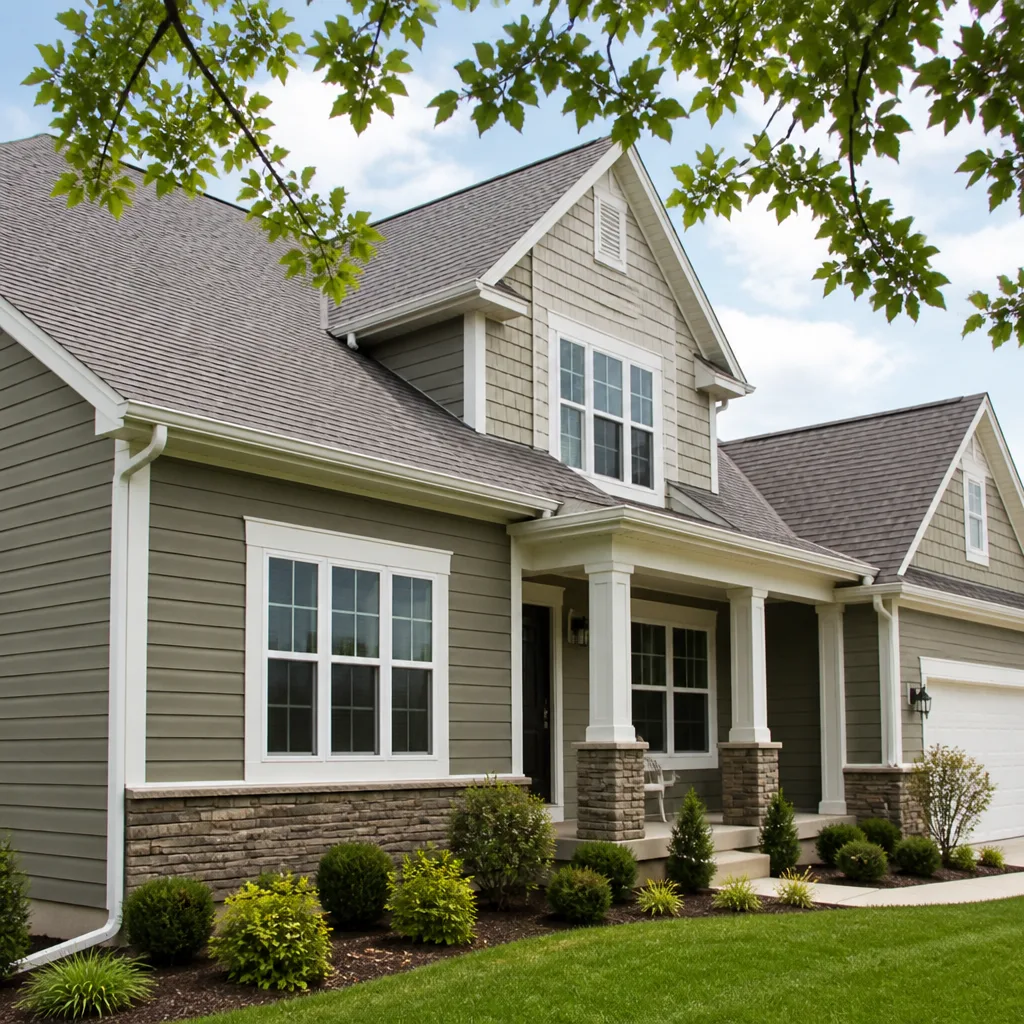
Mold remediation in Mount Ivy isn’t one-size-fits-all, because the hamlet’s housing stock carries specific failure patterns. Most homes here are post-WWII ranch and split-level builds from the 1950s through 1970s. The poured-concrete and block basements were waterproofed with membranes that started failing twenty to thirty years ago. When nor’easter runoff concentrates at the base of the Ramapo Mountain escarpment and funnels into these low-lying streets, that water doesn’t drain away; it sits against foundation walls until it finds a seam. What we see on Willow Grove Road and along Route 202 is not single-event water intrusion. It’s chronic, terrain-driven wetting that produces active mold colonies behind finished drywall, often at the exact same elevation year after year. Severity we classify in three practical tiers: surface mold on exposed foundation walls (typically from humidity above 60% RH), contained growth behind a finished wall system (requires containment, negative air, and HEPA air scrubbing), and structural mold that has penetrated framing or spread through HVAC return cavities (requires full containment, material removal to the high-water line, and clearance testing). We use thermal imaging to find the wetted perimeter, Dri-Eaz and Phoenix dehumidifiers sized for Mount Ivy’s oversized basements, and moisture mapping that documents where the water actually went, not where it looks wet.
Why Mount Ivy Property Owners Choose Floodline Restoration Co. of Manhattan
- 45-minute response commitment to Mount Ivy properties, with dispatch coordinated from our New York City office and crews positioned for the Route 202 corridor.
- 24/7 live answer. A real person picks up at 2 a.m. The same dispatcher who takes your call tracks the truck to your door.
- IICRC-certified crews trained to WRT, FSRT, and AMRT standards, plus RIA and IFA protocols. Background-checked and uniformed on every job.
- Free visual inspection before any work begins. We show you what we found, where the water is coming from, and what needs to come out.
- Direct insurance billing. We handle the adjuster, the paperwork, and the scope of work, so you don’t play messenger.
- One team from extraction to reconstruction. The crew that contains the mold is the crew that rebuilds the wall. No handoff, no inherited crew, no finger-pointing.
Our Mold Remediation Process
Inspection & Assessment
We start with a free visual inspection and moisture mapping across the full foundation perimeter. Thermal imaging identifies hidden wetted areas behind finished walls. We trace the water source, whether it’s a failed membrane, a cracked block wall, or a crawl space wicking moisture upward.
Containment & Stabilization
Before any material is disturbed, we seal the affected area with 6-mil poly containment and establish negative air pressure with HEPA-filtered air scrubbers. This prevents mold spores from migrating into the rest of the house while we work.
Drying & Dehumidification
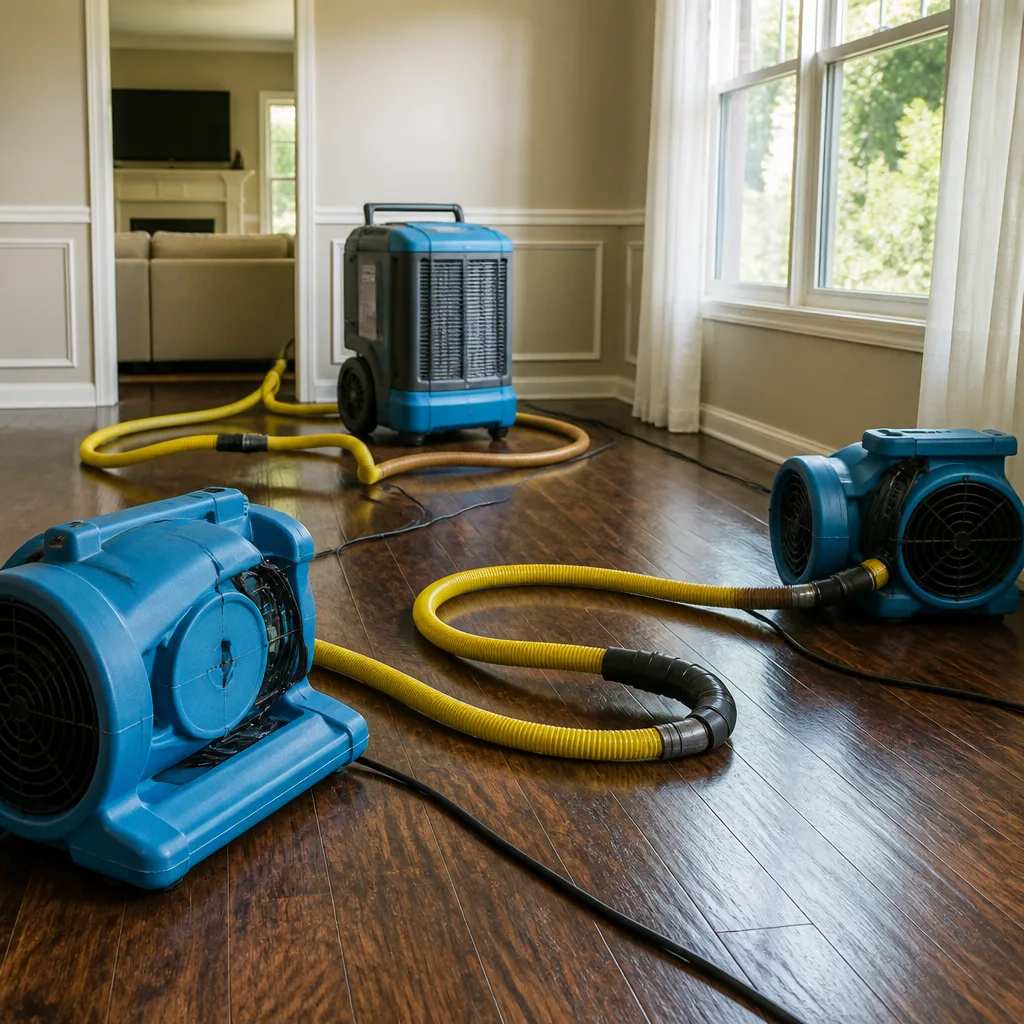
We deploy Dri-Eaz LGR dehumidifiers and XPOWER air movers sized to the actual cubic footage of the space, not a rule-of-thumb estimate. Daily moisture readings are logged until the dry standard is met and the structure reads below 60% RH throughout.
Cleaning & Sanitization
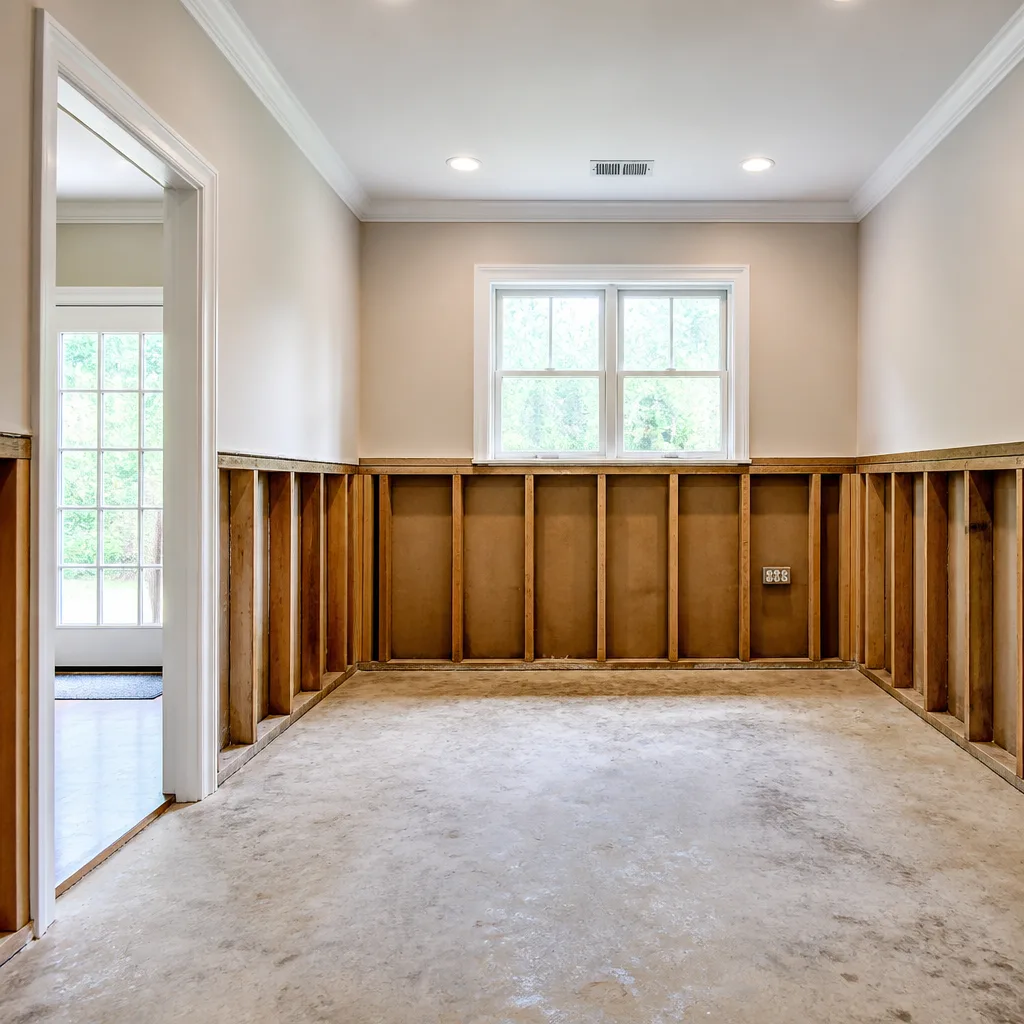
Contaminated drywall, insulation, and any porous material that cannot be cleaned is removed to the high-water line, bagged, and disposed of under containment. Remaining surfaces get HEPA vacuuming and antimicrobial treatment appropriate to the mold type.
Specialty Treatment & Clearance
For black mold and extensive contamination, we run post-remediation verification with air sampling where the scope calls for it. Crawl spaces under ranch homes get specific treatment: vapor barriers, drainage correction, and antimicrobial application that addresses the clay-heavy soil conditions.
Repairs & Restoration
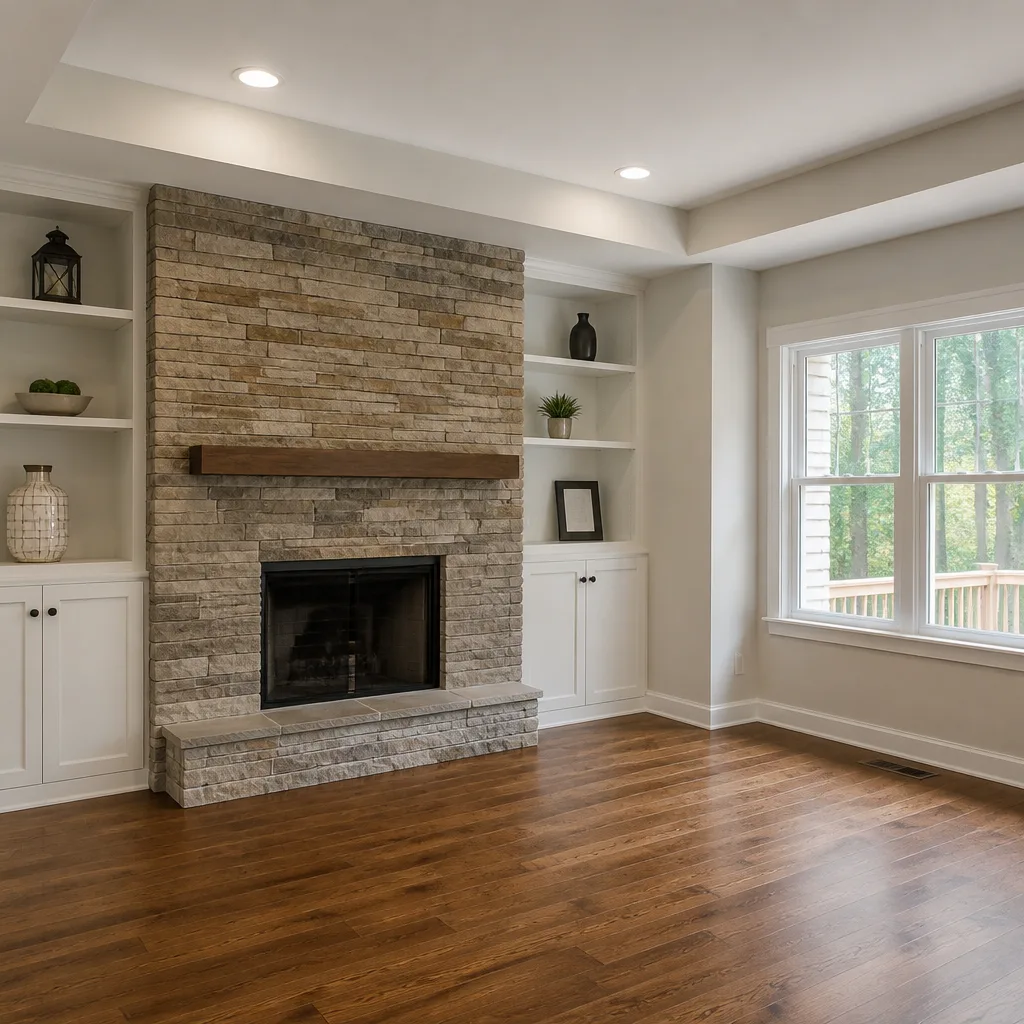
We rebuild what we removed, matching materials to the age and style of your Mount Ivy home. The 90-Day Done Right Promise applies to the entire job, from the first containment wall to the final piece of trim. If it’s not done right, we make it right. In writing.
Need Emergency Mold Remediation in Mount Ivy Now?
Crews minutes away, answering live 24 hours a day. The sooner we start, the less it costs.
Working With Your Insurance Company
Mold claims in Mount Ivy are rarely simple. Your carrier will want proof that the mold is the result of a covered water event, not long-term neglect. That’s where our documentation process earns its keep. From the first hour on site, we photograph every affected area, log moisture readings room by room, and map the wetted perimeter so the adjuster can see exactly where the water traveled. We write a line-item scope of work using industry-standard estimating software, coordinate directly with your adjuster, and bill the carrier directly. You get a written scope before any work starts, so there are no surprises on the bill. That’s the square deal, and it’s been our standard in Rockland County for over 42 years.
What We Provide Your Insurer
- Thorough documentation of the loss, including the water source
- Photos of all damage, room by room, including the high-water line
- Moisture readings and drying logs from day one through clearance
- A detailed, line-item scope of work with no vague allowances
- Direct coordination with your carrier, so you never play messenger
Built for Mount Ivy’s Loss Calendar
Mount Ivy’s mold season doesn’t follow one simple pattern. It follows water, and water here follows the terrain. Late winter freeze-thaw cycles stress the clay-heavy soils, causing foundation movement and hairline cracks that open each spring. March and April bring snowmelt combined with early rain, and that water sheets off the Ramapo escarpment directly into the hamlet. May through August sees thunderstorm-driven flash events that can dump two inches in an hour, overwhelming aging perimeter drains. September through November is nor’easter season, and that’s when we see the repeat high-water lines in 1960s split-levels along Route 202: finished basements that flood to the same elevation, get painted over, and quietly grow mold behind the drywall until someone finally cuts into the wall. January and February bring deep freezes that burst supply lines in uninsulated basement ceilings. Every one of these events creates the same outcome: chronic moisture, hidden mold, and a homeowner who has been told the problem is “fixed” when only the surface was cleaned. We fix it at the source.
Mold Remediation Across Mount Ivy’s Neighborhoods
Our crews know Mount Ivy by its streets, not just its ZIP code. Along Route 202, we work in the 1960s split-levels with finished basements that show the same high-water marks at the same elevation, storm after storm. Those jobs are about containment and material removal first, because what hides behind that drywall is almost always worse than what’s visible. Off Willow Grove Road, we service the ranch homes with original block foundations and failed waterproofing membranes. Water sheeting off the highland terrain soaks those foundations every storm season. In the residential streets off Call Hollow Road, we see crawl spaces under ranch homes where clay-heavy soil freezes and cracks foundation walls each spring, re-wetting the subfloor. And throughout the hamlet’s low-lying areas near the base of the Ramapo escarpment, chronic humidity in oversized basements runs above 60% RH even in dry months, feeding mold that homeowners mistake for “musty basement smell.” The geography matters. A dehumidifier sized for a flatland home in Spring Valley will not dry a Mount Ivy basement fed by concentrated stormwater runoff.
Specialized Mold Remediation Services We Offer in Mount Ivy
Mold Inspection & Testing
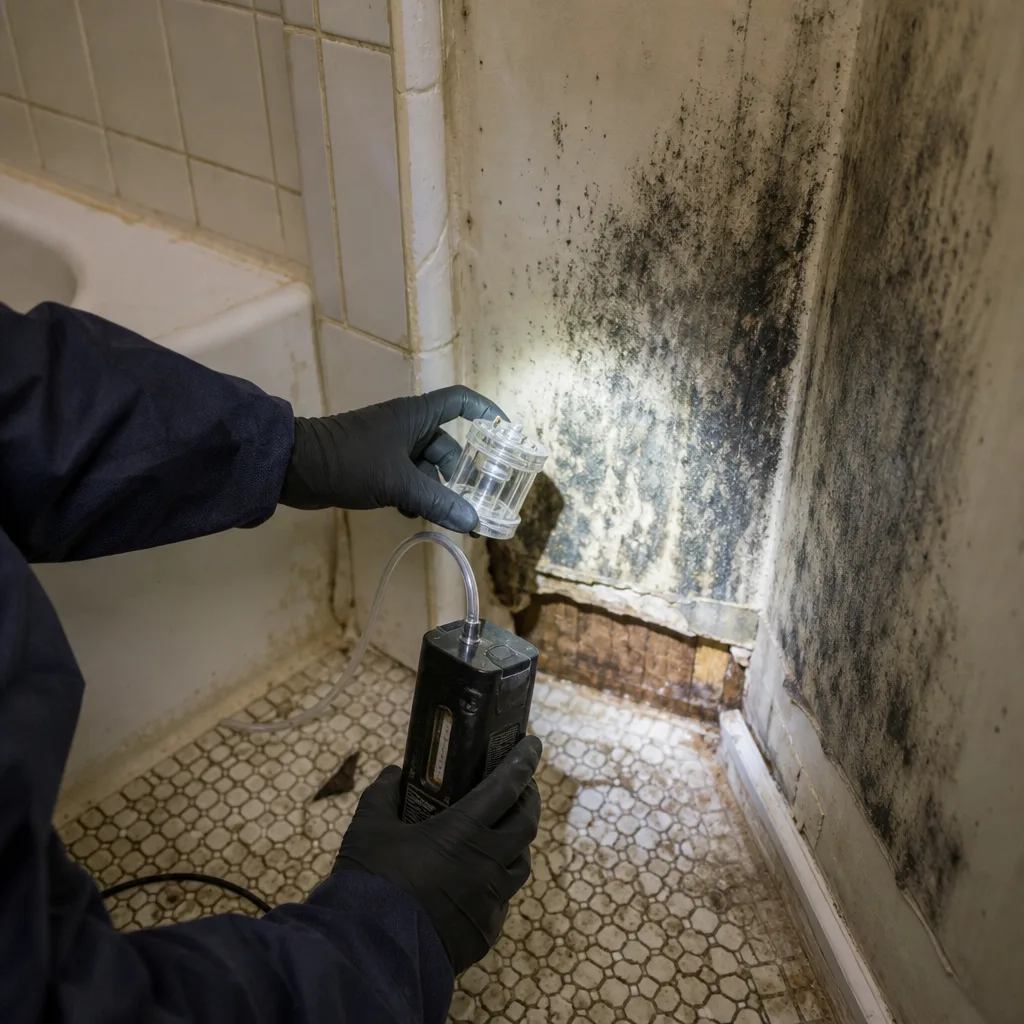
We start every Mount Ivy job with a free visual inspection. Where testing is needed, we take air and surface samples before and after remediation. The goal is simple: know what’s growing, where it’s growing, and prove it’s gone when we’re done. In Mount Ivy’s post-WWII basements, the inspection almost always finds chronic water entry behind the mold. That’s what we document for your insurer.
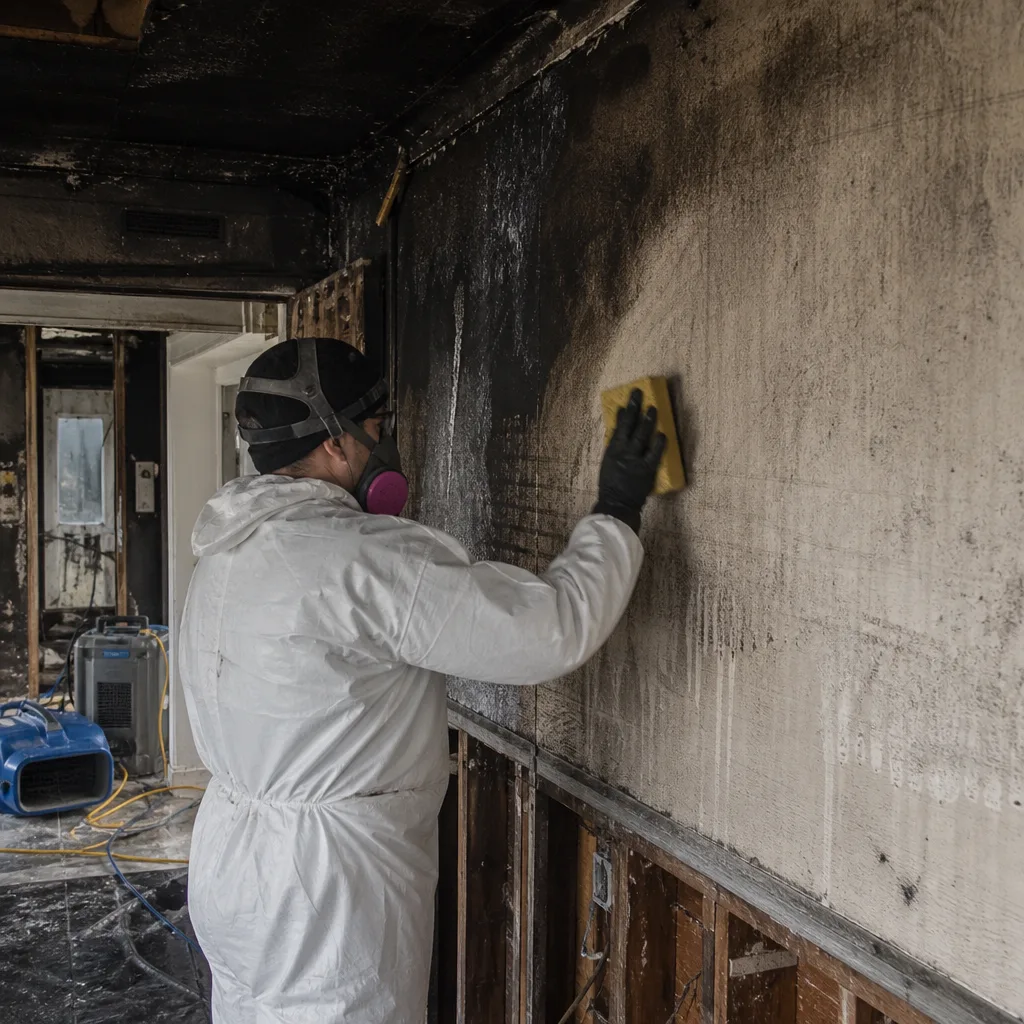
Mold Removal
Removal means removing material, not just spraying it. On a ranch home off Willow Grove Road, our techs found black mold behind drywall where a failed 1960s waterproofing membrane let sheeting runoff soak the block foundation every storm season. We contained the basement, removed contaminated drywall to the high-water line, applied antimicrobial treatment, and ran structural drying with a Dri-Eaz LGR dehumidifier and XPOWER air movers until moisture readings matched pre-loss condition. One trip, one crew, done right.
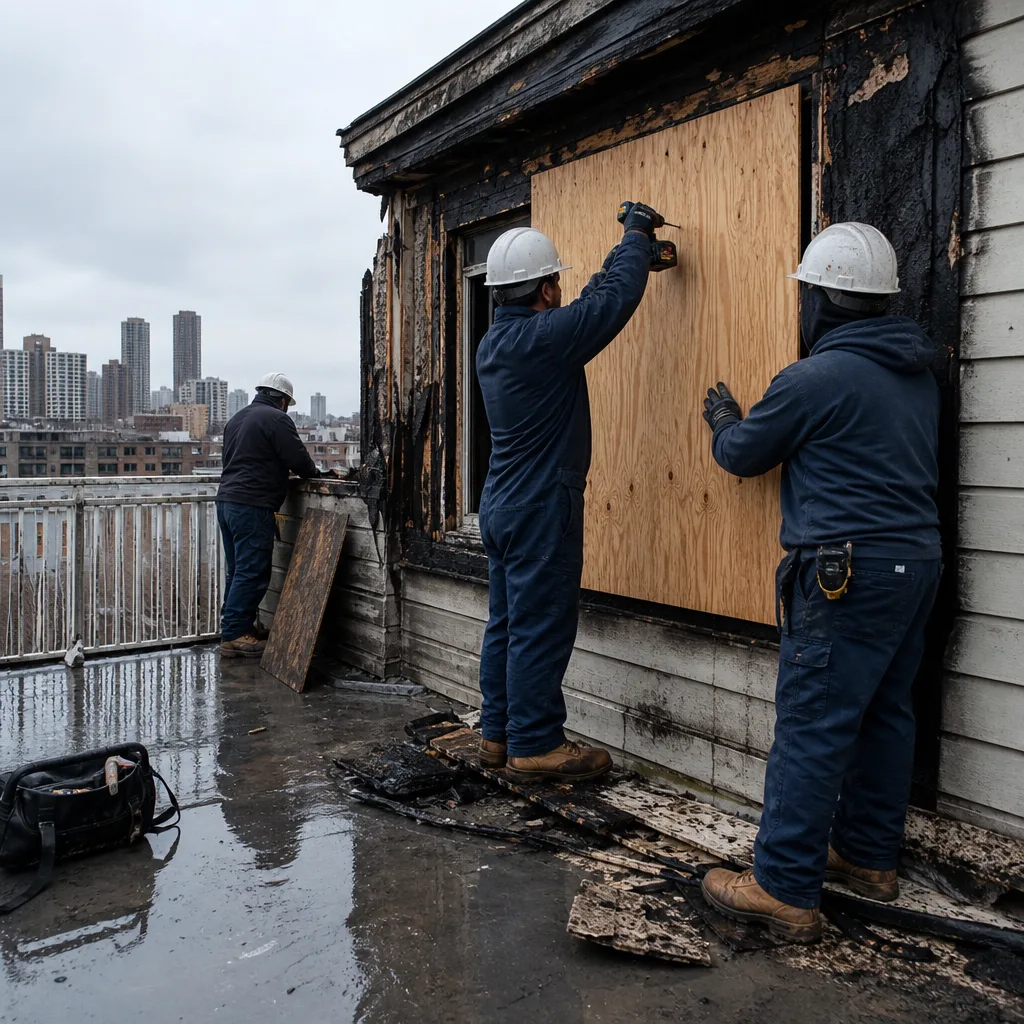
Black Mold Remediation
Stachybotrys, the mold people call “black mold,” grows where water has sat for extended periods. In Mount Ivy, that means behind finished walls where chronic stormwater intrusion has kept building materials wet for weeks. We treat black mold with full containment, negative air, HEPA air scrubbing, and removal of porous material that cannot be cleaned. We never paint over it and call it fixed.
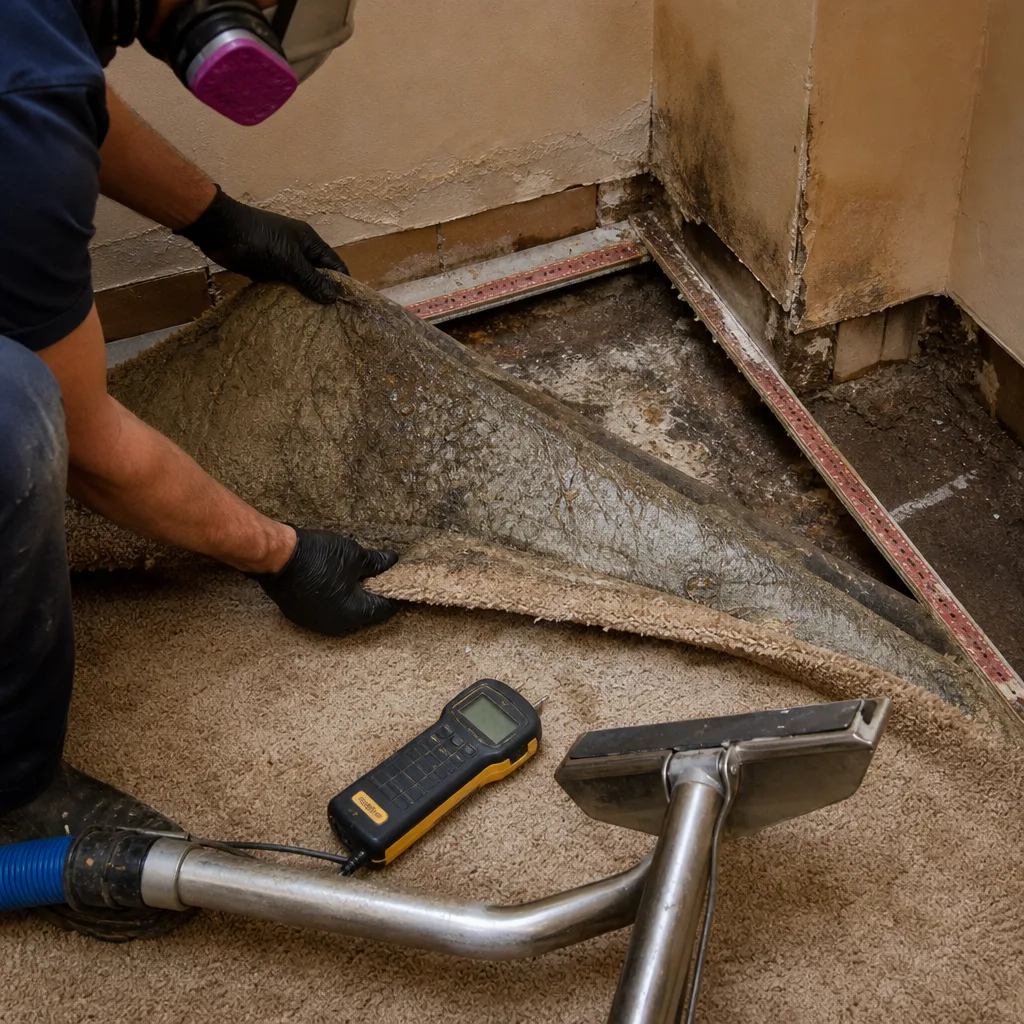
Air Quality Restoration
Mold spores travel. Once contaminated material is removed, we run HEPA air scrubbers to bring airborne spore counts down to normal background levels. For Mount Ivy homes with forced-air HVAC, we inspect return ducts and filter systems where spores collect. Clearance testing confirms the air is clean before we rebuild.
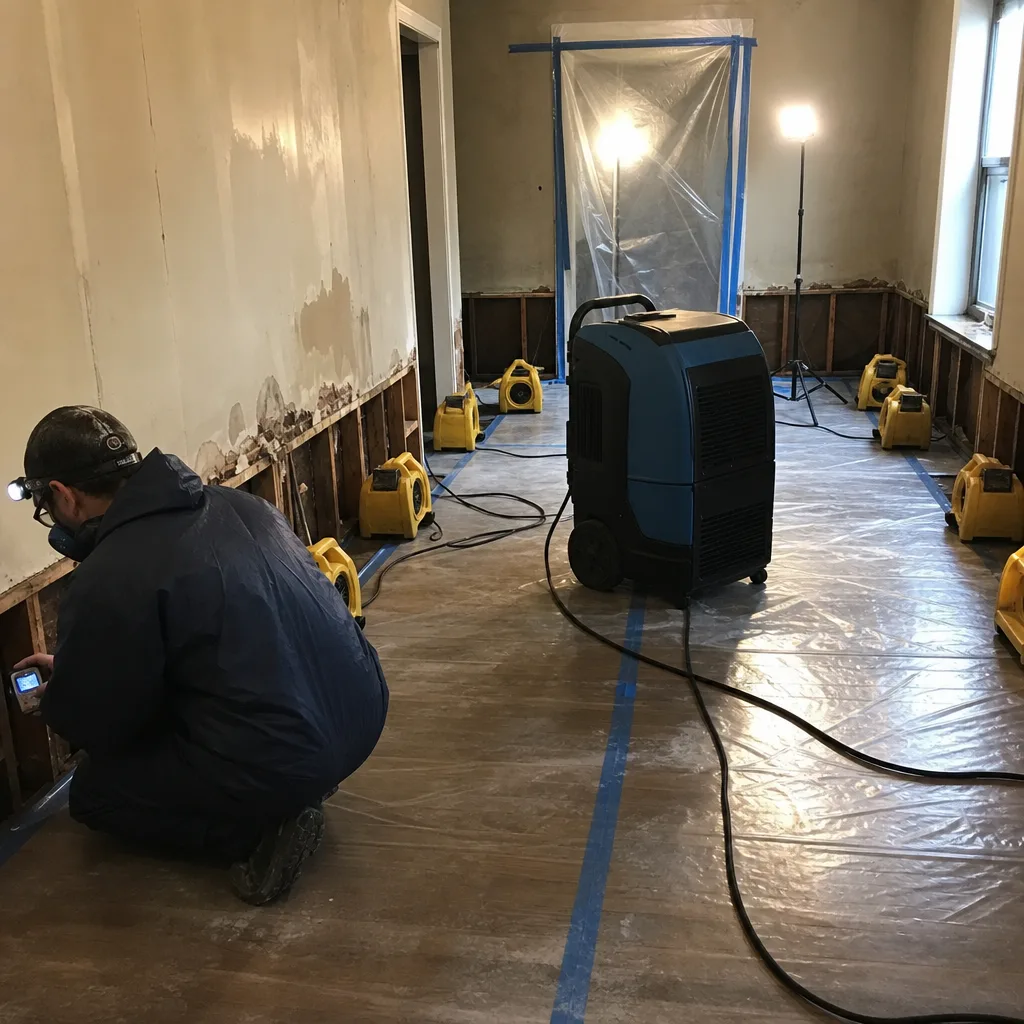
Crawl Space Treatment
Ranch homes in Mount Ivy commonly have vented crawl spaces over clay-heavy soil. In winter, that clay freezes and expands, stressing foundation walls. In spring, it thaws and holds water against the foundation. We treat crawl spaces with vapor barriers, drainage correction, and antimicrobial application that addresses the specific soil and moisture conditions of the Ramapo foothills. Skipping this step is why mold returns year after year.
Moisture & Humidity Control
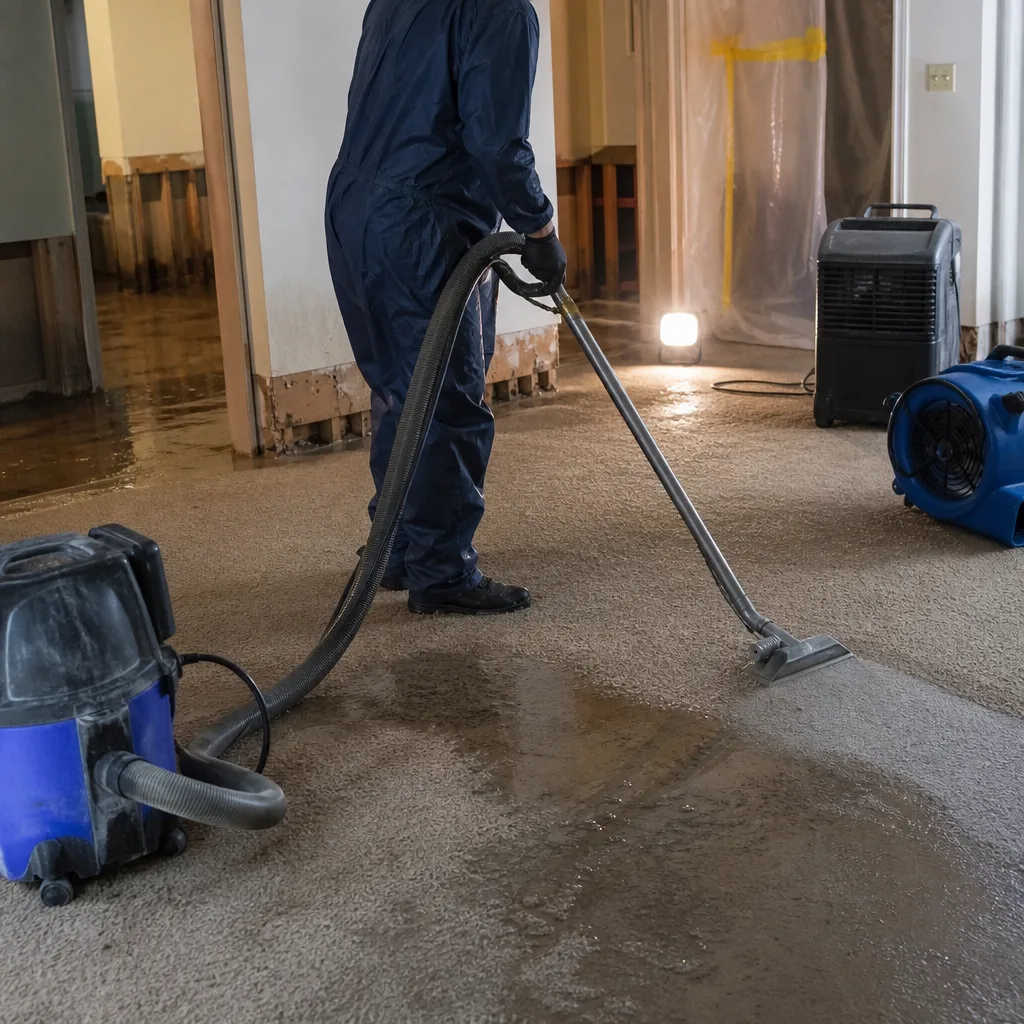
Mold needs moisture above 60% relative humidity to thrive. Mount Ivy’s oversized basements, built for 1950s and 1960s homes, need dehumidification sized to their actual cubic footage plus the added load of terrain-driven water intrusion. We size Dri-Eaz and Phoenix units to the space, not the square footage on a brochure. Then we document the RH readings daily until the structure meets the dry standard.
What happens when you call
- 1
A real person answersNo phone trees - you reach a local pro.
- 2
You get an upfront price rangeHonest numbers before anyone is dispatched.
- 3
A background-checked tech heads outLicensed & insured, dispatched right away.
- 4
You approve before work beginsNothing starts until you say go.
Mold Remediation Costs in Mount Ivy, NY
Mold remediation in Mount Ivy runs between $1,200 and $4,800 for a typical finished basement contamination, with black mold or extensive hidden growth pushing that to $6,500-$12,000 when containment and material replacement are required. A crawl space treatment on a ranch home typically runs $1,800-$4,200 depending on square footage and drainage conditions. Air quality testing before and after adds $350-$650. What moves the price is the amount of contaminated material that must be removed, whether containment is needed, and whether structural drying is required. The free visual inspection gives you a firm scope before any work starts, so the number doesn’t move unless the job changes. Insurance-covered mold in Mount Ivy is typically tied to a sudden water event like a nor’easter or a burst supply line, not long-term seepage. Call (917) 924-4221 for an exact quote on your Mount Ivy home. Estimates are free, and the price we write is the price you see.
We Also Serve Cities Near Mount Ivy
Our crews work throughout the Route 202 and Route 45 corridors, serving Mount Ivy’s neighboring communities: Fairview, Harrison, East Bronx, and Hunts Point. If you’re near Mount Ivy but outside the hamlet line, call and ask. The same 45-minute response commitment and 90-Day Done Right Promise apply.
Serving Mount Ivy, NY - Our Local Coverage Area
We’re based in the Mount Ivy area and know this community well. Use the map below to see our service coverage - if you’re nearby, we can almost certainly help.
Mount Ivy Mold Remediation Questions, Answered
Why do Mount Ivy basements show mold even after a dry summer?
Because the problem isn’t the weather. It’s the terrain. Stormwater sheeting off the Ramapo Mountain escarpment concentrates in the hamlet, and the older block foundations and failed waterproofing membranes hold that moisture against the walls for weeks after each rain event. Even a dry summer doesn’t undo clay-heavy soil that holds water against a foundation. The mold is still there, just dormant until the next wetting cycle. We find it with moisture mapping, not guesswork.
How do you keep mold from returning in a 1960s split-level on the Route 202 corridor?
We fix the water entry first. In the split-levels along Route 202, that usually means addressing failed perimeter drainage, correcting grade, and waterproofing the foundation wall where the water is actually entering. Then we remove contaminated material to the high-water line, dry the structure to the dry standard, and treat the framing. Without the water source correction, mold remediation is just temporary cleanup. Call (917) 924-4221 for an evaluation of your specific home.
Can you save a finished basement with repeat high-water lines instead of tearing it all out?
Often yes, but only up to the high-water line. Below that line, drywall, insulation, and baseboards that have been repeatedly wetted typically need removal because they hold mold colonies that paint can’t cover. Above that line, materials can usually be cleaned, HEPA vacuumed, and treated. We map the actual wetted perimeter, show you what needs to come out, and save everything that can be saved.
What air movers and dehumidifiers do you use for Mount Ivy’s larger basements?
We use Dri-Eaz LGR dehumidifiers and XPOWER air movers sized to the actual cubic footage of your basement, plus the added moisture load from terrain-driven water intrusion. These are professional-grade units, not the small residential units sold at hardware stores, and they’re the same machines we use in commercial restoration jobs. We log moisture readings daily until the structure meets the dry standard.
Do I need mold testing before remediation in Mount Ivy, or can you just start removal?
In most cases, if you can see mold, you don’t need testing to justify removing it. Testing is useful when mold is suspected but not visible, or when a physician has advised you to identify the specific species. We offer both paths: free visual inspection with same-day removal when the source is clear, or sampling when documentation is needed. Either way, we start with the visual inspection and a moisture map.
How fast can you actually get to a Mount Ivy home right now?
Our 45-minute response commitment applies to Mount Ivy properties. A live dispatcher answers 24/7, checks the board, and routes the nearest available crew. You’re not leaving a message and waiting for a callback. Call (917) 924-4221 and a real person starts the process immediately.
Will my insurance cover mold remediation in Mount Ivy?
Coverage depends on the source. Sudden water events like a nor’easter, a burst pipe, or a supply line failure typically trigger coverage for the resulting mold. Long-term seepage from failed waterproofing or foundation cracks often falls outside standard policy language. We document the source, the wetted perimeter, and the remediation scope so your adjuster can make a clean determination. We bill the carrier directly and coordinate the claim from start to finish.
Can we stay in our home during mold remediation?
For contained areas with negative air pressure and HEPA air scrubbing, most families stay in the home. If the contamination is extensive, if there’s black mold in HVAC systems, or if a household member has respiratory sensitivities, we recommend temporary relocation during the active removal phase. We give you a straight answer before work starts, and we write it in the scope.
Written by Curt Bowman, Owner at Floodline Restoration Co. of Manhattan, serving Mount Ivy and Rockland County since 1973. Founded in 2010, built around a dispatch board, not a sales desk. Our team answers the phone live, 24 hours a day, and stands behind every job with the 90-Day Done Right Promise. We are the Mold Remediation team that Mount Ivy homeowners call when they want it fixed at the source. For Mold Remediation in Mount Ivy, call (917) 924-4221. A square deal, in writing, no surprises on the bill.