
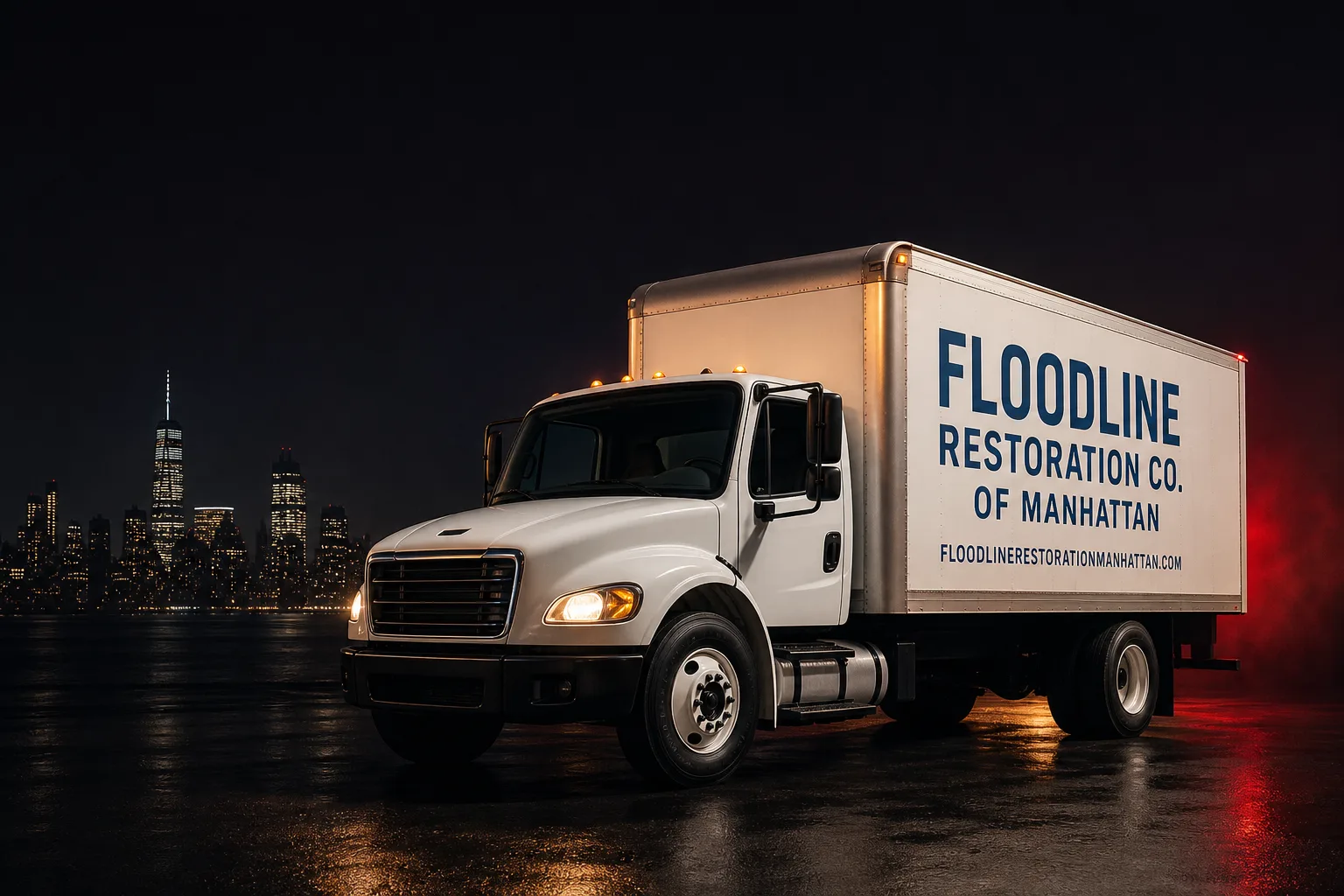
Free visual inspection and a written scope of work before any mitigation begins - photos, moisture readings, and drying logs go in your claim file
The scope we write is the scope we bill. Anything new gets shown to you, in writing, before we touch it.






 Before
 After
After Before
 After
After Before
 After
After24/7 Emergency Mold Remediation in Union Square
Mold remediation in Union Square typically runs $1,800 to $6,500 for a contained removal in a pre-war loft, and hidden colonies behind masonry walls push that higher. We answer the phone live at (917) 924-4221, every hour of every day, and our crews reach Union Square within 45 minutes of your call. The first hour matters because mold doubles its footprint fast in the thick, cool wall cavities these old buildings hide.
If you’ve spotted a stain spreading across a wall, a musty smell that won’t leave, or peeling paint near a radiator line, don’t wait. Our technicians arrive with thermal imaging and moisture probes, perform a free visual inspection, and tell you honestly whether you need full remediation or a targeted cleaning. No pressure. No scare tactics. A written scope before any work starts.
Understanding Mold Remediation Severity in Union Square Properties
Mold in Union Square is not the same beast as mold in a suburban drywall house. The neighborhood’s late-19th and early-20th century masonry loft buildings, formerly manufacturing floors and warehouses, breathe differently. Their 12-to-15-foot ceilings, original cast-iron drain stacks, and thick terra cotta and brick party walls hold water far longer than any stud-framed assembly ever would. Moisture saturates the masonry itself, not just the surface.
We classify mold by the water source behind it. Category 1 is clean water from a supply line or radiator. Category 2 carries contaminants, that’s gray water from washing machines or sump failures. Category 3 is black water: sewage-laden water from Manhattan’s combined sewer system surcharging during a nor’easter or a violent summer storm, backing up through aging industrial drains. In Union Square, where the grid funnels runoff and hydrostatic pressure from the subway interchange below pushes groundwater upward, Category 3 events in sub-grade spaces are a primary driver of mold, not an edge case. Remediation of Category 3 requires full containment, HEPA air scrubbing, and removal of saturated porous material. Surface wiping won’t touch what’s living behind brick veneer.
Why Union Square Property Owners Choose Floodline Restoration Co. of Manhattan
- 45-minute response commitment. We dispatch crews from our New York City office into Union Square immediately, with a live person confirming your address and ETA on the phone.
- 24/7 live answer. A dispatcher picks up at 2 a.m., not a recording. You’ll never navigate a phone tree during a mold emergency.
- IICRC-certified crews. Our technicians hold WRT, FSRT, and AMRT certifications, trained to RIA and IFA standards, and every one is background-checked and uniformed.
- Free visual inspection. We assess the visible damage, map the moisture, and tell you the truth before you spend a dollar.
- Direct insurance billing. We document the loss, bill your carrier directly, and talk to the adjuster so you don’t play messenger.
- One team from extraction to reconstruction. Curt Bowman built Floodline Restoration Co. in 2010 around a dispatch board, not a sales desk. The same certified crew that sets containment handles the rebuild.
Our Mold Remediation Process
Inspection & Assessment
We start with thermal imaging and invasive moisture probing to find what’s hidden behind plaster and brick. A moisture map tells us the full extent before we touch anything structural.
Extraction/Stabilization
Standing water, saturated plaster, and compromised materials come out. We stop the active moisture source and set up containment to keep spores from spreading through the lofty, connected interiors common to Union Square conversions.
Drying & Dehumidification
Thick masonry demands patience. We run Phoenix air movers and XPOWER dehumidifiers against 12-foot brick walls, taking daily readings until the dry standard is met, not the estimate on a guess.
Cleaning & Sanitization
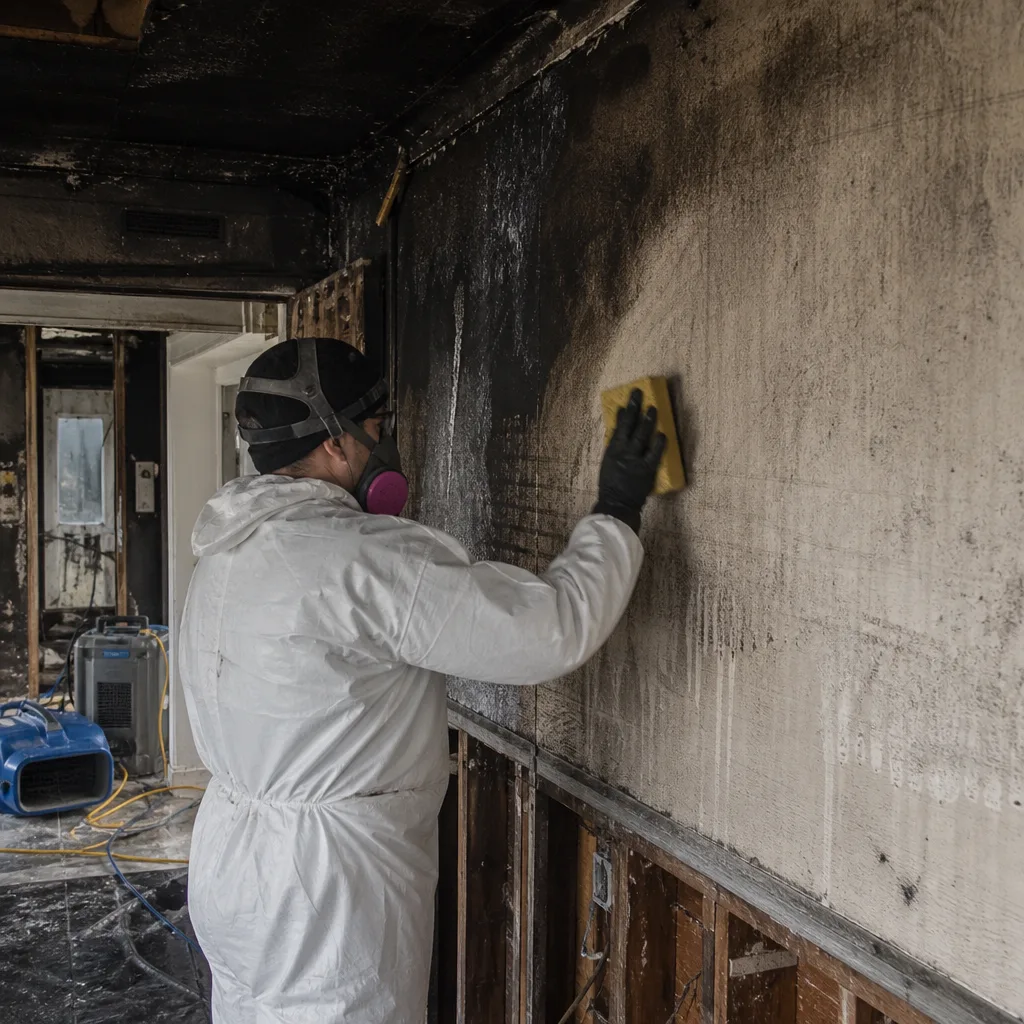
HEPA air scrubbers run throughout the job, and every affected surface is cleaned with antimicrobial treatment appropriate for masonry substrates, not just painted over.
Mold-Specific Treatment
We apply fungicidal and antimicrobial agents suited to porous brick, terra cotta, and original plaster. For Category 3 events, we remove saturated porous masonry and seal remaining surfaces properly.
Repairs & Restoration
The same crew that opened the wall closes it, rebuilds what needed removing, and hands you a written moisture log and the 90-Day Done Right Promise.
Need Emergency Mold Remediation in Union Square Now?
Crews minutes away, answering live 24 hours a day. The sooner we start, the less it costs.
Working With Your Insurance Company
Insurance adjusters respond to documentation, not persuasion. We build your file from the first hour: photos room by room, moisture readings from the day we arrive, drying logs with daily numbers, and a line-item scope of work written to industry standards. Our team has handled Union Square claims involving steam system failures, sewer surcharges, and hidden mold behind masonry for years. We communicate with your adjuster directly, answer their questions, and submit estimates in the format carriers expect. You don’t translate between us and them.
What We Provide Your Insurer
- Thorough documentation of the loss
- Photos of all damage, room by room
- Moisture readings and drying logs
- A detailed, line-item scope of work
- Direct coordination with your carrier
Built for Union Square’s Loss Calendar
Union Square’s mold season runs year-round, but the triggers shift. January deep freezes crack original cast-iron supply and steam lines buried in masonry, feeding slow, invisible leaks until a stain appears in March or April. Spring thaw and heavy rain saturate the ground around subway-adjacent foundations, pushing groundwater through aging industrial drains. Summer convective storms, the ones that hit fast and dump two inches in forty minutes, overwhelm Manhattan’s combined sewer system and send Category 3 water surging into sub-grade spaces - a scenario where Union Square Storm & Disaster Restoration becomes critical. Autumn nor’easters bring days of moisture and the same surcharge risk. The constant is the building stock: pre-war masonry that hides water for weeks, while mold eats through plaster and into brick. A visible stain in an old loft is almost always the small tip of something larger behind the wall.
Mold Remediation Across Union Square’s Neighborhoods
The blocks along Broadway between 14th and 17th Streets hold some of the oldest loft conversions in Union Square, many with original cast-iron radiators and steam returns running inside party walls. We’ve pulled saturated plaster from walls along Park Avenue South where pinhole leaks had been feeding mold for a month before anyone noticed. Around 14th Street and University Place, the mixed-use buildings above retail present a different challenge: a mold problem in a fourth-floor condo travels through shared masonry and original drain stacks, affecting units below and beside it. East of the park near Irving Place, smaller pre-war walk-ups hide mold behind bathroom and kitchen walls where century-old plumbing finally fails. Each block demands the same approach, though: invasive probing, containment, and drying times measured in weeks, not days, for thick brick and terra cotta assemblies.
The subway’s role can’t be overstated. Union Square sits directly atop the convergence of the 4/5/6, N/Q/R/W, and L train lines, one of the busiest interchanges in the system. Train-induced hydrostatic pressure pushes groundwater into sub-grade spaces that were never waterproofed for modern conditions. When a basement or cellar shows mold along the floor-wall joint, the source is often groundwater pressure underneath, not a simple leak from above. Standard drywall-focused mold treatments fail here. The masonry demands a different playbook.
Specialized Mold Remediation Services We Offer in Union Square
Mold Inspection & Testing
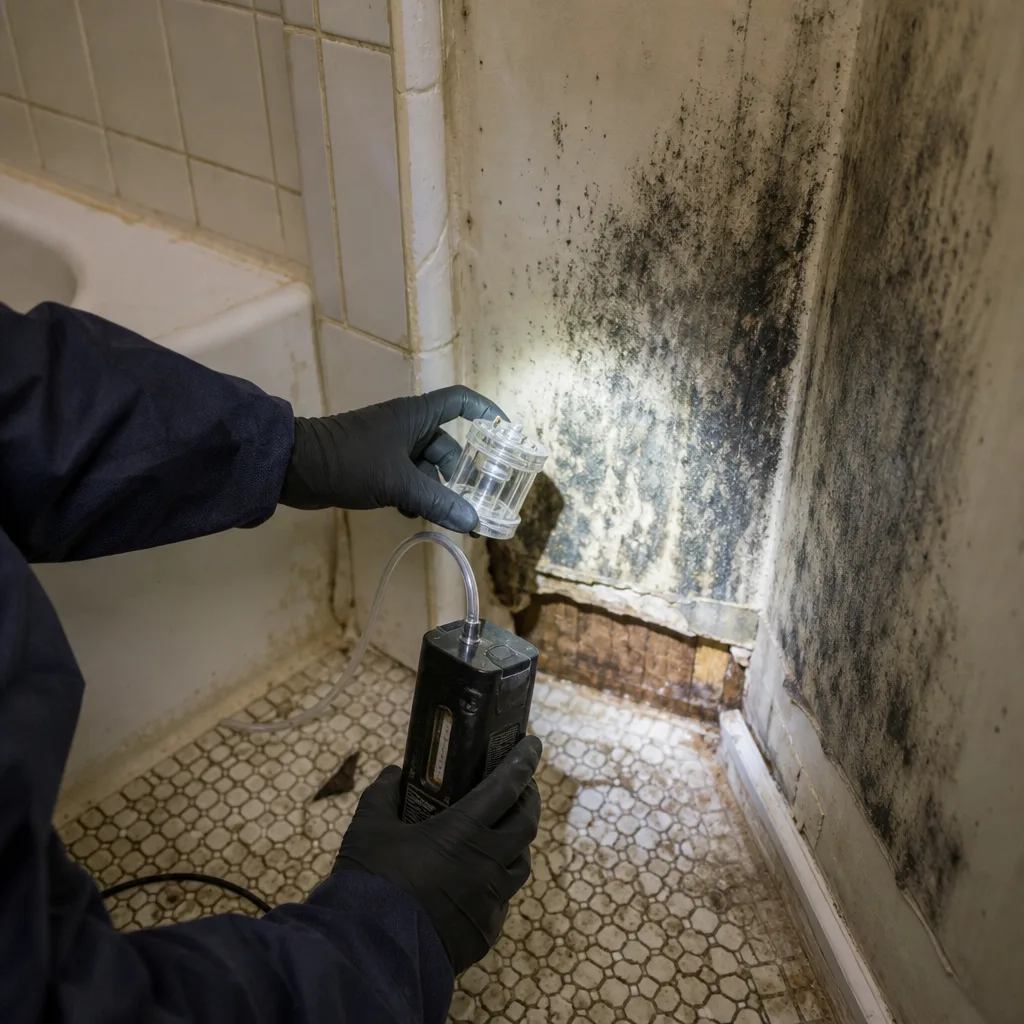
Before any remediation, you need to know what you’re dealing with. We inspect behind plaster and brick veneer with thermal imaging and moisture probes, and collect surface and air samples where needed. In Union Square loft buildings, a visual-only inspection misses what’s living inside the masonry. Our testing tells you the species, the extent, and whether clearance testing at the end is advisable.
Black Mold Remediation
Stachybotrys, the mold people call black mold, thrives in the prolonged moisture conditions these old buildings create. We handle it with full containment, negative air pressure, HEPA scrubbing, and removal of saturated porous material. The goal is not to seal mold behind paint. It’s to remove the food source and dry the masonry so the problem stays gone.
Air Quality Restoration
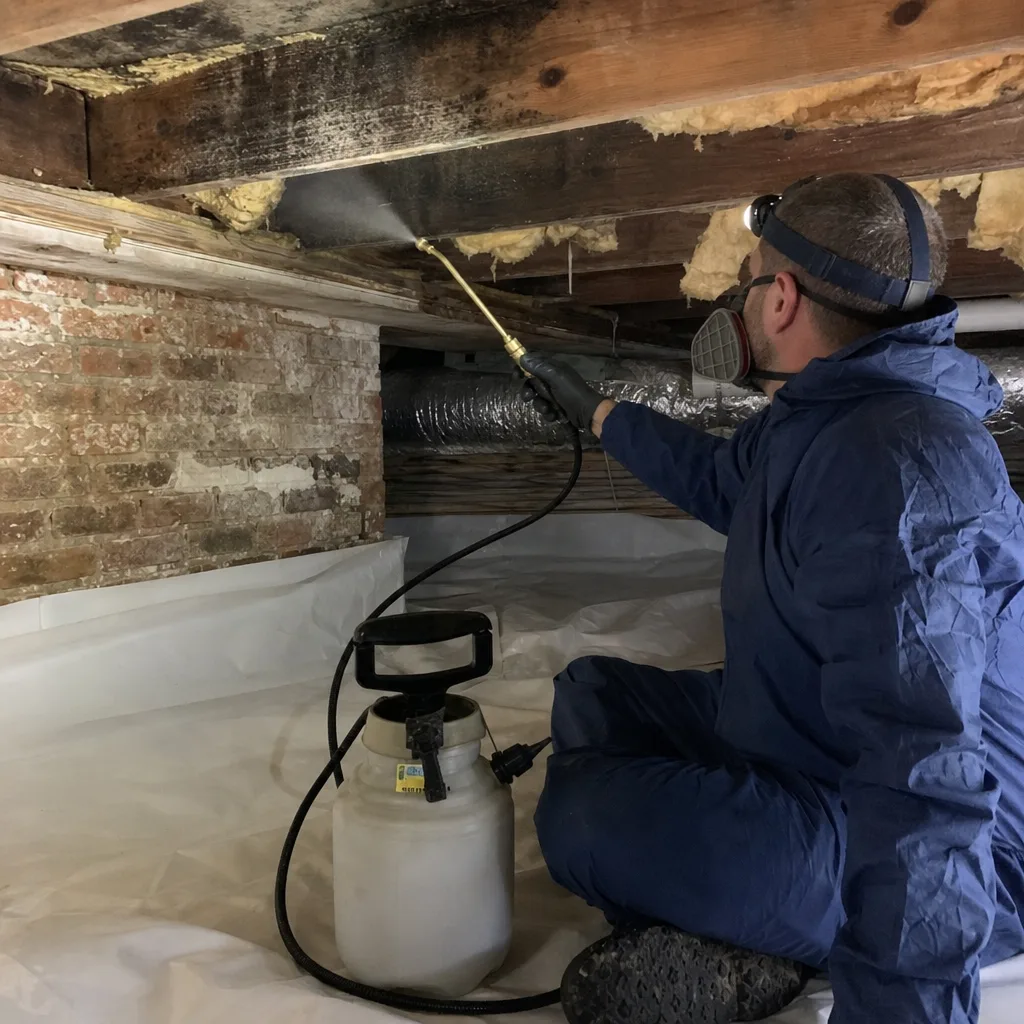
After remediation, the air you breathe should test cleaner than before. We run HEPA air scrubbers during the job, replace affected ductwork where needed, and perform clearance testing to confirm spore counts have returned to background levels. For Union Square lofts with original ductwork and shared air paths, this step matters more than most contractors admit.
Crawl Space Treatment
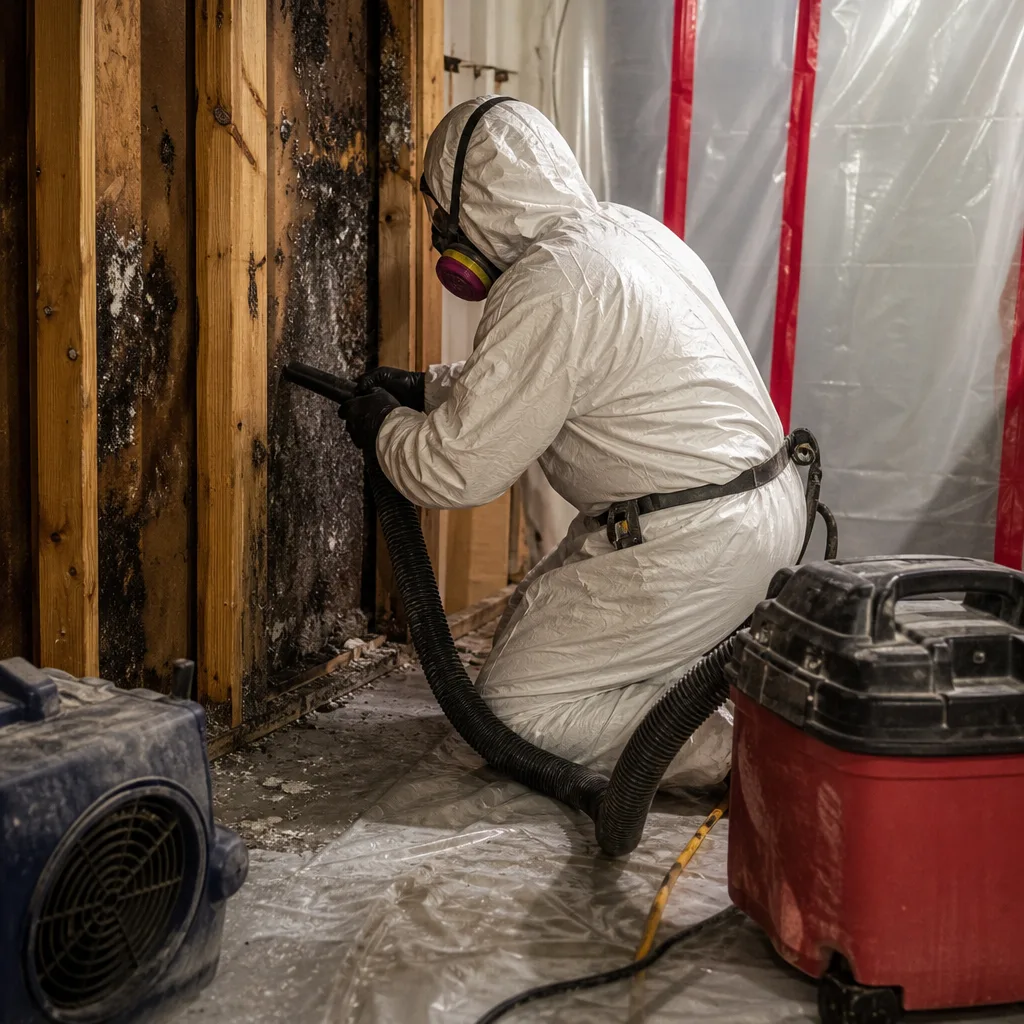
Sub-grade spaces under Union Square buildings are prone to groundwater intrusion and sewer surcharge. We treat crawl spaces with antimicrobial coatings, structural drying, and vapor barriers where applicable, and we monitor moisture until the readings hold steady. A damp crawl space feeds mold into the units above it all year long.
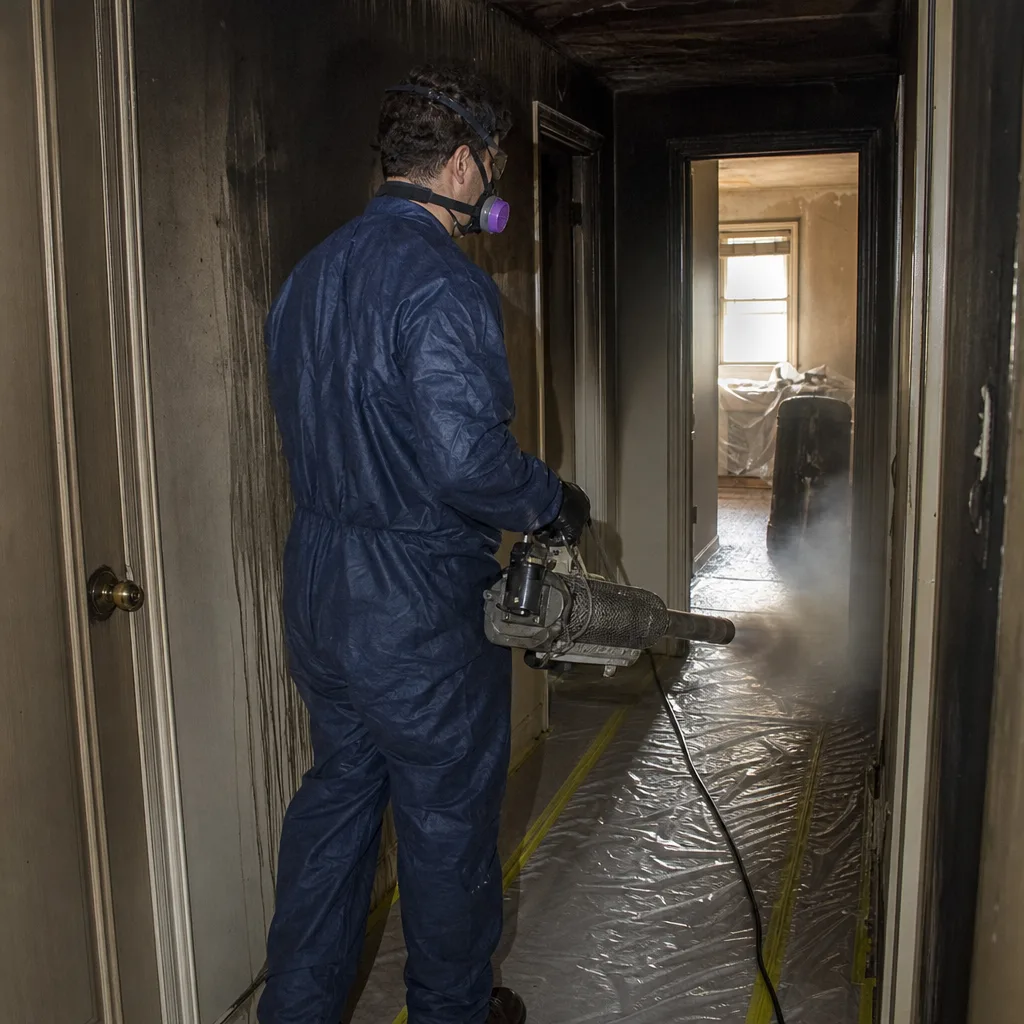
Moisture & Humidity Control
Prevention is cheaper than remediation. After a mold job, we can install and calibrate dehumidification systems sized for the room volume and masonry conditions of your specific building. Daily readings and a written log tell you when the dry standard is met and stays met. We know what a 14-foot brick wall does to humidity, and we plan for it.
What happens when you call
- 1
A real person answersNo phone trees - you reach a local pro.
- 2
You get an upfront price rangeHonest numbers before anyone is dispatched.
- 3
A background-checked tech heads outLicensed & insured, dispatched right away.
- 4
You approve before work beginsNothing starts until you say go.
Mold Remediation Costs in Union Square, NY
Mold remediation in Union Square follows the building, not a national average. A contained removal of visible surface mold in a small bathroom typically runs $1,800 to $3,400. A hidden colony behind plaster and brick veneer, requiring invasive removal, structural drying, and rebuild, lands between $4,500 and $8,000 or more depending on square footage and whether Category 3 water is present. Full black mold remediation in a large loft with air scrubbers, clearance testing, and masonry rebuild can reach $10,000 to $20,000. These are Union Square numbers, driven by thick masonry, tall ceilings, and construction logistics in occupied pre-war buildings. Insurance often covers mold when the cause is a sudden, covered water event. We’ll walk you through what’s coverable and what’s not, and we’ll document everything the carrier needs. The free visual inspection gives you a firm scope and a real number before you commit to anything. Call (917) 924-4221 to schedule it.
We Also Serve Cities Near Union Square
Floodline Restoration Co. of Manhattan handles Mold Remediation for property owners across Union Square and the surrounding boroughs. You’ll find us responding in Fairview, Harrison, East Bronx, and Hunts Point, with the same live dispatch, certified crews, and written guarantees.
Union Square Mold Remediation Questions, Answered
Why does mold in Union Square loft buildings often require removal of plaster and brick rather than just surface cleaning?
Because the masonry holds moisture for weeks, and mold grows into the pores of brick, terra cotta, and original plaster, not just on the surface. Surface cleaning kills what’s visible but leaves the colony alive inside the wall. In these buildings, proper remediation means removing saturated porous material, drying the masonry itself, and treating what remains. Call (917) 924-4221 for a free inspection to see what’s actually behind your wall.
How does Union Square’s subway system affect mold growth in basement and sub-grade spaces?
The 4/5/6, N/Q/R/W, and L lines converge directly below Union Square, and train movement creates hydrostatic pressure that pushes groundwater into sub-grade spaces. Combined with Manhattan’s combined sewer system surcharging during storms, this means basements and cellars here see Category 3 water intrusion that lingers behind masonry and feeds mold for months. Standard drywall-focused remediation won’t address the source.
What are the signs that a hidden steam radiator leak is causing mold behind my Union Square walls?
Look for a faint, persistent stain spreading from behind a cast-iron radiator stack, peeling paint with a slightly damp feel, a musty odor in one room that never fully clears, or rust-colored discoloration near the floor line. Our crew traced one such stain on East 14th Street to a pinhole in a steam return line that had been saturating a brick party wall for over three weeks. If you see these signs, call us before the colony spreads further.
Can mold from a sewer backup in a Union Square basement be fully remediated without removing the original brick floor?
No. Category 3 water from a sewer surcharge contaminates porous materials like original brick flooring, and saturated brick cannot be cleaned to a safe standard. The brick must be removed, the sub-grade dried and treated, and new flooring installed. A contractor who says otherwise is cutting a corner that will come back as persistent mold and odor. We’ll show you exactly what we remove and why, in writing.
How quickly should I schedule mold remediation in a Union Square pre-war loft after discovering moisture?
Within 24 to 48 hours. Mold doubles its footprint rapidly in the hidden wall cavities of pre-war masonry, and every day of delay expands the containment area, the drying time, and the rebuild cost. Call (917) 924-4221 the day you see the stain. We’ll get there within 45 minutes and tell you honestly what you’re facing.
Will my insurance cover mold remediation in Union Square?
It depends on the source. Sudden, covered water events, like a burst supply line or a documented sewer backup, often trigger coverage for the resulting mold. Gradual leaks and long-term seepage are typically excluded. We photograph everything, write a line-item scope your adjuster can read, and bill your carrier directly. Our documentation has helped Union Square owners recover substantially more than they expected, because we prove the cause.
How long does mold remediation take in a Union Square loft?
A contained surface job may finish in two to three days. Hidden mold behind masonry with structural drying often runs one to three weeks, because thick brick and terra cotta release moisture slowly and we don’t sign off until the daily readings meet the dry standard. Premature reoccupation is how mold comes back, and the 90-Day Done Right Promise exists because we’d rather take the time the first time.
Can we stay in our home during remediation?
For small, contained jobs, usually yes, with the affected area sealed off and negative air running. For extensive black mold removal, Biohazard & Crime Scene Cleanup in Union Square situations, or air quality restoration, we’ll recommend temporary relocation, especially for anyone with respiratory conditions. We’ll tell you straight what’s safe, and we’ll document it for your insurer.
Serving Union Square, NY - Our Local Coverage Area
We’re based in the Union Square area and know this community well. Use the map below to see our service coverage - if you’re nearby, we can almost certainly help.
Call Floodline Restoration Co. of Manhattan
If you’ve found mold in your Union Square home or building, call (917) 924-4221 now. A live dispatcher answers, a background-checked, uniformed crew reaches you within 45 minutes, and you’ll have a written scope before any work begins. We’ve handled the worst these pre-war masonry buildings can throw at us, from hidden steam leaks behind brick party walls to Category 3 sewer surcharges in sub-grade basements. One team from first extraction to final rebuild, direct insurance billing, and the 90-Day Done Right Promise in writing. Mold Remediation done right in Union Square, and backed by a company that answers the phone.
Written by Curt Bowman, Owner at Floodline Restoration Co. of Manhattan.