
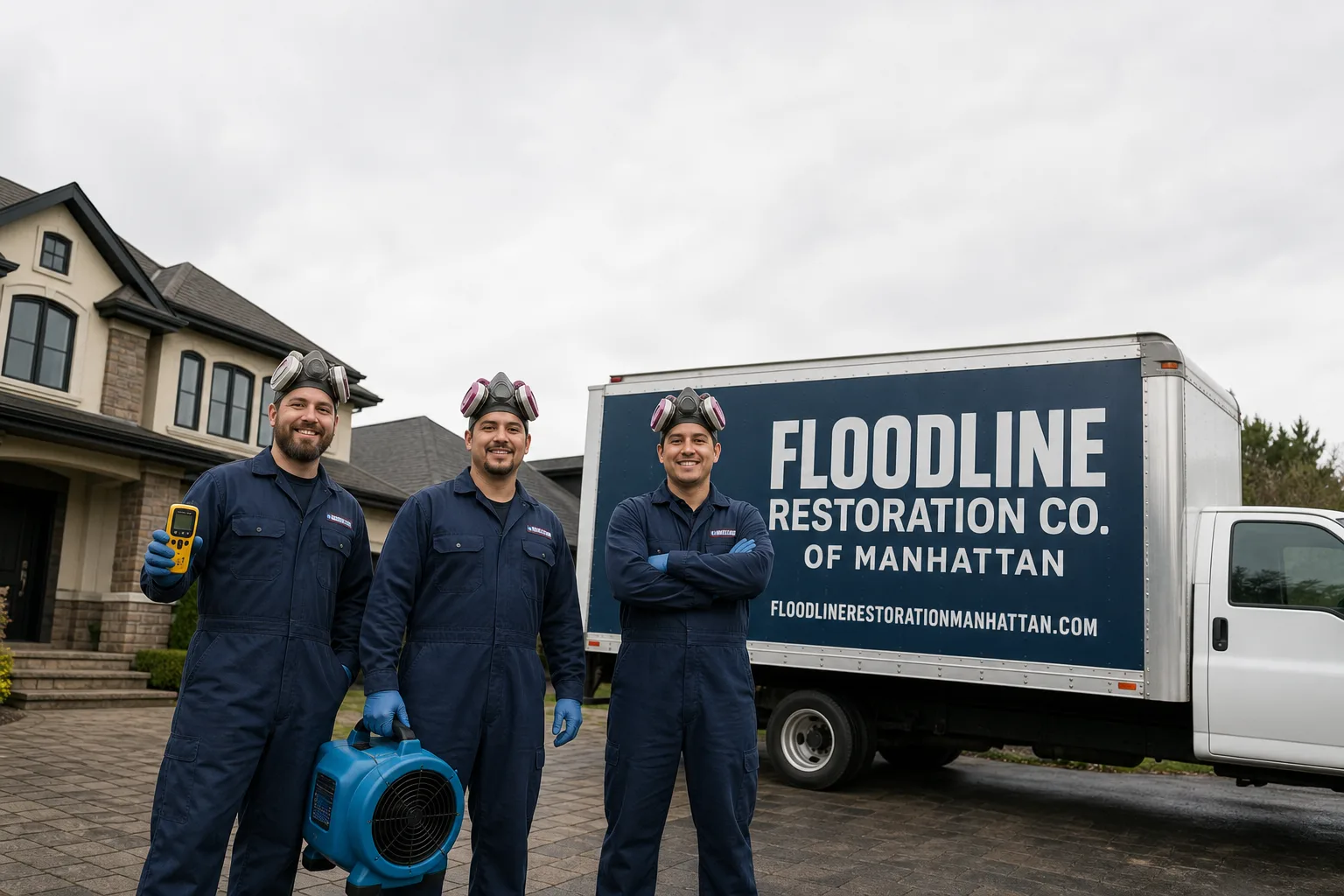
Free visual inspection and a written scope of work before any mitigation begins - photos, moisture readings, and drying logs go in your claim file
The scope we write is the scope we bill. Anything new gets shown to you, in writing, before we touch it.






 Before
 After
After Before
 After
After Before
 After
After24/7 Emergency Reconstruction & Cleanup in Jackson Heights
When a steam pipe fails in one of Jackson Heights’s block-long cooperative buildings, the damage doesn’t wait for a board meeting. Water moves through original plaster ceilings and across multiple units within hours. Our crews answer live at (917) 924-4221 around the clock and dispatch into Jackson Heights immediately for Water Damage Restoration - Jackson Heights, because the first hour after a pipe rupture or fire determines whether you’re facing cleanup or full reconstruction. We arrive for a free visual inspection, map the moisture, and start containment the same visit. Every job is backed by the 90-Day Done Right Promise, in writing.
Understanding Reconstruction & Cleanup Severity in Jackson Heights Properties
Jackson Heights Commercial Restoration follows a different severity curve than most of Queens, and it starts with the buildings themselves. The neighborhood’s pre-war cooperatives and attached brick row houses, most built between 1910 and 1940, hide original cast-iron and galvanized supply lines behind lath-and-plaster walls. When those fail, the resulting water is rarely clean. A steam riser rupture produces Category 2 water: contaminated condensation carrying pipe scale, rust, and whatever has accumulated in 80-year-old plumbing. That difference matters because Category 2 water requires antimicrobial treatment and affected porous materials like plaster, drywall, and carpet padding must be removed rather than simply dried. We classify every loss using IICRC standards, run thermal imaging and hygrometer readings to find water trapped in partition cavities, and build a drying plan specific to the building’s construction. In a Jackson Heights co-op, that means understanding how water travels between units through party walls and chase ways, not just across one apartment floor.
Why Jackson Heights Property Owners Choose Floodline Restoration Co. of Manhattan
- 45-minute response commitment - our dispatch board shows which crew is closest to 34th Avenue, 37th Avenue, or Northern Boulevard, and we commit to rolling within 45 minutes of your call.
- 24/7 live answer, a real person - a dispatcher picks up at 2 a.m., not a recording. You’ll never leave a message when water is moving.
- IICRC-certified crews - our technicians hold WRT, FSRT, and AMRT certifications, trained to IICRC, RIA, and IFA standards, so the moisture map on day one is the same standard we’re held to on day thirty.
- Free visual inspection - we assess the loss, identify the source, and give you a plain-language scope before any work begins. No charge, no pressure.
- Direct insurance billing - we bill your carrier directly and handle adjuster communication, so you don’t play messenger during a claim.
- One team from extraction to reconstruction - the same certified crew that pulls water on day one rebuilds your walls on day twenty. No mid-job handoff to a crew you’ve never met.
Our Reconstruction & Cleanup Process
Inspection & Assessment
We walk the affected areas with thermal imaging and moisture meters, documenting what’s wet and what’s salvageable. In Jackson Heights co-ops, this often means coordinating with a building super to access riser rooms and adjacent units.
Extraction & Stabilization
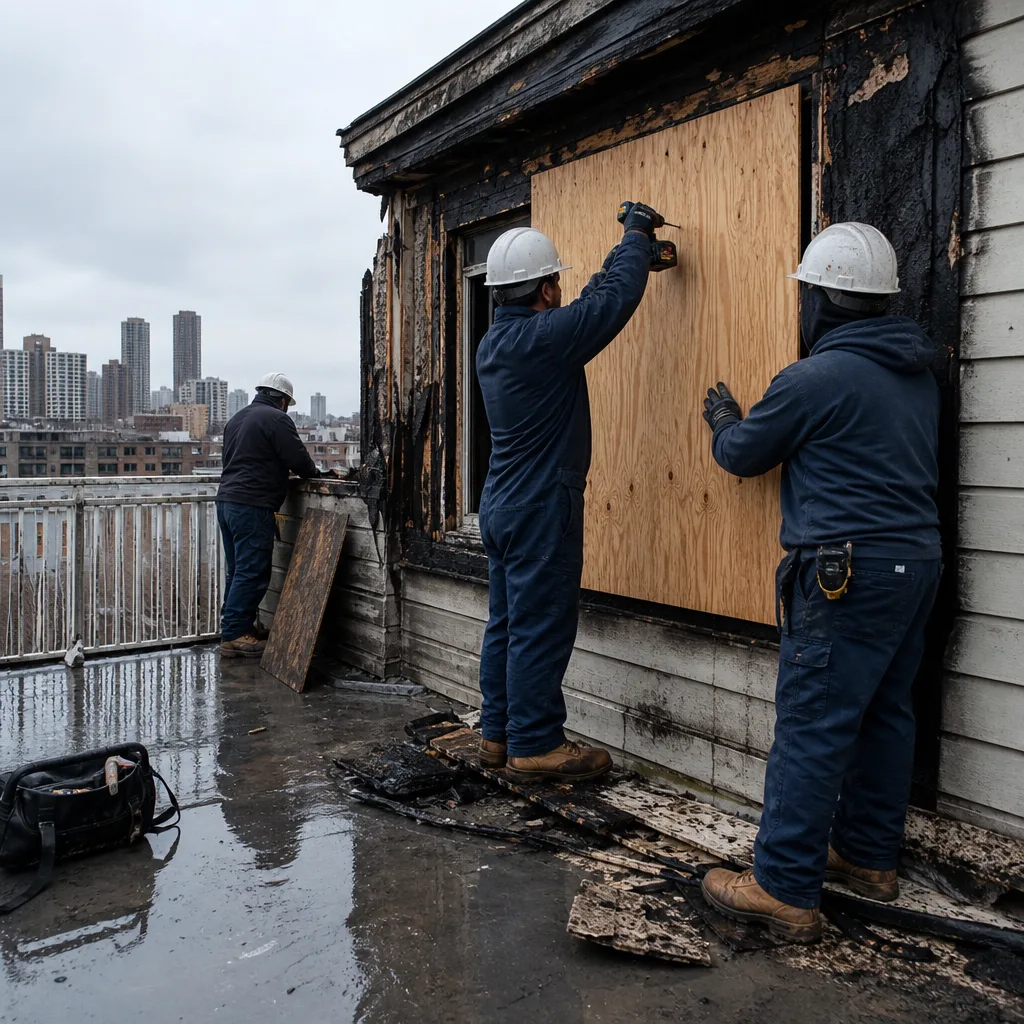
Standing water comes out with truck-mounted extraction units, and we set containment barriers to stop dust and debris from spreading. For fire losses, we board up openings and remove unsalvageable materials the same day.
Drying & Dehumidification
We place Dri-Eaz LGR dehumidifiers, Phoenix air movers, and Injectidry panel drying systems on affected walls and ceilings. Daily moisture readings are logged until the dry standard is met, and that log goes to you and your carrier.
Cleaning & Sanitization
All affected surfaces are cleaned with appropriate antimicrobials and HEPA-vacuumed. For fire losses, we address soot residue types specific to what burned, not a one-size-fits-all fogger.
Specialty Treatment
Carpet and upholstery get deep extraction cleaning. Contents that need off-site work are packed out, inventoried, and restored. For historic plaster walls, we use Injectidry panel drying to preserve original material where possible.
Repairs & Restoration
Drywall replacement, flooring, paint, trim, and structural repairs get done by the same crew that handled the mitigation. You get a finished space, not a construction zone that lingers for months.
Need Emergency Reconstruction & Cleanup in Jackson Heights Now?
Crews minutes away, answering live 24 hours a day. The sooner we start, the less it costs.
Working With Your Insurance Company
Insurance claims in Jackson Heights get complicated fast when a co-op corporation, a managing agent, and an individual unit owner all hold pieces of the same loss. We handle the documentation from the first hour so your carrier never has to guess what happened. Our team photographs every affected room before demolition starts, records moisture readings with timestamps, and builds a line-item scope of work that matches industry-standard pricing in Queens. We talk directly with your adjuster, the building’s carrier if common areas are involved, and the managing agent so you don’t spend your week on hold with three different offices.
What We Provide Your Insurer
- Thorough documentation of the loss
- Photos of all damage, room by room
- Moisture readings and drying logs
- A detailed, line-item scope of work
- Direct coordination with your carrier
Built for Jackson Heights’s Loss Calendar
Jackson Heights sees its worst reconstruction and cleanup calls in predictable waves. January deep freezes split cast-iron supply lines in unheated fire stairwells and exterior walls, sending water down through four or five floors of a co-op before anyone notices. Spring thaw pushes groundwater through foundation cracks in the attached brick row houses along 87th and 88th Streets, soaking basement storage and boiler rooms. Summer convective storms drop two inches of rain in an hour, overwhelming the flat-roof drains on the big pre-war apartment blocks, and water finds its way through aging parapet flashing into top-floor units. Nor’easters bring wind-driven rain that tests every brick facade and window frame in the historic district. Freeze-thaw cycles then work on whatever cracks opened the previous season, so the buildings that leaked last winter tend to leak again. We know this pattern, which means our crews arrive in Jackson Heights already familiar with the building type, the typical failure point, and the fastest route to containment.
Reconstruction & Cleanup Across Jackson Heights’s Neighborhoods
The rectangular blocks between Roosevelt Avenue and Northern Boulevard hold most of Jackson Heights’s landmarked garden apartments, and each cluster has its own rhythm. Around 35th Avenue and 84th Street, the co-op buildings have full-time supers and managing agents who answer calls quickly, which helps when you need access to a riser room at 11 p.m. The attached brick row houses along 87th and 88th Streets, south of 34th Avenue, share party walls, so a kitchen fire in one house deposits smoke residue in the neighbor’s top-floor bedrooms through gaps around the joists. Over near Travers Park, the garden apartment blocks have interior courtyards that complicate equipment staging; we often have to carry dehumidifiers and air movers through basement corridors and up freight elevators. The 90th Street corridor near Elmhurst Hospital sees a mix of co-ops and small commercial spaces, with more post-construction cleanup work tied to unit turnovers and renovation dust. And the blocks just off Roosevelt Avenue deal with recurring water intrusion from aging flat-roof drains on buildings that haven’t been re-roofed since before the Landmarks Preservation Commission designation took effect.
Specialized Reconstruction & Cleanup Services We Offer in Jackson Heights
Our Reconstruction & Cleanup team handles the full scope of what happens after a loss in this neighborhood. Here’s how each service applies in Jackson Heights specifically.
Full-Service Reconstruction
We rebuild what the water or fire took out, using materials that satisfy both your co-op board and, where required, the Landmarks Preservation Commission. That might mean matching original plaster profiles, sourcing period-appropriate millwork, or repointing brick with mortar that matches the 1920s original. We handle the board approval paperwork and the LPC filing so the project doesn’t stall on a desk in Manhattan.
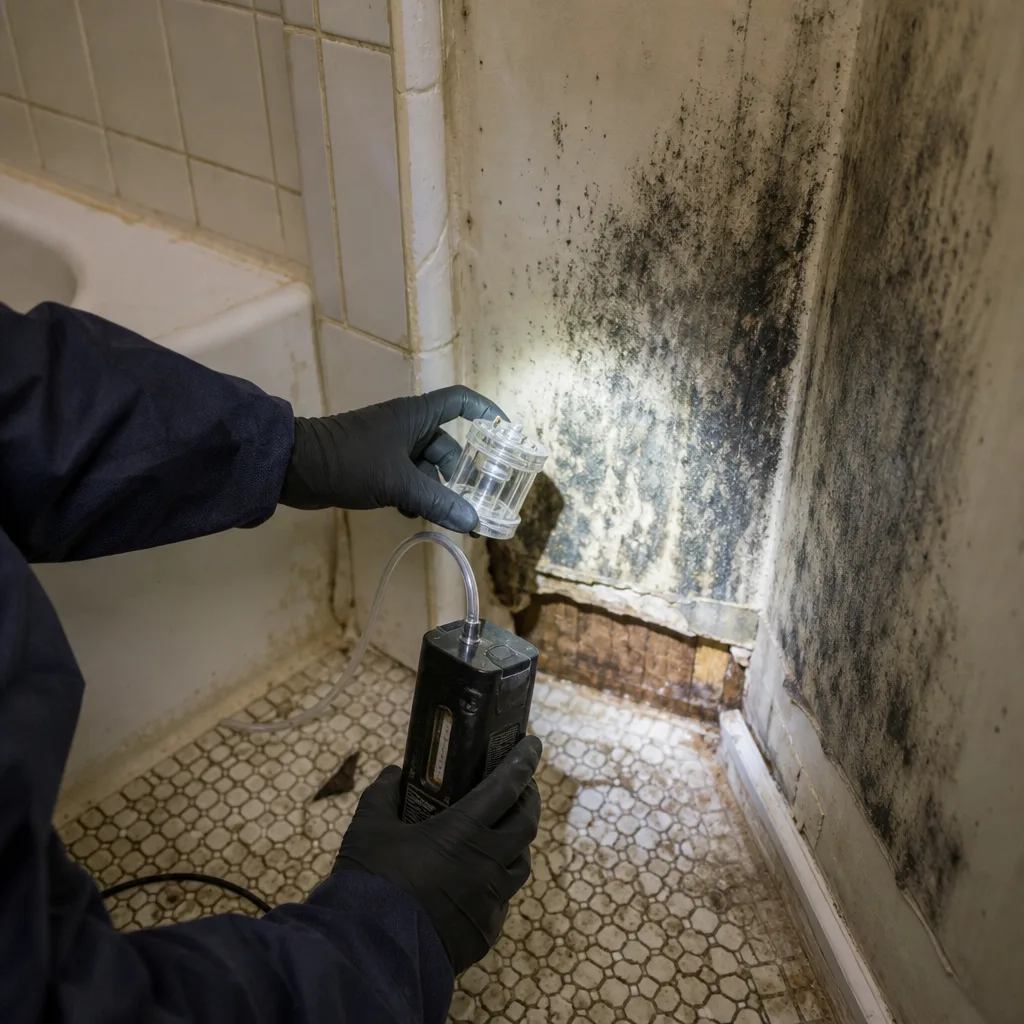
Drywall & Flooring Repair
Water from a steam riser on floor five often means replacing ceilings on floors two through five. We cut out only what’s damaged, dry what can be saved, and match existing textures on ceilings and walls. Hardwood floors in these pre-war buildings are frequently original, and we use Injectidry panel drying to save them rather than ripping out maple and oak that can’t be matched at any lumber yard.
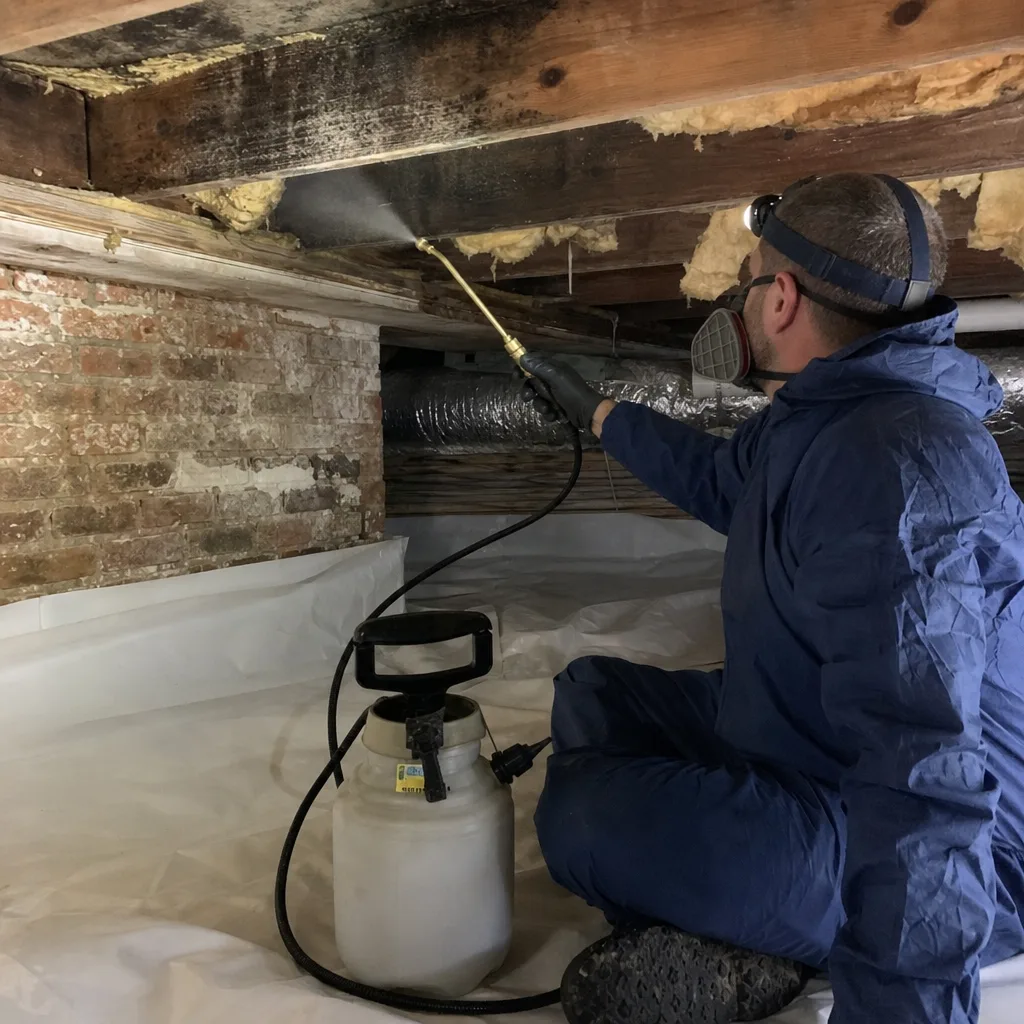
Contents Restoration & Pack-Out
When an entire co-op line gets hit, 20 units worth of furniture, clothing, and paperwork need somewhere to go. We pack out, inventory with photos, store in a climate-controlled facility, and return everything when the unit is rebuilt. The inventory goes to your carrier so contents claims get settled without weeks of item-by-item phone tag.
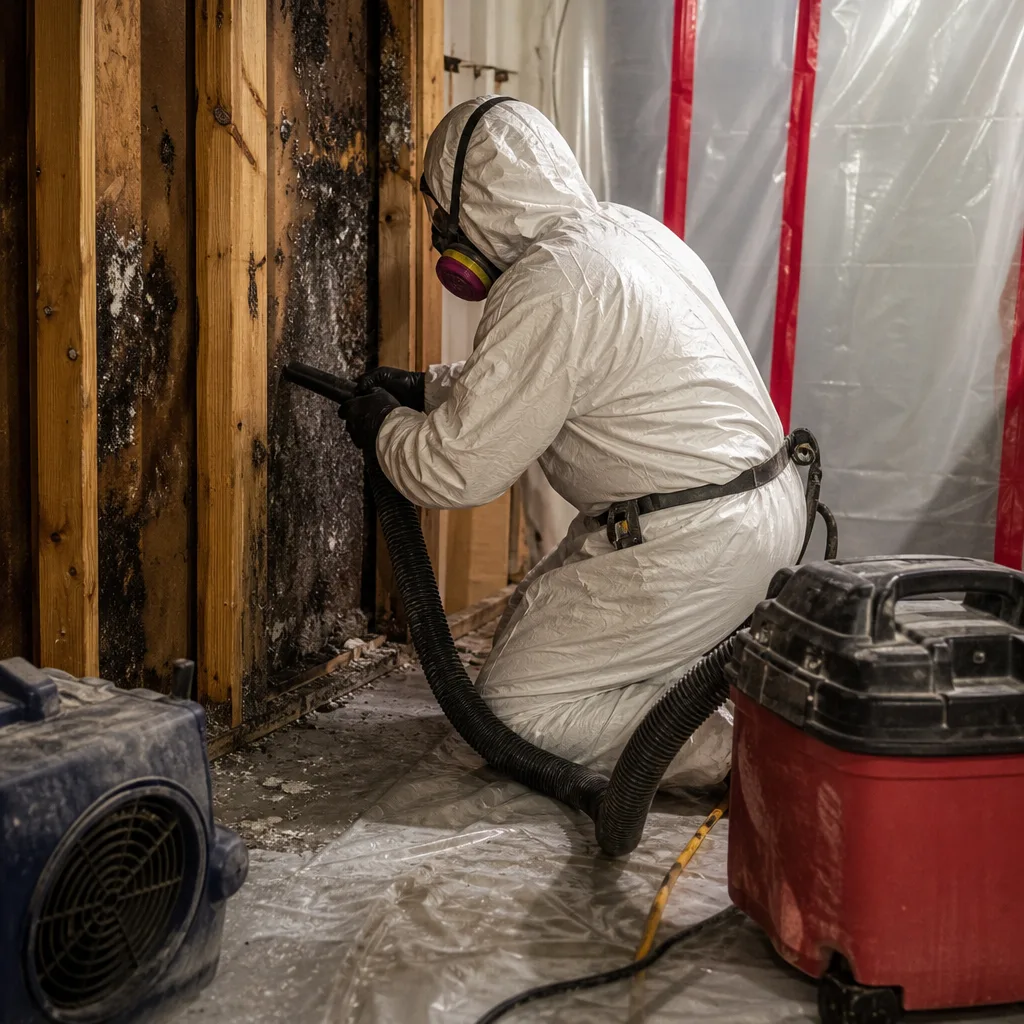
Carpet & Upholstery Cleaning
Post-reconstruction dust and debris settle into carpet fibers and upholstery. We run HEPA-filtered extraction on carpets, area rugs, and furniture throughout the affected unit before you move back in. For Jackson Heights apartments where original hardwood hides under wall-to-wall carpet, we also inspect what’s underneath while the carpet is pulled back.
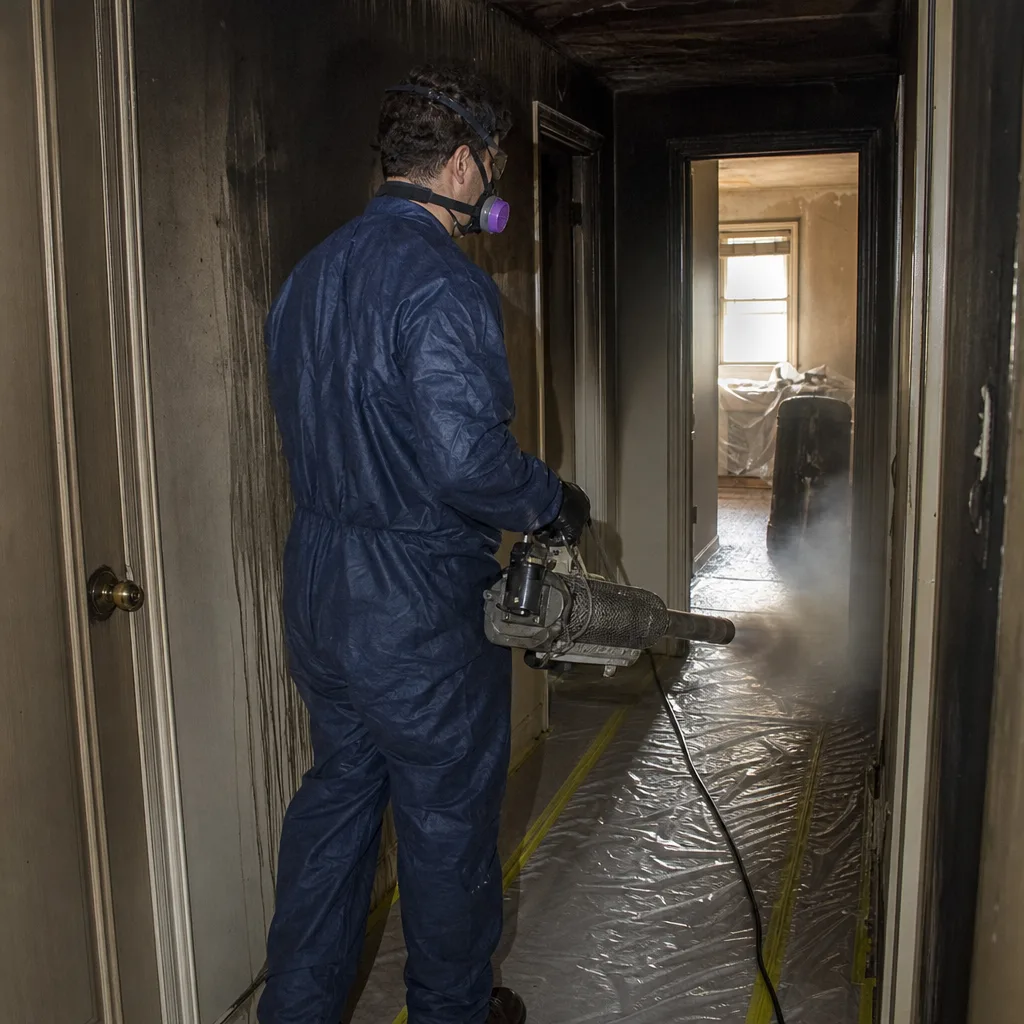
Post-Construction Cleanup
After a co-op hallway renovation or a unit rebuild, construction dust travels. We clean every surface, replace HVAC filters, and leave the space ready to occupy, not just swept. This is the difference between a crew that demos and a crew that finishes.
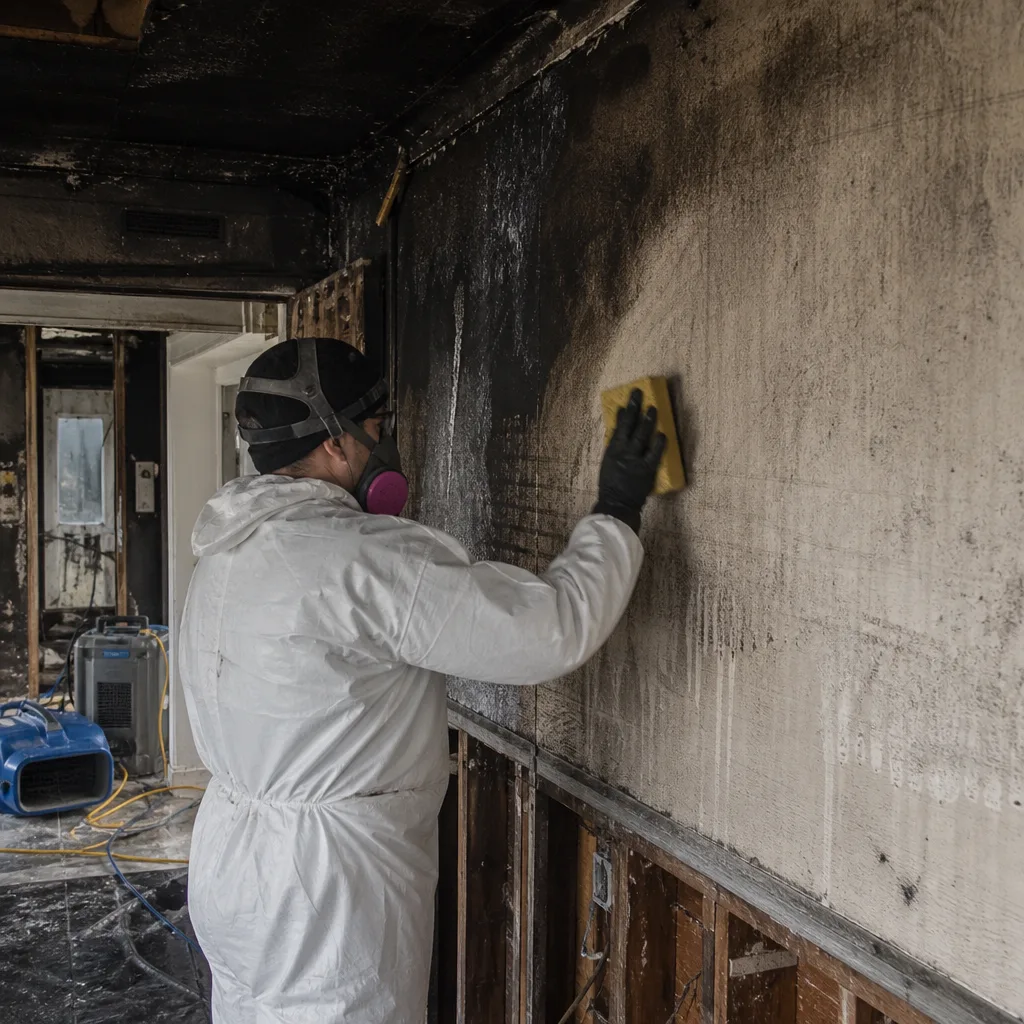
Insurance Claim Documentation
We photograph everything before, during, and after. Moisture logs, daily drying records, and line-item scopes follow IICRC standards. When your carrier or the building’s carrier asks for proof, we hand them a file that answers every question the first time. We also coordinate with the co-op’s master policy carrier when common areas are involved, because in Jackson Heights the split between unit owner and corporation coverage decides who pays for what.
What happens when you call
- 1
A real person answersNo phone trees - you reach a local pro.
- 2
You get an upfront price rangeHonest numbers before anyone is dispatched.
- 3
A background-checked tech heads outLicensed & insured, dispatched right away.
- 4
You approve before work beginsNothing starts until you say go.
Reconstruction & Cleanup Costs in Jackson Heights, NY
A typical reconstruction and cleanup project in Jackson Heights runs between $4,800 and $18,000 depending on how many rooms are involved and whether the loss is water, fire, or storm related. Drywall and flooring repair after a contained pipe leak in a single co-op unit usually lands in the $3,500 to $7,500 range. Contents pack-out and restoration for a multi-floor steam pipe failure can run $6,000 to $22,000 because of the labor involved in moving, inventorying, and storing belongings from 15 or 20 units. Post-construction cleanup typically costs $900 to $3,500 for a full apartment. What moves the price: whether the LPC requires historic material substitutions, whether the co-op board’s approval process adds idle time that requires re-cleaning, and whether asbestos abatement is triggered in older plaster or flooring. Most losses are at least partially insurance-covered. We offer a free inspection that gives you a firm line-item scope before any work begins. Call (917) 924-4221 to schedule.
We Also Serve Cities Near Jackson Heights
Our crews regularly work across East Elmhurst, Elmhurst, Corona, and Woodside. If your property sits just outside the Jackson Heights boundary, the same live dispatch and certified crews reach you just as quickly. The loss calendar and building types don’t change much across these neighborhoods, and neither does the way we handle the work.
Jackson Heights Reconstruction & Cleanup Questions, Answered
How does the Jackson Heights Historic District affect my reconstruction timeline after a water damage event?
If your building is within the Landmarks Preservation Commission-designated Jackson Heights Historic District, any work on the exterior or common areas requires LPC review for historically appropriate materials, which can add two to six weeks to a reconstruction timeline depending on the scope. Interior work inside your unit typically doesn’t need LPC approval unless it affects structural elements or visible common-area finishes. Your co-op board’s managing agent will know if LPC filing applies to your specific building. We build that lead time into our scope so the project doesn’t stall midway. Call (917) 924-4221 and we’ll help you figure out what applies to your property.
Who gives Floodline Restoration access to my unit in a Jackson Heights co-op building when a steam pipe breaks above me?
Access is granted by the co-op board’s managing agent or the building super, not by the individual unit owner, when the loss affects common riser spaces or multiple units. If water from a common pipe damaged your unit, the building’s master policy typically covers access coordination and the common-area portion of the loss. We contact the managing agent directly, coordinate floor-by-floor access, and document every delay so your claim file reflects why drying started when it did. Our team handles that conversation so you don’t have to.
Can mold be prevented if the board delays our start by a week?
Mold Remediation in Jackson Heights becomes critical when mold begins growing on wet drywall and plaster within 24 to 48 hours in warm conditions, so a week-long delay raises real risk. That’s why we stage dehumidifiers and air movers at the property as soon as access is anticipated, and we install temporary containment barriers the moment we’re cleared to enter. If a board delay pushes drying past 72 hours, we document the timeline in our moisture log for your carrier. In some cases, we can start drying common areas before unit interiors are accessible, which lowers the overall humidity load in the building. Call (917) 924-4221 to talk through your specific board’s process.
Why does category 2 water from a Jackson Heights steam pipe rupture require different cleanup than a clean-water leak?
Category 2 water contains contaminants: pipe scale, rust, sediment, and biological material pulled from 80-year-old cast-iron and galvanized supply lines. You can’t just dry it and walk away. Affected porous materials like drywall, insulation, and carpet padding need removal, and remaining surfaces get antimicrobial treatment. Clean-water leaks from a supply line still require drying but may not need the same level of material removal. We classify every loss by IICRC standards before we write the scope, so your carrier sees exactly why certain materials came out.
Who pays for pack-out of my belongings when a Jackson Heights co-op building’s pipe failure affects multiple floors?
Contents coverage usually falls to your individual HO-6 policy, while the building’s master policy covers common areas and the structural repair. We inventory and photograph everything we pack out, store it in a climate-controlled facility, and submit the inventory to your carrier so contents claims move faster. If the co-op’s master policy covers betterment items like upgraded flooring or built-ins, we flag that for the adjuster. Call (917) 924-4221 and we’ll walk through how your specific policy and the building’s policy split the work.
How fast can you actually get to my Jackson Heights apartment after I call?
Our dispatch board shows the nearest certified crew to your location, and we commit to a 45-minute response window inside Jackson Heights. In practice, crews working on 35th Avenue can often be at your door in under 30 minutes. If you’re in the garden apartment blocks around Travers Park, we ask you to coordinate access with your super so the crew doesn’t wait at a locked lobby door. The faster we start extraction, the lower your total reconstruction cost will be.
Do I really need full reconstruction, or can you just clean and dry my unit?
That depends on what got wet and for how long. If a clean-water pipe burst was caught within hours and your floors are solid hardwood with no subfloor saturation, we may be able to dry in place. If Category 2 water sat overnight, if plaster ceilings are saturated, or if smoke migrated through wall cavities, you’re looking at removal and reconstruction. We give you a written scope with photos and moisture readings before we recommend anything. You’ll see the evidence yourself before any demolition starts.
What should I do in the first 30 minutes after a pipe breaks or a fire happens in Jackson Heights?
Call (917) 924-4221 first, then call your building super or managing agent if you’re in a co-op. Shut off the water valve to the affected fixture if you can reach it safely, and don’t enter standing water if electrical outlets or appliances are involved. Take photos of everything with your phone before anyone moves furniture. Don’t open walls or pull up carpet yourself. The first 30 minutes determine whether drying works or whether you’re replacing materials, so get a certified crew on the road while you document.
Serving Jackson Heights, NY - Our Local Coverage Area
We’re based in the Jackson Heights area and know this community well. Use the map below to see our service coverage - if you’re nearby, we can almost certainly help.
One True Local Insight: Landmarked, Board-Governed, and Different
A large portion of Jackson Heights falls within the NYC Landmarks Preservation Commission-designated Jackson Heights Historic District. That single fact changes how reconstruction and cleanup work gets done here compared to anywhere else in Queens. The neighborhood’s signature 1920s and 1930s cooperative garden apartment complexes, built by the Queensboro Corporation, sit under LPC jurisdiction for any exterior or common-area work, meaning restoration must use historically appropriate materials and pass an LPC compliance review. Your co-op board’s managing agent is the gatekeeper: they control access to risers, stairwells, courtyard staging areas, and sometimes even which contractor is allowed on the property. This regulatory layer almost entirely absent in neighboring Astoria or Elmhurst adds weeks to project timelines and layers of paperwork that have nothing to do with the actual repair work. We’ve rebuilt enough of these buildings to know which LPC filings are routine, which material substitutions trigger delay, and how to sequence the work so mitigation happens fast while the paperwork catches up.
When a cast-iron steam line let go on a fifth-floor riser in a block-long cooperative garden building near 35th Avenue, our techs mobilized within hours but couldn’t place a single air mover until the co-op board’s managing agent granted floor-by-floor access. By the time we got containment up on three floors, Category 2 water had traversed the original plaster ceilings and saturated lath on 22 units. Our moisture mapping showed readings exceeding 99% RH in the partition cavities. We ran structural drying with Dri-Eaz LGR 7000XLi dehumidifiers and Injectidry panel drying on the lath-and-plaster, while coordinating pack-out of contents through the board’s super. The drying log from that job went to three different insurance carriers, because the co-op’s master policy, individual HO-6 policies, and the building’s liability carrier all had exposure. That’s not a one-off scenario in Jackson Heights; it’s the standard operating environment here.
What this means for you as a property owner: you need a restoration contractor who has rebuilt pre-war plaster walls, who knows how to work around LPC requirements without losing weeks of drying time, and who can talk to a co-op board like a professional, not like a vendor. You need Reconstruction & Cleanup done by a team that doesn’t flinch at historic material requirements or multi-carrier claim files. Floodline Restoration Co. of Manhattan does this work every week in Jackson Heights. The Keystone Standard applies here just like everywhere else: done right, and backed in writing.
Written by Curt Bowman, Owner at Floodline Restoration Co. of Manhattan, serving Jackson Heights since 2010.
Call (917) 924-4221 for a free estimate, any hour of any day. A live person answers. We’ll be there when we say.