
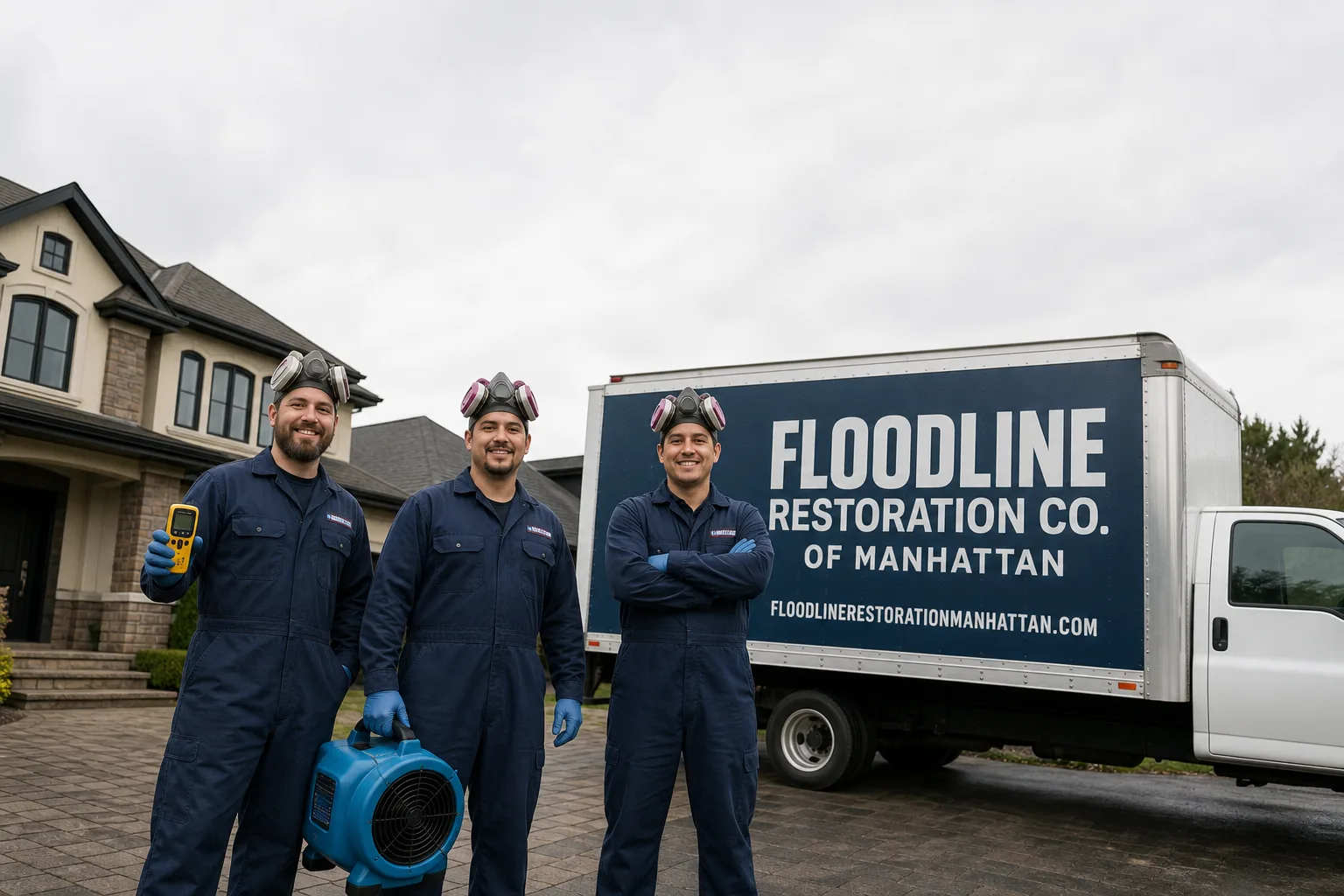
Free visual inspection and a written scope of work before any mitigation begins - photos, moisture readings, and drying logs go in your claim file
The scope we write is the scope we bill. Anything new gets shown to you, in writing, before we touch it.
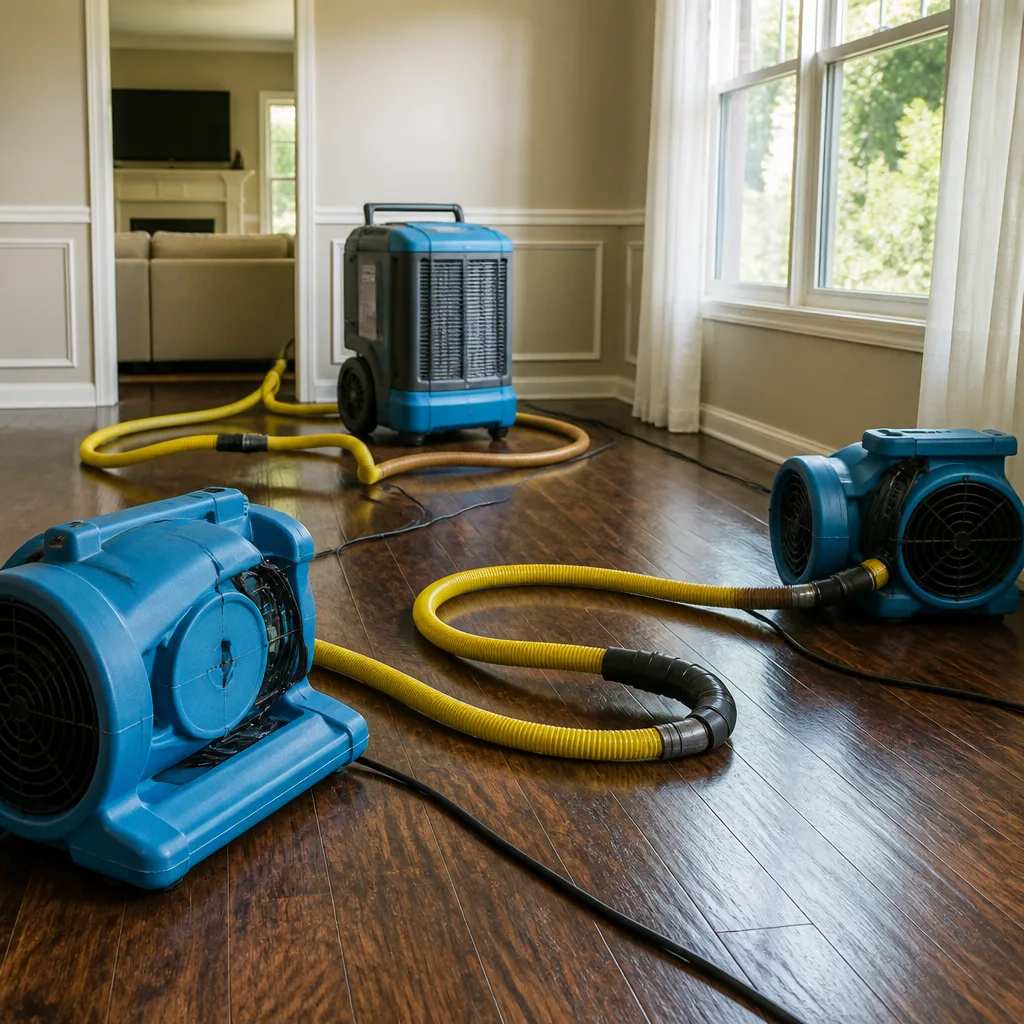
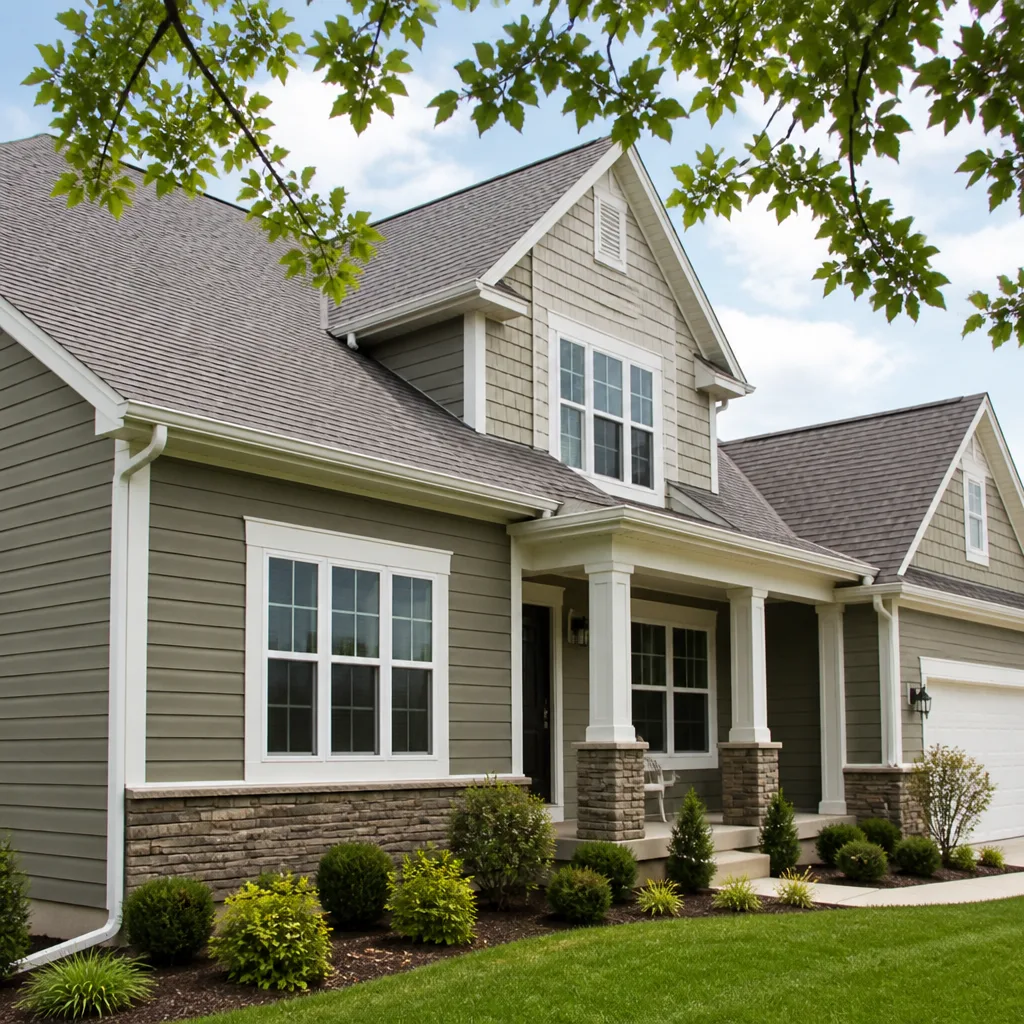
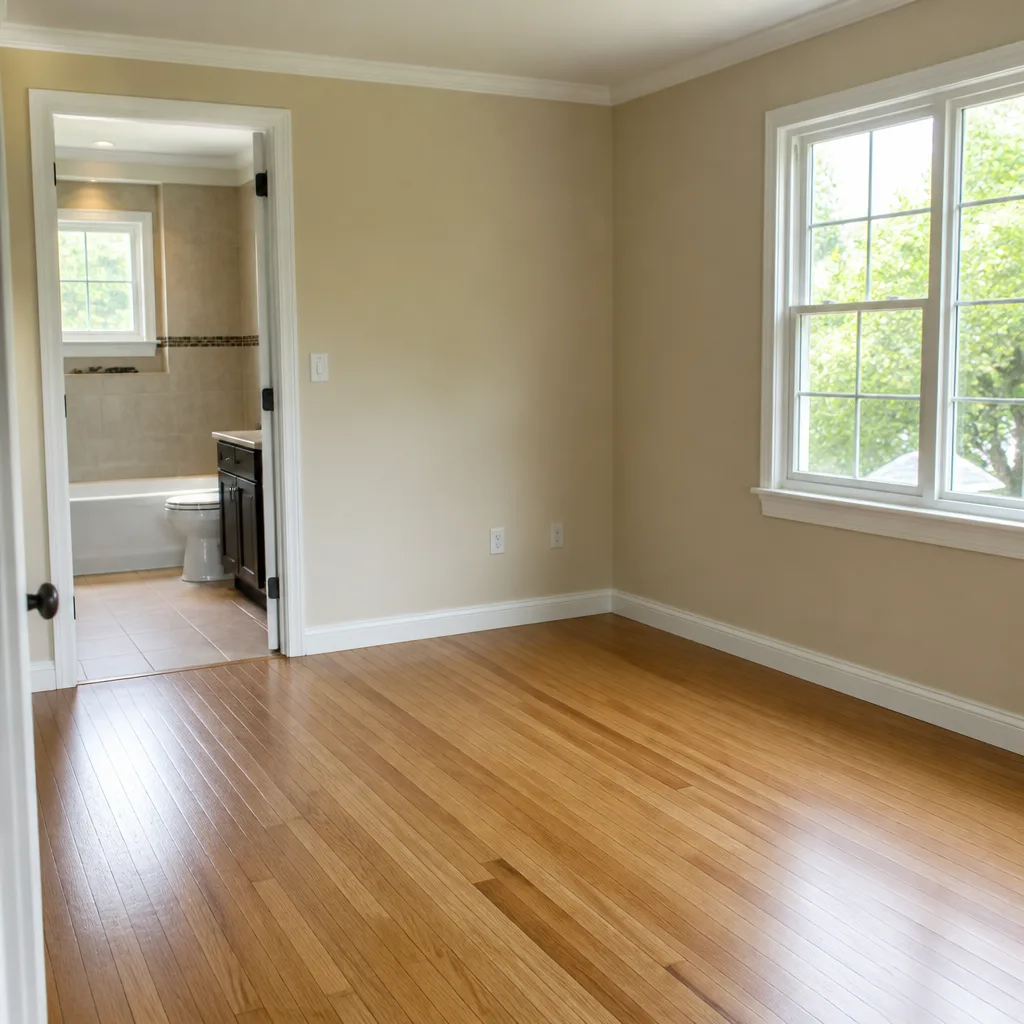
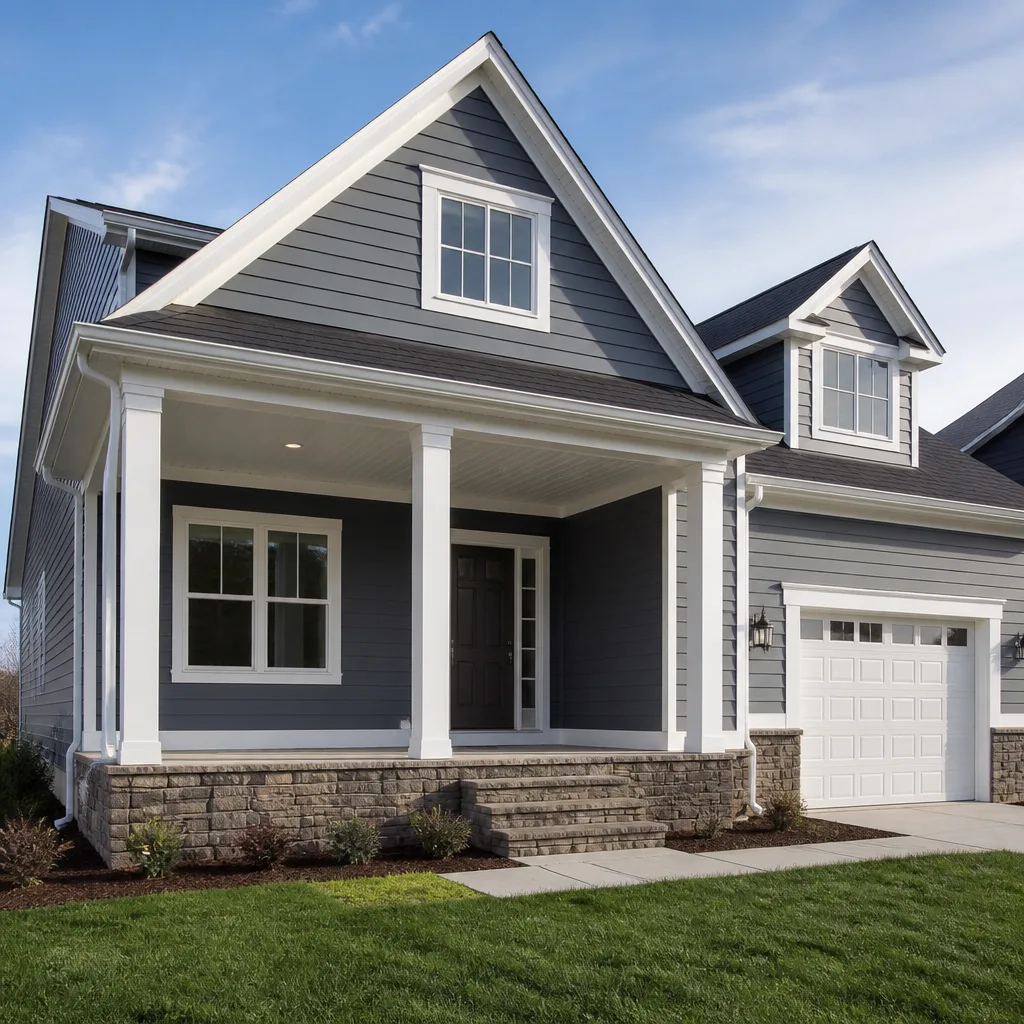
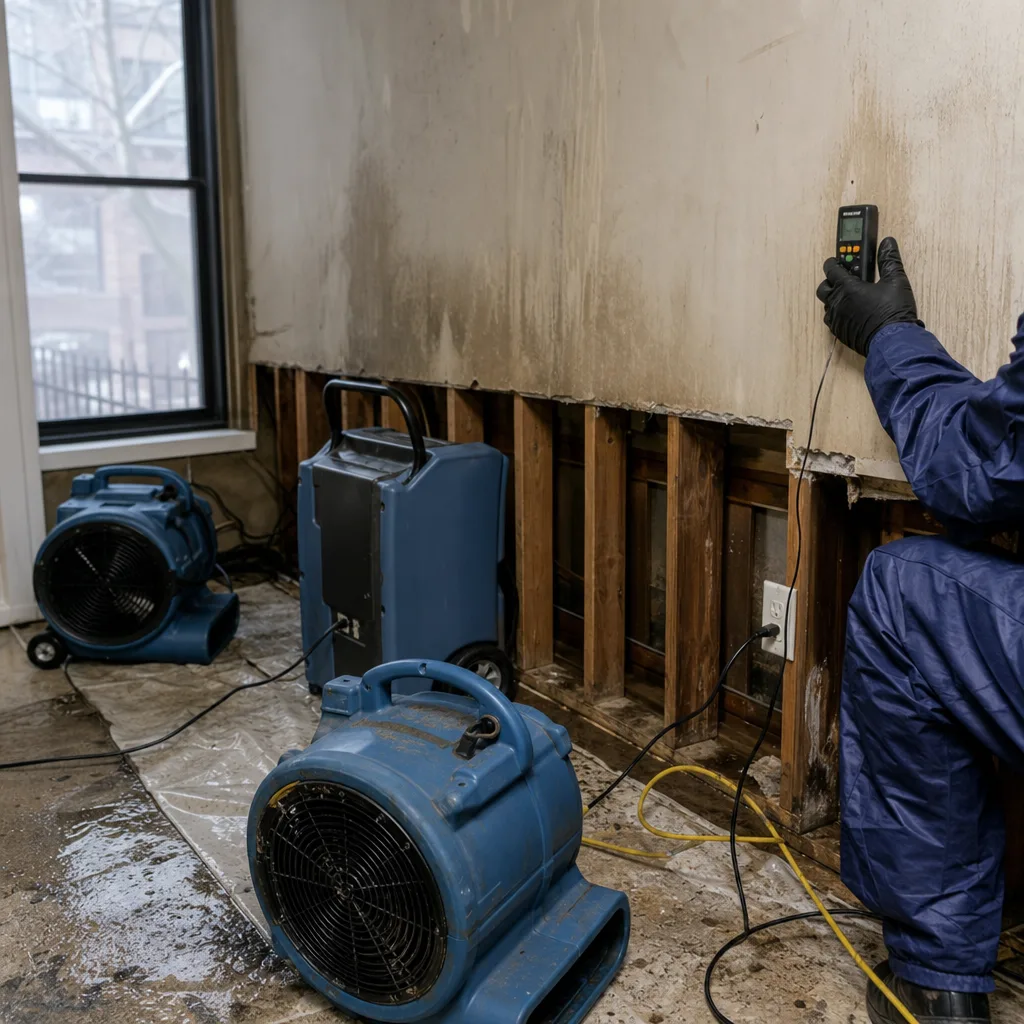 Before
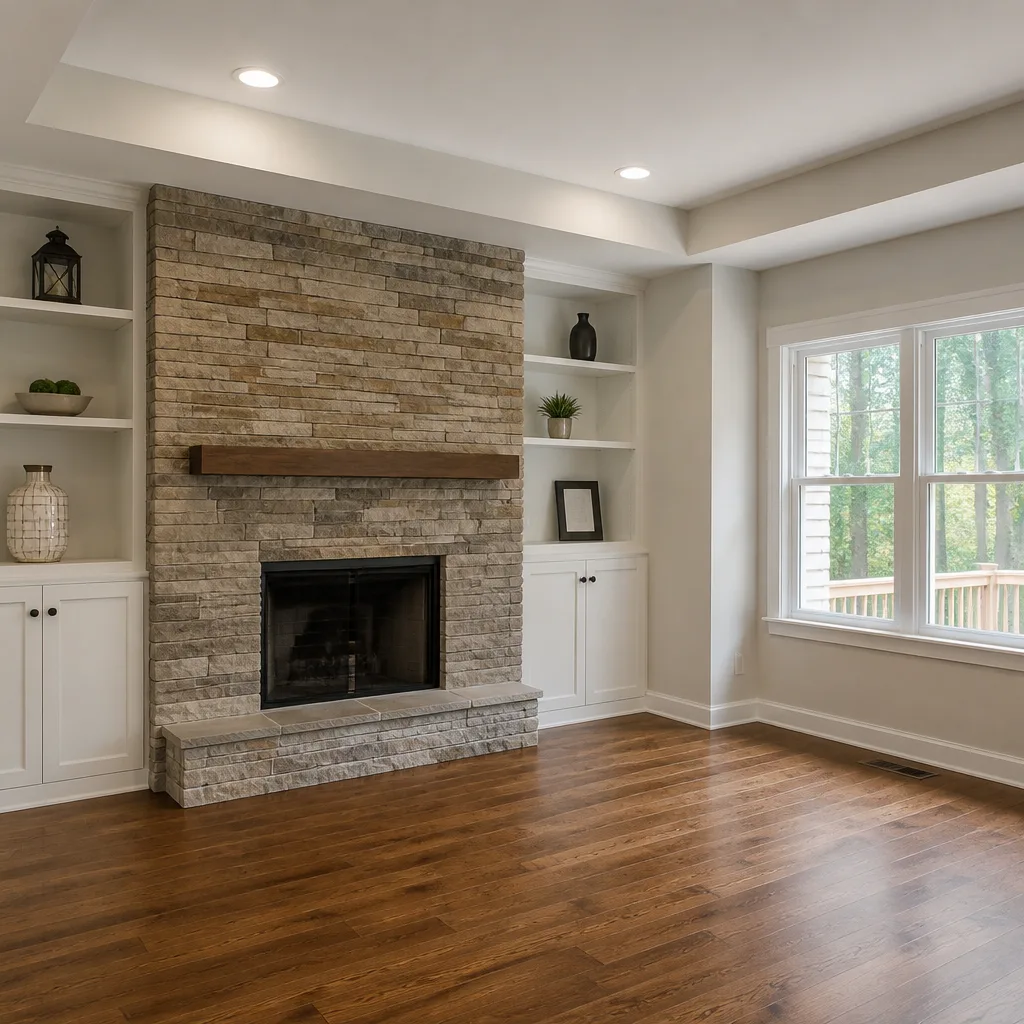
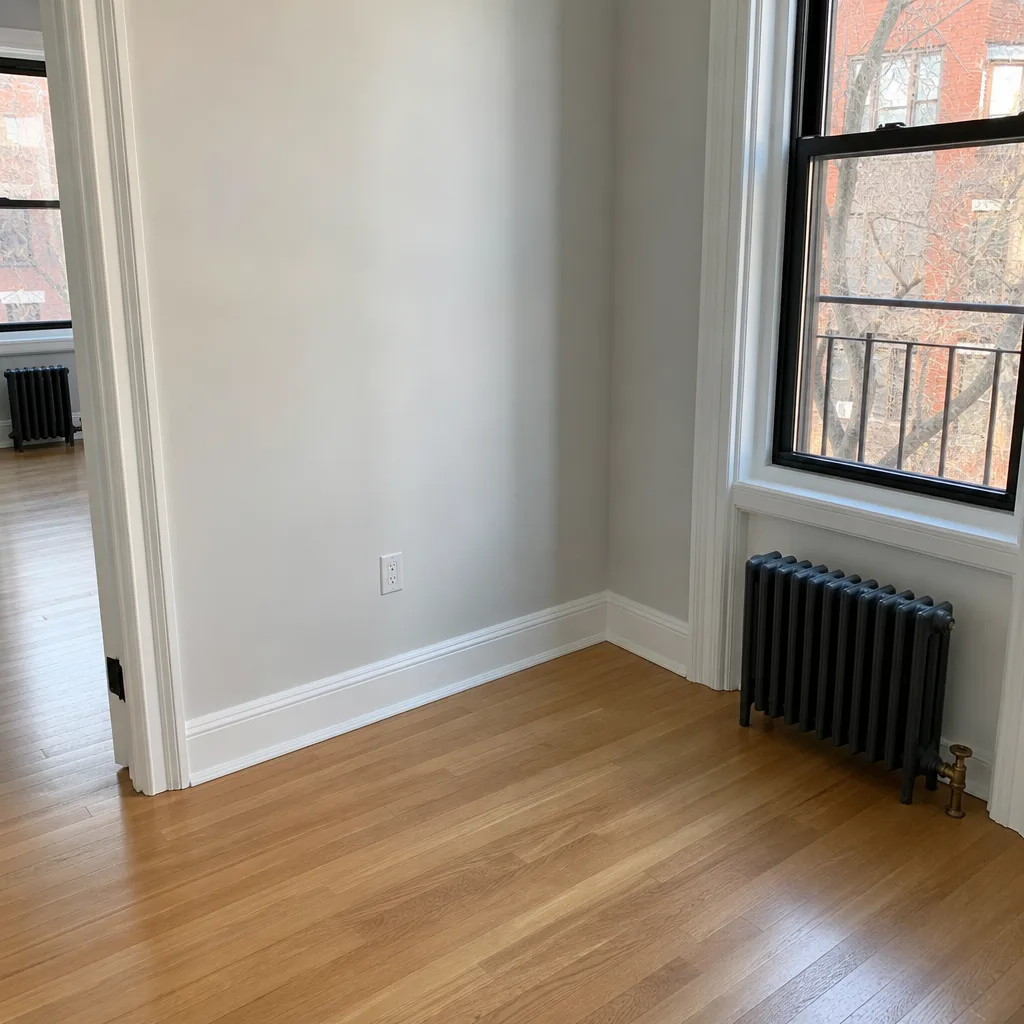 After
After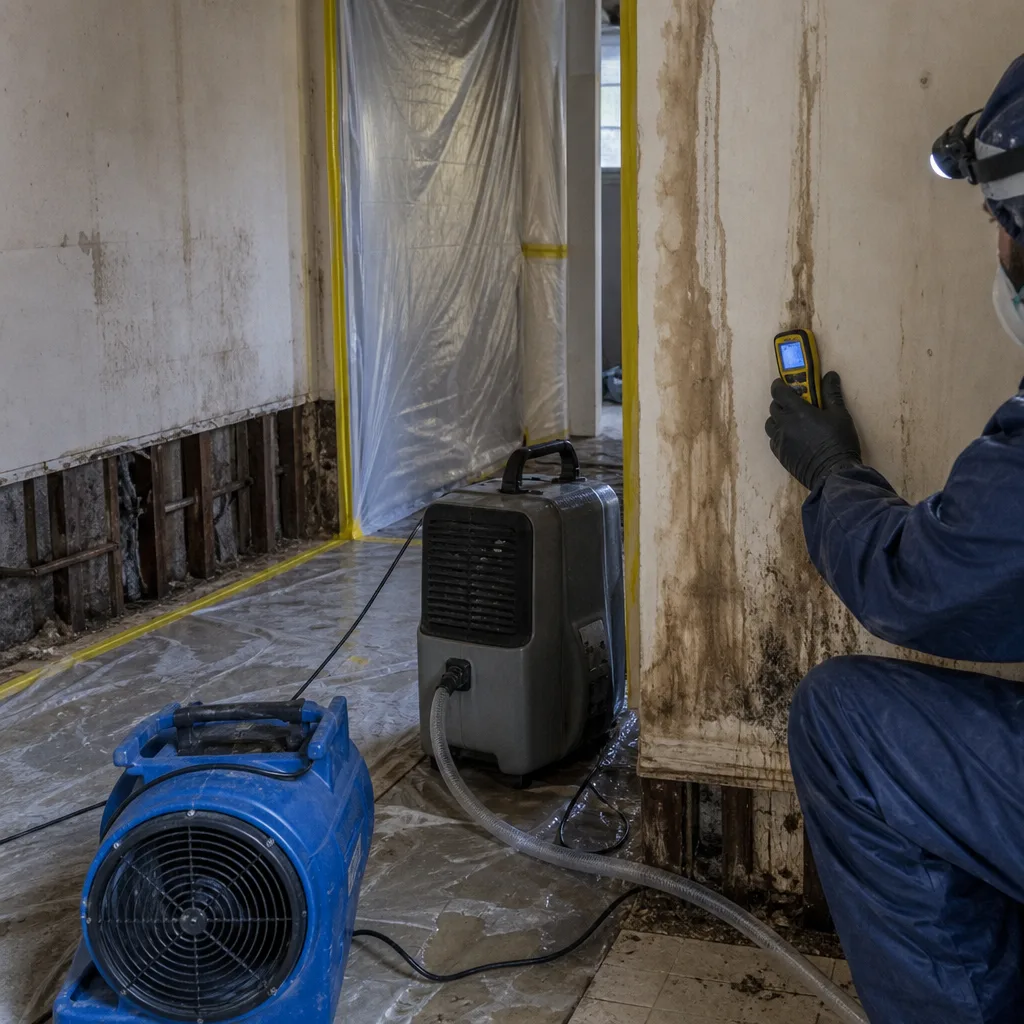 Before
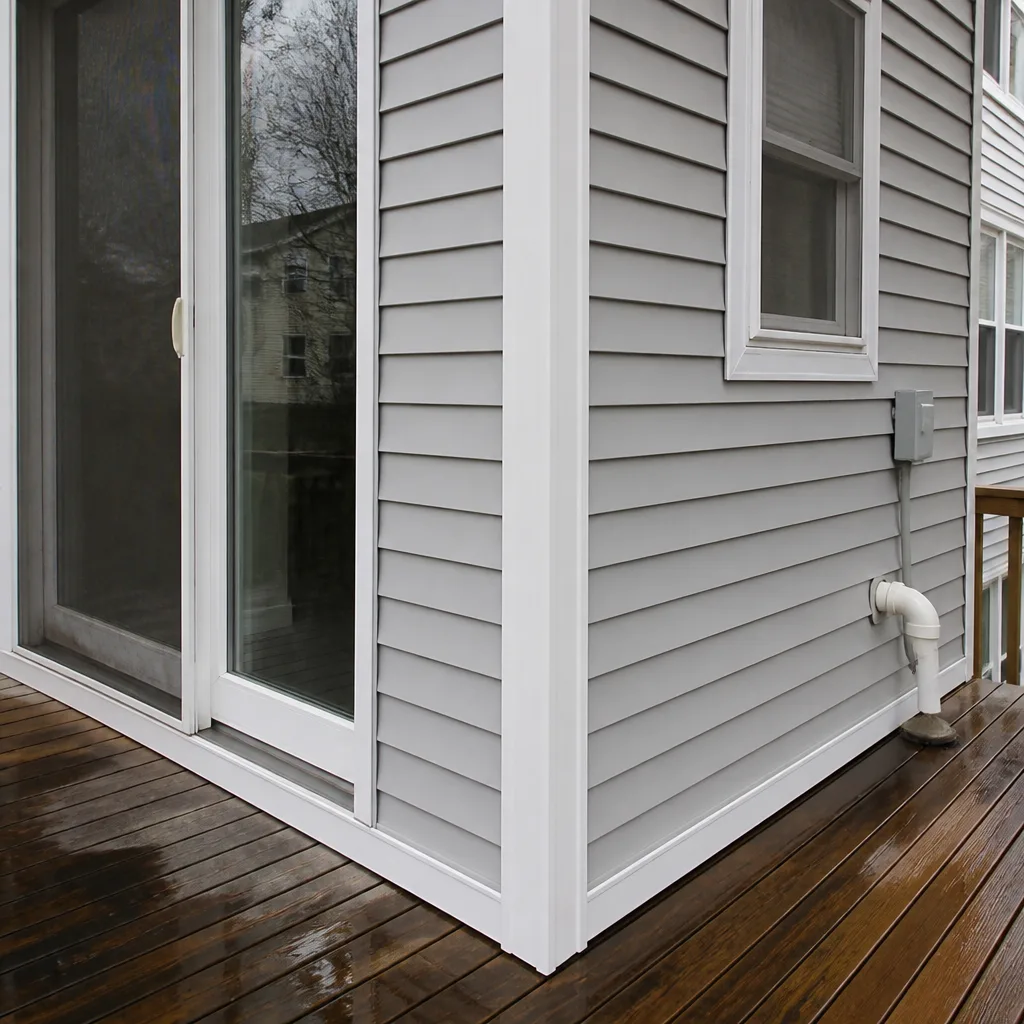 After
After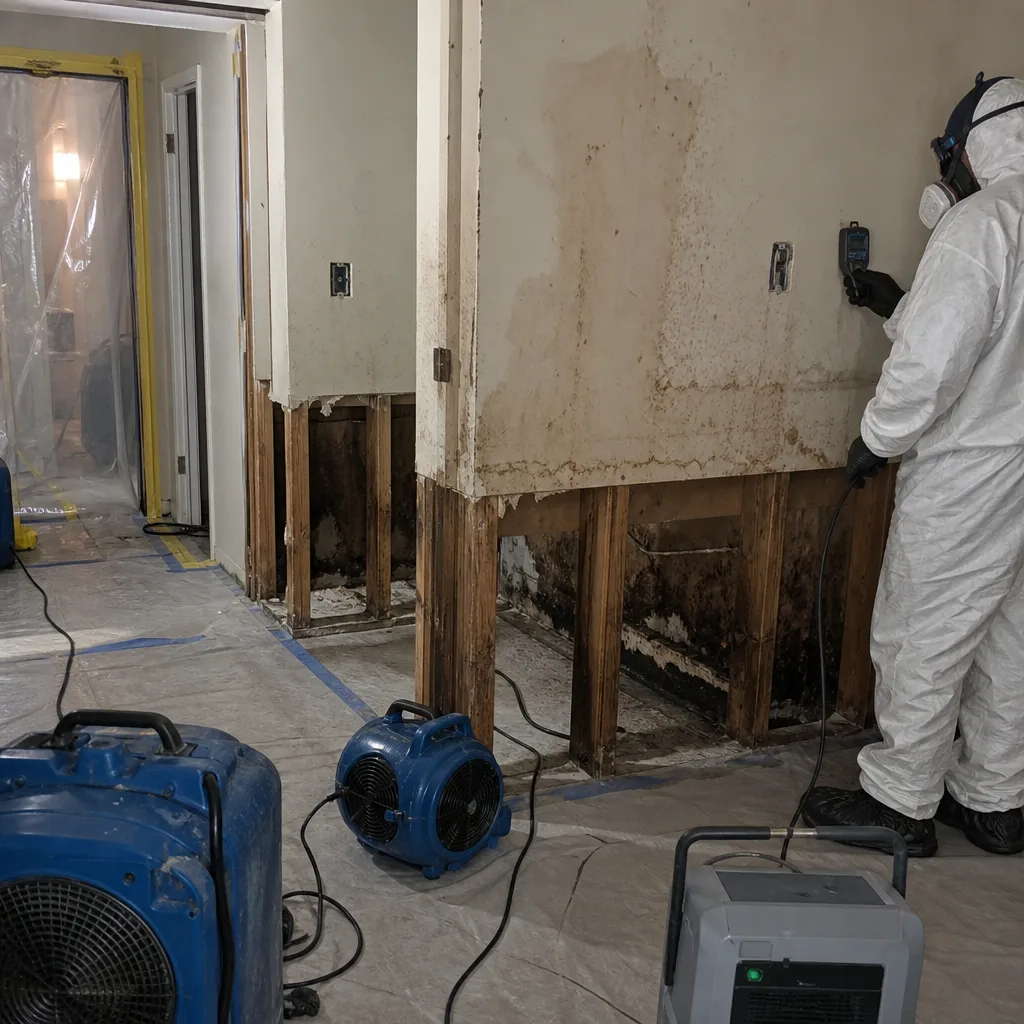 Before
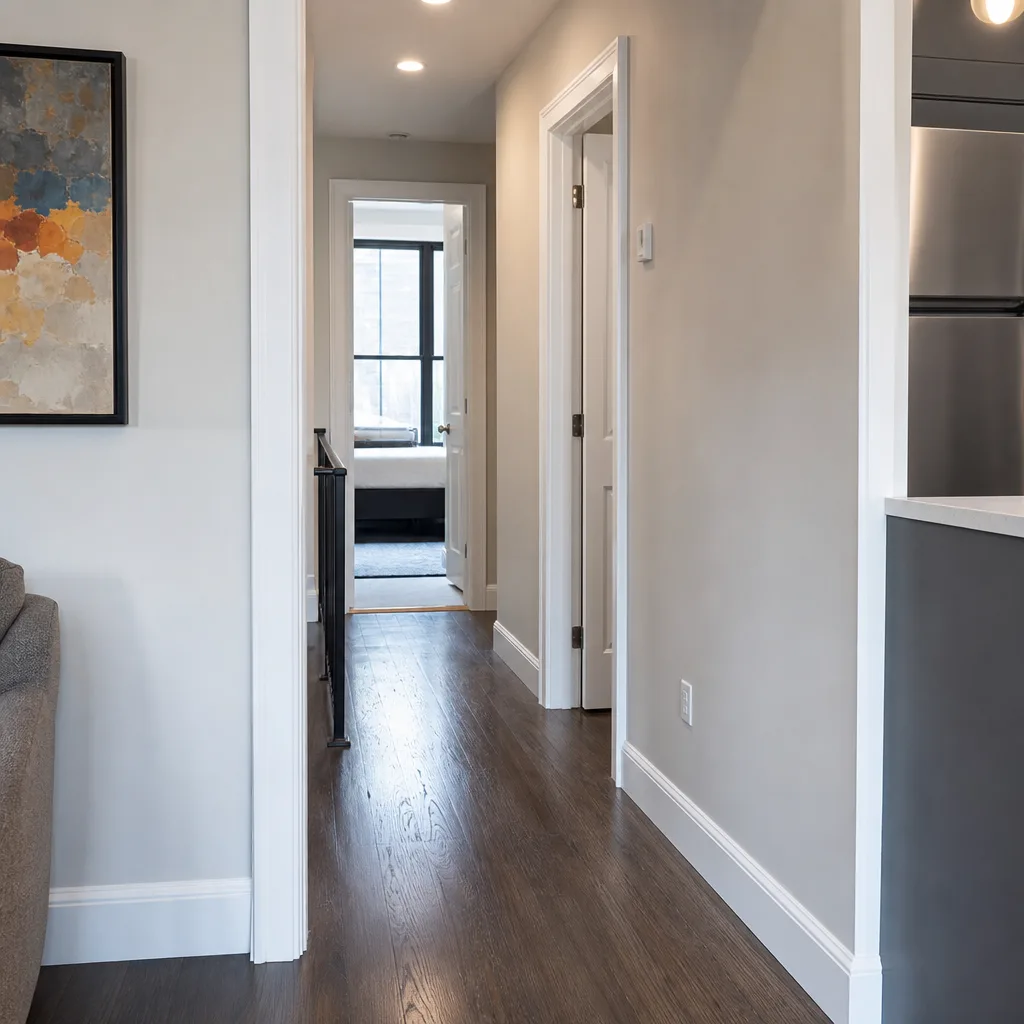 After
After24/7 Emergency Reconstruction & Cleanup in Park Ridge
Reconstruction and cleanup after a water loss in Park Ridge, NJ typically starts with emergency extraction within hours, not days. We answer the phone with a live dispatcher around the clock, and our crews reach Park Ridge homes fast because we know the Pascack Valley roads. If you’re looking at standing water, wet drywall, or a finished basement that just took a hit, call (917) 924-4221 right now. The first hour matters more than most homeowners realize: water moves through drywall, wicks up studs, and finds its way under flooring before you’ve finished mopping. A free visual inspection tells you exactly what you’re dealing with, and our team handles everything from first extraction to finished rebuild under one roof. That means no mid-job handoff, no second crew relearning your home, and no gaps between cleanup and reconstruction.
Understanding Reconstruction & Cleanup Severity in Park Ridge Properties
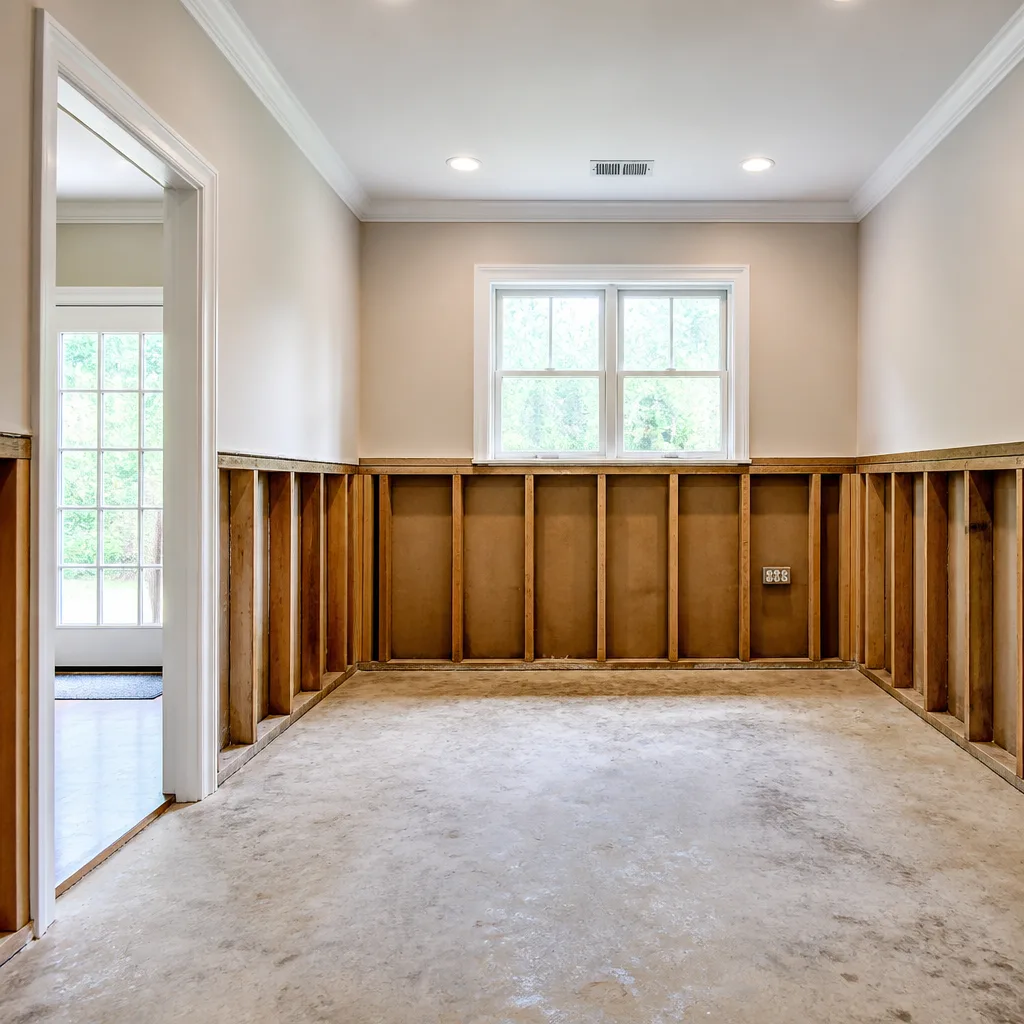
Not every water loss in Park Ridge requires the same level of response. We categorize water damage the same way the IICRC does: Category 1 is clean water from a supply line or faucet, Category 2 carries contaminants, known in the trade as gray water, from washing machines, dishwashers, or sump failures, and Category 3 is sewage or floodwater. Most homes in Park Ridge were built between the 1950s and 1980s, which means gypsum drywall, wood subfloors, and fiberglass insulation that hold moisture differently than modern materials. A Category 2 loss from a failed washing machine supply line can saturate drywall within hours, and once moisture content climbs above 20 percent, you’re looking at removal rather than drying in place. We use moisture mapping and thermal imaging to find what’s wet behind walls and under flooring. Severity determines whether we dry in place or cut and replace. The honest answer in Park Ridge is often a hybrid: dry the studs, remove the unsalvageable drywall, and rebuild to match the surrounding finish.
Why Park Ridge Property Owners Choose Floodline Restoration Co. of Manhattan
- Live answer, every call, every hour. A real person picks up at 2 a.m., not a recording. We dispatch crews to Park Ridge the same visit.
- 45-minute response commitment. For active water losses in the Park Ridge area, we aim to have a certified crew on site within 45 minutes of your call.
- IICRC-certified technicians. Our crews hold WRT, FSRT, and AMRT certifications and follow IICRC S500 and S520 standards on every job.
- Free visual inspection. Before any work begins, we walk the property, take moisture readings, and give you a straight answer about scope.
- Direct insurance billing. We bill your carrier directly and speak with adjusters ourselves. You never play messenger between us and the insurance company.
- One team from extraction to reconstruction. The same uniformed, background-checked crew that dries your home rebuilds it. No handoffs.
Our Reconstruction & Cleanup Process
Inspection & Assessment
We arrive, walk the property, and take thermal imaging and moisture readings throughout the affected area. Within the first visit, you get a clear scope of what’s wet, what can be dried, and what needs to come out.
Extraction & Stabilization
Standing water comes out first using truck-mounted extraction and portable units. We stop the spread by removing saturated materials that cannot be saved and setting containment where needed.
Drying & Dehumidification
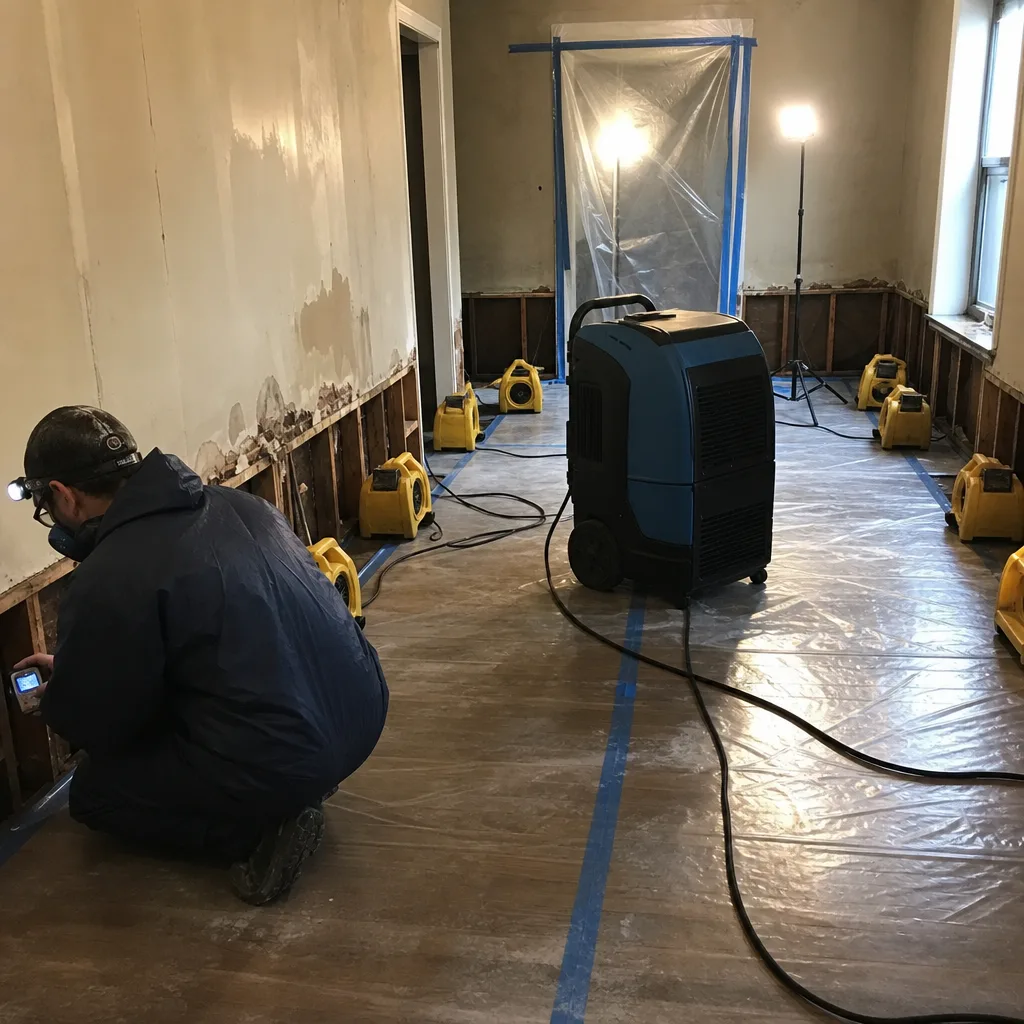
We place Dri-Eaz air movers and Phoenix dehumidifiers according to a moisture map, not guesswork. Daily readings are logged until the dry standard is met, and that log goes to you and your adjuster.
Cleaning & Sanitization
Affected surfaces get antimicrobial treatment appropriate to the water category. For Category 2 losses like washing machine overflows, that treatment is standard before any rebuild starts.
Reconstruction Planning
Once the space is dry, we scope the rebuild: drywall, flooring, trim, paint. You get a line-item estimate in writing before any reconstruction work begins, and we review it with you.
Repairs & Restoration
We hang, tape, finish, and paint drywall, install flooring, and match trim to the existing home. The job isn’t done until the space looks like the loss never happened and the 90-Day Done Right Promise is in your hands.
Need Emergency Reconstruction & Cleanup in Park Ridge Now?
Crews minutes away, answering live 24 hours a day. The sooner we start, the less it costs.
Working With Your Insurance Company
Water losses in Park Ridge homes are covered by homeowners insurance more often than people expect, but the claim is only as good as the documentation. We start documenting in the first hour: photos of standing water, moisture readings, thermal images, and a room-by-room log. Our estimators write scopes in the same format carriers expect, using industry-standard pricing software. We speak with your adjuster directly, walk them through the drying log, and justify every line item. You never have to translate technical details or argue about whether a wall needed to come out. If the carrier has questions, we answer them. That’s the job.
What We Provide Your Insurer
- Thorough documentation of the loss
- Photos of all damage, room by room
- Moisture readings and drying logs
- A detailed, line-item scope of work
- Direct coordination with your carrier
Built for Park Ridge’s Loss Calendar
Park Ridge has its own rhythm of water losses, and we’ve learned it by working here. January and February bring deep freezes that burst supply lines in unheated crawlspaces and exterior wall cavities. March and April thaw pushes groundwater up through foundation cracks, and sump pumps that sat idle all winter fail on the first heavy rain. The Pascack Valley Line corridor floods after downpours, and homes near the tracks have below-grade laundry rooms that take on Category 2 stormwater through floor drains. Summer thunderstorms dump an inch of rain in twenty minutes, overwhelming window wells and basement stair drains. And nor’easters in the fall bring wind-driven rain that finds every flashing gap. Each season produces a different loss profile, and the response matters: a failed sump pump in April needs extraction and drying immediately, while a January supply-line burst often freezes the damage in place until the house warms up. Knowing what you’re facing in Park Ridge means knowing the season and the house.
Reconstruction & Cleanup Across Park Ridge’s Neighborhoods
Park Ridge is compact, roughly 2.6 square miles, but the housing stock varies enough to change how we approach a loss. Homes along Park Avenue and the side streets running off it are older colonials and cape cods, many with finished basements dating back decades and drywall that was installed before modern moisture standards. Homes near Mill Pond and the borough’s eastern edge sit lower, with groundwater pressure that shows up as efflorescence on foundation walls. The neighborhoods off Spring Valley Road and the streets west of the tracks include split-levels, where a water loss on the lower level can migrate up through the knee wall and into the main floor. And the homes near Pascack Road, some built in the 1920s and 1930s, have plaster walls and true dimensional lumber that behave differently than modern construction. When we respond to a home on Wildrose Avenue or any of the side streets off Fremont Avenue, we know from the address what we’re likely to find: age of the home, basement layout, and typical drainage patterns. That local knowledge shortens the assessment and keeps the scope honest.
Specialized Reconstruction & Cleanup Services We Offer in Park Ridge
Full-Service Reconstruction
When a Park Ridge basement needs drywall removed, framing dried, and the space rebuilt, we do all of it. There’s no pause between mitigation and rebuild, no second company, no new crew walking your home for the first time. Our Reconstruction & Cleanup team handles the complete scope from first cut to final paint, and we stand behind the result with the 90-Day Done Right Promise in writing.
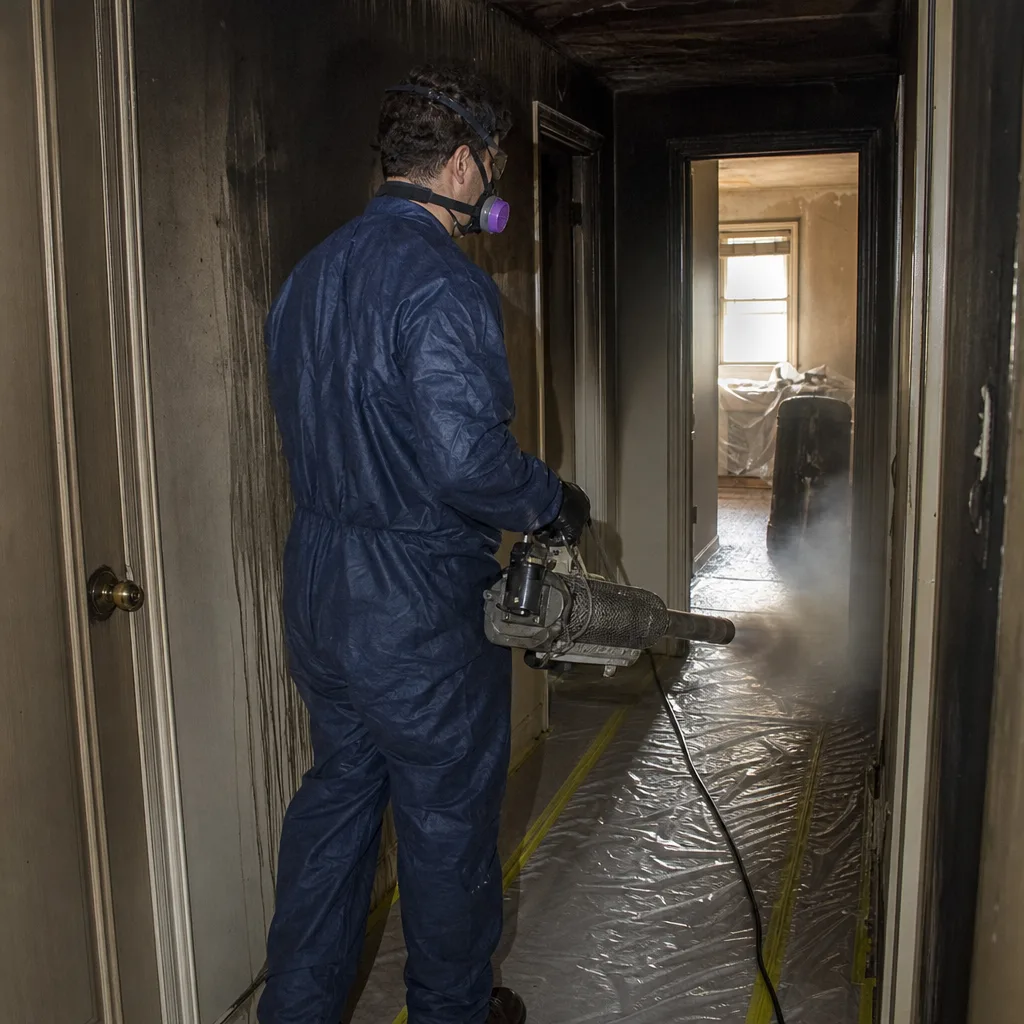
Drywall & Flooring Repair
Water doesn’t stop at the baseboard. In Park Ridge homes with finished basements and ground-level family rooms, moisture wicks up drywall and under laminate, vinyl, and carpet. We cut drywall to the moisture line, dry the framing, and replace exactly what came out, then match flooring to the existing room. If the original material is discontinued, we show you options before ordering anything.
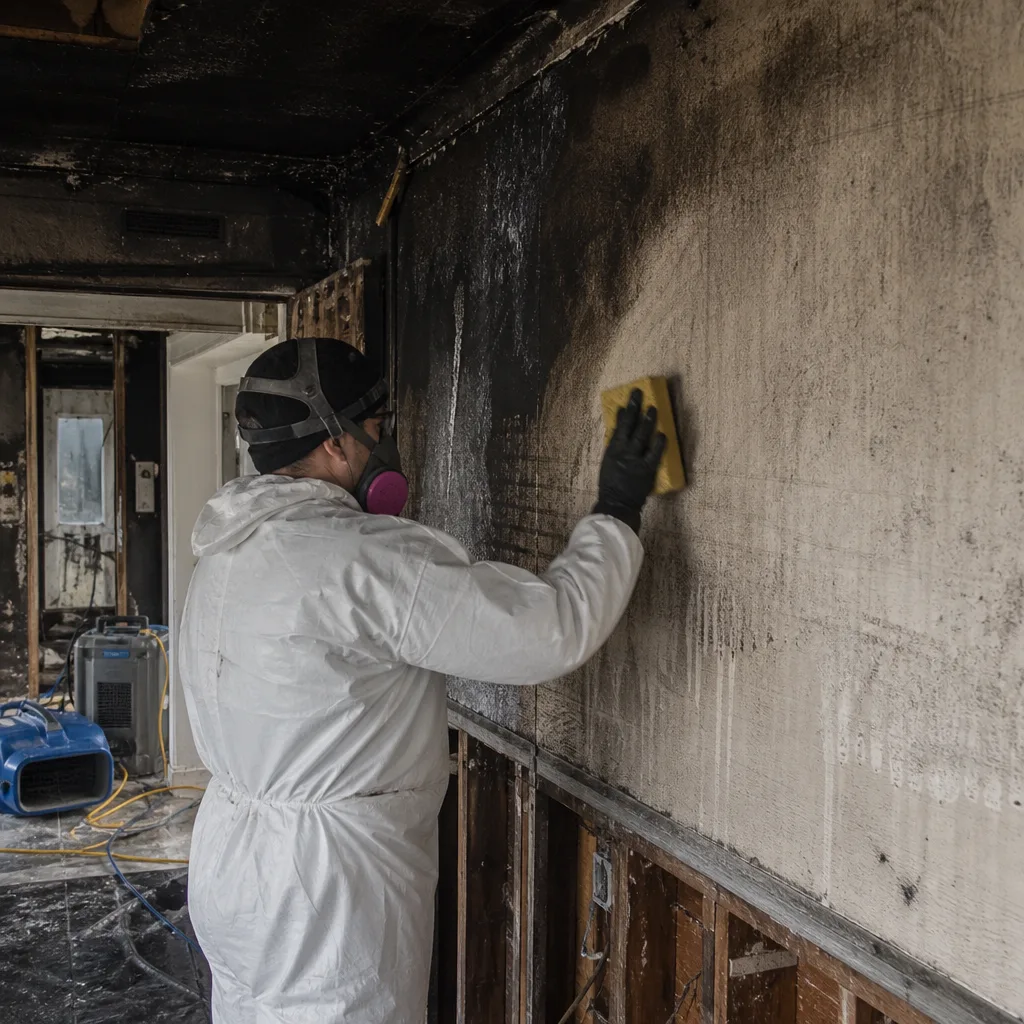
Contents Restoration & Pack-Out
A finished basement in Park Ridge typically holds furniture, storage, and family items. We inventory, photograph, and pack out salvageable contents, then clean and store them until the rebuild is done. Items that can’t be saved are documented for your claim. Nothing gets thrown away without your sign-off.
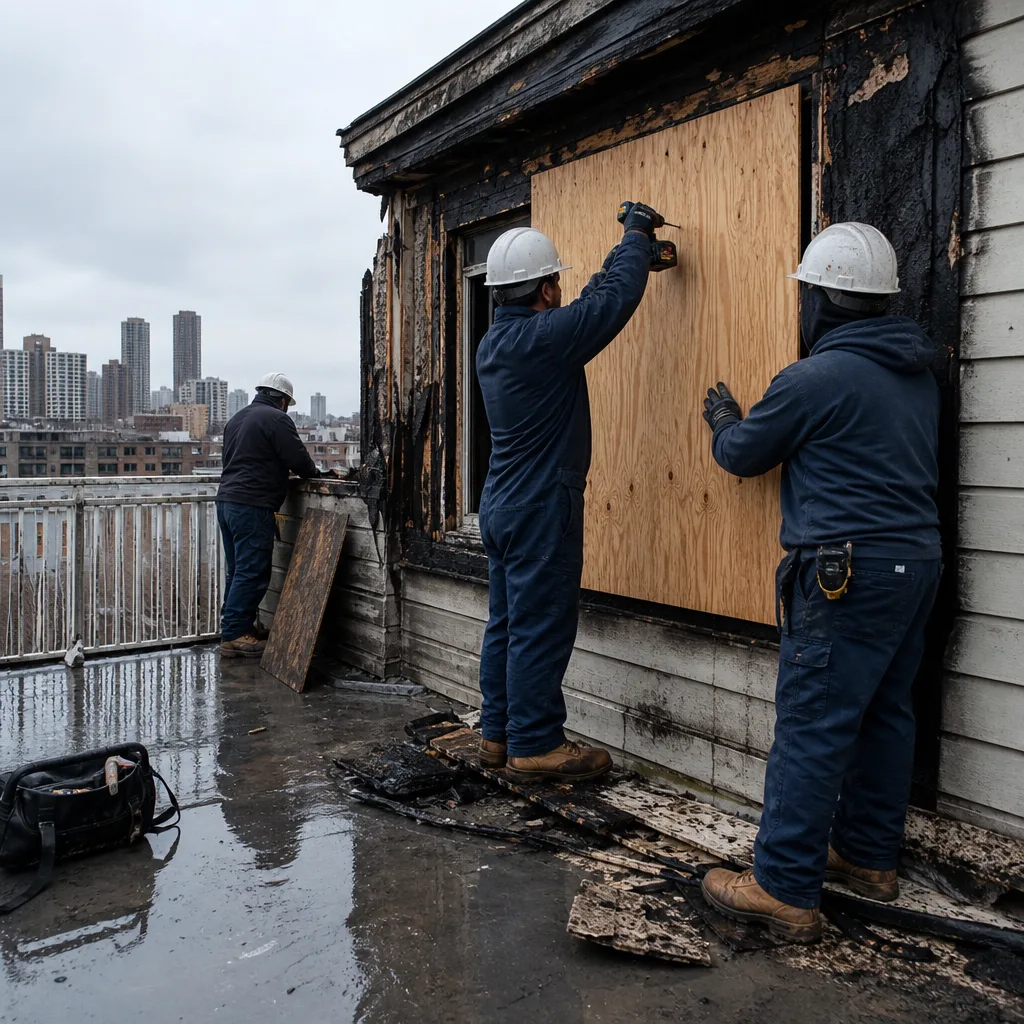
Carpet & Upholstery Cleaning
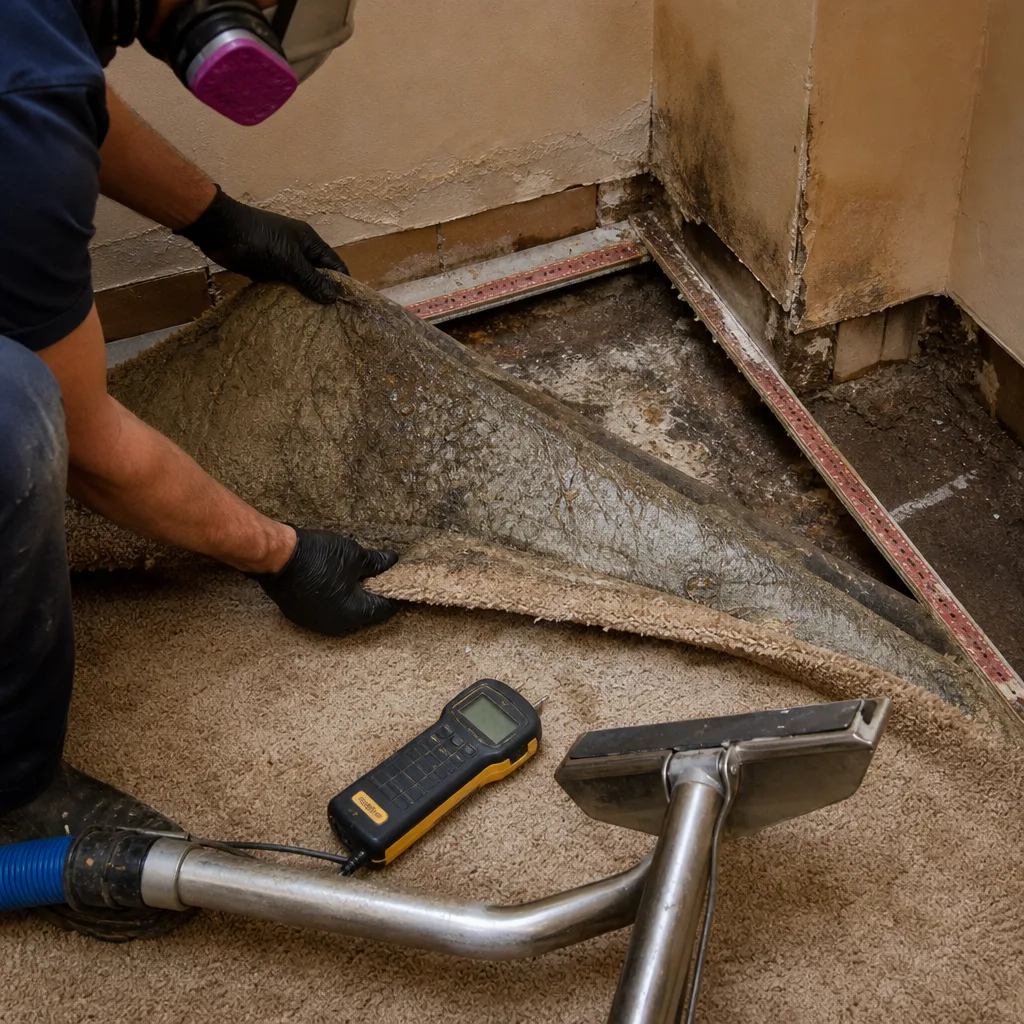
After a Category 2 water loss, carpet and upholstery in the affected area need professional cleaning and antimicrobial treatment, not just a carpet shampoo. We clean on site where possible and use hot-water extraction equipment that meets professional standards. Rugs and furniture that need specialized handling go to our cleaning facility.
Post-Construction Cleanup
Drywall dust gets everywhere, and it’s fine enough to linger in HVAC ducts and behind trim. After every reconstruction job in Park Ridge, we run a full post-construction cleaning: HEPA-vacuuming surfaces, wiping down trim and sills, cleaning floors, and leaving the space ready to live in, not “contractor clean.”
What happens when you call
- 1
A real person answersNo phone trees - you reach a local pro.
- 2
You get an upfront price rangeHonest numbers before anyone is dispatched.
- 3
A background-checked tech heads outLicensed & insured, dispatched right away.
- 4
You approve before work beginsNothing starts until you say go.
Reconstruction & Cleanup Costs in Park Ridge, NJ
A typical Category 2 water loss from a washing machine or water heater in Park Ridge runs $2,800 to $6,500 for mitigation and drying, plus $4,000 to $12,000 for reconstruction depending on how many rooms are affected and the finish level. A small supply-line leak caught early might total $1,800 to $3,500 end to end. A sump pump failure that sat over a weekend and soaked a finished basement can push $18,000 to $30,000 once mold remediation, drywall removal, flooring, and rebuild are factored in. What moves the price: how much drywall comes out, whether flooring is salvageable, whether contents need pack-out, and whether mold has taken hold. Insurance covers most of these losses with a standard homeowner’s policy, minus your deductible, and we bill directly. The free inspection gives you a firm scope in writing before any work starts, so you know the number before you commit.
We Also Serve Cities Near Park Ridge
Floodline Restoration Co. of Manhattan provides Reconstruction & Cleanup in Park Ridge and the surrounding Pascack Valley: Montvale, Woodcliff Lake, Hillsdale, and Westwood. Same live dispatch, same certified crews, same written guarantee.
Park Ridge Reconstruction & Cleanup Questions, Answered
What does a typical Reconstruction & Cleanup job look like in Park Ridge after a Category 2 water loss from a washing machine or water heater?
A typical Category 2 loss in Park Ridge starts with emergency extraction within hours, then containment and drying over three to five days, followed by drywall removal, antimicrobial treatment, and reconstruction. Most jobs take one to three weeks from first call to final paint, depending on how many rooms are wet. Call (917) 924-4221 for a free inspection and a written scope.
How soon can you get to a water loss in Park Ridge, and does same-day service actually matter for Reconstruction & Cleanup?
We aim to have a certified crew on site within 45 minutes of your call to Park Ridge, and same-day response matters more than most people think. Water moves through drywall and wicks up studs within hours; by 48 hours, mold can take hold. Fast extraction and drying setup often makes the difference between drying in place and a full gut. Our dispatch line is live 24/7.
Will you handle the insurance claim paperwork for a Reconstruction & Cleanup job in Park Ridge?
Yes. We document the loss from the first hour, write scopes in industry-standard format, bill your carrier directly, and speak with your adjuster ourselves. You get copies of every photo, every moisture reading, and every drying log. You never play messenger between us and the insurance company.
Do you always have to remove the drywall after a water loss in Park Ridge, or can it sometimes be dried in place?
It depends on the water category and the moisture readings. Clean Category 1 water from a supply line can sometimes be dried in place if the drywall hasn’t wicked moisture above 20 percent and the cavity dries within 48 to 72 hours. Category 2 water, like washing machine overflow, almost always means removal of affected drywall. We use moisture mapping to make that call based on data, not guesswork.
What is the biggest mistake Park Ridge homeowners make after a small water leak before calling for Reconstruction & Cleanup?
Painting over water-stained drywall without checking moisture readings. Hidden moisture behind the surface equalizes over weeks, and the paint peels or the drywall fails. By then, mold may be growing inside the wall cavity. The fix is a moisture check and proper drying, not a coat of paint. We’ll tell you straight whether you need full Reconstruction & Cleanup or just drying.
How long does drying actually take in a Park Ridge home before reconstruction can start?
Most Category 2 losses in Park Ridge homes dry in three to five days with professional air movers and dehumidifiers, provided the damage was caught promptly. A saturated subfloor under finished flooring can add a day or two. We take daily moisture readings and start reconstruction only when the dry standard is met, documented in the drying log.
Can we stay in our Park Ridge home during Reconstruction & Cleanup?
Usually, yes. For a single-room or basement loss, containment keeps dust and debris out of the living area, and you can stay. If the loss affects the main living space or there’s a Category 3 sewage component, temporary relocation may be the safer option, and we coordinate with your carrier on any additional living expense coverage.
What certifications do your Park Ridge crews hold?
Our technicians are certified to IICRC standards, including WRT (Water Damage Restoration Technician), FSRT (Fire & Smoke Restoration Technician), and AMRT (Applied Microbial Remediation Technician), and trained to RIA and IFA standards. Every crew member is background-checked and uniformed, and we work to IICRC S500 and S520 guidelines.
Serving Park Ridge, NJ - Our Local Coverage Area
We’re based in the Park Ridge area and know this community well. Use the map below to see our service coverage - if you’re nearby, we can almost certainly help.
A Park Ridge Loss, From Our Side of the Tape
We responded to a home on Wildrose Avenue where a washing machine supply line burst overnight, sending Category 2 water through the laundry room, into the finished basement, and under the subfloor. Our crew cut containment, set three Dri-Eaz air movers and a Phoenix dehumidifier, and used moisture mapping to confirm the drywall wicking had stopped at 14 inches. Within three days we had the space dried, treated with antimicrobial, and the drywall ready for reconstruction, with drying logs turned over to the adjuster. That’s the pace Park Ridge homes need: not a week of waiting for a crew, not a second company called in for rebuild, just one team moving from extraction to reconstruction without stopping.
Park Ridge sits on the Pascack Valley Line, and that geography shapes the town’s water losses more than any other factor. Homes near the tracks have below-grade laundry rooms that back up through floor drains after heavy rain. That’s a signature failure we see more here than in neighboring towns: stormwater overwhelming the drainage, sending Category 2 water into finished basements that were never designed to handle it. Add in the borough’s older housing stock, sump pumps that sit idle for months, and basement finishes installed decades ago, and you have a pattern we’ve learned to respond to fast and dry correctly.
If you’ve got water where it shouldn’t be in Park Ridge, call (917) 924-4221. A live person answers. A certified crew gets on the road. And the work, from first cut to final paint, is done right and backed in writing.
Written by Curt Bowman, Owner at Floodline Restoration Co. of Manhattan, serving Park Ridge and the Pascack Valley since 2010.