
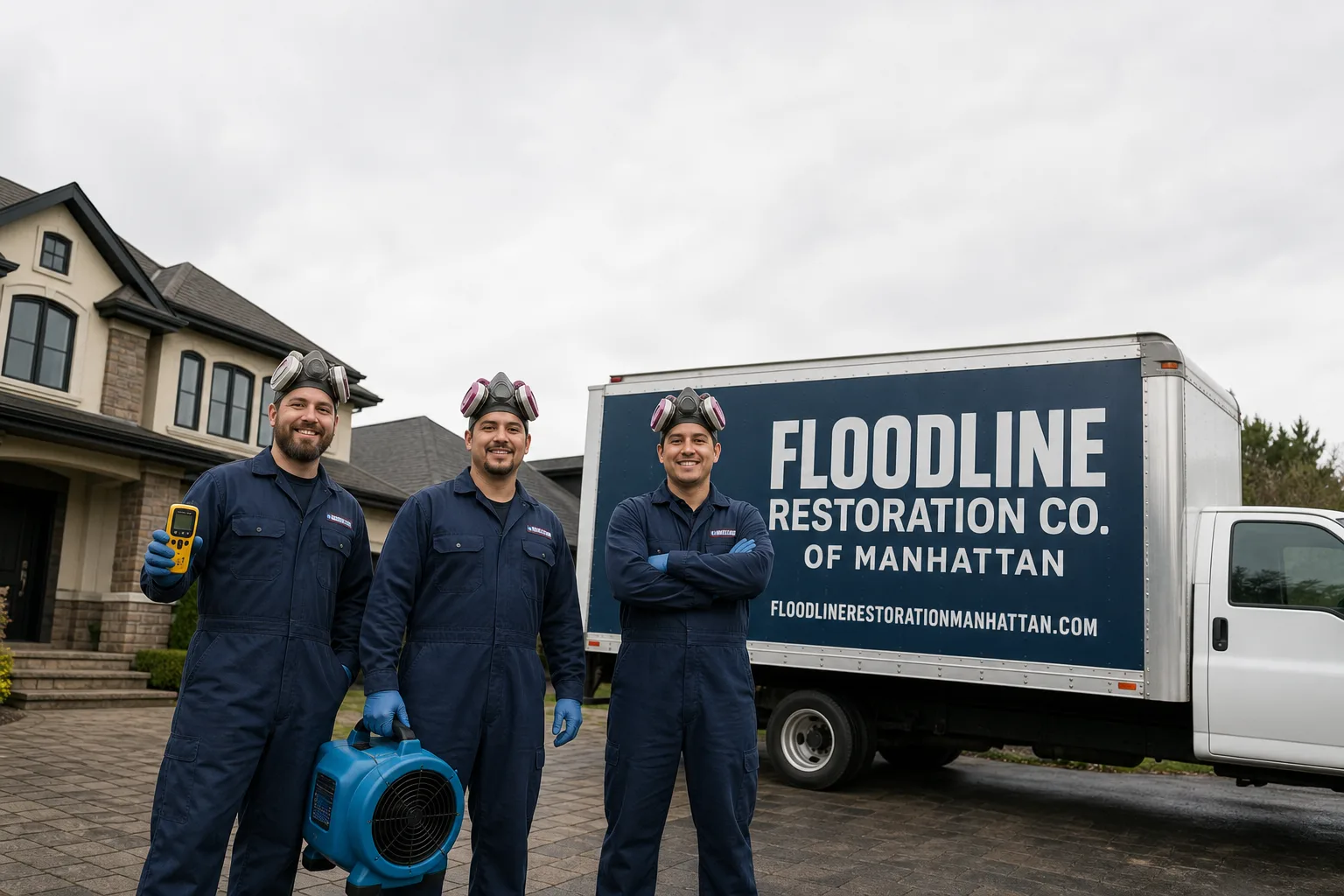
Free visual inspection and a written scope of work before any mitigation begins - photos, moisture readings, and drying logs go in your claim file
The scope we write is the scope we bill. Anything new gets shown to you, in writing, before we touch it.






 Before
 After
After Before
 After
After Before
 After
After24/7 Emergency Sanitization Services in Meatpacking District
Sanitization in the Meatpacking District runs $275-$900 for a targeted treatment and $1,800-$6,500 for whole-floor commercial-grade fogging with air duct sanitization, and we answer the phone live at (917) 924-4221 around the clock. When groundwater from a nor’easter pushes through the Belgian-block void spaces under Gansevoort Street into a sub-grade cold-storage chamber, every hour matters. Bacterial bloom starts fast in the warm, trapped air behind thick masonry party walls, and what begins as damp odor becomes a respiratory hazard inside a day or two. We dispatch crews from our New York City office into the Meatpacking District within 45 minutes, run a free visual inspection, and start containment that same visit. The first hour keeps a nuisance from becoming a contamination event that closes a boutique or empties a condo floor.
What happens when you call
- 1
A real person answersNo phone trees - you reach a local pro.
- 2
You get an upfront price rangeHonest numbers before anyone is dispatched.
- 3
A background-checked tech heads outLicensed & insured, dispatched right away.
- 4
You approve before work beginsNothing starts until you say go.
Understanding Sanitization Services Severity in Meatpacking District Properties
Sanitization in the Meatpacking District is not the same as sanitization in a dry post-war apartment in Chelsea. The building stock here is late-19th to early-20th century brick-and-timber industrial work, converted slaughterhouses and cold-storage plants, now landmarked and loaded with custom finishes over voids that were never fully sealed. When water enters these structures, it moves along paths the original builders left behind: ammonia refrigeration chases, old floor drains, the space beneath cobblestone-level loading docks. That water is rarely clean. Category 2 water, grey water from drain backups, is common. Category 3 water, the sewage-laced surge from Hudson River flooding, is worse and demands full decontamination, not just drying. We read moisture across masonry walls with thermal imaging and hygrometers, because the thermal mass of brick holds water long after the surface feels dry. Bacterial load in sub-grade chambers converted to wine cellars or storage often tests high even when the visible floor is clean. Severity here is shaped by history as much as by weather.
Why Meatpacking District Property Owners Choose Floodline Restoration Co. of Manhattan
- 45-minute response commitment. Our dispatch board sends a Meatpacking District crew from the New York City office immediately. We’ll be there when we say.
- Live answer, 24/7. A real person picks up at 2 a.m. Not a recording. Not a callback queue. You tell us what you’re seeing and we move.
- IICRC, RIA, and IFA-certified technicians. Our crews hold WRT, FSRT, and AMRT certifications and arrive background-checked and in uniform.
- Free visual inspection. We assess the full scope before any work starts, with a written plan and a firm price. No surprises on the bill.
- Direct insurance billing. We document from the first hour and coordinate with your adjuster, so you never play messenger between our crew and the carrier.
- One team, start to finish. The same certified crew that runs containment on day one handles the drying log and any reconstruction. No mid-job handoff, no inherited subcontractor.
Our Sanitization Services Process
Inspection & Assessment
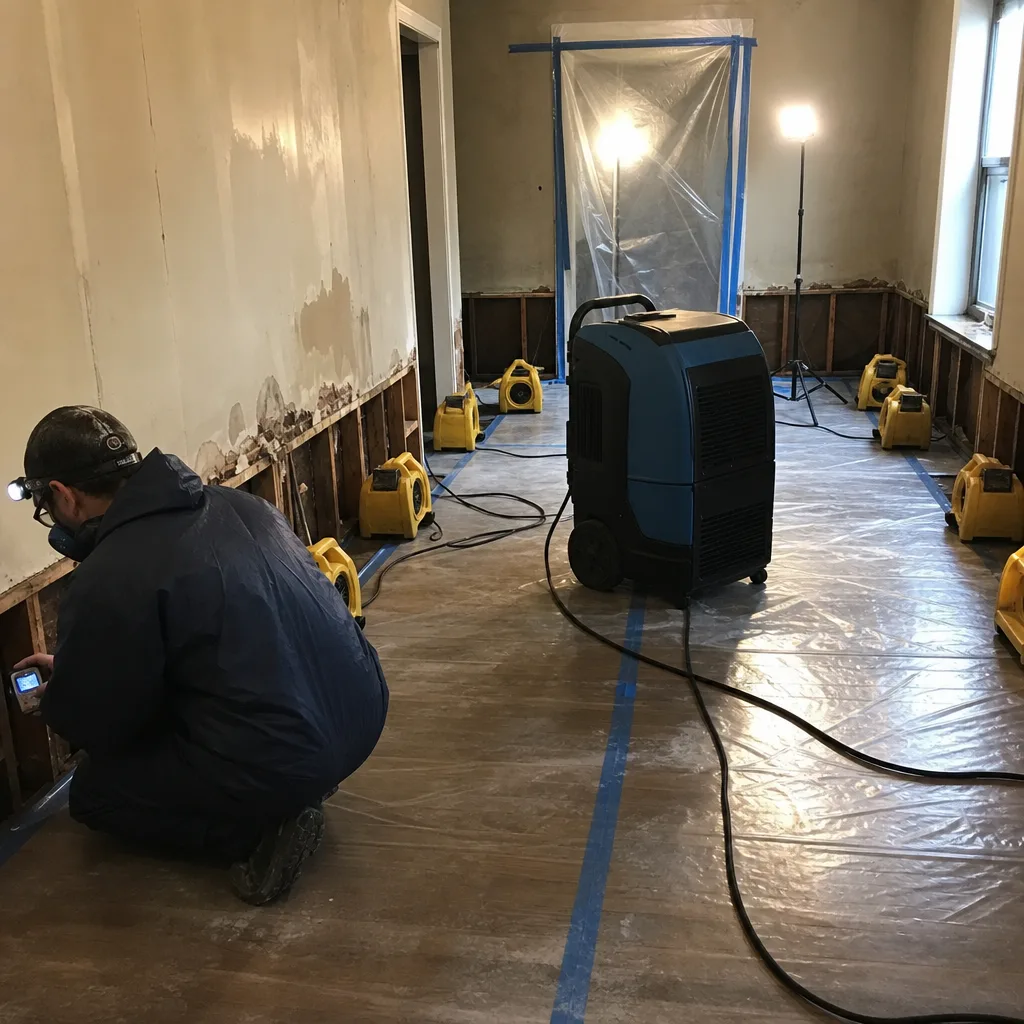
We start with a full visual and moisture inspection, including the sub-grade chambers and void spaces common in Meatpacking District buildings. Thermal imaging and hygrometer readings identify trapped moisture before it becomes visible mold.
Extraction & Stabilization
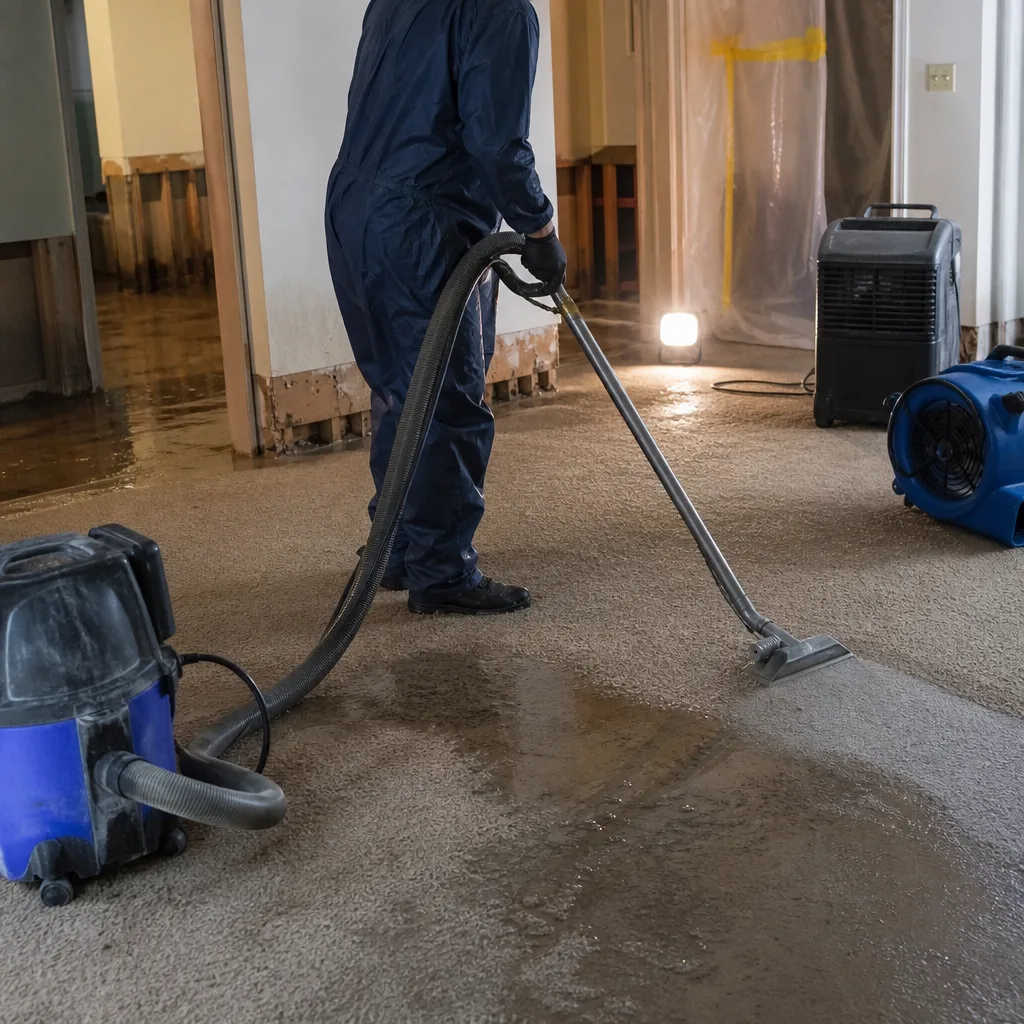
Standing water comes out first. In converted cold-storage spaces with original brick floors, we use truck-mounted extraction equipment rated for Category 2 and 3 water, then seal off the affected zone.
Drying & Dehumidification
Dri-Eaz dehumidifiers and Phoenix air movers run on a moisture map from day one. We take daily readings and keep the log for you and your carrier until the dry standard is met, which takes longer inside thick masonry walls than in lighter construction.
Cleaning & Sanitization
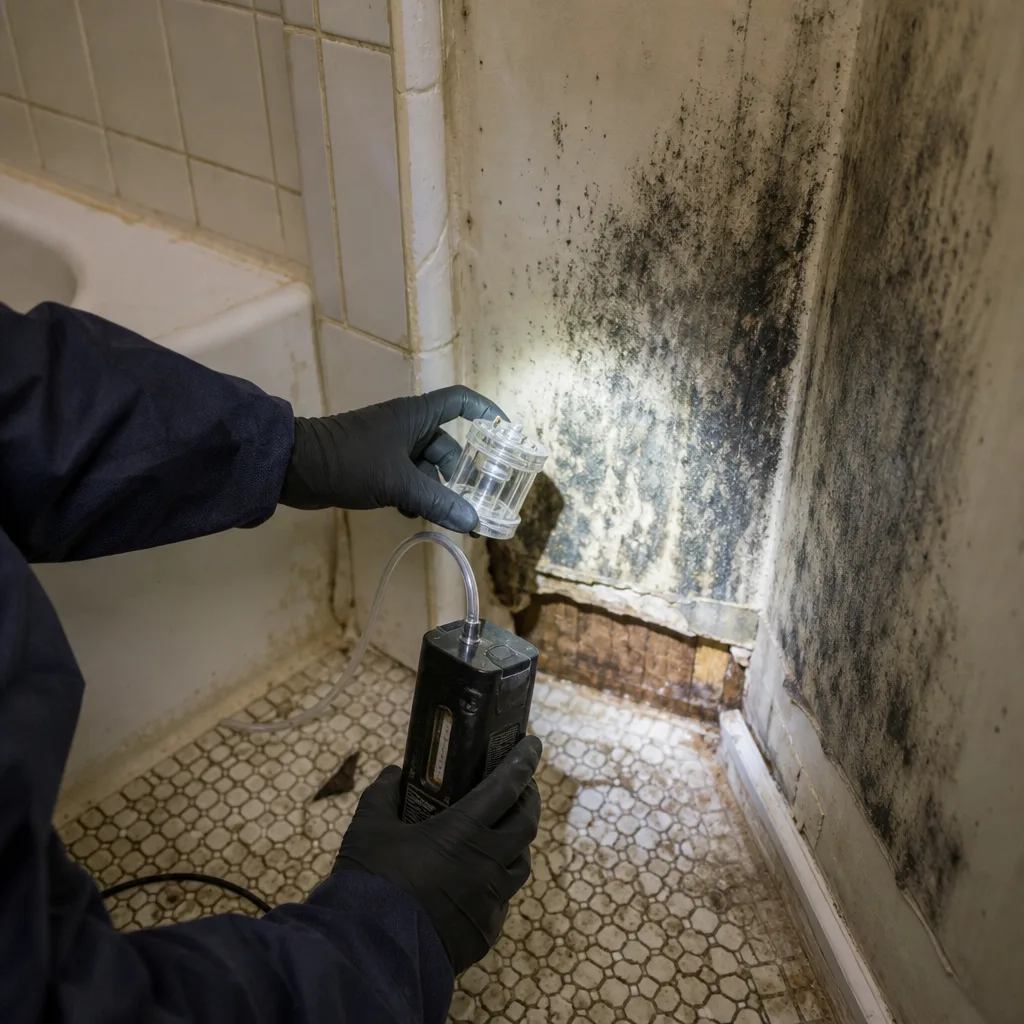
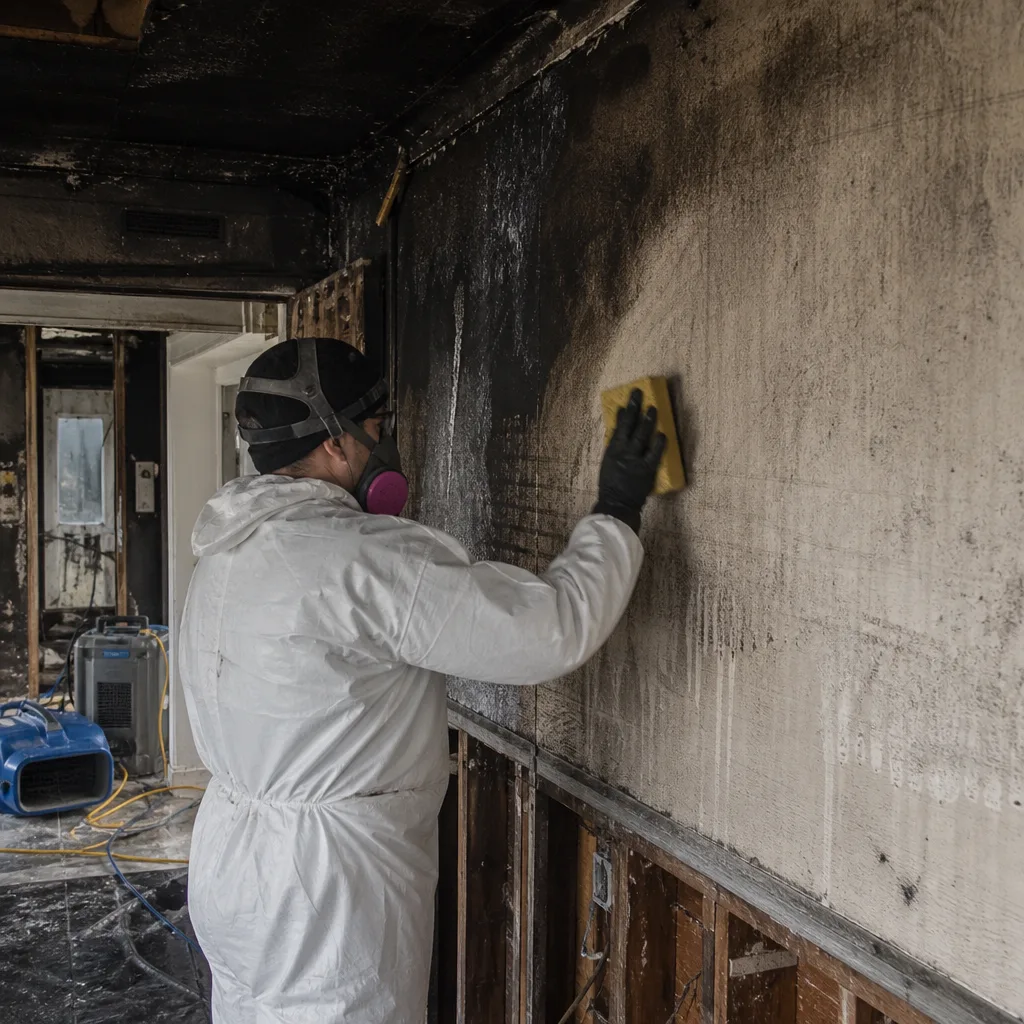
After drying, we apply hospital-grade antimicrobial treatment to surfaces, including original brick and cast-iron elements, using products and methods that respect landmarked materials. HEPA air scrubbers run throughout to pull particulate from the air.
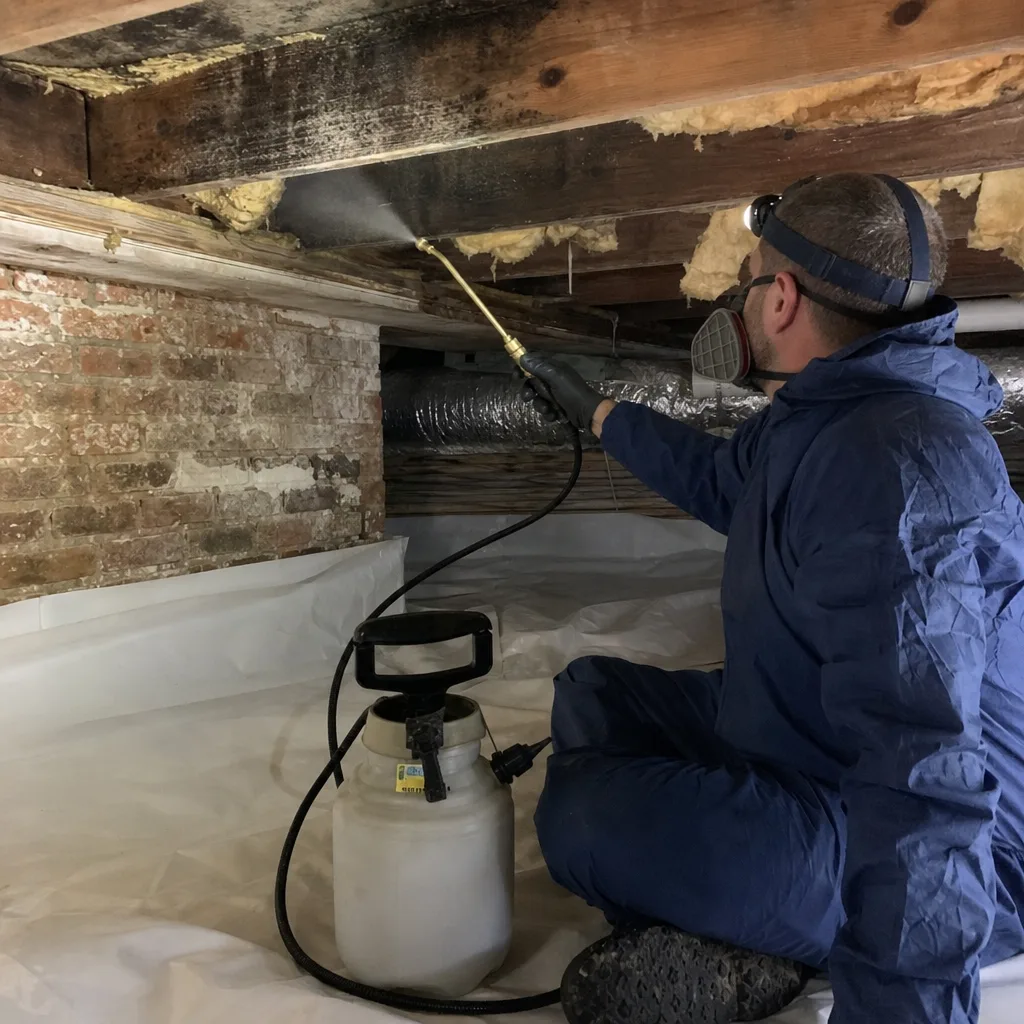
Specialty Treatment
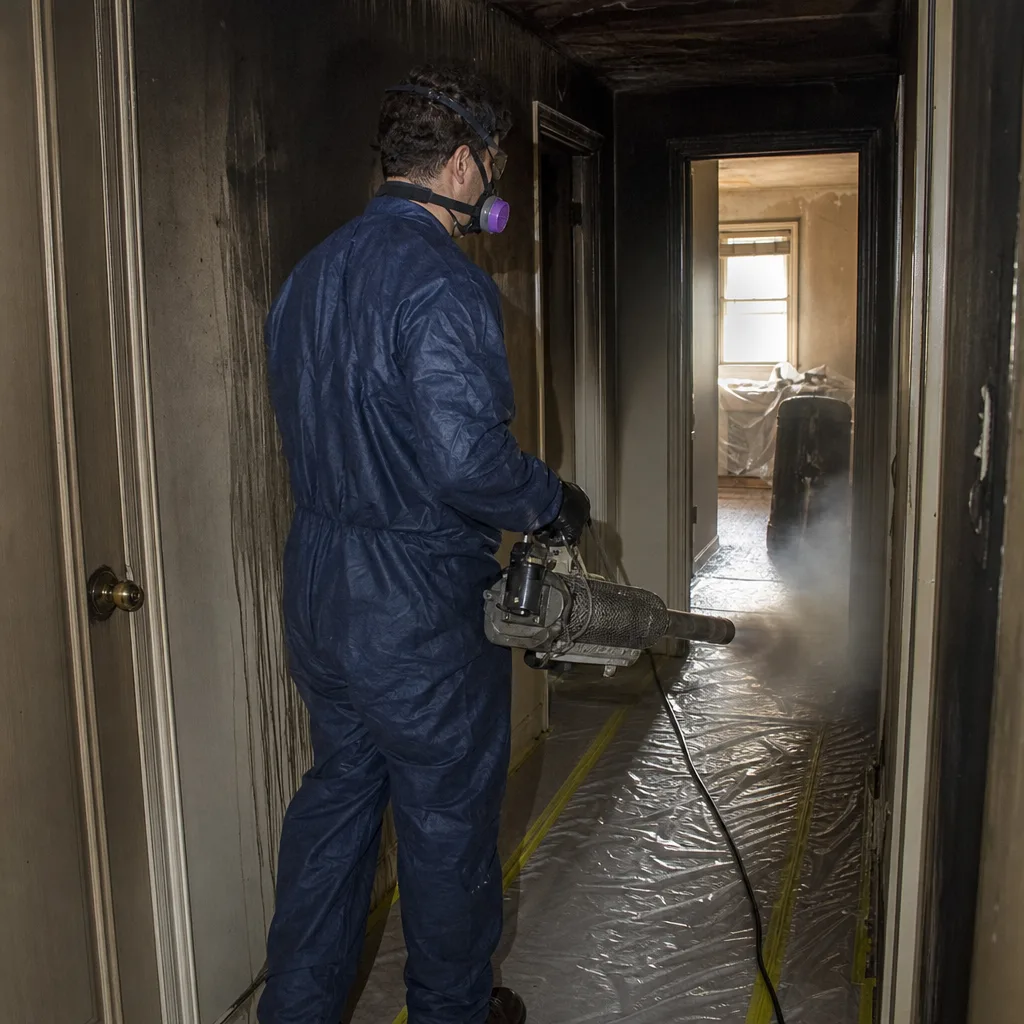
Depending on the situation, we run commercial-grade fogging for the affected space, re-sanitize adjacent ductwork, and neutralize odors at the source rather than masking them. For post-illness cleanup, we follow IICRC guidelines for microbial decontamination.
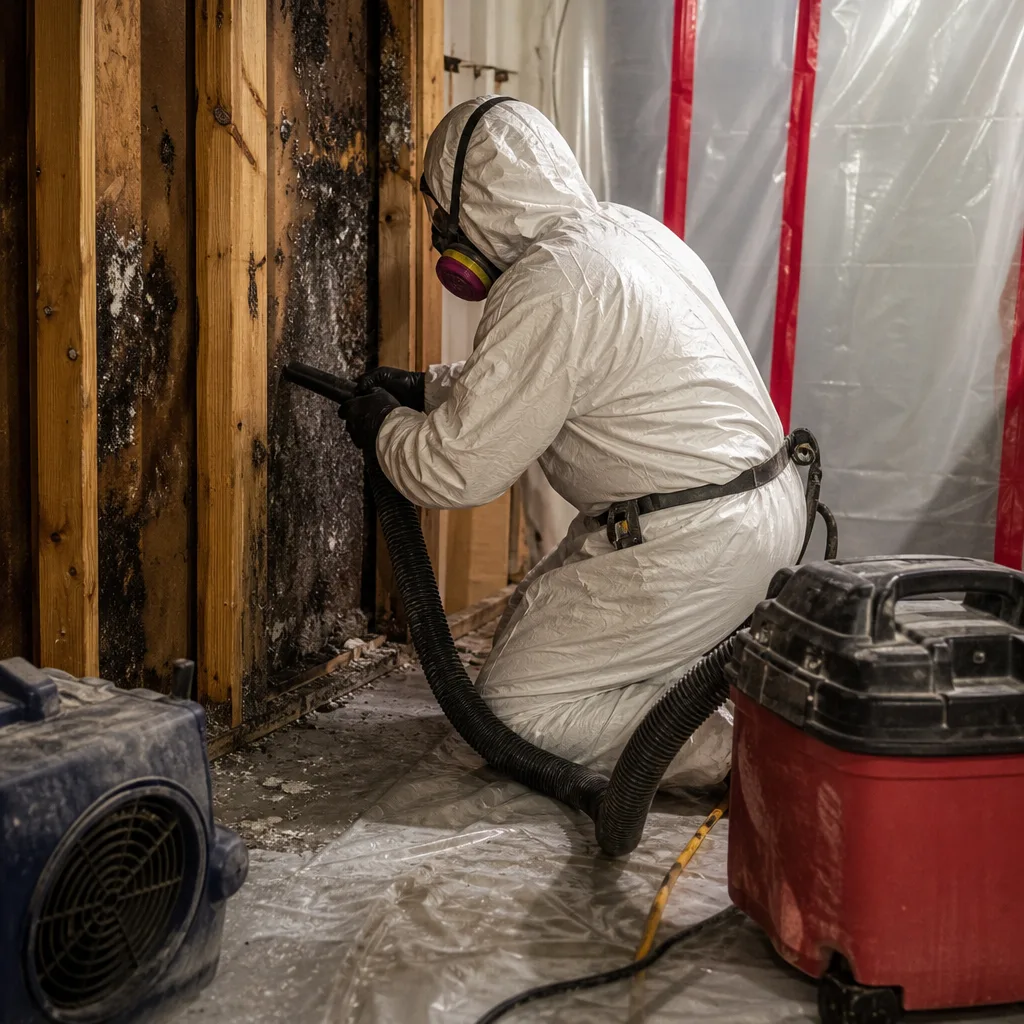
Repairs & Restoration
If materials need replacement or finish work is required after sanitization, the same crew handles it. We rebuild what needs rebuilding, then stand behind the result with the 90-Day Done Right Promise in writing.
Need Emergency Sanitization Services in Meatpacking District Now?
Crews minutes away, answering live 24 hours a day. The sooner we start, the less it costs.
Key Takeaways
- Meatpacking District sanitization costs run $275-$900 targeted, $1,800-$6,500 full-floor commercial fogging with ductwork.
- Landmark status changes the job. Cast-iron façades and original masonry require LPC-aware methods, not off-the-shelf chemical treatments.
- Groundwater is the recurring problem. Cobblestone void spaces channel water into basements every storm season, making sanitization a seasonal reality here.
- Free inspection, written scope, direct insurance billing. You should never guess at the bill or carry paperwork between us and your carrier.
Working With Your Insurance Company
Sanitization claims in the Meatpacking District often involve two layers: the water intrusion itself and the microbial contamination that follows. Carriers want evidence. We build that file from the first hour: photos of every affected room, moisture readings from the initial assessment, daily drying logs, and a line-item scope of work written in the format adjusters expect. When you file, we talk to your adjuster directly. Direct insurance billing means the carrier pays us for covered work, not you paying us and hoping for reimbursement. If your building’s claim involves the Landmarks Preservation Commission, which it often does on Gansevoort Street and Little West 12th Street, we note the landmark-related constraints in the scope so the carrier understands the pricing. The 90-Day Done Right Promise stays in your hands in writing, regardless of how the claim resolves.
What We Provide Your Insurer
- Thorough documentation of the loss
- Photos of all damage, room by room
- Moisture readings and drying logs
- A detailed, line-item scope of work
- Direct coordination with your carrier
Built for Meatpacking District’s Loss Calendar
The Meatpacking District’s sanitization calendar follows the river and the old brick. In January and February, the freeze-thaw cycle stresses 19th-century supply lines and hydronic systems in ways that modern plumbing in newer towers simply does not experience, and a burst pipe inside a landmarked building means water travels into the same void spaces that hold a century of dust and residue. Spring brings nor’easter storm surge. The district sits in a FEMA AE flood zone, and water pushed up from the Hudson enters basements through the brick vaults under Gansevoort and Little West 12th Streets that predate modern waterproofing. Summer thunderstorms drop inches of rain in an hour, overwhelming the district’s aging below-grade drainage, and the humidity that follows slows drying inside thermal-mass masonry. Each season, the pattern repeats at the same addresses, the ones where subsurface voids were never sealed during luxury conversion and groundwater finds the old path again. Sanitization here is not a one-time event. For many buildings, it is a maintenance obligation the way roof work is. That’s the reality our crews plan for when they route through the district.
Sanitization Services Across Meatpacking District’s Neighborhoods
Response routes through the Meatpacking District are shaped by the one-way flow around Gansevoort Street and the constant presence of delivery vehicles and film trucks. Our crews know the access points: the loading entrances off Little West 12th Street that serve the old cold-storage buildings converted to hotels, the residential entrances above the high-end retail storefronts along Washington Street, and the small side streets like Ninth Avenue where a truck can stage without blocking a crosswalk. Buildings near the High Line park sit directly over the underground water pathways that follow the old rail line’s drainage, while properties facing the West Side Highway take the first hit from storm surge. The boutiques and galleries along the cobblestoned blocks have basement stockrooms and wine cellars that map closely to the old sub-grade chambers, and those spaces flood in the same storms that bring groundwater into the adjacent residential lobbies. Each block cluster has a slightly different failure pattern, and the dispatch board routes for it without a learning curve. We serve all of it: from the corner of Gansevoort and Hudson down to 14th Street, across the whole district and into the neighboring blocks.
Specialized Sanitization Services We Offer in Meatpacking District
Commercial-Grade Fogging
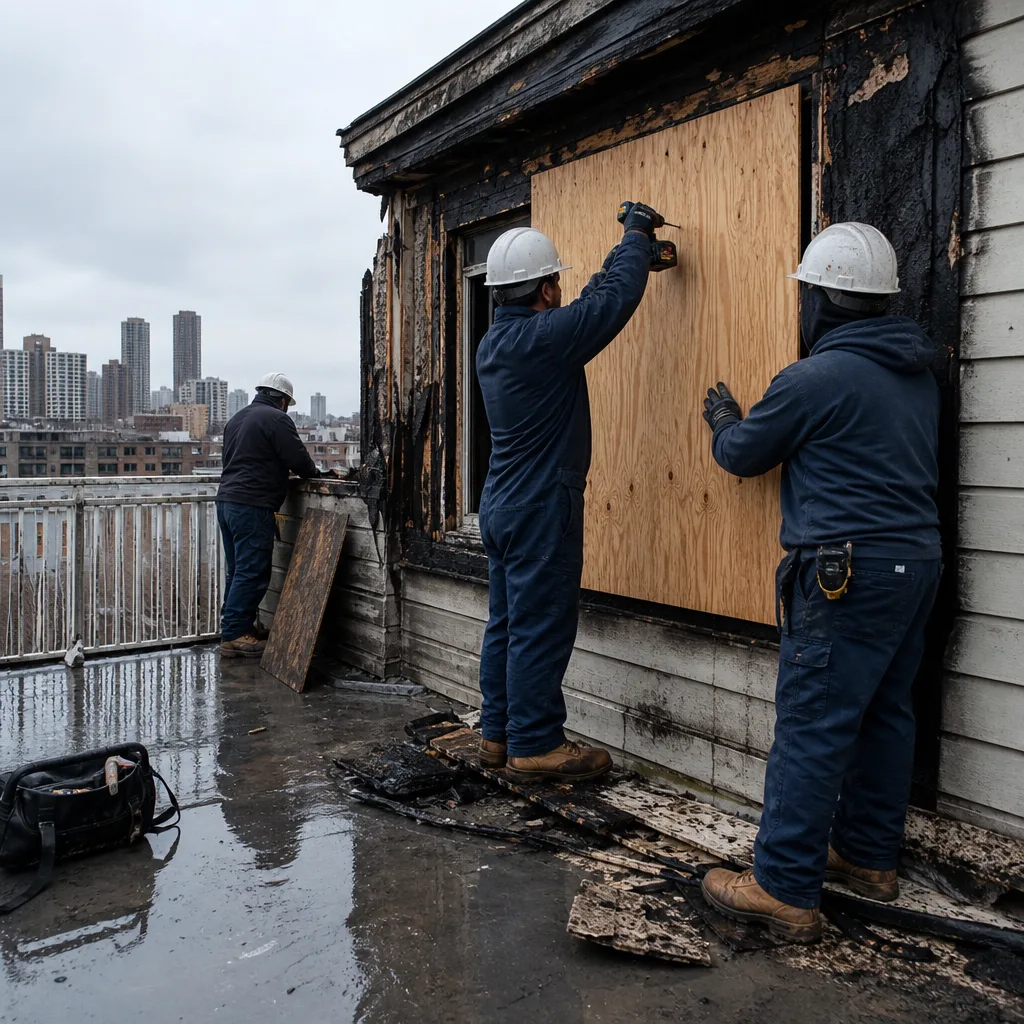
Fogging in a Meatpacking District building is not a spray-and-leave job. We use commercial foggers with antimicrobial agents rated for the space’s cubic volume, running them only after containment is sealed and the area is cleared of people and pets. In buildings with landmarked cast-iron columns and original masonry, we adjust the agent and dwell time to protect those surfaces while still reaching microbial load in the air and on concealed framing. The result is a documented treatment, not an aerosol smell that fades the next day.
Odor Neutralization
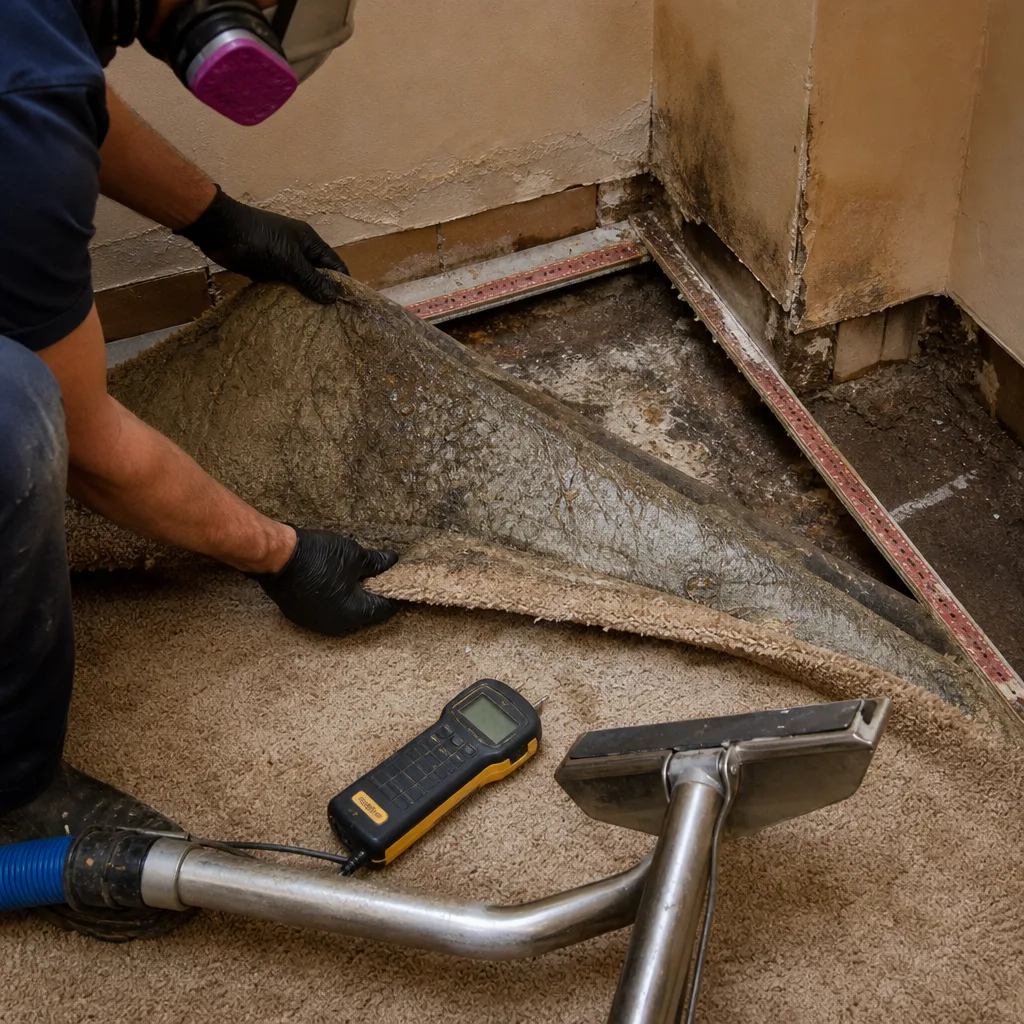
Converted slaughterhouse and cold-storage buildings hold odors in places that cleaning never reaches: inside brick voids, behind wainscoting added during conversion, within old drain traps that still connect to 19th-century lines. We neutralize at the source with hydroxyl generators and targeted oxidation, not masking agents. For wine cellars in sub-grade chambers that took on river water, the mustiness is an indication of active microbial growth; we treat the moisture first, then the odor, and we do it without damaging custom finishes.
Virus & Bacteria Decontamination
After a confirmed bacterial or viral contamination event, the protocol changes. Our crews follow IICRC standards for full decontamination: full PPE, containment, HEPA air scrubbing, surface disinfection with EPA-registered products appropriate for the pathogens involved, and post-treatment verification. In a hotel or a restaurant on Gansevoort Street, hours of closure are expensive, so we sequence the work to reopen as soon as the cleared zone passes.
Air Duct Sanitization
Meatpacking District buildings with old industrial duct runs behind retail spaces move a lot of air through decades-old metalwork. Those ducts redistribute whatever is in the basement air, including mold spores and bacteria. We inspect with cameras, clean the accessible runs, then sanitize with fogging agents appropriate for HVAC use. We do not fog a duct system and walk away; we verify air movement afterward and note any sections that need mechanical cleaning before sanitization will hold.
Deep Disinfection
Deep disinfection is the thorough-surface approach for common areas, stairwells, elevators, and commercial front-of-house spaces that see hundreds of hands daily. We use hospital-grade products on high-touch surfaces and treat larger areas with electrostatic application where appropriate. In a boutique or gallery, we work around display cases and artwork with the same care a framer would use, because a scuffed custom finish is not an acceptable trade for a clean surface.
Post-Illness Cleanup
When a household has been through a serious contagious illness, the request is usually quiet and urgent. We respond the same day, assess what needs treatment, and run a protocol based on the pathogen and the surfaces involved. In a Meatpacking District condo or a townhouse with original woodwork, that means cleaning and disinfecting without stripping finishes, and documenting the work so the household can return with confidence.
Sanitization Services Costs in Meatpacking District, NY
Targeted sanitization of a single room or a small commercial space in the Meatpacking District typically runs $275-$900, depending on the size of the zone and the treatment method. A full-floor commercial-grade fogging with air duct sanitization for a boutique, gallery, or residential floor runs $1,800-$6,500, with the wide range driven by cubic footage, the number of duct runs, and whether containment and drying are also required. When groundwater through the cobblestone void spaces is involved, the price always includes drying before sanitization, because treating a wet space is wasted money. Insurance covers most sanitization after a covered water event, and our direct billing means the carrier handles our invoice directly. For out-of-pocket work, the $50 Off Any Repair Over $250 and the Senior & Veteran 5% discount apply the same as any job. The free visual inspection is the path to a firm written scope, so you will know the number before we start. Call (917) 924-4221 and we will come look.
We Also Serve Cities Near Meatpacking District
Our crews cover the blocks around the Meatpacking District as well, including Fairview, Harrison, East Bronx, and Hunts Point. Response times move a few minutes either way depending on cross-town traffic, but the same live dispatch and certified crews handle every call. If you are outside the district and wondering whether we serve your address, call and ask. The person who answers will tell you straight.
Meatpacking District Sanitization Services Questions, Answered
How does sanitization differ in Meatpacking District buildings with original cast-iron façades and landmark status?
Sanitization inside a landmarked building must clean and disinfect without damaging the cast-iron columns, original brick, or masonry that the Landmarks Preservation Commission protects. That means we select antimicrobial agents and application methods that treat microbial contamination without aggressive chemical fogging or abrasive cleaning that would trigger LPC violations. We have worked directly with LPC protocols on Gansevoort Street properties, documenting every treatment so building owners and carriers have a paper trail.
Can you sanitize the old cold-storage chambers found in Meatpacking District basements?
Yes. Those sub-grade chambers are often the source of the problem because they trap groundwater and harbor mold after every storm. We dry the chamber first with Dri-Eaz dehumidifiers and Phoenix air movers, then apply hospital-grade antimicrobial treatment to the original brick, then fog if needed. Standard perimeter waterproofing will not stop the groundwater that reaches these chambers. If the chamber remains in use as storage or wine cellar, we also treat the air in the space and the ductwork that connects it to the building.
How do you handle odor neutralization in converted slaughterhouse buildings without damaging custom finishes?
First, we treat the moisture and microbial growth that cause most persistent odors, because deodorizing over an active mold colony is a temporary fix. Then we use hydroxyl generators and source-level oxidation, not masking agents or heavy chemical sprays. In a converted cold-storage building, the original brick and cast-iron are often left exposed, and we choose treatment methods that respect those finishes while reaching the interstitial spaces where old industrial odors live.
What category of water is typical after a Hudson River storm surge in the Meatpacking District?
Hudson River storm surge that enters a Meatpacking District basement is almost always Category 3 water, meaning it contains sewage, chemicals, and biological contaminants. That requires full decontamination, not just drying. Buildings in the FEMA AE flood zone that take surge water through sub-grade openings or the brick vaults under Gansevoort Street need containment and full antimicrobial treatment. Category 2 water, from a drain backup, is less severe but still requires sanitizing after drying.
How do you sanitize HVAC ducts in Meatpacking District buildings with old industrial duct runs behind high-end retail spaces?
Those old industrial duct runs are often decades old, and they redistribute basement air into every room they serve. We camera-inspect the accessible runs first, mechanically clean where needed, then apply HVAC-appropriate fogging agents to sanitize the interior surfaces. If the ducts have never been properly sealed and the building sits over the groundwater pathway under Gansevoort or Little West 12th Streets, the sanitized ducts will recontaminate seasonally, so we recommend a maintenance schedule rather than a one-time treatment.
How fast can a crew actually get to a Meatpacking District address?
Our commitment is 45 minutes from the time we have your address, and routes through the district are planned around the one-way grid and loading-zone congestion. The live dispatcher handles routing while you are still on the phone. In a heavy storm event, multiple crews stage near the district so the first available team is minutes away. Call (917) 924-4221 and you will hear a person, not a recording.
Will my insurance cover sanitization after the damage?
In most cases where the sanitization follows a covered water event, yes. The key is documentation: photos from the first hour, moisture readings, a written scope that states sanitization as a required line item, and the drying log that proves the space reached the dry standard. We build that file and talk to your adjuster directly with direct insurance billing. If the claim is questioned, the 90-Day Done Right Promise stays with you, not the carrier.
Do I really need full sanitization or just a cleaning for a basement that got a little water in it?
If the water came from a Hudson River surge or a drain backup, full sanitization is the difference between a clean surface and a space that grows mold inside the walls. The sub-grade chambers under Meatpacking District basements stay wet in the masonry long after the floor looks dry, and that trapped moisture feeds microbial growth you cannot see. We can tell you during the free visual inspection whether a cleaning will hold or whether the conditions call for full treatment. The inspection is free either way.
Serving Meatpacking District, NY - Our Local Coverage Area
We’re based in the Meatpacking District area and know this community well. Use the map below to see our service coverage - if you’re nearby, we can almost certainly help.
Contact Floodline Restoration Co. of Manhattan
If you need Sanitization Services in the Meatpacking District, call (917) 924-4221 now. A live dispatcher answers 24 hours a day, every day, and a certified crew can be on site within 45 minutes. The free visual inspection gives you a written scope and a firm price before any work begins. We will walk your building the way we would walk a neighbor’s, explain what is happening in plain terms, and stand behind the result with the 90-Day Done Right Promise. Done right, and backed in writing.
Written by Curt Bowman, Owner at Floodline Restoration Co. of Manhattan, serving Meatpacking District and nearby neighborhoods with certified sanitization and restoration crews since 2010.
Why Meatpacking District Chooses Floodline Restoration Co. of Manhattan
We set the standard for sanitization services in Meatpacking District.
Documented for Your Claim
Every job is photographed before, during and after, with moisture logs where they apply. We hand the full file to your adjuster and bill your insurance directly - you are never the one relaying it.
Licensed & Insured
Fully certified technicians who meet all local and state licensing requirements.
Upfront Pricing
No hidden fees, no surprises. You approve the price before any work begins.
Guaranteed Work
Every repair and installation is backed by our workmanship warranty and satisfaction guarantee.
How It Works in Meatpacking District
Getting your sanitization services handled is simple and fast.
Call or Request a Free Estimate
Tell us about your sanitization services needs and we provide an upfront, transparent quote - no obligation, no hidden fees.
Licensed Technician Dispatched
A background-checked, certified technician arrives in Meatpacking District - typically within 30-60 minutes, with parts stocked on the truck.
Problem Solved, Guaranteed
We complete the job to your full satisfaction, backed by our warranty and 100% satisfaction guarantee.
What happens when you call
- 1A real person answersNo phone trees - talk to a local sanitization services pro.
- 2You get an upfront price rangeHonest numbers before anyone is dispatched. No surprises.
- 3We come out and measureLicensed & insured, at a time that suits you - the visit and the quote are both free.
- 4You get the price in writingLine-itemed, yours to keep, and nothing starts until you say go.
What Meatpacking District Customers Say
Trusted by homeowners across Meatpacking District and surrounding areas.
"Second property they have dried out for us. Same process both times, meter readings logged on every visit and the log handed over at the end. Our adjuster said it was the cleanest file he had seen all year."
"Water heater flooded the finished side of the basement at two in the morning. A person answered, not a machine, and a crew was pulling water before sunrise. Everything got photographed before they moved a thing, which made the insurance claim painless."
"Sewage backed up into the downstairs bathroom on a holiday weekend. The crew arrived in full protective gear, took out everything porous, bagged it, and sanitized the space twice. They treated a disgusting job like it was routine, which for them I suppose it is."
Our Work in Meatpacking District
A look at recent damage restoration projects across Meatpacking District and surrounding areas.
Ready for Sanitization Services in Meatpacking District?
Call now for a free estimate - or request one below. Licensed, insured, and available 24/7 in Meatpacking District.
(917) 924-4221Request a Free Estimate in Meatpacking District
Tell us about your sanitization services needs - we'll respond within the hour.