
Free visual inspection and a written scope of work before any mitigation begins - photos, moisture readings, and drying logs go in your claim file
The scope we write is the scope we bill. Anything new gets shown to you, in writing, before we touch it.






 Before
 After
After Before
 After
After Before
 After
After24/7 Emergency Fire & Smoke Damage Restoration in Washington Heights
Fire and smoke damage in Washington Heights needs an answer right now, not a callback. Our crews are dispatched from the New York City office and reach addresses across Washington Heights within 45 minutes, with extraction equipment running the same visit. Call (917) 924-4221 any hour, any day. A live dispatcher answers. The first hour after a fire matters because soot residue turns acidic within days, corroding metal surfaces and bonding to walls, while water from the fire department’s hoses soaks into pre-war plaster floors and ceilings. A free visual inspection gets us on site, gives you a straight read on what we’re facing, and starts the clock on drying before mold has a chance to take hold.
Understanding Fire & Smoke Damage Restoration Severity in Washington Heights Properties
Fire damage in Washington Heights doesn’t behave the way it does in newer construction. Most of the neighborhood’s buildings went up between 1910 and 1940, and their original plaster walls, clay and cast iron drain stacks, and steam riser chases give smoke a network of hidden pathways to move through. We classify soot by type: dry soot from paper and wood burns fast and brushes off relatively cleanly; protein soot from kitchen fires is nearly invisible but clings to every surface and carries a stubborn odor; oily soot from synthetic materials smears when wiped and requires aggressive chemical cleaning. In pre-war walk-ups, smoke typically migrates vertically through the cast iron riser chase shared by stacked apartments, meaning a fire on the third floor can deposit residue inside walls four floors up. That’s why our assessment phase uses thermal imaging and hygrometers to map moisture and smoke spread before we open a single wall. Severity here is rarely contained to the room where the fire started.
Why Washington Heights Property Owners Choose Floodline Restoration Co. of Manhattan
- 45-minute response commitment: We dispatch crews inside the Washington Heights area immediately, not after a sales call. The truck rolls when you call.
- 24/7 live answer: A real person picks up at 2 a.m. Not an answering service. Not a recording. You’ll get a dispatcher who can start the process while you’re still on the line.
- IICRC-certified crews: Our technicians hold FSRT (Fire & Smoke Restoration Technician) and WRT (Water Damage Restoration Technician) certifications, plus RIA and IFA training. The crew that shows up knows pre-war buildings.
- Free visual inspection: We look before we quote. You get a straight read on what’s damaged, what’s salvageable, and what the next 72 hours should look like.
- Direct insurance billing: We document everything, send the scope to your carrier, and handle adjuster communication. You’re not the messenger.
- One team from fire to finish: Same certified crew handles extraction, drying, smoke cleanup, and the rebuild. No mid-job handoff to a subcontractor you’ve never met.
Our Fire & Smoke Damage Restoration Process
1. Inspection & Assessment
We walk every affected room, check the riser chase, and use thermal imaging and hygrometers to map moisture and soot migration. For Washington Heights pre-war buildings, this includes identifying where asbestos pipe insulation or lead paint may be present before any wall is opened.
2. Extraction & Stabilization
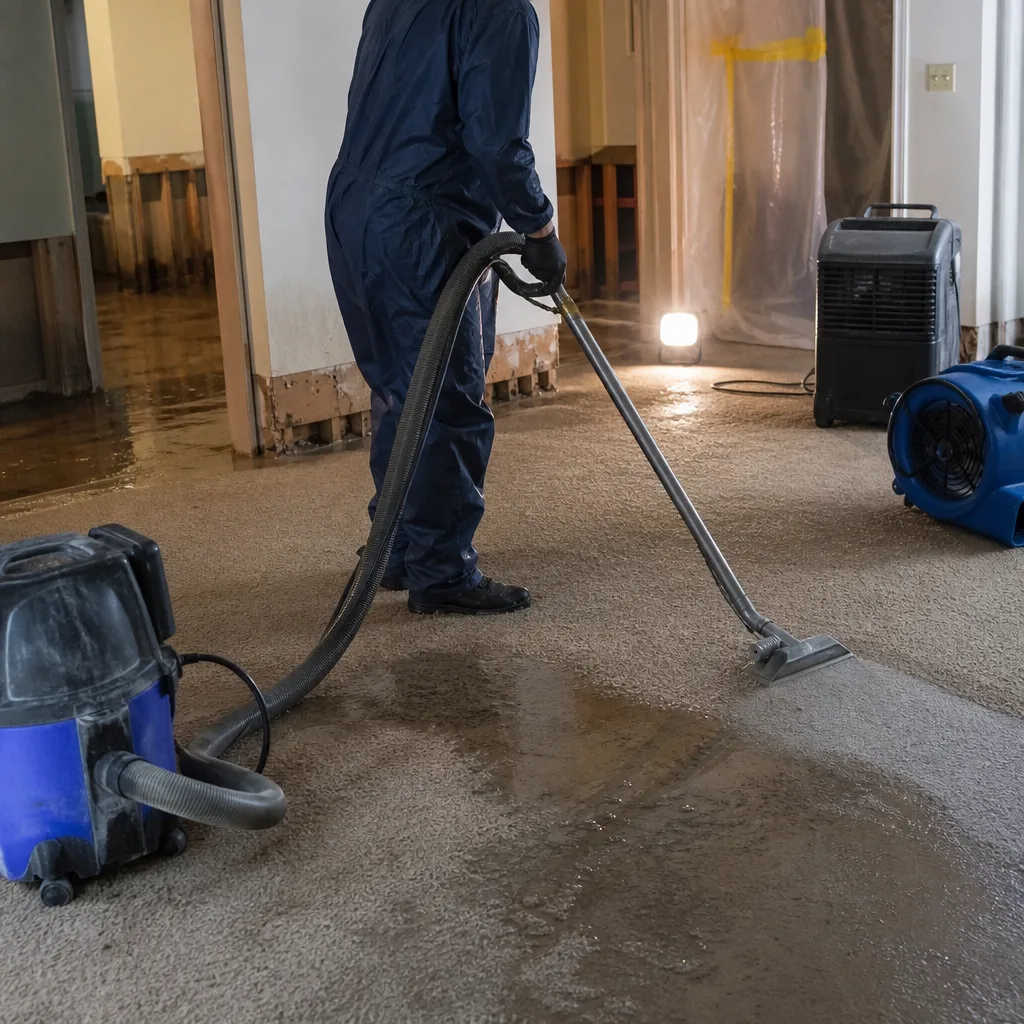
Fire department water gets pulled out with truck-mounted extractors. We board up broken windows and tarp roof openings the same day. Stabilization stops the loss from getting worse while the scope is written.
3. Structural Drying & Dehumidification
Dri-Eaz LGR dehumidifiers and Phoenix air movers go in on day one. Daily moisture readings get logged until the dry standard is met, and that log goes to you and your carrier. Wet drywall that sits past 48 hours is a mold risk, so we move fast.
4. Smoke & Soot Cleaning
We clean surfaces by soot type: dry sponges for light dry soot, HEPA vacuuming for loose residue, and chemical cleaning for oily protein soot. HVAC registers, light fixtures, and inside cabinet drawers all get attention, because smoke settles there.
5. Odor Removal & Deodorization
Smoke odor trapped in original plaster and old-growth framing doesn’t respond to spray deodorizers. We use hydroxyl generators and thermal fogging after surfaces are cleaned, and we seal vapor barriers in neighboring units so the smell doesn’t come back through the riser chase.
6. Repairs & Restoration
The same crew rebuilds what needs rebuilding: drywall, plaster, flooring, trim. We don’t hand off to an unknown subcontractor. When we finish, you get the 90-Day Done Right Promise in writing.
Need Emergency Fire & Smoke Damage Restoration in Washington Heights Now?
Crews minutes away, answering live 24 hours a day. The sooner we start, the less it costs.
Working With Your Insurance Company
Insurance claims for fire damage in Washington Heights get complicated fast, especially when multiple stacked apartments are affected and different carriers and landlords are involved. We document from the first hour. Photos of every room, moisture readings from day one through the final dry standard, and a line-item scope of work written so your adjuster can approve it without back-and-forth. We coordinate directly with your carrier, answer their questions, and provide whatever documentation they ask for. You shouldn’t have to play messenger between a restoration crew and an insurance company while your apartment is unlivable. You won’t.
What We Provide Your Insurer
- Thorough documentation of the loss
- Photos of all damage, room by room
- Moisture readings and drying logs
- A detailed, line-item scope of work
- Direct coordination with your carrier
Built for Washington Heights’s Loss Calendar
Washington Heights sits on the highest ridge in Manhattan, cresting near Fort Tryon Park, and its west-facing Hudson River exposure subjects older masonry facades to sustained wind-driven rain. That matters for fire restoration in two ways. First, winter fires here come with more water intrusion because the same storm that feeds a fire can drive rain through decades-old brick and mortar joints into already-compromised walls. Freeze-thaw cycling widens those joints every year. Second, roof breaches from fire suppression get worse faster in buildings where the roof membrane was installed before current codes existed. January deep freezes burst supply lines in unheated stairwells and basement utility rooms, which is why we see water-plus-fire losses that require full structural drying before smoke work can even begin. Spring thaw brings basement seepage into old stone foundations. Summer thunderstorms flash-flood low-lying intersections and back up drains in cellar-level units. Nor’easters in fall and winter combine wind, rain, and cold into a single event that tests every weak point in a pre-war building envelope. Fire damage never happens in isolation here. It’s fire plus water plus a 90-year-old building system.
Fire & Smoke Damage Restoration Across Washington Heights’s Neighborhoods
Washington Heights runs from 155th Street up to Dyckman, and the building stock shifts as you move north. Around West 181st Street and the 1 train corridor, you’re looking at mostly six- and seven-story elevator buildings and walk-ups from the 1920s and 30s, where cast iron riser chases run floor to floor and smoke travels vertically with surprising speed. Crews responding there know to check the apartments above and below the fire unit, not just the unit itself. In the Fort George area along St. Nicholas Avenue, many buildings have steam heat risers in original shaft walls, and smoke follows those openings just as readily. Up by Fort Tryon Park and Cabrini Boulevard, co-op buildings with original plaster and old-growth framing hold smoke odor deep in the substrate, which changes our deodorization approach. Hudsonside streets like Pinehurst Avenue and Haven Avenue see wind-driven rain against west-facing facades, which means fire suppression water often mixes with pre-existing envelope intrusion. Every one of these areas responds differently to fire damage, and our crews know the difference because we’ve worked them all.
Specialized Fire & Smoke Damage Restoration Services We Offer in Washington Heights
Fire Damage Cleanup
We remove charred debris, clean salvageable surfaces, and stabilize the structure so reconstruction can begin. In Washington Heights pre-war buildings, this almost always starts with asbestos and lead paint testing because the building materials predate current regulations. We won’t open a wall until we know what’s inside it. Fire Damage Cleanup here means working around plaster, lath, and cast iron, not drywall and two-by-four framing.
Smoke & Soot Removal
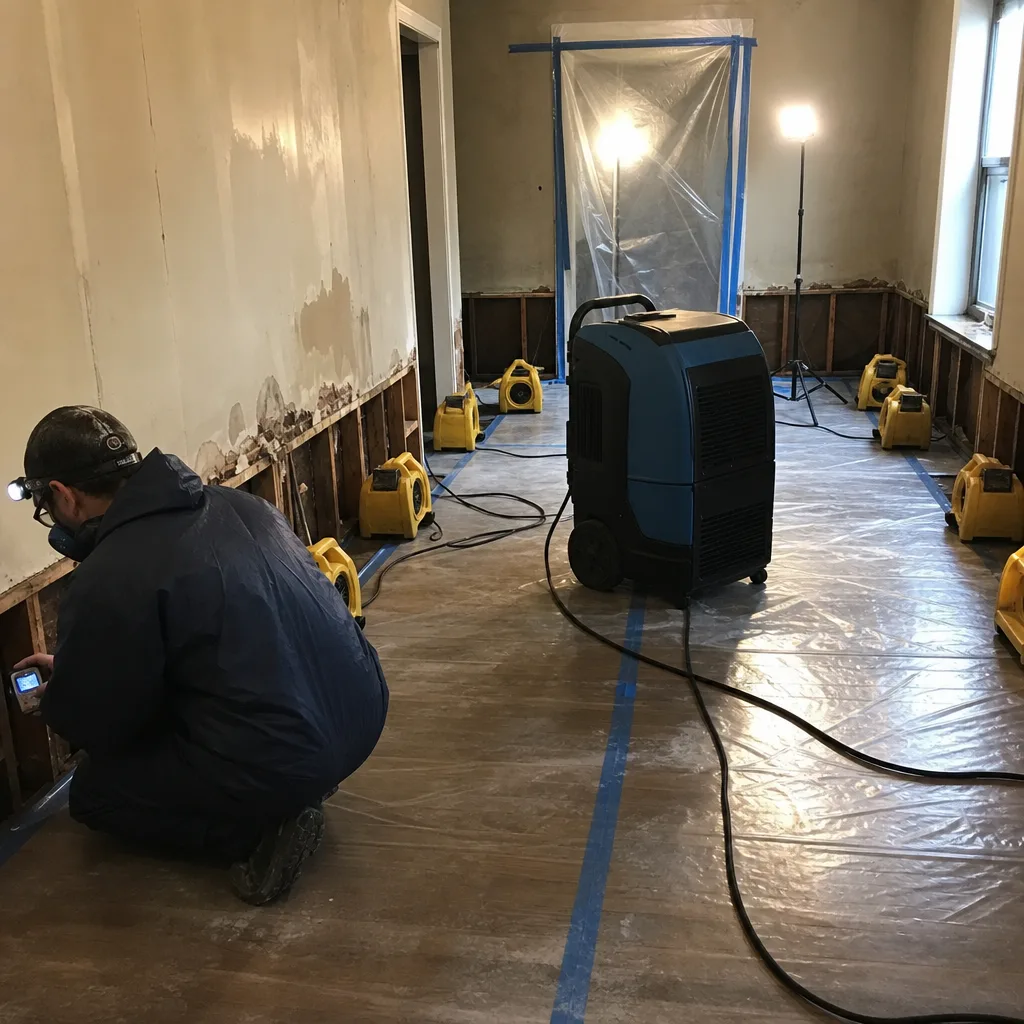
Soot from a kitchen fire in a 1920s walk-up spreads through the building’s original riser chase and settles in apartments two or three floors away. We clean by soot type, not by guesswork. Dry soot gets dry sponged and HEPA vacuumed. Protein soot from burned food needs chemical cleaning and odor treatment. Oily soot from synthetics requires aggressive degreasing. Every surface that had contact with smoke gets attention: walls, ceilings, inside closets, light fixtures, the tops of door frames.
Odor Removal & Deodorization
Old plaster and masonry soak up smoke odor deep. Surface sprays don’t reach it. We use hydroxyl generators and thermal fogging after cleaning, and we seal vapor barriers so odor can’t migrate back from neighboring units through shared chases or joist bays. If the building is rent-stabilized and multiple tenants are involved, we coordinate access to treat every affected apartment, not just the one where the fire started. Otherwise, the smell comes back in three weeks.
Contents Cleaning & Pack-Out
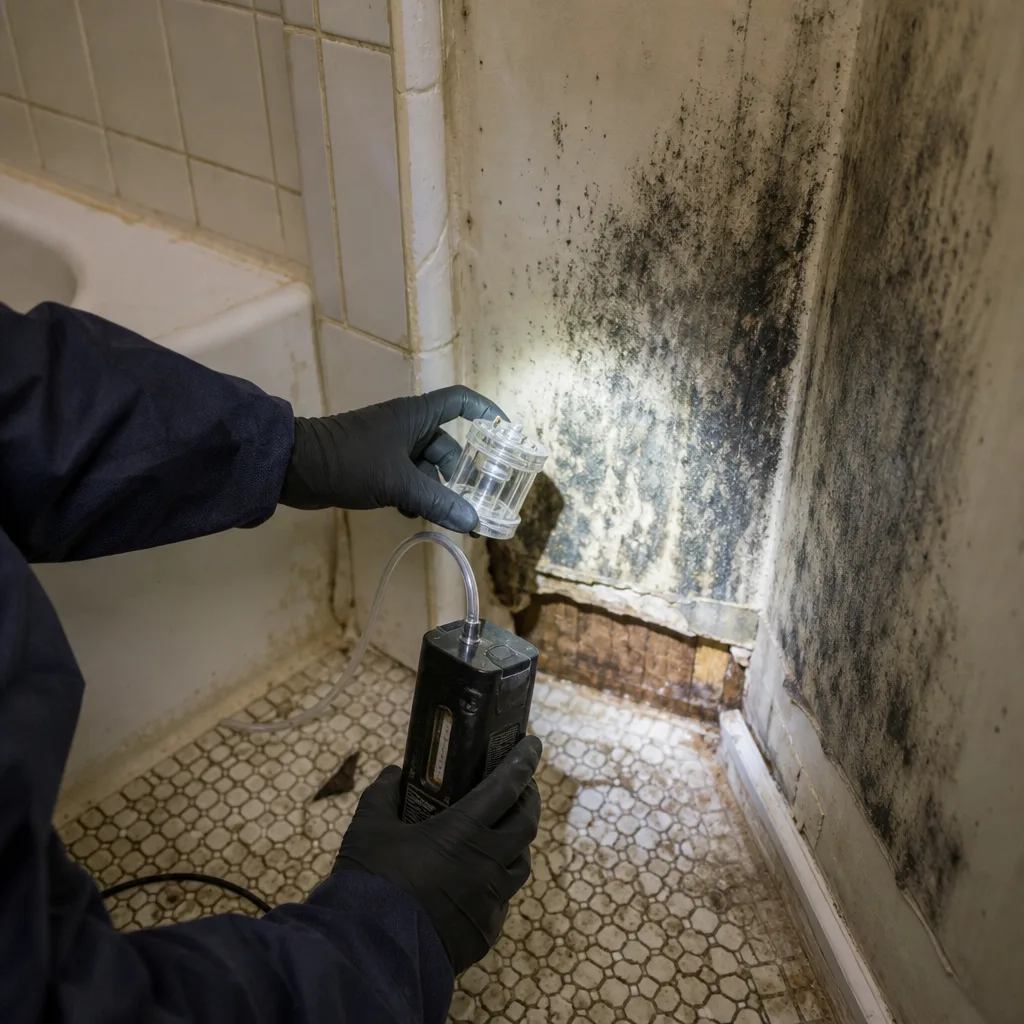
Furniture, clothing, books, and personal items absorb smoke even if they weren’t in the fire room. We inventory, pack out, and clean salvageable contents at our facility, then return them when the apartment is rebuilt. For Washington Heights clients who don’t want a full pack-out, we can clean select contents on site. But after a heavy smoke event, even the contents inside closed cabinets typically need treatment.
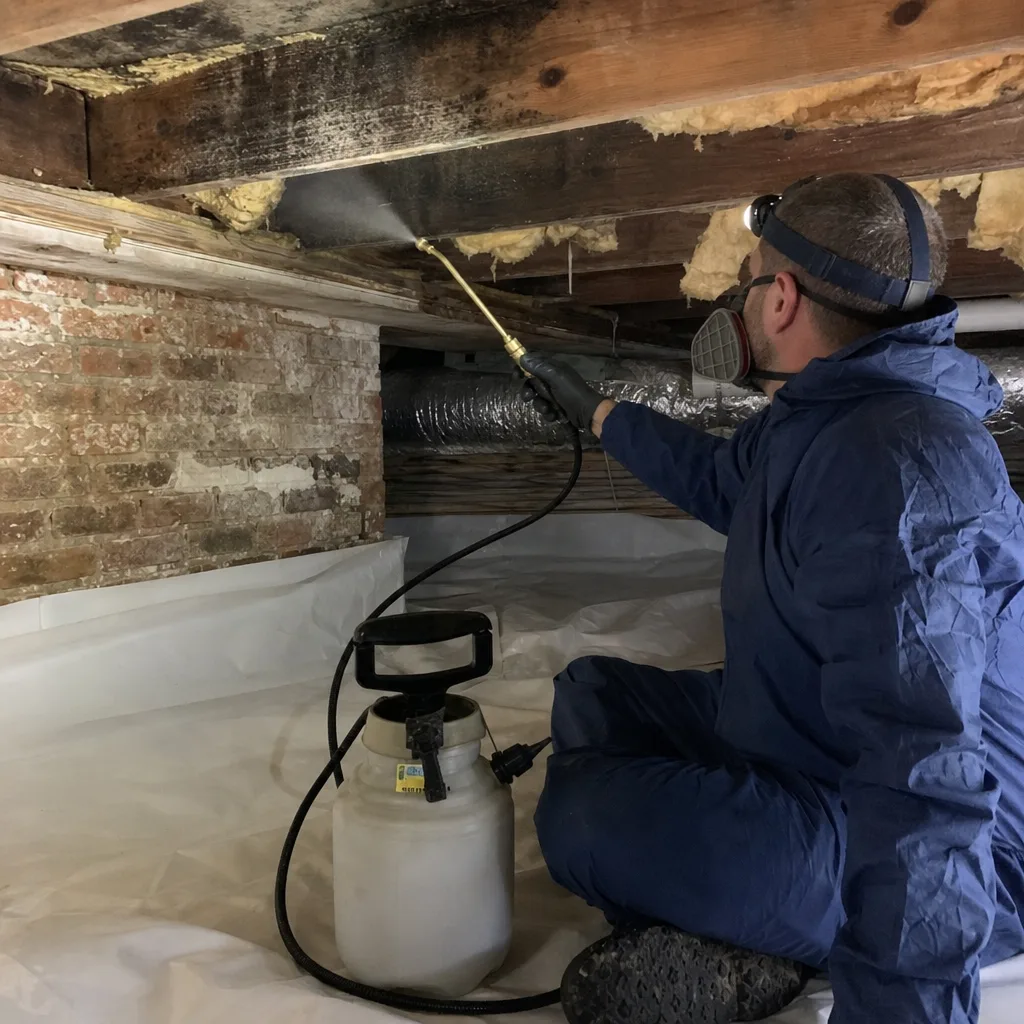
Emergency Board-Up & Tarping
A broken window or a fire department roof vent left open becomes a water and pest entry point within hours. We board up and tarp the same day we’re called. In Washington Heights, that often means working with landlords and supers to secure shared stairwells and basement entrances, not just the fire unit itself.
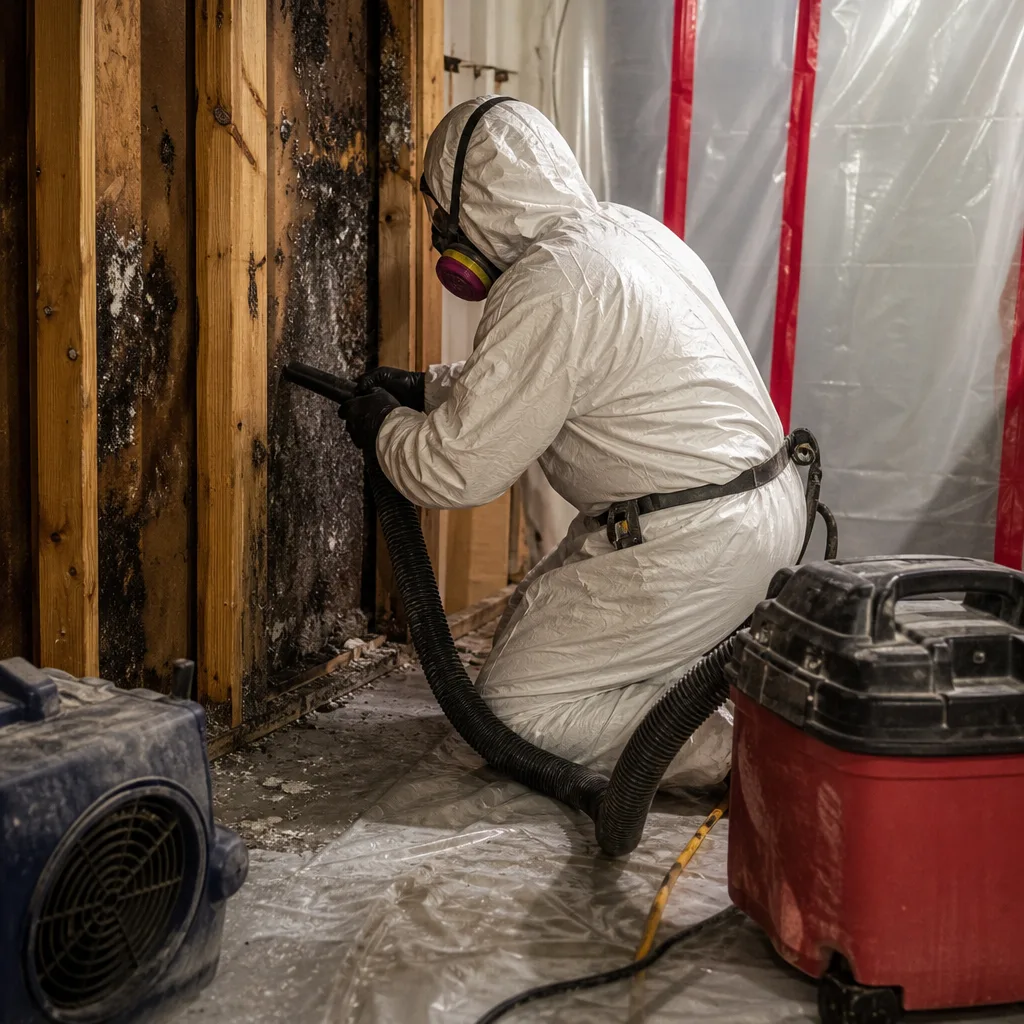
What happens when you call
- 1
A real person answersNo phone trees - you reach a local pro.
- 2
You get an upfront price rangeHonest numbers before anyone is dispatched.
- 3
A background-checked tech heads outLicensed & insured, dispatched right away.
- 4
You approve before work beginsNothing starts until you say go.
Fire & Smoke Damage Restoration Costs in Washington Heights, NY
A typical fire damage cleanup in Washington Heights runs $2,800 to $7,500 for a contained kitchen fire with moderate smoke spread. Full smoke and soot removal across multiple rooms runs $4,000 to $12,000 depending on square footage and how far the smoke traveled. Odor removal and deodorization adds $1,200 to $3,500 when thermal fogging and hydroxyl treatment are required. Contents cleaning and pack-out runs $1,500 to $6,000 depending on volume. Emergency board-up and tarping runs $400 to $1,200 for a standard window or door opening. If asbestos abatement or lead paint remediation is triggered, that’s an additional line item with costs set by licensed abatement contractors, not by us. Structural fire repair, where walls need to be opened and rebuilt, runs $8,000 to $40,000 in this market depending on how many floors and units are involved. Most fire losses in Washington Heights are insurance-covered, and we bill your carrier directly. Call (917) 924-4221 for a free visual inspection and a firm scope in writing before any work begins.
We Also Serve Cities Near Washington Heights
Our crews cross the river and the borough line when needed. We serve Fairview, Harrison, East Bronx, and Hunts Point with the same 45-minute response commitment and the same certified team handling every phase of fire and smoke damage restoration.
Serving Washington Heights, NY - Our Local Coverage Area
We’re based in the Washington Heights area and know this community well. Use the map below to see our service coverage - if you’re nearby, we can almost certainly help.
Washington Heights Fire & Smoke Damage Restoration Questions, Answered
How does fire restoration in a pre-war Washington Heights walk-up handle lead paint and asbestos?
We test before we touch. In buildings constructed before 1940, lead-based paint and asbestos pipe insulation are presumed present, so we bring in a licensed asbestos surveyor and lead inspector before opening any wall or disturbing any surface. Abatement runs before structural drying or reconstruction, and the cost is a separate line item handled by licensed abatement contractors. We coordinate the sequence so the fire damage doesn’t sit while paperwork moves.
What happens when a fire in one Washington Heights apartment spreads smoke through a shared cast iron riser chase?
Smoke travels vertically through the riser chase and deposits soot inside walls and apartments several floors away from the fire. We set containment on each affected floor, run HEPA air scrubbers, and inspect every unit connected to the chase. In rent-stabilized buildings, that means coordinating access with multiple tenants and sometimes multiple landlords before we can fully clean and seal the chase.
Do you coordinate with Washington Heights housing court when tenants refuse access after a fire?
We can’t file the orders ourselves, but our project leads know the housing court process and work with landlords and managing agents to get access orders signed. Waiting for court access across multiple tenanted floors can push drying past the 48-hour mold threshold, so we move on every affected unit as soon as access is granted. If you’re a landlord dealing with this, call us early.
Why is winter fire restoration worse in Washington Heights buildings near Fort Tryon Park?
Buildings near Fort Tryon Park sit on the highest ridge in Manhattan with direct Hudson River exposure, and their west-facing masonry facades take sustained wind-driven rain. Freeze-thaw cycling widens mortar joints every winter, so when a fire happens in January or February, the fire department’s water often joins existing envelope intrusion inside walls. We’re drying two water sources at once, and the cold slows evaporation, which means more dehumidifier days.
Can you clean smoke-damaged contents from a Washington Heights apartment without permanent pack-out?
Yes. For light to moderate smoke exposure, we can clean select contents on site using HEPA vacuuming, dry sponges, and treatment for fabrics and upholstery. For a heavy grease fire or a fire that burned synthetic materials, a full pack-out to our facility is usually the better call because the cleaning is more thorough and the apartment clears out for structural work.
How fast can you actually get to a fire in Washington Heights?
We commit to 45 minutes from the time you call. Our crews are dispatched from the New York City office and stationed to reach Washington Heights addresses quickly, including evenings and weekends. Call (917) 924-4221 and a live dispatcher starts the process immediately.
Will my insurance cover fire and smoke damage restoration in Washington Heights?
Most standard homeowners and co-op policies cover fire, smoke, and fire suppression water damage. Landlord policies typically cover the building structure, while tenants’ own policies cover their contents. We document everything from the first hour, bill your carrier directly, and handle adjuster communication so you’re not caught in the middle. Call us for a free visual inspection and we’ll walk you through what your policy likely covers.
What should I do in the first 30 minutes after a fire in Washington Heights?
Stay out of the unit until the fire department clears it. Then call us. The sooner extraction and drying start, the less the fire department’s water soaks into plaster and flooring. Don’t wipe soot yourself, because the wrong cleaning method can smear it deeper into surfaces. Don’t turn on HVAC systems, which can blow soot through the whole building. And don’t let wet drywall sit: the 48-hour mold clock in a pre-war building with original plaster and wood lath starts now.
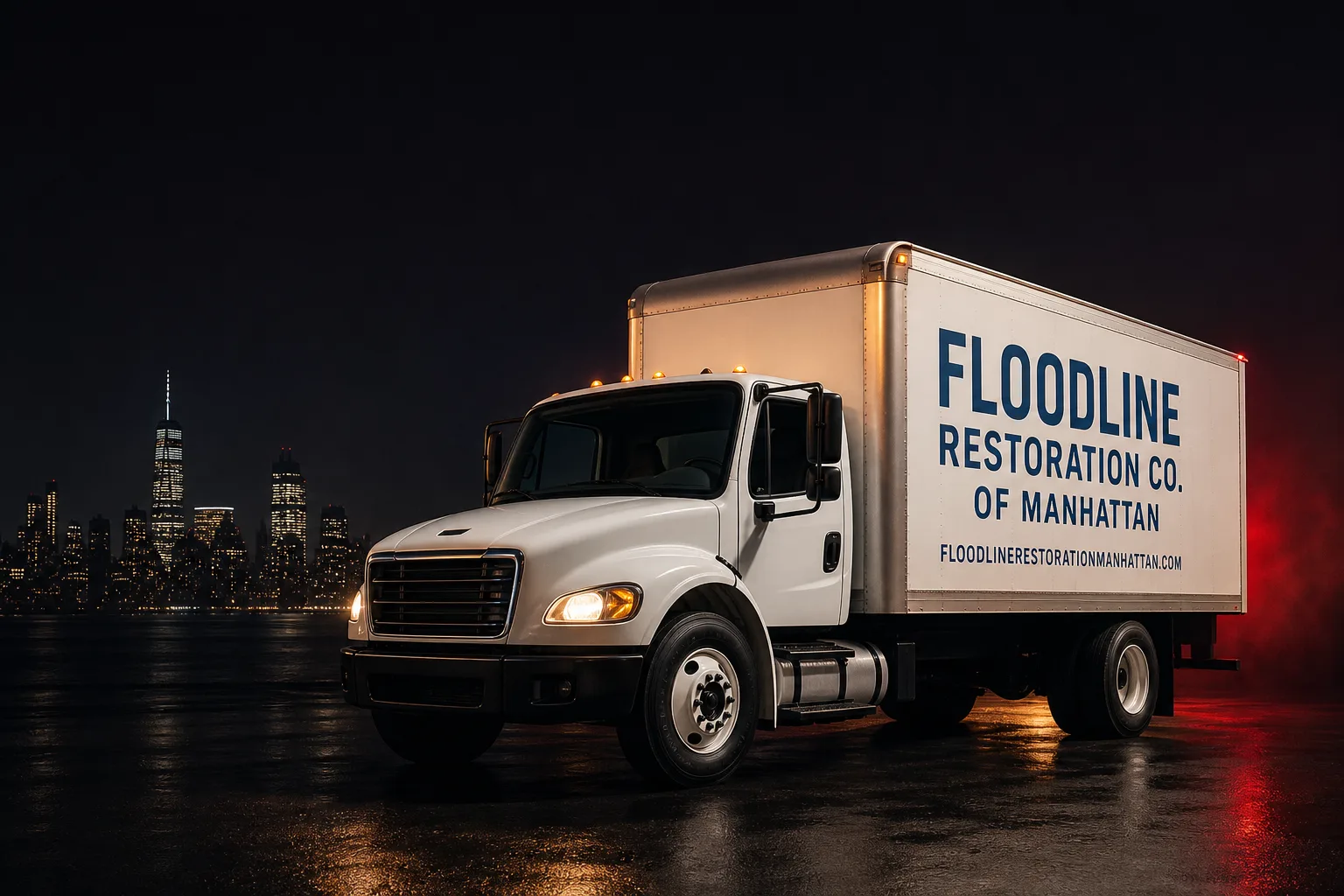
Floodline Restoration Co. started at the floodline, but we’ve spent fifteen years handling fire and smoke damage in Upper Manhattan’s oldest housing stock. Full-cycle Fire & Smoke Damage Restoration, done by one certified crew from first call to final rebuild. If you own or manage a building in Washington Heights, you know the rules are different here. We know them too. The line the fire left is where we start.
Written by Curt Bowman, Owner at Floodline Restoration Co. of Manhattan, serving New York City with live 24/7 dispatch and the 90-Day Done Right Promise in writing.