
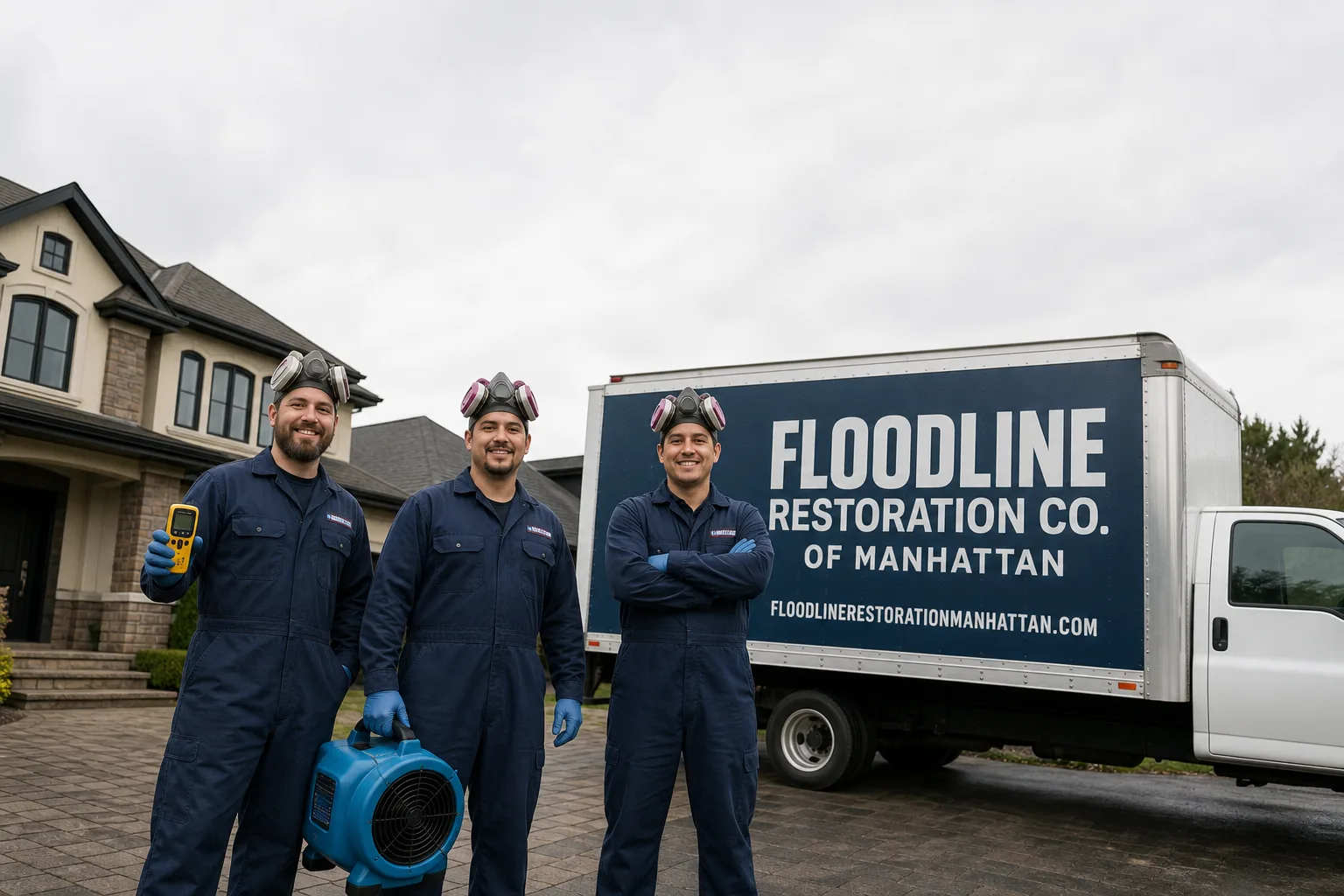
Free visual inspection and a written scope of work before any mitigation begins - photos, moisture readings, and drying logs go in your claim file
The scope we write is the scope we bill. Anything new gets shown to you, in writing, before we touch it.






 Before
 After
After Before
 After
After Before
 After
After24/7 Emergency Sewage Cleanup in Atlantic Beach
Sewage cleanup in Atlantic Beach typically costs $2,100-$6,400 for a full Category 3 black water loss and most homes can be stabilized within the first six hours, assuming the sewage source has been stopped. That stabilization window matters more here than anywhere else in Nassau County because Atlantic Beach sits on a barrier island where saltwater from the Atlantic or Reynolds Channel is usually part of the contamination. When sewage backs up into an Atlantic Beach cottage after storm surge or a municipal line failure, the water is salt-saturated black water, not the typical inland Category 3 event. Call Floodline Restoration Co. at (917) 924-4221 and a live dispatcher answers, every time, 24 hours a day. We send a certified crew into Atlantic Beach with extraction running the same visit. The first hour determines whether your joists, subfloor, and lower drywall are salvageable or headed for a full gut-out.
Understanding Sewage Cleanup Severity in Atlantic Beach Properties
Category 3 water, known in the trade as black water, contains pathogenic, toxigenic, or other harmful agents. Sewage backups, toilet overflows from beyond the trap, and any floodwater that has mixed with waste fall into this class. In Atlantic Beach, however, you’re rarely dealing with a simple municipal line backup. The island’s storm history and hydrology mean most black water events arrive with saltwater already blended in. Saltwater changes the remediation protocol. Standard antimicrobial treatments used by inland crews may not address the chloride-driven corrosion activity that begins inside wall cavities, electrical boxes, and HVAC ducting within 48 hours of exposure. Atlantic Beach’s housing stock compounds this. Many mid-century bungalows sit on slab foundations or have crawl spaces barely eighteen inches deep. Sewage pools under those slabs and seeps into fiberglass insulation batts that hold moisture for weeks. Elevated post-Sandy homes have a different failure pattern: mechanical systems staged in ground-floor voids get wave-washed, and sewage collects around ductwork and electrical runs that inland restorers never inspect closely. Moisture mapping here means checking not just floors and baseboards, but the shallow crawl, the sill plate, and any chase where Atlantic air already carries enough salt to corrode bare metal fasteners. Severity is not just water depth. It’s what the water is, and on this island, it’s almost always saltwater-driven contamination.
Why Atlantic Beach Property Owners Choose Floodline Restoration Co. of Manhattan
- 45-minute response commitment to Atlantic Beach. When sewage is spreading through a cottage on Ocean Boulevard or a rancher off Park Street, every hour adds square footage to the loss. We commit to having a certified crew dispatched within 45 minutes and on scene the same visit.
- Live answers at 2 a.m., not a recording. A real dispatcher picks up the phone every call, every night. You won’t navigate a phone tree while sewage rises. We answer, we dispatch, we arrive.
- IICRC-certified crews, trained to WRT and ASD standards. Our technicians carry Water Damage Restoration and Applied Structural Drying certifications, and the sewage-specific training that goes with them. Background-checked, uniformed, and accountable by name.
- Free visual inspection with moisture readings. Before any work starts, we map where the water went, including under slab floors and inside shallow crawl spaces where Atlantic Beach sewage hides. You get a written scope, not a guess.
- Direct insurance billing. We communicate with your adjuster, full stop. Daily moisture logs, photos, line-item scope. You don’t become a messenger between Floodline and your carrier.
- One crew from extraction through reconstruction. When a sewage loss forces drywall removal down to studs, the same team that pulled the black water rebuilds what was opened. No mid-job handoff, no inherited crew, no finger-pointing.
Our Sewage Cleanup Process
Inspection & Assessment
We begin with full moisture mapping using thermal imaging and penetrating meters. On Atlantic Beach slab bungalows, we specifically probe crawl space vapor barriers, sill plates, and HVAC chases where sewage hides. You get a written scope before any work begins.
Extraction & Stabilization
We remove standing black water using truck-mounted extraction and submersible pumps rated for contaminated water. Contaminated materials like saturated carpet, pad, and lower drywall are cut and bagged for proper disposal under Category 3 protocols.
Drying & Dehumidification
Our crews stage Dri-Eaz dehumidifiers and XPOWER air movers based on the moisture map, not floor space guesswork. Daily readings are logged until the dry standard is hit, typically between 3 and 5 days for an Atlantic Beach bungalow in humid summer conditions.
Cleaning & Sanitization
All hard surfaces are cleaned and treated with an EPA-registered antimicrobial appropriate for saltwater-influenced black water. This step is where many restorers cut corners. We do not. Salt-amplified microbial growth requires a different biocide protocol than typical municipal sewage.
Crawl Space & HVAC Treatment
Remaining moisture and contamination in shallow crawl spaces and ducting gets addressed directly. Because Atlantic Beach’s salt air accelerates corrosion on exposed metal, we inspect and treat registers, supply boots, and return plenums that were below the water line.
Repairs & Restoration
The same crew that extracted the sewage now handles drywall, baseboard, flooring, and paint. When damage is significant enough to trigger FEMA elevation thresholds, our reconstruction side works with you and your adjuster through the follow-up scope. One team, start to finish.
Need Emergency Sewage Cleanup in Atlantic Beach Now?
Crews minutes away, answering live 24 hours a day. The sooner we start, the less it costs.
Working With Your Insurance Company
Most Atlantic Beach sewage backup losses are covered under a standard HO-3 policy when the backup originates from a covered source, though saltwater surge losses may fall under separate flood coverage through NFIP or a private carrier. What never changes: the strength of your claim depends on documentation from hour one. We photograph every room, log every moisture reading, and prepare a line-item scope using Xactimate, the industry standard adjusters recognize. When a sewage loss pushes repair costs near the FEMA 50% threshold that Atlantic Beach’s building department enforces, our documentation becomes even more important. We flag potential elevation triggers early, before a non-specialist contractor would have even identified the issue. Your adjuster speaks to our team directly and you don’t carry paperwork between two offices.
What We Provide Your Insurer
- Thorough documentation of the loss
- Photos of all damage, room by room
- Moisture readings and drying logs
- A detailed, line-item scope of work
- Direct coordination with your carrier
Built for Atlantic Beach’s Loss Calendar
Atlantic Beach has two distinct sewage backup seasons and a year-round baseline problem. Late summer and early fall bring named storms: when a hurricane or nor’easter pushes Reynolds Channel over the bulkheads and the Atlantic surge meets it from the south, the island’s sewer system backs up through floor drains and first-floor toilets. That’s when we see the worst Category 3 events, saltwater and sewage mixed, often in homes that survived Sandy only because they had been elevated. January and February bring a different problem: deep freezes that crack aging cast-iron lateral lines under homes on sloped streets like The Plaza and Ocean Boulevard. A frozen lateral means sewage cannot exit and backs into the lowest fixture, usually the basement or ground-floor bathroom. The spring thaw then reveals the break, and the black water has been sitting. And the salt air itself means Atlantic Beach homes generate a steady call volume even in calm years: corroded cleanout caps, rusted ejector pump basins, and slow-draining lines that eventually back up. The calendar fills, but crews stay on call every day.
Sewage Cleanup Across Atlantic Beach’s Neighborhoods
Atlantic Beach runs roughly two blocks wide for much of its length, which means response routes follow a simple pattern: enter through the bridge at the village border, head north or south of Park Street, and reach any address within minutes. The homes on the ocean side of Beech Street, many elevated after Hurricane Sandy, tend to show sewage losses in ground-floor utility voids where mechanical systems sit exposed to wind-driven rain and surge. The bay side, homes off Albany Boulevard and Buffalo Avenue, takes the Reynolds Channel overwash first. Slab-on-grade ranchers near the bridge, older homes built in the 1950s before the village’s first elevation requirements, frequently suffer sewage pooling under slabs where crawl access is a hatch in a closet floor. The narrower streets around Putnam Boulevard have older sewer laterals, several pre-dating the village’s redevelopment. When those lines fail, raw sewage surfaces in basements and first-floor baths. The marinas at the north end of the island present their own pattern: sewage ejector pumps in older waterfront homes that fight a near-constant head of groundwater and fail during heavy rain. Our crews know which streets have the oldest plumbing, which blocks flooded in Sandy, and which homes sit lowest to the channel. That knowledge shortens the inspection and sharpens the scope.
Specialized Sewage Cleanup Services We Offer in Atlantic Beach
Sewage Backup Cleanup
We handle full Category 3 sewage backups from municipal line failures, lateral breaks, and storm-driven system overloads. In Atlantic Beach, the sewage that comes up through a floor drain after a heavy storm event has usually mixed with saltwater, so our treatment plan always includes corrosion control for exposed metal framing, fasteners, and electrical boxes.
Toilet Overflow Cleanup
A toilet overflow from a blocked line is a Category 2 loss if addressed fast, but becomes Category 3 once waste matter spreads beyond the fixture. In Atlantic Beach bungalows with first-floor baths over a shallow crawl, overflow often seeps through tile gaps and into the subfloor undetected. We open and inspect where moisture meters say to look.
Septic Failure Cleanup
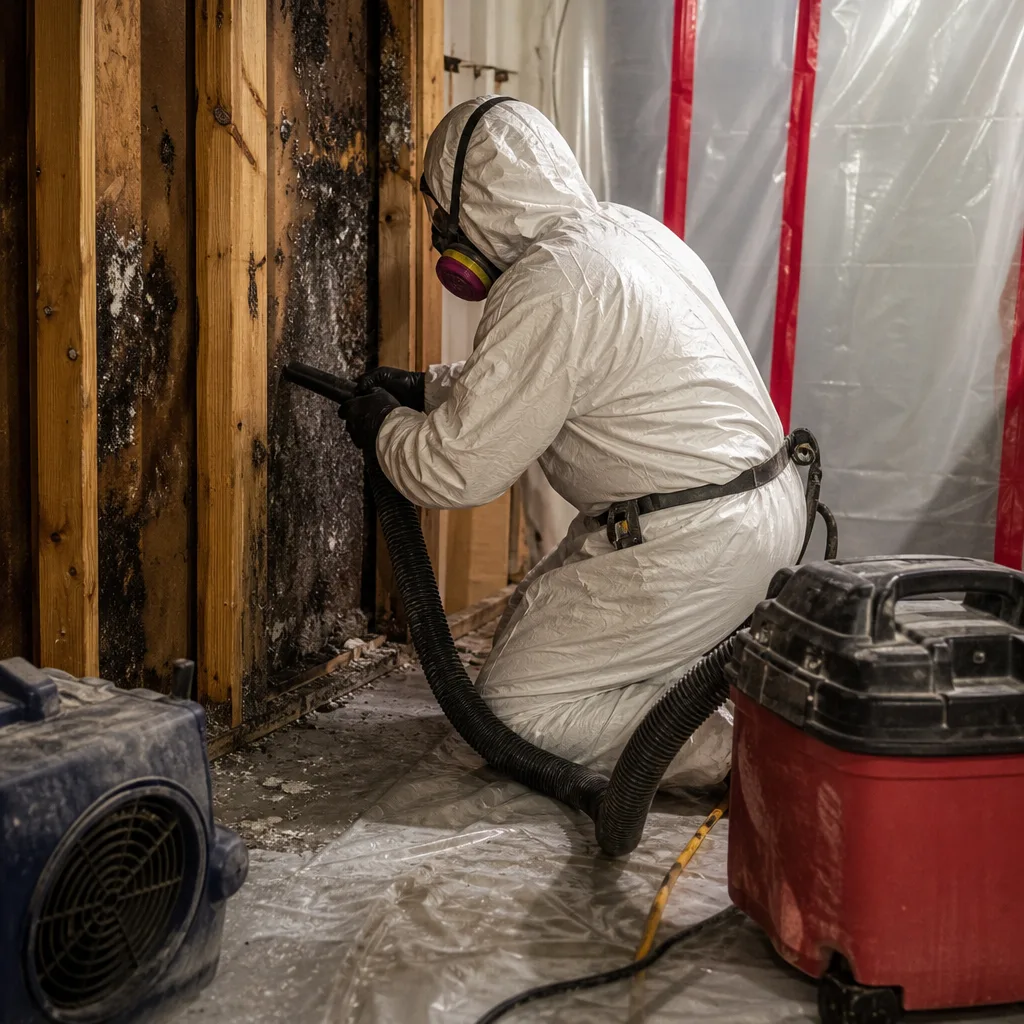
Some Atlantic Beach properties on the bay side still run private septic systems, particularly older cottages that were never tied into the village line. Septic failure means sewage surfaces in the yard, the crawl space, or the lowest floor. We extract, treat, and restore, with full containment so effluent never tracks through the living space.
Black Water Extraction
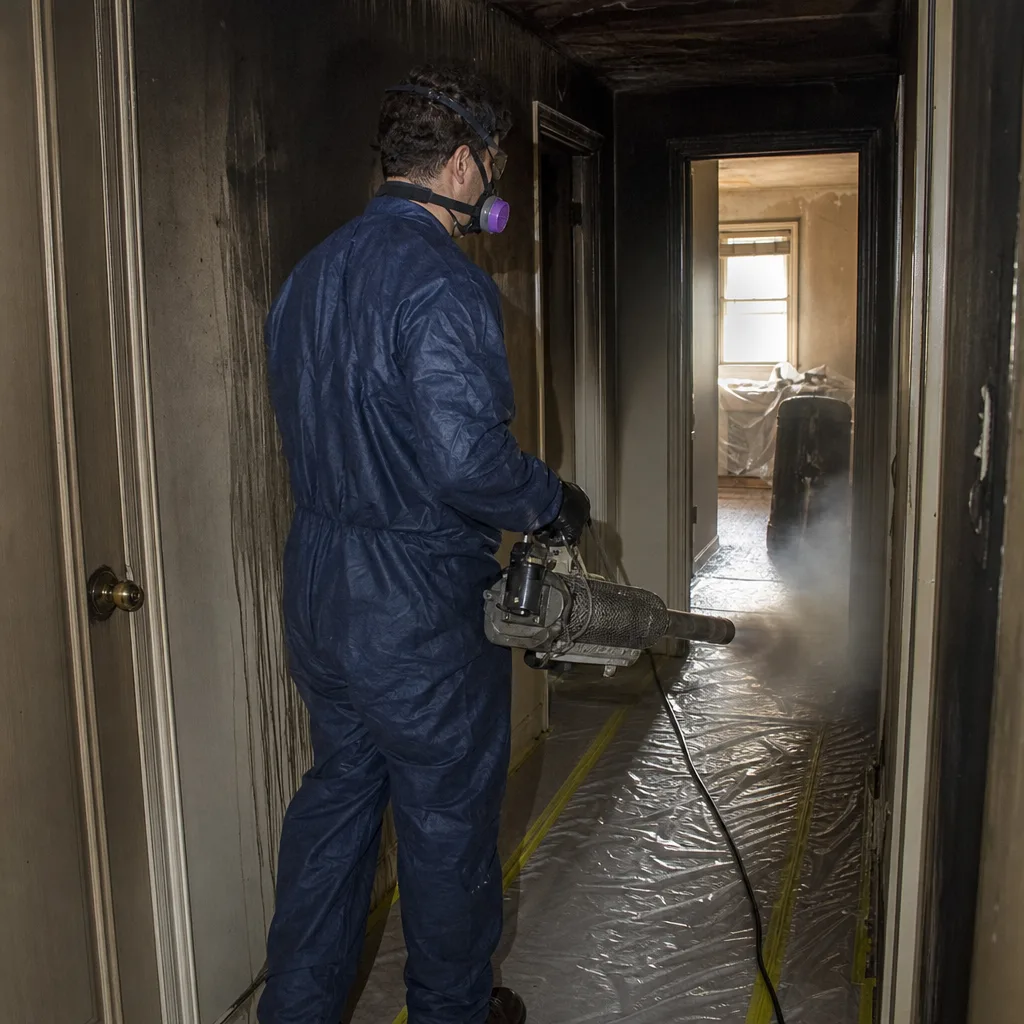
Black water extraction in Atlantic Beach always assumes saltwater is in the mix. Our Phoenix truck-mounted extractors and submersible pumps remove contaminated water fast, but extraction is only as good as the mapping that follows. Shallow crawl spaces and under-slab voids get probed, not assumed dry.
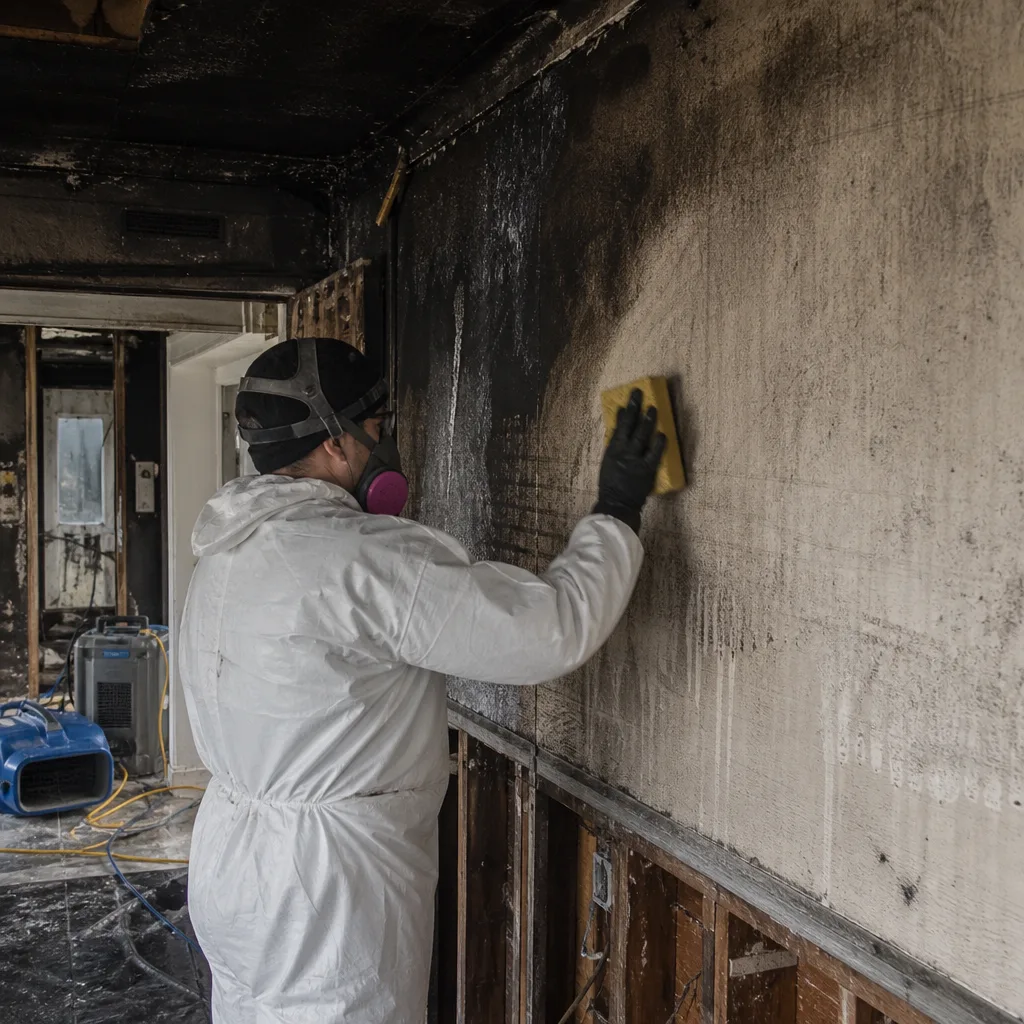
Sanitization & Disinfection
After extraction and removal of saturated materials, we apply EPA-registered disinfectants rated for sewage-borne pathogens, with an additional biocide step for saltwater-driven contamination that standard inland crews miss. Baseboard heaters, duct registers, and electrical outlets within the water line all receive treatment, because in Atlantic Beach’s salt air, untreated metal fails within months.
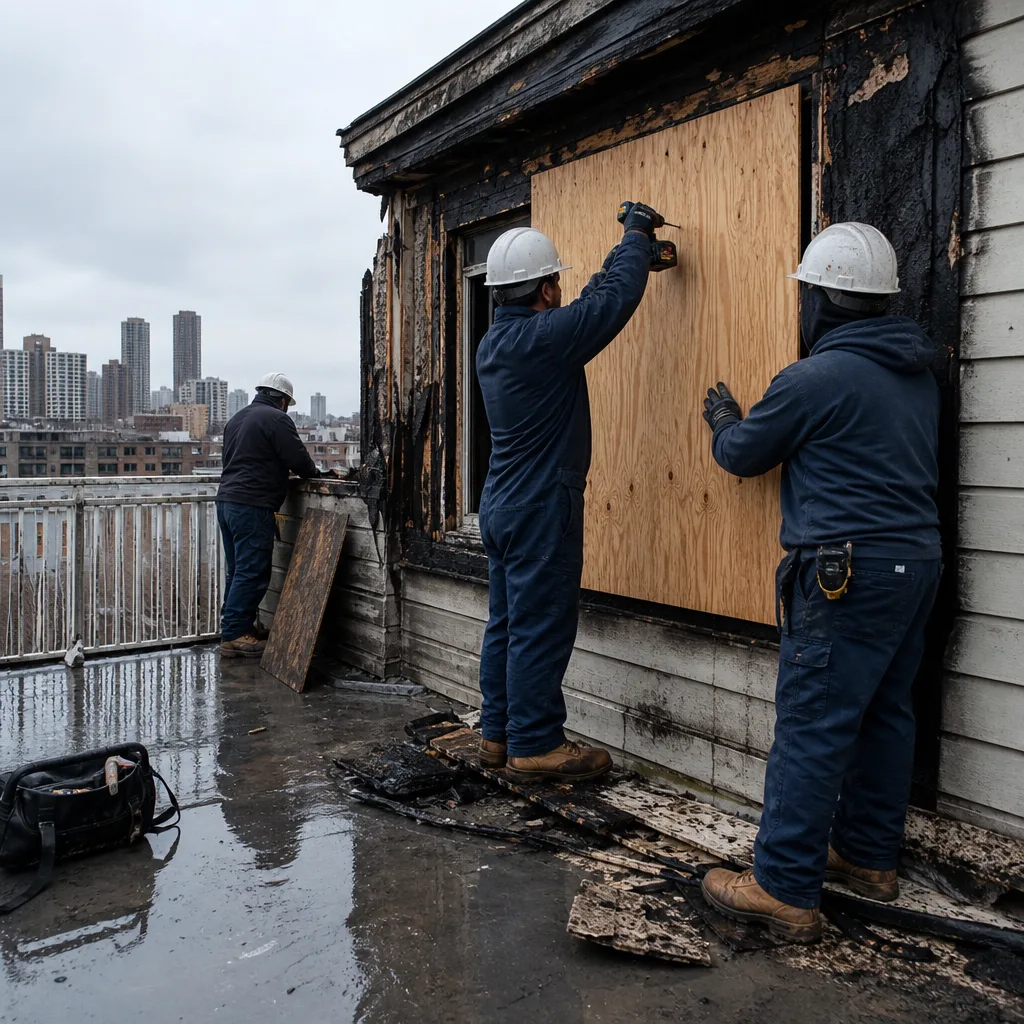
Crawl Space Sewage Removal
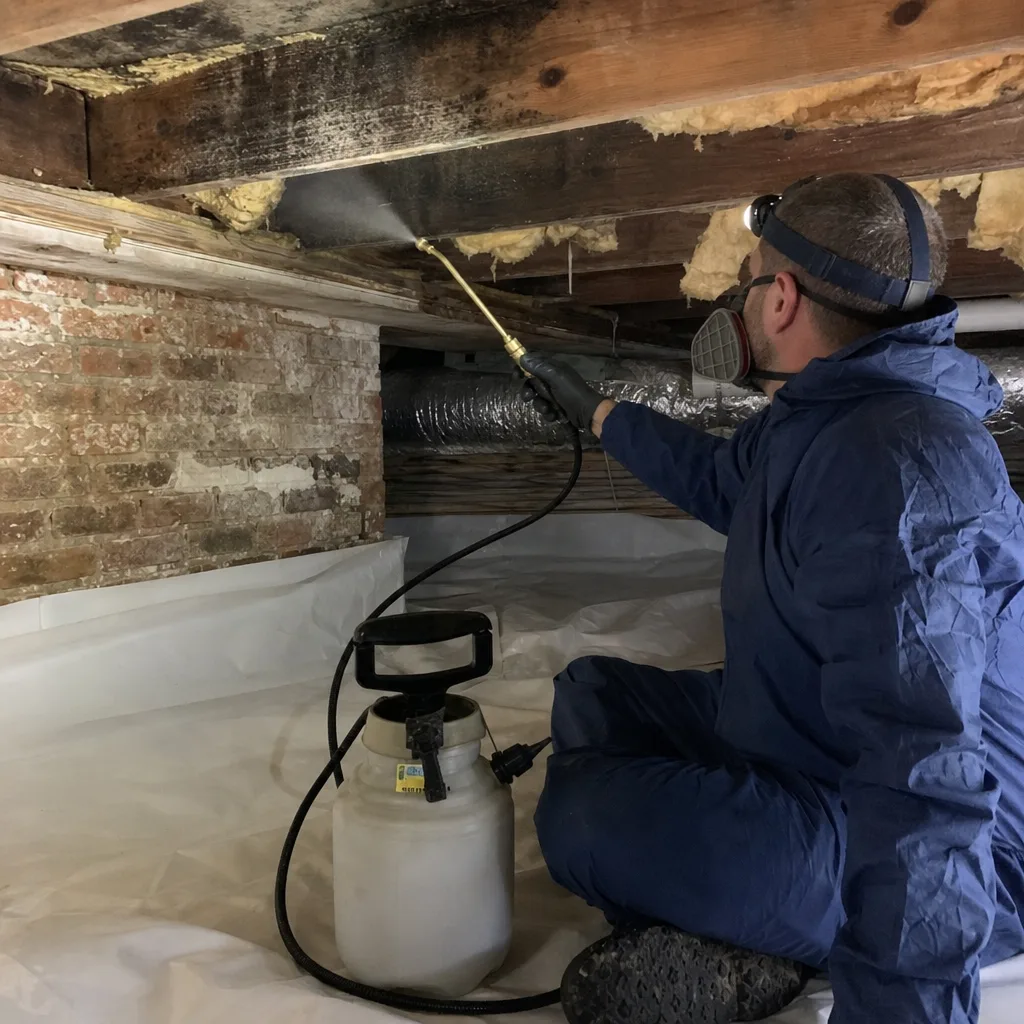
Crawl space sewage removal in Atlantic Beach means working in tight, low-access voids under slab bungalows. We set negative-air containment, bag and remove contaminated insulation and vapor barrier, treat the soil beneath, and dry the space until subfloor moisture readings fall below the dry standard. If the crawl has no standing water but soaked insulation, we still open it. Hidden contamination is the most common cause of recurring odor in Atlantic Beach homes.
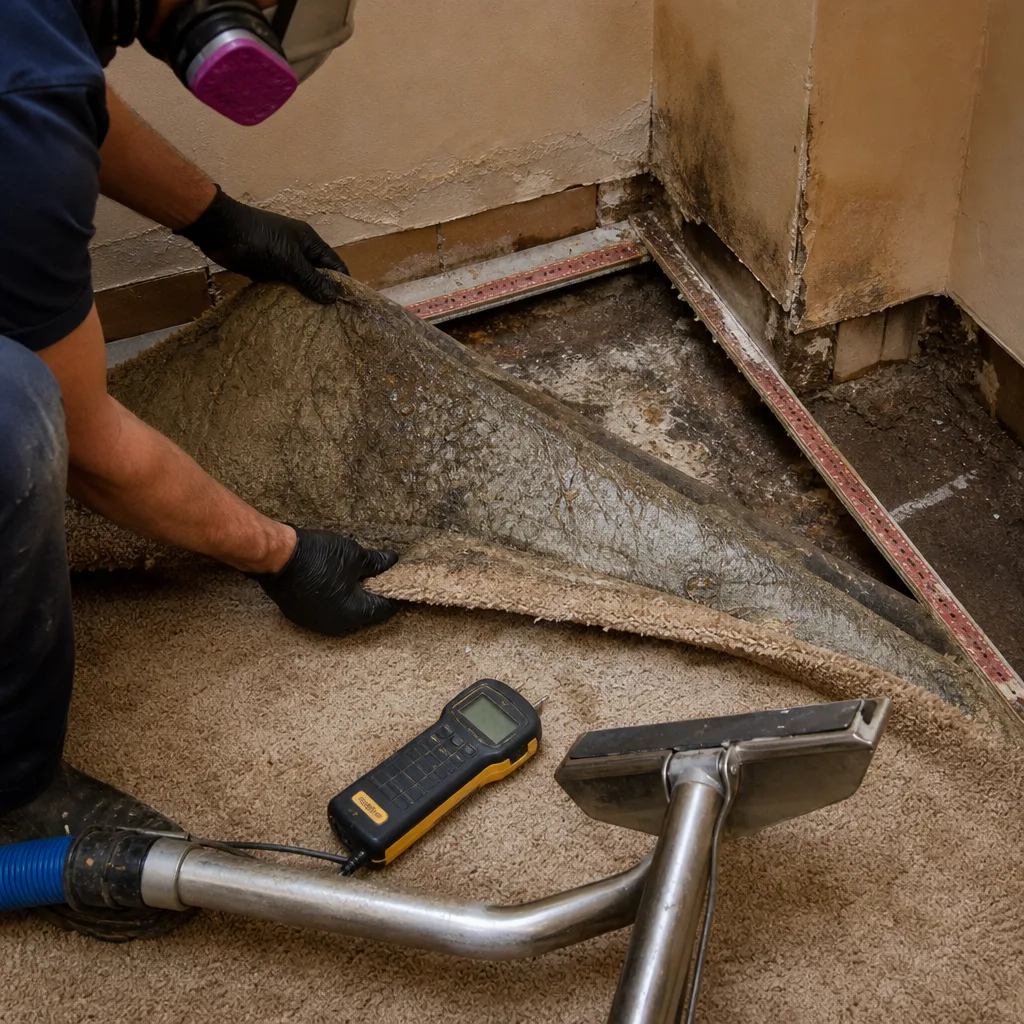
What happens when you call
- 1
A real person answersNo phone trees - you reach a local pro.
- 2
You get an upfront price rangeHonest numbers before anyone is dispatched.
- 3
A background-checked tech heads outLicensed & insured, dispatched right away.
- 4
You approve before work beginsNothing starts until you say go.
Sewage Cleanup Costs in Atlantic Beach, NY
Straight-talk numbers for Atlantic Beach, based on what we have scoped and completed here. A contained toilet overflow with fast response typically runs $1,800-$3,200. A Category 3 sewage backup affecting one room plus an adjacent hall runs $3,500-$6,000 when you include drywall removal, drying, antimicrobial treatment, and basic repairs. A full first-floor gut-out from storm-driven sewage can run $8,500-$18,000 or more, especially when the loss triggers the village’s FEMA 50% rule and an elevation decision enters the picture. Crawl space sewage removal, including insulation removal, soil treatment, and drying, runs $2,800-$5,500 depending on access. What moves the price: how far sewage migrated, whether subfloor or sill plates must come out, whether HVAC ducting was below the water line, and whether saltwater corrosion treatment is needed. Insurance covers most of these costs under standard water backup provisions or flood coverage when surge was the cause. The fastest way to a firm number is the free inspection: we map the loss, you get a written scope before any work begins. Call (917) 924-4221 and our team walks the loss with you.
We Also Serve Cities Near Atlantic Beach
Our sewage cleanup crews serve Atlantic Beach and the surrounding south shore communities daily. We respond to sewage backups and Category 3 losses in Atlantic Beach, plus Lawrence, Far Rockaway, Cedarhurst, and Inwood. If you’re within ten minutes of the Atlantic Beach bridge, we’re on call.
Serving Atlantic Beach, NY - Our Local Coverage Area
We’re based in the Atlantic Beach area and know this community well. Use the map below to see our service coverage - if you’re nearby, we can almost certainly help.
Atlantic Beach Sewage Cleanup Questions, Answered
How does saltwater from Reynolds Channel change a sewage cleanup in Atlantic Beach?
Saltwater turns a standard Category 3 sewage event into a corrosion-driven restoration problem. The chloride in seawater accelerates rust on metal fasteners, electrical boxes, and ducting within 48 hours, so remediation requires a corrosion-targeting antimicrobial and biocide step that inland crews typically skip. Atlantic Beach sewage losses almost always include this salt component, which is why our Sewage Cleanup protocol assumes ocean or bay water is present until proven otherwise. Call (917) 924-4221 for a detailed scope.
Can a sewage backup in a pre-Sandy slab bungalow be dried out without gutting the first floor?
Usually yes, if the response is fast and the crawl space is addressed. The problem in slab bungalows is not the concrete, it’s the shallow crawl or under-slab void where sewage pools. We can often save the first floor by extracting through access points, removing only saturated drywall and insulation, and drying the under-slab space with targeted airflow. But if sewage has wicked up into stud wall cavities for more than 72 hours, that section of wall typically must go. Free inspection gives you the answer for your specific Atlantic Beach home.
What does the FEMA 50% rule mean for my sewage damage claim in Atlantic Beach?
The FEMA 50% rule applies because most of Atlantic Beach sits in Flood Zone AE or VE. If the cost to repair your home after a sewage loss exceeds 50% of the structure’s pre-damage market value, the village can require you to elevate the entire structure to current floodplain standards before a permit is issued. That turns a sewage cleanup into a rebuild-or-elevate decision. We document every line item and flag this threshold early so you and your adjuster can plan accordingly, never after materials are already replaced.
How do you handle sewage backup inside a crawl space with no standing water but soaked insulation?
We remove the insulation. Soaked fiberglass in a shallow Atlantic Beach crawl space will not dry in place and will keep re-contaminating the subfloor above. Our crew opens the crawl access, bags and removes all affected insulation and vapor barrier, treats the exposed soil and framing with antimicrobial, and runs dehumidification until subfloor moisture readings drop below the dry standard. The space then gets new insulation. This is the only way to stop recurring odor.
What happens to baseboard heaters and ductwork after a black water backup in an Atlantic Beach bungalow?
Baseboard heaters within the water line are usually replaced, not restored. Their back panels trap sewage and the metal corrodes fast in Atlantic Beach’s salt air. Ductwork in the affected zone gets inspected internally. If sewage entered the ducts, we seal and clean or replace the affected runs. Treating these components is not optional, not in a salt environment. Skipping them leaves a contamination reservoir that keeps the smell coming back for years.
How fast can you actually get to my Atlantic Beach home right now?
We commit to a 45-minute dispatch window for Atlantic Beach. A live dispatcher answers at (917) 924-4221 immediately, every hour of every day. Our Atlantic Beach crew is typically on-site within 60 to 90 minutes, depending on street access and bridge traffic. Sewage spreads fast, so the first hour often decides whether we’re saving floors or replacing them.
What should I do in the first 30 minutes after I notice sewage backing up?
Stop using all water in the house. Shut off the main water valve if you can reach it safely. Do not flush toilets, run washing machines, or use sinks. Keep people and pets out of the affected area. Turn off electricity to the affected floor if the panel is reachable without standing in water. Then call us. Do not attempt to vacuum or mop the sewage yourself, and do not run HVAC fans, which spread contamination into ductwork and other rooms.
Are your techs certified for sewage cleanup specifically?
Yes. Our crews are trained to IICRC Water Damage Restoration and Applied Structural Drying standards, and some carry additional certification through IFA. More than the certificates, they have handled dozens of saltwater-influenced sewage losses on this island specifically. That Atlantic Beach experience matters when a standard checklist misses what’s hiding under a slab bungalow or inside a storm-battered utility chase.
Our crew responded to a sewage backup on Albany Boulevard a week after a named storm pushed Reynolds Channel over the bulkhead. Saltwater had filled the crawl space and forced a toilet overflow up through the floor drain, leaving Category 3 water across the first floor. We set containment, packed out saturated drywall and fiberglass insulation, then ran our Dri-Eaz dehumidifiers and XPOWER air movers until moisture readings on the subfloor dropped below 5% before antimicrobial treatment and structural drying logs were closed. That’s the work we do in Atlantic Beach: not a template, but a map of what this island’s water actually does.
Call (917) 924-4221 for a free estimate. Live dispatch, certified crews, and a written scope before any work starts, backed by the 90-Day Done Right Promise. The Keystone Standard says it plainly: if it’s not done right, we make it right. In writing. No arguing.
Written by Curt Bowman, Owner at Floodline Restoration Co. of Manhattan, serving Atlantic Beach.