
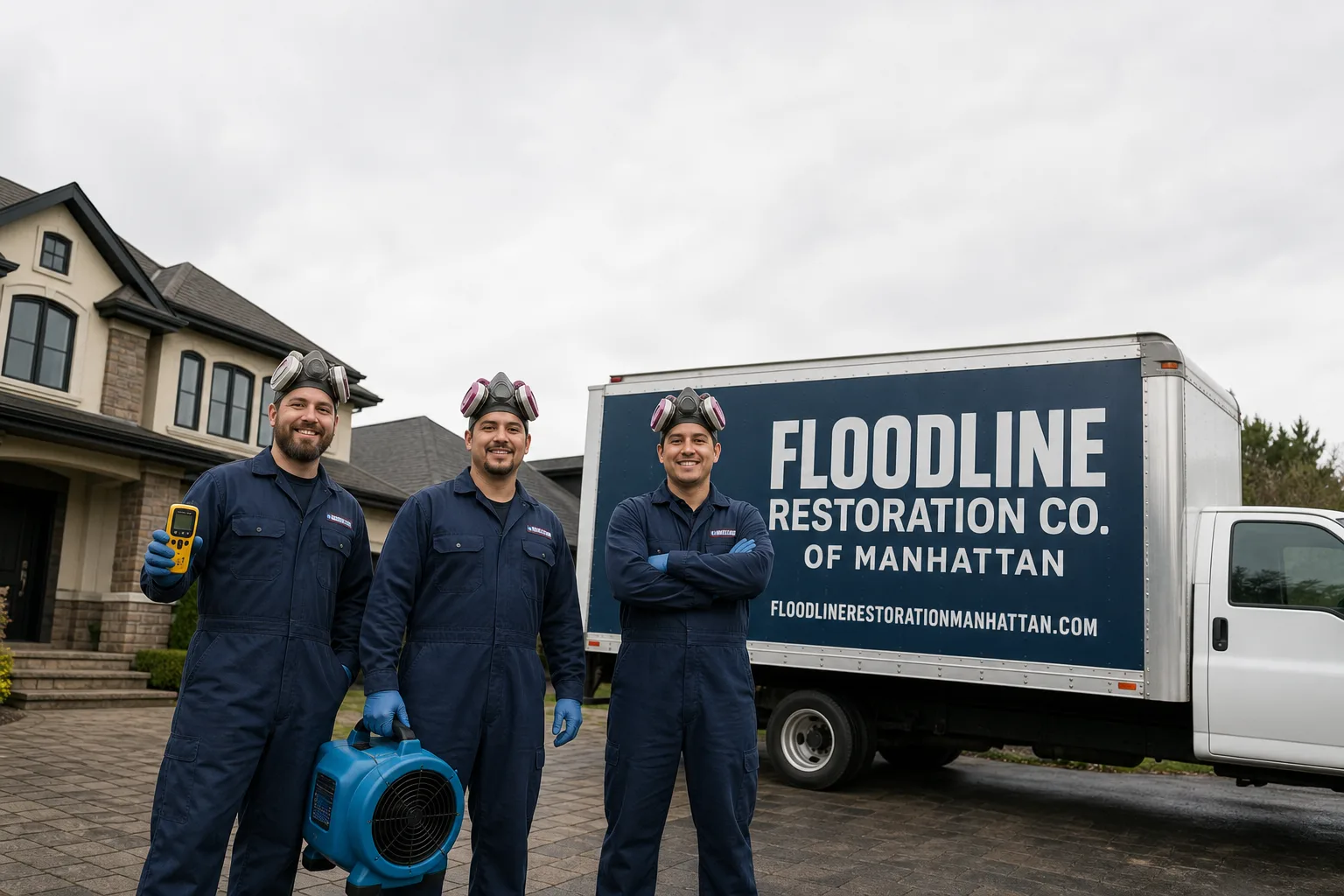
Free visual inspection and a written scope of work before any mitigation begins - photos, moisture readings, and drying logs go in your claim file
The scope we write is the scope we bill. Anything new gets shown to you, in writing, before we touch it.






 Before
 After
After Before
 After
After Before
 After
After24/7 Emergency Sewage Cleanup in Corona
Sewage backup in a Corona basement needs immediate attention, and our crews are dispatched into the neighborhood around the clock. Call (917) 924-4221 any hour, day or night, and a live dispatcher answers, not a recording. We walk you through the first thirty minutes while a certified crew is already rolling toward your block. In a dense row-house basement, Category 3 water spreads fast across concrete and up into plaster-and-lath walls. The first hour determines whether you’re dealing with extraction and drying or a full gut and rebuild. Every minute sewage sits, the contamination radius grows and the restoration bill climbs. We do free visual inspections in Corona and start extraction the same visit whenever conditions allow. The line the water left is where we start.
Understanding Sewage Cleanup Severity in Corona Properties
Sewage contamination is Category 3 water, the most hazardous classification in restoration work. It carries bacteria, viruses, and parasites from human waste, and it does not belong on any surface you touch. In Corona’s attached brick row houses, built mostly between 1915 and 1945, that Category 3 water travels through original cast-iron drain stacks and into cellars that were never designed as living space. The tight clearances behind party walls, often just 32 inches, make proper extraction harder than in a suburban basement with open floor plate. Moisture wicks into original plaster-and-lath, and hidden pockets behind brick foundations stay wet for weeks if not caught with thermal imaging and moisture meters. We run a full moisture map on every affected surface, log daily readings until the dry standard is met, and set up containment with HEPA air scrubbers before disturbing contaminated material. Asbestos pipe insulation is common in these pre-war buildings, and it has to be properly abated before any rebuild can proceed. Our Sewage Cleanup team is trained to identify these hazards early, before they become a stop-work surprise.
Why Corona Property Owners Choose Floodline Restoration Co. of Manhattan
- 45-minute response commitment in Corona: We dispatch from our New York City office with crews that know 108th Street, Northern Boulevard, and the alley access issues of Corona’s row-house blocks. You get a time window, and we hit it.
- A live person answers at 2 a.m.: No phone trees, no call-back promises. A dispatcher picks up, takes your address, and starts a crew moving while you’re still on the line.
- IICRC-certified crews with the right codes: Our technicians carry WRT (Water Damage Restoration Technician) and AMRT (Applied Microbial Remediation Technician) certifications, trained to the standards your insurance carrier recognizes.
- Free visual inspection before any work begins: We look, we measure, we write a scope. You approve the scope before we touch anything. A square deal, no surprises on the bill.
- Direct insurance billing: We document from the first hour, bill your carrier directly, and coordinate with your adjuster so you don’t play messenger.
- One team from extraction to reconstruction: The same certified crew that extracts Category 3 water on day one handles drying, sanitization, and the rebuild. No mid-job handoff to a crew that never saw the loss.
Our Sewage Cleanup Process
Inspection & Assessment
We trace the source of the backup, identify the water category, and map contamination across every affected surface. In Corona basements, that means thermal imaging behind party walls and moisture readings under plaster-and-lath. You get a written scope before work starts.
Extraction & Stabilization
Black water comes out first, using truck-mounted and portable extraction units sized for tight row-house access. We remove contaminated materials that cannot be salvaged, bag and tag them properly, and stabilize the space to stop further spread.
Drying & Dehumidification
We place XPOWER air movers and Phoenix dehumidifiers to structural-dry every affected area. Daily moisture readings are logged until the dry standard is met, and the log goes to you and your carrier. No guessing, no “probably dry by now.”
Cleaning & Sanitization
Antimicrobial treatment is applied to every surface that came into contact with Category 3 water, including behind baseboards and inside wall cavities we’ve opened. HEPA air scrubbers run during the entire process to capture airborne contaminants.
Asbestos & Lead Assessment
In Corona’s pre-war row houses, we check for asbestos pipe insulation and lead paint before any demolition proceeds. If found, we coordinate abatement through licensed partners with the NYC Department of Buildings in the loop.
Repairs & Restoration
Once the structure is dry and sanitized, we rebuild. That could mean new drywall, new flooring, or full cellar restoration. The same crew that extracted the sewage handles the finish work. Done right, and backed in writing.
Need Emergency Sewage Cleanup in Corona Now?
Crews minutes away, answering live 24 hours a day. The sooner we start, the less it costs.
Working With Your Insurance Company
Sewage backup coverage is not automatic on every homeowner’s policy, and the way the loss is documented in the first hours can make or break a claim. We photograph everything, room by room, before we move a single piece of contaminated material. We log moisture readings from day one, keep a drying log through the entire process, and write a line-item scope of work in industry-standard format your adjuster can plug into their estimating software. Then we coordinate directly with your carrier. You don’t chase a claims department; we do. If your policy has a water backup endorsement, we make sure the claim is written so it’s covered. If it doesn’t, we tell you straight before work starts, so you’re making decisions with real numbers, not surprises.
What We Provide Your Insurer
- Thorough documentation of the loss
- Photos of all damage, room by room
- Moisture readings and drying logs
- A detailed, line-item scope of work
- Direct coordination with your carrier
Built for Corona’s Loss Calendar
Corona’s sewage backup calls follow the weather and the aging infrastructure underneath it. Summer thunderstorms hit hardest here. The storm sewers along 108th Street and Northern Boulevard back up fast in short-duration downpours, and that pressure finds the path of least resistance through clay sewer laterals installed before World War II. When the municipal line backs up, it pushes sewage into basement floor drains and toilets across the neighborhood. Spring brings the thaw, and thaw cracks open old cast-iron joints that held through winter. Winter itself is quieter for sewage, but frozen pipes burst and send clean water into basements that already had compromised drain lines, turning a Category 1 leak into a Category 3 mess when the sewer line fails mid-event. The rowhouse basements along 37th Avenue and 104th Street are especially vulnerable, since many were dug out and finished decades ago with no waterproofing and no sump protection. Sewage Cleanup in Corona means knowing which block floods first and which lateral is likely to back up when the storm drain hits capacity. That knowledge comes from years in the neighborhood, not a national call center script.
Sewage Cleanup Across Corona’s Neighborhoods
North Corona, above Northern Boulevard, is mostly attached brick row houses with narrow shared alleys and basement access through interior stairwells. A sewage backup there means carrying extraction hoses through a 30-inch-wide doorway and down a steep set of stairs. Crews who have never worked North Corona lose an hour just on access. The blocks around Flushing Meadows Corona Park, west of 111th Street, sit closest to Flushing Creek and bear the brunt of flash-flood backup when the creek rises. Ida hit this corridor hardest in September 2021, and many basements here that flooded then are still catching up on code compliance now. South of Roosevelt Avenue, along 108th Street and toward the 7 train, we see more converted cellar apartments, which means more jobs where the NYC Department of Buildings has to be notified before demolition starts. East of Junction Boulevard, near LeFrak City, the housing stock shifts to larger multi-family buildings with commercial-grade waste lines, and those failures are different: bigger pipes, bigger spills, and coordination with building management on top of the homeowner. Each pocket of Corona has its own failure mode, and our crews know them by block.
Specialized Sewage Cleanup Services We Offer in Corona
Sewage Backup Cleanup
A backed-up floor drain or toilet in a Corona basement is the most common emergency call we answer. We extract the Category 3 water, remove contaminated flooring and drywall, and sanitize every affected surface. In row houses where the backup traveled through a shared party wall, we check the neighbor’s side too. Your insurance carrier gets a full photo file and moisture log from the first visit.
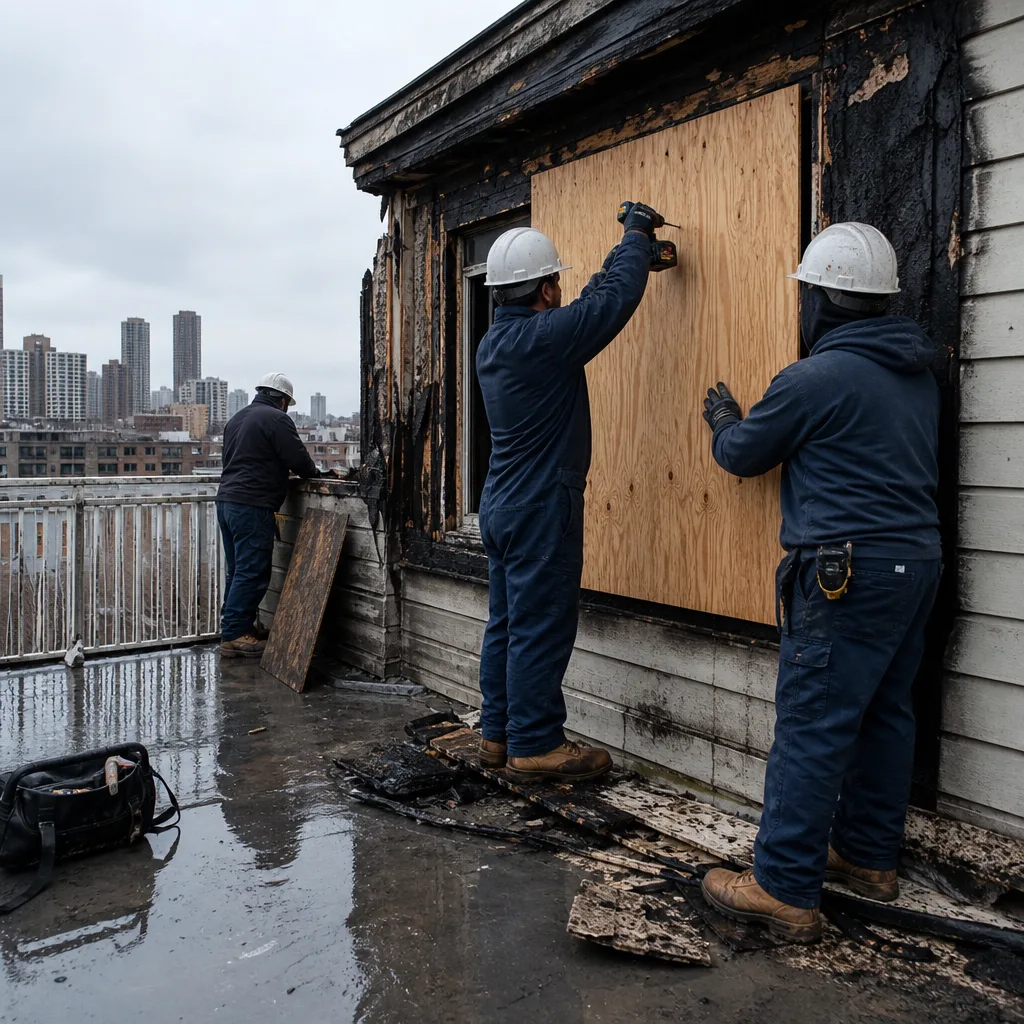
Black Water Extraction
Black water is sewage that has been sitting, and it’s the most dangerous form of water damage in a home. We run extraction with professional-grade units sized for tight Corona basements, then set containment with HEPA air scrubbers before anyone works in the space. Antimicrobial treatment follows on every surface the water touched, including behind baseboards and inside wall cavities we’ve opened.
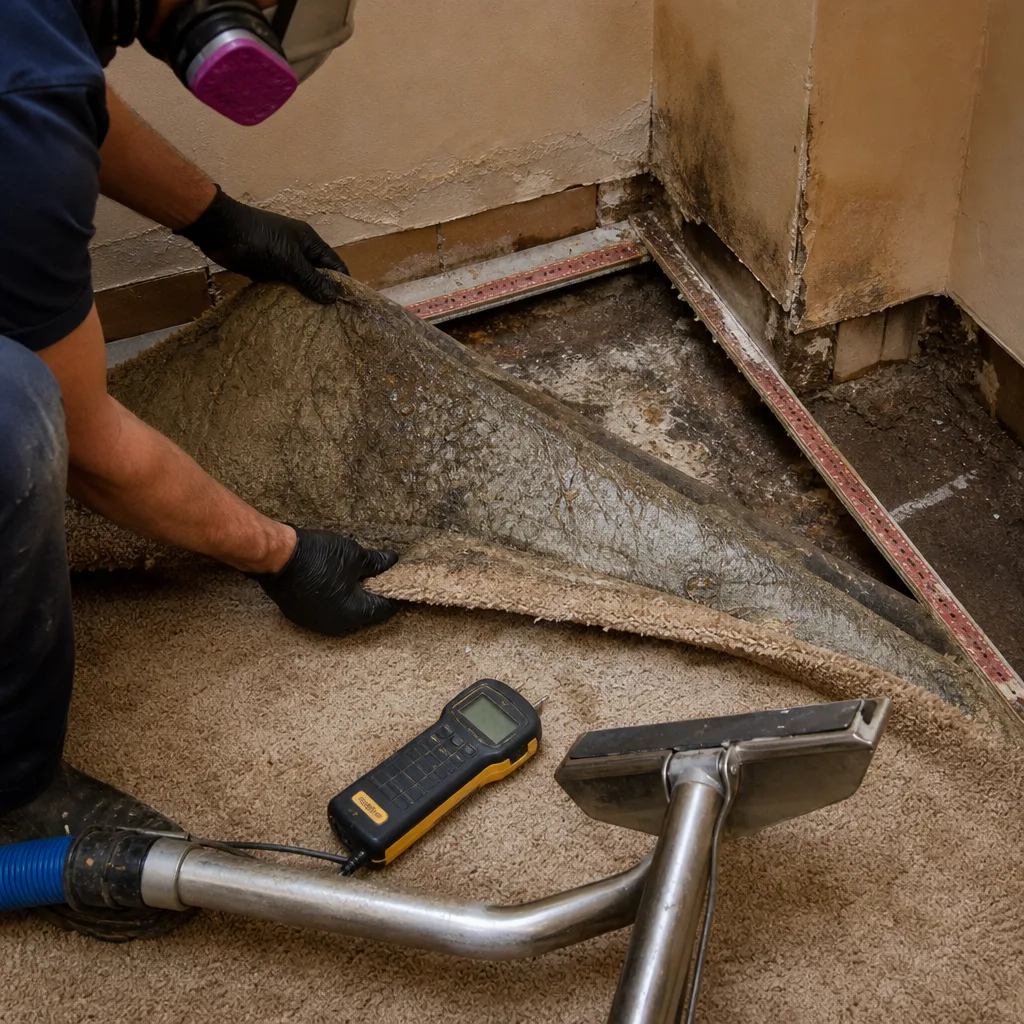
Sanitization & Disinfection
Extraction removes water, but sanitization is what makes a Corona basement safe to occupy again. We apply EPA-registered antimicrobials to all affected surfaces, fog enclosed spaces where contamination was airborne, and verify with post-remediation testing. For converted cellar apartments, this step is non-negotiable, especially when the NYC Department of Buildings is involved in the file.
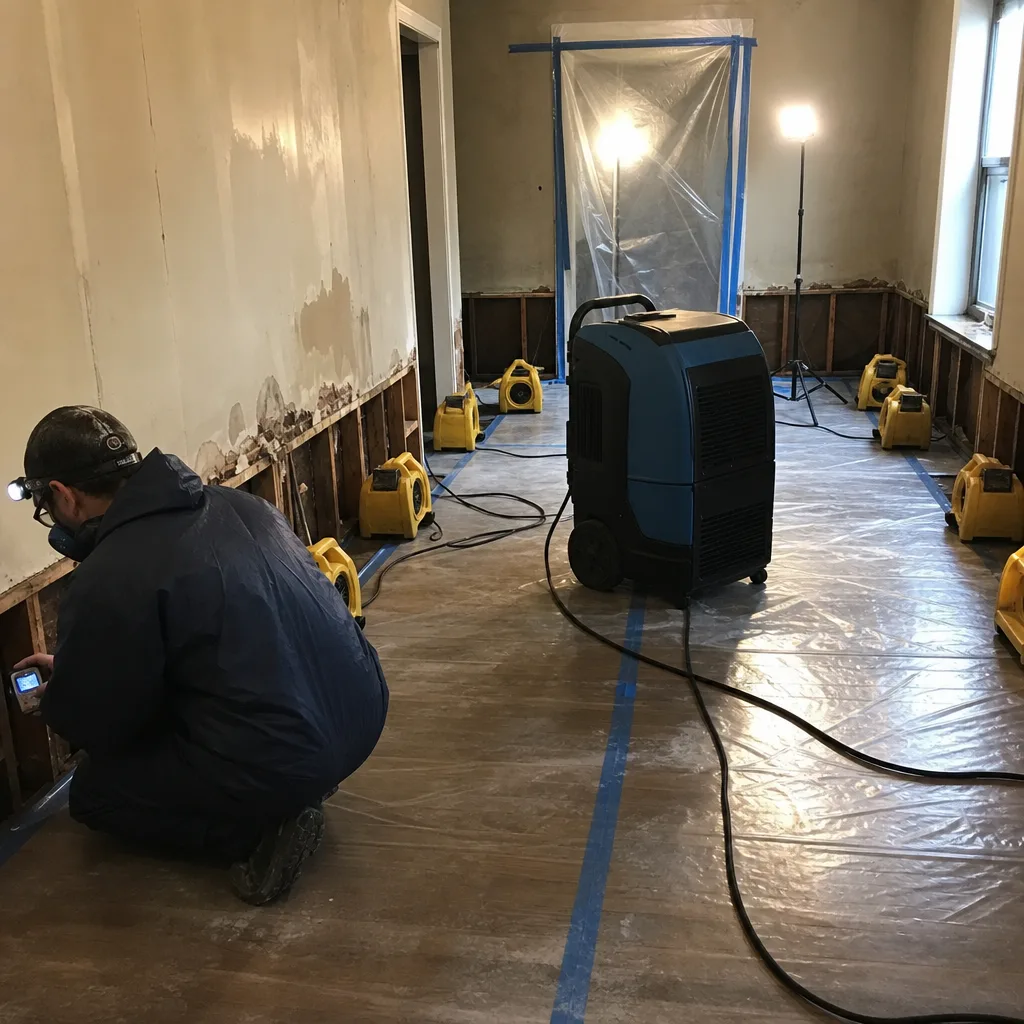
Toilet Overflow Cleanup
What starts as a toilet overflow in a first-floor bathroom can travel down into a finished basement within minutes in Corona’s older homes. We trace the flow path, extract wherever the water went, and treat the full contamination radius, not just the visible puddle. If the overflow traced back to a failing cast-iron stack, we document it for your insurance claim and coordinate the pipe replacement scope.
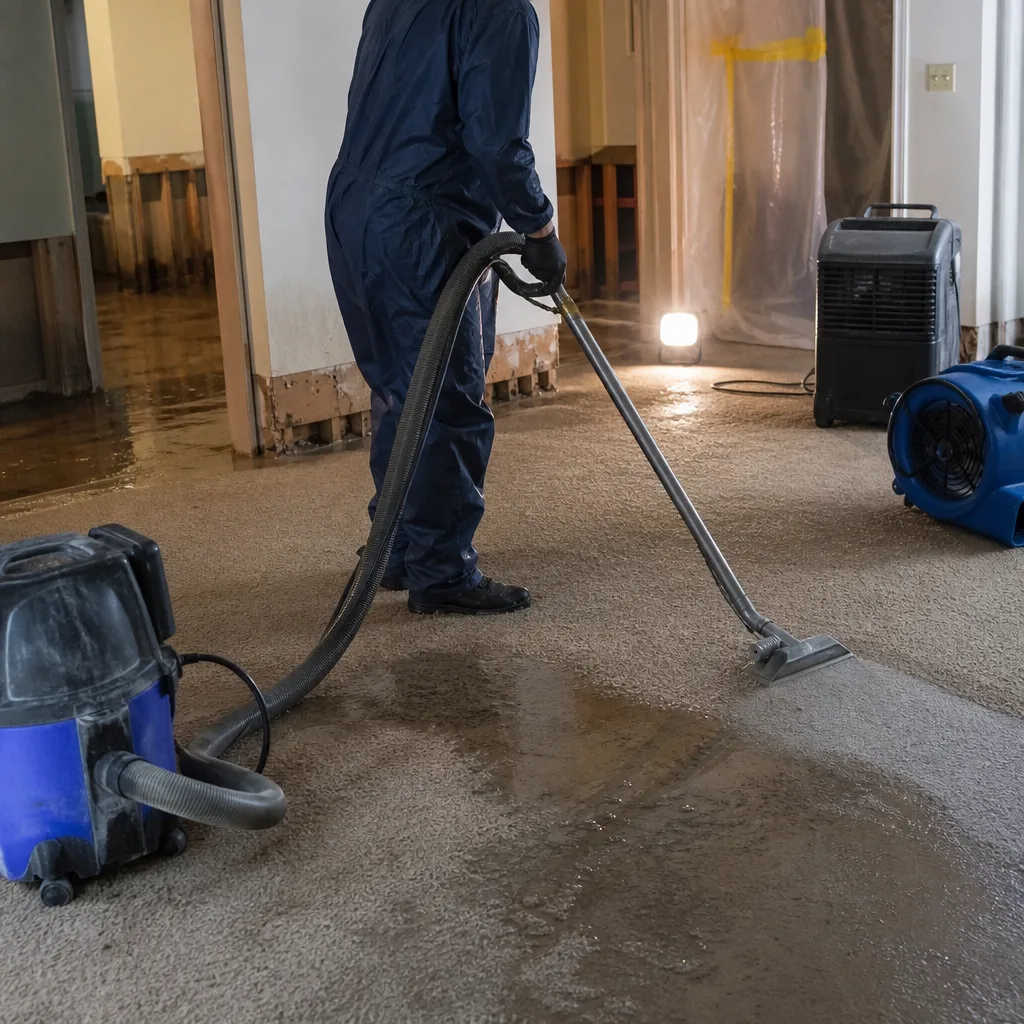
Septic Failure Cleanup
A handful of deeper-lot properties in eastern Corona still operate on private septic systems, and failure there is a different animal. We handle the interior extraction and sanitization, coordinate with septic contractors on the exterior repair, and keep your insurance carrier in the loop on both scopes. You get one project manager, not three phone numbers to chase.
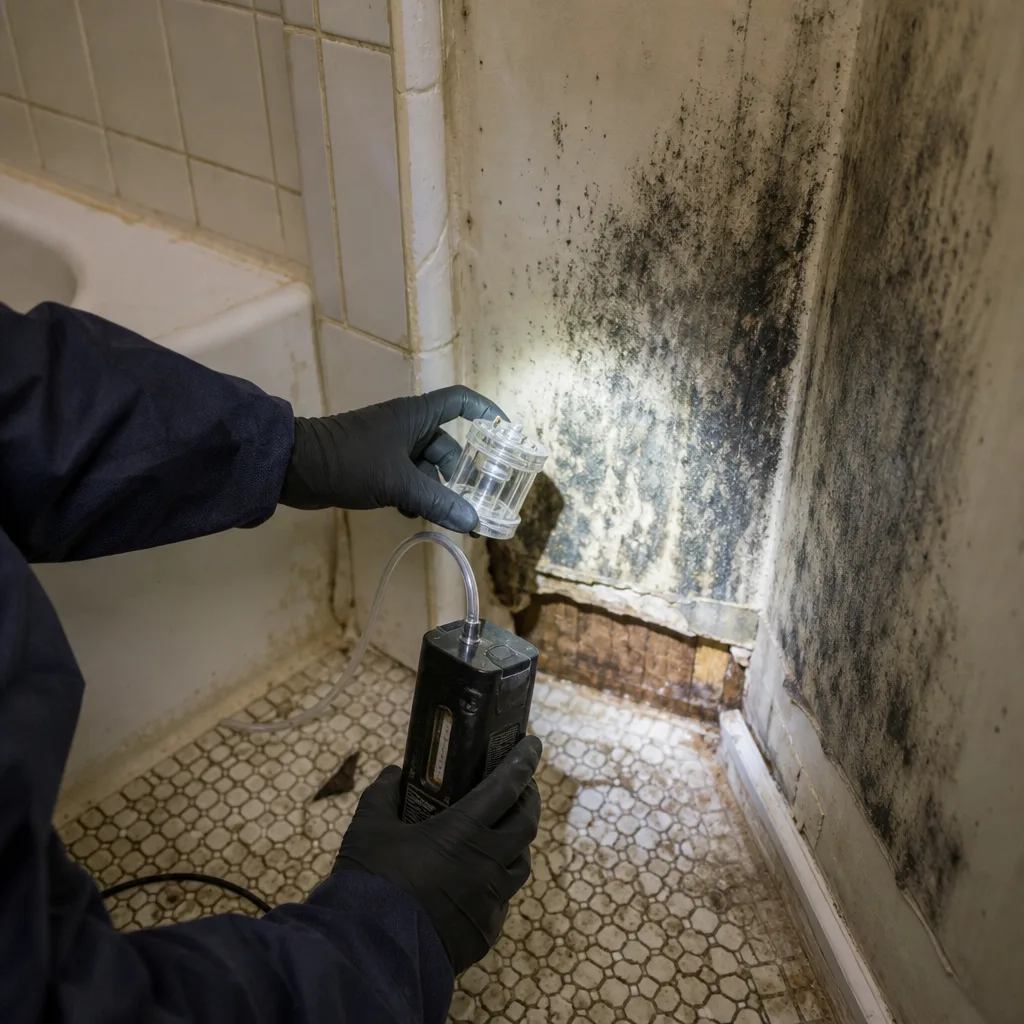
Crawl Space Sewage Removal
Row houses with crawl spaces under the front parlor see a pattern we know well: sewage seeps in from a cracked lateral, pools under the floor joists, and goes unnoticed until the odor rises through the floors. We access the crawl space, extract what’s there, dry the joist bays, and treat the entire cavity with antimicrobial. Then we dry-log every reading until the space meets the dry standard.
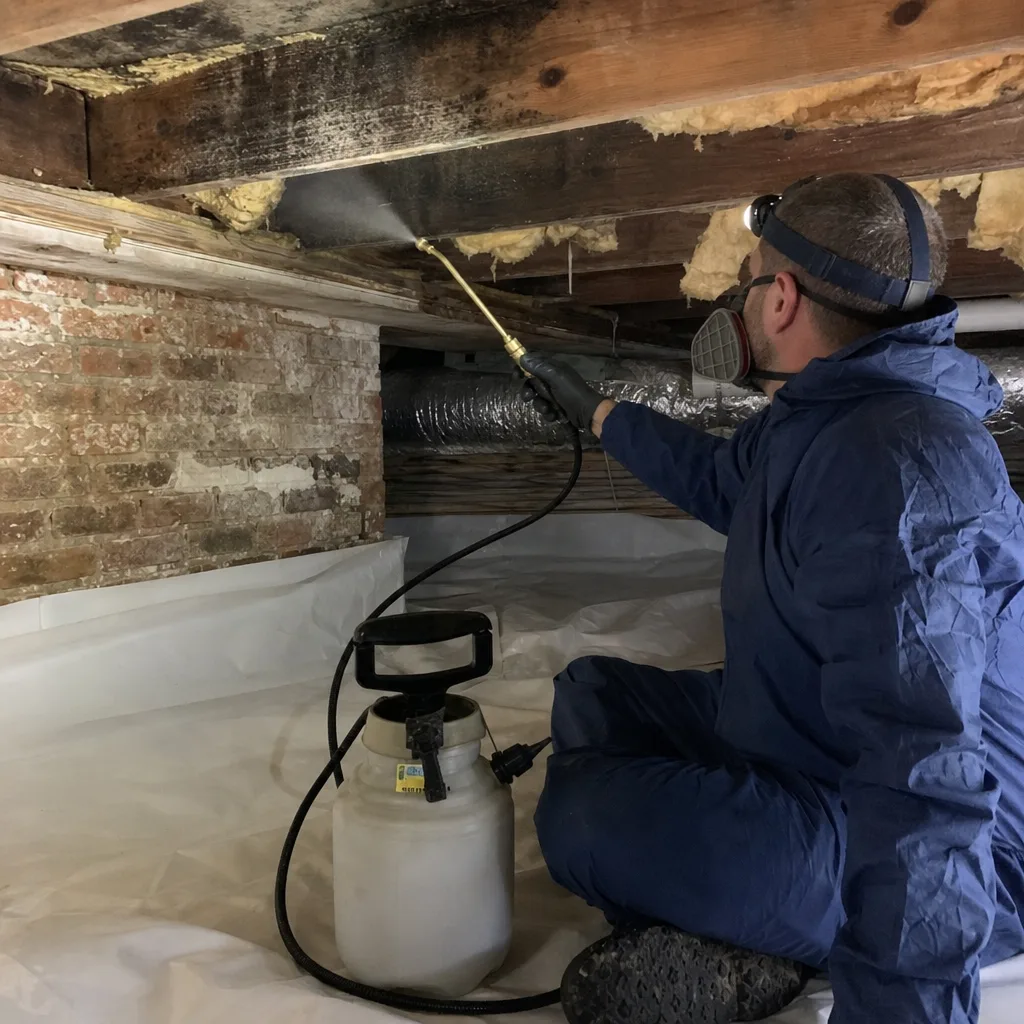
What happens when you call
- 1
A real person answersNo phone trees - you reach a local pro.
- 2
You get an upfront price rangeHonest numbers before anyone is dispatched.
- 3
A background-checked tech heads outLicensed & insured, dispatched right away.
- 4
You approve before work beginsNothing starts until you say go.
Sewage Cleanup Costs in Corona, NY
A typical sewage backup cleanup in a Corona row house basement runs $2,800 to $6,500 for extraction, containment, drying, and sanitization of a 600 to 900 square foot cellar. Smaller toilet overflows contained to a bathroom run $900 to $2,200. A full basement with finished living space, meaning drywall removal, flooring replacement, and rebuild, lands between $8,000 and $18,000 depending on finishes and square footage. Crawl space sewage removal runs $1,500 to $4,000 based on access and contamination extent. What moves the price most in Corona is access: a 30-inch stairwell costs more labor hours than an open bulkhead. Asbestos abatement, if pipe insulation is present, adds $1,200 to $4,000 as a separate line item coordinated with licensed partners. Most of these scopes are covered when the policy has a water backup endorsement, and we bill your carrier directly. The free visual inspection is how you get a firm number instead of a national-average guess. Call (917) 924-4221 and we’ll put a written scope in your hands.
We Also Serve Cities Near Corona
Our crews cover the neighboring Queens communities of Corona and the surrounding blocks. We run sewage cleanup calls in Elmhurst, Rego Park, Jackson Heights, and East Elmhurst. If you’re a few blocks over the line, we’re still your fastest local option. Same live dispatch, same 45-minute response commitment, same team from extraction to rebuild.
Serving Corona, NY - Our Local Coverage Area
We’re based in the Corona area and know this community well. Use the map below to see our service coverage - if you’re nearby, we can almost certainly help.
Corona Sewage Cleanup Questions, Answered
How do you handle sewage cleanup in a Corona basement that was illegally converted and is now under a NYC Department of Buildings violation?
We start with a visual inspection to map the contamination, then review the DOB violation status before any demolition. Under post-Ida enforcement of Local Law 49, many converted cellars in Corona cannot be legally restored to pre-loss occupancy. We coordinate with the property owner, tenant, and DOB to scope the work so it doesn’t trigger a stop-work order. That means sometimes we stabilize and sanitize first, then hold reconstruction until the occupancy question is resolved. You get one team managing the whole file, not three contractors pointing at each other. Call (917) 924-4221 and we’ll walk the site with you first.
Can you do sewage extraction in a Corona row house basement where the only access is a 30-inch-wide interior stairwell?
Yes. We send crews who have worked Corona’s pre-war row houses for years, and they know how to get extraction equipment down a tight interior stairwell without damaging walls. We use portable extraction units sized for narrow access, and we run hoses through windows where they exist. The labor cost runs slightly higher than a bulkhead basement, and we tell you that in the scope before work starts. Done right, and backed in writing.
After a sewer backup in my Corona basement, how quickly do you start drying before mold sets in?
Mold colonization starts within 48 to 72 hours on wet organic materials, but in Corona’s humid summer months, that window shortens. We typically have extraction running within 45 minutes to a few hours of your call, and air movers and dehumidifiers placed the same visit. The first day is for extraction and containment; structural drying starts immediately after. Daily readings are logged until the dry standard is met, and you get that log in writing. Call (917) 924-4221 and we’ll have a crew moving while you’re still on the phone.
Do you replace the old clay sewer lateral after a sewage backup in a 1920s brick row house here?
The interior sewage cleanup is our scope. The lateral replacement itself is done by a licensed plumber or sewer contractor, and we coordinate that handoff directly. What we do is document the lateral failure for your insurance claim, stabilize the interior so no more damage occurs while the lateral is being dug up, and then handle the rebuild once the pipe work is complete. In Corona, clay laterals from the 1920s and 1930s fail at the joints first, and your carrier will want photos and a plumber’s report, which we help compile. Call (917) 924-4221 and we’ll walk you through the sequence with real numbers.
Will you remove asbestos pipe insulation if you find it during a sewage cleanup in my Corona basement?
We identify it and stop work in that area, then coordinate abatement through a licensed asbestos contractor before any demolition proceeds. We do not cut or remove asbestos ourselves, and neither should anyone else. In Corona’s pre-war housing stock, asbestos pipe wrap is common on old steam and water lines running through cellars, and disturbing it during sewage remediation is a serious health violation. The abatement is a separate line item, usually $1,200 to $4,000 depending on scope, and we document everything for your carrier. A real pro flags the danger before touching the pipe.
How fast can you actually get to a sewage backup in Corona?
Our commitment is 45 minutes from dispatch to arrival anywhere in Corona, day or night. That’s not a sales line; it’s how we run our dispatch board. We answer live, we send the closest certified crew, and we hit the window. In a sewage event, the first hour determines whether drywall gets saved or replaced, so response time is not a convenience, it’s a cost line item. Call (917) 924-4221 and we’ll prove it.
Will my insurance cover sewage backup cleanup in Corona?
It depends on your policy. A water backup endorsement covers sewage and sump pump failures in most standard homeowners policies, but it’s not automatic. If you don’t have the endorsement, coverage may be denied or limited. We’ll review your policy language with you at the free inspection, document the loss to match coverage requirements, and coordinate directly with your adjuster. If coverage doesn’t exist, we tell you straight before any work starts, so you’re deciding with real numbers. Call (917) 924-4221 and we’ll walk the scope with your policy in hand.
What should I do in the first 30 minutes after a sewage backup in my Corona basement?
Shut off the water source if you can safely reach it, keep people and pets out of the affected area, and turn off electricity to the basement if the panel is accessible and dry. Do not flush toilets or run water anywhere in the house, since that can push more sewage into the backup. Take photos from the doorway but do not enter the contaminated space. Then call (917) 924-4221 and a live dispatcher will walk you through the next steps while a crew heads to your block. The sooner extraction starts, the less it costs to fix.
Written by Curt Bowman, Owner at Floodline Restoration Co. of Manhattan, serving Corona with sewage cleanup, black water extraction, and full restoration. Curt founded the company in 2010 and has spent the years since building a dispatch board that answers live, a crew that stands behind its work, and a 90-Day Done Right Promise that puts the Keystone Standard in writing for every homeowner.