
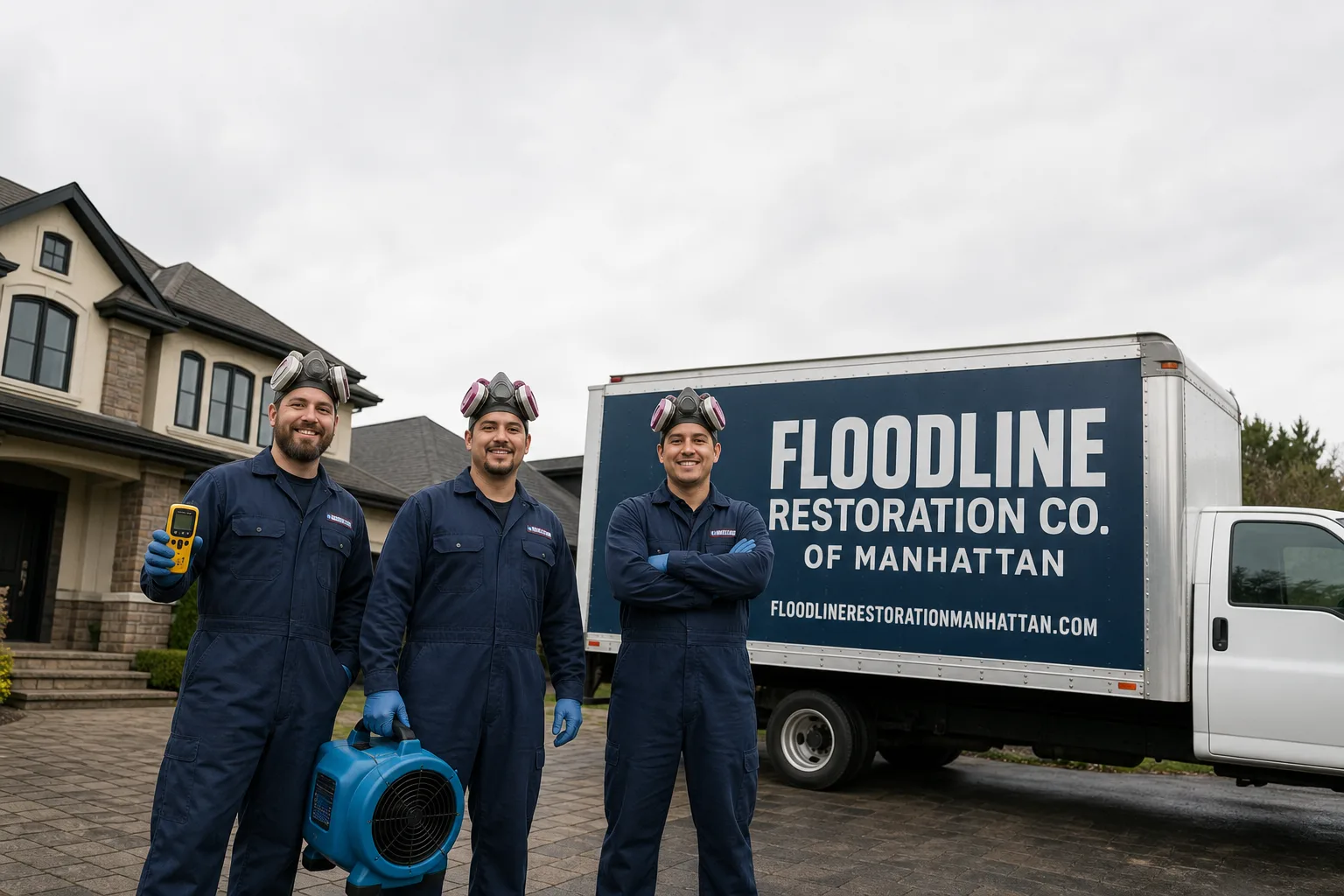
Free visual inspection and a written scope of work before any mitigation begins - photos, moisture readings, and drying logs go in your claim file
The scope we write is the scope we bill. Anything new gets shown to you, in writing, before we touch it.






 Before
 After
After Before
 After
After Before
 After
After24/7 Emergency Sewage Cleanup in Dumont
Sewage backup in a Dumont basement is a Category 3 water event, and every hour it sits, the contamination spreads deeper into whatever it touches. Our Sewage Cleanup crews reach Dumont homes fast, usually within 45 minutes of your call, because we dispatch from right outside the borough. Call (917) 924-4221 any hour, any day. A live dispatcher answers, never a recording. We assess the damage free, start black-water extraction the same visit, and walk you through exactly what needs to happen next before you spend a dollar.
Understanding Sewage Cleanup Severity in Dumont Properties
Not all sewage water is the same. Category 1 is clean water from a supply line. Category 2 carries contaminants from washing machines or sump failures. Category 3, what we deal with in sewage backups, contains pathogens, bacteria, and often endotoxins from human waste. In Dumont specifically, the severity is compounded by what Category 3 water hides behind. A 1950s Cape Cod on a narrow lot typically has a basement finished sometime in the 70s or 80s: drywall screwed directly to concrete block, no vapor barrier, and paneling that conceals what’s happening behind it. The water wicks upward through the drywall and into the wall cavity. Within 48 hours, mold spores germinate. Within a week, you can have Stachybotrys, the black mold homeowners fear most, blooming behind paneling that looks perfectly fine from the room side. This is why we moisture-map every sewage job in Dumont, even when the floor looks dry after a quick mop-up.
Why Dumont Property Owners Choose Floodline Restoration Co. of Manhattan
- 45-minute response commitment. We maintain crews positioned near Bergen County’s inner-ring towns so a sewage backup on Madison Avenue or New Milford Avenue gets a technician on-site fast, not a callback tomorrow.
- 24/7 live answer. Curt Bowman built Floodline around a dispatch board, not a sales desk. When you call at 2 a.m. with sewage at the bottom of your basement stairs, a real person picks up and starts the response.
- IICRC-certified crews. Our technicians carry WRT and ASD certifications and train to RIA and IFA standards. Background-checked, uniformed, and ready to explain the work in plain language.
- Free visual inspection. We assess the loss, map the moisture, and give you a written scope before any remediation begins. No charge for the assessment, no pressure to sign anything on the spot.
- Direct insurance billing. We document, photograph, and bill your carrier directly. You don’t play messenger between us and your adjuster.
- One team from extraction to reconstruction. The same crew that extracts Category 3 water handles the drying, tear-out, sanitization, and rebuild. No mid-job handoff, no inherited subcontractor.
Our Sewage Cleanup Process
Inspection & Assessment
We arrive, identify the source of the backup whether it’s a collapsed 1950s drain tile, a failed cast-iron main, or a clogged floor drain, and map moisture across every affected surface. Thermal imaging shows us what’s wet behind walls before we open anything.
Extraction & Stabilization
Black water comes out with truck-mounted extraction equipment. We remove contaminated carpet, padding, and any porous material that can’t be sanitized. The goal is to stop the spread within the first hour.
Drying & Dehumidification
Professional-grade Dri-Eaz and Phoenix air movers and dehumidifiers go in same-day. On Dumont basements with finished walls, we open the lower drywall sections after readings confirm saturation, so drying happens inside the wall cavity, not just on the surface.
Cleaning & Sanitization
Every affected surface gets treated with antimicrobial agents rated for Category 3 water. Hard surfaces are cleaned, disinfected, and re-cleaned. We don’t mask odor; we remove its source.
Containment & Mold Prevention
Negative air pressure and HEPA air scrubbers run during tear-out to keep disturbed spores from migrating into living areas. We pull baseboards, check behind paneling, and treat framing where moisture readings exceed the dry standard.
Repairs & Restoration
Floodline handles the rebuild, not a referral. We replace drywall, flooring, and trim, and if your 60-year-old floor drain or perimeter tile needs retrofitting, we do that too, so the next storm doesn’t send the same water back in.
Need Emergency Sewage Cleanup in Dumont Now?
Crews minutes away, answering live 24 hours a day. The sooner we start, the less it costs.
Working With Your Insurance Company
Most Dumont homeowners with sewer backup coverage can file a claim, but the quality of the documentation decides how smoothly that claim goes. We photograph every affected room before we touch anything. We take moisture readings, record drying progress daily, and build a line-item scope of work your adjuster can read without calling for clarification. Our team has handled sewage claims throughout Bergen County for years. We speak the adjuster’s language, and when there’s a discrepancy, we go back with readings and photos, not phone calls. You get a copy of everything. Direct billing to your carrier keeps the money conversation between us and them.
What We Provide Your Insurer
- Thorough documentation of the loss
- Photos of all damage, room by room
- Moisture readings and drying logs
- A detailed, line-item scope of work
- Direct coordination with your carrier
Built for Dumont’s Loss Calendar
Sewage backups in Dumont follow a rhythm. January and February bring freeze-thaw cycles that shift the ground around shallow sewer laterals and stress the original 1950s cast-iron and clay lines. When temperatures swing above and below freezing multiple times a week, those old pipes flex. Cracks form. Groundwater infiltrates. Then a heavy rain in March pushes the system past capacity, and the floor drain gurgles black water into a rec room. Summer thunderstorms overwhelm the Hackensack River watershed’s drainage network, backing up municipal sewers especially in lower-lying pockets of the borough. And every fall, the first nor’easter tests perimeter drain tile that has been failing quietly for years. A house that took sewage water once is likely to take it again unless the underlying drain line or floor drain is addressed during cleanup. We look for that pattern on every job.
Sewage Cleanup Across Dumont’s Neighborhoods
The housing types repeat across Dumont, but the failure modes shift block by block. Around the New Milford Avenue corridor, the classic 1958 Cape Cod with a finished lower level hides failed cast-iron mains behind 1970s paneling, and we routinely find Category 3 water that has wicked a full foot up the drywall before anyone notices. Over by Washington Avenue, the split-levels with garages cut into the slope hold sumps that can’t keep up when the water table rises during a wet March. Homes near the Dumont Swim Club and the western edge toward New Milford sit closer to the borough’s storm drainage outfalls, where a backed-up municipal line during a summer downpour pushes sewage into basements through floor drains that predate modern backflow prevention. And the older colonials north of the high school, many built on slab-on-grade additions, trap moisture under pad and carpet where you can smell it before you see it. We know these blocks. We know what to open, what to test, and what to replace so the problem doesn’t come back with the next rain.
Specialized Sewage Cleanup Services We Offer in Dumont
Sewage Backup Cleanup
When a main line or lateral backs up into a Dumont basement, the water is Category 3 the moment it enters the structure. We extract it, remove contaminated materials, and sanitize every surface the water touched. More importantly, we trace the backup to its source, because in houses with original 1950s plumbing, the backup almost always has a cause that will repeat if left alone.
Toilet Overflow Cleanup
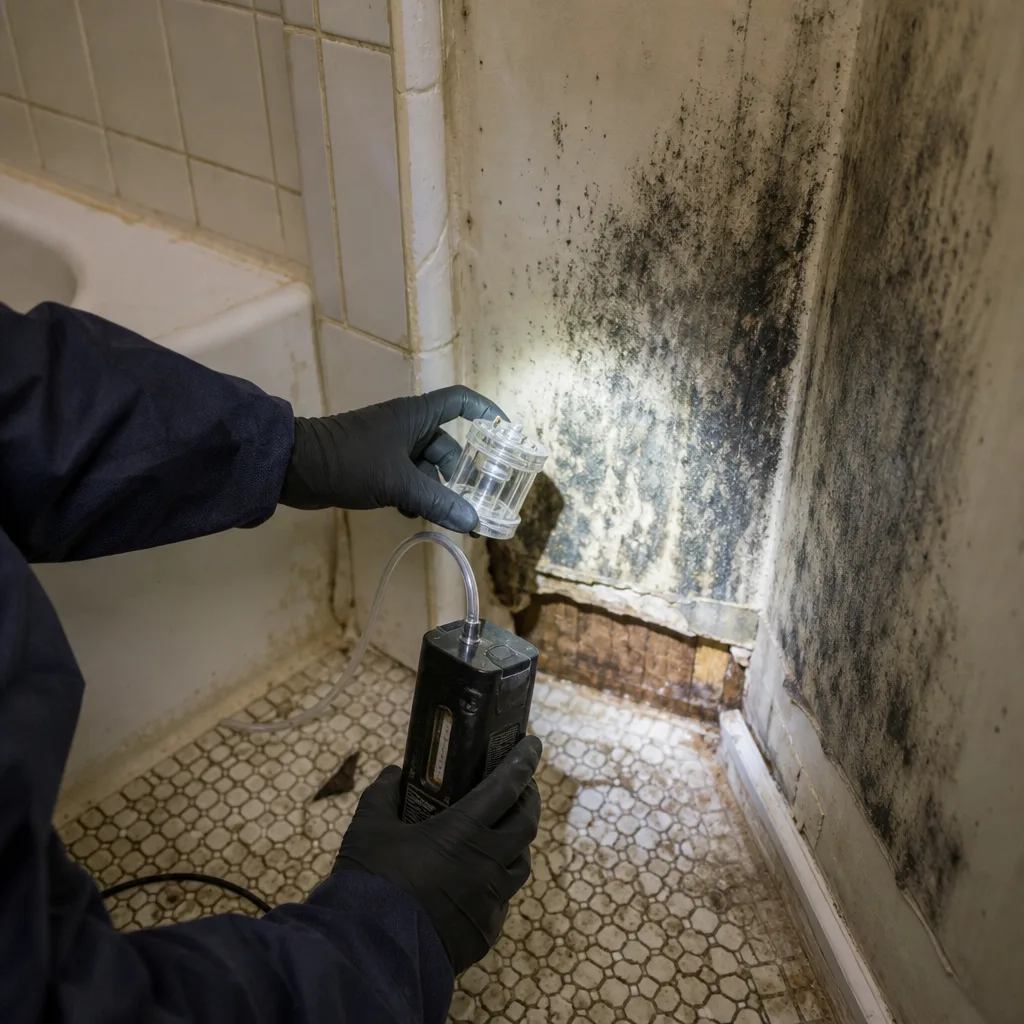
A toilet overflow in a 1960s colonial with a tiled bathroom floor might seem contained, but water follows gravity, and gravity in Dumont split-levels sends it down through the subfloor into the ceiling below or across the slab into an adjoining room. We check beneath and around, not just where you saw the water.
Septic Failure Cleanup
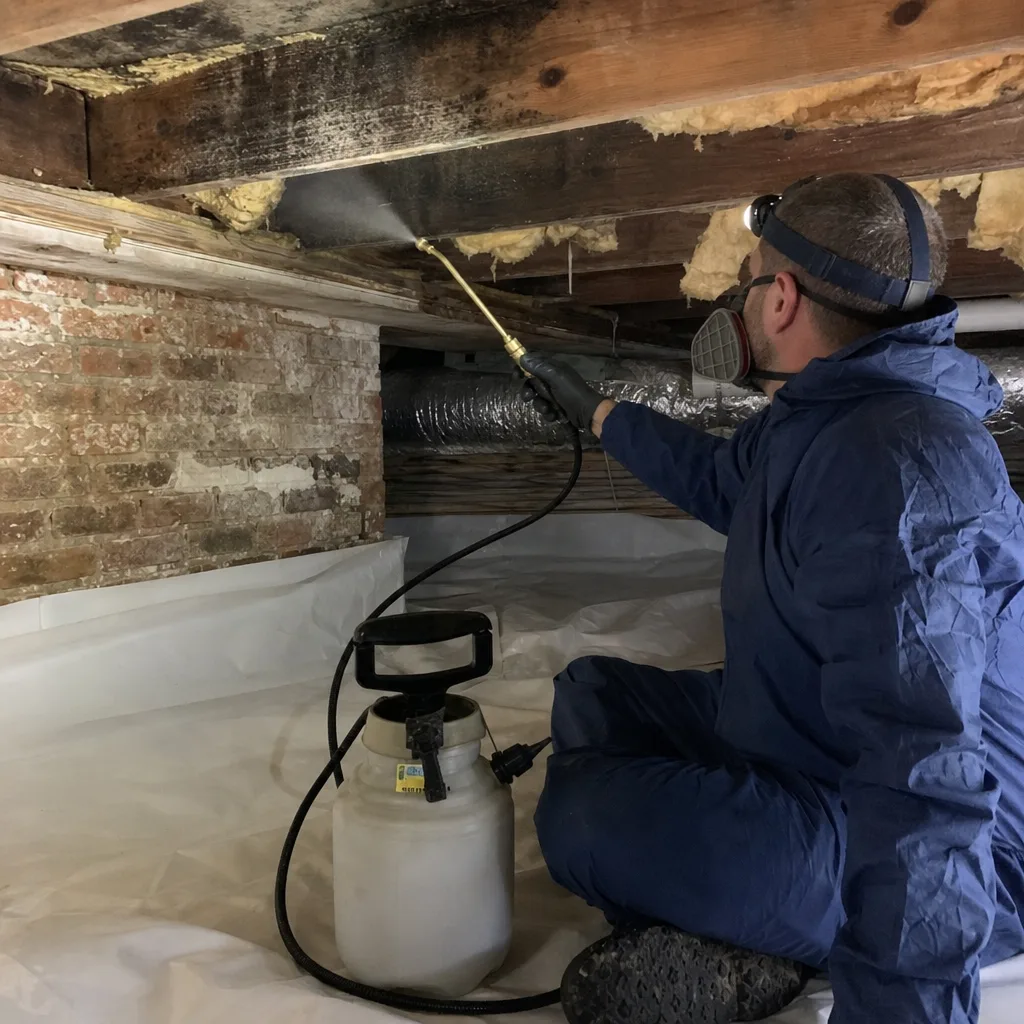
A portion of Dumont homes still operate on older septic systems, especially on the larger lots along the borough’s eastern edge. When a septic field fails during wet weather, the effluent can surface in the yard and seep toward the foundation. We handle the cleanup and coordinate the drain and plumbing scope after the sewage is out.
Black Water Extraction
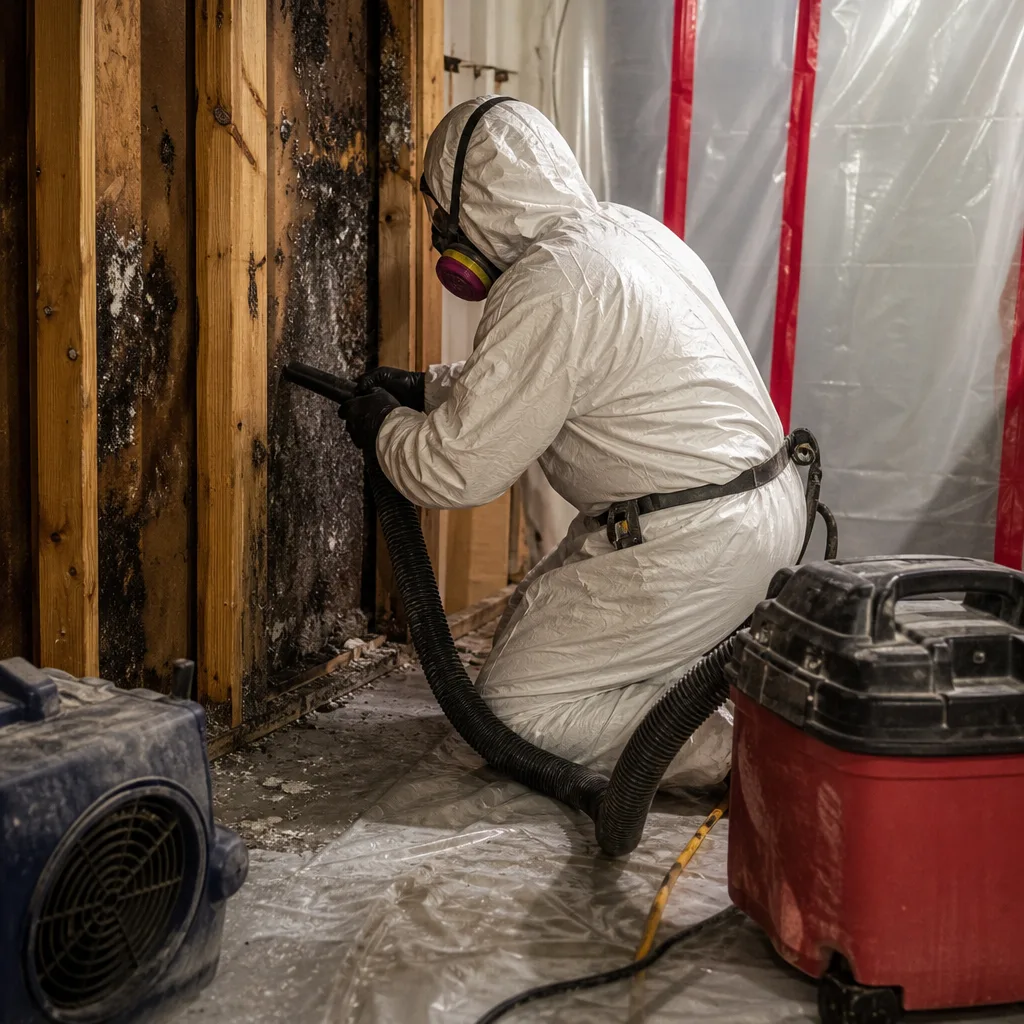
This is not a wet-dry vac job. Category 3 water carries bacteria, viruses, and parasites. We use truck-mounted extraction equipment sized for full-basement events, pulling hundreds of gallons out fast, then follow with professional-grade pumps for the slow seepage that keeps coming after the main volume is gone.
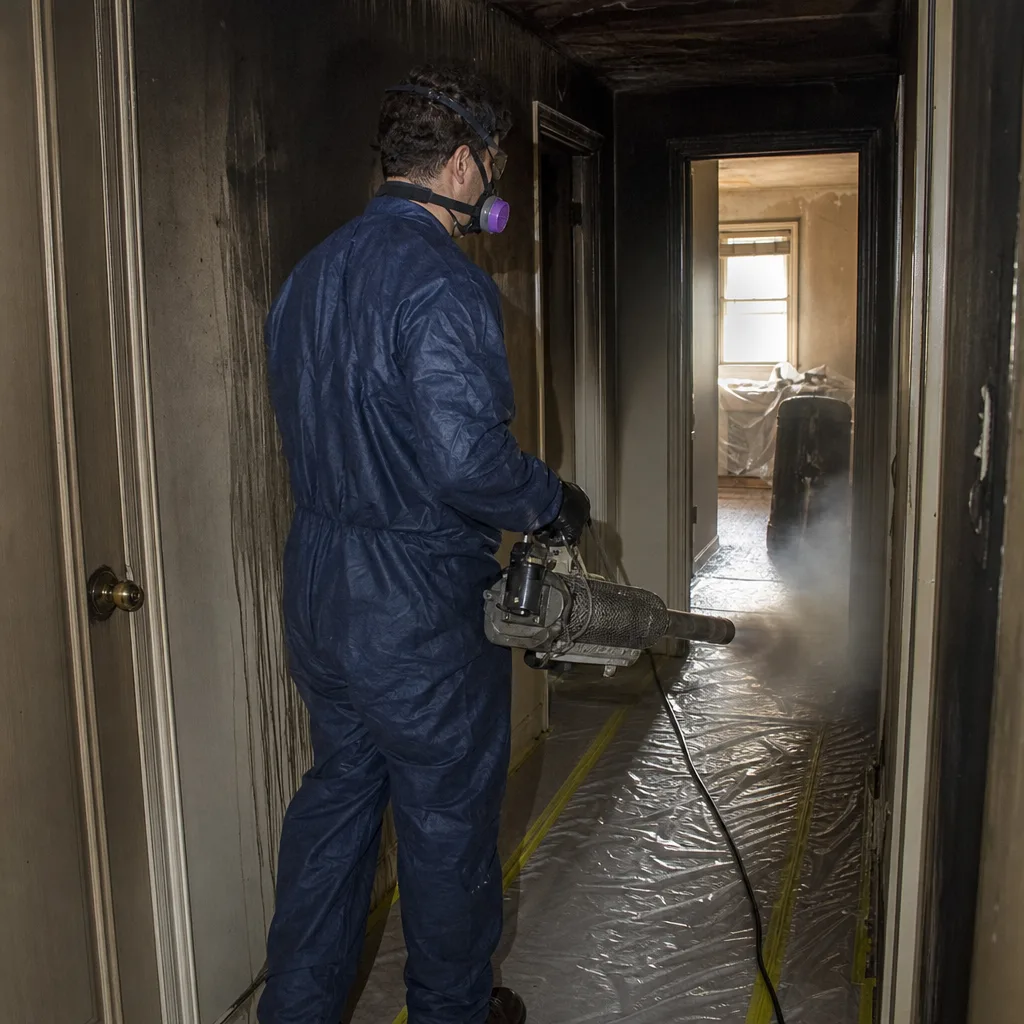
Sanitization & Disinfection
Extraction is only half the work. Every surface the sewage touched, and every surface the mist from it may have reached, gets HEPA-vacuumed, cleaned, and treated with EPA-registered antimicrobial agents. We test moisture levels before and after, because a dry-looking wall can still carry endotoxins in the drywall paper.
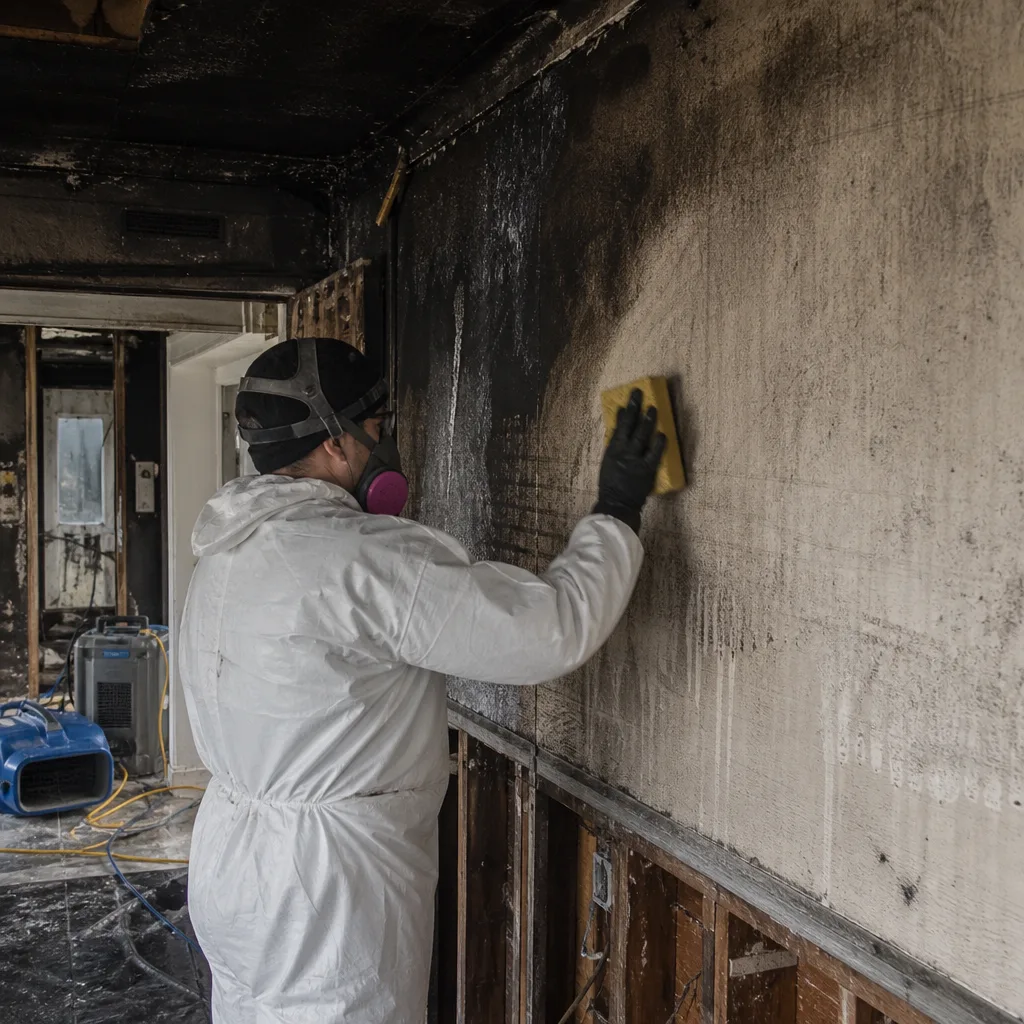
Crawl Space Sewage Removal
Some Dumont homes have shallow crawl spaces under additions or porches. When a pipe breaks or a drain leaks there, the contamination is concentrated in a tight, low-ventilation space. We extract, remove contaminated soil or debris, sanitize, and set drying equipment sized for the space. Then we help you decide whether encapsulation or better drainage is the long-term fix.
What happens when you call
- 1
A real person answersNo phone trees - you reach a local pro.
- 2
You get an upfront price rangeHonest numbers before anyone is dispatched.
- 3
A background-checked tech heads outLicensed & insured, dispatched right away.
- 4
You approve before work beginsNothing starts until you say go.
Sewage Cleanup Costs in Dumont, NJ
An honest range for Dumont sewage cleanup work: a contained toilet overflow with no wall intrusion runs $800-$1,500. A full basement backup with Category 3 water behind finished walls, requiring drywall removal, sanitization, and drying, typically lands between $3,500 and $8,000. When the original 1950s drain tile or cast-iron main needs repair or replacement, the total scope can reach $12,000-$20,000, depending on access and materials. The free visual inspection gives you a firm scope before any work starts, so there’s no open-ended tab. Most Dumont homeowner policies cover sewage backup with a specific rider, usually $5,000-$15,000 in coverage, though limits vary by carrier. We’ll review your coverage with you on the first call and bill the carrier directly. Call (917) 924-4221 for an exact quote after our on-site assessment.
We Also Serve Cities Near Dumont
Floodline crews are positioned to respond to sewage backups across the lower Bergen County basin. We serve Haworth, Cresskill, Bergenfield, and New Milford with the same 45-minute response commitment and the same live 24/7 dispatch.
Serving Dumont, NJ - Our Local Coverage Area
We’re based in the Dumont area and know this community well. Use the map below to see our service coverage - if you’re nearby, we can almost certainly help.
Dumont Sewage Cleanup Questions, Answered
Why does sewage backup cleanup in Dumont often require tearing out basement drywall that looks fine?
Because in Dumont’s 1950s and 60s homes, finished basement walls were typically built with drywall directly against concrete block, no vapor barrier. When Category 3 water contacts the bottom edge of that drywall, it wicks upward through capillary action. The paper face soaks up water like a sponge. The paneling on the room side stays dry, so it looks fine, but moisture readings behind it read above 20%, and that’s exactly where Stachybotrys blooms within 48 hours. We open the lower section whenever readings stay elevated after 24 hours of drying. Call (917) 924-4221 and we’ll tell you what your readings show before any wall comes down.
How does the freeze-thaw cycle affect sewage lines in Dumont’s 1950s-era split levels?
Bergen County’s winter swings, multiple days above and below 32°F in January and February, shift soil around shallow sewer laterals. Original clay and cast-iron lines from the 1950s have little remaining flexibility. The freeze pushes, the thaw releases, and joints separate or crack. The result is groundwater infiltration that overwhelms the line during the next heavy rain, and that’s when the floor drain backs up. We see this sequence all winter in Dumont, and it’s why we always camera the line after a backup to check for cracks before finishing the rebuild.
What is the difference between cleaning up a toilet overflow in a 1960s colonial versus a 2010s house in a nearby town?
The newer house has a vapor barrier under the slab, a sealed sill plate, and modern plumbing with backflow prevention. You mop, dehumidify, done. The 1960s Dumont colonial has a slab without a barrier, drywall on concrete, and often carpet pad that soaks up water and holds it against the floor structure. The same overflow is a larger scope in the older house because hidden materials have been drinking the water for decades of smaller events, and this one pushes them over the threshold. That’s why we treat older Dumont homes with a deeper inspection from the start.
Can my original 1950s basement floor drain handle another sewage backup, or should it be retrofitted during cleanup?
If the original floor drain lacks a backflow valve and has already backed up once, the odds of a repeat during the next heavy weather event are high. We can retrofit a backflow preventer into the existing line during the cleanup scope, while the floor is already open and the area is contained. It adds modest cost and prevents a second Category 3 event. We’ll give you a written recommendation based on what the camera inspection shows, and you decide.
What should Dumont homeowners do immediately after a sewage backup in a finished basement with drywall from the 1980s?
Shut off the water to any fixtures still running, kill power to basement outlets if water is near them, and keep people and pets out of the area. Don’t attempt DIY extraction if the water has touched carpet, drywall, or porous materials, because you cannot sanitize what you cannot see, and the 48-hour mold clock is running behind those walls. Call (917) 924-4221. We’ll walk you through the first 30 minutes, and a crew will be there fast with extraction equipment running.
Does homeowners insurance cover sewage backup cleanup in Dumont?
Most standard policies exclude sewage backup unless you’ve added a specific rider or endorsement. The rider typically covers $5,000 to $15,000 in cleanup and repair, depending on your carrier. We work with your adjuster using photos, moisture logs, and a line-item scope. Many Dumont homeowners discover they lack the rider only after a backup. We’ll help you understand what your policy covers on the first call, before any work is authorized.
How long does sewage cleanup and drying take in a Dumont home?
Extraction and initial sanitization happen the same day. Drying with professional-grade equipment typically takes 3 to 5 days in a finished basement, longer if we’ve opened walls and need to dry the cavities. Reconstruction after drying depends on the scope: replacing drywall and flooring can take 1 to 2 weeks. The full cycle from backup to finished rebuild is usually 2 to 4 weeks, and we handle every phase with the same crew.
Are your Dumont crews certified for Category 3 water and sewage work?
Yes. Our technicians carry IICRC WRT and ASD certifications and are trained to RIA and IFA standards. They’re background-checked, uniformed, and experienced with the specific failure modes of Dumont’s housing stock. Curt Bowman built the company around certified crews and live dispatch, not sales drivers.
On a 1958 Cape Cod in the New Milford Avenue corridor, a failed original cast-iron main line backed Category 3 water through a basement floor drain into a finished 1970s rec room. Our tech used moisture mapping to find water wicked behind 10 linear feet of paneling that looked dry, then set containment, extracted with a Dri-Eaz truckmount, and removed the lower drywall after readings showed saturation, all before Stachybotrys could take hold past the 48-hour clock.
That’s the work we do in Dumont. The line the water left is where we start, and we don’t hand the job off until the walls are rebuilt, the floor is down, and the 90-Day Done Right Promise is in your hands in writing. It’s the Keystone Standard, backed by the K.E.Y.S. values code: Krafted right, Every time, Your home first, Standing behind it.
Call (917) 924-4221 now for a free estimate and a live dispatcher who can have a crew at your door fast. We stand behind the work. Done right, and backed in writing.
Written by Curt Bowman, Owner at Floodline Restoration Co., serving Dumont and Bergen County with certified crews, live dispatch, and the 90-Day Done Right Promise.