
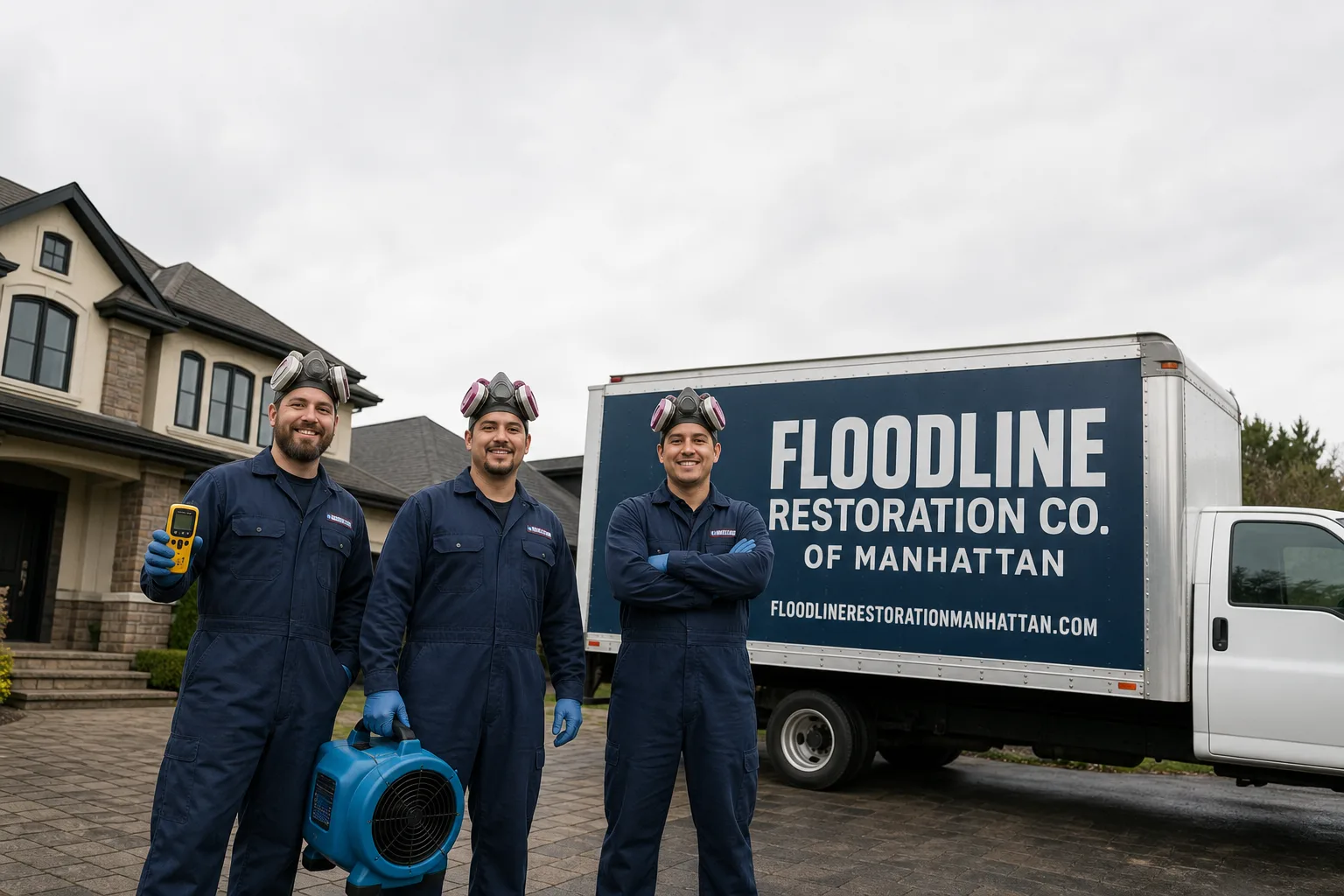
Free visual inspection and a written scope of work before any mitigation begins - photos, moisture readings, and drying logs go in your claim file
The scope we write is the scope we bill. Anything new gets shown to you, in writing, before we touch it.






 Before
 After
After Before
 After
After Before
 After
After24/7 Emergency Sewage Cleanup in Forest Hills
Sewage backing up into a Forest Hills basement is a medical and structural emergency, not a wait-until-morning problem. Category 3 black water carries bacteria, viruses, and parasites that make illness likely within hours of exposure. Call (917) 924-4221 and a live dispatcher answers, day or night. A certified Floodline crew reaches Forest Hills within 45 minutes, starts extraction the same visit, and begins containment so contaminated water does not spread through the rest of the house. The first hour determines whether you clean and dry or strip out and rebuild.
We are Floodline Restoration Co. of Manhattan. We do Sewage Cleanup the way it should be done: fast, thorough, and documented for your insurer from the first hour. Curt Bowman founded this company in 2010 around a dispatch board, not a sales desk. What that means for you in Forest Hills is simple. A real person picks up. A trained crew shows up. The work gets done right and backed in writing with the 90-Day Done Right Promise.
Understanding Sewage Cleanup Severity in Forest Hills Properties
Sewage loss is always Category 3 water, the most hazardous classification in restoration. That is true whether it is a toilet overflow in a Forest Hills Gardens Tudor or a floor-drain backup in a pre-war co-op along Queens Boulevard. Category 3 means the water contains pathogens from human waste and demands full containment, extraction, disposal of contaminated porous materials, and hospital-grade disinfection before any drying begins. There is no “just dry it out” path with sewage. The materials either come out or get sanitized to a standard your insurance carrier will accept.
Forest Hills housing stock makes this harder than most crews expect. The 1920s and 1930s buildings that define this neighborhood were built with lath-and-plaster walls, not gypsum board. Plaster absorbs contaminated water differently. It holds moisture behind its surface, hides saturation in crumbled keys, and often sits over original wood lath that rots within 48 hours if moisture mapping does not catch it. In Forest Hills Gardens, the Tudor Revival homes present an additional layer: the NYC Landmarks Preservation Commission designates the district, so removing original plaster or millwork requires documentation and approval before the patch goes in. A sewage loss here is never a simple extraction job.
Why Forest Hills Property Owners Choose Floodline Restoration Co. of Manhattan
- 45-minute response commitment. Our Forest Hills crews are dispatched from the metro office and arrive fast enough that contaminated water has not yet wicked into finished plaster and original woodwork.
- 24/7 live answer, never an automated system. You call at 2 a.m., a dispatcher picks up. Not a recording. Not a call-back queue. A person who can get a crew rolling while you are still on the phone.
- IICRC-certified crews. Our technicians carry WRT (Water Damage Restoration Technician), FSRT (Fire & Smoke Restoration Technician), and AMRT (Applied Microbial Remediation Technician) certifications. They know what Category 3 water demands and what Forest Hills landmarks work requires.
- Free visual inspection. We assess the loss, map the moisture, and give you a written scope and price before work starts. No surprises on the bill.
- Direct insurance billing. We document everything, bill your carrier directly, and handle adjuster communication so you do not play messenger.
- One team from extraction to reconstruction. The same certified crew that reads the moisture map on day one handles daily readings and rebuilds what needed to come out. No mid-job handoff to an inherited crew.
Our Sewage Cleanup Process
Inspection & Assessment
We trace the source, identify the contamination boundary, and take moisture readings with thermal imaging and penetrating meters. In Forest Hills Gardens, this includes documenting which original materials are affected and whether LPC input will be required before any demolition.
Extraction & Stabilization
Black water comes out using truck-mounted extraction units and submersible pumps. We set containment barriers with negative air pressure so sewage aerosols do not migrate into the rest of the house.
Drying & Dehumidification
After contaminated materials are removed or addressed, we place Dri-Eaz and Phoenix air movers and dehumidifiers strategically based on the moisture map. Daily readings are logged until the dry standard is met, not a day sooner.
Cleaning & Sanitization
Every affected surface is cleaned with EPA-registered antimicrobials. Hard surfaces get hospital-grade disinfection. Porous materials that cannot be sanitized to standard are removed and replaced.
Landmarks-Aware Treatment
In landmarked areas of Forest Hills, we coordinate with the LPC consultant before removing plaster or millwork. Original horsehair plaster profiles are documented, and we match period materials when anything must come out.
Repairs & Restoration
We rebuild what was removed, matching original profiles and finishes in Forest Hills Gardens. The homeowner receives a full moisture log and the 90-Day Done Right Promise in writing before we close the file.
Need Emergency Sewage Cleanup in Forest Hills Now?
Crews minutes away, answering live 24 hours a day. The sooner we start, the less it costs.
Working With Your Insurance Company
Sewage cleanup claims in Forest Hills tend to involve older plumbing, multi-unit buildings, and sometimes landmark considerations. Insurers process faster when documentation is thorough and standards are clear. We photograph every affected room before and after extraction, log moisture readings daily with the equipment serial numbers, and write line-item scopes using industry-standard pricing your adjuster recognizes. When your carrier has questions, we talk to them directly. You should not be the messenger running between your insurer and a restoration crew.
What We Provide Your Insurer
- Thorough documentation of the loss
- Photos of all damage, room by room
- Moisture readings and drying logs
- A detailed, line-item scope of work
- Direct coordination with your carrier
Built for Forest Hills’s Loss Calendar
Forest Hills has a sewage-loss calendar driven by weather and infrastructure. January and February deep freezes put stress on cast-iron sewer lines under 1930s co-ops along Queens Boulevard. A cracked line behind the foundation wall lets groundwater in and sewage back up when the ground thaws. Spring rains and nor’easters overwhelm the city’s combined sewer system, sending brown water up through basement floor drains in the brick rowhouses around Austin Street. Summer thunderstorms dump an inch of rain in forty minutes, and the same combined system backs up again. Each season has a signature failure mode here.
The flat roofs on pre-war apartment buildings hold ponding water after heavy rain. When that water finds its way into interior walls and saturates original plaster, a secondary sewage issue from a floor drain or toilet can turn a simple leak into a Category 3 loss. We see it every season. The pattern is local. The fix is specific.
Sewage Cleanup Across Forest Hills’s Neighborhoods
Forest Hills Gardens is the most demanding part of this borough for sewage work. The 1909 Russell Sage Foundation planned enclave of Grosvenor Atterbury-designed Tudor Revival homes sits inside an LPC-designated district. A sewage backup in a basement on Greenway Terrace cannot be tackled with standard strip-out methods. If original lath-and-plaster has to come out, the landmarks consultant reviews the scope first. Period millwork and custom profiles must be matched. A crew that does not know this can cost a homeowner thousands in fines and replacement work.
Along Queens Boulevard, the pre-war brick co-ops and rental buildings present different challenges. Shared waste lines mean a backup on one floor can affect multiple units. Our crews set containment quickly to prevent cross-contamination through common hallways. Around Austin Street and Continental Avenue, the attached brick rowhouses often have original cast-iron waste pipes under the slab. When those crack, sewage seeps into the basement from below, and the fix requires opening the floor. We coordinate the plumbing repair with the restoration so you are not left with a hole and no plan.
The blocks between Metropolitan Avenue and Yellowstone Boulevard mix 1920s co-ops with single-family homes. Each building type has its own failure points, and we have worked them all. Forest Hills is not one housing stock. It is several, layered over a century. Our crews know which questions to ask before the first fan goes in.
Specialized Sewage Cleanup Services We Offer in Forest Hills
Sewage Backup Cleanup
A sewer line backup in Forest Hills usually shows up first in the lowest drain: a basement floor drain, a laundry tub, a first-floor toilet. We extract the contaminated water, remove affected porous materials, sanitize what can stay, and document everything for your claim. The goal is pre-loss condition, matched to the original materials of your building.
Toilet Overflow Cleanup
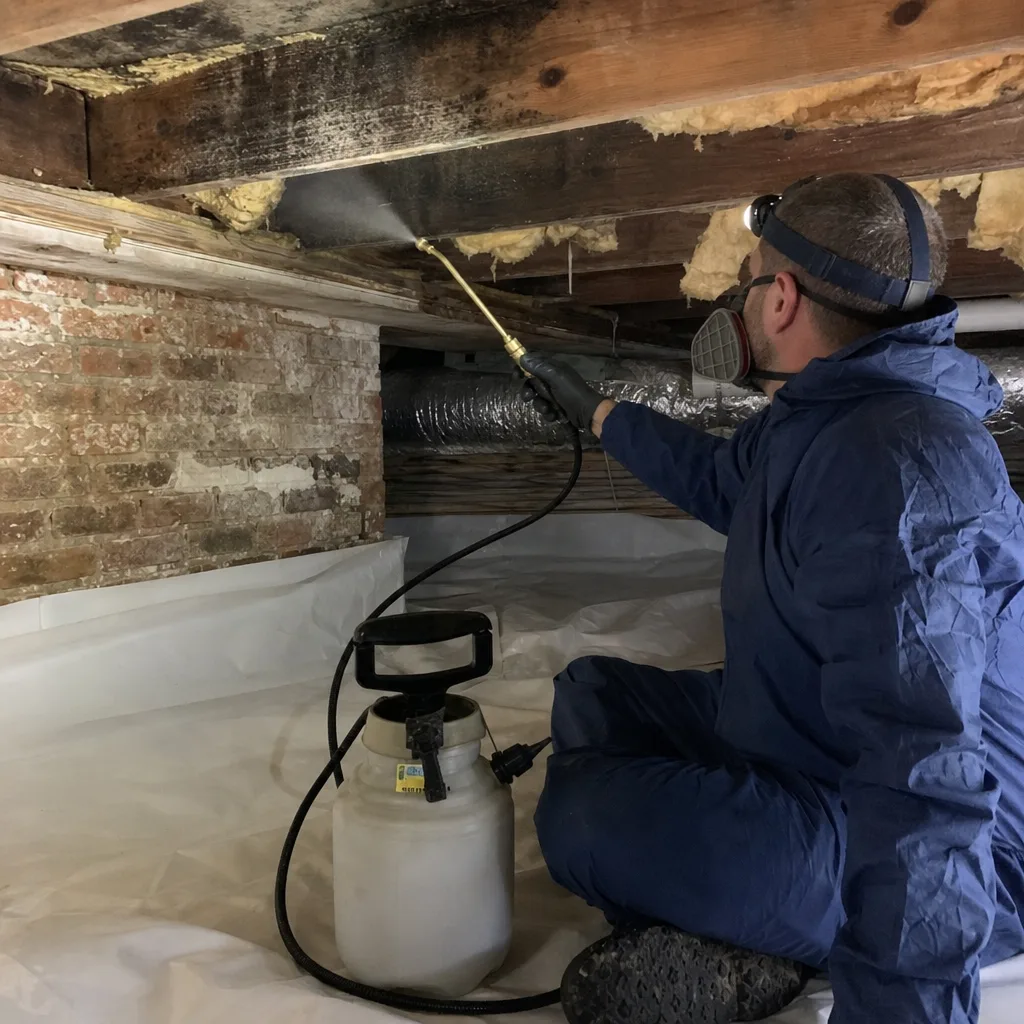
Toilet overflows in Forest Hills apartments and co-ops often migrate through ceiling assemblies into the unit below. We set containment fast, extract what we can, and use moisture mapping to find hidden saturation behind plaster before mold has a chance to set. In a 1930s building, that hidden water behind horsehair plaster is the part most crews miss. We do not.
Septic Failure Cleanup
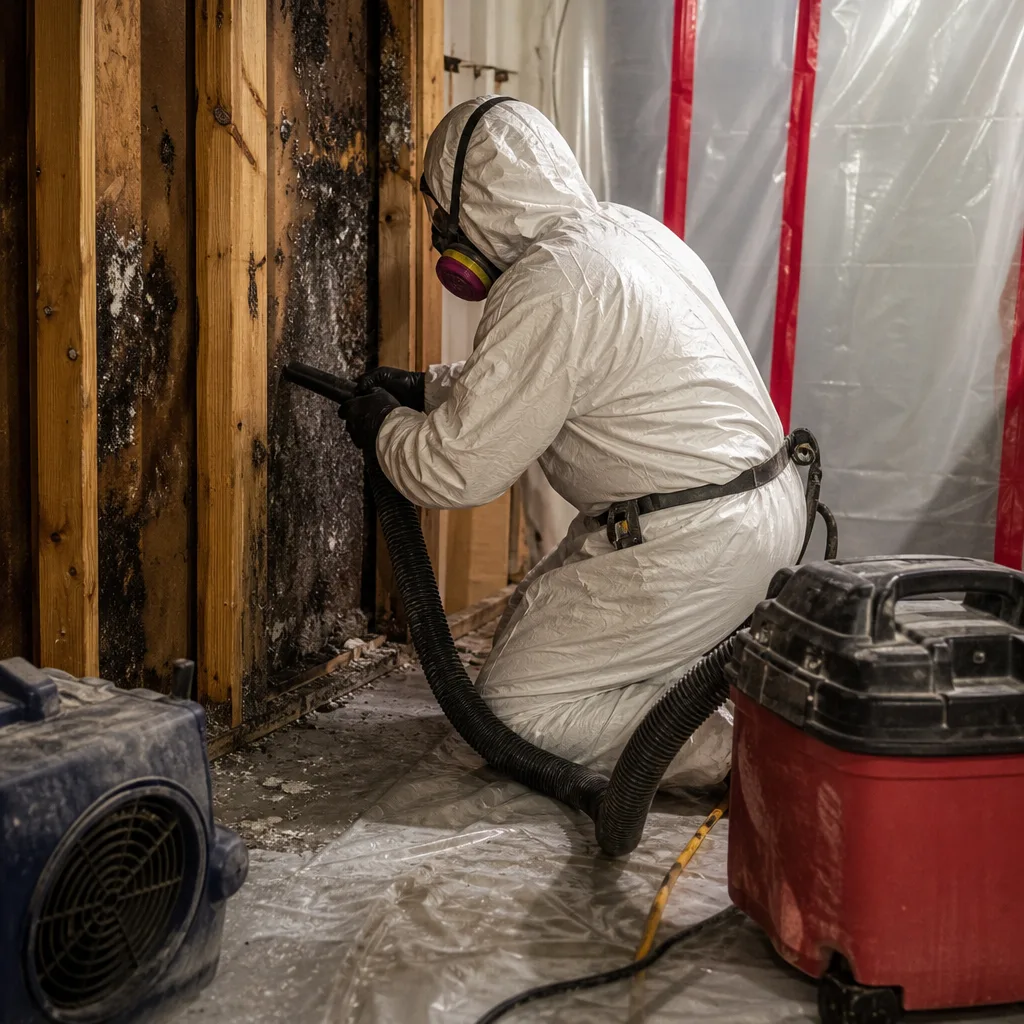
A failing septic system is a slow-building disaster. Forest Hills mostly runs on municipal sewer, but older properties and some outlying blocks have aging private systems. When a septic field fails, the backup is Category 3 and demands the same containment, extraction, and sanitization protocol as any sewage loss. We identify the contamination boundary and treat everything inside it.
Black Water Extraction
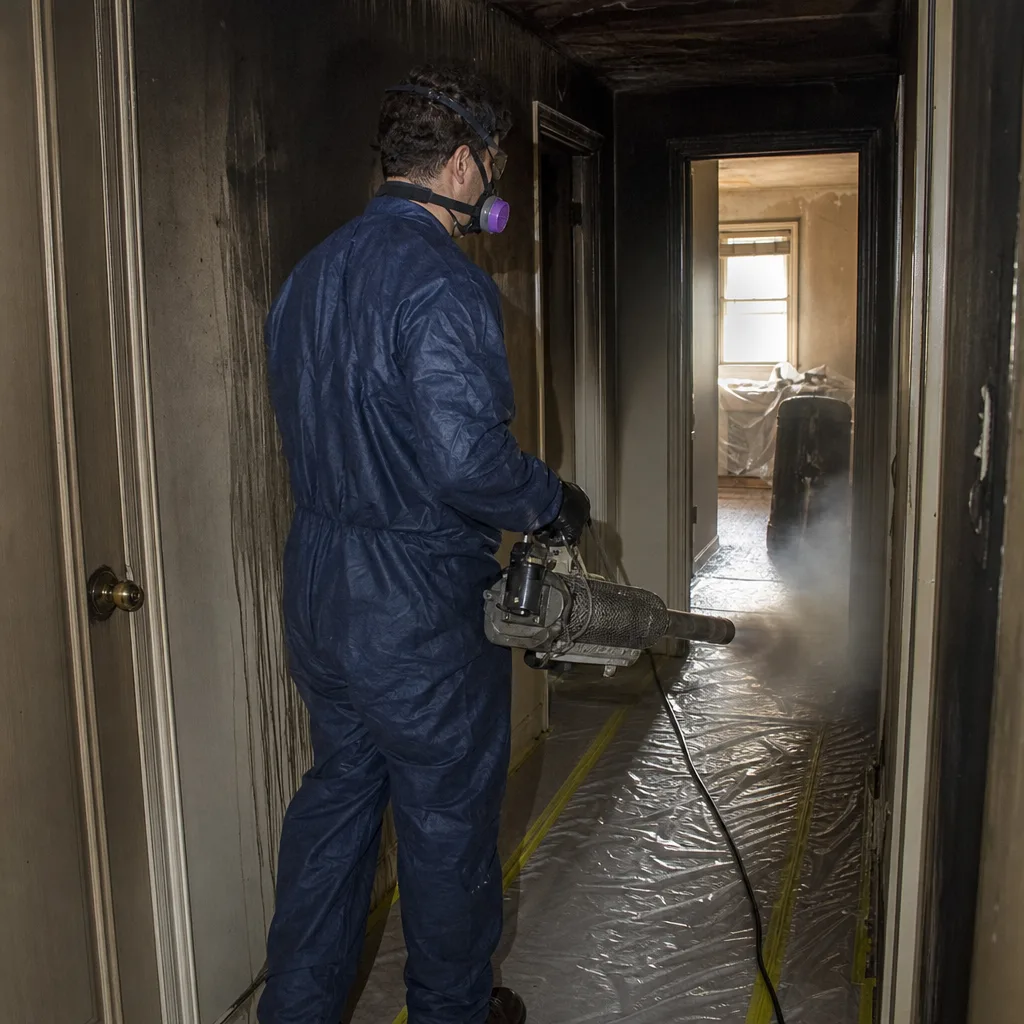
Black water is the trade term for Category 3 water contaminated with human waste. It is what comes up through a cracked cast-iron line or out of a backed-up floor drain. This is not water you mop up and forget. It carries pathogens that make people sick. We extract it with truck-mounted units, contain the area, and begin disinfection before any drying equipment is placed.
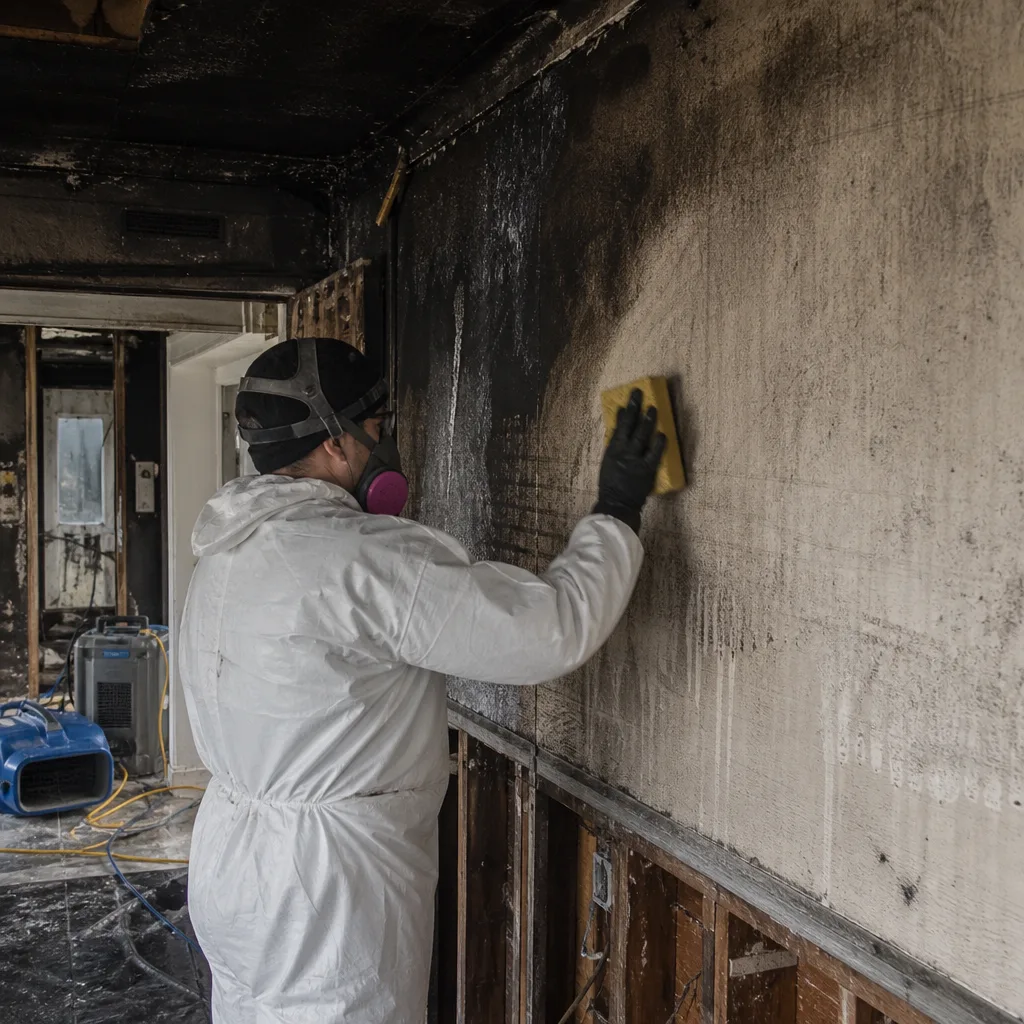
Sanitization & Disinfection
After extraction and removal, every affected surface gets treated with EPA-registered antimicrobials. Hard surfaces are disinfected to hospital standard. Porous materials that cannot be sanitized to that standard are removed. In Forest Hills Gardens, we document each step so the LPC consultant sees exactly what was disturbed and how it was treated.
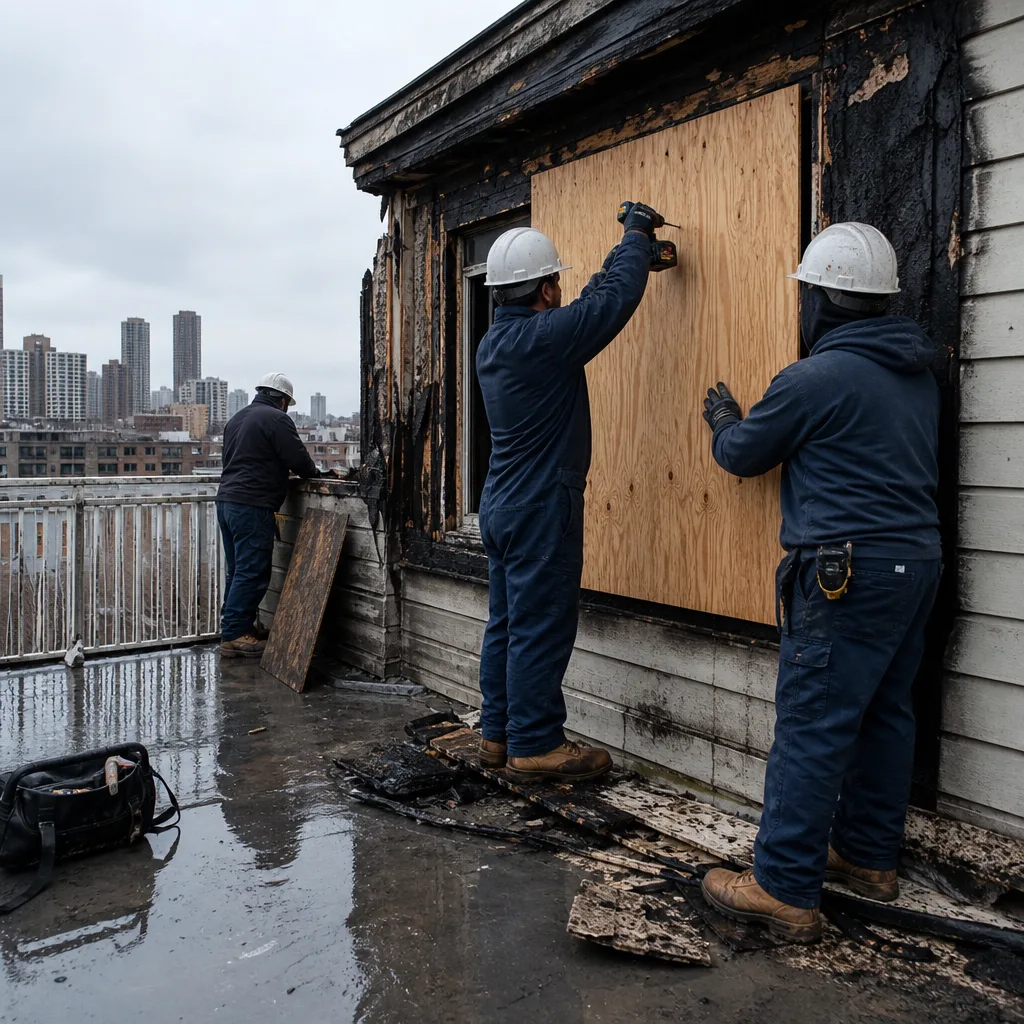
What happens when you call
- 1
A real person answersNo phone trees - you reach a local pro.
- 2
You get an upfront price rangeHonest numbers before anyone is dispatched.
- 3
A background-checked tech heads outLicensed & insured, dispatched right away.
- 4
You approve before work beginsNothing starts until you say go.
Sewage Cleanup Costs in Forest Hills, NY
Sewage cleanup in Forest Hills runs on a different cost curve than most neighborhoods because of the housing stock. A straightforward toilet overflow in a modern building might run $2,500 to $5,000. A basement backup in a pre-war co-op with plaster walls and original wood floors typically runs $6,000 to $14,000. Inside Forest Hills Gardens, where LPC oversight and period-material matching apply, a full basement sewage loss starts around $10,000 and can reach $25,000 when original millwork and oak wainscoting must be reproduced.
What moves the number: how far the black water traveled, whether original plaster is saturated behind the surface, whether flooring is salvageable, and whether landmark documentation is required. Insurance covers most sewage backups when the cause is sudden and accidental, which most are. A slow seepage over many weeks is a different story. The free visual inspection gives you a firm scope and a written price before any work starts. Call (917) 924-4221 and we will walk the property with you.
We Also Serve Cities Near Forest Hills
Floodline Restoration Co. of Manhattan provides sewage cleanup across central Queens. We serve Forest Hills and the surrounding communities of Rego Park, Kew Gardens, Corona, and Middle Village. If you are just outside Forest Hills and dealing with a sewage backup, call us. The same live dispatcher, the same certified crews, the same written guarantee.
Serving Forest Hills, NY - Our Local Coverage Area
We’re based in the Forest Hills area and know this community well. Use the map below to see our service coverage - if you’re nearby, we can almost certainly help.
Forest Hills Sewage Cleanup Questions, Answered
Do I need landmarks approval just to dry out a sewage backup in Forest Hills Gardens?
No, not for the drying itself. LPC approval is required before removing or altering protected original materials like lath-and-plaster walls, period millwork, or original flooring. If we can dry and sanitize in place without demolition, no landmarks filing is needed. If material must come out, we coordinate with the landmarks consultant before anything is disturbed. That documentation protects you from fines and from a rejected insurance claim.
How quickly can you start extracting black water from a pre-war basement along Queens Boulevard?
Within 45 minutes of your call, a crew is on site in Forest Hills. Extraction begins the same visit. We do not schedule a next-day assessment for sewage. The first hour of a Category 3 loss is when contamination boundary decisions get made, and delaying them spreads the damage. Call (917) 924-4221 and we are rolling.
The sewer backed up through our floor drain in our 1930s co-op-what does ‘pre-loss condition’ mean for lath-and-plaster walls?
Pre-loss condition means the walls look, function, and hold paint the way they did before the backup, not worse and not “close enough.” For a 1930s lath-and-plaster wall, that means the original profile stays intact, the plaster keys are sound, and any patched area matches the surrounding texture. We use thermal imaging to find saturation behind the plaster, dry it in place when possible, and only remove material that cannot be salvaged. Whatever comes out gets matched, not replaced with drywall and painted over.
Can you clean and disinfect a sewage spill without removing the original tile in our Forest Hills rowhouse bathroom?
Yes, in most cases. Original tile on a mortar bed is a non-porous surface. We clean and disinfect it to hospital standard. The grout is more porous and may need to be removed and replaced if sewage sat in it for more than a few hours. The mortar bed behind the tile can hold contamination if water wicked through cracked grout, so we moisture-map behind the tile before deciding what stays and what comes out.
What drying logs will you provide for an insurance claim after a toilet overflow in Forest Hills Gardens?
You get daily moisture readings from every affected area, logged with the serial numbers of the Dri-Eaz, Phoenix, and XPOWER equipment we place. Each reading includes the date, time, and the dry standard we are tracking toward. When we hit the dry standard, we note it and stop. Your insurer gets the full log plus our line-item scope and photos. You get a copy of everything, including the 90-Day Done Right Promise.
How long does sewage cleanup take in a Forest Hills property?
Most sewage extractions and sanitization jobs finish in 2 to 4 days. Drying can run additional days, especially behind plaster walls in older buildings where moisture releases slowly. If demolition and reconstruction are required, that work gets scoped separately and scheduled like a remodel. We do not promise same-day rebuilds. We promise same-day extraction and a written timeline for everything after.
Can we stay in the house during sewage cleanup?
Not in the affected area. Category 3 water carries pathogens that become airborne during extraction. We set negative-air containment around the affected rooms, and you should stay out of those spaces until sanitization is complete and we clear them. The rest of the house is typically safe to occupy during the process. We will tell you plainly where you can and cannot be, every day of the job.
What should I do in the first 30 minutes after a sewage backup in Forest Hills?
First, turn off water to the building if the backup is actively flowing. Do not flush toilets or run water in sinks. Do not walk through the contaminated water and track it through the house. Do not run fans, which spread sewage aerosols. Keep children and pets away. Then call (917) 924-4221. We will tell you what to do next while the crew is on the way.
In a 1920s Tudor on Greenway Terrace in Forest Hills Gardens, a sewer line backup left standing black water in the basement. Our crew ran category 3 water extraction, set up containment around the affected lath-and-plaster walls, and logged moisture readings every four hours to protect the original oak wainscoting. We coordinated with the landmarks consultant before removing any plaster, so the homeowners never risked an LPC violation. That is the job done right, with the paper to prove it.
If you have sewage backing up in Forest Hills, call (917) 924-4221 now. A live person answers. A certified crew comes. And we stand behind the result in writing.
Written by Curt Bowman, Owner at Floodline Restoration Co. of Manhattan, serving Forest Hills and the surrounding Queens communities since 2010.