
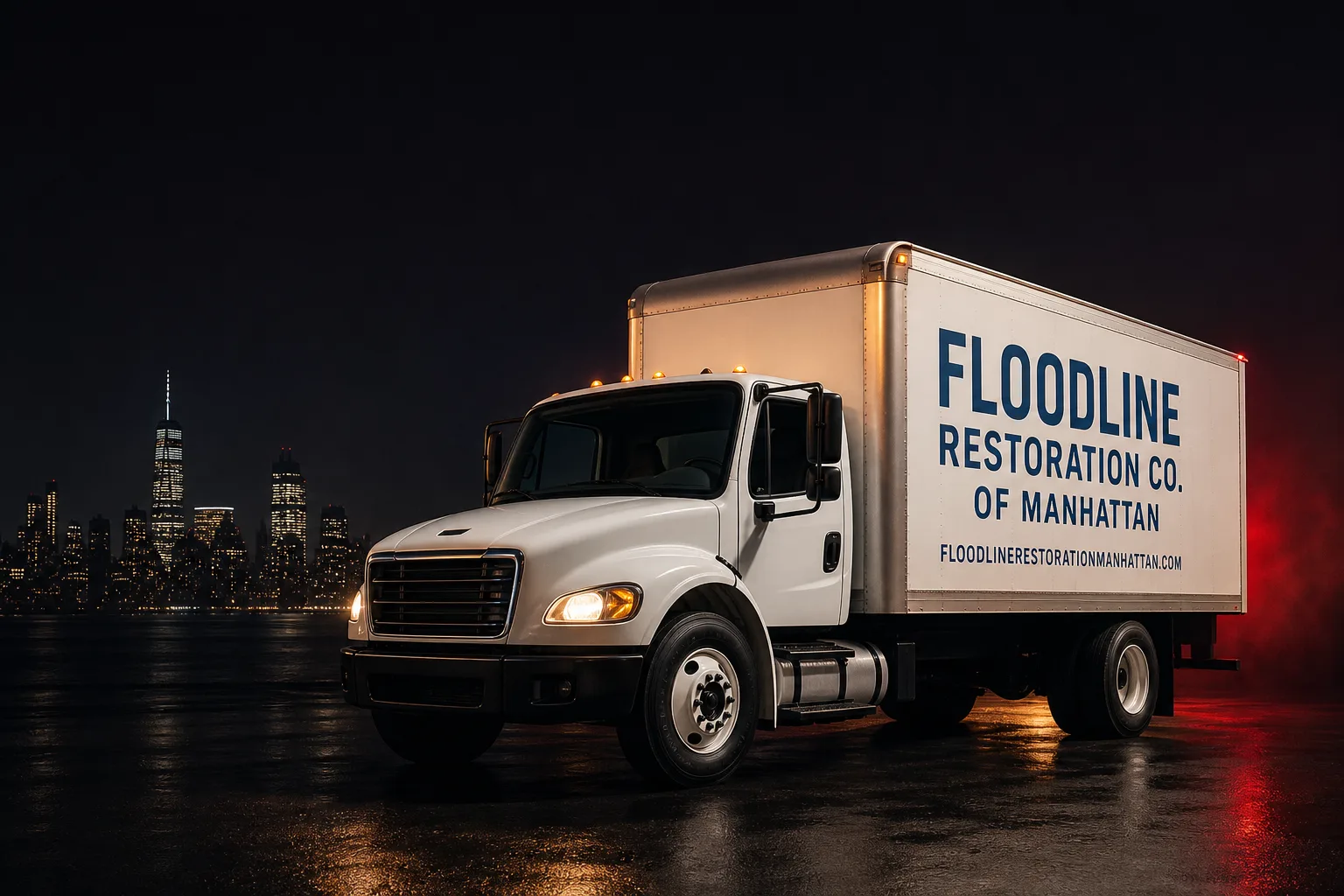
Free visual inspection and a written scope of work before any mitigation begins - photos, moisture readings, and drying logs go in your claim file
The scope we write is the scope we bill. Anything new gets shown to you, in writing, before we touch it.






 Before
 After
After Before
 After
After Before
 After
After24/7 Emergency Sewage Cleanup in Great Kills
Sewage cleanup in Great Kills typically runs $2,800 to $7,500 depending on how far the contaminated water traveled through the structure, and most Category 3 backups require same-day extraction to stop the damage from spreading. A backed-up line in a post-Sandy elevated Cape Cod with a crawl space costs more than a simple toilet overflow in a slab ranch because the sewage pools underneath the floor system, not just on top of it. If you’re dealing with a backup right now, call (917) 924-4221. We answer live at 2 a.m., and a certified crew dispatches into Great Kills within 45 minutes.
The first hour matters because sewage is not just wet. It is biologically active. Category 3 water carries E. coli, coliform, and hepatitis A, and every minute it sits in contact with drywall, wood subfloor, or fiberglass insulation it saturates deeper. In Great Kills, the problem compounds because a large share of the housing stock still contains salt-contaminated framing from Hurricane Sandy’s storm surge. That salt residue draws water in and holds it, which means what starts as a surface backup becomes a wall cavity contamination event faster than in inland neighborhoods.
Understanding Sewage Cleanup Severity in Great Kills Properties
Sewage is classified as Category 3 water under the IICRC S500 standard: grossly unsanitary water containing pathogenic, toxigenic, or other harmful agents. Toilet overflows that stay contained to the bathroom may be treatable as Category 2 if no solid waste is present, but every backup originating from a sewer line, septic failure, or storm-sewer combination line is Category 3. No exceptions.
Great Kills’s housing stock makes severity assessment harder than it looks from the surface. The post-World War II Cape Cods, colonials, and ranches built between the 1950s and 1970s often have full or partial basements with original cast-iron drain lines. Those lines fail at threaded joints during heavy rain events, pulling stormwater into the sewage flow. When that happens, black water rises through floor drains before the homeowner even knows the lateral is compromised. Add in the post-Sandy elevation history: many homes now sit on new pilings or block foundations with open, unencapsulated crawl spaces that act as a catch basin for whatever comes out of the pipe. Sewage in that confined space contaminates the trapped humidity itself, spreading pathogens through the air pathway under the entire house.
Moisture mapping matters here more than in most of the city. We use thermal imaging cameras, penetrating moisture meters, and hygrometers to track exactly how far the sewage wicking has traveled through salt-laden framing. Salt-contaminated wood reads differently on a moisture meter than a fresh stud, so a technician who does not know Great Kills’s Sandy history will under-read the damage and stop drying too soon.
Why Great Kills Property Owners Choose Floodline Restoration Co. of Manhattan
- 45-minute response commitment for Great Kills. Our crews stage from the Staten Island side and know the south shore streets well enough to beat the GPS. When you call with a sewage backup near the harbor, we move.
- A live person answers at all hours. No automated tree, no callback queue. A dispatcher picks up, gets your address, and starts a crew moving. Every day of the year.
- IICRC-certified technicians on every job. Our sewage crews hold WRT (Water Restoration Technician) and FSRT (Fire and Smoke Restoration Technician) certifications with RIA and IFA training standards, so Category 3 protocols are second nature.
- Free visual inspection with a written scope. We assess, we explain what we found in plain English, and we hand you a line-item plan before any work starts. No pressure. No surprises.
- Direct insurance billing. We document the loss from the first hour, we file industry-standard estimates, and we coordinate with your adjuster directly. You never play messenger between us and the carrier.
- One certified crew from extraction to reconstruction. The same team that extracts the sewage also rebuilds the drywall and treats the framing. No mid-job handoff to a subcontractor you have never met.
Our Sewage Cleanup Process
Inspection & Assessment
We map every wet surface with thermal imaging and penetrating moisture meters. We identify the Category of water, trace the travel path, and check for hidden wicking into salt-contaminated framing and post-Sandy crawl space voids. You get a written scope before anything else.
Extraction & Stabilization
We remove standing sewage using truck-mounted extraction units, then stabilize the area to stop cross-contamination. Containment barriers go up, and we identify which drywall, insulation, and flooring must come out versus what can be cleaned and kept.
Drying & Dehumidification
Dri-Eaz dehumidifiers and XPOWER air movers get placed based on the moisture map, not guesswork. Drying logs are recorded daily, and we do not move to the next phase until moisture readings are back to baseline. Salt-laden wood takes longer, and we account for that.
Cleaning & Sanitization
We apply EPA-registered antimicrobials and disinfectants to all affected surfaces. Hard surfaces get cleaned to Category 3 standards. Porous materials that cannot be fully sanitized, like soaked fiberglass insulation or salt-contaminated drywall, get removed.
Crawl Space & Structural Treatment
For Great Kills homes with post-Sandy elevation voids, we treat the crawl space as its own containment zone. We remove contaminated soil where necessary, treat the framing and subfloor from below, and address the trapped humidity that standard bathroom cleanup never touches.
Repairs & Restoration
We rebuild what we removed: drywall, flooring, trim, insulation. The same crew that handled the extraction does the finish work, so the job stays whole from first pump-out to final walkthrough. The 90-Day Done Right Promise covers the full scope, in writing.
Need Emergency Sewage Cleanup in Great Kills Now?
Crews minutes away, answering live 24 hours a day. The sooner we start, the less it costs.
Working With Your Insurance Company
A sewage backup in Great Kills is usually a covered peril, but how the claim is documented decides whether you get full replacement or a fight. We build the file from the first hour: photos of the loss before extraction begins, moisture readings mapped room by room, drying logs updated daily, and a line-item scope that matches the carrier’s estimating software. We send the documentation directly to your adjuster and we speak their language. When an adjuster calls with questions, a Floodline technician answers, not a call-center rep. For Great Kills properties still carrying Sandy-era complications, like unpermitted elevation work or unresolved prior flood damage, having a restoration company that documents thoroughly and coordinates directly is the difference between a denied claim and a paid one.
What We Provide Your Insurer
- Thorough documentation of the loss
- Photos of all damage, room by room
- Moisture readings and drying logs
- A detailed, line-item scope of work
- Direct coordination with your carrier
Built for Great Kills’s Loss Calendar
Great Kills sees sewage backups on a seasonal rhythm, and the calendar looks different here than in the rest of New York City. Spring nor’easters pushing Raritan Bay storm surge into the low streets near the harbor are the big driver. When stormwater infiltrates aging cast-iron laterals, the sewer line pressurizes and comes back through basement floor drains. We see the same pattern during summer thunderstorm downpours, when the south shore’s combined storm-sewer system gets overwhelmed. The fall brings hurricane season remnants, and while Sandy was the extreme, even a diminishing tropical system can push water into the low-lying blocks around Amboy Road and Hylan Boulevard. Winter pileups happen when frozen ground shifts the same corroded cast-iron lines, cracking joints that stay silent until a hard rain finds them.
The property itself makes the damage worse in every season. Homes with post-Sandy elevation voids act as collection galleries for backed-up sewage, and any structure that never properly remediated salt-contaminated framing holds the contamination in place after the standing water is gone. That is why every Great Kills sewage backup gets evaluated twice: once for the immediate sanitation, and once for the Sandy baseline that changes what the repair actually requires.
Sewage Cleanup Across Great Kills’s Neighborhoods
Great Kills is not one housing type, and sewage moves differently through each part of the neighborhood. Closer to the harbor, along streets like Nelson Avenue, Bath Avenue, and Edgewater Street, the pre-1960s homes sit low, many of them elevated post-Sandy on block or piling systems. Sewage backups there pool into the open crawl space beneath the living floor, and the contamination you cannot see under the house is the contamination that keeps causing odor and mold months after the visible cleanup is done.
Around the Great Kills train station and the commercial stretch of Arthur Kill Road, the older pre-war structures share sewer laterals in some blocks, meaning one backup can affect two or three attached buildings. Further south toward Hylan Boulevard and the waterfront parcels, ranch-style homes built in the 1950s and 1960s often have partial basements with original cast-iron drains that have been quietly rusting for sixty years. When those fail, the entire basement floods with black water before the homeowner has a chance to react. Up the western edge near the Fairview border, some of the newer construction post-Sandy was built with better drainage, but the adjacent older stock still pushes sewage into the street-level storm drains during heavy rain, and the water has to go somewhere.
Specialized Sewage Cleanup Services We Offer in Great Kills
Sewage Backup Cleanup
Full Category 3 extraction from basements, bathrooms, laundry rooms, and utility spaces across Great Kills. We handle the standing sewage, the contaminated materials, and the structural drying that follows. In homes with cast-iron drain lines, we flag the lateral condition for a plumber’s assessment because the backup is rarely a one-time event.
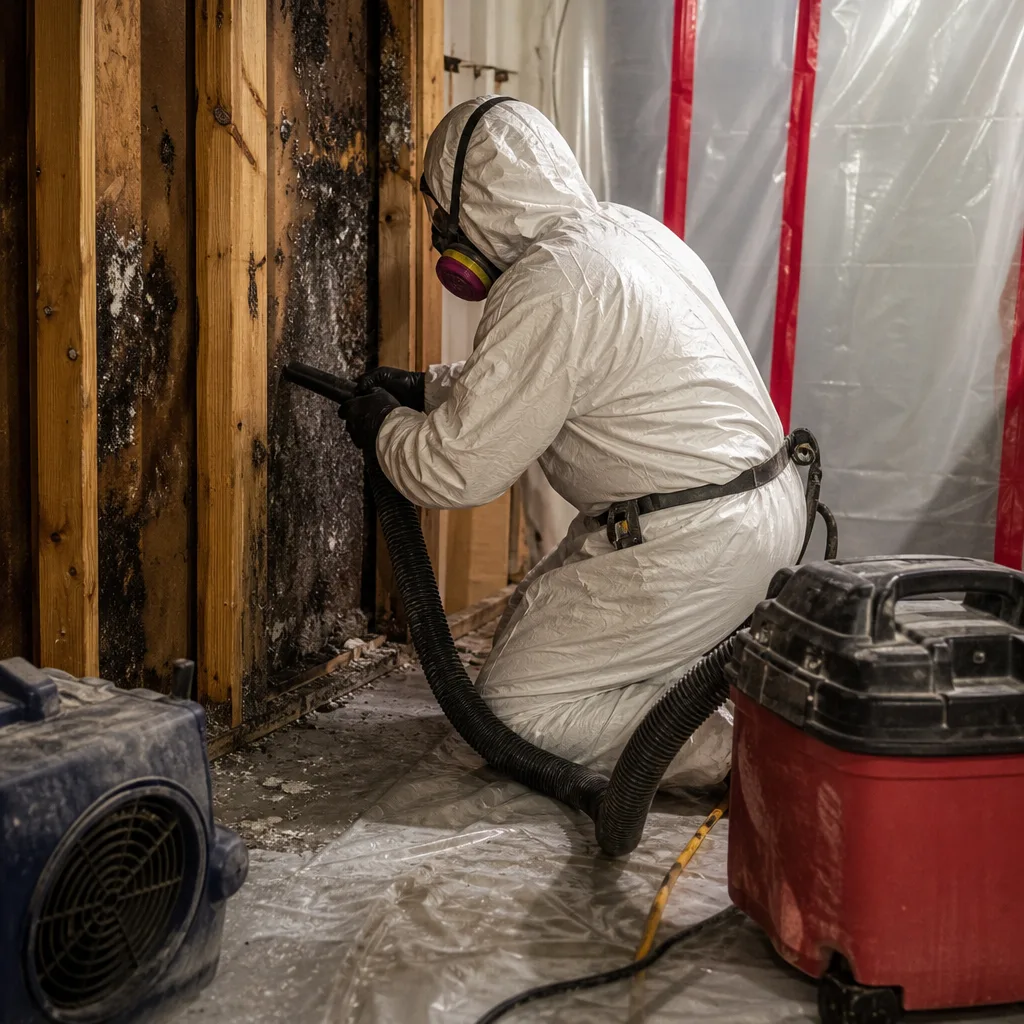
Toilet Overflow Cleanup
When the overflow stays contained to tile and porcelain, the cleanup is straightforward. But in Great Kills colonials and Capes with carpeted hallways or fiberglass insulation below, contaminated water from a toilet can wick outward within minutes. We check the extents before we give you a scope, and we do not remove flooring you did not need removed.
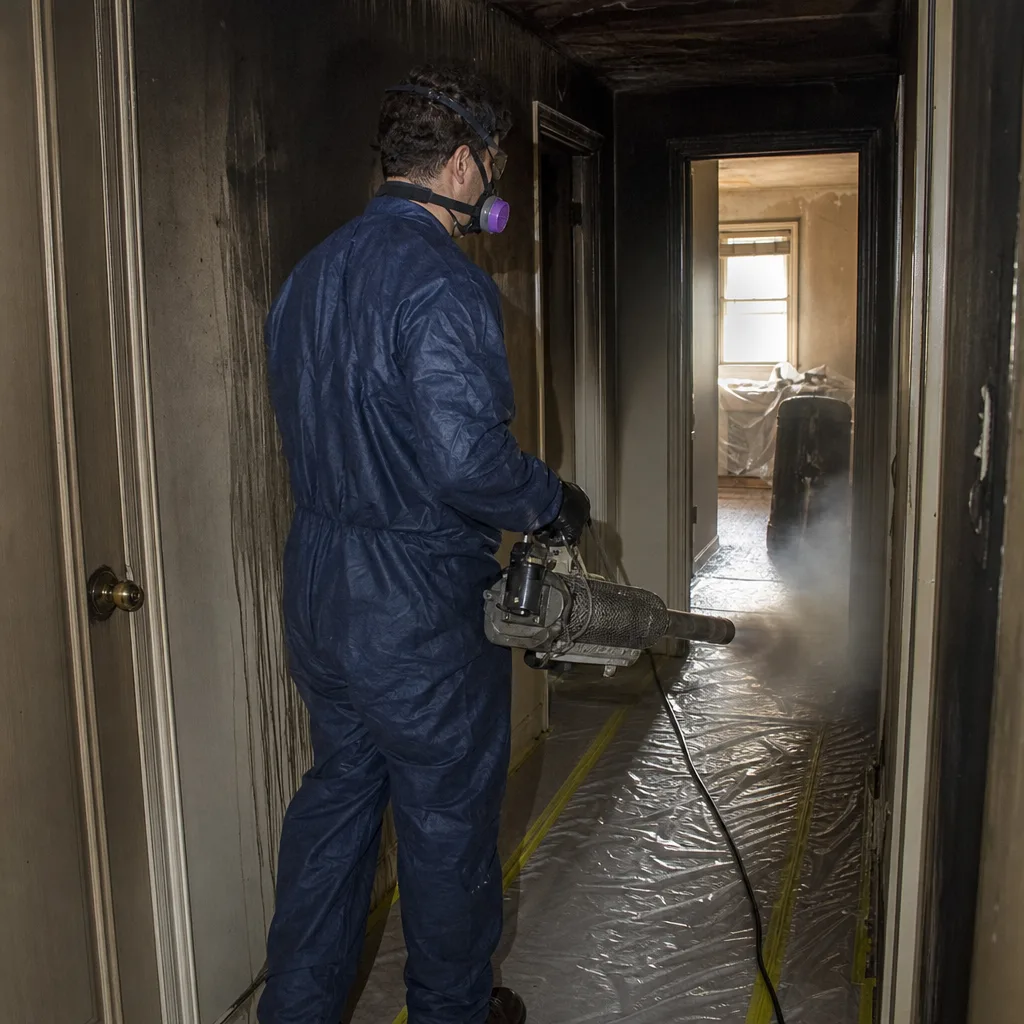
Septic Failure Cleanup
The south shore still has pockets of Great Kills homes on septic systems, particularly toward the more spread-out coastal lots. When a drain field fails during heavy rain, sewage surfaces in the yard and can migrate into the crawl space. We extract, sanitize, and coordinate with your septic contractor so the cleanup and the underlying repair happen in the right order.
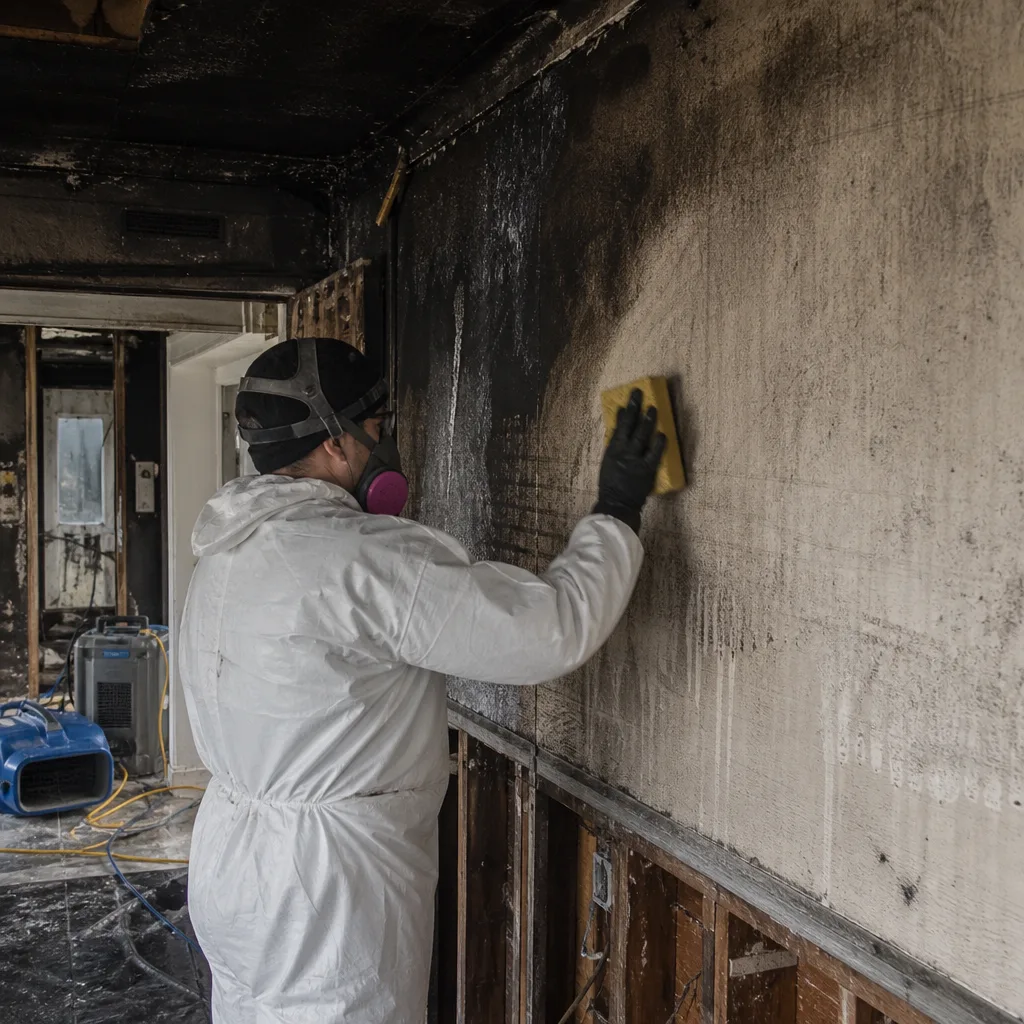
Black Water Extraction
Black water is sewage, plain and simple. It carries biological pathogens, and it gets treated as a health hazard from the first minute. Our crews suit up in full PPE, set containment, and run truck-mounted extraction before anything else. In Great Kills homes with Sandy-era salt framing, we sample the framing moisture levels after extraction because salt-laced wood holds black water deeper than the surface stain suggests.
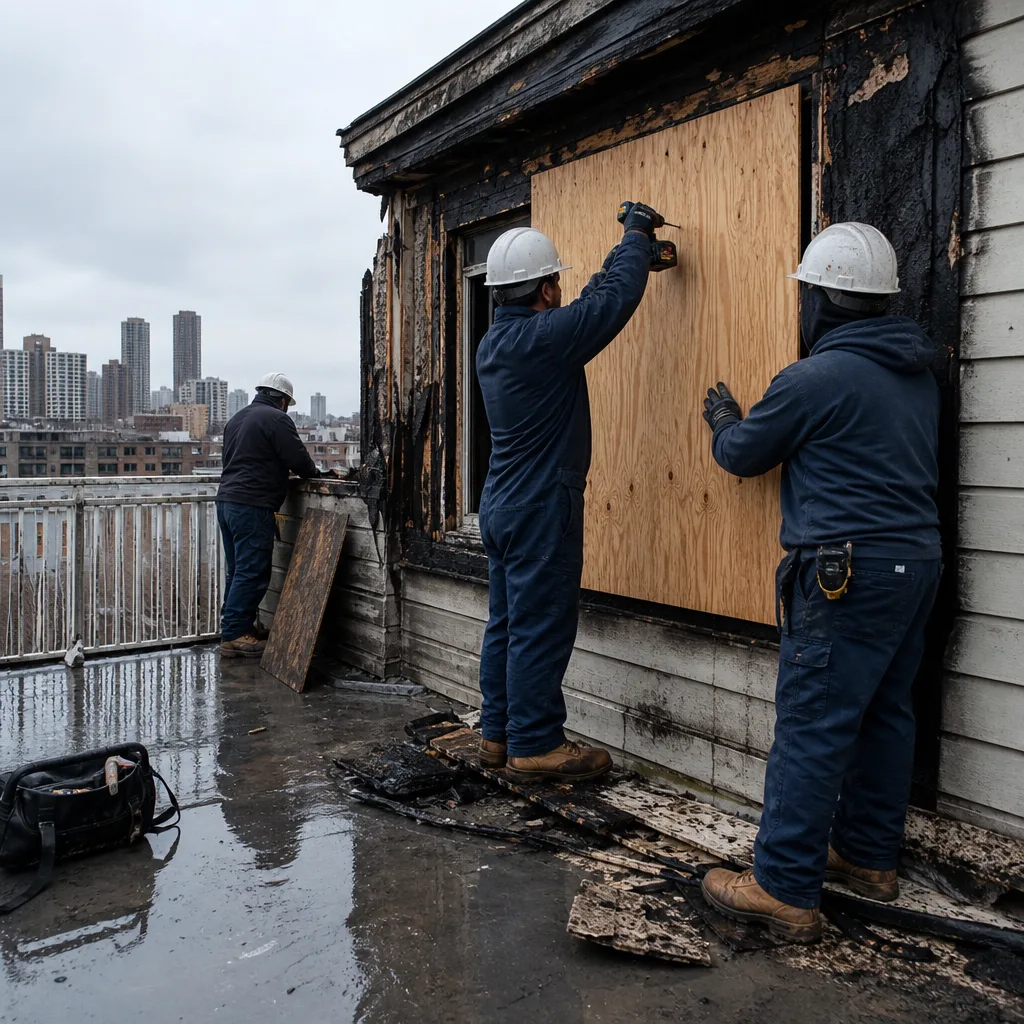
Sanitization & Disinfection
After the physical cleanup, we apply EPA-registered antimicrobial treatments to all affected framing, subfloor, and accessible cavities. For Great Kills properties with post-elevation crawl spaces, we treat the void as a separate sanitization zone. The trapped humidity in those spaces carries whatever the sewage introduced, and until that air space is treated, the smell keeps coming back.
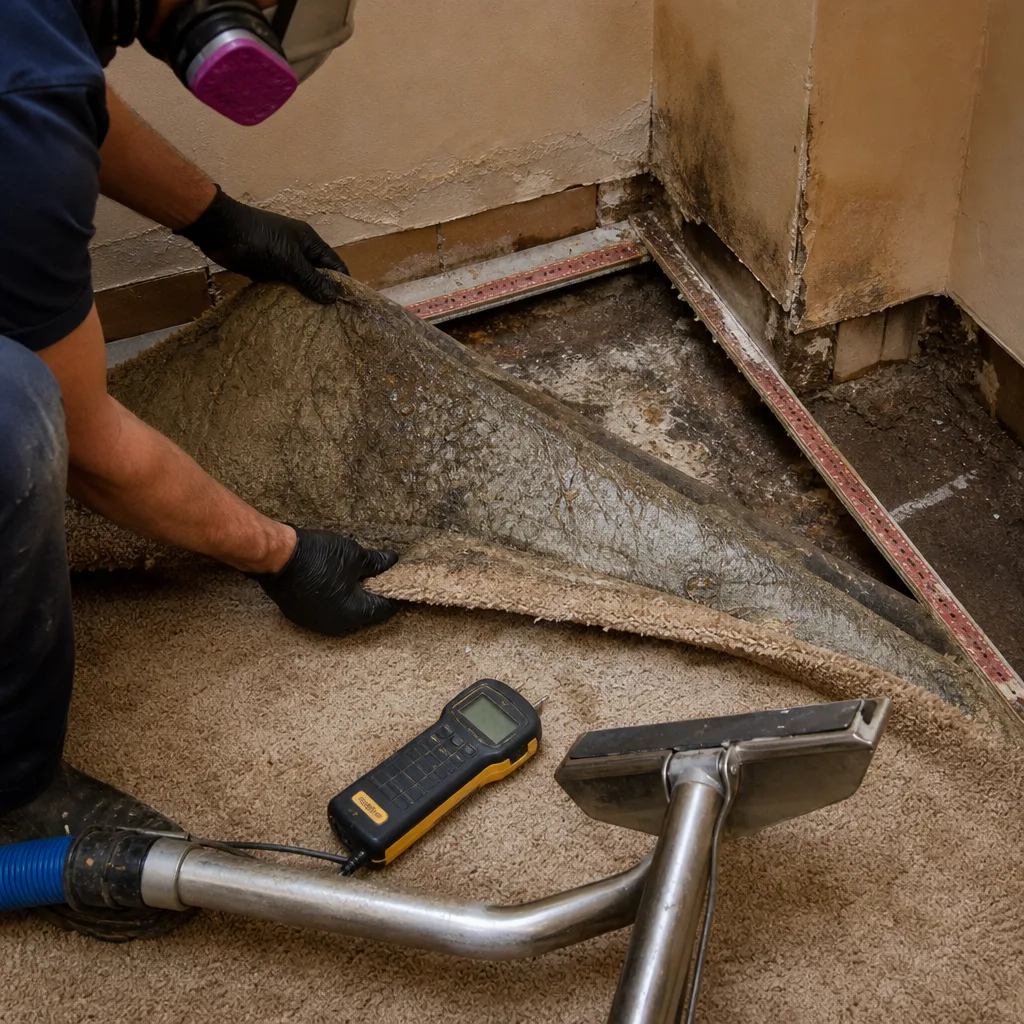
What happens when you call
- 1
A real person answersNo phone trees - you reach a local pro.
- 2
You get an upfront price rangeHonest numbers before anyone is dispatched.
- 3
A background-checked tech heads outLicensed & insured, dispatched right away.
- 4
You approve before work beginsNothing starts until you say go.
Sewage Cleanup Costs in Great Kills, NY
A contained toilet overflow cleanup in a Great Kills bathroom starts around $1,200 to $2,400. A basement sewage backup involving standing black water, drywall removal, and full sanitization runs $3,500 to $7,500. When the sewage travels into a post-Sandy crawl space, requires soil removal, or saturates salt-contaminated framing that must be cut out to the studs, the scope moves to $8,000 to $15,000 or more, depending on the square footage and whether structural drying can be completed without a rebuild.
What moves the price: how far the sewage wicking has traveled, whether the house has a crawl space or a slab, the age of the drain lines, and whether the framing holds Sandy-era salt contamination that slows drying. Insurance coverage matters too. Most homeowner policies in Great Kills cover sewage backup if the damage is sudden and accidental, but an unpermitted post-Sandy elevation or a long-standing lateral failure can complicate a claim. The free inspection path is the cleanest one: we come out, we map the damage, we give you a written scope with firm pricing, and you decide from there. No obligation. Call (917) 924-4221 and we will have a technician at your door within 45 minutes.
We Also Serve Cities Near Great Kills
Our crews run the same 45-minute response through Fairview, Harrison, East Bronx, and Hunts Point. If you are near the Great Kills border or a family member lives a few miles over, the same certified team and the same 90-Day Done Right Promise covers the call.
Great Kills Sewage Cleanup Questions, Answered
How do I know if sewage water seeped into the post-Sandy crawl space under my Great Kills home?
You can not always tell from inside the living space, which is why we treat every sewage backup in a post-Sandy elevated Great Kills home as a crawl space contamination event until proven otherwise. We send a technician under the house with a flashlight and a moisture meter to check for standing sewage, damp soil, condensation on the joists, and the distinct sewage odor trapped in the void. If you smell it in your bedroom but see nothing in the bathroom, the crawl space is almost always the answer.
Is sewage from a toilet overflow in Great Kills treated as Category 2 or Category 3 water?
Toilet overflow containing only urine and water is Category 2 if it stays contained to the bathroom and is cleaned within 24 hours. The moment solid waste is present, or the water came from beyond the trap, it is Category 3 and gets treated as a biological health hazard. In Great Kills homes where a backup is linked to a failing cast-iron lateral or storm-sewer surge, we treat it as Category 3 by default because the water has traveled through the sewer system.
Why does my Great Kills basement smell like sewage only when the tide is high or it rains hard?
The odor you are noticing is likely your sewer lateral pressurizing from stormwater infiltration. In the low-lying blocks near the harbor, heavy rain and high tide combine to push groundwater into aging cast-iron lines through the threaded joints. The line backs up just enough to vent sewer gas into your basement through the floor drain or a loose cleanout cap, even without a full sewage flood. Call (917) 924-4221 and we will inspect the basement and trace the moisture signature, then advise whether this is a sanitation issue, a plumbing repair issue, or both.
How long can we wait before calling for a sewage backup in Great Kills during a nor’easter?
Do not wait. Sewage sitting in a warm basement grows bacterial colonies within hours, and in Great Kills the salt-contaminated framing accelerates absorption into the wall cavities. Call during the storm, even if the water has not reached the living area yet. Our crews respond during nor’easters, and the faster we can extract and set drying, the less material has to be cut out. If you wait until the storm passes, you are looking at a bigger removal scope and a longer drying time.
Does my Great Kills home need an elevation certificate before you can start sewage cleanup?
Most flood-related structural work in a FEMA remapped AE or VE zone requires addressing elevation compliance before reconstruction proceeds, but emergency sewage extraction and sanitation does not need to wait for an elevation certificate. We can start the mitigation work immediately, document the scope and existing conditions thoroughly, and then coordinate with your floodplain manager or engineer if the repair phase triggers elevation requirements. For a free assessment and a straight answer on your specific property, call (917) 924-4221.
How fast can a crew actually reach Great Kills for a sewage backup?
Our 45-minute response commitment covers Great Kills. Crews stage on Staten Island and run local dispatch, so a live dispatcher can have a certified technician on-site, in the basement, and hands-on within 45 minutes of your call, often faster for homes near Nelson Avenue or the harbor side. Same-visit extraction is the norm for a Category 3 backup.
Will my homeowner’s insurance cover sewage backup in Great Kills?
Most standard HO-3 policies cover sudden and accidental sewage backup damage, but the Great Kills variable is the Sandy history. If the backup happened during a nor’easter storm surge and the policy has flood exclusions, the claim may be contested. We document the loss with clear data: where the water came from, what Category it is, and how far it traveled. That documentation, sent directly to your adjuster, is the strongest tool you have. Call us and we will walk you through what your specific claim will need.
What should I do in the first 30 minutes after discovering a sewage backup in Great Kills?
First, do not flush anything and do not run the washing machine or dishwasher, because that pushes more water into the backed-up line. Keep people and pets out of the affected room. Do not turn on the HVAC system if intake vents are near the spill, because the blower will aerosolize contaminants. Call (917) 924-4221 immediately, even before you call your insurer. The sooner we can start extraction, the less drywall and insulation you lose, and the less likely the sewage reaches the crawl space or framing cavities that the Sandy salt makes so difficult to dry.
Serving Great Kills, NY - Our Local Coverage Area
We’re based in the Great Kills area and know this community well. Use the map below to see our service coverage - if you’re nearby, we can almost certainly help.
Call Floodline Restoration Co. of Manhattan for Sewage Cleanup in Great Kills
If you have got sewage backing up in a Great Kills basement, a crawl space that smells like the sewer, or a toilet overflow that has spread into the hallway, call (917) 924-4221 now. A live dispatcher answers around the clock, and a certified Sewage Cleanup team starts moving toward your address within minutes. We serve Great Kills with the same steady, no-pressure approach we have used for over 42 years serving homeowners across Staten Island: real documentation, firm written scopes, direct insurance billing, and a 90-Day Done Right Promise in your hands. The sooner the extraction starts, the less this costs you. Call today for a free estimate.
Written by Curt Bowman, Owner at Floodline Restoration Co. of Manhattan, serving Great Kills and Staten Island since 2010.