
Free visual inspection and a written scope of work before any mitigation begins - photos, moisture readings, and drying logs go in your claim file
The scope we write is the scope we bill. Anything new gets shown to you, in writing, before we touch it.






 Before
 After
After Before
 After
After Before
 After
After24/7 Emergency Sewage Cleanup in Greenwich Village
Sewage cleanup in Greenwich Village typically runs $1,800 to $6,500 depending on the area affected, and the first call should be made within the hour. Raw sewage is Category 3 water: it carries bacteria, viruses, and parasites, and it keeps moving through plaster walls, floor cavities, and party walls until someone stops it. Our crews are dispatched from right here in the New York City metro area and reach Greenwich Village addresses within about 45 minutes. Call (917) 924-4221 and a live dispatcher answers, day or night. We begin extraction on the first visit, not the next morning. The longer black water sits in warm old rowhouse walls, the further it wicks and the more original horsehair plaster and heart pine flooring it claims.
Understanding Sewage Cleanup Severity in Greenwich Village Properties
Not every sewage event is the same severity, and in a historic district like Greenwich Village, the building itself changes the equation. A clean toilet overflow from a supply line is Category 1 water until it hits the floor; once it contacts a sewage branch line or sits in a hot apartment, it becomes Category 2 or 3. Category 3 is what we call black water: raw sewage, active pathogens, no exception. Our technicians use moisture mapping to find where the water has actually traveled, which is rarely where the puddle sits. In a Greek Revival rowhouse, sewage behind original lath and horsehair plaster can hide for days before staining shows. In a 1920s tenement with shared risers and party walls, a neighbor’s backup can enter your apartment along a common chase. Severity here is structural: the plaster absorbs, the joists wick, and enclosed cavities stay wet long after visible surfaces are wiped down.
Why Greenwich Village Property Owners Choose Floodline Restoration Co. of Manhattan
- 45-minute response commitment. Crews are stationed to serve Greenwich Village directly, not dispatched from a distant outer borough. We get there fast because we’re already in the area.
- Live person, 24 hours. You never reach an answering service bot. A real dispatcher picks up at 2 a.m., every day of the year.
- IICRC-certified crews. Technicians certified to IICRC, RIA, and IFA standards, including specific training for Category 3 water and biohazard handling.
- Free visual inspection. We’ll tell you what you’re dealing with and what it’ll take before any work begins, no pressure.
- Direct insurance billing. We handle the paperwork with your carrier and communicate with the adjuster so you don’t have to play messenger.
- One team from extraction to reconstruction. The same certified crew that extracts the sewage and dries the walls handles the rebuild, so no mid-job handoff to unfamiliar subcontractors.
Our Sewage Cleanup Process
Inspection & Assessment
On arrival, we map the affected area with moisture meters and thermal imaging. For a rowhouse on West 12th Street or a co-op on Bleecker, that includes checking chase walls and floor cavities that run between properties. We also identify what falls under LPC jurisdiction before touching anything.
Extraction & Stabilization
We remove standing black water with professional extraction units, not wet vacs. For sewage trapped behind original plaster or under heart pine floors, we use Injectidry systems to pull moisture from concealed cavities without ripping out material that the LPC would require us to preserve.
Containment & Drying
We set up physical containment with negative air pressure to stop aerosolized contaminants from spreading through shared walls and stairwells. Phoenix dehumidifiers and XPOWER air movers run until our hygrometers confirm the dry standard is met, with daily readings logged.
Cleaning & Sanitization
All affected surfaces are cleaned with professional-grade antimicrobial treatments. We follow the EPA’s guidance for Category 3 water events, and disposable materials are bagged and removed to a licensed disposal facility.
LPC-Compliant Material Handling
When original horsehair plaster, millwork, or flooring is contaminated, we work in kind: cleaning and treating rather than replacing, and coordinating with LPC reviewers when any restoration requires approval. This is where crews without historic district experience get stop-work orders.
Repairs & Restoration
Once dry and LPC-approved, the same team handles reconstruction: plaster repair, floor refinishing, and any structural work. Because we’re the ones who did the extraction and drying, nothing gets lost between three different companies.
Need Emergency Sewage Cleanup in Greenwich Village Now?
Crews minutes away, answering live 24 hours a day. The sooner we start, the less it costs.
Working With Your Insurance Company
Sewage damage from a toilet overflow or backup is typically covered under standard homeowners and co-op policies, subject to your deductible and specific exclusions like long-term seepage. We document from the first hour: before any material is removed, we photograph the loss room by room and take initial moisture readings. Then we build a line-item scope of work using industry-standard estimating software that your carrier recognizes. We communicate directly with your adjuster, provide drying logs as the process runs, and flag any coverage concerns early so you are not surprised at the end. You never have to carry our paperwork back and forth to your insurer.
What We Provide Your Insurer
- Thorough documentation of the loss
- Photos of all damage, room by room
- Moisture readings and drying logs
- A detailed, line-item scope of work
- Direct coordination with your carrier
Built for Greenwich Village’s Loss Calendar
Greenwich Village’s sewage problems follow a seasonal rhythm, and we plan around it. The deepest freeze in January pushes aging cast-iron supply lines past their limit, and when a steam supply line bursts in a 1840s rowhouse, water follows the walls downward until it hits the building’s drain system, turning a clean leak into a Category 3 mess. Spring thaws and heavy nor’easter rains overwhelm the combined sewer mains under the West Village, sending backups into basements along Hudson Street and Washington Street where the old combined lines still run. Summer thunderstorm downpours produce flash flooding that overtakes cellar drains. And the Hudson-facing blocks, built on filled land with a high water table, report groundwater-driven sewage backups every late winter as the water table rises. This calendar is predictable, and we staff for it.
Sewage Cleanup Across Greenwich Village’s Neighborhoods
The response routes and building types shift block by block in Greenwich Village. In the far-western blocks near Hudson Street and Washington Street, we’re mostly in pre-war tenements and converted loft buildings, where cellar sewage ejector pumps fail and groundwater intrusion is a year-round issue. Around Washington Square Park, the Greek Revival rowhouses of the 1830s through 1860s have original cast-iron waste stacks and shared party walls, making cross-contamination between units a real concern. Along Bleecker Street and the South Village, narrow floor plans and multiple occupancy units mean access through several apartments and often a co-op board before drying can start. Near Fifth Avenue and University Place, the larger pre-war buildings have central drainage with many branch lines, and a clog one floor up becomes a ceiling stain one floor down. Each area changes how we stage containment, air movers, and access control.
Specialized Sewage Cleanup Services We Offer in Greenwich Village
Sewage Backup Cleanup
A backed-up sewer line in Greenwich Village is often a shared infrastructure problem, not just your sink. In rowhouses, the waste line may run beneath two or three adjacent buildings. We extract the black water, contain the contaminated area, and trace the backup source with our equipment before rebuilding anywhere. The drying part is the same: moisture mapping, daily readings, and a dry standard met in writing.
Toilet Overflow Cleanup
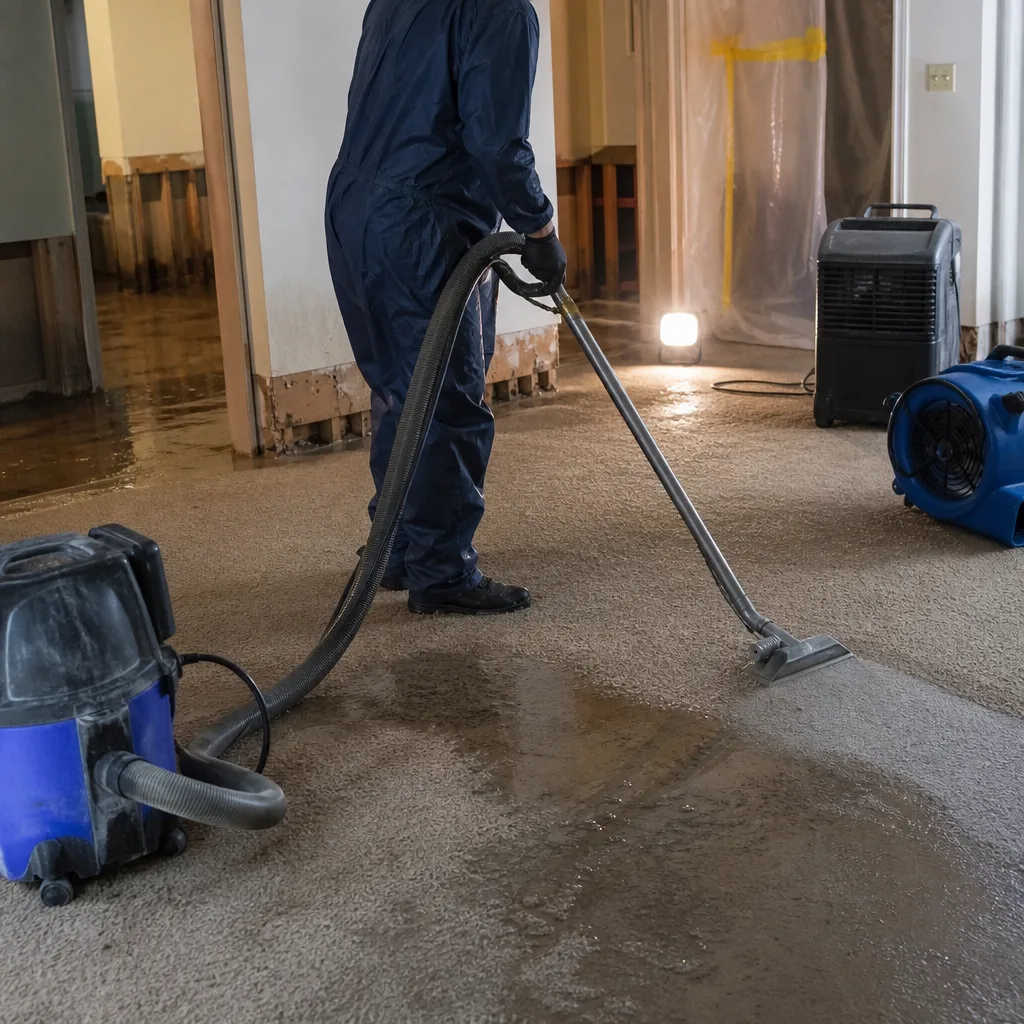
Toilet overflows are the most common sewage event we respond to in Village apartments. What starts at one fixture quickly spreads into the bathroom subfloor and the apartment below. In buildings with shared risers, the water can travel through the chase and damage multiple floors. We extract fast, treat the affected surfaces, and get containment up before air movement spreads anything through the building.
Sanitization & Disinfection
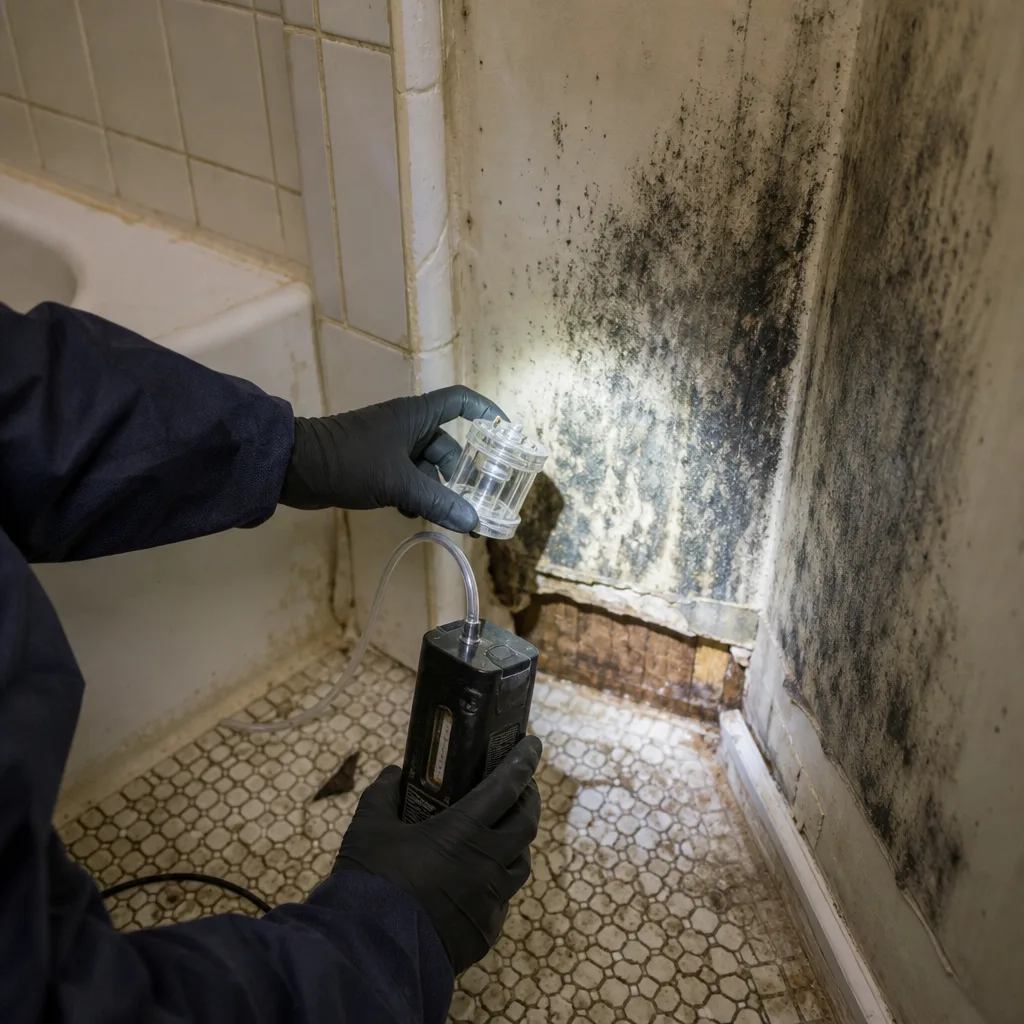
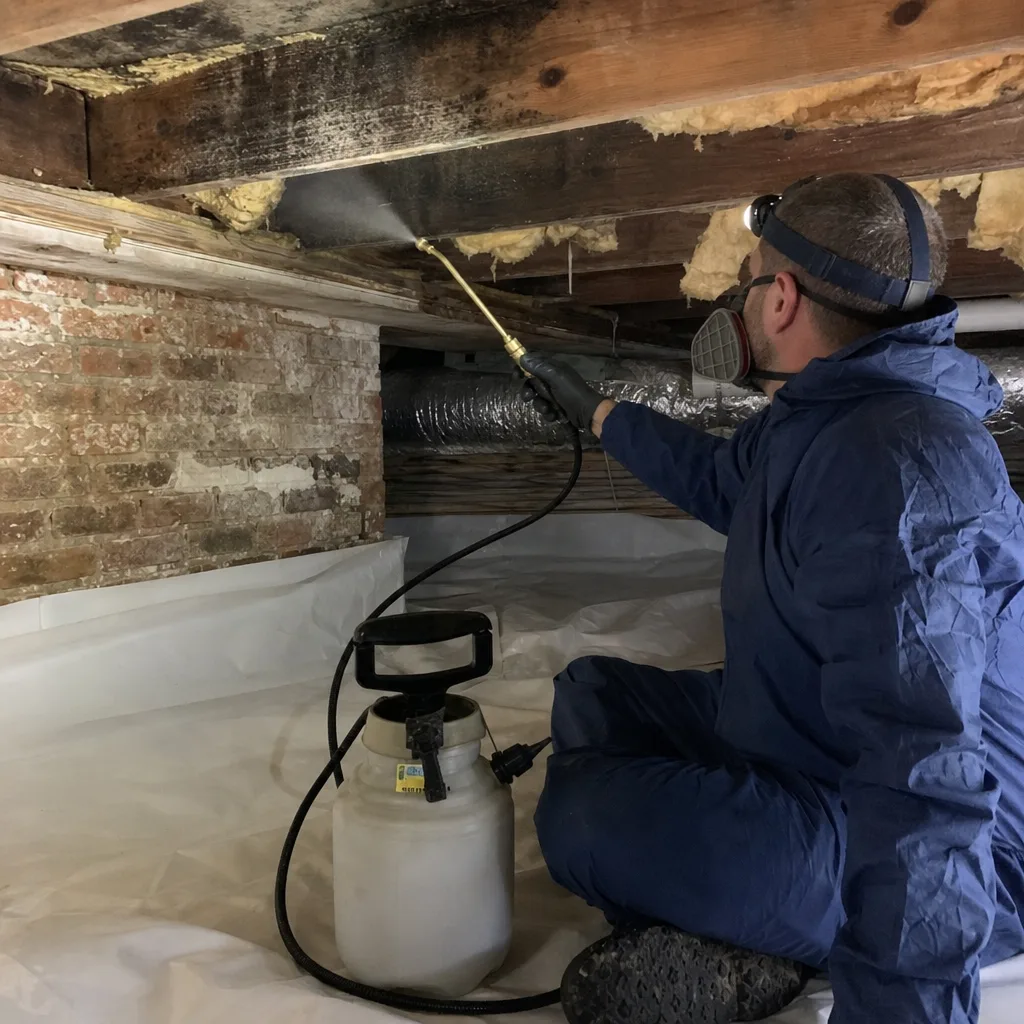
Raw sewage can leave infectious pathogens on surfaces that look clean after the water is gone. We use hospital-grade disinfectants rated for Category 3 water events and follow current EPA and IICRC protocols for biohazard cleanup. Every affected surface is treated, not just the visible spill area. That includes the back sides of baseboards, the insides of wall cavities, and the subfloor under any affected finish material.
What happens when you call
- 1
A real person answersNo phone trees - you reach a local pro.
- 2
You get an upfront price rangeHonest numbers before anyone is dispatched.
- 3
A background-checked tech heads outLicensed & insured, dispatched right away.
- 4
You approve before work beginsNothing starts until you say go.
Sewage Cleanup Costs in Greenwich Village, NY
A toilet overflow cleanup in a Greenwich Village apartment usually runs $1,800 to $4,200. A full sewage backup affecting multiple rooms, behind walls, or requiring LPC-approved plaster treatment typically runs $3,500 to $6,500. If sewage has entered a crawl space or multiple floors, costs can reach $8,000 to $12,000. The drivers are the category of water, the square footage affected, the age of structure, and whether restoration requires LPC compliance. Insurance often covers most of the cost on a covered backup or overflow, after your deductible. The free visual inspection we offer gives you a firm scope before anything is signed, so you can take the numbers to your adjuster without guessing.
We Also Serve Cities Near Greenwich Village
Beyond Greenwich Village, our crews regularly respond in Fairview, Harrison, East Bronx, and Hunts Point. If you’re nearby and dealing with sewage, the same live dispatcher answers and the same certified crews arrive.
Greenwich Village Sewage Cleanup Questions, Answered
How do LPC rules affect sewage cleanup in Greenwich Village rowhouses?
The Landmarks Preservation Commission requires approval before restoration work can begin on sewage-damaged original plaster, millwork, or exterior features in designated historic districts. We coordinate directly with LPC reviewers and document everything so your cleanup doesn’t trigger a stop-work order.
Why does a toilet overflow in one Greenwich Village apartment affect multiple neighbors?
In rowhouses and pre-war tenements, shared party walls and common chases mean sewage water can wick laterally into adjoining units. We set up containment on each affected floor and coordinate access with all impacted owners before drying can begin.
What makes sewage cleanup near the Hudson River different in Greenwich Village?
The western blocks sit on historically filled land with a high water table. Below-grade spaces on Hudson-facing streets see groundwater intrusion that contributes to recurring sewage backups, and standard mitigation won’t address the underlying water-table pressure.
Do you remove original horsehair plaster during sewage cleanup if it’s contaminated?
We treat and preserve original plaster whenever possible, using Injectidry to extract sewage-mediated moisture from behind it rather than ripping it out. LPC compliance generally requires in-kind restoration, and our crews are experienced in that process.
How quickly can you respond to a sewage backup in a Greenwich Village co-op?
We’re typically on-site within 45 minutes of your call. A live dispatcher answers 24/7 at (917) 924-4221, and our crews are staged to reach Greenwich Village addresses without delay.
Will insurance cover sewage cleanup in Greenwich Village?
Most standard policies cover sudden and accidental sewage backup or overflow, with some exclusions for long-term seepage or unmaintained systems. We document everything, bill your carrier directly, and coordinate with your adjuster.
Can we stay in the home during sewage cleanup?
If the affected area is contained and access to uncontaminated living space is unaffected, you can often stay. If the sewage has entered heating ducts, multiple rooms, or the main living areas, we’ll advise you on when the area becomes safely habitable again.
What should I do in the first 30 minutes after a sewage backup?
Shut off the water source if you can, avoid contact with the water, keep pets and kids away, and call us. Don’t run AC or fans, which can spread contaminated air. Photograph what you can for your insurer, then let our certified team take it from there.
Serving Greenwich Village, NY - Our Local Coverage Area
We’re based in the Greenwich Village area and know this community well. Use the map below to see our service coverage - if you’re nearby, we can almost certainly help.
Call Floodline Restoration Co. of Manhattan for Sewage Cleanup in Greenwich Village
We serve Greenwich Village with certified crews, a written 90-Day Done Right Promise, and a live dispatcher at (917) 924-4221. Our Sewage Cleanup team handles extraction, drying, and LPC-compliant restoration under one roof. If you’re dealing with black water anywhere in Greenwich Village, call now for a free visual inspection and a direct line to an adjuster who can help.
Written by Curt Bowman, Owner at Floodline Restoration Co. of Manhattan, serving Greenwich Village with storm and sewage restoration since 2010.