
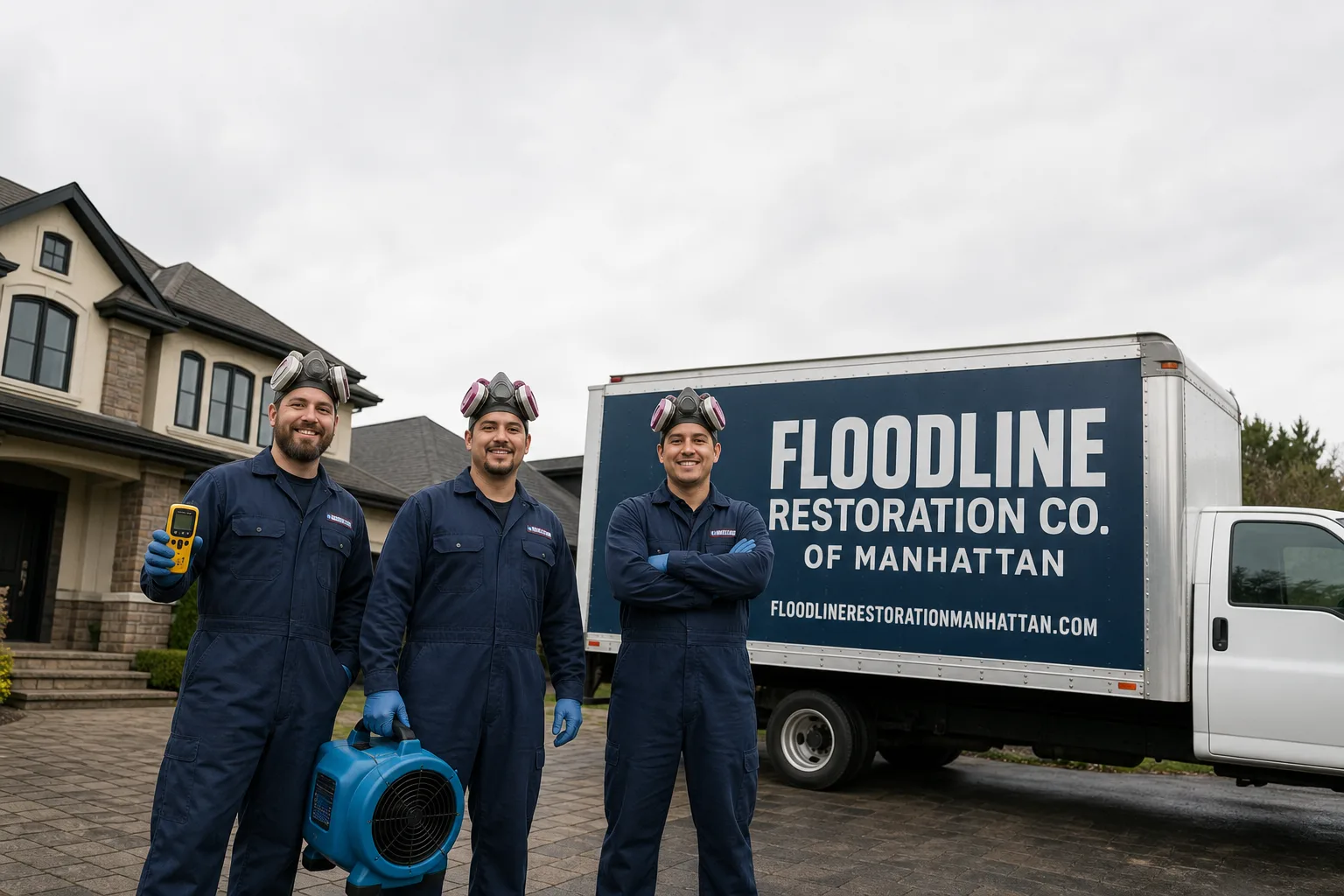
Free visual inspection and a written scope of work before any mitigation begins - photos, moisture readings, and drying logs go in your claim file
The scope we write is the scope we bill. Anything new gets shown to you, in writing, before we touch it.






 Before
 After
After Before
 After
After Before
 After
After24/7 Emergency Sewage Cleanup in Ossining
Raw sewage in a basement can’t wait. The longer Category 3 water sits in a 1920s Ossining home, the more it wicks into plaster-and-lath, soaks floor joists, and leaves behind pathogens that drying alone won’t kill. If you’ve got sewage backing up into an older house on a hillside street or a low block near the Hudson, call (917) 924-4221 right now. A live dispatcher answers 24 hours a day, every day. We dispatch crews into Ossining immediately, and we start with a free visual inspection so you know the scope before any work begins. The first hour decides whether you’re cleaning a mess or replacing a floor system.
Understanding Sewage Cleanup Severity in Ossining Properties
Sewage is classified as Category 3 water: grossly contaminated, carrying bacteria, viruses, and parasites. That’s different from the Category 1 water from a burst supply line or Category 2 gray water from a washing machine. In Ossining, we see Category 3 damage in two distinct ways. First, sanitary sewer backups push raw sewage up through floor drains and toilets, usually in older homes where cast-iron waste lines from the 1880s through 1930s have cracked, bellied, or collapsed. Second, coastal storm surge forces tidal water mixed with sewage back through the storm-drain system into low-lying basements near the Metro-North waterfront. Both routes contaminate whatever they touch. Structural drying without full sanitization fails, because wood, concrete, and plaster hold pathogens even after moisture readings return to normal. Porosity is the enemy in an old Ossining house. Rubble-stone foundations absorb Category 3 water into mortar joints and wall cavities that modern framed homes don’t have.
Why Ossining Property Owners Choose Floodline Restoration Co. of Manhattan
- 45-minute response commitment. When sewage is spreading through a basement, we move fast. Our dispatcher sends the nearest available crew the moment you call, and we commit to 45-minute dispatch readiness in the Ossining area.
- 24/7 live answer. A real person picks up at 2 a.m. Not a recording. Not a call-back service. You tell us what’s happening, and we start coordinating a crew right then.
- IICRC-certified crews. Our technicians carry WRT (Water Damage Restoration Technician), FSRT (Fire & Smoke Restoration Technician), and AMRT (Applied Microbial Remediation Technician) certifications. For sewage work, that AMRT credential matters, because it means they understand containment and sanitization, not just water removal.
- Free visual inspection. Before we touch anything, we walk the property with you and explain what we’re seeing. You get a written scope of work, not a sales pitch.
- Direct insurance billing. We deal with your carrier directly. You don’t play messenger, and you don’t wait for checks to clear before work starts.
- One team from extraction to reconstruction. The same Floodline Restoration Co. crew that removes the sewage also handles drying, sanitization, and full reconstruction. No mid-job handoff to a subcontractor you’ve never met.
Our Sewage Cleanup Process
Inspection & Assessment
We start with a full walkthrough using thermal imaging to find moisture hidden in walls and under flooring. We identify the source: a collapsed waste line, a failed ejector pump, or backflow through the storm-drain system. Moisture mapping guides everything that follows.
Extraction & Stabilization
Black water extraction runs on Dri-Eaz truck-mount units with enough lift to pull sewage out of irregular rubble-stone basement floors. We set containment barriers so contaminated air doesn’t reach the living spaces above.
Drying & Dehumidification
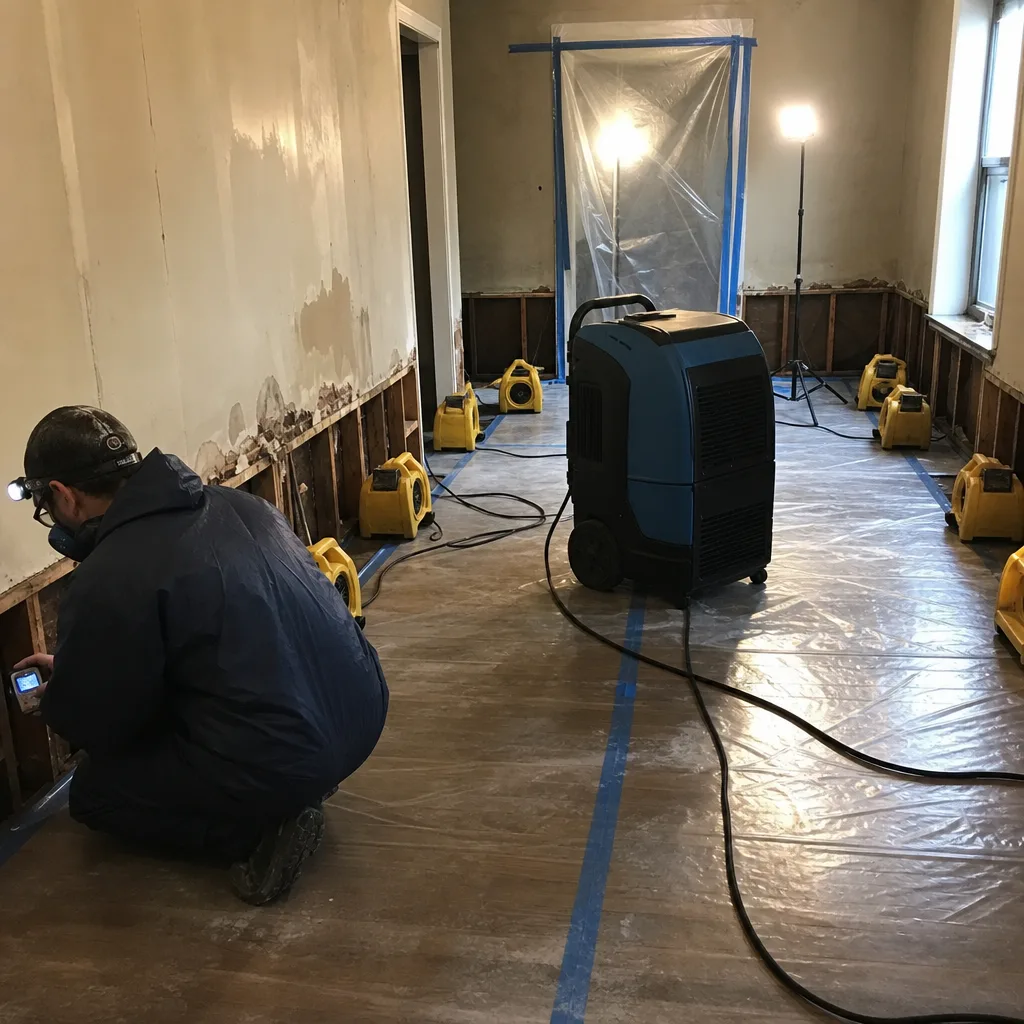
Phoenix and XPOWER air movers and dehumidifiers go in once extraction is complete. In an old Ossining house, plaster-and-lath dries slower than drywall, so we run daily moisture readings with hygrometers until the structure reaches its pre-loss dry standard.
Cleaning & Sanitization
Every contact surface gets cleaned and disinfected with professional-grade antimicrobial treatments. Porous materials that absorbed Category 3 water, like carpet pad, insulation, and certain types of plaster, are removed and documented.
Crawl Space Sewage Removal
In pre-1930 Ossining homes, crawl spaces are tight, dark, and often inaccessible to standard equipment. We bring in low-profile extraction tools and apply soil treatments so the ground itself doesn’t hold contamination.
Repairs & Restoration
The final phase returns your home to pre-loss condition. We replace what was removed, repair flooring and walls, and, when needed, reconstruct damaged rooms. The 90-Day Done Right Promise covers the work in writing.
Need Emergency Sewage Cleanup in Ossining Now?
Crews minutes away, answering live 24 hours a day. The sooner we start, the less it costs.
Working With Your Insurance Company
Sewage backups are usually covered under homeowners insurance, but carriers move faster when the documentation is airtight from minute one. That’s why we photograph every step: the initial water line, the source of the intrusion, the containment setup, the moisture readings, and the materials we remove. Our estimators write industry-standard line-item scopes that adjusters recognize. We communicate directly with your carrier and can bill them directly, so you aren’t fronting thousands of dollars while a claim crawls through review. Floodline Restoration Co. of Manhattan is led by Curt Bowman, who built the company around keeping the whole job, and the whole claim, under one roof.
What We Provide Your Insurer
- Thorough documentation of the loss
- Photos of all damage, room by room
- Moisture readings and drying logs
- A detailed, line-item scope of work
- Direct coordination with your carrier
Built for Ossining’s Loss Calendar
Ossining takes water from above, below, and laterally off the river, and the sewage failures follow the calendar. Nor’easters from October through March dump 3 to 5 inches in a day, and the hillsides above town shed that water fast. Storm drains overload, and older sanitary lines that share the same underground corridors take on groundwater. That’s a recipe for sewage backups in the 1880s to 1930s housing stock along the steeper blocks. In summer, heavy thunderstorms produce the same pattern in miniature. Coastal surge events, like Superstorm Sandy in 2012, are different: the Hudson River at Ossining is tidal, and a strong surge pushes water back through storm drains into low-lying downtown blocks near the train station, even where the river never tops its banks. We respond to all of it, and because our Sewage Cleanup team works in Ossining all year, we know which seasons produce which failure modes before we arrive.
Sewage Cleanup Across Ossining’s Neighborhoods
Different blocks of Ossining fail differently, and we plan response routes accordingly. Down near the Metro-North station and the blocks running toward the Hudson, we expect storm-drain backflow, tide-associated water table rise, and sewage that arrives through floor drains even when it never rained at that address. Up on the hillside streets off Croton Avenue and Route 9, the story is gravity: surface runoff from a nor’easter looks for the lowest point, which is often a century-old rubble-stone basement. Along Highland Avenue and the residential streets coming off it, we see recurring sanitary sewer backups tied to clay and cast-iron waste lines that were installed before indoor plumbing was standardized. In the multi-family buildings closer to Main Street, common stack failures send sewage down through multiple units at once. The homes in the Ossining ZIP codes 10562 and 10510 sit across different elevations, and we treat them as different job sites. A basement on one side of a street can take on sewage while the house across the street stays dry. We know which side of which blocks flood in Ossining. That local knowledge is why we quote block by block, not by ZIP code.
Specialized Sewage Cleanup Services We Offer in Ossining
Sewage Backup Cleanup
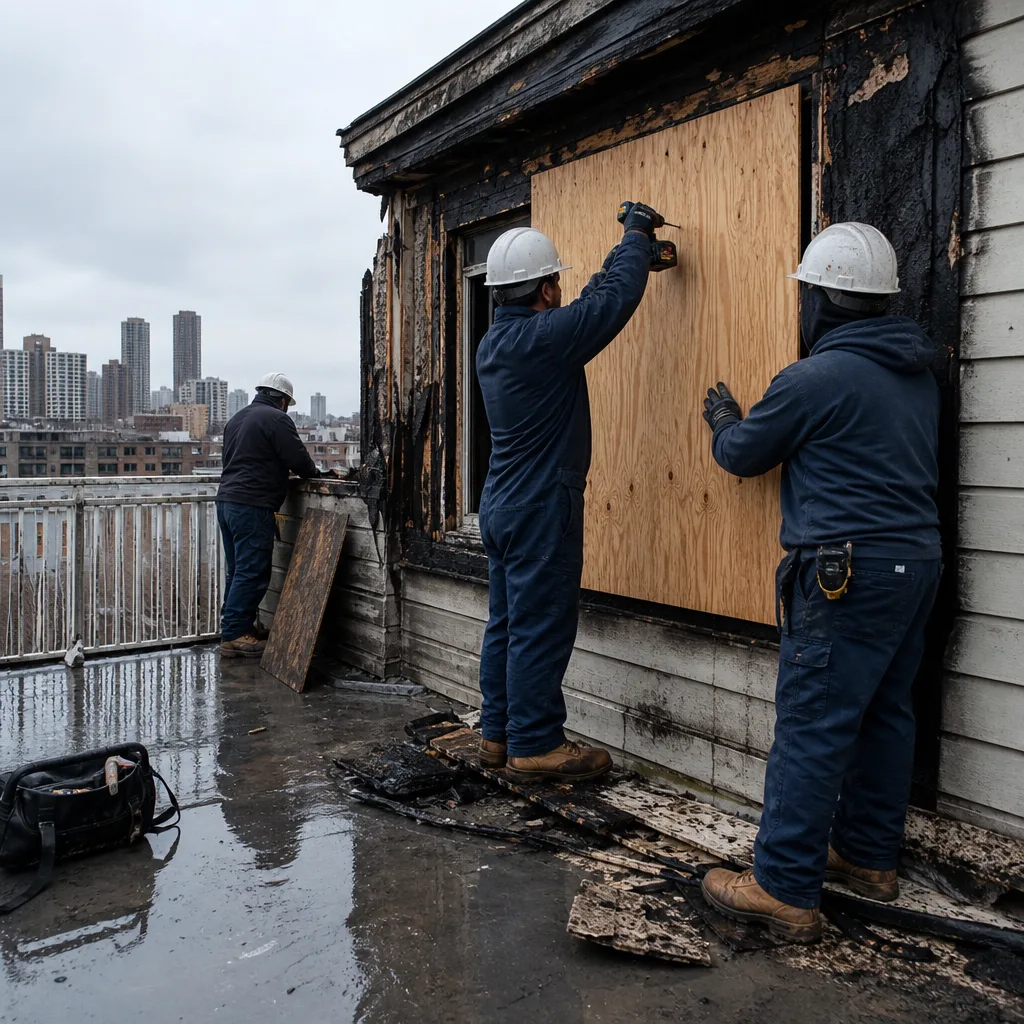
The most common call we get in Ossining is a sewer line that backed up through a floor drain. In homes built before 1930, the cause is often a collapsed section of cast-iron waste pipe under the yard or slab. We extract the sewage, sanitize the affected surfaces, and then document what the pipe condition looks like so the repair isn’t just a guess.
Toilet Overflow Cleanup
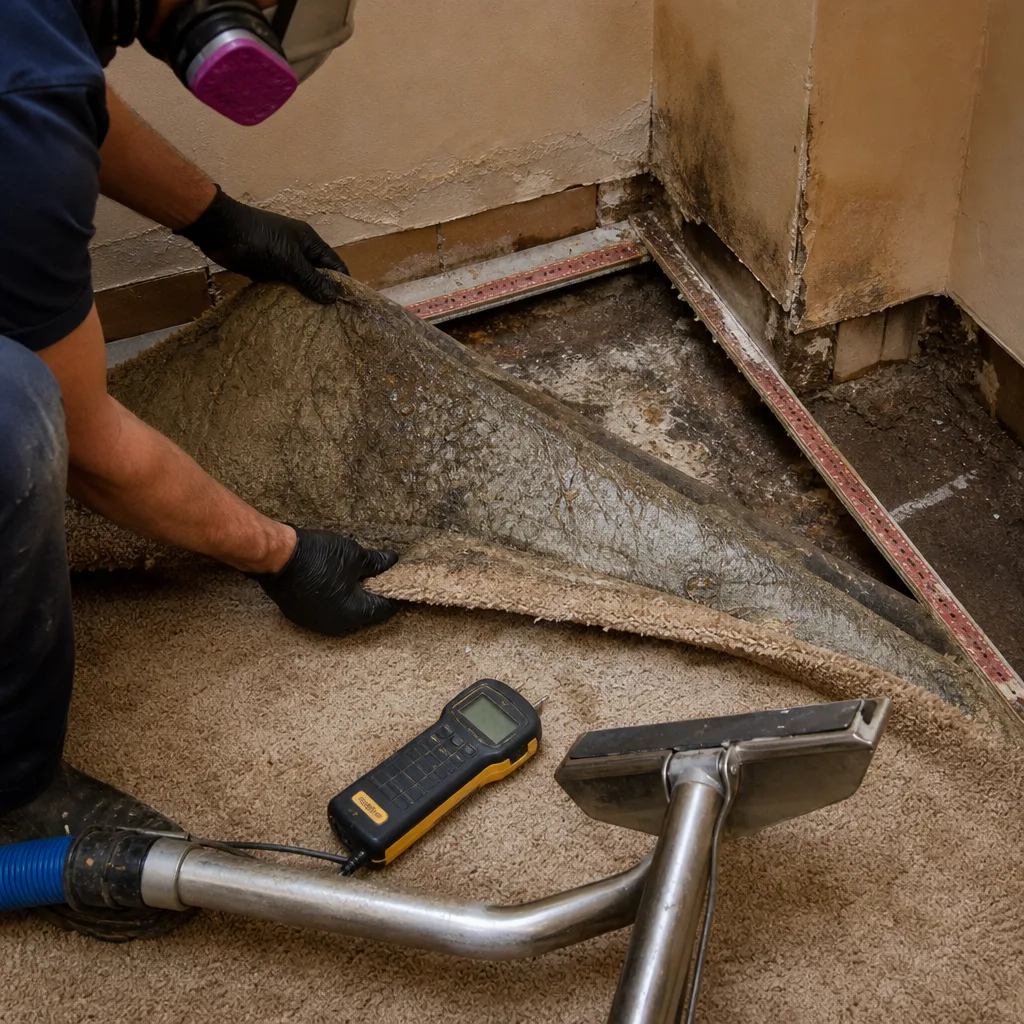
A toilet overflow that runs for even twenty minutes can soak bathroom flooring, subfloor, and the ceiling below. In older Ossining homes with plaster ceilings, that Category 2 or Category 3 water wicks through the plaster and can compromise the keys that hold it to the lath. We respond fast, extract thoroughly, and dry the assembly from both sides.
Septic Failure Cleanup
Some Ossining properties on the outskirts, particularly those on larger lots or steep terrain, still run on private septic. A failed leach field or a blocked line sends effluent back into the house or out across the yard. We handle the indoor cleanup and coordinate with septic contractors to fix the underlying system.
Black Water Extraction
Category 3 water demands equipment that can move heavy, solids-laden water without spreading contamination. We run truck-mount extractors with enough vacuum to pull sewage from uneven rubble-stone floors and tight crawl spaces. The extraction step sets the quality bar for everything after it.
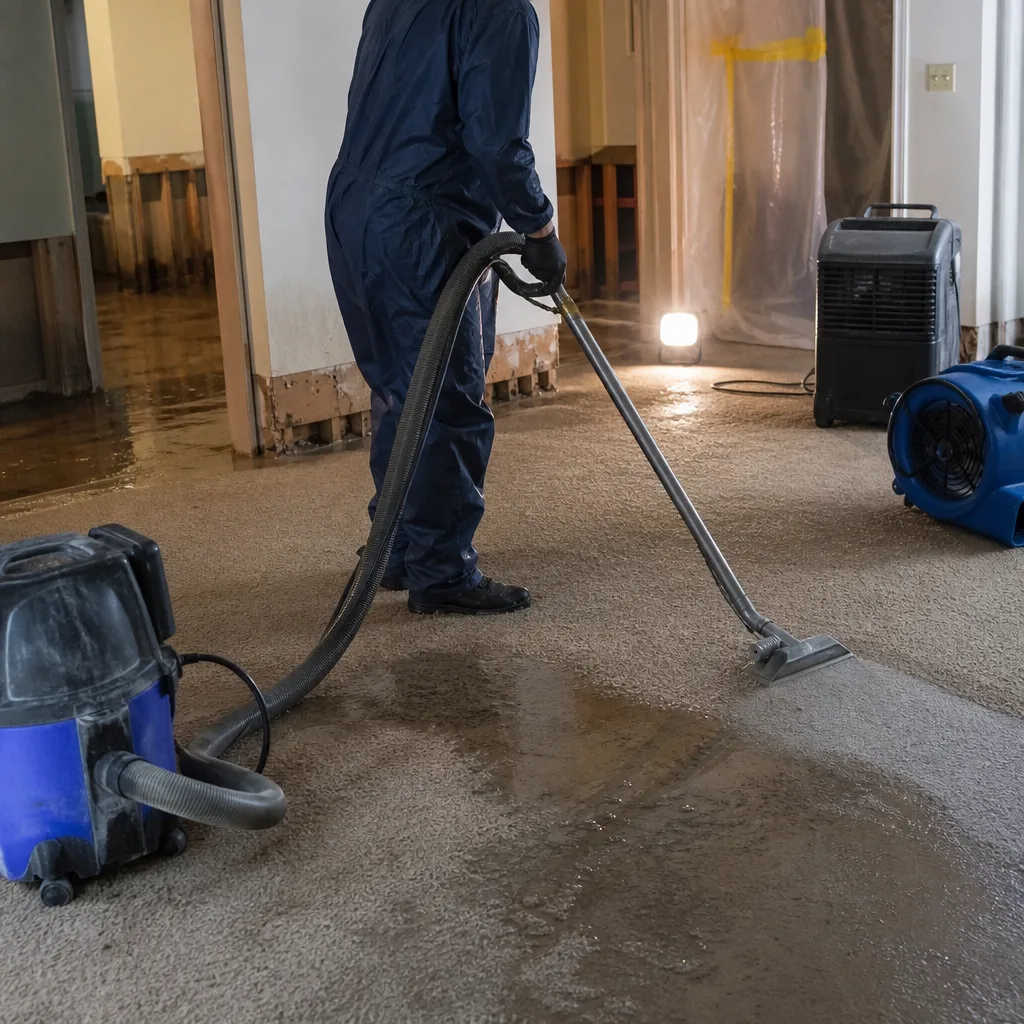
Sanitization & Disinfection
Removing sewage is not the same as making a home safe again. We treat every affected surface with professional-grade antimicrobials, and we remove porous materials that cannot be reliably cleaned: saturated carpet pad, insulation, baseboard trim that wicked water, and sections of plaster that test positive for contamination.
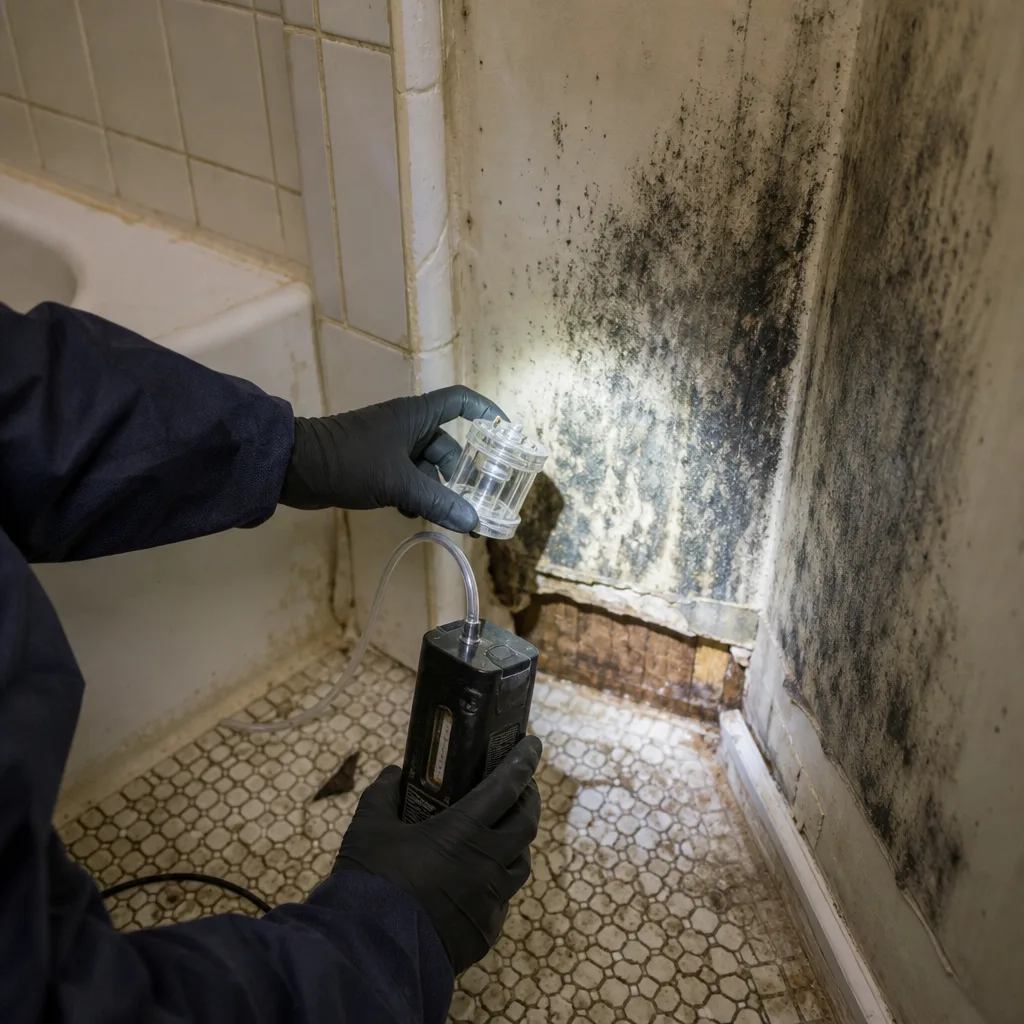
Crawl Space Sewage Removal
Homes built in Ossining before 1930 often have dirt-floor crawl spaces that are difficult to access. When sewage reaches those spaces, standard basement fans don’t work. We use low-clearance extraction and drying setups, and we treat the soil itself so the contamination doesn’t linger.
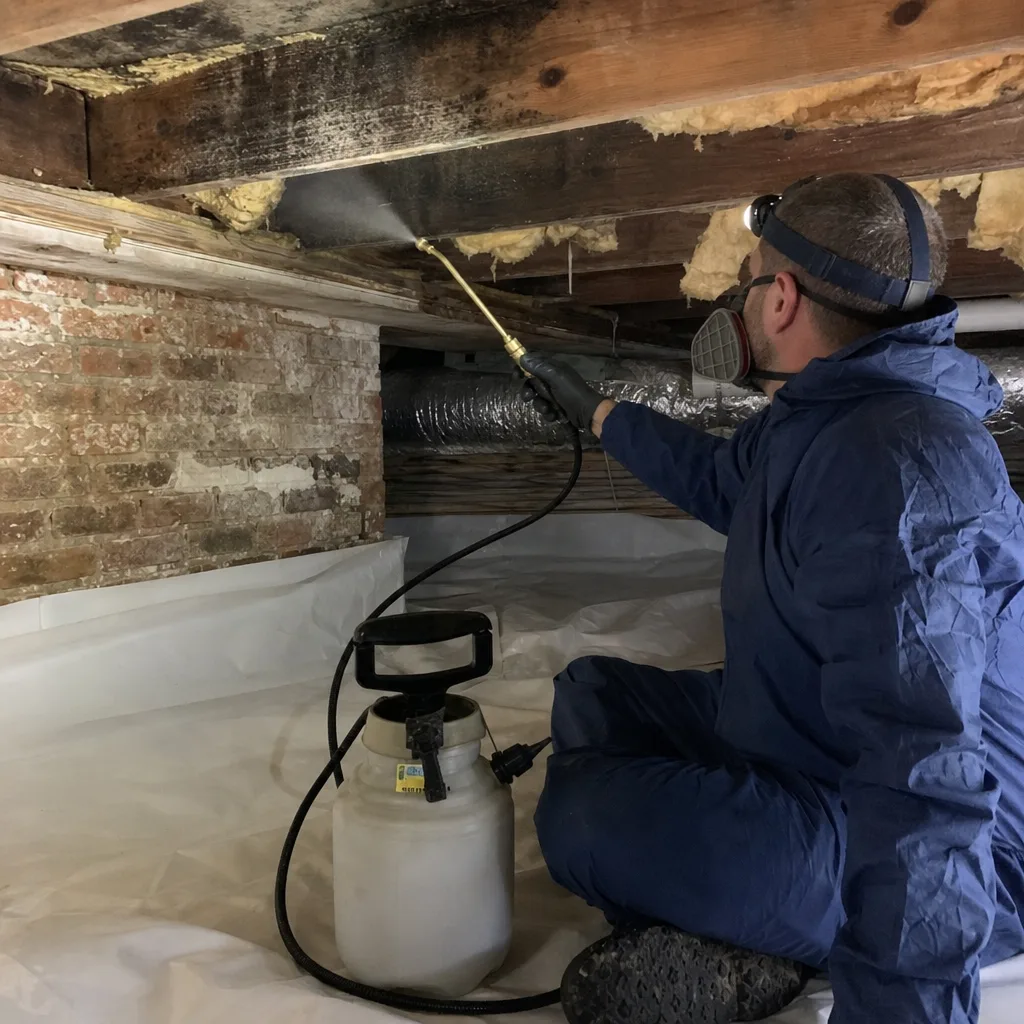
What happens when you call
- 1
A real person answersNo phone trees - you reach a local pro.
- 2
You get an upfront price rangeHonest numbers before anyone is dispatched.
- 3
A background-checked tech heads outLicensed & insured, dispatched right away.
- 4
You approve before work beginsNothing starts until you say go.
Sewage Cleanup Costs in Ossining, NY
A contained toilet overflow cleanup in a single bathroom in Ossining typically runs $1,200 to $3,500. A full basement sewage backup with extraction, containment, sanitization, and structural drying runs $4,000 to $12,000. A crawl space sewage removal under a pre-1930 Ossining home runs $3,500 to $8,000 depending on access and contamination depth. When a cast-iron waste line has collapsed and requires excavation and replacement, the total job including restoration can reach $20,000 to $40,000. What moves the price: how far the sewage traveled, whether it reached heating ducts or wall cavities, how many rooms require containment, and whether structural materials must be removed. Insurance typically covers sudden and accidental sewage backups, but not long-term seepage from a deteriorated foundation. The free visual inspection is how you get a firm written scope and a number, not a range. Call (917) 924-4221 and we’ll put the real price in your hands before any work begins.
We Also Serve Cities Near Ossining
We regularly run sewage cleanup crews from Ossining to Briarcliff Manor, Millwood, Pleasantville, and Chappaqua. These neighboring communities share similar housing stock and drainage challenges, and the same 45-minute response commitment applies. If you’re in one of those towns and sewage is backing up, call (917) 924-4221.
Serving Ossining, NY - Our Local Coverage Area
We’re based in the Ossining area and know this community well. Use the map below to see our service coverage - if you’re nearby, we can almost certainly help.
Ossining Sewage Cleanup Questions, Answered
How does Ossining’s hillside topography affect sewage backup cleanup in older basements?
Ossining’s steep slopes mean rainwater and groundwater move downhill fast, and in neighborhoods where homes date from 1880 to 1930, that water finds its way into rubble-stone basements before the municipal drains can carry it off. When sewage backs up in those basements, cleanup also has to account for hydrostatic pressure from outside the foundation, because if you sanitize the interior but leave the exterior drainage problem, the same wet conditions return within weeks. Our scope always includes checking the exterior drainage context alongside the interior extraction.
Why did my basement on a hill above the Hudson still flood with sewage during a coastal storm?
The Hudson at Ossining is tidal, and during a storm surge event like Superstorm Sandy, water pushes upstream and back through the storm-drain system, even if the river itself never overflows your street. Homes blocks away from the waterfront and well above sea level can still take on water that re-enters through storm-drain connections. That water is Category 3, because it’s mixed with sewage, and it requires the same contamination protocol as a sanitary backup. Elevation matters, but so does exactly where your house sits relative to the storm-drain network.
How soon after a toilet overflow in my 1920s Ossining home must I start structural drying to prevent mold?
Mold colonization can begin within 24 to 48 hours in warm weather, and faster in an old house where plaster-and-lath and wood floors hold moisture longer than modern drywall. We aim to start extraction and drying on the same visit. In an Ossining home from the 1920s, especially one with uninsulated walls and an unsealed basement, you want air movers and dehumidifiers running by the end of day one. Call (917) 924-4221 the moment you see an overflow, and we’ll start the clock in your favor.
Can you salvage plaster-and-lath walls after a sewage backup in an older Ossining home?
Sometimes, yes, and sometimes the plaster has to go. It depends on how much Category 3 water the wall wicked, how high the damage line is, and whether the plaster keys are still sound. We document the moisture readings and test the affected materials. In many older Ossining homes we can preserve the upper portions of a plaster wall and remove only the contaminated lower section, but we’ll tell you straight if the assembly cannot be reliably sanitized.
What’s different about crawl space sewage removal under a historic Ossining home built before 1930?
Crawl spaces under early-20th-century Ossining homes are usually dirt-floored, tightly framed, and not designed for modern equipment. We use low-profile extractors and dehumidifiers that fit under low beams. More importantly, we treat the soil itself, because raw sewage soaks into the ground and re-contaminates the space even after the standing water is gone. A standard basement drying plan won’t work here; the treatment has to be specific to a dirt-floor crawl space.
How fast can someone actually get to my Ossining home after I call?
We commit to a 45-minute dispatch response in the Ossining area, and our live dispatcher is on the phone 24 hours a day. That means a real person confirms your address, flags the nearest available crew, and tells you what to expect. In a sewage emergency, this response time is the difference between cleaning a room and rebuilding it. Call (917) 924-4221 now.
Will my insurance cover a sewage backup in Ossining?
Most homeowners policies cover sudden and accidental sewage backups, often through a specific sewer or water backup endorsement. Slow seepage from an old foundation is generally not covered. We document the loss from hour one and bill your carrier directly. We also provide adjusters with the same photos, moisture logs, and line-item scope we give you, so the claim moves without you having to manage it.
What should I do in the first 30 minutes after sewage backs up in my Ossining home?
Turn off the water at the source if the backup is coming from a running fixture. Do not flush toilets or run washing machines. Do not walk through the sewage or enter the affected area without protective gear. Open windows if possible to vent gases. Keep children and pets out. Then call (917) 924-4221. A live dispatcher answers, and we’ll get a crew moving toward your Ossining address.
Written by Curt Bowman, Owner at Floodline Restoration Co. of Manhattan, serving Ossining with 24/7 sewage cleanup, flood restoration, and reconstruction since 2010.