
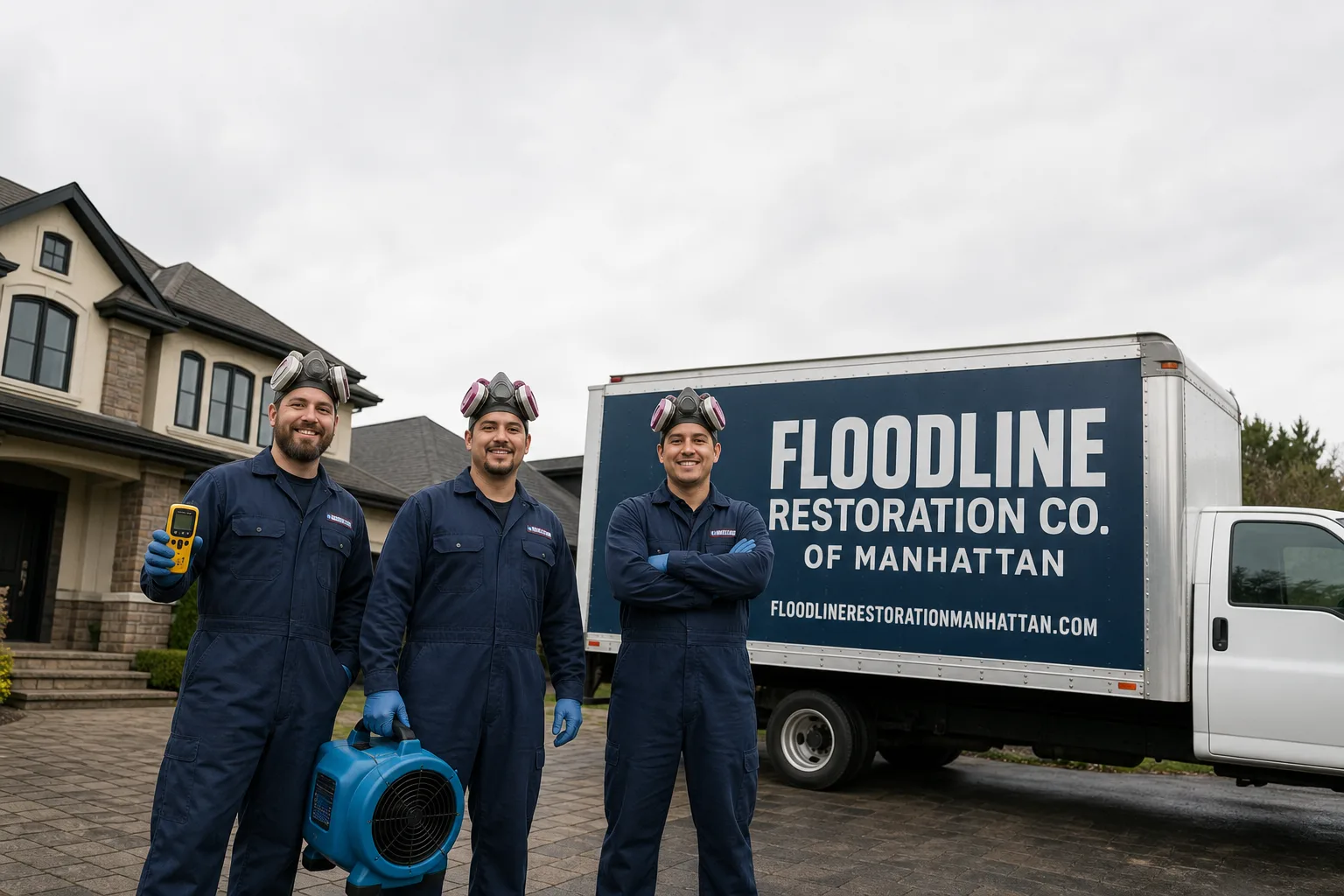
Free visual inspection and a written scope of work before any mitigation begins - photos, moisture readings, and drying logs go in your claim file
The scope we write is the scope we bill. Anything new gets shown to you, in writing, before we touch it.






 Before
 After
After Before
 After
After Before
 After
After24/7 Emergency Sewage Cleanup in South Valley Stream
Sewage cleanup in South Valley Stream is not a job to wait on. Black water carries bacteria, viruses, and parasites that move into drywall, subflooring, and furniture within hours. We answer the phone at 2 a.m. with a live dispatcher, not a recording, and a certified crew reaches most South Valley Stream addresses within 45 minutes. Call (917) 924-4221 any hour, any day. We run a free visual inspection, explain what we’re seeing in plain terms, and start extraction the same visit. The first hour matters because sewage contamination spreads horizontally through wood framing and wicks upward into plaster and drywall. The longer it sits, the more demolition is required. In South Valley Stream’s older homes, where original plaster and wood floors sit close to grade, that timeline is even shorter.
Understanding Sewage Cleanup Severity in South Valley Stream Properties
Sewage damage is categorized as Category 3 water: grossly contaminated, carrying pathogens, fecal matter, and chemical runoff. It’s not the same as a supply line break or rainwater in the basement. South Valley Stream’s postwar housing stock makes this worse. Most homes here were built between 1945 and 1965, and many still have original plaster walls, wood-framed floors near the water table, and crawl spaces that sit barely above grade. Plaster wicks moisture differently than modern drywall. It holds water longer, hides staining behind lath, and releases contamination slowly over weeks. Wood framing close to soil absorbs what the plaster pushes down. That’s why proper sewage cleanup here requires moisture mapping with thermal imaging and hygrometers before and after drying. Crews certified to IICRC standards, including WRT and AMRT, know the difference between a surface cleanup and structural decontamination. Skipping the moisture map leaves contamination behind wall cavities, under subfloors, and inside sill plates. The mold and odor return. The structural rot follows.
Why South Valley Stream Property Owners Choose Floodline Restoration Co. of Manhattan
- 45-minute response commitment: We dispatch crews from within the South Valley Stream area, not across two counties. A live person confirms the address, the staging point, and the ETA before the call ends.
- 24/7 live answer, never an automated system: Our dispatchers pick up at all hours. You’ll never be asked to leave a message or wait for a callback while sewage spreads.
- IICRC-certified crews, WRT and AMRT trained: Our technicians hold certifications in water damage restoration and applied microbial remediation. Background-checked and uniformed, every visit.
- Free visual inspection with a written scope: Before any invoice exists, we show you what we found, what it costs, and what’s covered by insurance. No pressure, no upsell.
- Direct insurance billing: We document the loss, bill the carrier directly, and coordinate with your adjuster. You don’t play messenger between us and the insurance company.
- One team from extraction to reconstruction: The same crew that removes sewage and dries the structure handles the rebuild. No mid-job handoff, no contractor you’ve never met showing up to finish what we started.
Our Sewage Cleanup Process
Inspection & Assessment
We start with a full walkthrough of the affected area, using thermal imaging and moisture meters to map the contamination boundary. In South Valley Stream’s older Capes and ranches, that means checking crawl spaces, sill plates, and behind baseboards where hidden migration happens.
Extraction & Stabilization
Truck-mounted extraction removes standing sewage and contaminated solids. We strip saturated materials that can’t be saved: carpet, pad, drywall cut to the moisture line, and baseboards. In crawl spaces, we pump out standing black water completely before anything else moves.
Drying & Dehumidification
Professional-grade Dri-Eaz and Phoenix air movers and dehumidifiers are placed strategically. We take daily moisture readings and log them until the structure meets drying standards. That log goes to you and your carrier.
Cleaning & Sanitization
Category 3 water requires antimicrobial treatment on every structural surface that can be saved: framing, subfloors, concrete, and plumbing. We use EPA-registered disinfectants and HEPA air scrubbers to control airborne contaminants during the work.
Specialty Crawl Space Treatment
South Valley Stream homes often have crawl spaces with limited access and high humidity. We run Injectidry systems into tight cavities, treat soil surfaces, and seal or replace vapor barriers. Moisture readings are taken in areas most contractors never enter.
Repairs & Restoration
We rebuild what was removed: drywall, insulation, flooring, trim, and cabinetry. Any framing that was contaminated but structurally sound gets re-treated and then covered. The job ends with a finished room and a dry standard met, in writing.
Need Emergency Sewage Cleanup in South Valley Stream Now?
Crews minutes away, answering live 24 hours a day. The sooner we start, the less it costs.
Working With Your Insurance Company
Sewage backup claims in South Valley Stream hinge on documentation. Without moisture logs, photos of the contamination line, and a line-item scope, carriers routinely trim the settlement. We handle that from the first hour. Our techs photograph every affected room before any equipment moves. We record initial moisture readings, daily drying progress, and final clearance. Our estimates use the same line-item format adjusters expect. When your carrier calls us, a project manager picks up and walks through the file. No vague invoices. No “trust me” numbers. We coordinate directly with your adjuster, send the drying logs as they’re generated, and bill the carrier directly so you’re not fronting thousands while paperwork crawls. This is how claims get settled faster, and it’s the same approach we’ve used on hundreds of South Valley Stream sewage losses.
What We Provide Your Insurer
- Thorough documentation of the loss
- Photos of all damage, room by room
- Moisture readings and drying logs
- A detailed, line-item scope of work
- Direct coordination with your carrier
Built for South Valley Stream’s Loss Calendar
South Valley Stream doesn’t have a sewage-cleanup “season” the way some areas do. It has a calendar of compounding risks. Nor’easters arrive from October through March, and the southern streets drain toward Hook Creek and tidal wetlands at barely above sea level. Storm surge pushes into the sanitary system and backs up through floor drains and toilets. That means raw sewage, not just stormwater. Spring brings thaw and groundwater rise that re-saturates crawl spaces already carrying residual moisture from the previous storm. Summer thunderstorms overwhelm local storm drains in minutes, and homes near Mill Road, Dubois Avenue, and the lower Crown Avenue blocks see street-level flooding that pushes black water into basements. January deep freezes can crack old cast-iron sanitary lines in unheated crawl spaces. The point is that South Valley Stream gets repeat events, not one-time losses. Homes that flooded once and were never fully dried after Sandy are now carrying latent contamination that resurfaces with each new event.
Sewage Cleanup Across South Valley Stream’s Neighborhoods
The southern end of South Valley Stream, below the LIRR tracks toward Hook Creek, is where the hardest sewage losses happen. Streets there run on slab-and-crawl foundations, many never elevated after Sandy, and tidal backflow pushes sanitary waste up through floor drains even during moderate nor’easters. The area around Mill Road and the blocks east of Central Avenue are all low-lying Cape Cods and ranches with original 1950s plumbing. We route crews south through the Sunrise Highway corridor to shave response time, then down through the residential grid. North of Dutch Broadway, homes sit slightly higher, but the cast-iron sewer laterals are older there. Root intrusion and scale buildup cause backups into finished basements that have been remodeled over original wood framing. The Crown Avenue corridor and streets just west of it see a mix of both failure types: storm-driven backflow in the lower blocks and age-driven pipe failure in the higher ones. No two blocks in South Valley Stream behave exactly the same, which is why our crews know these streets by name, not just by GPS.
Specialized Sewage Cleanup Services We Offer in South Valley Stream
Crawl Space Sewage Removal
Crawl spaces in South Valley Stream are the hardest-hit and least-visible part of any sewage backup. Black water pools there, saturates wood subflooring, and sends odor through floorboards for months. We pump out the standing waste, remove contaminated insulation and vapor barrier, then dry and treat the framing to structural standards. If needed, we install new vapor barrier and re-insulate.
Black Water Extraction
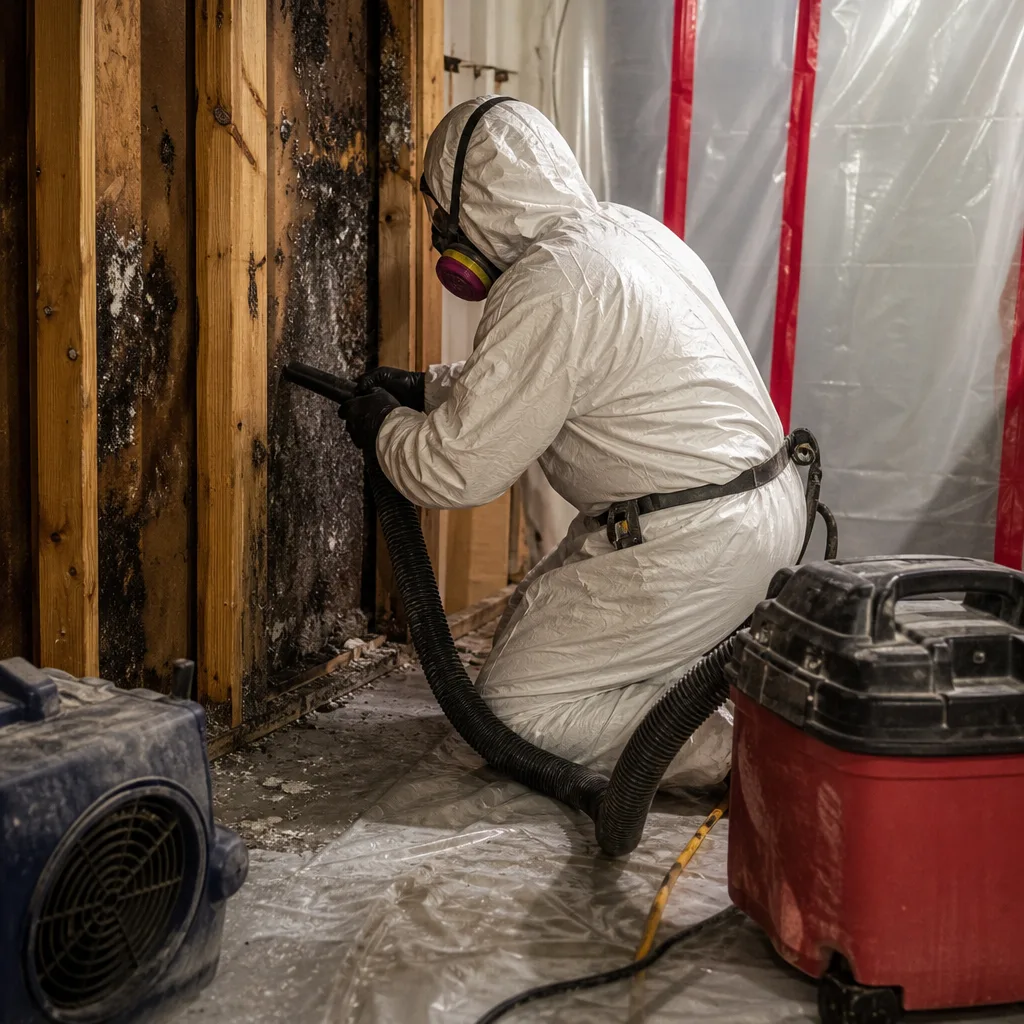
Category 3 water from sewage, tidal surge, or septic failure requires full containment before extraction begins. Our crews set up negative air pressure and physical barriers to keep airborne contaminants from moving into clean parts of the house. Then truck-mounted extraction removes the water and solids fast enough to keep saturation from spreading.
Sanitization & Disinfection
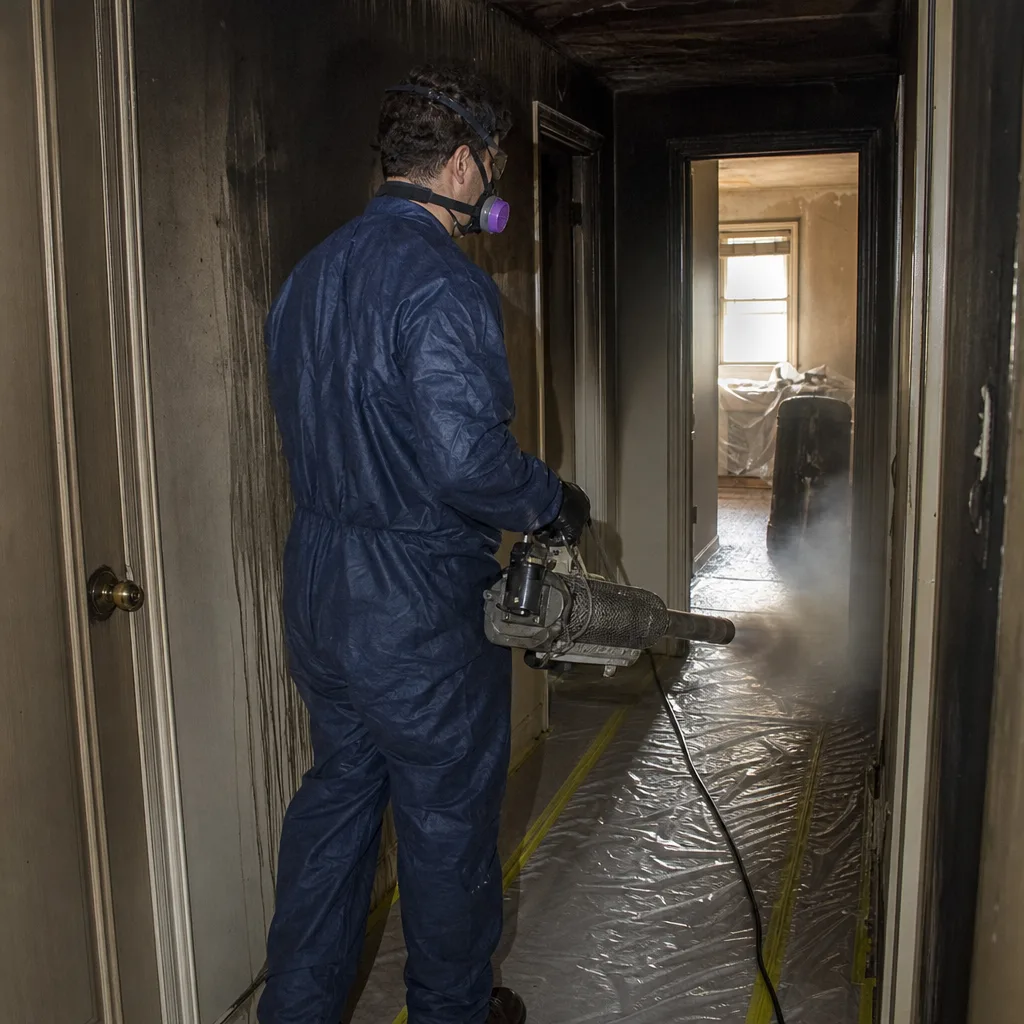
Antimicrobial treatment is the difference between a cleanup that lasts and one that smells clean for three weeks. We treat all salvageable framing, concrete, and plumbing with EPA-registered agents, run HEPA air scrubbers throughout the work, and document the treatment in the scope your adjuster sees. In South Valley Stream’s older homes, this step is non-negotiable.
Septic Failure Cleanup
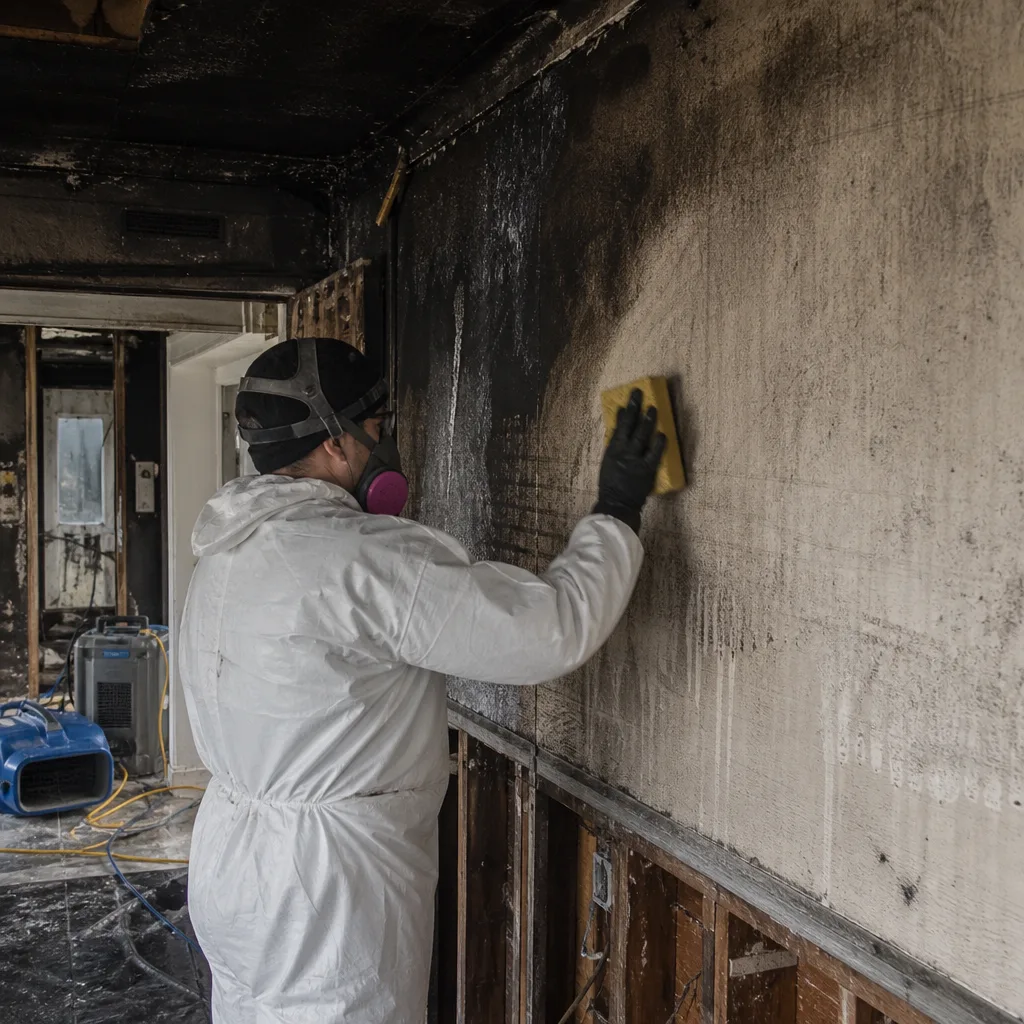
Some South Valley Stream properties still run on private septic or cesspool systems, especially older lots that were never connected to municipal sewer. When a system backs up or fails, raw sewage surfaces in the yard or backs into the house. We coordinate with the septic contractor, handle the interior contamination, and make sure the drying and sanitization work matches what the exterior repair actually needs.
Toilet Overflow Cleanup
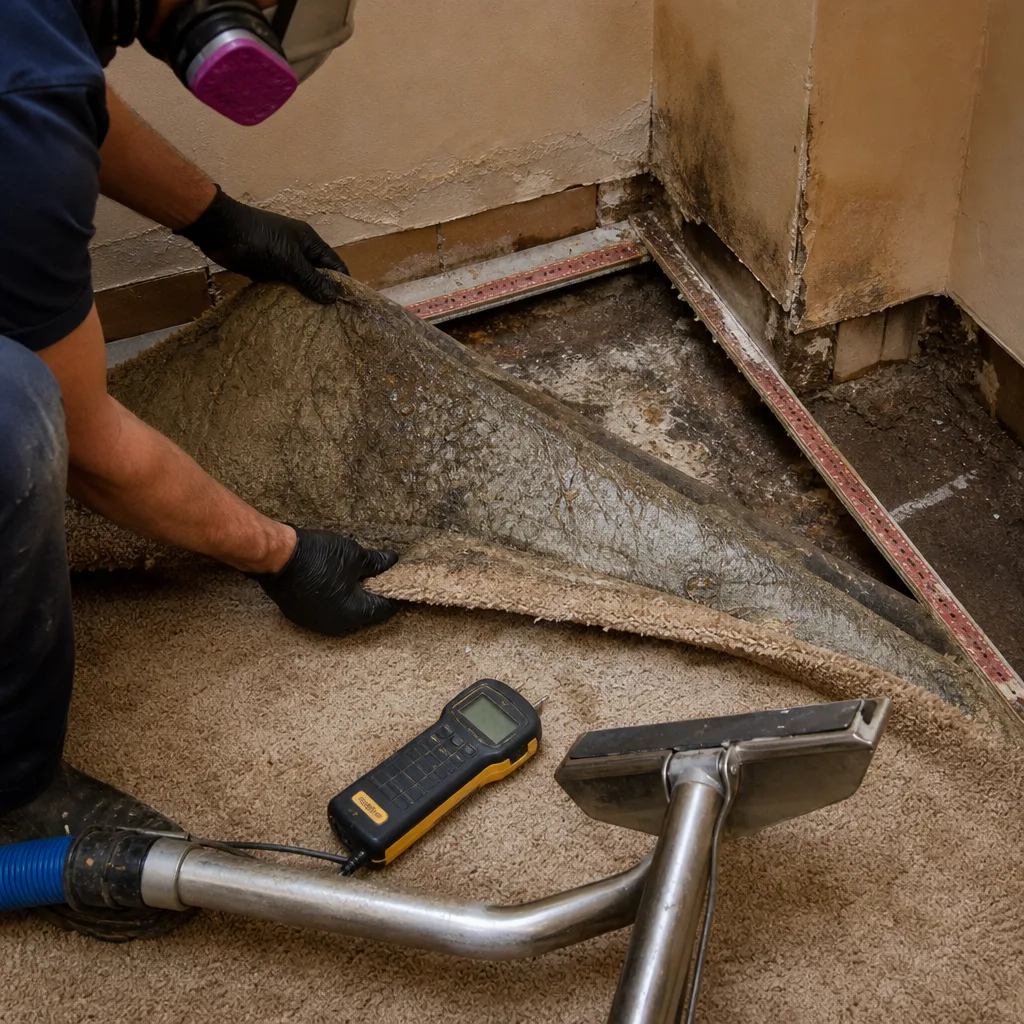
A toilet overflow confined to one bathroom still sends category 3 water under tile, into the subfloor, and often through the ceiling below. We extract, remove saturated flooring or drywall, dry the cavity to standard, and rebuild. In homes with 1950s plaster and wood lath, we open the wall for inspection rather than assuming the surface tells the whole story.
What happens when you call
- 1
A real person answersNo phone trees - you reach a local pro.
- 2
You get an upfront price rangeHonest numbers before anyone is dispatched.
- 3
A background-checked tech heads outLicensed & insured, dispatched right away.
- 4
You approve before work beginsNothing starts until you say go.
Sewage Cleanup Costs in South Valley Stream, NY
A crawl space sewage backup in South Valley Stream typically runs $2,800 to $6,500 for extraction, demolition, drying, and sanitization, depending on square footage and how far contamination moved into framing. Toilet overflows contained to a single bathroom usually fall between $1,200 and $3,400. Full basement black water events with finished rooms range from $6,000 to $18,000 or more when floors, drywall, and lower cabinetry must be removed and rebuilt. What moves the price: whether the home has a crawl space or slab, how long the sewage sat before extraction, whether plaster or drywall is involved, and whether containment is required to protect the rest of the house. Most homeowner policies cover sudden sewage backup with a rider; older policies often cap the payout. We inspect free, write a firm scope before any work starts, and bill your carrier directly so the out-of-pocket number is clear from day one. Call (917) 924-4221 for an exact quote. Estimates are free.
We Also Serve Cities Near South Valley Stream
Our crews work the same streets and the same housing stock just beyond South Valley Stream’s borders. We serve Fairview, Harrison, East Bronx, and Hunts Point with the same 45-minute dispatch commitment, the same live phone answer, and the same 90-Day Done Right Promise in writing. If you’re in one of those areas and sewage has backed up, call (917) 924-4221.
Serving South Valley Stream, NY - Our Local Coverage Area
We’re based in the South Valley Stream area and know this community well. Use the map below to see our service coverage - if you’re nearby, we can almost certainly help.
South Valley Stream Sewage Cleanup Questions, Answered
How do I know if the sewage in my South Valley Stream crawl space is category 2 or category 3 water?
If the water came from a toilet, sanitary line, or tidal backflow that entered through floor drains, it is Category 3: grossly contaminated with fecal matter, pathogens, and chemical runoff. Category 2 is gray water from washing machines or dishwashers, not sewage. In South Valley Stream’s southern blocks, nor’easter surge that pushes through the sanitary system is Category 3, full stop. Call (917) 924-4221 and we’ll confirm on site.
Why does my southern South Valley Stream street re-flood with sewage even when the rain isn’t heavy?
Because your street drains toward Hook Creek and tidal wetlands at barely above sea level. When tide and storm surge combine, the outfall can’t discharge, and the sanitary system backs up through the lowest openings: floor drains, toilets, and basement fixtures. It doesn’t take a hurricane. Moderate nor’easters do it on the right tide. Installing backflow prevention on the main line is the single most effective fix we recommend for these blocks.
Should I get moisture readings before and after sewage cleanup in a 1950s Cape Cod?
Yes, and not just “before and after” once. You need daily readings during drying, with a final reading at the dry standard, in writing. In a 1950s Cape with original plaster and wood framing, moisture hides behind lath and under subfloors that sit near the water table. Without logged readings, you cannot prove the structure is dry to your insurer, and you will not know if contamination is still active behind the wall. We provide the full log to you and your carrier.
What is the 24-to-48-hour rule for sewage-contaminated drywall in my basement?
Drywall that has absorbed Category 3 water should be cut out and replaced within 24 to 48 hours. Beyond that, mold begins to colonize inside the gypsum and paper layers even if the surface looks fine. In South Valley Stream’s humid summer months, that window is often closer to 24 hours. We cut to the moisture line, remove the rest, and rebuild after the structure dries. Call (917) 924-4221 and we’ll tell you what’s salvageable and what isn’t.
Do I need a permit or special code compliance for sewage cleanup in South Valley Stream after a storm?
Sewage cleanup itself doesn’t require a permit. However, if the job involves structural repair, plumbing changes like backflow prevention installation, or electrical work after water exposure, the Town of Hempstead may require permits. For FEMA Zone AE properties, post-loss documentation often needs to support elevation compliance claims. We handle the scope in a way that satisfies the adjuster and the building department. You’ll know what requires a permit before work starts.
How long does sewage cleanup and drying take in a South Valley Stream home?
Most sewage cleanup jobs take 3 to 7 days from extraction to dry standard, depending on square footage, materials, and whether crawl spaces are involved. Older homes with plaster and wood framing dry slower than drywall construction. Rebuild and finish work add time based on scope. We give you the timeline in writing before we start, and the same crew handles every day of it.
Are your crews certified to handle Category 3 water?
Yes. Our technicians are trained to IICRC, RIA, and IFA standards, including WRT and AMRT certifications for water damage and microbial remediation. They use professional-grade Dri-Eaz, Phoenix, XPOWER, and B-Air equipment, and they follow containment protocols on every Category 3 job. No shortcuts, no exceptions.
What should I do in the first 30 minutes after sewage backs up in South Valley Stream?
Shut off electricity to the affected area if you can do so safely from a dry location. Do not enter standing sewage without protective gear. Do not flush toilets or run water. Call (917) 924-4221 immediately. Move children, pets, and anyone with respiratory or immune conditions away from the area. The faster extraction starts, the less material must be demolished and the less contamination spreads through framing and air.
Written by Curt Bowman, Owner at Floodline Restoration Co. of Manhattan, serving South Valley Stream since 2010.