
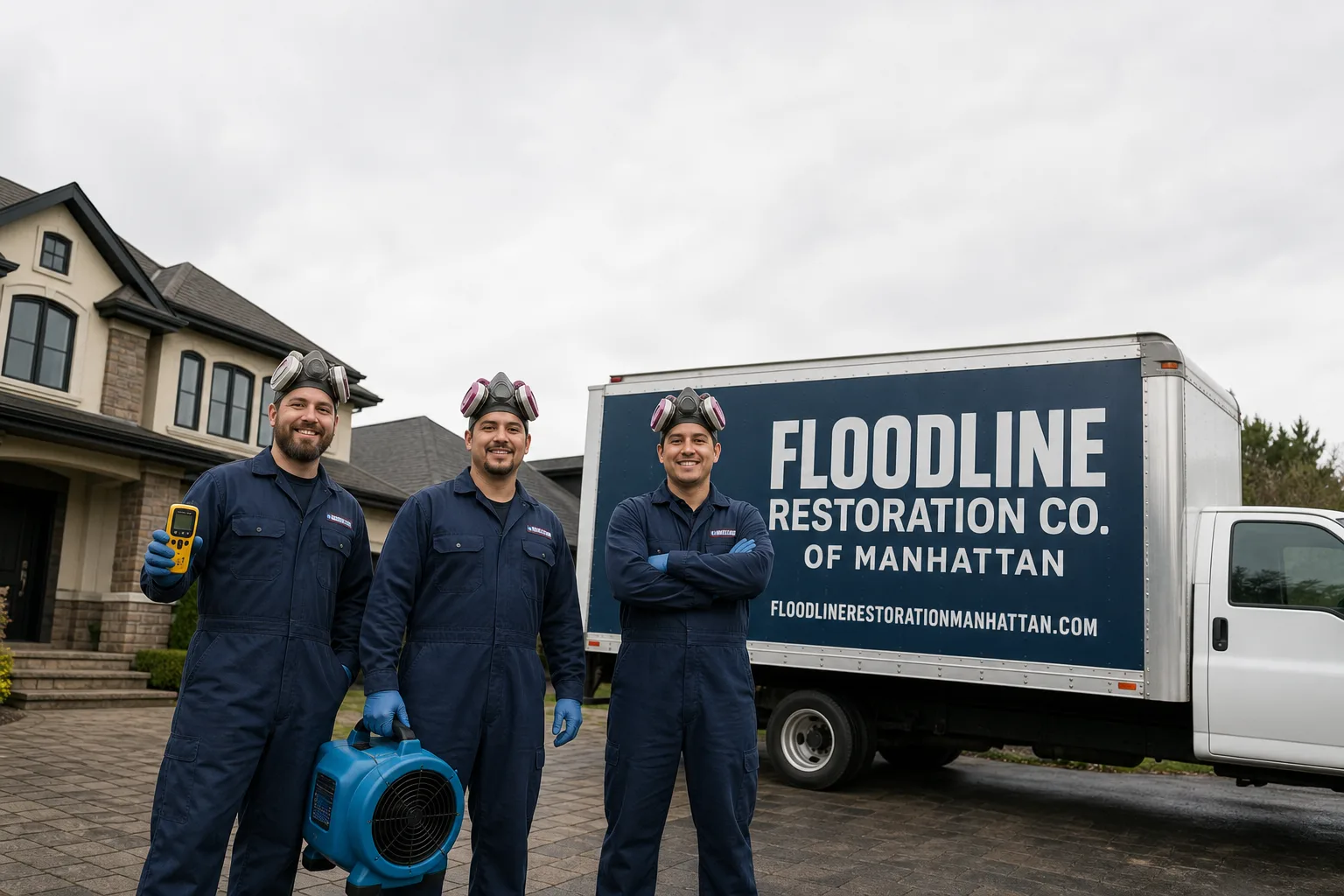
Free visual inspection and a written scope of work before any mitigation begins - photos, moisture readings, and drying logs go in your claim file
The scope we write is the scope we bill. Anything new gets shown to you, in writing, before we touch it.
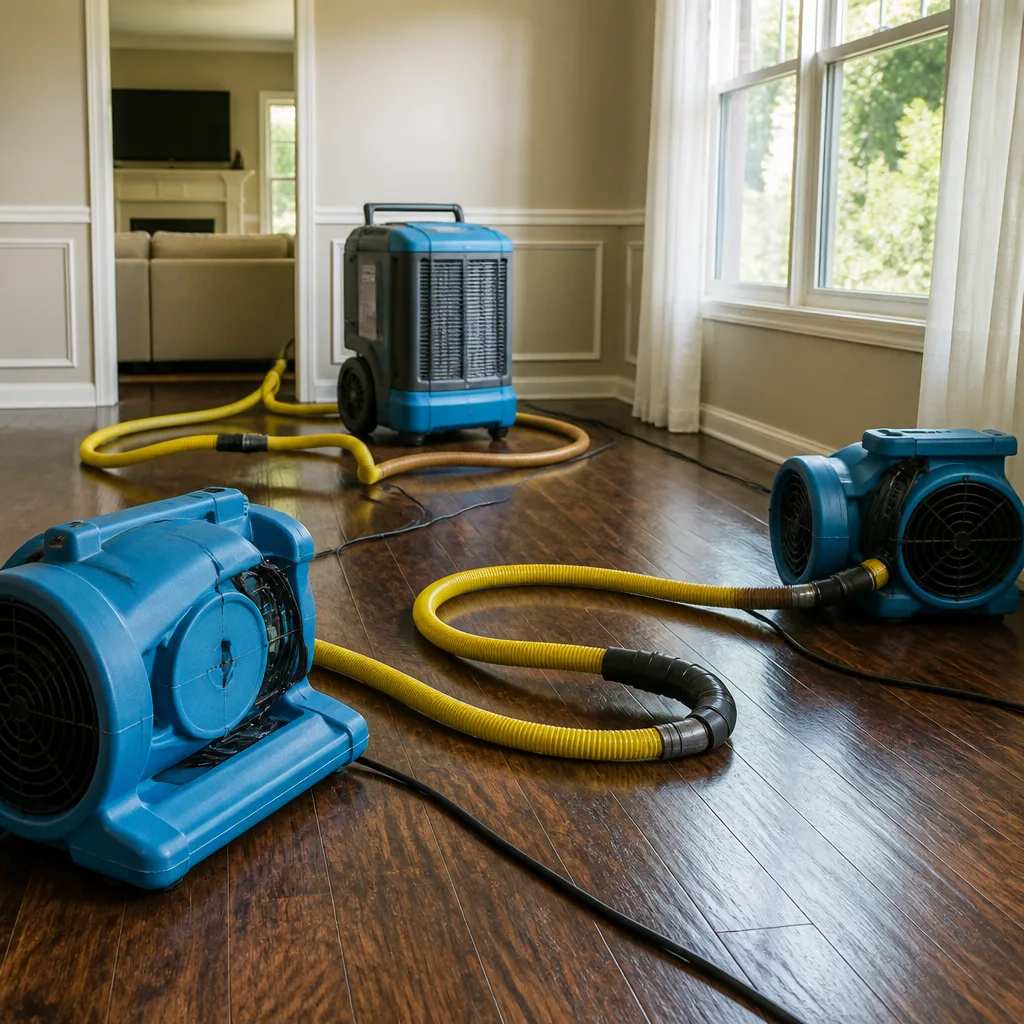
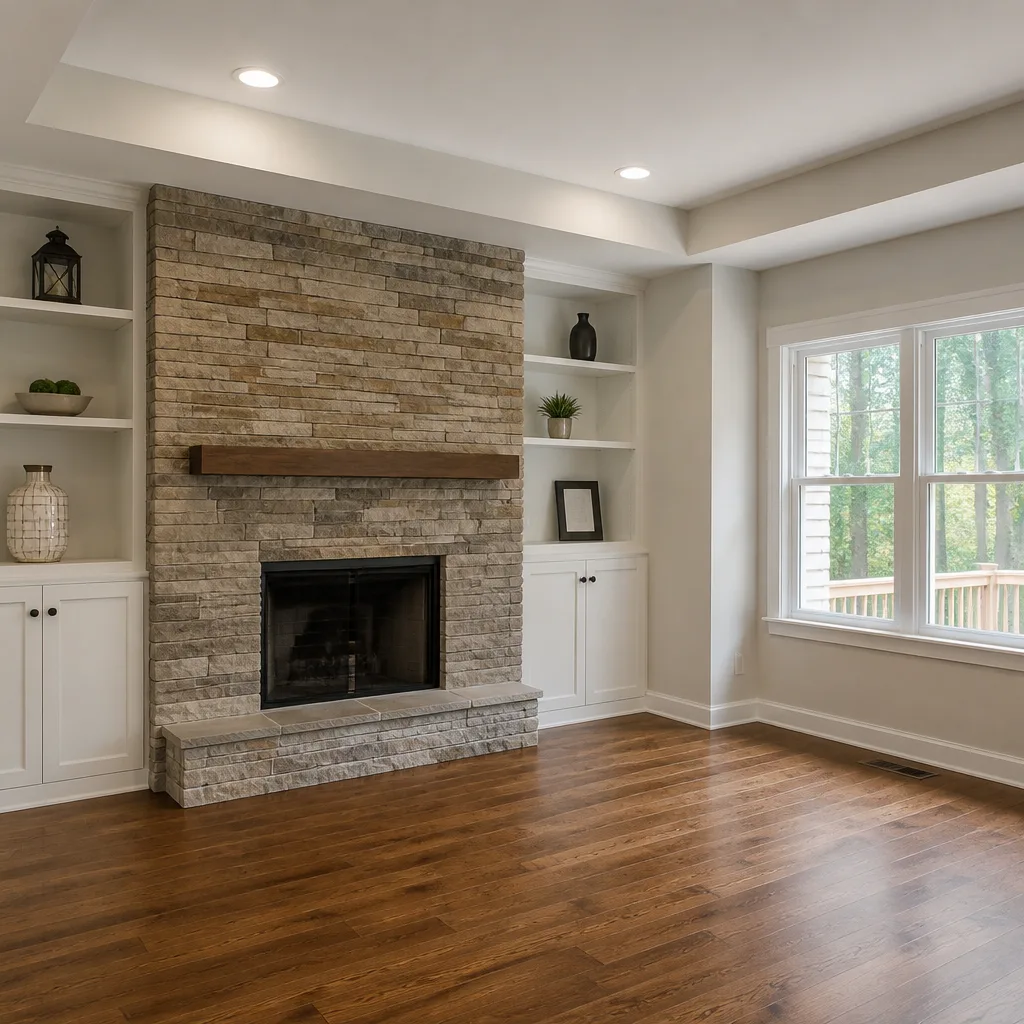

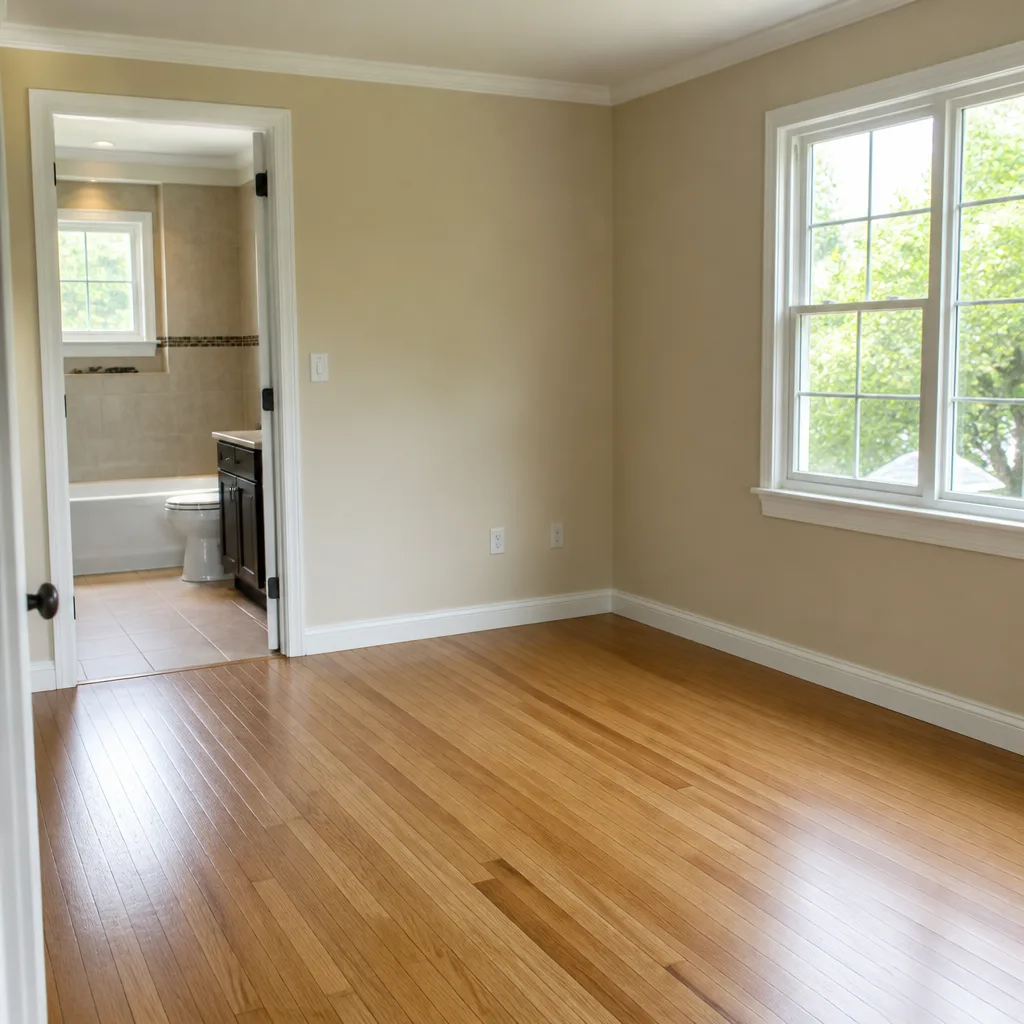
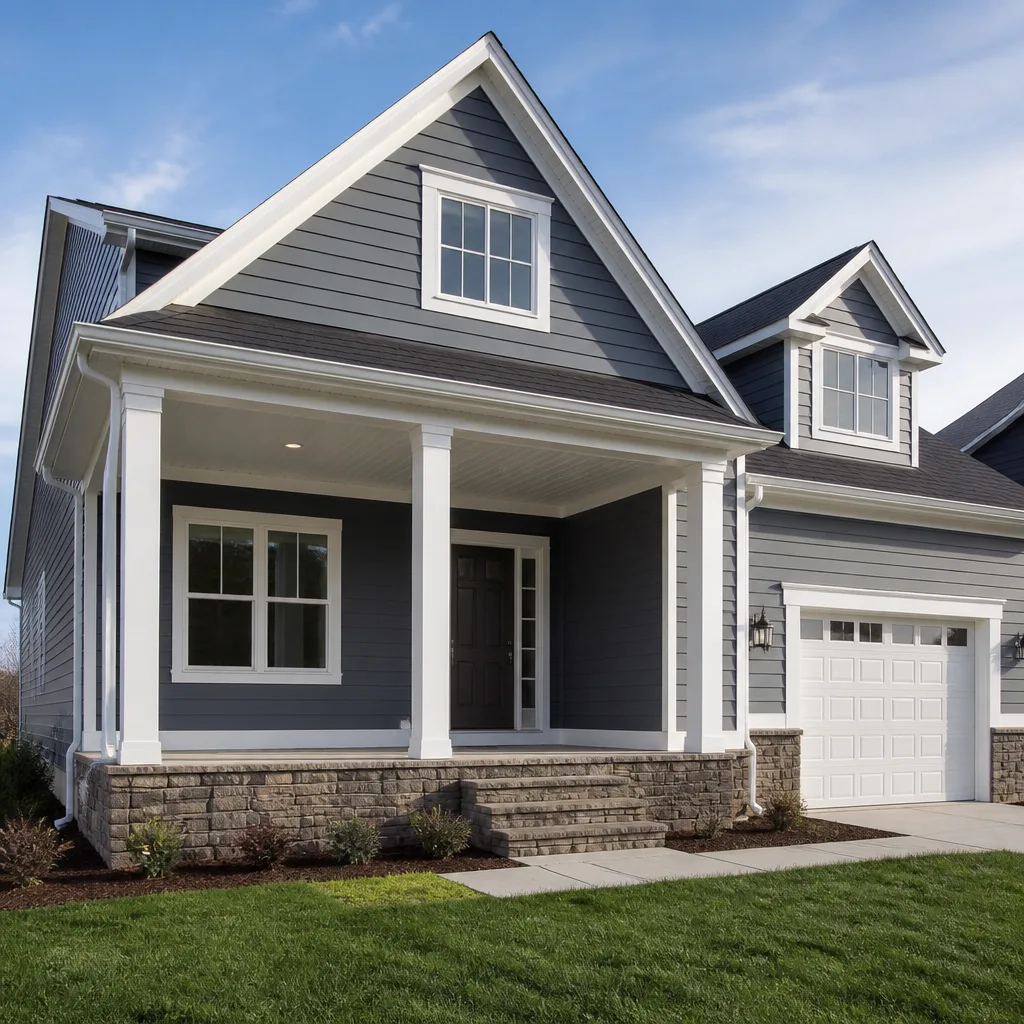
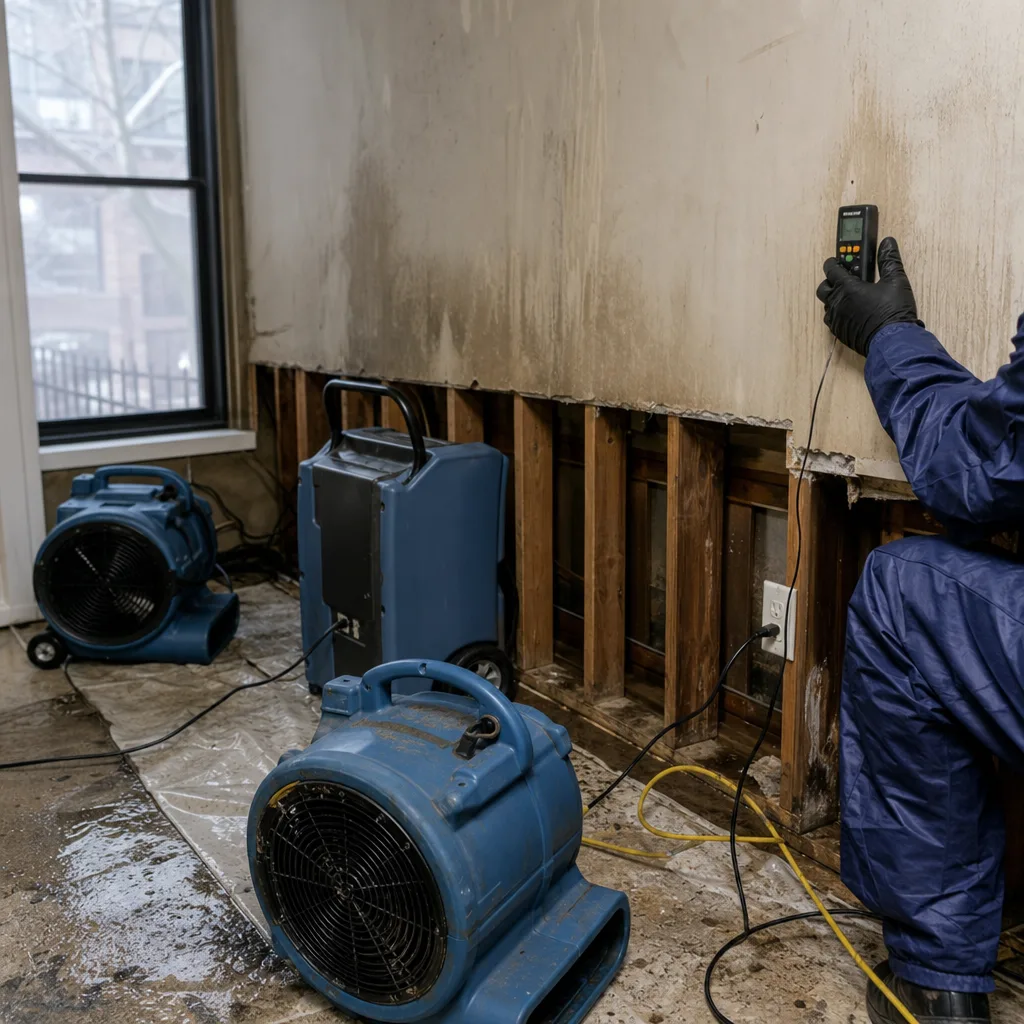 Before
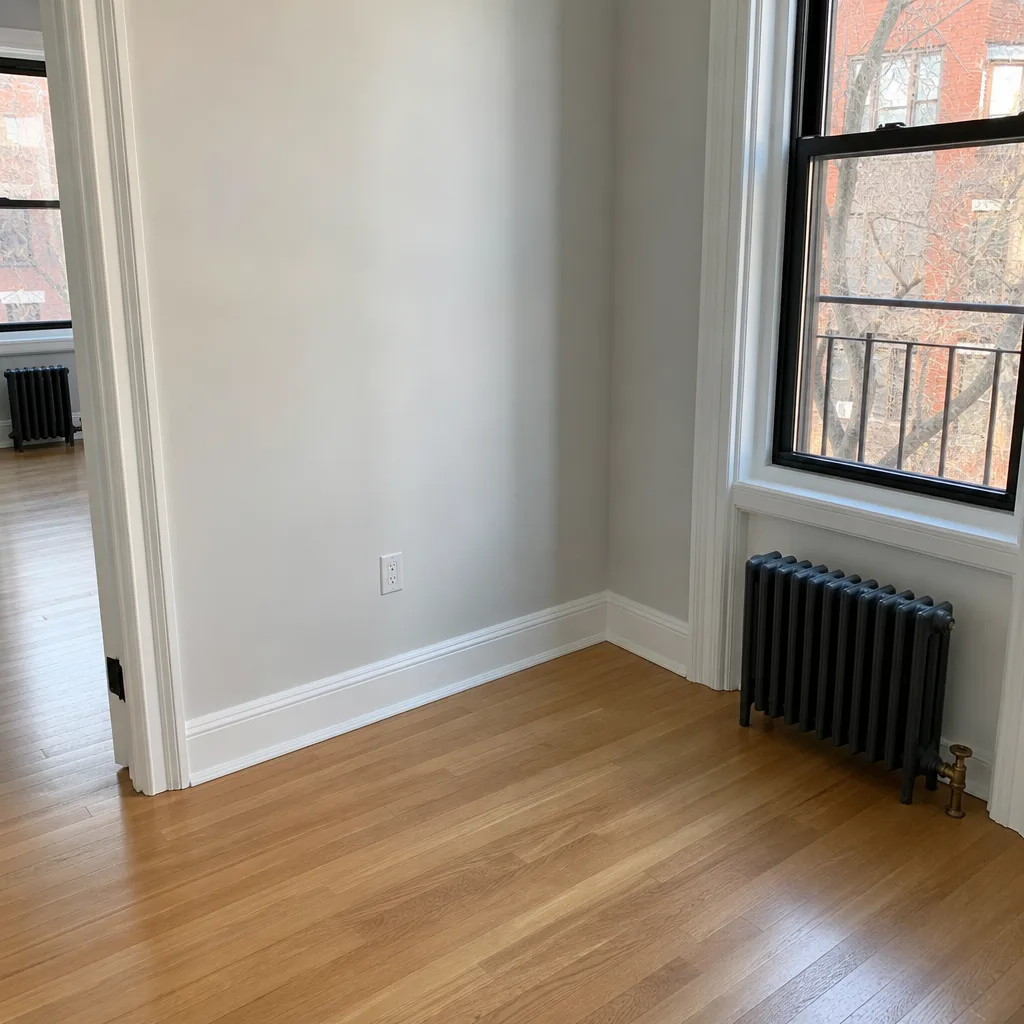 After
After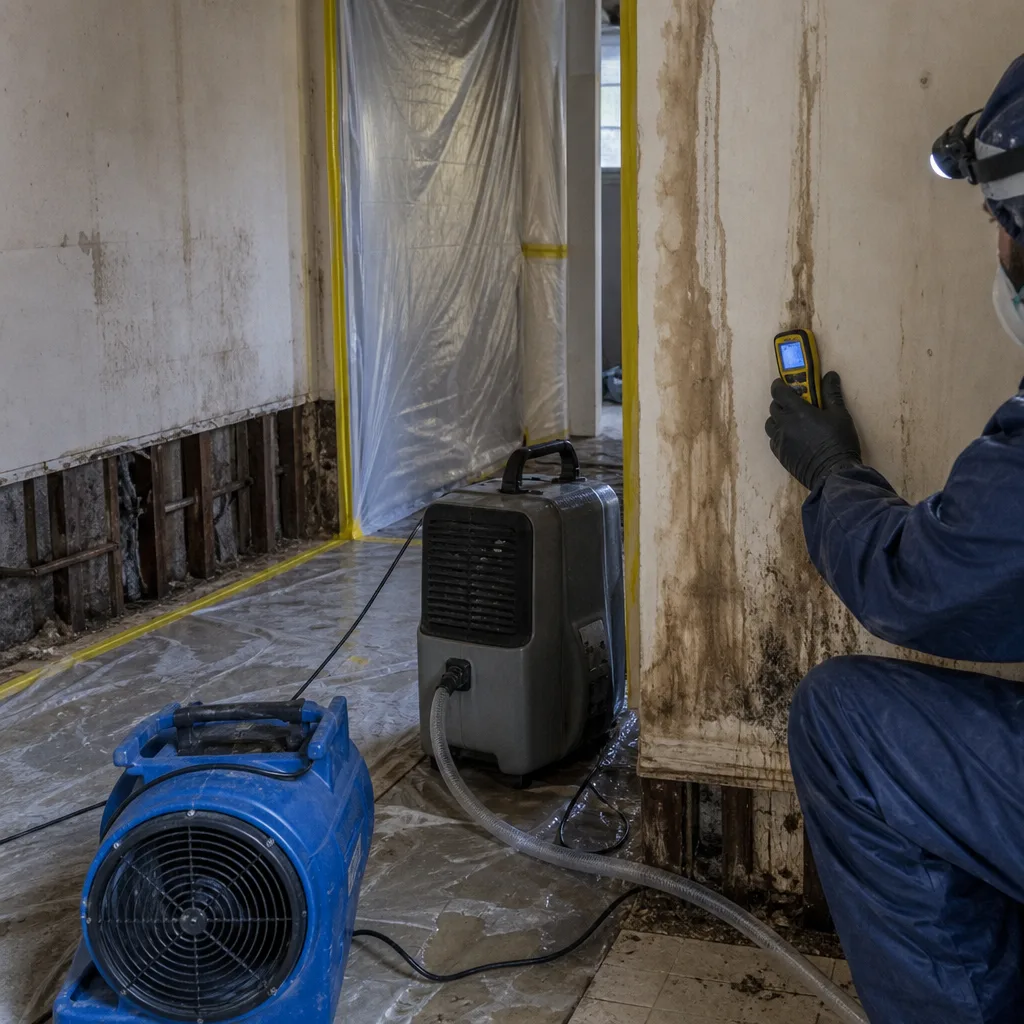 Before
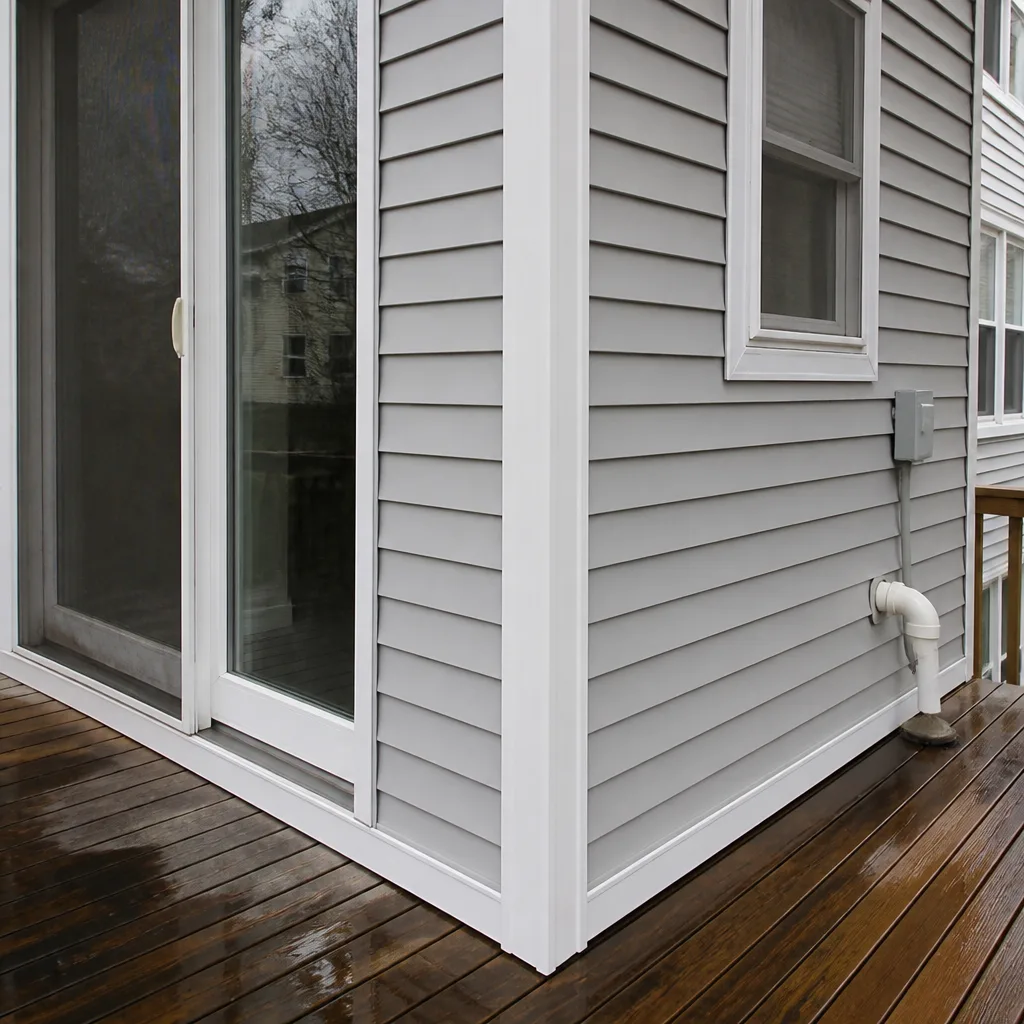 After
After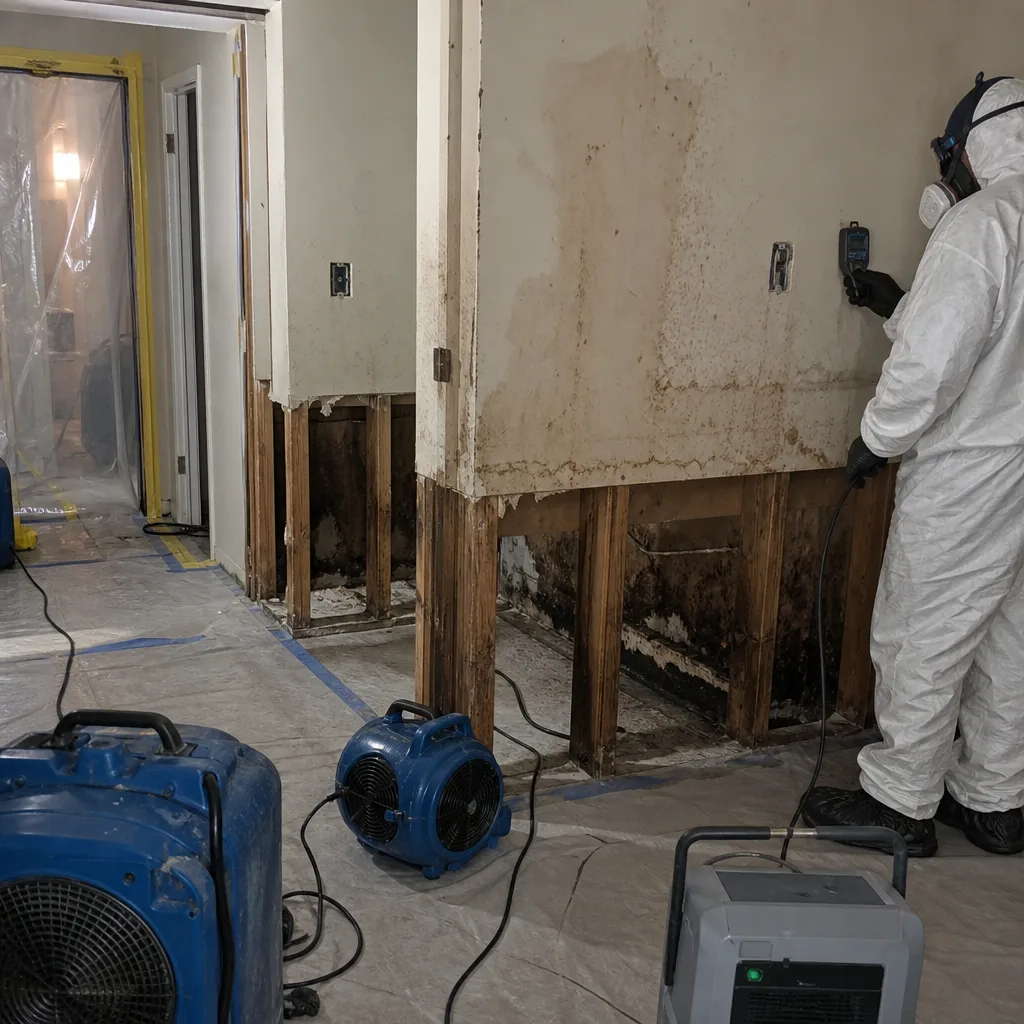 Before
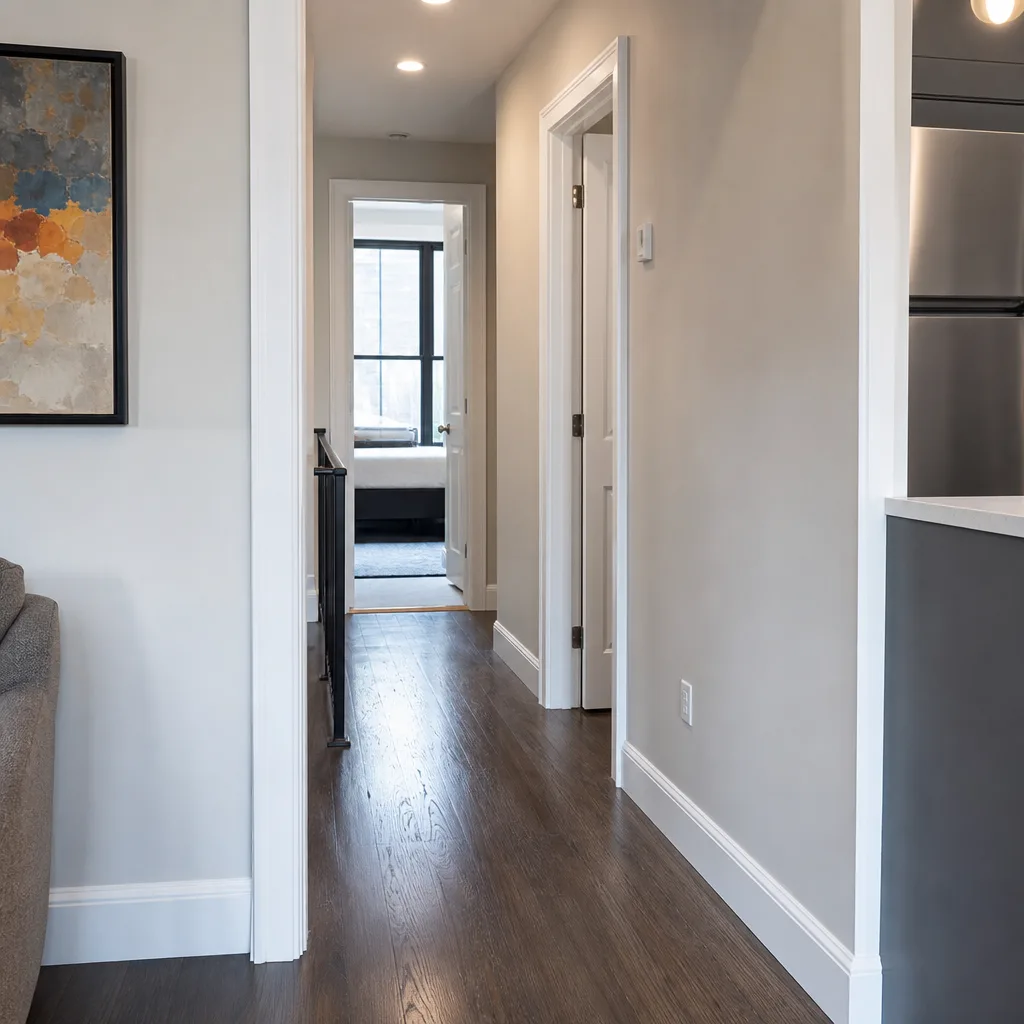 After
After24/7 Emergency Commercial Restoration in South Valley Stream
Commercial water damage in South Valley Stream moves fast, especially in the southern sections where tidal backflow from Hook Creek and the wetlands pushes Category 3 water into buildings that sit barely above sea level. We answer live 24 hours a day and can have a certified crew at your South Valley Stream commercial property within 45 minutes, running extraction and moisture mapping the same visit. Call (917) 924-4221 the moment you see water, and we’ll walk you through the first 30 minutes while the truck is rolling. The sooner we start pulling water and cutting off the moisture path, the less inventory you lose and the sooner your doors reopen.
Understanding Commercial Restoration Severity in South Valley Stream Properties
Not all water is the same. Restoration crews classify intrusion as Category 1 (clean, from a supply line), Category 2 (contaminated, from a sump failure or washing machine), or Category 3 (grossly contaminated, from sewage, street flooding, or tidal backflow). Here’s what matters in South Valley Stream: when a nor’easter pushes water up through the floor drains of a 1950s commercial building on West Merrick Road, that water already mixed with Hook Creek and the tidal wetlands. It’s Category 3. It carries bacteria, salt, and whatever the street washed in. You cannot dry porous materials soaked in Category 3 water and call it done. You remove them. Drywall, baseboards, insulation, carpet pad, particle-board shelving: it all comes out. Our techs use thermal imaging and penetrating moisture meters to find water in places a visual check misses, because a plaster wall can look bone dry on the surface while holding 20% moisture behind it. That hidden moisture, left alone, becomes mold in weeks and structural rot in months.
Why South Valley Stream Property Owners Choose Floodline Restoration Co. of Manhattan
- 45-minute response commitment. We dispatch crews from staging points near the South Valley Stream area, not from a distant office. When your storefront is flooding, minutes are money. We move on the first call.
- 24/7 live answer, never an automated system. A dispatcher picks up at 2 a.m. during a nor’easter. You talk to a person who can route a crew immediately, not a recording that tells you to leave a message.
- IICRC-certified crews. Our techs carry WRT, FSRT, and AMRT certifications and train to RIA and IFA standards. They know how to read a moisture map and apply the right drying protocol the first time.
- Free visual inspection. We walk the building, take photos, run initial moisture readings, and give you a straight scope of work before anything gets torn out. No pressure. You decide.
- Direct insurance billing. We document everything from hour one, work directly with your adjuster, and handle the claim paperwork. You never play messenger between us and the carrier.
- One team from extraction to reconstruction. The same Commercial Restoration team that pulls the water also runs daily drying readings, handles mold remediation, and rebuilds what was cut out. No mid-job handoff to a crew you’ve never met.
Our Commercial Restoration Process
Inspection & Assessment
We arrive, walk the building with you, and run a full visual and moisture-meter assessment. Thermal imaging picks up water behind plaster walls and under wood-framed floors. We photograph everything for your insurer and classify the water category on the spot.
Extraction & Stabilization
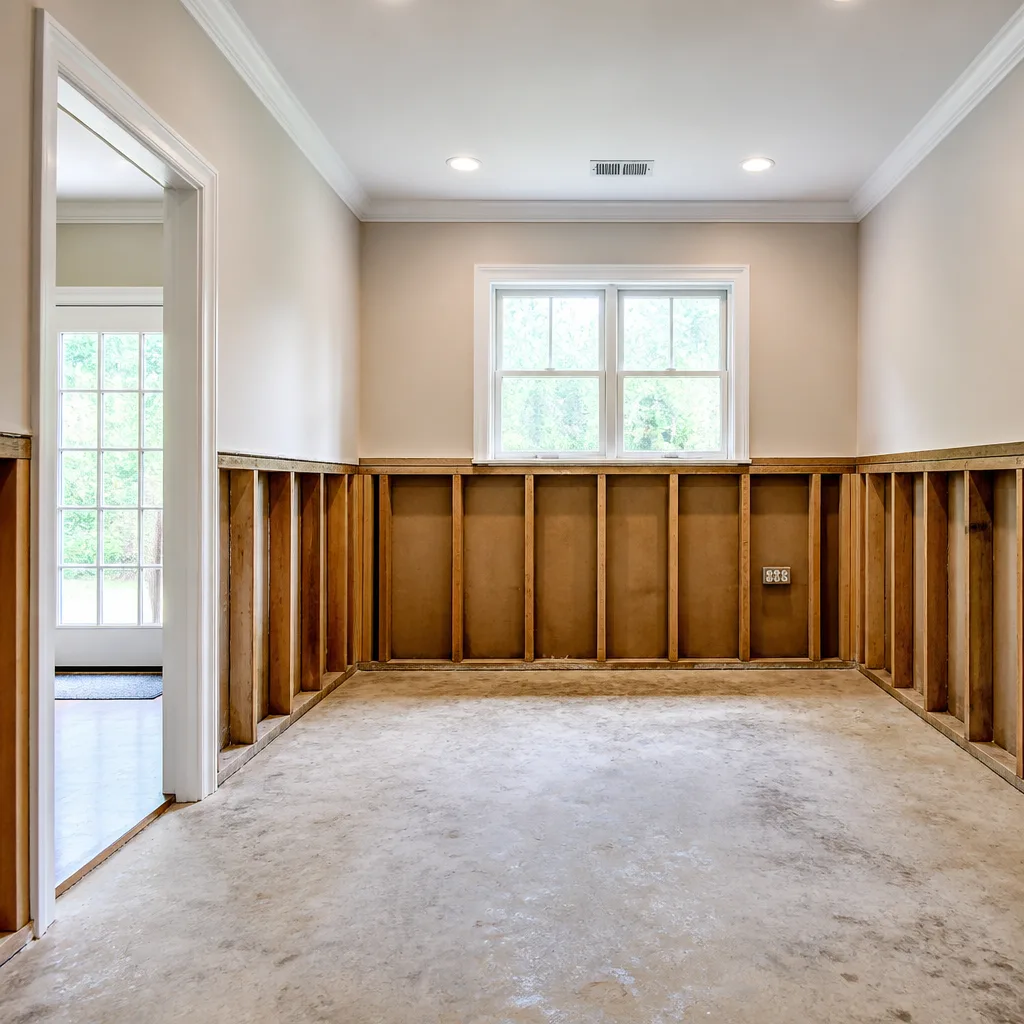
Using truck-mounted and portable extraction units, we pull standing water from floors, crawl spaces, and wall cavities. For Category 3 water in South Valley Stream’s tidal-flooded buildings, we cut out the bottom two feet of affected drywall and remove saturated baseboards and insulation in the same pass.
Drying & Dehumidification
Dri-Eaz and Phoenix dehumidifiers go in alongside XPOWER air movers. We place each unit based on calculated drying chamber size, not guesswork. Daily moisture readings are logged in writing and given to you and your adjuster until every surface hits the dry standard.
Cleaning & Sanitization
After drying, we clean salvageable surfaces with antimicrobial treatments and HEPA-vacuum every affected area. For retail and office spaces, this step matters: you do not want to reopen with hidden contamination behind a counter or in a stockroom shelf.
Mold & Contamination Control
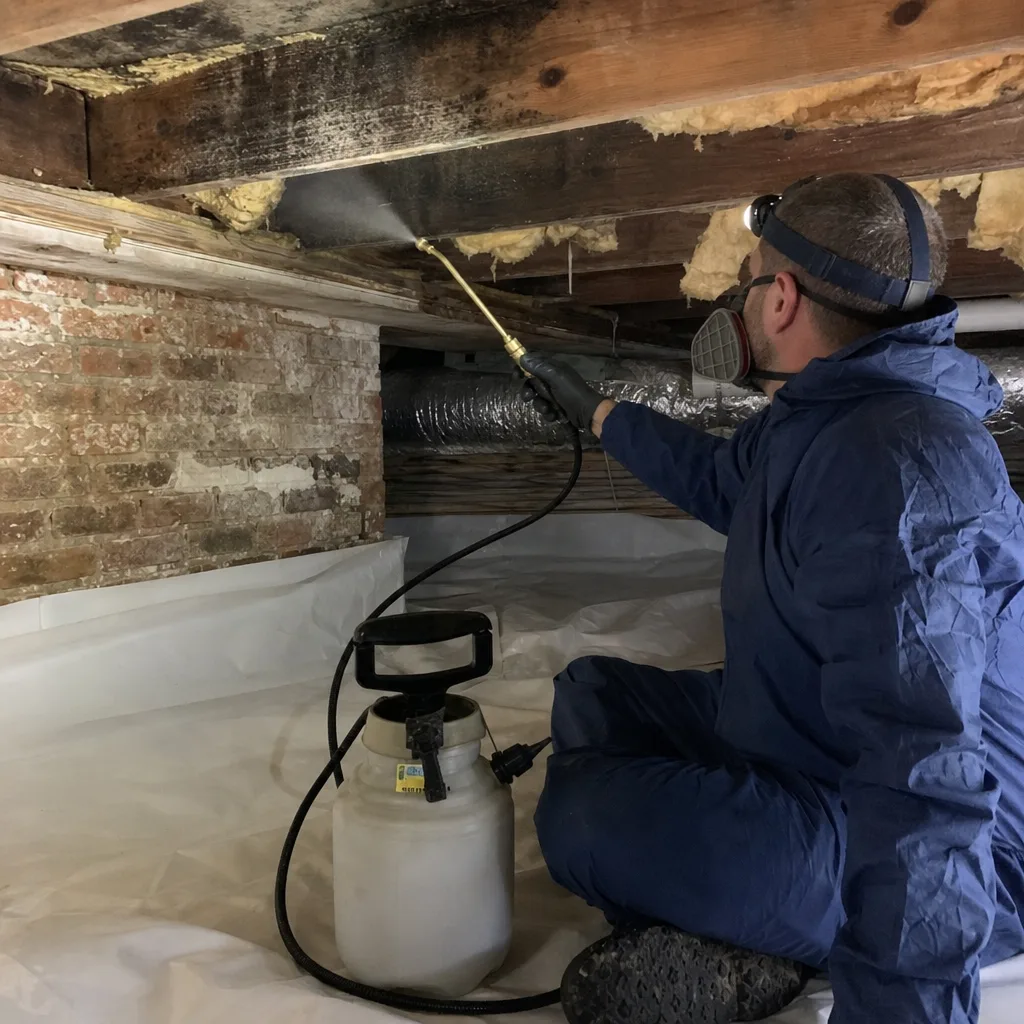
Because South Valley Stream’s older strip buildings often carry residual moisture from prior flood events, we run containment barriers and HEPA air scrubbers where necessary, then apply antimicrobial and anti-fungal treatments to exposed framing before any rebuild begins.
Repairs & Restoration
We rebuild what the water forced out: drywall, baseboards, flooring, and structural repairs to joists or subfloors. We do this with the same crew that did the extraction, and we hand you the written 90-Day Done Right Promise when the job is complete.
Need Emergency Commercial Restoration in South Valley Stream Now?
Crews minutes away, answering live 24 hours a day. The sooner we start, the less it costs.
Working With Your Insurance Company
Flood restoration claims in South Valley Stream are different from inland claims. Tidal backflow from a nor’easter may be covered under flood insurance, not a standard commercial property policy. We know exactly what language your adjuster needs to see, and we provide it from the first hour. Documentation is the claim’s backbone: photos, moisture readings, water category classification, and a line-item scope of work that leaves no ambiguity about what water touched and what we removed. Our team communicates directly with your adjuster, sends updates as drying progresses, and builds the claim file so you don’t have to argue about what happened on day one versus day six. When the work is done, you get a complete packet: before-and-after photos, daily drying logs, and the final invoice matched to the approved scope. That’s the square deal, and it’s how we’ve handled commercial flooding in this hamlet for years.
What We Provide Your Insurer
- Thorough documentation of the loss
- Photos of all damage, room by room
- Moisture readings and drying logs
- A detailed, line-item scope of work
- Direct coordination with your carrier
Built for South Valley Stream’s Loss Calendar
South Valley Stream’s flood season runs on a schedule. January and February bring deep freezes that burst supply lines in unheated stockrooms and crawl spaces under 1950s-era commercial shops, soaking inventory and subfloors before anyone notices. March and April mean spring thaw and the first heavy rains, when the water table rises and basement-level offices in older strip buildings start seeping through floor cracks and cove joints. Summer thunderstorms in July and August push flash flooding into low-lying parking lots and slab-level entryways. September through November is nor’easter season, and that’s when the tidal backflow problem hits hardest: Hook Creek and the wetlands overflow, street drains back up, and Category 3 water enters buildings through floor drains and door thresholds. December brings freeze-thaw cycles that crack pipes in exterior walls and unheated commercial spaces. We plan our staging and equipment stock around this calendar, because we know when South Valley Stream commercial properties are most likely to call, and we answer live when they do.
Commercial Restoration Across South Valley Stream’s Neighborhoods
The commercial strips along West Merrick Road and Rockaway Avenue carry a mix of single-story retail buildings from the 1940s and 1950s, many with original plaster walls, crawl spaces, and oil-fired heating equipment tucked into basements. After a nor’easter, these buildings hold water in ways a modern steel-frame storefront would not: the plaster absorbs moisture, the wood subfloor wicks it upward, and the crawl space turns into a secondary reservoir. Further south, near the wetlands and the Hook Creek corridor, buildings sit so close to grade that even a moderate tidal surge finds its way through floor drains and under door thresholds. Multi-unit and HOA properties in this zone need aggressive containment and structural drying because water hidden behind one unit’s wall migrates to the unit next door. The areas near the Southern State Parkway corridor also see a steady stream of stormwater runoff flooding from the roadbed during summer downpours, carrying silt and debris into first-floor commercial spaces. Each of these patterns demands a different restoration approach, and our crews know which one applies where.
On a stretch of West Merrick Road near Hook Creek, we were called to a 1950s one-story commercial building after a nor’easter pushed tidal water up through the floor drains. Our techs ran moisture mapping across the plaster walls and wood subfloor, found readings above 20% throughout, and knew immediately this was not a first-time intrusion. Drying logs from years of repeat flooding meant the structure needed aggressive containment and tear-out of waterlogged baseboards, because the pre-loss condition of the crawl space was never properly restored after Sandy. We set up Dri-Eaz dehumidifiers and air movers, cut out the bottom two feet of interior wall cavities to expose hidden mold, and applied antimicrobial treatment before structural drying could even begin.
Specialized Commercial Restoration Services We Offer in South Valley Stream
Multi-Unit & HOA Restoration
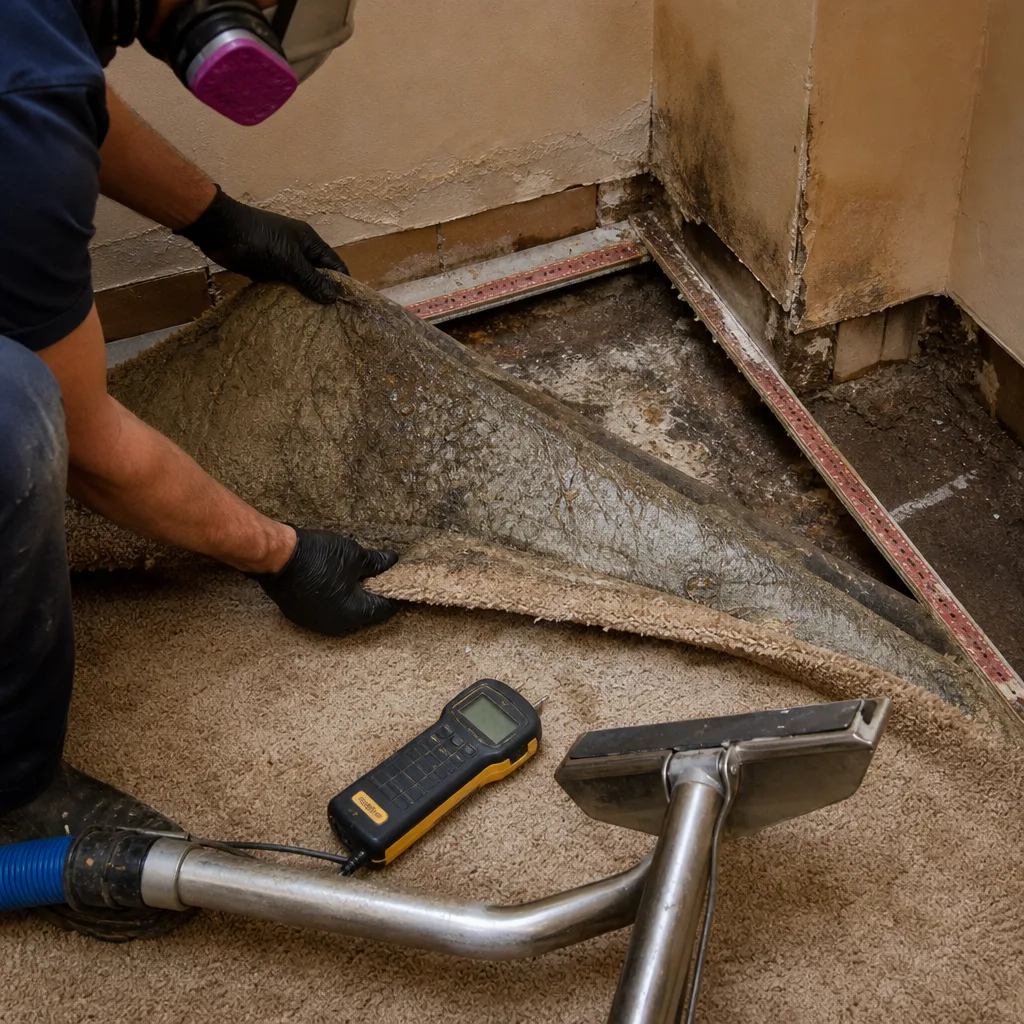
HOA and multi-unit commercial buildings in South Valley Stream’s southern end carry a different scope than a single storefront. Water entering through one unit’s floor drain travels through shared wall cavities, under common hallways, and into neighboring units’ crawl spaces. We contain the affected areas, run moisture mapping across shared walls, and coordinate drying schedules with building management so tenants know exactly when they can reoccupy. Curt Bowman and our South Valley Stream crews have handled enough repeated-flood properties to know that a single-unit drying plan fails in a multi-unit building. The scope has to account for the whole structure, not just the first wet room.
Business Interruption Minimization
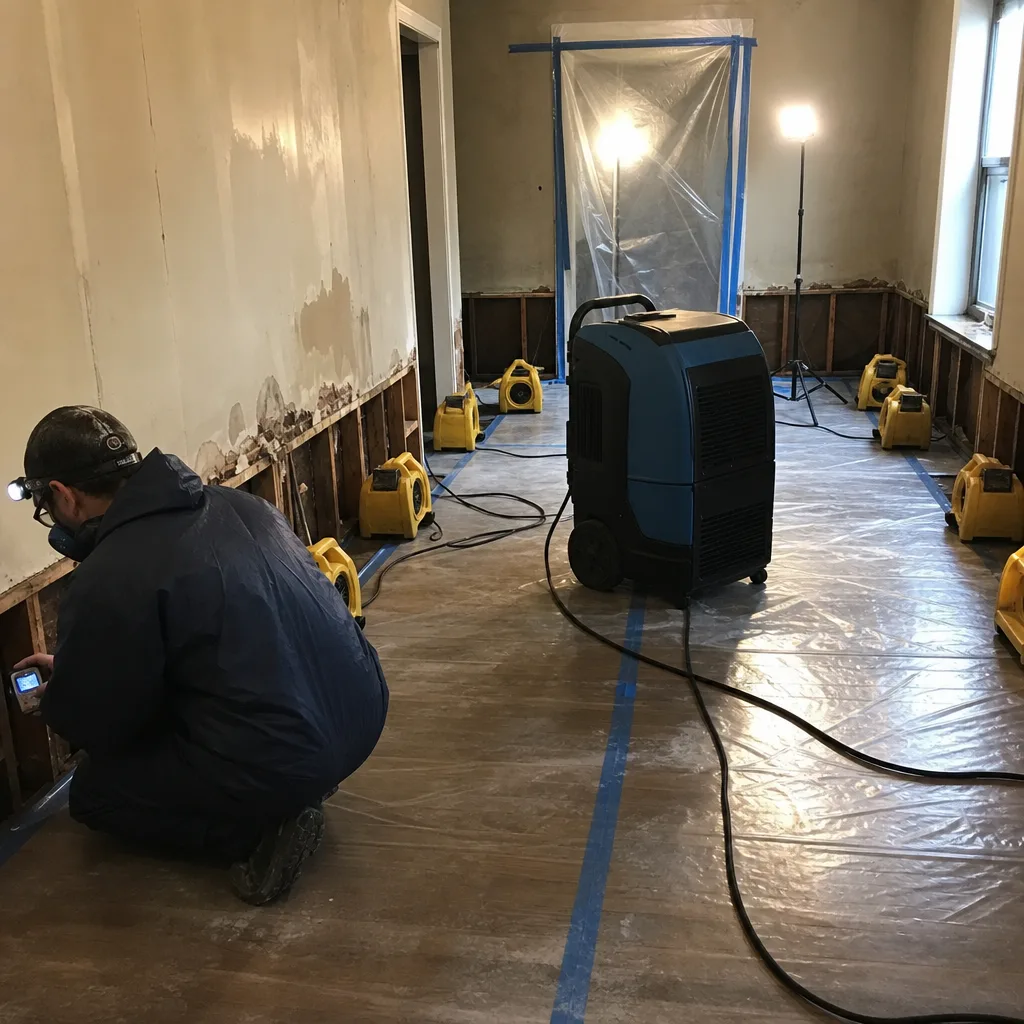
Every day your South Valley Stream shop is closed is revenue you never get back. We prioritize business interruption minimization on every commercial job, and that starts with speed: a 45-minute response, extraction running the same visit, and a drying plan that gets you back open as fast as the building’s moisture readings allow. Some retail tenants push to reopen before structural drying is complete, and we understand why. But reopening too early, especially in a building that has never fully dried from a previous flood, turns one week of closure into a recurring mold problem and a longer forced closure later. We’ll tell you the honest timeline and work the drying plan around your business hours where possible.
Large-Loss Response
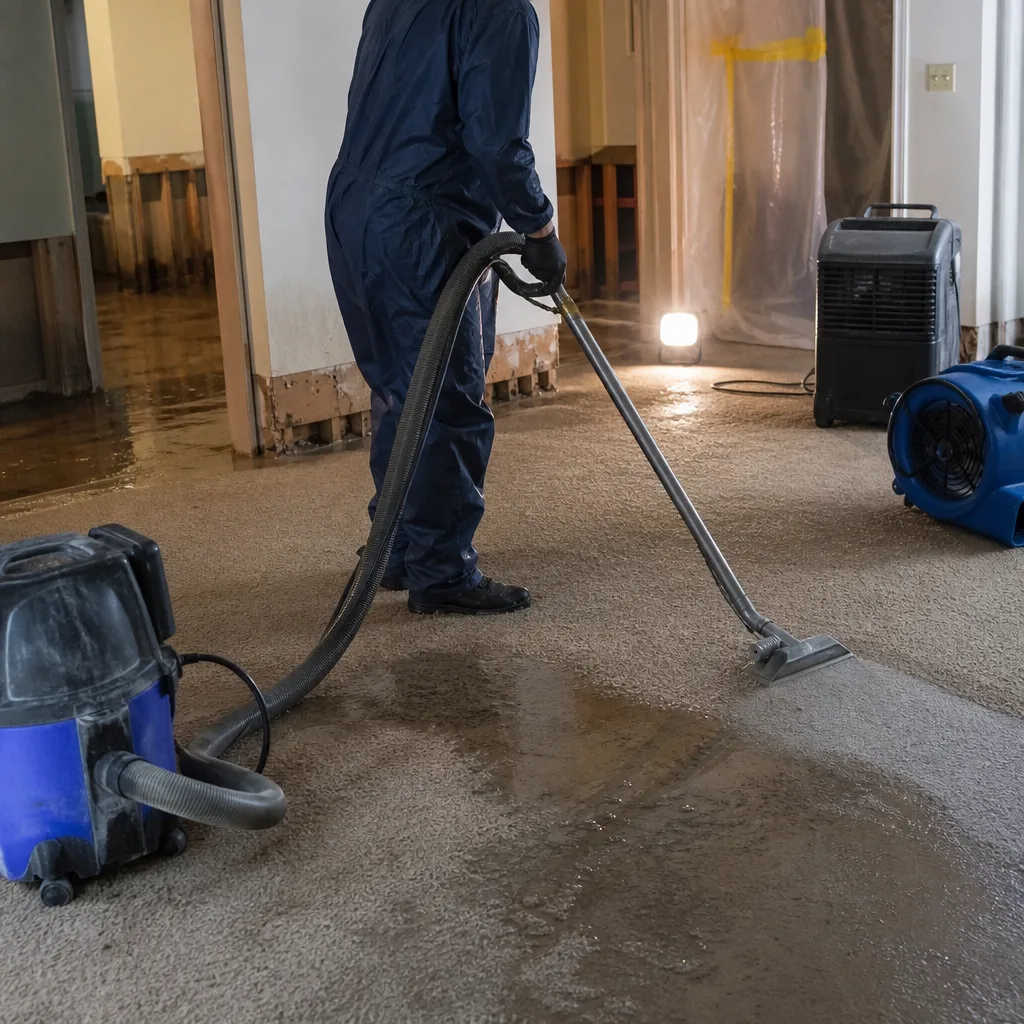
When a South Valley Stream commercial building takes water across the entire ground floor, the scope shifts from cleanup to reconstruction. Large-loss response means we bring in additional crews, set up desiccant drying systems, and run the project like a coordinated rebuild. For Category 3 tidal floods, that includes full containment, aggressive demo of wet building materials, and structural drying across dozens of rooms simultaneously. We handle the logistics, the documentation for insurance, and the rebuild, so you handle your business and your tenants.
Office & Retail Restoration
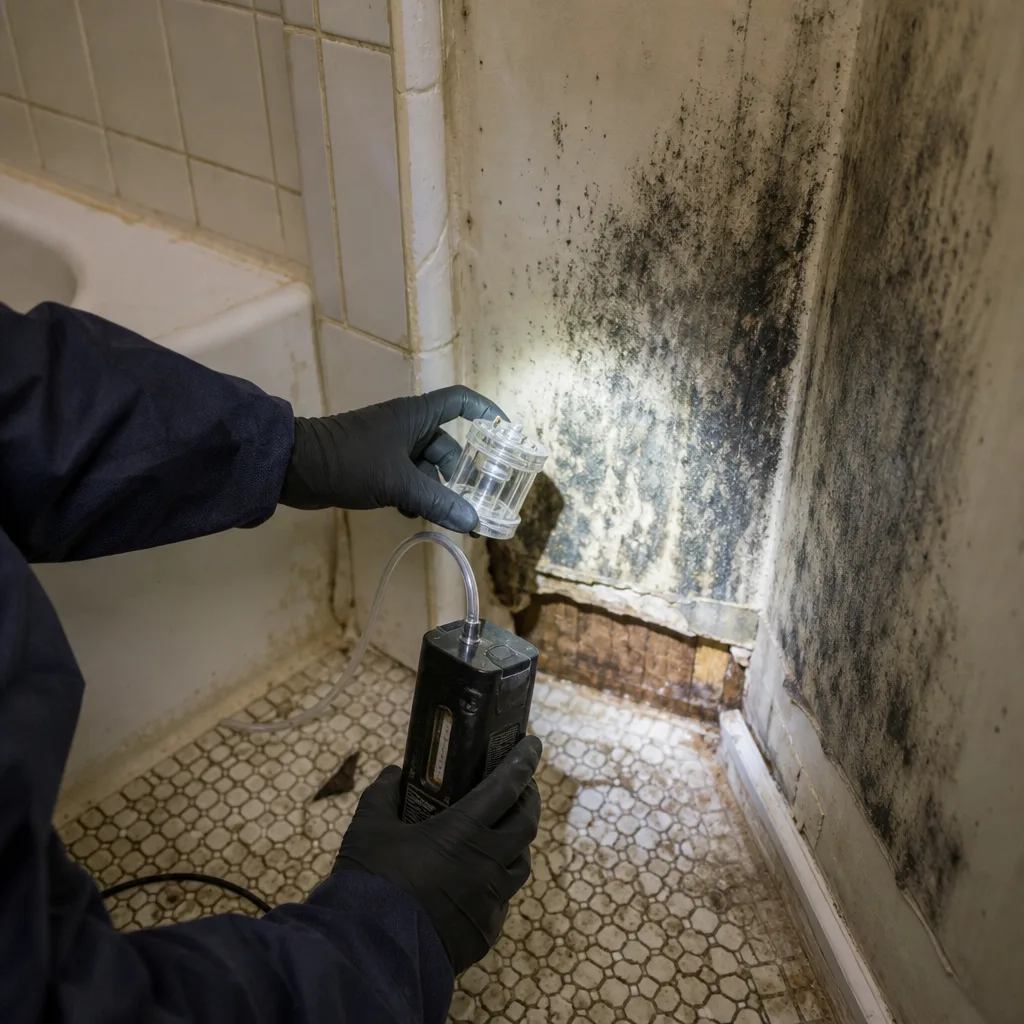
Water in a South Valley Stream office or retail space damages more than the floor. Inventory on lower shelves absorbs moisture from the air even if it never touches standing water. Electronics short, documents swell, and stockroom shelving wicks water upward. We handle pack-out decisions quickly because mold colonizes wet inventory within 48 to 72 hours. For salvageable items, we coordinate contents drying and cleaning. For items that cannot be saved, we document them for your insurer and remove them. The goal is a square deal: save what can be saved, document what cannot, and never make you throw away inventory without the paperwork your carrier needs.
Industrial Facility Cleanup
Industrial spaces in South Valley Stream face the same tidal backflow risks as smaller buildings, but at a bigger scale and with more dangerous contaminants. Oil residue, chemicals, and silt from street flooding mix into the standing water, and drying a large open bay requires industrial desiccant units and careful air management. We run negative air, HEPA filtration, and moisture logging across the whole footprint, and we coordinate with your facility manager on shutdown windows and restricted zones. The work gets done right, and it gets documented so your insurance claim moves without delay.
What happens when you call
- 1
A real person answersNo phone trees - you reach a local pro.
- 2
You get an upfront price rangeHonest numbers before anyone is dispatched.
- 3
A background-checked tech heads outLicensed & insured, dispatched right away.
- 4
You approve before work beginsNothing starts until you say go.
Commercial Restoration Costs in South Valley Stream, NY
Commercial restoration pricing in South Valley Stream depends on the water category, the building’s age, and how fast extraction begins. A small Category 1 supply-line leak in a single retail shop, caught quickly, might run $1,800 to $4,500 for extraction, drying, and minor repairs. A tidal backflow flood in a 1950s commercial building with Category 3 water moves into another range entirely: $8,000 to $25,000 for full tear-out, containment, antimicrobial treatment, structural drying, and rebuild. Multi-unit and HOA buildings go higher because the scope multiplies across shared walls and crawl spaces, often landing between $30,000 and $90,000 for a full-building tidal flood restoration. What moves the price: whether the crawl space was previously dried, whether plaster walls need full removal versus spot treatment, and how many days of drying the structure needs. Insurance typically covers most of the cost for covered perils, and we bill directly to your carrier. A free visual inspection gives you a firm scope and a written estimate before any work begins. Call (917) 924-4221 for an exact quote.
We Also Serve Cities Near South Valley Stream
Our crews respond throughout the surrounding area, including Fairview, Harrison, East Bronx, and Hunts Point. Commercial building owners in those communities get the same 45-minute response commitment, the same 24/7 live answer, and the same 90-Day Done Right Promise in writing.
South Valley Stream Commercial Restoration Questions, Answered
Why do commercial buildings in South Valley Stream’s southern end need more aggressive exploratory demo after a flood than a shop in Valley Stream proper?
Because the southern end sits barely above sea level and drains toward tidal wetlands, so floodwater here is almost always Category 3 and the buildings themselves have often been flooded before. Many were never fully dried after Sandy or subsequent nor’easters, leaving hidden moisture behind plaster walls and under subfloors. That residual moisture means we have to cut out and inspect more wall cavity space to find what’s already growing, not just what this flood left behind. A shop in Valley Stream proper might dry out with spot treatment; a South Valley Stream building near Hook Creek needs exploratory demo up front. Call (917) 924-4221 to get a moisture map of your building before the next storm.
How does tidal backflow change the water category for a commercial flood in South Valley Stream?
Tidal backflow is Category 3 water, not Category 1. When a nor’easter pushes water up through floor drains and into your building, that water has already mixed with wetland runoff, street debris, and possibly sewage. It carries bacteria, salt, and contaminants that clean-water drying protocols cannot address. Porous materials soaked in Category 3 water must be removed, not dried in place. A crew that mislabels tidal backflow as clean water will try to dry drywall that should be torn out, and mold follows. Call (917) 924-4221 for a crew that classifies water correctly the first time.
Can my retail shop reopen if the dehumidifiers are still running?
Not safely. Reopening while structural drying is still underway lets foot traffic disturb the drying environment and puts customers and employees in a space with elevated humidity and possible airborne mold spores. Some South Valley Stream retail tenants push to reopen early, and we understand the pressure, but the honest answer is that a few more days of drying prevents a much longer closure later. We’ll give you a clear daily moisture reading so you know exactly where the building stands and when the dry standard is met. Then you reopen for good, not for a week before mold forces you closed again.
What happens to inventory in a flooded office or store in South Valley Stream during restoration?
We assess every item fast, because wet inventory starts mold colonizing within 48 to 72 hours. Salvageable items get contents drying and cleaning; unsalvageable items get photographed, documented, and prepared for your insurance claim. We never throw anything out without the paperwork your carrier needs, and we pack out what can be saved so it does not sit in a damp building while structural drying runs. Direct insurance billing means your policy covers the pack-out and contents restoration where the peril is covered. Call (917) 924-4221 to get a crew on site before the 72-hour mold window closes.
Why do HOA and multi-unit commercial buildings in South Valley Stream need a different restoration scope than a single storefront?
Because water moves through shared cavities. A flood entering one unit’s floor drain seeps under common hallways, wicks up shared plaster walls, and travels through crawl spaces into the units on either side. Drying only the first wet room leaves hidden moisture that later migrates into a neighbor’s space and triggers mold or warped framing. Multi-unit restoration requires moisture mapping across the whole building footprint, containment along shared wall lines, and a drying plan coordinated with building management. Our crews have handled enough repeated-flood multi-unit buildings in South Valley Stream to know that single-unit thinking fails every time. Call (917) 924-4221 for a whole-building assessment.
How fast can a crew actually reach my South Valley Stream business?
We commit to 45 minutes for commercial properties in South Valley Stream. Our crews stage from points near the hamlet, and our live dispatcher routes the nearest certified techs while you’re still on the phone. After a nor’easter, response times can stretch, but we prioritize commercial and multi-unit jobs with standing water because we know every hour of sitting water compounds the damage and the interruption. Call (917) 924-4221 and a person answers, 24 hours a day.
What should I do in the first 30 minutes after noticing water in my commercial building?
First, cut power to the affected area if you can do so safely. Do not walk through standing water in a flooded stockroom if it may be in contact with electrical outlets or equipment. Second, call (917) 924-4221. Third, move what you can lift to higher ground: inventory, electronics, documents. Do not use your shop vac on floodwater from tidal backflow; that water is contaminated, and a shop vac pushes contamination into the air. Let our crews handle extraction with professional equipment and proper containment. The first 30 minutes decide how much of your inventory survives.
Are your crews actually certified, or do you just say they are?
Our technicians carry IICRC certifications in water damage restoration (WRT), fire and smoke restoration (FSRT), and mold remediation (AMRT). They also train to RIA and IFA standards. We name those codes because they mean something: a WRT-certified tech has tested knowledge of drying science, moisture mapping, and structural drying protocols. Background-checked and uniformed, every tech who walks into your South Valley Stream business has the training to do the job right, and Curt Bowman stands behind the work with the 90-Day Done Right Promise in writing.
Serving South Valley Stream, NY - Our Local Coverage Area
We’re based in the South Valley Stream area and know this community well. Use the map below to see our service coverage - if you’re nearby, we can almost certainly help.
Get Commercial Restoration in South Valley Stream Started Now
Water in a commercial building never waits, and neither should you. Whether it’s tidal backflow from a nor’easter, a burst supply line in a 1950s stockroom, or sewage backup in a shared HOA building, our crews are minutes away and answering live right now. Call (917) 924-4221 for a free visual inspection and a firm, written scope before any work begins. The longer the water sits, the more it costs. We’ll be there when we say, and we’ll stand behind the work in writing. Senior and Veteran discounts of 5% are always available, and current standing offers include $50 off any repair over $250 and the $89 seasonal tune-up.
Written by Curt Bowman, Owner at Floodline Restoration Co. of Manhattan, serving South Valley Stream and the surrounding area. Founded in 2010, built around a dispatch board, not a sales desk.