
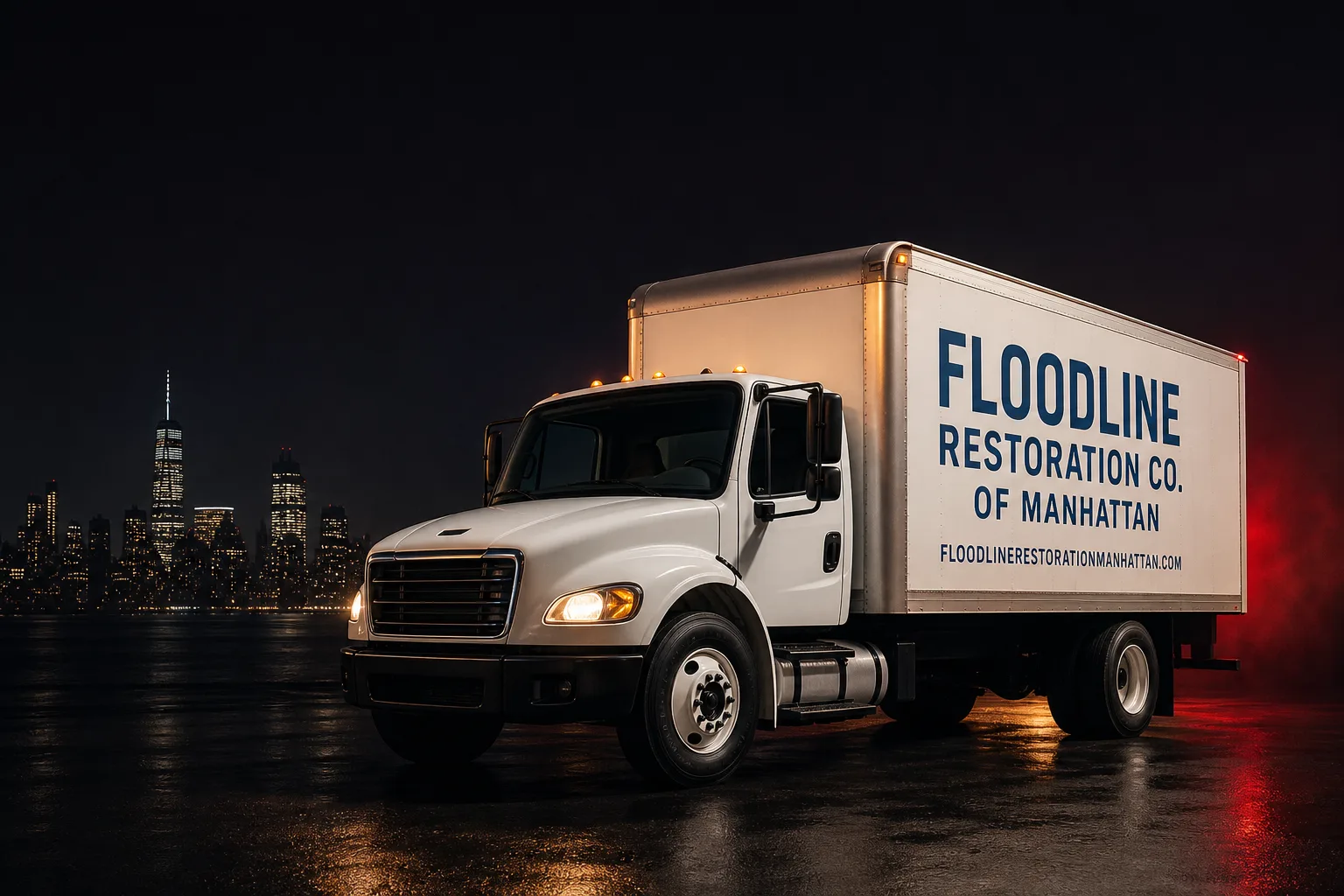
Free visual inspection and a written scope of work before any mitigation begins - photos, moisture readings, and drying logs go in your claim file
The scope we write is the scope we bill. Anything new gets shown to you, in writing, before we touch it.






 Before
 After
After Before
 After
After Before
 After
After24/7 Emergency Sewage Cleanup in Washington Heights
Raw sewage inside a Washington Heights apartment or building is a category 3 water loss, which means it carries bacteria, viruses, and parasites that make people sick. Our crews answer live around the clock and can typically reach properties near Fort Tryon, the 181st Street corridor, and the Hudson River co-ops within 45 minutes of your call. Most sewage cleanup in Washington Heights runs $1,800 to $6,500 depending on how many stacked units the black water reached and whether asbestos abatement is required before contaminated drywall comes out. Call (917) 924-4221 for a free visual inspection and a written scope before any work begins.
Understanding Sewage Cleanup Severity in Washington Heights Properties
Washington Heights is built almost entirely on pre-war construction: six- and seven-story walk-ups and Art Deco elevator buildings from the 1910s through 1940s, with original clay and cast iron drain stacks running vertically through every floor. When a cast iron stack cracks or a toilet soil line fails, the black water does not stay put. It follows the path of least resistance down through ceilings, along steam riser chases, and into the apartments below. A category 3 loss in unit 5B regularly becomes a five-unit job by morning.
Category 1 and 2 water from supply lines carries lower contamination risk. Category 3 water, what we deal with on sewage calls, contains human waste and pathogens including E. coli, Salmonella, and hepatitis A. Drying plaster walls and hardwood floors that absorbed category 3 water without removing the contaminated material is not an option. The IICRC S500 standard for water damage restoration requires full removal of saturated porous materials in category 3 losses. In Washington Heights, that removal almost always triggers another layer: mandatory asbestos testing on the pipe insulation and lead paint testing on the plaster, because both are presumed present in every pre-1940 building.
Why Washington Heights Property Owners Choose Floodline Restoration Co. of Manhattan
- 45-minute response commitment. Our dispatch board tracks every truck and we commit to a 45-minute arrival window for emergency sewage calls anywhere in Washington Heights.
- 24/7 live answer, a real person. Curt Bowman built Floodline Restoration Co. around a dispatch board, not a sales desk. A live dispatcher picks up at 2 a.m., not a recording.
- IICRC-certified crews with WRT and AMRT codes. Our technicians hold Water Restoration Technician and Applied Microbial Remediation Technician certifications, plus RIA and IFA training, so they know what category 3 water means in a pre-war building.
- Free visual inspection with moisture mapping. We do not guess. Dri-Eaz moisture meters and Phoenix thermal imaging tell us exactly how far the contamination traveled before we cut one inch of plaster.
- Direct insurance billing. We bill your carrier directly and handle the adjuster’s questions, so you are not the messenger between two parties who disagree.
- One team from extraction to reconstruction. Floodline Restoration Co. does the whole job: sewage extraction, sanitization, drying, abatement coordination, and the rebuild. No mid-job handoff to a crew you never met.
Our Sewage Cleanup Process
Inspection & Assessment
We arrive, identify the source of the backup, and map every affected surface with Dri-Eaz moisture meters and thermal imaging. In Washington Heights walk-ups, that means checking the apartment below and the common hallway, not just the unit where the toilet overflowed.
Extraction & Stabilization
We pump standing black water with truck-mounted and portable extraction units, then stabilize the affected areas to stop migration. In buildings with steam riser chases, sewage can travel behind walls without showing on the surface, so we check every chase and pipe sleeve.
Drying, Dehumidification & Moisture Removal
Phoenix and Dri-Eaz dehumidifiers and XPOWER air movers get placed according to a calculated drying chamber plan, not scattered around on a guess. Daily moisture readings get logged until the dry standard is met, and that log goes to you and your carrier.
Cleaning & Sanitization
We remove all saturated porous material, then apply EPA-registered antimicrobials and sanitizers to every affected structural surface. Hard surfaces get cleaned to the IICRC standard for category 3 losses.
Specialty Treatment for Washington Heights Buildings
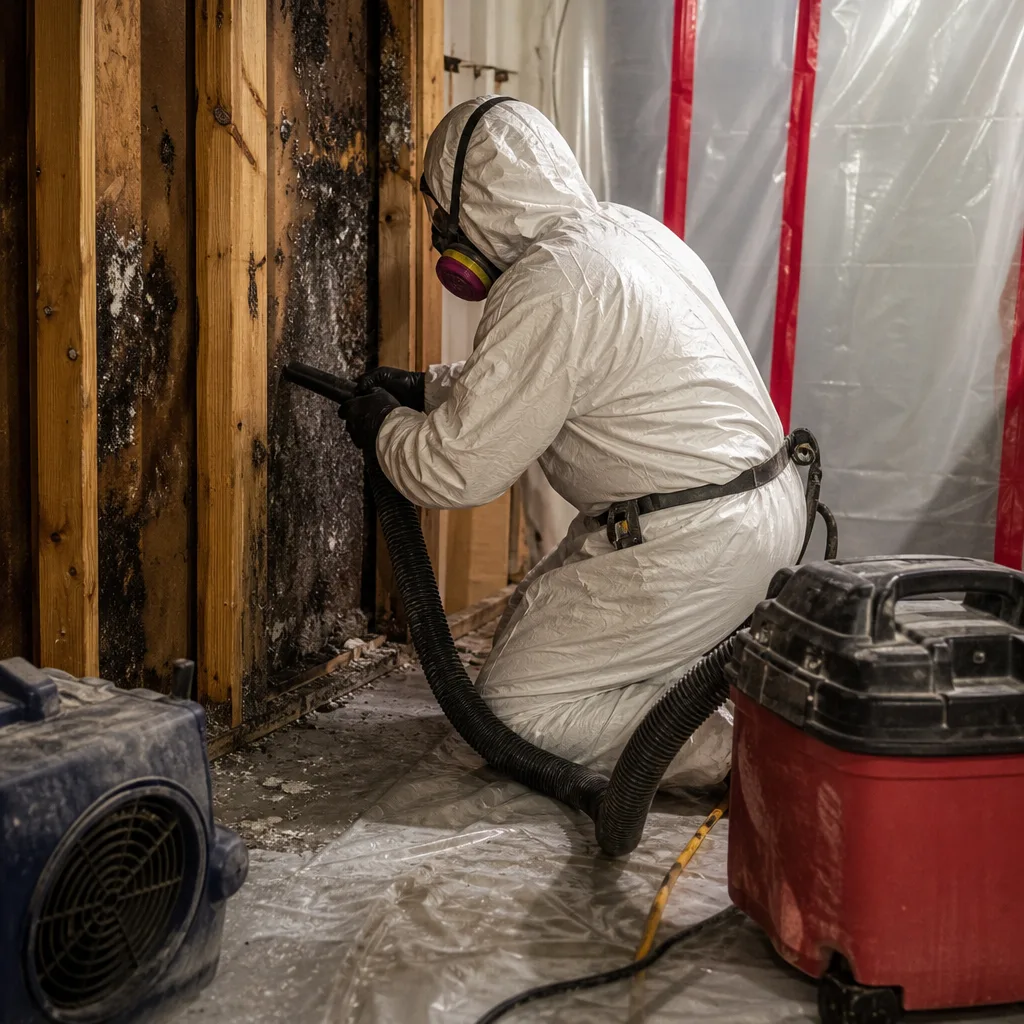
HEPA air scrubbers run during demolition and remediation to control airborne lead dust and mold spores. When asbestos pipe insulation is present, we coordinate with a certified abatement contractor before any contaminated pipe wrap gets disturbed.
Repairs & Restoration
Once the building is dry and sanitized, our reconstruction team rebuilds what was removed: plaster repair, new drywall, flooring, and paint. The same crew that ran extraction on day one finishes the rebuild and hands you the 90-Day Done Right Promise in writing.
Need Emergency Sewage Cleanup in Washington Heights Now?
Crews minutes away, answering live 24 hours a day. The sooner we start, the less it costs.
Working With Your Insurance Company
Most sewer backup and sewage overflow losses in Washington Heights are covered by either the building’s master policy or the unit owner’s policy, depending on the building’s co-op or rental structure. The key is documenting the loss before anyone starts cutting. We photograph every affected room, take moisture readings on the first visit, and prepare a line-item scope that matches the language carriers expect to see.
Floodline Restoration Co. of Manhattan has handled sewage claims in rent-stabilized buildings, co-op conversions, and condominium towers throughout Washington Heights. We know what adjusters ask and what they push back on, and we answer them directly. You will not be playing phone tag between us and your carrier.
What We Provide Your Insurer
- Thorough documentation of the loss
- Photos of all damage, room by room
- Moisture readings and drying logs
- A detailed, line-item scope of work
- Direct coordination with your carrier
Built for Washington Heights’s Loss Calendar
Washington Heights sits on the highest ridge in Manhattan, cresting near Fort Tryon, and its west-facing Hudson River exposure subjects older masonry facades to sustained wind-driven rain, a primary vector for envelope infiltration and interior mold growth in buildings whose brick and mortar joints are decades overdue for repointing. Freeze-thaw cycling each winter accelerates that joint deterioration, and water that finds its way past old brick also finds its way into wall cavities and down to the drain stacks.
But the sewage calls we respond to in Washington Heights do not follow one season. January deep freezes stress already-fragile cast iron stacks. Spring thaw saturates the soil around sub-grade floor drains in pre-war basements, and a heavy rain can overwhelm a combined storm-sanitary sewer system that was built before the neighborhood had this many people. Summer thunderstorms flash-flood basement drain lines. Nor’easters in the fall push wind-driven rain against the west-facing facades along Riverside Drive and Fort Washington Avenue, and that water follows the same path as the drain stacks. Every season has its own version of the same failure: old pipes, high occupancy, and water where it should not be.
Sewage Cleanup Across Washington Heights’s Neighborhoods
The pattern of a sewage loss in Washington Heights changes block by block, depending on the building’s age, its management, and its plumbing. Around Hudson Heights, the co-op buildings near Fort Tryon Park and along Cabrini Boulevard tend to be elevator buildings, many from the 1920s and 1930s, with original cast iron stacks that have never been replaced. When one stack fails, the sewage tends to run down through the same riser chase across four or five floors, and the co-op board gets involved quickly because the damage crosses shareholder lines.
Along the 181st Street corridor and east toward Broadway, the building stock shifts to six-story walk-ups and mixed-use buildings with commercial spaces on the first floor. A cracked cast iron stack over a restaurant or bodega creates a different problem: the sewage backs up into the commercial space while the apartments above stay dry, and access to the stack requires coordination with a commercial tenant who does not want their doors closed during business hours. Our Sewage Cleanup team has handled both, and we schedule the work to minimize downtime for everyone involved.
In the blocks around Fort Washington Avenue and Riverside Drive, many buildings face the Hudson with original masonry that channels wind-driven rain into wall cavities. When that water saturates the steam risers and reaches the drain stacks, it creates a mixed loss: category 3 water from the sewage mixed with category 2 water from the envelope intrusion, which changes the drying plan and the insurance scope. Over near Amsterdam Avenue and the cross streets feeding St. Nicholas Avenue, the walk-ups date from the 1910s and 1920s, and a toilet backup in a rent-stabilized unit sometimes requires a housing court liaison to get access to all the affected apartments.
Specialized Sewage Cleanup Services We Offer in Washington Heights
Sewage Backup Cleanup
A sewage backup in a Washington Heights pre-war building usually means one of three things: a clog in the main waste line below the street, a cracked cast iron stack inside the building, or a root intrusion in the building’s sewer lateral. Our Sewage Cleanup in Washington Heights crews start by identifying which one you have, because the fix and the insurance claim follow different paths. Once we know, we extract, sanitize, and dry, then rebuild what the black water forced us to remove.
Black Water Extraction
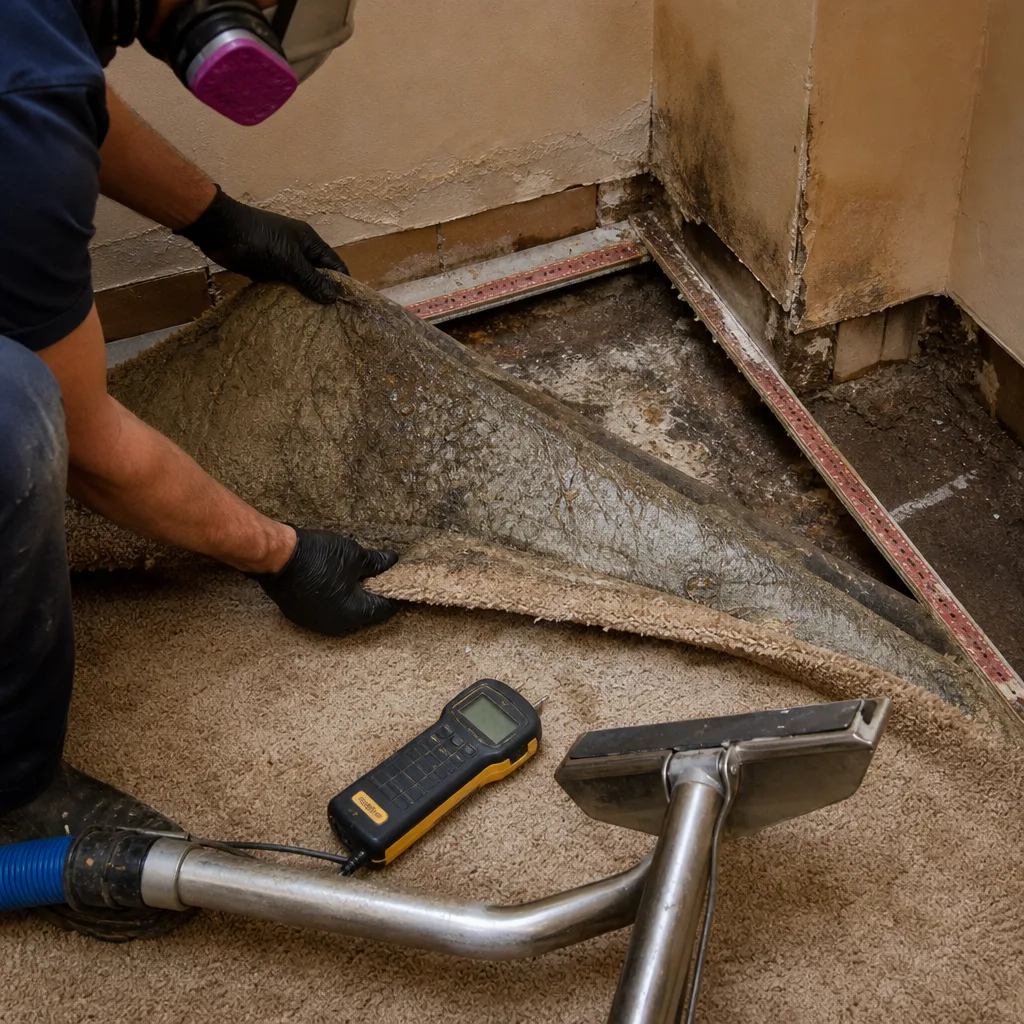
Category 3 water removal in a Washington Heights apartment is not a mop-and-bucket job. We use professional-grade truck-mounted and portable extraction units to pull standing sewage out of hardwood floors, crawl spaces, and the subfloor cavities below original plank flooring. The faster the extraction, the less material we have to cut out, and the less the whole job costs. That first hour matters more than most people realize.
Crawl Space Sewage Removal
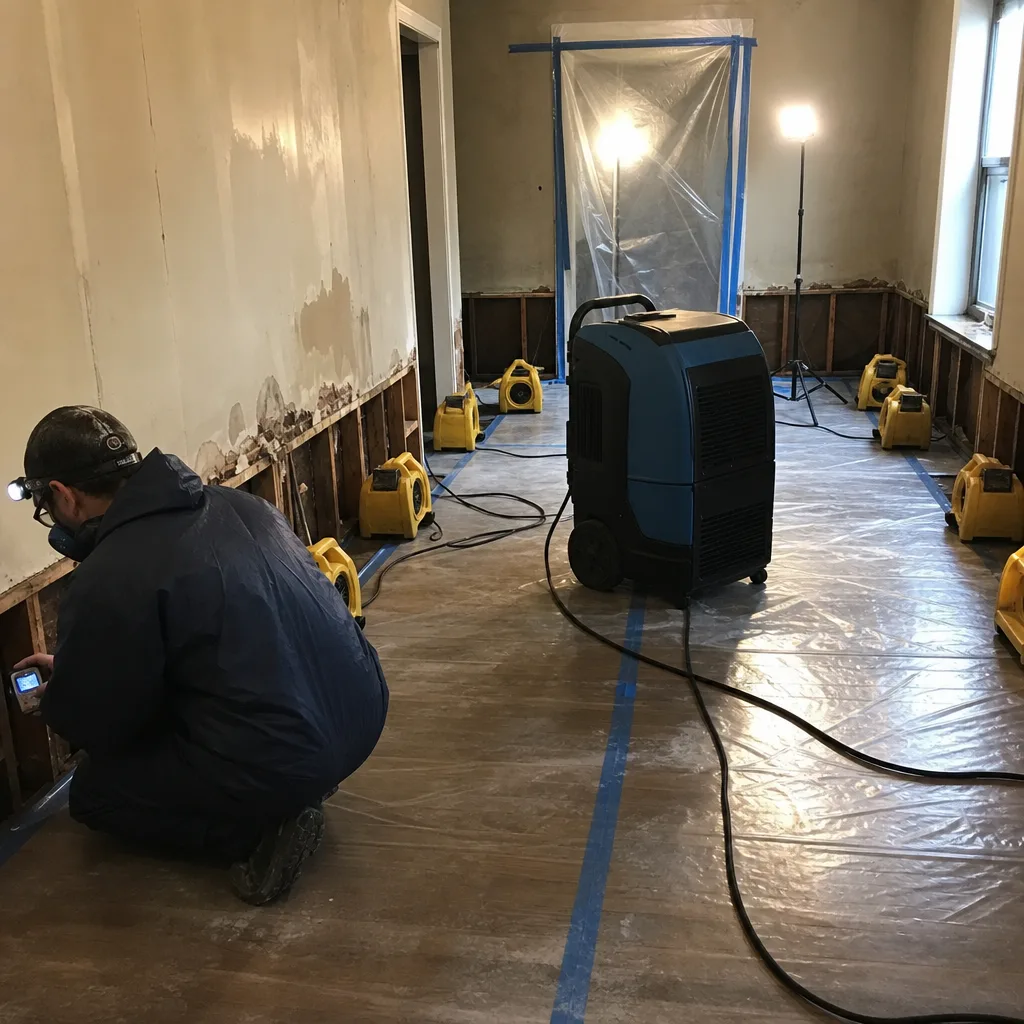
Some older Washington Heights buildings have shallow crawl spaces between the basement ceiling and the first floor joists, and sewage from a cracked stack can pool there for days before anyone smells it. In buildings with shared cast iron stacks, a crawl space backup often reveals cross-contamination into neighboring floor drains, which means full dehumidification and antimicrobial treatment across multiple units. We bring Phoenix dehumidifiers and HEPA air scrubbers into spaces that most contractors do not want to crawl into, and we map every affected drain so the drying plan covers the whole building, not just the unit above the crawl space.
Toilet Overflow Cleanup
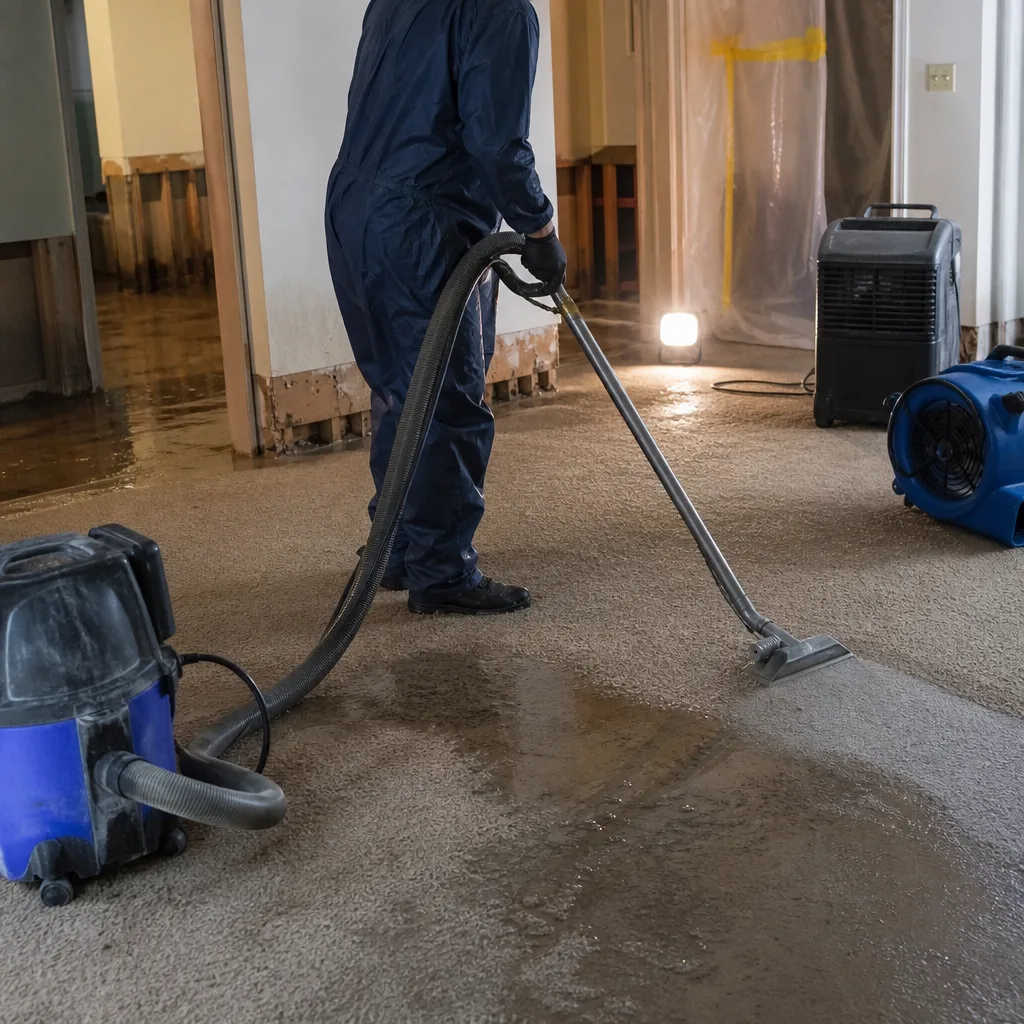
A toilet overflow in a single Washington Heights apartment is the most common sewage call we get, and it is also the easiest to underestimate. If the overflow happened in a sixth-floor unit, the black water did not stay on the bathroom tile. It ran under the floor, around the toilet flange, and down through the ceiling of the apartment below. We check the unit below every time, because waiting until the plaster starts to bubble costs more than the free visual inspection did.
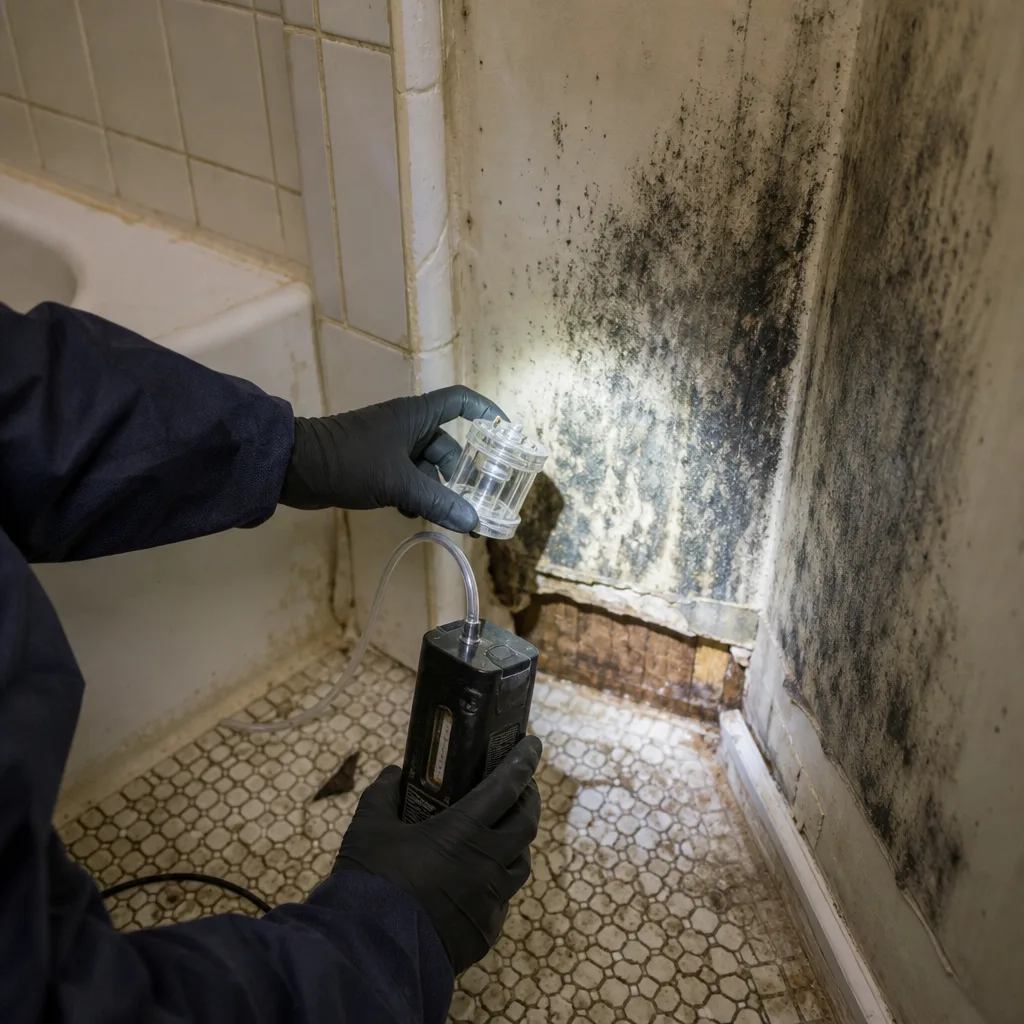
Septic Failure Cleanup
Washington Heights is fully sewered, but the aging laterals running from pre-war buildings to the street can fail like a septic system: slow drainage, gurgling drains, sewage backing into the lowest fixture. When that happens, the repair may be the building’s responsibility, but the cleanup is urgent regardless of who writes the check. We document the loss with photos and moisture readings, give you a written scope, and let the carrier sort out liability while we handle the category 3 water.
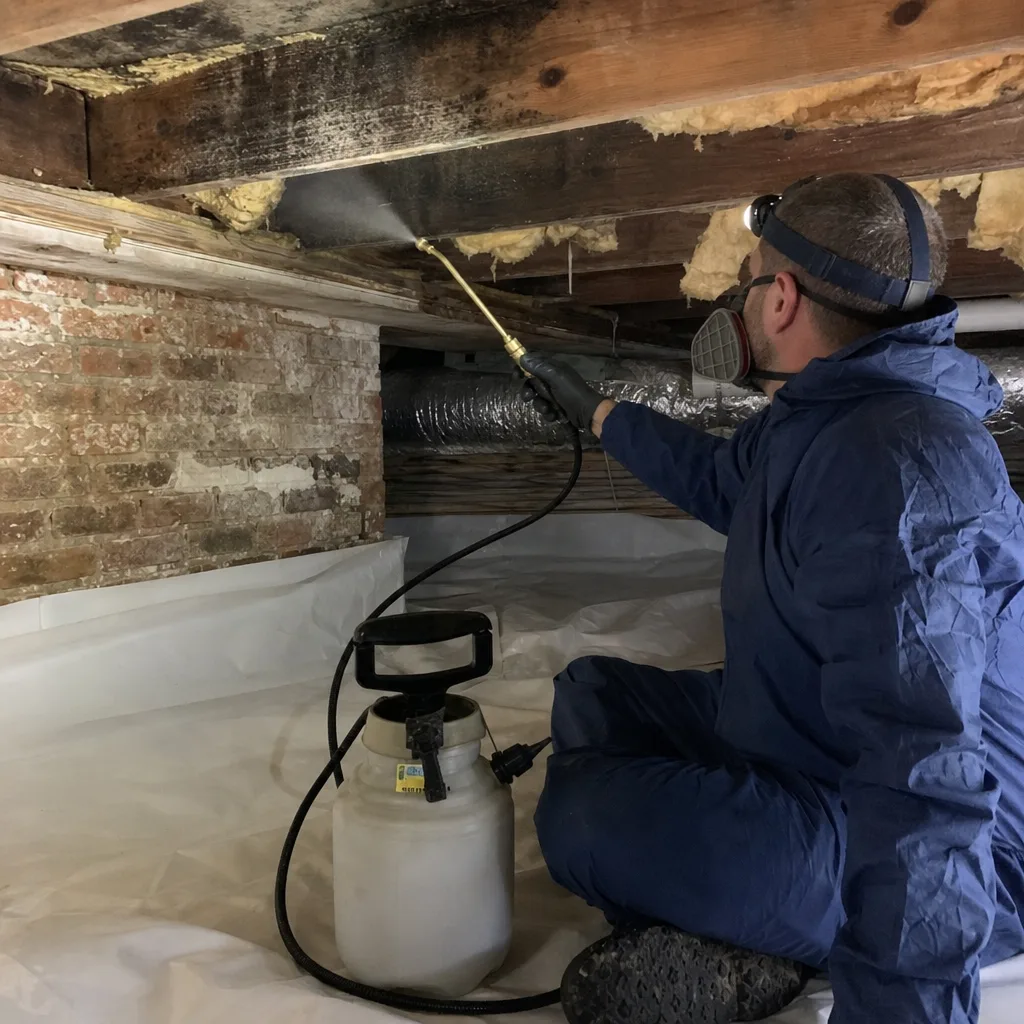
Sanitization & Disinfection
After sewage extraction and removal of saturated material, the affected areas get treated with EPA-registered antimicrobials and hospital-grade disinfectants. We do not spray a fragrance over black water and call it clean. In Washington Heights pre-war buildings, sanitization often includes the shared hallway, the stairwell, and the steam riser chase, because sewage odor travels through those channels and tenants on other floors will smell it if we only treat the source unit.
What happens when you call
- 1
A real person answersNo phone trees - you reach a local pro.
- 2
You get an upfront price rangeHonest numbers before anyone is dispatched.
- 3
A background-checked tech heads outLicensed & insured, dispatched right away.
- 4
You approve before work beginsNothing starts until you say go.
Sewage Cleanup Costs in Washington Heights, NY
What you pay for sewage cleanup in Washington Heights depends first on how many floors the category 3 water reached before we stopped it. A single-bathroom toilet overflow that stays contained runs $1,800 to $3,400. A multi-floor backup from a cracked cast iron stack affecting three to five units runs $4,500 to $9,500. A crawl space sewage removal with cross-contamination into neighboring floor drains and mandatory asbestos abatement runs $7,000 to $15,000.
Those numbers include extraction, sanitization, drying, and removal of contaminated material. Reconstruction and rebuild work is scoped separately after we know what the black water forced us to remove, and that is where the timeline and cost can stretch in Washington Heights: original plaster repair, lead paint abatement, and matching pre-war flooring all cost more than modern drywall and oak strip flooring. We give you a written line-item scope before any work starts, and we bill your carrier directly when the loss is covered. The free visual inspection is the fastest way to turn “how much is this going to cost” into an actual number. Call (917) 924-4221 and we will send a certified crew to look.
We Also Serve Cities Near Washington Heights
Our crews respond to sewage emergencies throughout upper Manhattan and the surrounding area. If your building is across the Harlem River in Fairview or Harrison, just over the bridge near Hunts Point, or in the East Bronx, we handle sewage cleanup there the same way we do in Washington Heights: live answer, fast dispatch, and a written scope before any work begins.
Serving Washington Heights, NY - Our Local Coverage Area
We’re based in the Washington Heights area and know this community well. Use the map below to see our service coverage - if you’re nearby, we can almost certainly help.
Washington Heights Sewage Cleanup Questions, Answered
How does Washington Heights’s aging cast iron drain stack design affect sewage cleanup timelines in multi-floor apartments?
It adds time and complexity at every stage. In a pre-war Washington Heights walk-up, a cracked cast iron stack sends sewage into multiple units through the same riser chase, so extraction and drying cover several floors instead of one apartment. Each affected unit must be inspected, documented, and remediated, and if asbestos pipe insulation or lead paint is present, abatement protocols add days before drywall can come out.
What are the mandatory abatement steps before sewage cleanup can begin in a Washington Heights pre-war building?
In any Washington Heights building constructed before 1940, asbestos pipe insulation and lead-based paint are presumed present. Before our crew removes contaminated plaster or cuts into walls that contain original plumbing, we arrange for licensed abatement testing. If materials test positive, a certified abatement contractor must complete the removal before we continue with drying and reconstruction.
Why is speaking Spanish an operational advantage for sewage cleanup crews in Washington Heights?
Many Washington Heights buildings house rent-stabilized tenants, and landlords, tenants, and building staff often prefer to communicate in Spanish. When sewage damage crosses multiple occupied apartments, the ability to explain the scope, coordinate access, and manage expectations in the tenant’s language keeps the job moving. Our Spanish-speaking project managers handle those conversations, which is why access issues stall fewer of our jobs past the 48-hour mold threshold.
Can you dry out original plaster walls after a category 3 sewage backup in a Washington Heights apartment, or do they always need to be removed?
Plaster walls that absorbed category 3 water cannot be restored to safe condition. The IICRC S500 standard requires removal of saturated porous materials in category 3 losses, and original plaster is porous. We remove the contaminated plaster, sanitize the framing behind it, and rebuild with new plaster or drywall. The good news is that the original lath and plaster above the saturation line can usually stay, and we match the finish as closely as possible.
How do you handle crawl space sewage removal in Washington Heights buildings with shared floor drains?
We start by mapping every drain connected to the affected stack, because sewage in a shared crawl space rarely stays in one unit’s footprint. After extraction, we run Phoenix dehumidifiers and HEPA air scrubbers across the entire crawl space, treat every affected surface with antimicrobials, and take daily moisture readings until the dry standard is met across all units, not just the one where the backup originated.
How fast can you actually reach a sewage backup in Washington Heights?
Our target is 45 minutes from your call to our arrival anywhere in Washington Heights, including Hudson Heights, Fort Washington Avenue, and the 181st Street corridor. We answer live 24 hours a day, and a certified crew is dispatched from the local area, not from another borough. Call (917) 924-4221 and a live dispatcher will tell you the exact ETA.
Will my insurance cover sewage cleanup in a Washington Heights co-op or rental building?
Usually yes, but the policy structure matters. In a co-op, the master policy may cover common elements like the stack itself, while your shareholder policy covers damage to your unit. In a rental, the landlord’s policy typically covers the building, but your personal property coverage depends on your renters insurance. We document the loss with photos, moisture readings, and a line-item scope that your carrier can act on, and we bill them directly.
What should I do in the first 30 minutes after discovering a sewage backup in my Washington Heights apartment?
Stop using all water in your unit, including toilets, sinks, and the shower. Do not flush again, and do not pour drain cleaner into the line, both can push contaminated water deeper into the building. Turn off the water to the affected fixture if you can safely reach the shutoff. Then call (917) 924-4221 immediately and describe what you see. Our dispatcher will tell you what to do next, and a crew will be on the way.
Floodline Restoration Co. of Manhattan has been answering the phone with a live person since Curt Bowman founded the company in 2010. We built the business around a dispatch board, not a sales desk, and every job we do in Washington Heights carries the 90-Day Done Right Promise in writing. If it is not done right, we make it right: no paperwork battles, no arguing. Call (917) 924-4221 for a free estimate, and we will be there when we say.
Written by Curt Bowman, Owner at Floodline Restoration Co. of Manhattan, serving Washington Heights since 2010.