
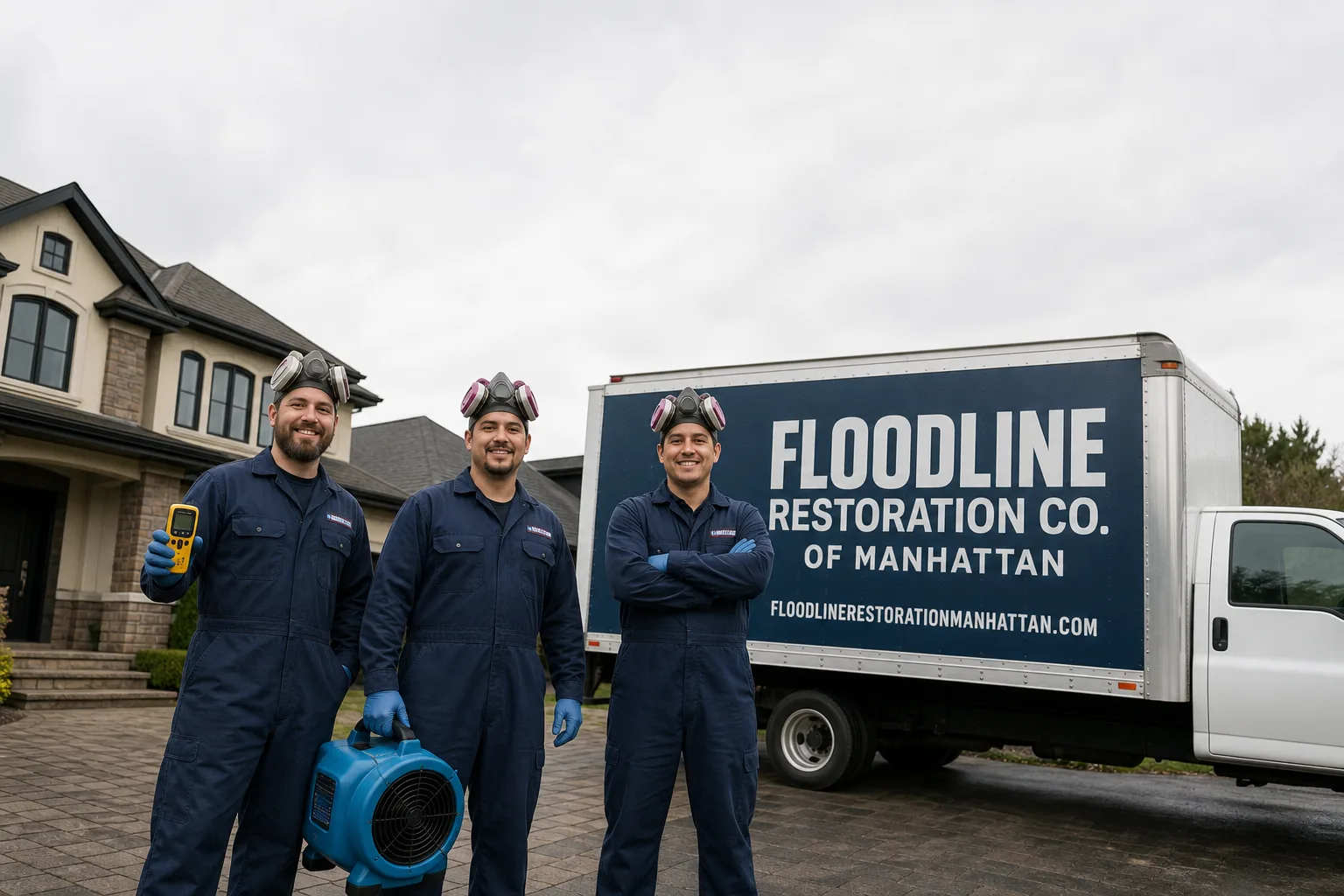
Free visual inspection and a written scope of work before any mitigation begins - photos, moisture readings, and drying logs go in your claim file
The scope we write is the scope we bill. Anything new gets shown to you, in writing, before we touch it.
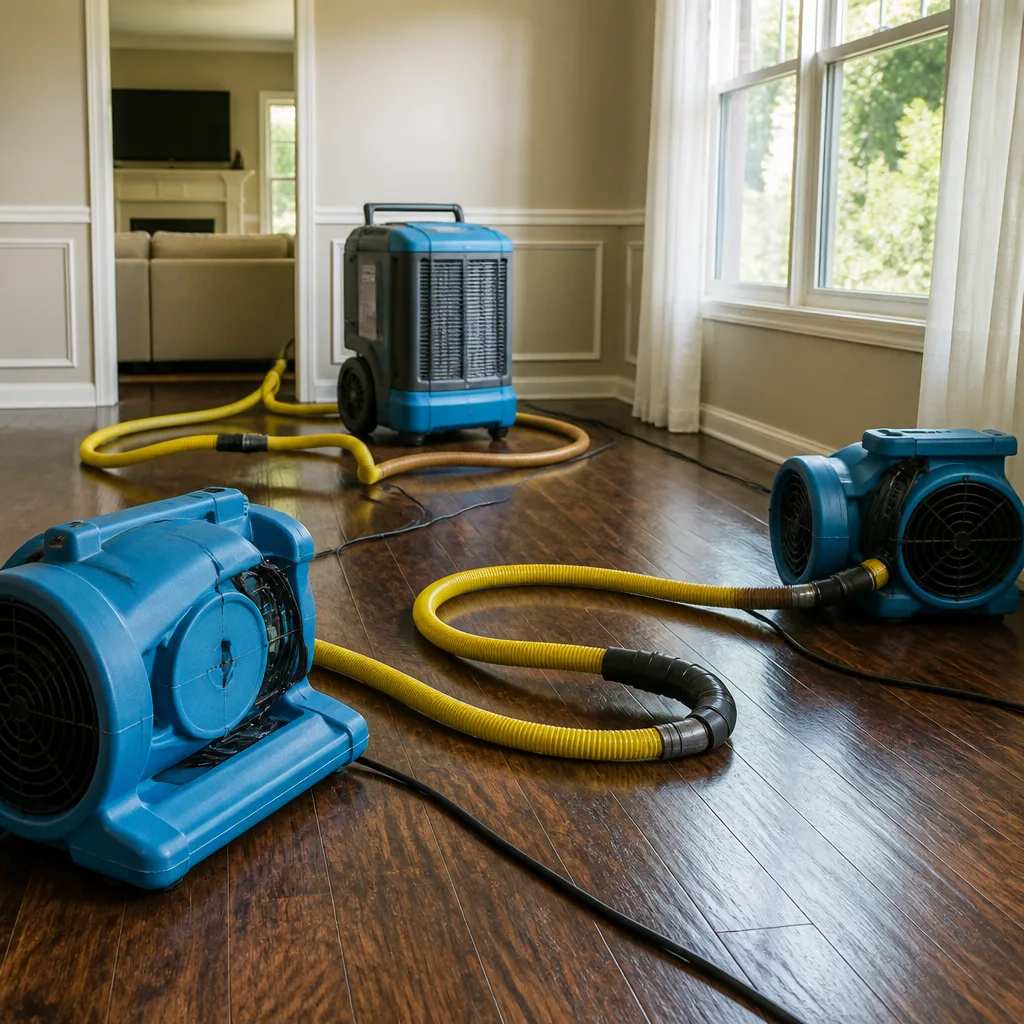


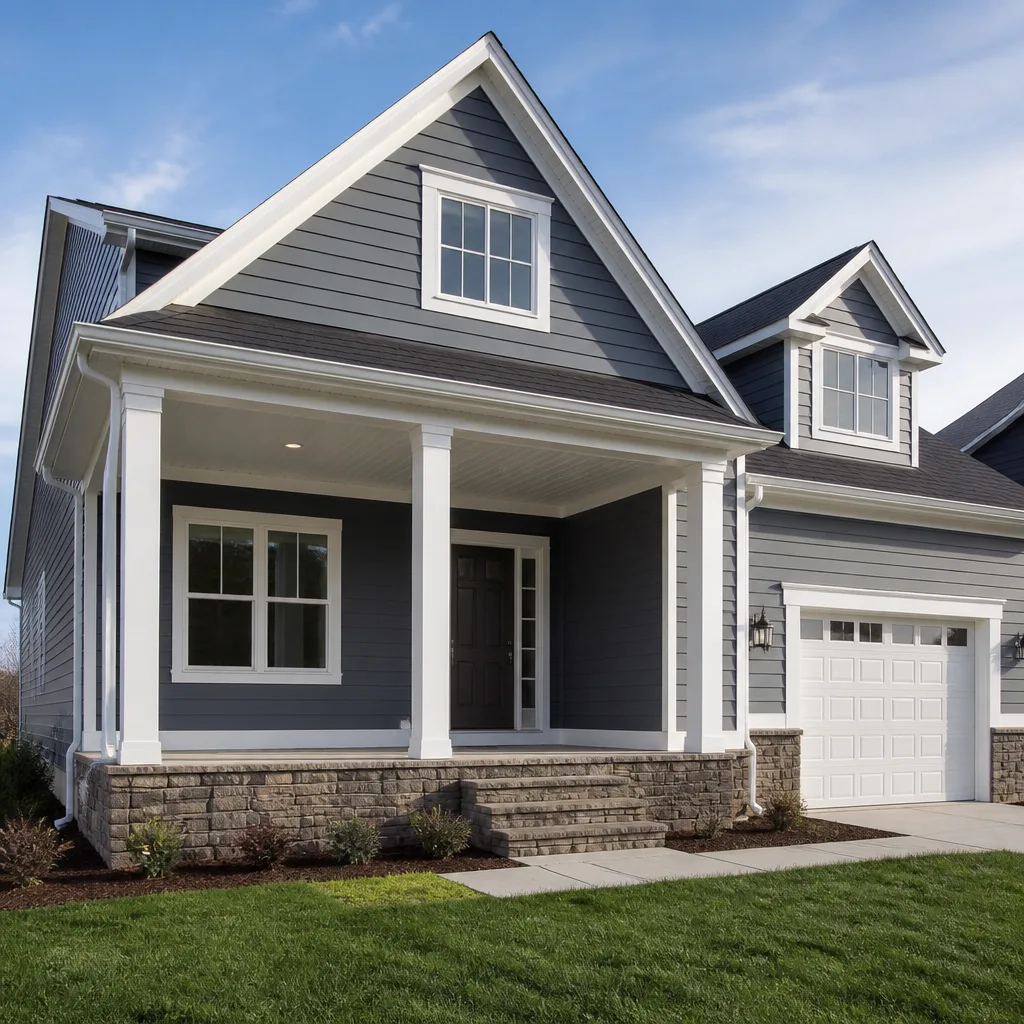
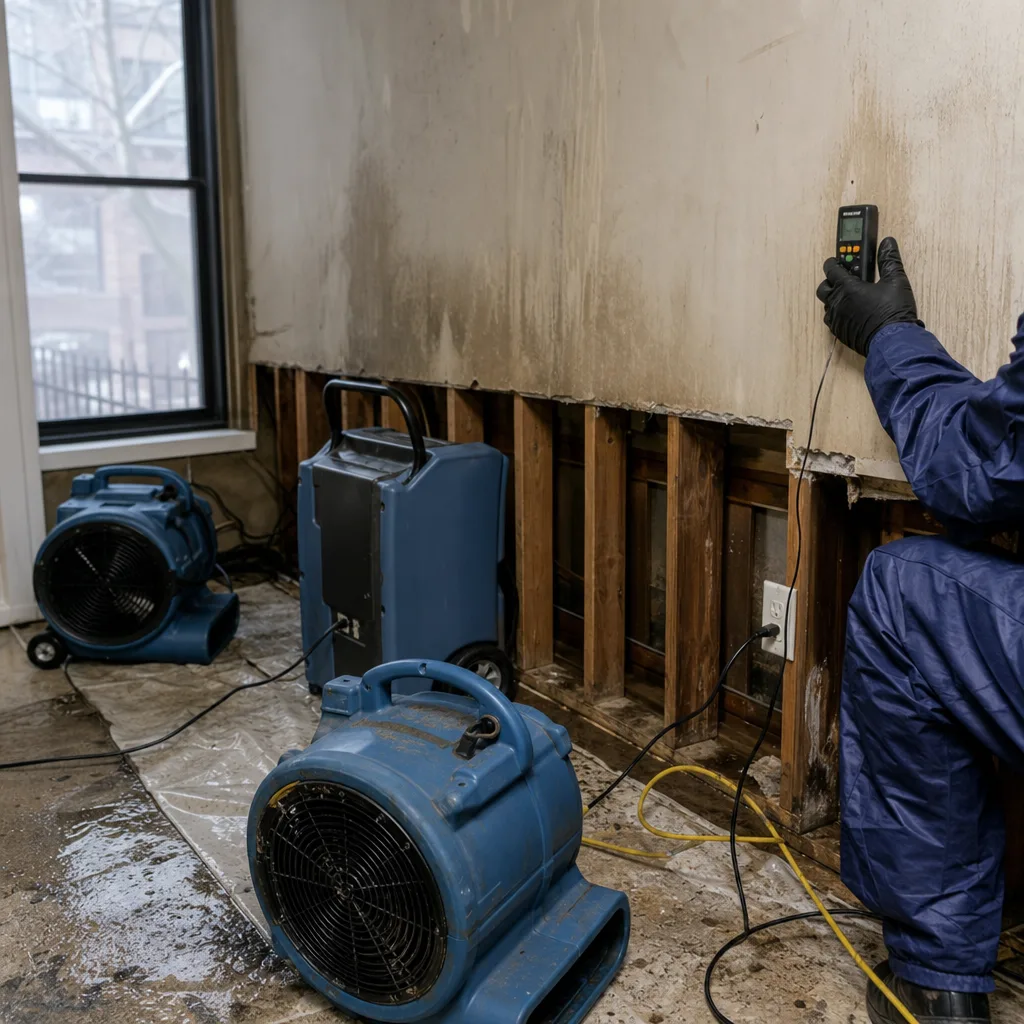 Before
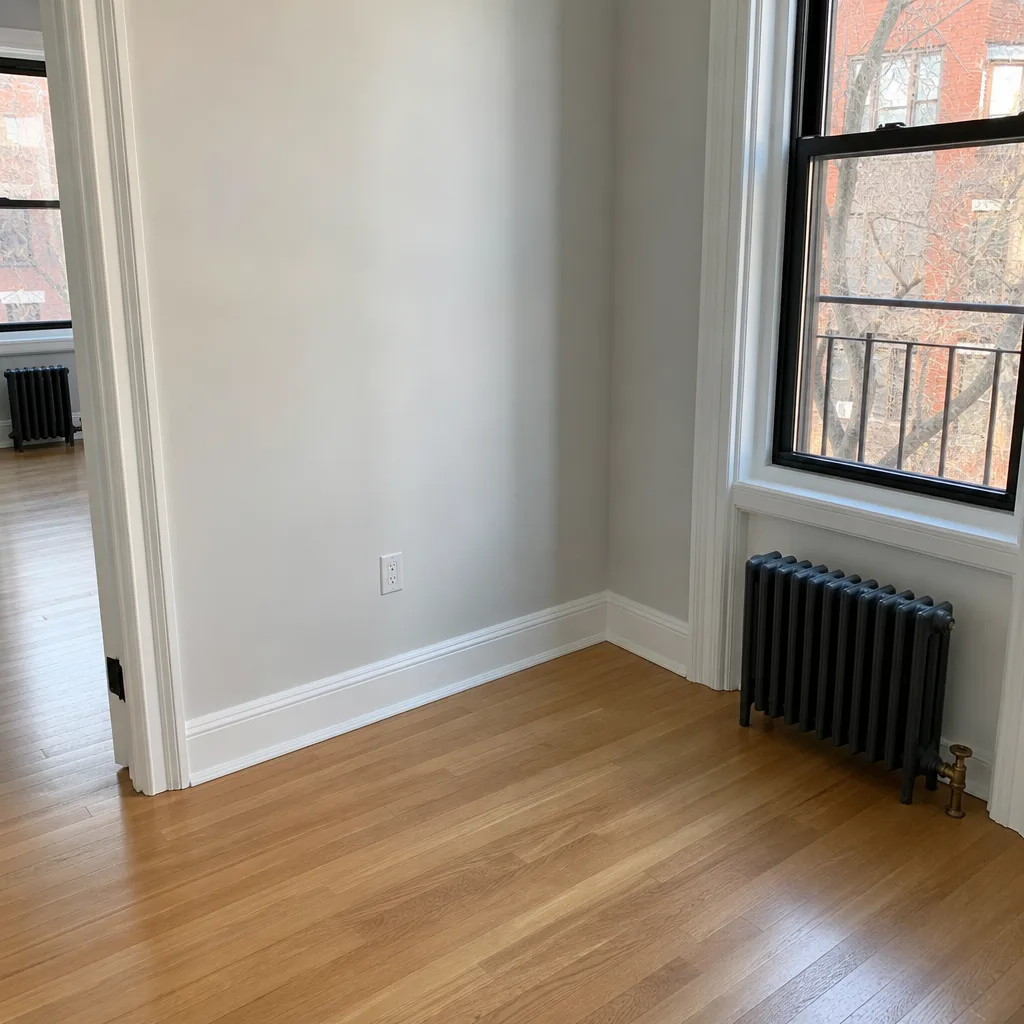 After
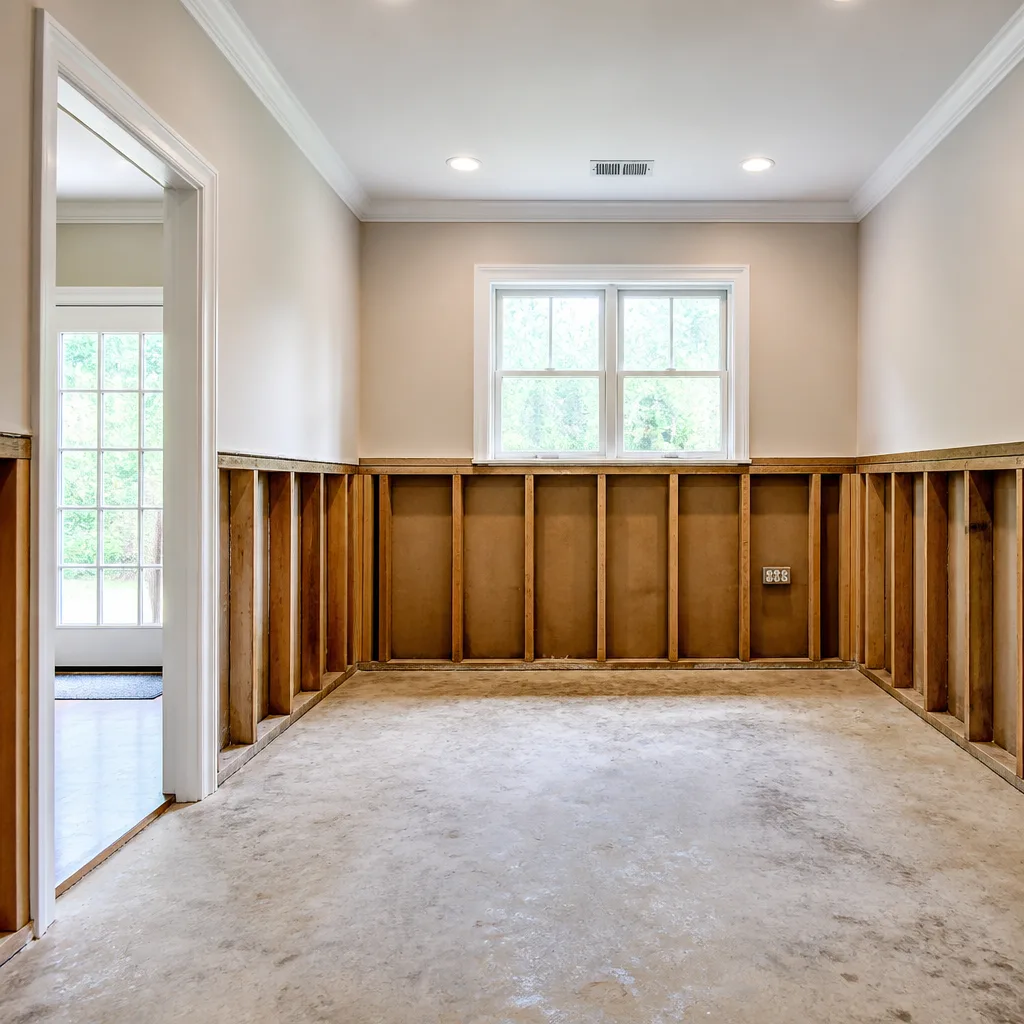
After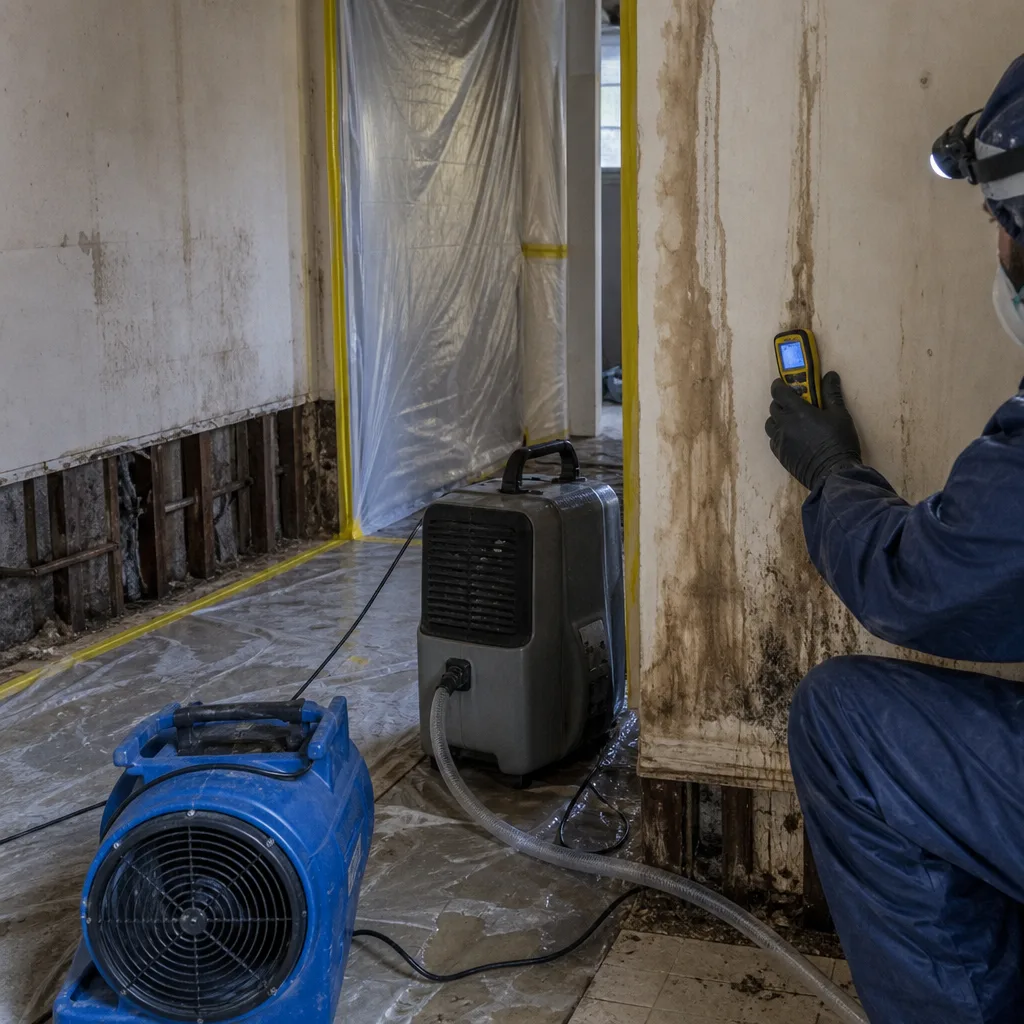 Before
 After
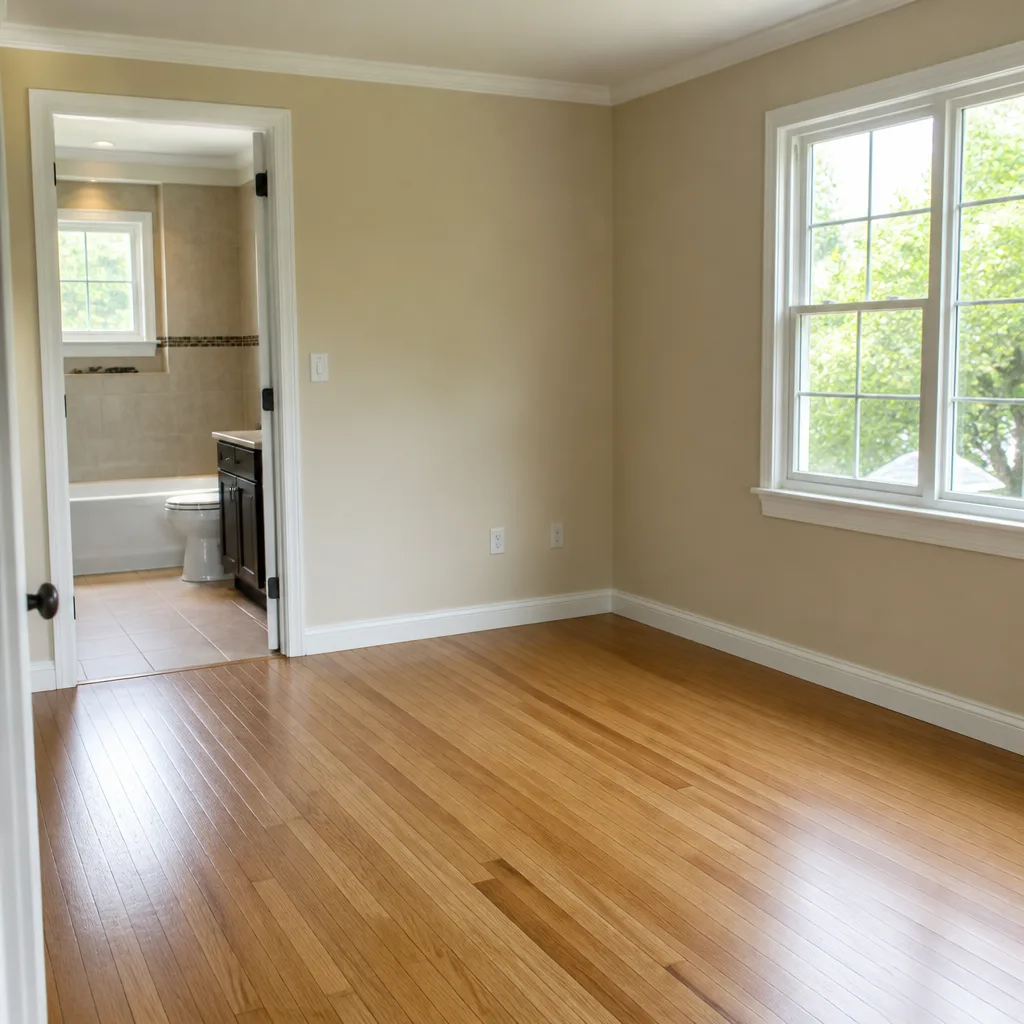
After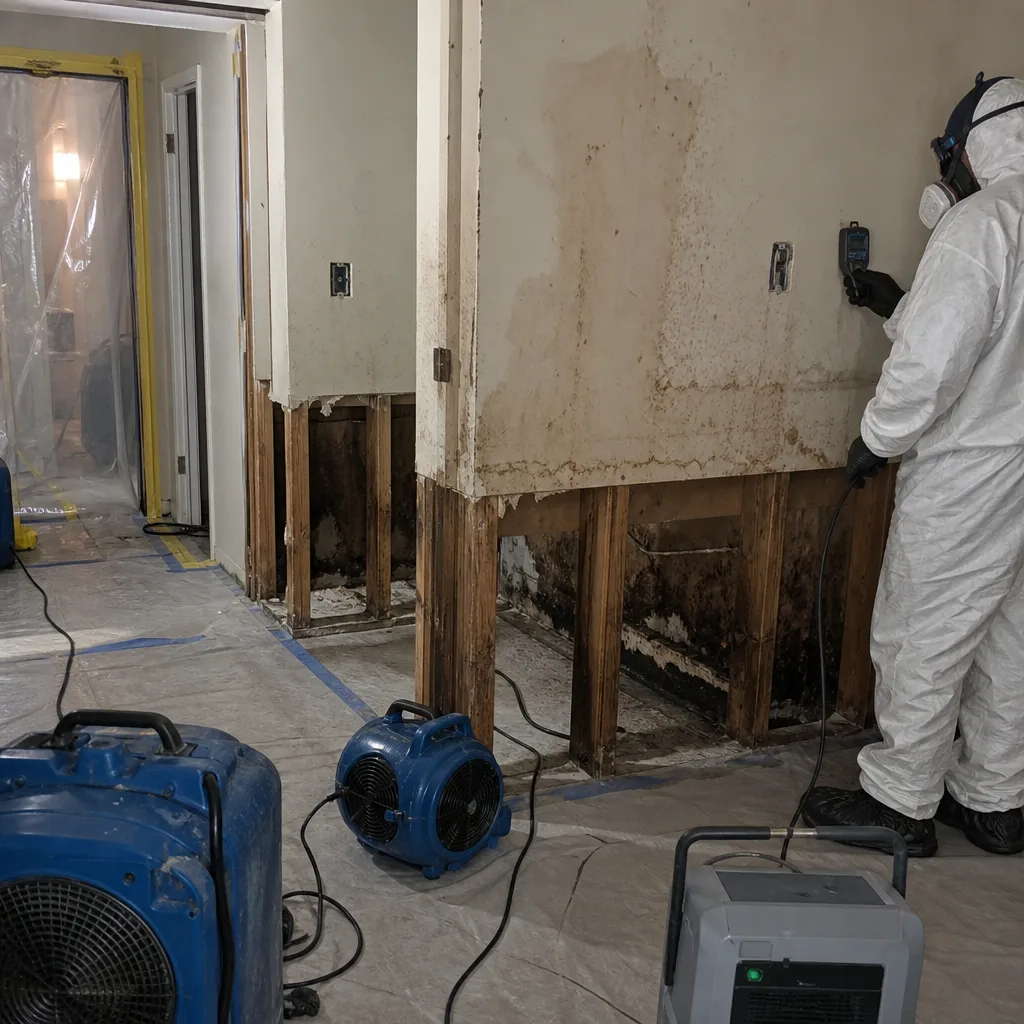 Before
 After
After24/7 Emergency Storm & Disaster Restoration in Buchanan
Storm and flood damage in Buchanan moves fast, and so do we. A live dispatcher answers at (917) 924-4221 any hour, any day, and a certified crew can be on-site in Buchanan within 45 minutes of your call. The first hour after a Hudson River surge, a nor’easter, or a burst supply line is when the damage is cheapest to stop. Every hour after that, water wicks deeper into drywall, flooring, and framing, and mold starts thinking about moving in.
We start with a free visual inspection, a written scope of work, and extraction running the same visit when the damage calls for it. No answering service. No sales desk. A person picks up at 2 a.m. in a storm, and a background-checked, uniformed technician shows up in a marked truck. That’s how we’ve handled Storm & Disaster Restoration here for over a decade. Done right, and backed in writing.
Understanding Storm & Disaster Restoration Severity in Buchanan Properties
Not all floodwater is the same, and Buchanan’s location on the east bank of the Hudson means we see the full spectrum. Category 1 water comes from a clean source, like a supply line that froze and split during one of the Hudson Valley’s January deep freezes. Category 2 carries contaminants, like the river silt and detergent runoff that a summer surge pushes into a finished basement. Category 3 is grossly contaminated: sewage, river-borne pathogens, and everything the Hudson picked up along the way. That’s the water that demands Biohazard & Crime Scene Cleanup - Buchanan protocols, antimicrobial treatment, and often a deeper flood cut than a standard 4-to-6 inches.
Buchanan’s housing stock adds another layer. Most homes here are mid-century Capes, ranches, and colonials built in the 1950s through the 1970s for Indian Point plant workers. That means original cast-iron drain stacks, aging galvanized plumbing, and electrical panels that were never designed for the moisture loads of a modern flood event. Severity assessments have to account for how fast water traveled through those old materials, where it’s hiding behind 60-year-old framing, and what the freeze-thaw cycles have already done to the foundation before the storm ever hit.
Why Buchanan Property Owners Choose Floodline Restoration Co. of Manhattan
- 45-minute response commitment – A certified crew is dispatched the moment you hang up, not after a callback window.
- 24/7 live answer – A real dispatcher picks up, every hour, every day. We don’t have an automated phone tree.
- IICRC-certified crews – Our technicians hold WRT, FSRT, and AMRT certifications and follow IICRC, RIA, and IFA standards on every job.
- Free visual inspection – We look, we document, and we give you a written scope before any work begins. No pressure, no surprises.
- Direct insurance billing – We talk to your adjuster so you don’t have to play messenger. Documentation, scope, and correspondence all go through us.
- One team, start to finish – The same crew that runs extraction handles drying, monitoring, and the final rebuild. No mid-job handoff to a crew you’ve never met.
Our Storm & Disaster Restoration Process
Inspection & Assessment
We walk the property inside and out, using thermal imaging and moisture meters to map the full extent of the damage, including what’s hiding behind walls and under flooring. In Buchanan, that inspection also accounts for any Indian Point decommissioning zone documentation requirements before equipment goes in.
Extraction & Stabilization
Submersible pumps and truck-mounted extractors pull standing water out fast. If wind damage compromised the building envelope, we stabilize with emergency board-up and roof tarping in the same visit so no more water gets in while we work.
Drying & Dehumidification
We spec professional-grade Dri-Eaz air movers, Phoenix dehumidifiers, and XPOWER units sized to the actual cubic footage and the Hudson Valley’s trapped-humidity conditions. Daily moisture readings get logged until the dry standard is met, and that log goes to you and your insurer.
Cleaning & Sanitization
For Category 2 and 3 water, we set up full containment with HEPA air scrubbers before any demolition or pack-out begins. We apply our Sanitization Services in Buchanan to all affected surfaces, and we document every step for the record.
Specialty Treatment
Storm and flood work in Buchanan often requires more than drying. We handle silt removal, river-borne contaminant mitigation, corrosion control on electrical systems, and Reconstruction & Cleanup - Buchanan coordination triggered by proximity to the decommissioning site.
Repairs & Restoration
Once the drying log shows the moisture goal is hit, the same crew rebuilds. Drywall, flooring, trim, paint, and any structural repairs happen in sequence, on one scope of work, backed by the 90-Day Done Right Promise in writing.
Need Emergency Storm & Disaster Restoration in Buchanan Now?
Crews minutes away, answering live 24 hours a day. The sooner we start, the less it costs.
Working With Your Insurance Company
Insurance claims in Buchanan carry an extra layer of scrutiny that neighboring towns don’t face. Proximity to the Indian Point decommissioning zone can trigger mandatory third-party environmental clearances before restoration work is approved, and your adjuster may want documentation that a contractor in Peekskill or Montrose would never be asked to produce. We’ve handled that paperwork before, and we know what the carriers and the environmental monitors expect.
From the first hour, we photograph everything, log moisture readings on a schedule, and build a line-item scope of work that matches the decommissioning zone’s testing and documentation protocols. We talk directly to your adjuster, submit our findings in industry-standard format, and keep you out of the middle of every back-and-forth.
What We Provide Your Insurer
- Thorough documentation of the loss
- Photos of all damage, room by room
- Moisture readings and drying logs
- A detailed, line-item scope of work
- Direct coordination with your carrier
Built for Buchanan’s Loss Calendar
Buchanan’s restoration needs follow the calendar, and we’ve seen the pattern repeat for years. January and February bring the deep freezes that split supply lines in uninsulated crawl spaces and exterior wall chases, especially in the older Capes and ranches along Broadway and the streets sloping toward the river. We get the call, we stop the water, and we dry the structure before mold gets a foothold.
Spring is when snowmelt from upstate makes its way down the Hudson and combines with storm surge to push water into low-lying riverfront properties, the ones a few blocks from River Street where foundations sit near the waterline. Summer thunderstorms arrive fast and dump hard, overwhelming old cast-iron drains and basement sumps that were adequate in 1965. Fall nor’easters bring wind that peels roofing off aging Cape Cods and sends tree limbs through windows, which is when emergency board-up and tarping matter most. Every season has a failure mode here, and we plan our equipment and crews around them.
Storm & Disaster Restoration Across Buchanan’s Neighborhoods
Buchanan is a compact village, about a square mile and a half, but the storm response varies block by block. Homes along River Street and the streets running east from it toward the Hudson sit lowest and take the brunt of surge events. Those basements tend to be finished, and they tend to hold water longer because the water table is right there. Crews responding to that corridor run bigger extraction setups and expect deeper flood cuts.
Up near the Indian Point campus, west of Broadway, the concerns shift. Those blocks are closest to the decommissioning zone, and restoration work there routinely needs environmental sign-off before structural drying can proceed. The houses are the same mid-century stock, but the documentation burden is heavier, and the insurers ask more questions. We’ve learned to front-load that paperwork so mitigation doesn’t stall.
The residential streets between Westchester Avenue and the Croton border, including the neighborhoods around Van Cortlandt Avenue and the cul-de-sacs off Maple Street, see more wind damage and freeze-burst losses than flood surge. Roof tarping, emergency board-up, and burst-pipe water extraction are the common calls there. Each zone has its own rhythm, and dispatch knows the difference.
Specialized Storm & Disaster Restoration Services We Offer in Buchanan
Storm Damage Cleanup
After a nor’easter or a summer thunderstorm, Buchanan yards and homes collect downed branches, blown-in debris, and damaged siding or roofing. We clear the debris, document the loss for your carrier, and assess the building envelope before water becomes the next problem. The line the water left is where we start, but the cleanup starts at the curb.
Flood Damage Restoration
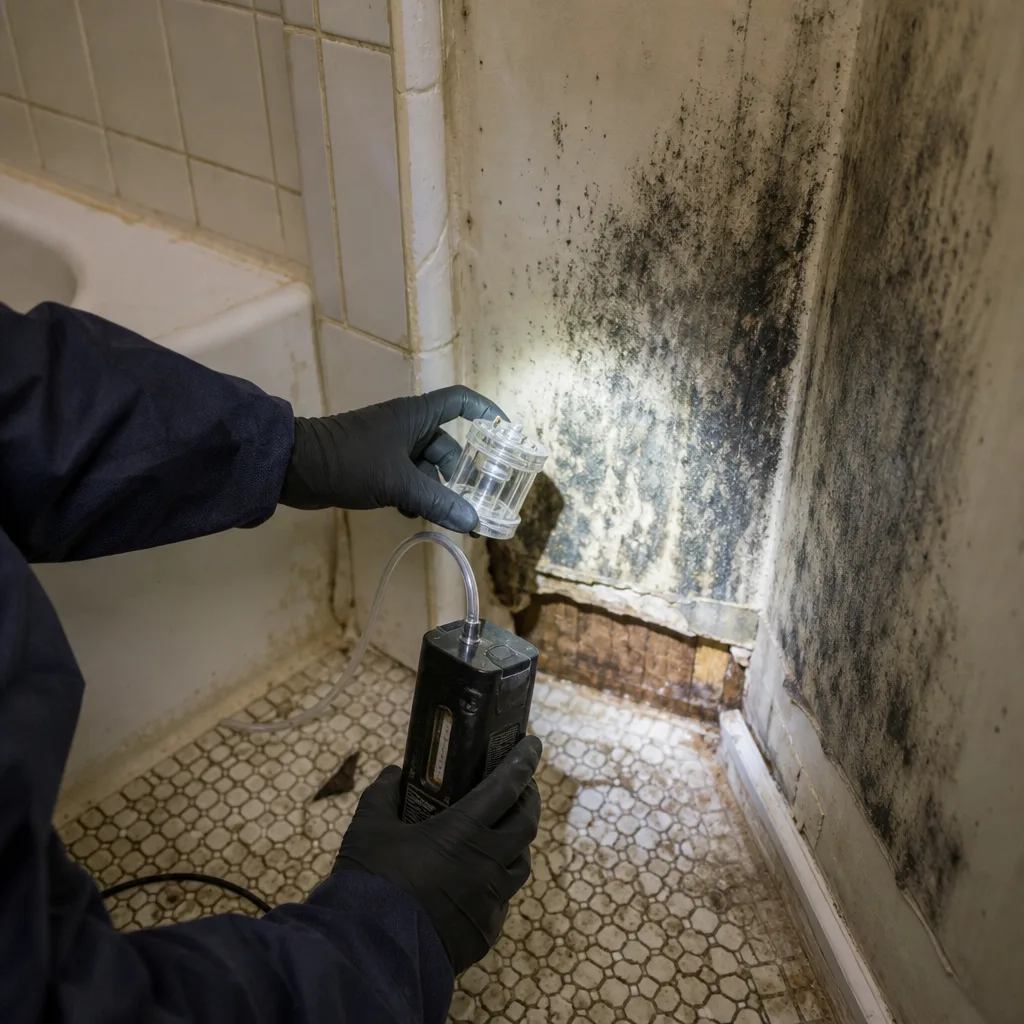
Hudson River surge and snowmelt flooding hit Buchanan differently than they hit Verplanck or Stony Point. Here, the standing water often carries river silt and contamination, and the proximity to the decommissioning site means some claims require environmental testing before drying can be signed off. We handle the extraction, the containment, the drying, and the paperwork in one sequence.
Emergency Board-Up
When wind takes out a window or a tree limb opens a roof, an open house loses heat in January and invites water in every month. We board up and tarp within hours, securing the property so restoration can proceed on our schedule, not the weather’s. Security and weatherproofing come first, every time.
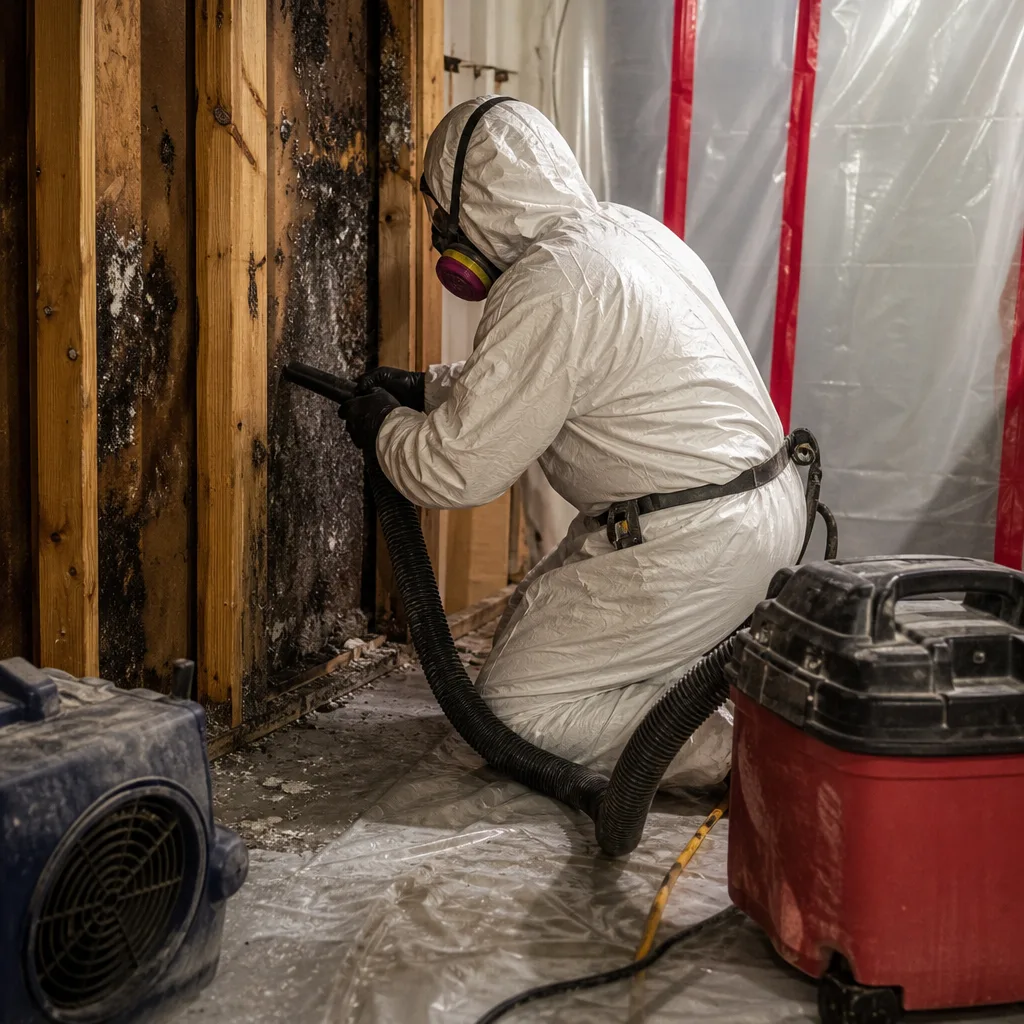
Roof Tarping
Buchanan’s aging Cape Cods and ranch homes have original roof decks on many blocks, and a 60-year-old sheathing doesn’t always hold against a fall nor’easter. We tarp the damaged area the same day, seal it against rain, and document everything for the adjuster so the eventual roof repair isn’t a fight.
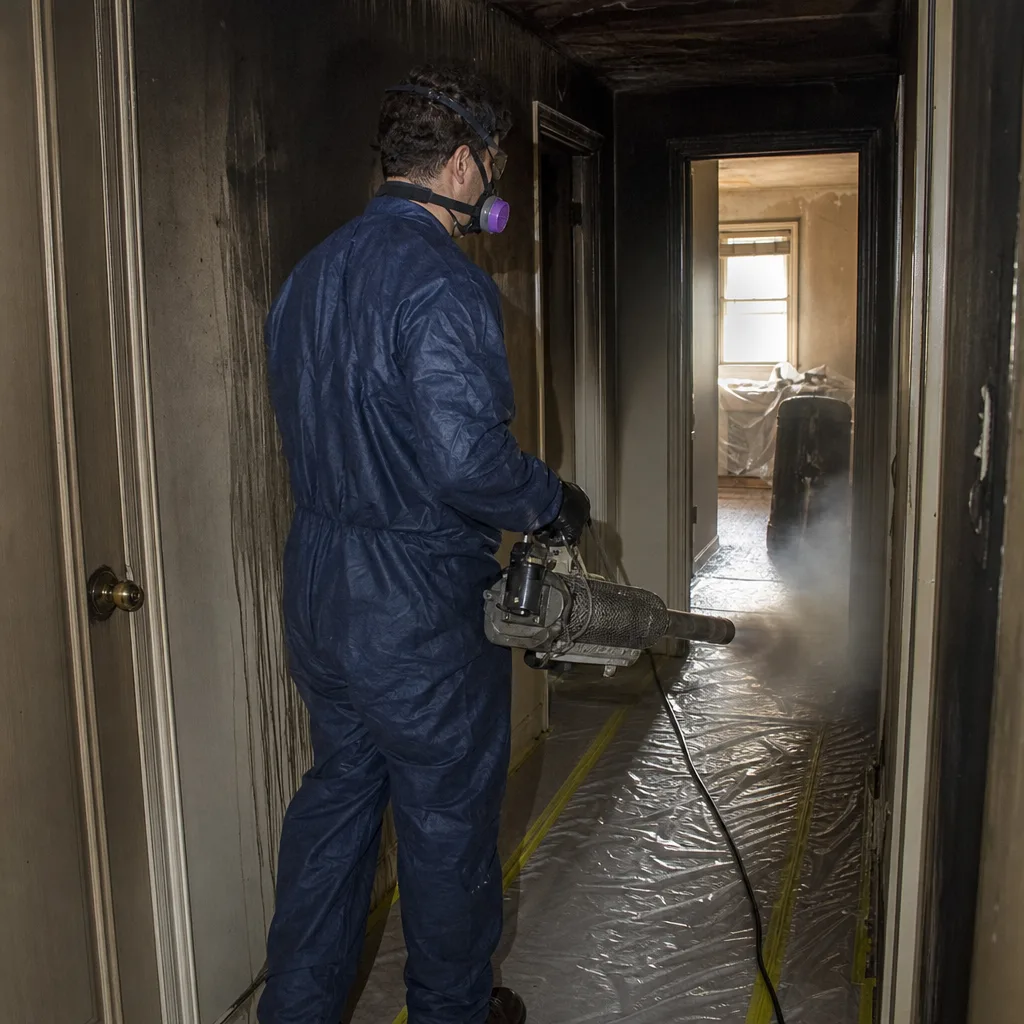
Debris Removal
Storm debris in Buchanan isn’t just yard waste. It’s soaked drywall, ruined insulation, and silt-covered belongings that need to be hauled properly, with contamination protocols in place when the water was Category 3. We handle the pack-out, the hauling, and the disposal documentation your insurer needs.
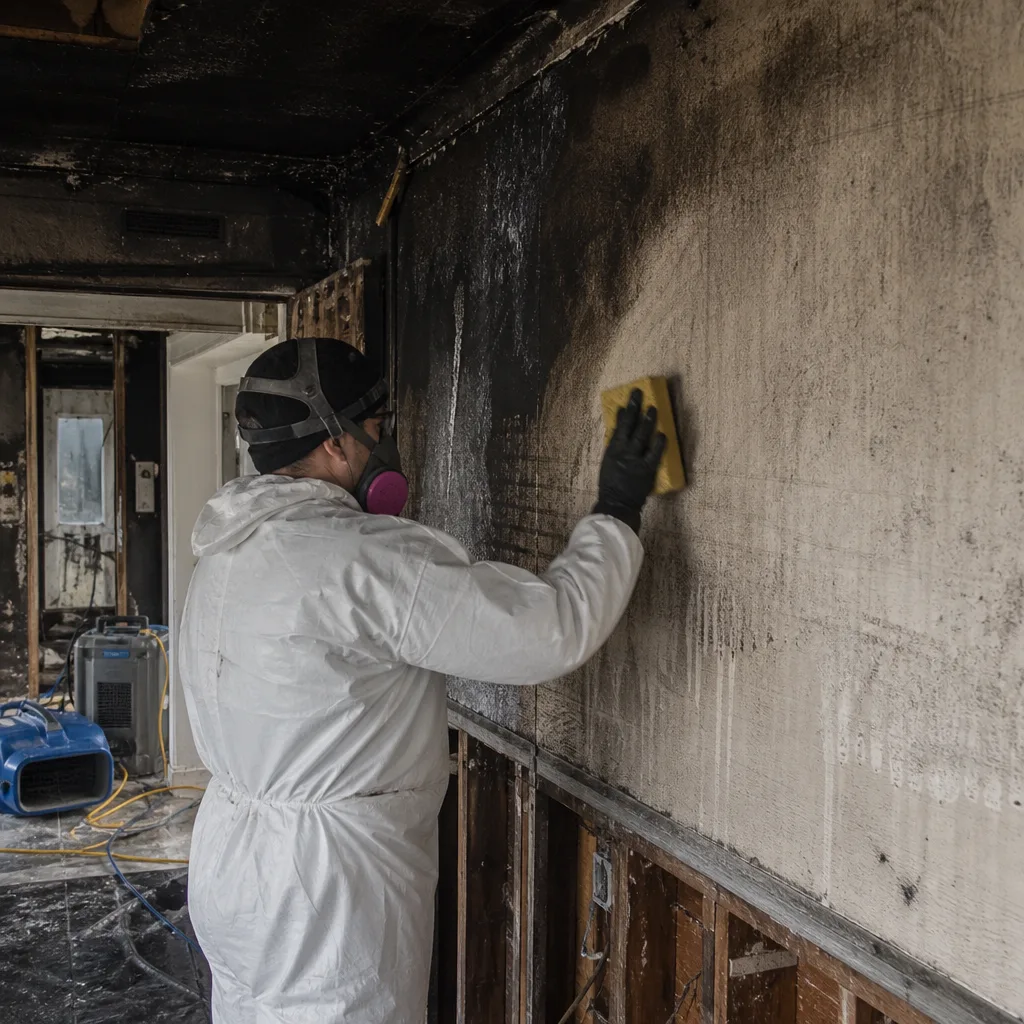
What happens when you call
- 1
A real person answersNo phone trees - you reach a local pro.
- 2
You get an upfront price rangeHonest numbers before anyone is dispatched.
- 3
A background-checked tech heads outLicensed & insured, dispatched right away.
- 4
You approve before work beginsNothing starts until you say go.
Storm & Disaster Restoration Costs in Buchanan, NY
Storms and floods in Buchanan run a wide range, and we quote honestly from the first look. A straightforward Category 1 water extraction from a burst supply line in a crawl space typically runs $1,200 to $3,500, including drying equipment and monitoring. A finished-basement flood from Hudson River surge with Category 2 water runs $4,000 to $12,000, depending on how much drywall and flooring has to come out. Emergency board-up and roof tarping after wind damage usually runs $400 to $1,200, which your carrier almost always covers as mitigation.
What moves the price here is the Indian Point factor. If environmental testing or third-party clearance is required before drying can proceed, there are additional coordination costs and a slightly longer timeline. We spell that out in the written scope before work starts, so there are no surprises on the bill. The free visual inspection gives you a firm number, not an estimate built on averages from a different river town.
We Also Serve Cities Near Buchanan
Our crews cover the full Hudson riverfront corridor, including Storm & Disaster Restoration in Buchanan and the surrounding communities. We’re minutes from Montrose, Verplanck, Peekskill, and Stony Point, and the same certified teams, the same equipment, and the same written guarantee apply across the entire service area.
Serving Buchanan, NY - Our Local Coverage Area
We’re based in the Buchanan area and know this community well. Use the map below to see our service coverage - if you’re nearby, we can almost certainly help.
Buchanan Storm & Disaster Restoration Questions, Answered
How does Buchanan’s proximity to Indian Point affect my storm damage claim timeline?
Buchanan homes near the Indian Point decommissioning zone can face mandatory third-party environmental clearance before restoration work is approved, which adds days to a claim that would clear in hours in Peekskill or Montrose. We front-load the documentation, coordinate with the environmental monitors, and keep your adjuster informed so the delay doesn’t become a standstill. Call (917) 924-4221 and we’ll explain what your specific property is likely to trigger.
What is the difference between Category 1 and Category 3 water in a Buchanan flood?
Category 1 is clean water from a burst pipe or supply line, while Category 3 is grossly contaminated water carrying sewage, river-borne pathogens, or silt from the Hudson. Buchanan floods are frequently Category 2 or 3 because the river surge picks up everything along its path, which means full containment, antimicrobial treatment, and deeper demolition than a clean-water job. We test and classify every loss before drying begins.
Can I dry out my Buchanan basement myself after a spring snowmelt flood?
You can run a fan and a rental dehumidifier, but you won’t get the moisture out of the wall cavities and under the flooring, and that’s where the mold takes hold. Professional-grade Dri-Eaz air movers and Phoenix dehumidifiers move hundreds of CFM more than residential units, and we log moisture readings until the structure actually reaches the dry standard. For Category 2 or 3 water, DIY drying is not just ineffective, it’s unsafe. Call (917) 924-4221 for a free visual inspection instead.
Why do I need roof tarping and emergency board-up right after a wind storm in Buchanan?
Because an open roof or broken window lets the next rain in, and Buchanan’s fall nor’easters don’t come one at a time. Tarping and board-up stop secondary water damage, keep the property secure, and show your insurer that you took reasonable steps to mitigate the loss. Most policies require it, and it’s usually covered as part of the claim. We get it done the same day you call.
Does Floodline Restoration handle the added insurance paperwork for Buchanan’s decommissioning zone requirements?
Yes. We document the pre-loss condition, produce moisture logs and photo records that match the decommissioning zone’s testing protocols, and coordinate directly with the environmental monitors and your adjuster. You never play messenger between Floodline and the carrier. The paperwork trail is part of the restoration, not an add-on.
How fast can a crew actually get to my Buchanan home?
We commit to 45 minutes from the time you hang up. A live dispatcher takes your call at any hour, a marked truck leaves dispatch, and a certified technician arrives in uniform with the equipment to start extraction or stabilization the same visit. That speed is what limits the damage and keeps the total cost down.
Do I really need full restoration or just a cleaning after a Buchanan flood?
That depends on the water category and how long it sat. Category 1 water on a tile floor can sometimes be extracted and dried without full demolition. Category 2 or 3 water in drywall, insulation, or carpet almost always requires removing the affected materials and treating the framing underneath. We give you an honest assessment and a written scope, and we don’t oversell a dime of work that isn’t needed.
What should I do in the first 30 minutes after storm or flood damage in Buchanan?
Shut off the power if water is rising toward outlets or the panel, call (917) 924-4221, and don’t enter a flooded basement if you’re not certain what’s in the water. Take photos of everything while you wait, and don’t start moving wet belongings or cutting drywall until we’ve documented the loss for your insurer. The first 30 minutes set the tone for the claim and the restoration.
Buchanan is one of the only municipalities in the United States where a storm or flood restoration contractor must routinely coordinate with Indian Point’s decommissioning trust and their environmental monitors before setting up containment or running structural drying equipment on a water-damaged home. Contractors who treat Buchanan like any other river town skip that step and get stopped mid-mitigation when the insurer demands environmental testing. We don’t. We know the protocol, we know the people who enforce it, and we document everything from the first look so the claim doesn’t stall on a technicality.
On a Cape Cod near the Indian Point campus, our crew handled a Category 2 water extraction after a Hudson surge pushed into a finished basement. We set up full containment, ran Dri-Eaz air movers and Phoenix dehumidifiers, and logged moisture readings every four hours. The homeowner’s insurer required a third-party environmental sign-off before we could begin pack-out, so our techs documented the pre-loss condition and kept a detailed scope of work that matched the decommissioning zone’s testing protocol. The claim paid, the basement was rebuilt, and the homeowner never had to argue with anyone.
If you live in Buchanan and you’re dealing with storm or flood damage, call (917) 924-4221. A live person answers. A certified crew responds. And the 90-Day Done Right Promise comes in writing, backed by the K.E.Y.S. values code: Krafted right, Every time, Your home first, Standing behind it. We’ll be there when we say.
Written by Curt Bowman, Owner at Floodline Restoration Co., serving Buchanan and the Hudson riverfront since 2010.