
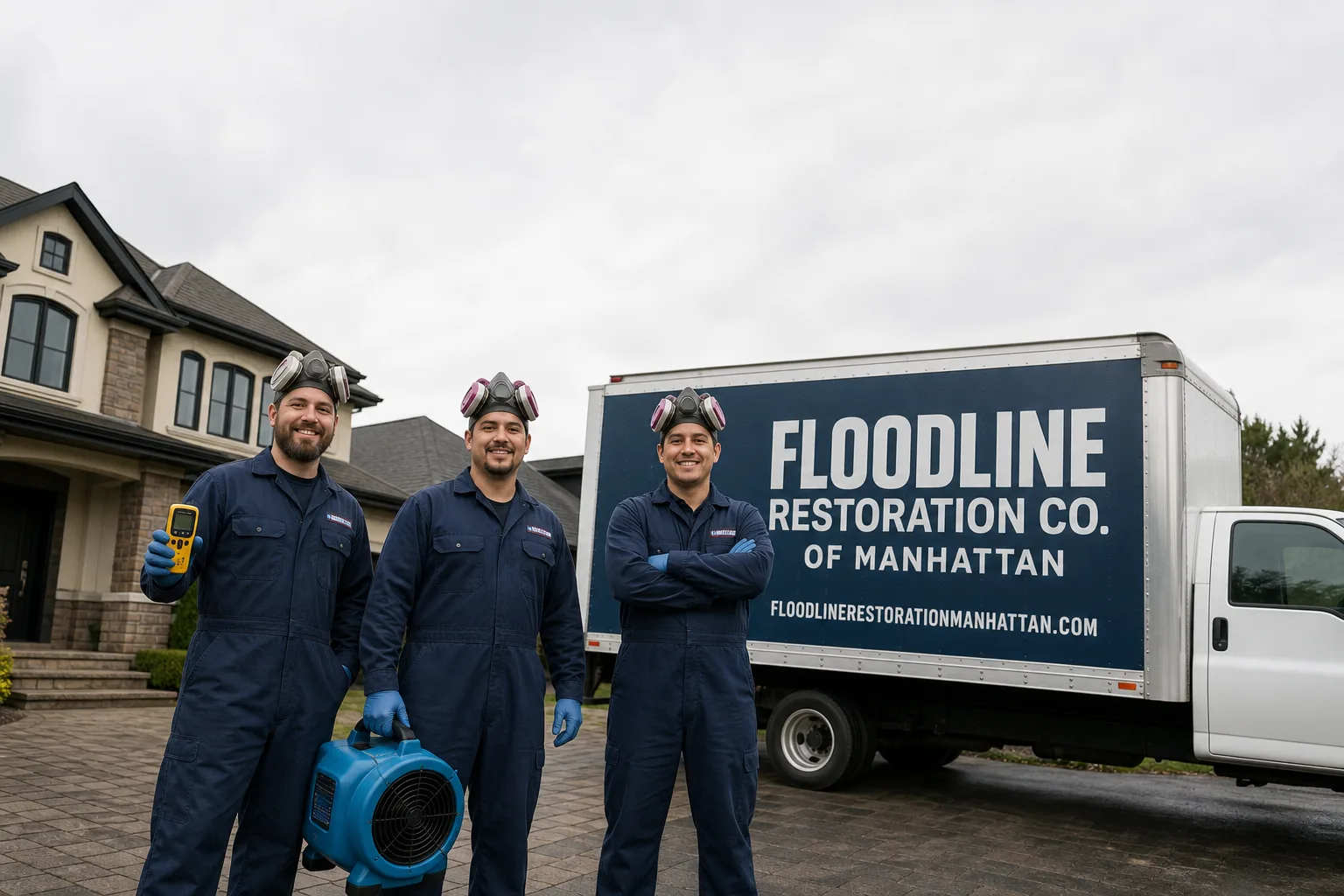
Free visual inspection and a written scope of work before any mitigation begins - photos, moisture readings, and drying logs go in your claim file
The scope we write is the scope we bill. Anything new gets shown to you, in writing, before we touch it.
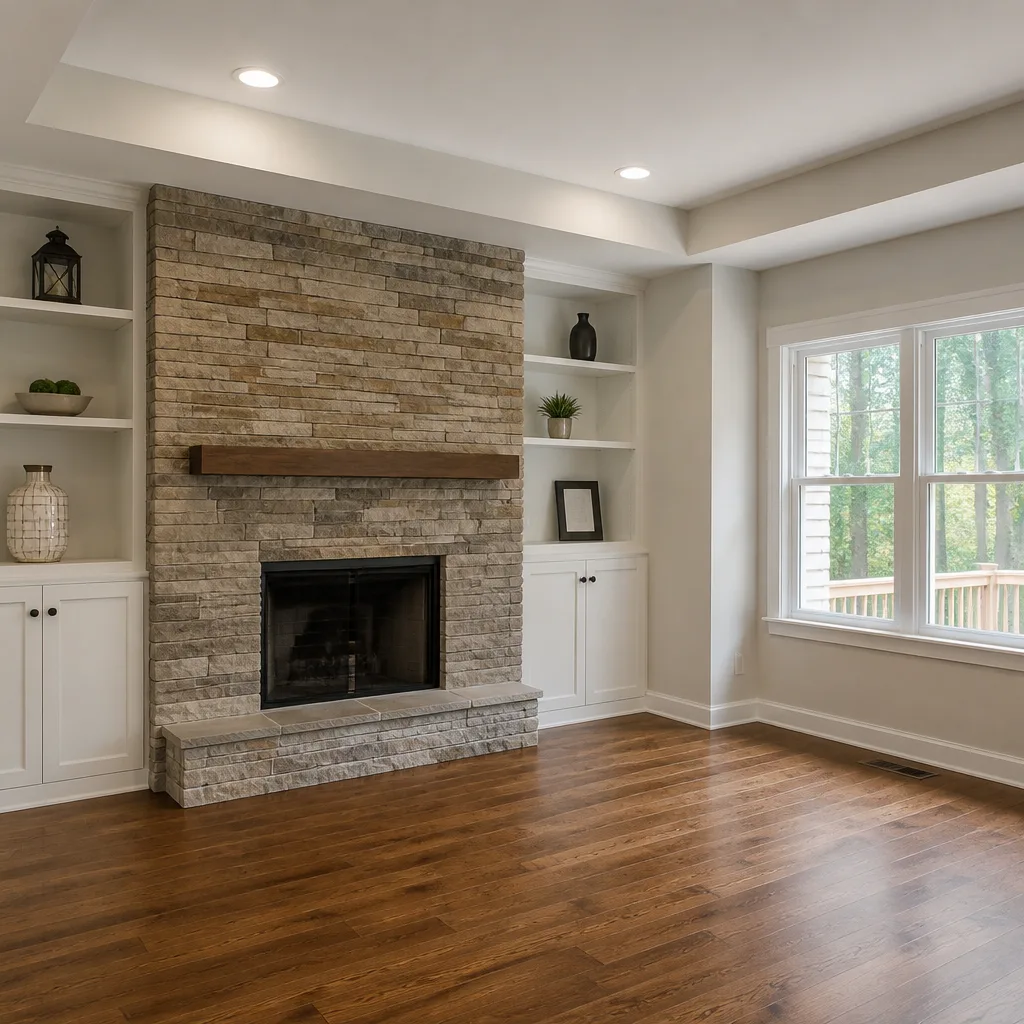
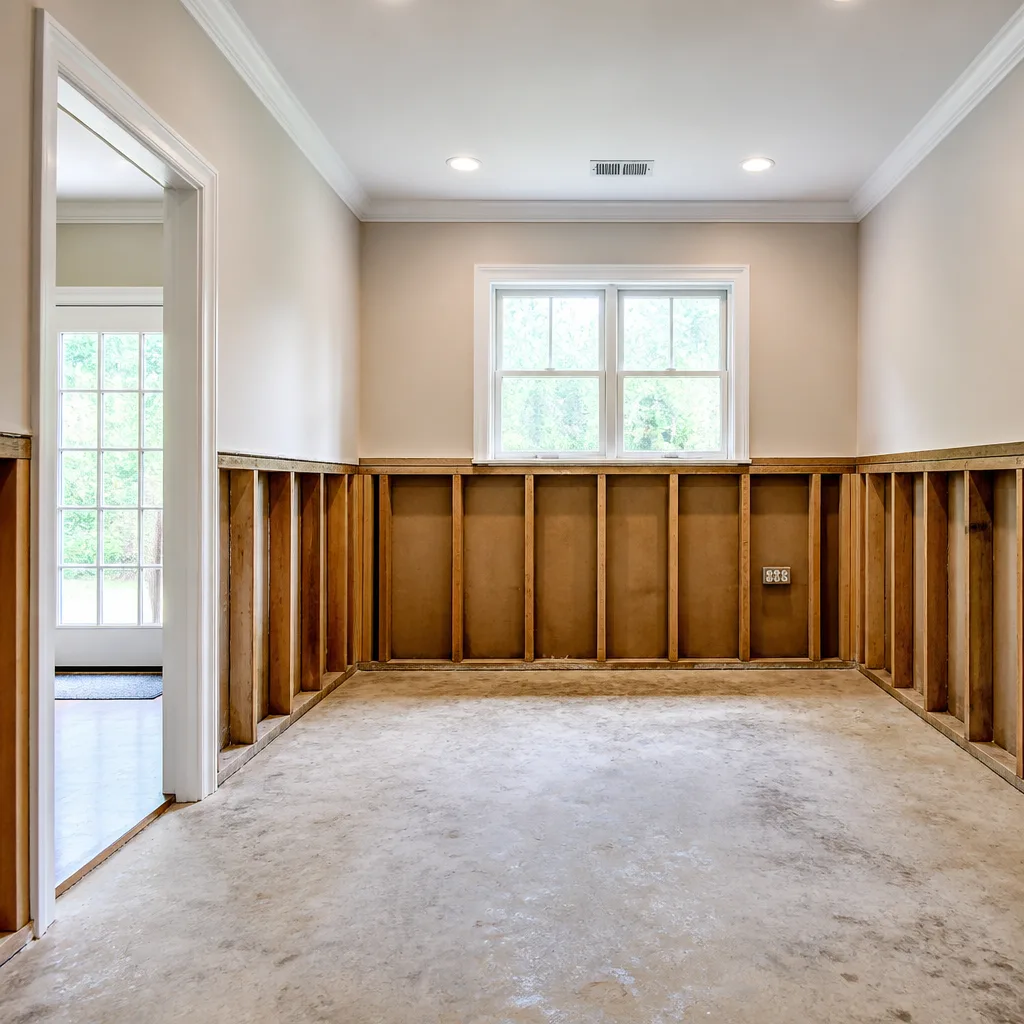

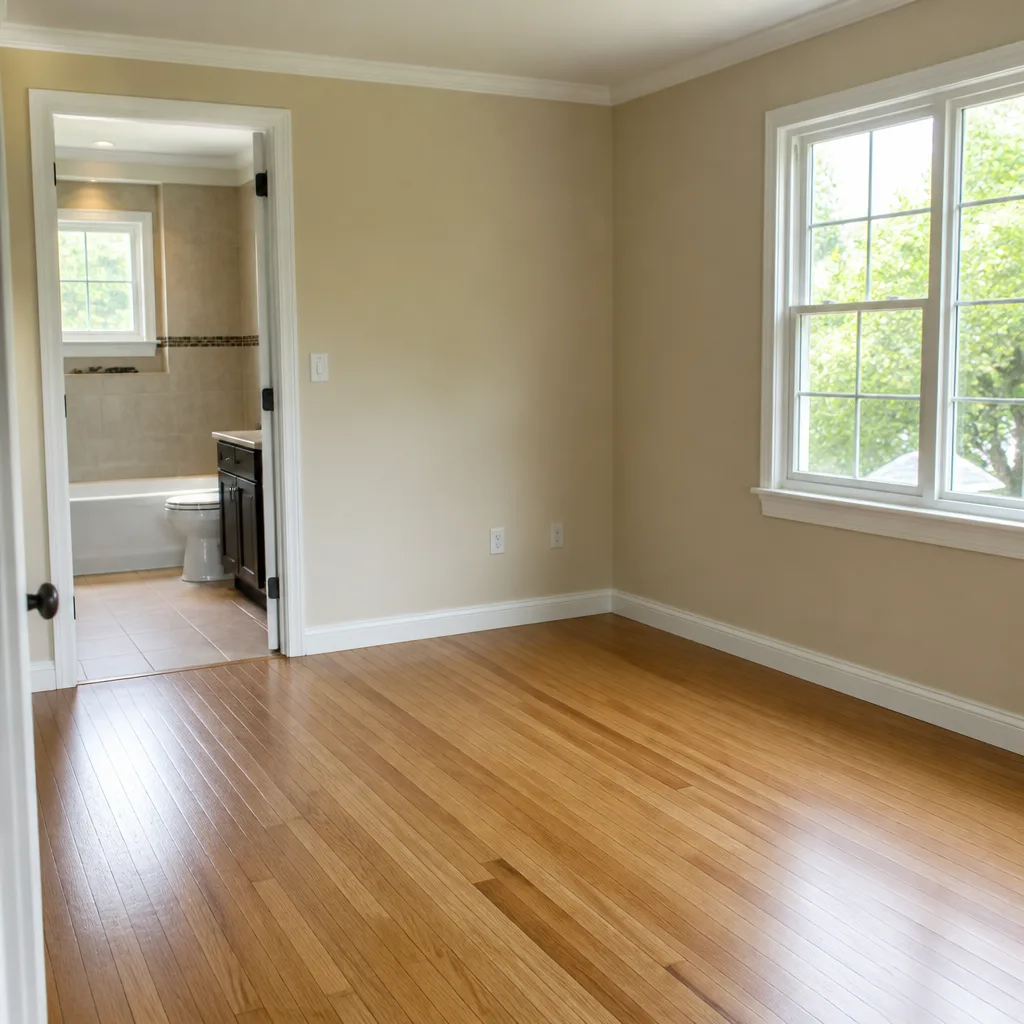

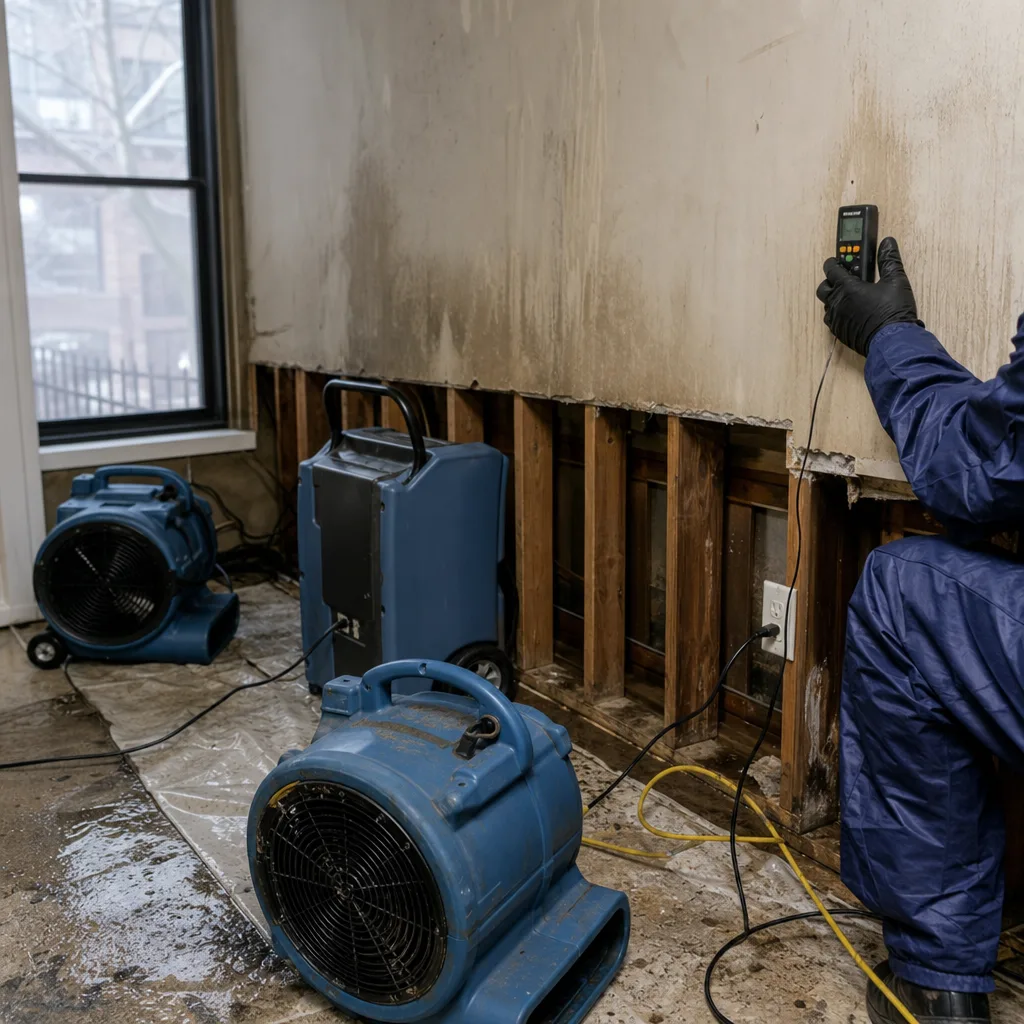 Before
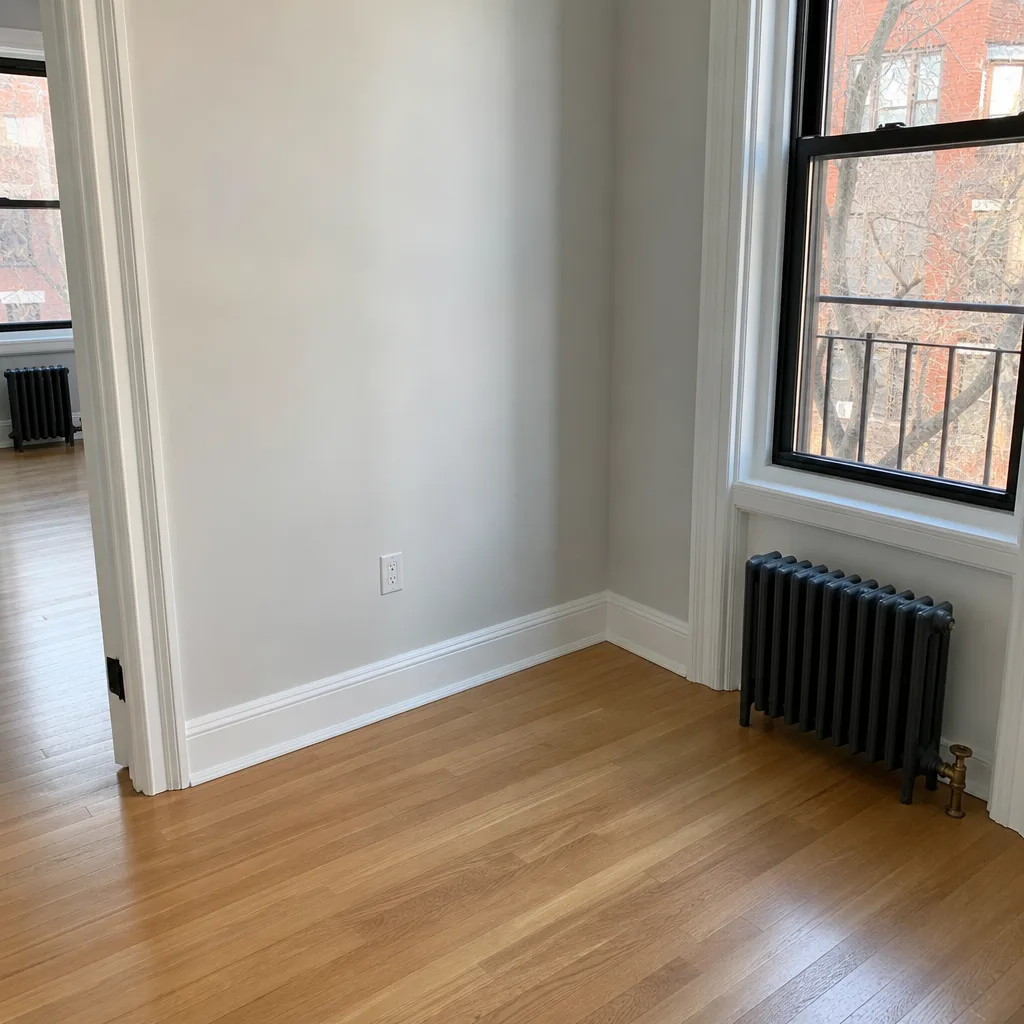 After
After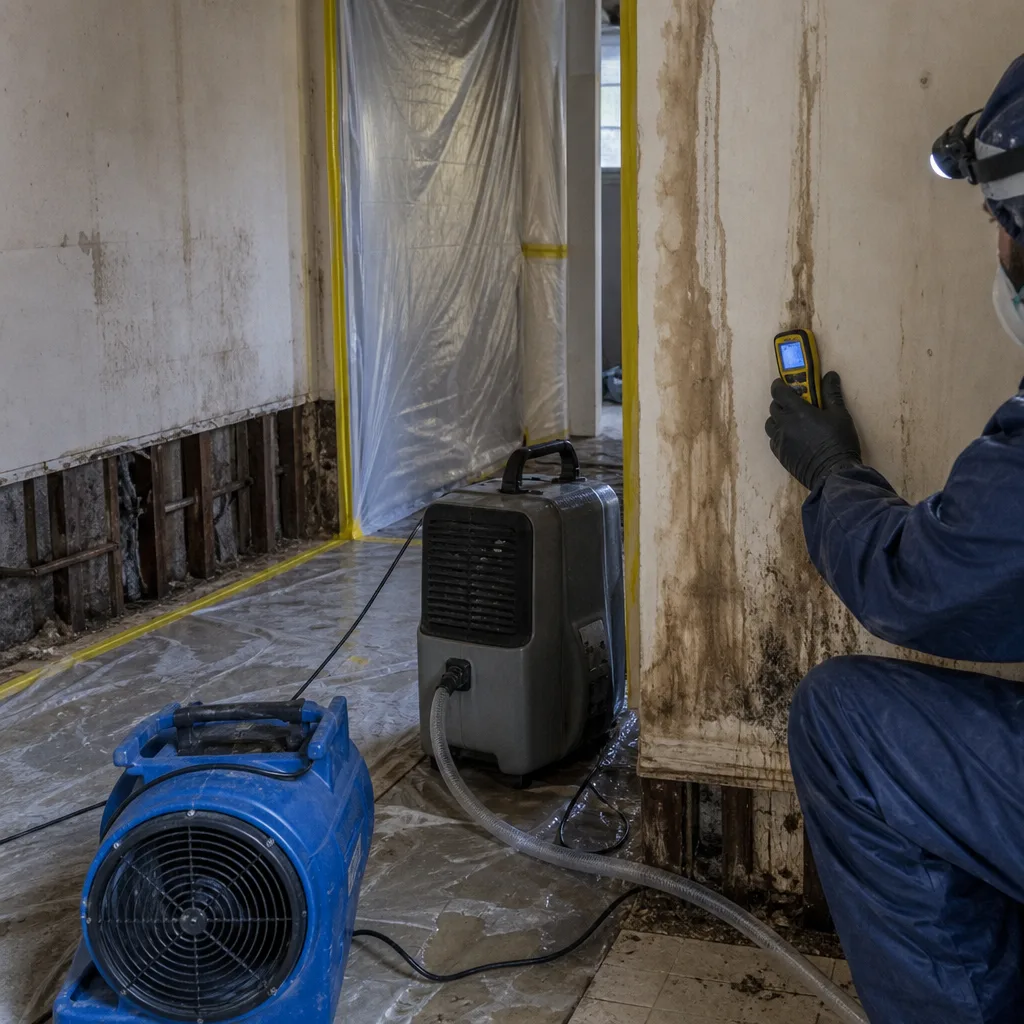 Before
 After
After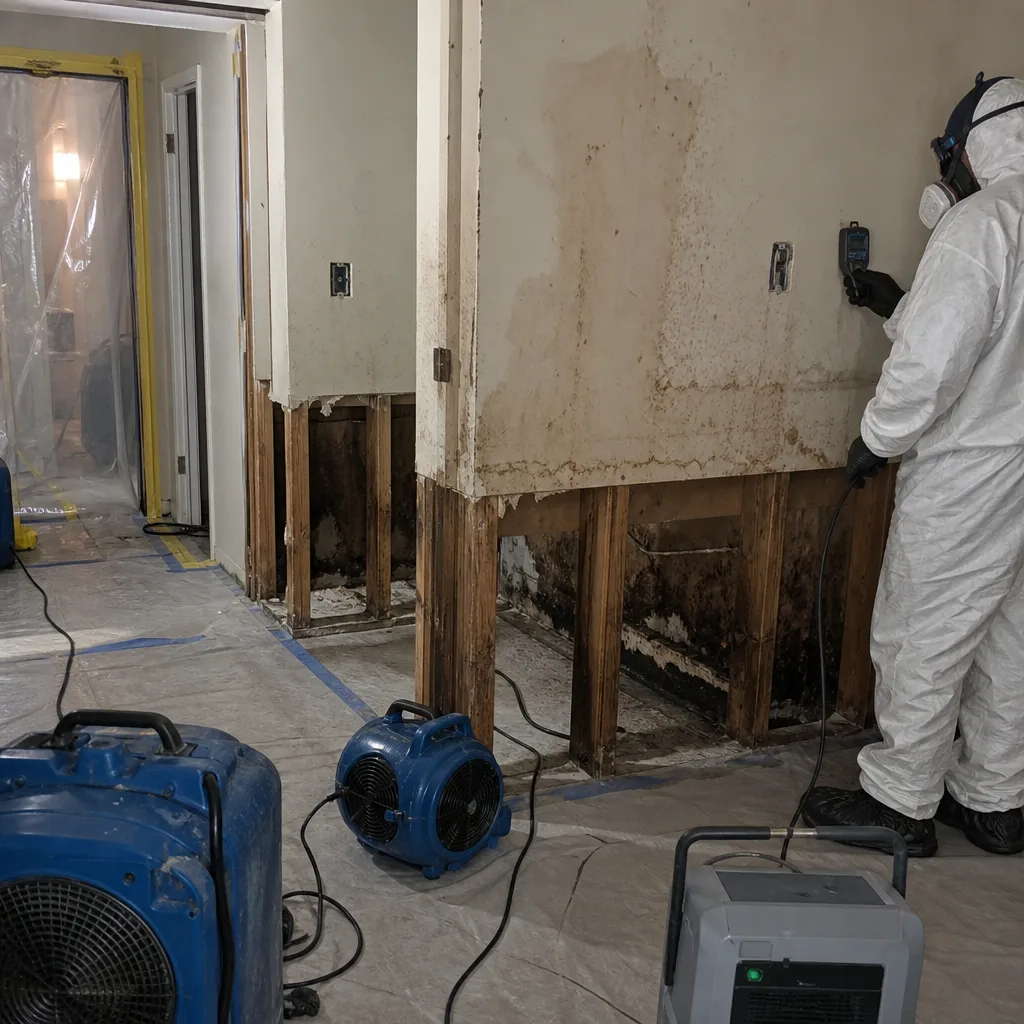 Before
 After
After24/7 Emergency Storm & Disaster Restoration in Hillsdale
Storm damage in Hillsdale doesn’t wait for business hours, and neither do we. When wind tears off a roof section or driving rain finds its way through a failed door seal, you need a live person on the phone and a crew rolling toward your property, not a voicemail. Call (917) 924-4221 any hour, any day. A real dispatcher answers, and we’ll have a certified team dispatched to your Hillsdale property with professional-grade Dri-Eaz, Phoenix, and XPOWER equipment for a free visual inspection. The first hour after a storm matters because water moves fast through 200-year-old timber frames and original plaster walls. Every hour it sits, the damage spreads deeper into joists, lath, and sill plates, turning a manageable repair into a teardown and full reconstruction.
Understanding Storm & Disaster Restoration Severity in Hillsdale Properties
Hillsdale’s storm damage picture is different from what you’ll find in towns twenty miles west. The housing stock here skews heavily toward 18th- and 19th-century timber-frame and post-and-beam farmhouses with stone and rubble foundations, original plaster walls, and low-clearance crawl spaces. These materials absorb water differently than modern drywall construction. Plaster and lath can hold moisture at 28% or higher behind a wall that looks dry on the surface. Stone foundations wick groundwater upward through mortar joints during a single hard rain. And timber-frame joinery, especially the pegged mortise-and-tenon connections behind door jambs and window sills, rots from the inside out when wind-driven rain penetrates repeatedly. We classify storm water intrusion by category and run moisture mapping with thermal imaging and hygrometers before we touch a single wall. On Hillsdale second-home properties where discovery came days or weeks after the event, Category 3 water, the kind carrying bacteria from exterior flooding and sewage backup, is common. Structural drying on these old frames takes longer because the wood is denser than modern lumber and often has a century of layered paint, shellac, and plaster on top of it.
Why Hillsdale Property Owners Choose Floodline Restoration Co. of Manhattan
- 45-minute response commitment to the Hillsdale area. Once you call, we commit to having a crew dispatched and rolling toward your property within 45 minutes, around the clock.
- A live person answers, every time. No phone trees, no automated after-hours recording. A live dispatcher picks up at 2 a.m. during a January nor’easter.
- Certified technicians on every job. Our crews are trained to IICRC WRT, FSRT, and AMRT standards, and they carry RIA and IFA credentials. You’ll see the certification before anyone starts work.
- Free visual inspection, no obligation. We walk the property, read the moisture levels, and show you what’s actually happening before any contract is signed.
- Direct insurance billing. We coordinate with your adjuster from day one and bill the carrier directly. You won’t play messenger between us and the insurance company.
- One crew from storm response to final rebuild. The same floodline-to-finish team handles extraction, drying, repairs, and reconstruction. No mid-job handoff to subcontractors you’ve never met.
Our Storm & Disaster Restoration Process
Inspection & Assessment
We walk the entire Hillsdale property, inside and out, with thermal imaging and hygrometers. We trace water migration through the timber frame, mark the damage perimeter, and check for hazards before any work begins. You get a written scope and honest assessment that hour.
Extraction & Stabilization
Standing water comes out first using truck-mounted and portable extraction units. We stabilize structural elements with emergency bracing where wind has compromised load-bearing walls or roof sections, and board up broken windows and doors immediately.
Drying & Dehumidification
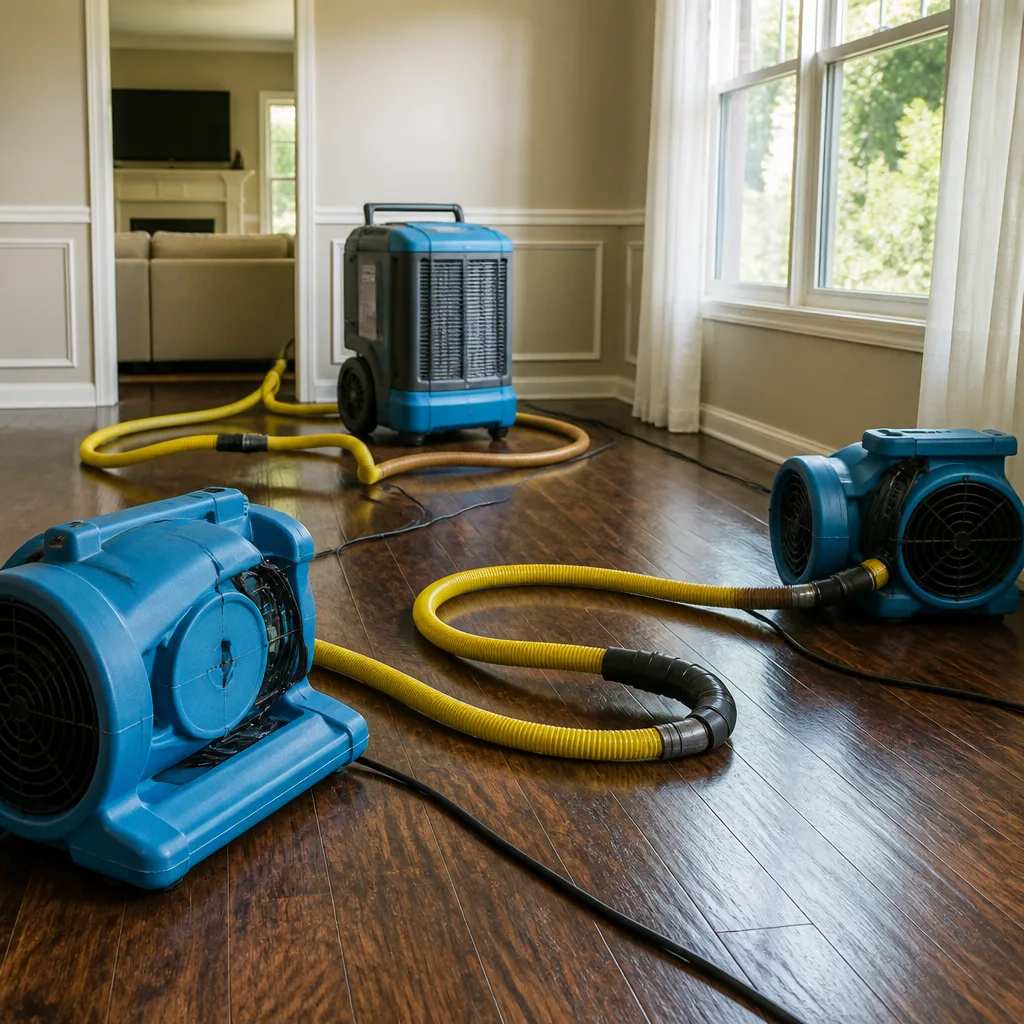
On Hillsdale’s older timber frames and plaster walls, we run Phoenix and Dri-Eaz dehumidifiers with XPOWER air movers positioned for cross-flow. Daily moisture readings are logged until the dry standard is met. That log goes to you and your carrier.
Cleaning & Sanitization
Storm water carries contaminants. We clean, disinfect, and deodorize affected surfaces using HEPA air scrubbers where needed and apply antimicrobial treatments appropriate for the materials in your home.
Wind Damage & Envelope Repair
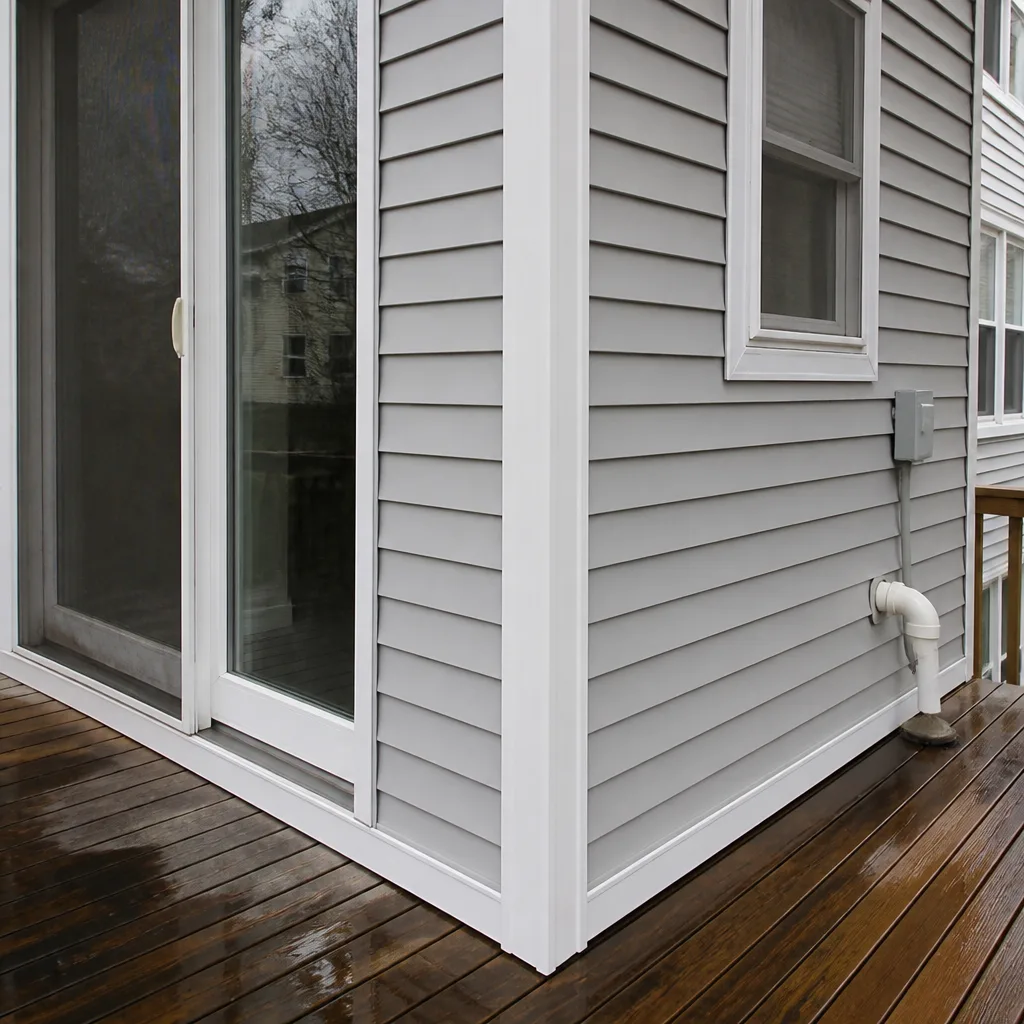
We rebuild what the storm broke. Warped door jambs get reset, wind-rated doors and hardware go in where specs call for them, roof sections get patched or replaced, and flashing gets sealed so the next storm doesn’t find the same hole.
Repairs & Restoration
The final phase puts your Hillsdale house back together. Plaster repair, trim work, painting, floor refinishing, and full reconstruction where needed. One crew, one standard, backed by the 90-Day Done Right Promise in writing.
Need Emergency Storm & Disaster Restoration in Hillsdale Now?
Crews minutes away, answering live 24 hours a day. The sooner we start, the less it costs.
Working With Your Insurance Company
Storm and wind damage in Hillsdale is covered by most homeowners policies, but the claim goes smoother when documentation starts in the first hour. We take photos of every affected area, log moisture readings daily, and build a line-item scope of work that your adjuster can process without back-and-forth. Our team has handled hundreds of storm claims in the Taconic foothills, and we know what carriers need to approve structural drying and full repairs. You won’t sit on the phone chasing your adjuster. We coordinate directly with the carrier, submit the documentation, and push the claim forward while the work proceeds. For Hillsdale second-home owners filing from Manhattan, we handle the logistics so you don’t drive up three times for a process we can manage remotely.
What We Provide Your Insurer
- Thorough documentation of the loss from the first hour
- Photos of all damage, room by room, before any demolition
- Moisture readings and drying logs from the first day
- A detailed, line-item scope of work with trade pricing
- Direct coordination with your carrier and adjuster
Built for Hillsdale’s Loss Calendar
Hillsdale’s storm season starts in earnest with January deep freezes. Ice damming on the steep-pitched roofs of older farmhouses is a recurring winter vector, when snow melts, refreezes at the eaves, and forces water backward under shingles into the attic. Come spring thaw, the Roeliff Jansen Kill and its tributaries running through the township swell with snowmelt and overwhelm stone foundations that have no modern waterproofing. Summer brings fast-moving thunderstorms with wind gusts that tear off roof sections and drive rain horizontally through old door and window frames. And through it all, Hillsdale’s second-home pattern means many of these events go undiscovered for weeks. A storm blows through in January, a door gasket fails, water saturates the original plaster walls, and the owner in Manhattan doesn’t walk in until April. By then, we’re not doing storm cleanup. We’re doing mold remediation and structural repair on a 200-year-old timber frame that’s been quietly rotting for three months.
Storm & Disaster Restoration Across Hillsdale’s Neighborhoods
Our Storm & Disaster Restoration team has worked every corner of Hillsdale, and the loss patterns change block by block. In the older sections along Cold Water Street and the historic center, we see wind-driven rain penetrating original timber-frame door jambs and window sills on 18th- and 19th-century farmhouses. Those homes need containment and slow, careful drying, not aggressive demolition. Along the Roeliff Jansen Kill corridor, basement flooding and foundation seepage dominate the spring thaw, and we often find rubble stone foundations with no waterproofing membrane. In the newer subdivisions near the Route 23 corridor, storm damage tends to be roof and siding related, but the hybrid construction, modern PEX supply lines feeding into original cast-iron drain stacks, creates its own challenges when water has to be extracted from finished basements. Closer to Taconic State Parkway, wind exposure is higher, and we regularly replace storm-damaged doors with wind-rated units that meet current code. The one constant across every Hillsdale neighborhood: many of these properties sit vacant for weeks, so the damage we find is always further along than the owner expects.
Specialized Storm & Disaster Restoration Services We Offer in Hillsdale
Storm Damage Cleanup
Wind, rain, and falling branches turn a Hillsdale property into a hazard zone fast. We remove broken glass, fallen limbs, and storm debris, then set up containment to keep the mess from spreading through the house. Our Storm & Disaster Restoration in Hillsdale cleanup crews are background-checked and uniformed, and they treat your home the way our lead tech Curt Bowman expects his own treated: with respect for the original materials and a clear plan before anyone swings a hammer.
Flood Damage Restoration
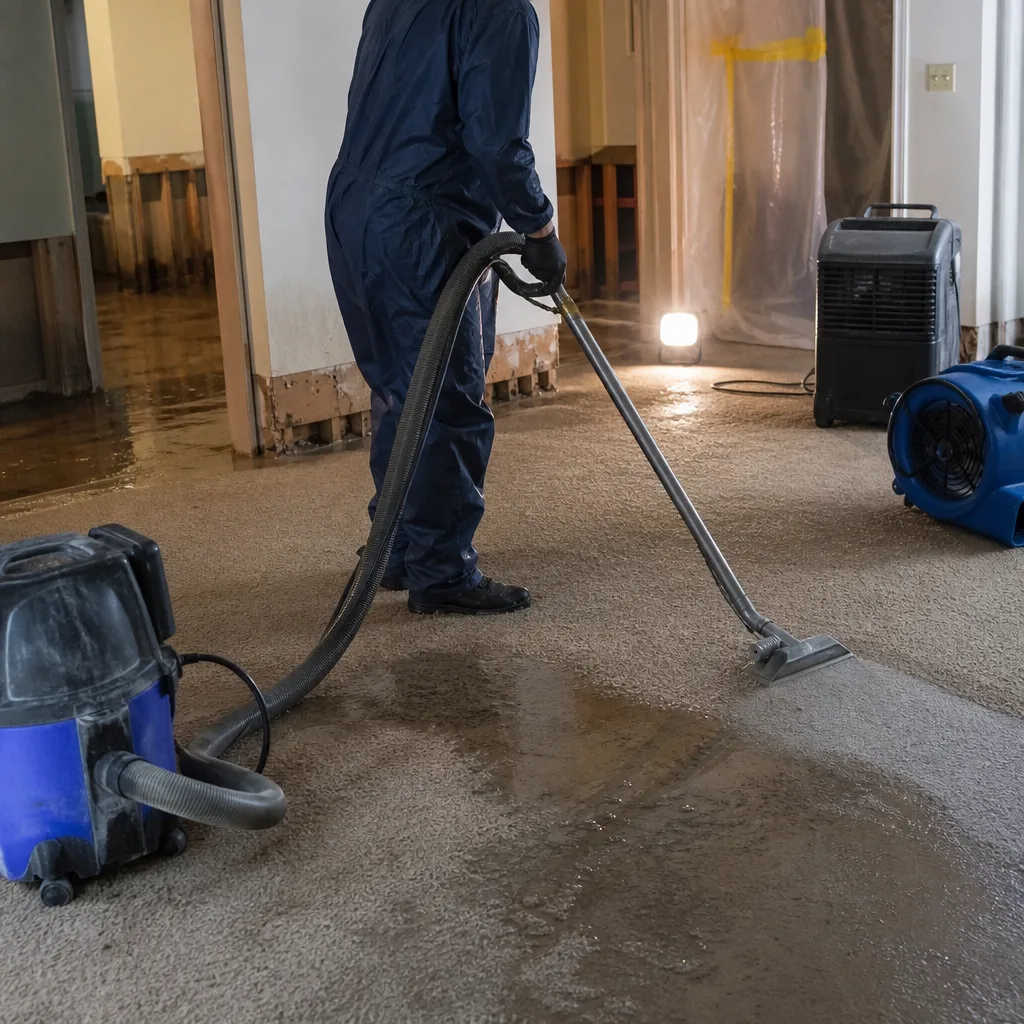
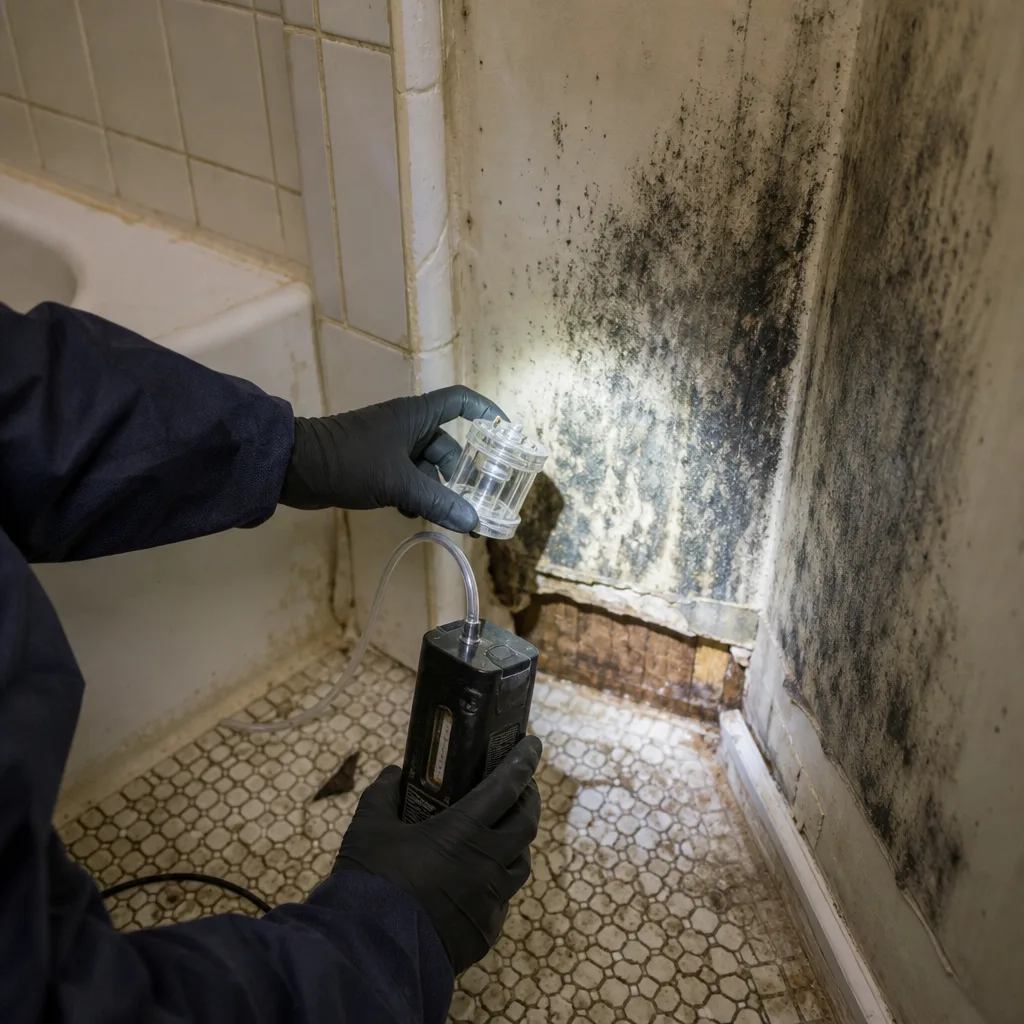
When the Roeliff Jansen Kill jumps its banks or a January thaw overwhelms a stone foundation, the water in your Hillsdale basement is rarely clean. We extract with truck-mounted units, map the moisture through walls and framing, and dry using Phoenix dehumidifiers and XPOWER air movers sized for timber-frame construction. On Hillsdale second homes, we almost always recommend air-quality testing because delayed discovery means hidden growth behind original plaster.
Emergency Board-Up
A broken window or torn-off door on a vacant Hillsdale farmhouse is an open invitation to weather, animals, and trespassers. We board up openings with plywood, braces, and weather-resistant fasteners designed to hold through the next 40 mph gust. On second-home properties, we photograph everything before we secure it so your insurance carrier has a full pre-resecure record.
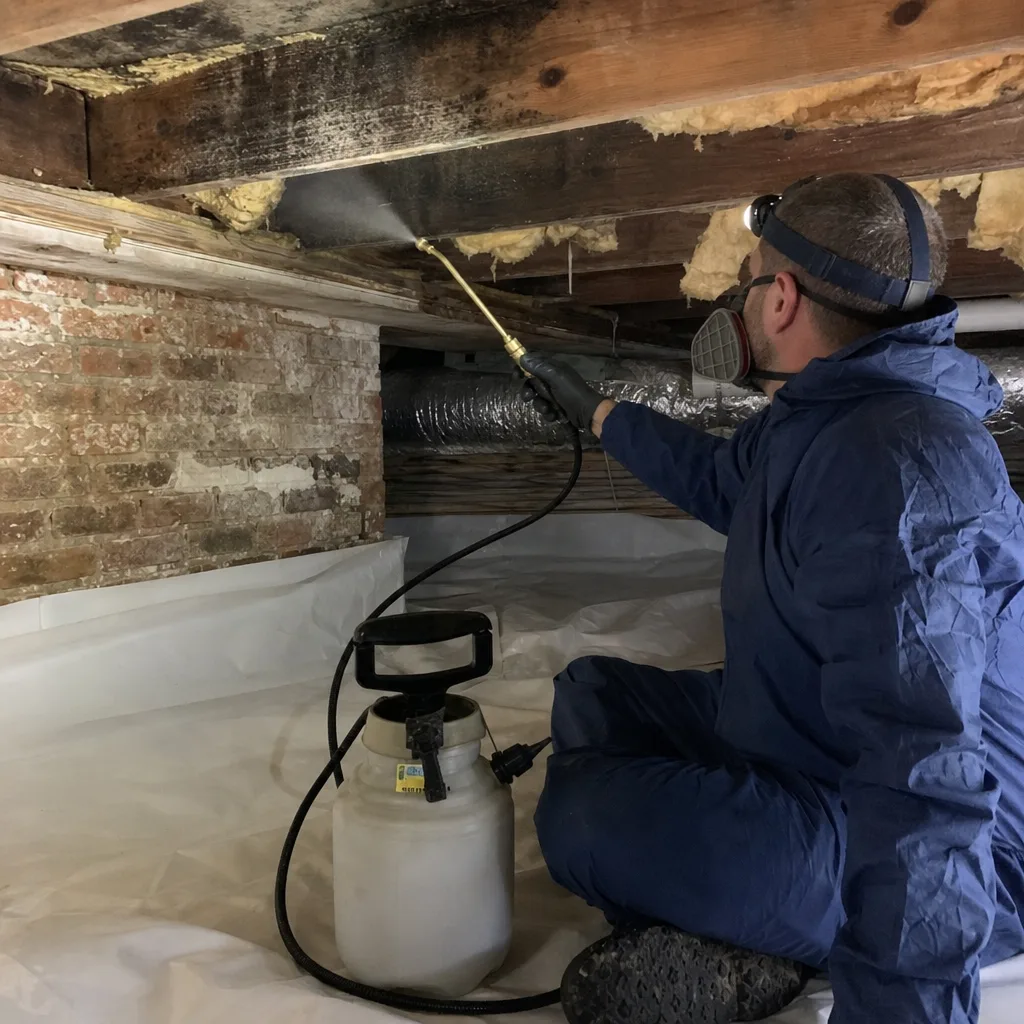
Roof Tarping
Hillsdale’s steep-pitched 18th- and 19th-century roofs reject generic tarps. A standard poly sheet tears off in the first strong wind and re-wets the attic. We use wind-rated reinforced tarps secured with proper fastening patterns around chimneys, valleys, and ridges. The goal is a cover that survives until permanent repairs are scheduled, not a temporary patch that fails the first night.
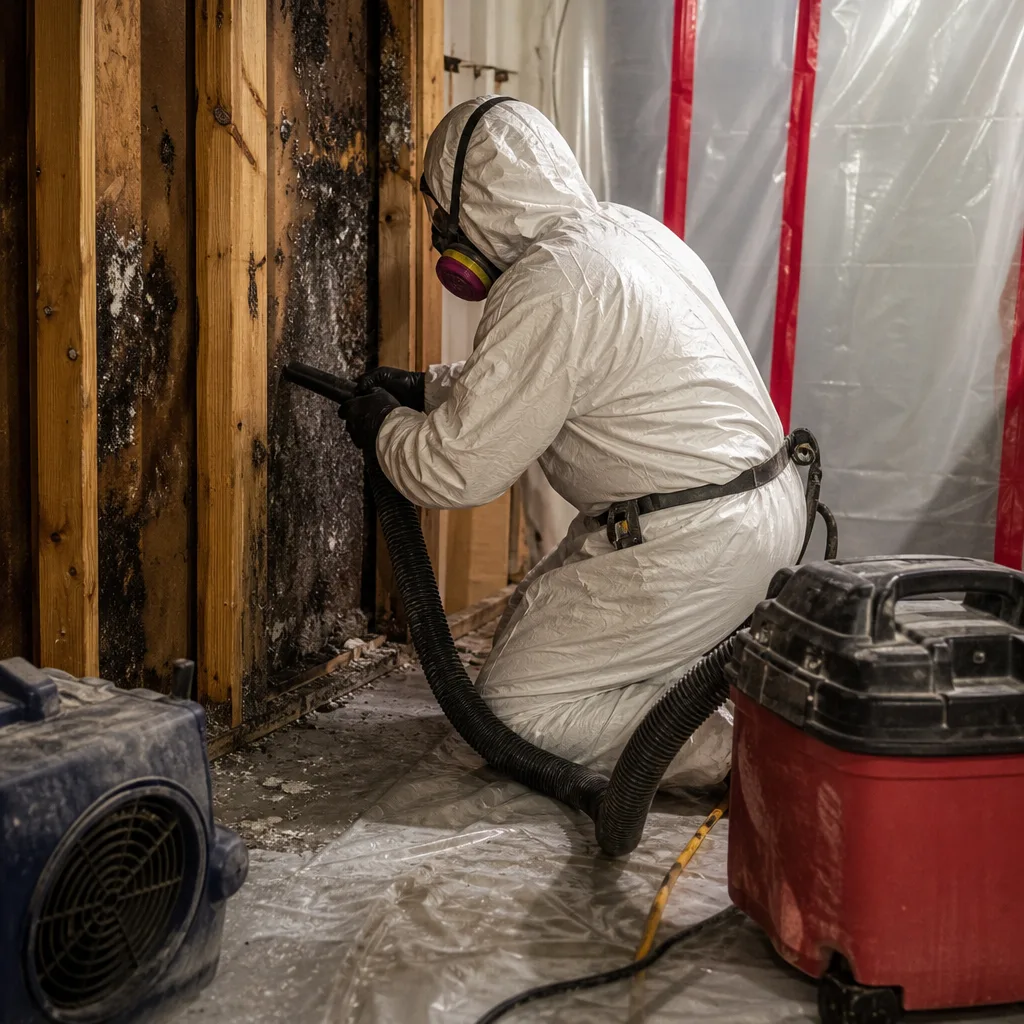
Debris Removal
After a nor’easter or summer thunderstorm, Hillsdale yards and roofs collect limbs, shingles, and wind-blown debris. We haul it away, document what was storm-related for your claim, and clear access paths so the drying and repair work can proceed without delay. The same crew handles it, so you don’t juggle a second contractor.
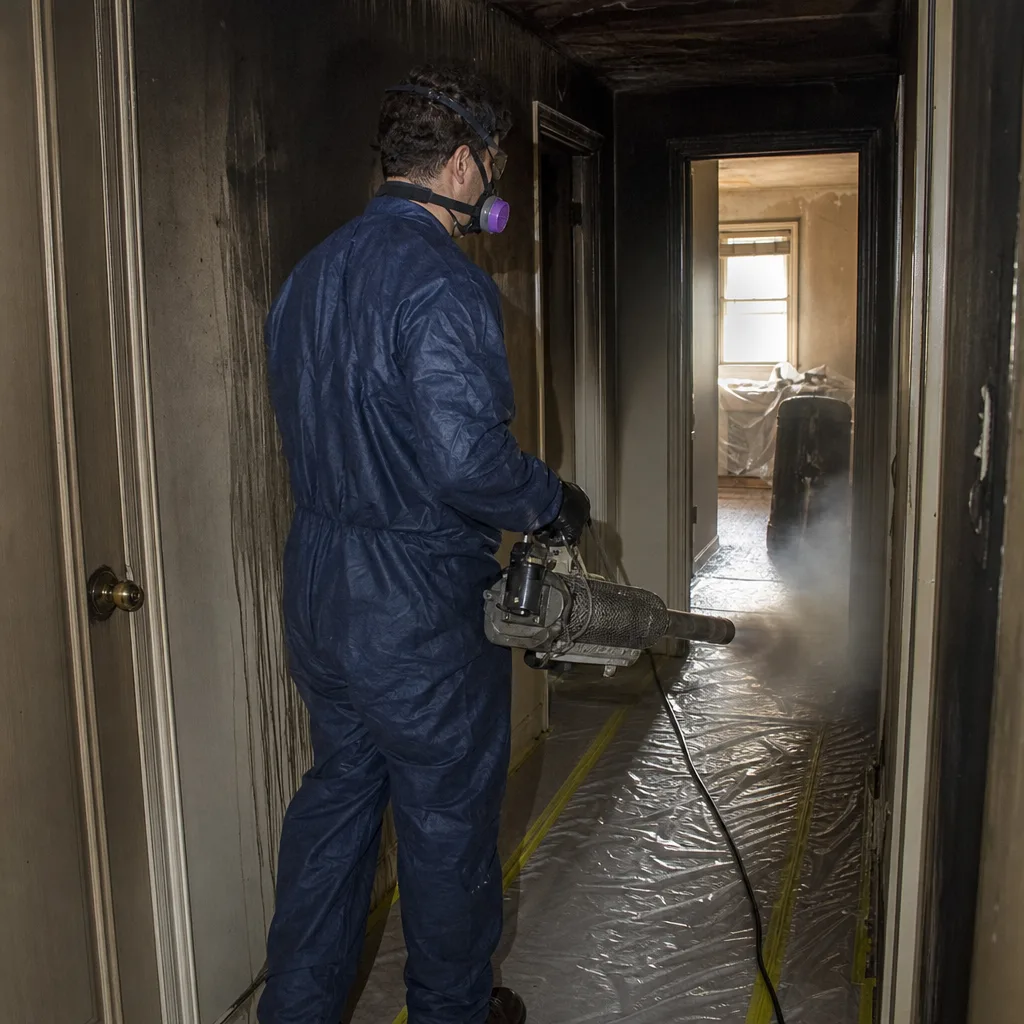
Wind Damage Repair
This is the spine of storm work in Hillsdale. Wind compromises doors, windows, roof sections, and sometimes entire wall assemblies on the old timber frames. We repair or replace damaged elements, reset jambs that have shifted, and reinforce openings with wind-rated doors and hardware where current code applies. On 19th-century homes, we match the original profile and species so the repair doesn’t look like a patch.
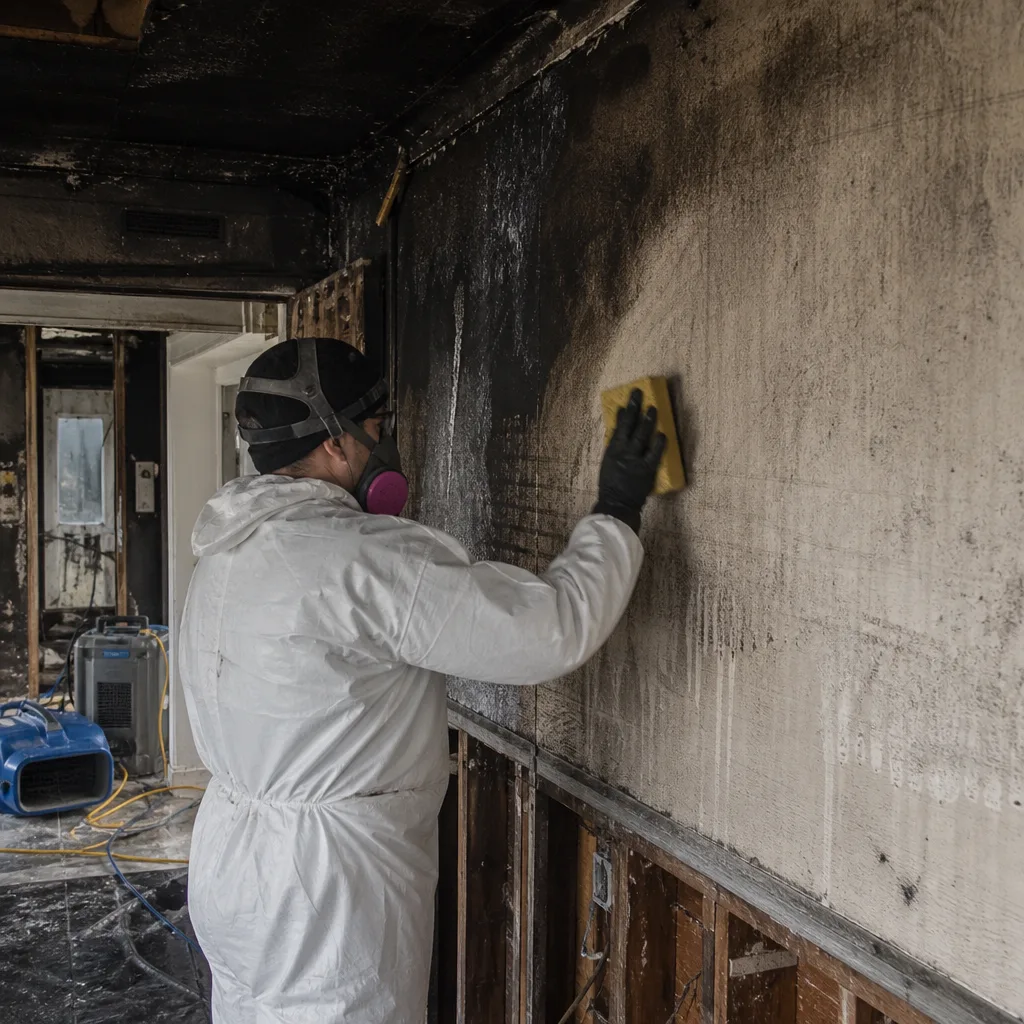
What happens when you call
- 1
A real person answersNo phone trees - you reach a local pro.
- 2
You get an upfront price rangeHonest numbers before anyone is dispatched.
- 3
A background-checked tech heads outLicensed & insured, dispatched right away.
- 4
You approve before work beginsNothing starts until you say go.
Storm & Disaster Restoration Costs in Hillsdale, NJ
Every job is different, but Hillsdale homeowners should know real numbers before a storm hits. A typical roof tarping on a steep-pitched older Hillsdale farmhouse runs $450 to $1,200 depending on roof size and access. Emergency board-up on a broken door or window typically runs $350 to $800 per opening. Full storm cleanup and debris removal ranges from $800 for a single downed tree to $4,000 plus for a yard full of mixed debris. Flood extraction and drying in a finished basement commonly lands between $2,500 and $7,000 depending on square footage and how far water traveled through walls and framing. Wind damage repair, including door replacement with a wind-rated unit, often runs $1,800 to $6,000. The free inspection is how you get a firm scope and written estimate. We give you the line-item breakdown before you commit, and direct insurance billing means the claim covers what it should. Ask about our standing offers: $50 off any repair over $250, the $89 seasonal tune-up, and the senior and veteran 5% discount, always applied.
We Also Serve Cities Near Hillsdale
Floodline Restoration Co. of Manhattan crews respond to storm and disaster calls across the surrounding communities. If you’re in Woodcliff Lake, Park Ridge, Westwood, or Emerson, we dispatch the same certified team with the same 45-minute commitment and live 24-hour answer. The phone number is the same: (917) 924-4221.
Hillsdale Storm & Disaster Restoration Questions, Answered
How does Hillsdale’s delayed discovery from second-home vacancies change my storm damage restoration estimate?
Delayed discovery almost always increases the scope and cost of restoration in Hillsdale because water and humidity have had days or weeks to penetrate original plaster, timber framing, and stone foundations before anyone calls us. Where a same-day response might mean $3,000 in drying and minor repair, a weeks-later discovery on a timber-frame farmhouse commonly reaches $12,000 to $30,000 because mold containment, air scrubbing, and structural wood replacement enter the picture. We’ll give you an honest, line-item scope, and we’ll work directly with your carrier to document what was storm-caused and what followed from vacancy lag. Call (917) 924-4221 and we’ll inspect before you sign anything.
What wind rating should I require for a replacement door on my 19th-century Hillsdale farmhouse?
For Hillsdale’s exposure in the Taconic foothills, where wind gusts regularly exceed 40 mph during nor’easters and summer thunderstorms, a replacement exterior door should carry a design pressure rating of at least DP-40, and we recommend impact-rated hardware if the door faces the prevailing west wind. On older farmhouse openings with original non-standard dimensions, the door often has to be fabricated to fit the jamb, which is work we do in-house. Want a door that will still seal after the next storm instead of the one the previous owner installed? Call (917) 924-4221 for a free assessment.
Do Hillsdale permits require structural drying documentation after storm flooding?
Hillsdale’s building department expects structural drying to be documented when insurance covers water damage restoration, and our daily moisture logs, thermal imaging, and drying records meet that standard. On second-home properties where the owner is filing a claim from Manhattan, we submit the same documentation to the carrier so the permit and the claim proceed in parallel. We handle the paperwork. You don’t chase the town or the adjuster.
Can you dry out original plaster and lath after wind-driven rain, or does it all have to come out?
Original plaster and lath can often be saved if we get to it before mold sets in. We responded to a wind-damaged 1840s farmhouse on Cold Water Street where a failed door gasket had let driving rain soak the original plaster walls. Our techs set containment before pulling moisture readings at 28% in the lath, then ran Phoenix dehumidifiers and XPOWER air movers for six days to reach pre-loss condition. The owner was in Manhattan until spring and would have faced full mold remediation without our moisture mapping and drying logs. Plaster that is crumbling, stained with Category 3 water, or showing mold behind the lath may need to go, but we don’t demolish first and ask later.
What’s the first thing your crew does at a storm-damaged Hillsdale house before any water extraction?
Before any extraction, we shut down electrical circuits in affected areas, check for structural hazards like compromised roof sections or sagging ceilings, and document everything with photos and thermal imaging. On Hillsdale homes with original timber framing, we also check for stability at the sill plates and ridge beams before anyone walks under a damaged roof line. Safety comes first, then water, then drying. It always works in that order.
How fast can you actually get to my Hillsdale property after a storm?
We commit to a 45-minute dispatch time from your call to crews being on the road to Hillsdale, and we answer the phone live at (917) 924-4221 around the clock, including 2 a.m. during a January nor’easter. Our crews stage in the area during severe weather watches, so response is often faster than the commitment. The first step is a free visual inspection so you know exactly what you’re dealing with.
Will my insurance cover roof tarping and emergency board-up on a Hillsdale second home?
Most homeowners policies cover emergency mitigation, including roof tarping and board-up, as part of the storm claim, but the carrier needs documentation that the work was necessary and reasonable. We photograph the damage before any temporary repairs, submit the line-item scope directly to your adjuster, and bill the carrier directly so you’re not out of pocket while the claim processes. Don’t let a tarp be the reason your claim gets denied. Call us first, and we’ll build the file correctly.
How long does storm damage restoration take on an older Hillsdale home?
Structural drying on Hillsdale’s dense 18th- and 19th-century timber and plaster construction typically takes five to ten days, weather depending. Full restoration including repairs and reconstruction can run three to eight weeks on a significant wind or flood event, especially if original materials have to be matched and fabricated. We log daily moisture readings and share them with you, so you’ll know where the job stands every day until the dry standard is met and the 90-Day Done Right Promise is in your hands.
Serving Hillsdale, NJ - Our Local Coverage Area
We’re based in the Hillsdale area and know this community well. Use the map below to see our service coverage - if you’re nearby, we can almost certainly help.
The Hillsdale Storm Standard: What 200-Year-Old Frames Demand
Hillsdale’s second-home boom, accelerated sharply after 2020, changed the restoration math in this town. A large share of the housing stock now sits unoccupied for weeks at a time during winter. When a January nor’easter drives rain through a failing door gasket or lifts shingles on a steep-pitched farmhouse roof, the owner doesn’t know until they arrive for a spring weekend. What would have been a same-day water call anywhere else becomes a weeks-long mold and structural remediation job here because the damage has been quietly compounding. That’s the vacancy lag. Restoration contractors who don’t factor it into their estimates undershoot the scope by thousands of dollars and leave hidden mold behind the original plaster. We’ve rebuilt enough Hillsdale timber frames to know where water hides: behind the jamb, inside the pegged mortise-and-tenon joint, under the sill plate where the stone foundation wicks moisture upward. A restoration estimate in Hillsdale has to assume delayed discovery until proven otherwise. That’s not pessimism. That’s what the water line tells us.
If you’re a Hillsdale homeowner facing storm damage, or a second-home owner in Manhattan who suspects the January storm did more than you think, call (917) 924-4221. We answer live, we dispatch fast, and we document everything from the first hour. Done right, and backed in writing.
Written by Curt Bowman, Owner at Floodline Restoration Co. of Manhattan, serving Hillsdale, NJ with storm and disaster restoration since 2010.