
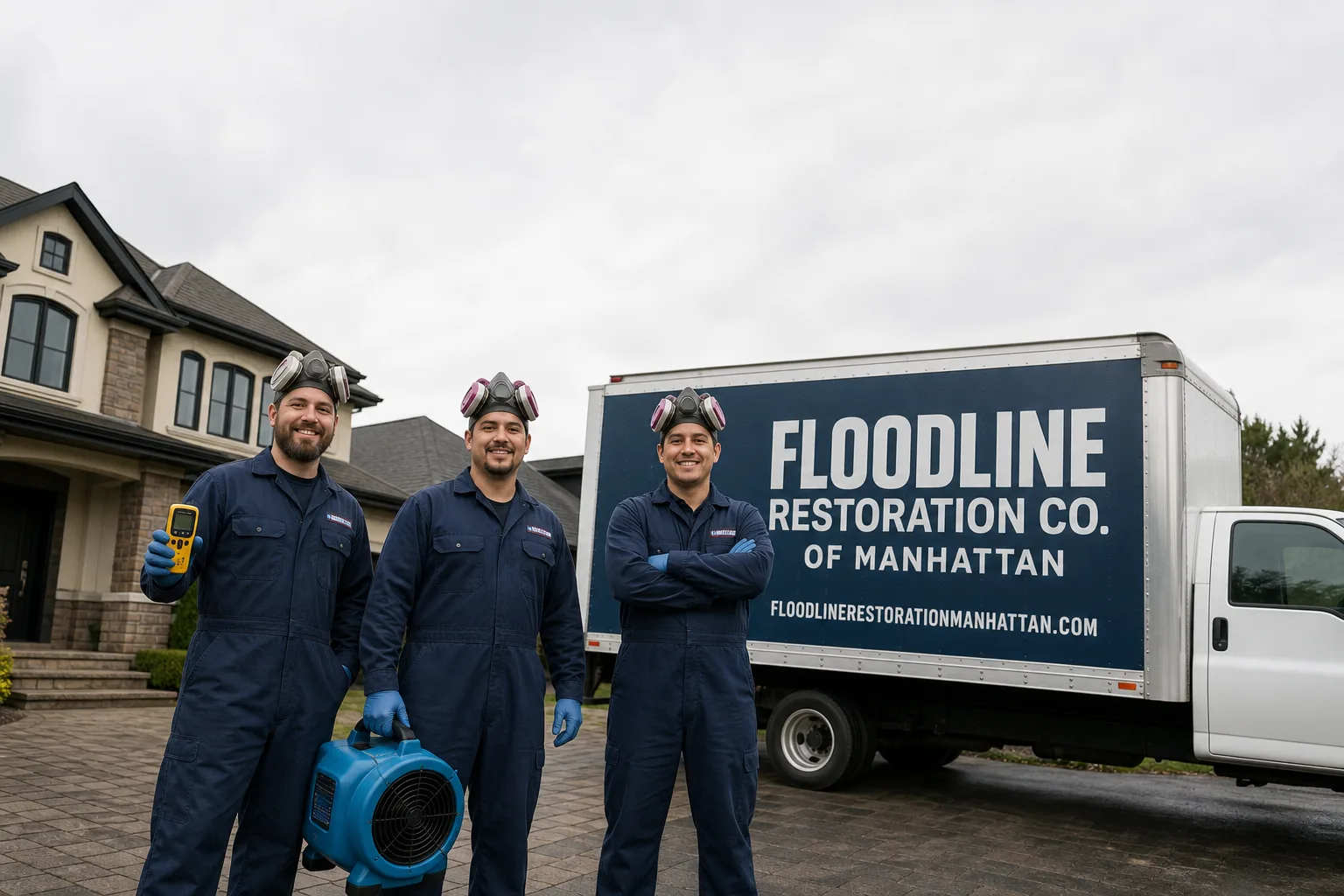
Free visual inspection and a written scope of work before any mitigation begins - photos, moisture readings, and drying logs go in your claim file
The scope we write is the scope we bill. Anything new gets shown to you, in writing, before we touch it.
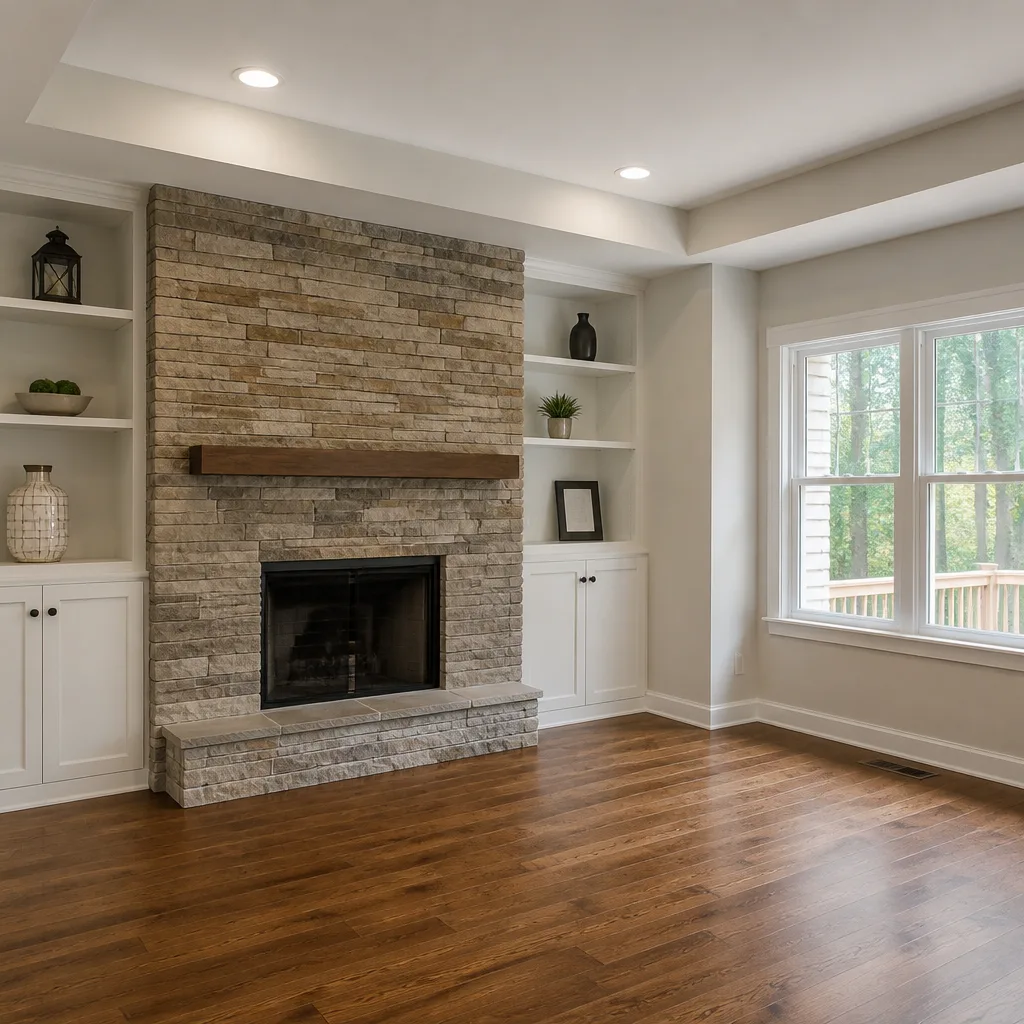
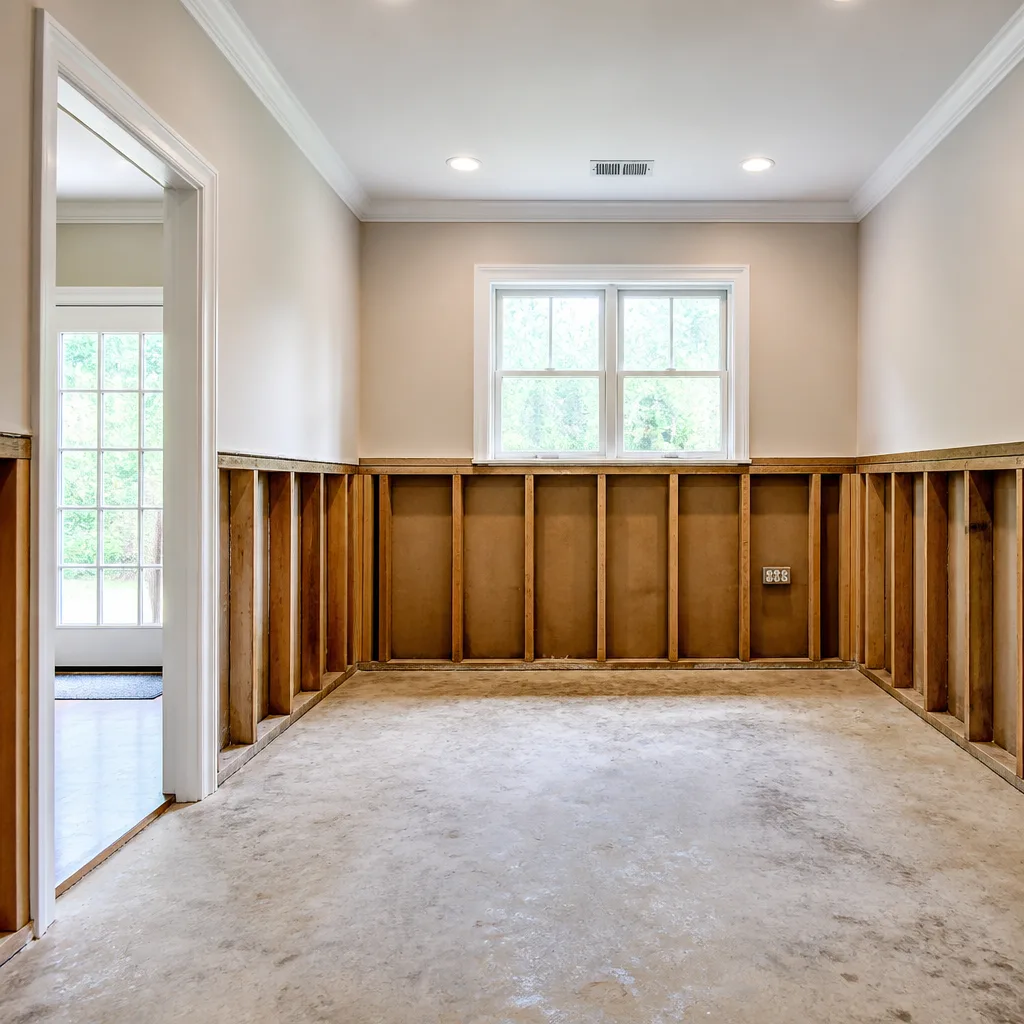
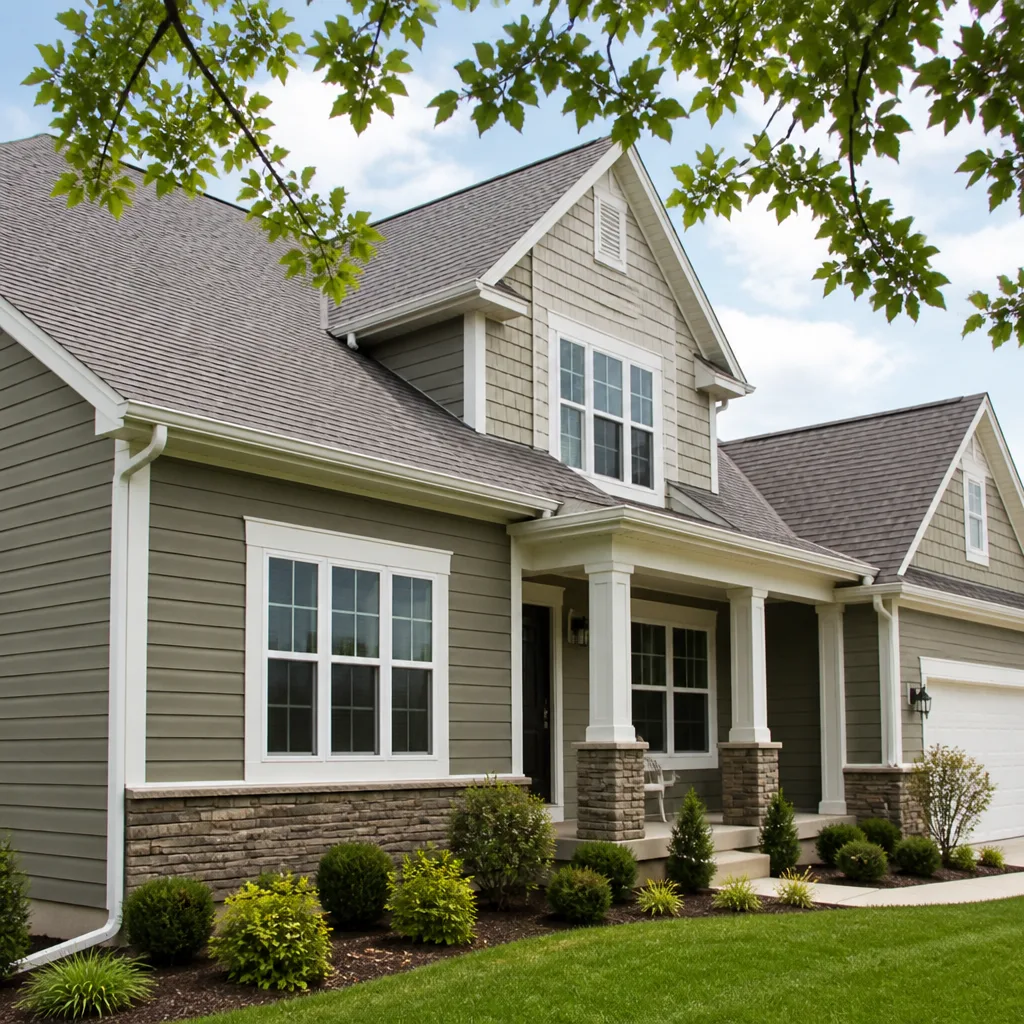
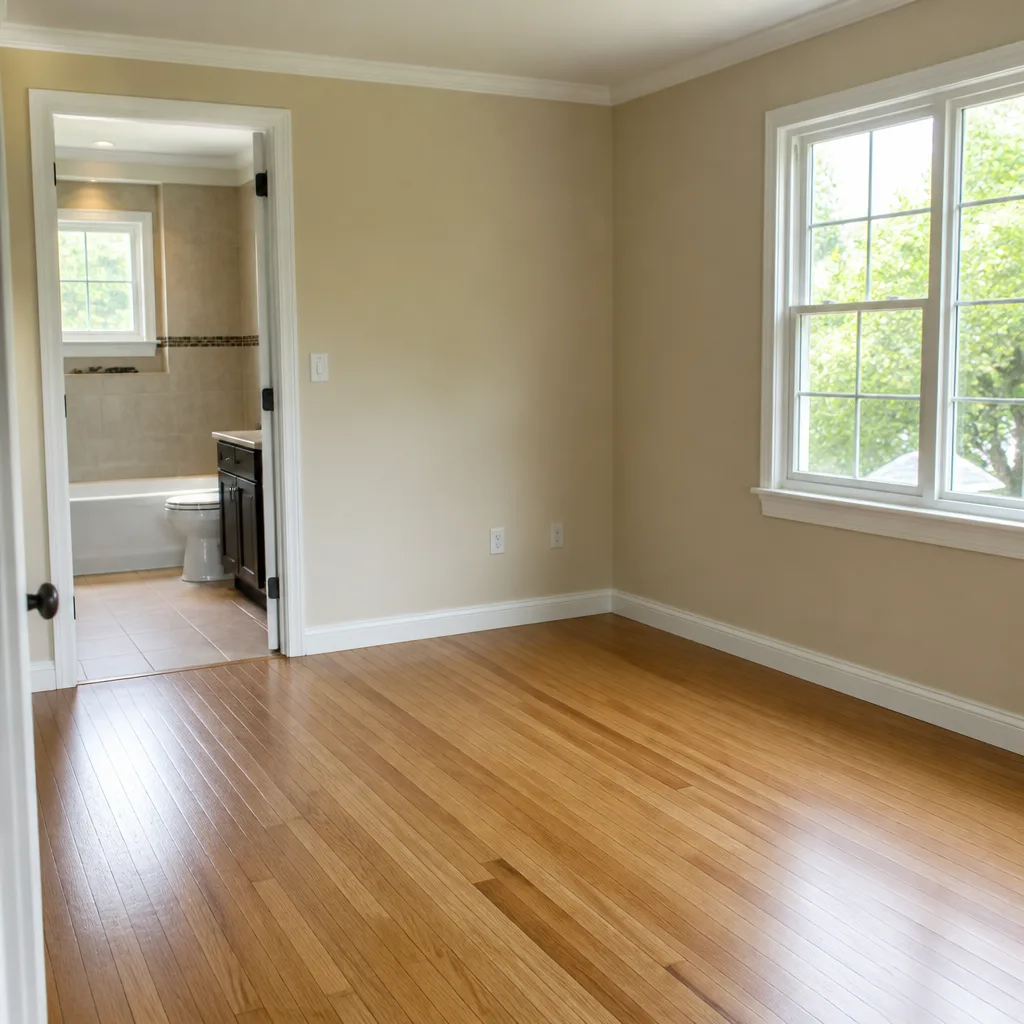
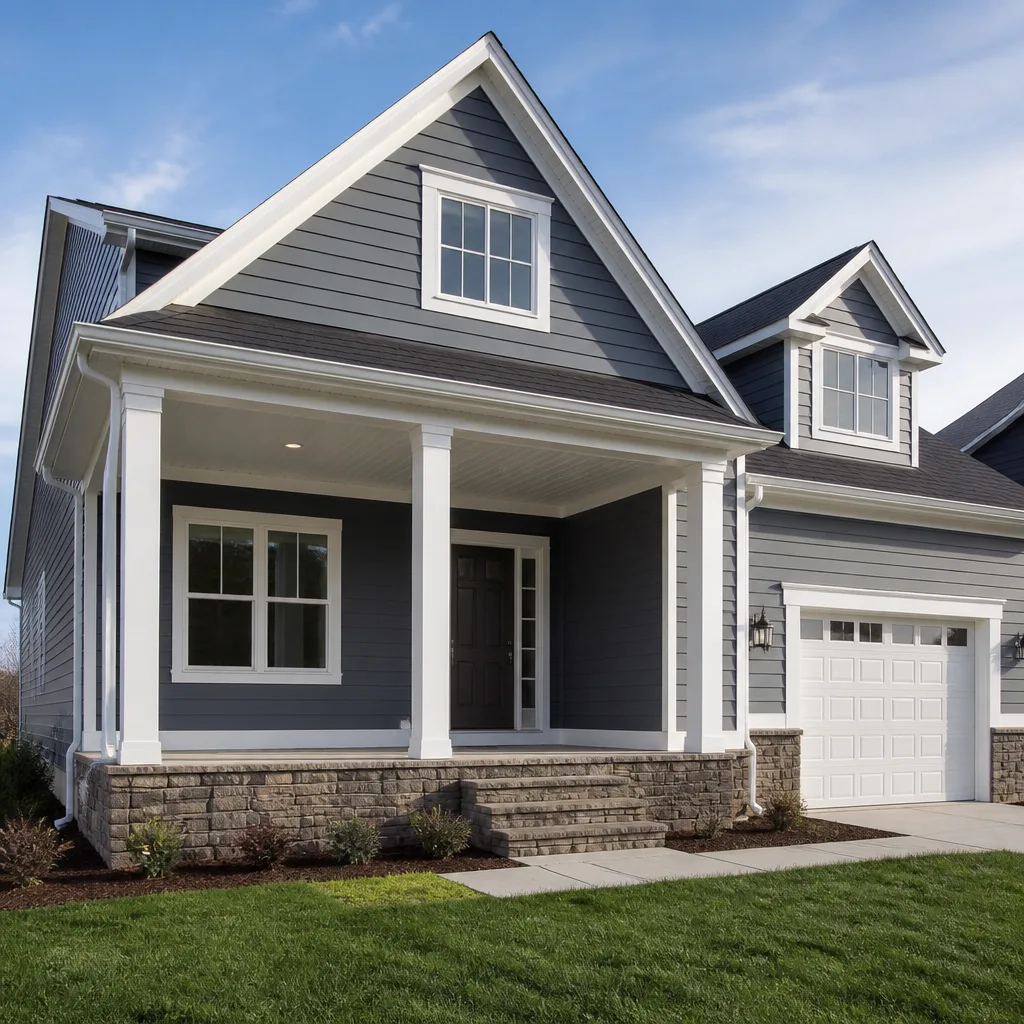
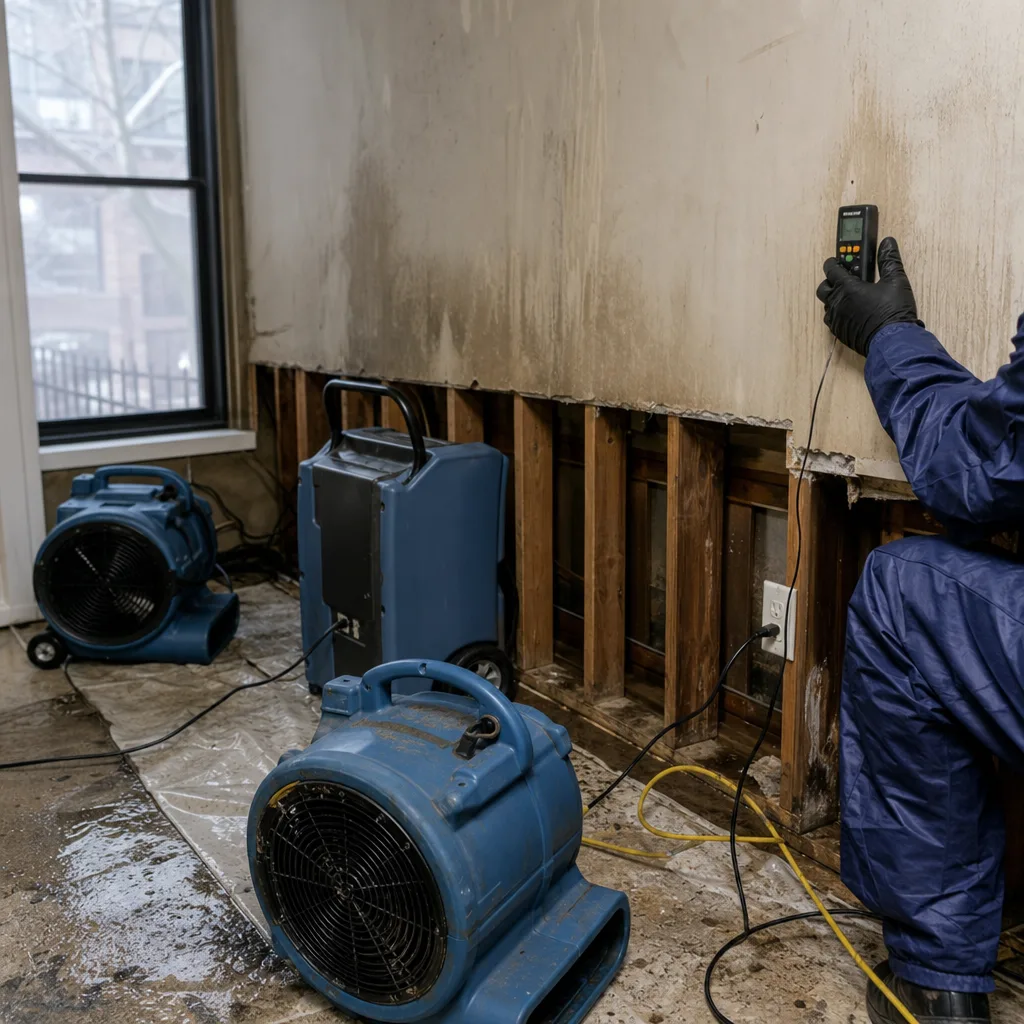 Before
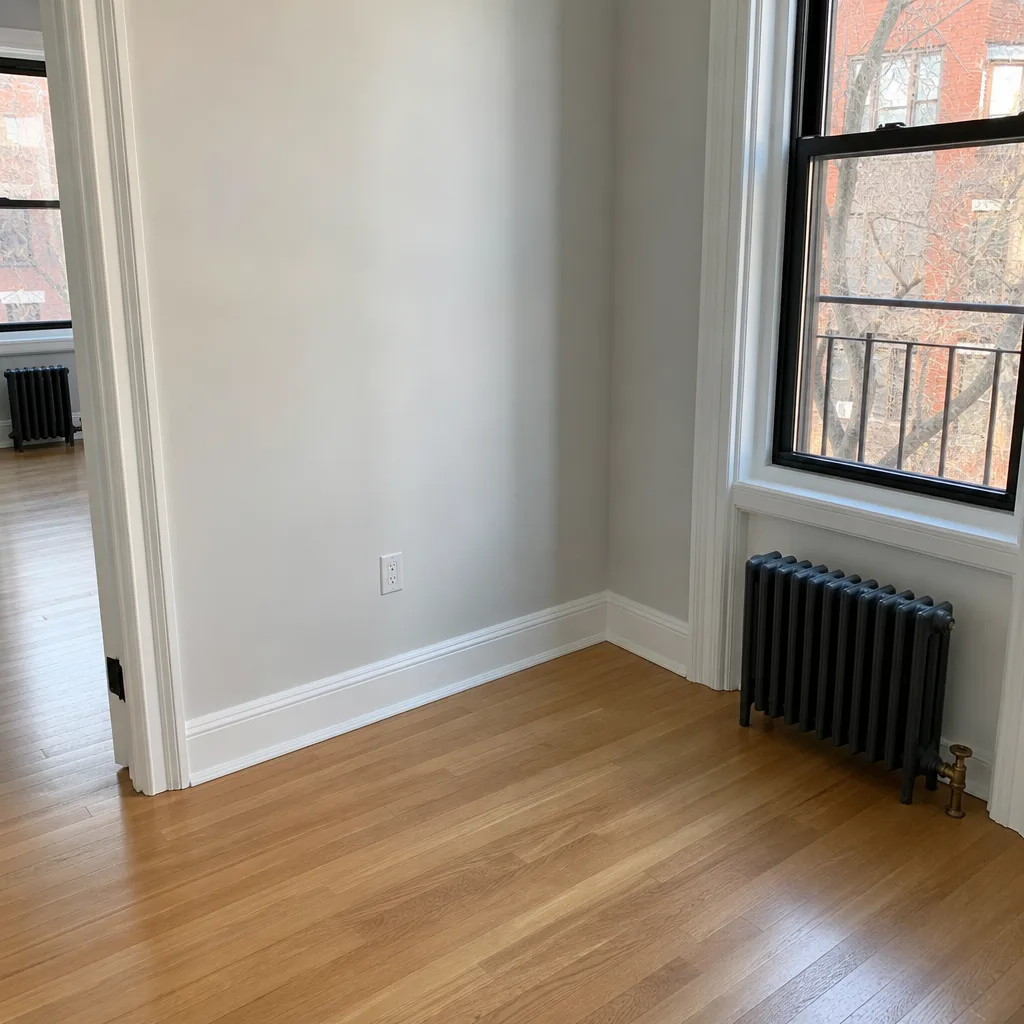 After
After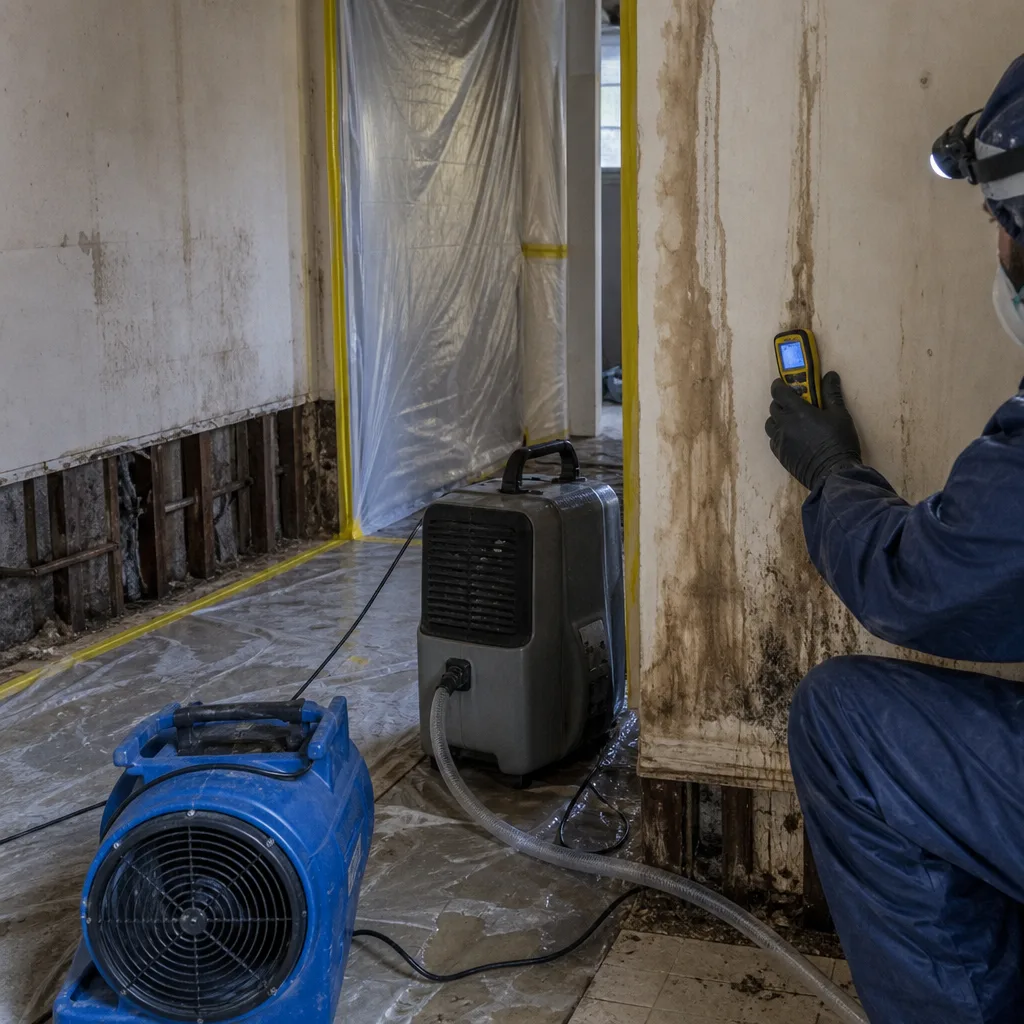 Before
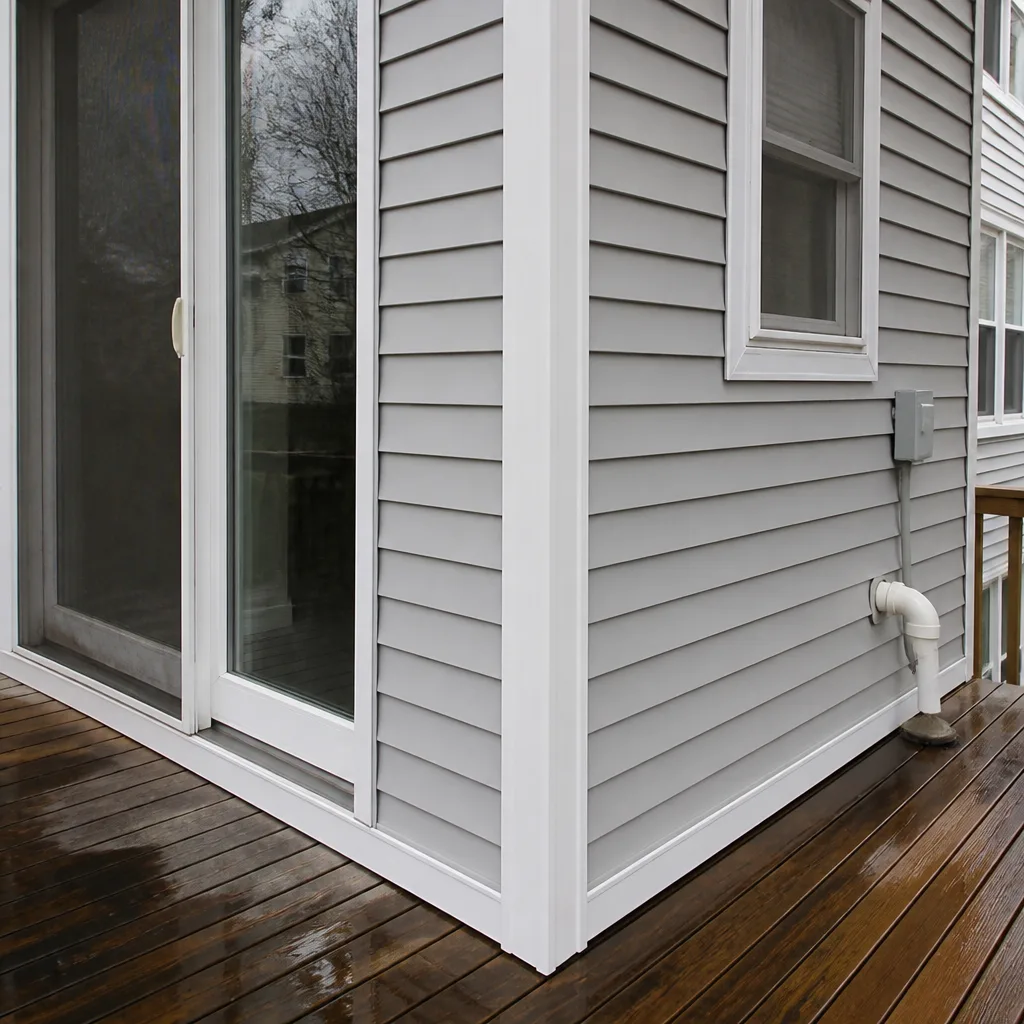 After
After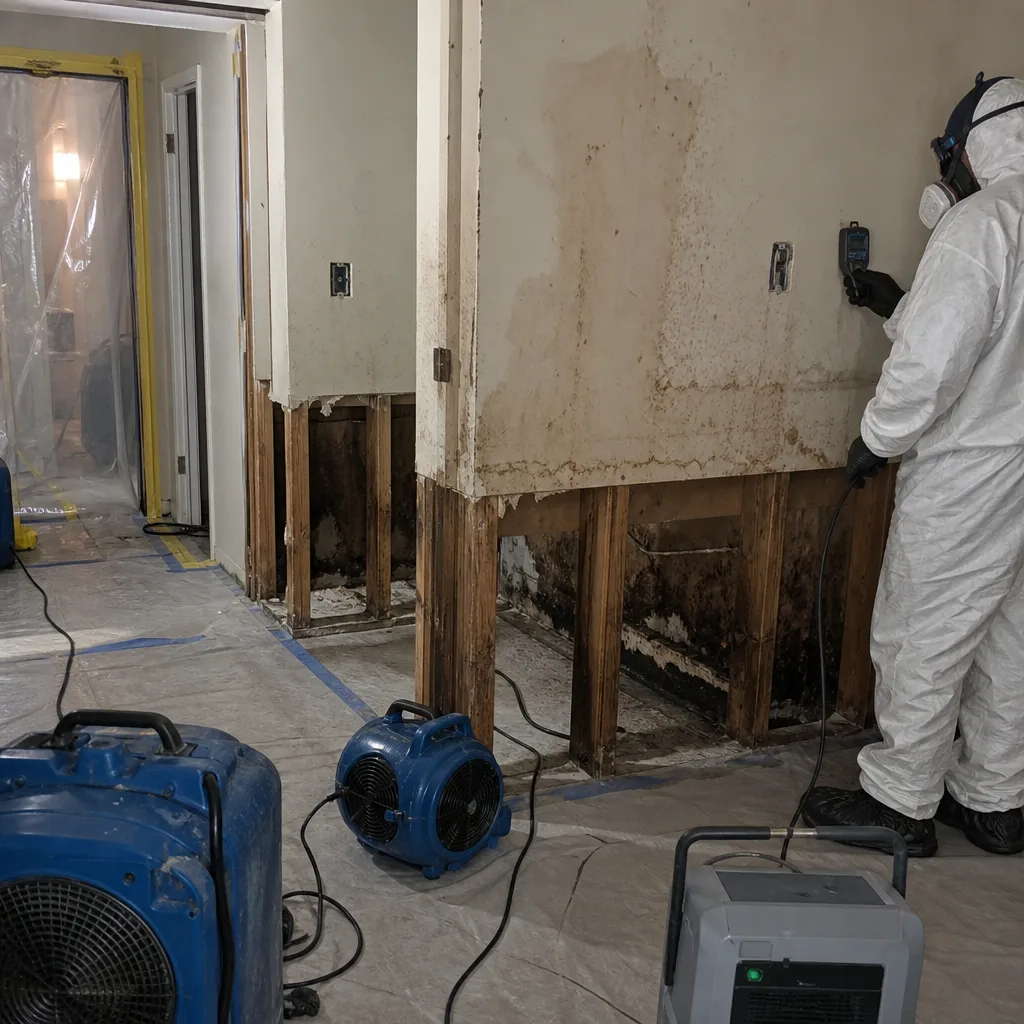 Before
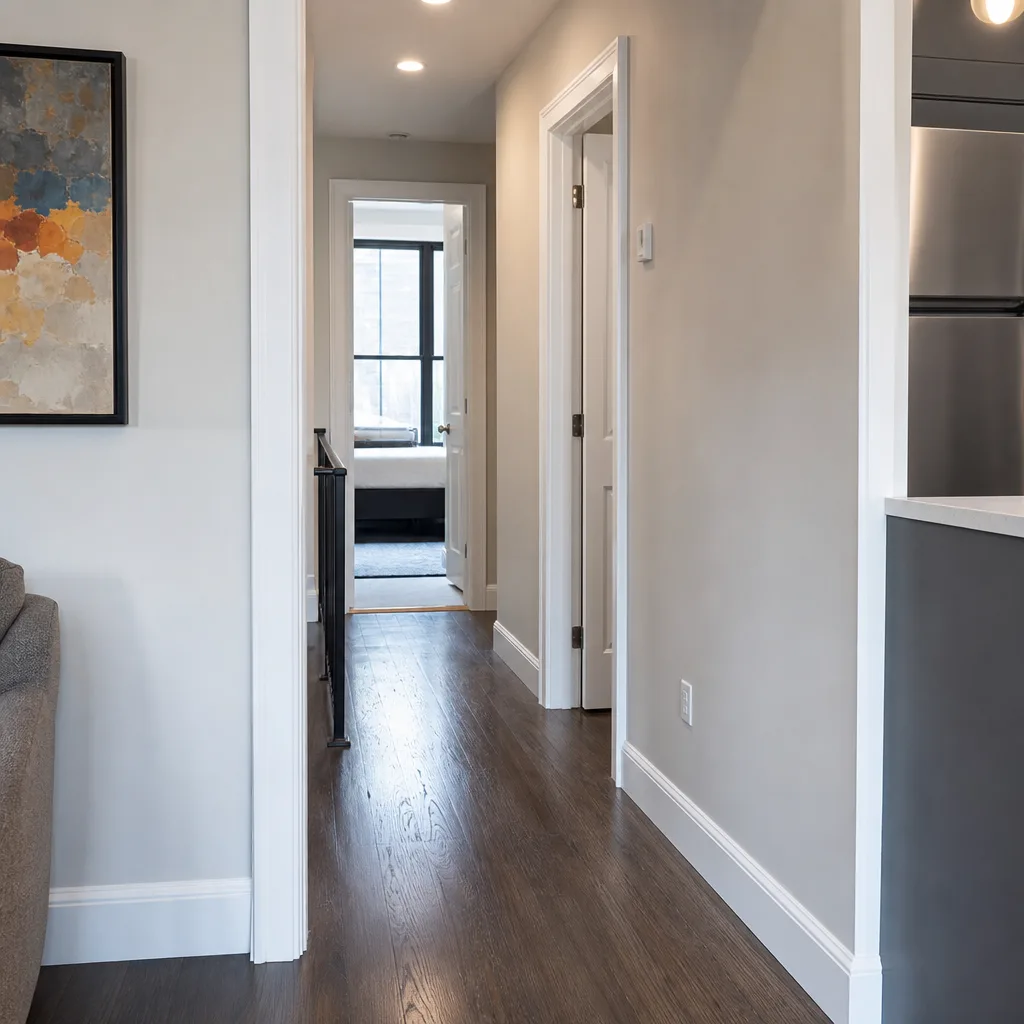 After
After24/7 Emergency Storm & Disaster Restoration in Katonah
Storm damage in Katonah rarely waits for business hours. A nor’easter drops a limb through a roof at 2 a.m., a reservoir-fed creek jumps its bank during spring thaw, or an ice storm lets go of a branch that’s been hanging over your bedroom since the Clinton administration. When any of that happens, you need a crew that answers the phone and moves. Floodline Restoration Co. of Manhattan answers live, 24 hours a day, and dispatches crews into Katonah, Bedford Hills, and the surrounding hamlets on a 45-minute response commitment. Call (917) 924-4221 any hour and we’ll get a certified team on the road. The first hour after a wall opens or a roof fails is when the damage is cheapest to contain, and every hour after that is where costs compound.
Understanding Storm & Disaster Restoration Severity in Katonah Properties
Storm damage in Katonah splits into two strains: what the wind and falling timber do, and what the water does afterward. The first is obvious, a tree through the roofline or wind-load failure on an aging window or garage door track. The second is the quiet one. Water entering through a compromised opening in a Katonah home doesn’t just wet the drywall. In the 1890s-era balloon-framed Victorians and Craftsman houses that make up so much of the hamlet’s core, water can run vertically inside unbroken stud cavities from a second-floor leak down into the first-floor framing. The same storm that tore shingles off can be feeding moisture into cavities you can’t see from the ground. Technically, that’s the difference between a simple Category 1 water event from clean rain and what often becomes a Category 2 or 3 situation once the water has passed through attic insulation, plaster, and decades of accumulated framing dust. We moisture-map every affected room with thermal imaging and hygrometers, not because it looks thorough but because the alternative in Katonah’s housing stock is mold behind a wall you repainted over and forgot.
Why Katonah Property Owners Choose Floodline Restoration Co. of Manhattan
- 45-minute response commitment for Katonah. When you call with a tree through the roof on Valley Road or a flooded basement off Route 35, our crews are moving inside the hour, not the next day.
- A live person, 24/7, never an automated system. Our dispatch desk answers at 2 a.m. the same way it answers at 2 p.m., because the storm doesn’t care about your sleep schedule and neither do we.
- IICRC-certified crews trained to WRT and FSRT standards. The technicians who step into your Katonah home are background-checked, uniformed, and certified, no subcontractor roulette.
- Free visual inspection before anything gets torn open. We show you what we found, in plain English, before work starts, and we write the scope down.
- Direct insurance billing with adjuster coordination. We talk to your carrier so you don’t spend your evenings relaying messages between an adjuster and a project manager.
- One team from extraction to reconstruction. The same crew that tarps the roof and boards the window is the crew that dries the framing and rebuilds the wall. No mid-job handoff.
Our Storm & Disaster Restoration Process
Inspection & Assessment
We walk the whole loss, not just the obvious hole. On Katonah’s 1890s houses that means checking for water that traveled vertically through balloon framing and into cavities the rain never touched directly. Thermal imaging shows us what the eye can’t.
Extraction & Stabilization
Water comes out first. Roof tarping, emergency board-up, and structural stabilization happen in the same visit so the site stops getting worse. We’re running extraction within hours, not after the adjuster calls back.
Drying & Dehumidification
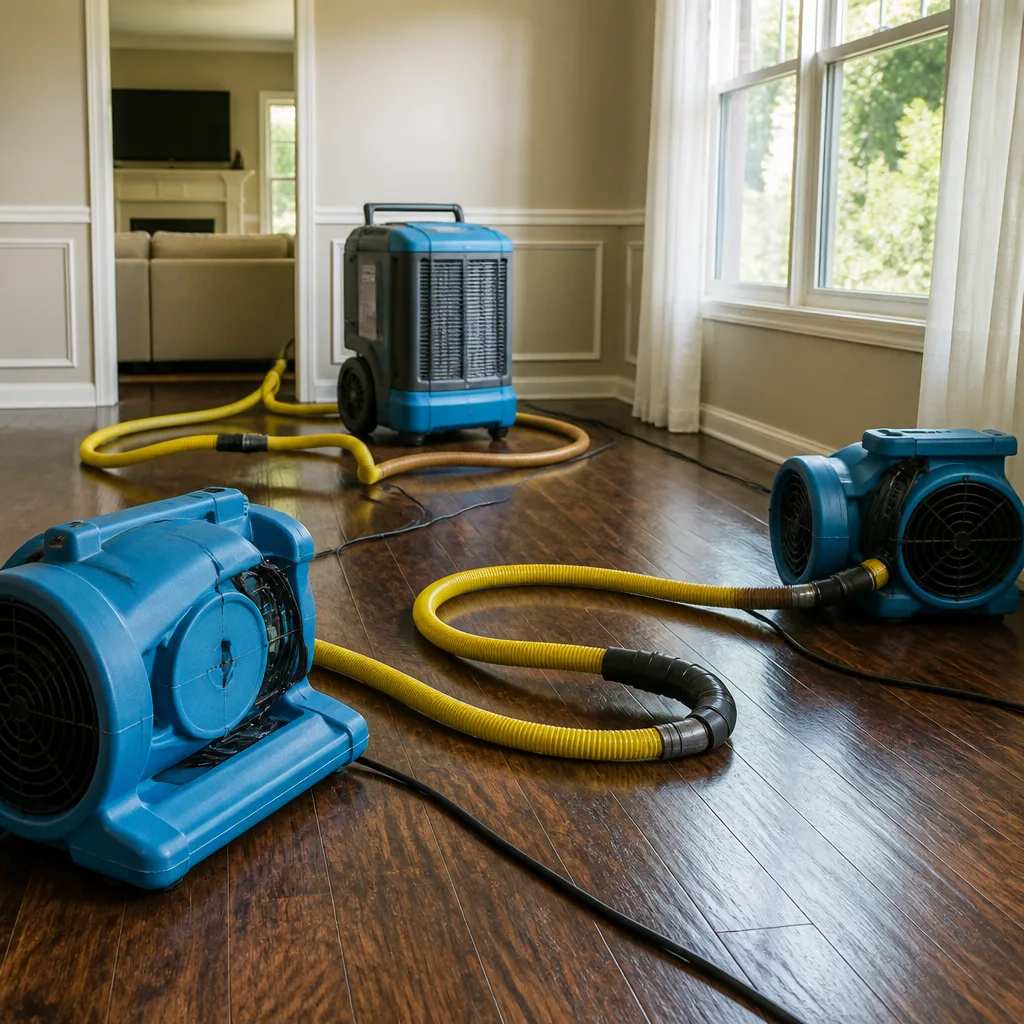
We set Dri-Eaz LGR dehumidifiers and XPOWER air movers on a moisture map, not a guess. Daily readings are logged until the dry standard is met, and you get the log. So does your carrier.
Cleaning & Sanitization
This is where Katonah’s location inside the NYC DEP Croton watershed changes the job. We use only treatments approved for watershed protection, never the off-the-shelf biocides that could land you in front of the DEP.
Wind-Load & Structural Treatment
Storm-damaged doors, garage tracks, and framing get evaluated for wind-load resistance, not just patched. If an opening failed once in a nor’easter, it’ll fail again unless the reinforcement work is done right.
Repairs & Restoration
The same crew that ran extraction handles the rebuild and cleanup in Katonah. Matching original chestnut framing, lime plaster, and millwork on a Katonah Victorian is work we plan for before the first wall comes open. Then we stand behind it for 90 days in writing, the 90-Day Done Right Promise.
Need Emergency Storm & Disaster Restoration in Katonah Now?
Crews minutes away, answering live 24 hours a day. The sooner we start, the less it costs.
Working With Your Insurance Company
Most Katonah storm losses are covered, and most Katonah homeowners would rather not become amateur claims adjusters in the middle of a crisis. That’s where we step in. From the first day we photograph every room, every compromised opening, every wet cavity wall before drywall comes open. A photo taken at hour two does more for a claim than a description written at hour twenty, and we know the difference. We write industry-standard estimates, line-item scopes, and moisture logs your carrier will recognize without a fight. And we talk to your adjuster directly. You hired us to fix the house, not to spend the next three months on hold.
What We Provide Your Insurer
- Thorough documentation of the loss
- Photos of all damage, room by room
- Moisture readings and drying logs
- A detailed, line-item scope of work
- Direct coordination with your carrier
Built for Katonah’s Loss Calendar
Katonah’s storm season never really ends. January and February bring deep freezes that snap supply lines and ice storms that load every branch over a driveway or roof until something gives. March and April are the dangerous thaw, when the snowpack up in the hills runs off into the Cross River and Muscoot Reservoir system and the water has nowhere to go but basements along the low parcels. Summer thunderstorms drop two inches in an hour on already-saturated ground, and the flash flooding in the older, low-lying parts of the hamlet is quick and quiet. Then comes autumn and the nor’easters, the big trees, the roofs opened to the sky. A house in Katonah needs a restoration company that knows all four of those seasons, not a franchise that parachutes in for the one big blow. We plan for Katonah’s loss calendar, and when a nor’easter takes down a mature oak, we know before we arrive what the house is made of so the repairs don’t just patch the hole but hold against the next one.
Storm & Disaster Restoration Across Katonah’s Neighborhoods
The response route into Katonah matters. Coming into the hamlet off Route 35 past the Katonah Museum of Art, we’re thinking about the older frame houses along Valley Road and The Parkway, the 1890s stock built in the relocation era, where balloon framing moves water vertically and wind-load failure hits windows and doors first. Up toward Cherry Street and Allen Place the lots get tighter, the driveways steeper, and a tree fall often means damage to a neighboring garage or outbuilding as well as the main roof. The estate properties spreading north of the hamlet toward Bedford present a different job entirely: custom-built older houses with millwork worth matching, long driveways that complicate access, and wind exposure on rises that put real load on doors and garage tracks. Down by the low parcels near the Muscoot Reservoir, water is the usual enemy, not timber. Basements there flood on a spring thaw in ways the higher streets never see. The Crews at Storm & Disaster Restoration dispatch differently to each of these, because a tarp job on a Victorian near the library is not the same job as a flooded basement off Cross River Road.
Specialized Storm & Disaster Restoration Services We Offer in Katonah
Storm Damage Cleanup
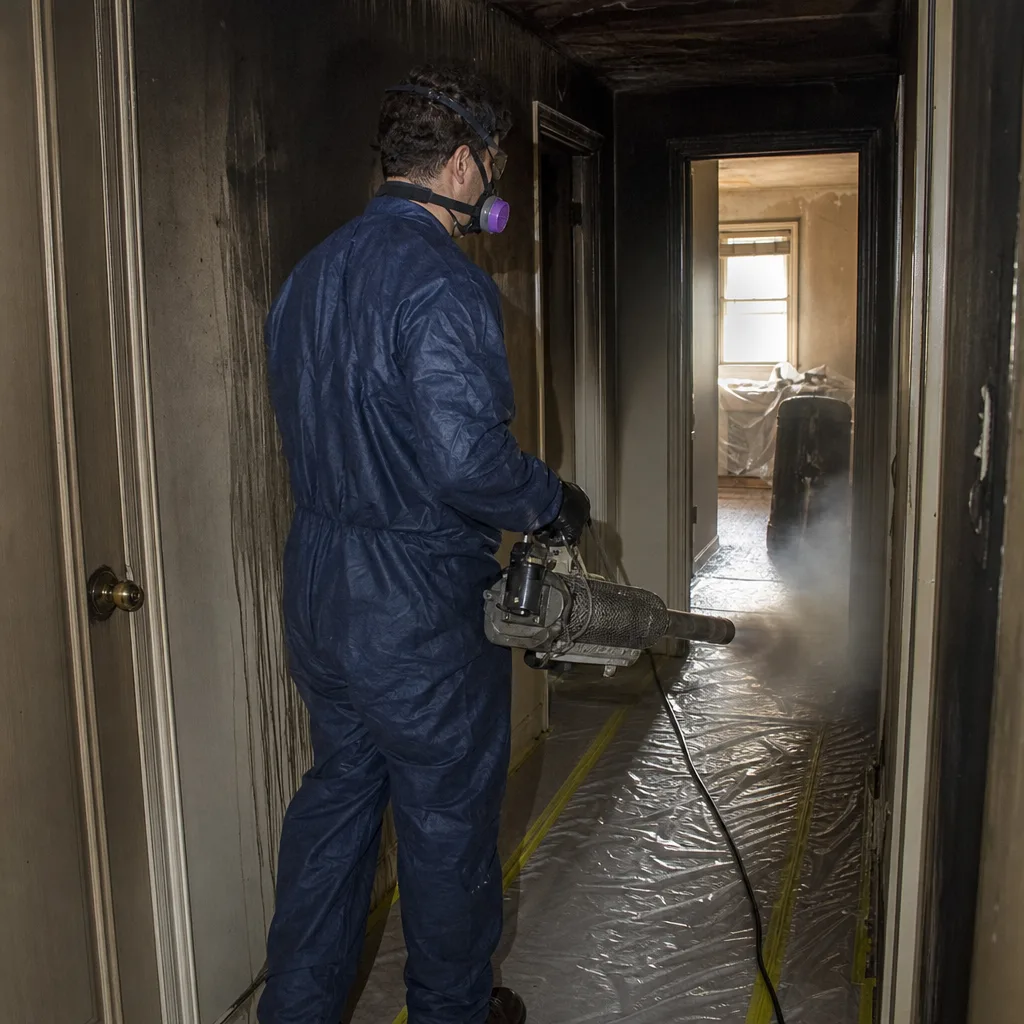
We clear the debris without churning up your lawn or driveway more than necessary. Downed limbs, shingle debris, wet insulation, broken glass: it all comes out and gets disposed of under watershed-compliant rules. Katonah sanitization services after a nor’easter are as much about what can’t go down a drain as what can.
Flood Damage Restoration
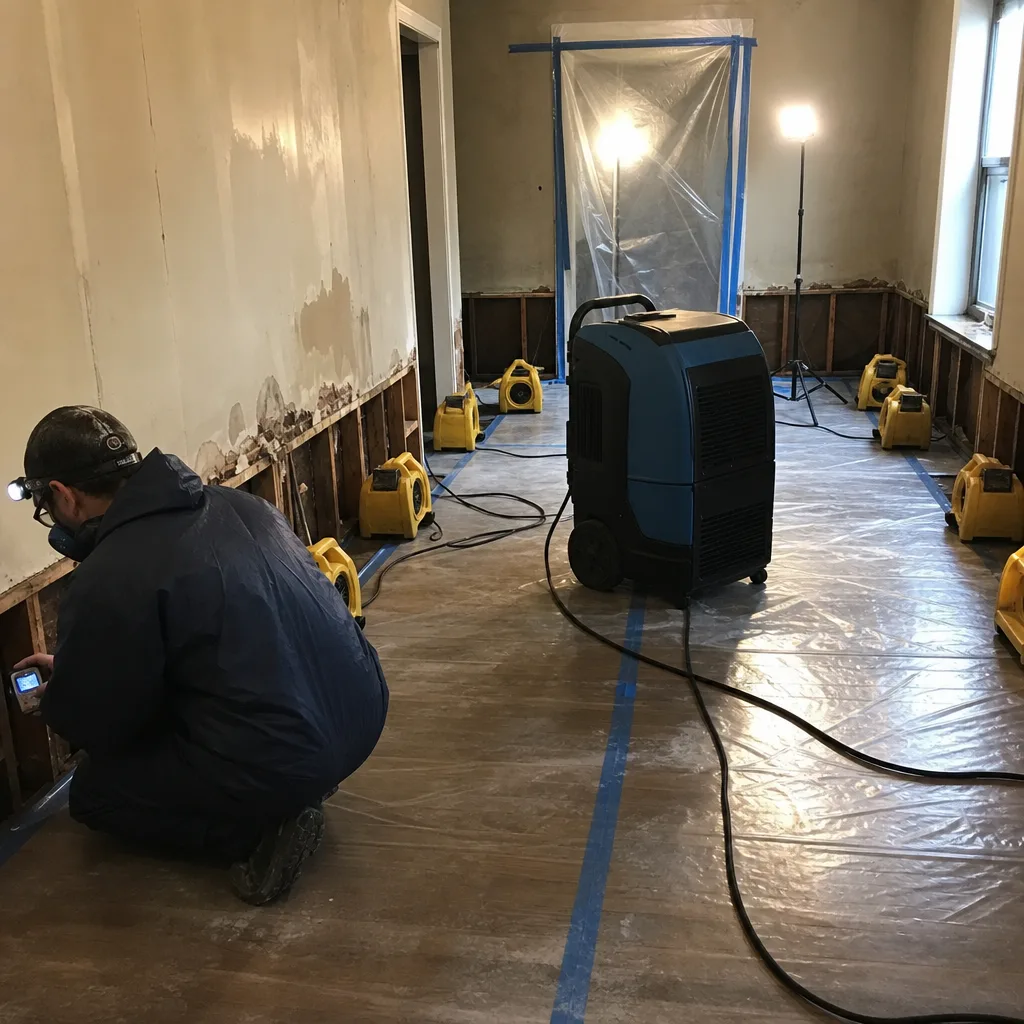
Whether it’s a reservoir-fed stream overtopping its banks or a sump pump that quit during a thunderstorm, we extract, dry, and rebuild. In Katonah’s watershed-protected zone, the antimicrobial treatments we use are selected for DEP compliance first, so your biohazard cleanup in Katonah doesn’t become a land-use violation.
Emergency Board-Up
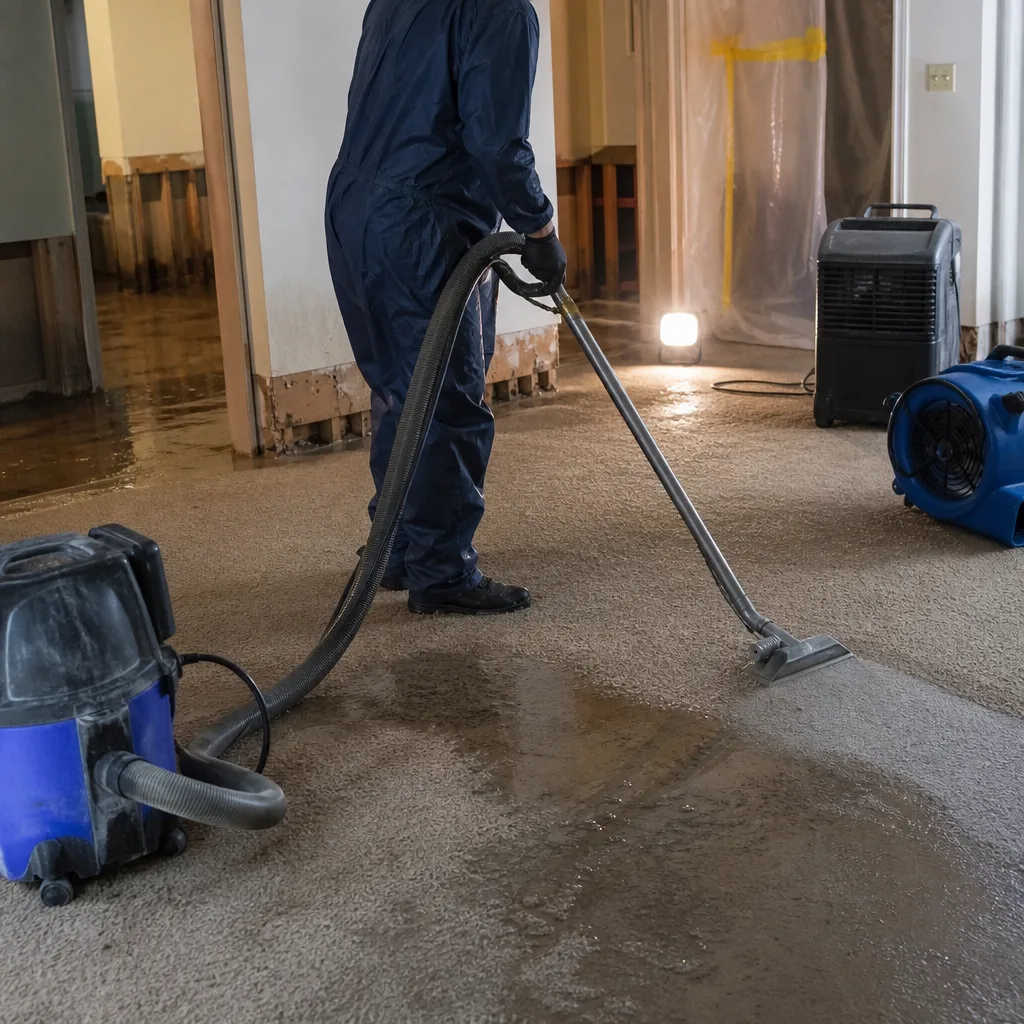
A tree through a wall on Valley Road means the house is open to weather, animals, and anyone who noticed the damage. We board up the same visit, securely. Board-up on an 1890s balloon-framed house has to account for the framing behind the opening, not just screw plywood over whatever’s there.
Roof Tarping
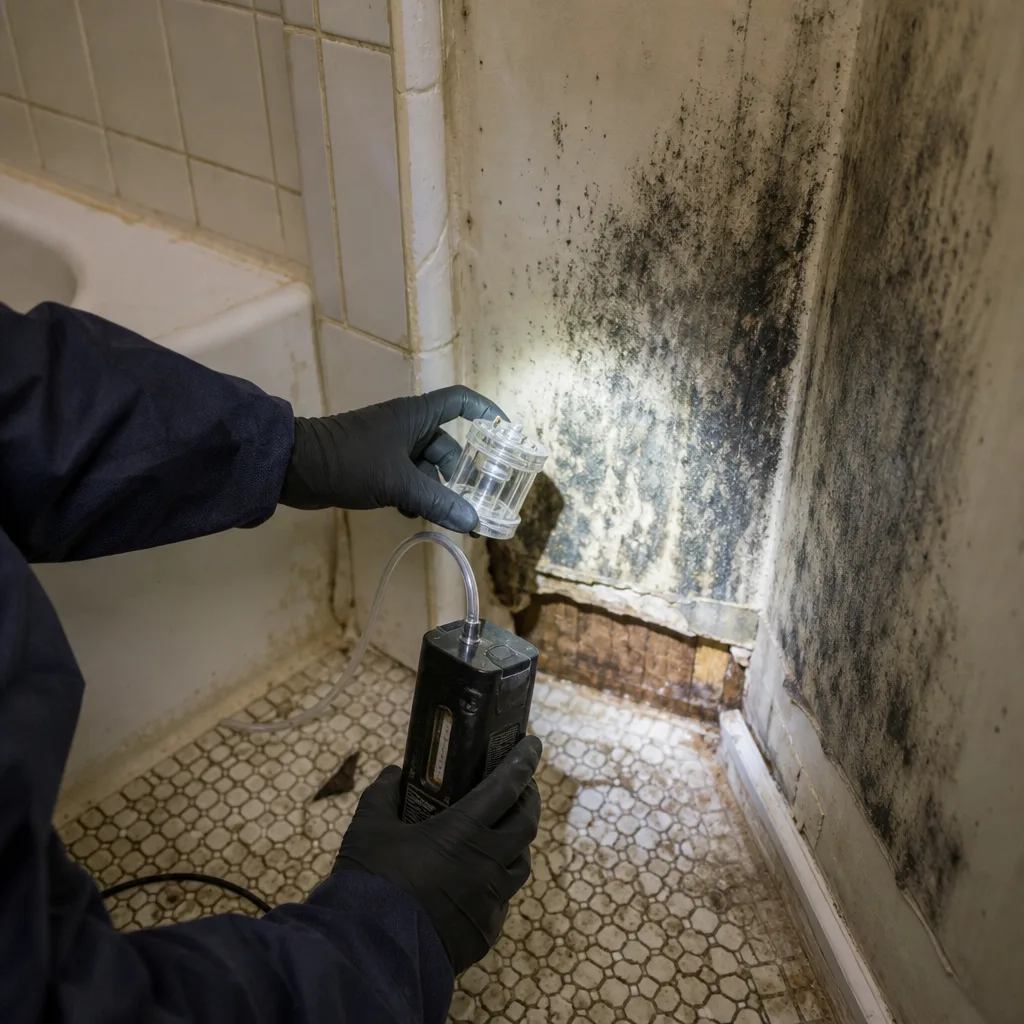
We tarp against re-wetting, and we do it before the next front moves through. Katonah gets rain behind its nor’easters, often within days. A properly tarped roof on a Katonah Victorian keeps the lime plaster dry while the adjuster schedules and the rebuild scope gets written.
Debris Removal
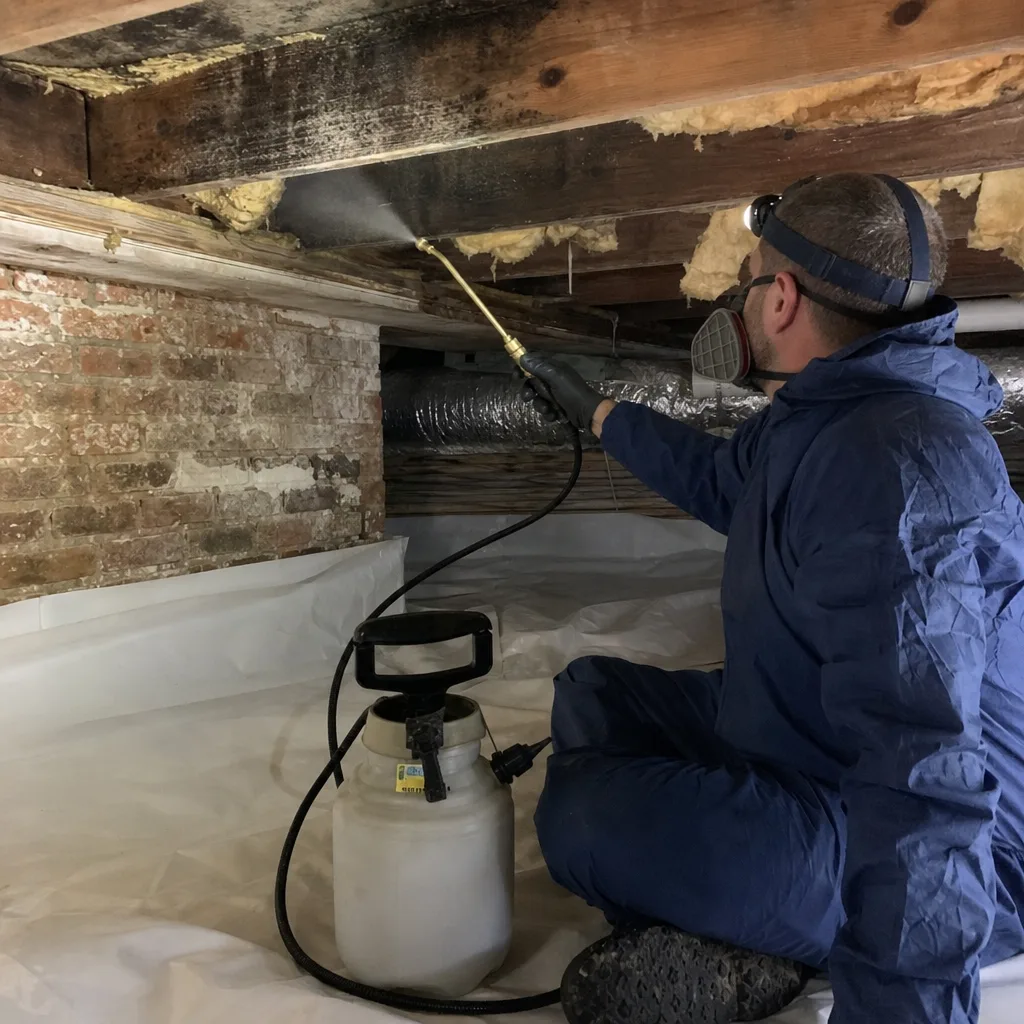
Mature oak and maple debris doesn’t fit in a contractor bag. We handle the removal and the watershed-compliant disposal, and we do it without leaving a mess in your driveway for the next month.
Wind Damage Repair
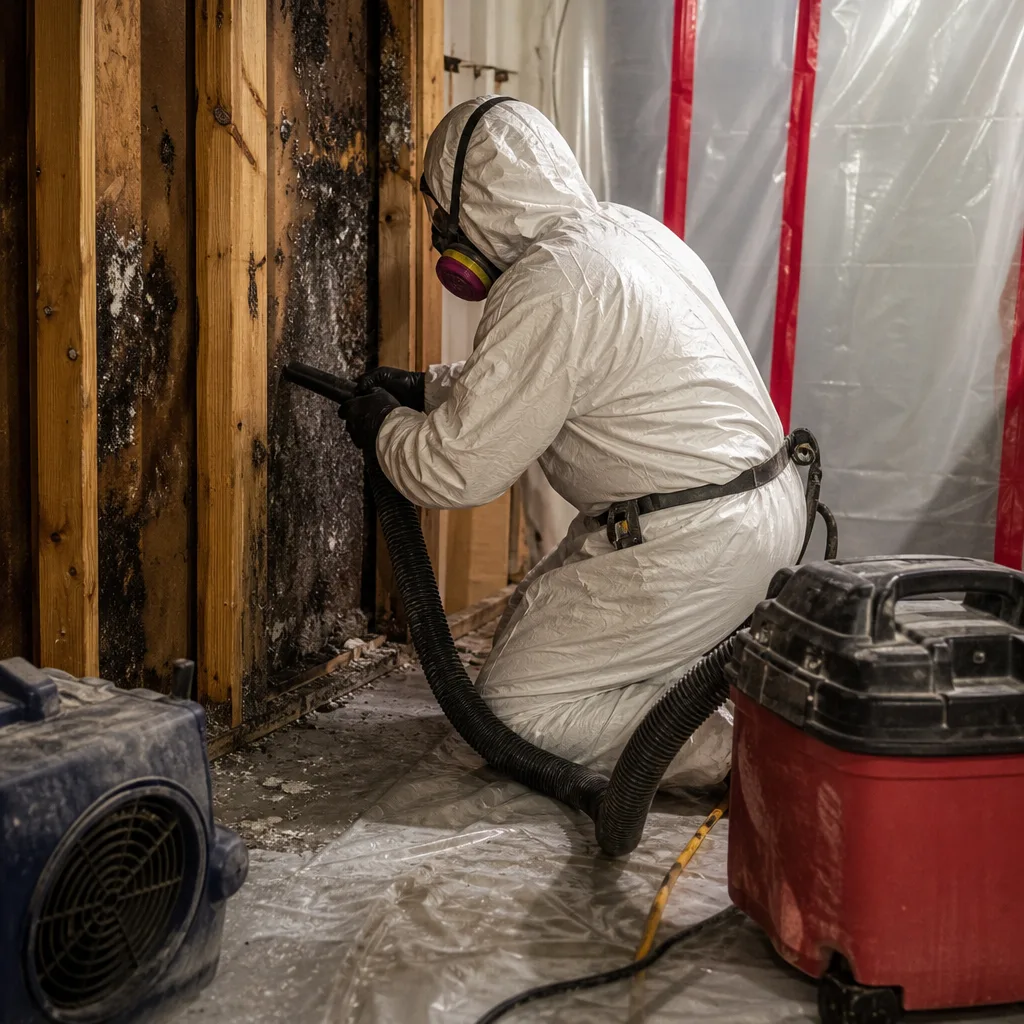
A door or garage track that failed in a storm gets reinforced, not just re-hung. Wind-load repair on Katonah’s older homes means evaluating the whole opening, so the next nor’easter doesn’t peel the same door off the same hinges.
What happens when you call
- 1
A real person answersNo phone trees - you reach a local pro.
- 2
You get an upfront price rangeHonest numbers before anyone is dispatched.
- 3
A background-checked tech heads outLicensed & insured, dispatched right away.
- 4
You approve before work beginsNothing starts until you say go.
Storm & Disaster Restoration Costs in Katonah, NY
Storm restoration pricing in Katonah sits on the higher side of Westchester’s range, and the reasons are local. The DEP watershed compliance on flood work adds a layer of approved-treatment cost and paperwork that doesn’t apply in Mount Kisco or Yorktown Heights. The 1890s stock costs more to repair correctly because original plaster, chestnut framing, and cast-iron drains demand more labor than modern stud-and-drywall work. A typical emergency board-up in Katonah runs $350 to $800 depending on opening size and framing work. Roof tarping usually runs $400 to $900 for a standard pitched roof. Storm debris removal on an average residential lot falls between $500 and $1,500. Flood extraction and structural drying in a Katonah basement commonly runs $2,000 to $5,000 when done fully, and wind-damage repair to doors and garage tracks falls between $800 and $2,400. Those are honest ranges, not bids. Call (917) 924-4221 for a free visual inspection and a written scope before anything starts, and we’ll give you the exact number.
We Also Serve Cities Near Katonah
The same 45-minute response commitment and watershed know-how apply in Bedford Hills, Shenorock, Mount Kisco, and Yorktown Heights. If you’re in one of those towns and a storm has opened a roof or flooded a basement, call (917) 924-4221 and dispatch will route the nearest certified crew to you. We serve Katonah and the surrounding hamlets with the same live 24-hour answering.
Katonah Storm & Disaster Restoration Questions, Answered
Do I need a permit for wind-rated door or window reinforcement in Katonah after storm damage?
In most cases, repairs to existing openings do not require a permit, but replacing a door or window with a different size or changing the structural header does. Katonah operates under the Town of Bedford’s building department, and we can advise you on permit requirements for your specific repair before work starts. When a permit is required, we handle the paperwork as part of the scope.
What are the NYC DEP watershed restrictions on antimicrobial treatments for flood damage in Katonah?
Because Katonah sits inside the Croton watershed, standard off-the-shelf antimicrobials and biocides used in flood restoration cannot be legally applied or disposed of without DEP review. We use only watershed-approved treatments and disposal methods on every Katonah job. A restoration company that ignores this rule can leave you with DEP fines and rework costs.
How quickly can mold start in a Katonah basement after reservoir-fed flooding?
Mold can begin colonizing within 24 to 48 hours on wet organic material, and Katonah’s older basements, with their porous stone foundations and wood-framed partitions, are particularly vulnerable. The reservoir-fed water that floods a low parcel near the Muscoot often carries organic sediment that mold thrives on. Extraction and structural drying need to start the same day, not later in the week.
Why do so many Katonah homes suffer wind damage to doors and garage tracks during nor’easters?
The 1890s-era homes that dominate Katonah’s core were built before modern wind-load standards existed for doors, windows, and garage openings. The openings themselves are not wind-rated to today’s codes, and decades of seasonal movement from harsh winters and wet springs have loosened the frames. When a nor’easter pushes sustained wind against an original door, the failure starts at the hinges and the track, not the door itself.
Can a failing door before a storm cause more than just water intrusion in a Katonah house?
Yes. A compromised door or garage opening is how wind enters the house, and once wind gets inside, it pressurizes the structure in ways the 1890s framing was never designed to handle. That internal pressure can lift roof decking, blow out windows, and in balloon-framed houses, drive water into vertical cavities that run from the leak point down through two or three floors.
How fast can a crew actually get to Katonah in an emergency?
We commit to a 45-minute response for Katonah and the immediate surrounding hamlets. Call (917) 924-4221 and a live dispatcher will route the nearest available certified crew. On nights when a nor’easter has hit the whole region, response may stretch, but we’ll tell you that honestly on the phone, and we prioritize tarping and board-up first so the damage stops compounding.
Will my insurance cover storm restoration and the watershed compliance costs in Katonah?
In most cases, yes, because the DEP watershed requirements are a standard part of any insurable water event in this location. We document the compliance costs line-by-line in the scope we send your carrier, so the adjuster sees exactly why a Katonah flood job costs what it costs. We handle that communication directly.
What should I do in the first 30 minutes after storm damage to my Katonah home?
First, confirm everyone is safe and stay out of the damaged area if structural integrity is uncertain. Second, call (917) 924-4221, the sooner we know, the sooner a crew is moving. Third, if you can do it safely, shut off power to any wet or damaged rooms. Do not enter a room with a sagging ceiling, and do not try to tarp a roof yourself in storm conditions.
Serving Katonah, NY - Our Local Coverage Area
We’re based in the Katonah area and know this community well. Use the map below to see our service coverage - if you’re nearby, we can almost certainly help.
Contact Floodline Restoration Co. of Manhattan in Katonah
If a storm has opened your Katonah roof, flooded your basement, or compromised a door that won’t close right, call (917) 924-4221. A live person answers. We keep the whole job in our hands, from the first extraction to the final coat of paint, and we put our work in writing with the 90-Day Done Right Promise. Curt Bowman founded Floodline Restoration Co. on a simple idea: answer the phone, do the job right, and stand behind it. That’s how we work in Storm & Disaster Restoration in Katonah, and everywhere else we serve.
Written by Curt Bowman, Owner at Floodline Restoration Co., serving Katonah and Westchester County.