
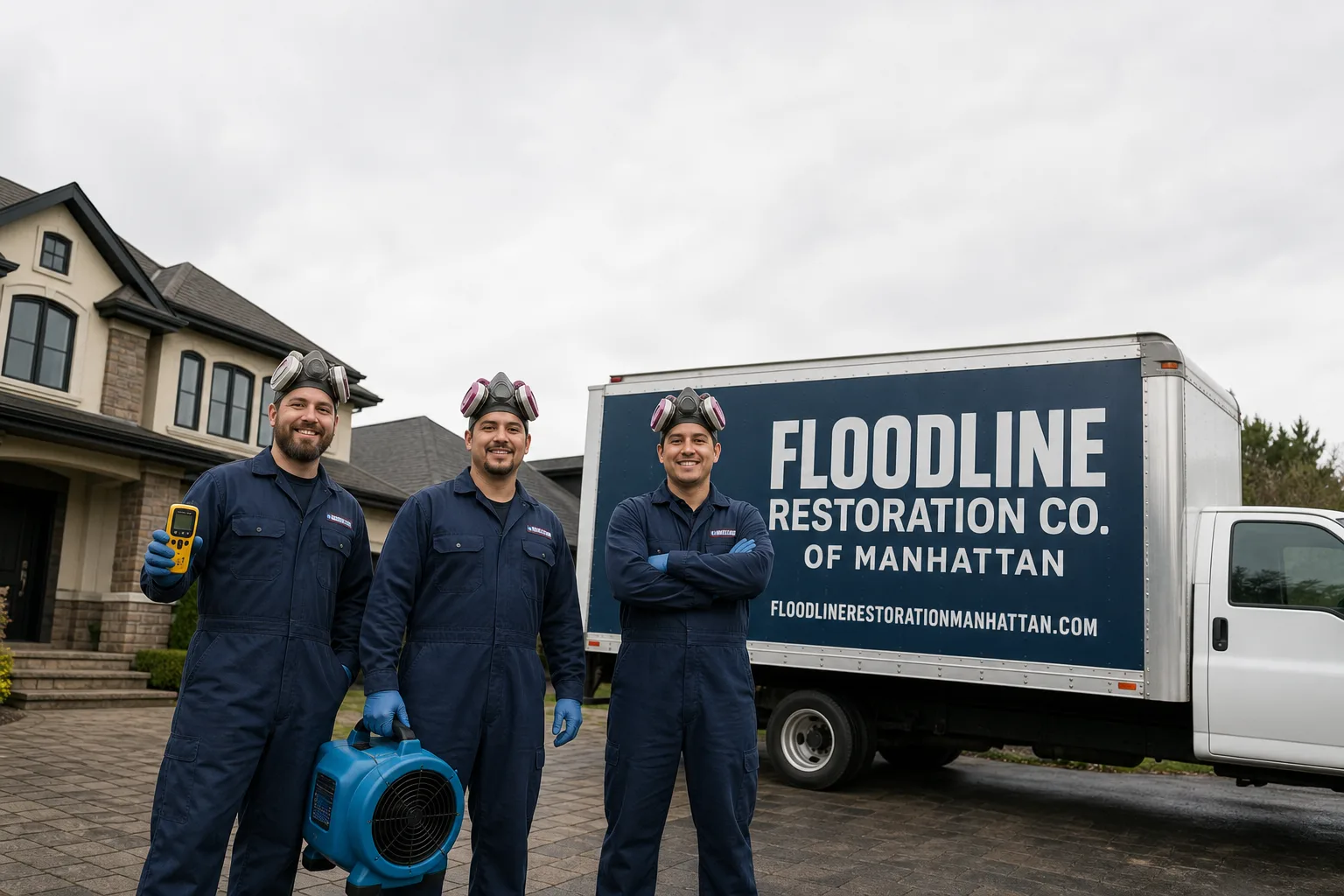
Free visual inspection and a written scope of work before any mitigation begins - photos, moisture readings, and drying logs go in your claim file
The scope we write is the scope we bill. Anything new gets shown to you, in writing, before we touch it.






 Before
 After
After Before
 After
After Before
 After
After24/7 Emergency Storm & Disaster Restoration in Yorktown Heights
Storm damage in Yorktown Heights doesn’t wait for business hours, and neither do we. When a limb comes through the roof off Underhill Avenue or an ice dam lets meltwater pour into a finished basement along Hanover Street, you need a live person on the phone and a crew on the road fast. Call (917) 924-4221 and you’ll reach a dispatcher, not a recording, any hour of any day. Our Storm & Disaster Restoration crews cover Yorktown Heights with a target of arriving within 45 minutes, and the first visual inspection is free. The first hour after a storm opens your home is when the real damage compounds: saturated drywall starts wicking moisture upward, standing water finds every crack in a 1960s foundation, and mold gets its foothold. Getting extraction and stabilization started the same visit changes the entire cost curve.
Key Takeaways
- Live dispatch 24/7, crews targeting 45-minute arrival anywhere in Yorktown Heights
- Free visual inspection before any work is scoped or approved
- One certified team handles extraction, drying, and rebuild, no mid-job handoff
- Direct insurance billing with photo documentation and moisture logs provided to your carrier
- Written 90-Day Done Right Promise on every job
Understanding Storm & Disaster Restoration Severity in Yorktown Heights Properties
Storm and flood damage is classified by the water that causes it. Category 1 comes from a clean source: a burst supply line or a roof leak before water touches anything contaminated. Category 2 carries significant contamination, think sump pump overflows, washing machine discharges, or water that has sat against drywall and insulation. Category 3 is grossly contaminated: sewage backup, rising groundwater, or anything that has been in contact with surface runoff carrying lawn chemicals and animal waste. Yorktown Heights’s housing stock, much of it raised ranches and split-levels built between the 1960s and the 1980s, tends to turn Category 1 water into Category 2 in under 12 hours. Those block foundations and original slab drains were sized for a different climate, and the clay-heavy glacial soils surrounding many homes hold water against basement walls rather than letting it drain away. Our crews classify the water, run moisture mapping with penetrating and non-penetrating meters, and set a dry standard before any drying equipment goes down, because drying a house to the wrong target is the same as not drying it at all. On properties in the Croton Watershed, we also determine before anyone touches a valve whether disposal falls under NYC DEP watershed regulations, which change how extracted water and cleaning agents are handled. That determination is not optional, and it’s not something a generalist contractor from outside the watershed will think to check.
Why Yorktown Heights Property Owners Choose Floodline Restoration Co. of Manhattan
- 45-minute response target in Yorktown Heights. Crews stage from dispatch points that reach Crompond, Shrub Oak, and the reservoir-adjacent neighborhoods quickly, because every hour of standing water adds cost to the claim and time to the rebuild.
- A real person answers at 2 a.m. Live dispatch, every day, every shift. No automated tree, no callback promise. The person who picks up can tell you which crew is closest and when they’ll arrive.
- IICRC-certified crews. Our technicians carry WRT (Water Damage Restoration Technician) and FSRT (Fire & Smoke Restoration Technician) certifications, with AMRT (Applied Microbial Remediation Technician) on our mold and Category 3 work. Background-checked, uniformed, and accountable.
- Free visual inspection. Before any scope is written, we walk the loss with you and show you what we’re seeing. A written scope comes before work starts, and it includes the watershed compliance steps where they apply.
- Direct insurance billing. We photograph everything from the first hour, provide drying logs with daily moisture readings, and coordinate with your adjuster directly. You don’t carry messages between us and your carrier.
- One team from extraction to reconstruction. The same crew that reads the moisture map on day one handles the daily readings and rebuilds what needs rebuilding. No mid-job handoff, no inherited crew you’ve never met.
Our Storm & Disaster Restoration Process
Inspection & Assessment
We arrive, walk the damage, and determine the category of water and the extent of structural exposure. Thermal imaging reveals moisture hidden inside walls and ceiling cavities while our meter-based moisture map sets the baseline the whole job is tracked against.
Extraction / Stabilization
Standing water is removed with truck-mounted and portable extraction units, and structural stabilization begins immediately: emergency board-up on breached windows, roof tarping on limb damage, and containment on any Category 3 or mold-affected area. The goal is to stop the loss from getting worse within hours.
Drying & Dehumidification
Dri-Eaz LGR dehumidifiers and XPOWER air movers are placed according to the moisture map, not guesswork. Drying chambers and Injectidry systems handle wall cavities and under-floor spaces, with hygrometers recording temperature and relative humidity daily until the dry standard is met.
Cleaning & Sanitization
Surfaces are cleaned to the standard the water category demands. Category 2 and 3 losses receive antimicrobial treatment after physical cleaning, and any application on a Yorktown Heights property is sequenced with the watershed compliance paperwork our team files before chemicals touch the ground or discharge line.
Mold Prevention & Clearance
Once structural drying is complete, we run HEPA air scrubbing where needed and verify moisture content in materials before any rebuild starts. Where a returning moisture source is the issue, like a clay-soil basement with no sump, we note it in the scope and address it with drainage correction instead of just drying the symptom.
Repairs & Restoration
The same crew that handled extraction and drying now rebuilds: drywall replacement, flooring, trim, paint, and any structural repairs from wind or debris impact. The job closes with a final moisture log in your hand and the 90-Day Done Right Promise in writing, no argument, no paperwork battle.
Need Emergency Storm & Disaster Restoration in Yorktown Heights Now?
Crews minutes away, answering live 24 hours a day. The sooner we start, the less it costs.
Working With Your Insurance Company
Storm and disaster claims in Yorktown Heights move faster when the documentation is built from the first hour. We photograph every room before anything is touched, log moisture readings daily, and produce a line-item scope in the format your carrier expects. When your adjuster calls, we answer. When they need photos, drying logs, or the watershed documentation showing compliant disposal, we provide it all in a single packet. We bill the carrier directly for covered work, so you’re not floating remediation costs on a credit card while the claim processes. Curt Bowman trained this company on a simple rule: the homeowner should never have to explain the restoration to the adjuster. That’s our job.
What We Provide Your Insurer
- Thorough documentation of the loss
- Photos of all damage, room by room
- Moisture readings and drying logs
- A detailed, line-item scope of work
- Direct coordination with your carrier
Built for Yorktown Heights’s Loss Calendar
Yorktown Heights sits at 600 to 800 feet of elevation in the northern Westchester highlands, which means our storm calendar looks different from White Plains or Yonkers. January and February bring deep freezes that stress the older galvanized supply lines still running through 1960s raised ranches, and when those pipes let go at 3 a.m., they spray Category 1 water through finished spaces for hours before anyone notices. February and March are ice storm season, and this is where Yorktown Heights gets hit harder than lower-elevation towns: densely wooded lots loaded with mature oak and tulip poplar, many abutting Teatown Lake Reservation or reservoir buffer land, ice up and drop limbs or full trunks onto roofs and through windows. Emergency board-up and roof tarping are the dominant first calls every late winter. Spring snowmelt combines with the area’s clay soils and shallow bedrock to push water into older basements through aging block foundations and undersized footer drains. Summer brings thunderstorms that overwhelm original drainage systems on sloped, wooded lots. Each season has a signature loss pattern here, and we staff and stage for all of them.
Storm & Disaster Restoration Across Yorktown Heights’s Neighborhoods
We know the response routes by heart because the building types repeat neighborhood by neighborhood. The residential streets off Underhill Avenue and Route 118 are dominated by 1960s and 1970s ranches and split-levels, with block foundations and original galvanized lines that fail in clusters during January freezes. A raised ranch off Underhill Avenue is where our crew responded to a burst supply line that had been spraying Category 2 water through a finished basement for six hours; we ran moisture mapping across the block foundation and slab before setting containment and structural drying with Dri-Eaz LGR dehumidifiers and XPOWER air movers, and the homeowners’ biggest surprise wasn’t the extraction, it was the watershed paperwork we filed before any antimicrobial treatment went down. Around Crompond and the neighborhoods near Sparkle Lake, the lots are steeper and the mature tree canopy heavier, which means ice-load limb failures are the recurring emergency. Homes along Granite Springs Road and the quieter streets east of the Taconic see more wind-driven rain intrusion during nor’easters, with sheathing and underlayment exposed on older roofs. The common thread across all of it: original drainage, vintage supply lines, and trees that have been growing for 60 years over roofs that were never pitched for the ice load we get.
Specialized Storm & Disaster Restoration Services We Offer in Yorktown Heights
Storm Damage Cleanup
After a storm passes, the real cleanup begins: removing saturated debris, cutting away unsalvageable materials, and inventorying what can be dried versus what must go. On Yorktown Heights properties, the decision about what to pack out versus restore in place often hinges on how long the water sat against 1960s drywall and whether the source was Category 1 or something worse. We write that determination into the scope so you and your adjuster see the reasoning.
Flood Damage Restoration
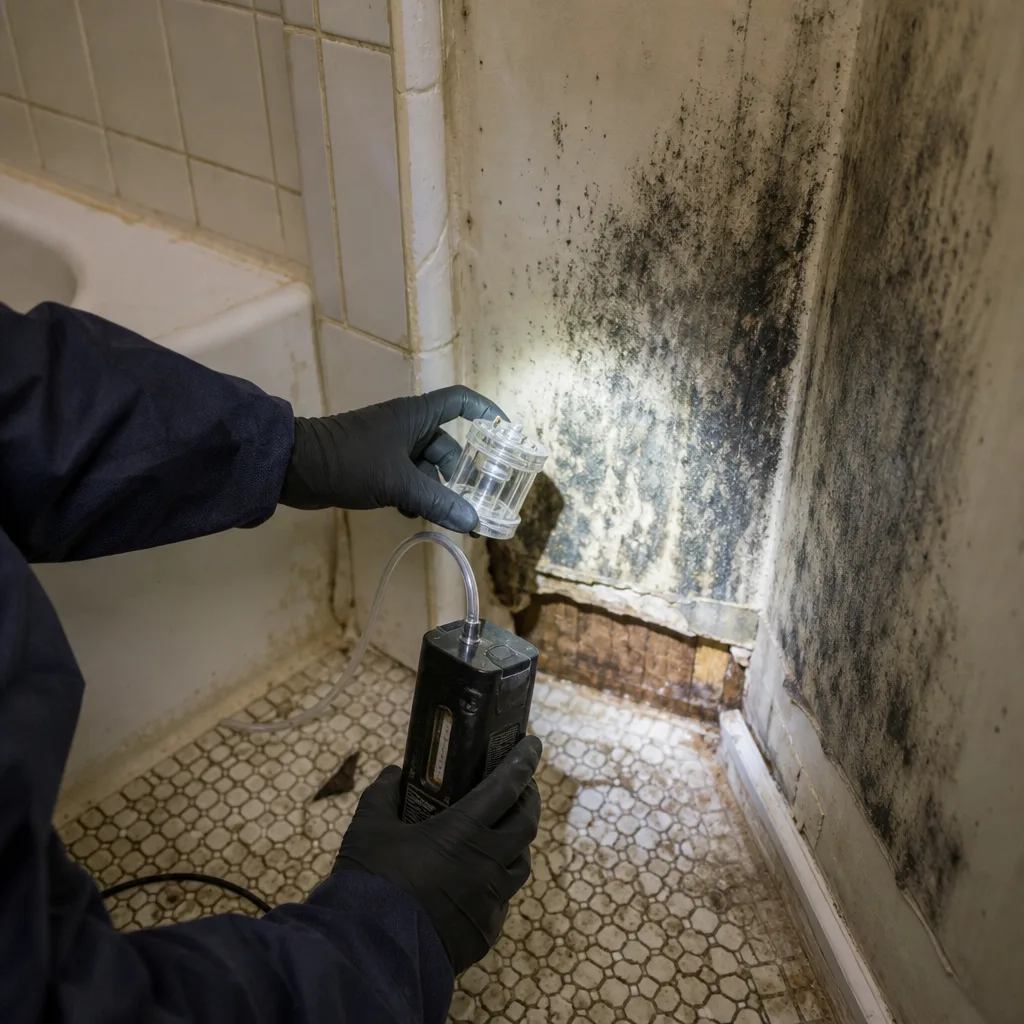
Flooding here is rarely a one-source story. Burst supply lines, overwhelmed sump pits, snowmelt against block foundations, and the occasional creek overflow during heavy storms all move water into basements and crawl spaces. Extraction is the visible part; the invisible part is what the moisture map shows behind walls and under vinyl flooring. We dry to a standard, not to a “feels dry” judgment.
Emergency Board-Up
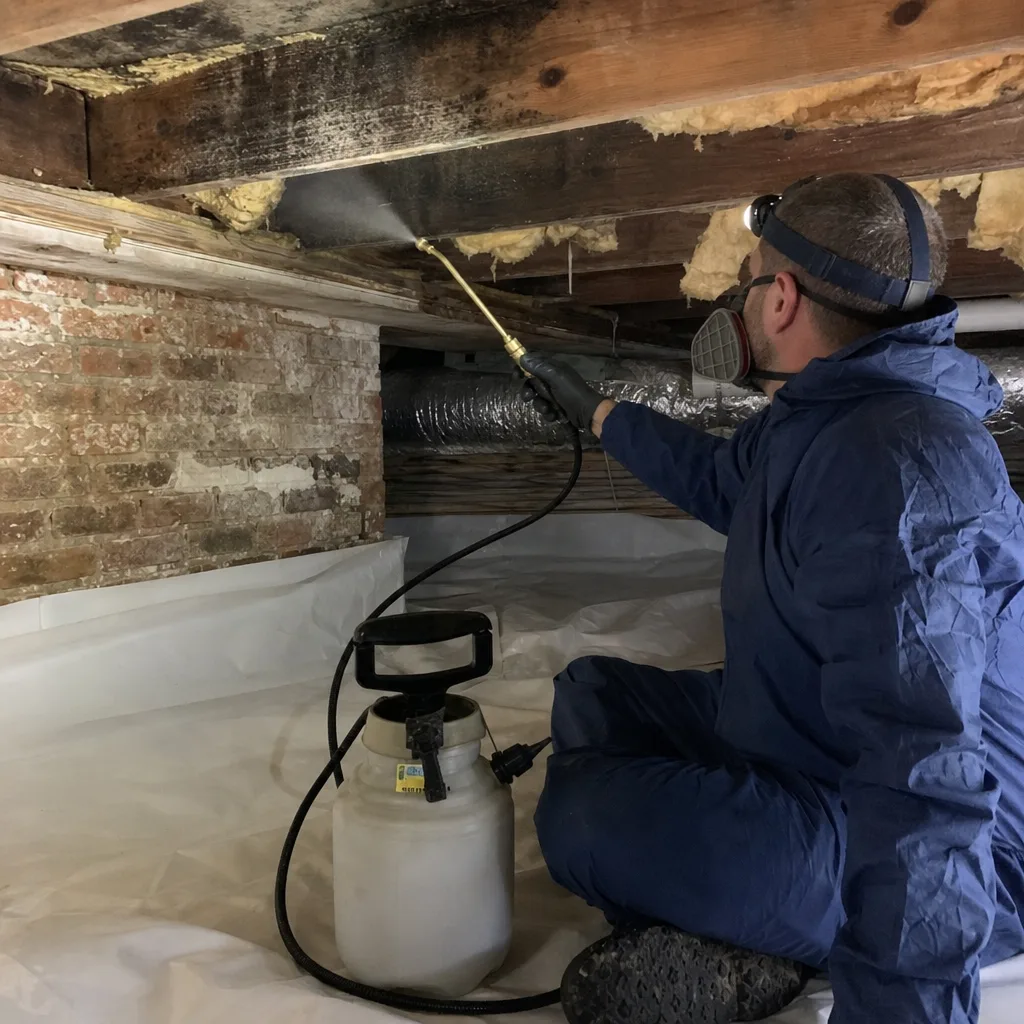
A window blown out or a limb through a wall leaves your house open to weather, animals, and anyone who notices. We board up openings properly, with measured and fitted panels, not a sheet of plywood nailed over the trim. Board-up is temporary by design, and it’s also the first step in the insurance documentation trail, so we photograph every opening before and after it’s secured.
Roof Tarping
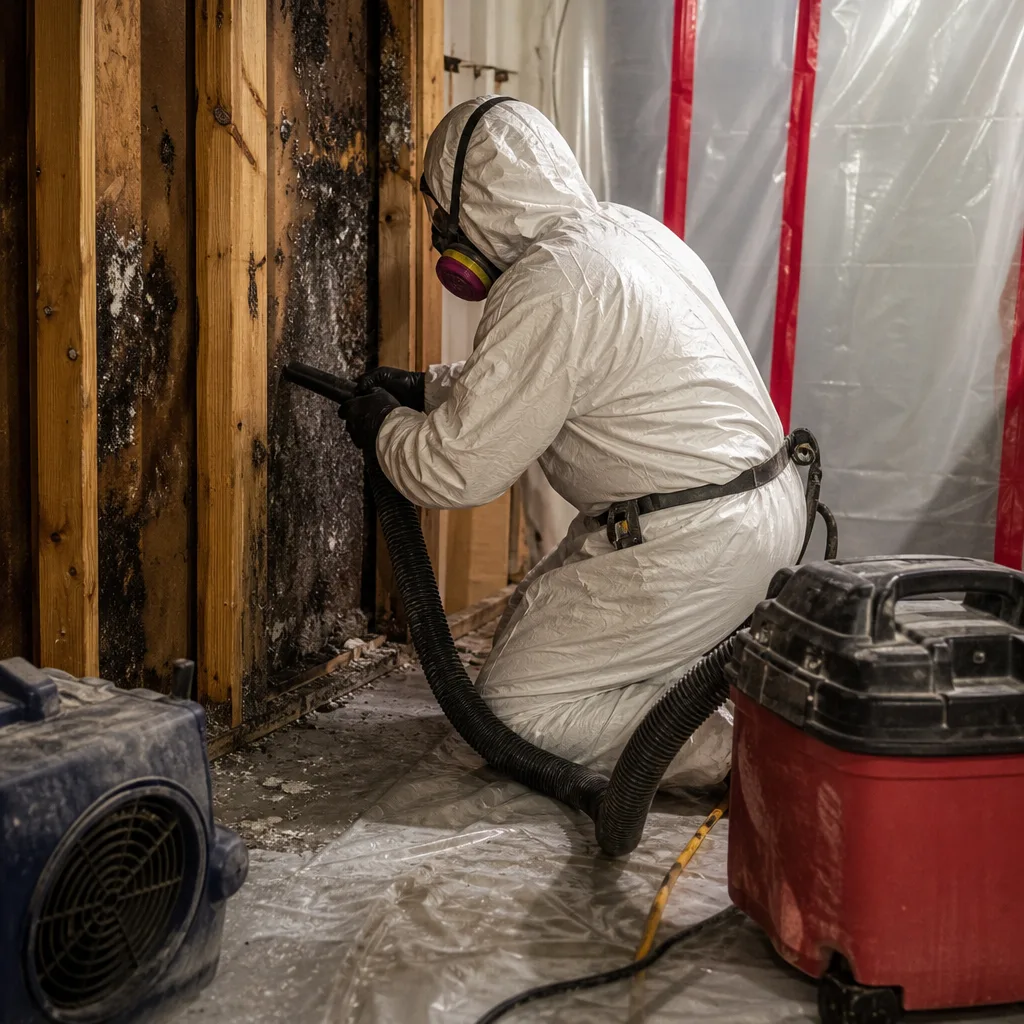
Ice-dam removal delays and limb strikes leave roofs exposed faster than most homeowners expect. A tarp deployed the same day prevents the second claim from starting: the one where meltwater saturates insulation and ceiling drywall and mold sets in within 48 hours. We tarp tightly, with furring strips and cap nails, so it holds through a Yorktown Heights blow until permanent repair can be scoped and scheduled.
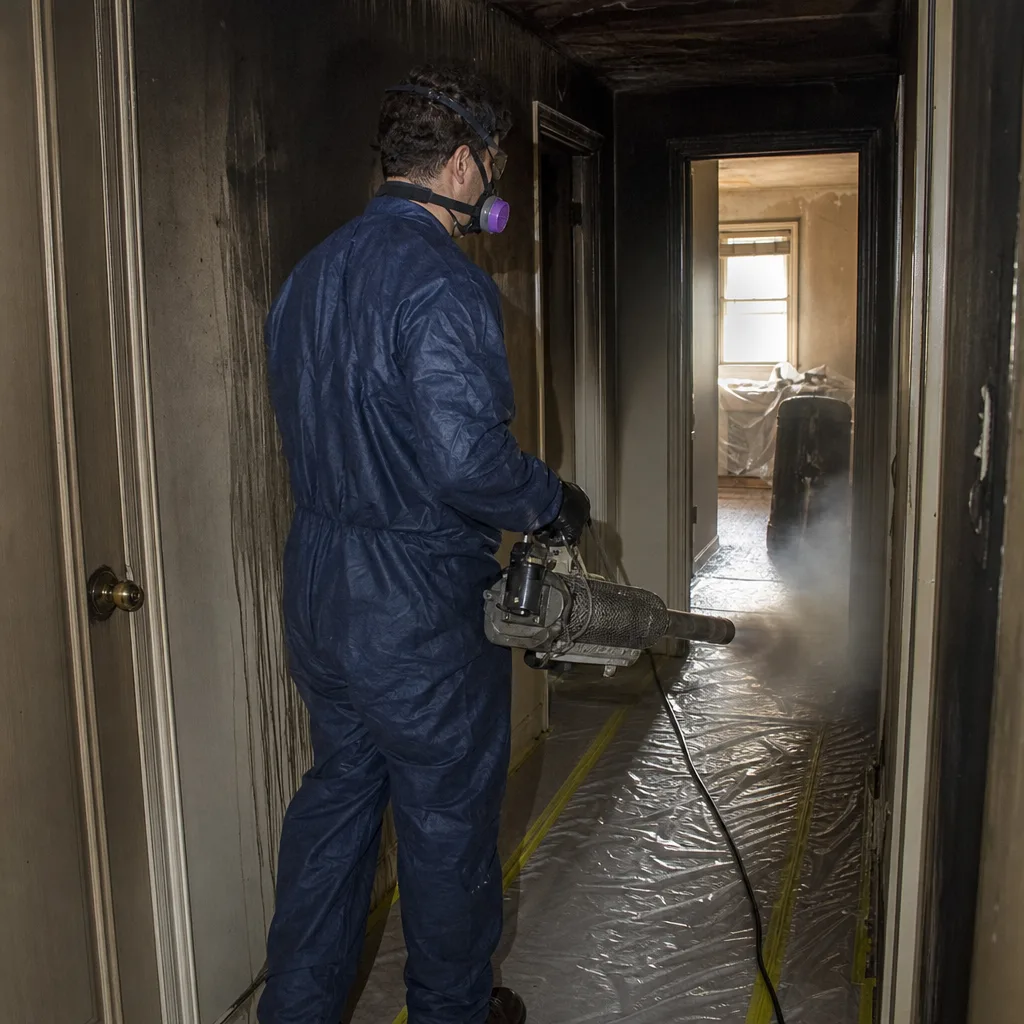
Debris Removal
Storm debris on a Yorktown Heights lot is rarely just branches: it’s roofing material, siding, broken fence sections, and sometimes a car-sized section of tree. We clear it safely, separate what your carrier needs to see from what goes to the transfer station, and leave the property walkable for adjusters and contractors. If the debris includes hazardous materials or a septic field was involved, we flag it immediately.
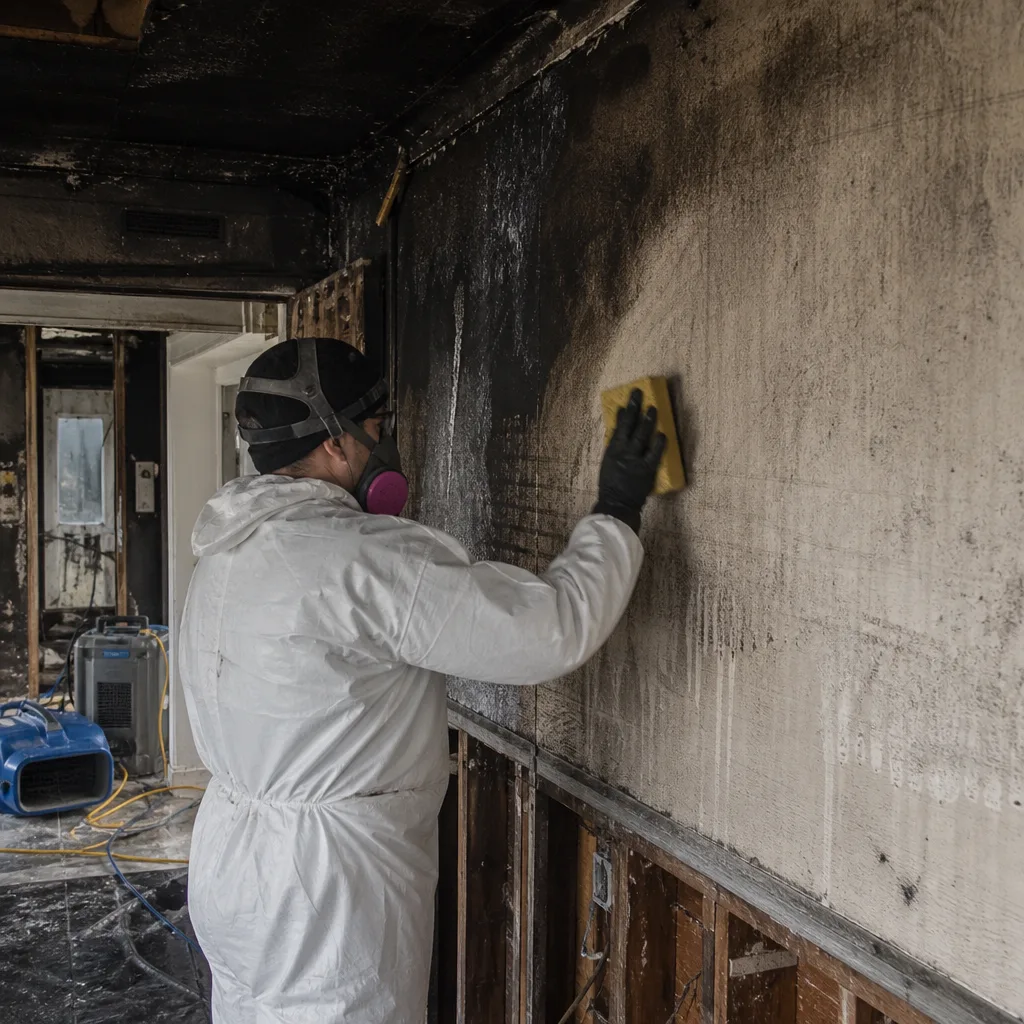
What happens when you call
- 1
A real person answersNo phone trees - you reach a local pro.
- 2
You get an upfront price rangeHonest numbers before anyone is dispatched.
- 3
A background-checked tech heads outLicensed & insured, dispatched right away.
- 4
You approve before work beginsNothing starts until you say go.
Storm & Disaster Restoration Costs in Yorktown Heights, NY
A typical emergency board-up in Yorktown Heights runs $400 to $900 including materials and labor, depending on the number of openings and whether second-story access is needed. Roof tarping on a standard ranch or split-level costs $600 to $1,400 per slope, with ice-dam-related tarping on the higher end because of the pitch and the need for snow removal first. Water extraction from a finished basement after a burst pipe typically lands between $2,500 and $6,000 when it includes extraction, containment setup, and the first week of drying with daily monitoring. Sewage backup remediation in a 1960s raised ranch runs $8,000 to $18,000 because Category 3 work requires full containment, pack-out, disposal under watershed rules, and antimicrobial treatment before rebuild. What moves the price is the category of water, how much finish material has to be removed, and whether drainage correction like a sump or curtain drain has to be scoped to prevent recurrence. Insurance covers most storm-related losses, subject to your policy; the free inspection establishes the scope and the numbers before anything is approved. Call (917) 924-4221 for an exact quote, estimates are free and come with a written scope, not a verbal ballpark.
We Also Serve Cities Near Yorktown Heights
Floodline Restoration Co. of Manhattan provides storm and disaster restoration across northern Westchester. We respond to Shrub Oak, Shenorock, Crompond, and Katonah with the same 45-minute target and the same live 24/7 dispatch. If you’re anywhere near the Yorktown Heights line, call us, we’ll tell you which crew is closest and how fast they can be at your door.
Serving Yorktown Heights, NY - Our Local Coverage Area
We’re based in the Yorktown Heights area and know this community well. Use the map below to see our service coverage - if you’re nearby, we can almost certainly help.
Yorktown Heights Storm & Disaster Restoration Questions, Answered
Does Yorktown Heights’s Croton Watershed status change how you handle flood water from a burst pipe?
It does, and it’s an item most restoration companies outside the watershed never think to check. Yorktown Heights sits within the Croton Watershed protection zone, the drinking water system serving New York City, so any contaminated water we extract must be contained and disposed of under NYC DEP watershed regulations. The rules govern discharge of extracted water and use of biocidal chemicals during mold and sewage remediation. We file the required documentation before antimicrobial treatment goes down on any Yorktown Heights job. It’s paperwork you’ll never see, but it matters when your adjuster asks for compliance records.
Why do ice dams seem worse on Yorktown Heights ranches than on similar homes closer to the Hudson?
Yorktown Heights sits at 600 to 800 feet of elevation, inland from the Hudson, so it receives several additional inches of snowfall and ice accumulation compared to lower-elevation Westchester communities. The low-pitch rooflines common to mid-century ranch homes hold snow longer, and when meltwater refreezes at the eave, the dam forms faster and holds more water. Add the mature tree canopy keeping roofs in shade, and our ice-dam season runs weeks longer than it does 15 miles south. Get the tarp up before the first thaw, not after.
How fast do I need to call after a tree limb opens my roof during a Yorktown Heights ice storm?
Call immediately. Every hour the opening is exposed, you have weather getting in, animals investigating, and if the limb came through in winter, meltwater saturating insulation and ceiling drywall. Mold gets established within 48 hours in that environment. We answer live at (917) 924-4221 and can have a crew tarping within hours. The first photos become part of your claim, so don’t move anything before we document it.
Do older Yorktown Heights basements with clay soil need more than just water extraction after a flood?
Frequently, yes. Many 1960s and 1970s homes here sit on clay-heavy glacial soils with original drainage systems that were undersized even when new. Extraction and drying address the current event, but if there’s no functioning sump or curtain drain, the basement re-floods during the next spring snowmelt. We include a drainage evaluation in our scope on basement losses and note where a permanent correction should be considered. Drying a basement without fixing the drainage is a recurring claim waiting to happen.
What’s different about a Category 3 sewage backup in Yorktown Heights compared to a clean water leak?
Category 3 water carries pathogens and requires full containment, pack-out of affected contents, specialized cleaning, antimicrobial treatment, and clearance testing before rebuild. On a Yorktown Heights property, there’s an additional layer: watershed compliance for disposal of the contaminated water and any cleaning agents. Attempting to dry out a Category 3 backup in a raised ranch without containment cross-contaminates the entire lower level and turns a contained loss into a whole-house problem. This is not a do-it-yourself job, and it’s not safe to live in during remediation. Call (917) 924-4221 and we’ll wall it off and start the process correctly the same day.
Can I stay in my Yorktown Heights home during storm damage restoration?
For most Category 1 water losses, yes, with containment around the work area. For Category 2 and 3 losses, or when structural stabilization like board-up and tarping is underway, we’ll give you an honest recommendation. If a finished basement flooded with sewage, you should not be living in the connected air space during remediation. We work with your carrier on loss-of-use coverage when relocation is needed, and we’ll tell you straight what’s safe and what isn’t.
How long does storm damage drying and remediation take in Yorktown Heights?
Structural drying on a typical burst-pipe claim takes three to seven days with daily monitoring, depending on how long the water ran and what materials absorbed it. Category 3 jobs run longer because containment, pack-out, and clearance testing add days. Rebuild timelines depend on the scope and your materials, but we’ll give you a schedule in writing before rebuild starts. The moisture log with daily readings is yours to keep, and your adjuster gets a copy.
What should I do in the first 30 minutes after storm damage in Yorktown Heights?
If safe to do so, shut off the water at the main for any pipe failure or interior flooding. Kill power to affected areas if water has reached outlets or appliances, but don’t enter standing water that may be energized. Take photos with your phone from safe angles, including the source if visible. Then call (917) 924-4221, we’ll have a live dispatcher on the line and a crew on the road. Don’t move wet contents or start tearing out drywall before photos are taken; that documentation is what your carrier uses to approve the claim. Then call (917) 924-4221 for the free inspection and a written scope before any work begins.
Written by Curt Bowman, Owner at Floodline Restoration Co. of Manhattan, providing storm and disaster restoration in Yorktown Heights and northern Westchester for residents who want the job done right and backed in writing.