
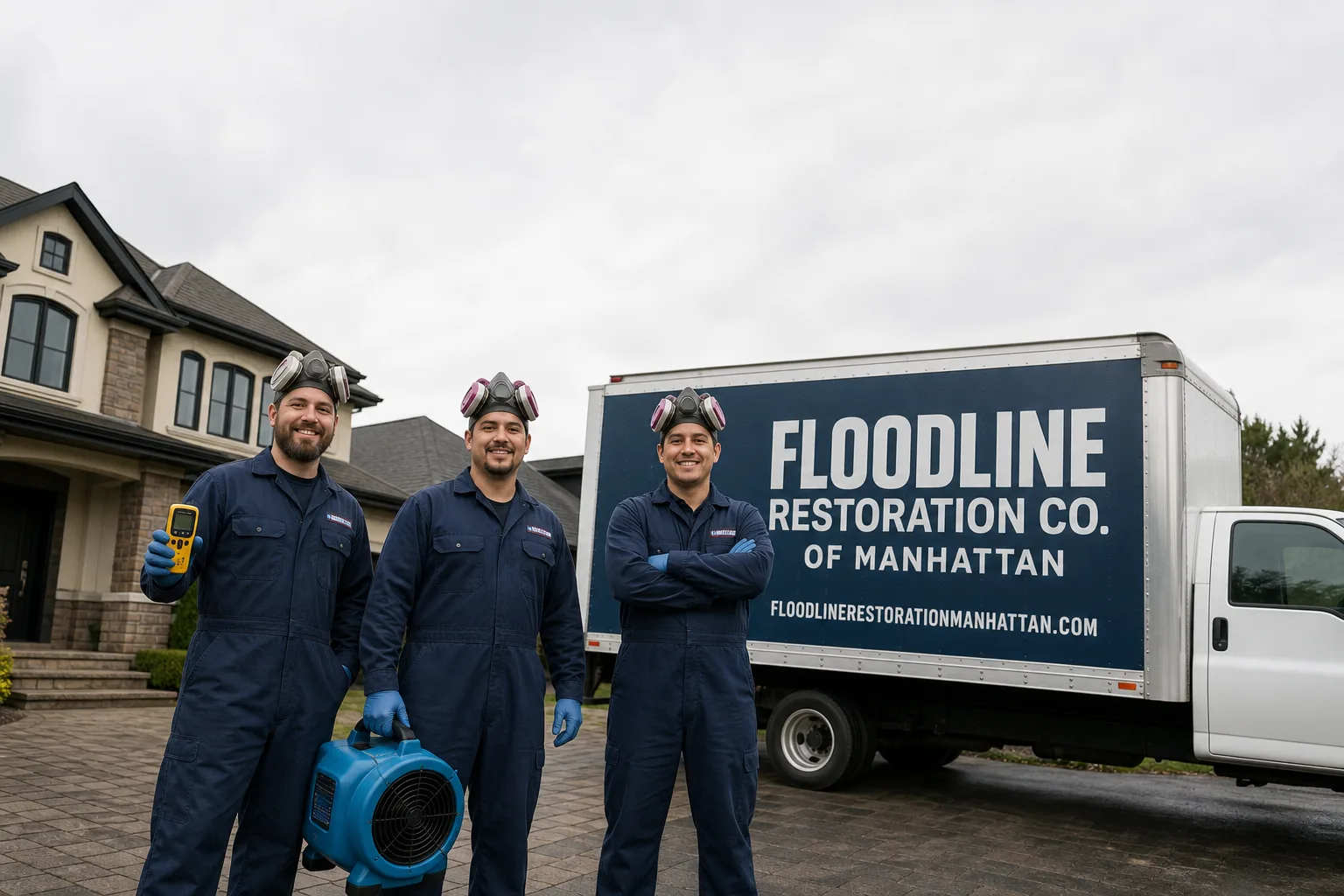
Free visual inspection and a written scope of work before any mitigation begins - photos, moisture readings, and drying logs go in your claim file
The scope we write is the scope we bill. Anything new gets shown to you, in writing, before we touch it.






 Before
 After
After Before
 After
After Before
 After
After24/7 Emergency Storm & Disaster Restoration in Pemberwick
Storm damage in Pemberwick moves fast, and so do we. When the Byram River climbs over its banks or a nor’easter drives water through a stone foundation, you need a crew on site now, not a callback. Our live dispatchers answer at (917) 924-4221 around the clock, every day of the year. A certified Floodline Restoration Co. of Manhattan team reaches Pemberwick properties quickly, starts extraction the same visit, and begins the drying sequence that stops mold before it takes hold. The first hour after floodwater enters a Pemberwick basement is the difference between drying plaster and replacing it. Call now and we’ll walk you through the first steps while the truck rolls.
Understanding Storm & Disaster Restoration Severity in Pemberwick Properties
Not every Pemberwick flood is the same severity, and the difference matters for what gets dried versus removed. Clean water from a burst supply line is Category 1. Gray water with detergents or sump overflow is Category 2. But the Byram River backflow that enters through storm-drain connections in low-lying mill-village blocks is Category 3, or black water. That means bacteria, sewage, and river contaminants are in the water, and porous materials like original wide-plank subfloors, plaster, and insulation carry the contamination long after the standing water is gone. Moisture mapping tells us where Category 3 water has traveled, including up through first-floor walls in the compact worker cottages that sit close to grade. Then containment, HEPA air scrubbing, and antimicrobial treatment follow before any structural drying. Pemberwick’s 19th- and early 20th-century housing stock traps moisture in wood framing and plaster far longer than modern drywall construction, so we run daily moisture readings until every affected area hits the dry standard, not just the visible basement floor.
Why Pemberwick Property Owners Choose Floodline Restoration Co. of Manhattan
- 45-minute response commitment: When a Pemberwick homeowner calls with river water in the basement, we dispatch immediately. Our crews know the Byram River corridor and the quickest routes from Riverside to River Road.
- 24/7 live answer, always a real person: At two in the morning during a flash flood, you get a live dispatcher who knows restoration, not a recording. That dispatcher keeps you on the line while the crew confirms the address.
- IICRC-certified crews: Our technicians carry WRT, ASD, and AMRT certifications and apply the water damage restoration standard to every Pemberwick flood job, including Category 3 backflow situations.
- Free visual inspection: Before we quote a dollar amount, we walk the affected floors, check the foundation walls, and map where the water went. You get a written scope, not a handshake guess.
- Direct insurance billing: We bill your carrier directly and handle adjuster communication, so you don’t play messenger. Documentation starts in the first hour and continues through the final dry reading.
- One team from extraction to reconstruction: The same certified crew that extracts the Category 3 water also dries the plaster, treats the framing, and rebuilds the finished basement. No mid-job handoff to a crew you’ve never met.
Our Storm & Disaster Restoration Process
Inspection & Assessment
We start with a full walk of the affected areas, using thermal imaging and penetrating moisture meters. In Pemberwick’s mill-era cottages, that means checking first-floor walls and subfloors even when the visible flood appears basement-only.
Extraction & Stabilization
Standing water comes out immediately using truck-mounted extraction and submersible pumps. For Category 3 backflow from the Byram, we isolate the affected zone and contain it before any drying begins.
Drying & Dehumidification
Dri-Eaz dehumidifiers and Phoenix air movers go to work on a mapped drying plan. In shallow stone basements and plaster-walled rooms, we often add Injectidry panels to pull moisture from legacy plaster and subfloors. Daily readings are logged until we hit pre-loss condition.
Cleaning & Sanitization
Black water jobs require antimicrobial treatment on every porous surface the water touched. We clean salvageable contents, HEPA-scrub the air, and remove materials that cannot be safely dried.
Storm-Specific Treatment
For Pemberwick storms, that includes foundation crack inspection after freeze-thaw damage, storm-drain backflow valve assessment, and documentation of wicking patterns through original wood framing.
Repairs & Restoration
Once the structure is dry and treated, we rebuild what needs rebuilding, from subfloors to finished walls. The same background-checked, uniformed crew sees it through, and the 90-Day Done Right Promise backs the work in writing.
Need Emergency Storm & Disaster Restoration in Pemberwick Now?
Crews minutes away, answering live 24 hours a day. The sooner we start, the less it costs.
Working With Your Insurance Company
Insurance claims after a Pemberwick river flood or nor’easter are easier when the documentation is complete from hour one. We photograph every affected room, log moisture readings on a timeline your adjuster can follow, and write a line-item scope in the format carriers expect. Curt Bowman’s crews have handled enough Byram River losses to know what adjusters ask and what they push back on. You’ll get a direct line of communication between our team and your carrier, plus photo evidence of every step from extraction to final dry-out. That means fewer disputes, faster approvals, and a clear record of what was wet, what was dried, and what was replaced.
What We Provide Your Insurer
- Thorough documentation of the loss
- Photos of all damage, room by room
- Moisture readings and drying logs
- A detailed, line-item scope of work
- Direct coordination with your carrier
Built for Pemberwick’s Loss Calendar
Pemberwick’s storm damage season has a rhythm, and we’ve learned it over hundreds of local jobs. Winter brings freeze-thaw cycles that crack the shallow stone and cinder-block foundations on the old mill-village streets, leaving entry points that open up in the next thaw or rain. Spring snowmelt and heavy rains push the Byram River over its banks, and the storm-drain system backflows into basements along River Road and the low blocks near the old mill site. Summer thunderstorms drop an inch of rain in an hour and the watershed funnels runoff from inland Greenwich faster than municipal drainage can handle it. Fall nor’easters bring the worst combination: heavy rain, saturated ground, and storm surge that holds river water high for hours. Each season has a signature failure mode, and our Storm & Disaster Restoration teams prepare for all of them. The one constant is that waiting makes every category of damage more expensive.
Storm & Disaster Restoration Across Pemberwick’s Neighborhoods
Pemberwick’s response routes are shaped by the river and the hill. Along River Road and the streets that slope down toward the Byram, we see the fastest floodwater arrival and the highest Category 3 backflow risk. The older worker cottages near the former mill site have the shallowest basements and the oldest stone foundations, so we carry extra submersible pumps and thermal imaging cameras on every dispatch there. Up the hill toward Glenville Road and the blocks around Pemberwick School, storm damage shifts to surface water from saturated lawns, clogged yard drains, and roof leaks that find their way into attics and top-floor ceilings. The multi-family rentals along the corridor near the Byram Avenue crossing tend to need faster containment because shared walls allow moisture to travel horizontally between units. And the streets near the old railroad bed see a pattern we don’t find in Greenwich: river backflow enters through floor drains, then wicks up original wide-plank subfloors into first-floor living spaces, which means our moisture mapping always starts at the ceiling of the basement, not the floor.
Specialized Storm & Disaster Restoration Services We Offer in Pemberwick
Storm Damage Cleanup
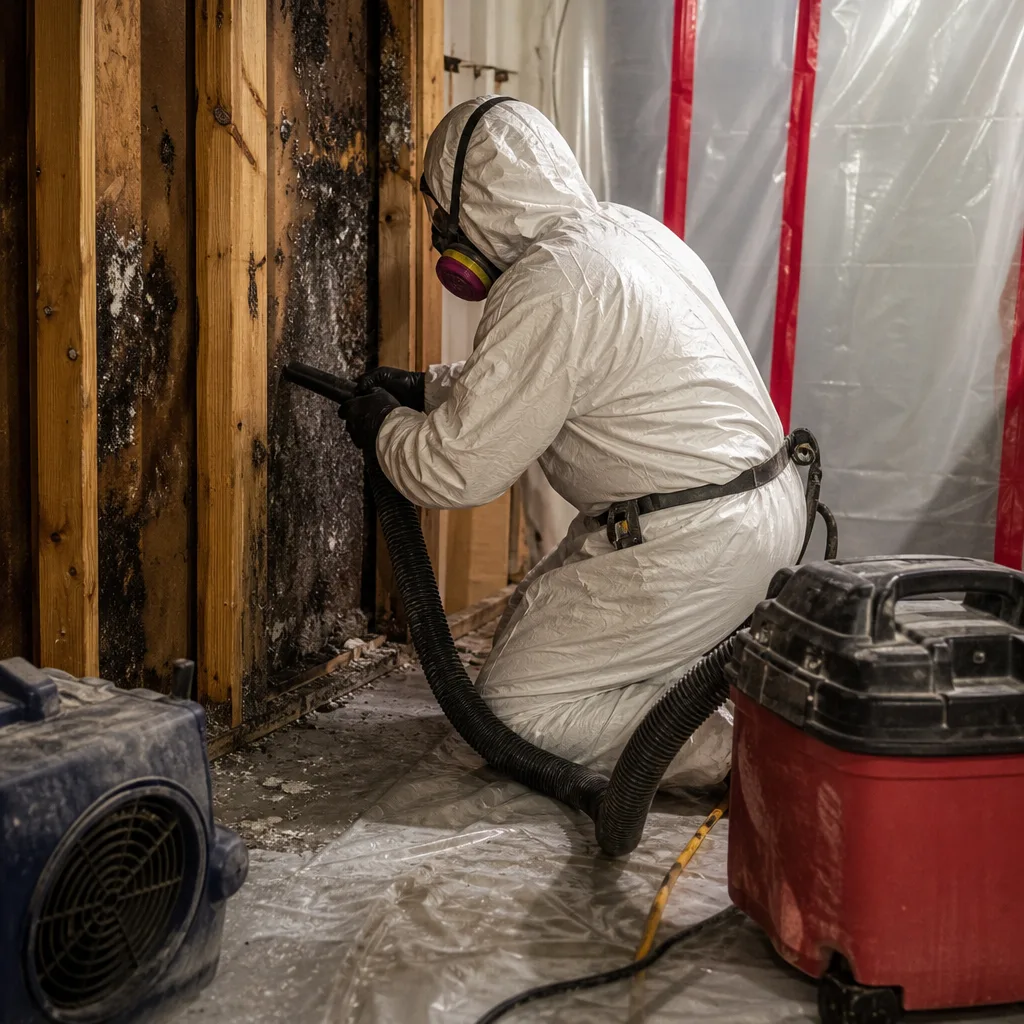
After a nor’easter or summer flash flood, Pemberwick yards and basements collect a specific mix of river silt, storm-drain debris, and wind-blown material. We remove the damaged material, HEPA-vacuum the affected floors and walls, and sanitize every surface the Category 3 water touched. The goal is a clean, stable environment before drying even starts.
Flood Damage Restoration
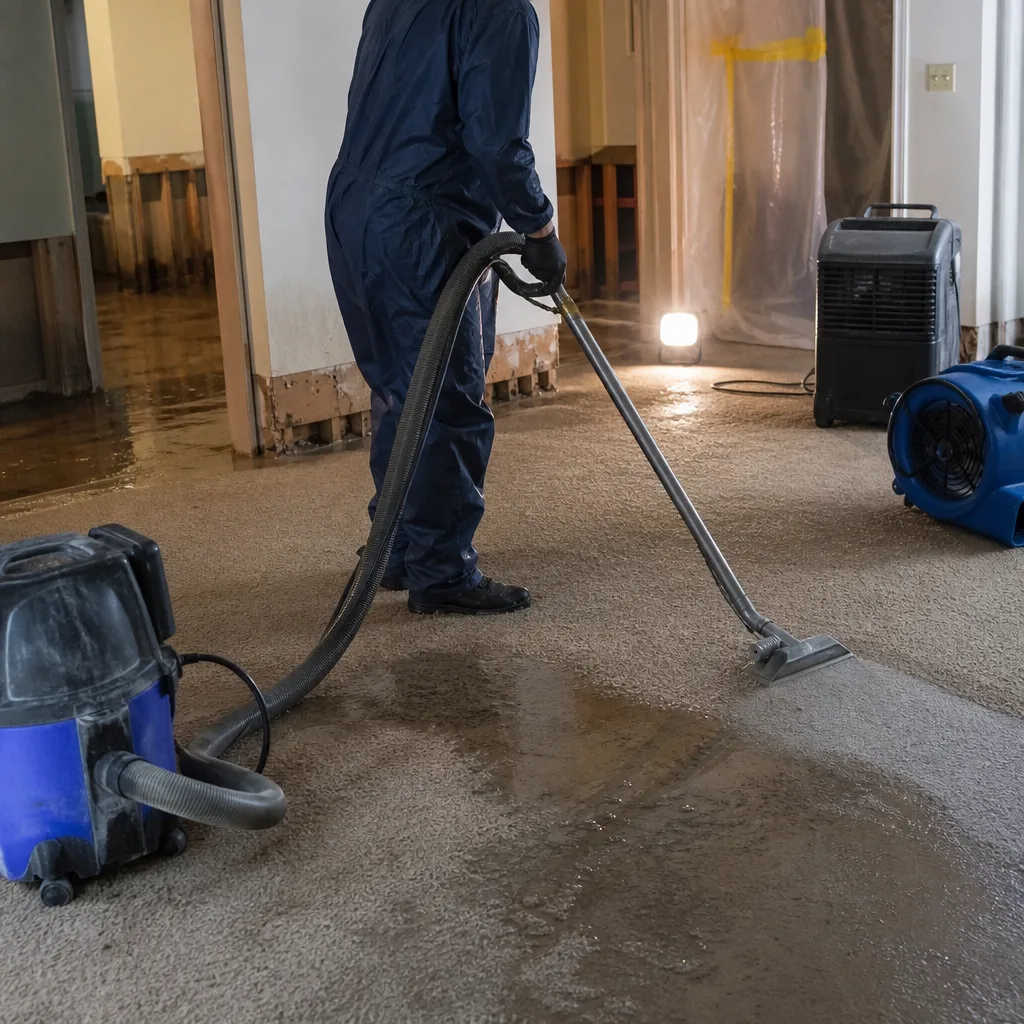
This is the service Pemberwick calls for most. The Byram River’s backflow through storm-drain connections means we treat nearly every basement flood here as potentially contaminated. We extract, contain, treat, and dry using the full sequence the situation demands, with daily moisture logs until the dry standard is met. Our Pemberwick flood work spans everything from six inches in a crawlspace to four feet of river water across a finished basement.
Emergency Board-Up
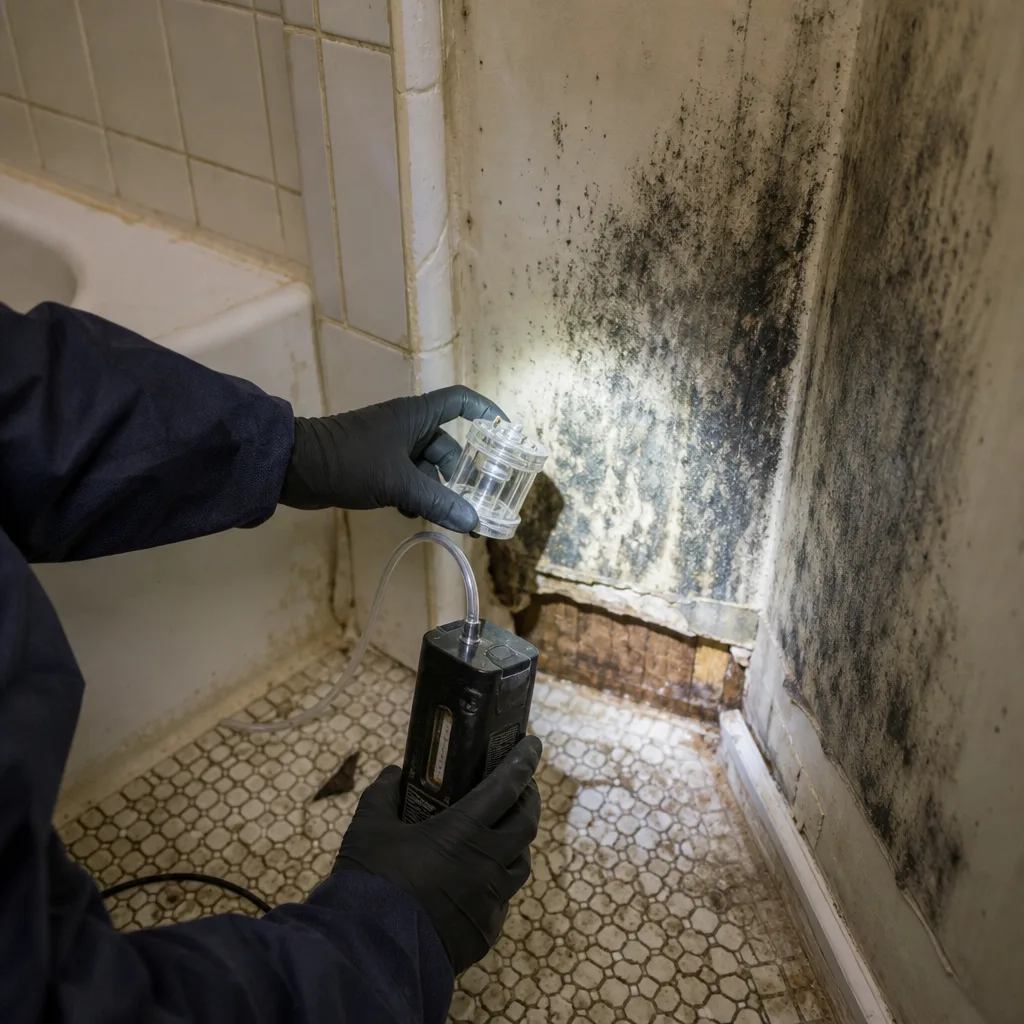
When wind takes out a window or a falling limb breaks through a first-floor wall, the opening needs to be secured before rain or animals get in. We board and seal openings on the same visit, using materials that hold until permanent repairs are scheduled. In Pemberwick’s older wood-frame cottages, we also check for hidden damage to the frame around the opening.
Roof Tarping
Nor’easters peel shingles off the steep roofs on Pemberwick’s hill streets and tear flashing around old chimneys. We tarp the damaged area to stop water from entering the attic and walls, and we document the roof condition for your insurance adjuster. The tarp is temporary; the goal is stopping secondary damage until the roof is repaired or replaced.
Debris Removal
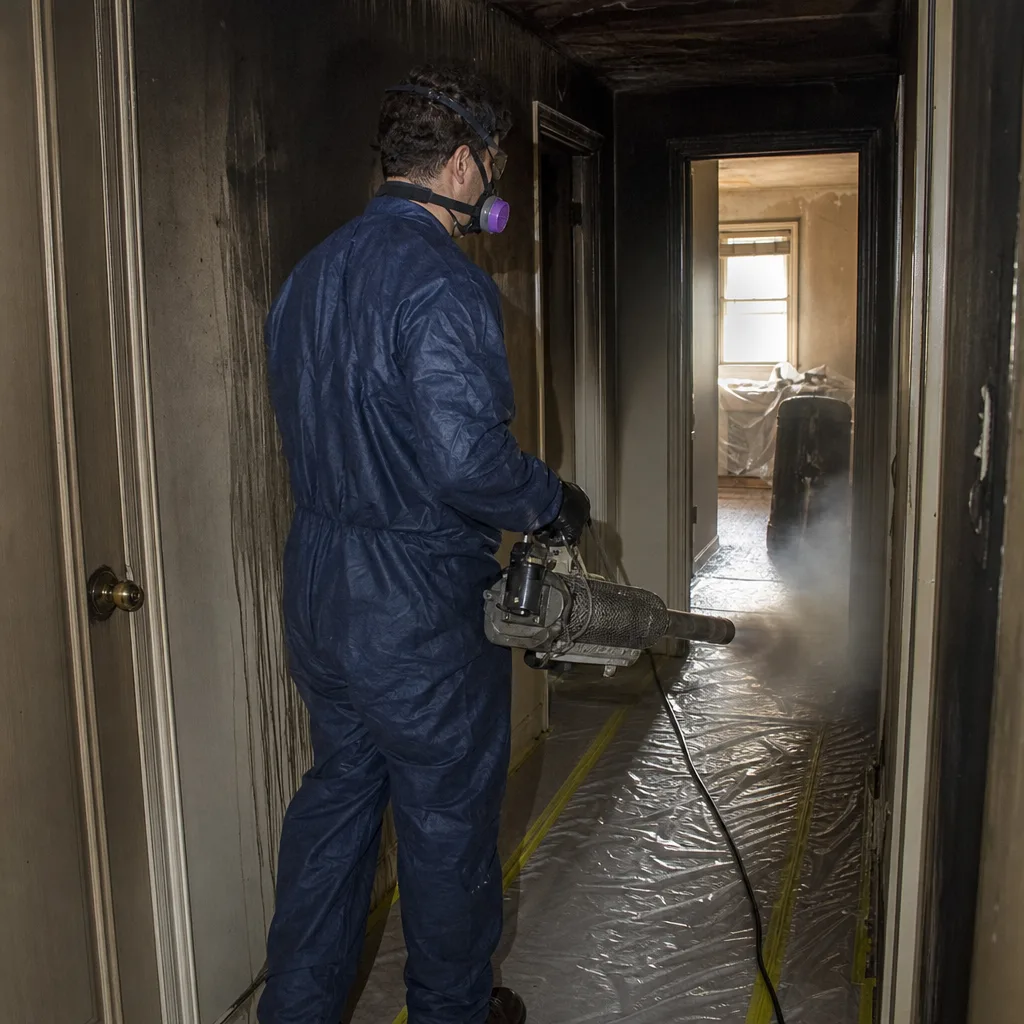
After a Byram River flood, the water leaves behind more than mud: branches, plastics, silt, and sometimes contents from upstream. We remove the storm debris and damaged materials, separate what can be cleaned from what must be disposed, and document everything for your carrier. A square deal means you know exactly what left the property and why.
What happens when you call
- 1
A real person answersNo phone trees - you reach a local pro.
- 2
You get an upfront price rangeHonest numbers before anyone is dispatched.
- 3
A background-checked tech heads outLicensed & insured, dispatched right away.
- 4
You approve before work beginsNothing starts until you say go.
Storm & Disaster Restoration Costs in Pemberwick, CT
Pemberwick pricing reflects the local reality: older housing, shallow basements, and a high rate of Category 3 water that drives treatment and removal costs. A straightforward storm cleanup with extraction and drying in a small basement generally runs $2,800 to $5,500. Category 3 river backflow with full containment, antimicrobial treatment, and removal of saturated plaster or flooring adds $3,000 to $9,000 depending on the square footage and how far water wicked into first-floor framing. Emergency board-up runs $350 to $900 per opening, and roof tarping for a typical nor’easter section is $450 to $1,100. What moves the number most is what got wet: original plaster walls and wide-plank subfloors cost more to dry and often need removal, while modern drywall in a finished basement dries faster. Insurance covers most storm and flood damage, but not all policies include sewer or drain backflow coverage without a rider. Call (917) 924-4221 for a free visual inspection and a written scope with firm numbers before any work begins.
We Also Serve Cities Near Pemberwick
Floodline Restoration Co. of Manhattan responds to storm and flood damage across the Byram River corridor and the surrounding area. Our crews serve Byram, Glenville, Greenwich, and Indian Field with the same 24/7 live dispatch, certified technicians, and 90-Day Done Right Promise we bring to Pemberwick.
Pemberwick Storm & Disaster Restoration Questions, Answered
How does Pemberwick’s storm-drain backflow change the water category and what we can dry after a Byram River flood?
Storm-drain backflow from the Byram River is Category 3 black water, which means contamination from sewage, river bacteria, and street runoff. Any porous material the water touched, including plaster, subfloors, insulation, and carpet pad, must be either removed or treated with antimicrobial after thorough cleaning. We cannot simply dry these materials and call it done. The water category determines the entire restoration sequence in Pemberwick, and it’s why our crews treat most river floods here as contaminated from the first minute.
Why does moisture mapping on the first floor matter in Pemberwick’s mill-era cottages even if the basement flood looks shallow?
Because the original construction sits close to grade and uses wide-plank subfloors and plaster walls that wick water upward. A basement flood that looks like four inches of standing water often translates to moisture in the first-floor walls and floors through capillary action. Our thermal imaging and penetrating moisture meters find that hidden travel before mold does, and drying the first floor is often the difference between a two-week restoration and a full first-floor rebuild. Call (917) 924-4221 and we’ll map the moisture before we quote a scope.
How soon should we start structural drying after a nor’easter flood in Pemberwick to prevent mold?
Within 24 to 48 hours, and sooner is better. Mold can begin colonizing wet organic materials in that window, especially in Pemberwick’s older wood-framed cottages where plaster and original lumber hold moisture longer than modern materials. The first call should happen while the water is still present, not after. We dispatch crews during the storm itself when roads allow, because the extraction hour is the cheapest hour in the entire restoration.
Do older stone or cinder-block basements in Pemberwick need different drying techniques after a storm?
Yes. Stone and cinder-block walls absorb water differently than poured concrete, and they release it slowly, often for weeks. We use a combination of low-grain dehumidifiers from Dri-Eaz, high-volume Phoenix air movers, and for legacy plaster and subfloors, Injectidry panels that create negative pressure to pull moisture from materials that cannot be punched with drying holes. The drying plan for a 1920s stone basement on River Road looks nothing like the plan for a modern finished basement in Greenwich.
What should we do with debris and damaged contents after a Byram River flood before your crew arrives for pack-out?
Move what you can to a dry area, but do not carry Category 3 water-soaked items through clean parts of the house. The contamination spreads on your hands and shoes. If the item is porous and soaked, set it outside or leave it in place for our crew to handle with proper PPE and containment. Take photos of everything before you move anything, and keep a list of damaged items for your adjuster. We’ll handle the rest, including documenting what we remove and why.
Will my homeowners insurance cover storm and flood damage in Pemberwick?
Most standard policies cover storm damage from wind, falling trees, and rain that enters through a storm-created opening, but river flooding and storm-drain backflow often require separate flood insurance or a specific sewer and drain backup rider. The distinction matters. We document the source of the water, the entry points, and the damage pattern in a way that helps your adjuster apply the right coverage. Direct insurance billing means we deal with the carrier while you deal with getting your home dry.
How fast can a crew actually reach my Pemberwick home during a storm event?
Our dispatch is live around the clock, and we commit to a 45-minute response for Pemberwick properties. During heavy nor’easters or river flood events, road conditions can add time, but our crews know the local routes, including the low-water crossings to avoid and the hill streets that stay passable. You’ll speak to a person who can tell you exactly where the crew is and when they’ll arrive.
Do I really need full restoration, or can I just clean up after a shallow flood?
If the water came from the Byram River or through a storm drain, shallow does not mean safe. Category 3 black water contaminates materials it touches even at one inch. Cleaning alone leaves bacteria in the subfloor and the wall cavities, and mold follows within days. A free visual inspection with moisture mapping tells you what’s wet and what must be dried or removed. No pressure, no upselling, just a written scope of what the conditions show. Call (917) 924-4221 and we’ll tell you straight.
Serving Pemberwick, CT - Our Local Coverage Area
We’re based in the Pemberwick area and know this community well. Use the map below to see our service coverage - if you’re nearby, we can almost certainly help.
Call Floodline Restoration Co. of Manhattan for Storm & Disaster Restoration in Pemberwick
When the Byram River floods or a nor’easter tears through Pemberwick, you want a restoration company that knows these mill-era cottages, these stone basements, and this river’s habits. Floodline Restoration Co. of Manhattan is that company. Curt Bowman built this firm in 2010 around a dispatch board, not a sales desk, and every job since has run on the same principle: done right, and backed in writing. The 90-Day Done Right Promise is the Keystone Standard, given to you in writing with no paperwork battles and no arguing. Calls are answered by a live person, 24 hours a day, 7 days a week. Most jobs are completed in a single visit, with the same certified crew handling extraction, drying, and rebuild. We bill your insurance directly, document every step, and hand you the moisture log when we’re done. A square deal: no surprises on the bill. Call (917) 924-4221 now for a free estimate.
Written by Curt Bowman, Owner at Floodline Restoration Co. of Manhattan, serving Pemberwick and the Byram River corridor.