
Free visual inspection and a written scope of work before any mitigation begins - photos, moisture readings, and drying logs go in your claim file
The scope we write is the scope we bill. Anything new gets shown to you, in writing, before we touch it.
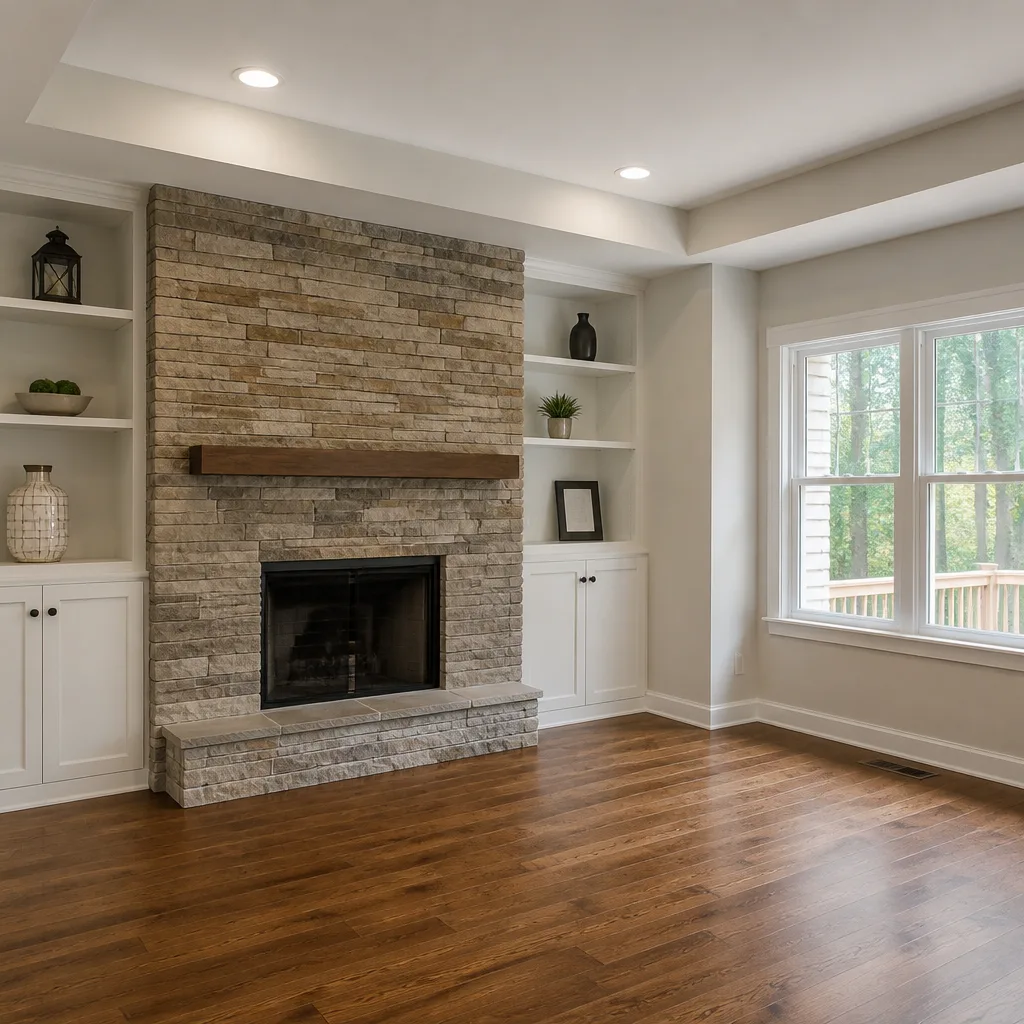
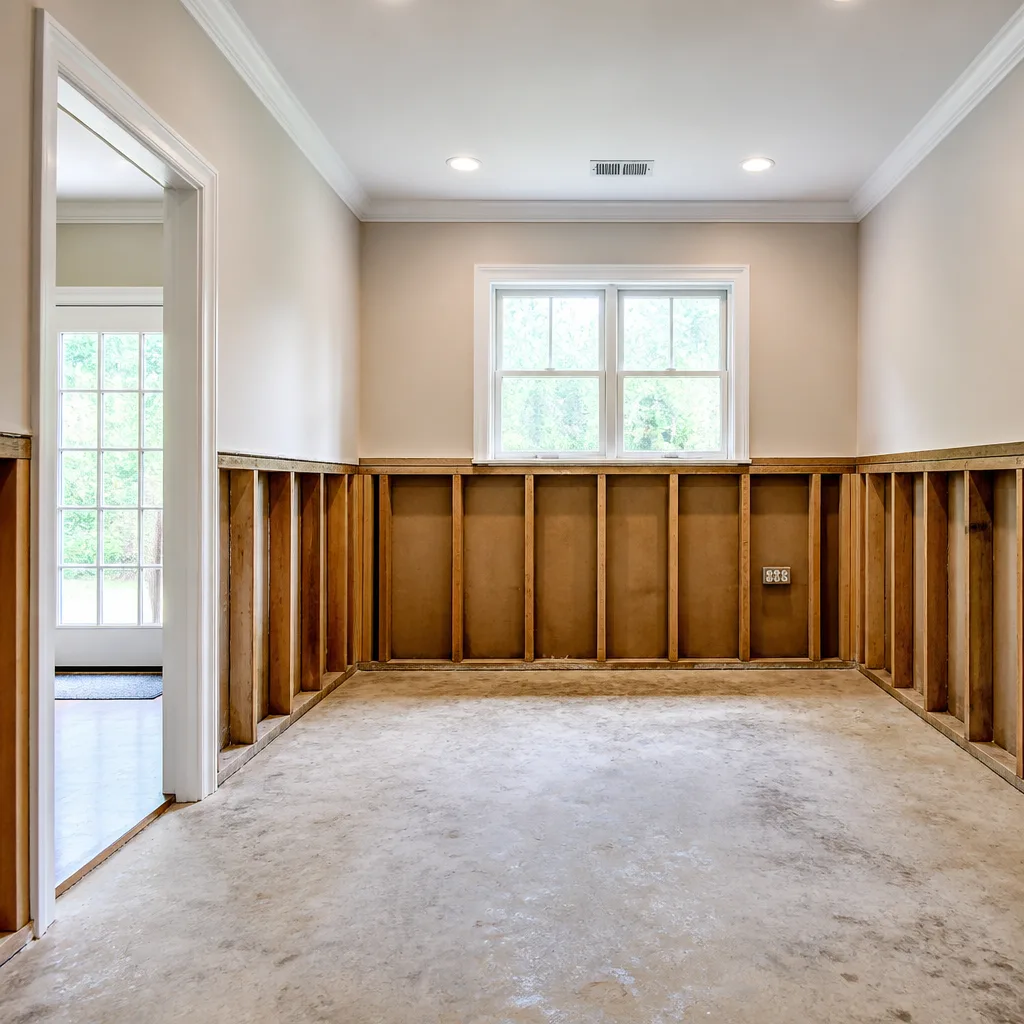
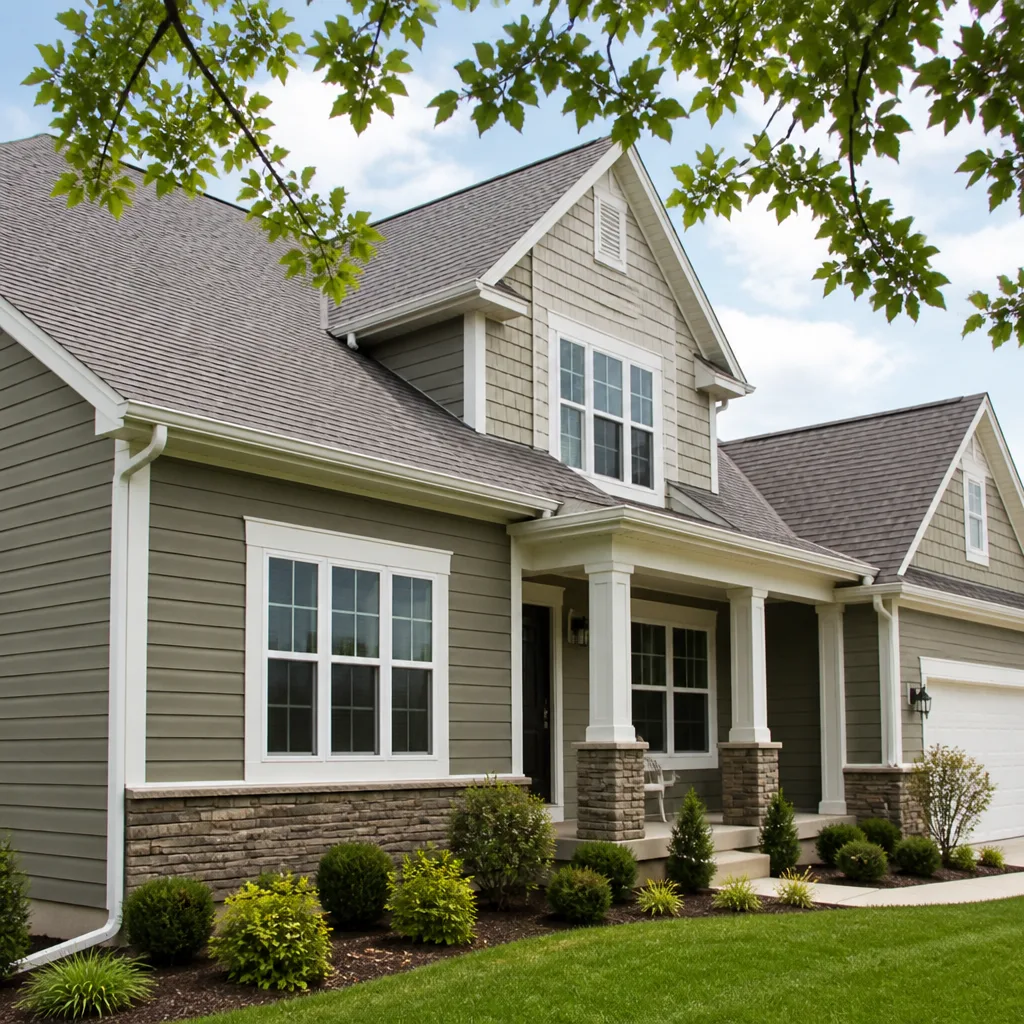
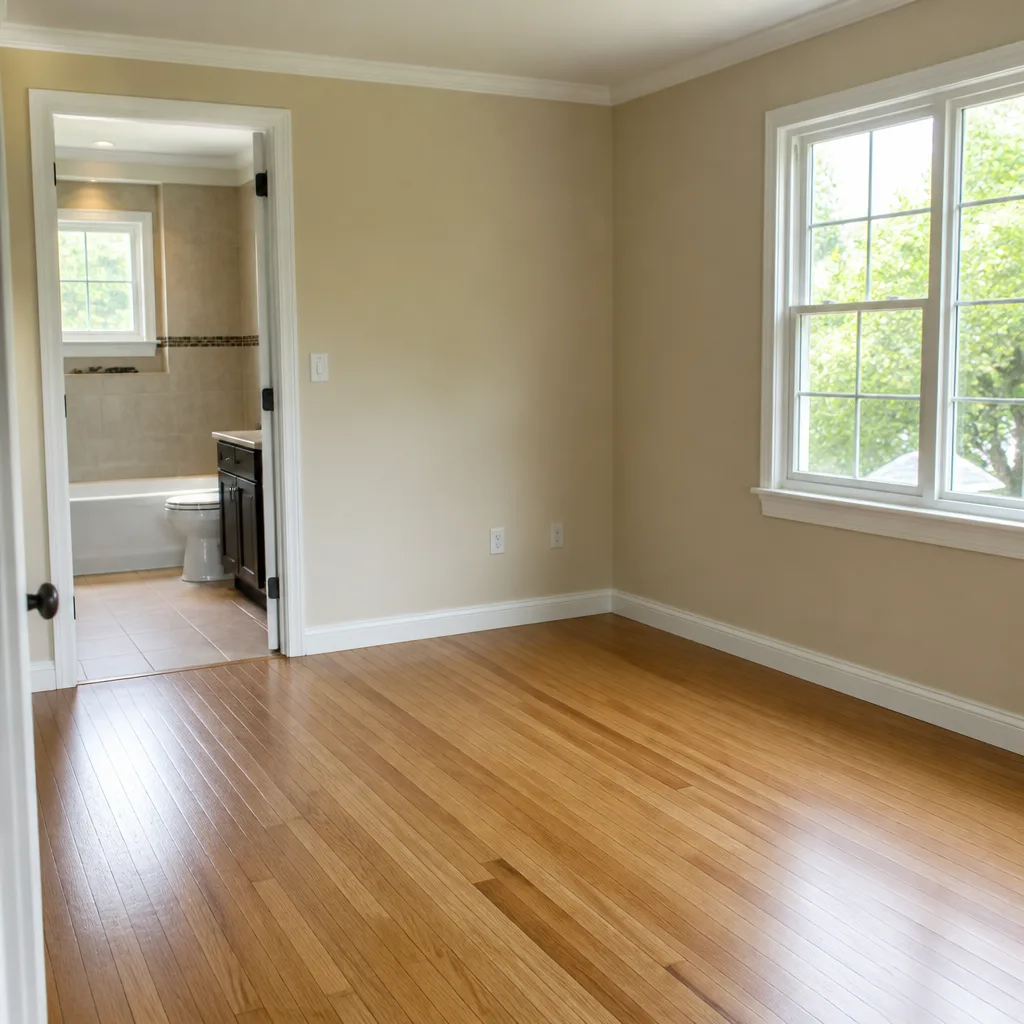
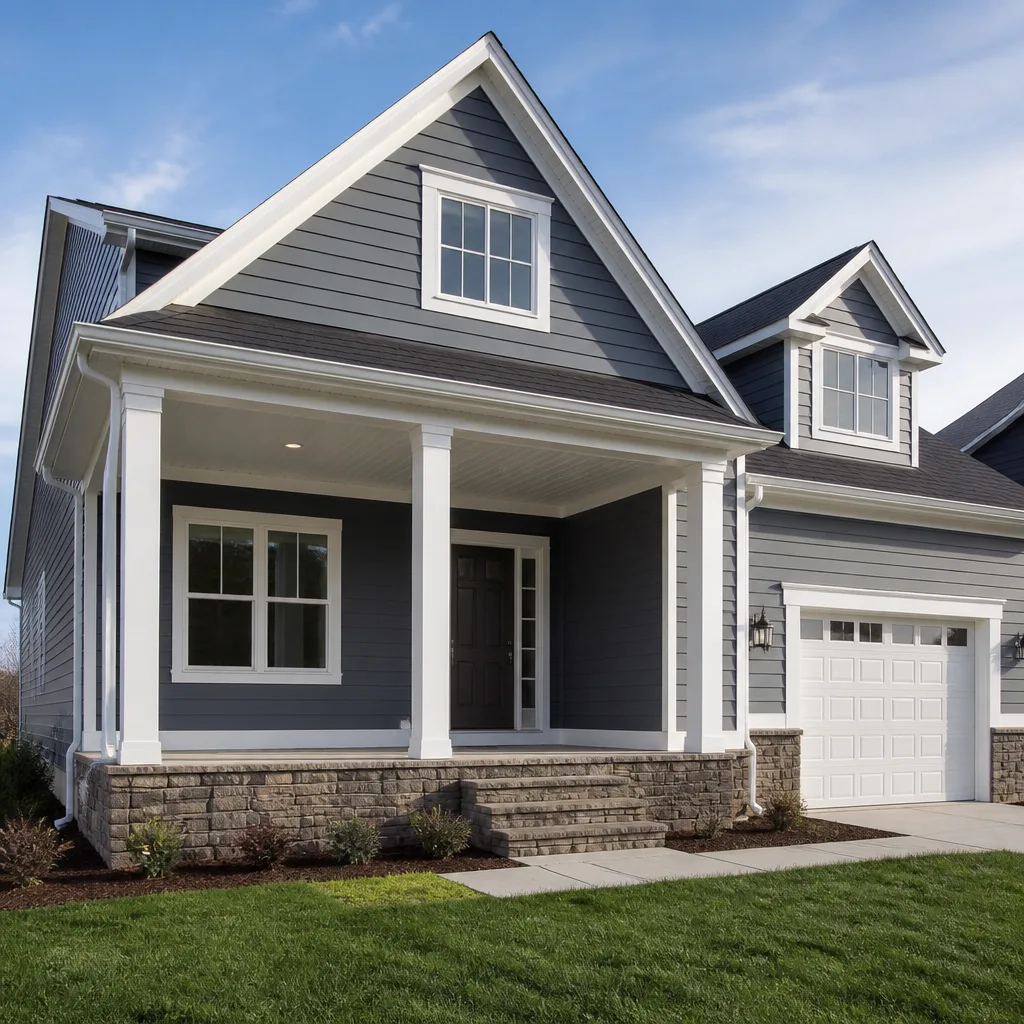
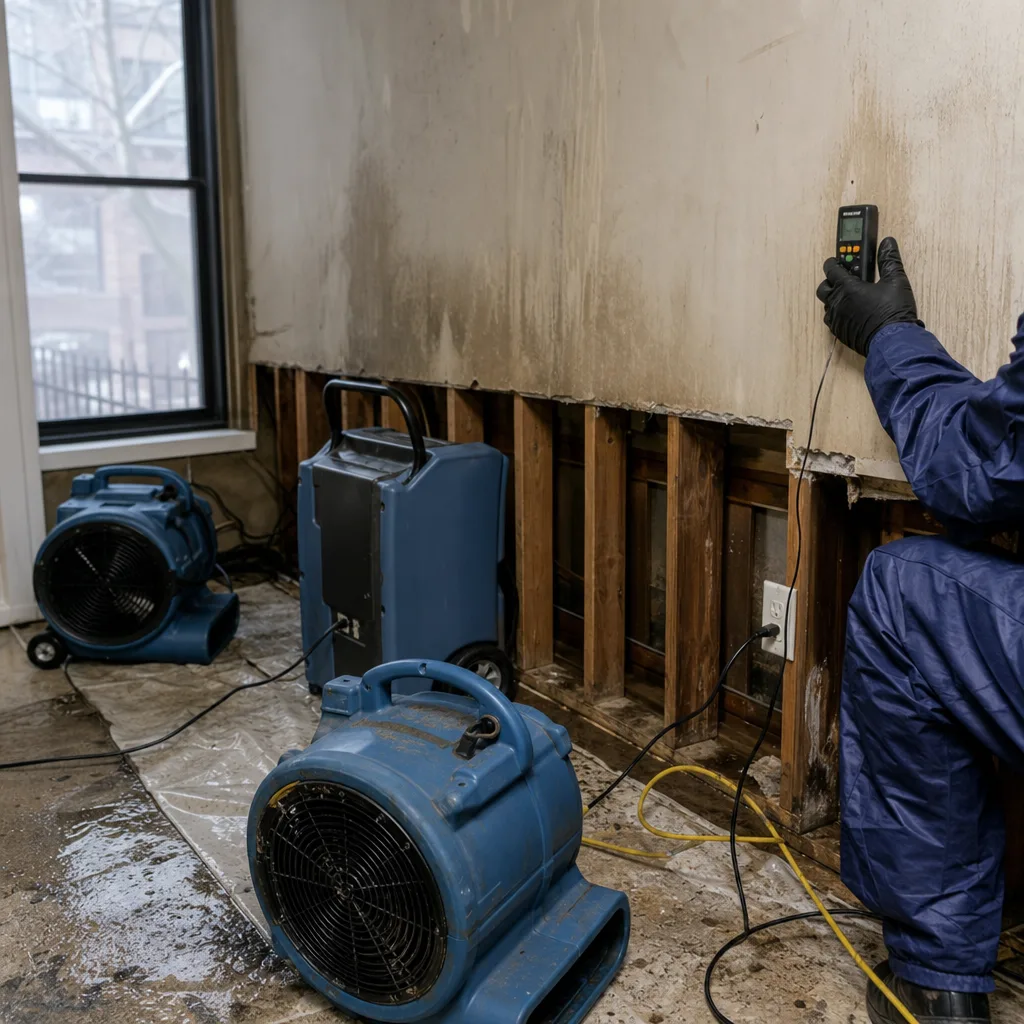 Before
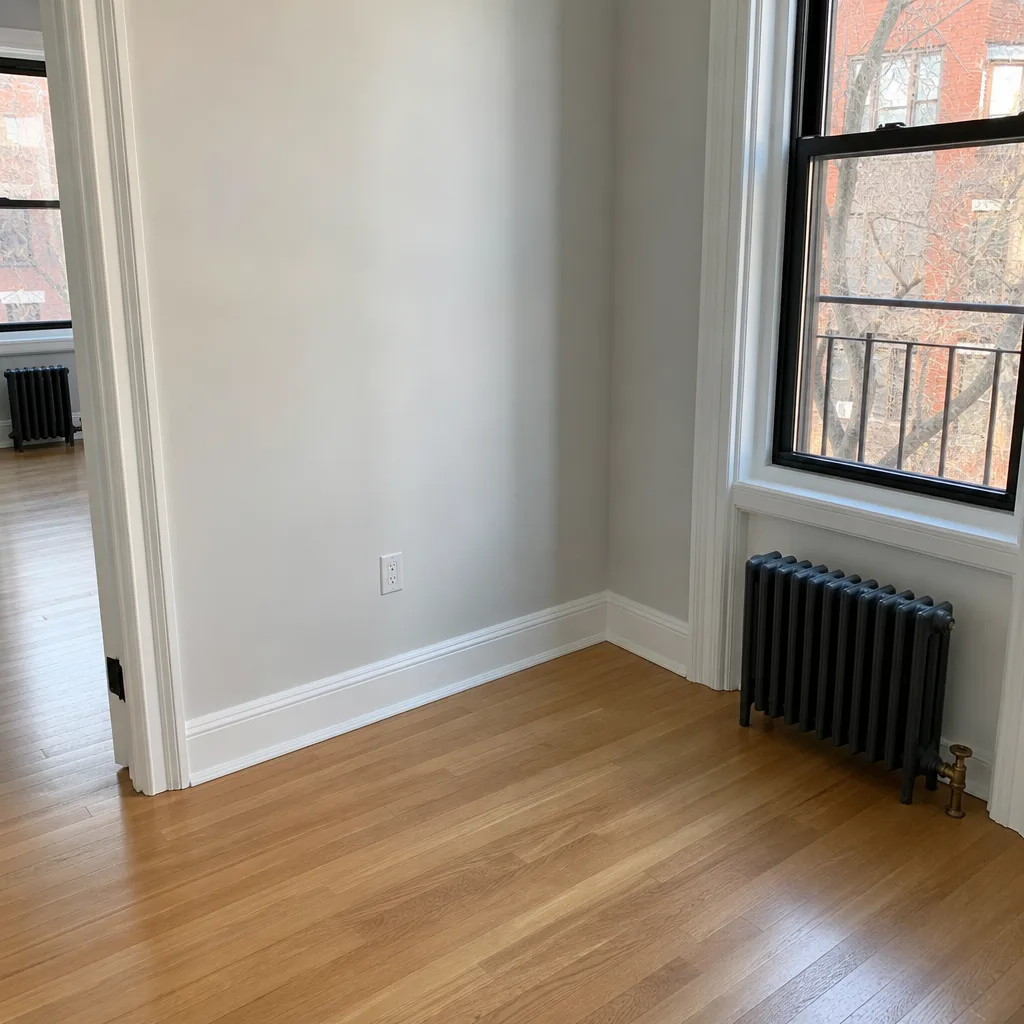 After
After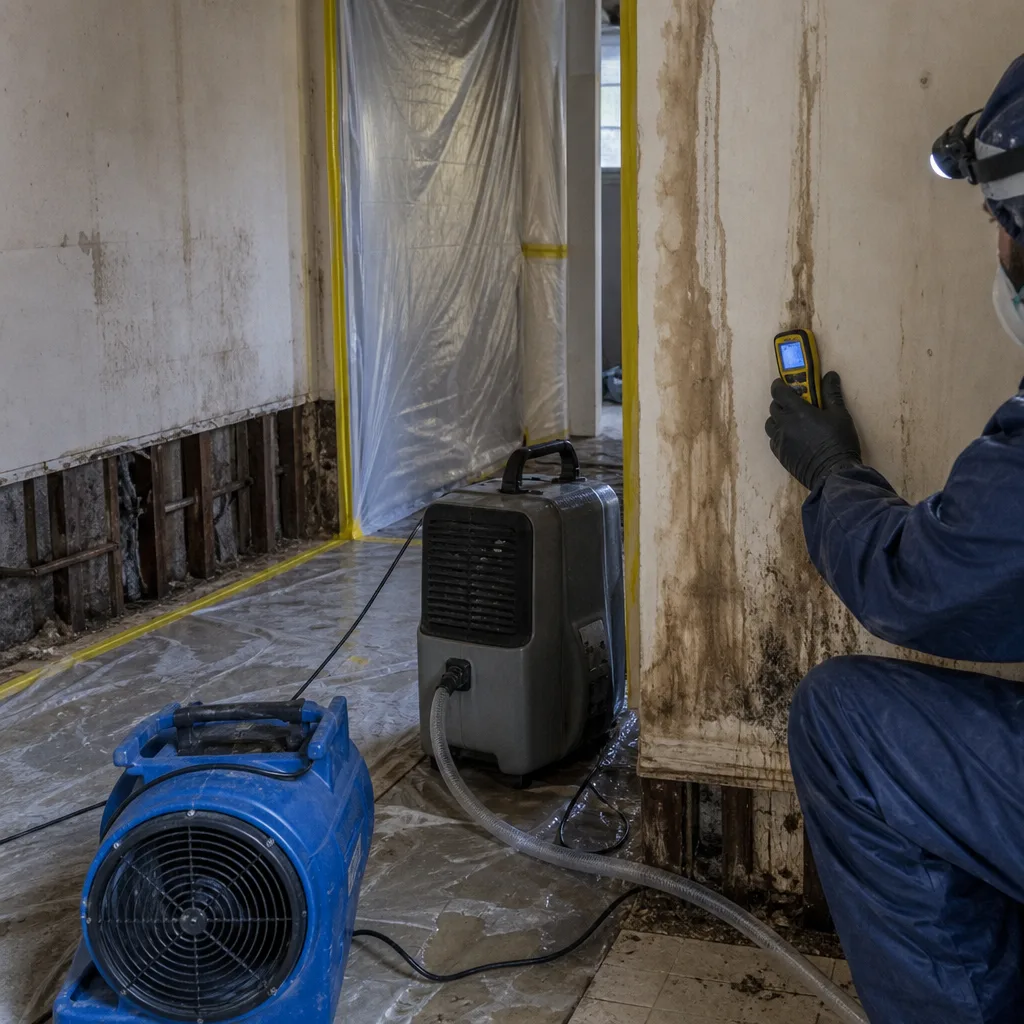 Before
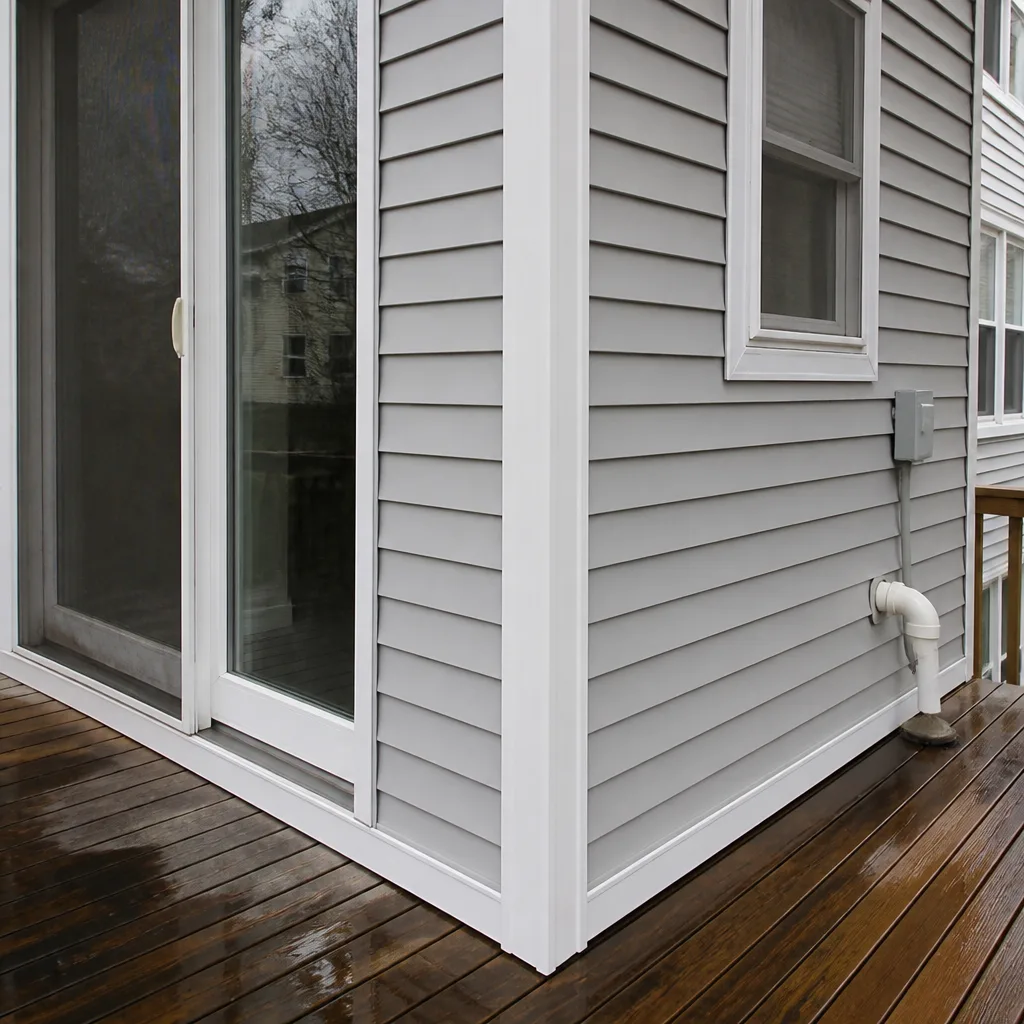 After
After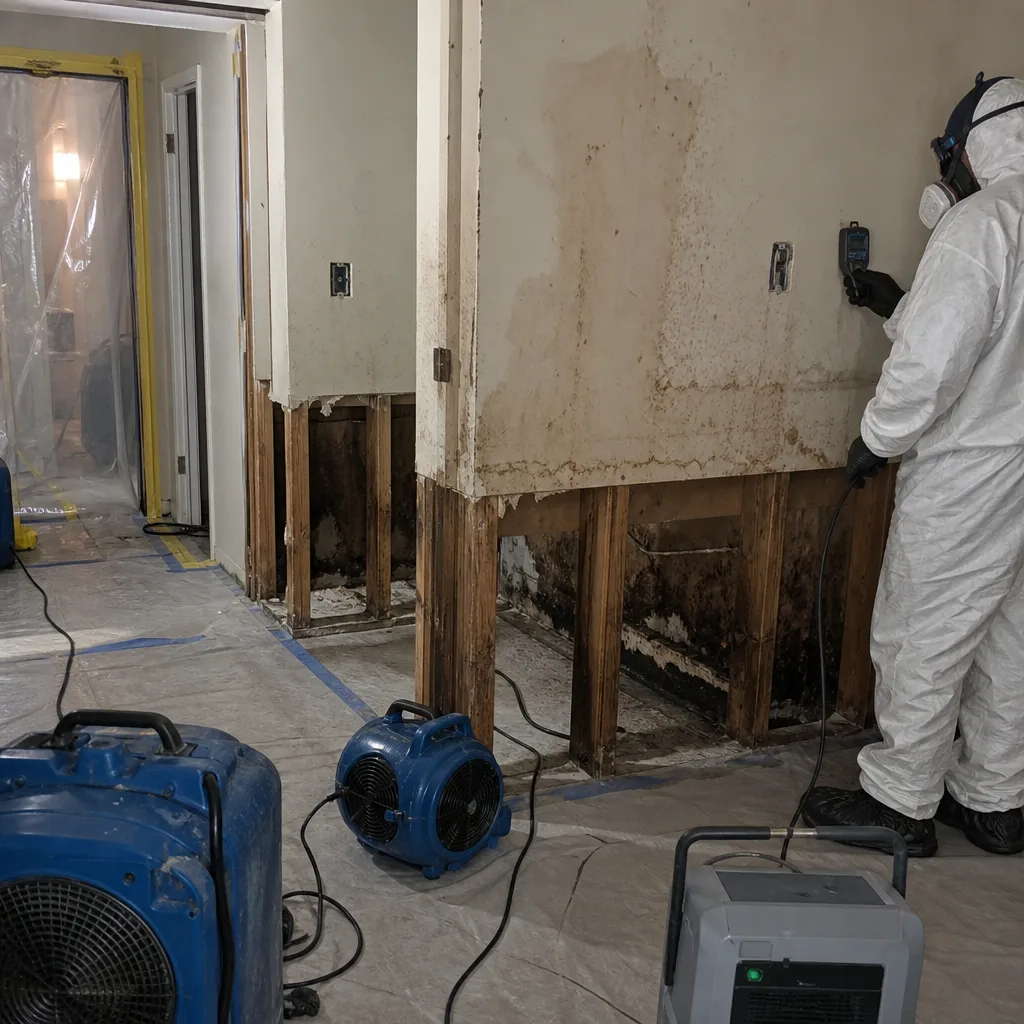 Before
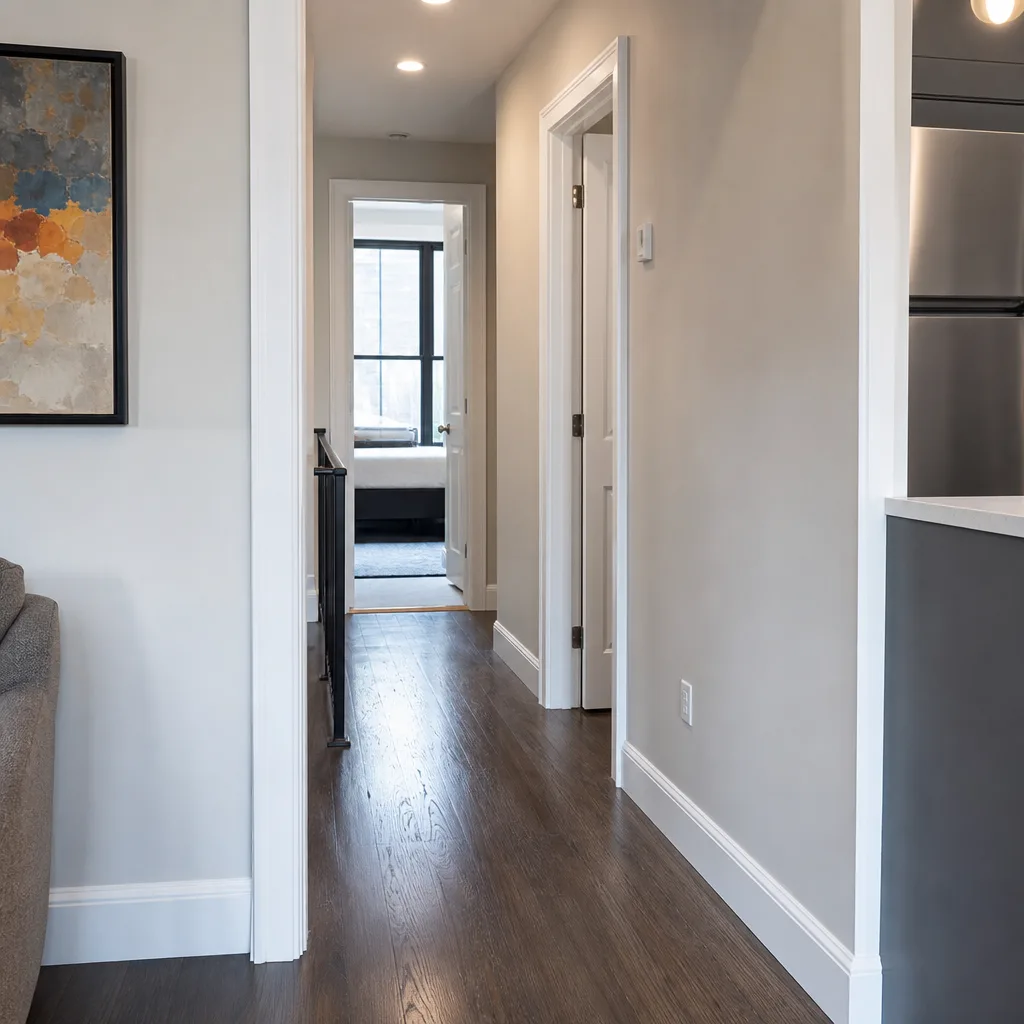 After
After24/7 Emergency Storm & Disaster Restoration in Rye
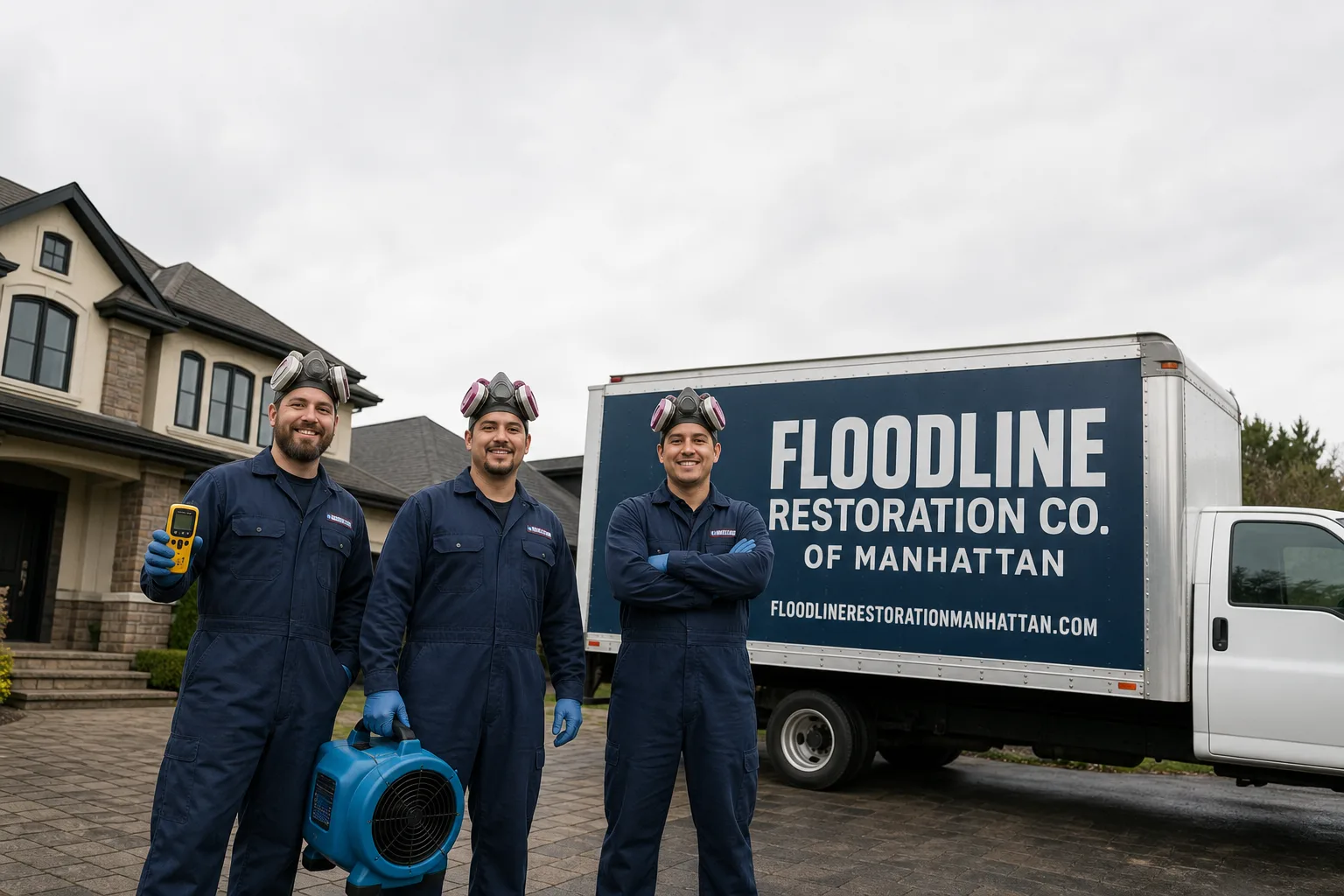
Storm & Disaster Restoration in Rye means dealing with two threats at once: wind-driven rain off Long Island Sound and the Blind Brook watershed overflowing inland. When a nor’easter hits, we’re already mobilizing crews to Rye before the worst winds arrive, because the first hour determines whether you’re looking at a cleanup or a rebuild. Our emergency line is (917) 924-4221, answered by a live dispatcher at 2 a.m., not a recording. We dispatch background-checked, uniformed technicians to Rye the same call, with extraction equipment running the same visit. A free visual inspection tells you exactly what you’re facing, in plain English, before anyone touches a wall.
Understanding Storm & Disaster Restoration Severity in Rye Properties
Storm damage in Rye falls into predictable categories, and the severity depends on what the water touched and how long it sat. Category 1 water is clean rainwater from a roof leak or broken window. Category 2 carries contaminants, like the gray water that pushes up through tide-influenced floor drains in Oakland Beach. Category 3 is what homeowners along Milton Road faced after Sandy: Long Island Sound surge, brackish with salt, sewage, and fuel residue. That salt is the difference maker. Rye’s pre-war homes, with plaster-and-lath walls and old-growth hardwood floors, wick saltwater deep into the timber framing, where it corrodes fasteners and hides moisture for days, sometimes weeks, after the visible water is gone. Moisture mapping with thermal imaging and hygrometers is non-negotiable here, because a plaster wall can feel dry to the touch while holding 28% moisture content eight inches in.
Why Rye Property Owners Choose Floodline Restoration Co. of Manhattan
- 45-minute response commitment. When water is moving through a Rye basement, every minute spreads damage further. We commit to having a crew dispatched toward Rye within 45 minutes of your call, and extraction running the same visit whenever access allows.
- 24/7 live answer, always a person. Curt Bowman built this company around a dispatch board, not a sales desk. A live dispatcher picks up at 2 a.m. during a February nor’easter, and that person can route a crew to Rye immediately.
- IICRC-certified crews on every job. Our technicians hold WRT and ASD certifications and train to RIA and IFA standards, so structural drying protocols in a 1920s Tudor on Forest Avenue are handled by someone who understands plaster and timber, not just drywall.
- Free visual inspection with a written scope. We walk the property, map the moisture, and hand you a line-item scope of work before any equipment is plugged in. No surprises on the bill, ever.
- Direct insurance billing. We document everything from the first hour, communicate directly with your adjuster, and bill the carrier directly. You never play messenger between us and the insurance company.
- One team from extraction to reconstruction. The same certified crew that reads the moisture map on day one handles daily readings, hands the log to you and your carrier, and rebuilds what needs rebuilding. No mid-job handoff to an unfamiliar subcontractor.
Our Storm & Disaster Restoration Process
Inspection & Assessment
We arrive in Rye, walk the exterior and interior, and use thermal imaging and moisture meters to map every affected surface. Within the first hour you get a plain-spoken explanation of what’s damaged, what’s salvageable, and what the next 48 hours require.
Extraction & Stabilization
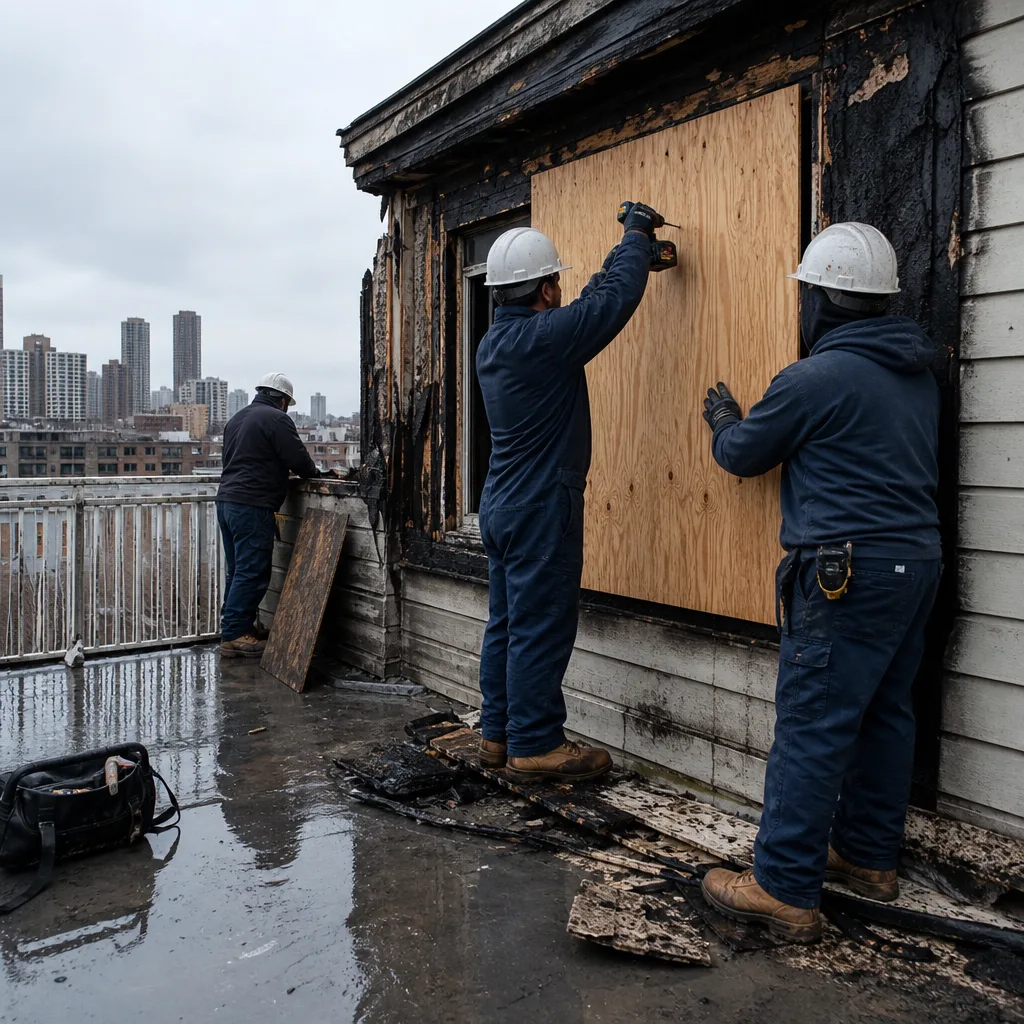
Standing water comes out first. We run professional-grade extraction units, then stabilize the structure: emergency board-up on broken windows, roof tarping where shingles tore away, and temporary bracing where wind pressure compromised framing.
Drying & Dehumidification
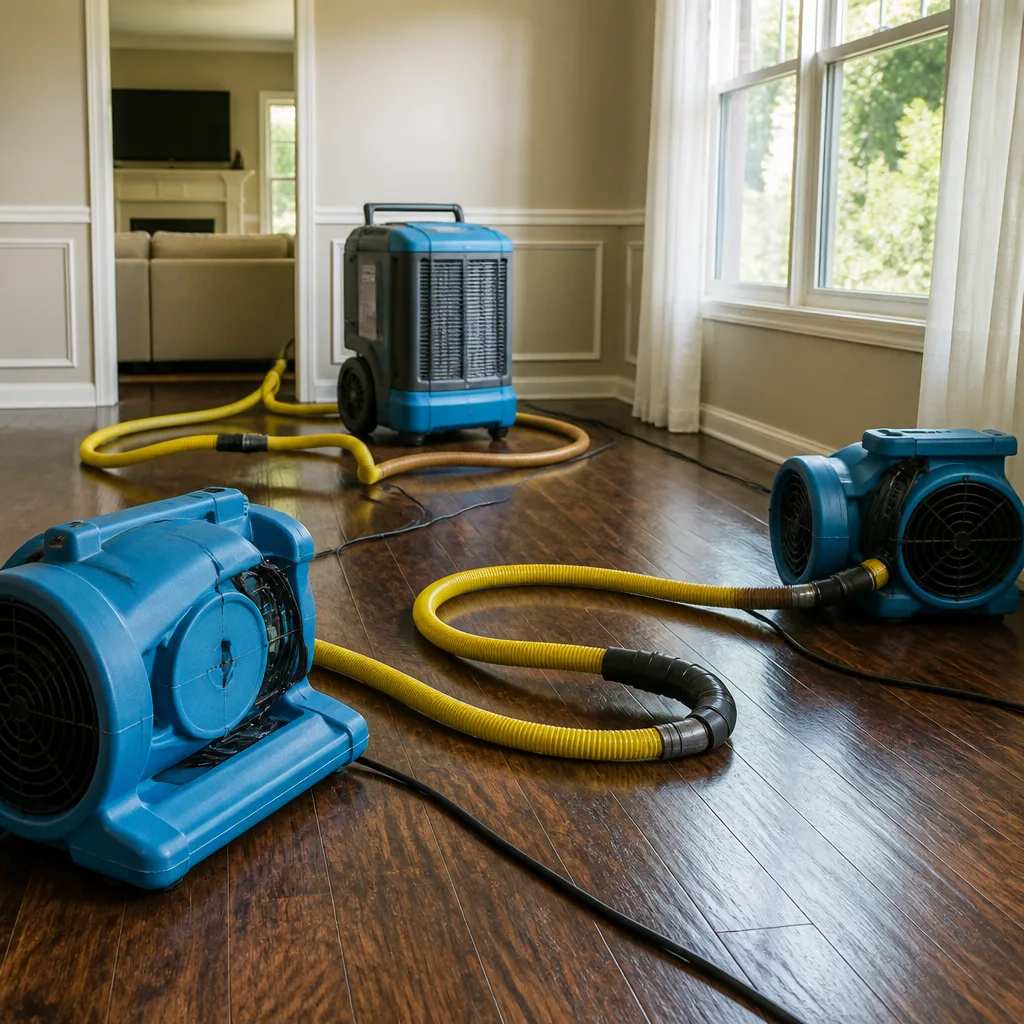
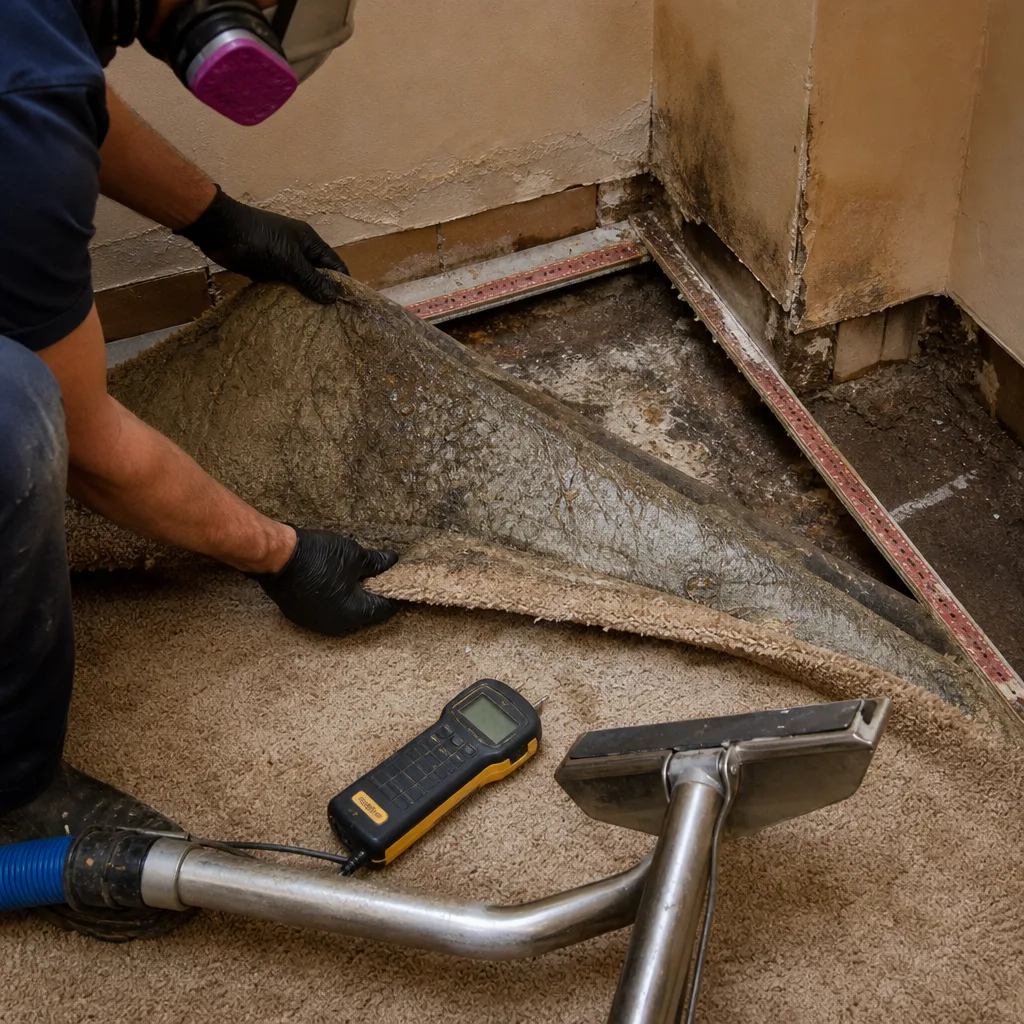
We set up Dri-Eaz dehumidifiers, XPOWER air movers, and Phoenix systems sized to Rye’s building stock, which often means slower, longer drying cycles for plaster-and-lath walls. Daily moisture readings are logged until the dry standard is met.
Cleaning & Sanitization
Category 2 and 3 water require antimicrobial treatment and HEPA air scrubbing, especially in basements where Sound water backflowed through floor drains. We clean, sanitize, and deodorize every affected surface, including ductwork when needed.
Corrosion & Saltwater Treatment
In Rye, this step matters more than in most towns. Saltwater corrodes fasteners, brackets, and mechanical systems fast. We run corrosion inspections on garage-door hardware, electrical panels, and exposed framing, then treat or replace what the salt compromised.
Repairs & Restoration
The same crew rebuilds. We replace drywall, restore plaster, refinish hardwood floors, and handle full reconstruction, from framing to finish carpentry. Every job is backed by our 90-Day Done Right Promise, in writing.
Need Emergency Storm & Disaster Restoration in Rye Now?
Crews minutes away, answering live 24 hours a day. The sooner we start, the less it costs.
Working With Your Insurance Company
Storm and flood claims go smoother when the documentation starts before the water recedes. We photograph every room, every damaged surface, every piece of equipment we run. We log moisture readings daily and hand that log to your adjuster so there’s no debate about what was wet and what wasn’t. Our estimates use industry-standard line-item pricing, the same format carriers expect, which shortens approval timelines. We coordinate directly with your adjuster by phone and email, so you’re not forwarding documents at midnight while a contractor waits on a payment. Floodline Restoration Co. of Manhattan handles the claim paperwork, the photos, the moisture log, and the phone calls. You handle getting your house back.
What We Provide Your Insurer
- Thorough documentation of the loss
- Photos of all damage, room by room
- Moisture readings and drying logs
- A detailed, line-item scope of work
- Direct coordination with your carrier
Built for Rye’s Loss Calendar
Rye’s storm calendar runs in a pattern anyone who has lived here ten years recognizes. January and February bring deep freezes that burst supply lines in unheated garages and crawlspaces, and the thaw that follows pushes groundwater into basements already saturated from the previous fall. March and April are basement seepage season, when snowmelt and spring rain saturate the soil around older foundations. June through August brings thunderstorm cells that dump two inches of rain in an hour, overwhelming storm drains along Boston Post Road and flooding low-lying garages. September through November is nor’easter season, the one that matters most in Rye. Long Island Sound’s open fetch drives wind-driven rain horizontally into shoreline homes, and storm surge pushes tide-influenced water up through basement floor drains in Oakland Beach hours before the peak winds arrive. We keep crews staged near Rye during major weather events, because a 45-minute response during a September nor’easter is worth more than a 4-hour response the next morning.
Storm & Disaster Restoration Across Rye’s Neighborhoods
Oakland Beach and the shoreline streets around it are the first to flood, and the flooding starts from below, through the floor drains, before the storm peak. Homes there need faster extraction response and more aggressive saltwater treatment because the water is Category 3 from the start. Over near the Blind Brook corridor, including the neighborhoods east of North Street, the flooding comes from the brook overflowing its banks, carrying silt and debris that muddy every surface it touches. Those homes often need more debris removal and more sanitization than shoreline homes. The Forest Avenue and Milton Road corridors hold Rye’s older housing stock, 1920s Tudors and Victorians with plaster walls that hide moisture for weeks without proper drying protocols. Homes near the Rye train station and Purchase Street commercial district see more wind damage, torn-off gutters and broken windows, which means more emergency board-up and roof tarping calls. Each part of Rye fails differently, and crews that know the difference respond better.
Specialized Storm & Disaster Restoration Services We Offer in Rye
Storm Damage Cleanup
After the storm passes, the mess is the first thing you see: downed branches, soaked carpets, mud pushed through the front door. We remove debris, extract standing water, and clear the property so the real assessment can begin. In Rye, storm cleanup often means dealing with salt-laden debris from Long Island Sound surge, which corrodes metal surfaces it touches for weeks afterward.
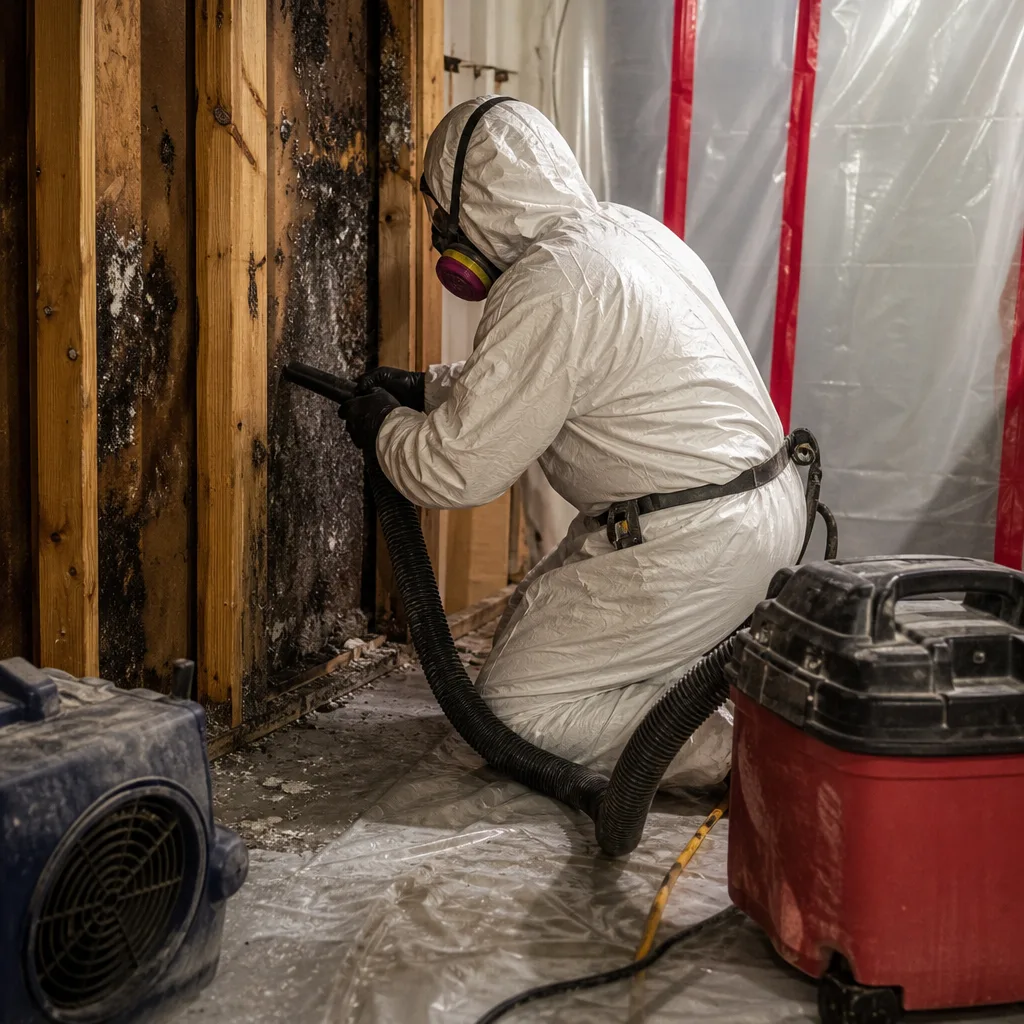
Flood Damage Restoration
Flood water in Rye comes from two directions: Sound surge from the east and Blind Brook overflow from inland. Both require Category 2 or 3 water protocols, antimicrobial treatment, and long drying cycles for the plaster and timber construction in older homes. We moisture-map the whole affected area, not just the visible puddles, because Rye’s building materials hide water better than they should.
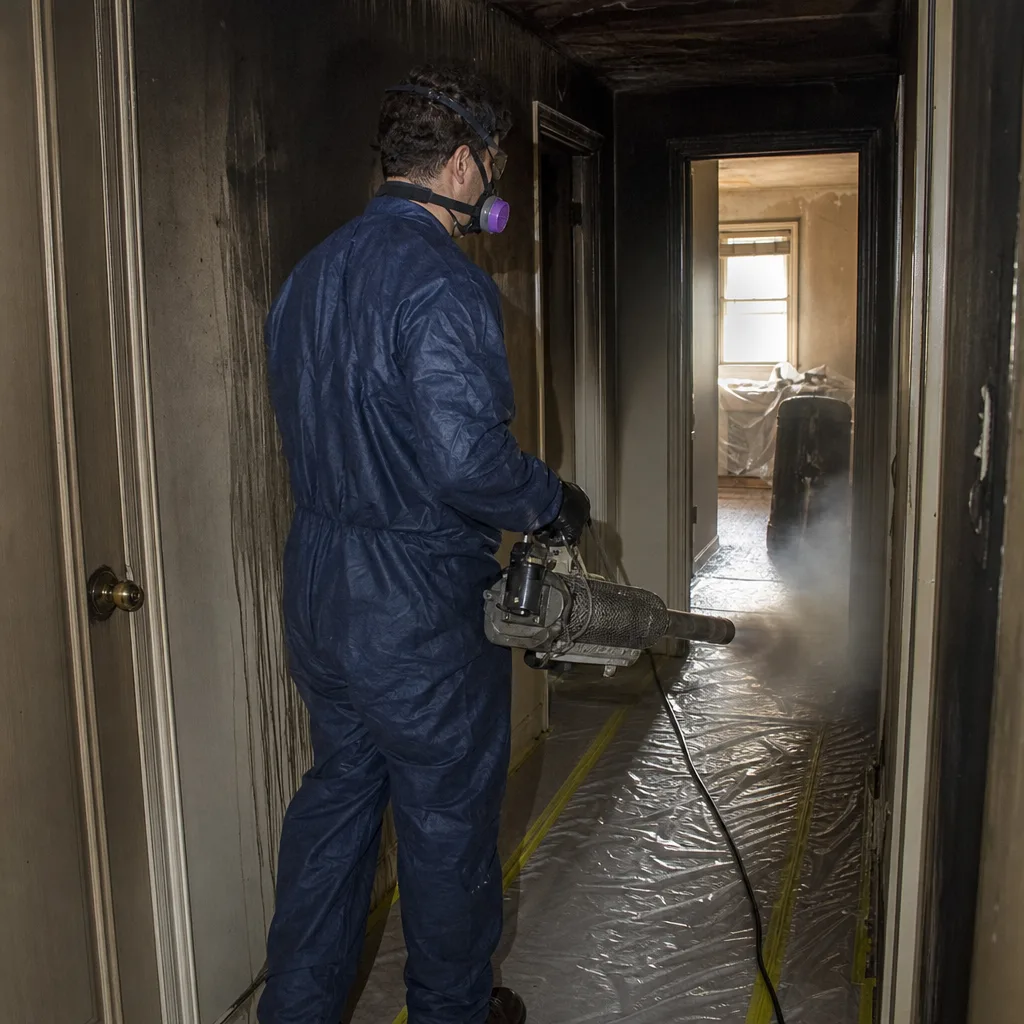
Emergency Board-Up
When a nor’easter puts a tree limb through a Milton Road window or wind pressure pops a garage door off its track on Forest Avenue, the opening invites more damage. We board up broken windows and doorways the same day, using plywood sized and fitted on site, so the next rain band doesn’t add to the mess. In Rye, we also inspect garage-door hardware at the same time, because salt-air corrosion often means the door failed before the storm peaked.
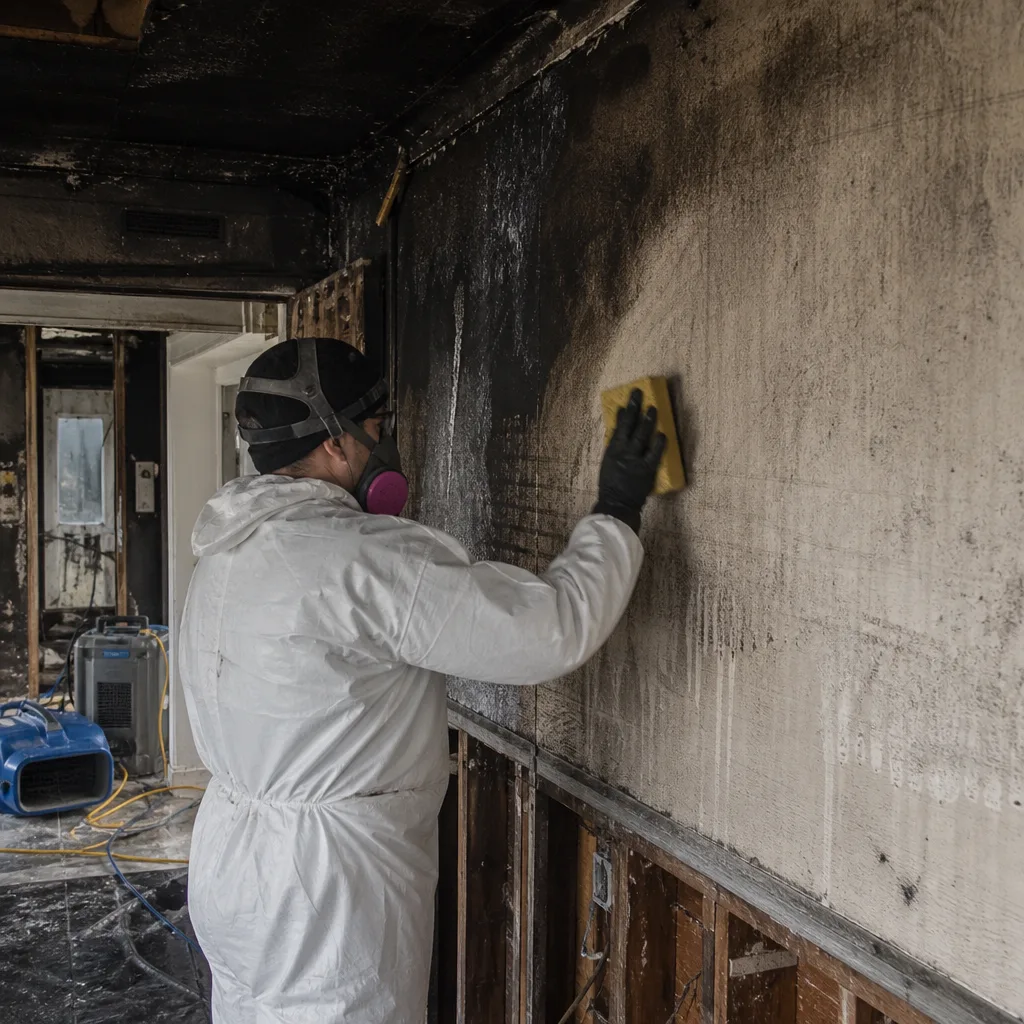
Roof Tarping
Missing shingles and punctured sheathing let rainwater pour through ceilings within minutes. We tarp damaged roof sections from the exterior, secured to withstand the next wind event, not just the next few hours. On Rye’s older homes, where original framing and plaster medallions are irreplaceable, fast and proper tarping prevents the kind of water damage that turns a repair into a restoration.
Debris Removal
Nor’easters and summer microbursts leave branches, roofing material, and trash strewn across yards and driveways. We clear the debris and separate what can be salvaged from what can’t, documenting everything for your insurance claim. In the Blind Brook flood zone, debris often carries silt and contaminants that require Category 3 handling, not just a dumpster run.
What happens when you call
- 1
A real person answersNo phone trees - you reach a local pro.
- 2
You get an upfront price rangeHonest numbers before anyone is dispatched.
- 3
A background-checked tech heads outLicensed & insured, dispatched right away.
- 4
You approve before work beginsNothing starts until you say go.
Storm & Disaster Restoration Costs in Rye, NY
A typical emergency board-up on a single broken window or door in Rye runs $250 to $500, including materials and same-day response. Roof tarping a damaged section runs $400 to $900, depending on roof height and pitch, which matters a lot on Rye’s steeper older homes. Flood damage restoration after a basement storm surge runs $3,500 to $12,000 for a standard finished basement, extraction, drying, sanitization, and basic repairs. When saltwater intrusion adds corrosion treatment for garage-door hardware or electrical panels, add $500 to $2,500. The price moves based on how long the water sat, what category it was, and whether plaster walls need replacement or can be dried in place. We provide a free visual inspection and a written line-item scope before any work begins, so you know exactly what you’re paying for. Call (917) 924-4221 for the full breakdown on your property.
We Also Serve Cities Near Rye
Our Storm & Disaster Restoration crews serve the broader Westchester Sound Shore, including Harrison, Mamaroneck, Port Chester, and Larchmont. Same 45-minute response commitment, same live dispatcher, same written guarantee.
Serving Rye, NY - Our Local Coverage Area
We’re based in the Rye area and know this community well. Use the map below to see our service coverage - if you’re nearby, we can almost certainly help.
Rye Storm & Disaster Restoration Questions, Answered
How does saltwater from Long Island Sound affect my garage-door hardware differently than rainwater after a storm?
Saltwater corrodes metal components dramatically faster than freshwater. Your garage-door torsion springs, hinges, rollers, and opener chains can start showing serious corrosion within 48 hours of saltwater exposure, and the damage keeps progressing for weeks. That’s why a Rye garage-door spring that was already weakened by years of salt air often snaps mid-storm. We treat saltwater-damaged hardware by replacing springs with galvanized or coated versions, swapping in stainless-steel hinges and rollers, and running a full corrosion inspection with moisture mapping to catch rust that has spread to track brackets. Call (917) 924-4221 if your garage door took saltwater during a storm; a free inspection tells you what needs replacing.
Why did my Oakland Beach basement flood hours before the storm peak hit?
Because the storm drains in Oakland Beach connect directly to tide-influenced water. During a nor’easter surge, water pushes back up through the drain system and comes out of your basement floor drains before the worst winds arrive. This is a signature surge pattern specific to tide-connected neighborhoods, and out-of-area contractors often misdiagnose it as a sump pump failure, which is why they miss the real problem. Our crews in Rye recognize the pattern immediately and treat it as Category 3 contamination, not simple seepage.
How long does structural drying take in a Rye plaster-and-lath home after flood damage?
Plan on five to ten days of active drying, sometimes longer. Plaster-and-lath walls and old-growth hardwood floors hold moisture far longer than modern drywall and engineered lumber. We take daily moisture readings and log them until every surface reaches the dry standard, which usually takes seven to fourteen days in Rye’s older homes, especially in fall when Sound humidity keeps structural moisture elevated. We don’t stop the equipment until the numbers say the job is done.
What category of water is typical after a Rye storm surge floods my basement?
Category 3, the most contaminated classification. Storm surge from Long Island Sound carries salt, bacteria, fuel residue, and sewage. Anything the water touched needs antimicrobial treatment and either full removal or professional sanitization. This is not a wet-vac-and-done situation. We treat Category 3 water with full containment, HEPA air scrubbing, and strict disposal protocols, and the same standards apply whether the water came through a floor drain in Oakland Beach or over the sill on a shoreline home.
Can you board up my garage and tarp the roof before mold starts on wet drywall?
Yes. Same-day board-up and tarping is standard for us in Rye. Wet drywall in a warm, humid house starts growing mold within 24 to 48 hours, and post-storm humidity from the Sound extends that window. We get a crew to your property the same day you call, secure every opening, and start extraction and drying immediately. Call (917) 924-4221 and ask for the emergency board-up team.
How quickly can someone actually get to my Rye home during a major storm?
Forty-five minutes, on average, from the time you call. We stage crews near Rye before major weather events, and our dispatcher routes the nearest available team to you while you’re still on the phone. During peak nor’easter conditions, when every contractor in Westchester is busy, our 45-minute commitment still holds, because we planned ahead.
Do I really need full flood restoration, or is a cleanup enough after my basement got wet?
It depends on what the water touched and what category it was. If clean rainwater dripped through a window and puddled on a concrete floor, cleanup and drying may be enough. If Sound surge or Blind Brook overflow came through, that’s Category 2 or 3 water, and it soaked into surfaces you can’t see. Rye’s plaster-and-lath walls and old-growth hardwood hide moisture that turns into mold weeks later. A free moisture inspection tells you which situation you have, and we give you a written scope either way, no pressure to do more than what’s needed.
What should I do in the first 30 minutes after storm water enters my Rye home?
Call (917) 924-4221 first. Then, if it’s safe, shut off electricity to the affected area, move small valuables to higher ground, and stay out of standing water because it may be contaminated. Don’t use a household shop-vac on large standing water, and don’t open walls yourself. The first 30 minutes are about securing the property and getting a professional assessment; the first hour determines whether your Rye home needs cleanup or reconstruction.
Written by Curt Bowman, Owner at Floodline Restoration Co. of Manhattan, serving Rye with 24/7 storm and disaster restoration.