
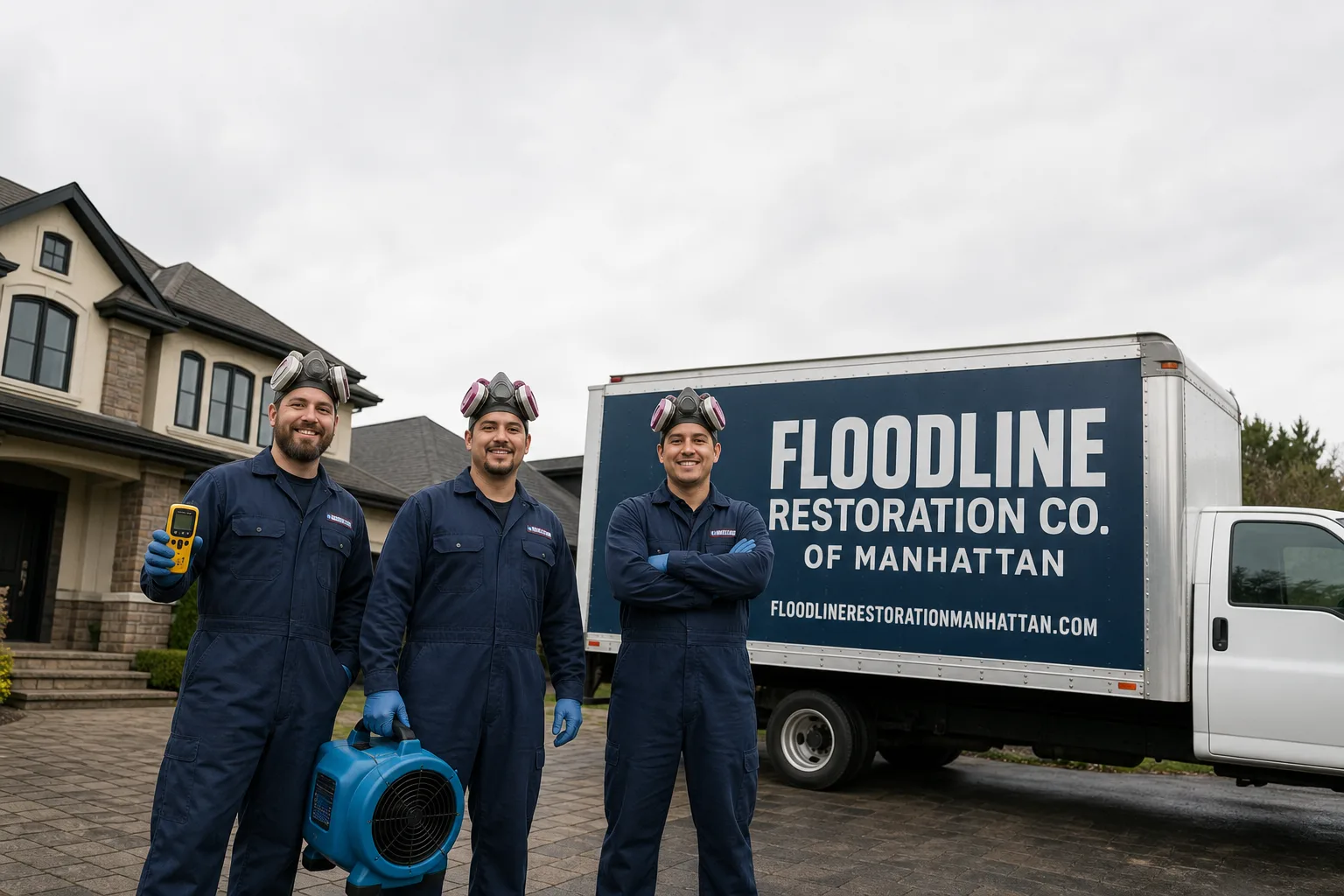
Free visual inspection and a written scope of work before any mitigation begins - photos, moisture readings, and drying logs go in your claim file
The scope we write is the scope we bill. Anything new gets shown to you, in writing, before we touch it.

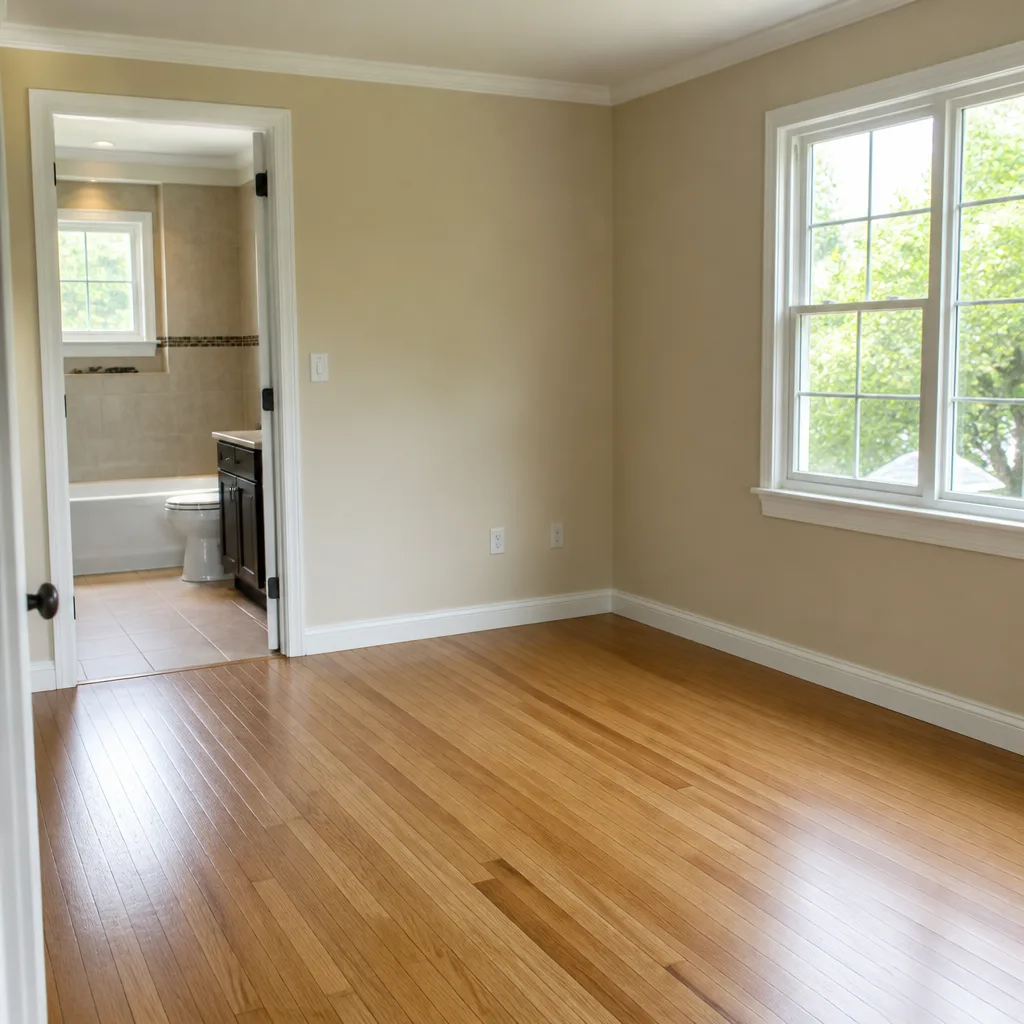
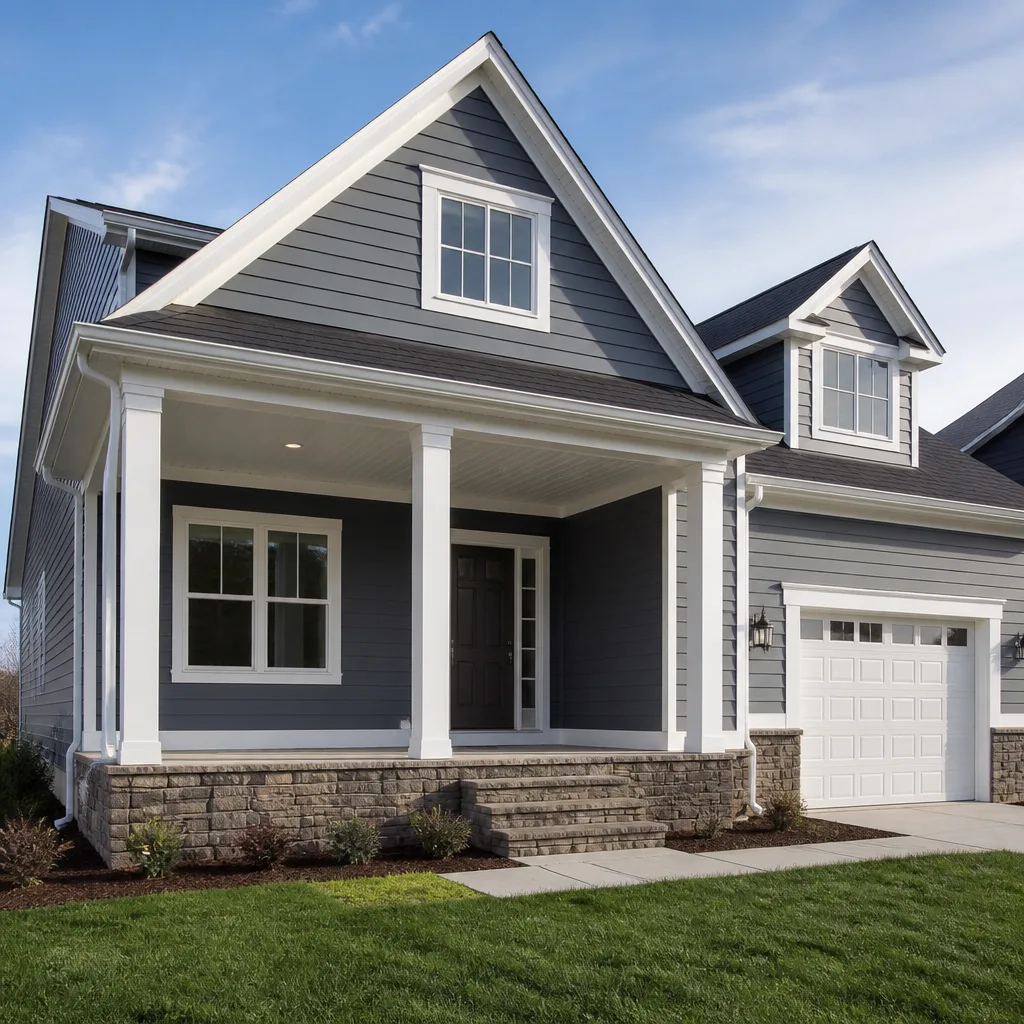
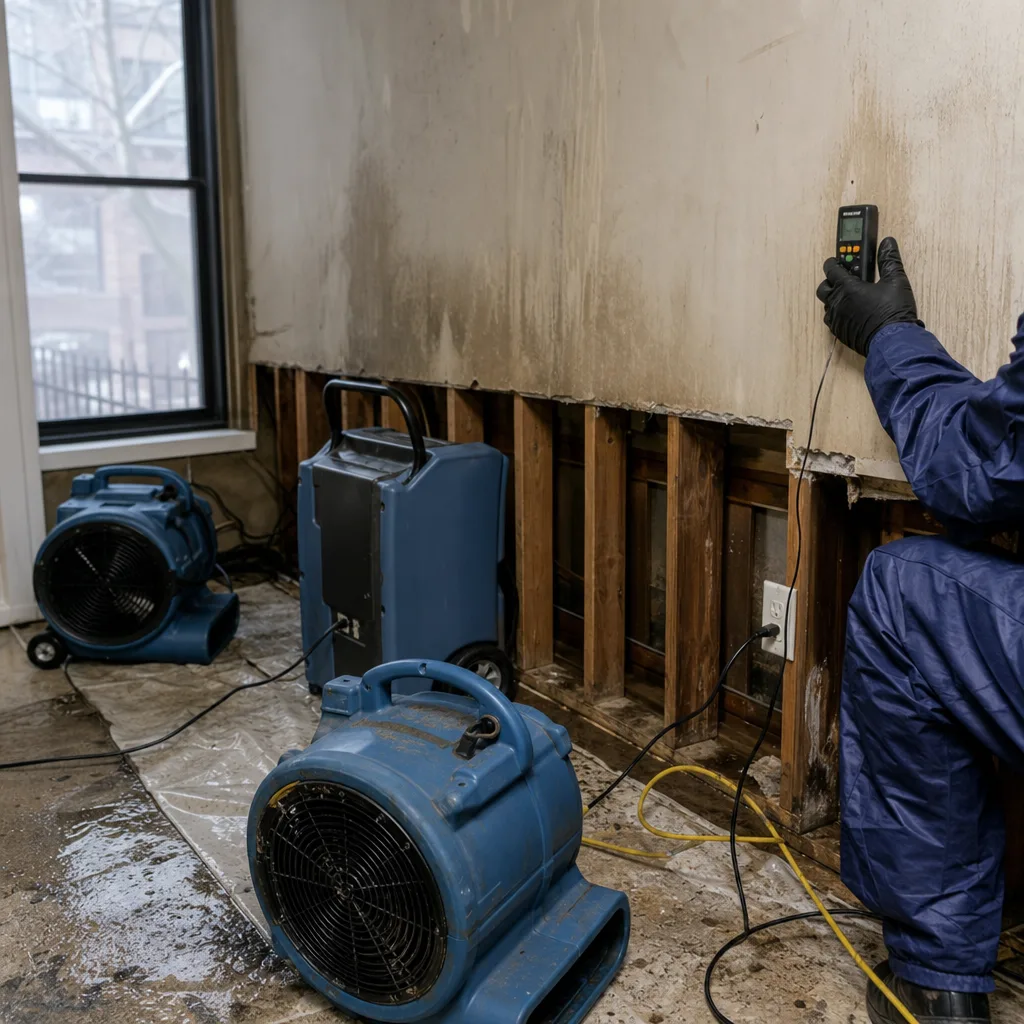 Before
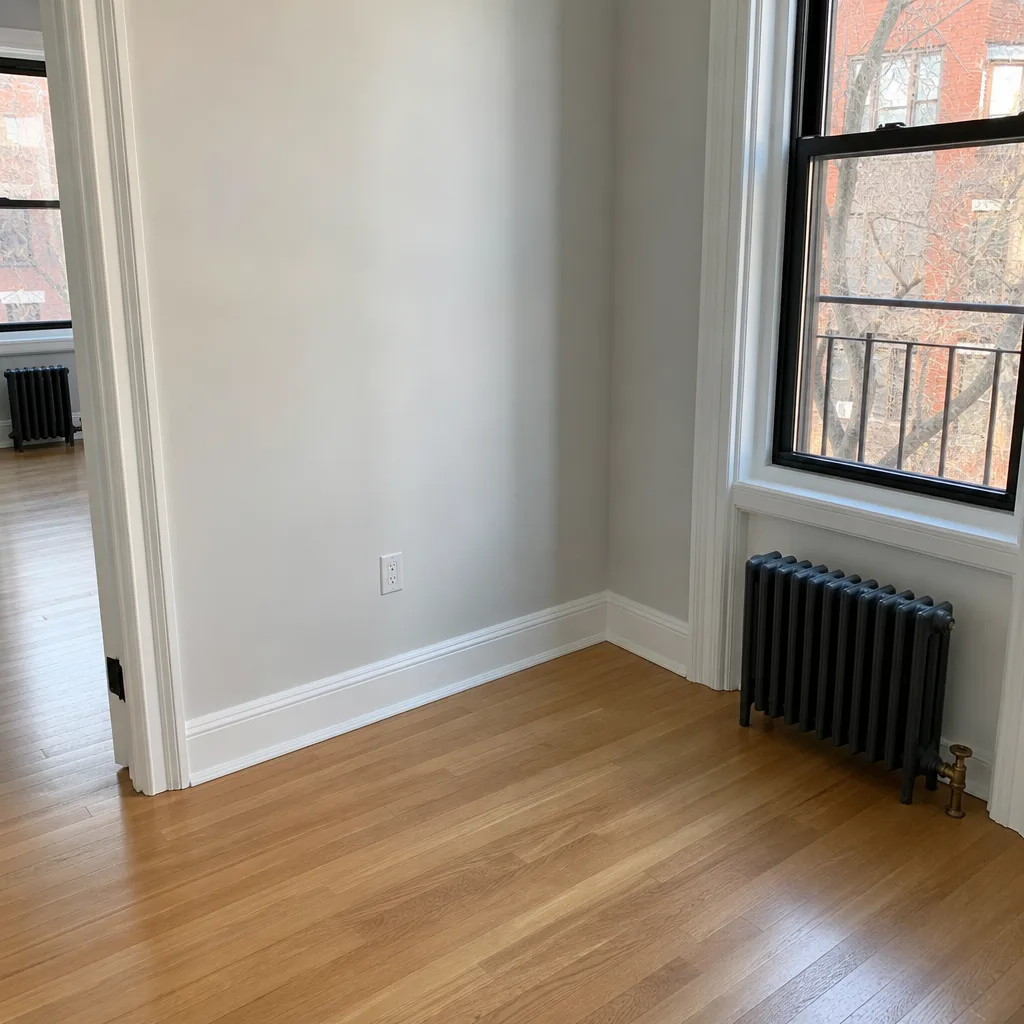 After
After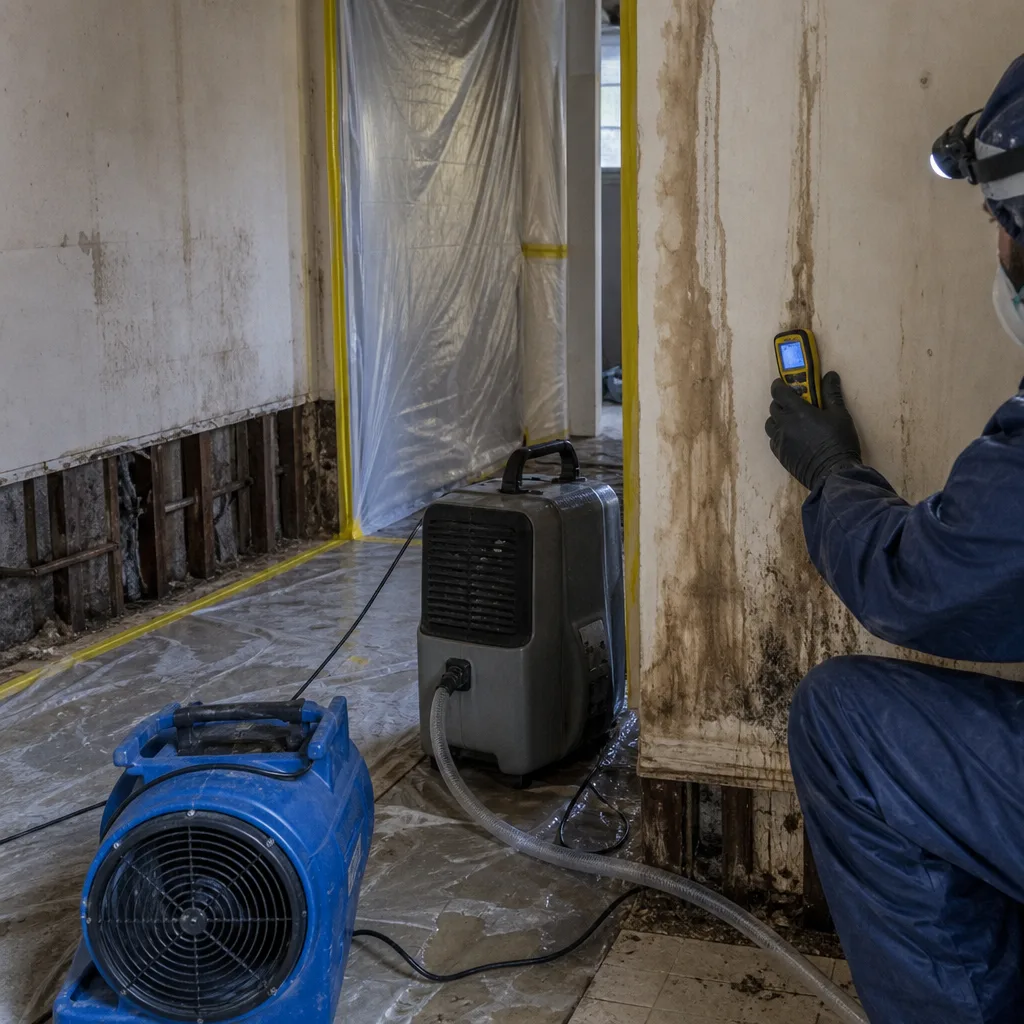 Before
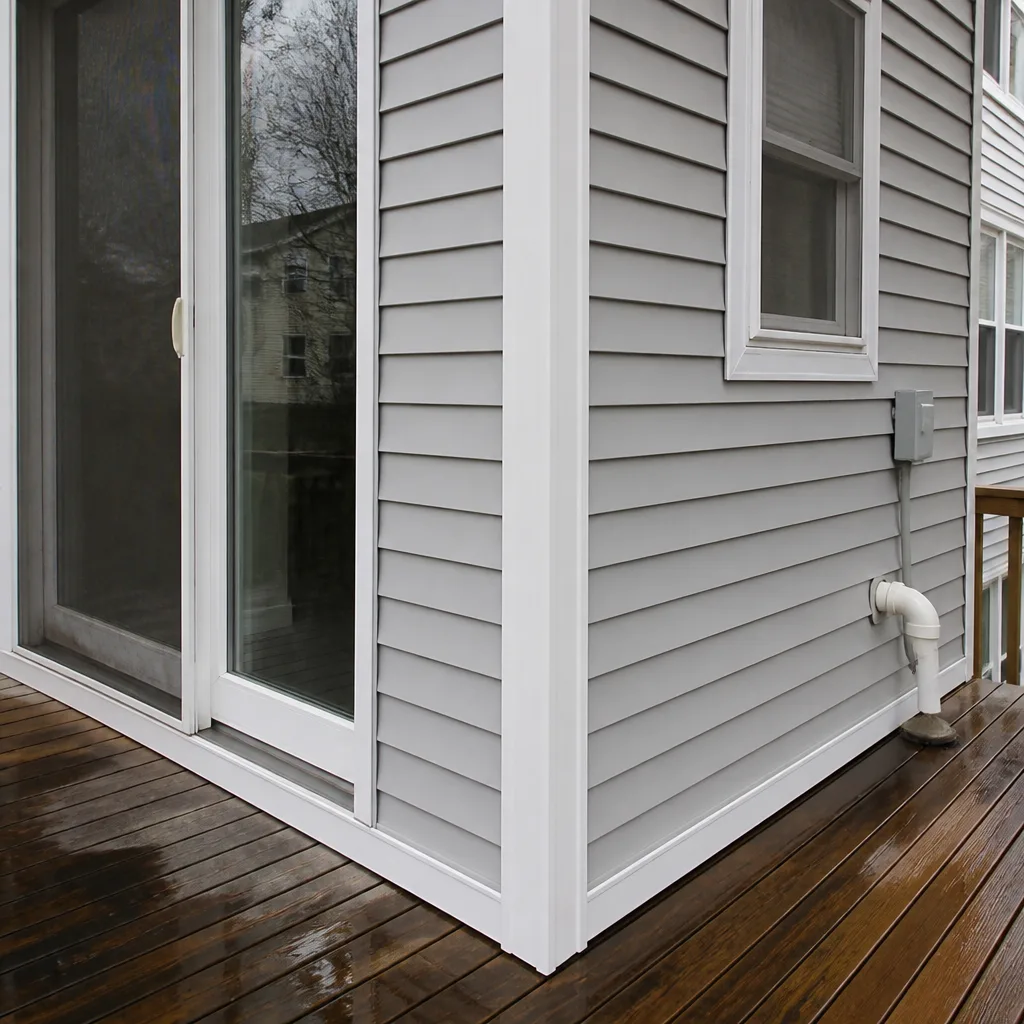 After
After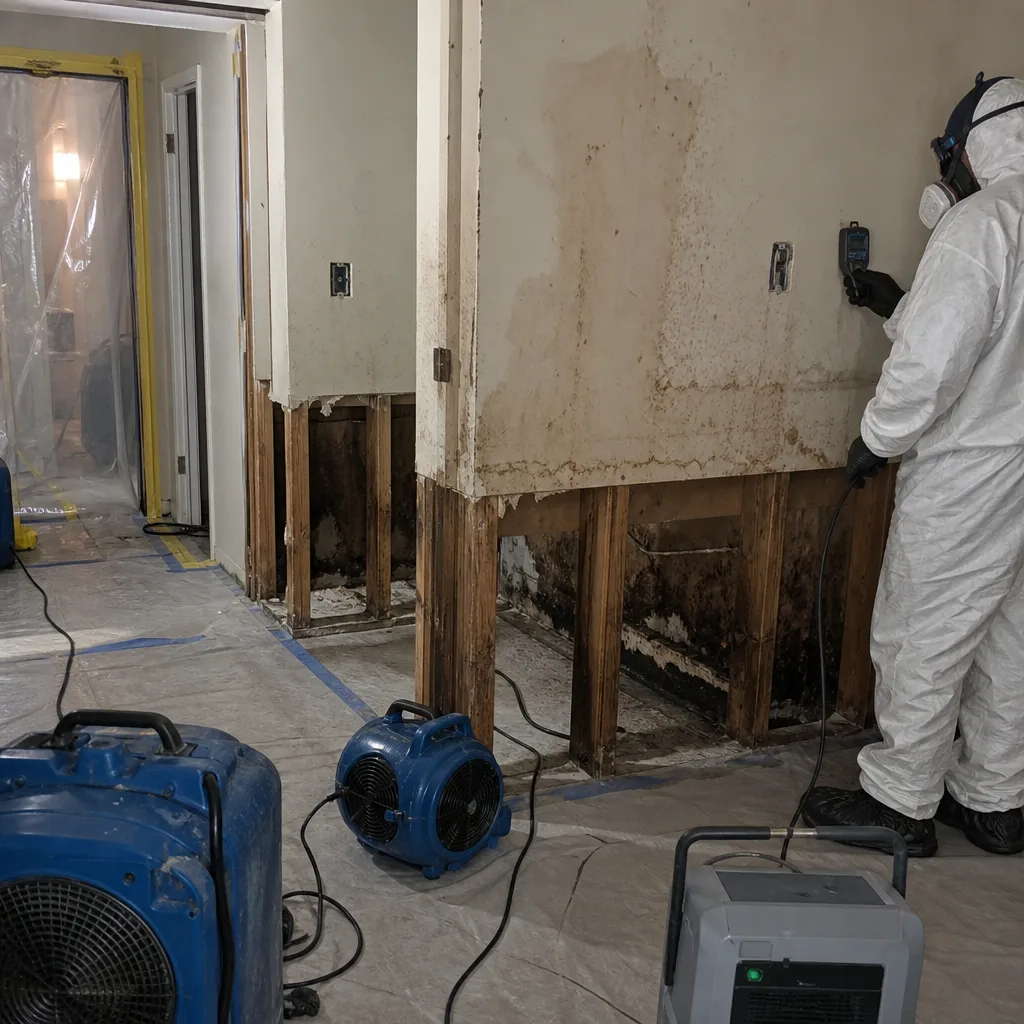 Before
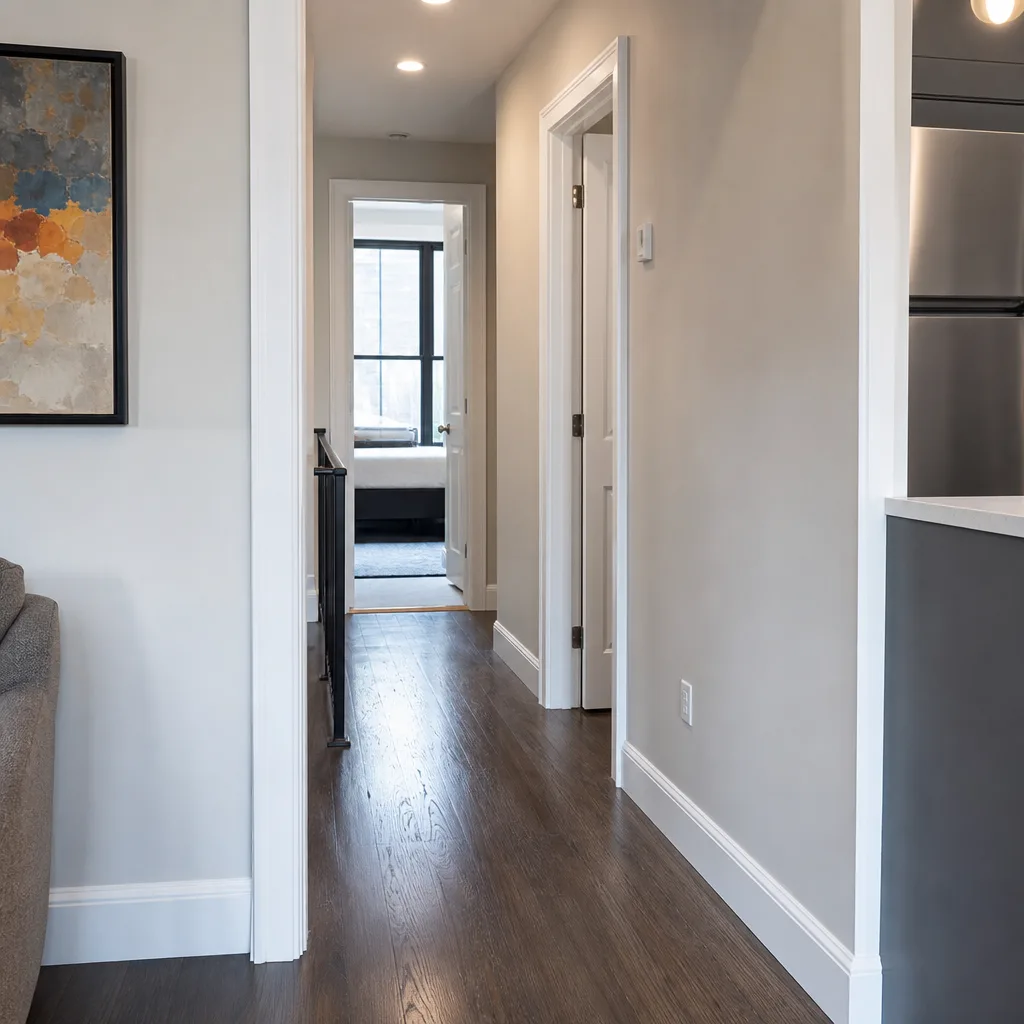 After
After24/7 Emergency Storm & Disaster Restoration in Sunnyside
When a nor’easter tears flashing off a row house roof or a frozen steam line floods a garden-level apartment at 11 p.m., you need a live person on the phone, not a voicemail tree. Floodline Restoration Co. of Manhattan answers calls around the clock with a real dispatcher, and our crews reach Sunnyside addresses fast, usually within 45 minutes of your call. We begin with a free visual inspection, then get extraction or board-up running that same visit. The first hour matters most: water moving through a 1920s plaster-and-lath wall travels sideways before it travels down, which means unaddressed moisture inside a shared party wall gets worse by the hour, not by the day. Call us at (917) 924-4221 the moment you see water where it shouldn’t be.
Understanding Storm & Disaster Restoration Severity in Sunnyside Properties
Storm damage in Sunnyside rarely announces itself as one obvious problem. A wind-driven rain event pushes water under parapet flashing, through mortar joints, and into the cavity between the brick face and the plaster interior. That water sits there because pre-war attached housing was never built with weep holes or modern drainage planes. We classify water by contamination level: Category 1 is clean supply-line water, Category 2 carries significant contaminants, and Category 3, common after Sunnyside sewer backups, is blackwater loaded with bacteria and waste. Restoration in these buildings also means moisture mapping every affected wall and ceiling, not just the visible stain. On row houses, that means checking both sides of the masonry party wall, since moisture migrates laterally. On pre-war apartments, it means opening ceilings below radiator risers and drain-line chases, where cast iron has failed silently for decades. Drying a plaster-over-lath cavity takes longer than drying modern drywall, and it requires professional-grade equipment plus daily moisture readings until the structure hits the dry standard, not just until the surface feels dry.
Why Sunnyside Property Owners Choose Floodline Restoration Co. of Manhattan
- 45-minute response commitment - a live dispatcher confirms an ETA and a uniformed crew arrives fast, because every hour of standing water inside a pre-war wall expands the loss.
- 24/7 live answer, always a person - no automated menu, no answering service reading a script. A real Floodline dispatcher picks up at 2 a.m. on a Sunday.
- IICRC-certified crews - our technicians hold WRT, FSRT, and AMRT certifications and have specific training for plaster, lath, and masonry cavity drying.
- Free visual inspection - before any work begins, we walk the damage with you, take photos, and hand you a written scope so you know exactly what will happen and why.
- Direct insurance billing - we coordinate with your adjuster from the first day, submit the documentation, and bill the carrier directly. You never carry the message between us and them.
- One team from extraction to reconstruction - the same Floodline crew that sets containment on day one handles the drying log, the demo, and the rebuild. No mid-job handoff to a subcontractor.
Our Storm & Disaster Restoration Process
Inspection & Assessment
We inspect every affected room, including the back side of shared party walls and the ceiling cavities below any plumbing risers. Thermal imaging and moisture meters map the full extent of saturation before we open a single surface.
Extraction & Stabilization
Standing water comes out with truck-mounted extraction units. For storm-damaged roofs, we tarp immediately. For broken windows or doors, we board up to secure the property.
Drying & Dehumidification
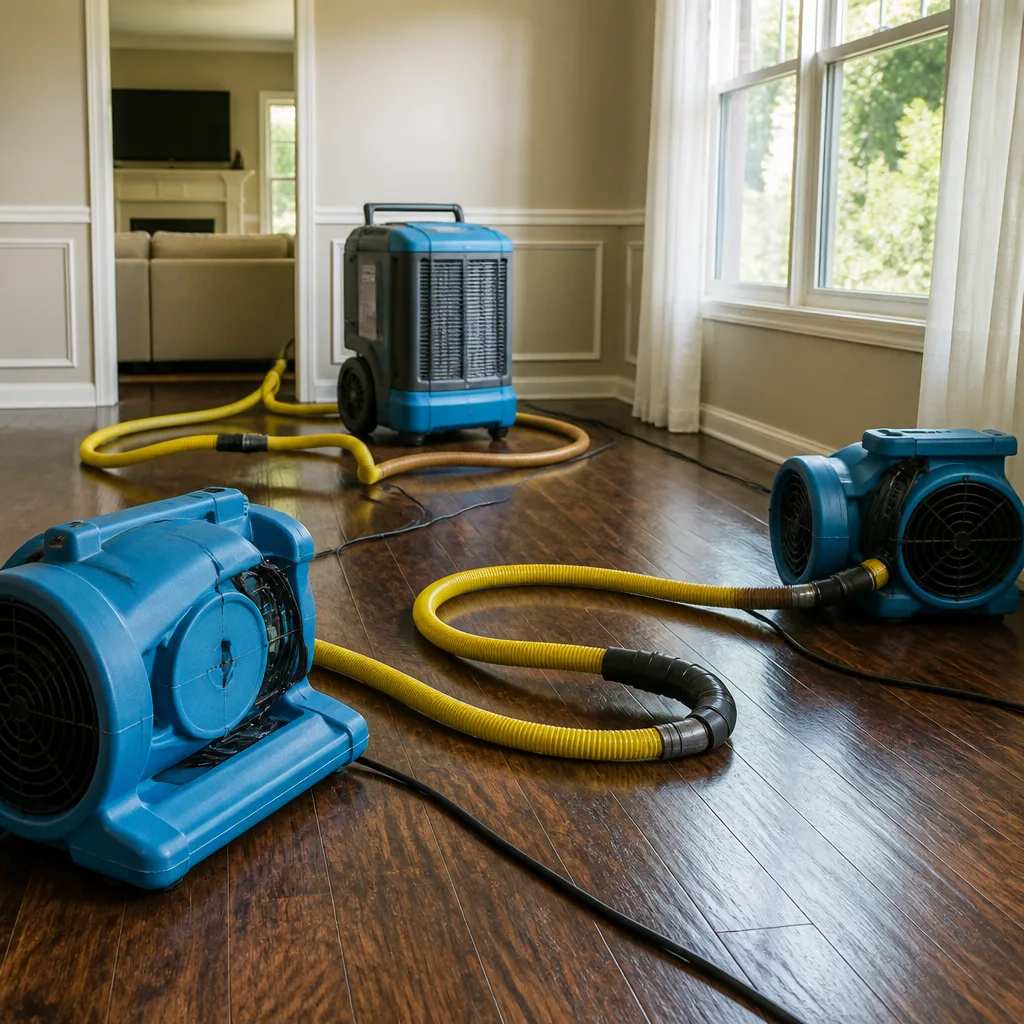
We set Dri-Eaz LGR dehumidifiers and Phoenix air movers, placed to dry structural cavities, not just open air. Daily moisture readings are logged until the dry standard is met.
Cleaning & Sanitization
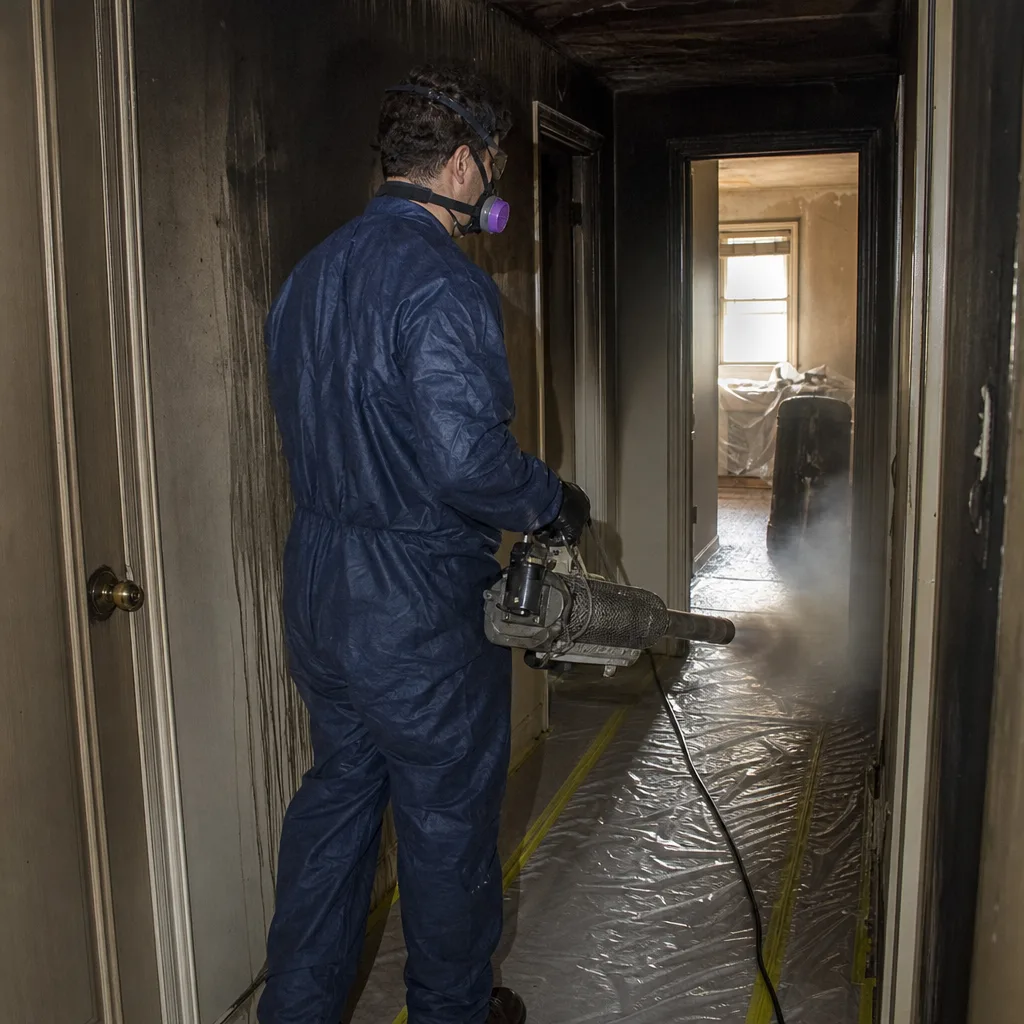
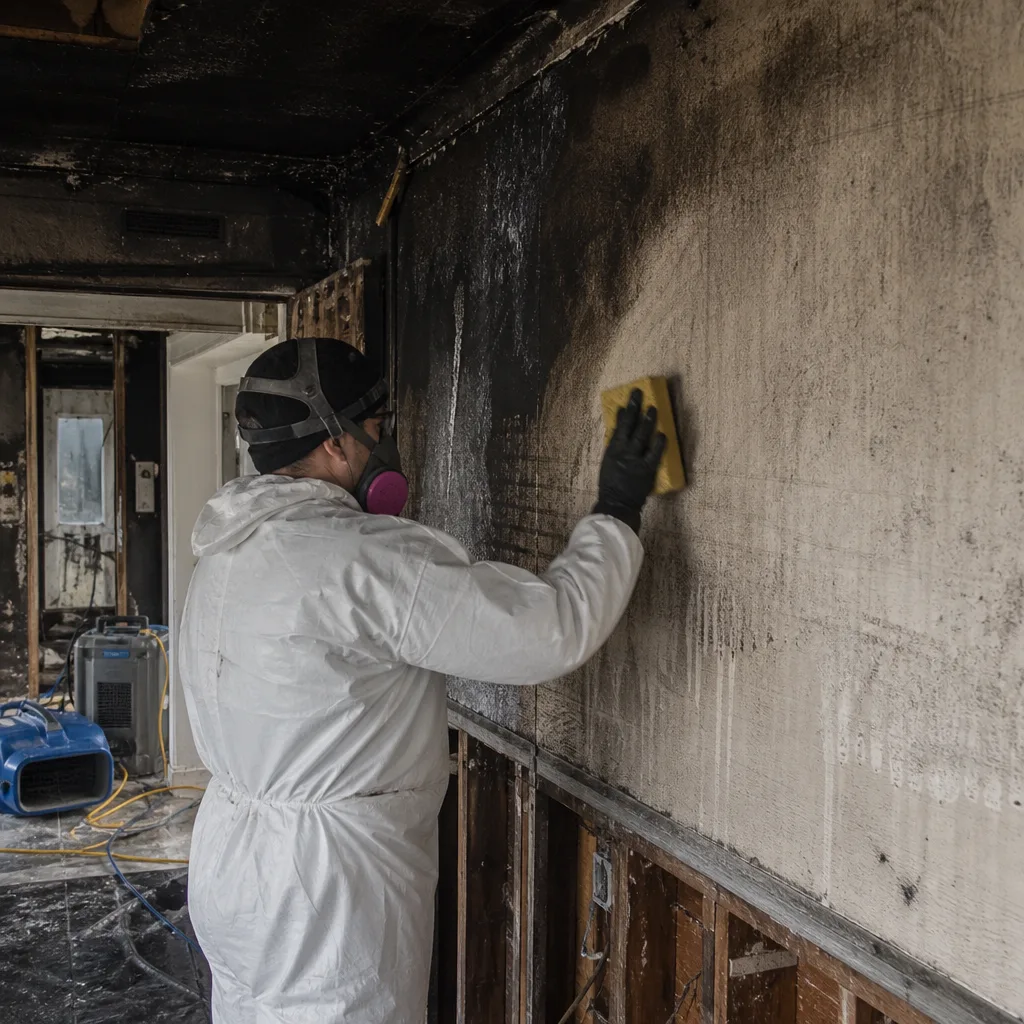
All affected surfaces get cleaned with appropriate antimicrobial treatments. Sewage-impacted materials are removed and disposed of under Category 3 protocols. HEPA air scrubbers run during the entire process.
Storm-Specific Treatment
This is where Sunnyside’s building stock matters. We test plaster and cast-iron pipe wrapping for asbestos before demo, address lead paint on pre-1940 walls, and coordinate with the Landmarks Preservation Commission when exterior repairs on a Sunnyside Gardens property are required.
Repairs & Restoration
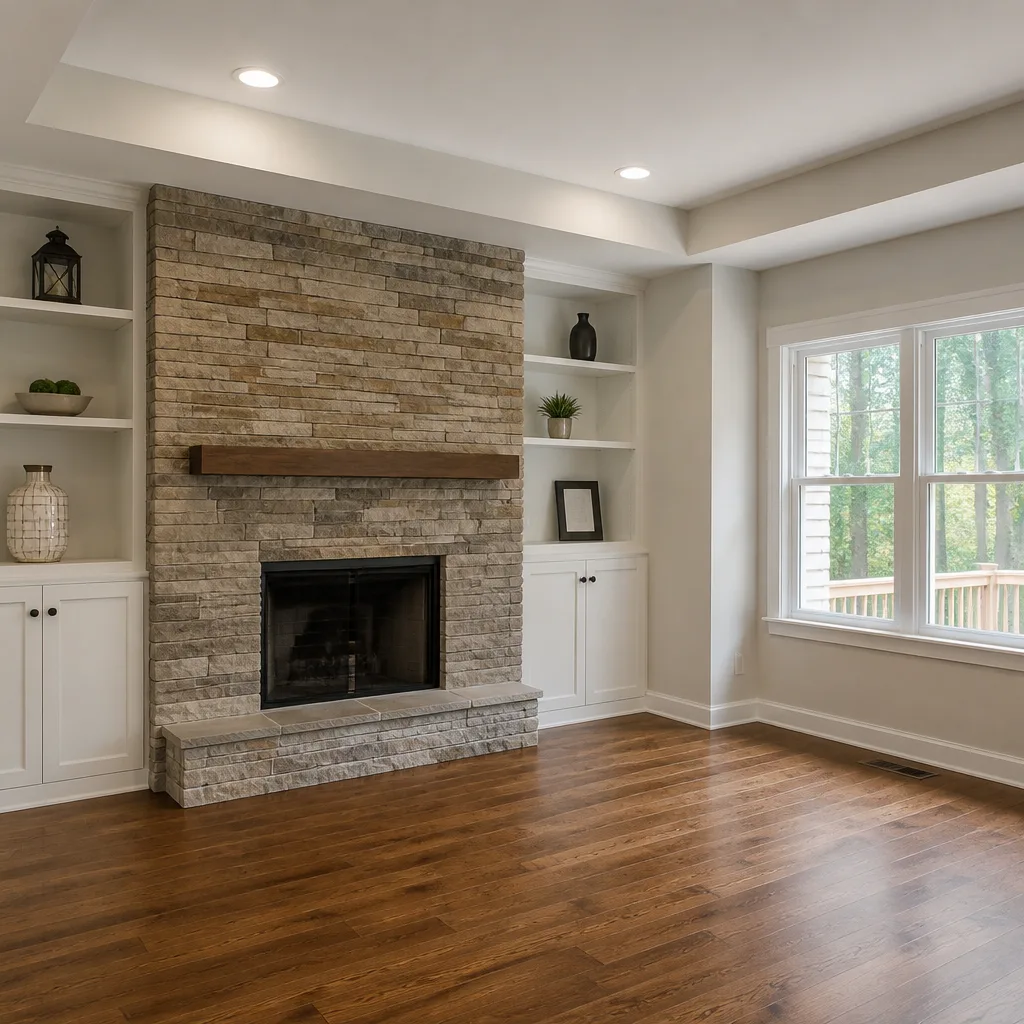
The same crew that dried the structure now rebuilds it: new plaster, re-glazed windows, restored floors, repainted walls. Every job ends with the 90-Day Done Right Promise in writing.
Need Emergency Storm & Disaster Restoration in Sunnyside Now?
Crews minutes away, answering live 24 hours a day. The sooner we start, the less it costs.
Working With Your Insurance Company
Insurance claims for storm damage in Sunnyside get complicated fast, especially when a row house loss touches two or three addresses. We’ve handled hundreds of these, and the pattern is always the same: the carrier needs documentation that holds up to scrutiny, and the homeowner needs to not become the messenger. From the first hour, we photograph everything, log every moisture reading, and build a line-item scope an adjuster can actually approve. Our team communicates directly with your insurance carrier and bills them directly, so you don’t chase paperwork while your wall is open. Curt Bowman built Floodline Restoration Co. around this exact frustration, which is why our documentation standard is the Keystone Standard, written into our 90-Day Done Right Promise.
What We Provide Your Insurer
- Thorough documentation of the loss
- Photos of all damage, room by room
- Moisture readings and drying logs
- A detailed, line-item scope of work
- Direct coordination with your carrier
Built for Sunnyside’s Loss Calendar
Sunnyside’s storm restoration needs follow a predictable arc, and we’ve learned to staff for it. January and February bring deep freezes that burst steam risers and supply lines inside exterior walls of 1920s row houses, saturating plaster and pushing moisture into shared masonry. A single frozen pipe behind a kitchen wall on 44th Street can wet the neighbor’s bedroom wall by morning. Spring brings thaw cycles and the first heavy rains, which overload the city’s combined sewer system and send Category 3 water up through garden-level floor drains and basement fixtures. Summer thunderstorms dump an inch of rain in twenty minutes, and flat-roofed pre-war buildings with clogged roof drains send water cascading down interior stairwells. Fall nor’easters test the old parapet flashing and cornice joints, leading to roof tarping calls along Skillman Avenue and Queens Boulevard. Sunnyside’s flat, low-lying geography means gravity doesn’t work in your favor, and the aging combined sewer means even a routine downpour carries contamination risk. We keep extraction equipment and tarping supplies ready for all of it, year-round.
Storm & Disaster Restoration Across Sunnyside’s Neighborhoods
Sunnyside is not one building type, and our response routes reflect that. The Sunnyside Gardens Historic District, bounded roughly by 39th Avenue and 50th Avenue between 39th Street and 52nd Street, is the highest-risk zone for shared party-wall moisture migration. Any exterior repair here may require LPC review, and any interior demo requires asbestos testing on plaster and pipe wrap. We know the rhythm of those approvals. Skillman Avenue and its adjacent rowhouse blocks see the heaviest roof tarping calls after a nor’easter, because those 1920s cornices and parapets catch wind like sails. Queens Boulevard is a different animal entirely: the pre-war elevator buildings along the boulevard have steam systems that stretch through twenty or thirty apartments, so a riser failure on the top floor sends water down the shaft and through the walls of a dozen units. The blocks around 41st Street and 43rd Avenue and the garden courts off Barnett Avenue tend to have interior courtyard drainage that gets overwhelmed in heavy rain, backing water into ground-level kitchens and storage rooms. And the residential streets between Greenpoint Avenue and the LIRR viaduct, including ZIP 11104, are a mix of smaller two-family brick buildings where cast-iron drain lines under the basement slab fail after ninety years of settling. Each of these areas has its own failure signature, and we dispatch crews who have worked those specific blocks before.
Specialized Storm & Disaster Restoration Services We Offer in Sunnyside
Storm Damage Cleanup
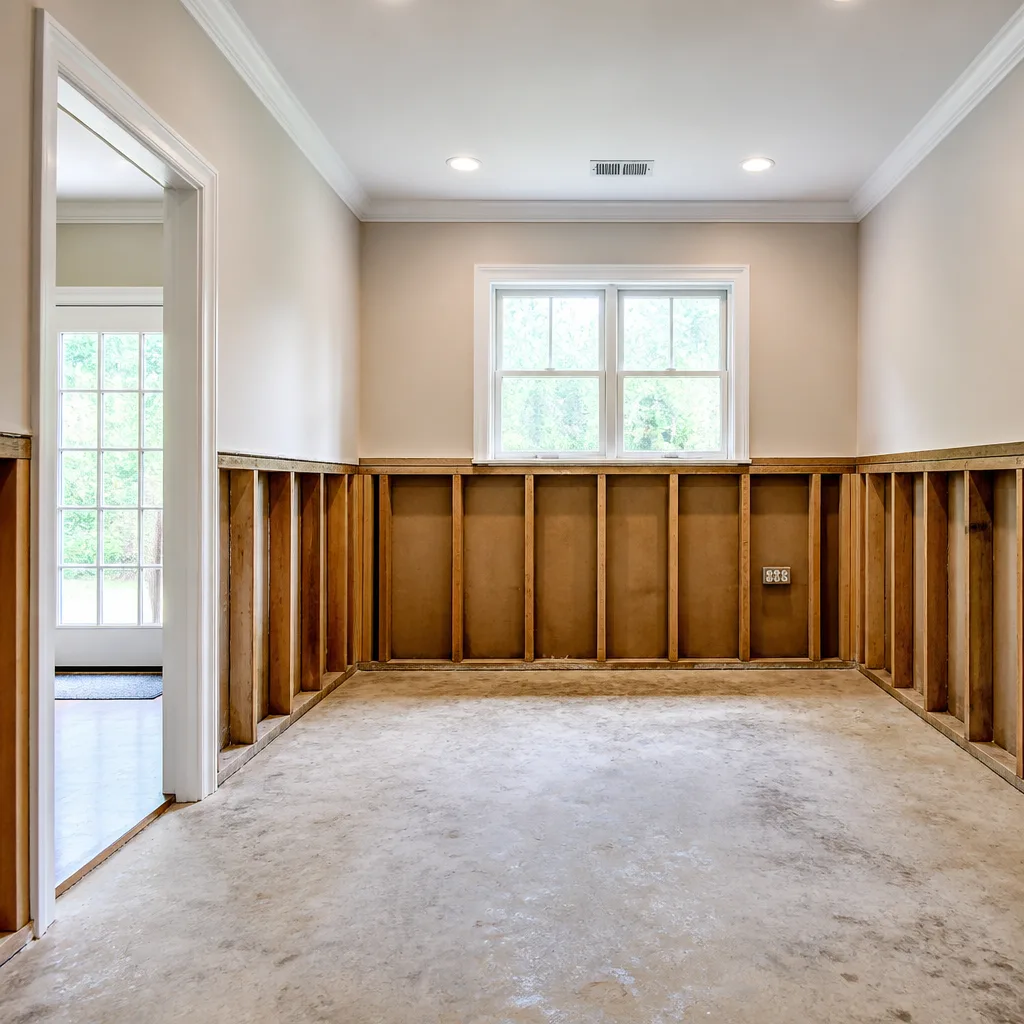
When wind and rain get inside a building, the mess is never just water. We remove soaked drywall, damaged plaster, ruined insulation, and storm debris, then clean and dry the structural framing. In Sunnyside’s older buildings, this always starts with a materials check for asbestos and lead.
Flood Damage Restoration
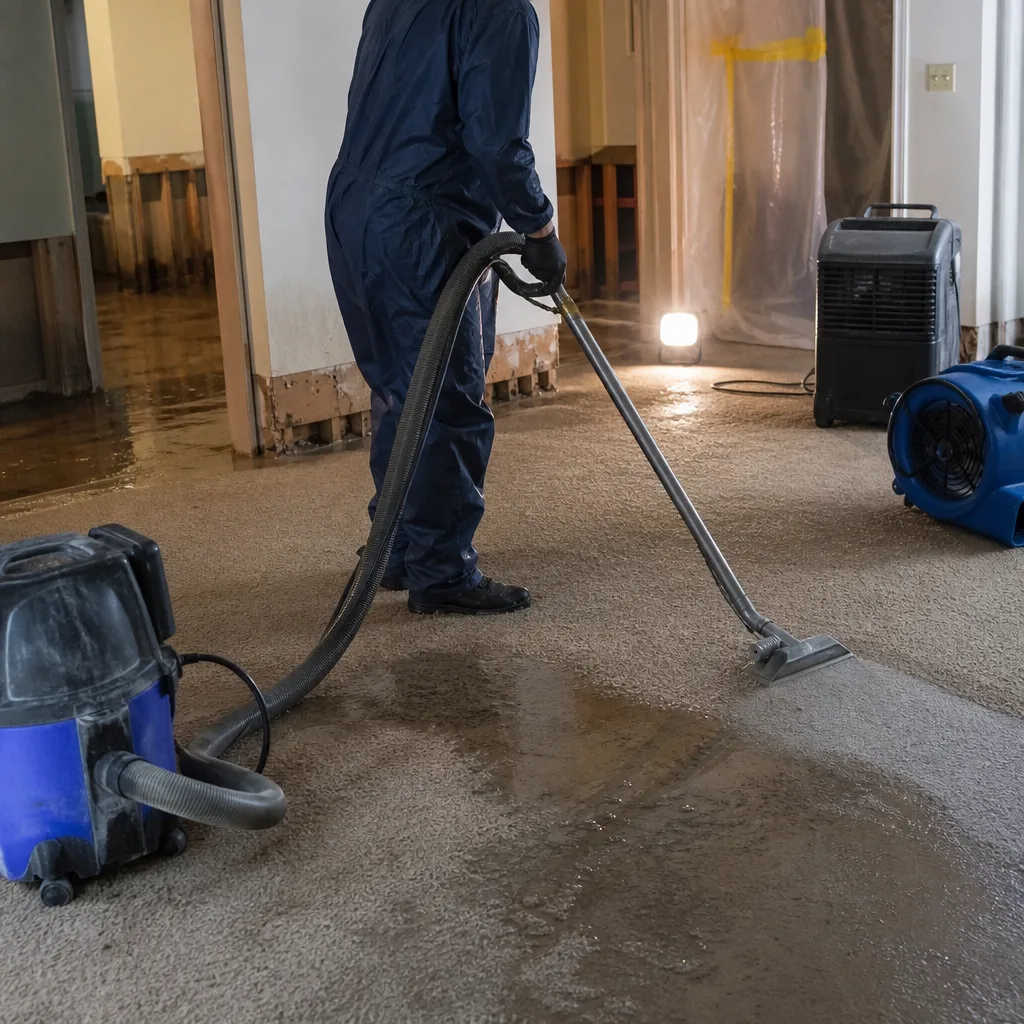
Whether the water came from a sewer backup, a roof failure, or a burst riser, flood restoration inside pre-war buildings means more than mopping. We extract standing water, map moisture through every affected wall and floor, dry to the structural standard, and rebuild what the water destroyed. Our goal is to return the home to its pre-loss condition, not to patch over whatever the insurance estimate will approve.
Emergency Board-Up
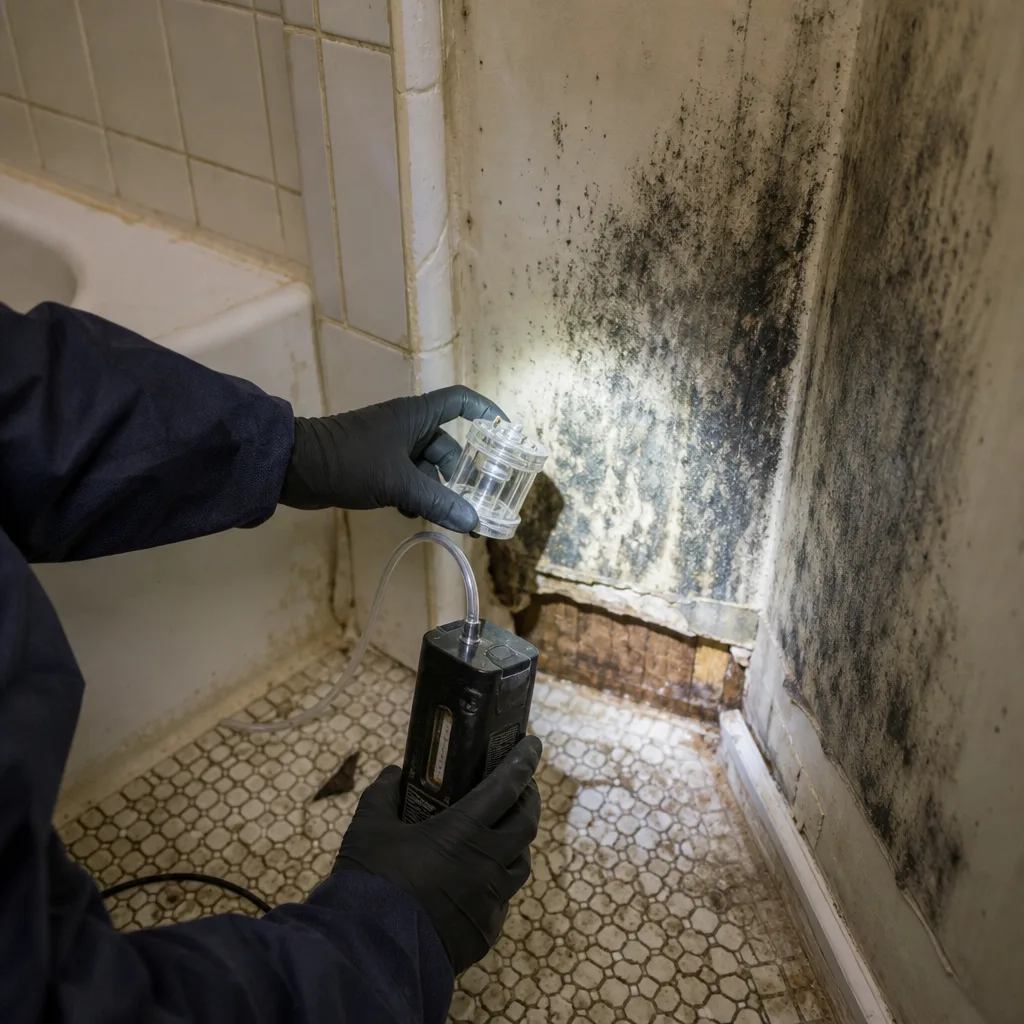
Broken windows and storm-pulled doors leave a property open to weather and intruders. Our crews board up openings with plywood and framing, then secure all entry points. We’ve done this hundreds of times across Sunnyside, including on landmarked row houses where the board-up has to be done carefully to avoid further masonry damage.
Roof Tarping
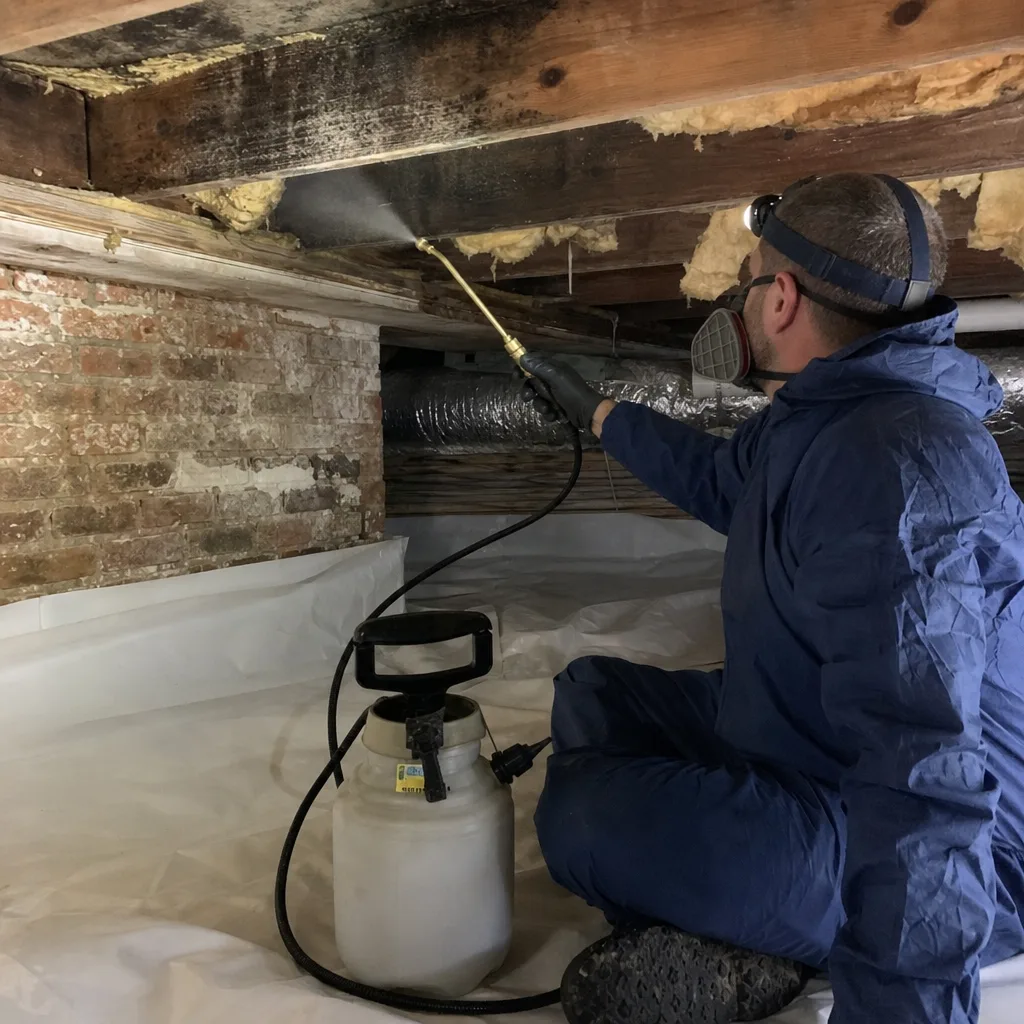
A damaged roof over a plaster-ceiling row house can’t wait for a roofer’s schedule. We tarp the damaged section fast, using anchor lines and battens that hold through the next storm. It’s a stopgap that keeps the interior dry while permanent repairs are scoped, and we document it all for your carrier.
Debris Removal
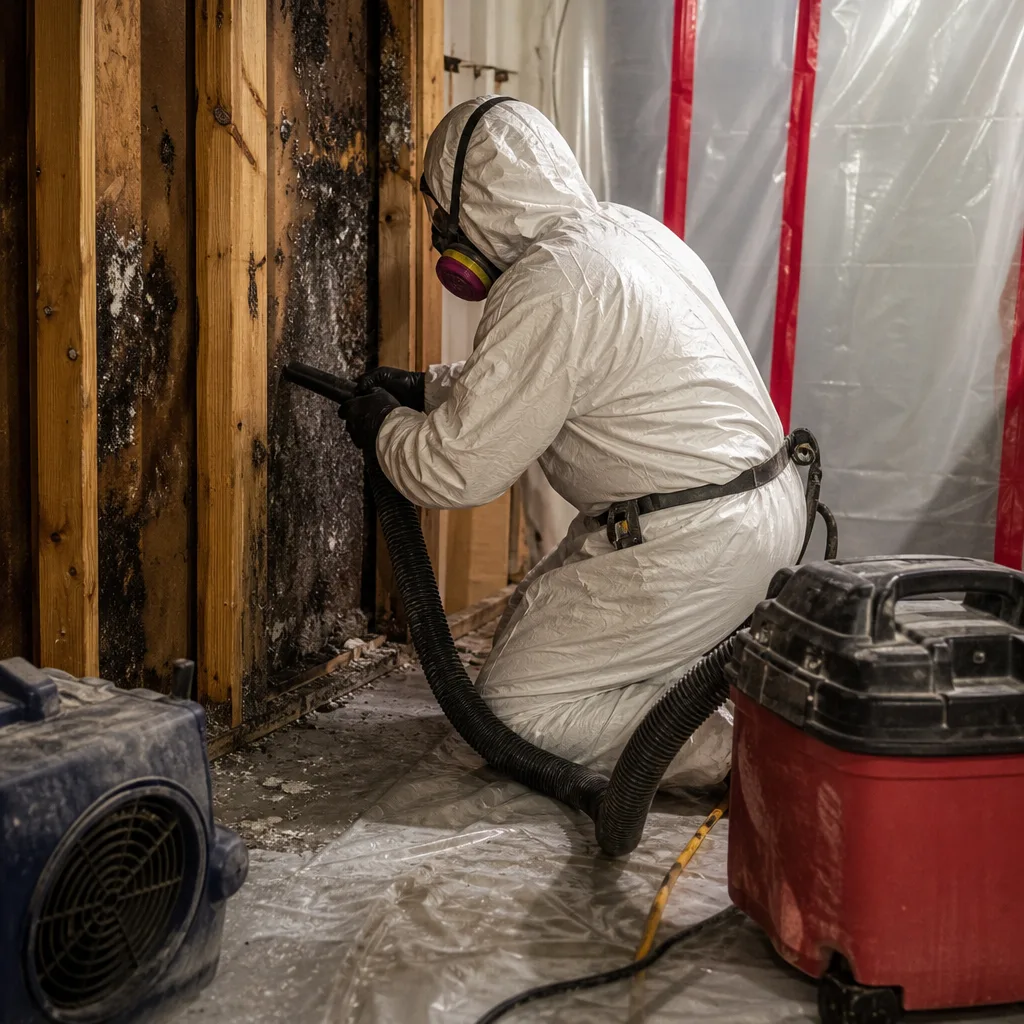
After a storm rips a tree branch through a window or tears off a section of cornice, the debris has to come out before the building can be secured and dried. We remove storm debris safely, test any material that might contain asbestos, and haul it under the proper disposal rules.
Wind Damage Repair
Sunnyside’s older brick buildings take wind damage differently than modern construction. Mortar joints crack, cornice brackets pull loose, and window sashes blow inward. We repair what the wind broke, restoring the original profile so the repair matches the period architecture instead of looking like a patch job.
For any of these services, our Storm & Disaster Restoration team works the job from first response to finished rebuild. And for property owners anywhere in Sunnyside, we dispatch locally coordinated crews who know the buildings, the blocks, and the people.
What happens when you call
- 1
A real person answersNo phone trees - you reach a local pro.
- 2
You get an upfront price rangeHonest numbers before anyone is dispatched.
- 3
A background-checked tech heads outLicensed & insured, dispatched right away.
- 4
You approve before work beginsNothing starts until you say go.
Storm & Disaster Restoration Costs in Sunnyside, NY
A typical emergency roof tarping in Sunnyside runs $850 to $1,600 depending on access and roof pitch. Water extraction and initial drying on a single-family row house usually falls between $1,800 and $4,200, with commercial-scale drying on a pre-war apartment unit landing higher. Category 3 sewage cleanup, common after combined sewer backups in the garden-level units off Skillman Avenue, typically starts around $3,500 and goes up with the square footage of affected flooring and wall material. Full storm damage cleanup with drywall and plaster removal on a Sunnyside Gardens row house generally runs $6,000 to $14,000 before reconstruction, depending on how many rooms the water reached and whether asbestos abatement is required. What moves the price most in Sunnyside is the party-wall issue: if moisture crossed into a neighbor’s unit, the scope doubles, and if LPC review is triggered, the timeline extends. Insurance covers the bulk of these costs on most policies, which is why our free visual inspection and written scope matter so much: you know the number before we start, and your carrier sees exactly what the money is for.
We Also Serve Cities Near Sunnyside
Our crews regularly respond to storm and flood emergencies in Long Island City, Woodside, Maspeth, and Astoria. If your property sits in one of those neighborhoods, the same live dispatch, fast response, and written guarantee apply. Call (917) 924-4221 and we’ll route the nearest available crew.
Sunnyside Storm & Disaster Restoration Questions, Answered
How do you dry a Sunnyside Gardens row house without damaging the shared brick party wall?
We dry both sides of the party wall simultaneously, using Dri-Eaz LGR dehumidifiers and XPOWER air movers positioned to pull moisture from the masonry cavity without trapping it. The wall is never sealed off on one side only. We also take daily moisture readings through drilled access points until the wall returns to its pre-loss readings, and we coordinate with the adjoining owners to set containment on their side when needed.
Is the water in my Sunnyside basement after a heavy rain classified as clean or contaminated?
If it came up through a floor drain or basement fixture in Sunnyside, it is almost certainly Category 3 blackwater. The neighborhood sits low and flat, and the combined sewer system means storm runoff and raw sewage share the same pipes. When they back up, what enters your basement is contaminated. That changes the entire job: instead of drying carpets and drywall in place, we remove and dispose of affected materials, then sanitize and dry the structure.
Do I need Landmarks Preservation Commission approval for emergency board-up or tarping on a Sunnyside Gardens row house?
For emergency stabilization that prevents further damage, you generally do not need advance LPC approval. Emergency board-up and tarping are considered temporary protective measures. However, any permanent exterior repair, including repointing damaged brick or replacing a cornice, on a landmarked Sunnyside Gardens property does require LPC review before the work happens. We handle that coordination as part of the restoration scope.
Why does mold keep returning in my Sunnyside pre-war apartment after a leak was ‘fixed’?
Because the structure was never dried to the dry standard. In a pre-war plaster-over-lath wall, the surface can feel dry while the cavity behind it still holds enough moisture to feed mold. A proper restoration job means opening the wall, drying the cavity with professional equipment, and verifying with a moisture meter before closing it back up. Surface cleaning without structural drying always ends the same way.
Can you start drying my Sunnyside townhouse the same day I call?
Yes. Our crews respond to Sunnyside addresses on a 45-minute commitment, 24 hours a day. Extraction equipment runs on the first visit, and the drying setup, including dehumidifiers and air movers, goes in as soon as the standing water is out. For a row house, that means the party wall assessment and moisture mapping happen within the first few hours.
How fast can someone actually get here in a storm?
We dispatch within minutes of your call, and a crew reaches most Sunnyside addresses within 45 minutes. During a citywide storm event, we still answer live, and we tell you honestly when the crew will arrive. No voicemail, no waiting until morning.
Will my insurance cover storm damage in Sunnyside?
Most homeowners’ policies in New York cover sudden storm damage, including wind-driven water, pipe bursts, and sewer backup when you carry the appropriate endorsement. We document everything from the first hour, submit the line-item scope to your carrier, and bill them directly. If you’re unsure about coverage, call us and we’ll walk you through what your policy likely covers before any work begins.
What should I do in the first 30 minutes after water enters my Sunnyside home?
Shut off the water if the source is a supply line. If it’s a sewer backup or stormwater, don’t enter standing water. Then call (917) 924-4221. Do not start pulling up carpets or opening walls, especially in pre-war buildings where plaster may contain asbestos. Take photos of everything for your claim, and let our crew handle the rest.
Serving Sunnyside, NY - Our Local Coverage Area
We’re based in the Sunnyside area and know this community well. Use the map below to see our service coverage - if you’re nearby, we can almost certainly help.
Storm Damage in Sunnyside: What the Big Franchise Pages Don’t Tell You
Most storm restoration websites talk about water damage the same way in every city: extract, dry, rebuild. That generic advice fails in Sunnyside. Here, a single pipe burst in a Sunnyside Gardens row house can saturate the shared brick party wall within hours, pushing moisture into two or three adjoining homes whose owners may not notice for days. By the time the damage is visible on their side, mold is already establishing behind plaster that cannot legally be opened without first confirming asbestos content. A restoration crew that only treats the unit where the pipe burst will miss half the loss. We know this because we’ve done these jobs: our crew responded to a January steam-pipe failure in a Sunnyside Gardens row house where the burst had saturated a shared brick party wall over a weekend. We deployed Dri-Eaz LGR dehumidifiers and XPOWER air movers after confirming the wall contained asbestos, then coordinated access with the two adjoining owners to set containment and run daily moisture readings until the structural drying logs showed the wall returned to pre-loss condition. That’s the job a generic restoration company cannot do: simultaneous drying across three owners, with landmark rules respected, documented for three insurance carriers, and finished under one written guarantee.
Written by Curt Bowman, Owner at Floodline Restoration Co. of Manhattan, serving Sunnyside with full-cycle storm and disaster restoration since 2010.