
Free visual inspection and a written scope of work before any mitigation begins - photos, moisture readings, and drying logs go in your claim file
The scope we write is the scope we bill. Anything new gets shown to you, in writing, before we touch it.






 Before
 After
After Before
 After
After Before
 After
After24/7 Emergency Storm & Disaster Restoration in Upper West Side
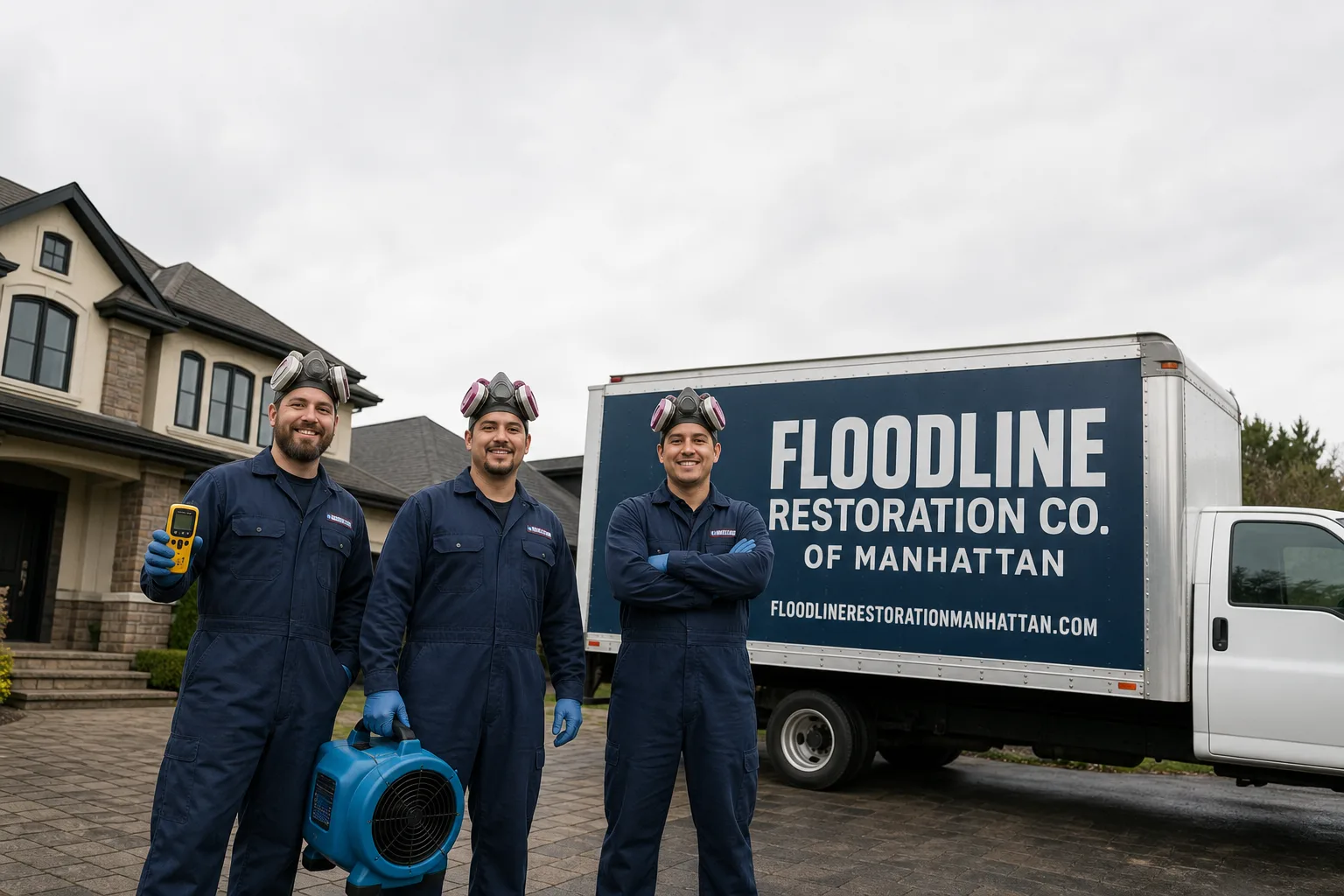
Storm damage on the Upper West Side doesn’t wait for business hours, and neither do we. Floodline Restoration Co. of Manhattan answers the phone with a live dispatcher at 2 a.m., and a certified crew is typically on-site within 45 minutes of your call to (917) 924-4221. The first hour after a nor’easter pushes water through a roof membrane or a wind-driven branch smashes a window matters more than most people realize. Water that sits in pre-war lath-and-plaster walls finds its way into floor cavities, parquet, and the unit below yours. We start extraction the same visit, set up structural drying, and document everything for your co-op board and your HO-6 carrier. The visual inspection is free, and you’ll know the full scope in writing before any work goes beyond emergency stabilization.
Understanding Storm & Disaster Restoration Severity in Upper West Side Properties
Storm water entering a building is never just “water.” The restoration industry classifies it by contamination level. Category 1 is clean water, typically from a burst supply line or roof leak before it touches building materials. Category 2 is gray water, meaning storm water that has picked up debris, dissolved wall materials, or runoff through a compromised roof assembly. Category 3 is black water, including anything that backed up from a sewer line during a storm surge. In Upper West Side buildings, the severity picture is complicated further by the construction methods themselves. A Category 1 roof leak in a 1910 limestone co-op on Riverside Drive behaves differently than one in a modern drywall building: the original plaster absorbs and holds moisture far longer than gypsum board, and the wood lath behind it acts as a secondary reservoir. We use thermal imaging and penetrating moisture meters calibrated for thick plaster assemblies, not the standard pin meters that understate saturation and lead to premature sign-off on drying logs. Sewage backup from a nor’easter is treated as a biohazard response with full containment, because the contaminated water travels through shared waste stacks serving six to ten units at once.
Why Upper West Side Property Owners Choose Floodline Restoration Co. of Manhattan
- 45-minute response commitment: Our crews are dispatched from our New York City office directly into Upper West Side neighborhoods, and we commit to arrival within 45 minutes of your emergency call.
- 24/7 live answer, always a person: When you call at 2 a.m. during a storm, a live dispatcher picks up. Not a recording. You’ll hear a human voice who can deploy a crew immediately.
- IICRC-certified crews: Our technicians carry WRT, FSRT, and AMRT certifications and have worked hundreds of pre-war co-op and brownstone jobs across the Upper West Side.
- Free visual inspection: For storm damage, we assess the visible damage and map moisture at no charge before any work is scoped or billed.
- Direct insurance billing: We bill your HO-6 carrier or the building’s master policy directly, and we coordinate with adjusters so you’re not the messenger between parties.
- One team, start to finish: The same crew that runs extraction and structural drying handles the plaster repair, parquet restoration, and paint matching. No mid-job handoff to a subcontractor you’ve never met.
Our Storm & Disaster Restoration Process
Inspection & Assessment
We arrive, walk the affected area, and pull out thermal imaging cameras and penetrating moisture meters. Before a single piece of equipment is placed, we ask for the building’s proprietary lease to establish whether the damage is a riser or branch-line responsibility. That single document changes who pays and how the scope is written.
Extraction & Stabilization
Standing water is removed using truck-mounted and portable extraction units. If the roof has failed or a window is out, we install emergency board-up or roof tarping on the same visit so no additional water enters the building.
Drying & Dehumidification
We place Dri-Eaz and Phoenix air movers plus low-grain refrigerant dehumidifiers. In pre-war units with original plaster walls, we often use Injectidry systems to dry in place rather than tearing out century-old walls. Daily moisture readings are logged, and the log is shared with you and your adjuster.
Cleaning & Sanitization
Storm water is never sterile. Affected surfaces are cleaned and treated with appropriate antimicrobial solutions, and the air is scrubbed with HEPA filtration where water has penetrated wall cavities or flooring.
Specialty Treatment for Storm Damage
Roof leaks that hit herringbone parquet get Injectidry drying mats laid floor-to-ceiling to pull moisture out of the wood without cupping. Cast-iron radiator lines are photographed and documented before drying stress is applied so a cracked 1920s joint doesn’t become a second claim.
Repairs & Restoration
Once the dry standard is met and the moisture log validates it, the same Floodline crew repairs plaster, restores woodwork, and matches period finishes. The job isn’t done until the affected area is returned to pre-loss condition and the 90-Day Done Right Promise is in your hands in writing.
Need Emergency Storm & Disaster Restoration in Upper West Side Now?
Crews minutes away, answering live 24 hours a day. The sooner we start, the less it costs.
Working With Your Insurance Company
Storm damage in a co-op or brownstone is rarely a one-claim event. The building’s master policy, your HO-6 policy, and sometimes a neighboring unit’s carrier all have a stake in the scope. From the first hour after we arrive on the Upper West Side, we’re photographing, logging moisture readings, and writing line-item scopes that meet industry-standard estimating formats. We communicate directly with adjusters so you don’t spend your week playing phone tag. When your building’s proprietary lease determines that the damage falls to the building rather than to you, our documentation is structured to support that determination cleanly. When the top-floor unit’s roof leak becomes your ceiling damage, the same photo set and moisture logs serve your HO-6 claim. Curt Bowman founded this company in 2010 with the belief that a restoration firm should handle the paperwork as thoroughly as the drying, and we’ve never handed a claim file back to a homeowner expecting them to finish the job.
What We Provide Your Insurer
- Thorough documentation of the loss
- Photos of all damage, room by room
- Moisture readings and drying logs
- A detailed, line-item scope of work
- Direct coordination with your carrier
Built for Upper West Side’s Loss Calendar
The Upper West Side has a storm calendar, and anyone who lives here long enough can feel it coming. January and February bring the deep freezes that stress the original cast-iron and galvanized supply risers in buildings constructed between 1900 and 1940. A riser freeze in a 12-story limestone building on West End Avenue can drop water through four or five stacked units in an hour. Late winter brings the roof ice damming: snow accumulates on the flat and low-slope roofs of pre-war towers, melts against parapet walls, refreezes, and backs water up under roof membranes. March and April are nor’easter season, when wind-driven rain pushes through aging roof assemblies and saturated basement cellars take on groundwater from sewer backup. Summer thunderstorms hit the cross streets hard: Riverside Drive, West End Avenue, and Broadway see flash flooding around clogged area drains, and basement units in brownstones take the worst of it. In an Upper West Side building, every season has a specific failure mode, and a restoration company either knows that calendar or learns it at your expense. We’ve worked it for years.
Storm & Disaster Restoration Across Upper West Side’s Neighborhoods
The Upper West Side stretches from 59th Street to 110th Street between Central Park and the Hudson, and it’s not one neighborhood. It’s a collection of distinct building stocks, and each has its own storm damage pattern. Along Central Park West below 86th Street, the grand Beaux-Arts and Art Deco co-ops, like the Dakota and the San Remo, have thick masonry walls and elaborate roof cornices that trap wind-driven water. Riverside Drive above 96th Street sits on higher ground and sees less floodwater, but the exposed western face catches nor’easter winds, and roof membranes on those pre-war towers take a beating every winter. The brownstone blocks of West 70s and 80s, particularly between Columbus and Amsterdam, are a different animal entirely: shallow setbacks, shared party walls, and basement units that flood when the street sewers back up. Lincoln Square has a mix of newer high-rises and converted pre-war buildings, and the older conversions often have original roof drains and scuppers that have not been fully upgraded. And in Morningside Heights at the northern end, the institutional buildings and large apartment houses along Claremont Avenue face the same ice-dam and parapet issues as the rest of the corridor, but with steeper roof pitches on some of the older masonry work. When a storm hits, our crews know which routes move fastest and which building types are likely to be hit hardest. That local knowledge means we arrive prepared for what we’ll actually find.
Specialized Storm & Disaster Restoration Services We Offer in Upper West Side
Storm Damage Cleanup
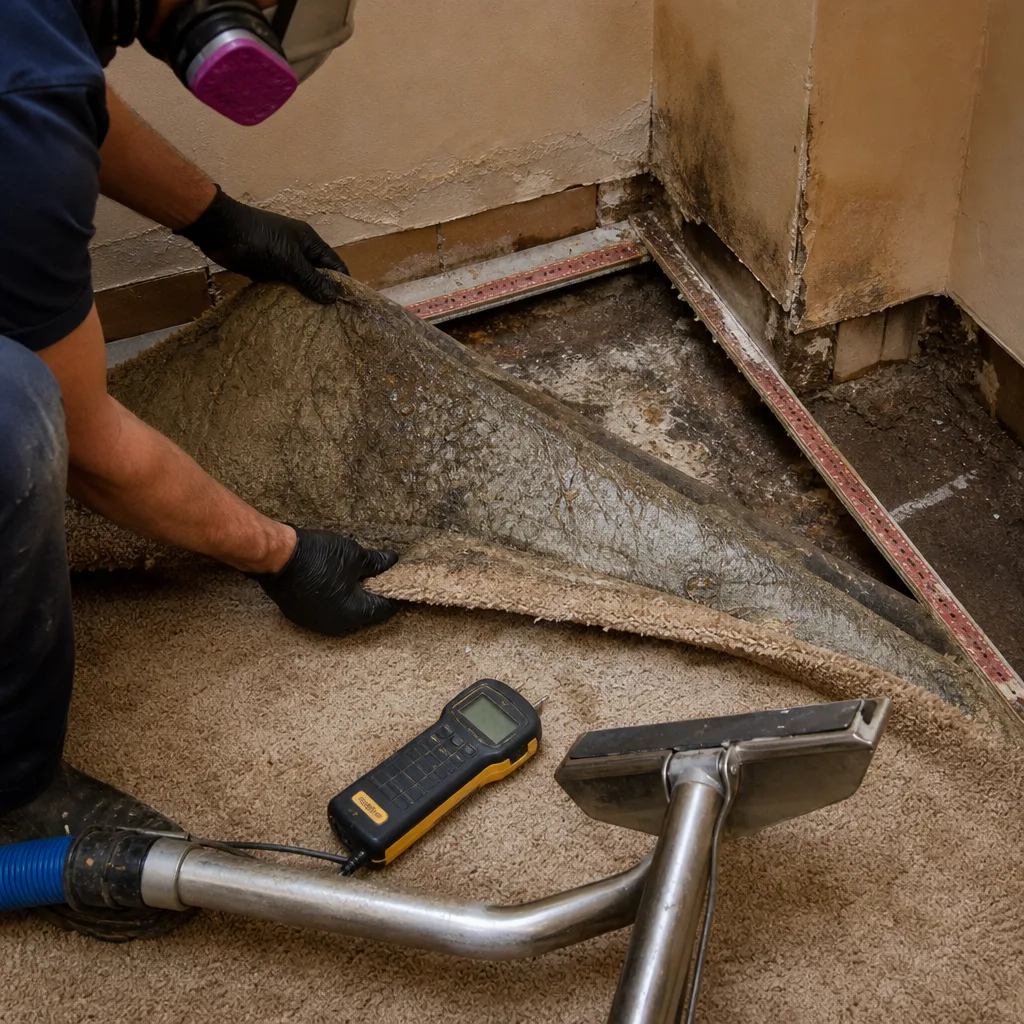
Wind, rain, and flying debris leave more than water behind. We remove storm debris, clear damaged building materials, and stabilize interiors so secondary damage stops. In Upper West Side buildings, this often means working around original plaster cornices and period woodwork that shouldn’t be torn out unless absolutely necessary. Our Storm & Disaster Restoration team treats every damaged finish as salvageable until proven otherwise.
Roof Tarping
When wind tears a roof membrane on a 1912 building near West 86th Street, the gap lets water into the top floor within minutes. We install heavy-duty roof tarps anchored to parapet walls and roof structures the same visit, even in active wind conditions. A properly tarped roof can stop the bleeding until a permanent repair is scheduled with full engineering review.
Flood Damage Restoration
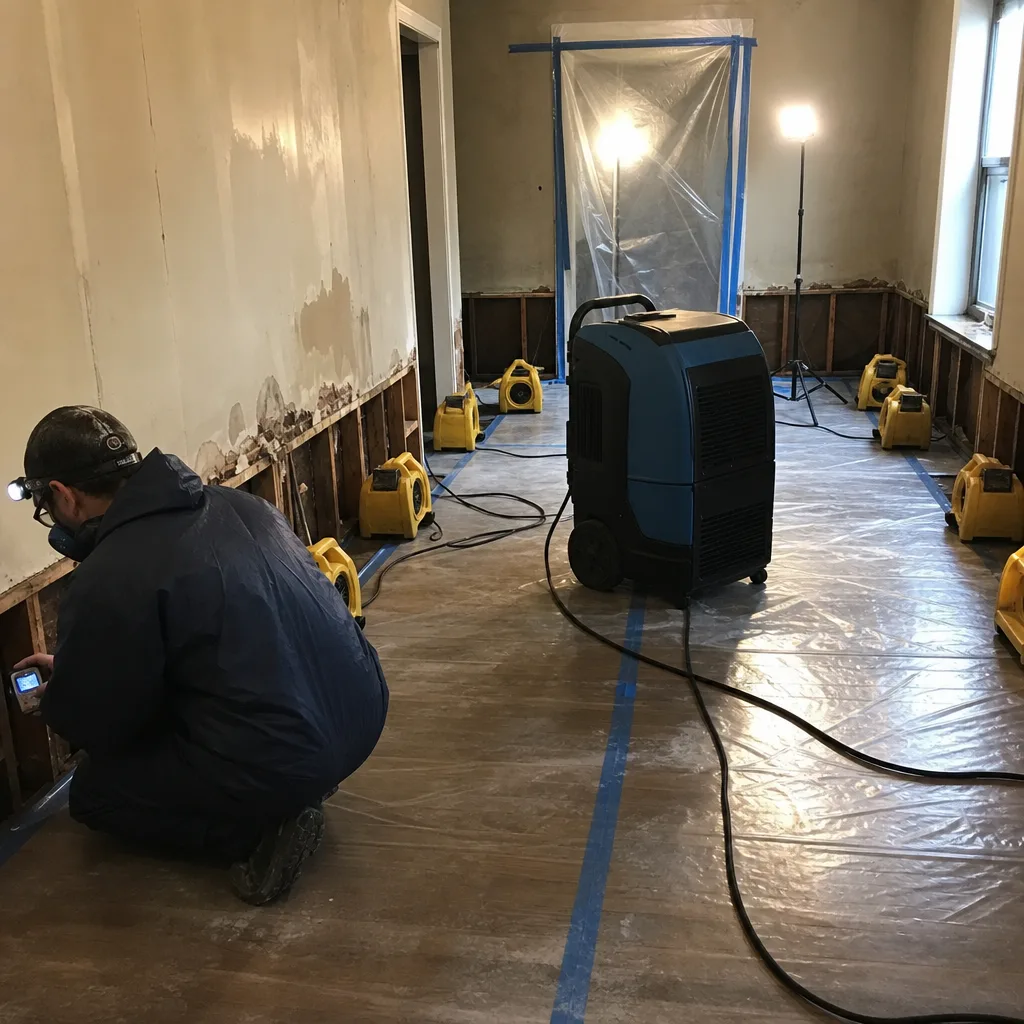
Basement and cellar flooding from nor’easter storm surges and sewer backups is a recurring theme in Upper West Side brownstones and pre-war towers. We extract, dry, sanitize, and restore flooded basements, including the mechanical rooms and storage areas that co-op shareholders depend on. Category 3 water gets full containment and biohazard protocols, never a mop and a fan.
Emergency Board-Up
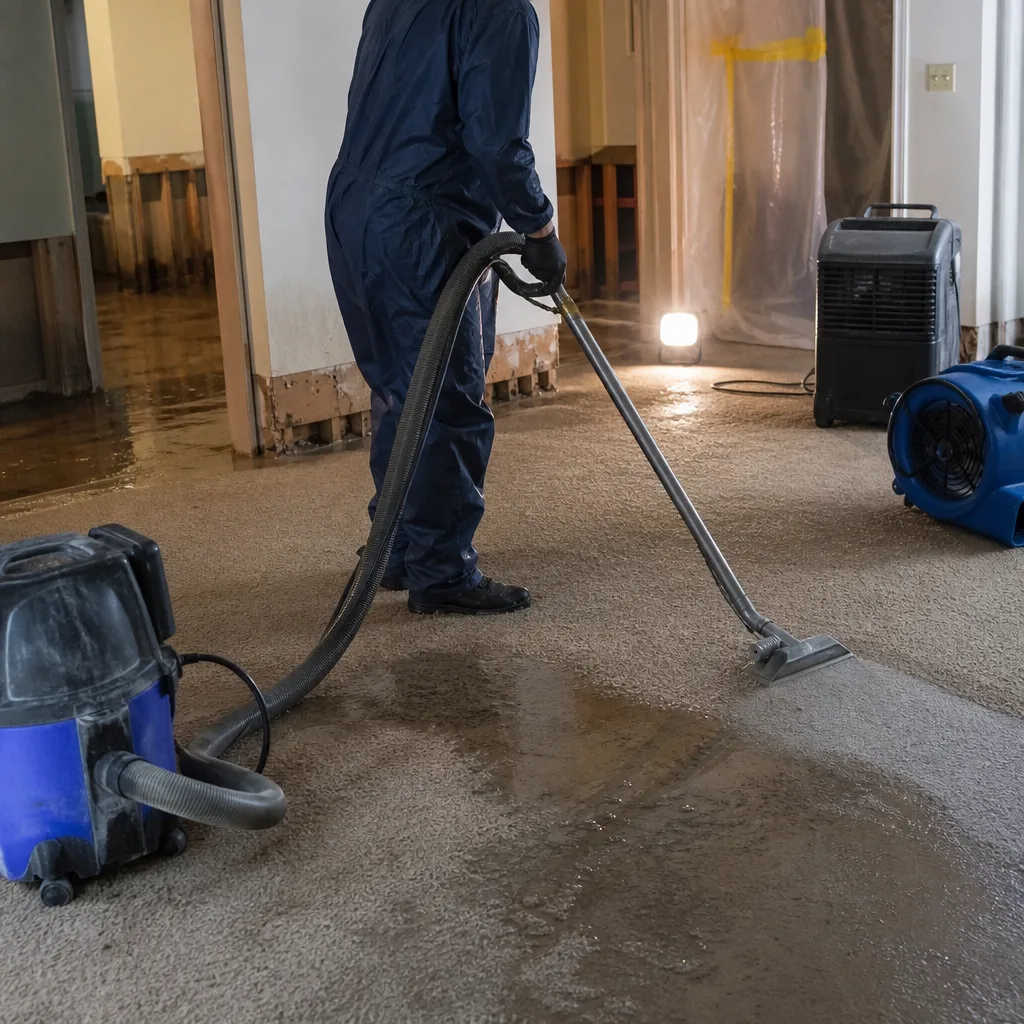
A storm that sends a tree limb through a window on Riverside Drive leaves a unit exposed to weather, pests, and theft. We board up broken windows and doors with weather-sealed plywood, installed to hold against wind and rain, not just to cover the opening. Board-up is a stopgap that buys time, but done poorly it becomes its own problem. We do it right.
Debris Removal
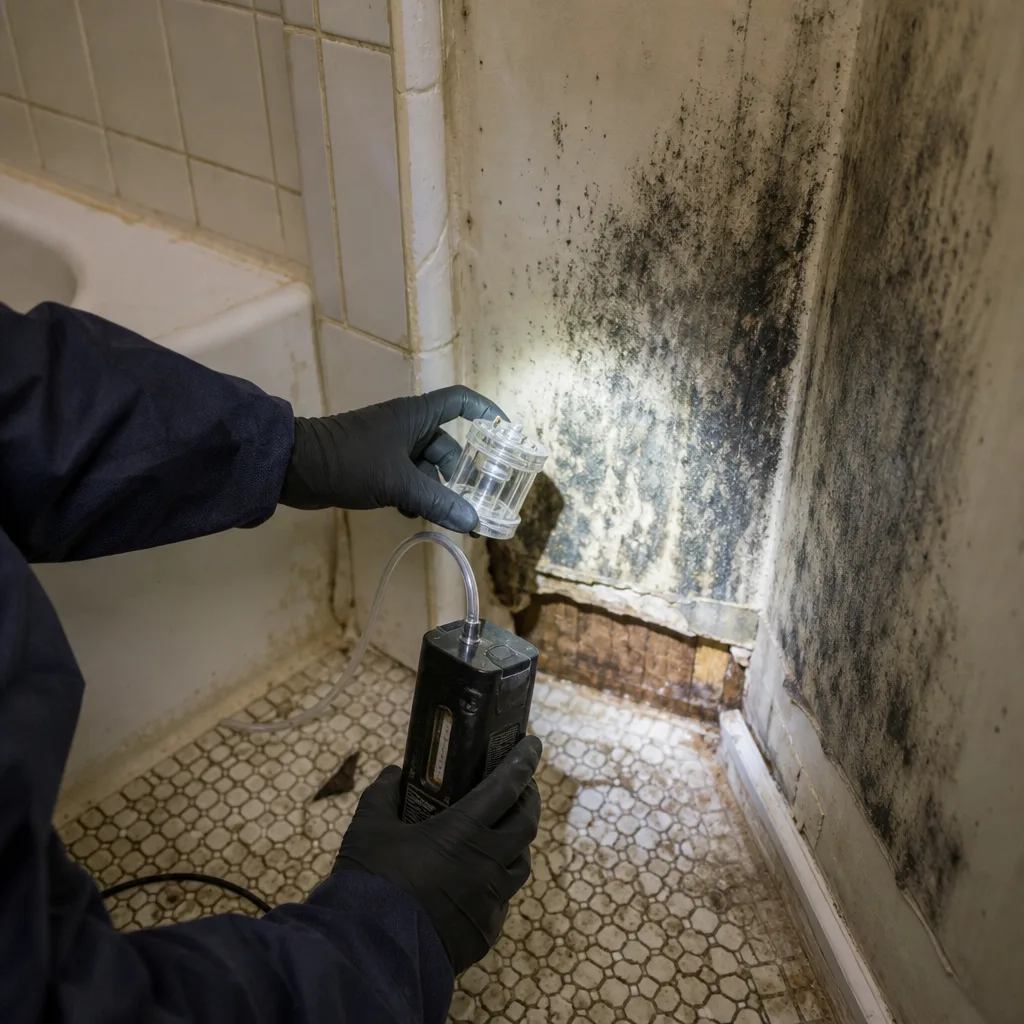
Storm debris on the Upper West Side isn’t just branches in the street. It’s plaster from collapsed ceilings, soaked insulation from a failed roof, and waterlogged contents from a flooded cellar. We remove, catalog, and dispose of storm debris, and we document everything for your insurance carrier along the way.
Wind Damage Repair
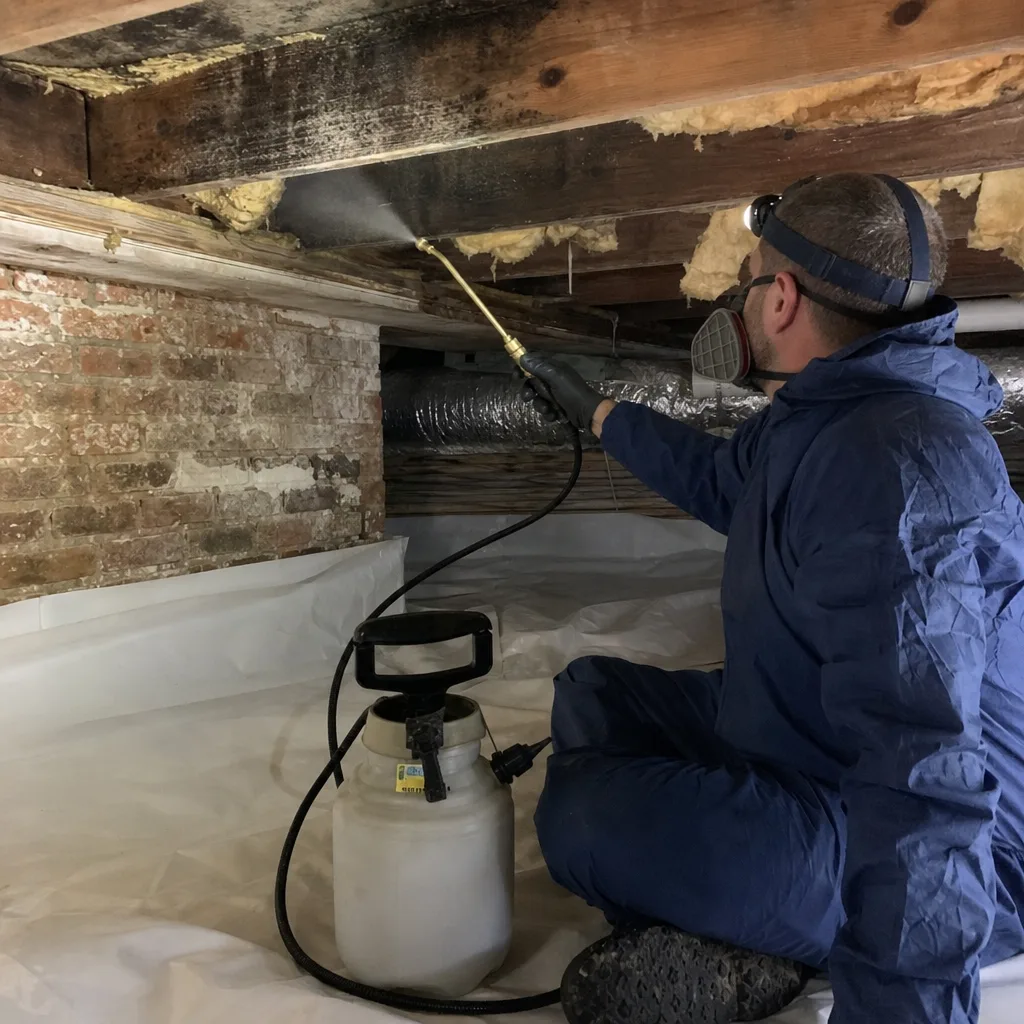
Nor’easter winds tear at cornices, pull flashing off parapet walls, and drive water behind the brick faces of pre-war buildings. We repair wind-damaged roof edges, replace lost flashing, and address the water that followed the wind inside. The repair scope is written in the language your adjuster needs, with photos and line items, so the claim moves without delays.
What happens when you call
- 1
A real person answersNo phone trees - you reach a local pro.
- 2
You get an upfront price rangeHonest numbers before anyone is dispatched.
- 3
A background-checked tech heads outLicensed & insured, dispatched right away.
- 4
You approve before work beginsNothing starts until you say go.
Storm & Disaster Restoration Costs in Upper West Side, NY
Storm restoration costs on the Upper West Side run higher than most New York metro areas for a simple reason: the finishes are older, more expensive, and harder to match. Emergency roof tarping typically runs $800 to $2,200 depending on roof size and access difficulty, and it’s almost always covered by the building’s master policy when the source is wind damage. Storm water extraction and structural drying for a two-room co-op unit runs $3,500 to $8,500, with Category 3 sewage backup adding $1,000 to $2,500 for containment and biohazard cleaning. Herringbone parquet restoration after a roof leak typically runs $15 to $30 per square foot, and matching original plaster with lime-based materials runs $8 to $14 per square foot. The free visual inspection gives you a firm written scope with line-item pricing before any non-emergency work begins. The 90-Day Done Right Promise means if something we fix isn’t right, we return and make it right. No arguing, no re-billing. Call (917) 924-4221 for an exact scope on your specific situation. Note the standing offers: $50 off any repair over $250, the $89 seasonal tune-up, and a 5% senior and veteran discount, always.
We Also Serve Cities Near Upper West Side
Floodline Restoration Co. of Manhattan serves the Upper West Side and the surrounding communities. We respond to storm and disaster restoration calls in Fairview, Harrison, East Bronx, and Hunts Point. If you own property in one of those areas and need emergency storm response, the same live dispatcher answers 24/7 and the same certified crews are dispatched directly to your location.
Serving Upper West Side, NY - Our Local Coverage Area
We’re based in the Upper West Side area and know this community well. Use the map below to see our service coverage - if you’re nearby, we can almost certainly help.
Upper West Side Storm & Disaster Restoration Questions, Answered
Who pays for water damage in a UWS co-op when a storm backs up the building drain into my apartment?
The answer is in your building’s proprietary lease, and it hinges on how the drain is classified. If the backed-up line is a building riser or main waste stack, the building’s master policy typically pays. If it’s a branch line serving only your unit, your HO-6 policy is generally on the hook. We pull the governing documents before scoping so you know the answer in writing before the first air mover runs. Call (917) 924-4221 and we’ll walk you through it.
Can you dry out wet lath-and-plaster walls from a roof leak without tearing them all down?
Yes, in most cases. We use Injectidry wall cavity drying systems that pull moisture out through the plaster surface from the inside out. This technique preserves original plaster that would otherwise be torn out and rebuilt with drywall. Our penetrating moisture meters confirm when the wall has actually dried, not just when the surface reads dry. The same applies to original parquet: Injectidry mats dry wood in place without ripping it up.
Why do UWS storm jobs need containment when the hallway is already wet?
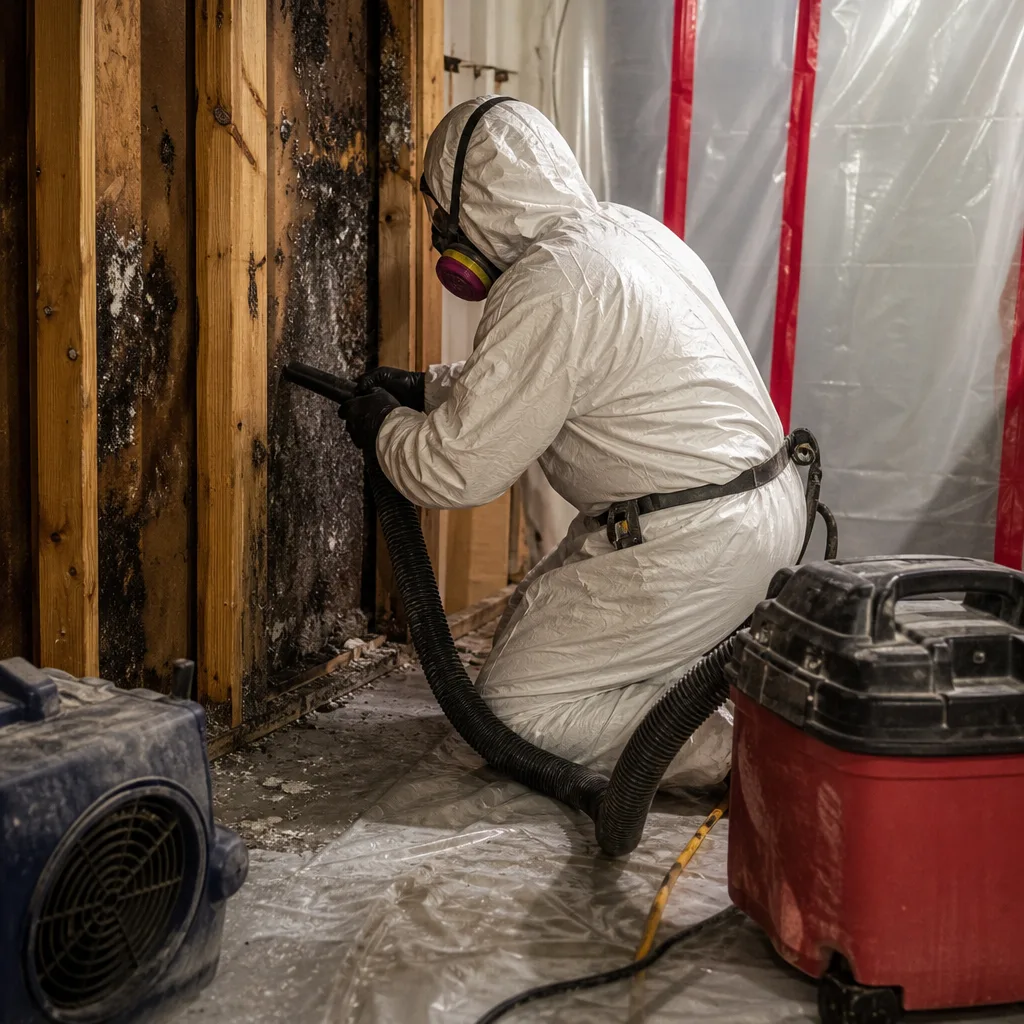
Because mold starts growing within 24 to 48 hours, and the water that soaked through your ceiling is already in shared air spaces. Containment isolates the wet areas while HEPA air scrubbers remove airborne spores and dust so contamination does not spread to dry units, shared corridors, or your neighbors’ apartments. In a co-op building, cross-unit contamination becomes a building-wide claim fast. We set containment before we start moving water.
What happens to my herringbone parquet floor after a top-floor roof leak?
Most herringbone parquet can be saved if drying starts fast. We lay Injectidry drying mats over the affected floor and run them until the wood reaches its pre-loss moisture content. The mats pull water out of the wood fibers without cupping or warping the individual pieces. If some pieces are too damaged, we source reclaimed period-matching herringbone pieces and re-lay them in the original pattern, then refinish to match.
How fast can you tarp a UWS roof after a wind storm tears off membrane?
We typically arrive within 45 minutes of your call and install the tarp on the same visit, often within two to three hours depending on roof size and access. The tarp is secured to parapet walls and roof anchors, not just weighted down, so it holds in the same wind conditions that caused the original tear. The faster the tarp goes up, the less water enters the building and the smaller the claim becomes.
What should I do in the first 30 minutes after a storm damages my UWS apartment?
Call us at (917) 924-4221. Do not use electrical outlets or switches near standing water. Do not try to extract the water yourself with a shop vac unless you know the water is clean. If water is coming from above, place a bucket or plastic sheeting to slow it down, then photograph everything you can see. Do not touch or move damaged building materials if they might contain asbestos, which is common in pre-war UWS plaster and pipe insulation. Then wait for our crew to arrive and take over the documentation.
Are your crews actually certified, or do you just say that?
Our technicians hold IICRC certifications in Water Damage Restoration (WRT), Fire and Smoke Restoration (FSRT), and Applied Microbial Remediation (AMRT). They carry those credentials to every job, and we’re happy to show them if you ask. Every technician is background-checked and uniformed. Curt Bowman set that standard when he founded Floodline in 2010, and he has never relaxed it.
How long does storm water drying take in a pre-war UWS building?
Most Upper West Side storm water jobs reach the dry standard in three to five days, depending on the scope. Pre-war plaster over wood lath dries slower than modern drywall, and herringbone parquet takes longer than standard strip flooring. We take daily moisture readings and give you and your adjuster the log, so you can see exactly where the drying process stands. We do not sign off early just to move to the next job. The 90-Day Done Right Promise backs every dry-out in writing.
Written by Curt Bowman, Owner at Floodline Restoration Co. of Manhattan, serving Upper West Side since 2010.