
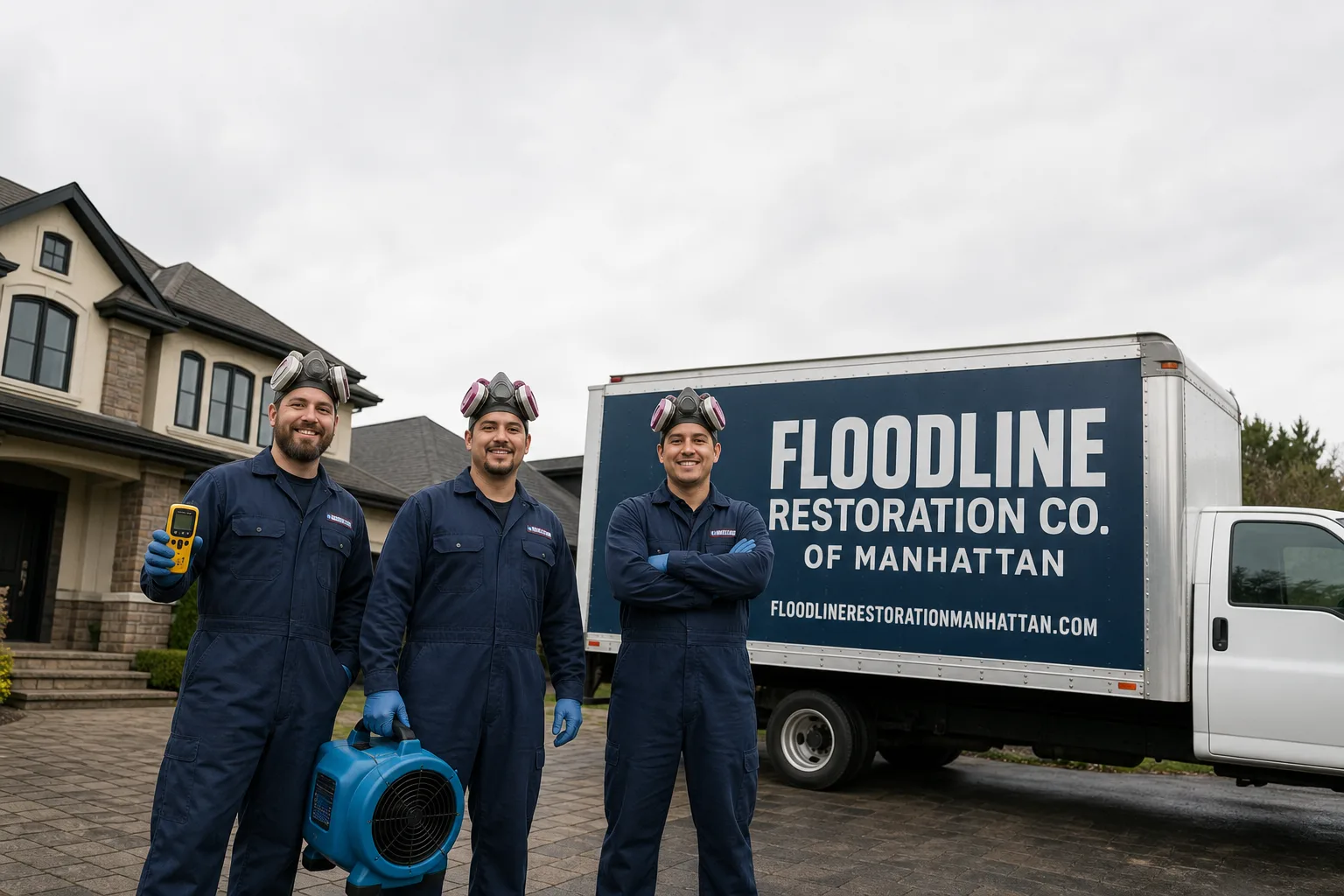
Free visual inspection and a written scope of work before any mitigation begins - photos, moisture readings, and drying logs go in your claim file
The scope we write is the scope we bill. Anything new gets shown to you, in writing, before we touch it.






 Before
 After
After Before
 After
After Before
 After
After24/7 Emergency Water Damage Restoration in Alpine
Water damage in Alpine doesn’t wait for a convenient hour, and neither do we. Floodline Restoration Co. of Manhattan answers the phone with a live dispatcher at 2 a.m., 2 p.m., and every hour between. Call (917) 924-4221 and a certified crew is routed toward Alpine immediately. The first hour after a pipe bursts or snowmelt finds a fieldstone foundation is when the damage is smallest. Every hour after that, water wicks deeper into horsehair plaster, balloon-frame cavities, and original timber sills. A free visual inspection gets us inside fast, and extraction typically starts the same visit. If you’re standing in water right now, call. We’ll tell you exactly what to do in the next thirty minutes while the crew is en route.
Understanding Water Damage Restoration Severity in Alpine Properties
Water damage gets classified by contamination level, and in Alpine the category can shift faster than in most towns. Category 1 water starts clean: a burst supply line, a failed appliance hose, a roof leak from ice damming. Category 2 carries significant contamination: dishwasher discharge, washing machine overflow, sump pump failure pushing groundwater through a dirt floor. Category 3 is grossly contaminated: sewage backup, standing floodwater, or any water that has sat long enough to support bacterial growth. In Alpine, a Category 1 leak in a seasonal home that goes undiscovered for three weeks arrives on our moisture map as a Category 3 situation. We map every affected surface with thermal imaging and penetrating meters before we touch a wall, because 19th-century balloon-frame construction moves water vertically. What looks like a three-foot stain at the baseboard is often a column of saturation running two floors up inside the wall cavity. Structural drying in these homes means long-duration, low-heat dehumidification with daily readings logged until framing hits pre-loss moisture content. Rushing that process in Alpine’s old farmhouses is how you get mold six months later.
Why Alpine Property Owners Choose Floodline Restoration Co. of Manhattan
- 45-minute response commitment: From the moment you hang up, our nearest certified crew is on the road toward Alpine. We plan the route before we plan the job.
- 24/7 live answer, always a person: No automated routing tree, no call-back queue. A real dispatcher picks up and starts coordinating immediately.
- IICRC-certified crews: Our technicians hold WRT (Water Restoration Technician), FSRT (Fire & Smoke Restoration Technician), and AMRT (Applied Microbial Remediation Technician) certifications. They’ve trained for Alpine’s kind of damage.
- Free visual inspection: We assess the loss, map the moisture, and give you a written scope before any work begins. No pressure, no upselling.
- Direct insurance billing: We document everything from the first hour and bill your carrier directly. You don’t play messenger between us and the adjuster.
- One team, start to finish: The same crew that extracts the water handles drying, remediation, and the rebuild. No mid-job handoff, no inherited crew.
Our Water Damage Restoration Process
Inspection & Assessment
We map the full extent of moisture with thermal imaging, penetrating meters, and visual inspection. In Alpine’s balloon-frame homes, we trace water vertically before opening any surface. You get a written scope and a firm price before work starts.
Extraction & Stabilization
Truck-mounted extraction units pull standing water from floors, basements, and wall cavities. We remove saturated materials that can’t be saved and contain the affected area to stop contamination from spreading through the house.
Drying & Dehumidification
Dri-Eaz and Phoenix LGR dehumidifiers run alongside XPOWER air movers positioned for Alpine’s tall ceilings and wall cavities. For wood floors, Injectidry mats pull moisture from beneath the boards. We log daily readings until framing and plaster hit pre-loss moisture content.
Cleaning & Sanitization
Affected surfaces get antimicrobial treatment appropriate to the water category. For Category 3 events, we follow full contamination protocols including HEPA air scrubbing and controlled disposal of saturated porous materials.
Targeted Antimicrobial & Mold Prevention
Because Alpine’s horsehair plaster and timber framing retain moisture aggressively, we treat hidden cavities with preventive antimicrobials during the drying phase. This step is not optional in century-old farmhouses.
Repairs & Restoration
The same crew that dried the house rebuilds it. Plaster repair, flooring, trim, paint, structural reinforcement where needed. The moisture log goes to your carrier, and the 90-Day Done Right Promise goes to you, in writing.
Need Emergency Water Damage Restoration in Alpine Now?
Crews minutes away, answering live 24 hours a day. The sooner we start, the less it costs.
Working With Your Insurance Company
Most Alpine water damage claims are covered, but the claim is only as good as the documentation behind it. We photograph every room from the first visit, log moisture readings daily, and build a line-item scope using industry-standard pricing software your adjuster recognizes. We talk to your carrier directly. We explain the technical details: why a Category 1 pipe burst in a balloon-frame wall needed two weeks of drying instead of three days, why the plaster couldn’t be saved, why the fieldstone foundation needed a drainage correction before drying could finish. When the adjuster calls with questions, we answer them. You get a square deal: no surprises on the bill, and nobody leaving you holding paperwork that should have gone to the insurer.
What We Provide Your Insurer
- Thorough documentation of the loss
- Photos of all damage, room by room
- Moisture readings and drying logs
- A detailed, line-item scope of work
- Direct coordination with your carrier
Built for Alpine’s Loss Calendar
Alpine’s water damage season runs year-round, but the causes shift with the calendar. January and February bring deep freezes that burst supply lines in seasonal homes while nobody is there to hear the hiss. March and April turn heavy snowpack into groundwater, and that water runs downhill straight into fieldstone basements lacking modern drainage. Summer thunderstorm downpours overwhelm old gutters and push surface water against rubble-mortar foundations. Fall brings the first freeze-thaw cycles that open hairline cracks in masonry and let water in before anyone notices. Through all of it, the single factor that separates manageable damage from a full remediation is time. A pipe burst discovered at 9 p.m. gets extraction by 10. A pipe burst discovered in March gets controlled demolition and mold remediation. The difference is the hour you call.
Water Damage Restoration Across Alpine’s Neighborhoods
Alpine is small, but the terrain changes the work. Properties along County Route 10 sit higher on the ridgeline and see more wind-driven rain, more ice damming on north-facing roof slopes, and faster runoff during thaw cycles. Homes along the steeper hillside sections of Alpine’s back roads deal with surface water moving downhill, and foundations on the low side of the grade take the brunt of it. Seasonal camps and lightly occupied farmhouses off the unnamed seasonal roads are where our crews most often find weeks-old leaks, saturated plaster, and mold already established in wall cavities. Properties near the southern edge, closer to Beaver Dams, share the same fieldstone foundation issues but often sit on flatter ground where water lingers rather than drains. Every one of these patterns shapes how we extract, how long we dry, and what we tell your insurer about why the job took the time it took.
Specialized Water Damage Restoration Services We Offer in Alpine
Emergency Water Extraction
Standing water in an Alpine basement is not a wait-and-see situation. Truck-mounted extraction removes hundreds of gallons in minutes, which stops the water from wicking deeper into framing and plaster. We extract the same visit we arrive.
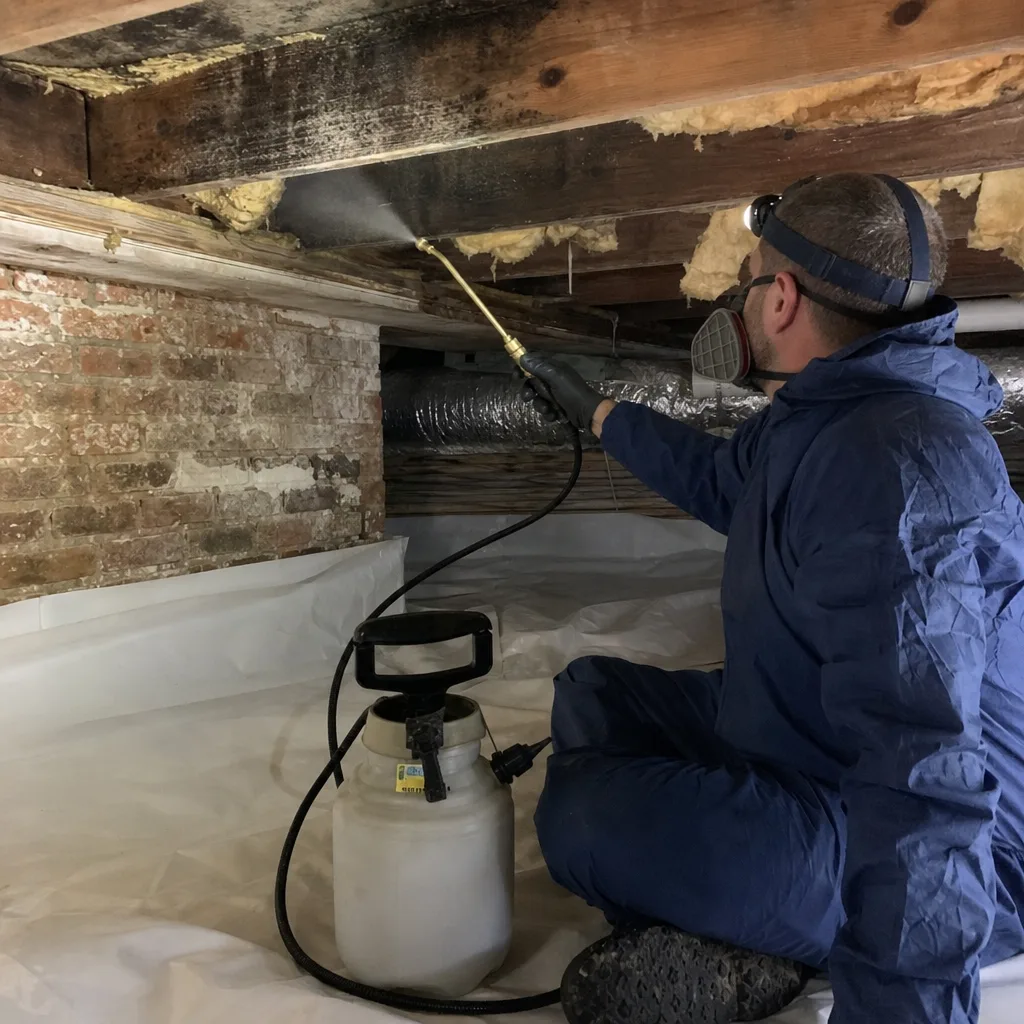
Structural Drying & Dehumidification
Alpine’s balloon-frame farmhouses need drying plans that account for vertical moisture migration, horsehair plaster retention, and timber that predates modern kiln drying. We run Dri-Eaz LGR dehumidifiers and XPOWER air movers with daily moisture readings until framing hits pre-loss condition, not just until the surface feels dry.
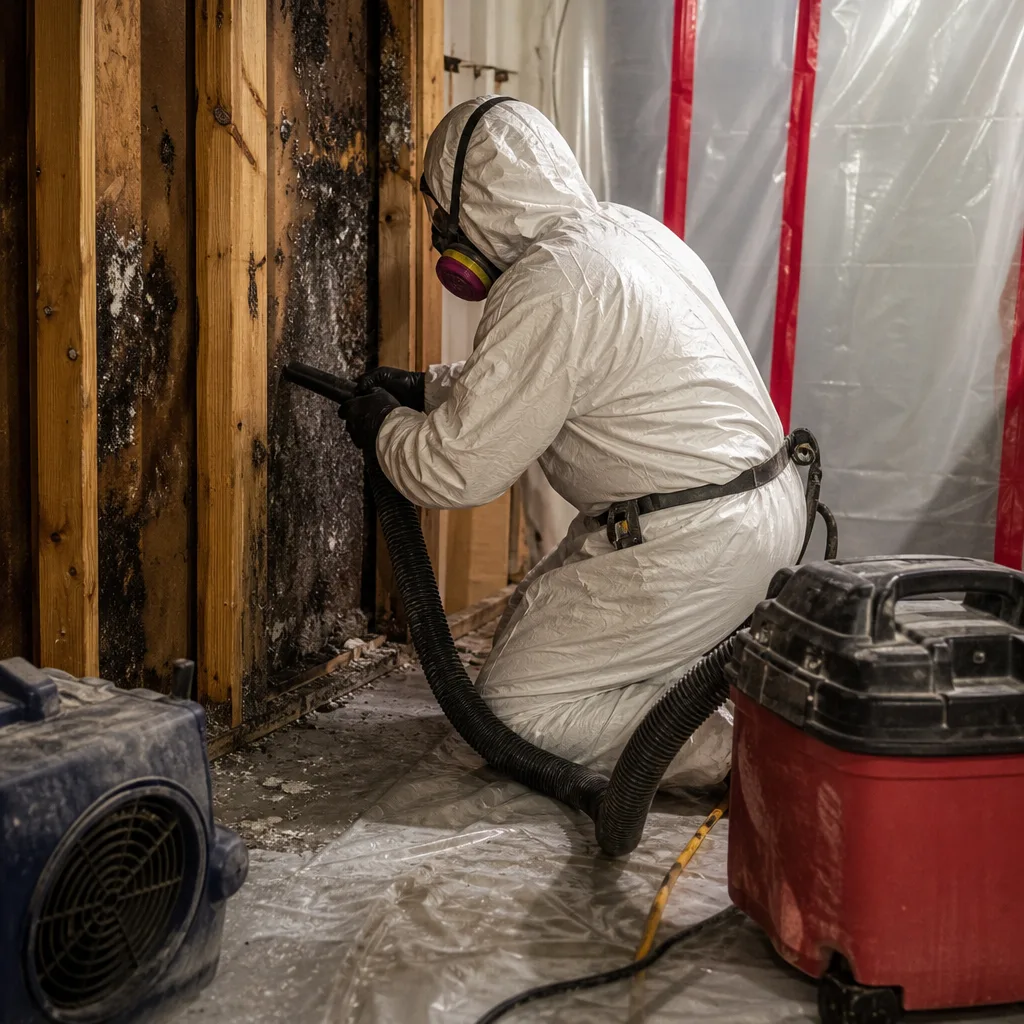
Flood Cleanup
When Schuyler County snowmelt or a summer storm pushes water through a fieldstone foundation, the water is Category 2 at best and often Category 3 after sitting. Flood cleanup in Alpine means full contamination protocols, HEPA air scrubbing, and controlled removal of saturated materials.
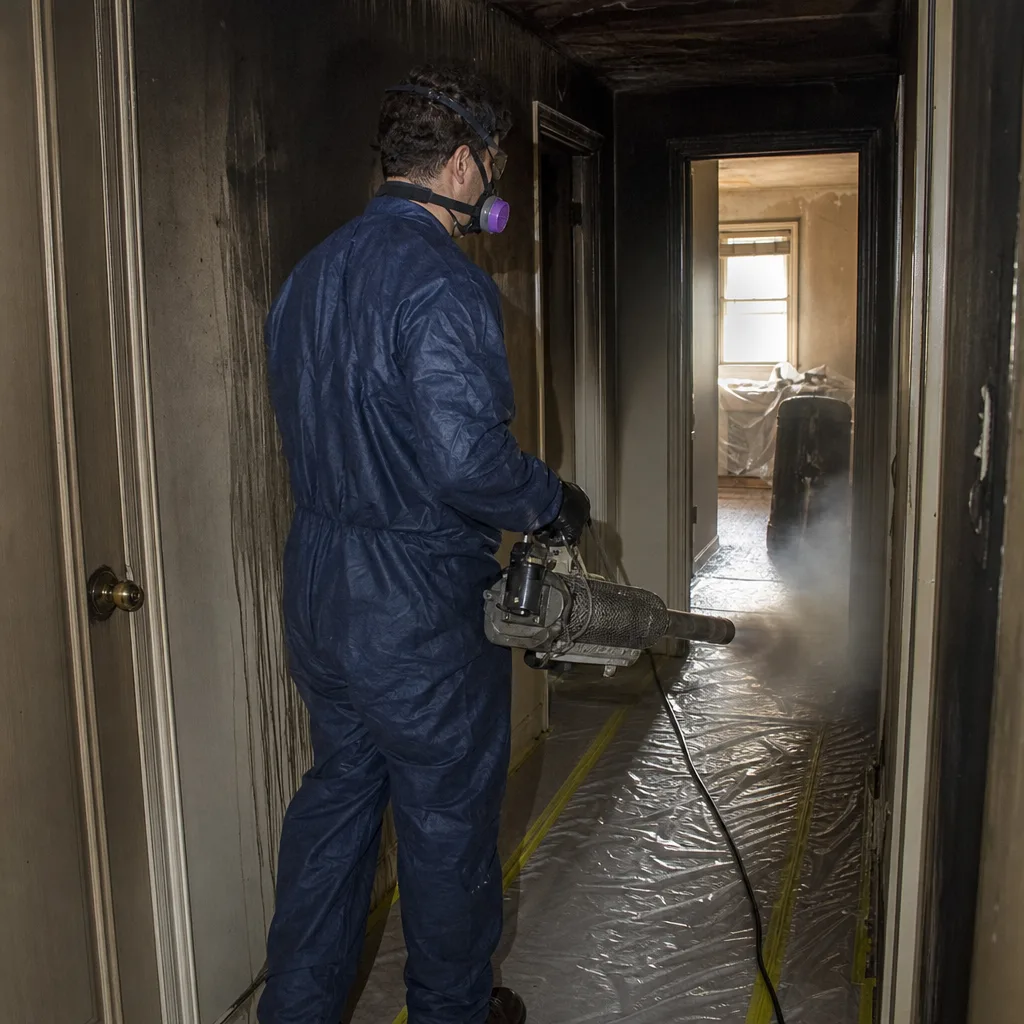
Burst Pipe Restoration
A frozen supply line in an Alpine farmhouse can saturate a wall cavity from top to bottom. We trace the full extent of the damage, extract what’s accessible, open what’s not, and dry the cavity properly before we rebuild. No shortcuts, no dehumidifier left running for a week with no one checking.
Ceiling & Roof Leak Water Damage
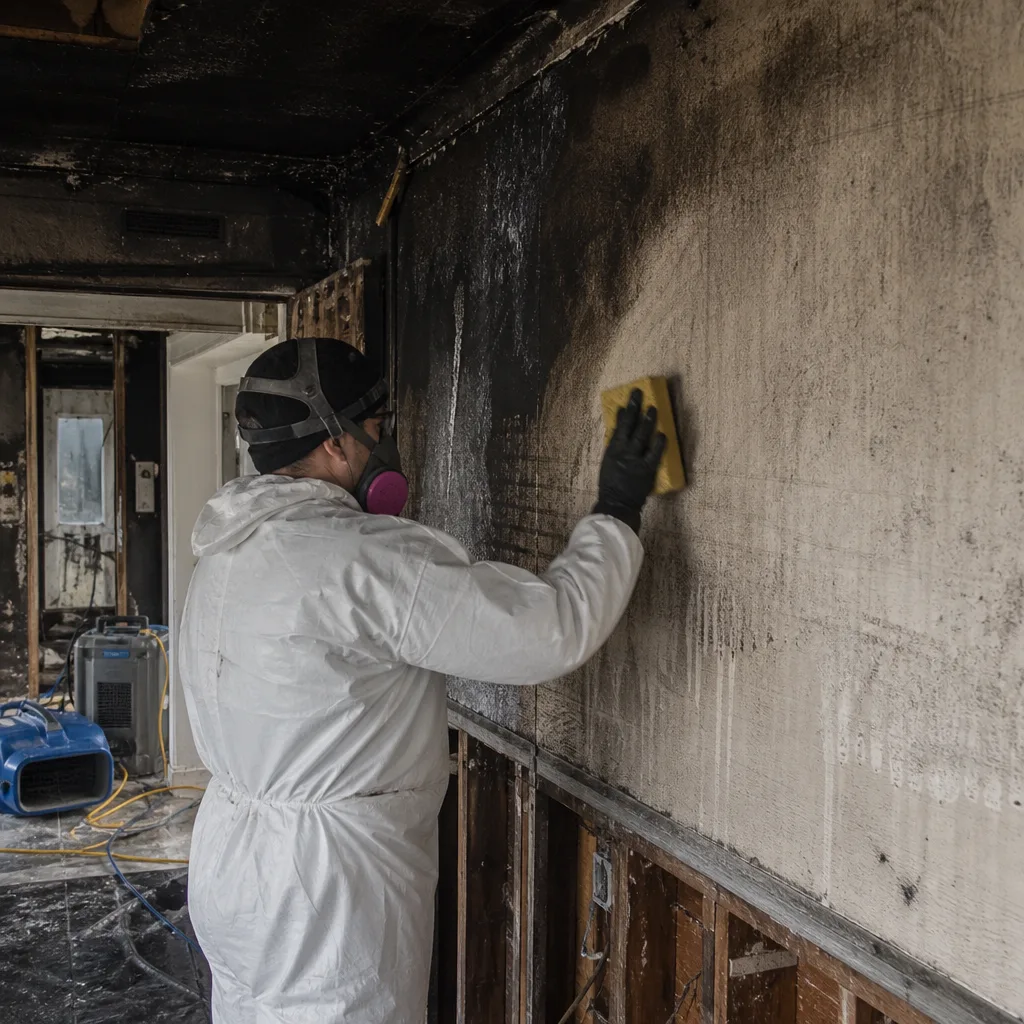
Ice dams and wind-driven rain find their way through old Alpine roofs. Water travels along rafters and follows gravity into ceilings and walls on the opposite side of the house from the visible stain. We map the path, stop the source, and dry what’s salvageable.
What happens when you call
- 1
A real person answersNo phone trees - you reach a local pro.
- 2
You get an upfront price rangeHonest numbers before anyone is dispatched.
- 3
A background-checked tech heads outLicensed & insured, dispatched right away.
- 4
You approve before work beginsNothing starts until you say go.
Water Damage Restoration Costs in Alpine, NJ
Alpine’s market runs a little higher than larger towns because the homes are older, the materials are more delicate, and the response distance is real. A straightforward Category 1 pipe burst with quick extraction and two to three days of drying typically runs $2,800 to $5,400. A basement flood involving Category 2 water and four to six days of structural drying lands between $5,000 and $9,000. A Category 3 event with contaminated water, controlled demolition, and mold remediation in a balloon-frame wall cavity starts around $8,000 and can reach $18,000 or more depending on how far the water traveled and what needs rebuilding. Insurance covers most of these scenarios, and our direct billing means you’re not floating the full job out of pocket. The free inspection is the fastest path to a firm number: we look, we map the moisture, and we hand you a written scope that’s the actual price of the job, not a starting bid. Call (917) 924-4221 and we’ll set it up.
We Also Serve Cities Near Alpine
Floodline Restoration Co. of Manhattan regularly runs crews to Water Damage Restoration jobs in Demarest, Cresskill, Closter, and Tenafly as well. If your home sits outside Alpine proper but you’re dealing with water damage, the same 24/7 live dispatch and 45-minute response commitment apply.
Alpine Water Damage Restoration Questions, Answered
How soon can Floodline Restoration Co. of Manhattan actually get to a water emergency in Alpine, given there are no local contractors?
We dispatch immediately from the nearest available crew, and our response commitment is 45 minutes from your call to wheels rolling toward Alpine. A live dispatcher picks up at any hour, day or night. The distance is real, which is why we start extraction the same visit and stay on site until the situation is stabilized. Call (917) 924-4221 and you’ll know exactly when the crew will arrive.
Why does mold grow so fast in Alpine farmhouses after a water leak?
Horsehair plaster, original timber framing, and balloon-frame wall cavities hold moisture far longer than modern drywall assemblies. In a mid-1800s Alpine farmhouse, mold can begin colonizing wet plaster within 48 to 72 hours, and hidden cavities can stay damp for weeks after the visible surface dries. That’s why we run moisture meters daily and treat cavities with preventive antimicrobials during drying, not after.
What does a Category 3 water situation mean for my Alpine basement after spring snowmelt?
Category 3 means grossly contaminated water: groundwater that has passed through soil, manure, or septic leach fields. In an Alpine basement after snowmelt, that water often enters through fieldstone walls and dirt floors and sits long enough to support bacterial growth. Full remediation requires containment, HEPA air scrubbing, controlled removal of saturated porous materials, and antimicrobial treatment before drying can proceed. This is not a mop-and-fan situation.
Can you handle a burst pipe in a seasonal Alpine home that wasn’t discovered for a month?
Yes. We’ve worked on exactly this multiple times in Alpine. A pipe that bursts in January and isn’t found until March typically means Category 3 water, established mold in balloon-frame cavities, and the need for controlled demolition rather than simple drying. Our crew sets containment and negative air before opening any wall, then runs the full remediation protocol. You’ll get a moisture log and a written scope for your insurer from day one.
How do you dry a 19th-century Alpine home without destroying the original plaster and wood?
Long-duration, low-heat drying. We use Dri-Eaz and Phoenix LGR dehumidifiers set to conservative humidity targets, XPOWER air movers positioned for airflow, and Injectidry mats for wood floors. We take moisture readings daily and stop drying when framing hits pre-loss condition, not when the surface feels dry. Salvageable plaster gets repaired, not replaced. What can’t be saved gets documented and rebuilt by the same crew.
Will my insurance cover water damage in Alpine?
Most Alpine water damage claims are covered, though it depends on the source. A burst pipe or failed appliance is typically a covered loss. Gradual seepage through a fieldstone foundation may fall under maintenance exclusions. We document everything from the first hour, bill your carrier directly, and talk to your adjuster in the language they need. The free inspection includes a written scope you can submit with your claim. Call (917) 924-4221 for details on your specific situation.
How long does drying take in an Alpine home after water extraction?
For a modern home with drywall and good ventilation, three to five days is typical. For an Alpine farmhouse with horsehair plaster, balloon-frame walls, and original timber, expect five to ten days and sometimes longer. The materials simply hold moisture differently, and rushing the dry standard is how mold comes back six months later. Our crew stays on site with daily readings until we hit pre-loss moisture content.
What should I do in the first 30 minutes after discovering water damage in Alpine?
Call us first at (917) 924-4221. Then, if it’s safe: shut off the water at the source or the main, cut power to the affected area if water is near outlets or appliances, and move valuables to dry ground. Don’t attempt to extract water yourself if it’s Category 2 or 3, and don’t open walls to investigate. The dispatcher will walk you through the immediate steps while the crew is on the road to Alpine.
Serving Alpine, NJ - Our Local Coverage Area
We’re based in the Alpine area and know this community well. Use the map below to see our service coverage - if you’re nearby, we can almost certainly help.
Alpine’s Isolation Is the Real Emergency
There is no full-service restoration contractor based in Alpine. The nearest crews come from Corning, Elmira, or Watkins Glen. That changes the math. A clean-water pipe burst in a town with local contractors goes from leak to extraction in 45 minutes. In Alpine, the same event sits for over an hour before anyone arrives, and that hour is enough for Category 1 water to begin degrading into Category 2, for plaster to absorb past the point of salvage, for mold spores in a 160-year-old wall cavity to wake up. We plan for that delay from the first call. The dispatcher routes the nearest certified crew toward Alpine immediately. The crew arrives knowing the house is probably balloon-frame, probably fieldstone, probably plaster. We bring the equipment those materials need. And we stay until the drying log says the job is done, because the next crew is an hour away too.
We pulled up to a mid-1800s farmhouse on an unnamed seasonal road in Alpine after a January pipe burst went undiscovered for weeks. Our crew set containment and negative air before peeling back horsehair plaster to reveal black growth inside the balloon-frame wall cavities, then ran Dri-Eaz LGR dehumidifiers and Injectidry floor mats for nine days, taking moisture readings daily until the framing hit pre-loss condition. That house is dry today, rebuilt, and the homeowners have our 90-Day Done Right Promise in their hands. It’s how we work.
If water is moving through your Alpine home right now, call (917) 924-4221. A real person answers. A certified crew heads your way. And the line the water left on the wall is where we start.
Written by Curt Bowman, Owner at Floodline Restoration Co. of Manhattan, founded in 2010 and serving Alpine with 24/7 emergency response.