
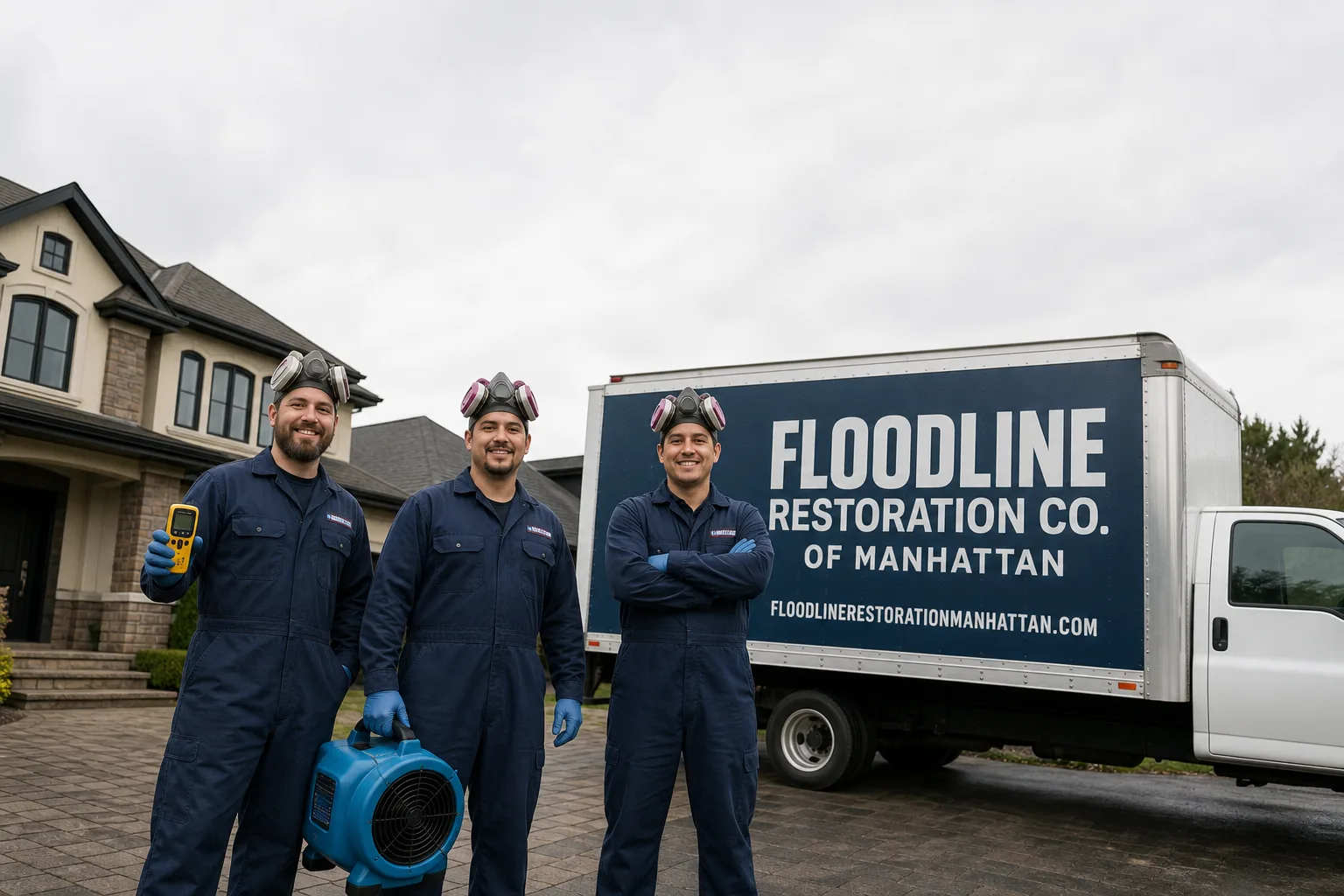
Free visual inspection and a written scope of work before any mitigation begins - photos, moisture readings, and drying logs go in your claim file
The scope we write is the scope we bill. Anything new gets shown to you, in writing, before we touch it.
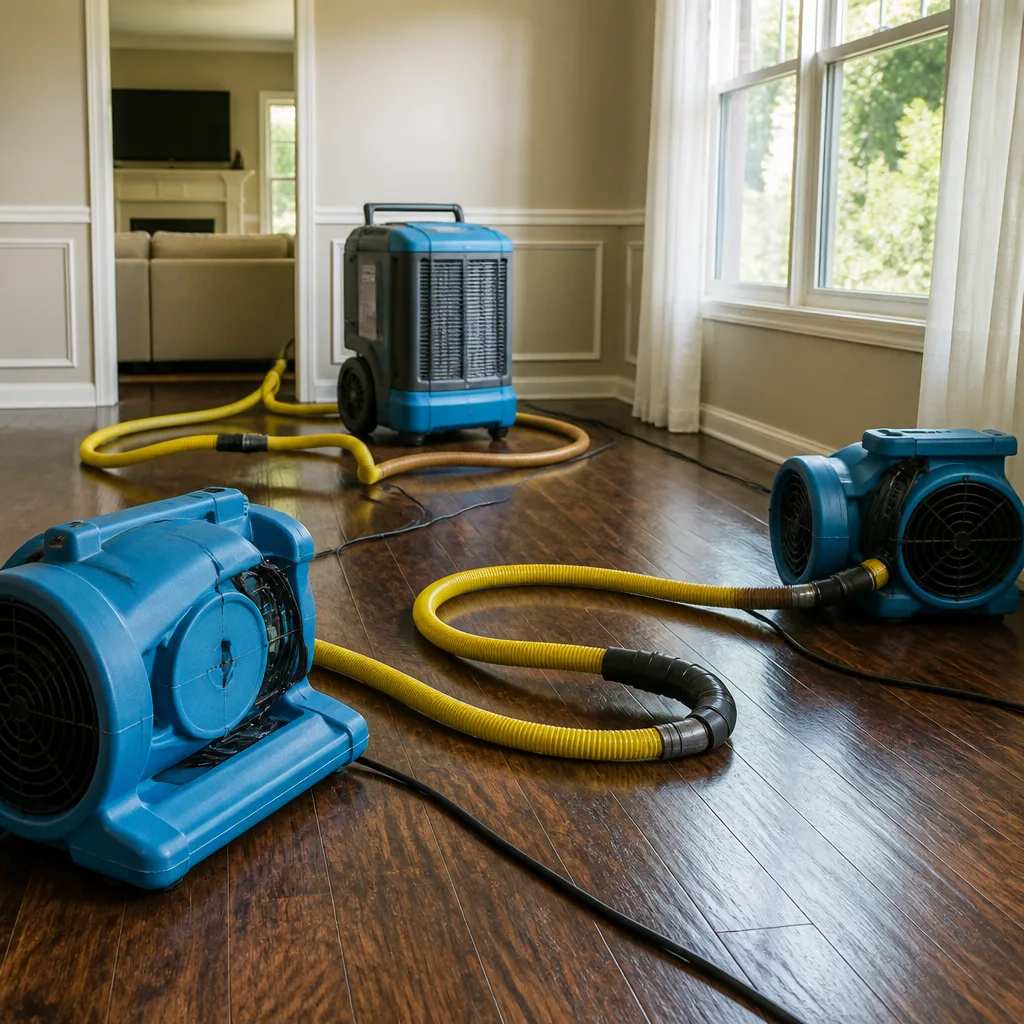
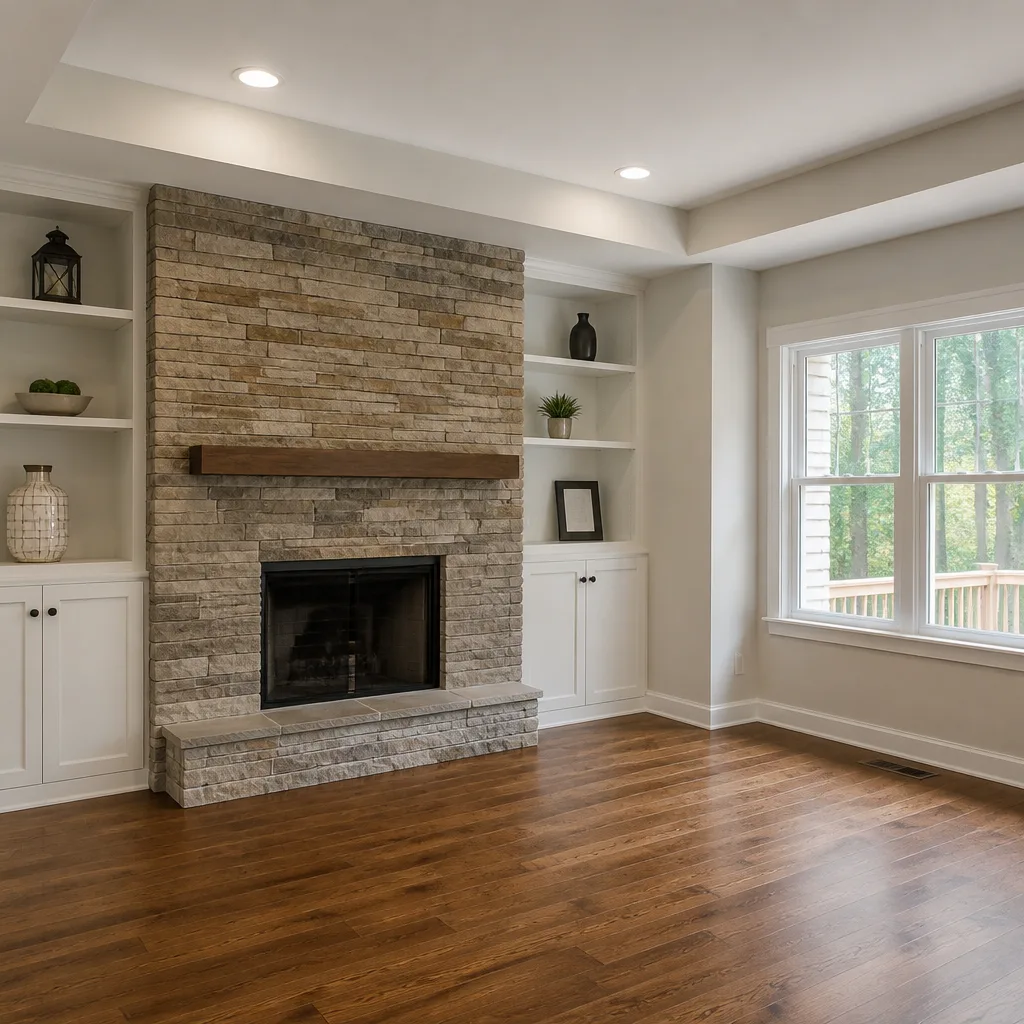
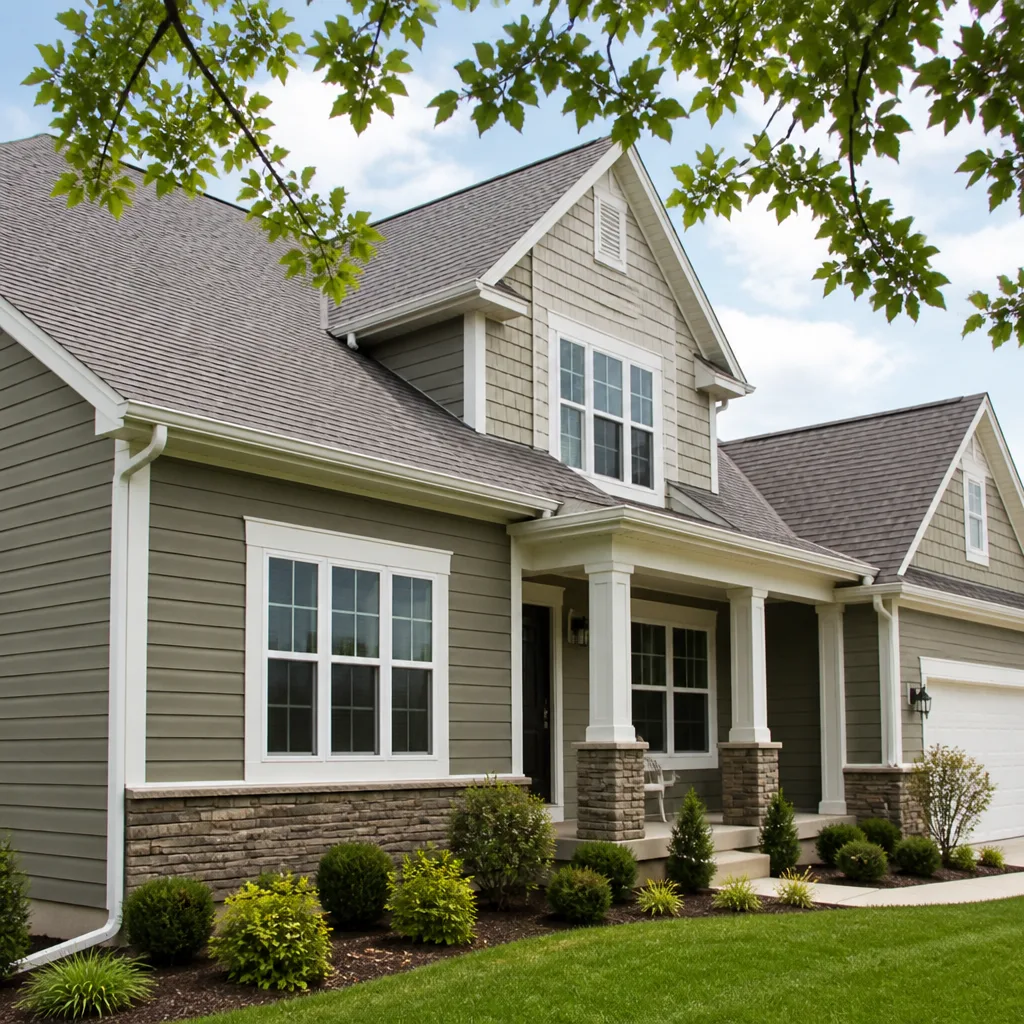
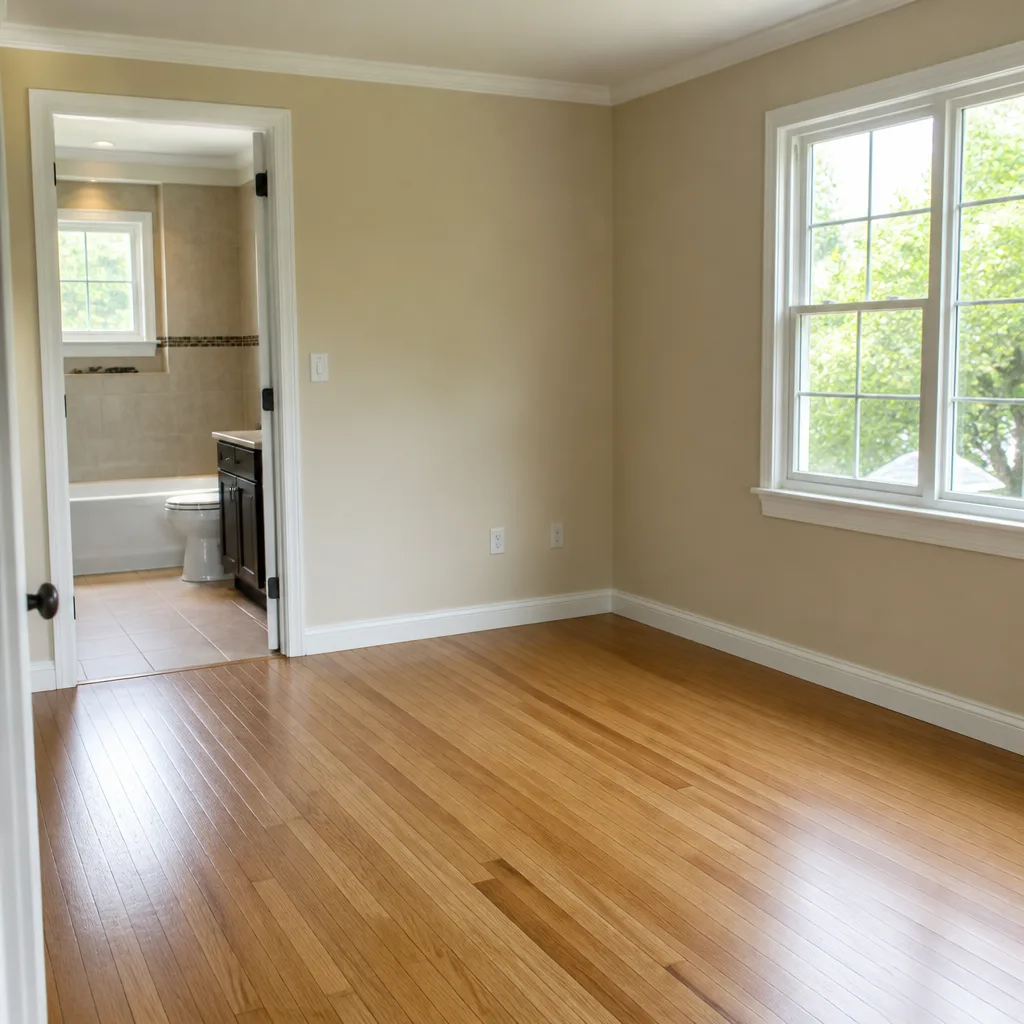
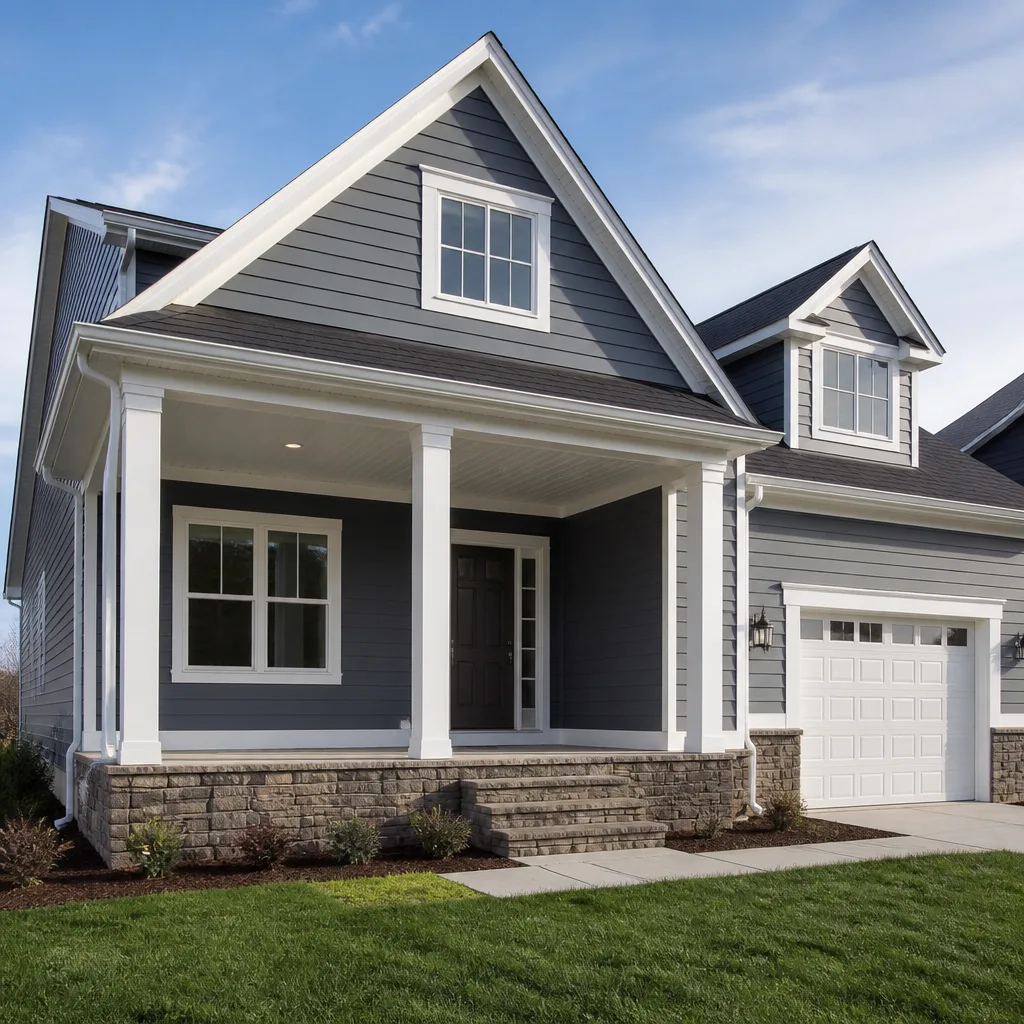
 Before
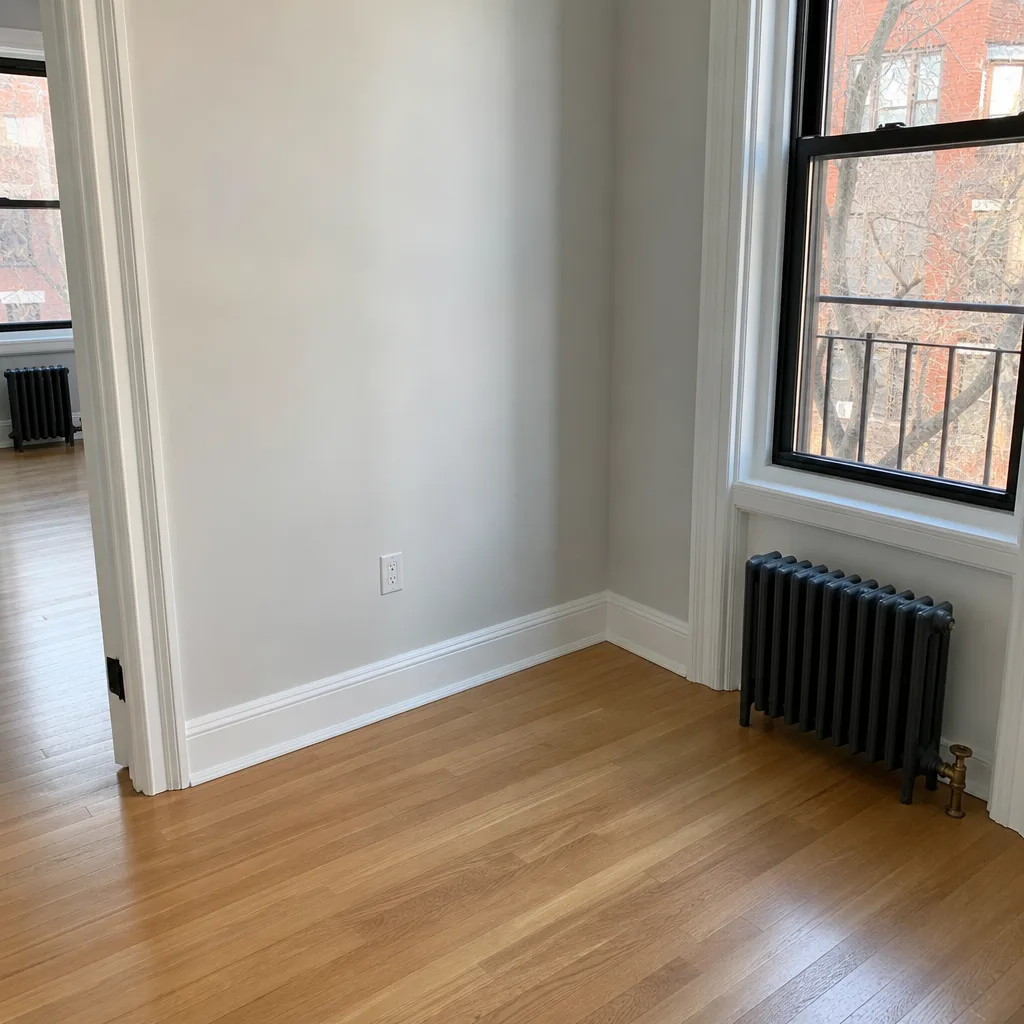 After
After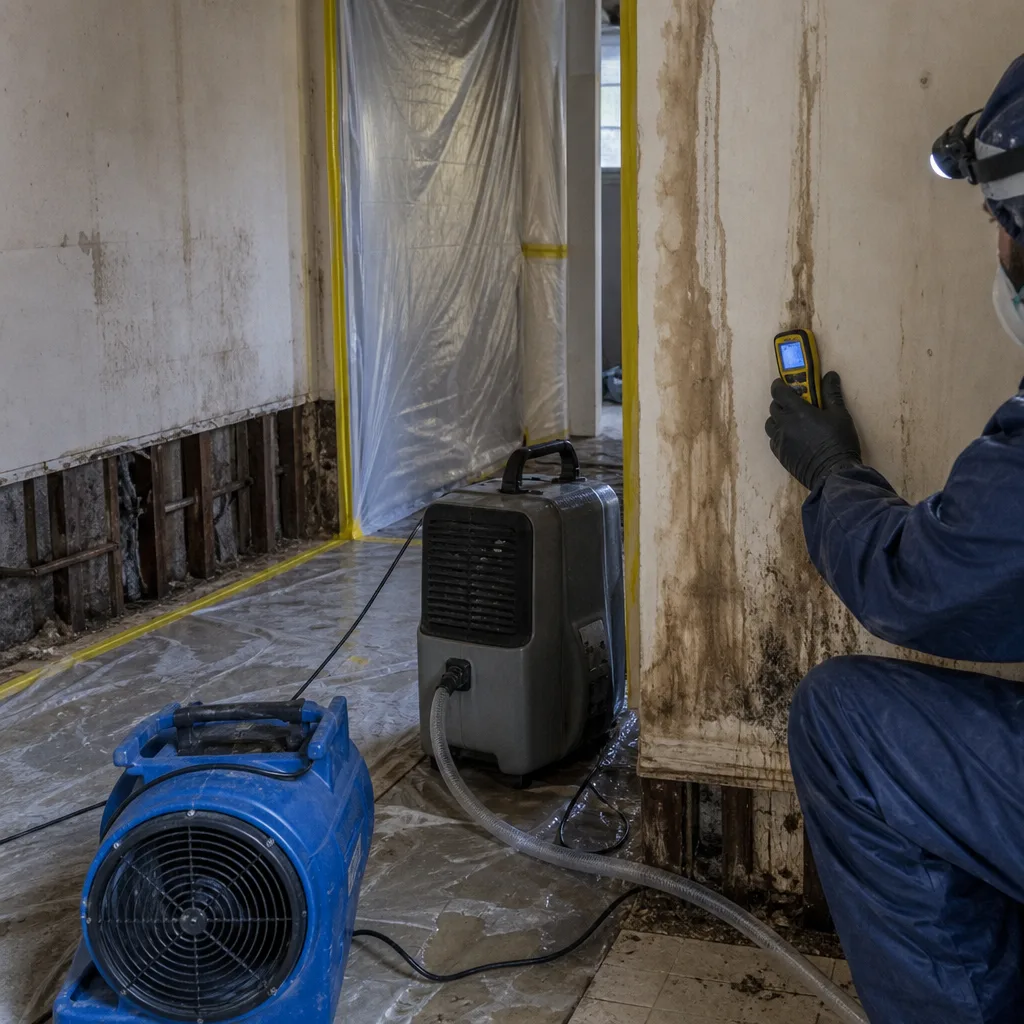 Before
 After
After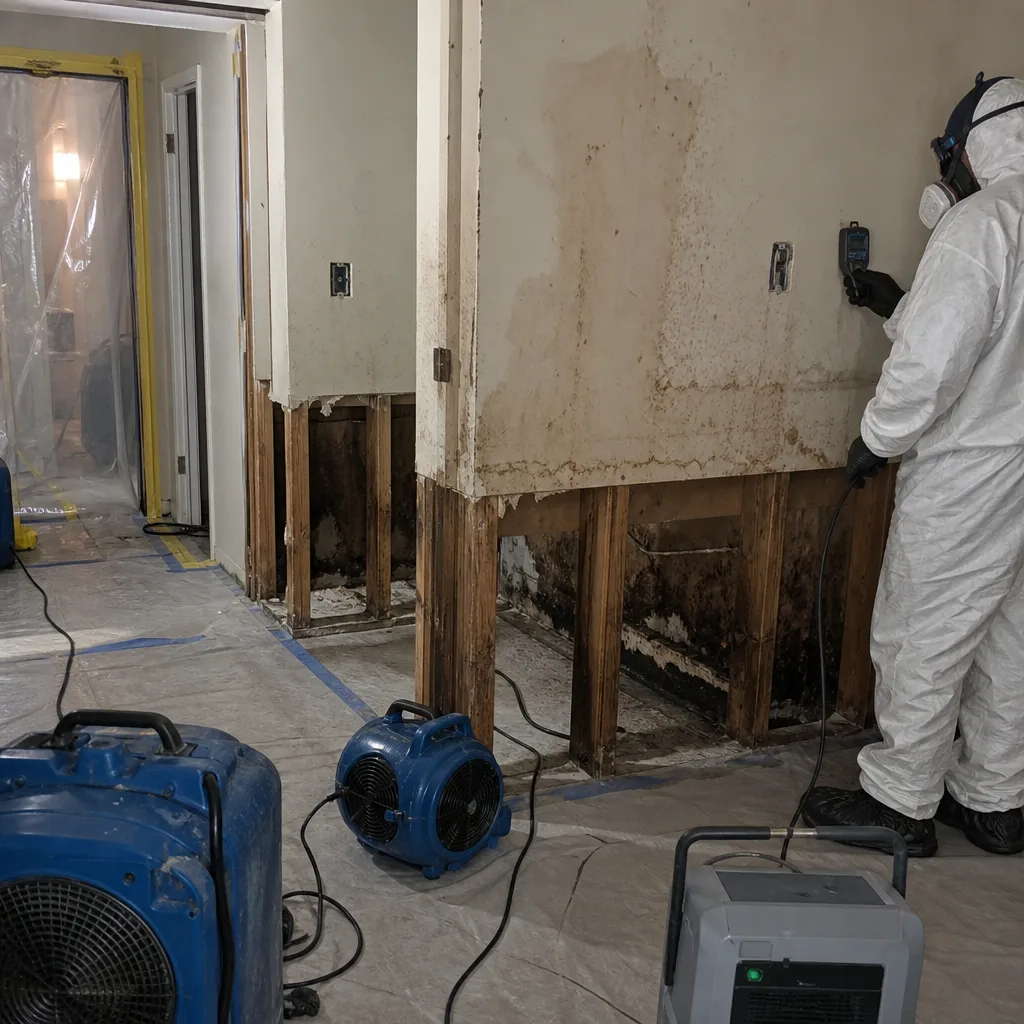 Before
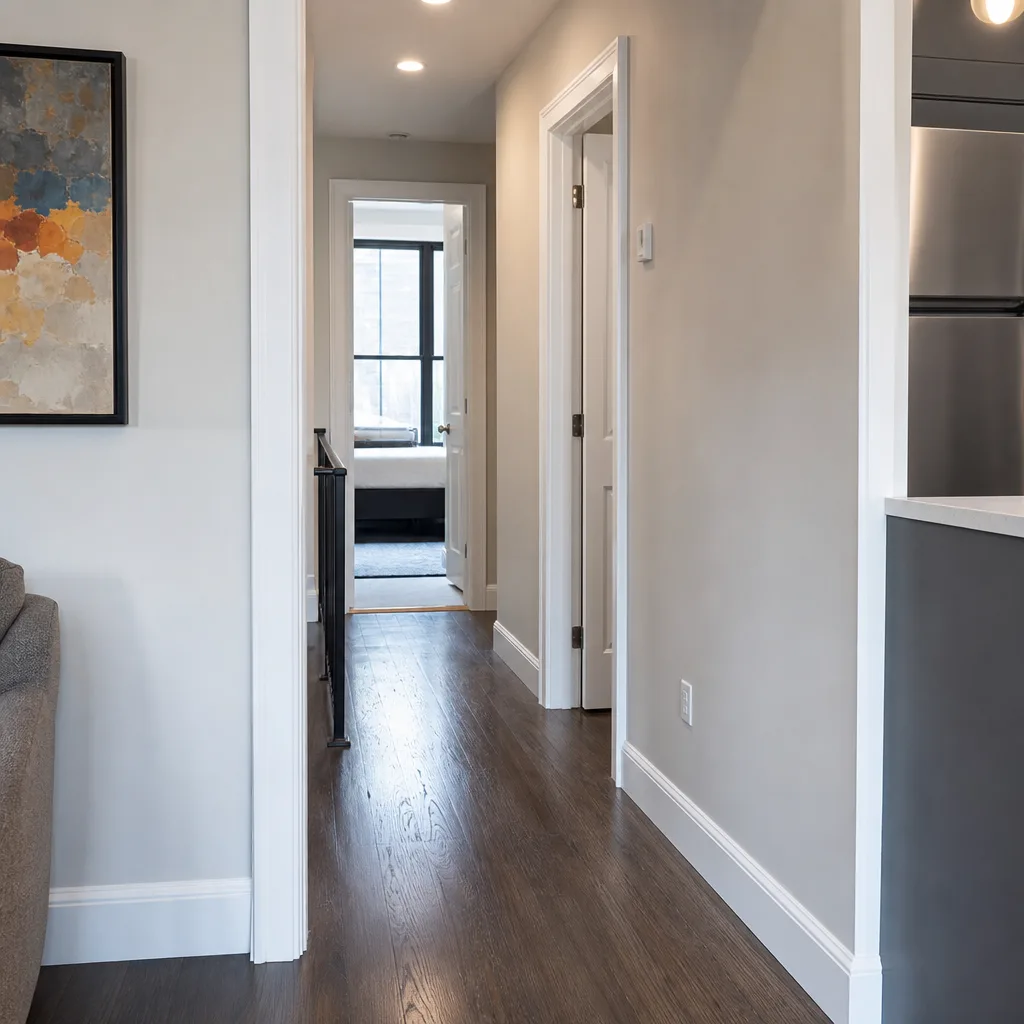 After
After24/7 Emergency Water Damage Restoration in Flushing
Water damage in Flushing moves fast, especially in the older brick row houses and converted basement apartments that make up so much of this neighborhood. When a pipe bursts on Kissena Boulevard at 2 a.m. or a nor’easter pushes Flushing Creek over its banks, waiting until morning means the difference between drying out walls and tearing them out. Our crews are on call around the clock, with a live dispatcher answering at (917) 924-4221 every hour of every day. We get a certified team to your door inside 45 minutes, run a free visual inspection, and start extraction the same visit. The first hour matters most: water in Flushing’s dense attached homes travels sideways through shared party walls, into plaster, under subflooring, and into the brick foundations that hold moisture for weeks.
Understanding Water Damage Restoration Severity in Flushing Properties
Every water loss falls into one of three categories, and the category dictates everything about how we work. Category 1 is clean water from a broken supply line or overflowing sink. Category 2 carries significant contamination, like washing machine discharge. Category 3, often called black water, contains sewage, pathogens, and bacteria that require full biohazard protocols. Flushing sees far more Category 3 than most Queens neighborhoods because of geography we’ll explain shortly. Beyond water category, we run moisture mapping across every affected surface using thermal imaging and hygrometers. Flushing’s 1920s through 1950s brick row houses hide water behind decades-old plaster, inside lath cavities, and under finished basement floors. Structural drying means we measure moisture content daily until materials reach pre-loss condition levels. Skip that step and you get mold colonization behind walls within 24 to 48 hours in Flushing’s humid, low-lying air.
Why Flushing Property Owners Choose Floodline Restoration Co. of Manhattan
- 45-minute response commitment. Our Flushing crews stage locally, so when you call at midnight, someone is already minutes from your block, not an hour away across a bridge.
- A real person answers, 24/7. No answering service, no “leave a message.” A live dispatcher picks up at 2 a.m. and starts the crew moving.
- IICRC-certified technicians. Our crews hold WRT and ASD certifications, and we train to RIA and IFA standards as well. You get background-checked, uniformed professionals who know Flushing’s housing stock.
- Free visual inspection. We walk the property, find the water’s full reach, and hand you a written scope before any work begins. No pressure, no guesswork.
- Direct insurance billing. We bill your carrier directly and handle adjuster communication so you’re not the messenger between us and the insurance company.
- One crew from extraction to reconstruction. The same team that reads the moisture map on day one runs daily readings, hands you the drying log, and rebuilds what needs rebuilding. No mid-job handoff to strangers.
Our Water Damage Restoration Process
Inspection & Assessment
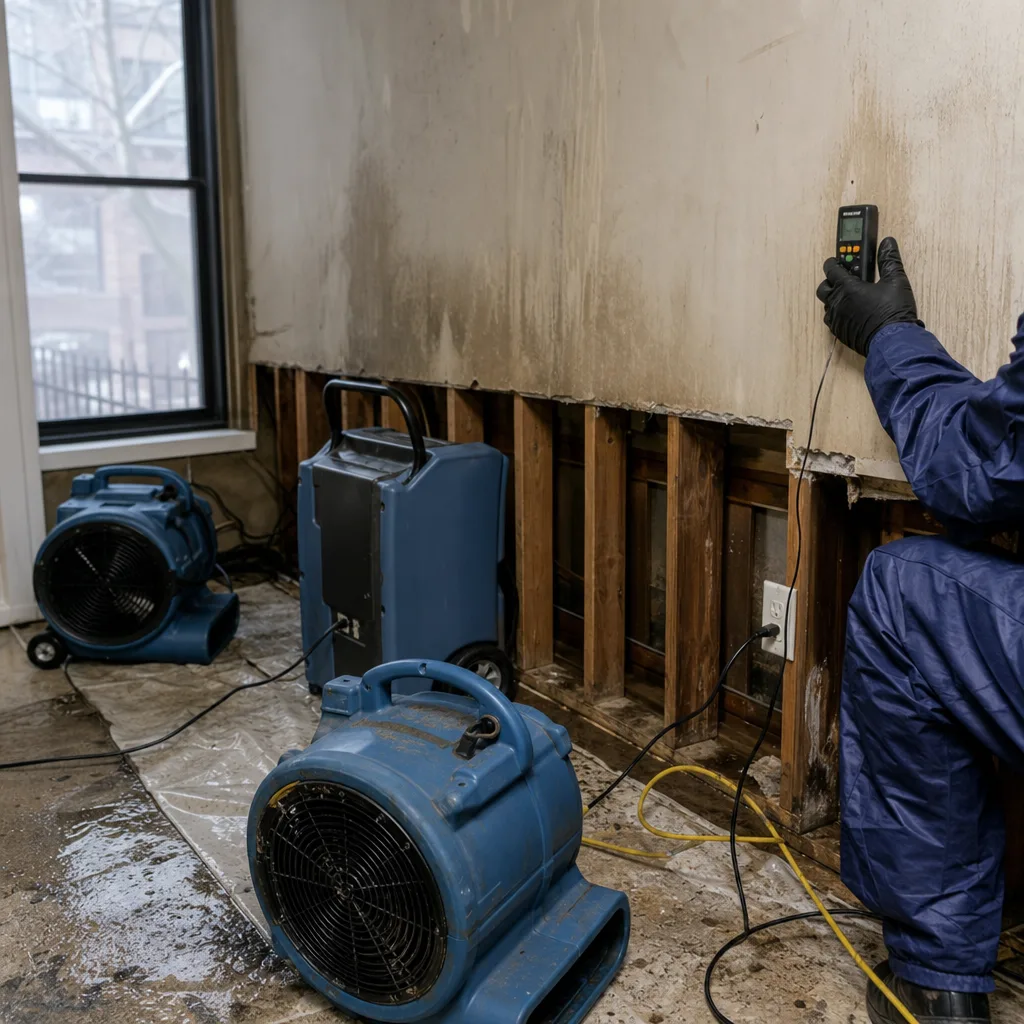
We start with a full walkthrough of the affected Flushing property using thermal imaging cameras and penetrating moisture meters. The goal is to find every wet surface, including hidden saturation behind plaster walls and under floors. You get a written scope with clear pricing before we pull a single piece of equipment off the truck.
Extraction & Stabilization
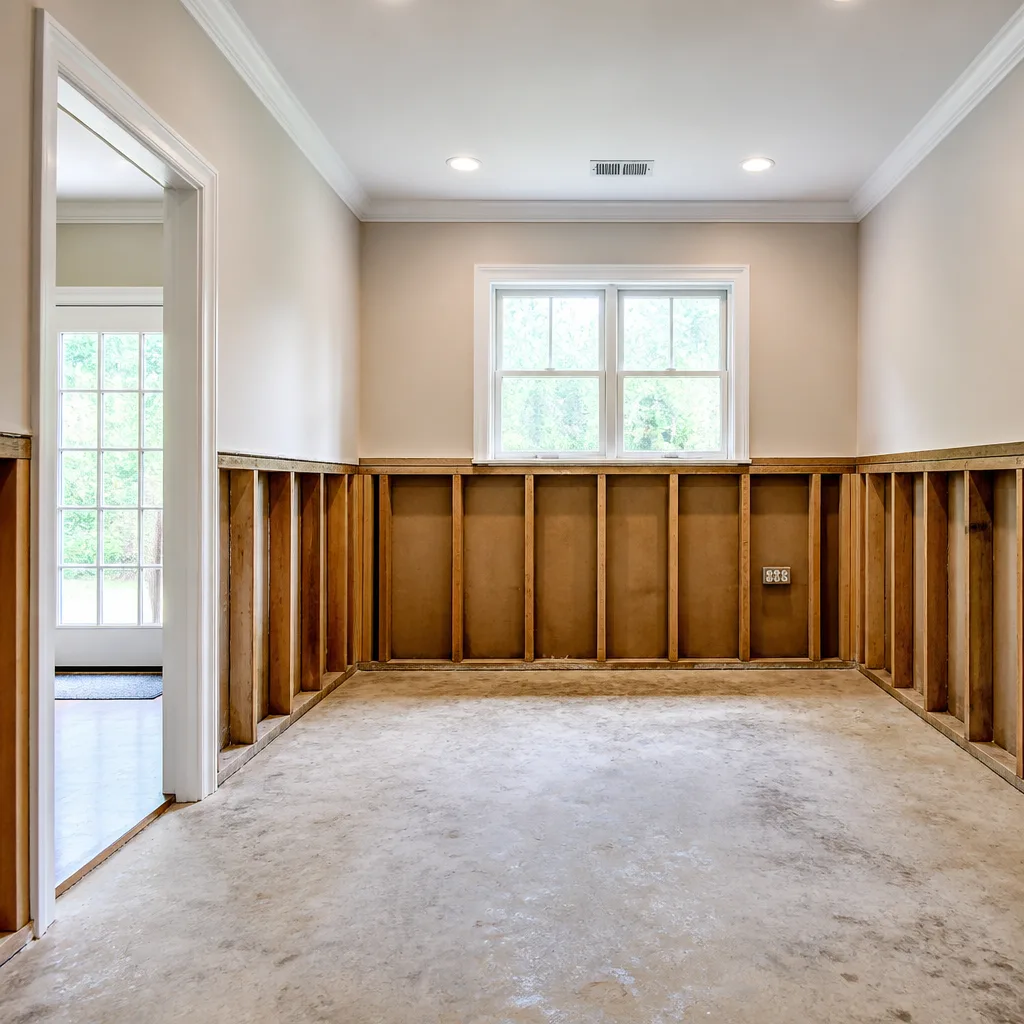
Truck-mounted and portable extraction units pull standing water from basements, carpets, and hard surfaces fast. We also stabilize the structure, shutting off water sources and removing unsalvageable materials like saturated drywall and carpet pad that would otherwise hold moisture against the framing.
Drying & Dehumidification
Professional-grade Dri-Eaz air movers and Phoenix dehumidifiers run continuously, and we maintain daily moisture readings until materials hit pre-loss condition levels. In Flushing’s damp, low-lying homes, this step takes four to six days on average, sometimes longer in brick foundations that absorb water like a sponge.
Cleaning & Sanitization
We apply antimicrobial treatments to every affected surface after drying, and for Category 3 losses, we fog the affected areas to reach into cavities where sewage pathogens hide. HEPA air scrubbers run during and after this phase to capture airborne spores and particulates.
Category 3 Biohazard Protocol
When sewage-mixed water has entered a Flushing basement, standard drying is not enough. Our crews set up physical containment barriers, run negative air pressure, remove porous materials to the studs, and apply hospital-grade antimicrobials. This is not optional work; it is the difference between a restored basement and a recurring health hazard.
Repairs & Restoration
Once moisture levels are proven dry through documented readings, we reconstruct what was removed. Drywall, insulation, flooring, trim, and paint go back in. The same crew that did the extraction finishes the rebuild, and you get the moisture log and the 90-Day Done Right Promise in writing before we leave.
Need Emergency Water Damage Restoration in Flushing Now?
Crews minutes away, answering live 24 hours a day. The sooner we start, the less it costs.
Working With Your Insurance Company
Insurance claims after water damage in Flushing can turn into paperwork battles. We remove that burden. From the first hour on site, our team documents everything: photos room by room, moisture readings, equipment logs, and a line-item scope of work. We write estimates in the industry-standard format your carrier expects, and we communicate with your adjuster directly. When your policy covers sewage backup, we make sure the Category 3 protocol is itemized so nothing gets missed. You get a copy of every document, and the 90-Day Done Right Promise stays in your hands whether insurance pays or you do. Water damage restoration in Flushing does not have to mean fighting your carrier on your own.
What We Provide Your Insurer
- Thorough documentation of the loss
- Photos of all damage, room by room
- Moisture readings and drying logs
- A detailed, line-item scope of work
- Direct coordination with your carrier
Built for Flushing’s Loss Calendar
Flushing’s water damage seasons are predictable to anyone who works this neighborhood year round. January and February bring deep freezes that split supply lines in uninsulated 1920s basements and exterior walls facing Northern Boulevard. March and April thaw saturates the filled-in marshland soil, and groundwater pressure pushes water through cracks in old brick foundations and up through basement floor slabs. Summer brings sudden downpours that overwhelm the combined sewer system, and those storms send Flushing Creek backing up into basement drains across downtown and the low blocks nearest the bay. September through November is nor’easter season, when coastal surge funnels up the creek and into streets that were once tidal wetland. Every one of these seasons leaves standing water in basements, crawlspaces, and attached-home party walls, and every one of them feeds the mold that takes hold fast in Flushing’s damp air.
Water Damage Restoration Across Flushing’s Neighborhoods
Every part of Flushing has its own loss pattern, and our crews read the neighborhood before they read the water. Downtown Flushing, the blocks east of Main Street near the creek, sees the worst sewage backup during heavy rain, where the combined sewer system backs Category 3 water into basement drains of prewar brick row houses. Flushing‘s Murray Hill and Queensboro Hill sections, with their dense 1930s attached homes, suffer from shared party-wall migration, where water from one basement leak travels horizontally into two or three neighboring units before anyone notices. The section of Flushing north of Roosevelt Avenue near College Point Boulevard has older two-family homes with converted basement apartments, where finished drywall over brick foundation walls traps moisture and breeds mold fast. Blocks along Kissena Boulevard and near Kissena Park, on slightly higher ground but still on filled marsh soil, see more clean-water pipe bursts from aging galvanized supply lines than floodwater infiltration. And the corridor along Parsons Boulevard south of the downtown core deals with roof leaks and ceiling water damage during nor’easters, where wind-driven rain finds its way through aging roof membranes and into top-floor plaster ceilings.
Specialized Water Damage Restoration Services We Offer in Flushing
Emergency Water Extraction
Standing water has to come out before anything else makes sense. We run truck-mounted extraction units and portable pumps that pull hundreds of gallons per hour from Flushing basements, crawlspaces, and living areas. In finished basement apartments near Flushing Creek, this step means the difference between saving flooring and pulling it all up.
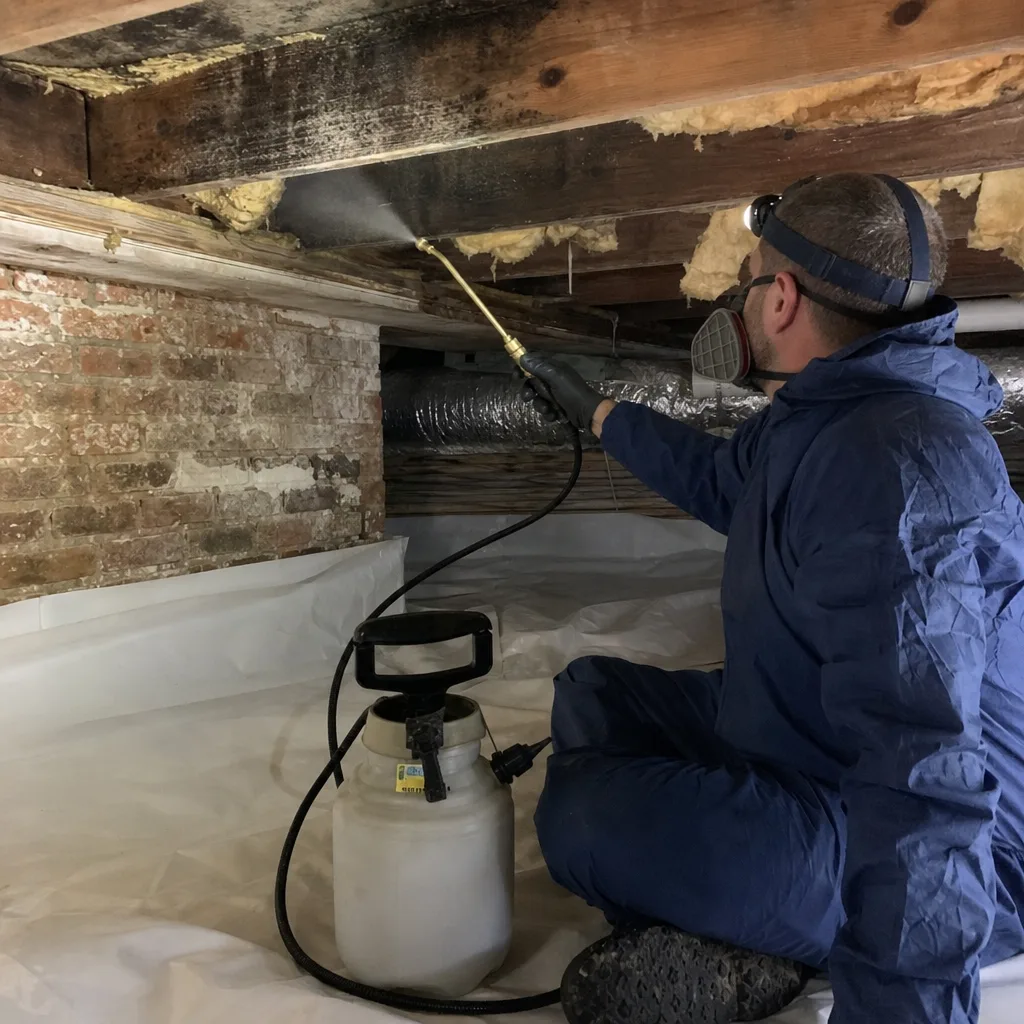
Structural Drying & Dehumidification
Drying Flushing’s older brick row houses takes more than a few fans. We place Dri-Eaz air movers and Phoenix dehumidifiers in a calculated pattern based on moisture mapping, and we keep daily readings until walls, floors, and framing hit pre-loss condition moisture levels. Days of drying, documented and logged, is what prevents the mold that this neighborhood’s damp air encourages.
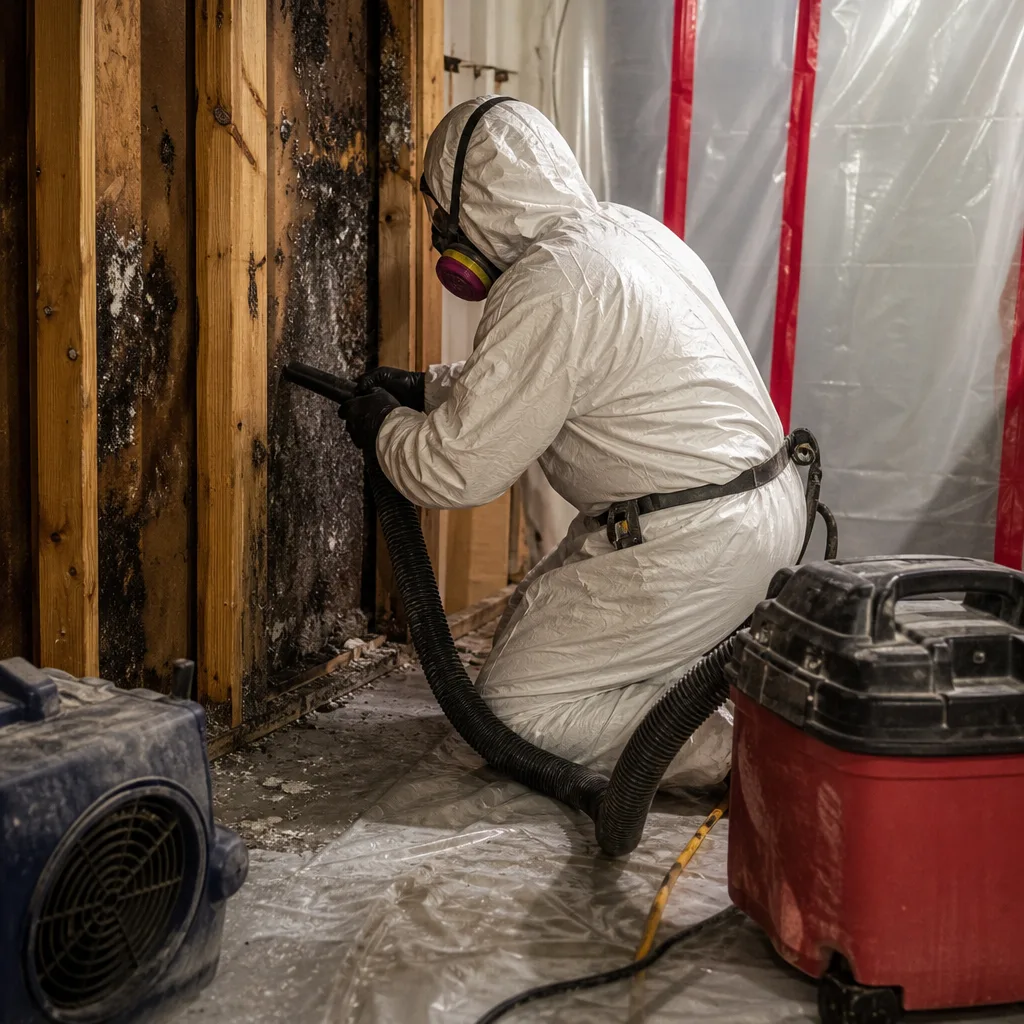
Flood Cleanup
When Flushing Creek or the combined sewer system pushes water into your home, Flushing Storm & Disaster Restoration means the cleanup is more than mopping. Our crews extract contaminated water, remove saturated drywall and carpet pad, treat surfaces with antimicrobials, and set up containment where Category 3 protocols require it. We then dry the structure properly before any rebuilding starts.
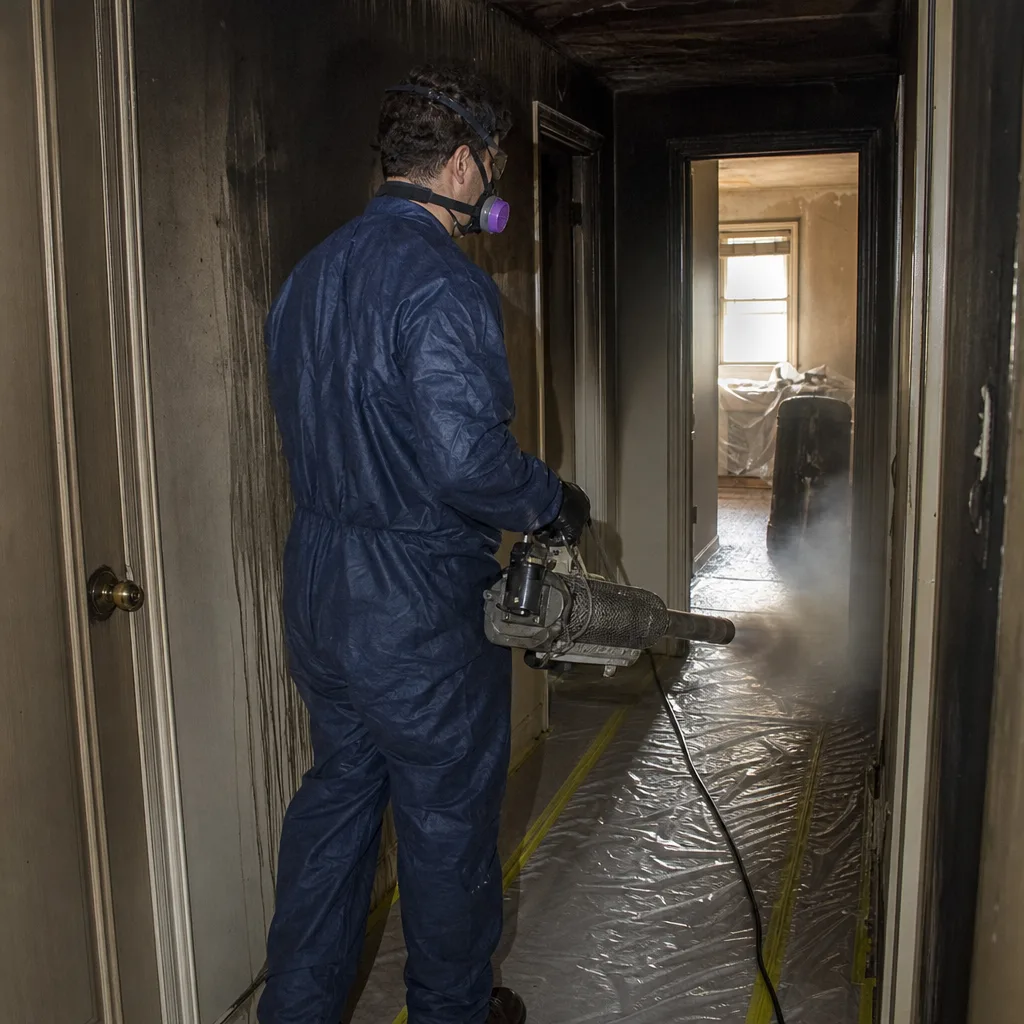
Burst Pipe Restoration
A split copper supply line in a 1940s Flushing row house can flood a finished basement in under an hour. We shut off the source, extract the clean water quickly, and dry the structure before secondary damage sets in. Where the burst happened behind a wall or under a floor, we open only what is necessary, repair the pipe, and close it back up right.
Basement Water Removal
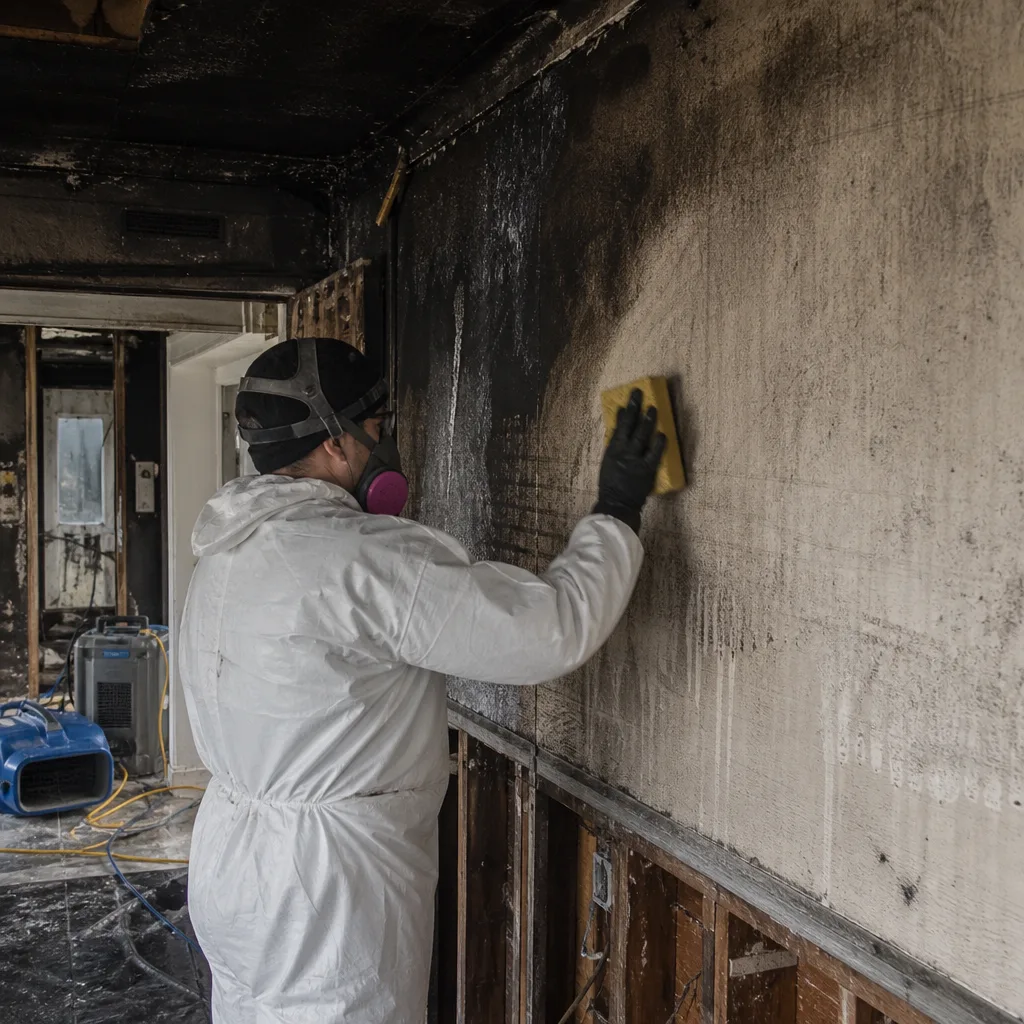
Flushing’s basements sit low, close to the water table on filled marshland. Groundwater seepage through brick foundation walls is a year-round reality here, not a storm-only event. We remove the water, address drainage where possible, and dry the space to prevent the chronic dampness that turns finished basements into mold colonies. If you have a finished basement in Flushing, this service matters even without a storm.
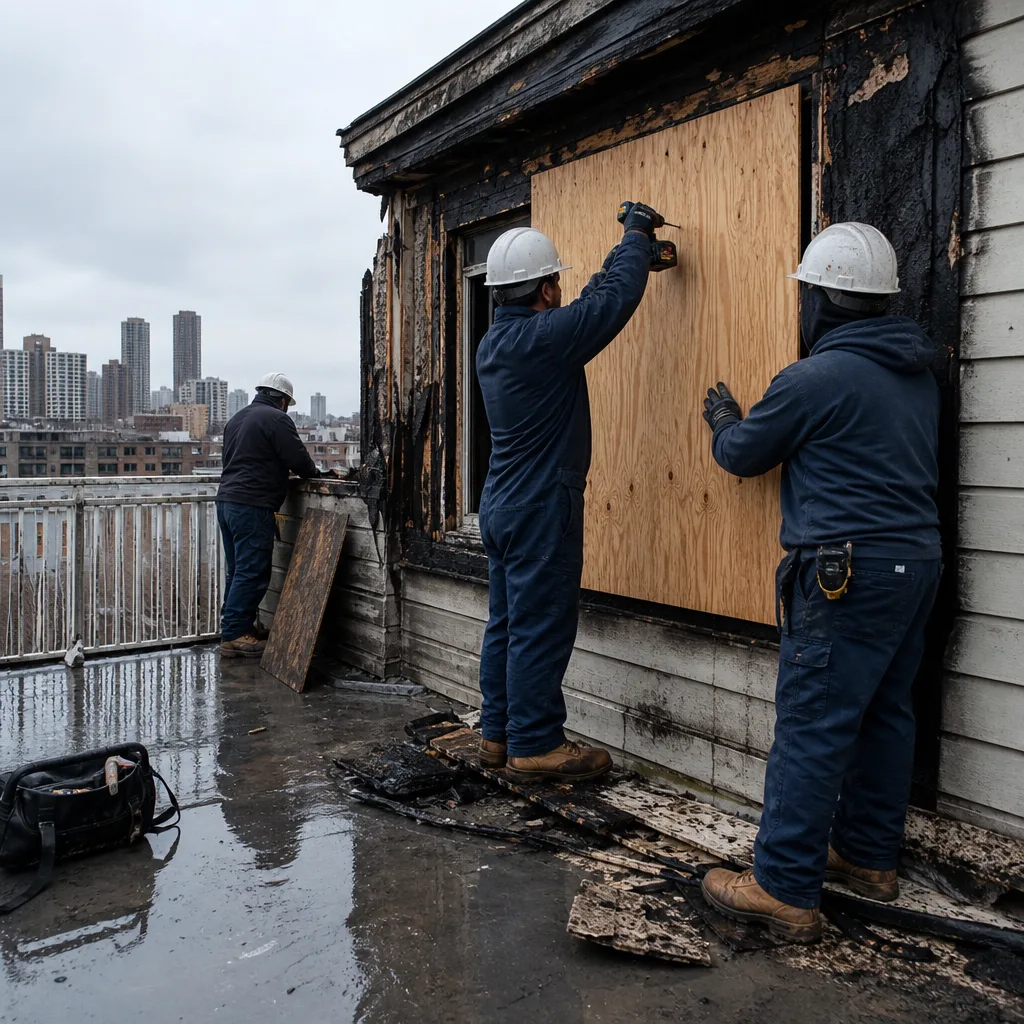
What happens when you call
- 1
A real person answersNo phone trees - you reach a local pro.
- 2
You get an upfront price rangeHonest numbers before anyone is dispatched.
- 3
A background-checked tech heads outLicensed & insured, dispatched right away.
- 4
You approve before work beginsNothing starts until you say go.
Water Damage Restoration Costs in Flushing, NY
A typical Water Damage Restoration job in Flushing runs anywhere from $2,800 to $7,500 for a finished basement flood with extraction, drying, and rebuild of drywall and flooring. Clean-water pipe bursts in a single room usually range from $1,500 to $3,200. Category 3 sewage backups, which Flushing sees more than most Queens neighborhoods, run higher: $4,500 to $12,000 because of containment, biohazard protocols, antimicrobial fogging, and more extensive tear-out. Structural drying alone, without rebuild, typically costs $1,800 to $4,000 depending on square footage and how many days the equipment runs. What moves the price most is how long water sat before crews arrived, whether drywall and insulation behind plaster walls has to come out, and whether Category 3 protocols apply. Insurance covers many of these costs when the cause is sudden and accidental; sewage backup often requires a specific rider that many Flushing homeowners have added after their first loss. Call (917) 924-4221 for a free visual inspection and a written scope with firm pricing before any work begins.
The 90-Day Done Right Promise, our Keystone Standard, covers all of it. If it is not done right, we make it right, in writing, no arguing.
We Also Serve Cities Near Flushing
Our crews work throughout the surrounding Queens neighborhoods. We handle water damage restoration in College Point, Whitestone, East Elmhurst, and Corona, with the same 45-minute response commitment and live 24-hour dispatch. If your home sits in any of these communities, you get the same Flushing-level experience from our local crews.
Serving Flushing, NY - Our Local Coverage Area
We’re based in the Flushing area and know this community well. Use the map below to see our service coverage - if you’re nearby, we can almost certainly help.
Flushing Water Damage Restoration Questions, Answered
Why does Flushing get sewage backups in basements during heavy rain?
Flushing sits on historically filled tidal marshland directly adjacent to Flushing Creek and Flushing Bay, and the combined sewer system that handles both stormwater and sewage gets overwhelmed when heavy rain or nor’easters hit. The system backs up into the lowest point it can find, which is basement floor drains in the area’s dense 1920s to 1950s brick row houses. This is a geography problem specific to this corner of Queens; most neighboring communities do not face the same Category 3 contamination risk during an ordinary rainstorm.
How do you handle Category 3 water in a Flushing row house basement?
Category 3 water carries sewage, pathogens, and bacteria, and we treat it as a biohazard. We set up physical containment barriers to isolate the affected area, run negative air pressure with HEPA filtration, remove porous materials like drywall and carpet pad to the studs, apply hospital-grade antimicrobial treatments, and run structural drying with professional-grade Dri-Eaz and Phoenix equipment until moisture levels meet the dry standard. Afterward we rebuild what was removed. Call (917) 924-4221 and we will walk you through it.
Is mold really a problem in Flushing’s older brick basements?
Yes. Flushing’s brick foundations absorb moisture from the surrounding filled-in marshland soil, and the neighborhood’s humid, low-lying air keeps that moisture from evaporating quickly. Mold can colonize behind finished basement drywall within 24 to 48 hours after water intrusion. That is why we insist on full moisture mapping, daily drying logs, and documented readings before any walls get closed back up.
How do city sewer backups affect the scope of a water damage restoration job?
A sewer backup changes everything about the job. Instead of just extracting water and drying, we have to treat the loss as a biohazard. That means contain the area, remove porous materials to the studs, fog with antimicrobials, and follow strict safety protocols for our crew and your family. The scope is larger, the cost is higher, and the documentation for your insurance carrier becomes more detailed. Flushing homeowners should check whether their policy includes a sewage backup rider.
Can you salvage the finished drywall in my Flushing basement after a flood?
Usually not after sewage-mixed water has saturated it. Drywall is porous and holds pathogens even after surface drying. We remove it to the studs in Category 3 losses. In clean-water situations, drywall may be salvageable if water did not wick more than a few inches up and drying starts within hours. We assess this honestly on site and show you exactly what has to come out and why.
How fast can you actually get to my Flushing home?
Our crews stage locally in the Flushing area and commit to a 45-minute response. A live dispatcher answers your call at (917) 924-4221 around the clock and gets a certified crew moving immediately. In many cases we are on site sooner, depending on where you are relative to our nearest crew.
Will my insurance cover water damage restoration in Flushing?
Most homeowners policies cover sudden and accidental water damage, like a burst pipe or storm-related intrusion. Sewage backup often requires a separate rider, which many Flushing homeowners add after their first loss. We document everything from the first hour, bill your carrier directly, and coordinate with your adjuster so you do not have to play messenger. Bring your policy details and we will help you understand what is covered before work begins.
What should I do in the first 30 minutes after discovering water in my Flushing home?
Call (917) 924-4221 first. Then shut off the water source if you can do so safely. Do not enter standing water if there is any chance it came from a sewer backup; treat it as contaminated until we confirm otherwise. If safe, move valuable items to higher ground and place towels or buckets under active drips. Do not use a household vacuum to remove water, and do not open walls or lift carpet without professional guidance. The sooner our crew starts extraction, the more we can save.
Are your Flushing technicians certified and background-checked?
Every Floodline Restoration Co. of Manhattan technician is background-checked, uniformed, and certified to IICRC standards, with training to RIA and IFA standards as well. Our crews use professional-grade Dri-Eaz, Phoenix, and XPOWER equipment, and they are the same people who will be in your home from the first inspection to the final walkthrough.
Floodline Restoration Co. of Manhattan serves Flushing and the surrounding Queens neighborhoods with full-cycle Water Damage Restoration, handling every phase from first extraction to finished rebuild. Our crews are minutes away, answering live 24 hours a day. Call (917) 924-4221 for a free visual inspection and a written scope with firm pricing. If it is not done right, we make it right. That is the 90-Day Done Right Promise, in writing, every time.
Written by Curt Bowman, Owner at Floodline Restoration Co. of Manhattan, serving Flushing since our founding in 2010.