
Free visual inspection and a written scope of work before any mitigation begins - photos, moisture readings, and drying logs go in your claim file
The scope we write is the scope we bill. Anything new gets shown to you, in writing, before we touch it.
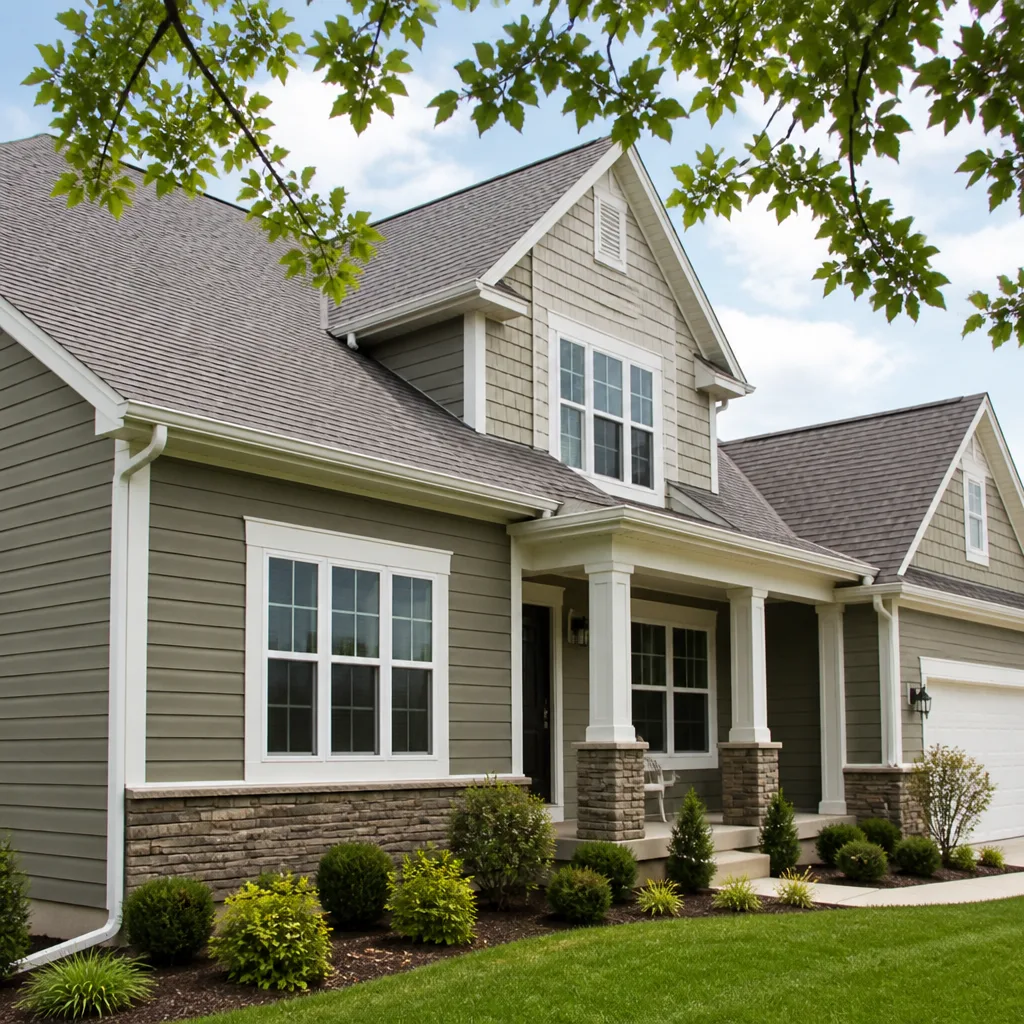
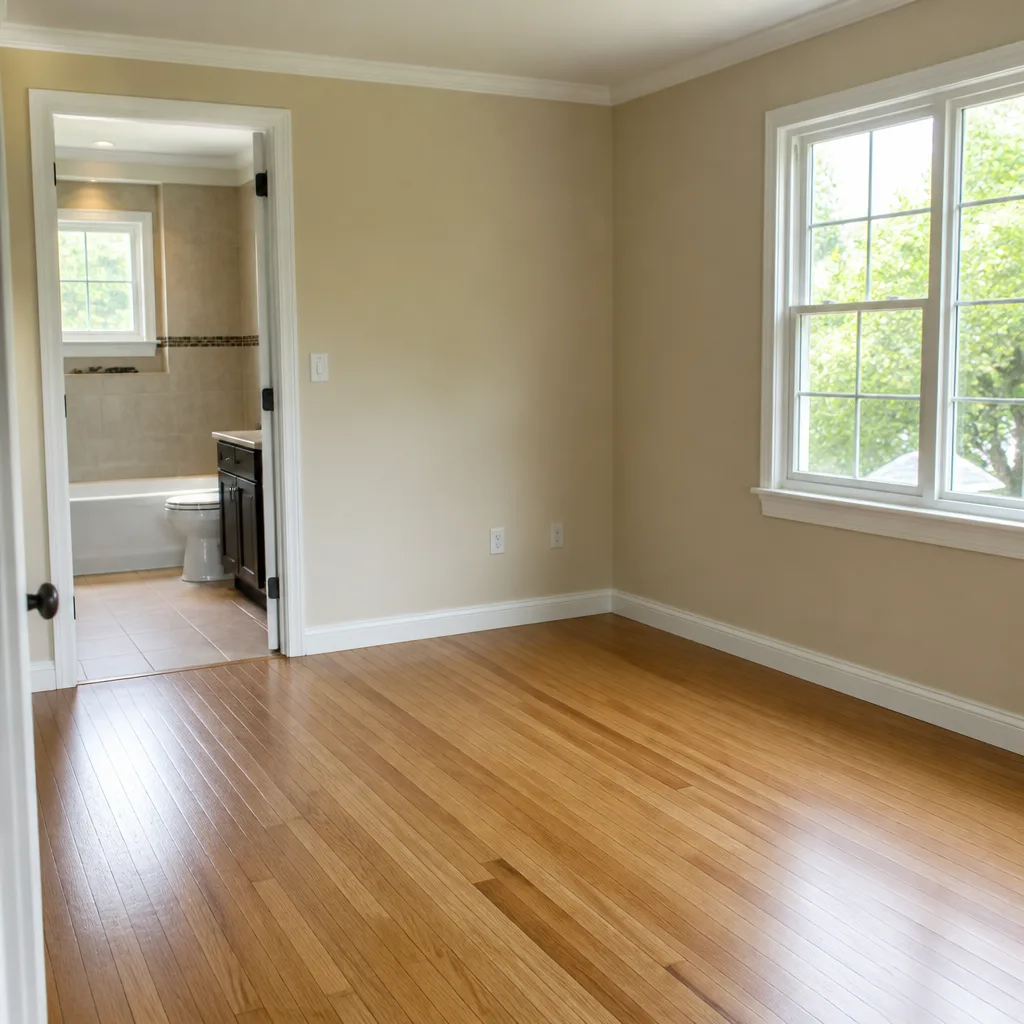
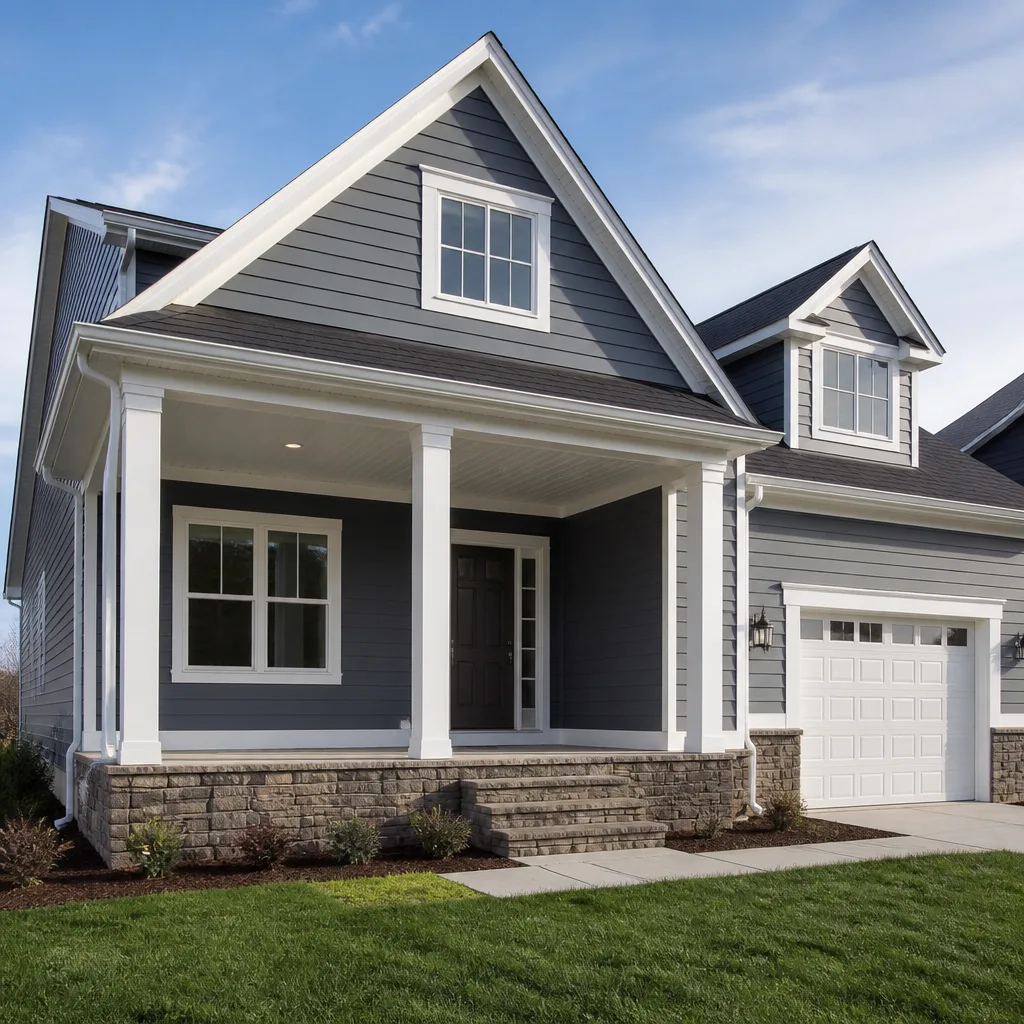
 Before
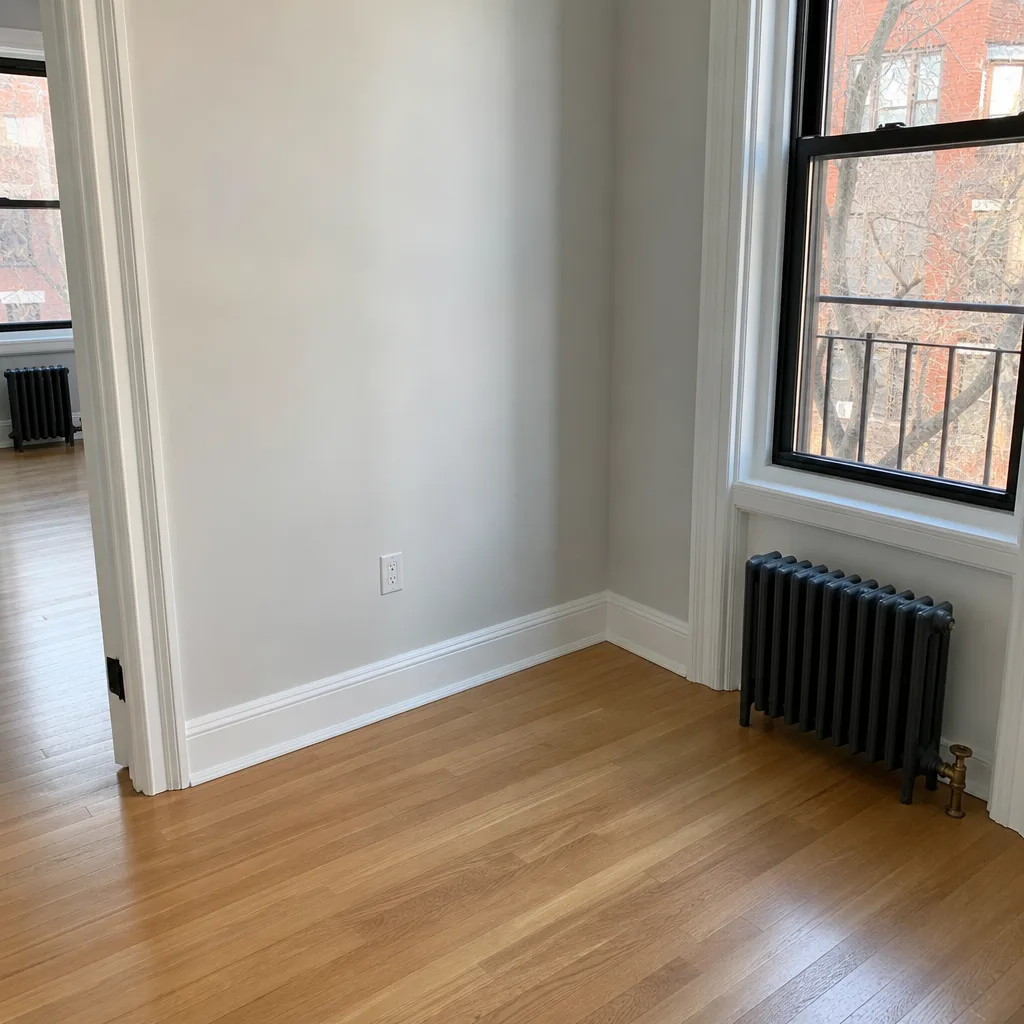 After
After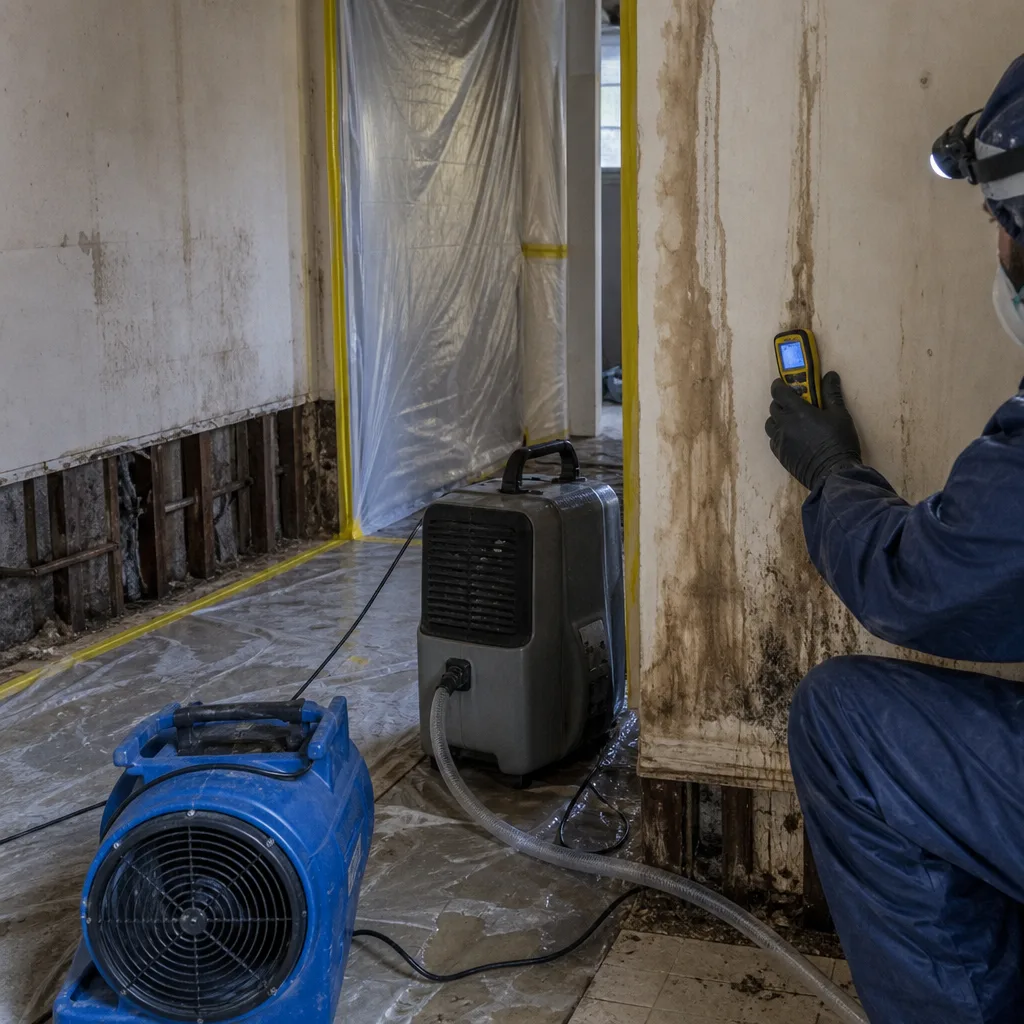 Before
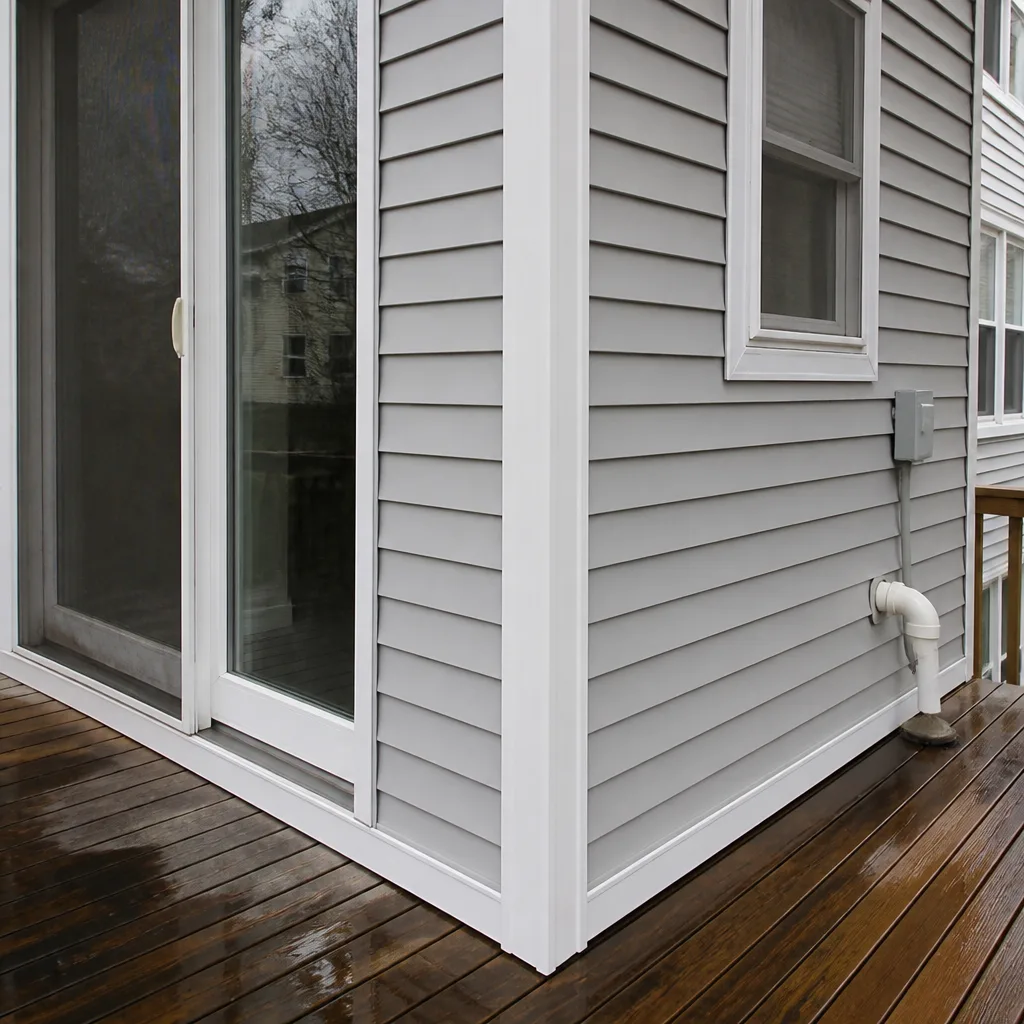 After
After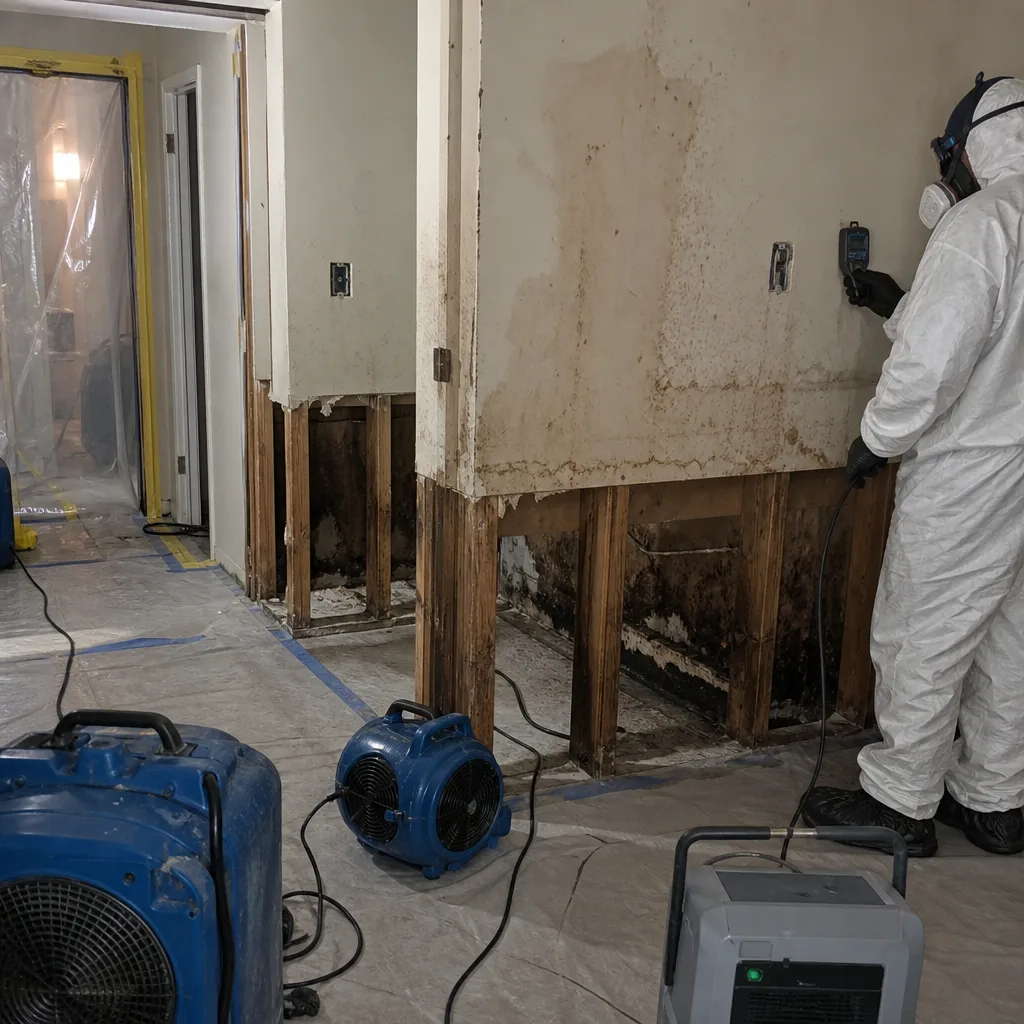 Before
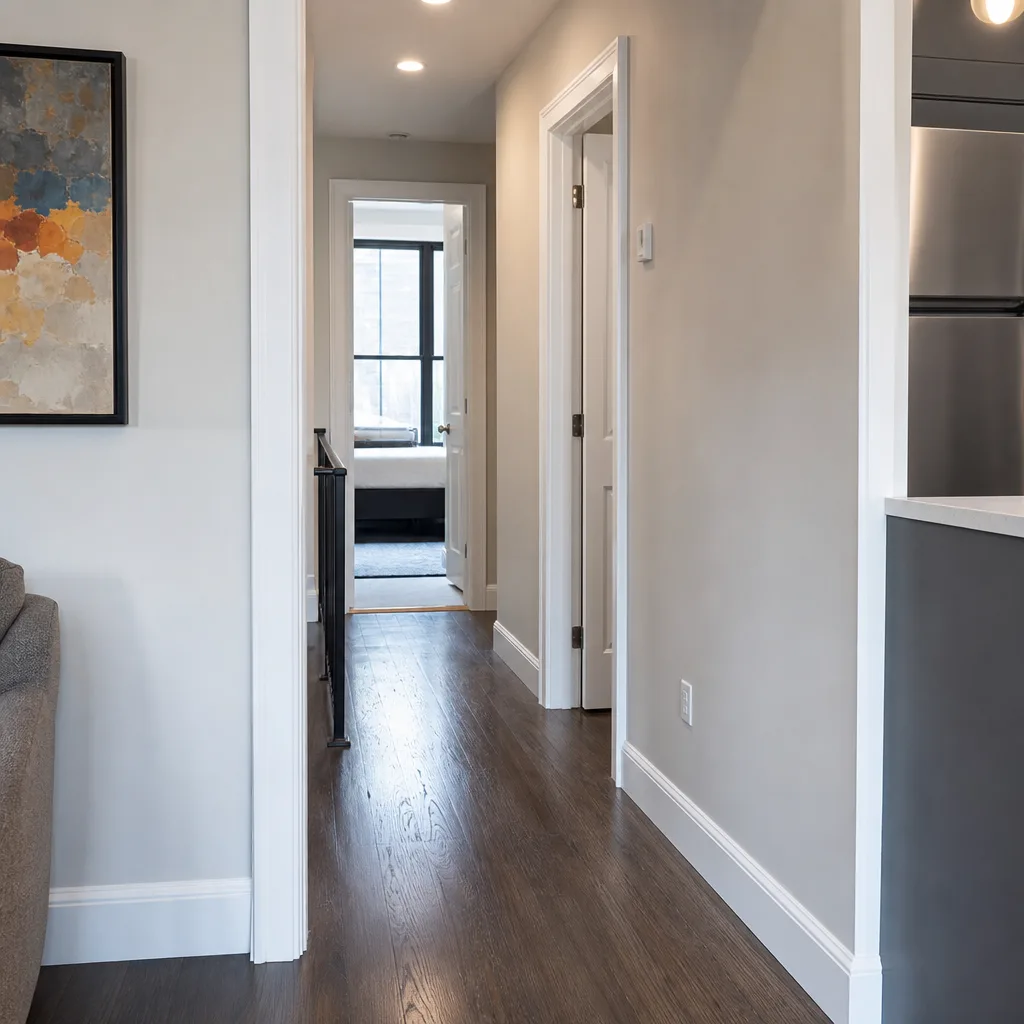 After
After24/7 Emergency Water Damage Restoration in Mount Ivy
Water damage in Mount Ivy moves fast, and so do we. A live dispatcher answers at (917) 924-4221 any hour, any day. When a supply line bursts at 2 a.m. or a nor’easter pushes runoff through a basement wall, waiting until morning means the difference between drying and demolition. Our crews reach Mount Ivy properties quickly, usually within 45 minutes of your call, and start extraction the same visit. The first hour matters because water wicks upward through drywall, saturates carpet pads, and finds its way into the framing where mold starts forming within 24 to 48 hours.
We know exactly how Mount Ivy’s terrain works against your house. You don’t get a generic crew with a wet vac. You get a moisture-mapped, documented response from certified technicians who understand why water pooled where it did. The inspection is free, and before we touch anything you’ll know what we found, what it costs, and what happens next. Call (917) 924-4221 now. A real person picks up.
Understanding Water Damage Restoration Severity in Mount Ivy Properties
Water damage is classified into three categories. Category 1 is clean water, typically from a burst supply line or an overflowing tub. Category 2 is gray water, containing significant contamination from sources like a failed sump pump that drew in soil or a washing machine discharge. Category 3 is black water, meaning sewage, river water, or ground runoff carrying bacteria and pathogens. Most of what we see in Mount Ivy basements after a heavy storm is Category 2 or 3, because the water hasn’t simply fallen from the sky. It has traveled across the ground, through soil, and along the base of the Ramapo Mountain escarpment before it pushes against your foundation.
Mount Ivy’s housing stock matters here. The post-WWII ranches and split-levels built between the 1950s and 1970s often have original poured-concrete or block basements. Those walls weren’t waterproofed to modern standards. Decades of hydrostatic pressure have created hairline cracks and failed membranes that let water in silently. Moisture mapping tells us what you can’t see: how far water has wicked behind finished walls, whether the sill plate is saturated, and whether the joist bays below the subfloor have standing water. Structural drying isn’t just pointing fans at wet carpet. It means calculating cubic footage, setting drying goals based on the materials involved, and taking daily readings until the dry standard is confirmed. When the water is Category 3, we include antimicrobial treatment on the framing and containment to stop cross-contamination from spreading to the rest of the house.
Why Mount Ivy Property Owners Choose Floodline Restoration Co. of Manhattan
- 45-minute response commitment: When water is moving through a Mount Ivy basement, every minute spreads the damage. Our crews are dispatched from nearby and aim to arrive within 45 minutes of your call.
- Live answer, 24/7: You call, a person picks up. Not an answering service, not a voicemail. A live dispatcher who can send a certified crew to Route 202, Thiells, or anywhere in Mount Ivy at 3 a.m. on a Sunday.
- IICRC-certified technicians: Our crews carry WRT (Water Damage Restoration Technician), FSRT (Fire & Smoke Restoration Technician), and AMRT (Applied Microbial Remediation Technician) certifications. They train to RIA and IFA standards too.
- Free visual inspection: Before any work starts, we walk the property with you, show you what we found, explain the scope in plain English, and write it down. No pressure, no hand-waving.
- Direct insurance billing: We bill your carrier directly and talk to your adjuster ourselves. You don’t play messenger between us and the insurance company.
- One team, start to finish: Extraction, drying, and rebuild happen under one crew that knows your house. Nobody hands the job off mid-way to a crew that never saw the original damage.
Our Water Damage Restoration Process
Inspection & Assessment
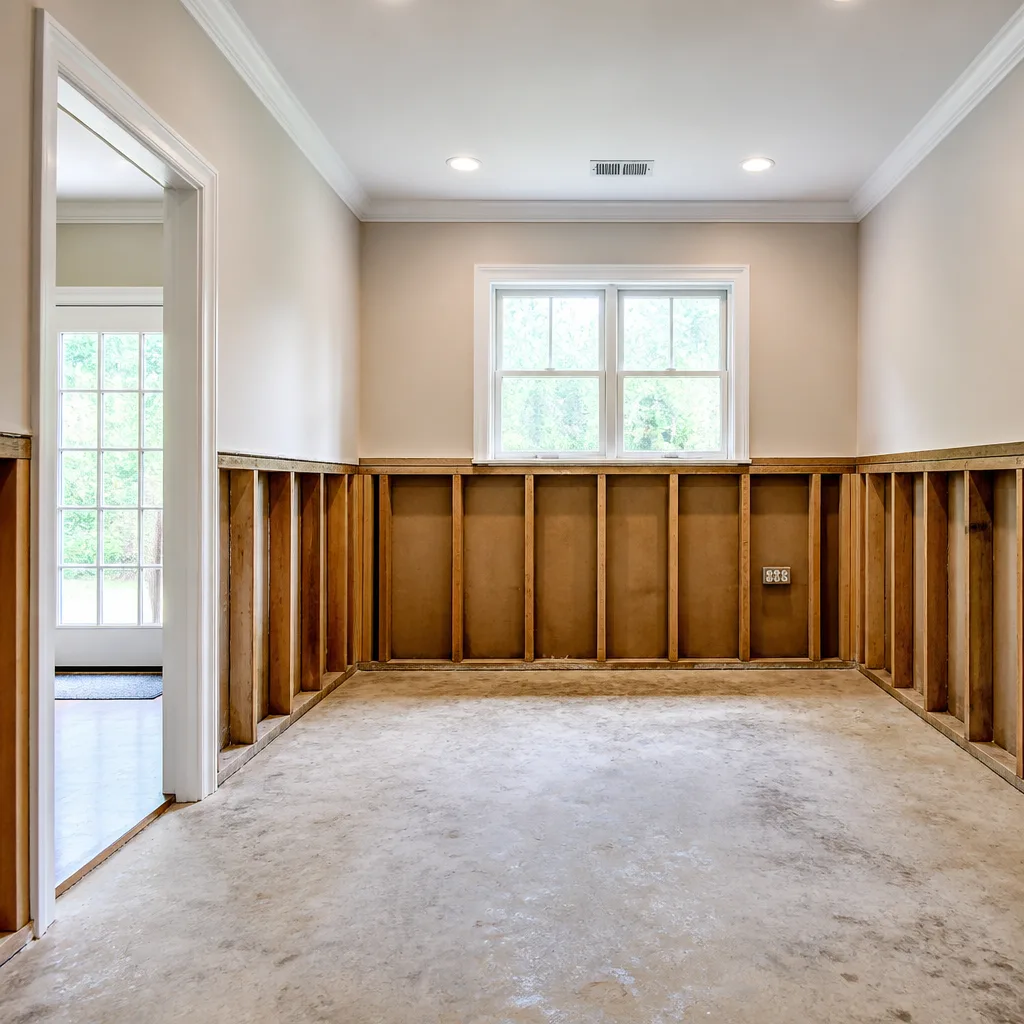
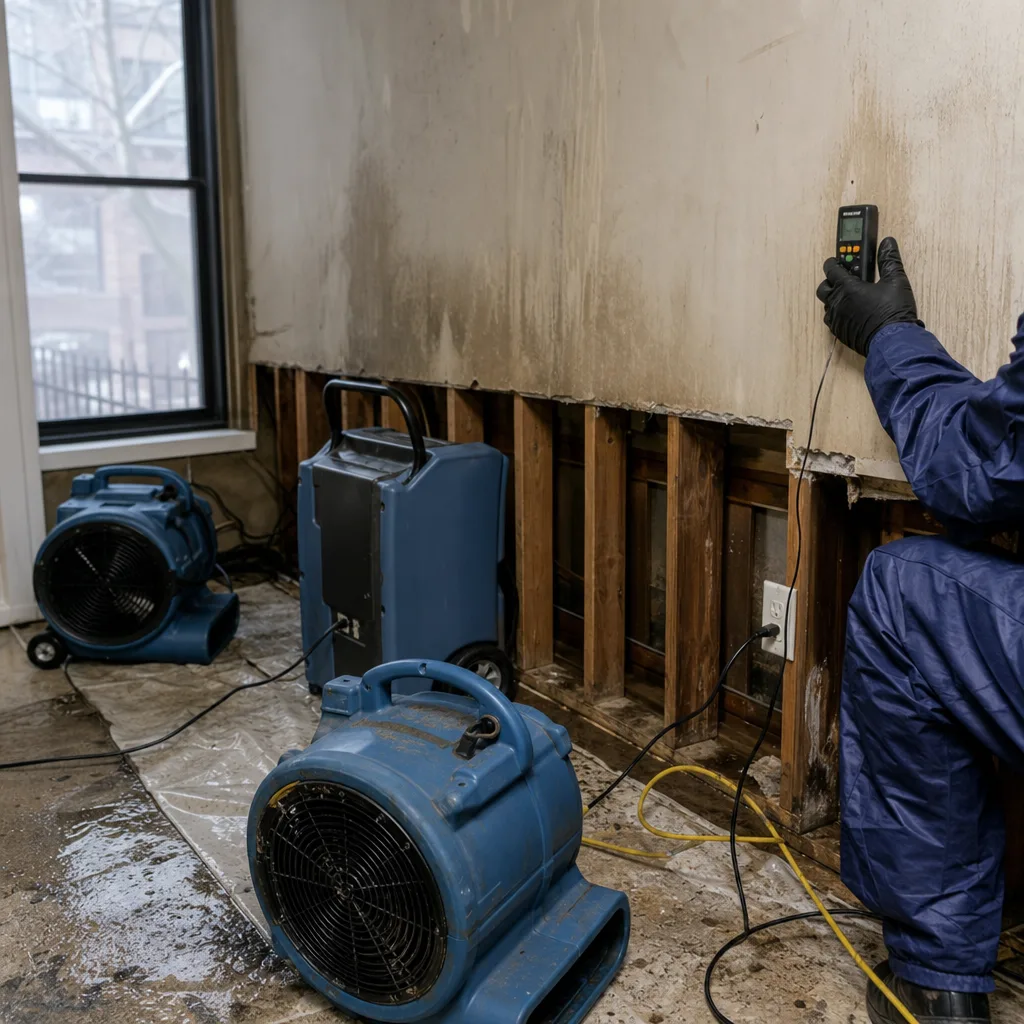
We start with a full visual walkthrough, then use thermal imaging and moisture meters to find water you can’t see. In Mount Ivy split-levels, the real extent is often behind wood paneling and finished basement walls. You get a written scope before we open a single wall.
Extraction & Stabilization
We remove standing water using truck-mounted extraction units and submersible pumps where needed. The goal is to get the water out of the building envelope before it wicks further into framing and drywall.
Drying & Dehumidification
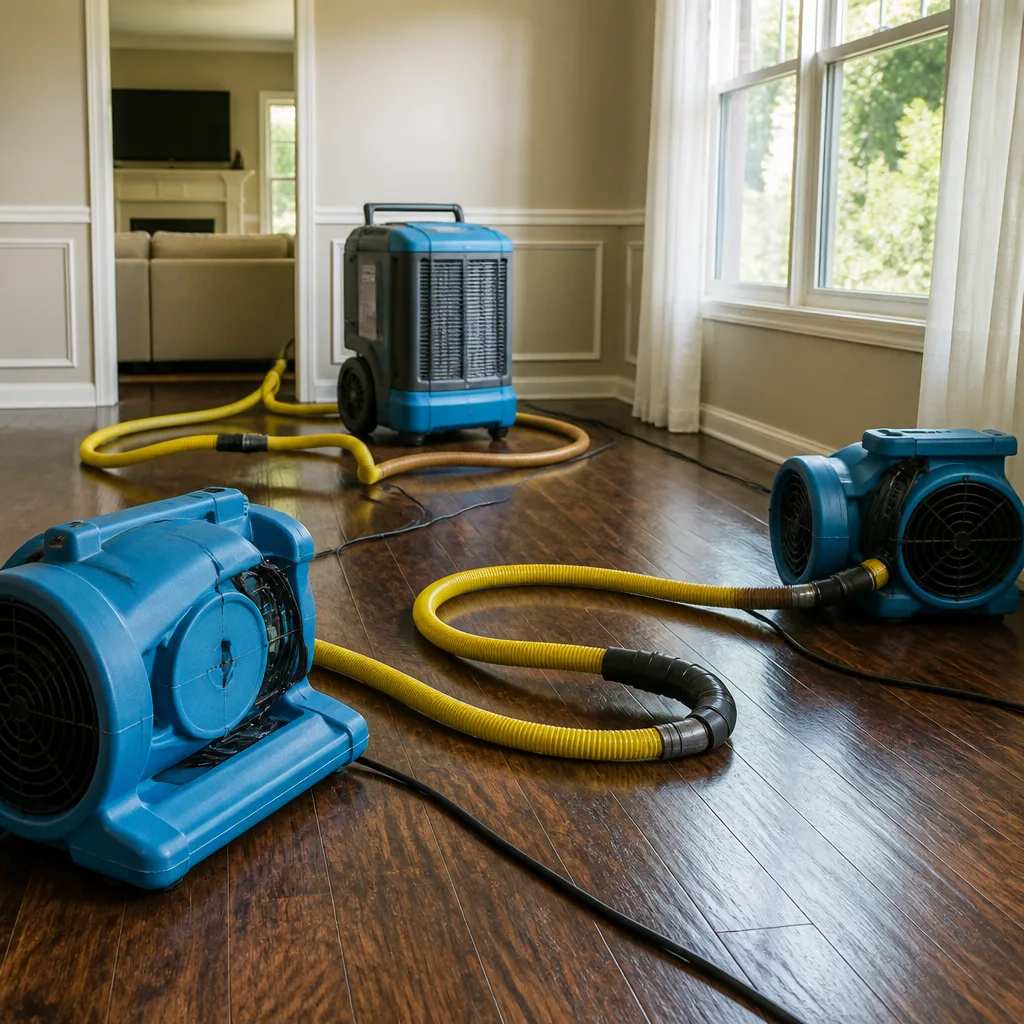
Dri-Eaz air movers and Phoenix dehumidifiers are placed based on a calculated drying plan, not guesswork. We log daily moisture readings with hygrometers until the structure meets the dry standard, and we give that log to you and your carrier.
Cleaning & Sanitization
For Category 2 and 3 water, we apply EPA-registered antimicrobial treatments to affected framing and surfaces. HEPA air scrubbers run during the work to filter airborne contaminants.
Targeted Antimicrobial Treatment
Mount Ivy’s chronic flooding patterns mean hidden mold is common behind finished basement walls. We treat exposed framing and containment areas with antimicrobials before anything is closed back up.
Repairs & Restoration
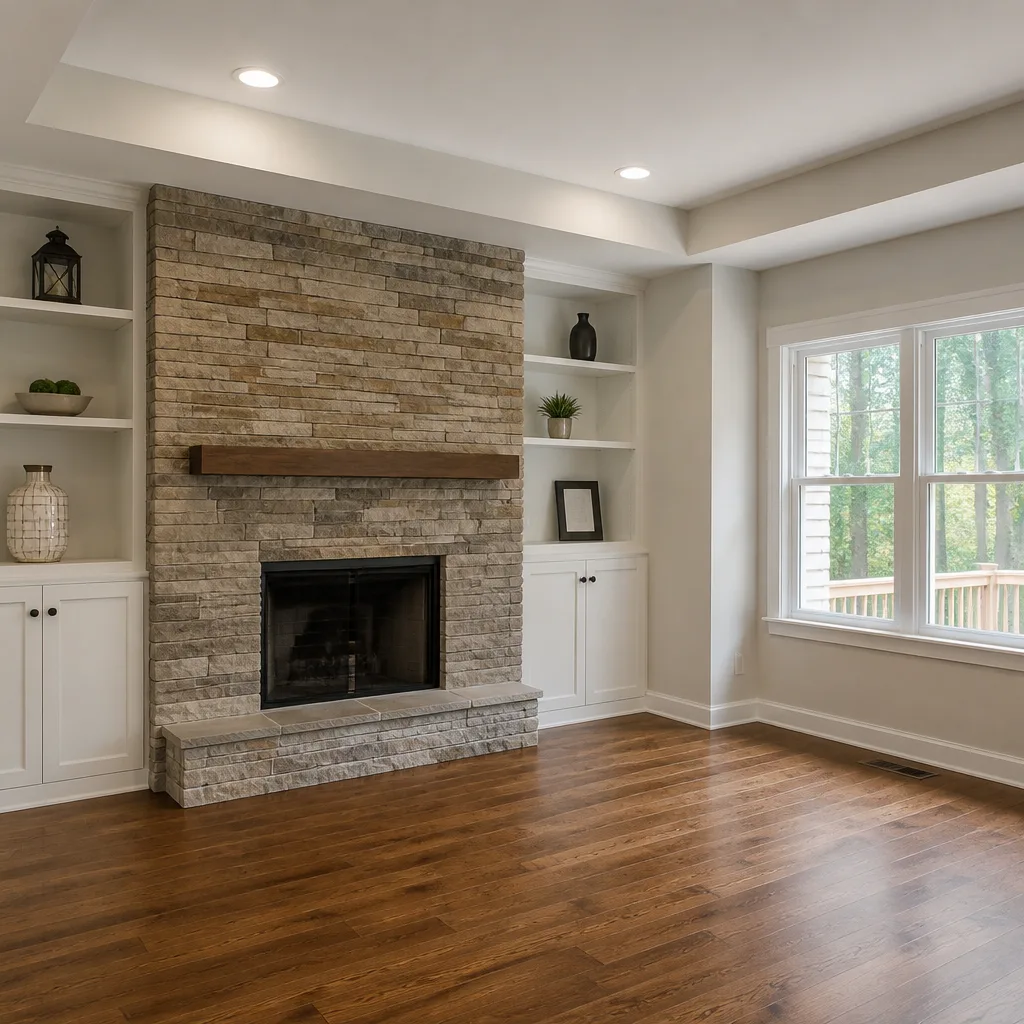
The same crew that handled extraction handles the rebuild. We replace drywall, insulation, flooring, and waterproofing membranes. The job is done when your house is back to pre-loss condition, not when we decide we’re finished.
Need Emergency Water Damage Restoration in Mount Ivy Now?
Crews minutes away, answering live 24 hours a day. The sooner we start, the less it costs.
Working With Your Insurance Company
Insurance claims for water damage in Mount Ivy get complicated fast, especially when the source is groundwater seepage or terrain-driven flooding rather than a burst pipe. Carriers need documentation from the very first hour: photos before anything is moved, moisture readings at the start, drying logs every day after. We provide all of that. Our team has handled thousands of claims in Rockland County and we speak the adjuster’s language. We document the loss thoroughly, write a line-item scope, and coordinate directly with your carrier so you’re not stuck arguing about what’s covered. The 90-Day Done Right Promise is in writing too, the Keystone Standard. If something isn’t done right, we make it right. No paperwork battles, no arguing. That’s the deal.
What We Provide Your Insurer
- Thorough documentation of the loss
- Photos of all damage, room by room
- Moisture readings and drying logs
- A detailed, line-item scope of work
- Direct coordination with your carrier
Built for Mount Ivy’s Loss Calendar
Mount Ivy’s water damage follows a seasonal rhythm. January and February bring deep freezes that split supply lines in unheated crawlspaces and exterior-wall plumbing. The clay-heavy local soils freeze and then thaw in late winter, shifting foundations enough to open hairline cracks that admit meltwater each March and April. Spring thaw coincides with the start of nor’easter season, and that’s when Mount Ivy’s real vulnerability shows. The hamlet sits at the base of the Ramapo Mountain escarpment, and stormwater sheeting off the highland terrain concentrates and funnels directly into low-lying streets and basements. Rain that falls as a moderate event in neighboring flatland communities lands here as a basement flood.
Summer brings thunderstorm flash flooding, often too fast for local drainage to handle. Fall is quieter, though aging waterproofing membranes continue their slow failure regardless of season. The freeze-thaw cycle repeats, the cracks widen slightly more, and the next storm finds the gap. Mount Ivy homeowners who’ve lived here twenty years know the pattern. Our job is to break it, whether that means restoration now or a retrofit after the drying is done.
Water Damage Restoration Across Mount Ivy’s Neighborhoods
Route 202 cuts through the center of Mount Ivy and carries most of the hamlet’s commercial traffic. The split-levels and ranches off this corridor were built largely between 1955 and 1975, and they’re where we see the most chronic basement flooding. Finished basements in these homes often hide decades of painted-over high-water lines on the original block walls. Homeowners repainted after each event, but the evidence stayed behind the paneling, along with mold colonies that inflated the true scope of every restoration job. We’ve extracted water from a 1960s split-level off Route 202 where three distinct high-water marks told the story: floods in three separate decades, each one painted over, each one leaving moisture behind the walls.
The neighborhoods north of the hamlet center, climbing toward the Ramapo foothills, have different issues. Homes on slopes get surface water running down driveways and along foundation walls during heavy rain. The grading that worked fine in 1965 often doesn’t work anymore after decades of soil settlement. We see water entering through the uphill foundation wall, not just the floor slab.
The older sections of Mount Ivy, with the original post-WWII ranches, frequently have original waterproofing membranes on the exterior foundation walls. Those membranes had a service life of maybe 30 to 40 years. Most failed years ago. When hydrostatic pressure builds during a nor’easter, water seeps through in places no one can see until the carpet is wet.
Homes near the base of the escarpment, on the western edge of the hamlet, face the most concentrated runoff. Stormwater channels down the slope and pools against foundations that were never designed for that kind of sustained pressure. Basement water removal and structural drying in these homes often reveals long-term seepage patterns that predate whatever storm triggered the current cleanup.
Specialized Water Damage Restoration Services We Offer in Mount Ivy
Basement Water Removal
Basement water removal is the core of what we do in Mount Ivy. The hamlet’s terrain-driven flooding means standing water in basements is the most common emergency call we answer. We use truck-mounted extraction for large volumes and submersible pumps when the water is deep. For older poured-concrete basements, we check the cove joint where the floor meets the wall, a frequent seepage point in this housing stock.
Structural Drying & Dehumidification
Structural drying in Mount Ivy’s older homes requires patience and precise measurement. Original block and poured-concrete basements hold moisture differently than modern construction. We use Dri-Eaz and Phoenix equipment placed according to a calculated drying plan, with daily hygrometer readings until the structure reaches the dry standard. That log goes to you and to your carrier. The same crew handles every reading, so there’s no mistaking who’s responsible for the result.
Flood Cleanup
Flood cleanup after a nor’easter or summer thunderstorm in Mount Ivy often involves Category 2 or 3 water. The water has traveled across ground and through soil before entering your home. We handle contaminated water with full containment protocols, antimicrobial treatment on the framing, and HEPA air scrubbing during the work. We don’t just dry the surface and call it done. We document what was affected, what was removed, and what was treated.
Emergency Water Extraction
When a pipe bursts or a water heater fails, the water needs to come out now. Our emergency water extraction teams reach Mount Ivy within 45 minutes in most cases. Fast extraction stops the water from wicking up drywall and into insulation. In a 1960s split-level with original wood paneling over drywall, that wicking happens fast and the paneling often has to come off if we’re too late. Speed is the cheapest part of the whole restoration.
Burst Pipe Restoration
A burst supply line in a Mount Ivy ranch is usually a Category 1 loss, but the damage can still be extensive if water ran while the house was empty. We handle the full restoration: extraction, drying, drywall replacement, flooring, and any rebuild work. For exterior-wall plumbing that froze, we identify the thermal weakness so the same pipe doesn’t burst again next January.
Ceiling & Roof Leak Water Damage
Roof leaks in Mount Ivy’s older homes often trace back to ice dams in late winter or worn flashing around chimneys and vents. Water travels along rafters and can pool in ceiling bays before it ever shows up as a stain. We dry the ceiling cavity, treat any mold, and repair or replace the affected drywall and insulation. The source of the leak gets flagged for repair so the restoration work isn’t undone by the next storm.
What happens when you call
- 1
A real person answersNo phone trees - you reach a local pro.
- 2
You get an upfront price rangeHonest numbers before anyone is dispatched.
- 3
A background-checked tech heads outLicensed & insured, dispatched right away.
- 4
You approve before work beginsNothing starts until you say go.
Water Damage Restoration Costs in Mount Ivy, NY
A typical basement water removal job in Mount Ivy runs $1,200 to $3,500 for extraction and initial drying setup, depending on the square footage and water category. Full structural drying with daily monitoring usually adds $800 to $2,000. A Category 3 flood cleanup with containment, antimicrobial treatment, and HEPA air scrubbing typically lands between $3,000 and $7,000 before rebuild work begins. Replacing drywall, insulation, and flooring in a finished basement adds $2,500 to $8,000 depending on finishes. If your split-level has original wood paneling that concealed mold behind it, the demo and rebuild cost goes up, but ignoring it costs more in the long run. Insurance coverage varies. A burst supply line is typically covered. Groundwater seepage often isn’t, unless you carry specific flood or water backup coverage. That’s exactly why we provide free visual inspections and written scopes before any work starts. The estimate tells you what’s covered, what’s out of pocket, and what the repair-versus-retrofit decision looks like. Call (917) 924-4221 for a free inspection, and ask about the $50 off any repair over $250, the $89 seasonal tune-up, and the senior and veteran 5% discount.
We Also Serve Cities Near Mount Ivy
Our crews serve Mount Ivy and the surrounding communities, including Mount Ivy itself, plus Fairview, Harrison, East Bronx, and Hunts Point. If you’re in any of these areas and dealing with water damage, the same live dispatcher answers at (917) 924-4221.
Mount Ivy Water Damage Restoration Questions, Answered
Why does my Mount Ivy basement flood even when it hasn’t rained directly overhead?
Mount Ivy sits at the base of the Ramapo Mountain escarpment, which acts as a topographic funnel channeling stormwater from the highlands directly into the hamlet. Rain that falls on the mountains can reach your foundation hours after the sky has cleared overhead. The water travels downhill through soil and along the bedrock, building hydrostatic pressure against your basement walls until it finds a way in through cracks, cove joints, or failed waterproofing membranes. This is why Mount Ivy basements flood at rates disproportionate to nearby flatland communities like Spring Valley or New City. The precipitation doesn’t have to fall on your roof to end up in your basement. Call (917) 924-4221 for a free assessment of where your specific water is coming from.
How do I know if the water in my Mount Ivy basement is Category 1, 2, or 3?
Category 1 is clean water from a supply line or faucet, safe to touch and dried without special treatment. Category 2 contains significant contamination, like sump pump discharge or washing machine overflow. Category 3 is grossly contaminated, meaning sewage, river water, or ground runoff that has traveled across soil and pavement. In Mount Ivy, any water that entered through the foundation wall or floor after a storm is almost certainly Category 2 or 3, because it picked up soil bacteria, fertilizers, and surface contaminants on its way down from the escarpment. Category 3 water requires containment, antimicrobial treatment, and proper disposal. If you’re not sure, treat it as contaminated and call us at (917) 924-4221.
What should I do about repeated high-water lines on my finished basement walls in a 1960s split-level?
Those high-water lines are the most important clue in your whole house. They mean chronic, terrain-driven flooding events that were painted over without proper drying or mold treatment. Behind 1960s wood paneling, the framing and drywall likely still hold moisture and hidden mold colonies from events years ago. The restoration job isn’t just the current flood, it’s the accumulated damage. We strip the affected wall area, treat the framing with antimicrobials, dry to standard, and then discuss whether a waterproofing retrofit makes sense so the same wall doesn’t flood again next nor’easter. Ignoring the lines means the mold keeps growing behind the paneling. Call (917) 924-4221 for a free inspection of what’s behind those old water marks.
How long does structural drying take in Mount Ivy’s older basements with original block or poured concrete?
Drying time depends on the materials and how saturated they are, but in Mount Ivy’s original block or poured-concrete basements, expect 3 to 5 days of active drying for moderate water events and 5 to 7 days when the water sat for a while or wicked into finished walls. Concrete and block hold moisture stubbornly and release it slowly. Clay-heavy local soils outside the wall can keep re-introducing moisture if the waterproofing membrane is compromised. We take daily moisture readings with hygrometers and keep the drying equipment running until the structure meets the dry standard. The drying log goes to you and to your carrier. We won’t close a wall until the numbers say it’s dry.
When is it better to retrofit versus just repair water damage in a Mount Ivy ranch or split-level?
If your basement has flooded more than once, retrofitting is almost always cheaper over the long run than repeated repairs. In a Mount Ivy ranch or split-level built between 1955 and 1975, the original waterproofing membranes on the exterior foundation walls are almost certainly failed by now. Repairing the drywall and carpet without addressing the exterior waterproofing, drainage, or grading means the next nor’easter undoes all of it. We’ll give you an honest read: if the water came through a crack in the cove joint, interior drain work might solve it. If it’s coming through the wall itself, exterior excavation and membrane replacement may be the real fix. The retrofit ranges from a few thousand dollars for interior work to $8,000 to $15,000 for exterior waterproofing, but it stops the cycle. Call (917) 924-4221 and we’ll walk your specific foundation.
How fast can you actually get to my Mount Ivy home?
We aim to have a certified crew at your Mount Ivy property within 45 minutes of your call, any hour, any day. A live dispatcher answers at (917) 924-4221 and routes the nearest available team. Night calls get the same response as daytime. The sooner extraction starts, the less the job costs and the more of your home we can save.
Will my insurance cover water damage in Mount Ivy?
Coverage depends on the water source. A burst supply line or failed water heater is typically covered under standard homeowners policies. Groundwater seepage or terrain-driven flooding through foundation walls often requires specific water backup or flood coverage. Many Mount Ivy homeowners discover their policy doesn’t cover seepage only after the damage happens. We document every loss thoroughly, provide photos, moisture readings, and line-item scopes, and talk directly with your adjuster. You don’t have to figure out the policy language alone.
What should I do in the first 30 minutes after discovering water damage?
Call us at (917) 924-4221 first. Then, if it’s safe to do so, turn off the water supply if the source is a burst pipe, and shut off electricity to the affected area at the breaker. Don’t walk through standing water if you can’t see the floor, especially if the water may have contacted electrical outlets or appliances. Move small items to dry areas if you can, but don’t try to extract the water yourself with a shop vac if the water is from a sewage backup or ground runoff. Document with photos if possible. The most important step is getting a certified crew on the way, because mold starts forming within 24 to 48 hours and every hour of saturation spreads the damage further into the structure.
We responded to a 1960s split-level off Route 202 where the finished basement showed three distinct high-water lines painted over decades. Our tech performed Category 2 water extraction from the carpet and pad, then set up Dri-Eaz air movers and dehumidifiers while moisture mapping revealed water had wicked 18 inches up the drywall behind original wood paneling. After containment and antimicrobial treatment on the framing, we documented drying logs until moisture readings matched the home’s pre-loss condition and replaced the failed waterproofing membrane at the base of the poured-concrete wall. That’s the work we do in Mount Ivy, and we do it from first extraction to finished rebuild with the same certified crew.
Serving Mount Ivy, NY - Our Local Coverage Area
We’re based in the Mount Ivy area and know this community well. Use the map below to see our service coverage - if you’re nearby, we can almost certainly help.
Call Floodline Restoration Co. of Manhattan for Mount Ivy Water Damage Restoration
If you’re standing in water, reading this on your phone, call (917) 924-4221 right now. A live person answers. We’ll get a certified crew to your Mount Ivy home fast, start extraction the same visit, and walk you through everything that happens next. Our Water Damage Restoration team is the same crew from the first moisture map to the final piece of trim. You get a written scope before work starts, direct insurance billing, and the 90-Day Done Right Promise in your hands. The Keystone Standard is our guarantee: if it’s not done right, we make it right. No arguing, no paperwork battles. Founded in 2010 by Curt Bowman, Floodline Restoration Co. has built a name on showing up when we say, answering the phone with a person, and standing behind the work in writing. Ask about the $50 off any repair over $250, the $89 seasonal tune-up, and the senior and veteran 5% discount. Call (917) 924-4221 for a free estimate and a square deal.
Written by Curt Bowman, Owner at Floodline Restoration Co. of Manhattan, serving Mount Ivy and surrounding Rockland County communities.