

Free visual inspection and a written scope of work before any mitigation begins - photos, moisture readings, and drying logs go in your claim file
The scope we write is the scope we bill. Anything new gets shown to you, in writing, before we touch it.






 Before
 After
After Before
 After
After Before
 After
After24/7 Emergency Water Damage Restoration in Travis – Chelsea
Water damage in Travis – Chelsea almost never announces itself politely. A nor’easter pushes Arthur Kill surge over Victory Boulevard, a supply line lets go at 3 a.m., or a basement that’s been dry for a decade suddenly has six inches of water because the water table rose after three days of rain. When it happens, call (917) 924-4221. A live person answers, every time, at any hour. We dispatch a certified crew to Travis – Chelsea immediately – not a call center that takes a message, and not a recording. The first hour determines how much of your home we can save, how much drying it will take, and whether mold ever gets a foothold. Our technicians arrive with extraction equipment ready to run the same visit. The visual inspection is free, and before we touch a single wall cavity, you’ll know what we found and what we recommend doing about it.
Understanding Water Damage Restoration Severity in Travis – Chelsea Properties
Not all water damage behaves the same way, and in Travis – Chelsea the difference matters more than in most parts of New York City. We categorize water by source: Category 1 is clean water from a burst supply line or an overflowing sink. Category 2 carries contaminants – think washing machine discharge or sump pump overflow. Category 3 is the serious one: sewage, tidal surge, or standing water that has picked up whatever lies on the ground. In Travis – Chelsea, Category 3 is common because Arthur Kill surge and backed-up drainage introduce brackish, contaminated water directly into basements built on former marshland.
The housing stock here raises the stakes on all three categories. The ranches and Capes built from the 1950s through the 1970s often have original plaster walls, batt insulation with no vapor barrier, and slab-on-grade or shallow-basement foundations sitting at or near the seasonal water table. Plaster wicks moisture upward aggressively, and untreated wood framing hidden behind it can stay damp for weeks after a flood. Surface drying doesn’t touch those cavities. That’s why moisture mapping matters – we take readings with hygrometers and thermal imaging to find water that isn’t visible, then track daily until we hit the dry standard for your specific structure, not a generic number out of a manual.
Why Travis – Chelsea Property Owners Choose Floodline Restoration Co. of Manhattan
- 45-minute response commitment: When water is moving through your home, every minute counts. Our Travis – Chelsea dispatch target is 45 minutes from call to boots on the ground, 24 hours a day.
- A real person answers, always: No phone tree, no “press 2 for emergencies.” You call (917) 924-4221 and a live dispatcher picks up at 2 a.m. the same way they do at noon.
- IICRC-certified crews: Our technicians carry WRT, FSRT, and AMRT certifications and train to RIA and IFA standards. Background-checked, uniformed, and accountable by name.
- Free visual inspection with a written scope: We assess the damage, document it thoroughly, and give you a written scope of work before any billable labor begins. No pressure, no mystery line items.
- Direct insurance billing: We bill your carrier directly and talk to the adjuster ourselves. You don’t play messenger between us and the insurance company.
- One team from extraction to reconstruction: The same certified crew that pulls the water also dries the structure, treats the cavities, and rebuilds what needs rebuilding. No mid-job handoff to strangers.
Our Water Damage Restoration Process
Inspection & Assessment
We walk the entire affected area, not just the obvious puddle. Thermal imaging and moisture meters map where water has traveled through walls, under flooring, and into cavities. You get a plain-English explanation of Category and Class, plus a written scope before work begins.
Extraction & Stabilization
We pull standing water with truck-mounted and portable extraction units, then remove saturated materials that can’t be saved – carpet pad, damaged drywall, soaked insulation. The goal here is to stop ongoing absorption and get the structure stable.
Drying & Dehumidification
This is the step that separates a real restoration from a floor mopping. We calculate cubic footage and load, position Dri-Eaz or Phoenix dehumidifiers and XPOWER air movers to create airflow across every wet surface, and take daily readings until your structure meets drying standards.
Cleaning & Sanitization
Contaminated water means antimicrobial treatment. We clean and sanitize all affected surfaces, HEPA-vacuum where needed, and treat cavities that were opened during drying. In Travis – Chelsea, where Category 3 water is common, this step is never optional.
Mold Prevention & Cavity Treatment
Because so many Travis – Chelsea homes sit on saturated fill, we specifically treat for the conditions that trigger callbacks: hidden moisture in plaster cavities, wicking along untreated framing, and high-humidity basements. If exterior drainage or a sump is needed, we’ll tell you and scope it.
Repairs & Restoration
We rebuild what we opened: drywall, trim, flooring, paint. The same crew that pulled the water now finishes the job to a condition that matches or improves on what was there before. Done correctly, and backed in writing by the 90-Day Done Right Promise.
Need Emergency Water Damage Restoration in Travis – Chelsea Now?
Crews minutes away, answering live 24 hours a day. The sooner we start, the less it costs.
Working With Your Insurance Company
Insurance claims in Travis – Chelsea are often complicated by the recurring nature of water intrusion here. Carriers want to know whether this event is new damage or a maintenance issue, and adjusters unfamiliar with Staten Island’s western shore sometimes underestimate the severity of hydrostatic pressure problems. We handle that conversation for you. From the first hour on site, we document everything: photos of each room before anything moves, moisture readings on day one, daily drying logs, and a line-item scope of work that speaks the insurer’s language. Our crew communicates directly with your adjuster, answers their questions, and submits the documentation they need. You still own the claim, but you’re not alone in it. Floodline Restoration Co. services in Travis – Chelsea are documented with the level of detail adjusters respect, which tends to move claims faster and with fewer back-and-forth requests.
What We Provide Your Insurer
- Thorough documentation of the loss
- Photos of all damage, room by room
- Moisture readings and drying logs
- A detailed, line-item scope of work
- Direct coordination with your carrier
Built for Travis – Chelsea’s Loss Calendar
Travis – Chelsea has a water damage rhythm that anyone who’s lived here for twenty years knows by feel. January and February bring deep freezes that burst supply lines in uninsulated crawlspaces and along exterior walls of 1960s ranches. Spring thaw raises the water table under the filled marshland, and basement seepage starts through slab cracks and cove joints. Summer thunderstorms, especially the heavy downpour events in July and August, overwhelm the neighborhood’s poorly graded drainage and push water through basement windows and walkouts. Then comes nor’easter season – October through March – when Arthur Kill surge and tidal backflow turn routine seepage into full basement floods. The pattern repeats, and for many Travis – Chelsea homeowners it repeats multiple times per year. That’s why we approach every Water Damage Restoration job with a question: what sent the water in this time, and what changes so it doesn’t come back next season?
Water Damage Restoration Across Travis – Chelsea’s Neighborhoods
Response times and loss patterns shift block by block here. Around Victory Boulevard and the corridor toward the West Shore Expressway, the 1950s-era ranches with shallow basements tend to flood during tidal surge events – water comes up fast from the Arthur Kill side and doesn’t recede until the tide turns. Homes nearer the former Fresh Kills watershed, on the eastern edge of Travis – Chelsea, more often see drainage backups during heavy rainfall, when overwhelmed storm drains send water back through floor drains and basement fixtures. Over by Chelsea Road and the residential blocks around Showplace Entertainment Center, slab-on-grade construction means water does not pool in a basement – it runs across the slab and wicks into walls and cabinetry, which requires fast extraction and aggressive dehumidification to prevent long-term damage to flooring and lower cabinets. The smaller Cape-style homes that dominate the side streets off Travis Avenue have their own pattern: original plaster walls absorb moisture from the bottom up, and by the time visible staining appears, the water has usually traveled three or four feet up the wall cavity. We know these streets, these houses, and the way water moves through them. Our crews serve Travis – Chelsea daily, so we are not learning the geography on your emergency call.
Specialized Water Damage Restoration Services We Offer in Travis – Chelsea
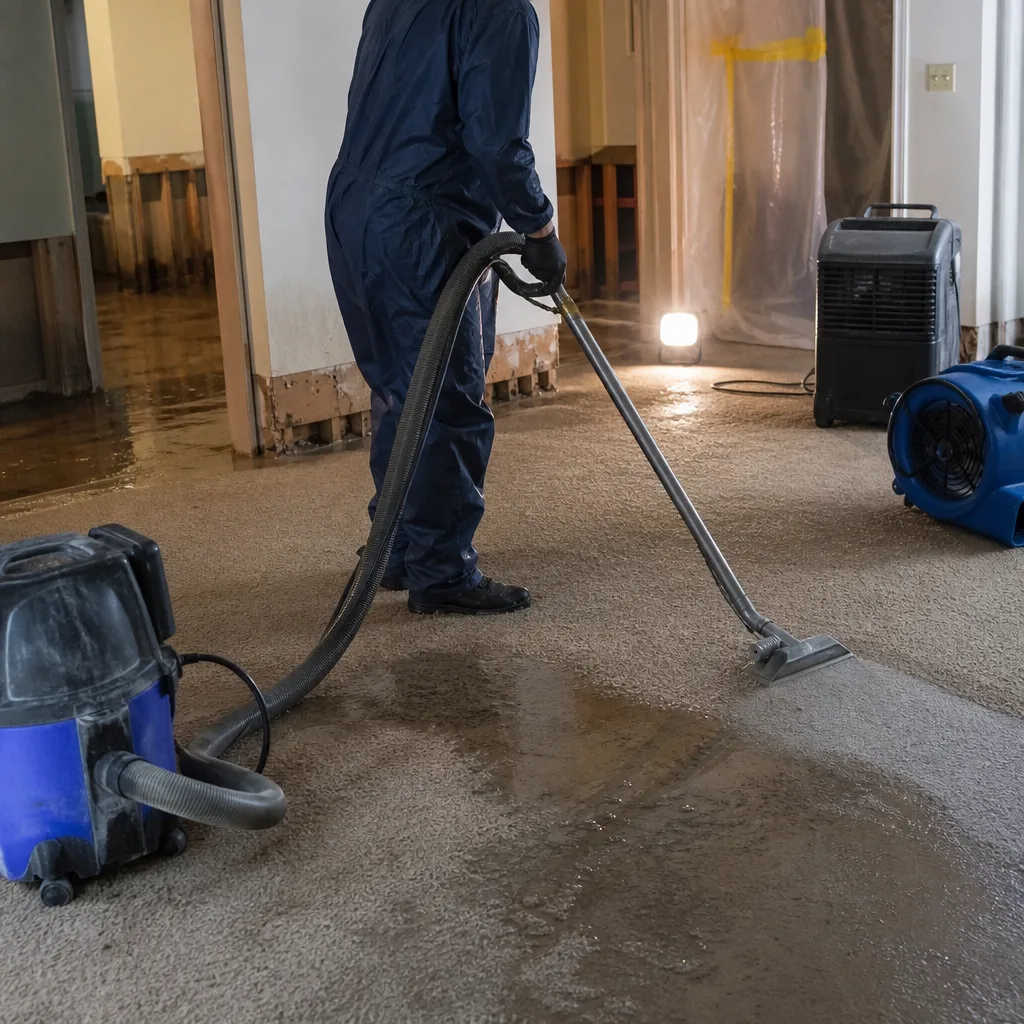
Basement Water Removal
Basement water removal in Travis – Chelsea is almost never just about the water you can see. Given the neighborhood’s position on filled marshland, standing water in a basement usually has a pressure source behind it: a rising water table, a drainage backup, or tidal influence from the Arthur Kill. We extract the water fast, then determine where it came from so the fix addresses the cause. A sump pump discharge line that’s running constantly, a floor drain that gurgles before it backs up, a cove joint that weeps after every heavy rain – these are Travis – Chelsea signatures, and we look for them on every basement call.
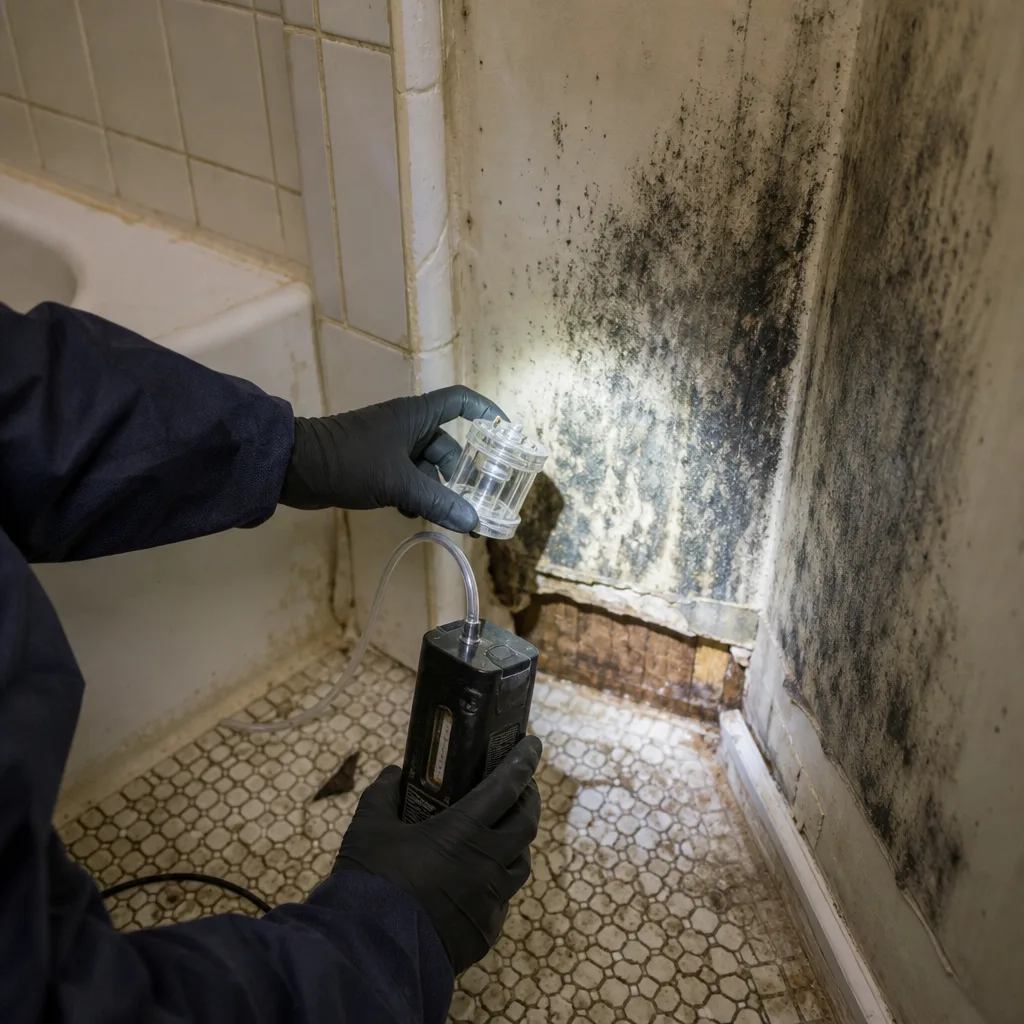
Structural Drying & Dehumidification
Structural drying in Travis – Chelsea homes requires accounting for construction materials that hold water differently than modern assemblies. Original plaster, older batt insulation, and untreated framing all release moisture slowly, and shallow basements with limited natural airflow hold humidity well above outdoor levels even on dry days. We size dehumidification to the structure: cubic footage first, but also vapor load from saturated below-grade surfaces, and we run equipment until daily moisture readings confirm the dry standard – not until the floor feels dry to the touch. A surface that feels dry can still test at 20 percent moisture content, and that’s a mold colony waiting for warm weather.
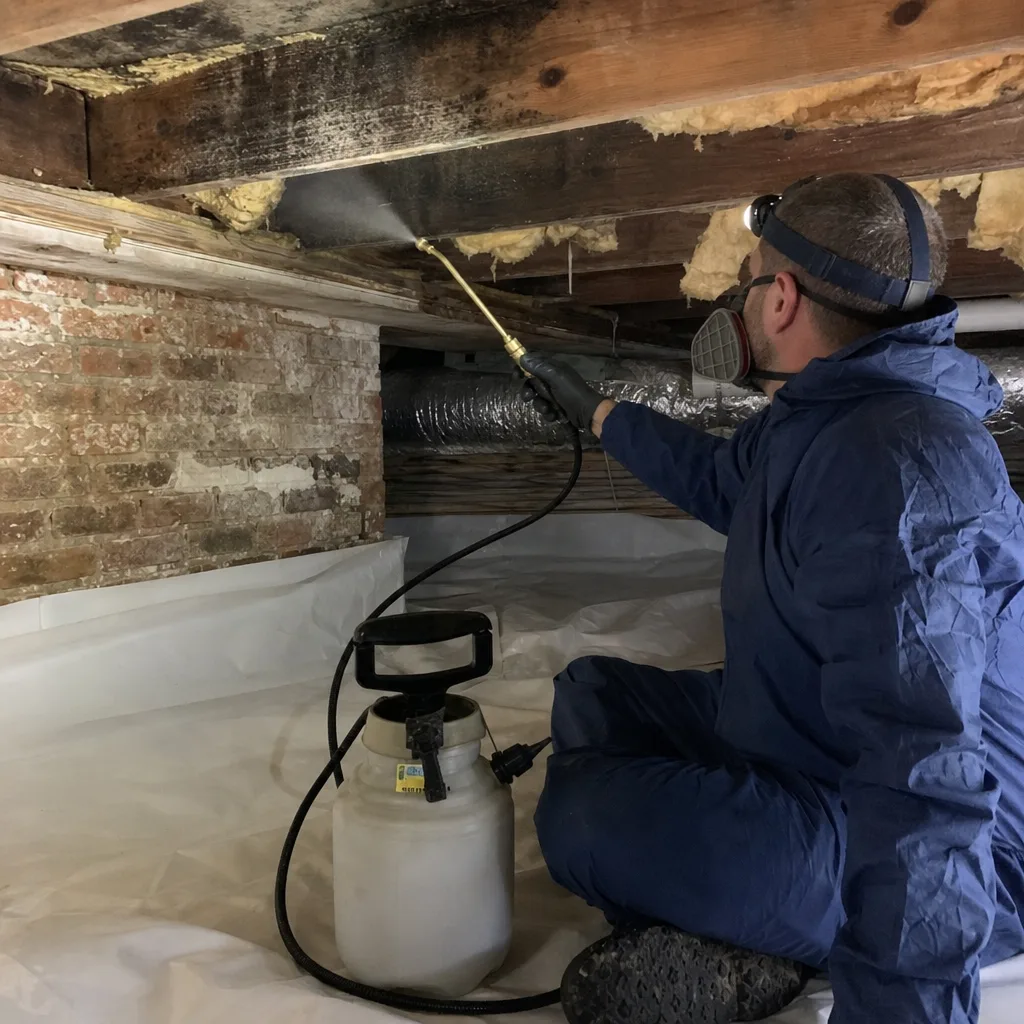
Flood Cleanup
Flood cleanup following a nor’easter or tidal surge means Category 3 water in most Travis – Chelsea basements. Arthur Kill surge carries salt, sediment, and whatever it picked up along the shoreline, so antimicrobial treatment and cavity drying are mandatory, not optional. We also check for hidden pockets the surge reached – behind the utility room, under the stair landing, inside a closet that sits against the foundation wall. Skip those and the smell returns in a month. Our field teams have handled enough Travis – Chelsea surge events to know exactly where water hides in these ranches and Capes.
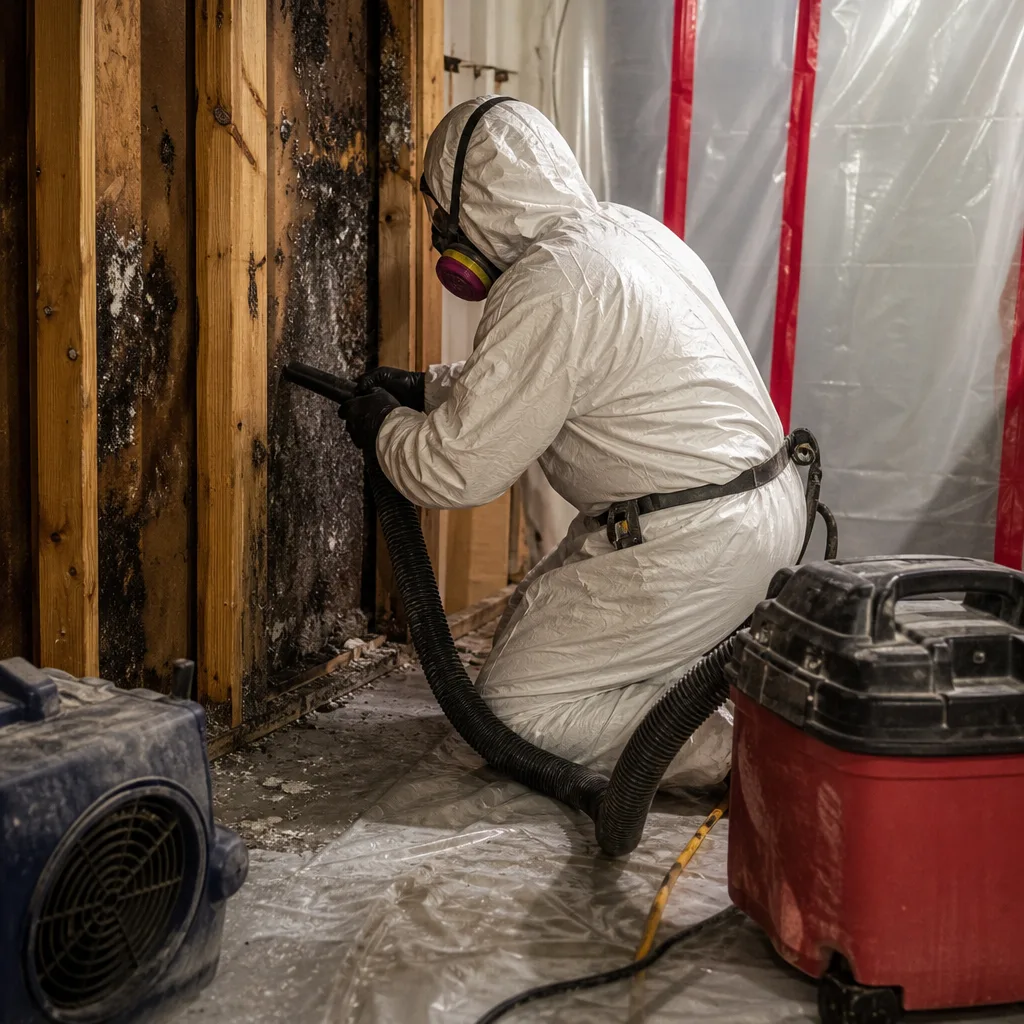
Burst Pipe Restoration
A burst supply line in a Travis – Chelsea ranch can saturate an entire lower level in a matter of hours, especially if the failure happens while nobody is home. We shut down the water supply (or tell you how to, right on the phone), extract what’s pooling, and map the migration path through walls and under flooring. In homes with original plaster, water from a burst pipe travels upward through the wall cavity, so we open at the base and dry well above the visible waterline. The restoration scope includes repairing the pipe and rebuilding what we opened, all done by the same crew.
What happens when you call
- 1
A real person answersNo phone trees - you reach a local pro.
- 2
You get an upfront price rangeHonest numbers before anyone is dispatched.
- 3
A background-checked tech heads outLicensed & insured, dispatched right away.
- 4
You approve before work beginsNothing starts until you say go.
Water Damage Restoration Costs in Travis – Chelsea, NY
What you pay depends on how much water, what category, and how far it traveled before we arrived. In Travis – Chelsea, a straightforward Category 1 extraction and drying job with no structural damage typically runs $1,200 to $3,800. A Category 3 flood cleanup involving containment, antimicrobial treatment, cavity opening, and full drying ranges from $4,500 to $12,000 depending on the square footage and how much material must be removed. A full restoration – water removal, drying, and reconstruction of the damaged area – commonly falls between $8,000 and $25,000 on Staten Island’s western shore, though extensive jobs covering an entire basement can go higher. The factors that move the number: category of water, depth and duration of standing water, whether walls must be opened, whether exterior waterproofing becomes part of the scope, and the type of finishes being restored. We give you a written, line-item scope based on the free visual inspection, not a phone estimate pulled from thin air. Insurance typically covers sudden and accidental water damage like burst pipes and storm surge; routine seepage from hydrostatic pressure may fall outside standard policies unless a rider applies. We’ll walk you through exactly what your policy covers before any work begins, and we bill your carrier directly on approved claims. Call (917) 924-4221 for a free inspection and an exact number – no obligation, and no push. Our standard offers – $50 Off Any Repair Over $250, the $89 Seasonal Tune-Up, and the Senior & Veteran 5% discount – apply to eligible work.
We Also Serve Cities Near Travis – Chelsea
Our crews regularly respond to water damage calls throughout western Staten Island and the surrounding corridors. We serve Travis – Chelsea and nearby communities including Fairview, Harrison, East Bronx, and Hunts Point. If water is moving through your property, call us from anywhere in the area and we’ll have a crew on the way.
Travis – Chelsea Water Damage Restoration Questions, Answered
Why does my Travis-Chelsea basement take in water even when there’s no heavy rain?
Because your home sits on filled marshland, and the sub-grade soil around your foundation stays saturated year-round. Hydrostatic pressure pushes water through the smallest opening – a slab crack, a cove joint, a tie-rod hole – whenever the water table rises above your floor elevation. This happens seasonally in Travis – Chelsea, not just after storms. The real fix usually involves exterior waterproofing, a properly sized sump system, or both; interior drying alone addresses the symptom. Call (917) 924-4221 for a free inspection, and we’ll tell you whether your seepage is consistent with hydrostatic pressure and what permanent mitigation would cost.
How quickly should I start structural drying after a nor’easter surge in Travis-Chelsea?
Within 24 hours, and sooner is meaningfully better. Mold germination begins within 48 to 72 hours on wet porous materials, but in Travis – Chelsea’s high-humidity basement environment and warm seasonal temperatures, we’ve seen it begin earlier. Call us as soon as the water starts coming in – our crews run extraction the same visit, which stops ongoing absorption and buys time for proper drying. The sooner we start, the less material ends up being replaced.
What’s different about water damage in a 1960s ranch versus a Cape in Travis-Chelsea?
The ranch typically has a shallow basement or slab-on-grade foundation over saturated fill, so water comes up from below or across the slab, and damage spreads horizontally. The Cape usually has original plaster walls and batt insulation that wick water vertically – damage climbs walls and hides in cavities well above the visible waterline. Each requires a different drying approach, and that’s why we don’t use a one-size-fits-all protocol on Travis – Chelsea homes.
Can I just run my own fans and dehumidifier after a basement flood in Travis-Chelsea?
You can, but in this neighborhood it rarely works. Household fans don’t move air fast enough to dry wall cavities, and consumer dehumidifiers can’t lower humidity in a saturated below-grade space to the level structural drying requires. Water trapped inside plaster walls or under flooring will stay trapped, and mold will follow. Professional drying calculates airflow and vapor load, uses hygrometers to verify progress, and documents the results for your insurer. Call (917) 924-4221 and we’ll do it correctly with Dri-Eaz, Phoenix, XPOWER, and B-Air equipment.
What should I expect from a Water Damage Restoration scope of work in Travis-Chelsea?
A written document that lists every action we’ll take, the exact line items, and the cost. For a Travis – Chelsea basement flood, it typically includes extraction hours, the number and type of drying units, the square footage of wall being opened, antimicrobial treatment coverage, moisture monitoring days, and the rebuild scope. You approve it before work begins. No one starts cutting without your signature, and there are no surprise charges added later. That’s a square deal – and we stand behind it in writing.
How fast can you actually get to a Travis – Chelsea emergency?
Our dispatch target is 45 minutes from call to arrival in Travis – Chelsea, around the clock. Call (917) 924-4221 and a live person confirms the address, asks a few questions about the water source, and dispatches a crew immediately. We keep response times short because extraction on day one prevents most of the damage that turns into weeks of restoration and rebuilding.
Will my insurance cover water damage in Travis – Chelsea?
Sudden and accidental events – a burst pipe, a nor’easter surge, a water heater failure – are typically covered under standard homeowners policies. Gradual seepage from hydrostatic pressure usually is not, unless your policy includes a specific rider. That distinction explains many claim denials in this neighborhood. We document the exact cause and evidence on day one, then communicate directly with your adjuster to make the clearest case your policy allows. Call us before you call the carrier, and we’ll guide you through what documentation to expect and what to say.
Can we stay in our Travis – Chelsea home during water damage restoration?
It depends on the category of water and where the damage is located. Category 1 or 2 water isolated to a basement may not require you to leave, though dehumidifiers running continuously will raise indoor temperature and humidity for several days. Category 3 water – sewage, tidal surge, heavily contaminated runoff – usually means containment areas and possible temporary relocation until affected spaces are cleaned and sanitized. We’ll give you a straight answer on this as part of the initial inspection, and we’ll document whatever your insurer needs to process additional living expense coverage if it applies.
Why Travis – Chelsea Water Damage Keeps Coming Back – And What We Do Differently
Here’s what every Travis – Chelsea homeowner should understand: the water in your basement is not usually a one-time event. The neighborhood sits on former filled marshland, and the soil under your foundation is saturated permanently. When the water table rises – after heavy rain, during spring thaw, or when the Arthur Kill pushes surge inland – hydrostatic pressure forces that groundwater up through any path it can find. Slab cracks, floor drains, cove joints, the seam where a wall meets the floor: all of them leak under the right conditions. A company that extracts the water, dries the interior, and drives away is treating the symptom. The pressure is still there, pressing against your foundation, waiting for the next rise in the water table. We cannot stop the water table. But we can specify exterior waterproofing, install a properly sized sump system with battery backup, and correct the drainage issues that make seepage worse. That’s the difference between a water damage call this year and a water damage call every year. Floodline Restoration Co. was founded in 2010 by Curt Bowman, and the crew he built has been doing this work – correctly – in Travis – Chelsea and across Staten Island ever since. When we recommend waterproofing, it’s because we’ve seen what happens when these homes are not protected. We’d rather fix it permanently than see you again next nor’easter, though if you call, we’ll be there in 45 minutes. The 90-Day Done Right Promise, our Keystone Standard, applies to every job we do. If it’s not done right, we make it right. No arguing, no paperwork battles. Done right – and backed in writing.
Serving Travis – Chelsea, NY - Our Local Coverage Area
We’re based in the Travis – Chelsea area and know this community well. Use the map below to see our service coverage - if you’re nearby, we can almost certainly help.
Get Water Damage Restoration Help in Travis – Chelsea Now
If water is in your home right now, stop reading and call (917) 924-4221. A live person answers and a certified crew is dispatched to Travis – Chelsea immediately. If you’re planning ahead, call the same number for a free visual inspection and a written scope before any work begins. We work with your insurance company, bill the carrier directly, and finish the job with the same team that started it. Floodline Restoration Co. of Manhattan serves Travis – Chelsea 24 hours a day, seven days a week, with background-checked certified technicians and professional-grade equipment that gets the job done right the first time.
Written by Curt Bowman, Owner at Floodline Restoration Co., serving Travis – Chelsea and the surrounding communities since 2010.