
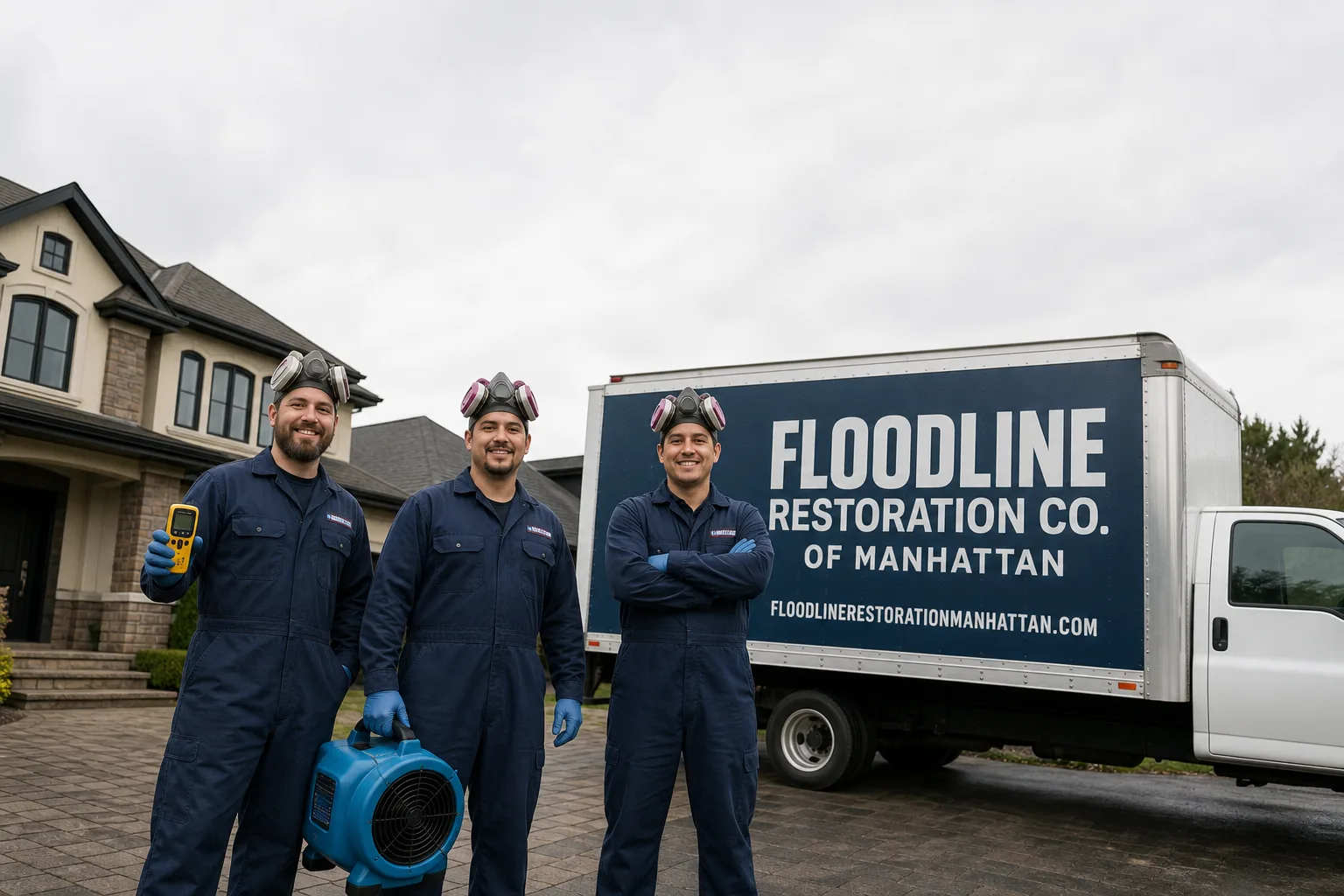
Free visual inspection and a written scope of work before any mitigation begins - photos, moisture readings, and drying logs go in your claim file
The scope we write is the scope we bill. Anything new gets shown to you, in writing, before we touch it.
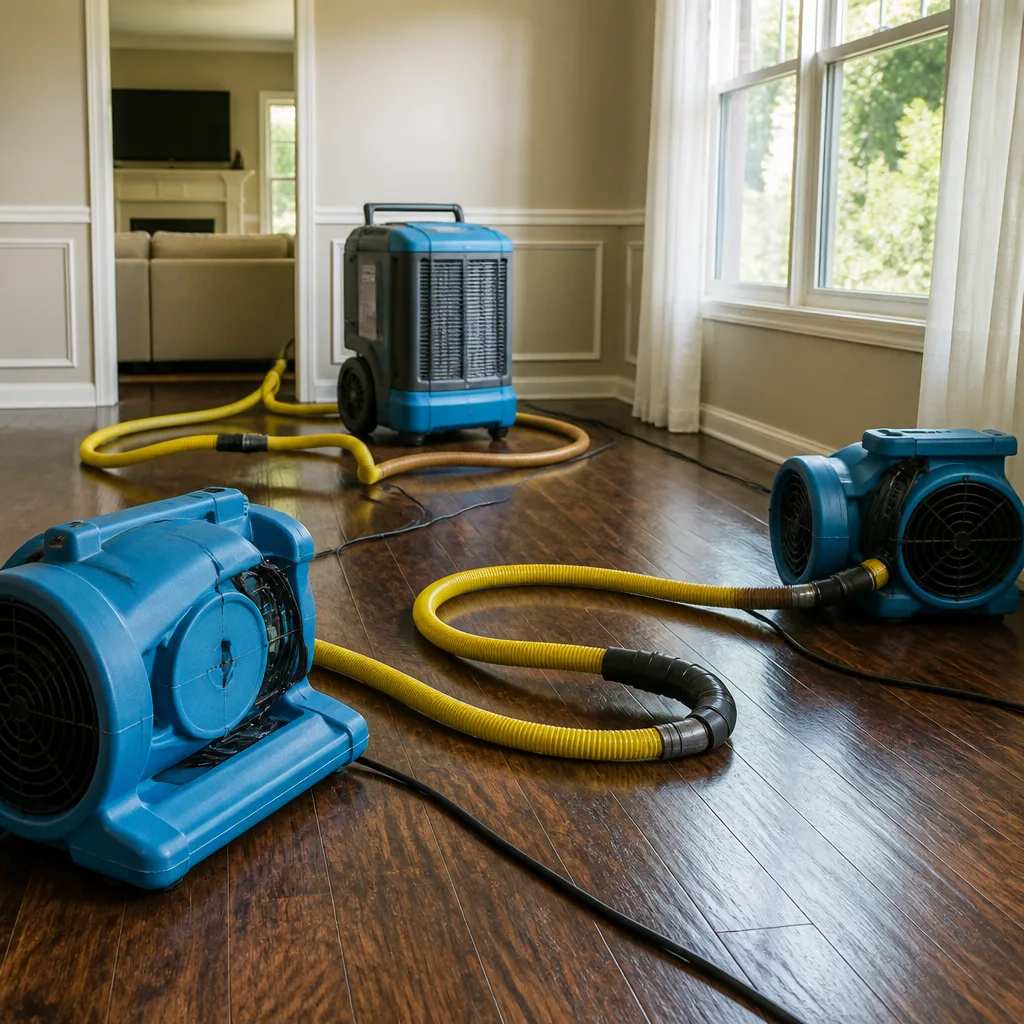
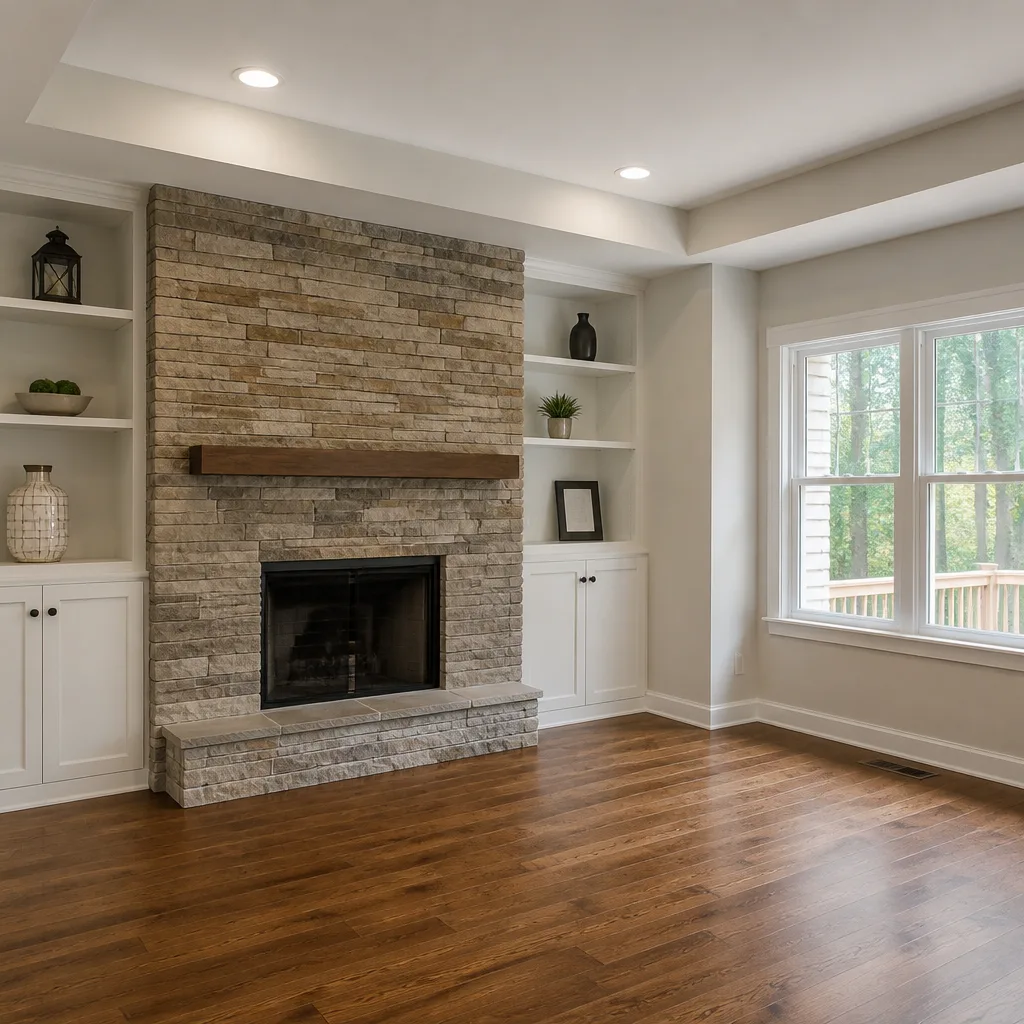
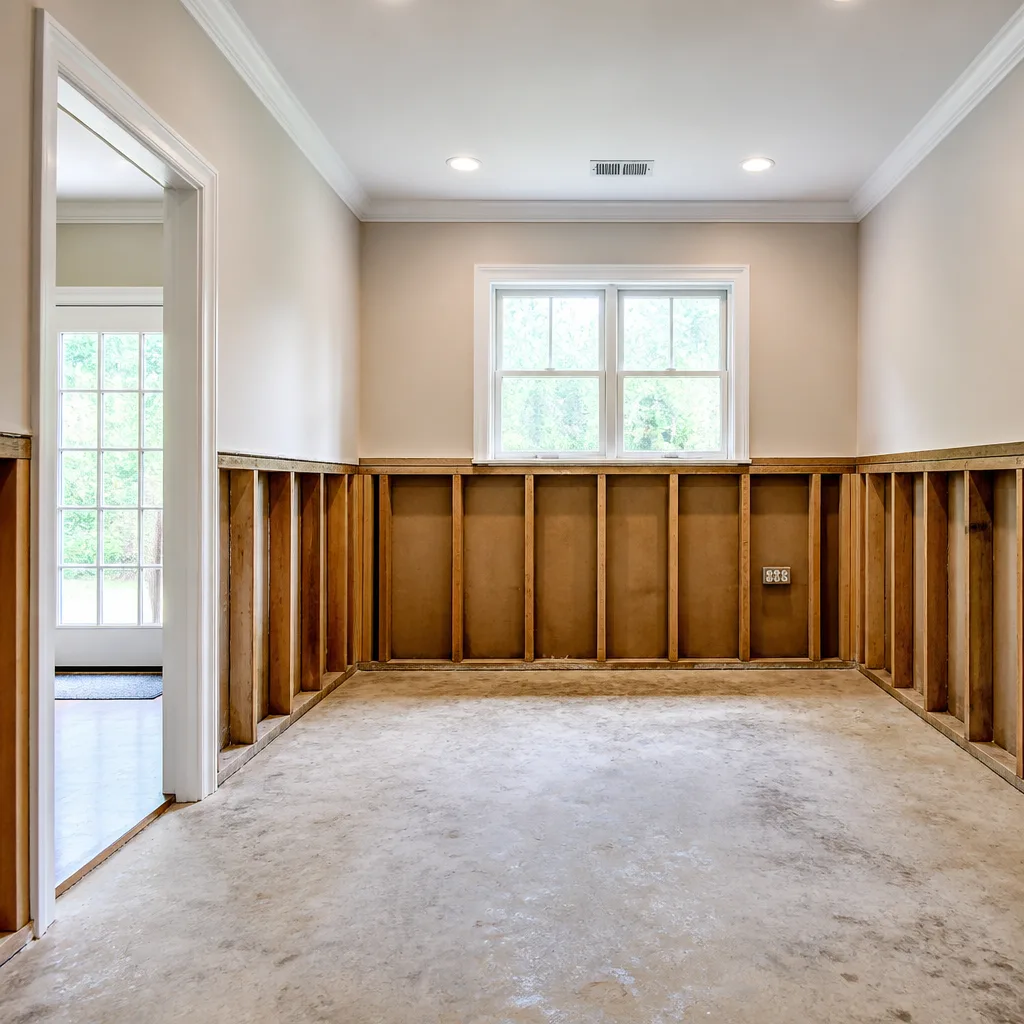
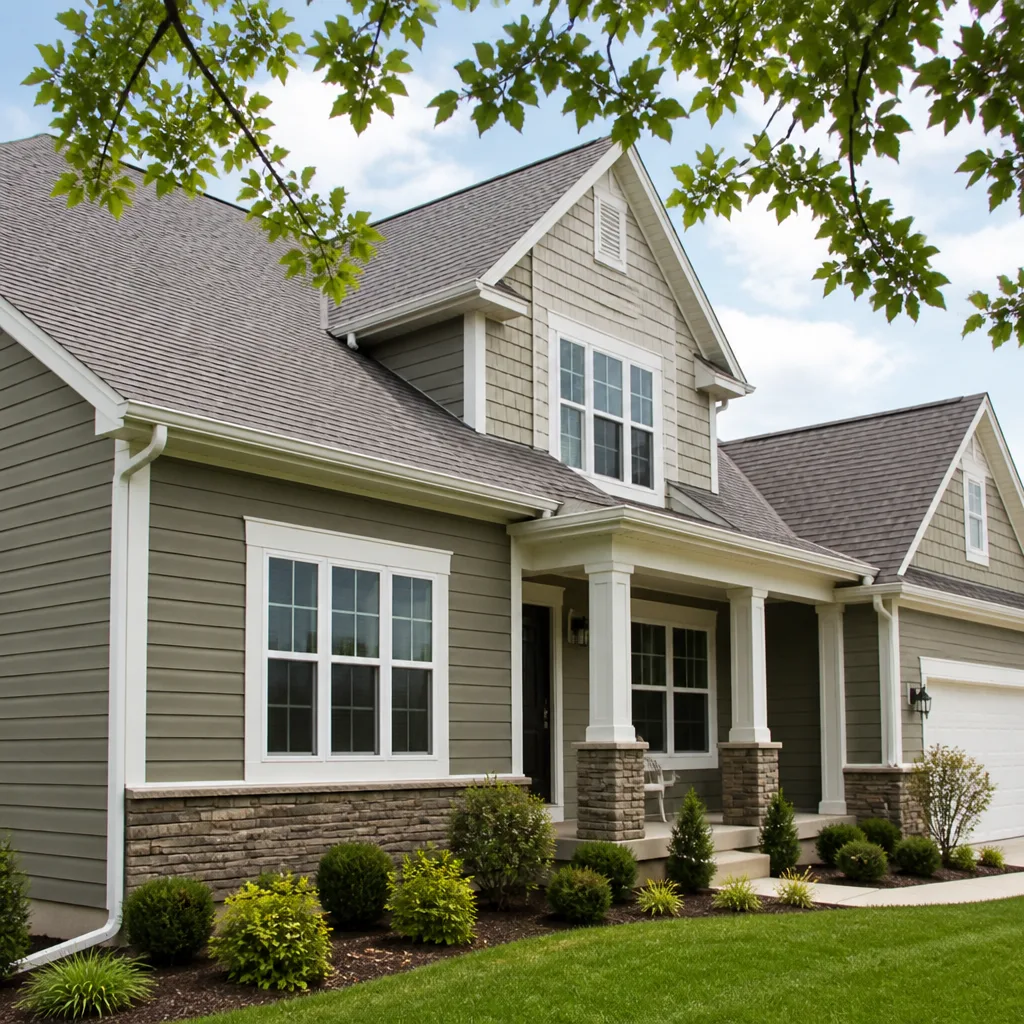
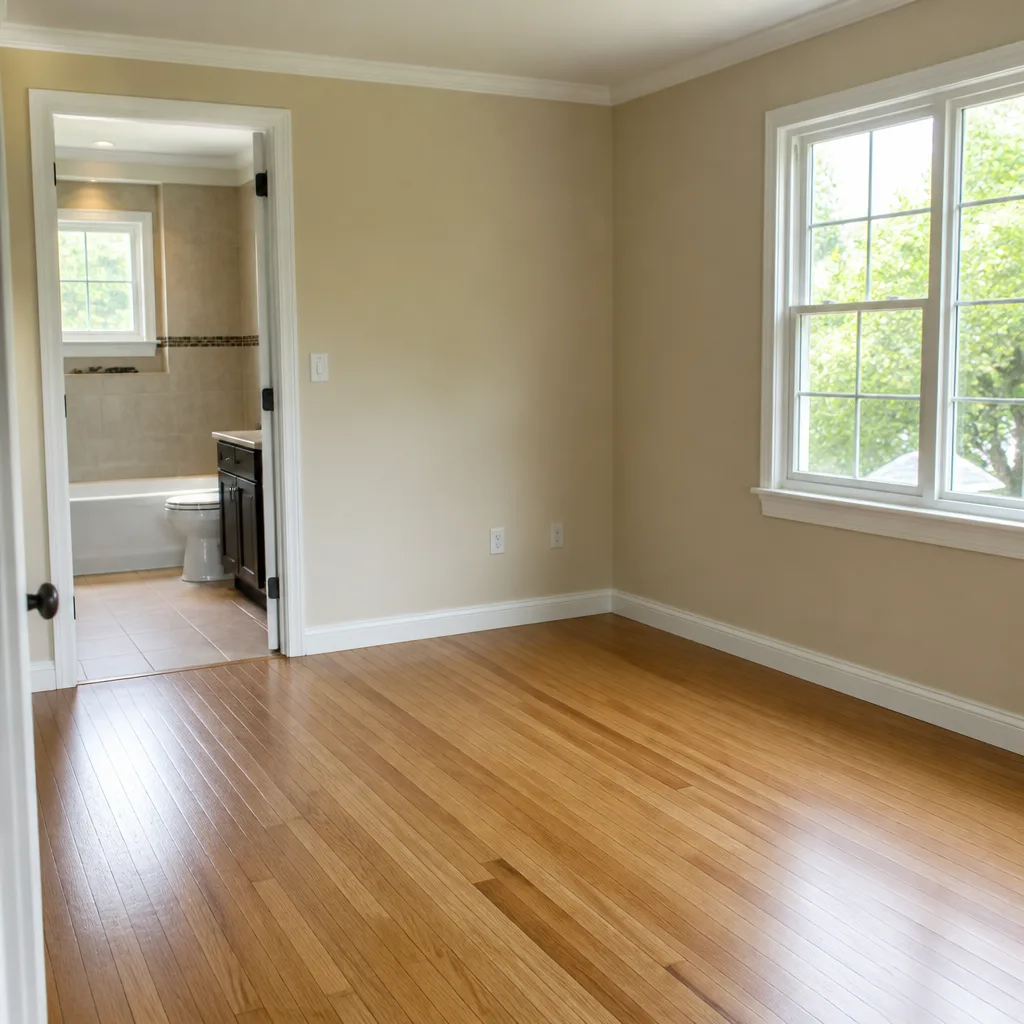
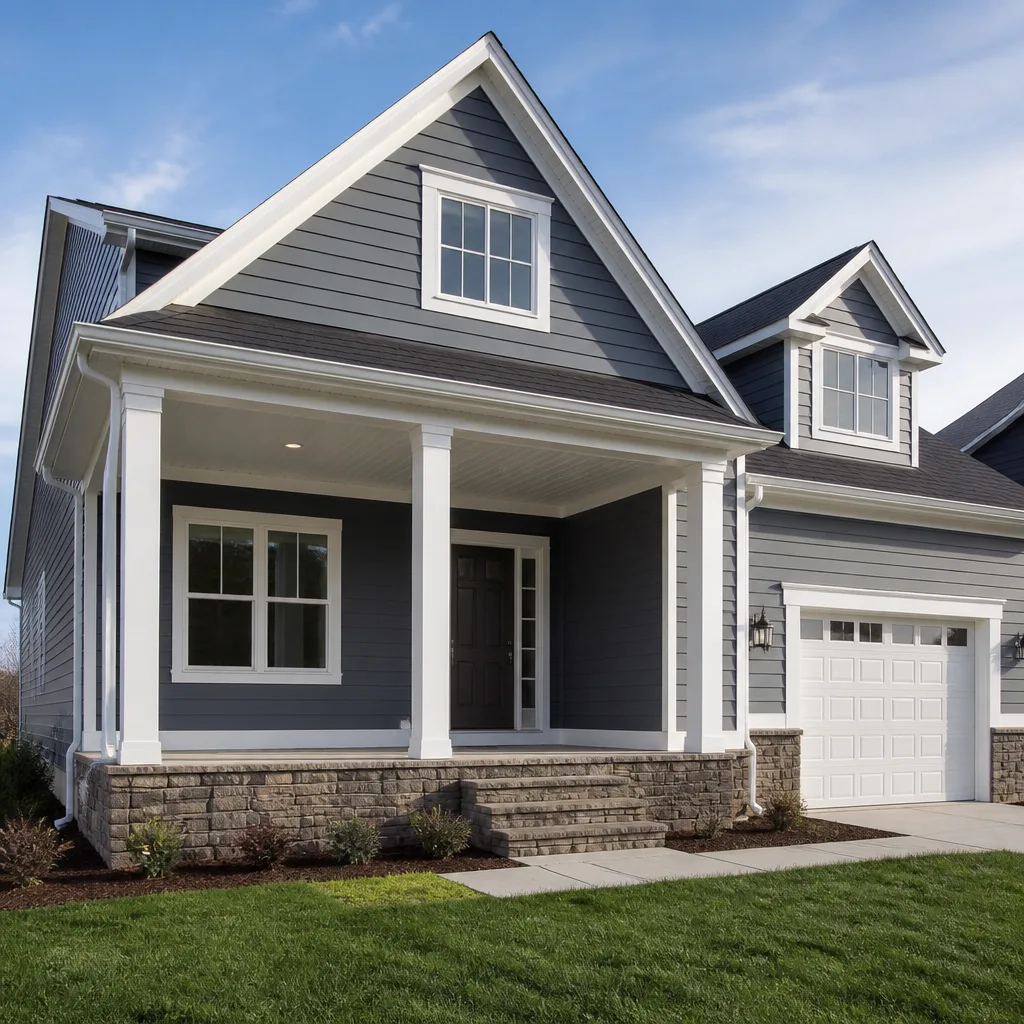
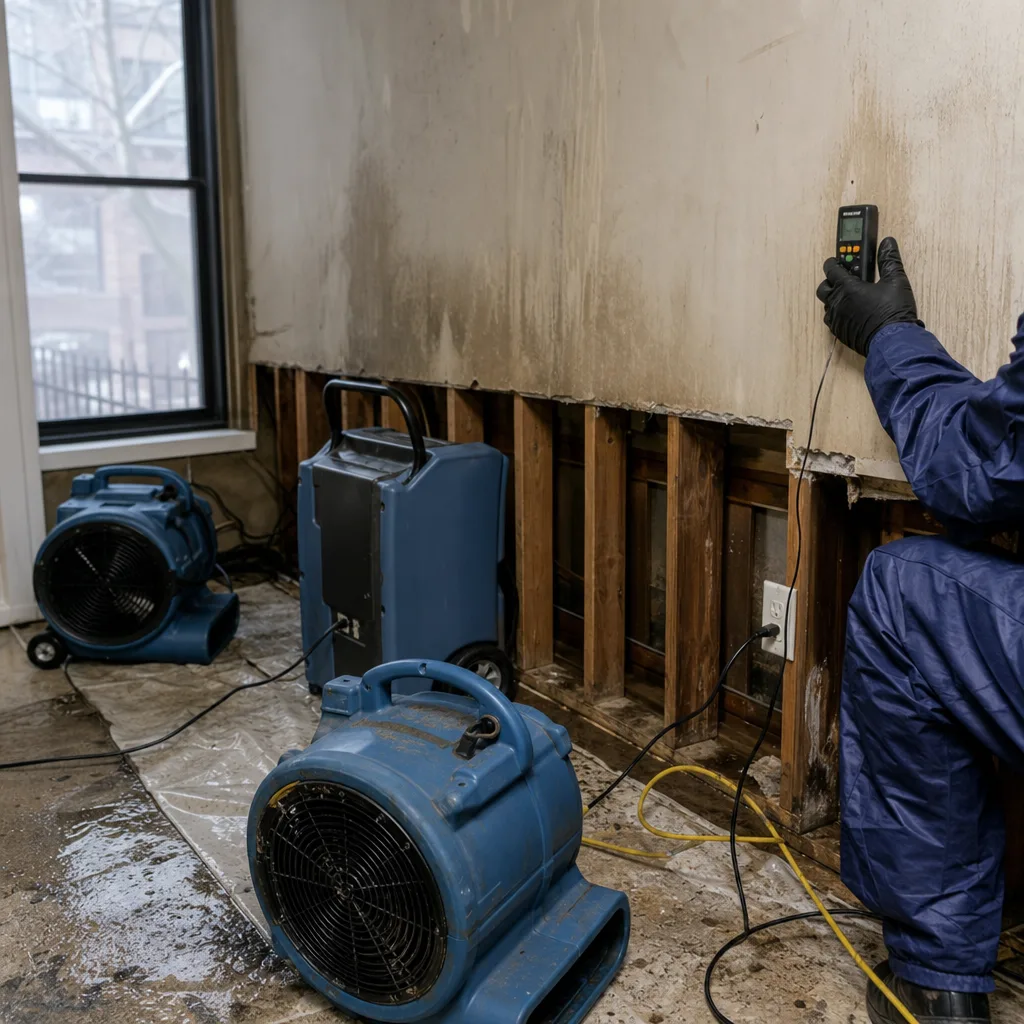 Before
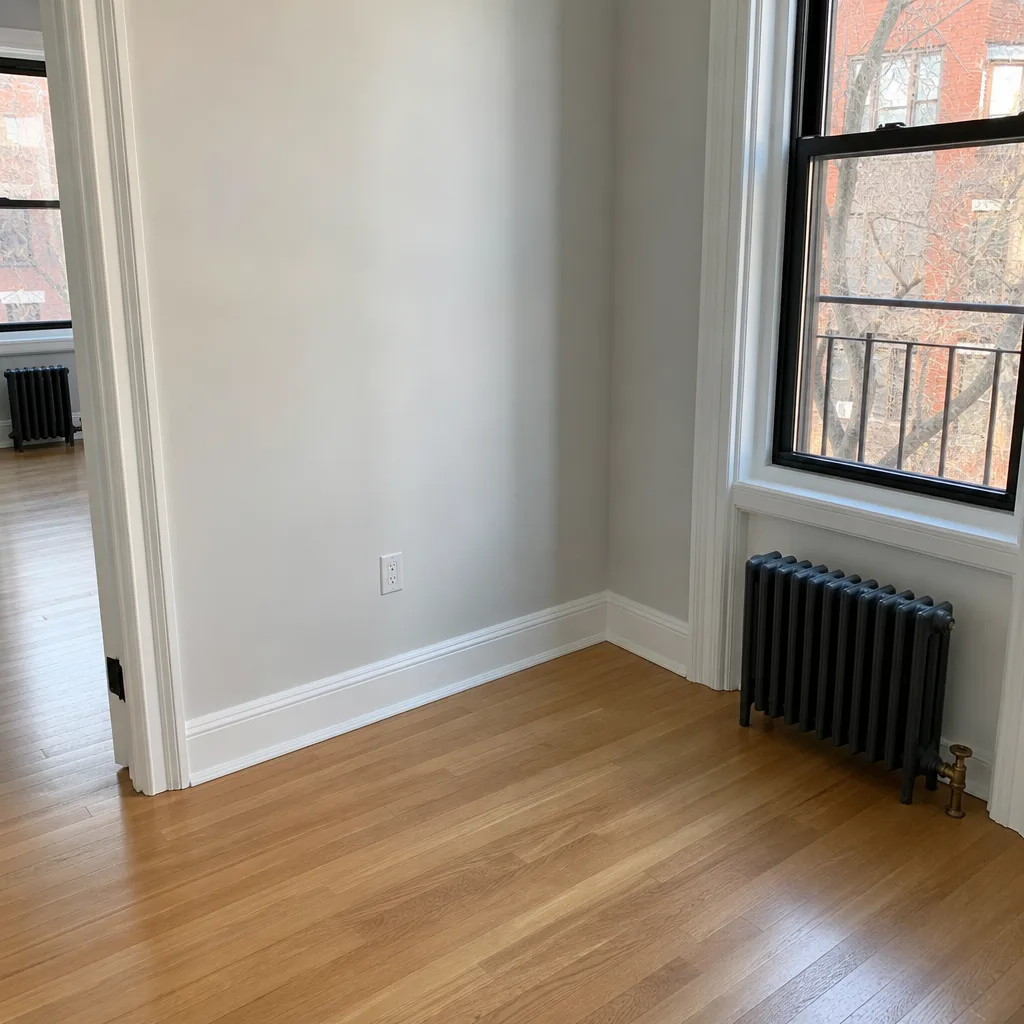 After
After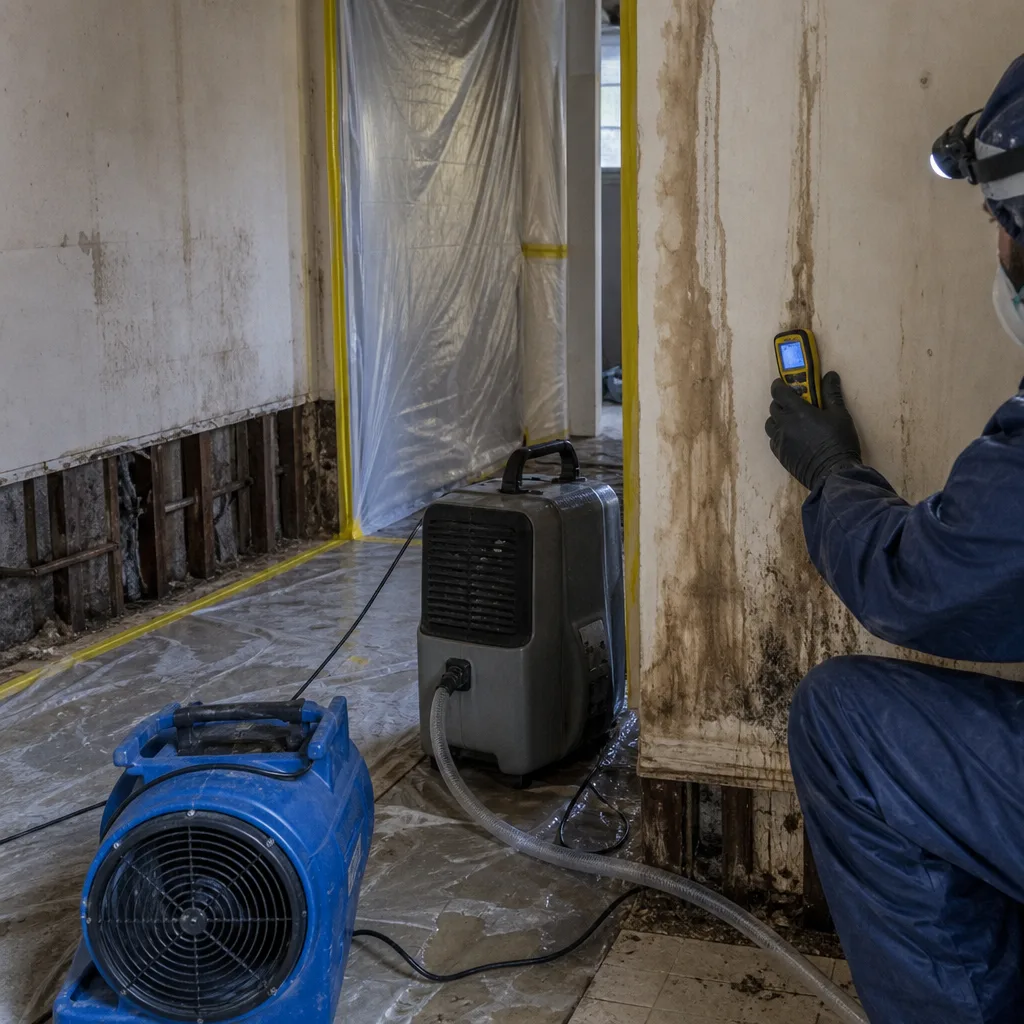 Before
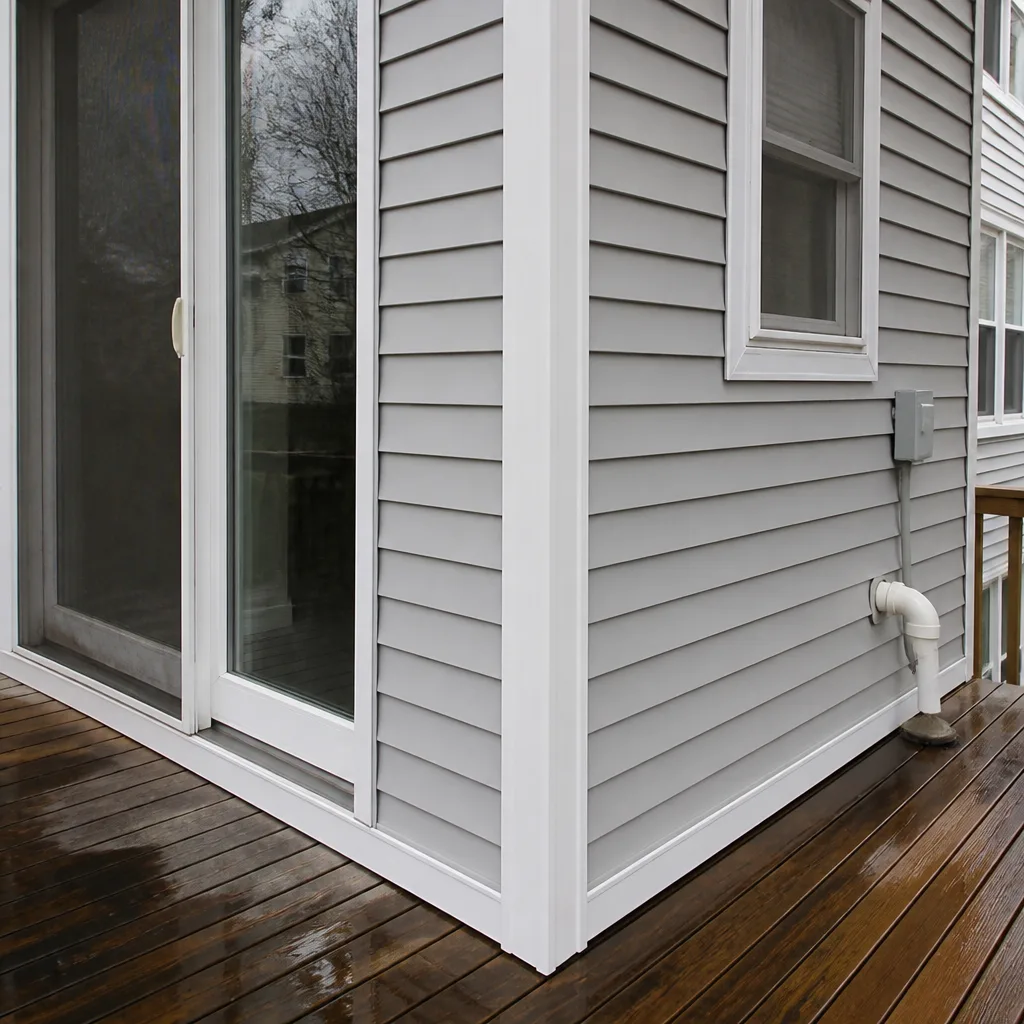 After
After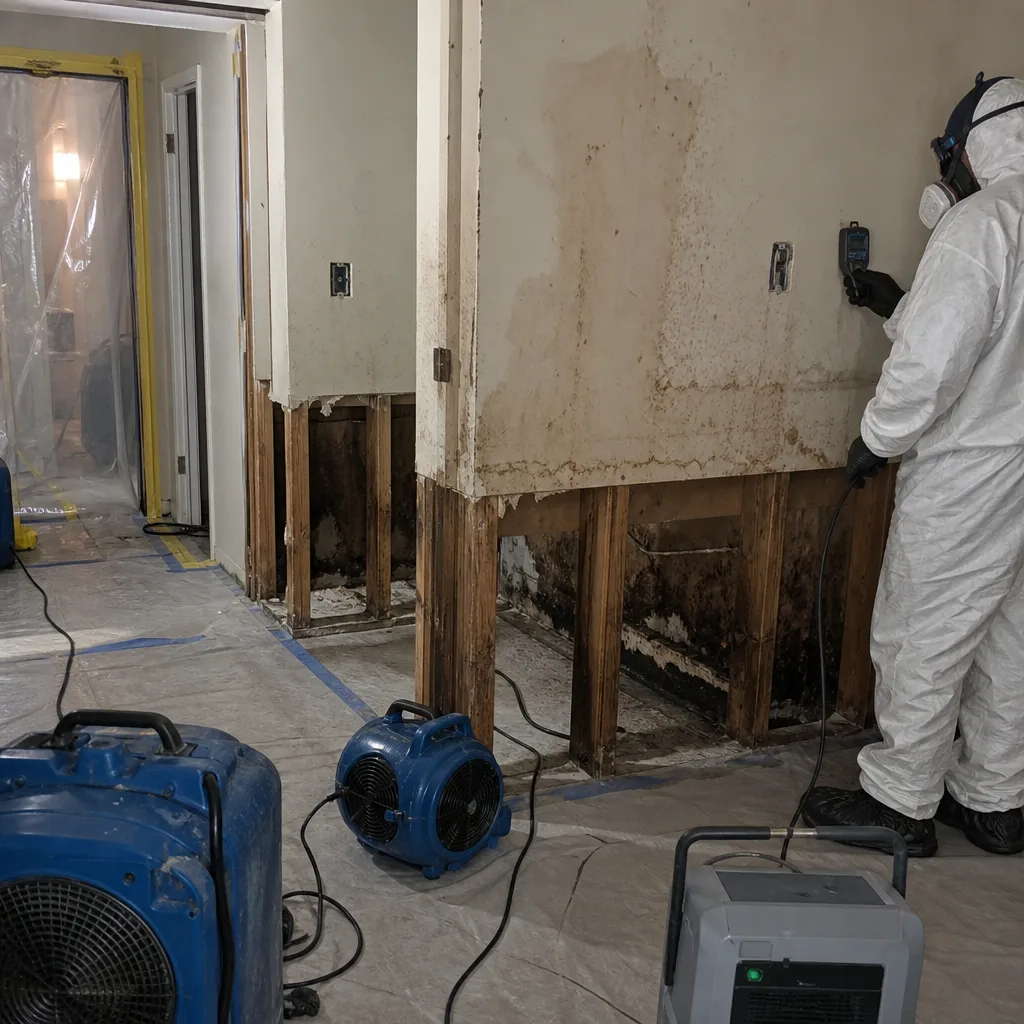 Before
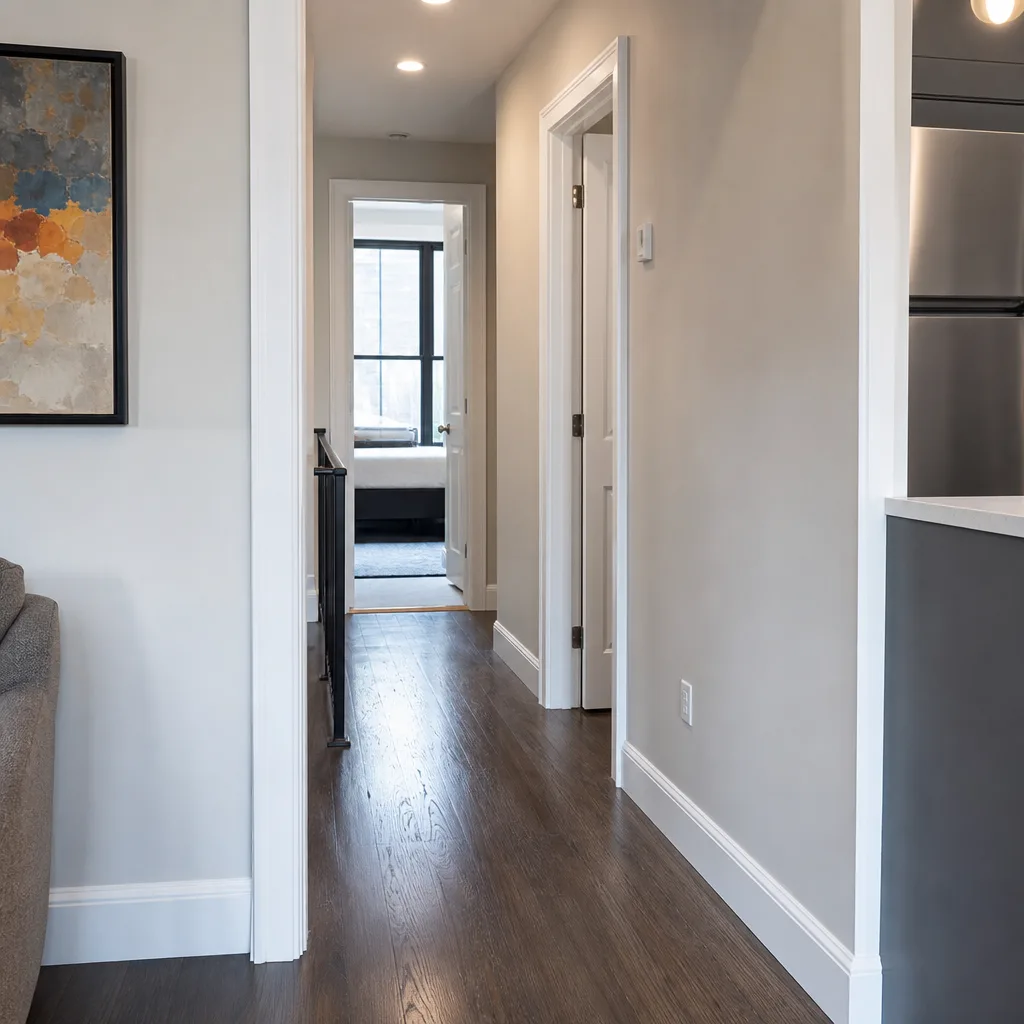 After
After24/7 Emergency Water Damage Restoration in Chappaqua
Water damage restoration in Chappaqua typically runs $1,400-$9,200 depending on the water category and how far it has wicked into original plaster walls, and our crews answer live 24 hours a day at (917) 924-4221. If you’re looking at a sagging plaster ceiling on Douglas Road or water pushing up through a stone-foundation basement near the Saw Mill River, extraction needs to start now. Every hour that passes lets moisture wick deeper into lime plaster keys, hardwood subflooring, and original millwork. We dispatch roving crews inside the Chappaqua area, and the first visual inspection is free. The line the water left is where we start, and we’ll be there when we say.
Understanding Water Damage Restoration Severity in Chappaqua Properties
Water losses fall into three categories. Category 1 is clean supply water from a burst pipe or failed appliance feed line. Category 2 carries contaminants from a washing machine overflow or sump pump discharge. Category 3, the one we see along the Saw Mill River corridor after flash flood events, is black water: sewage, road oils, tannins, and agricultural runoff from the valley’s dense tree canopy and old septic systems. In Chappaqua’s housing stock, built mostly between 1910 and 1960, severity compounds quickly. Original plaster-and-lath walls hold moisture differently than drywall, wicking upward behind baseboards and through lime finish coats that effloresce with salts as they dry. Moisture mapping with thermal hygrometers tells us what the eye can’t see: hidden saturation behind coffered ceilings, inside stone foundation cavity walls, and under quarter-sawn oak flooring that swells and cups within 48 hours. Structural drying in these homes requires reading the building the way it was originally assembled, not just running air movers until the meter passes.
Why Chappaqua Property Owners Choose Floodline Restoration Co. of Manhattan
- 45-minute response commitment: roving crews staged for the Chappaqua area, not dispatched from a remote call center.
- 24/7 live answer: a real dispatcher picks up at the number above at two in the morning. No recording, no answering service script, no callback queue.
- IICRC-certified crews: our technicians carry WRT, FSRT, and AMRT certifications and train to RIA and IFA standards on the job, not just in a classroom.
- Free visual inspection: we photograph and moisture-map before we recommend a single piece of equipment, then hand you a written scope with line items.
- Direct insurance billing: we speak to your adjuster, submit the moisture log, and bill the carrier directly. You are not the project manager.
- One team from extraction to reconstruction: the same Floodline crew that pulls water on day one is the crew that matches your 1920s plaster texture on day six, seven, or fourteen. No handoff to an inherited subcontractor you never met.
Our Water Damage Restoration Process
1. Inspection & Assessment
We start with a thermal camera and penetrating moisture meter, mapping saturation across walls, ceilings, and subfloor. In a Chappaqua colonial with original plaster, we check for hidden lateral migration behind picture rails, inside window stool cavities, and at the stone foundation sill line. You get a written line-item scope before any equipment is unloaded.
2. Extraction & Stabilization
Standing water leaves first. Truck-mounted extraction units pull bulk water from basements, hardwood floors, and crawl spaces. We set containment where needed, especially if we suspect Category 3 water, and remove unsalvageable saturated materials that will not dry without trapping moisture against original framing.
3. Drying & Dehumidification
We run Phoenix air movers, Dri-Eaz and B-Air dehumidifiers, and targeted Injectidry panel systems inside wall cavities. Daily readings get logged against the drying standard, and that log goes to you and your adjuster. A Chappaqua plaster wall can look dry on the surface and still hold 40% moisture behind the finish coat.
4. Cleaning & Sanitization
HEPA vacuuming, antimicrobial treatment where Category 2 or 3 water is present, and cleaning of salvageable textiles and hard surfaces. For flash-flood losses near the Saw Mill River, we treat the water as contaminated regardless of how clear it looks coming out of the wall cavity.
5. Specialty Treatment for Water Damage Restoration
Plaster stabilization, hardwood floor drying mats to prevent cup and crown movement, and targeted dehumidification inside basement mechanical rooms where boilers and electrical panels sat in water. We also coordinate pack-out of rugs, upholstery, and contents for off-site drying and cleaning.
6. Repairs & Restoration
Rebuild to pre-loss condition with period-appropriate materials: lime-finish plaster matching, quarter-sawn oak millwork, slate and clay tile roof repairs where the water entry began. The same crew. The same company. The 90-Day Done Right Promise in writing before we leave.
Need Emergency Water Damage Restoration in Chappaqua Now?
Crews minutes away, answering live 24 hours a day. The sooner we start, the less it costs.
Working With Your Insurance Company
Chappaqua homeowners with century-old plaster walls, custom millwork, and high-value finishes need a restoration contractor who can document a loss the way an adjuster can price it. We photograph everything from the first hour, log daily moisture readings, and write scopes in industry-standard line items that match what your carrier expects. The Keystone Standard is our name for the 90-Day Done Right Promise we put in writing before any work begins. No arguing if a material match is off or a dried cavity still reads wet at day 30. We stand behind it. Your adjuster deals directly with us, not with you relaying messages, and the drying log gets submitted as it is generated.
What We Provide Your Insurer
- Thorough documentation of the loss
- Photos of all damage, room by room
- Moisture readings and drying logs
- A detailed, line-item scope of work
- Direct coordination with your carrier
Built for Chappaqua’s Loss Calendar
Chappaqua’s damage pattern follows a real seasonal rhythm. January and February deep freezes burst supply lines in unheated crawl spaces and exterior-wall plumbing inside 1920s colonials with original copper that has thinned over a century of service. March and April bring rapid snowmelt and spring rain, pushing groundwater up through stone foundations on hilly lots and sending runoff downhill into basements that stayed dry all winter. June through August is thunderstorm season, and Chappaqua’s dense mature-tree canopy means a microburst can drop a 150-year-old oak or maple across a roof in minutes, opening a water pathway straight into plaster ceilings and hardwood floors. September through November is Nor’easter territory: wind-driven rain finds every failing slate shingle, every worn valley flashing, every bowed rafter tail. December starts the ice-dam cycle on canopy-shaded roof sections that never get enough sun to melt naturally. Our crews are staged for all of it, and our dispatcher answers live through all of it.
Water Damage Restoration Across Chappaqua’s Neighborhoods
Response routes matter. Homes off Douglas Road and Whippoorwill Road sit on large wooded lots at elevation; these are the estates where wind-thrown trees do the most structural damage, and where a slate roof breach sends water down into high-ceilinged rooms with original plaster ceilings. Along Seven Bridges Road and the Saw Mill River corridor, losses trend toward flash flooding and Category 3 water, with basements taking runoff that carries sediment, tannins, and septic overflow from upstream. The Lawrence Farms East area has newer construction mixed with older stock, but even newer homes sit under the same canopy, so tree-related roof damage remains the top cause of interior water there, not plumbing failures. In the Quaker Road corridor south of downtown, original stone foundations and below-grade mechanical rooms mean water pressures build quickly after heavy rain and extraction has to start before water reaches the electrical service. Downtown Chappaqua itself, around King Street and the train station, sees more burst galvanized supply lines and failed water heaters in older commercial and mixed-use buildings. We read the neighborhood before we read the room, because the same two inches of water means something different on Whippoorwill Road than it does on Seven Bridges Road.
Specialized Water Damage Restoration Services We Offer in Chappaqua
Emergency Water Extraction
Bulk water removal starts within 45 minutes of your call, on average, for Chappaqua addresses. Truck-mounted extraction units and submersible pumps pull standing water from basements, crawl spaces, garages, and finished living spaces. In a stone-foundation home near the Saw Mill River, speed here is the difference between drying and gutting.
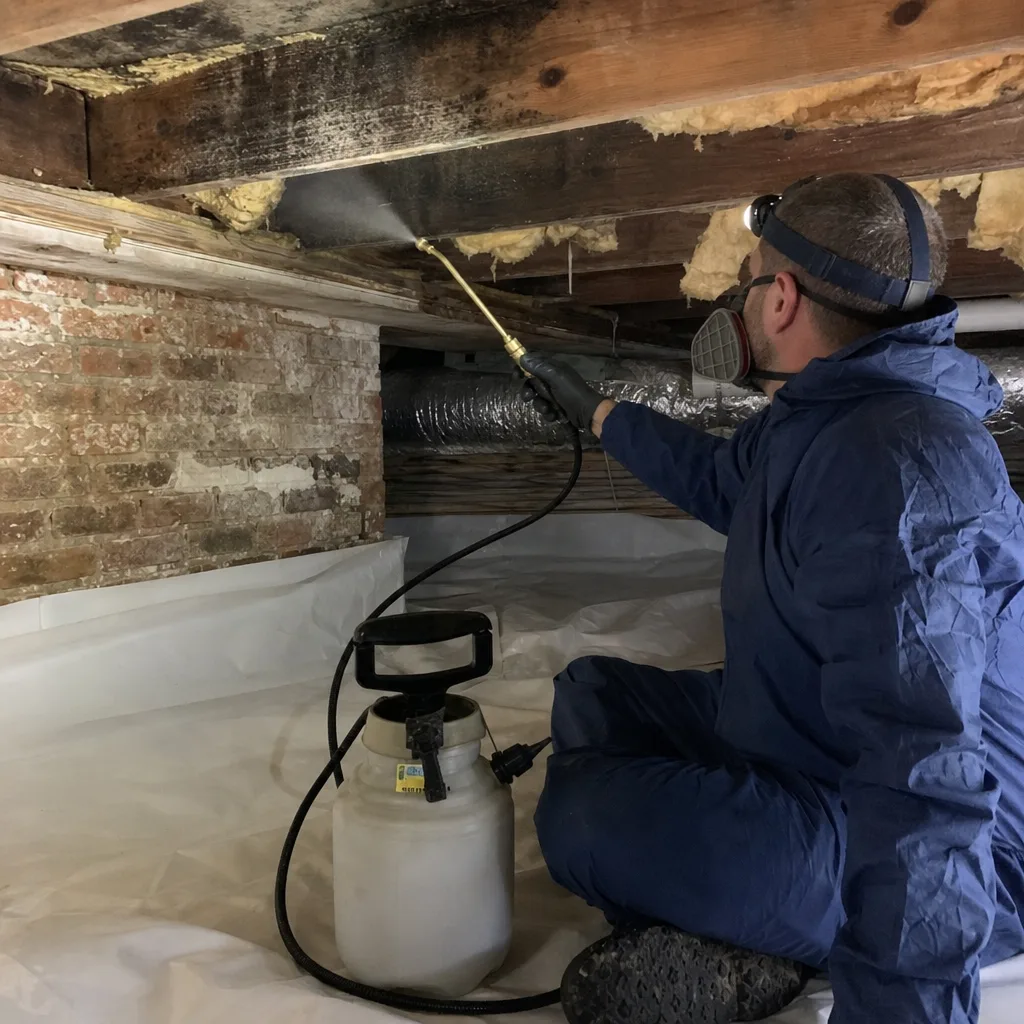
Structural Drying & Dehumidification
We moisture-map every affected cavity, then place Phoenix air movers and Dri-Eaz dehumidifiers where the building needs them, not where they are easy to plug in. Injectidry systems dry inside plaster walls and under hardwood floors without opening the cavity. Daily readings go into the log, and the log goes to you and your carrier until the dry standard is confirmed.
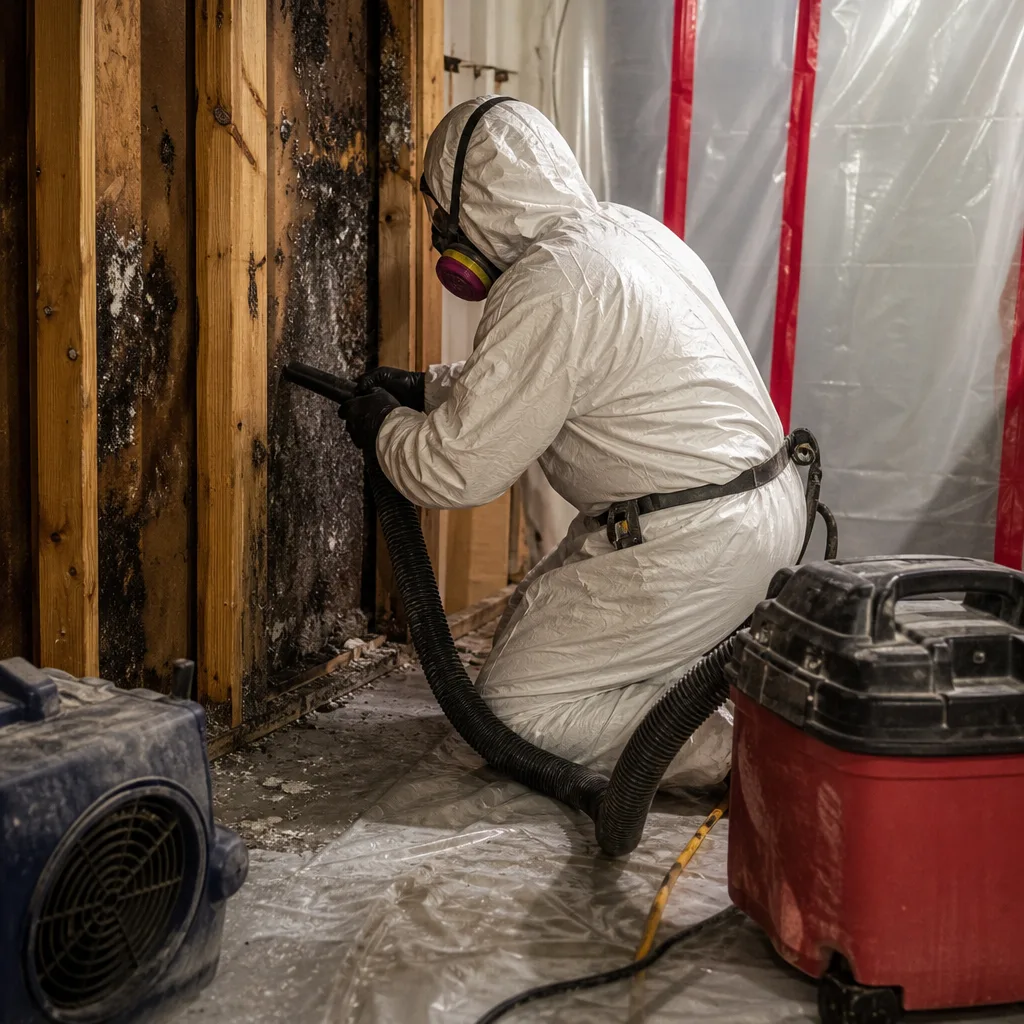
Flood Cleanup
Saw Mill River flash floods carry more than water. We treat these losses as Category 3, with containment, antimicrobial treatment, and disposal of contaminated porous materials. Original plaster requires specific handling that drywall does not, and mismanaging a flood loss in a 1920s Tudor means losing the wall, not just drying it.
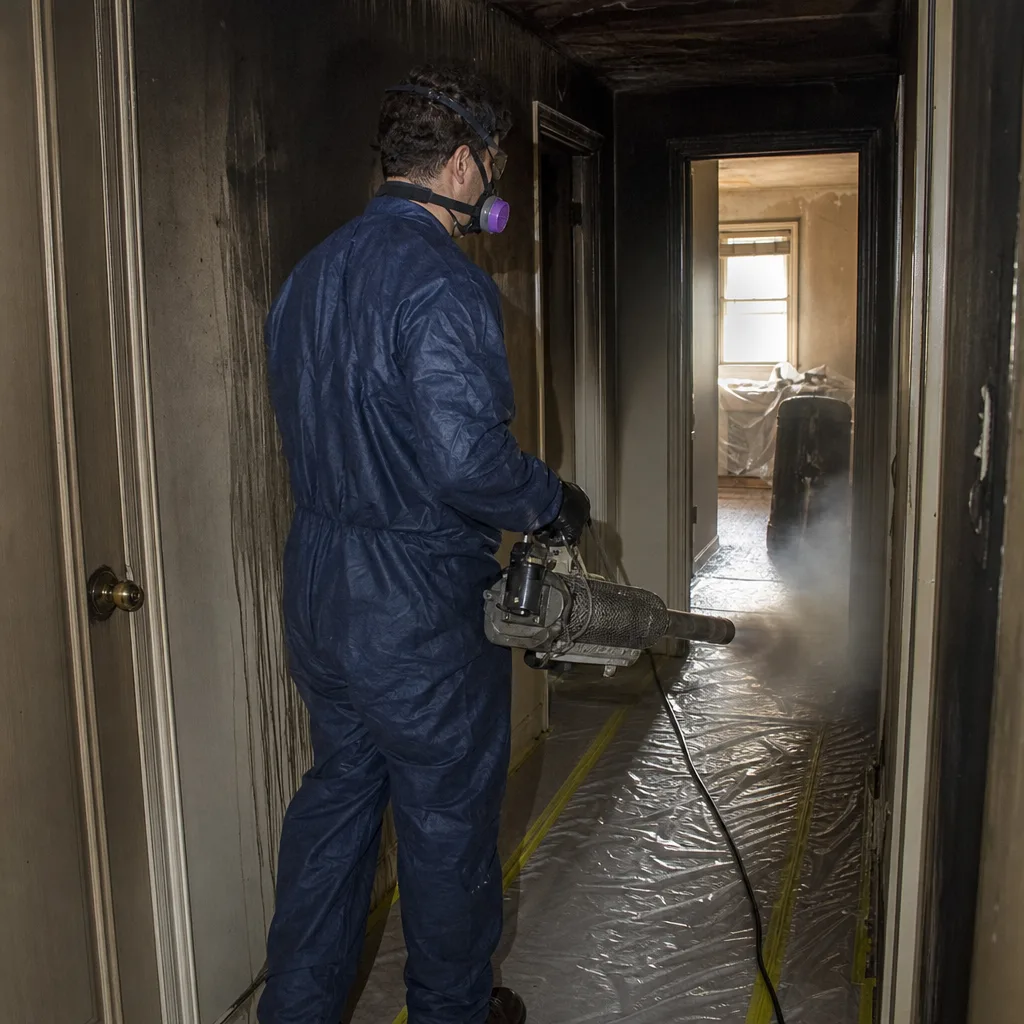
Burst Pipe Restoration
Frozen supply lines in exterior walls, original copper that finally splits, boiler feed line failures in unfinished basements. We find the leak, stop the source, extract, dry, and repair the wall cavity, with plaster and millwork matched to the original. The most common Chappaqua call we answer in January is a pipe that froze in an unheated crawl space under an addition built decades after the original house.
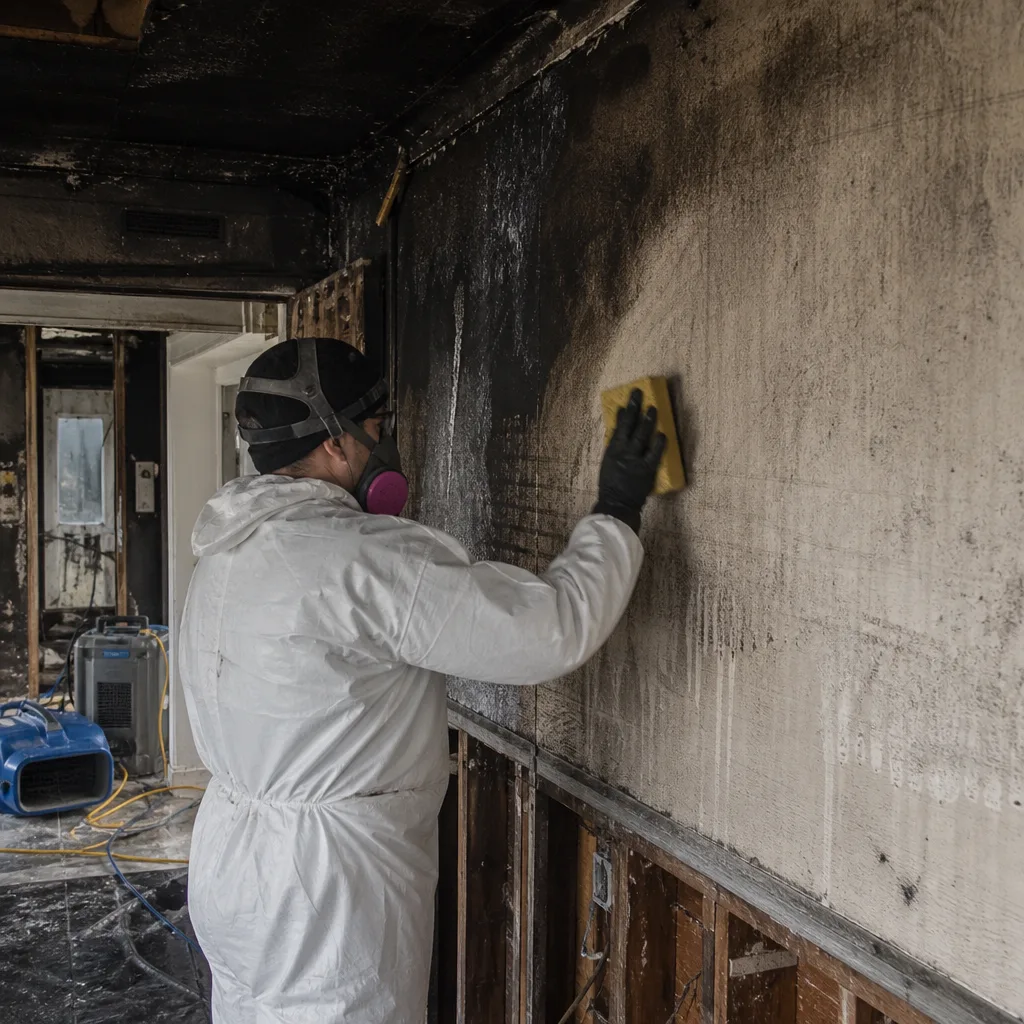
Basement Water Removal
Below-grade water comes from groundwater pressure, failed sump pumps, foundation cracks, or runoff channeling down hillside lots. We pump, dry, treat, and then address the entry point, because a dry basement with an open crack at the sill line is just the next flood waiting for the next storm.
What happens when you call
- 1
A real person answersNo phone trees - you reach a local pro.
- 2
You get an upfront price rangeHonest numbers before anyone is dispatched.
- 3
A background-checked tech heads outLicensed & insured, dispatched right away.
- 4
You approve before work beginsNothing starts until you say go.
Water Damage Restoration Costs in Chappaqua, NY
Straight numbers for the Chappaqua market. Simple Category 1 extraction from a single room with mechanical drying runs $1,400-$2,900. A burst pipe feeding into original plaster walls in a finished colonial typically lands at $3,800-$6,500 with containment, drying, and plaster repair. Category 3 flood cleanup along the Saw Mill River corridor, with antimicrobial treatment and material removal, runs $5,500-$11,000 depending on floor area and the amount of custom millwork affected. A full estate-scale loss with slate roof repair, coffered ceiling rebuilding, and period plaster matching runs $15,000-$45,000 and up, and these are the jobs where our one-team model matters most. What moves the price: water category, square footage of affected plaster, the age and species of the millwork, and whether pack-out of contents is required. Insurance typically covers the drying component when documented properly. The free visual inspection gives you a firm line-item scope, not an estimate that changes twice a week. Call (917) 924-4221 and we will look at it with our own eyes.
We Also Serve Cities Near Chappaqua
Floodline Restoration Co. runs crews through Millwood, Pleasantville, Mount Kisco, and Thornwood, with the same live dispatch, the same certified technicians, and the same 90-Day Done Right Promise in writing. If you live in a neighboring town and water is already in the house, call the same number: (917) 924-4221. We will route the nearest crew.
Chappaqua Water Damage Restoration Questions, Answered
How quickly can mold start in a water-damaged plaster ceiling in Chappaqua?
Mold can start within 48 to 72 hours in a saturated plaster ceiling, and often faster behind it, where warm cavity air meets wet lath and the back side of the finish coat. Our crews start extraction on the same visit and begin map-reading the drying process with thermal hygrometers, so the materials that can be saved are treated before fungal growth takes hold.
Is flood water from the Saw Mill River area treated differently than a clean pipe leak?
Yes. We treat Saw Mill River flood water as Category 3 black water regardless of how clear it looks, because runoff carries sewage, road oils, and tannins from the valley’s dense foliage. That means containment, antimicrobial treatment, and disposal of contaminated porous materials, not just drying. Skipping that step is how mold ends up inside wall cavities in under two days. Call (917) 924-4221 before you decide it is not that bad.
What happens if my slate roof leaks along the eaves after an ice dam?
Water from an ice dam does not always travel straight down. In Chappaqua’s canopy-shaded homes, meltwater refreezes and migrates horizontally along the roof deck, entering living spaces far from the visible stain. That is why we inspect the attic and the ceiling plane with thermal imaging before we size the drying plan. The leak may be at the eave, but the damage can present twenty feet away above the living room.
Do you handle pack-out and storage of furniture from a water-damaged Chappaqua home?
Yes. We coordinate pack-out for salvageable rugs, upholstery, textiles, and case goods, with off-site drying, cleaning, and storage. After a July microburst on Whippoorwill Road, we packed out waterlogged Persian rugs and ran a six-day drying program with Phoenix air movers and a Dri-Eaz dehumidifier while the plaster dried in place. The same team handles both the house and the contents.
Will the repair match the original plaster texture on my 1920s colonial?
Matching is the standard, not a favor. We use lime-finish plaster, not drywall compound, and our plasterer matches the original trowel texture, whether it is a smooth lime coat or a sanded 1920s finish. On the Whippoorwill Road job, the homeowner asked which part of the ceiling had been damaged, and that is the answer we want: no visible transition at all.
How fast can you actually reach a Chappaqua address?
Our roving crews are committed to a 45-minute average response for Chappaqua addresses. That is from your call to a certified technician standing in the house with a moisture meter, not to a salesperson knocking on the door. Our dispatcher answers at (917) 924-4221 and tells you exactly when the truck leaves.
Will my insurance cover this?
Most Chappaqua water damage claims are covered when the loss is sudden and accidental, like a burst pipe or a storm-opened roof. We bill your carrier directly, document everything from hour one, and talk to your adjuster ourselves. You get the drying log and the photos. The one thing that voids coverage faster than anything else is waiting: a documented delay in mitigation can lead a carrier to reduce the claim. Call (917) 924-4221 the first hour.
Do I need full remediation or just a cleaning?
That depends on the water category and how long materials have been wet. A clean Category 1 pipe leak with fast extraction usually calls for drying and cleaning, not full remediation. Flood water from the Saw Mill River but it is Category 3, and contaminated porous materials typically need removal. We tell you the truth from the moisture map, not from a sales deck, and the written scope shows exactly what the building needs.
Serving Chappaqua, NY - Our Local Coverage Area
We’re based in the Chappaqua area and know this community well. Use the map below to see our service coverage - if you’re nearby, we can almost certainly help.
Storm and Wind-Load Damage: What a Failing Wall or Roof Means Before the Next Nor’easter
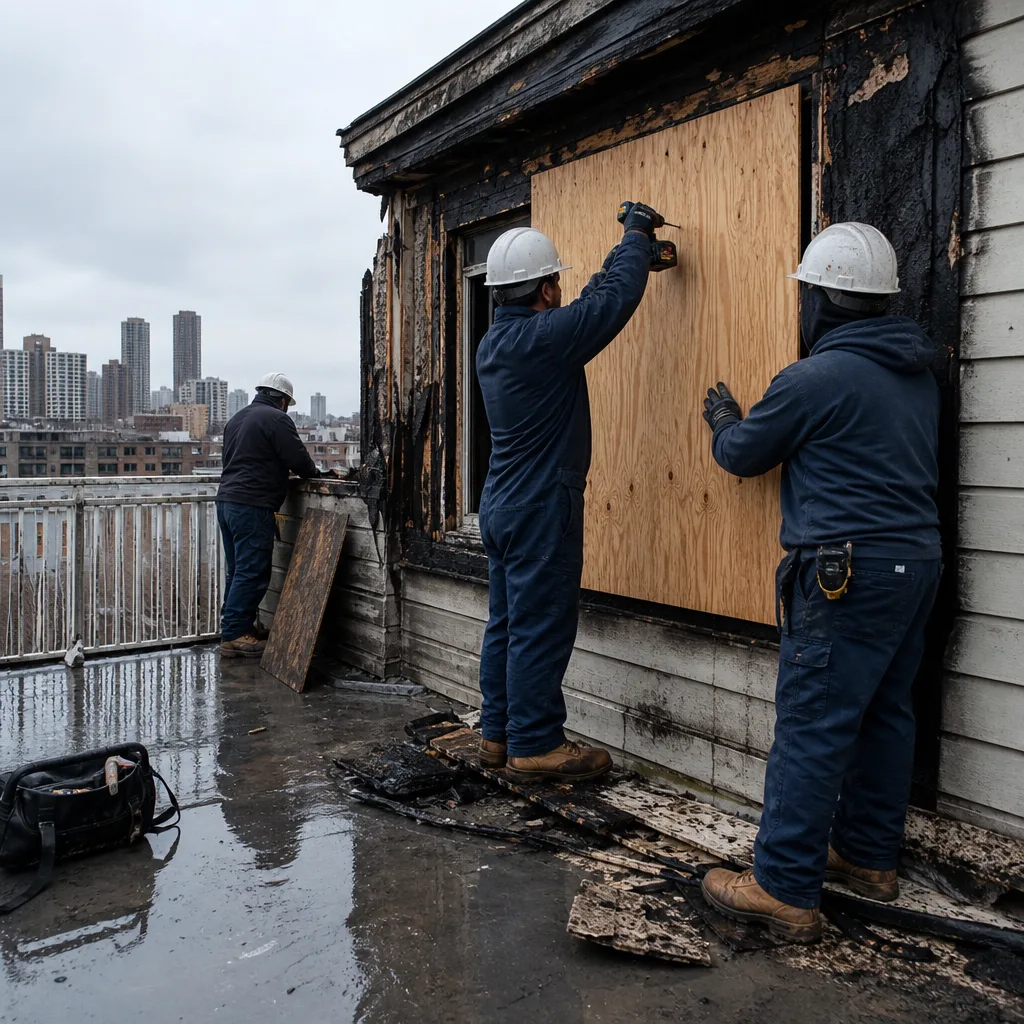
Chappaqua’s dense mature-tree canopy on large, hilly lots means a single Nor’easter can drop multiple massive old-growth oaks and maples onto roofs and walls. We see it every storm season. A slate roof already breached by a falling limb becomes the pathway for wind-driven rain into the wall assembly below. A wall that has been saturated once, even dried, may have lost shear strength in its original plaster keys, leaving it compromised for the next wind-load event. The dual threat here is genuinely rare even in Westchester: high-end century-old estate rebuilds and rapid water mitigation happening in the same ZIP code, on the same job, sometimes the same week. That is why we do not compartmentalize. The crew that tarps the roof at 1 a.m. is the crew that maps moisture in the wall cavity on day two and the crew that rematches the plaster on day eight. Chappaqua demands that combination, and Floodline Restoration Co. of Manhattan is built for it.
For any water damage restoration need in Chappaqua, call (917) 924-4221 now for a free estimate and direct next steps. A live dispatcher answers, a crew is routed, and the 90-Day Done Right Promise is in writing before we leave.
Written by Curt Bowman, Owner at Floodline Restoration Co. of Manhattan, serving Chappaqua and the surrounding Westchester communities since 2010.