
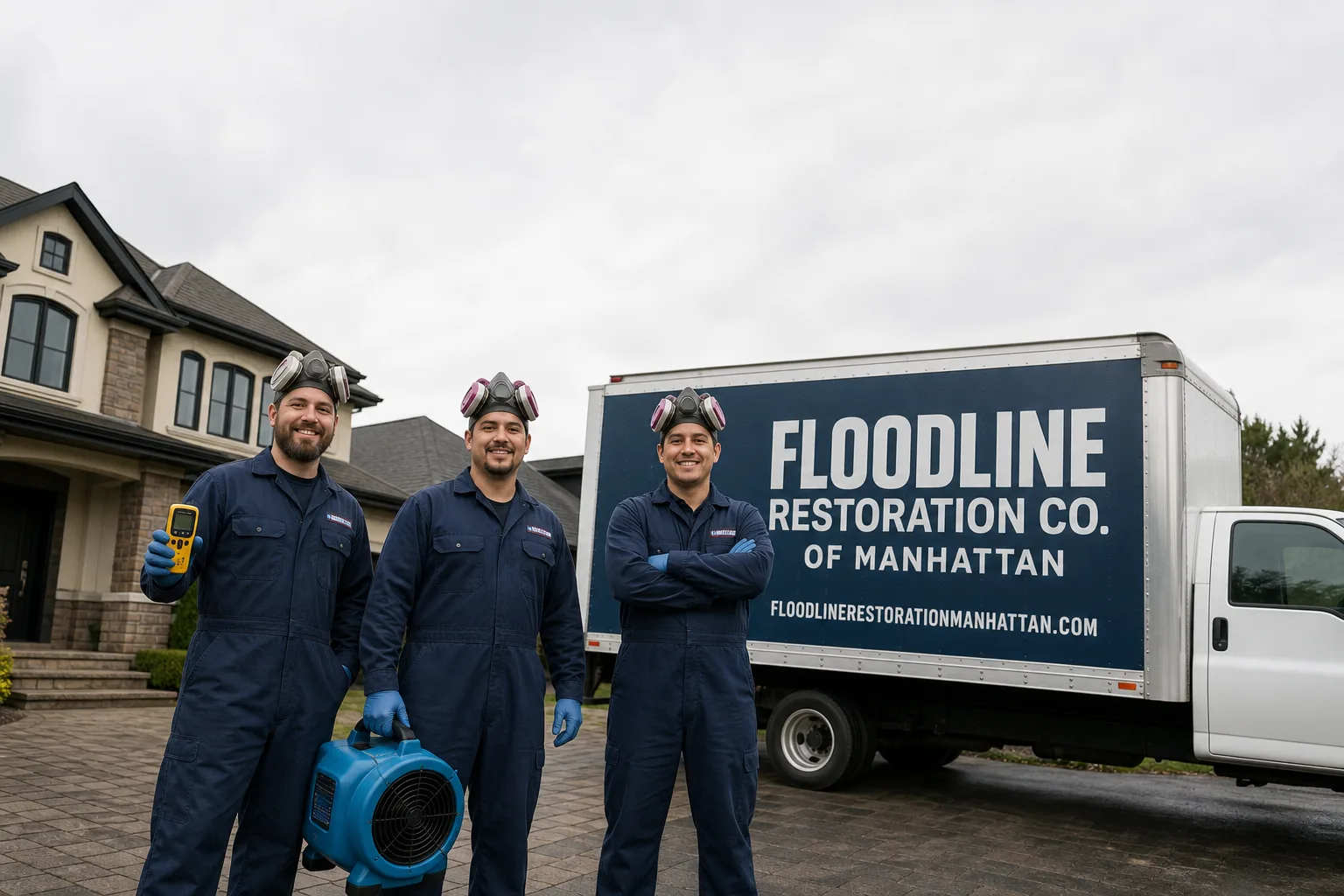
Free visual inspection and a written scope of work before any mitigation begins - photos, moisture readings, and drying logs go in your claim file
The scope we write is the scope we bill. Anything new gets shown to you, in writing, before we touch it.






 Before
 After
After Before
 After
After Before
 After
After24/7 Emergency Water Damage Restoration in College Point
Water damage restoration in College Point typically costs $1,800-$6,500 depending on the water category and square footage affected, and our crews reach most peninsula addresses within an hour of your call to (917) 924-4221. A live dispatcher answers at 2 a.m., not a recording, and a certified crew starts extraction the same visit. The first hour matters because Flushing Bay water doesn’t sit politely in a puddle. It wicks into 1940s plaster, climbs old-growth studs, and starts feeding mold before sunrise. We’re already familiar with the basement layouts and drain behavior on this peninsula, which means we bring the right pumps, the right saltwater protocol, and a written scope before any equipment goes in.
Understanding Water Damage Restoration Severity in College Point Properties
Water damage falls into three categories, and College Point sees more Category 3 than most of Queens. Category 1 is clean water, usually from a burst supply line or an overflowing tub. Category 2 carries detergents or biological contaminants, like a washing machine discharge. Category 3 is grossly contaminated floodwater, and that’s what Flushing Bay delivers during a nor’easter surge. It carries sewage, fuel residue, and enough salt to corrode fasteners inside the wall cavity that never touch visible water. On this peninsula, we assume salt infiltration until chloride testing proves otherwise, because hygroscopic salt keeps pulling humidity back into dried framing for weeks. That’s why our structural drying protocol here includes cavity testing and moisture mapping that doesn’t stop at the drywall surface. The 1930s-1960s Cape Cods and brick semi-detached homes common across College Point were built without modern waterproof membranes or functioning perimeter drains. Original plaster walls hold water differently than gypsum board, and once saturated, they don’t release it on a reasonable clock without staged dehumidification and often selective cutting.
Why College Point Property Owners Choose Floodline Restoration Co. of Manhattan
- 45-minute response commitment for College Point addresses, including the western edge near Powell’s Cove where tidal backflow hits hardest.
- A real person answers, always. No phone tree, no after-hours voicemail. Our dispatch board is staffed live 24/7, every day of the year.
- IICRC-certified crews trained to WRT (Water Damage Restoration Technician) and AMRT (Applied Microbial Remediation Technician) standards, with additional IFA and RIA coursework behind them.
- Free visual inspection with a moisture map and a line-item scope in writing before any equipment gets unloaded.
- Direct insurance billing. We deal with your adjuster, file the documentation, and bill the carrier directly so you’re not playing messenger.
- One team from first extraction to finished rebuild. No mid-job handoff, no inherited subcontractor who never saw the moisture log.
Our Water Damage Restoration Process
Inspection & Assessment
We arrive, walk the affected rooms, and use thermal imaging and hygrometers to map moisture migration, not just the visible puddle. In College Point basements with original plaster walls, this step tells us whether we’re cutting 18 inches or 40 inches up the wall. You get a written scope before any work begins.
Extraction / Stabilization
Submersible pumps and truck-mounted extraction units pull standing water out fast, because peninsula groundwater pressure keeps pushing back in without rapid removal. We stage pumps assuming redundancy, especially on the western side where drains back up from two directions.
Drying & Dehumidification
Dri-Eaz LGR 2800i dehumidifiers and Phoenix AirMax air movers create airflow patterns that dry framing, not just surfaces. Daily moisture readings get logged and shared with you and your carrier until wood hits its dry standard, which in salt-backed wall cavities can mean an extra two to four days.
Cleaning & Sanitization
Sea water leaves a residue that freshwater extraction never accounts for. We wash down affected surfaces with antimicrobial treatments appropriate to the water category. HEPA air scrubbers run during and after clearing to capture whatever the flood stirred up.
Salt & Chloride Treatment
This is the College Point-specific step. We pre-test every affected cavity for chlorides. Where salt is present behind the plaster, we open, rinse, and dry those cavities before closing anything up. Skipping this is why so many basements here smell like the bay every summer.
Repairs & Restoration
The same crew that handled extraction does the reconstruction. Drywall, trim, flooring, painting, and whatever the framing needed, done by people who saw the moisture log and know exactly what was saturated. It’s the Floodline standard: no handoff, no surprises.
Need Emergency Water Damage Restoration in College Point Now?
Crews minutes away, answering live 24 hours a day. The sooner we start, the less it costs.
Working With Your Insurance Company
Most College Point water losses are covered under homeowners policies, but FEMA flood-loss claims add a documentation burden that a standard leak claim never carries. We’ve handled enough post-Sandy, Build It Back, and NFIP claims on this peninsula to know exactly what an adjuster needs. From the first hour, we photograph every affected room, log initial and daily moisture readings, and document salt contamination with chloride testing results when the source was tidal. Our estimates follow industry-standard line-item formatting that carriers recognize, and we coordinate directly with your adjuster so you’re not spending your evenings on hold. You get a written scope, the photos, the drying log, and a copy of every document your carrier receives.
What We Provide Your Insurer
- Thorough documentation of the loss
- Photos of all damage, room by room
- Moisture readings and drying logs
- A detailed, line-item scope of work
- Direct coordination with your carrier
Built for College Point’s Loss Calendar
College Point’s damage season follows a different rhythm than the rest of Queens. Nor’easters roll in from October through March, and each one pushes Flushing Bay water into the peninsula’s streets and basements, sometimes from two directions at once. January brings frozen supply lines that burst inside walls while homeowners are on vacation, saturating plaster and flooring quietly for days. Early spring adds roof leaks as ice dams and aging flashings fail, plus snowmelt seepage into foundational cracks that have gone unnoticed since the previous fall. But the defining season here is storm surge, not frozen pipes. We schedule our crews around tide charts and storm forecasts through the winter months, because a moderate nor’easter at high tide can flood basements in western College Point faster than any supply line break ever could. The smartest maintenance call is a basement inspection before storm season, especially if your home sits below 14th Avenue on a street that has flooded before. It’s the same reason our Water Damage Restoration team keeps chloride testing supplies on every truck.
Water Damage Restoration Across College Point’s Neighborhoods
The peninsula isn’t one neighborhood, and a crew needs to know where the water comes from before they know how fast to move. Along 14th Avenue and the streets running west toward Powell’s Cove, storm surge over tops the bulkhead and pushes up through floor drains, which means Sewage Cleanup - College Point and bay water arrive together. Those two-story brick semis need aggressive pump-down and immediate containment. Around MacNeil Park and the north shore, wind-driven surge washes over streets and into ground-floor entries, but the water often recedes before it saturates sill plates, so we focus on cavity drying and salt testing rather than extraction volume. Over by College Point Boulevard near the commercial stretch along 20th Avenue, the older mixed-use buildings share drain lines and party walls, so one flooded basement can wick into three neighboring units through shared framing. And in the residential blocks east of 132nd Street, where the Capes and colonials sit on slightly higher ground, the main culprit is burst supply lines and roof drainage failures rather than tidal water. Each pocket needs a different setup. Our crews serving College Point know which streets are likely to have hidden Build It Back-era patches behind the walls, because the post-Sandy program touched many of the lower-lying homes, and not every contractor who worked that program opened the cavities.
Specialized Water Damage Restoration Services We Offer in College Point
Flood Cleanup
Flood cleanup in College Point almost always means saltwater Category 3, and Fire & Smoke Damage Restoration in College Point aside, that changes everything. We extract, power-wash, disinfect, and dehumidify, but we also test every affected cavity for chlorides before writing the final scope. If salt is hiding behind plaster, it gets opened, rinsed, and dried, not just sealed over.
Structural Drying & Dehumidification
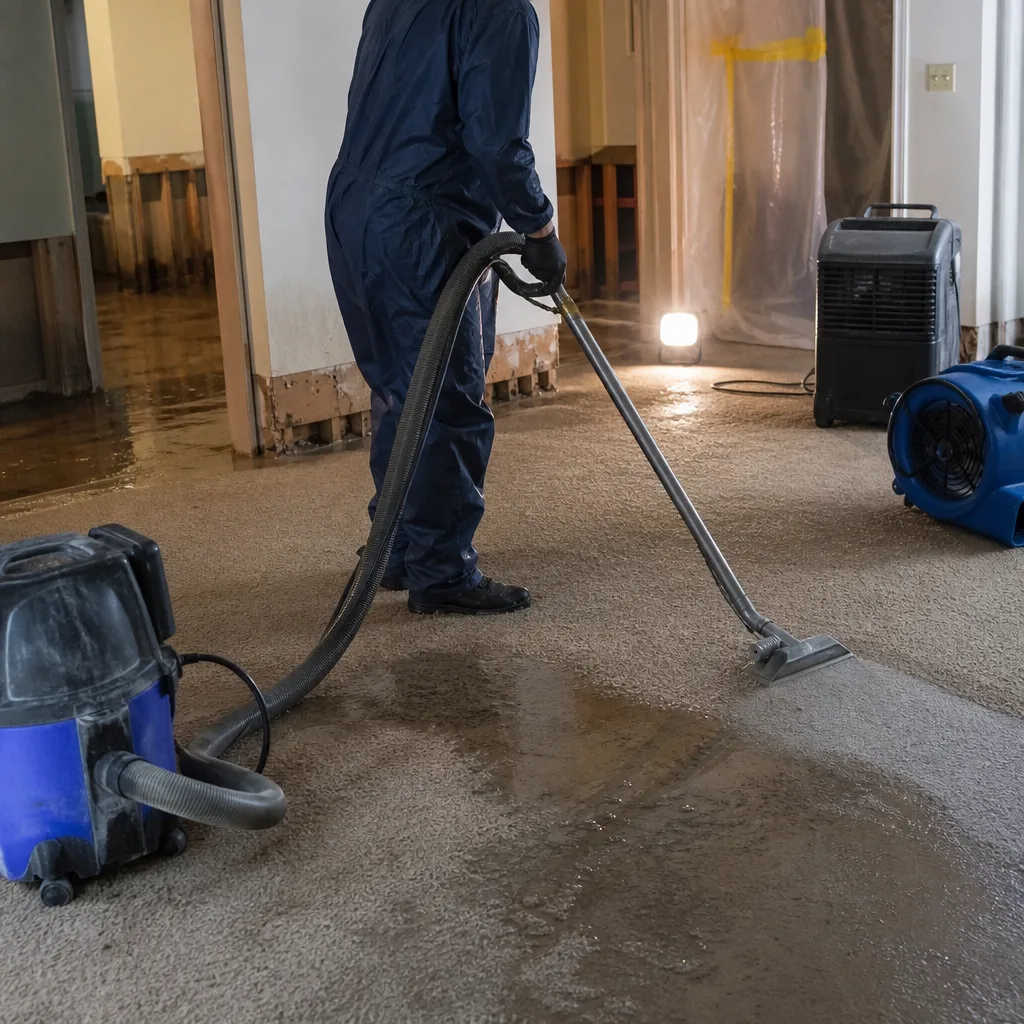
Drying a 1950s semi-detached basement with original plaster takes longer than a newer drywall job, and your invoice should reflect that honestly. We use Dri-Eaz and Phoenix equipment to drive air into wall cavities and under flooring, with daily moisture readings logged until wood framing hits its dry standard. In salt-exposed areas, that means we hold the equipment an extra few days instead of declaring victory early.
Basement Water Removal
Most College Point basements are full-height or semi-finished enough to hold a laundry room, a workbench, and decades of stored family photos. We get the water out fast but carefully, staging pumps to handle backflow that can return through floor drains during a tide cycle. Our goal is to save what’s salvageable and cut only what needs cutting.
Burst Pipe Restoration
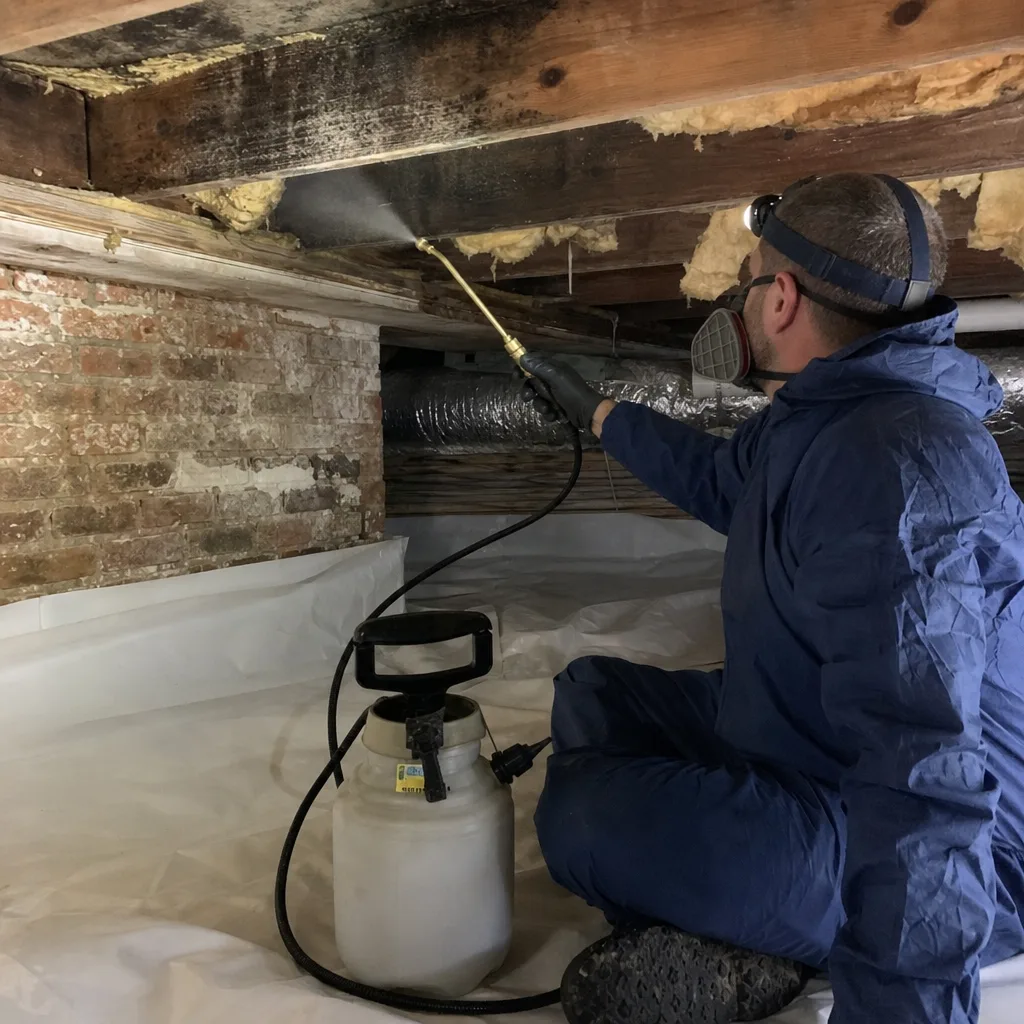
A January freeze splits a copper supply line inside a wall, and by the time you notice the stain on the ceiling below, water has been running through the cavity for days. We open only the affected areas, dry the framing, and rebuild what was damaged. Fresh water is simpler than tidal water, but the drying protocol for plaster walls still needs patience.
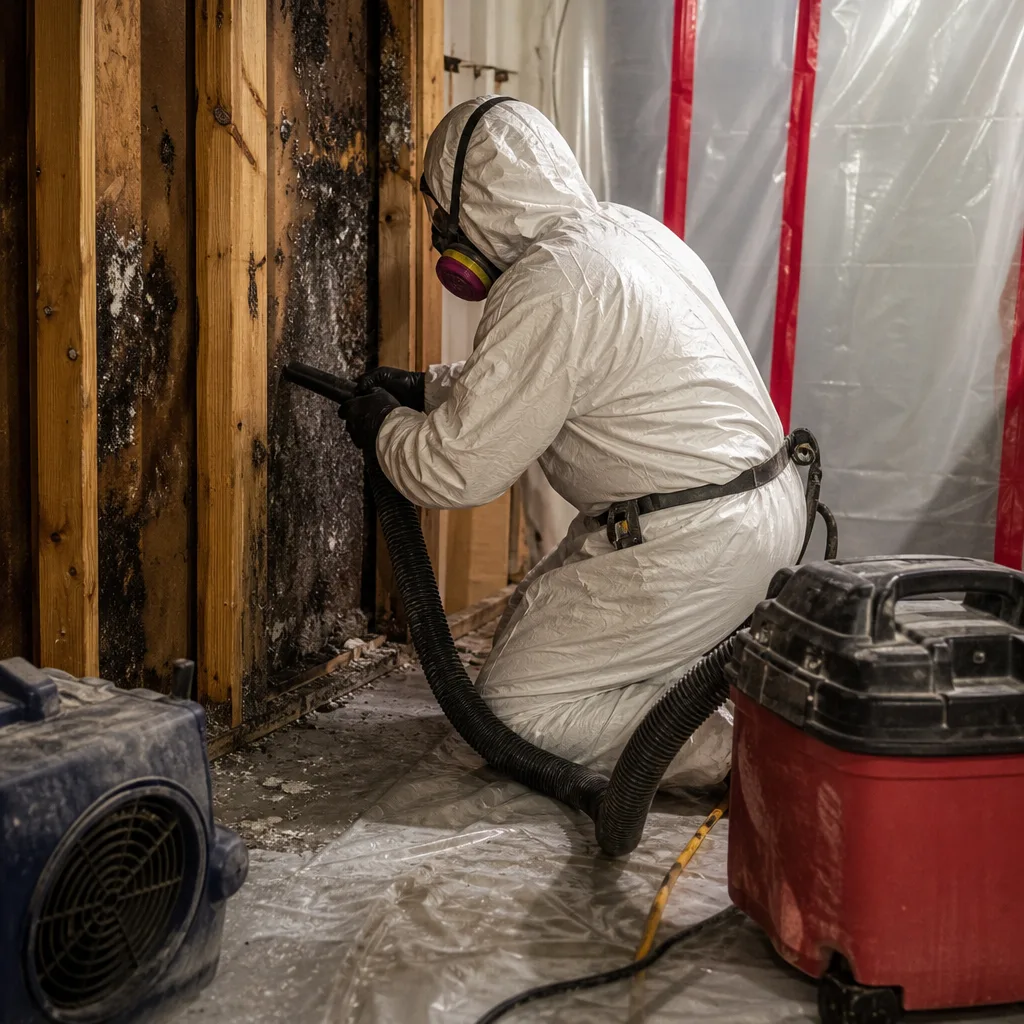
Emergency Water Extraction
When Flushing Bay comes into the basement, our Storm & Disaster Restoration in College Point means extraction has to happen the same hour or the finish materials start failing. Our crews arrive with submersible pumps and truck-mounted extraction, getting standing water out before the tide has even fully receded. It’s the difference between losing a floor and losing a finished basement.
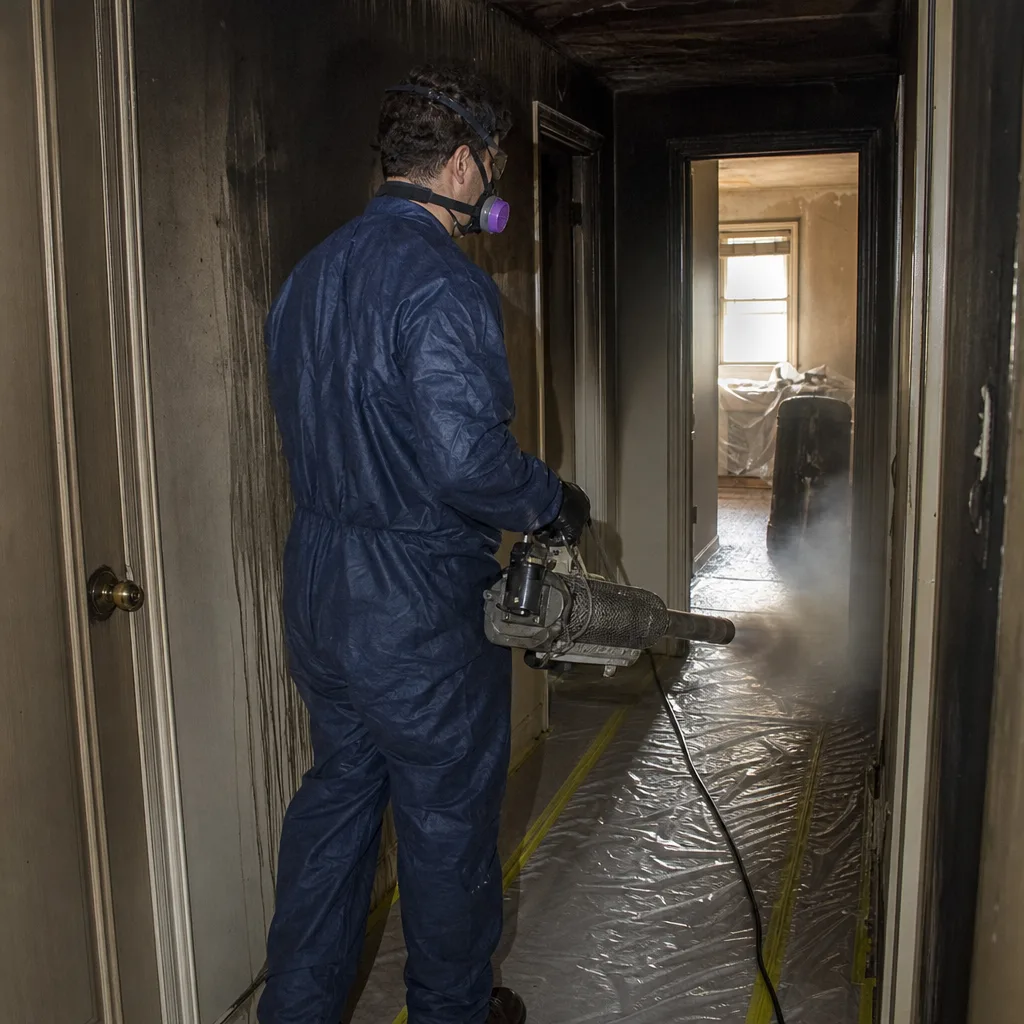
What happens when you call
- 1
A real person answersNo phone trees - you reach a local pro.
- 2
You get an upfront price rangeHonest numbers before anyone is dispatched.
- 3
A background-checked tech heads outLicensed & insured, dispatched right away.
- 4
You approve before work beginsNothing starts until you say go.
Water Damage Restoration Costs in College Point, NY
What you’ll pay depends on water category, square footage, and whether salt got behind the plaster. A typical Category 1 clean-water extraction and drying job for a burst pipe in a College Point basement runs $1,800-$3,400. Category 3 flood cleanup with saltwater contamination and cavity drying typically lands between $4,200 and $6,500 for a full basement, sometimes more if flooring and wall reconstruction are added. Structural drying for plaster-walled rooms runs higher than drywall rooms because the drying window is longer. Reconstruction, if needed, is priced separately with a written scope. We give you a free visual inspection with a line-item estimate before anything starts, and if insurance is involved, we bill your carrier directly. No surprises on the bill, and the price we quote is the price you see. The $50 Off Any Repair Over $250, $89 Seasonal Tune-Up, and Senior & Veteran 5% Discount apply to qualifying work, always. Call (917) 924-4221 and we’ll put numbers in front of you before you spend a dollar.
We Also Serve Cities Near College Point
Our crews handle water damage in College Point and the surrounding neighborhoods where flooding and leaks follow the same patterns: Flushing, Whitestone, East Elmhurst, and Corona. If you’re within 20 minutes of the peninsula, the same live dispatch and the same written-scope policy apply. Call and we’ll confirm your address while you’re on the phone.
Serving College Point, NY - Our Local Coverage Area
We’re based in the College Point area and know this community well. Use the map below to see our service coverage - if you’re nearby, we can almost certainly help.
College Point Water Damage Restoration Questions, Answered
How does saltwater flooding in College Point change the mold remediation protocol compared to a freshwater pipe break?
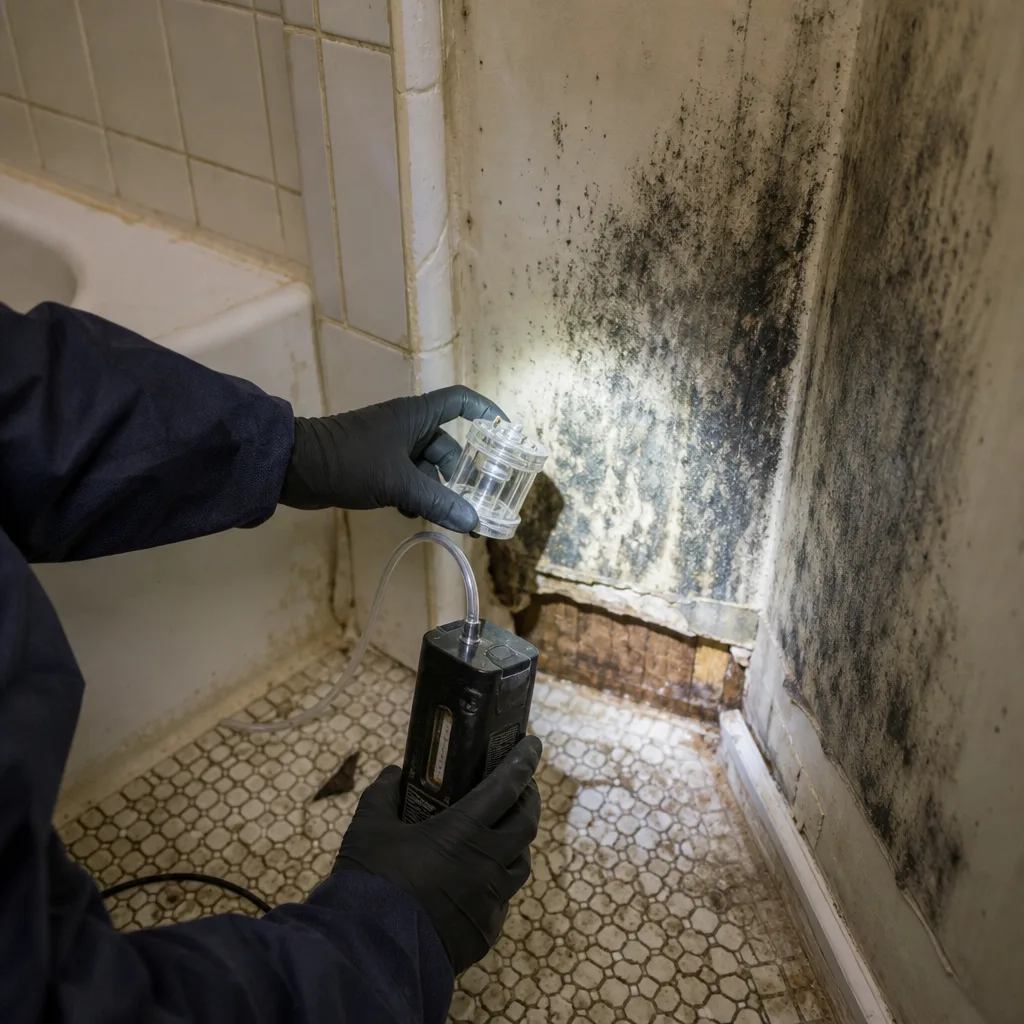
Saltwater flooding requires chloride testing and cavity opening before drying can be considered complete, because hygroscopic salt keeps attracting moisture and feeds hidden mold long after the visible water is gone. A freshwater pipe break can often be dried with surface-focused equipment, but a tidal surge in College Point means we pre-test every affected wall cavity and treat any salt-positive area before closing it up.
Why do so many College Point basements show hidden mold only years after Build It Back repairs?
Many post-Sandy Build It Back contractors performed structural repairs and surface drying but did not open wall cavities to dry the old-growth framing inside, leaving moisture trapped behind finished walls. That trapped moisture feeds mold colonies that stay dormant until humidity or another wet event triggers a bloom. We routinely find legacy mold behind 2013-2015 patches in College Point basements, and we treat those walls as suspect until opened and verified.
How fast can mold start on wet drywall in a College Point basement after a tidal surge?
Mold spores can begin germinating on saturated drywall and organic surfaces within 24 to 48 hours, especially in the humid air a peninsula basement holds after a surge. That window shrinks further when the water is Category 3, because the organic material in the water feeds growth. Extraction should happen the same day, and drying should be running within hours, not days.
Does a FEMA flood-loss claim change how you document water damage restoration in College Point?
Yes, FEMA and NFIP claims require more detailed documentation than a standard homeowners claim. We photograph every affected room from the first hour, record daily moisture readings, and document any salt contamination with chloride test results. We provide your adjuster a complete line-item scope with drying logs, and we coordinate directly so you’re not stuck translating contractor notes into claim language.
Why is Category 3 water the default when Flushing Bay backs up into College Point basements?
Flushing Bay water carries sewage, fuel residue, road runoff, and marine debris, which makes it grossly contaminated by definition. When tidal backflow pushes through floor drains and up from the ground, it mixes with whatever is already in the drainage system. That’s Category 3, and it requires a different cleaning, disinfection, and personal-protection protocol than a freshwater pipe break ever would.
How fast can a crew actually reach my College Point home after I call?
Most peninsula addresses get a certified crew on site within 45 to 90 minutes, depending on traffic and whether there’s an active storm. During a nor’easter when multiple homes flood at once, we stage response by severity: significant standing water and active intrusion get priority, while a slow ceiling stain may be slotted the same afternoon. Call (917) 924-4221 and dispatch tells you exactly when the truck leaves.
Can I stay in my home during water damage restoration in College Point?
Often yes, especially when the damage is contained to a basement or a single room and the living areas are unaffected. But if we’re cutting salt-contaminated plaster, running HEPA scrubbers, or using heavy extraction equipment in a walkout basement, the dust and airborne particulates may make upstairs living unpleasant for a day or two. We’ll tell you straight what’s tolerable and what isn’t.
What should I do in the first 30 minutes after a flood in my College Point basement?
If it’s sewage or tidal water, don’t enter the basement unless you must, and never touch electrical panels or outlets in flooded areas. If you can safely reach the breaker panel, kill power to the affected area. Then call us at (917) 924-4221; don’t spend an hour moving wet boxes. Extraction speed matters more than salvage sorting, and your safety matters most.
The spine of this page, and the work, is the bay. College Point is a low-lying peninsula with Flushing Bay on three sides, and the water that comes for these basements doesn’t behave like a pipe break in Rego Park. It’s saltwater Category 3, it comes fast during storms, and it keeps working after the pumps shut off. Curt Bowman, who founded Floodline Restoration Co. of Manhattan in 2010, built this company around a dispatch board, not a sales desk, because he knows what a 2 a.m. call from a flooded basement sounds like. Our crews carry chloride tests on every truck, we know which streets near Powell’s Cove backflow first in a nor’easter, and we’ve opened enough Build It Back-era walls to expect hidden mold behind the patches. That’s the difference between a restoration company that serves College Point and one that actually knows it. We’re the latter. Our Water Damage Restoration team is ready to answer at (917) 924-4221. Done right, and backed in writing.
Written by Curt Bowman, Owner at Floodline Restoration Co., serving College Point since 2010.