
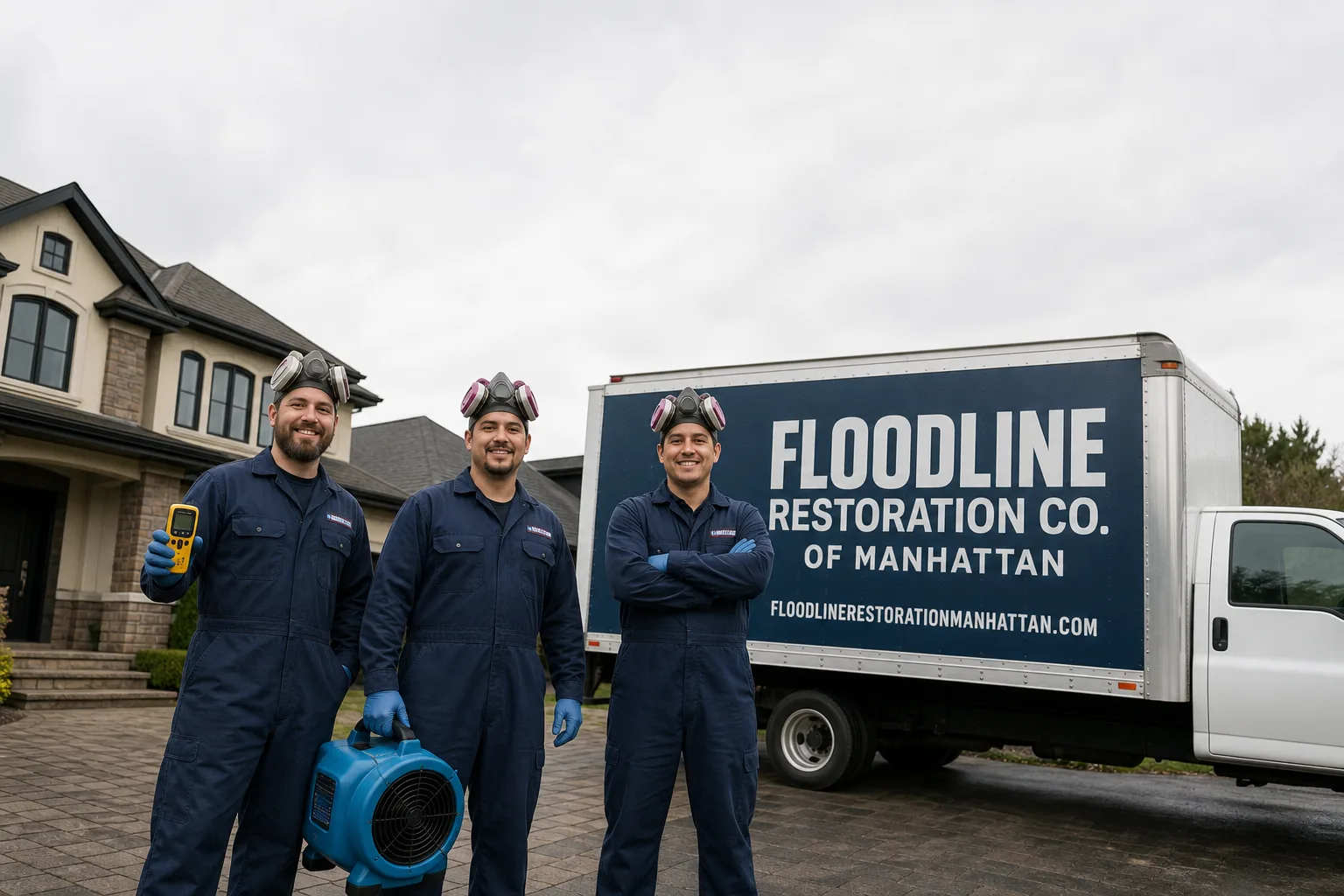
Free visual inspection and a written scope of work before any mitigation begins - photos, moisture readings, and drying logs go in your claim file
The scope we write is the scope we bill. Anything new gets shown to you, in writing, before we touch it.






 Before
 After
After Before
 After
After Before
 After
After24/7 Emergency Water Damage Restoration in Manhasset
Water damage in Manhasset doesn’t wait for business hours, and neither do we. If a supply line ruptures in a Munsey Park Colonial at 2 a.m. or a nor’easter pushes Manhasset Bay into your finished basement, our crews are dispatched immediately, not when the office opens. A live dispatcher answers (917) 924-4221 around the clock, every day of the year. The first hour matters: water moves through plaster-and-lath, hardwood, and subfloor fast, and Manhasset’s bay-humidity air accelerates mold growth when drying is delayed even briefly. We arrive fast, map the moisture with thermal imaging and hygrometers, and start extraction the same visit. There’s no charge for the visual inspection, and we’ll give you a straight answer about what’s wet, what’s salvageable, and what needs to come out before we touch a tool.
Understanding Water Damage Restoration Severity in Manhasset Properties
Not all water damage is the same, and in Manhasset the building stock makes the distinctions matter more than elsewhere. We classify water by contamination level: Category 1 is clean water from a supply line or burst pipe, Category 2 carries soaps or detergents from appliance overflows, Category 3 contains sewage, storm backflow, or Manhasset Bay surge water. Each category dictates a different standard of demolition, disinfecting, and drying. In a 1930s brick Colonial in Munsey Park, the real complication is what the water saturates before you see it. A burst pipe in an upstairs bath can travel down inside a plaster-and-lath wall, across original oak floor joists, and settle behind built-in millwork before the first droplet appears on the kitchen ceiling below. Moisture mapping is not optional here. We log readings throughout the affected area, mark the drying perimeter, and continue daily monitoring until materials reach the dry standard, not until the floor feels dry at a glance. The structural framing matters too: old-growth joists dry slower than modern dimensional lumber, and cutting corners on the drying curve invites warping, cupping, and long-term rot in precisely the materials that make a Manhasset home worth restoring.
Key Takeaways
- Water damage in Manhasset demands faster drying because bay-humidity air shortens the window before mold begins.
- Plaster-and-lath construction, original millwork, and stone foundations require specialized drying techniques, not replace-and-patch shortcuts.
- Hidden saturation behind walls and under flooring is often several times larger than the visible standing water.
- We quote firm pricing with a written scope before work begins, and bill your insurer directly.
Why Manhasset Property Owners Choose Floodline Restoration Co. of Manhattan
- 45-minute response commitment. When you call about standing water in Manhasset, our goal is a crew at your door within 45 minutes, with equipment rolling the same hour.
- 24/7 live answer. You get a real dispatcher at (917) 924-4221, never an automated tree. At 2 a.m. during a basement flood, that matters.
- IICRC-certified crews. Our technicians are trained and certified for water damage restoration (WRT), applied structural drying (ASD), and fire and smoke restoration (FSRT), plus RIA and IFA standards.
- Free visual inspection. We walk the loss with you, tell you what you’re dealing with, and write a scope before you commit to anything.
- Direct insurance billing. We coordinate with your adjuster from the first hour, submit documentation, and handle carrier communication so you don’t play messenger.
- One team, start to finish. Extraction, drying, rebuilding, and finishing are all done by the same Floodline Restoration Co. crew that read the moisture map on day one. No mid-job handoff to a third party.
Our Water Damage Restoration Process
Inspection & Assessment
We walk the affected area with you, map the moisture with thermal imaging and hygrometers, identify the water category, and probe subgrade drainage in Manhasset’s older basements. You get a written scope and a clear explanation of what we found before any work begins.
Extraction & Stabilization
Standing water comes out using truck-mounted and portable extraction equipment. We remove saturated materials that can’t be saved, stabilize the structure, and protect salvageable contents. Burst lines are shut off and isolated.
Drying & Dehumidification
We set Dri-Eaz air movers, Phoenix dehumidifiers, and where needed, Injectidry systems that dry wall cavities, plaster-and-lath assemblies, and built-in millwork from behind. Daily moisture readings are logged until every affected material meets the dry standard.
Cleaning & Sanitization
Affected surfaces are cleaned, disinfected, and treated with antimicrobial products appropriate to the water category. HEPA filtration runs where mold or bacteria are present, and we take clearance samples when required.
Specialty Drying for Manhasset Construction
Plaster-and-lath walls, original hardwood, and custom millwork cannot be treated like drywall and laminate. Our crews use Injectidry and penetrating drying techniques that preserve original materials whenever they can be saved.
Repairs & Restoration
The same crew that dried your home rebuilds what needs rebuilding, matching period-appropriate materials where original elements cannot be restored. We stand behind the finished job with the 90-Day Done Right Promise, in writing.
Need Emergency Water Damage Restoration in Manhasset Now?
Crews minutes away, answering live 24 hours a day. The sooner we start, the less it costs.
Working With Your Insurance Company
Most Manhasset water damage claims are covered, but adjusters in this market scrutinize material matching and moisture logs more closely than they do in standard suburban claims. Your home’s original plaster, oak flooring, and custom trim are high-value materials, and your carrier will want proof that drying was done correctly before they approve rebuild costs. We’ve handled thousands of water claims and know exactly what documentation carries weight. From the first hour, we photograph every affected room, log moisture readings at intake and daily throughout drying, and produce a line-item scope that matches industry-standard estimating formats your adjuster recognizes. We speak directly with your carrier. You don’t relay messages. When the adjuster asks why a plaster wall was dried instead of demoed, we answer that question with data, not opinion. Direct insurance billing means the carrier pays us directly for covered work, and you’re never left fronting the bill and waiting for reimbursement.
What We Provide Your Insurer
- Thorough documentation of the loss
- Photos of all damage, room by room
- Moisture readings and drying logs
- A detailed, line-item scope of work
- Direct coordination with your carrier
Built for Manhasset’s Loss Calendar
Water damage in Manhasset follows the seasons, and each one brings a different failure mode. January and February deliver the deep freezes that burst supply lines in the unheated crawlspaces and utility rooms of 1920s frame Colonials along Plandome Road and the surrounding streets. A single frozen elbow joint can release a full-pressure spray for hours before anyone notices, saturating finished basements, subfloors, and joist bays. March and April bring thaw cycles and groundwater pressure. Manhasset’s older homes, especially those with stone foundation walls, see seepage through mortar joints and floor-wall intersections long after the last snow melts. Summer thunderstorms arrive fast and drop more water than Nassau County’s storm drains can carry, sending surface water down warped basement stairwell doors and window wells. Then comes nor’easter season. From late October through April, Manhasset Bay’s wind-driven surge pushes into low-lying streets near the water, and gravity drains that serve Munsey Park’s 1930s basements back up before any surface flooding appears. We see every one of these patterns repeat, year over year, and our crews know which areas of a Manhasset home fail first in each season.
Water Damage Restoration Across Manhasset’s Neighborhoods
Manhasset’s neighborhoods respond differently to water, and our crews know the differences before they turn the key. Munsey Park is our most distinctive response zone: 1930s brick Colonials with original stone-and-mortar foundations, gravity drainage, and plaster walls everywhere. When we get a call for a damp basement in Munsey Park, we probe the subgrade drainage first, because the hidden saturation zone under the slab is almost always larger than what’s visible on the floor. Around Plandome Road and the commercial corridor, mixed-use structures and older storefront conversions deal with roof membrane failures and aging supply lines above finished spaces. North Strathmore and the streets around Strathmore Vanderbilt Country Club hold mid-century Capes and split-levels where copper piping reaches end-of-life and pin-hole leaks express themselves behind built-ins and original paneling. Along the bay side, homes near Manhasset Bay and the lower-lying streets off Bayview Avenue face direct storm surge and groundwater intrusion during nor’easters. Each of these areas demands a different extraction plan, but the principle is the same: map the moisture, find the true source, dry to the standard, and document everything.
In Munsey Park, our techs responded to a 1930s brick Colonial whose basement had only a few inches of standing water, but our moisture mapping found the stone-and-mortar foundation walls saturated to 18 inches above the floor. We ran Dri-Eaz air movers and Phoenix dehumidifiers in containment for six days, while our Injectidry system dried the plaster-and-lath walls from behind, saving the original custom millwork.
Specialized Water Damage Restoration Services We Offer in Manhasset
Emergency Water Extraction
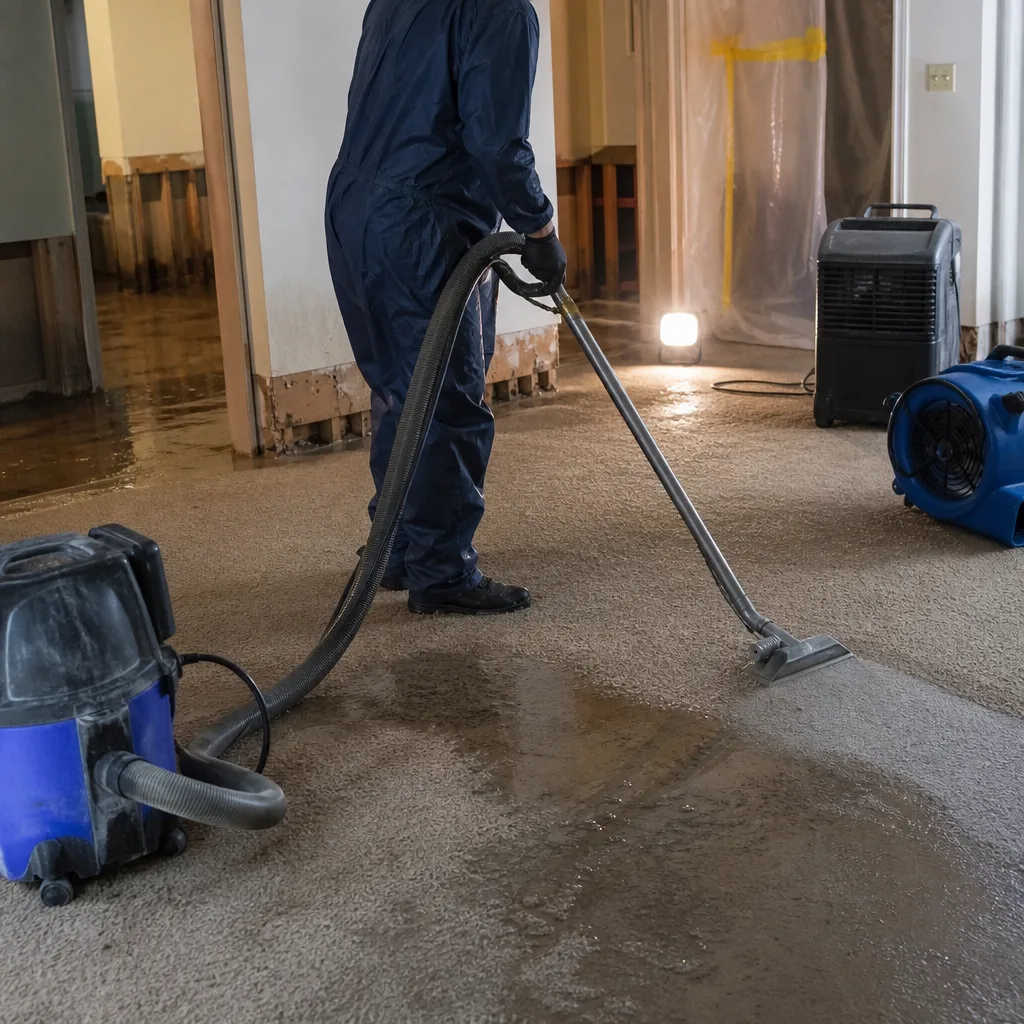
Standing water in a Manhasset basement or first floor comes out fast, using truck-mounted extraction for large losses and portable units for tight spaces. In finished basements with original hardwood or period flooring, we extract from beneath the surface when water has wicked into the subfloor. Every extraction includes a moisture map so drying starts with a plan, not a guess.
Structural Drying & Dehumidification
Manhasset’s plaster-and-lath construction cannot be force-dried the way drywall can. We control the drying environment precisely, managing humidity in stages to prevent surface cracking, joint separation, and nail pops. The goal is to dry the structure without destroying it. Dri-Eaz and Phoenix equipment gives us the control needed for older assemblies, and daily hygrometer readings prove the work.
Flood Cleanup
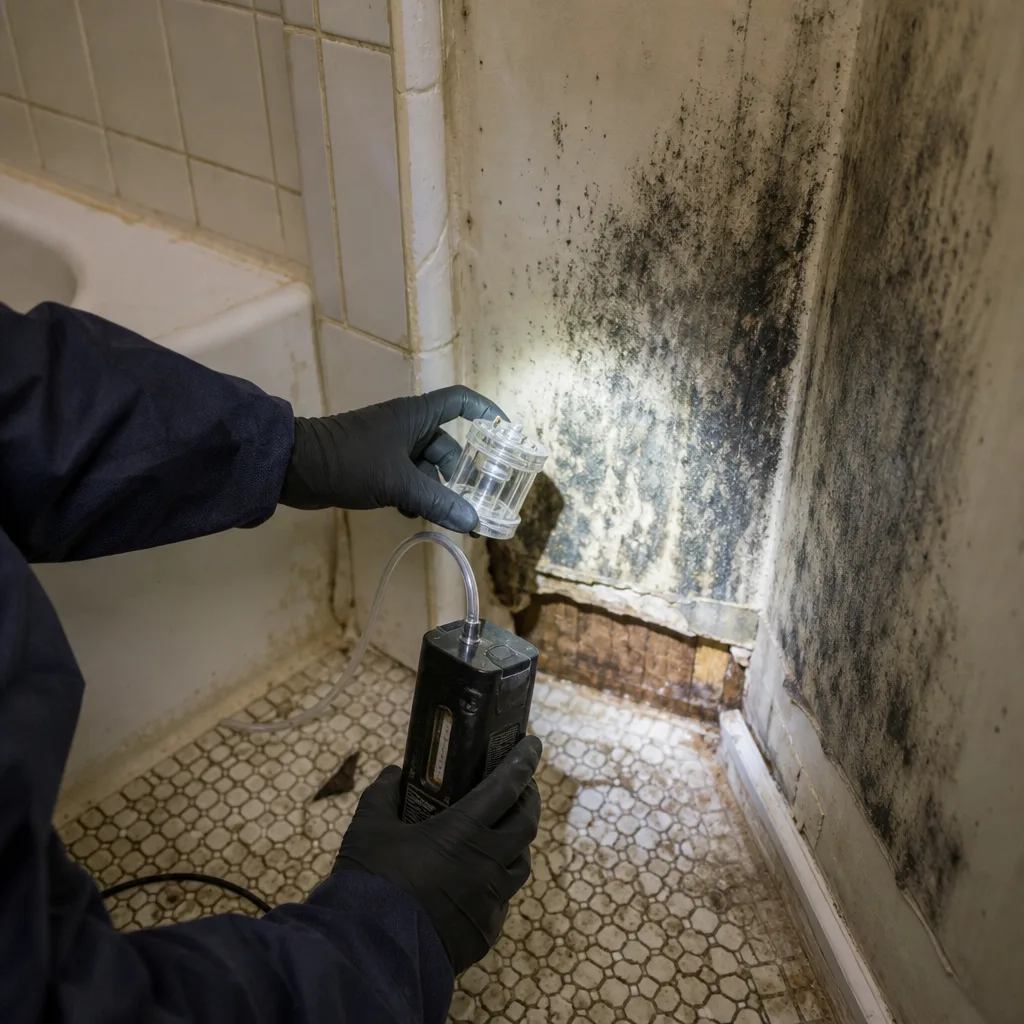
Whether the water came from Manhasset Bay surge, a failed sump pump during a nor’easter, or storm drain backflow, flood cleanup means more than moving wet material. We clear debris, remove contaminated water, sanitize affected surfaces, and manage the mud and silt that bay water and groundwater carry into basements. Flood water is almost always Category 3, which dictates the full sanitation protocol.
Burst Pipe Restoration
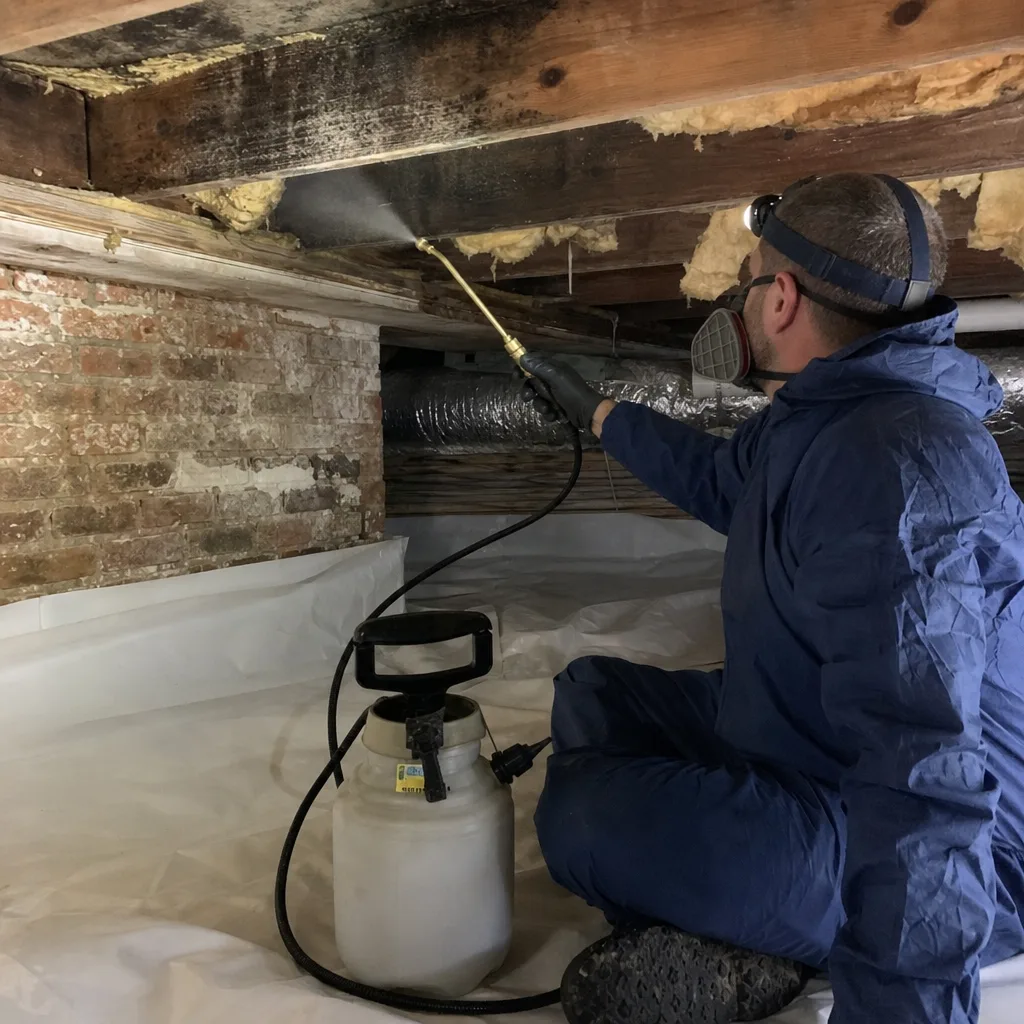
A frozen supply line or a pinhole leak inside a wall can run for hours unseen, leaving the classic Manhasset pattern: water in the ceiling of one room, wet insulation in the cavity, and saturated joists between floors. We find the source, repair the plumbing connection, and dry the cavity without ripping every section of plaster. When the original materials can be saved, we save them.
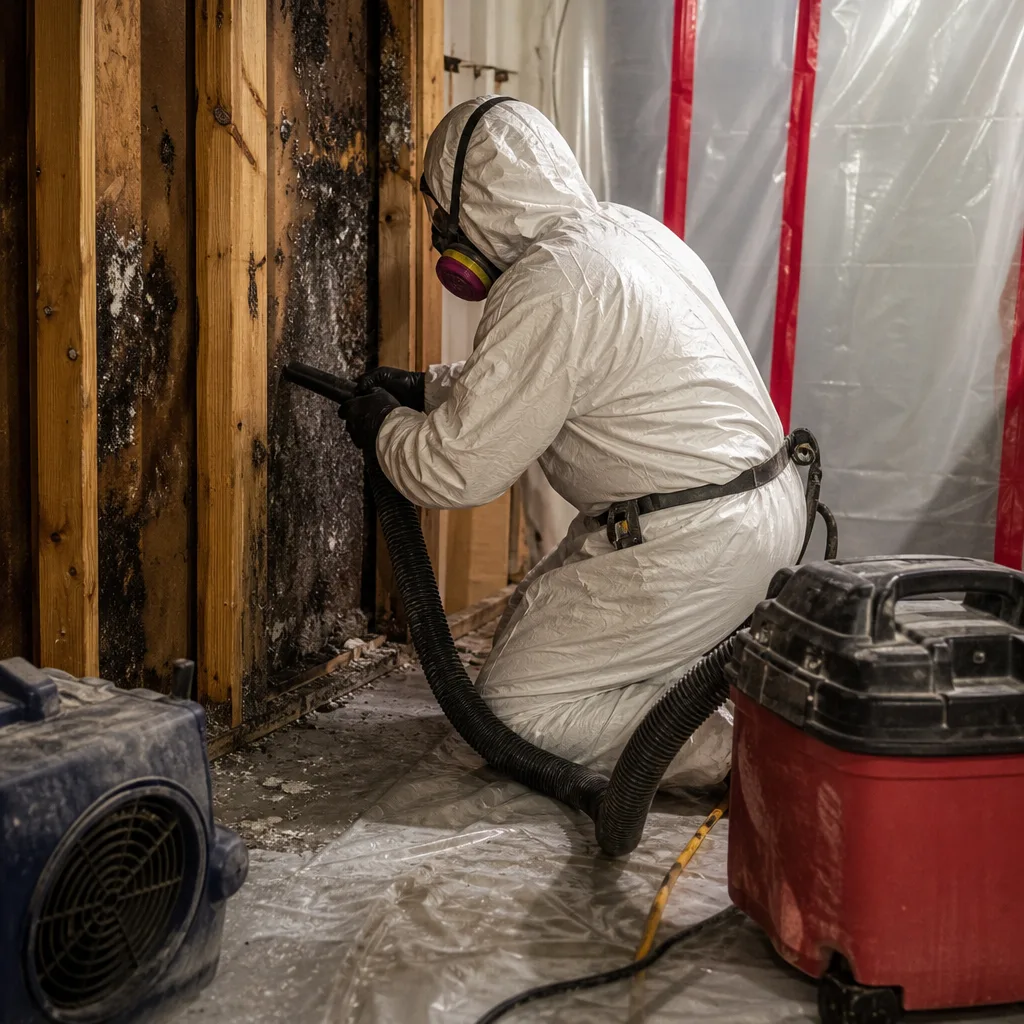
Basement Water Removal
Manhasset basements, particularly in Munsey Park and the pre-war homes around Plandome Road, are where gravity drains fail first, and water accumulates before the street ever floods. We remove standing water, address the drainage condition that caused it, and run drying equipment until the sub-surface moisture reads dry. A basement that feels dry but still reads 30% moisture content in the walls will mold within weeks in bay-humidity air.
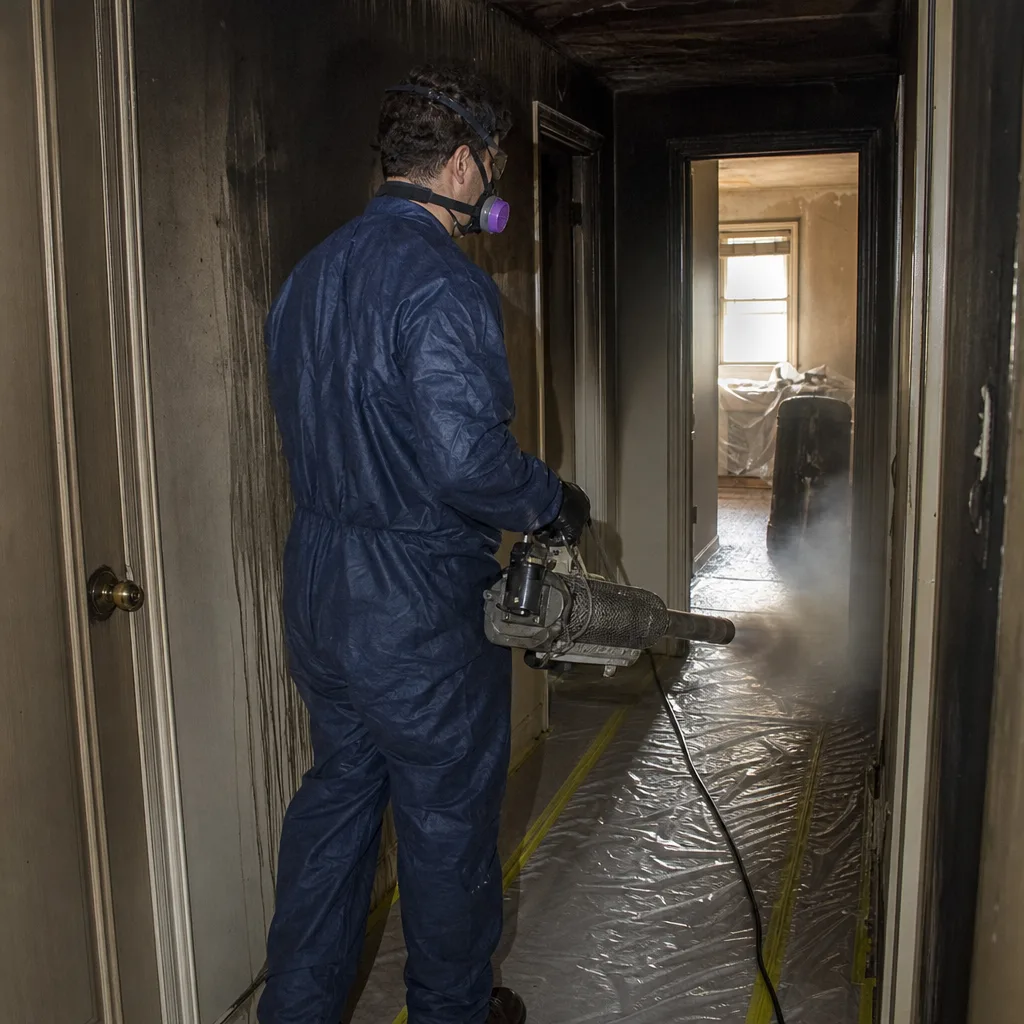
What happens when you call
- 1
A real person answersNo phone trees - you reach a local pro.
- 2
You get an upfront price rangeHonest numbers before anyone is dispatched.
- 3
A background-checked tech heads outLicensed & insured, dispatched right away.
- 4
You approve before work beginsNothing starts until you say go.
Water Damage Restoration Costs in Manhasset, NY
Water damage restoration in Manhasset runs higher than the national average because the structures are older, the materials are more expensive to match, and the drying standards are higher. A straightforward emergency water extraction in a Manhasset basement typically runs $1,200 to $2,800, depending on the size of the affected area and the water category. Full structural drying with dehumidification and air movers for a single-room loss generally falls between $2,500 and $6,000. A finished basement flood from a burst pipe, including extraction, drying, baseboard removal, and necessary rebuild, commonly ranges from $8,000 to $25,000 when original materials are involved. For Category 3 sewage or bay-surge water, add sanitization and containment: most jobs range from $10,000 to $30,000+. The biggest variables are the amount of custom millwork and plaster that must be preserved, the accessibility of the wall cavity, and whether subgrade drainage needs repair. Insurance pays most of these costs when the damage is sudden and accidental. Our visual inspections are free, and we provide a firm written scope before any work begins, so the number we quote is the number you approve.
We Also Serve Cities Near Manhasset
Floodline Restoration Co. of Manhattan serves the full Water Damage Restoration needs of homeowners across the North Shore. Our crews also respond to water damage in Great Neck, Port Washington, Little Neck, and Glen Oaks, bringing the same certified team, the same equipment, and the same written 90-Day Done Right Promise to every call.
Manhasset Water Damage Restoration Questions, Answered
Why does Manhasset’s Munsey Park get basement flooding before rain is even visible on the street?
Munsey Park’s 1930s brick Colonials were built with stone-and-mortar foundation walls and gravity drainage systems that move groundwater downhill into the sanitary system. During heavy rain or nor’easters, the water table rises, and the gravity drains back up before surface water appears. The basement floor is often the lowest point in the system, so groundwater enters there first. Our crews probe subgrade drainage on every Munsey Park call because the hidden saturation zone under the slab is almost always larger than the visible water. Call (917) 924-4221 if your Munsey Park basement is damp before the rain even hits the street, and we’ll find the source.
Can you dry plaster-and-lath walls without tearing them out in a Manhasset Colonial?
Yes, in most cases. We use Injectidry systems that force dry air through small, hidden access points directly into the wall cavity, drying the plaster, lath, and framing from behind. This preserves the original plaster surface, the custom millwork baseboards, and the period-appropriate character of the home. In severe saturation or when mold is present inside the cavity, some selective removal may be unavoidable, but our first goal is always to dry in place. Call us for a free inspection and we’ll tell you honestly which path is right for your walls.
How quickly does mold start in a Manhasset basement after water damage, given the bay humidity?
In Manhasset’s bay-humidity environment, mold colonization can begin in as little as 24 to 48 hours after water intrusion if materials remain wet. The warmer months accelerate this timeline because relative humidity near the bay runs high, keeping surfaces damp even after standing water is removed. This is why we prioritize rapid extraction and controlled drying, with dehumidifiers running continuously and daily moisture readings logged. If you suspect water sat for more than a day before you found it, call (917) 924-4221 and we’ll assess for mold at the same time we assess the water damage.
What happens to original hardwood floors in Manhasset homes when a pipe burst floods a finished basement?
Original hardwood can often be saved if extraction and drying begin promptly. Manhasset’s pre-war floors are typically old-growth oak, which is denser and more stable than modern flooring, but it also absorbs water slowly and releases it slowly. We dry hardwood floors using a specialized process of surface extraction, controlled air movement, and dehumidification, often with drying panels that direct airflow into the subfloor. Cupping may occur during drying and can resolve as the wood returns to stable moisture content. The key is starting within the first 24 to 48 hours. After that, the odds of full salvage drop sharply, especially in bay-humidity months. Call us at the first sign of water on your floors.
How do you handle mold inside the wall cavity of a Manhasset Tudor with no access panel?
We create controlled access points, never exploratory demolition. Dry ice blasting or media blasting is not typically needed for modest cavity mold; instead, we use targeted injection through small openings, negative air in the affected area, and HEPA-filtered air scrubbers to capture spores released during the process. If the cavity mold is extensive, we remove the affected section of wall under containment and rebuild it with period-appropriate materials. The 90-Day Done Right Promise covers the result, in writing.
How fast can someone actually get to Manhasset for a water emergency?
Our target is 45 minutes from your call to an arriving crew. A live dispatcher answers (917) 924-4221 24/7, and the team dispatched to Manhasset carries extraction equipment on the truck, so work starts the same visit. During major storm events, response times can stretch as calls surge, but we stage crews in the area when nor’easters are forecast.
Will insurance cover my water damage restoration in Manhasset?
Most sudden and accidental water damage, such as a burst pipe or appliance overflow, is covered by a standard homeowners policy. Flood damage from Manhasset Bay storm surge is generally not covered unless you carry separate flood insurance through the NFIP or a private carrier. Gradual seepage is typically excluded. We document everything in the claim, communicate directly with your adjuster, and bill your carrier directly for covered work, so you don’t carry the out-of-pocket wait. We’ll help you understand what your policy covers before you commit to a scope.
Do I need full water remediation in Manhasset, or will a simple cleanup be enough?
It depends on the water category and how far it traveled. Clean water from a supply line that is extracted within hours and dried thoroughly may not require demolition. But in Manhasset’s older homes, water hidden inside plaster walls, under original flooring, or behind built-in millwork can look minor at eye level while the cavity is saturated. The only way to know is with a proper moisture map. We provide that assessment free, and we’ll show you the readings with our own tools before we recommend anything. If all you need is drying, we’ll tell you that. If you need more, we’ll explain exactly why, and you’ll approve a written scope first.
Serving Manhasset, NY - Our Local Coverage Area
We’re based in the Manhasset area and know this community well. Use the map below to see our service coverage - if you’re nearby, we can almost certainly help.
Get Water Damage Restoration in Manhasset, Done Right
If water is in your Manhasset home right now, call (917) 924-4221. A live person answers, day or night, and a certified crew will be on the way within the hour. We’ll find the source, map the moisture, start extraction the same visit, and give you a straight written scope before any work begins. We coordinate directly with your insurance carrier, bill them for covered work, and we stand behind every job with the 90-Day Done Right Promise, in writing. Floodline Restoration Co. of Manhattan has been water damage restoration in Manhasset for homeowners who want a square deal, a name they can hold accountable, and a job done right the first time. Call now for a free estimate, and we’ll be there when we say.
Written by Curt Bowman, Owner at Floodline Restoration Co. of Manhattan, serving Manhasset since 2010.