

Free visual inspection and a written scope of work before any mitigation begins - photos, moisture readings, and drying logs go in your claim file
The scope we write is the scope we bill. Anything new gets shown to you, in writing, before we touch it.
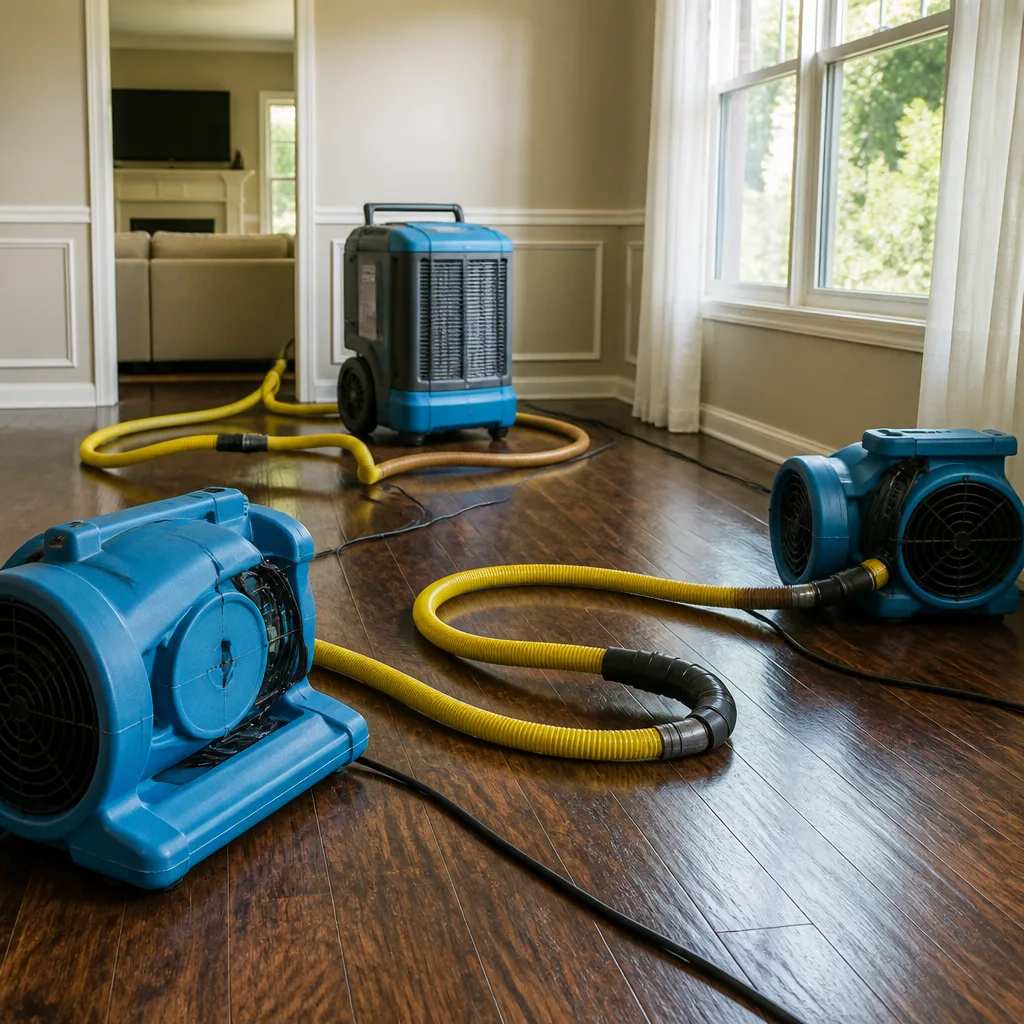
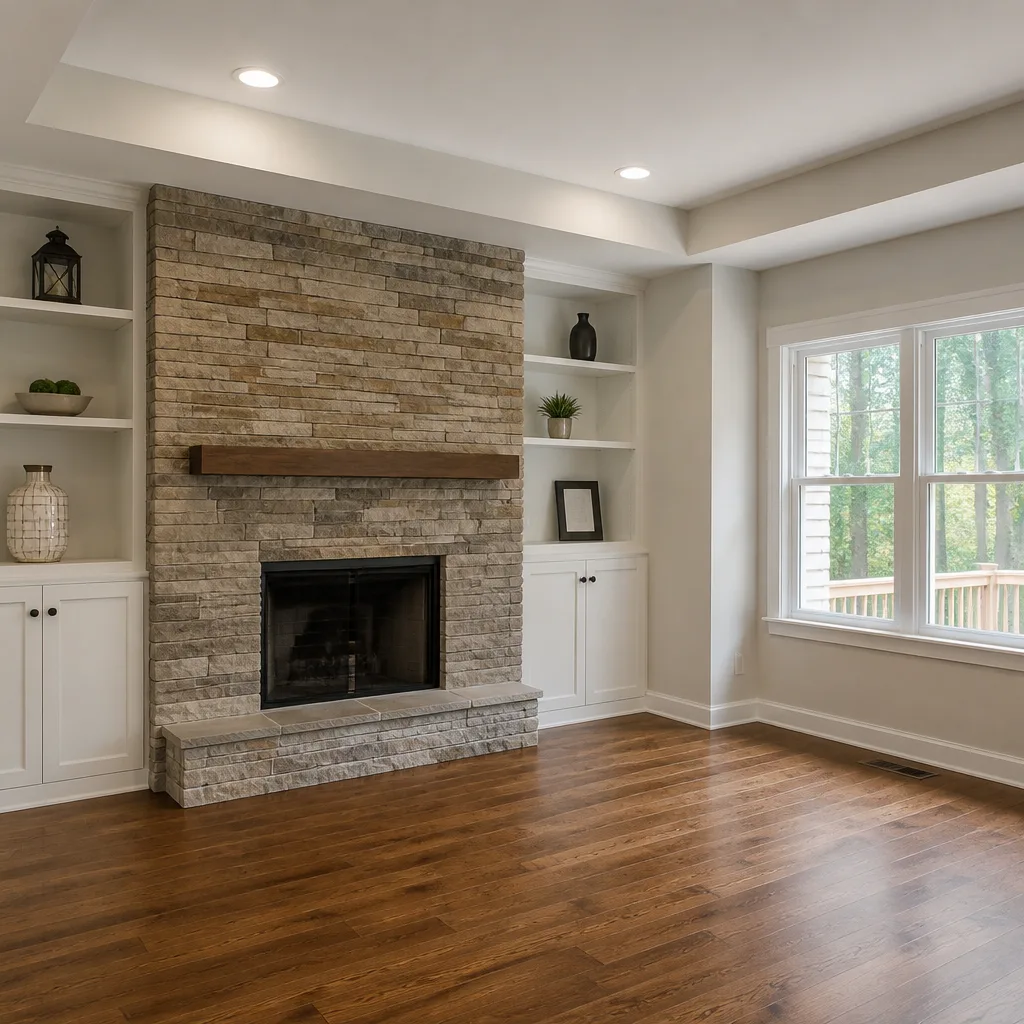


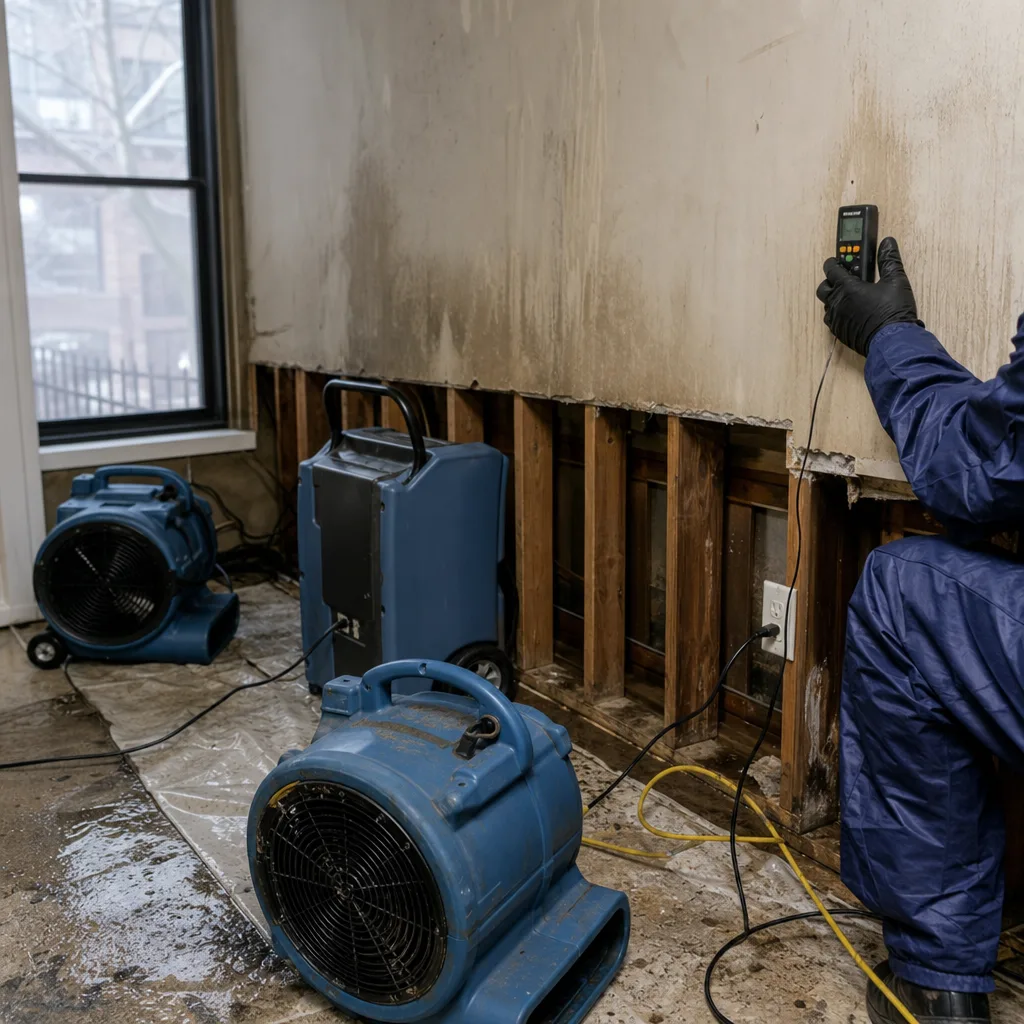 Before
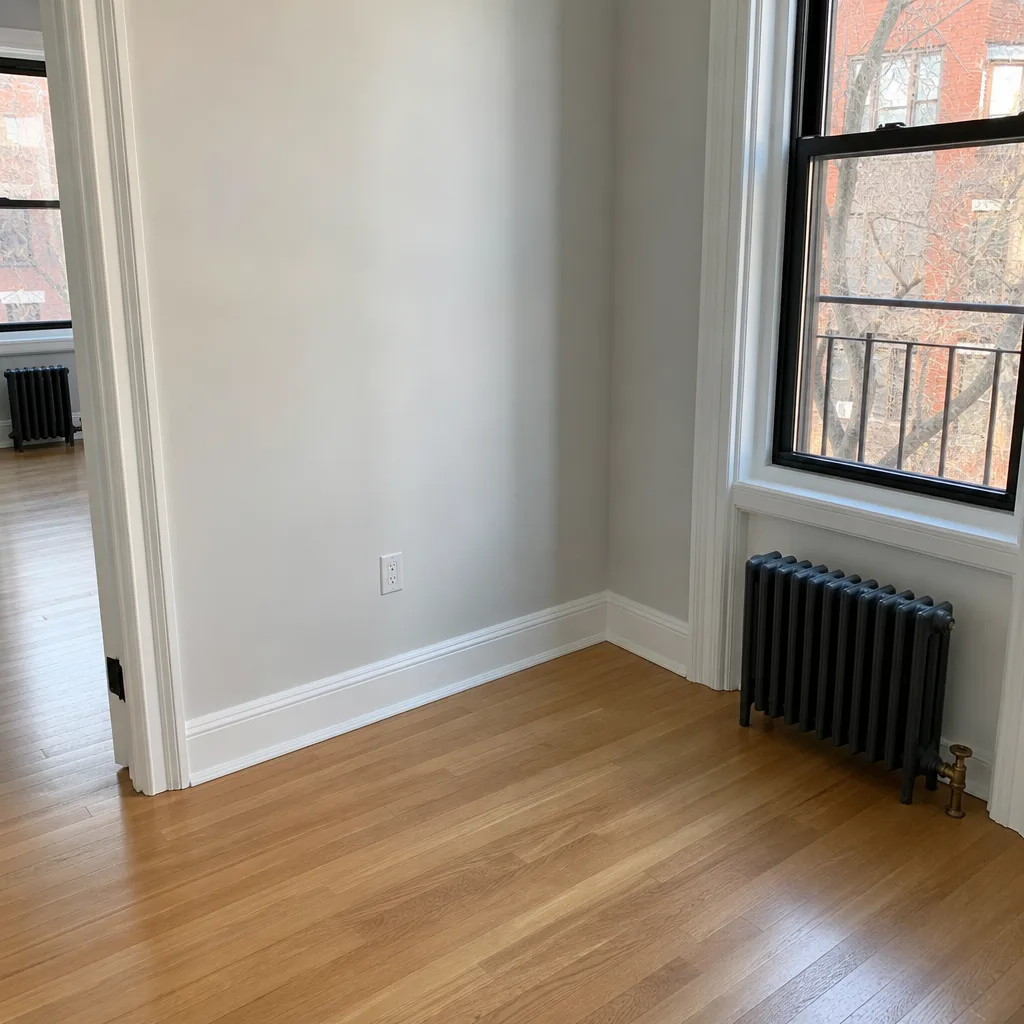 After
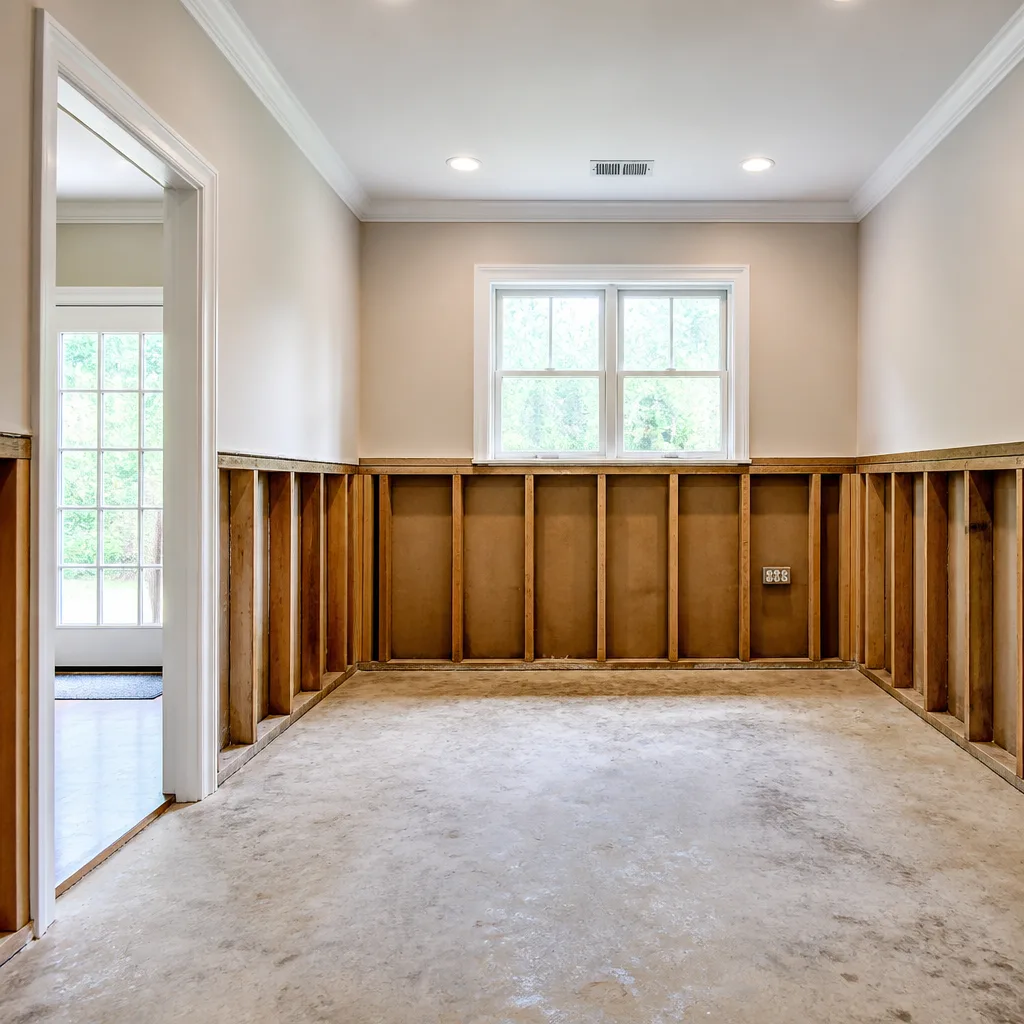
After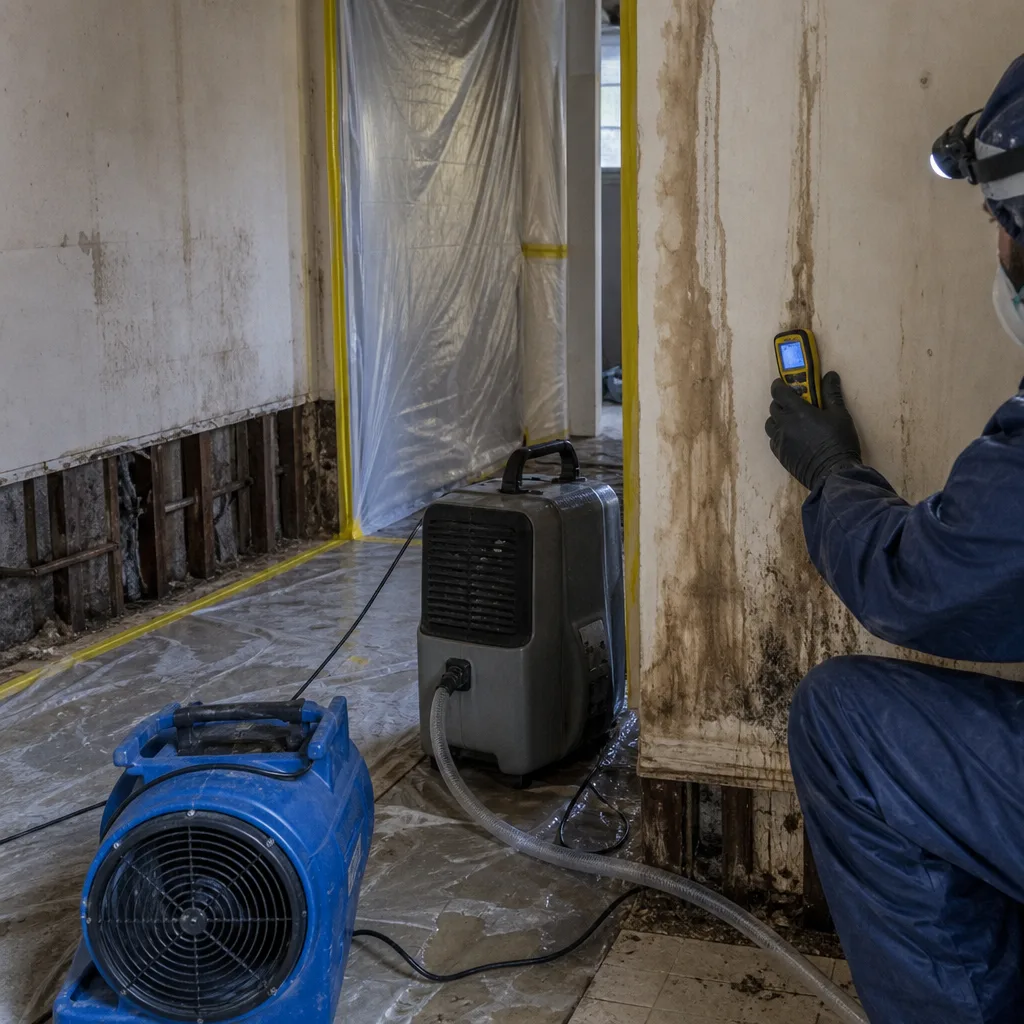 Before
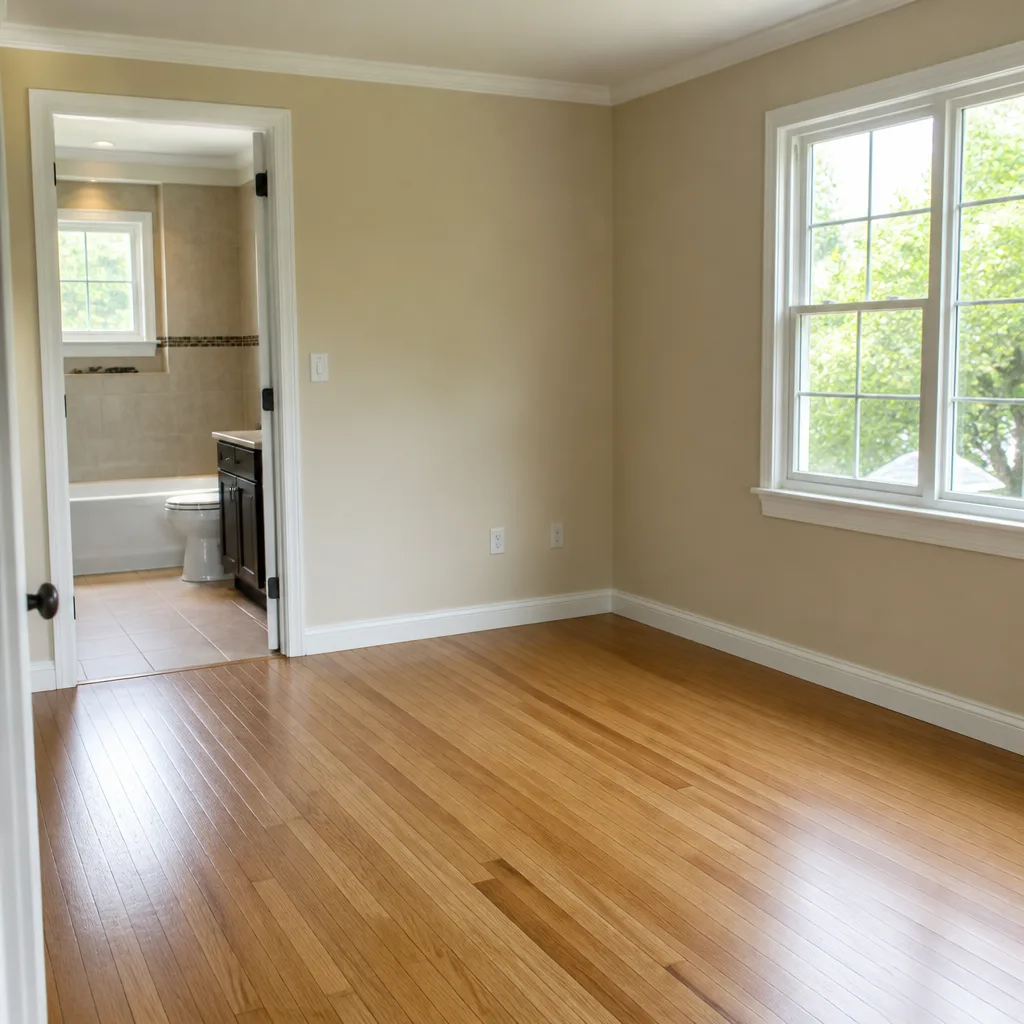
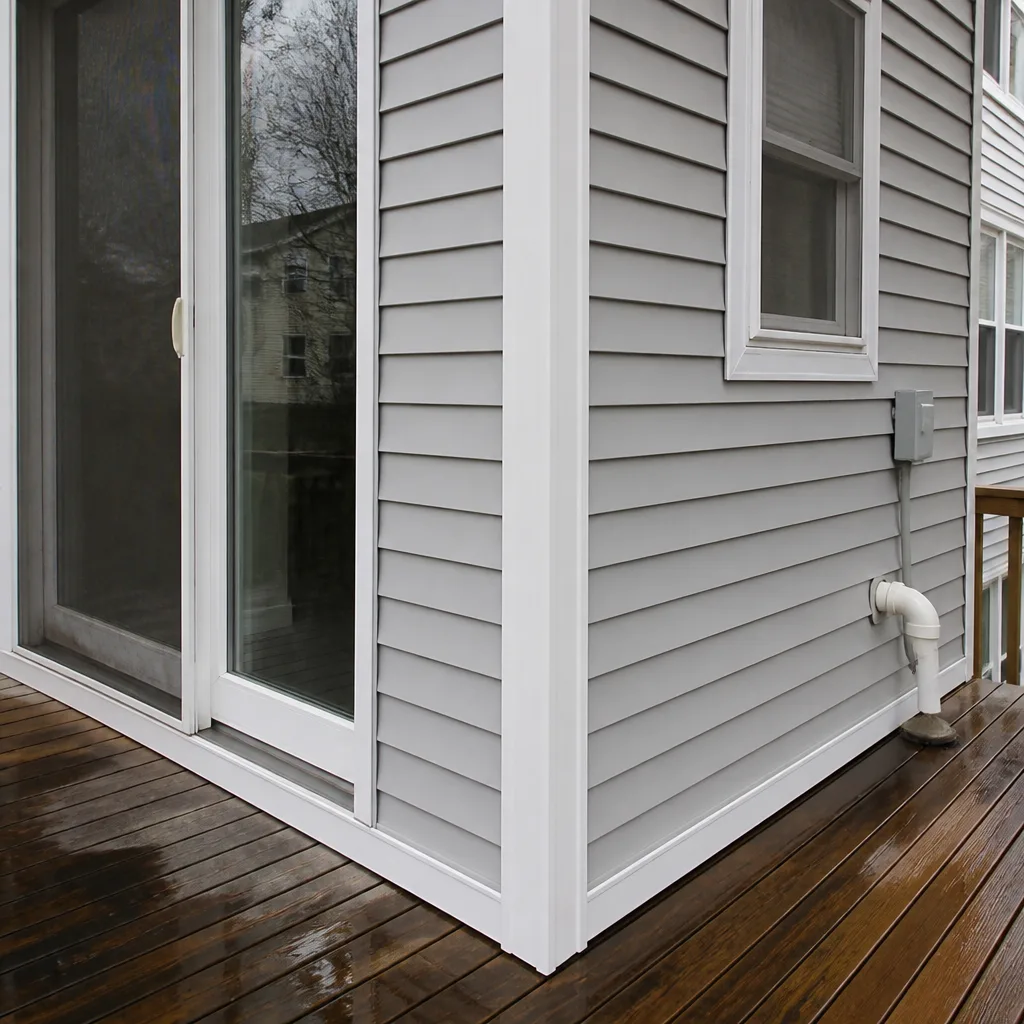 After
After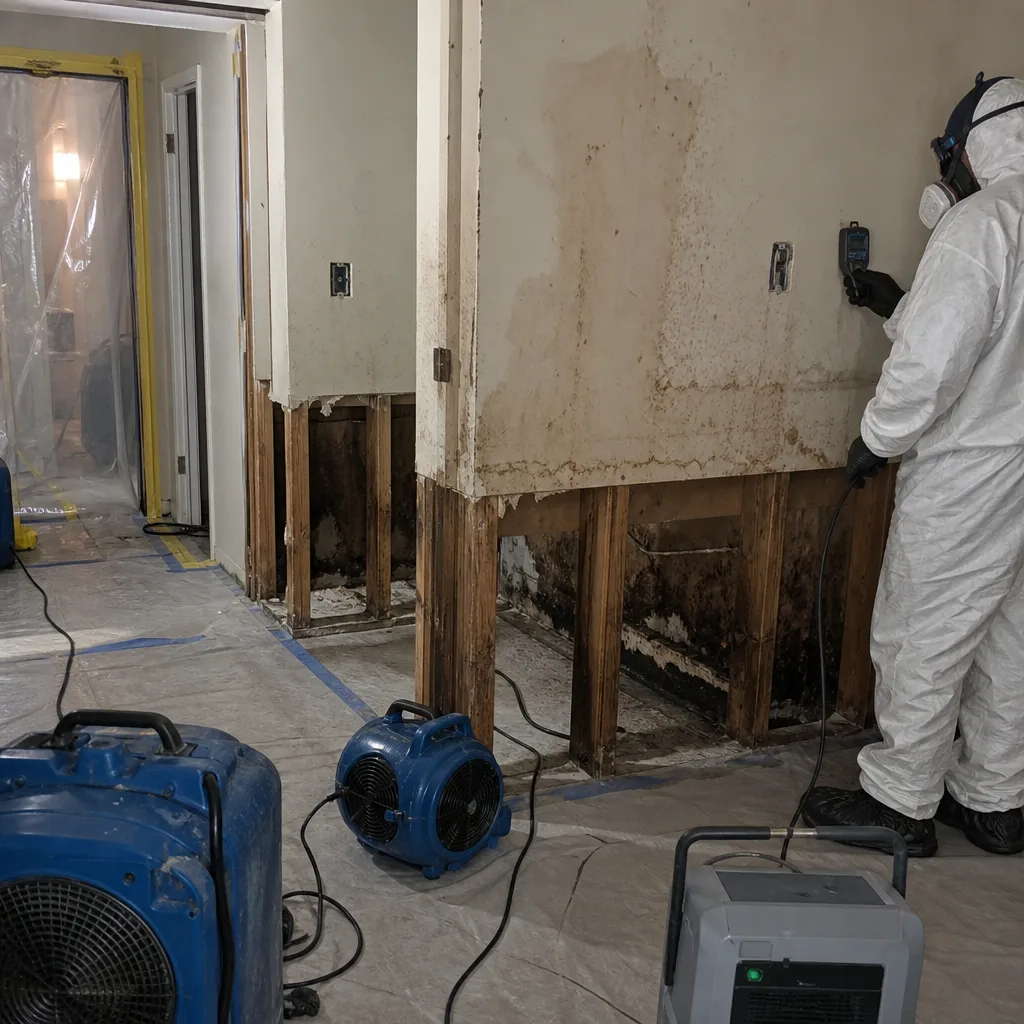 Before
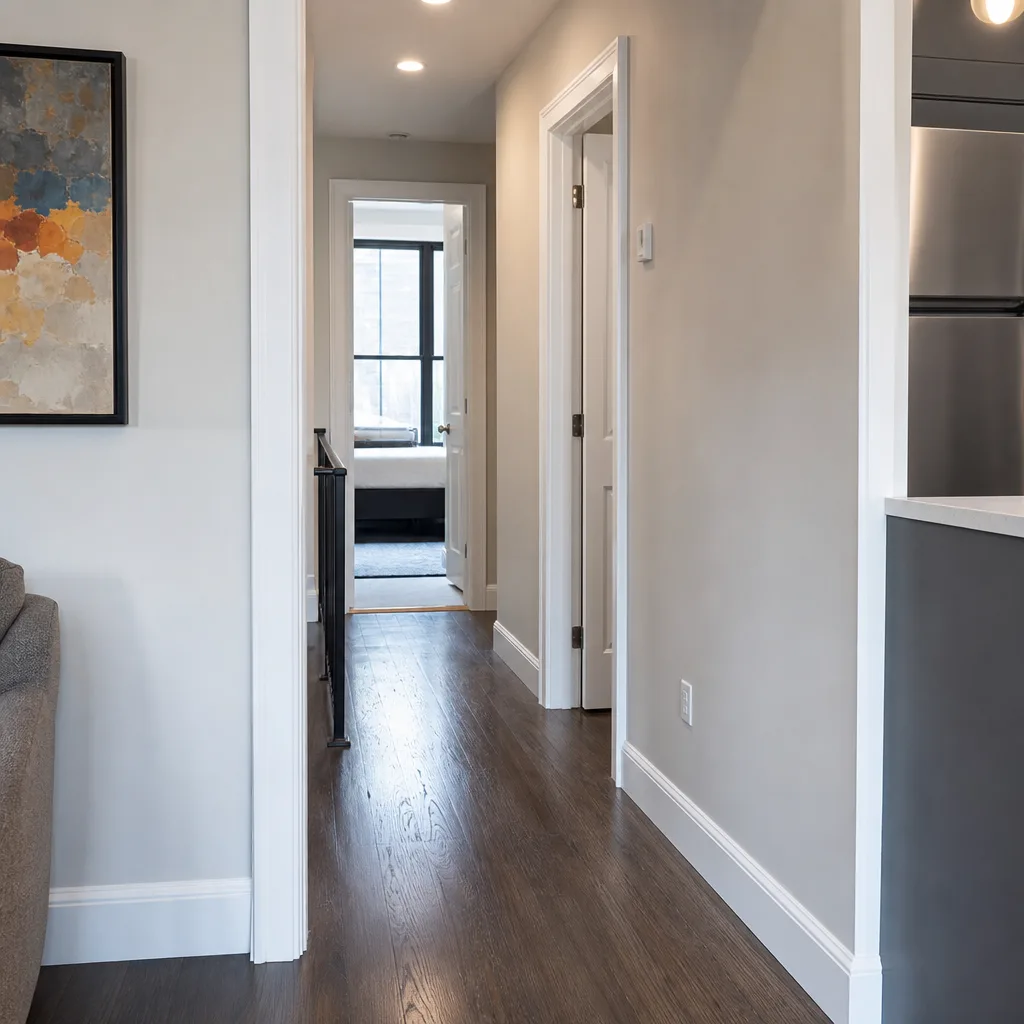 After
After24/7 Emergency Water Damage Restoration in Munsey Park
Water damage restoration in Munsey Park typically costs between $1,800 and $6,400 depending on the water category, square footage affected, and whether period materials like horsehair plaster or old-growth flooring need specialized drying or replacement. When a nor’easter punches a limb through your slate roof or a cast-iron lateral backs sewage into a finished basement, you need a crew that knows this village’s houses, not a generic national dispatch. Our Water Damage Restoration team answers live 24 hours a day, every day. Call (917) 924-4221 and a real person picks up, not a recording.
Munsey Park homes don’t forgive slow response. The first hour after water intrusion determines whether horsehair plaster can be saved or has to be cut out, whether chestnut flooring cups or lays flat again, whether a category 1 roof leak becomes a category 2 or 3 contamination event. We dispatch certified crews to Munsey Park immediately, with professional-grade Dri-Eaz extraction equipment running the same visit. The line the water left is where we start.
Understanding Water Damage Restoration Severity in Munsey Park Properties
Water damage falls into three categories, and the distinction matters more in Munsey Park than almost anywhere else on Long Island because the housing stock is older, denser, and far less forgiving than modern construction. Category 1 water is clean: a burst supply line, a roof puncture admitting rainwater before it contacts insulation or plaster. Category 2 carries significant contamination: water that has passed through wall cavities, saturated old insulation, or sat against plaster for more than 48 hours. Category 3 is grossly contaminated: sewage backups, nor’easter storm surge, or water that has wicked through a root-infiltrated cast-iron sewer lateral and into a finished basement.
In Munsey Park’s 1920s and 1930s Colonials and Tudors, moisture mapping is not optional. Thick horsehair-plaster walls hold water far longer than modern drywall, and old-growth oak and chestnut flooring releases moisture slowly and unevenly. A restoration crew that pulls air movers at 72 hours because “that’s the standard drywall timeline” leaves wall cavities above 16% moisture content, which is an open invitation to secondary mold behind the original lath. We read the moisture map daily and keep equipment running until the dry standard is actually met, not until a national average says it should be.
Why Munsey Park Property Owners Choose Floodline Restoration Co. of Manhattan
- Live answer, 24/7: A dispatcher at (917) 924-4221 picks up at 2 a.m. with a crew assignment, not a voicemail tree.
- 45-minute response commitment: Our crews stage near Munsey Park and typically reach village addresses in under an hour for true emergencies.
- IICRC-certified technicians: WRT and ASD credentials as standard, with AMRT-certified crews on category 3 sewage calls.
- Free visual inspection: We assess the damage, map the moisture, and give you a written scope before any work begins.
- Direct insurance billing: We coordinate with your adjuster, document every drying log entry, and bill the carrier directly.
- One team, start to finish: The same certified crew handles extraction, structural drying, and any rebuild. No mid-job handoff.
Our Water Damage Restoration Process
Inspection & Assessment
We arrive, identify the water category and source, and run thermal imaging and hygrometer readings across affected wall cavities, floors, and ceilings. In Munsey Park homes, this means checking behind horsehair plaster and inside unventilated attic spaces where water hides.
Extraction & Stabilization
Dri-Eaz truck-mounted extraction removes standing water from floors, basements, and crawlspaces. We cut off the source, whether that’s a burst supply line, a compromised slate flashing, or a backed-up sewer lateral.
Drying & Dehumidification
Phoenix dehumidifiers and XPOWER air movers are placed according to a moisture map, not a guess. Daily readings are logged and shared with you and your insurer until every cavity reads dry. Pre-war plaster and old-growth flooring simply take longer, and we schedule for that reality.
Cleaning & Sanitization
HEPA air scrubbers run during containment, and antimicrobial treatment is applied where category 2 or 3 water was present. We never skip this step on a sewage backup, no matter how clean the surface looks afterward.
Specialty Treatment
Period materials get specialty care: controlled drying chambers for plaster ceilings, targeted drying mats for old-growth flooring, and salvage-first approaches to original trim, baseboards, and built-ins.
Repairs & Restoration
From replacing broken slate and copper flashing to rebuilding plaster walls and refinishing chestnut floors, the same Floodline crew completes the restoration to pre-loss condition, in writing, backed by our 90-Day Done Right Promise.
Need Emergency Water Damage Restoration in Munsey Park Now?
Crews minutes away, answering live 24 hours a day. The sooner we start, the less it costs.
Working With Your Insurance Company
Most Munsey Park water damage claims involve a roof puncture, a burst pipe, or a sewer backup, and your carrier will want documentation that holds up. We provide it from the first hour: photos of every affected room before we move anything, moisture readings before and after drying, daily logs showing equipment placement and humidity levels, and a line-item scope of work written to industry standards your adjuster recognizes. We speak directly with your adjuster, so you don’t carry paperwork back and forth or guess what language to use. Direct insurance billing means the carrier pays us for covered work, and any out-of-pocket portion is agreed in writing before we start. No surprises on the bill.
What We Provide Your Insurer
- Thorough documentation of the loss
- Photos of all damage, room by room
- Moisture readings and drying logs
- A detailed, line-item scope of work
- Direct coordination with your carrier
Built for Munsey Park’s Loss Calendar
Munsey Park’s water damage season is not one season. It runs all year, and it follows the village’s specific geography and architecture. January and February bring deep freezes that burst supply lines in unheated crawlspaces and exterior walls, especially in original 1920s plumbing runs. March and April deliver thaw cycles and spring rains that find every compromised slate flashing and every aging gutter seam. Summer thunderstorms dump an inch of rain in twenty minutes, overwhelming the flat sections of roof and the old cast-iron downspouts. November through March is nor’easter season, when wind-driven rain gets under slate and clay tile, and mature oak and maple limbs puncture steeply pitched roofs. Elevated ambient humidity from nearby Manhasset Bay means every one of these events carries a compressed mold window in unventilated attics. We plan response around this calendar, and our crews in Munsey Park know which failure mode is most likely in any given week.
Water Damage Restoration Across Munsey Park’s Neighborhoods
Munsey Park is a small village, but its loss patterns shift street by street. Along Hunt Lane and Manhasset Woods Road, the oldest 1920s estates sit under the heaviest oak and maple canopy, making nor’easter limb punctures the most common call we get in that corridor. Homes closer to Northern Boulevard tend to be slightly later construction, but their proximity to the commercial corridor means more traffic on aging water laterals and more emergency calls for lateral failures. Near the Munsey Park Elementary School, families with finished basements face a different risk profile: any sewer backup or foundation seepage threatens finished drywall, carpet, and stored belongings. Around Burnham Place and the village’s quieter interior streets, unventilated attics in original Colonials are the recurring issue: wind-driven rain gets under flashing and condenses against the sheathing, and the first sign is often a musty odor rather than a visible stain. Wherever you are in Munsey Park, our crews know the block and the building type.
Specialized Water Damage Restoration Services We Offer in Munsey Park
Emergency Water Extraction
Standing water in a Munsey Park basement or first floor needs extraction within hours, not days. Our Dri-Eaz truck mounts pull hundreds of gallons per hour, and we set containment and air movement the same visit. The faster water leaves old-growth flooring and plaster assemblies, the less material ends up in a dumpster.
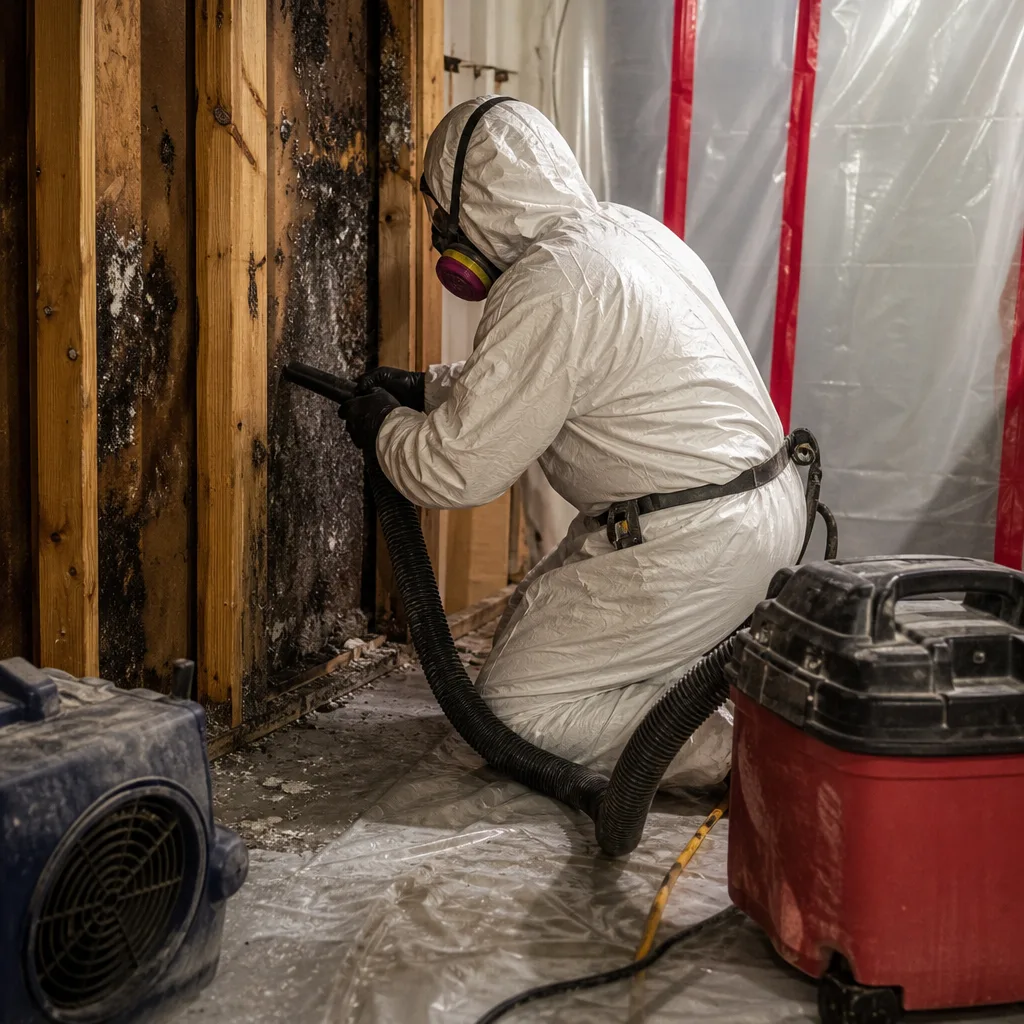
Structural Drying & Dehumidification
Structural drying in Munsey Park is a different craft than in newer construction. Horsehair plaster, old-growth oak and chestnut, and original lath all release moisture unevenly and slowly. We set Phoenix dehumidifiers and XPOWER air movers according to a moisture map, run daily hygrometer readings, and keep drying until every wall cavity reads below the dry standard, not just the surface. Our field crews are trained to extend drying schedules for pre-war assemblies instead of demobilizing on a modern drywall timeline.
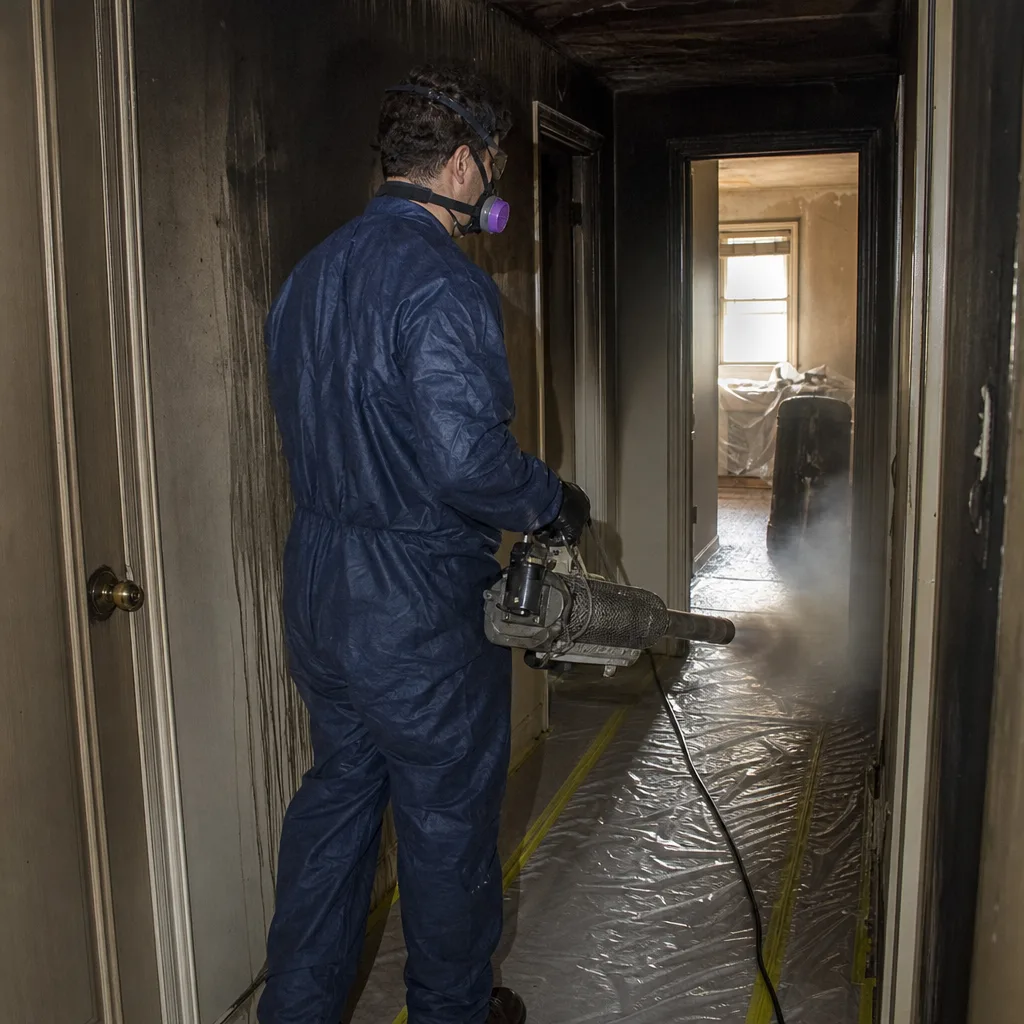
Flood Cleanup
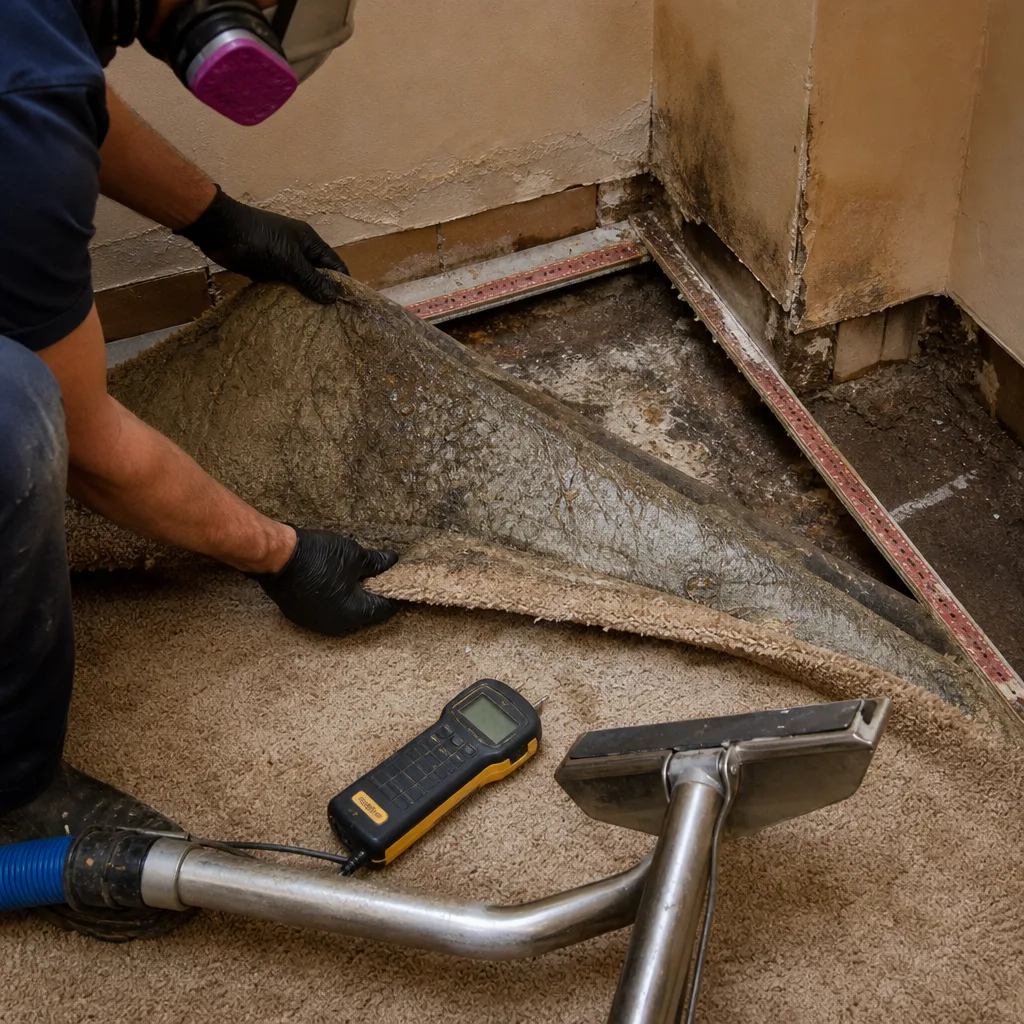
Nor’easter-driven basement flooding and storm sewer backups bring silt, contaminants, and category 3 water into finished spaces. We remove the water, contain the affected area, strip and dispose of unsalvageable material, and sanitize before any drying begins. On homes with finished basements, this often includes removing wet drywall and insulation to expose the masonry behind it, which is the only honest way to dry a foundation wall in this village’s older homes.
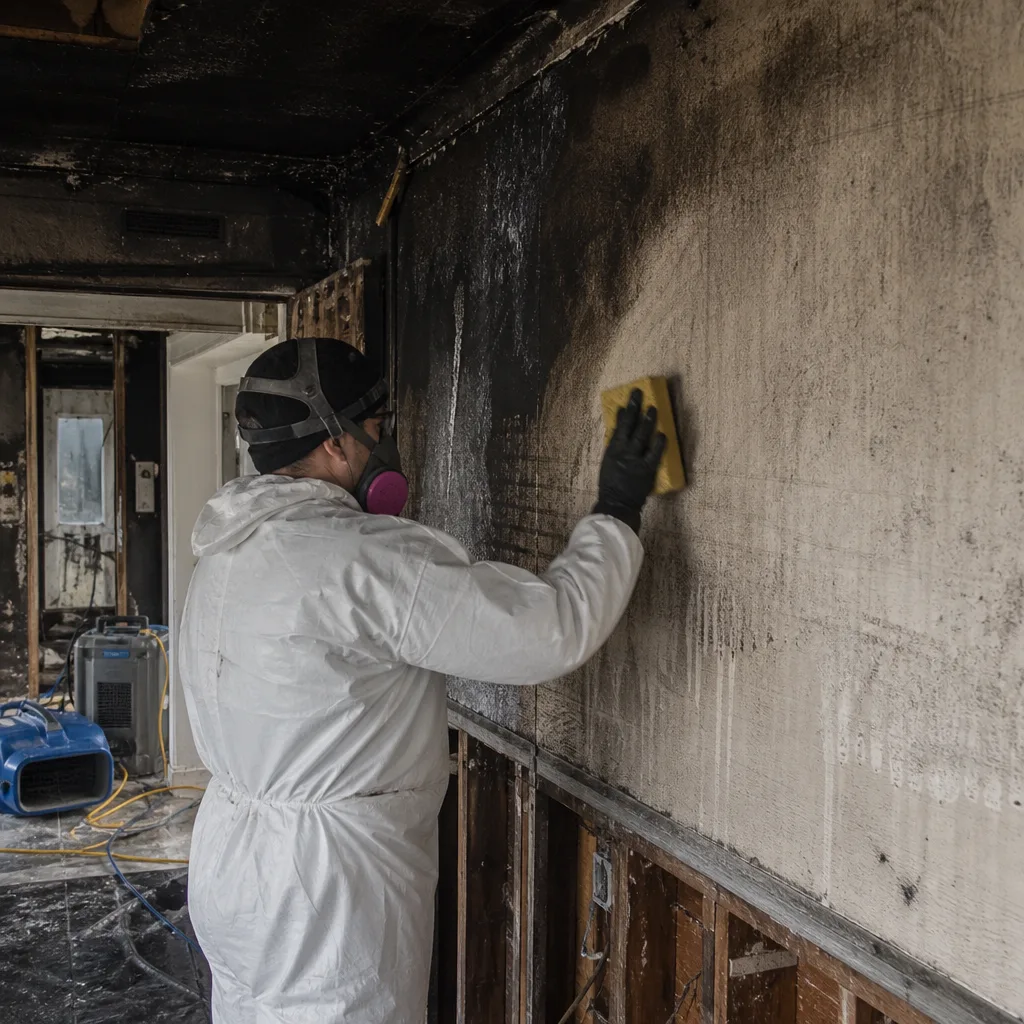
Burst Pipe Restoration
A burst supply line in a Munsey Park Tudor can saturate a wall cavity, a ceiling, and the floor below it within minutes. We shut the water, extract, then trace the moisture into every hiding place, including behind original plaster and inside old lath. Repair work follows the same standard: salvage original materials wherever possible, replace in kind when not.
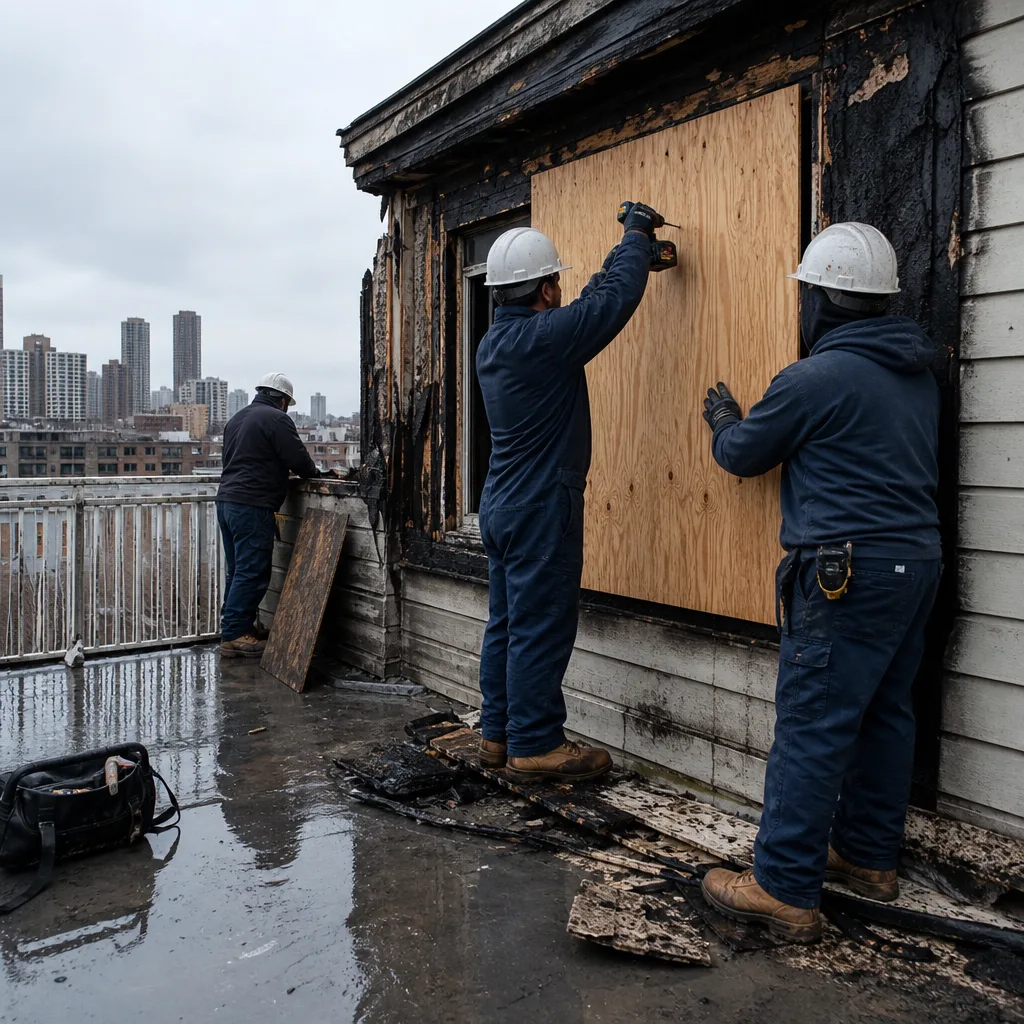
Basement Water Removal
Whether the source is a failed sump pump, a root-infiltrated cast-iron lateral, or a nor’easter storm surge, basement water in Munsey Park needs immediate removal and a clear category determination before drying begins. Clean water and sewage water require different protocols, and our crews make that call correctly on every call, because getting it wrong sends category 3 pathogens into the air of a finished basement.
What happens when you call
- 1
A real person answersNo phone trees - you reach a local pro.
- 2
You get an upfront price rangeHonest numbers before anyone is dispatched.
- 3
A background-checked tech heads outLicensed & insured, dispatched right away.
- 4
You approve before work beginsNothing starts until you say go.
Water Damage Restoration Costs in Munsey Park, NY
What does water damage restoration actually cost in Munsey Park? Honest ranges, based on the village’s housing stock and the work it demands:
- Emergency water extraction only (no structural drying): $400-$1,200
- Category 1 roof leak with structural drying and plaster repair: $1,800-$4,500
- Category 2 burst pipe with full drying of wall cavities and flooring: $2,500-$6,000
- Category 3 sewage backup with containment, antimicrobial treatment, and material removal: $3,500-$9,000+
- Nor’easter roof puncture with slate replacement, structural drying, and interior restoration: $5,000-$15,000+
What moves the price: the water category, how many rooms are affected, whether plaster needs controlled drying or replacement, and whether slate or copper work is part of the restoration scope. Insurance covers most category 1 and many category 2 events. Category 3 sewage backups sometimes fall under separate riders, which we help you identify with your carrier. The free visual inspection gives you a written, line-item scope before you commit to anything, so the price is firm before the work starts. Call (917) 924-4221 and we’ll walk the property and give you the real number.
We Also Serve Cities Near Munsey Park
Beyond Munsey Park, our crews respond to water damage calls in Munsey Park‘s neighboring communities with the same 24/7 live dispatch and the same 90-Day Done Right Promise. We regularly serve Fairview, Harrison, East Bronx, and Hunts Point, bringing certified crews and professional-grade drying equipment to homes throughout the area.
Munsey Park Water Damage Restoration Questions, Answered
How does Munsey Park’s 1920s horsehair plaster change the structural drying timeline after a slate roof leak?
Horsehair plaster holds water far longer than modern drywall and releases it unevenly, so a drying timeline that works for drywall fails for plaster. In practical terms, a roof leak that fully dries a modern wall in 3 days usually needs 7 to 10 days in a Munsey Park Colonial. We run Phoenix dehumidifiers and daily moisture readings until every cavity reads below the dry standard, because pulling equipment early leaves moisture above 16% in the wall and primes the original lath for mold. Call (917) 924-4221 for an assessment specific to your plaster walls.
What should we do when a nor’easter drops a tree limb through our slate roof and rainwater also backs up into the basement from the sewer lateral?
Treat it as two separate water categories in one disaster: the roof puncture is category 1 until it mixes with insulation and plaster, while the sewer backup is category 3 and requires containment, antimicrobial treatment, and possibly material removal in the basement. Shut off power to the basement if water is near outlets, stay out of standing water, and call us at (917) 924-4221. Our crews handle both events in a single coordinated response, with dedicated containment between the two zones.
Why does Munsey Park’s village code require like-for-like slate replacement, and how does that affect a water damage restoration scope of work?
Munsey Park is an incorporated village with its own architectural review and code oversight, and it protects the pre-war character of its housing stock. When a nor’easter limb breaks slate, the repair must match the original material, color, and profile, not a modern asphalt substitute. Our restoration scopes include like-for-like slate and copper work from the start, so the repair meets village code and your insurance documentation matches the actual work performed.
How quickly can mold start in the unventilated attics common in Munsey Park’s Colonials after wind-driven rain gets under the flashing?
Under the right conditions, mold can colonize on the original lath behind plaster within 48 hours. Munsey Park’s unventilated attics trap moisture against the underside of the sheathing, and the village’s proximity to Manhasset Bay keeps ambient humidity elevated, which shortens the window further. This is why wind-driven rain under a failing flashing is not a “wait and see” situation. Call (917) 924-4221 as soon as you notice a stain or odor. We’ll trace the moisture, contain the attic, and start drying before mold gets established.
Do Munsey Park’s cast-iron sewer laterals really fail from tree roots, and what does that mean for a basement water removal call?
Yes. The mature oak and maple roots that define Munsey Park’s streets push into the joints of 70-to-100-year-old cast-iron laterals, and a heavy storm surge or sustained rain can back sewage into the lowest drain. That turns a basement water removal call into a category 3 contamination event. We identify the water category before extraction, set containment, and apply antimicrobial treatment and proper disposal. A general handyman who skips that step puts pathogens into your finished basement’s air.
How fast can you actually get to a Munsey Park address in an emergency?
Our crews stage near the village and carry Munsey Park in our primary response zone. For a true emergency, like a burst supply line or a roof puncture actively admitting water, we typically arrive in under an hour and often faster, with extraction running the same visit. Our dispatchers answer live at (917) 924-4221 and can confirm a crew’s ETA when you call.
Can we stay in our Munsey Park home during structural drying, or do we need to move out?
It depends on the water category and the extent of the affected area. Category 1 events in one or two rooms often allow you to stay while we run contained drying. Category 3 sewage backups in finished basements usually require temporary isolation or relocation if the contamination affects air circulation or access. We give you an honest recommendation during the free visual inspection, and we never push you out of your home unless safety requires it.
What certifications should a water damage restoration crew have for Munsey Park’s older homes?
IICRC certification is the industry baseline, specifically WRT (Water Restoration Technician) and ASD (Applied Structural Drying). For sewage and category 3 events, AMRT (Applied Microbial Remediation Technician) matters. Floodline technicians carry these certifications, and they train to RIA and IFA standards as well. More important for Munsey Park specifically: our crews know how pre-war plaster, old-growth flooring, and slate roofing behave under drying conditions, which no certification test fully covers.
Serving Munsey Park, NY - Our Local Coverage Area
We’re based in the Munsey Park area and know this community well. Use the map below to see our service coverage - if you’re nearby, we can almost certainly help.
The Munsey Park Reality: One Storm, Two Disasters
Here is what makes Munsey Park different from every other village we serve, and what a generic water damage page will never tell you. The mature oak and maple canopy that gives this village its estate character is also a recurring restoration liability. In a nor’easter, a single storm can punch a limb through a steeply pitched slate roof and, at the same time, the aged root systems from those same trees can infiltrate the cast-iron sewer laterals running to the street. The result is a combined event: category 1 rainwater entering from above while category 3 sewage backs up from below, in the same house, during the same call.
Not every water damage company is equipped to run two separate water categories in one response. We do it with dedicated containment between the roof-originating intrusion and the sewer backup zone, with separate crews and separate equipment paths so cross-contamination doesn’t happen. On a Munsey Park estate off Hunt Lane, our crew responded after a nor’easter dropped a mature oak limb through a slate roof and into an unventilated attic. We began emergency water extraction with Dri-Eaz truck mounts within two hours, then used moisture mapping and moisture readings to trace water that had wicked through horsehair-plaster ceilings and into old-growth oak flooring. Because the 1920s plaster and chestnut subfloor release moisture far slower than modern drywall, we extended structural drying with XPOWER air movers and Phoenix dehumidifiers for nine days, resetting a secondary containment chamber around the staircase. We replaced the broken slate to pre-loss condition and documented every drying log entry for the homeowner’s insurer. Done right, and backed in writing.
If water is where it should not be in Munsey Park, call (917) 924-4221 now. A live dispatcher answers. A certified crew responds. And the 90-Day Done Right Promise stands behind the result, in writing.
Written by Curt Bowman, Owner at Floodline Restoration Co. of Manhattan, serving Munsey Park with certified water damage restoration, structural drying, and like-for-like period material repair.