
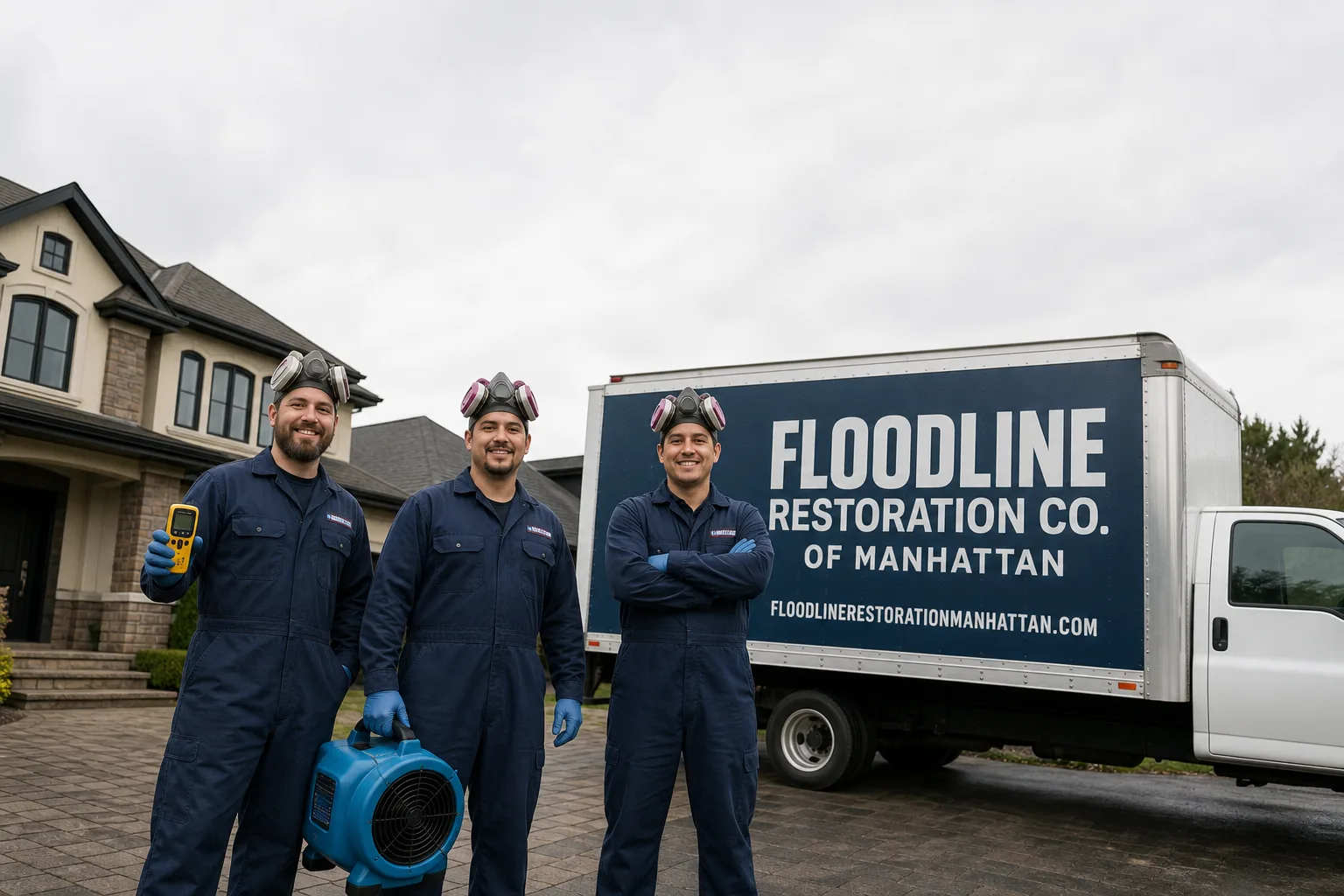
Free visual inspection and a written scope of work before any mitigation begins - photos, moisture readings, and drying logs go in your claim file
The scope we write is the scope we bill. Anything new gets shown to you, in writing, before we touch it.
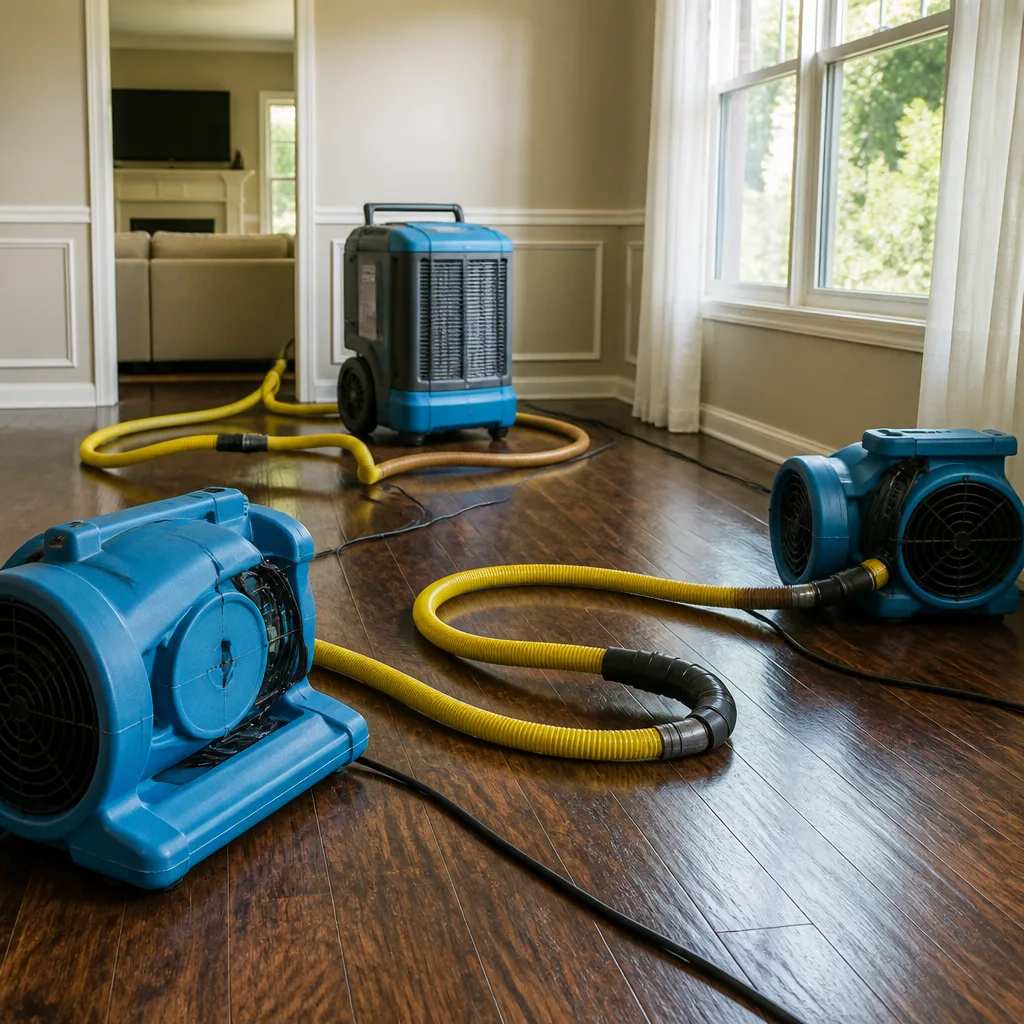
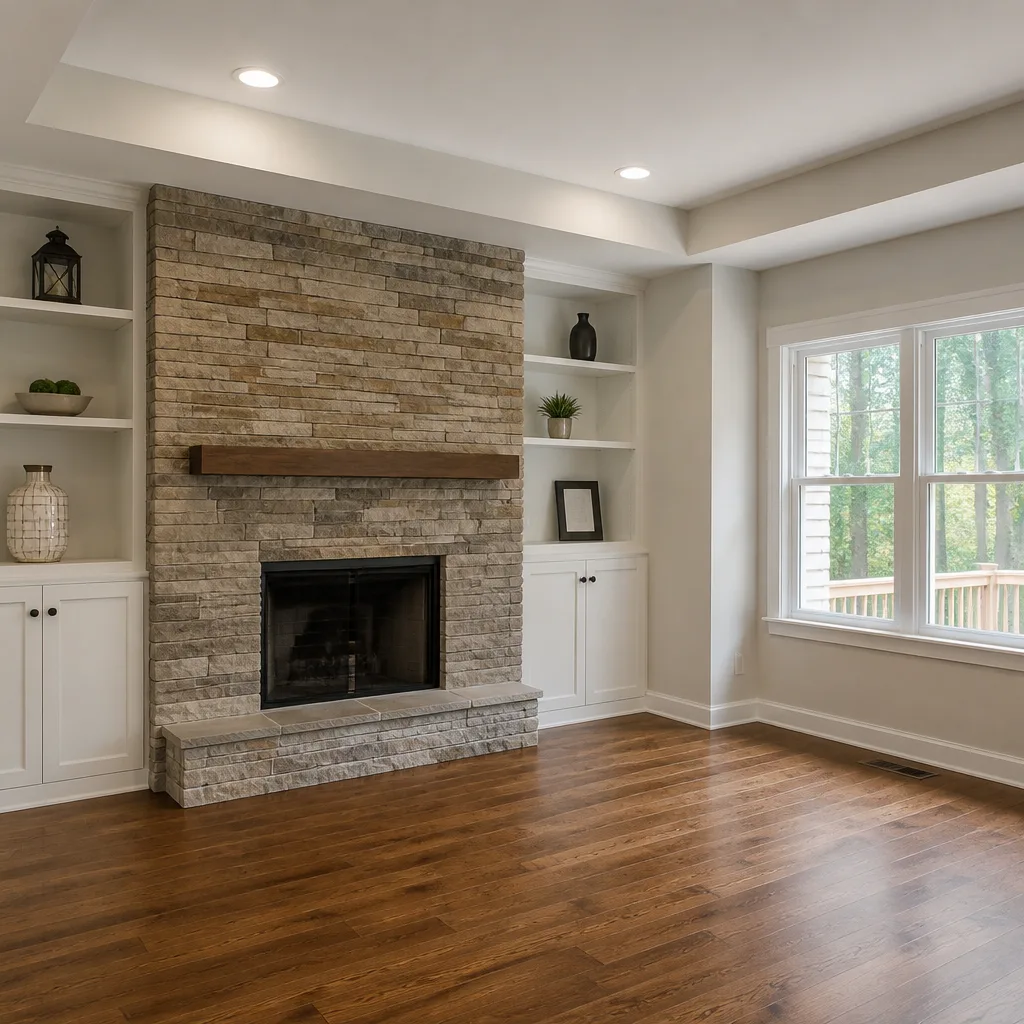
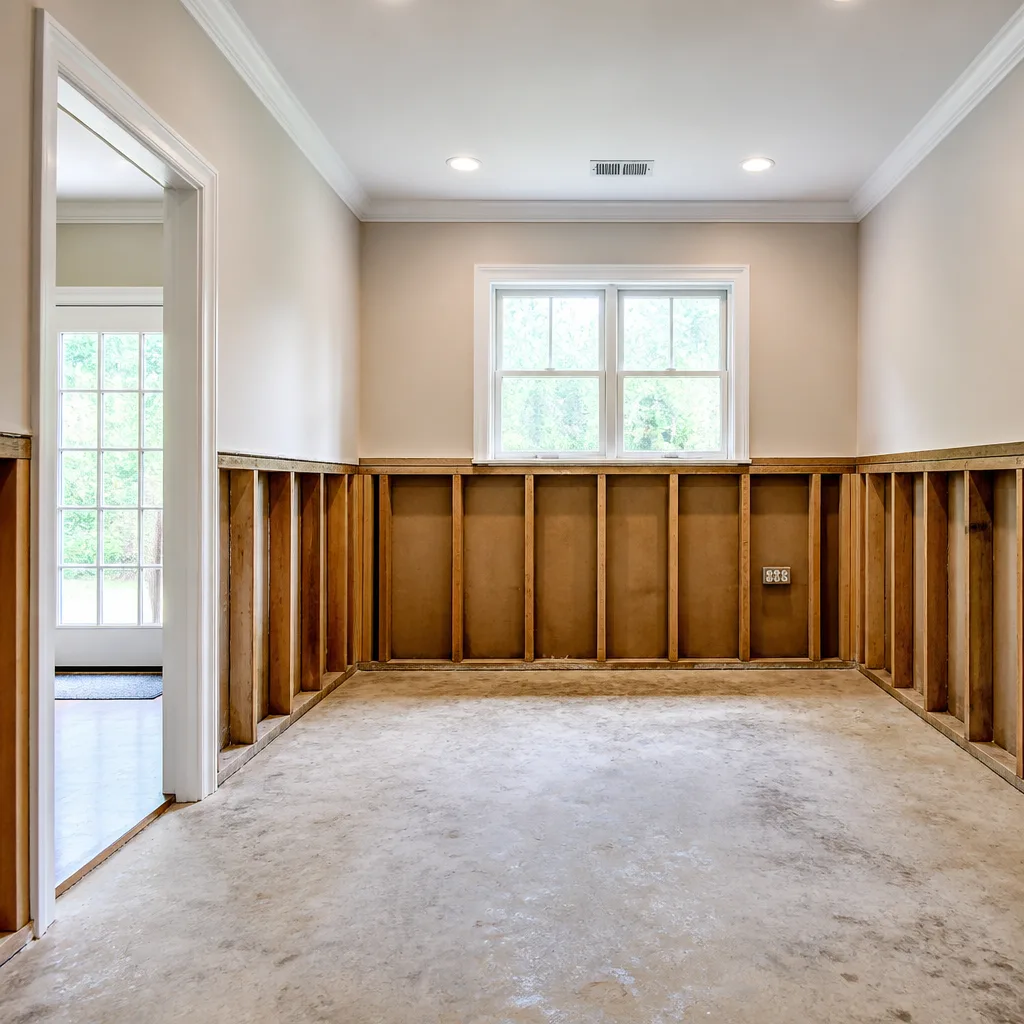
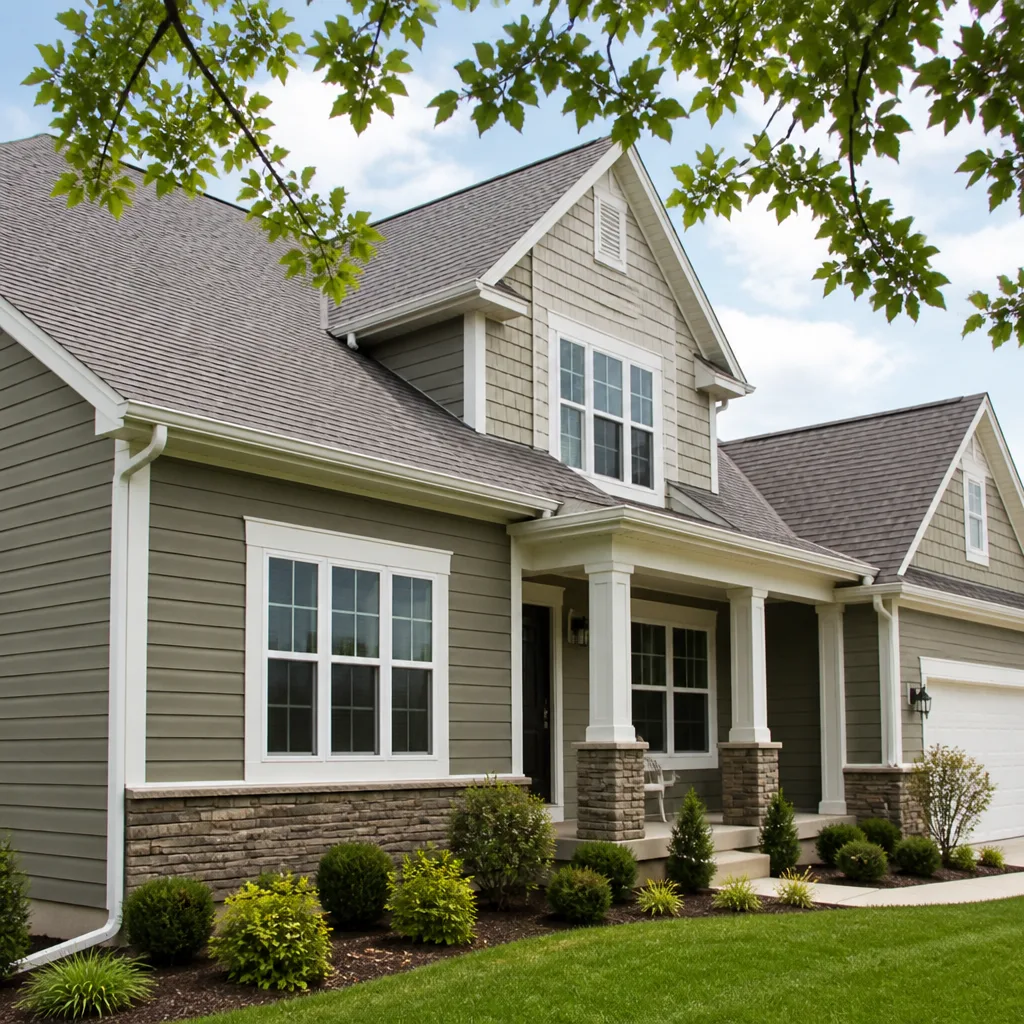
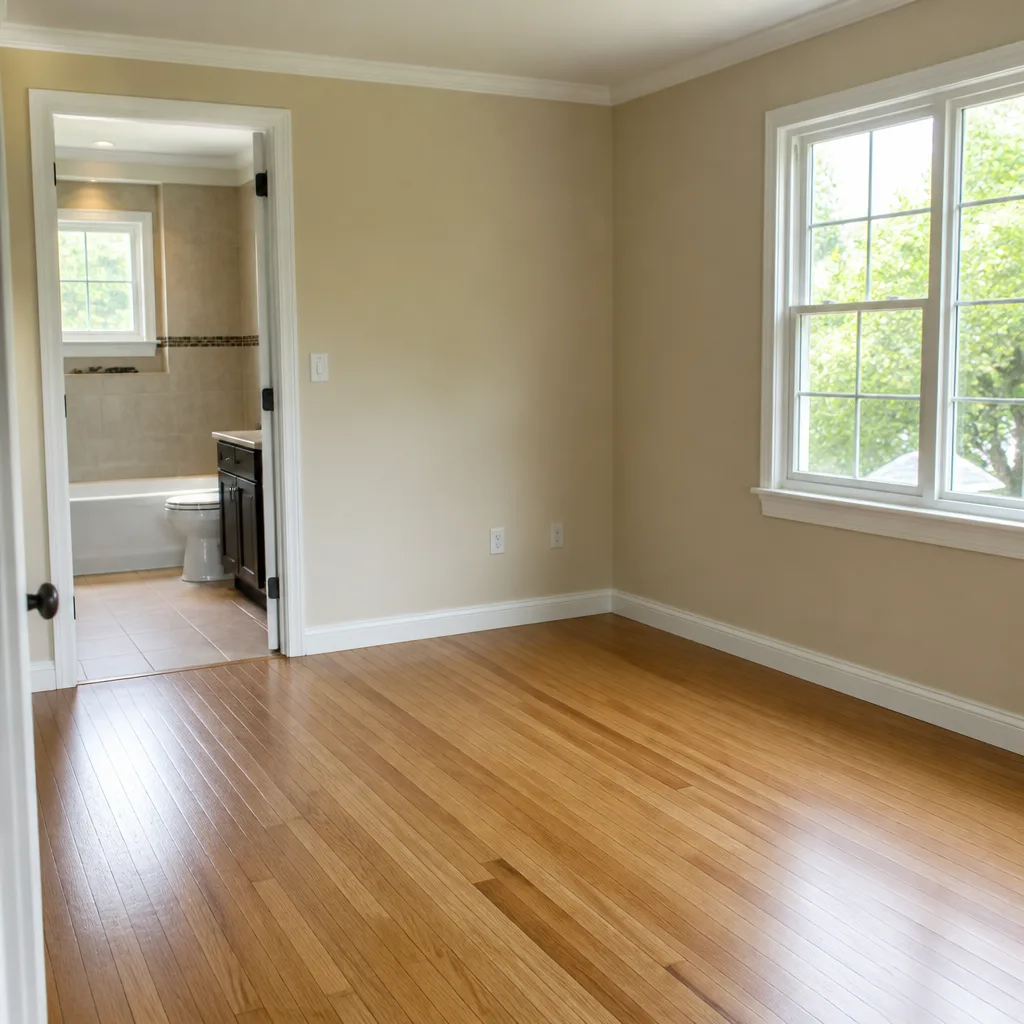
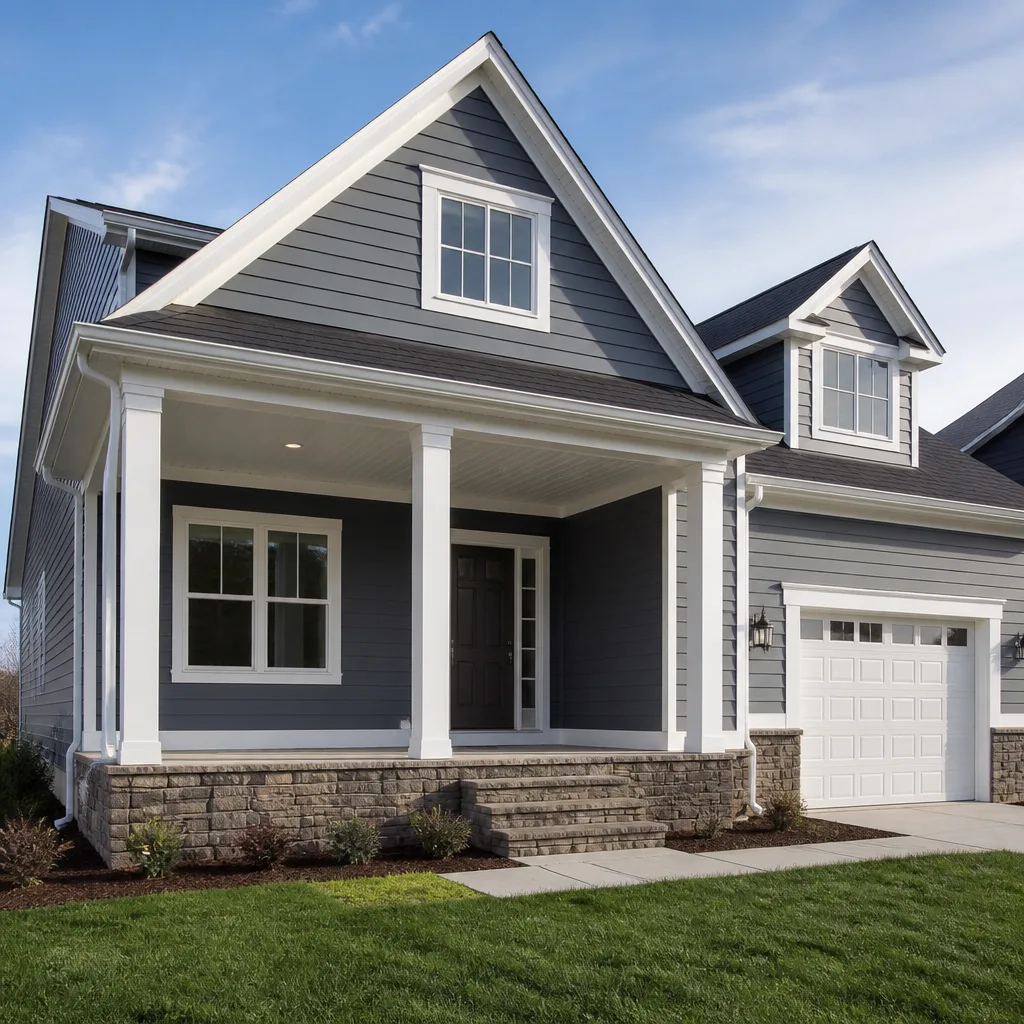
 Before
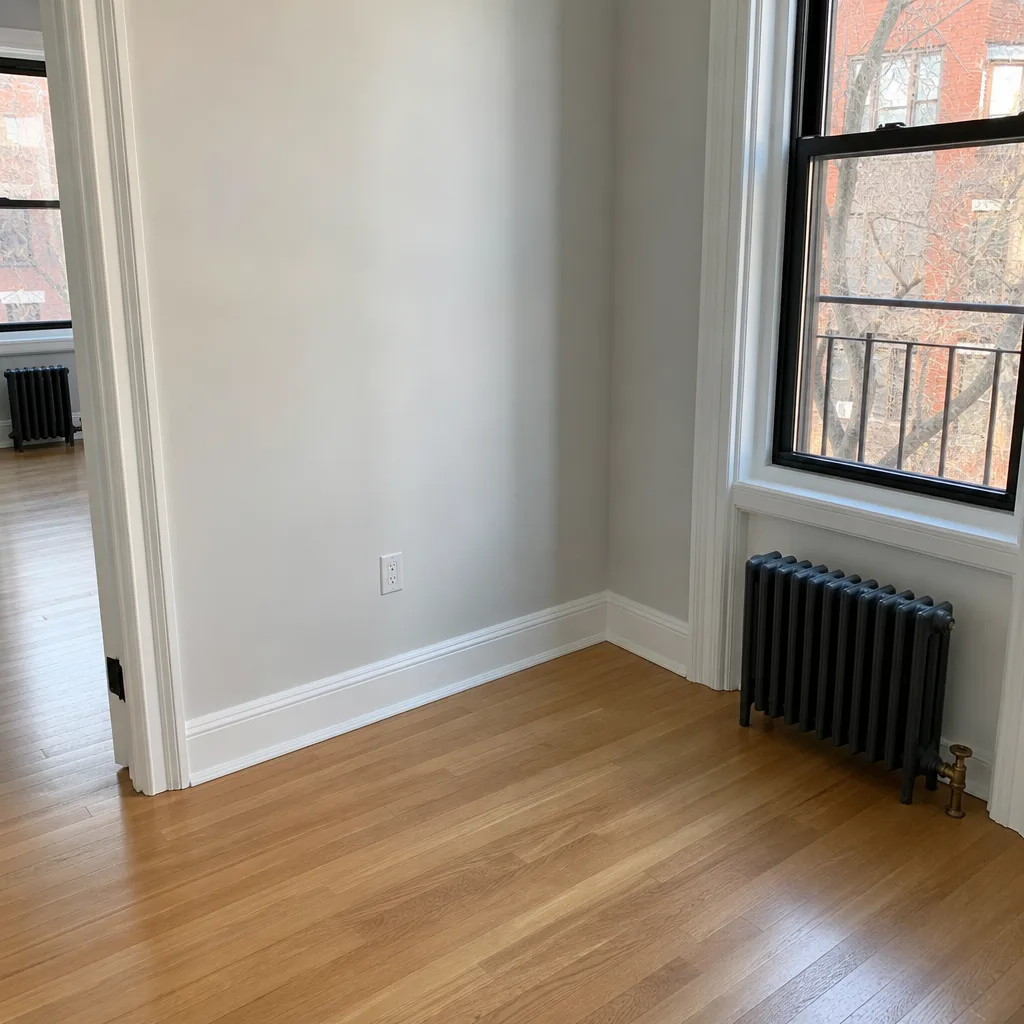 After
After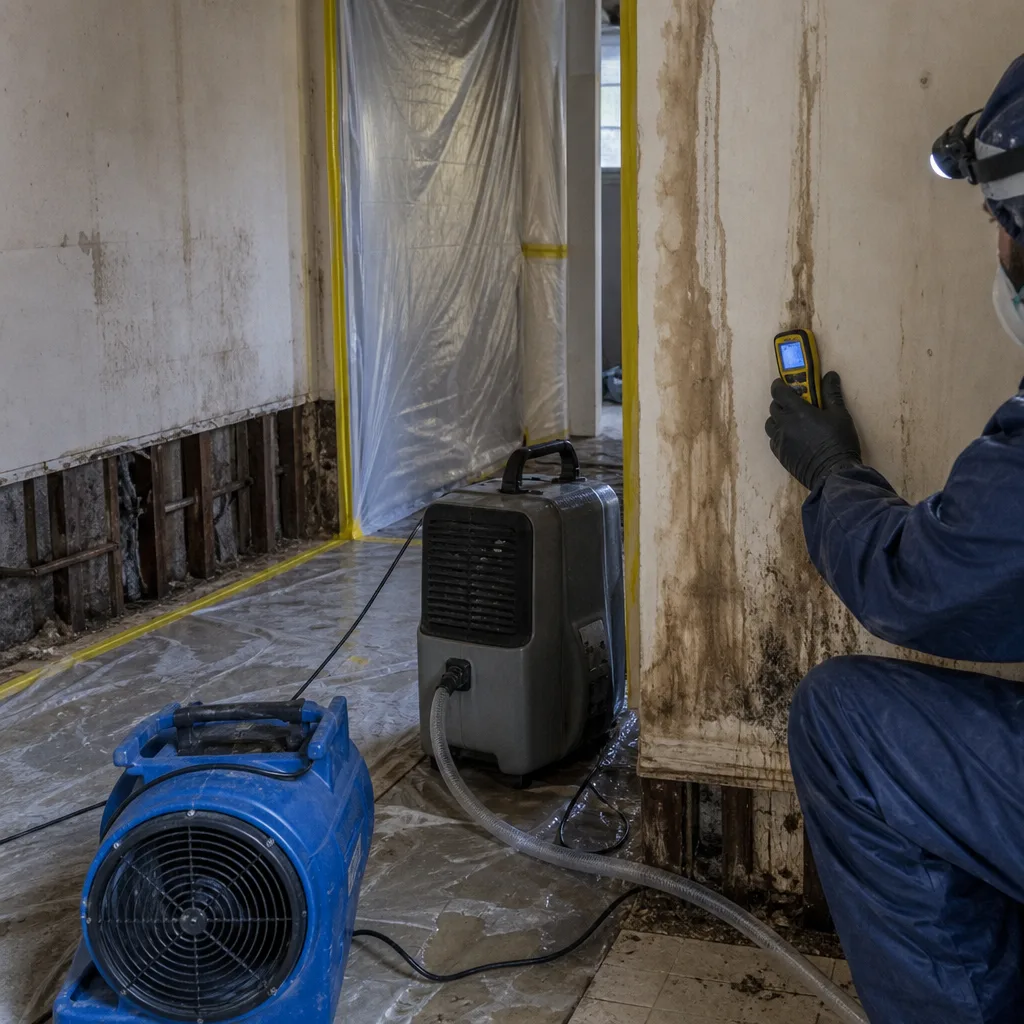 Before
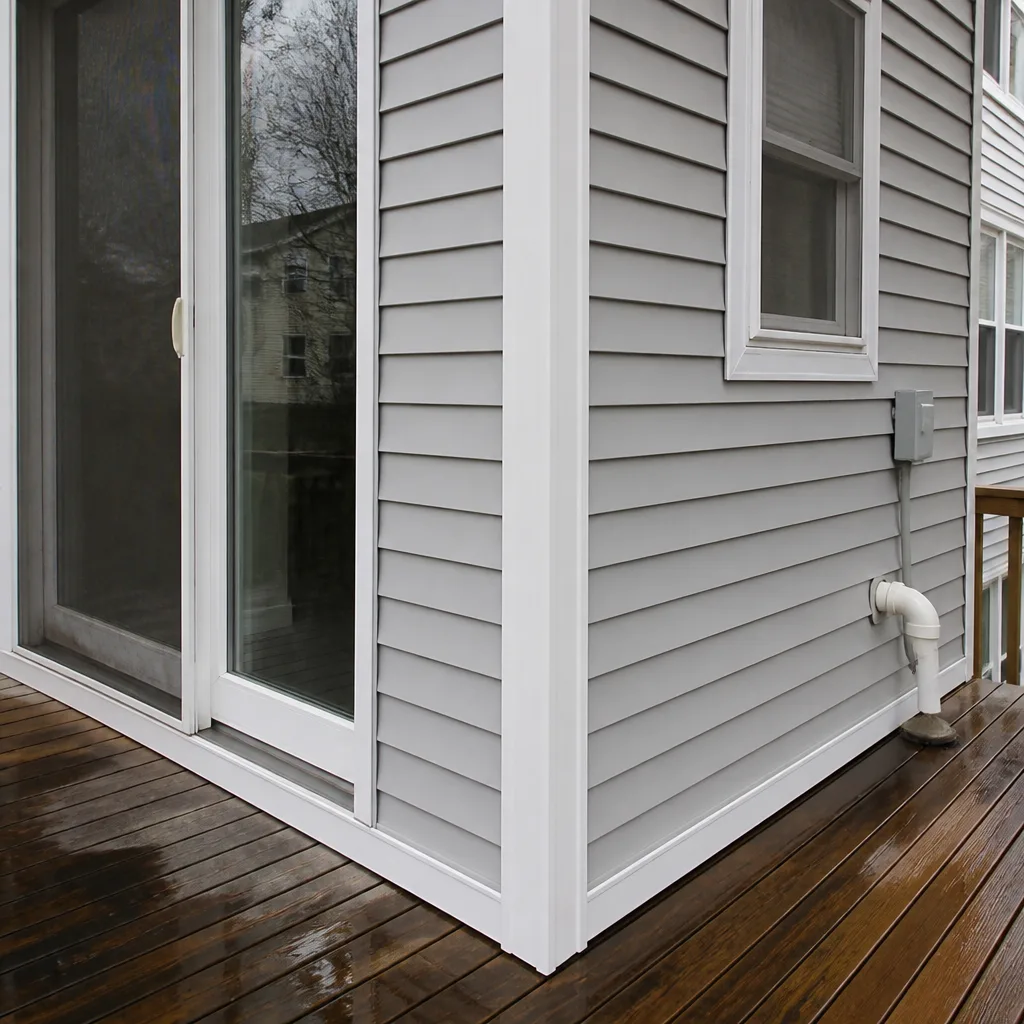 After
After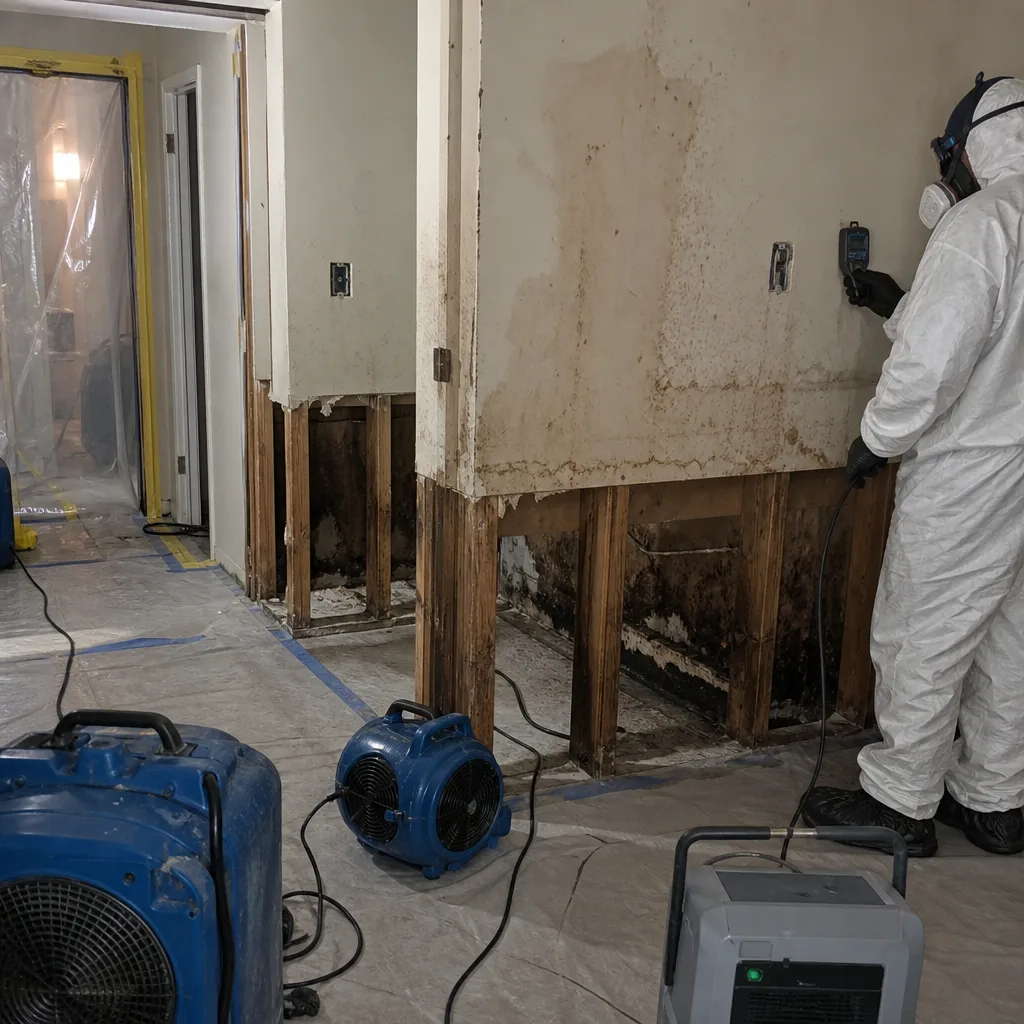 Before
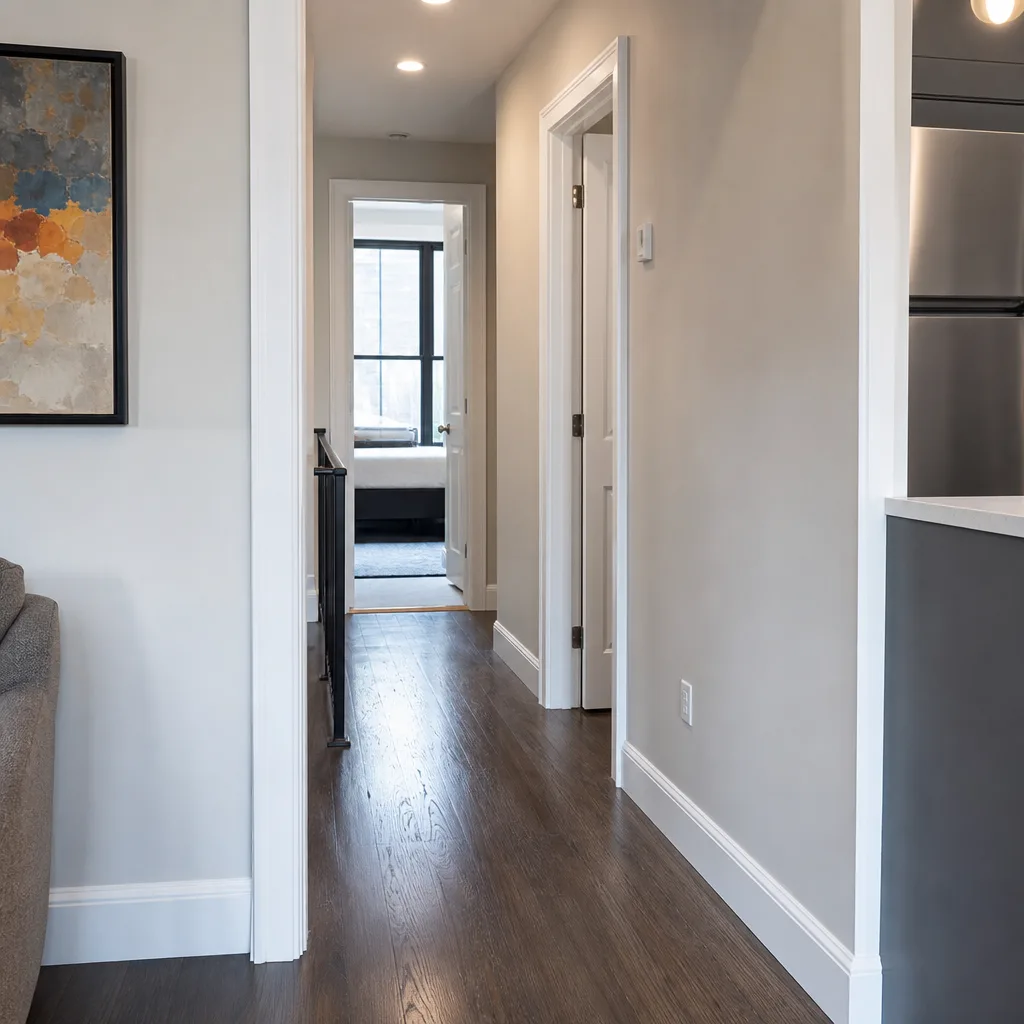 After
After24/7 Emergency Water Damage Restoration in Richmond Hill
Water damage restoration in Richmond Hill moves fast because the water moves faster. A burst pipe, a backed-up sewer line, or a nor’easter pushing stormwater into your basement does not wait for business hours, and neither do we. Floodline Restoration Co. of Manhattan answers the phone with a live dispatcher at 2 a.m., and our certified crews reach Richmond Hill neighborhoods in about 45 minutes, running extraction on the same visit. Call (917) 924-4221 the moment you see standing water. That first hour is the difference between drying out a basement and gutting it to the studs.
We do not put you through a phone tree. We do not ask you to leave a message and hope. A real person answers, a crew is dispatched from our New York City office to your street in Richmond Hill, and a background-checked, uniformed technician walks your property with a free visual inspection before any work is scoped. Done right, and backed in writing.
Understanding Water Damage Restoration Severity in Richmond Hill Properties
Water damage in Richmond Hill is not one problem; it is at least three, and the severity ladder matters because it changes everything downstream. Category 1 water comes from a clean source, a burst supply line feeding a kitchen sink on 101st Avenue. Category 2 is contaminated, gray water from a washing machine overflow or a sump pump that failed mid-cycle. Category 3 is the one Richmond Hill knows too well: sewage, street runoff, or combined sewer backup carrying bacteria into a finished basement on 109th Avenue. Category 3 means black-water protocols; antimicrobial treatment, full containment, and removing porous materials, not just drying what got wet.
Severity also lives inside the walls. Richmond Hill’s pre-1930 balloon-frame homes have continuous stud cavities running from the basement sill plate to the attic. When a Category 3 backup floods a basement, water wicks upward inside those open channels. A surface moisture meter reads dry on the first floor. A penetrating meter reads elevated moisture two floors up, behind plaster, above the kitchen ceiling. That hidden migration is what turns a two-day extraction job into a three-week structural drying and mold prevention project. We read the building the way it was built, not the way a modern platform-frame house would behave.
Why Richmond Hill Property Owners Choose Floodline Restoration Co. of Manhattan
- 45-minute response commitment to Richmond Hill. Our crews stage near the Woodhaven border and Jamaica Avenue corridor so dispatch reaches most Richmond Hill blocks within the hour.
- A live person answers, 24/7, no exceptions. You call at 2 a.m., a dispatcher picks up. Not a recording, not a call-back service, not a voice tree. Then a crew moves.
- IICRC-certified technicians, WRT and ASNT trained. The crew that reads your moisture map holds Water Damage Restoration Technician certification, not a sales rep with a clipboard.
- Free visual inspection with every emergency call. You see the scope before any work starts. Written, clear, no obligation, no pressure.
- Direct insurance billing. We talk to your adjuster, send the photos, submit the drying logs, and handle the paperwork. You are not the messenger.
- One team from the first extraction to the final coat of paint. No mid-job handoff to a subcontractor you never met. We own the whole job, and the 90-Day Done Right Promise proves it.
We have been doing restoration this way since Curt Bowman founded the company in 2010. The line the water left is where we start, and we do not stop until the rebuild is finished.
Our Water Damage Restoration Process
Inspection & Assessment
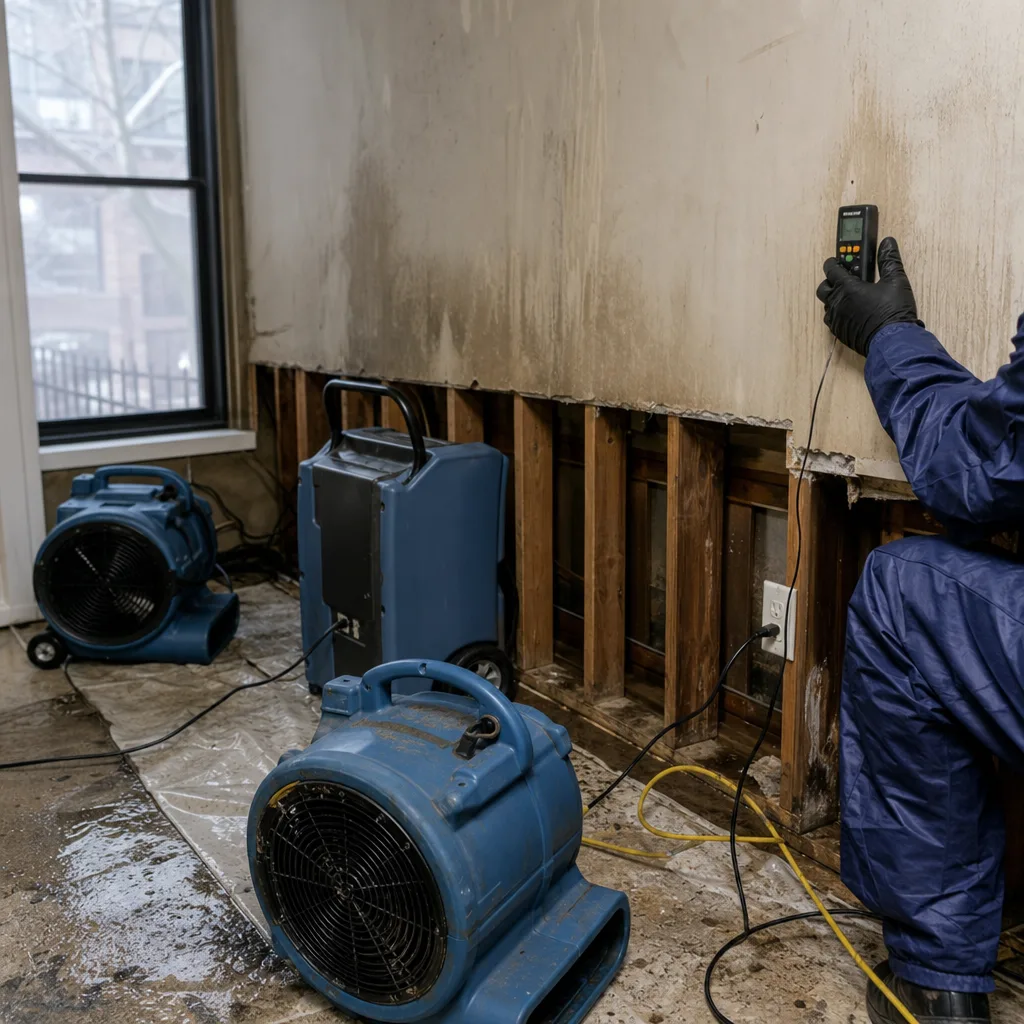
We arrive, we read the scene, and we build a moisture map with penetrating meters and thermal imaging. In Richmond Hill’s balloon-frame homes, this includes checking wall cavities two floors above the visible water line.
Extraction & Stabilization
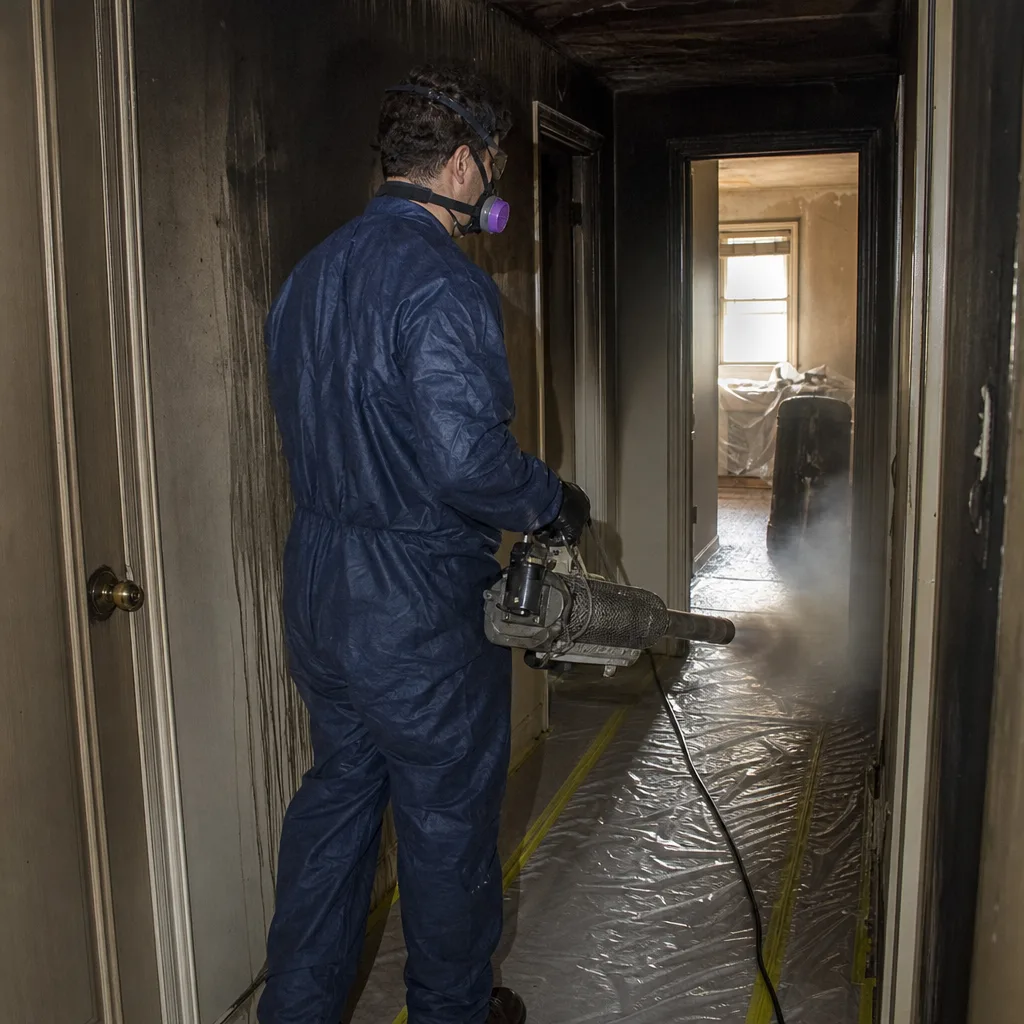
Standing water comes out first, using truck-mounted and portable Dri-Eaz extraction units. For Category 3 events, containment goes up before air moves, keeping sewage-laden dust out of the rest of the house.
Drying & Dehumidification
XPOWER air movers and Phoenix low-grain refrigerant dehumidifiers pull moisture from the air and the structure. Daily readings are logged until the dry standard is met, and the log goes to you and your insurer.
Cleaning & Sanitization
Antimicrobial treatment on affected framing and plaster, HEPA vacuuming on all worked surfaces, and disposal of porous materials that cannot be safely cleaned. We treat Category 3 by the book, because the alternative is a mold problem that begins before the carpet dries.
Balloon-Frame Cavity Treatment
This is the step that separates us in Richmond Hill. We open small access points in walls where penetrating meters show elevated moisture above the flood line, dry those cavities with injection-drying equipment, and close them clean.
Repairs & Restoration
Drywall replacement, flooring, trim, paint, and rebuild of any finished basement space. The same certified crew that extracted the water rebuilds your kitchen or rental unit, and backs it with the 90-Day Done Right Promise in writing.
Need Emergency Water Damage Restoration in Richmond Hill Now?
Crews minutes away, answering live 24 hours a day. The sooner we start, the less it costs.
Working With Your Insurance Company
Most Richmond Hill water damage claims are covered; the problem is that carriers move on paperwork, and paperwork moves on evidence. From the first hour, our crew photographs every wet wall, logs every moisture reading, and documents the exact Category of water we are dealing with. That evidence is what turns a denied claim into an approved one, and what keeps an approved claim from being underpaid by 30 percent. We write industry-standard estimates in the same Xactimate format your carrier uses, because the adjuster should be reading the same scope we are building. Direct adjuster communication means you are not translating construction talk into insurance talk at your kitchen table. Send your adjuster our way. We will give them the documentation they need, and you get the restoration you paid premiums for.
What We Provide Your Insurer
- Thorough documentation of the loss
- Photos of all damage, room by room
- Moisture readings and drying logs
- A detailed, line-item scope of work
- Direct coordination with your carrier
Built for Richmond Hill’s Loss Calendar
Richmond Hill’s water damage calendar runs on two engines: deep freezes and cloudbursts. January and February burst supply lines in unheated basements and crawlspaces throughout the neighborhood; the same freeze that parks cars on 119th Street splits copper pipe inside exterior walls of prewar rowhouses. March and April bring snowmelt and spring rain against foundations that have not been waterproofed since they were laid in the 1920s; rubble-stone and brick foundations seep, and basements that stayed dry all winter go wet in a weekend.
Summer is the dangerous one. Southwest Queens sits in the Jamaica Bay watershed, flat and low-lying, with almost no natural grade to move stormwater out. A hard July cloudburst overwhelms the combined sewer system and sends Category 3 water up through basement floor drains and toilets across Richmond Hill. That is when converted basement apartments on 109th Avenue and Liberty Avenue flood while the sun is still out. Fall brings nor’easters; the wind drives rain horizontally, and the storm sewers back up again. We built our Richmond Hill response around this calendar, and we keep crews staged accordingly. Not every season floods the same way, and we do not restore that way either.
Water Damage Restoration Across Richmond Hill’s Neighborhoods
North Richmond Hill, around Forest Park and the Woodhaven border, carries a mix of attached brick rowhouses and semi-detached frame homes. Losses there trend toward roof leaks and attic water traveling down through original plaster; by the time a stain shows on a second-floor ceiling, the damage has usually been moving for weeks. We trace the water path with thermal imaging, not just patch the stain.
The Jamaica Avenue corridor, the neighborhood’s commercial spine, sits on some of the oldest housing stock in Richmond Hill. Converted storefronts with apartments above, many with original cast-iron waste lines and insufficient drainage; a burst pipe above a shop floods two floors of occupied space in minutes. Our crews are cleared for commercial and mixed-use entry, and we restore both the living space and the retail space on the same dispatch.
South of Liberty Avenue, toward South Richmond Hill and Ozone Park, the blocks are dense rows of pre-1930 balloon-frame homes with finished basement apartments. This is where the combined sewer backup problem hits hardest. A summer cloudburst floods five basements on the same block; we have restored several of those blocks multiple times, and we know the floor plans before we walk in the door.
Around Forest Park’s eastern edge, the homes have slightly larger yards and more mature trees, which means root intrusion into old clay sewer laterals. A slow backup builds for weeks, then releases all at once into a finished basement. That is a Category 3 event with extra sediment, and it requires full antimicrobial treatment, not a mop.
Specialized Water Damage Restoration Services We Offer in Richmond Hill
Emergency Water Extraction
Standing water is removed with Dri-Eaz extraction units within the first hour of our arrival. In Richmond Hill, the extraction step is where we determine whether the water is Category 1, 2, or 3, because that classification changes the entire job, from containment to disposal to what gets saved and what gets cut out.
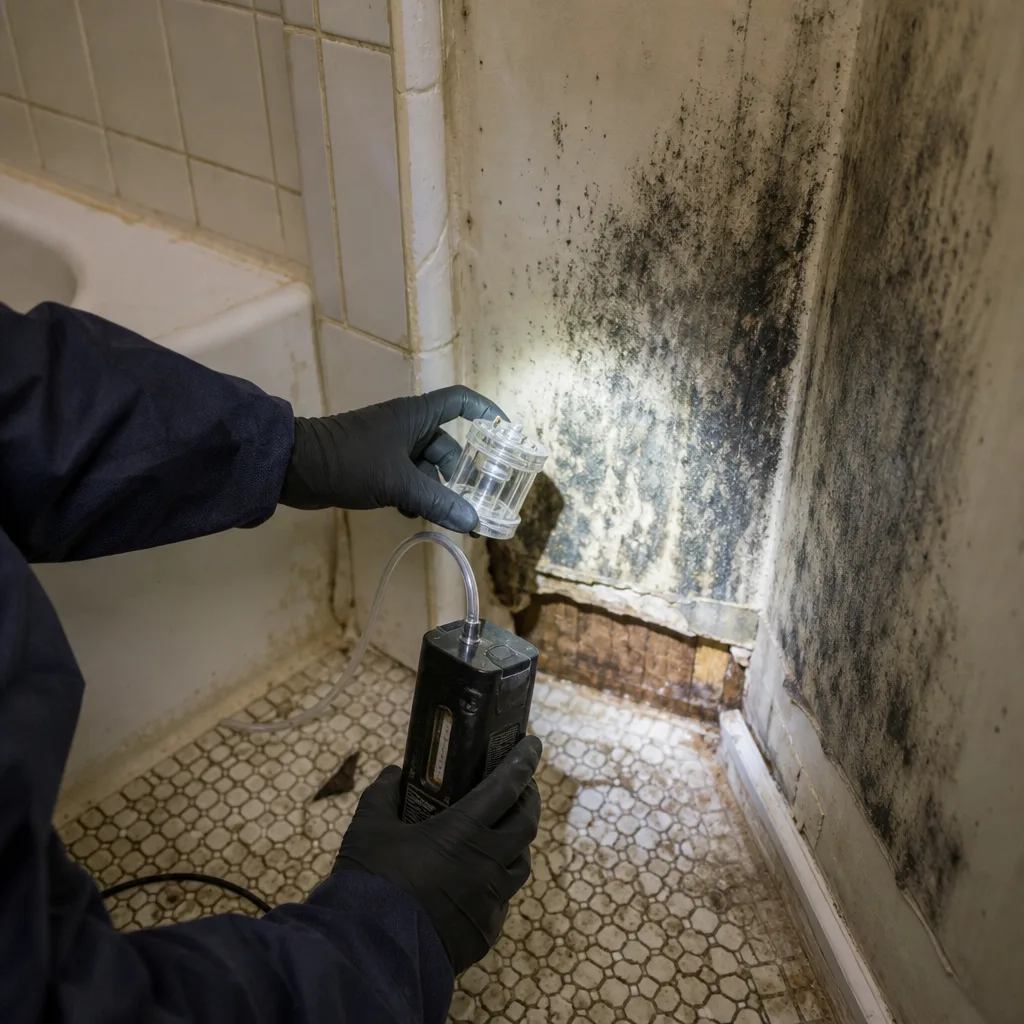
Structural Drying & Dehumidification
XPOWER air movers and Phoenix dehumidifiers run continuously once extraction is complete, and the moisture readings are logged daily. For Richmond Hill’s balloon-frame construction, structural drying includes penetrating-meter checks in wall cavities above the visible damage line, because water climbs upward in these houses, and surface readings lie.
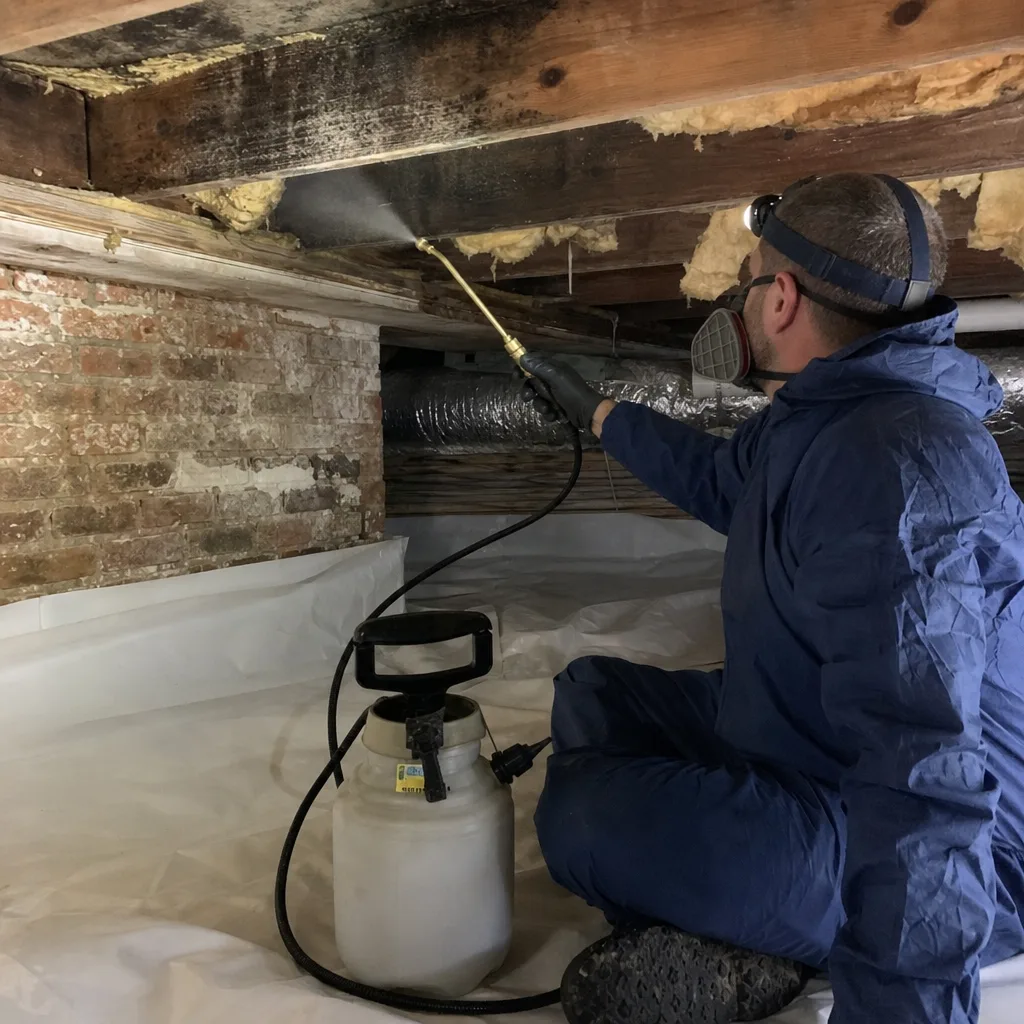
Flood Cleanup
Nor’easter stormwater and cloudburst sewer backups bring Category 3 water into basements and first floors. Flood cleanup in Richmond Hill means removing contaminated materials, treating stud cavities and subflooring with antimicrobials, and documenting everything for your insurer before the adjuster ever sets foot in the house.
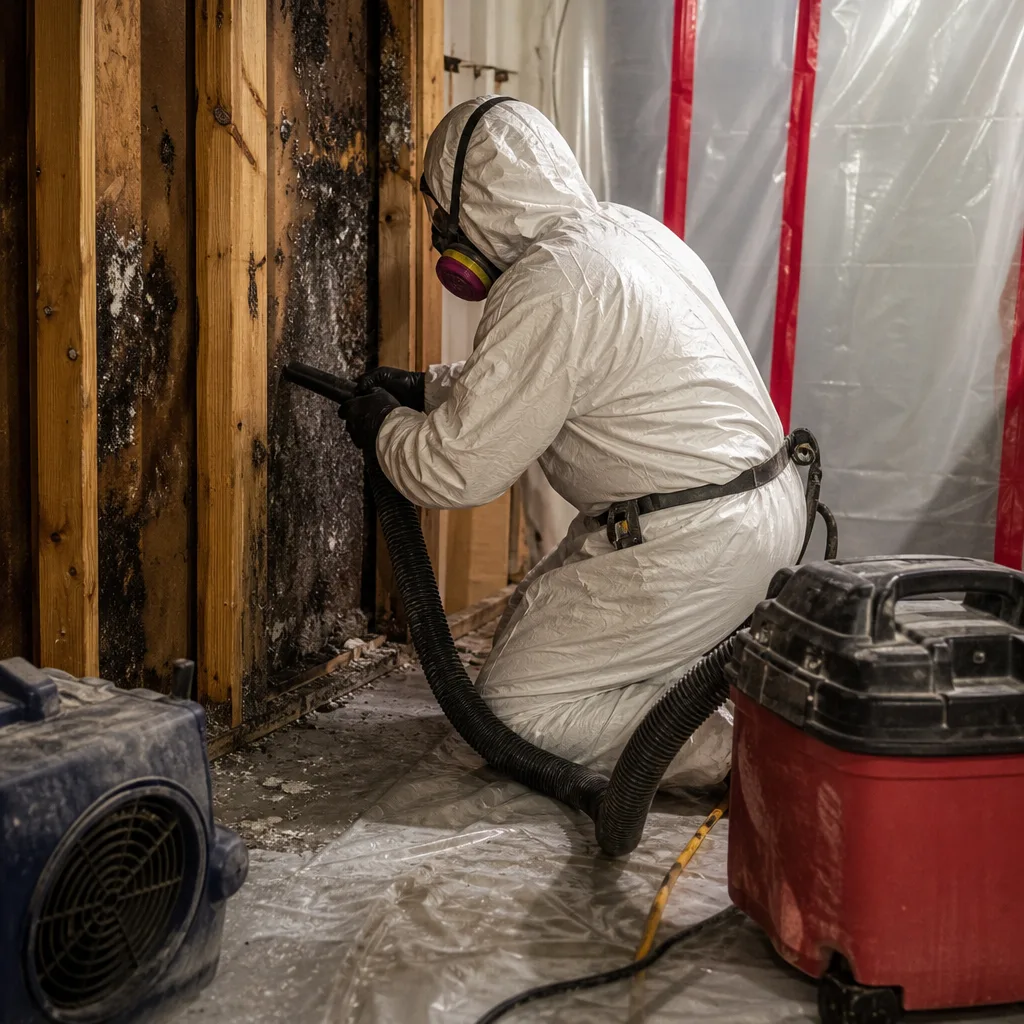
Burst Pipe Restoration
A January freeze splits supply lines inside exterior walls and unheated basements across Richmond Hill. We stop the source, extract the water, dry the structure, and repair the plumbing path through the wall, all on the same project scope. No separate plumber to coordinate, no handoff.
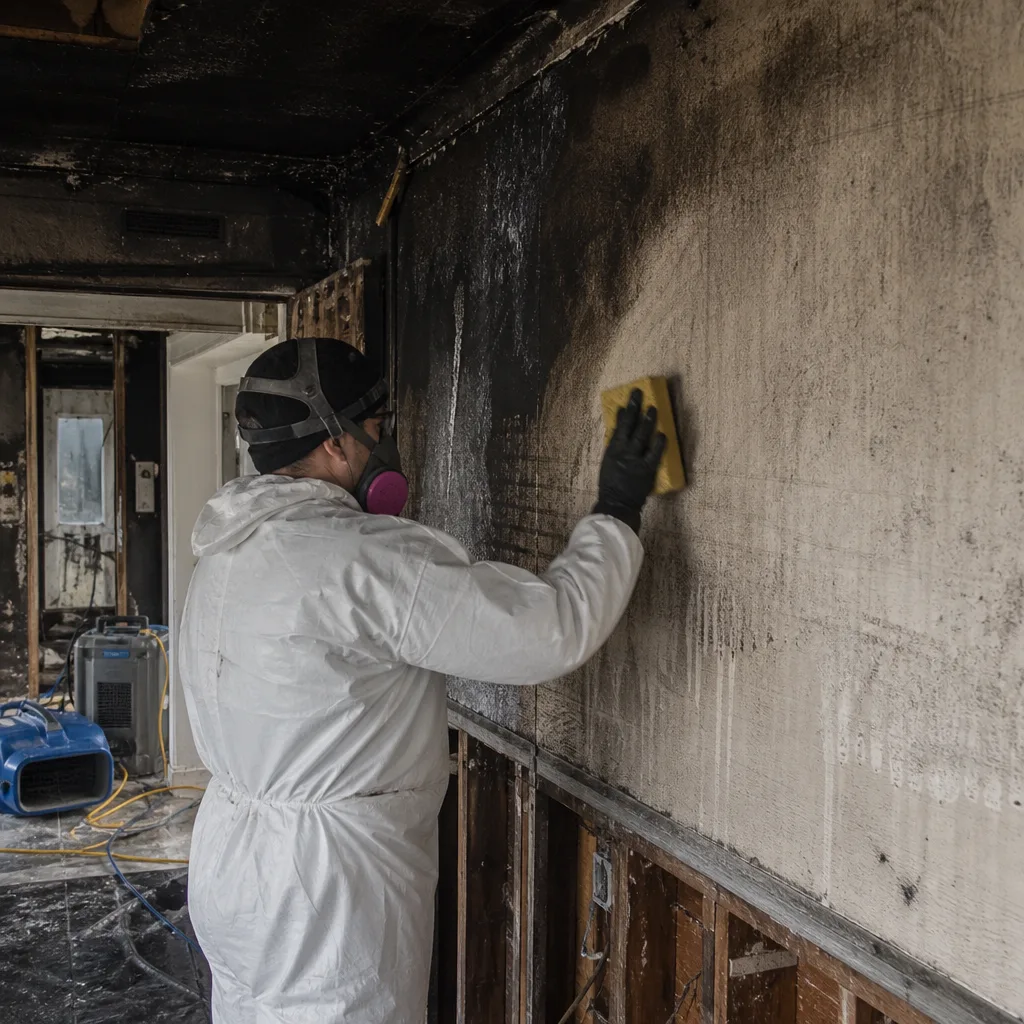
Basement Water Removal
Finished basement apartments are the most commonly flooded spaces in Richmond Hill. We remove the water, cut out saturated drywall, treat the framing, and rebuild the space to its original condition; whether it is a rental unit on 109th Avenue or a family room near Budget Park, the approach is the same. Extract, contain, dry, treat, rebuild. One team, one scope, one guarantee.
What happens when you call
- 1
A real person answersNo phone trees - you reach a local pro.
- 2
You get an upfront price rangeHonest numbers before anyone is dispatched.
- 3
A background-checked tech heads outLicensed & insured, dispatched right away.
- 4
You approve before work beginsNothing starts until you say go.
Water Damage Restoration Costs in Richmond Hill, NY
A typical emergency water extraction and drying job in Richmond Hill runs between $2,800 and $5,500, depending on the square footage affected and the Category of water involved. Category 1 clean-water extraction with drying often lands at the lower end; Category 3 sewage backup restoration on a finished basement apartment generally starts around $4,500 and climbs with the amount of drywall and flooring that must be removed and rebuilt. Burst pipe restoration in a rowhouse kitchen typically runs $3,200 to $6,000, and that includes the plumbing repair, drying, and finish restoration. Ceiling and roof leak damage from a nor’easter usually costs $1,800 to $4,000, depending on how far the water traveled and how much plaster must be opened.
Insurance covers most of these events, and we bill your carrier directly. You owe your deductible, not a surprise. The free visual inspection is where you get a firm written scope and a real number before any work starts. That is the square deal: no surprises on the bill, and a written guarantee behind the work. Call (917) 924-4221 for an exact quote; estimates are free.
We Also Serve Cities Near Richmond Hill
Floodline Restoration Co. of Manhattan crews serve Water Damage Restoration across the surrounding Queens neighborhoods. If your home is in Kew Gardens, South Richmond Hill, Ozone Park, or Woodhaven, the same 24/7 live dispatch and 45-minute response commitment applies. We stage crews along the service borders so emergency response stays fast for every homeowner we cover.
Richmond Hill Water Damage Restoration Questions, Answered
When a combined sewer backup floods my finished basement in Richmond Hill, is it safe to just dry the carpet and keep the drywall?
No, and doing so is the most common mistake we see after summer cloudbursts in Richmond Hill. Combined sewer backup is Category 3 water; it carries sewage, bacteria, and street runoff. Carpet, drywall, and insulation soaked in Category 3 water are porous and cannot be safely cleaned in place. They must be removed, the framing treated with antimicrobials, and the space confirmed dry with logged readings before rebuild begins. Keeping wet drywall after a sewer backup gives mold a food source and a hidden growing space inside your walls. Call (917) 924-4221 and let us document the loss correctly from the first hour.
Why does a basement flood in my Richmond Hill row house sometimes cause mold upstairs months later?
Blame balloon-frame construction, and the open wall cavities it creates. Richmond Hill’s pre-1930 rowhouses have continuous stud channels running from the basement sill plate to the attic. When a basement floods, water wicks upward inside those cavities well above the visible water line. A surface moisture meter reads dry on the first floor, but the cavity inside the wall is still wet, feeding mold behind plaster two floors up. Surface moisture meters miss this; penetrating meters and thermal imaging do not. That is why our structural drying protocol for Richmond Hill homes includes cavity checks above the flood line, every time.
How fast do I need to start water extraction after a burst pipe in a Richmond Hill rowhouse?
Within the first hour if you want to avoid wall cavity migration and mold colonization. Richmond Hill’s plaster walls and balloon-frame cavities absorb water aggressively; the window between first intrusion and active mold growth is compressed in these homes compared to modern construction. Our 45-minute response commitment from dispatch means extraction is usually running on the same visit you call. The faster the water comes out and the air movers go in, the less drywall gets cut out and the lower the final bill. Call (917) 924-4221 now; we answer live, 24 hours a day.
Does Richmond Hill require a permit for water damage restoration on a subdivided basement apartment?
Yes, in most cases, when structural repairs or plumbing changes are involved on a legal subdivided unit. If the basement apartment is a legal dwelling unit, the restoration work generally falls under NYC Department of Buildings (DOB) permit requirements for the rebuild portion; the emergency extraction and drying phase does not. We handle the permit application for you when it applies. If the basement was finished without proper permits, restoration can trigger a separate conversation with the DOB; we walk you through that honestly before any work begins, so there are no surprises later. Start with a call to (917) 924-4221 and we will tell you exactly what your situation requires.
What is the difference between category 1, 2, and 3 water in a Richmond Hill basement flood?
Category 1 is clean water from a broken supply line or a failed appliance hose, safe to extract and dry without special containment. Category 2 is gray water, meaning it carries some contamination from a washing machine overflow, a sump pump failure, or a dishwasher leak; it requires antimicrobial cleaning but not full black-water protocols. Category 3 is black water: sewage, combined sewer backup, street runoff, or any floodwater from outside. Category 3 contains bacteria and pathogens that require full containment, antimicrobial treatment, and disposal of porous materials. In Richmond Hill, summer cloudburst sewer backups and nor’easter stormwater intrusions are almost always Category 3 events, and they must be treated that way from the first minute.
How long does water damage restoration take in a Richmond Hill rowhouse?
Extraction and stabilization happen the same day, usually within the first few hours. Structural drying in a Richmond Hill rowhouse typically runs 3 to 5 days for a clean-water event, and 5 to 7 days for a Category 3 basement backup, because the balloon-frame cavities need additional drying time and daily readings before we sign off. Complete restoration, including any drywall replacement, painting, and flooring, generally takes 1 to 3 weeks depending on the scope. We give you a written timeline with the scope before any work starts, and the 90-Day Done Right Promise means we stand behind every number on that timeline.
Can my family stay in our Richmond Hill home during water damage restoration?
It depends on the Category and the extent of the damage. For Category 1 clean-water events, staying in the home is usually fine; the drying equipment runs in the affected room or basement, and containment keeps dust out of living spaces. For Category 3 black-water events, especially in a finished basement apartment, the affected area is under containment while we remove contaminated materials and treat the framing. You can often stay in the house above the affected space, but the decision gets made on-site with full information. We will tell you honestly what is safe and what is not; your health is not negotiable.
What should I do in the first 30 minutes after water appears in my Richmond Hill basement?
Shut off the main water valve if the source is a burst pipe, and shut off electricity to the affected area at the breaker if water is near outlets or appliances. Do not wade through standing water if you suspect it is sewer backup; Category 3 water carries pathogens and the risk is real. Then call (917) 924-4221. A live dispatcher answers and a certified crew is dispatched to Richmond Hill within the hour. The first 30 minutes are about stopping the source and protecting your family; the hour after that is about saving your house. We handle that part.
Serving Richmond Hill, NY - Our Local Coverage Area
We’re based in the Richmond Hill area and know this community well. Use the map below to see our service coverage - if you’re nearby, we can almost certainly help.
Why This Page Matters
If you have read this far, you now know something that most water damage companies never tell Richmond Hill homeowners: the water in your rowhouse may be moving upward inside the walls even when the floor looks dry. Balloon-frame construction, converted basement apartments, and a combined sewer system that backs up during summer cloudbursts make water damage restoration in this neighborhood a completely different job from the same work in a modern suburb. A national franchise technician who has never opened a pre-1930 Queens wall cavity will miss the moisture migration and leave you with a mold problem that starts behind plaster months after the bill is paid. That is not a risk we are willing to take on your behalf, and the 90-Day Done Right Promise is the written proof. We stand behind it.
Written by Curt Bowman, Owner at Floodline Restoration Co. of Manhattan, serving Richmond Hill with certified crews and the 90-Day Done Right Promise.