
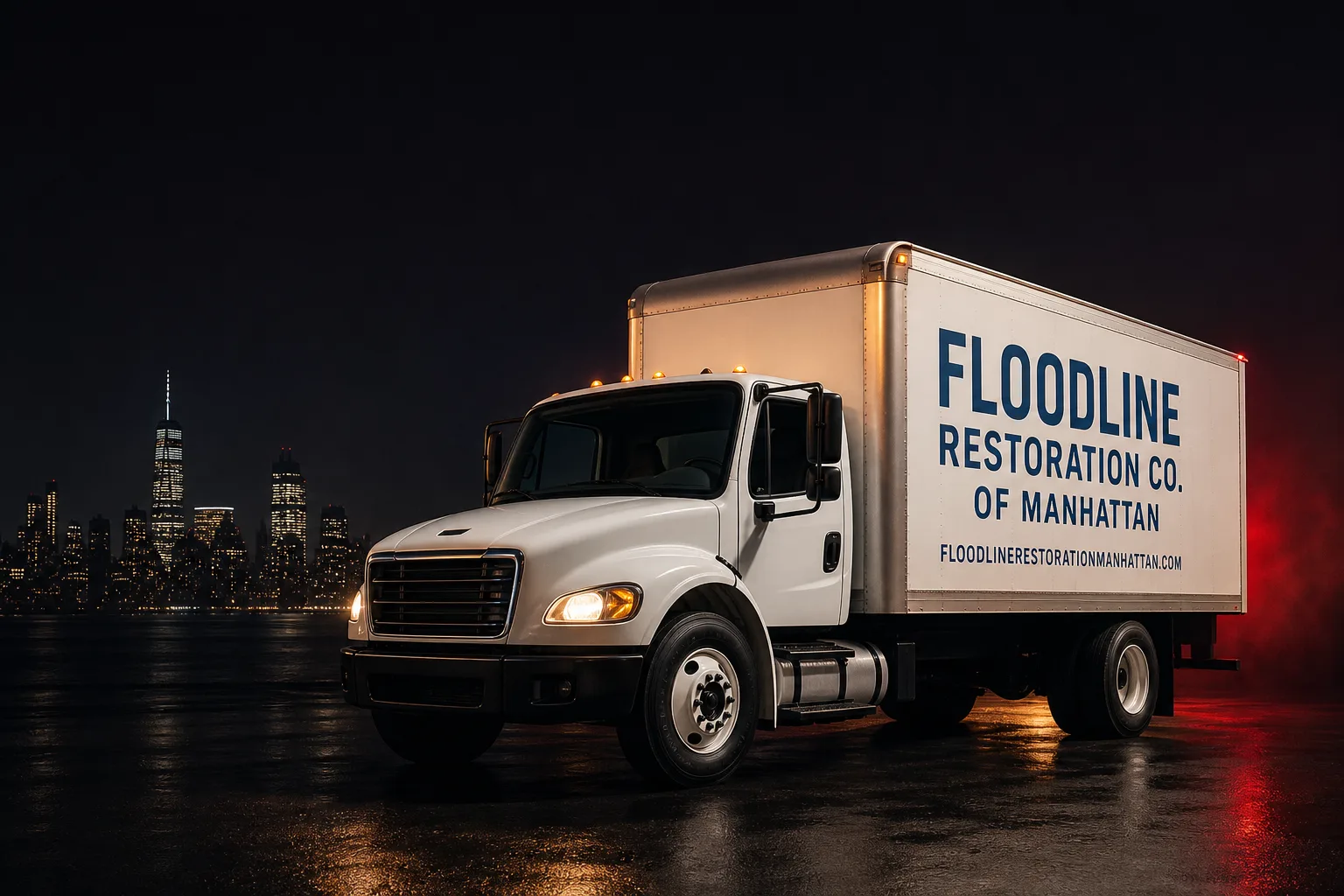
Free visual inspection and a written scope of work before any mitigation begins - photos, moisture readings, and drying logs go in your claim file
The scope we write is the scope we bill. Anything new gets shown to you, in writing, before we touch it.






 Before
 After
After Before
 After
After Before
 After
After24/7 Emergency Water Damage Restoration in Upper East Side
A burst riser pipe in a prewar co-op off Fifth Avenue doesn’t wait for business hours, and neither do we. Floodline Restoration Co. of Manhattan answers every call with a live dispatcher, 24 hours a day, including 2 a.m. on a holiday. Call (917) 924-4221 and a background-checked, uniformed crew is dispatched to Upper East Side immediately, with emergency extraction typically running the same visit.
The first hour after water hits original horsehair plaster or hand-laid parquet is when the loss is decided. Water moves fast through lime plaster and old-growth wood, and what starts as one wet wall becomes a multi-unit problem when shared wet-column risers are involved. We arrive fast because we know Upper East Side buildings don’t forgive delay.
Understanding Water Damage Restoration Severity in Upper East Side Properties
Water damage is categorized by contamination level. Category 1 is clean water from a supply line or failed appliance. Category 2 carries some contamination, such as overflow from a steam radiator or a slow riser leak that has passed through building materials. Category 3 is grossly contaminated water from sewage backups, exterior flooding, or long-standing stagnant water. Upper East Side prewar buildings add a variable most other markets never face: the water path often runs through 90-year-old wet-column plumbing before it ever reaches a finished surface.
Moisture mapping matters more in these buildings than anywhere else in Manhattan. Thick horsehair plaster holds water differently than drywall. Parquet glued over original subfloor traps moisture in layers. Thermal imaging and hygrometers tell us where the water actually went, not just where the stain appeared. Without that data, structural drying is guesswork, and guesswork in a 1927 co-op means a recall three weeks later when the floor cups or mold blooms inside a party wall.
Co-op boards and building managers on the Upper East Side deal with a specific failure pattern: slow, persistent saturation that staff misread as surface staining. By the time a restoration contractor is called, the Category has often shifted and the affected area has doubled.
Why Upper East Side Property Owners Choose Floodline Restoration Co. of Manhattan
- 45-minute response commitment. Crews staged for Upper East Side dispatch, not driving in from another borough.
- A real person answers, always. No automated phone tree, no answering service that takes a message. A live dispatcher picks up at every hour.
- IICRC-certified technicians. WRT and ASD certified crews who document moisture daily until the dry standard is met, with the log handed to you and your carrier.
- Free visual inspection. We walk the loss with you and explain scope in plain language before anything gets signed.
- Direct insurance billing. We speak with your adjuster, provide the line-item scope, and bill the carrier directly. You don’t play messenger.
- One team, start to finish. Extraction, drying, and eventual reconstruction handled by the same Floodline crew. No mid-job handoff to strangers.
Our Water Damage Restoration Process
Inspection & Assessment
Thermal imaging and penetrating moisture meters locate water migration behind plaster, under parquet, and inside wall cavities. We identify the Category of water and map the full affected area, not just the visible stain.
Extraction / Stabilization
Standing water is removed with truck-mounted extraction units. For saturated parquet and subfloor in prewar units, we deploy Injectidry panels that draw moisture from beneath hardwood without requiring full floor removal.
Drying & Dehumidification
Professional-grade Dri-Eaz and Phoenix dehumidifiers paired with XPOWER and B-Air air movers create the airflow needed for dense plaster and old-growth lumber. Daily moisture readings are logged until the dry standard is verified.
Cleaning & Sanitization
Antimicrobial treatment applied to affected framing and plaster, HEPA air scrubbers run during remediation to contain any latent mold spores, and all Category 2 or 3 affected materials are treated or removed to IICRC standards.
Prewar Material Treatment
Original horsehair plaster, decorative millwork, and hand-laid parquet require specialized drying and restoration methods. We design drying chambers around irreplaceable materials and coordinate closely with co-op boards and managing agents.
Repairs & Restoration
We rebuild what needs rebuilding with the original character intact. Plaster restoration, parquet repair, millwork matching, and paint done by the same crew that handled the extraction. The job ends when the space looks like it should.
Need Emergency Water Damage Restoration in Upper East Side Now?
Crews minutes away, answering live 24 hours a day. The sooner we start, the less it costs.
Working With Your Insurance Company
On the Upper East Side, a water loss in a co-op quickly becomes a three-way conversation: the shareholder, the board, and the carrier. We’ve done this thousands of times. Floodline documents the loss from the first hour with photographs, moisture logs, and a written line-item scope with industry-standard pricing. Then our team coordinates directly with your adjuster so you aren’t chasing paperwork while your floors cup and your plaster bubbles.
What matters to your carrier is a defensible scope. What matters to you is that the claim moves. We give both sides what they need.
What We Provide Your Insurer
- Thorough documentation of the loss
- Photos of all damage, room by room
- Moisture readings and drying logs
- A detailed, line-item scope of work
- Direct coordination with your carrier
Built for Upper East Side’s Loss Calendar
January and February bring the deep freezes that burst supply lines in uninsulated prewar chases along Park and Madison Avenue corridors. When a freeze hits, we see the classic pattern: a burst cold-water riser on the north side of the building, water running down stacked kitchen and bath lines across three or four floors before the shut-off is located. Those are the calls where board coordination starts before extraction does.
March and April thaw brings both exterior seepage and the delayed discovery of winter damage. June through August, the steam system is off but condensation from chilled-water lines and steam-pipe sweating in older Yorkville walk-ups quietly saturates plaster behind furniture. September through November is nor’easter season, when roof drains and parapet flashing failures send water into top-floor apartments and down through ceilings in the Lenox Hill corridor.
What doesn’t happen on the Upper East Side is a water loss on a convenient schedule. That’s why live dispatch runs all year, and why we stage equipment for fast response through every season.
Water Damage Restoration Across Upper East Side’s Neighborhoods
Carnegie Hill’s grand co-ops north of 86th Street between Fifth and Park are among the most demanding restorations we handle. Shared wet-column risers inside party walls mean a 10th-floor leak silently soaks the 9th, 8th, and 7th floors before the first complaint. Boards require exacting documentation, LPC sign-off on any decorative plaster work, and a restoration contractor who can coordinate unit by unit without missing a beat. That’s the job.
In the Lenox Hill corridor between 60th and 77th, we respond to a lot of ceiling and roof leak damage in older high-rises where original tar-and-gravel roofs or aging roof drains fail after heavy rain. Top-floor units take the first hit, and water travels down through the building along pipe chases.
East of Third Avenue, Yorkville’s prewar walk-ups and postwar brick buildings have their own pattern: corroding cast-iron drains and galvanized supply lines behind bathroom tile walls. By the time water shows up on the ceiling below, the leak has been active for weeks.
Along East End Avenue facing Carl Schurz Park, we’ve handled everything from river-facing storm exposure to failed terrace doors that let wind-driven rain into formal dining rooms during nor’easters. The building stock changes block to block, but the need for fast extraction and methodical drying never does.
Specialized Water Damage Restoration Services We Offer in Upper East Side
Emergency Water Extraction
For a prewar parquet floor under water, the first hour matters. We arrive with truck-mounted extraction and remove standing water before it migrates under hand-laid flooring and into subfloor. For Upper East Side co-ops, we coordinate with building staff on riser shut-offs before touching a valve.
Structural Drying & Dehumidification
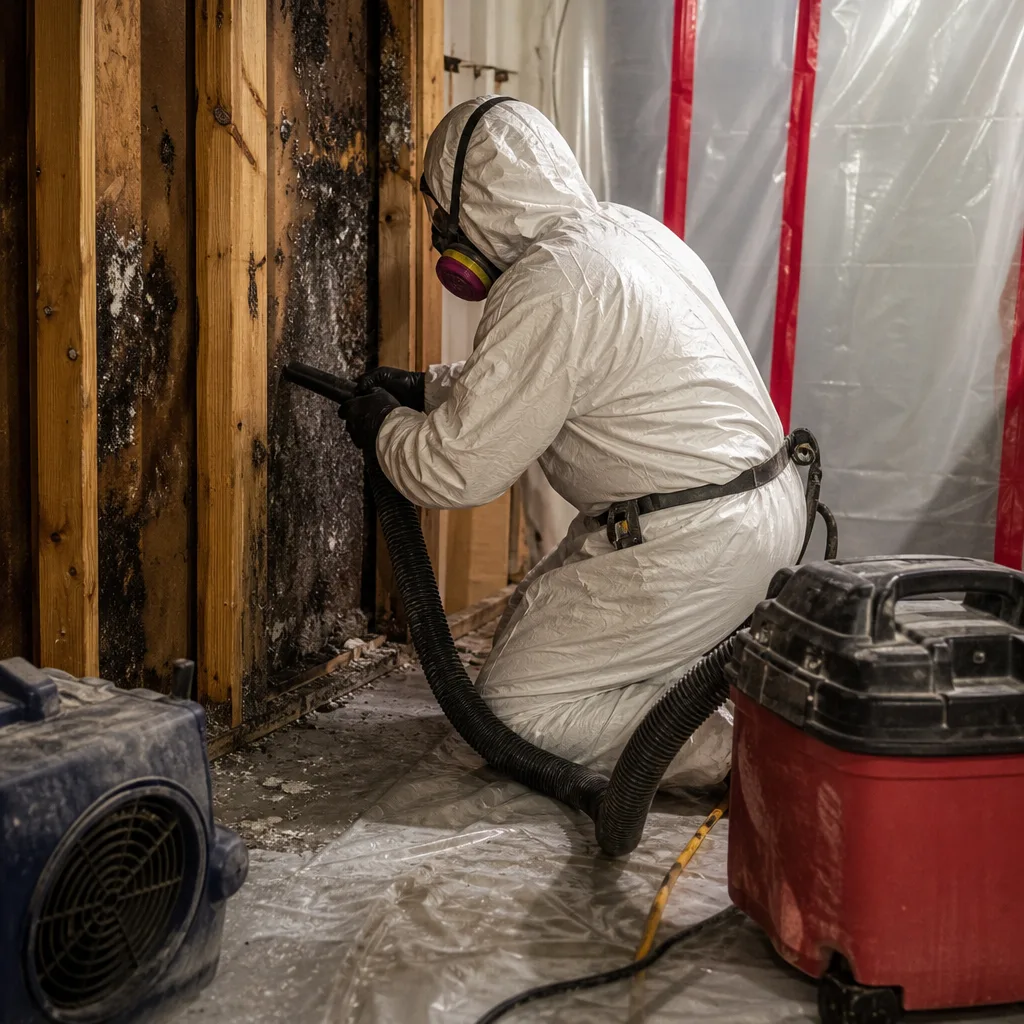
This is the core of what makes a restoration on the Upper East Side succeed or fail. Original horsehair plaster and thick lath hold water for weeks unless dried correctly. Dri-Eaz and Phoenix dehumidifiers sized for the cubic footage, XPOWER and B-Air air movers positioned for the room geometry, and daily readings kept until the dry standard is verifiably met. The moisture log goes to you and your carrier.
Flood Cleanup
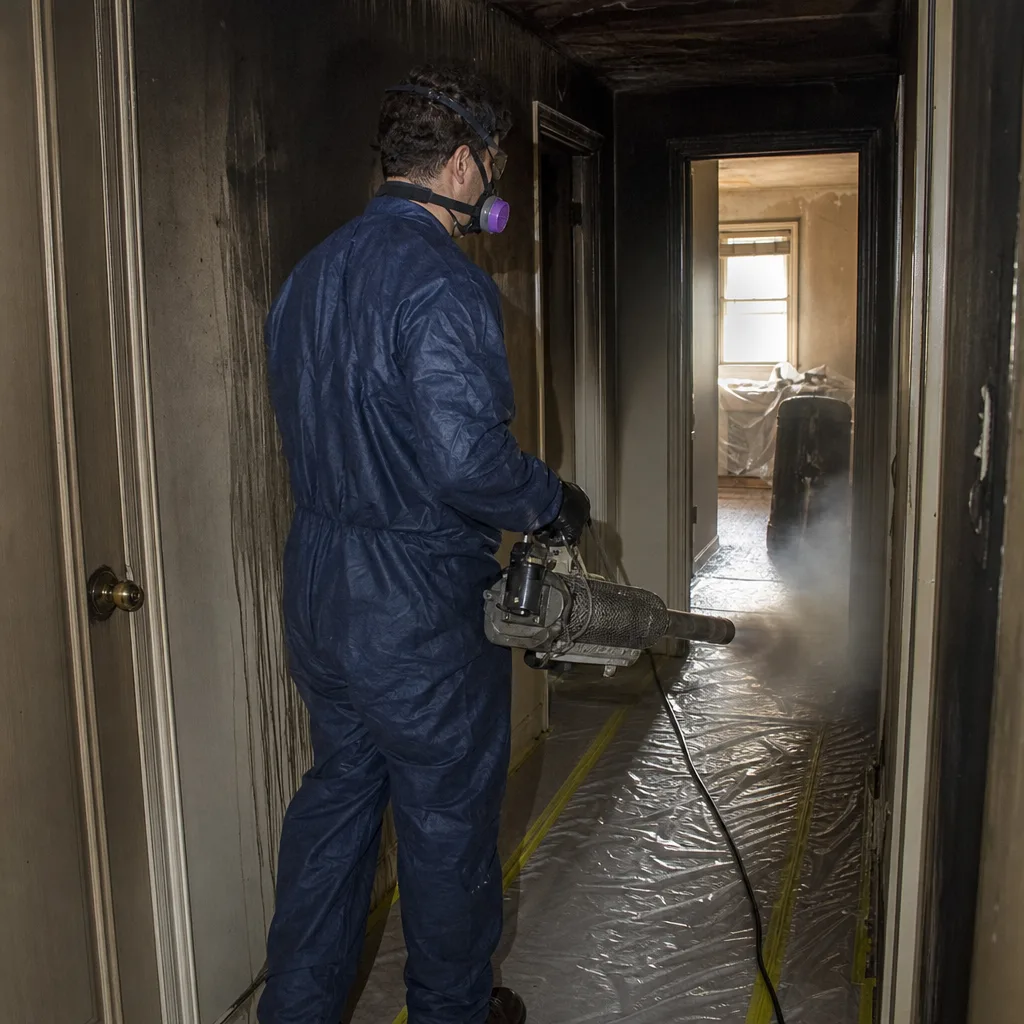
When nor’easter rain or a failed roof drain sends water cascading down through an Upper East Side stairwell, the scope involves contaminated water, multiple affected units, and security concerns. We handle extraction, sanitation, and structural drying while keeping the building’s egress and common areas functional.
Burst Pipe Restoration
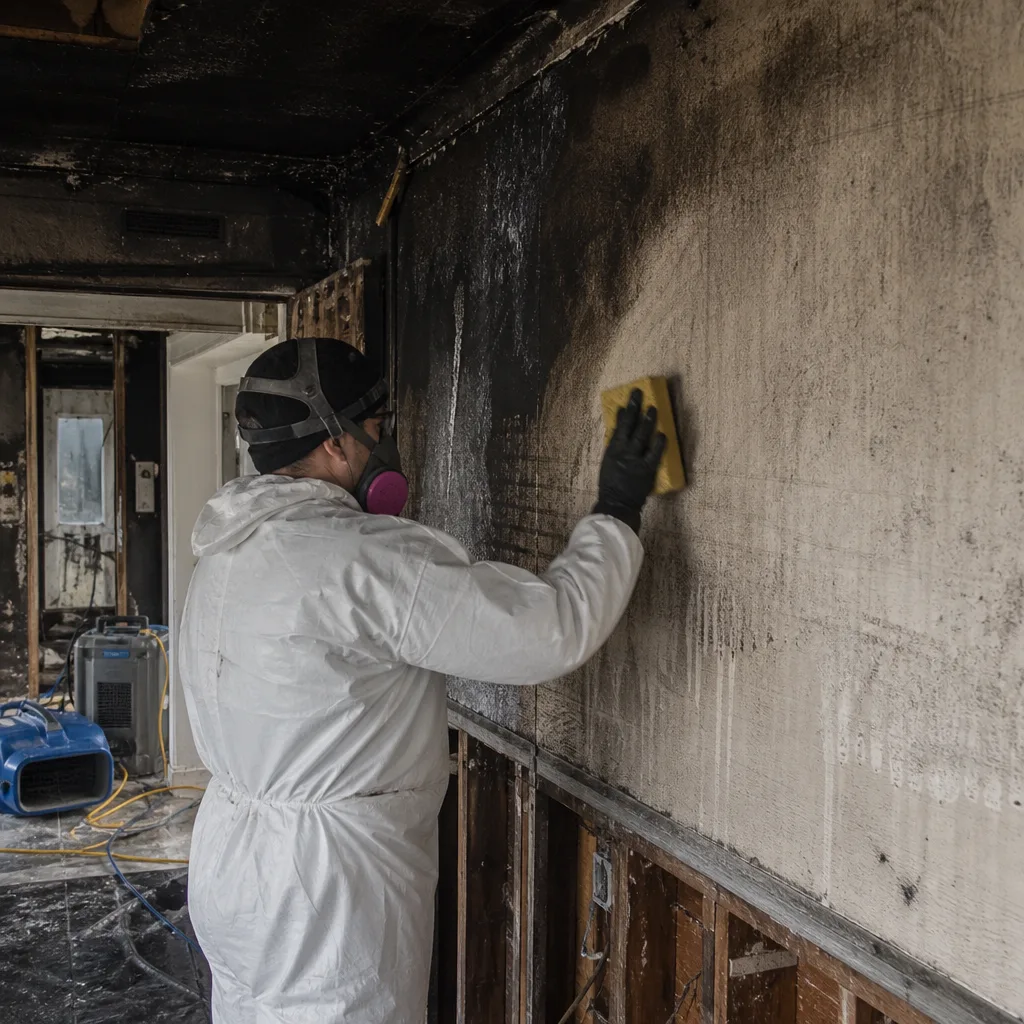
January freezes and February thaws are the peak months. A burst supply line in a kitchen chase on the 12th floor of an East 70s co-op is a Category 1 loss, but only if extracted fast. We respond, stabilize, and then dry the hidden cavities that would otherwise keep moisture in place behind cabinetry and under floors.
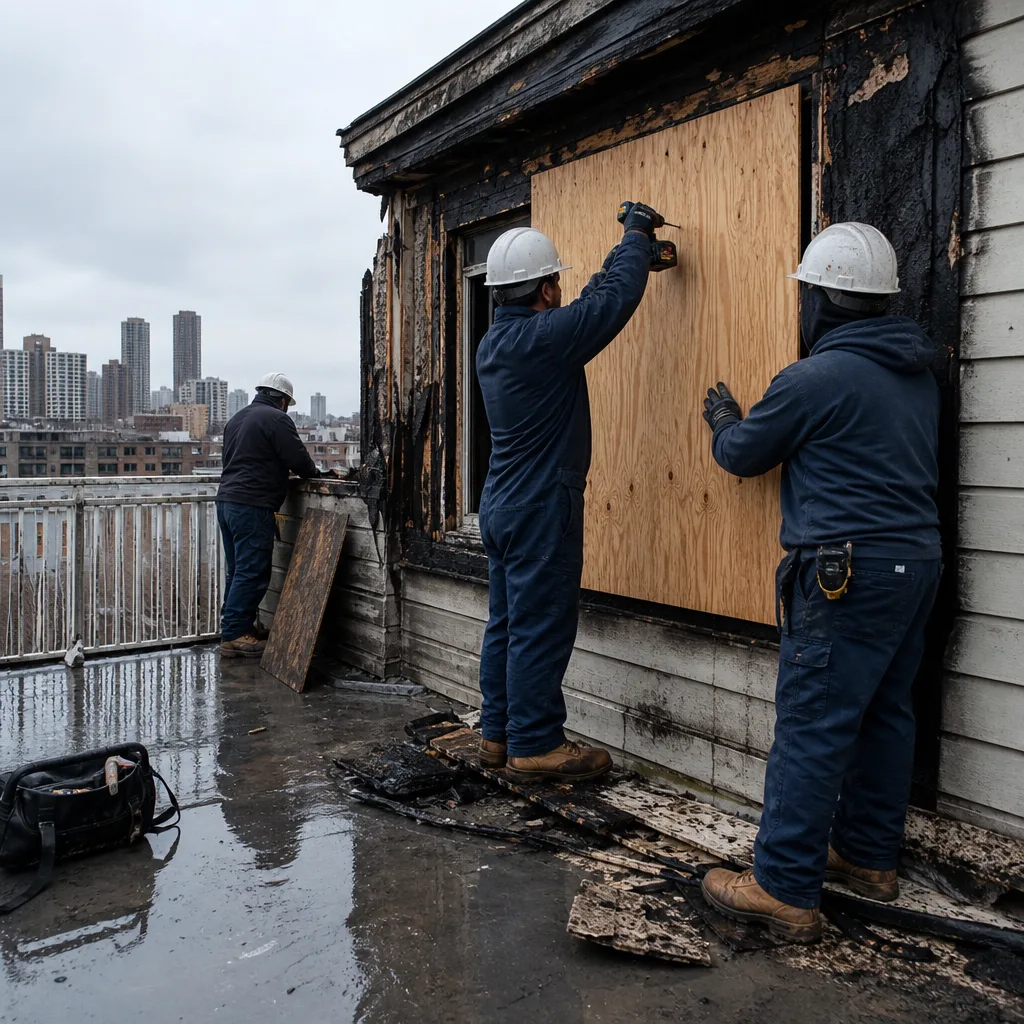
Basement Water Removal
In Yorkville walk-ups and the service basements of prewar co-ops, sump failures and building drain backups flood storage areas and mechanical rooms. We extract, sanitize, and dry these spaces quickly so building operations can resume, with direct coordination to the board’s managing agent.
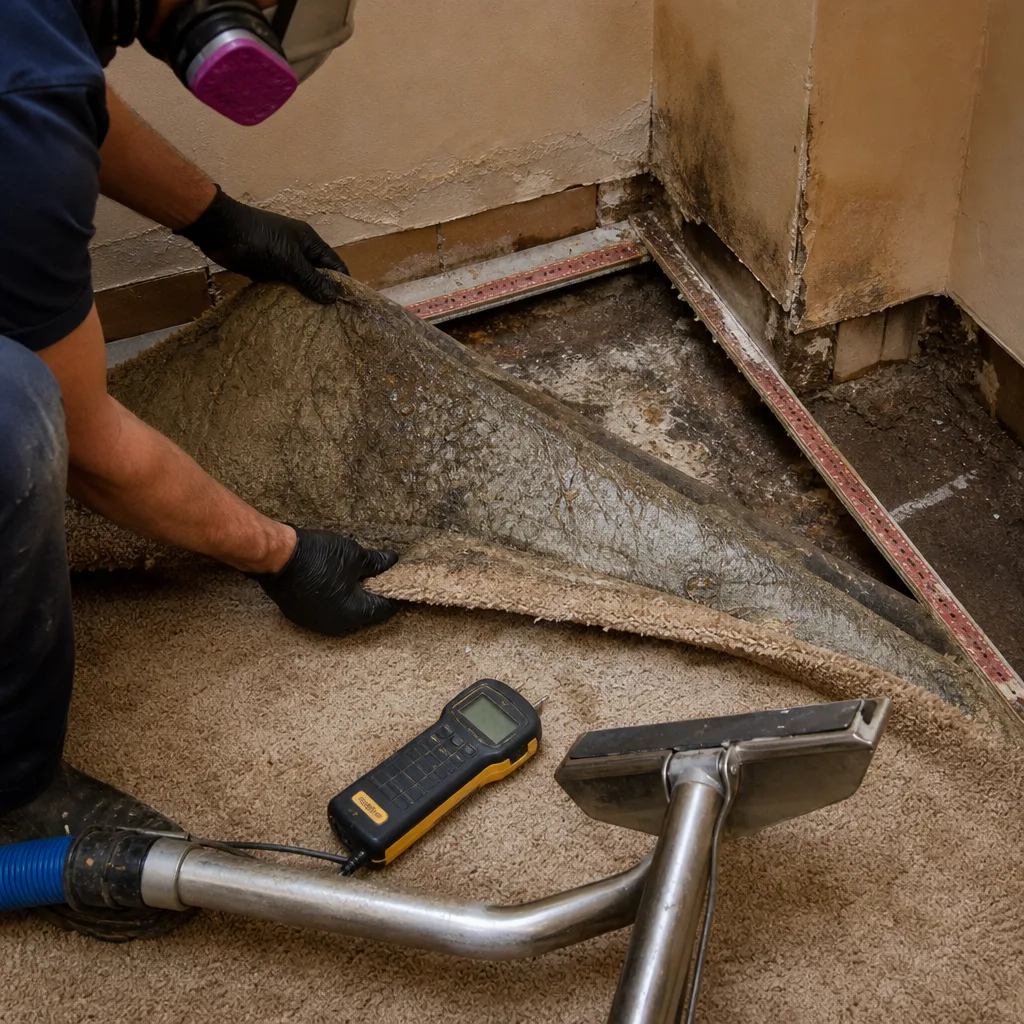
What happens when you call
- 1
A real person answersNo phone trees - you reach a local pro.
- 2
You get an upfront price rangeHonest numbers before anyone is dispatched.
- 3
A background-checked tech heads outLicensed & insured, dispatched right away.
- 4
You approve before work beginsNothing starts until you say go.
Water Damage Restoration Costs in Upper East Side, NY
Every job is scoped from a free visual inspection, and you’ll get a written line-item scope before work starts. No surprises on the bill, ever.
| Service | Typical Range, Upper East Side |
|---|---|
| Emergency water extraction (single room, prewar co-op) | $650-$1,400 |
| Structural drying & dehumidification (per day, whole unit) | $550-$1,200 |
| Burst pipe restoration (including wall and floor drying) | $1,200-$3,500 |
| Ceiling & roof leak water damage (single ceiling, plaster repair) | $900-$2,800 |
| Basement water removal (Yorkville walk-up, basic finish) | $800-$2,200 |
| Multi-unit riser leak restoration (board-coordinated) | $6,000-$45,000+ |
What moves the price: how long the water has been present, whether Category 2 or 3 contamination requires containment and antimicrobial work, whether original plaster or parquet needs specialty drying rather than replacement, and whether the LPC requires sign-off on any historic finish. Most water losses on the Upper East Side are covered by the building’s master policy, with unit-level coverage applying to anything the shareholder owns. We bill the carrier directly and you get the free inspection before any dollar is committed.
Call (917) 924-4221 and we’ll walk the loss with you within 45 minutes and hand you a written scope. The estimate costs nothing.
We Also Serve Cities Near Upper East Side
Beyond the Upper East Side itself, our crews regularly respond to water damage calls in Fairview, Harrison, East Bronx, and Hunts Point. The same live dispatch, the same 45-minute commitment, and the same one-team process apply.
Serving Upper East Side, NY - Our Local Coverage Area
We’re based in the Upper East Side area and know this community well. Use the map below to see our service coverage - if you’re nearby, we can almost certainly help.
Upper East Side Water Damage Restoration Questions, Answered
How do you handle water damage in a prewar co-op when the leak came from a riser pipe that serves multiple units?
We start by confirming the riser is shut and safe to work around. Then we scope the loss unit by unit, coordinate access with the board and managing agent, document each affected space, and bill the building’s master policy directly for common-element damage while coordinating any shareholder-level claims. This is a standard part of Water Damage Restoration work on the Upper East Side, and we’ve done it hundreds of times.
Why do Upper East Side restoration jobs always mention LPC approval?
Because of the NYC Landmarks Preservation Commission’s jurisdiction over historic districts and individually landmarked buildings. Any work touching original decorative plaster, historic facades, or landmarked interior elements requires LPC sign-off before completion. We know the LPC process, we know which Upper East Side co-ops are under its jurisdiction, and we stop work before it starts if we see a landmark issue. Done wrong, the board faces a stop-work order and re-do. We don’t let that happen.
Can you dry out horsehair plaster walls without replacing them?
Yes, in most cases. Original horsehair plaster can be saved with controlled structural drying, which is a core reason we use Dri-Eaz and Phoenix dehumidifiers paired with XPOWER and B-Air air movers. The goal is to dry thoroughly and restore, not to demo. When plaster is beyond saving, we match texture and profile with a restoration plaster specialist rather than slapping up drywall.
How do you deal with water trapped under hand-laid parquet floors in these old buildings?
We use Injectidry panel systems placed over the parquet to create negative pressure that pulls moisture up through the wood from the subfloor below. This saves original flooring that would otherwise cup, warp, or need removal. Drying logs are recorded daily until the moisture gradient across the wood shows the floor is stable.
What does a Category 2 or 3 water incident mean for our co-op’s financial responsibility?
Category 2 water carries contamination and requires antimicrobial treatment and partial material removal. Category 3 is grossly contaminated and typically requires full removal of affected porous materials, containment, and air scrubbing. The cost responsibility usually splits between the building’s master policy for common elements and the shareholder’s policy for interior finishes inside the unit. We prepare a separate line-item scope for each layer so your board and your carrier each get exactly what they need.
How fast can someone actually get here in an emergency?
We commit to 45-minute response anywhere on the Upper East Side, including Yorkville, Carnegie Hill, Lenox Hill, and the East End Avenue corridor. Live dispatch means a person answers the phone immediately at (917) 924-4221, no recording and no hold music. Crews are staged for Upper East Side calls specifically.
Will my insurance cover the restoration work?
Most Upper East Side water losses are covered in part by the building’s master policy and in part by the shareholder’s unit policy, depending on where the water originated and what was damaged. We bill the carrier directly, we document from the first hour, and we coordinate with adjusters so the claim has what it needs. You’ll know your exposure before we start, in writing.
What should I do in the first 30 minutes after discovering water damage?
Don’t open the walls and don’t try to dry it yourself with household fans. Call (917) 924-4221. If you can safely identify the shut-off for the bathroom or kitchen, close it. Move valuables off wet floors. Leave visible water alone; anything you wipe away can delay our ability to map the true migration path. Show our crew the wet areas, then let us do the job.
Written by Curt Bowman, Owner at Floodline Restoration Co. of Manhattan, serving the Upper East Side and surrounding communities.