
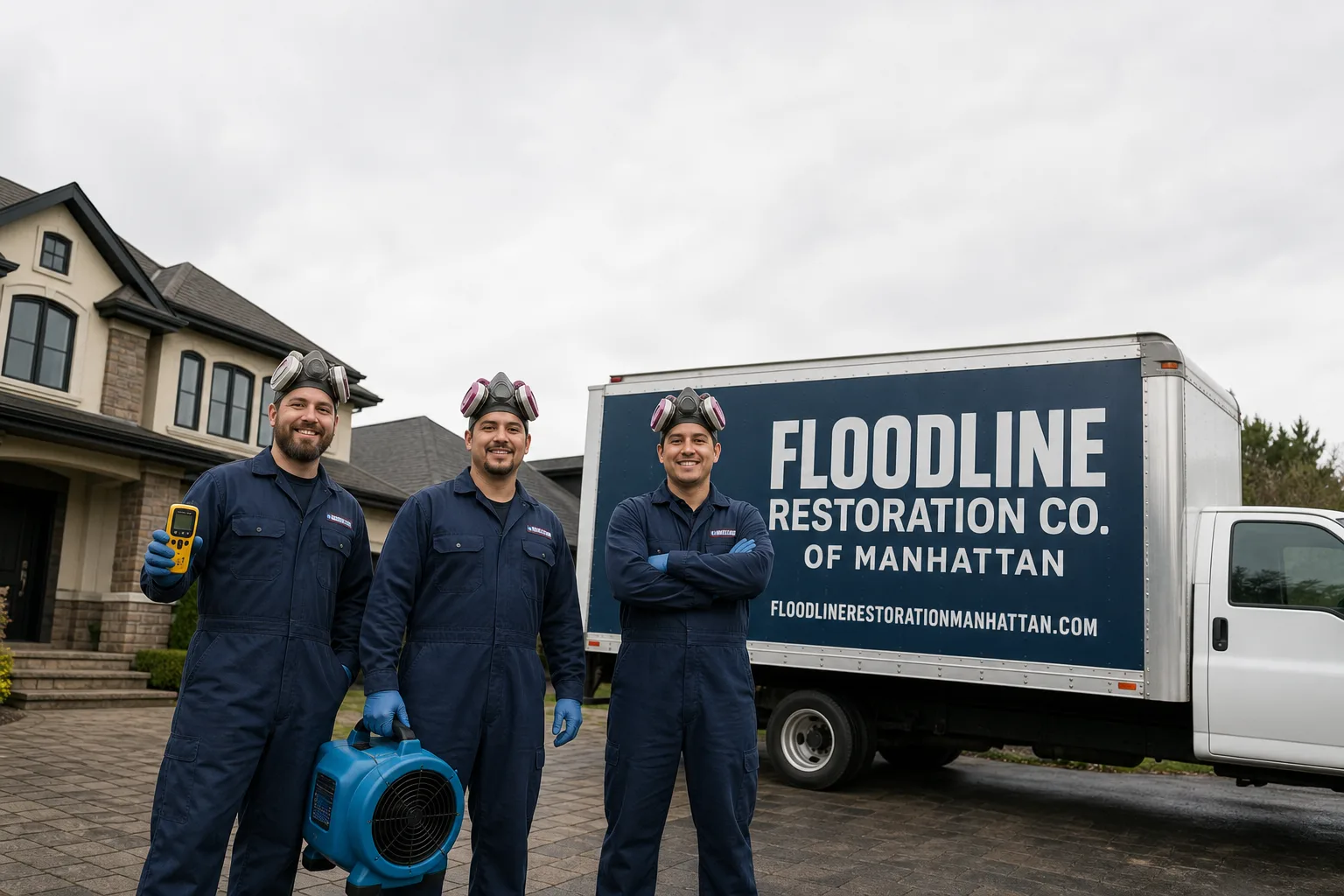
Free visual inspection and a written scope of work before any mitigation begins - photos, moisture readings, and drying logs go in your claim file
The scope we write is the scope we bill. Anything new gets shown to you, in writing, before we touch it.
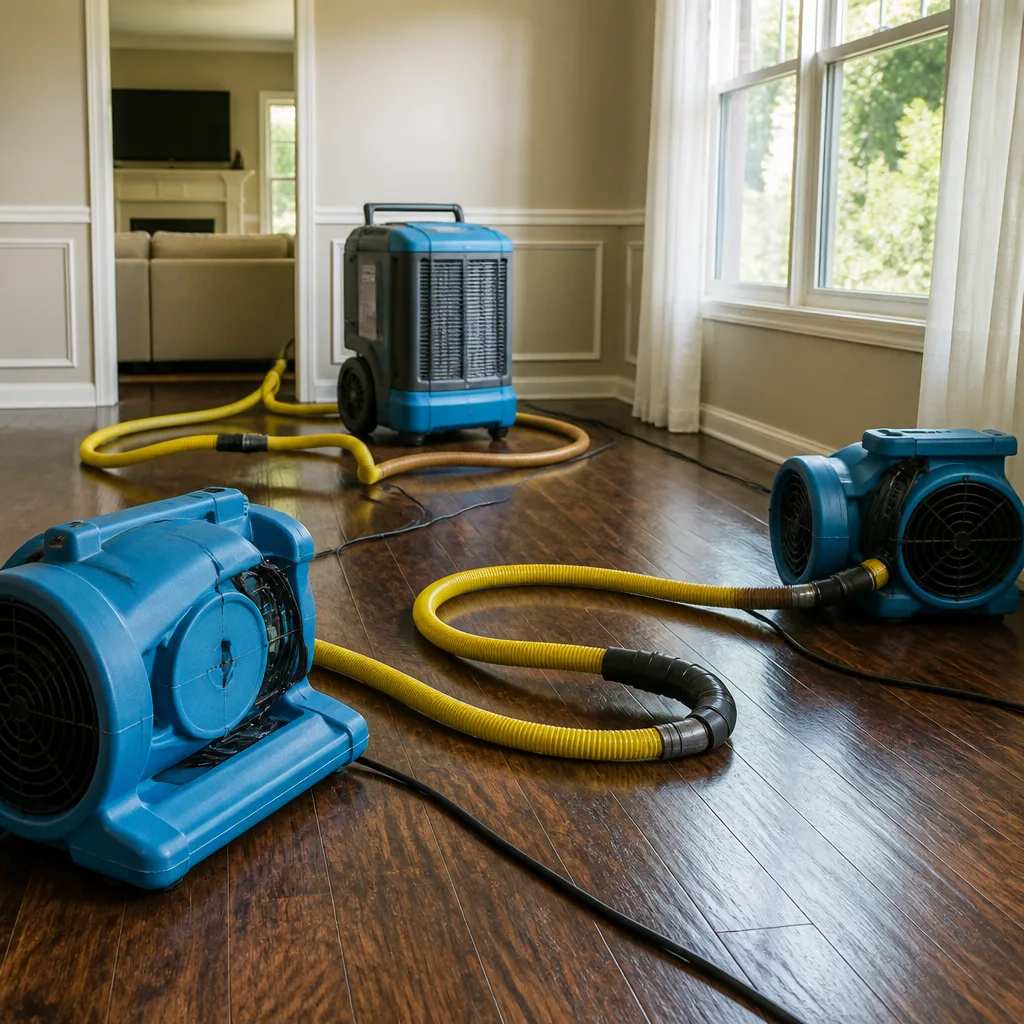

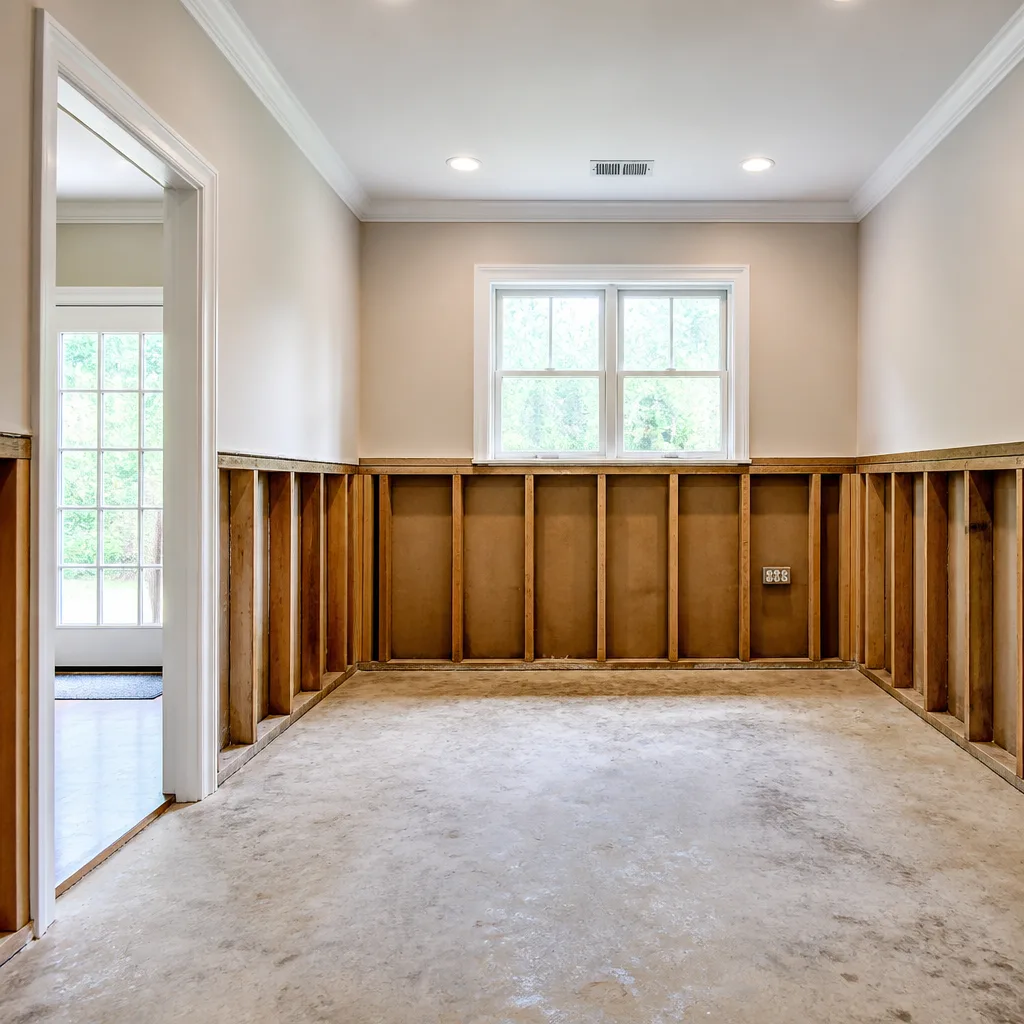

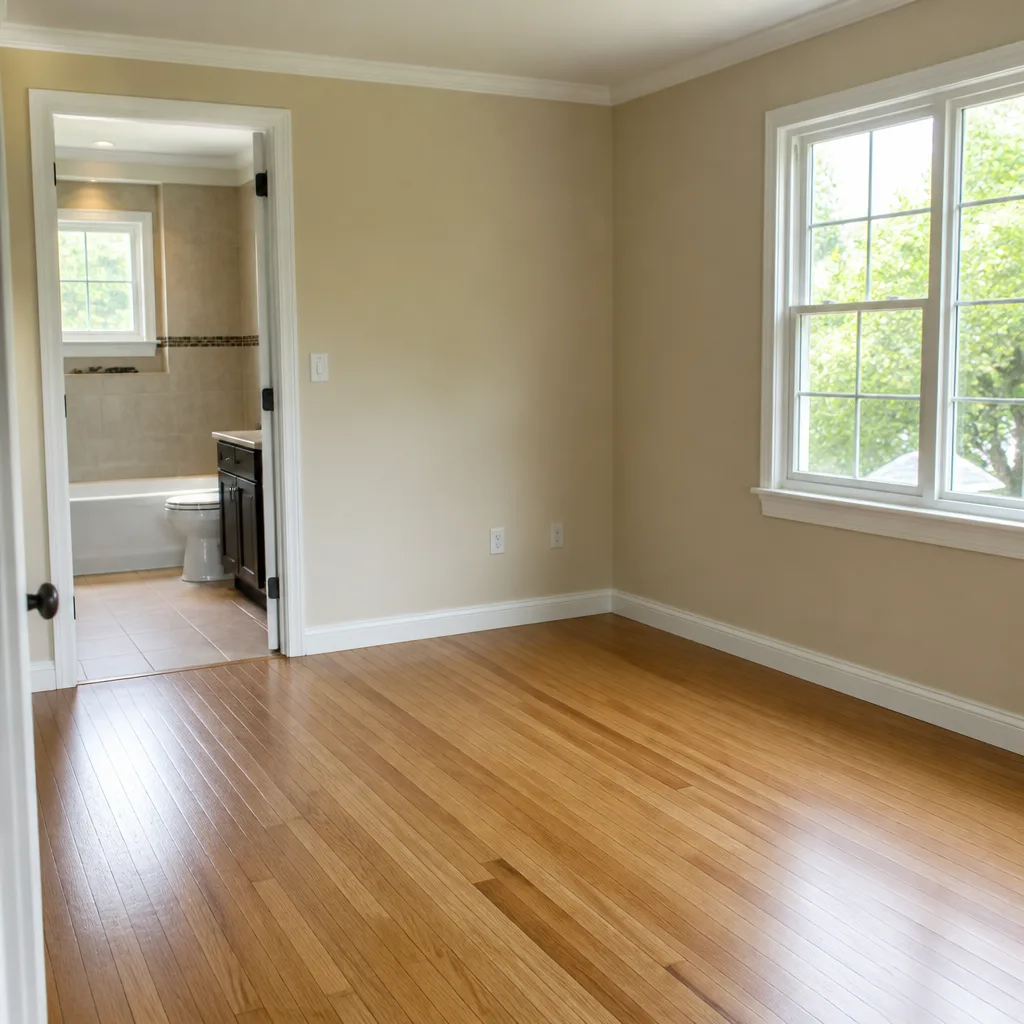

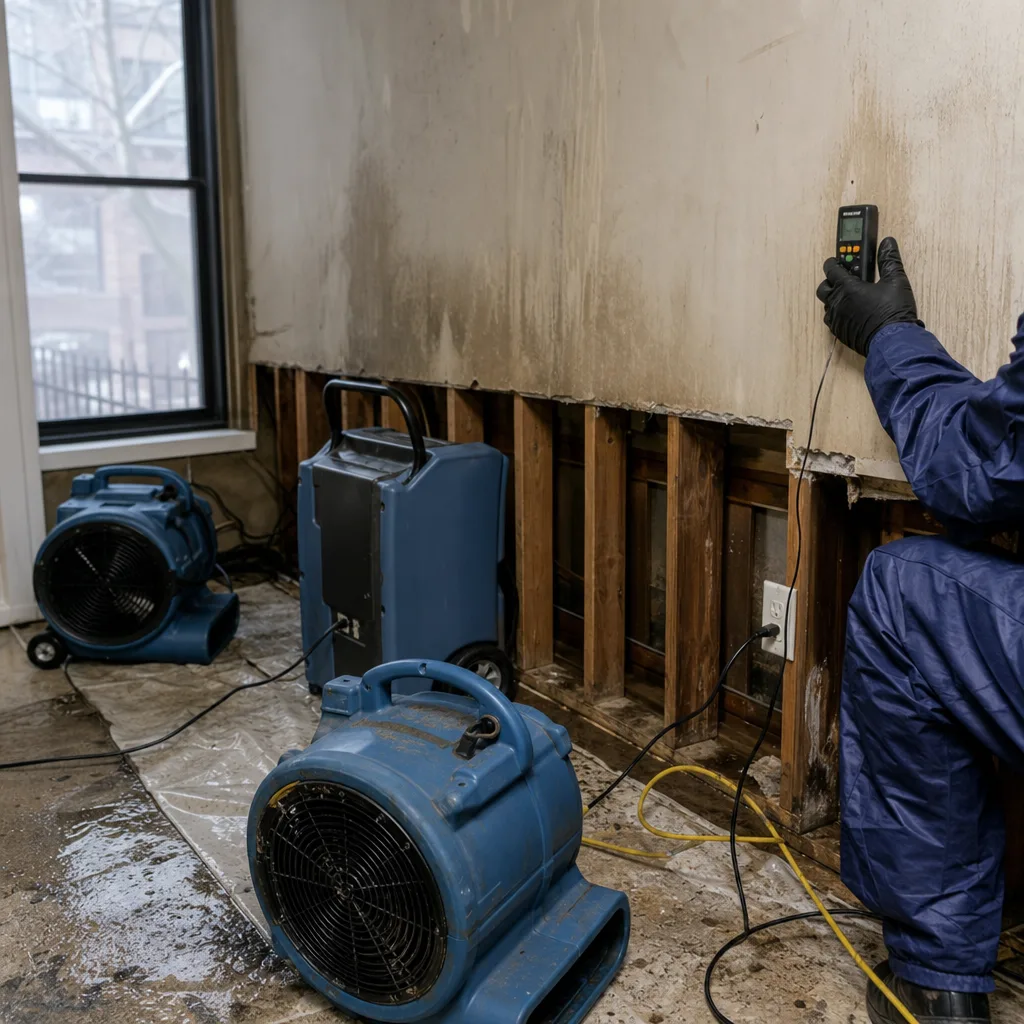 Before
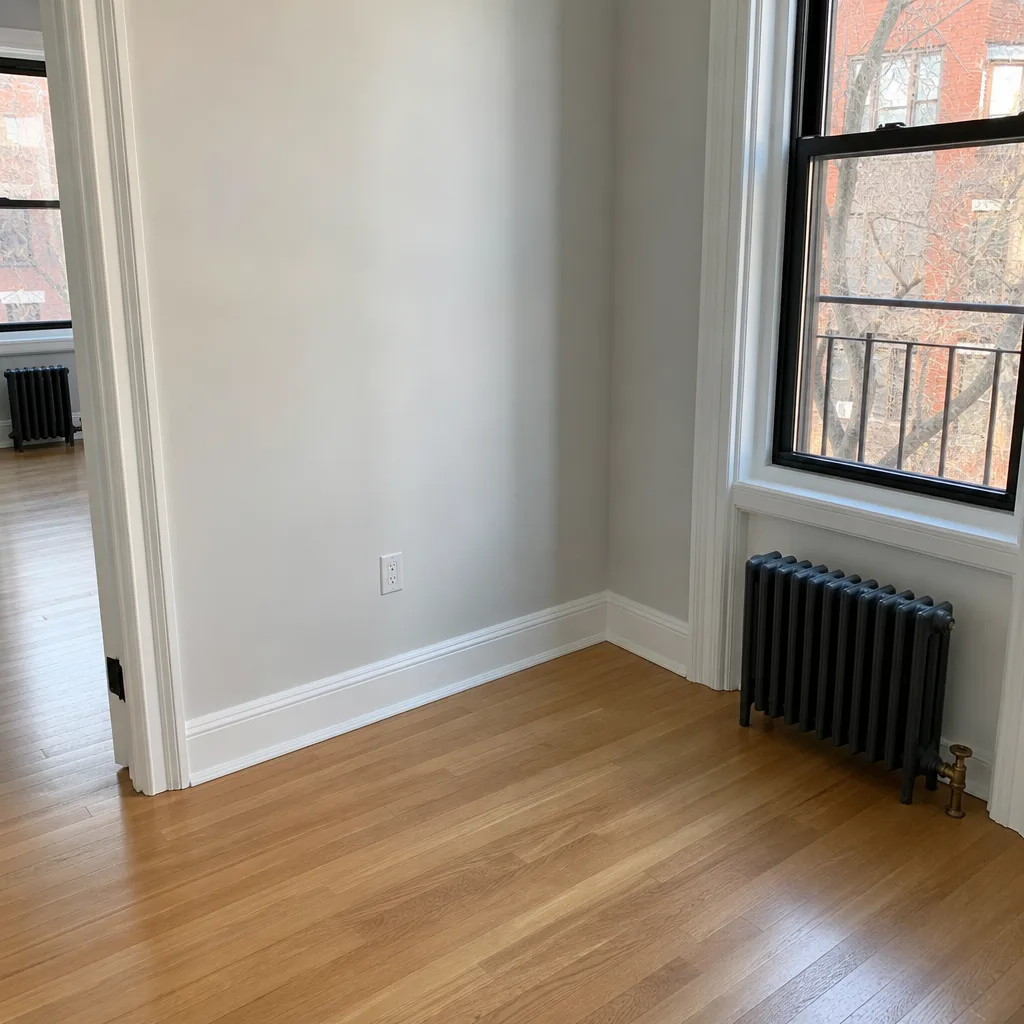 After
After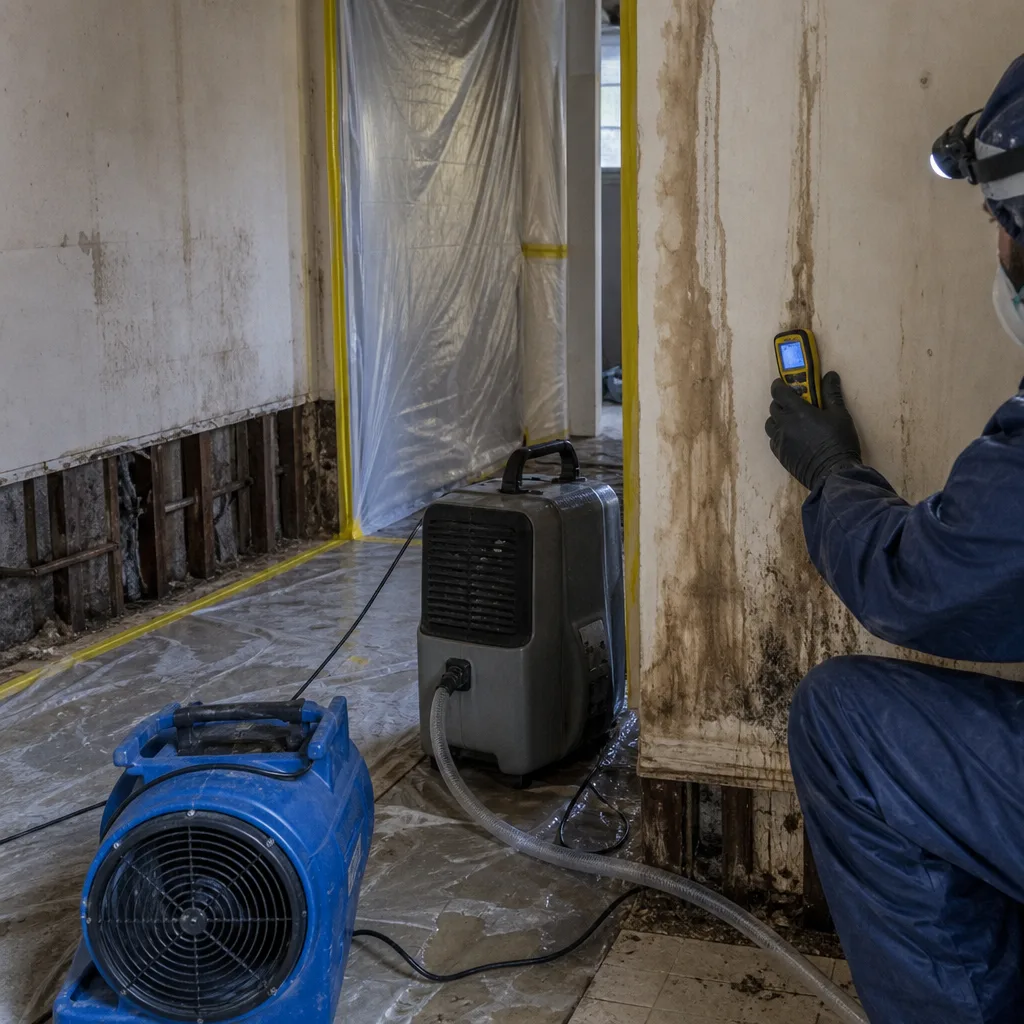 Before
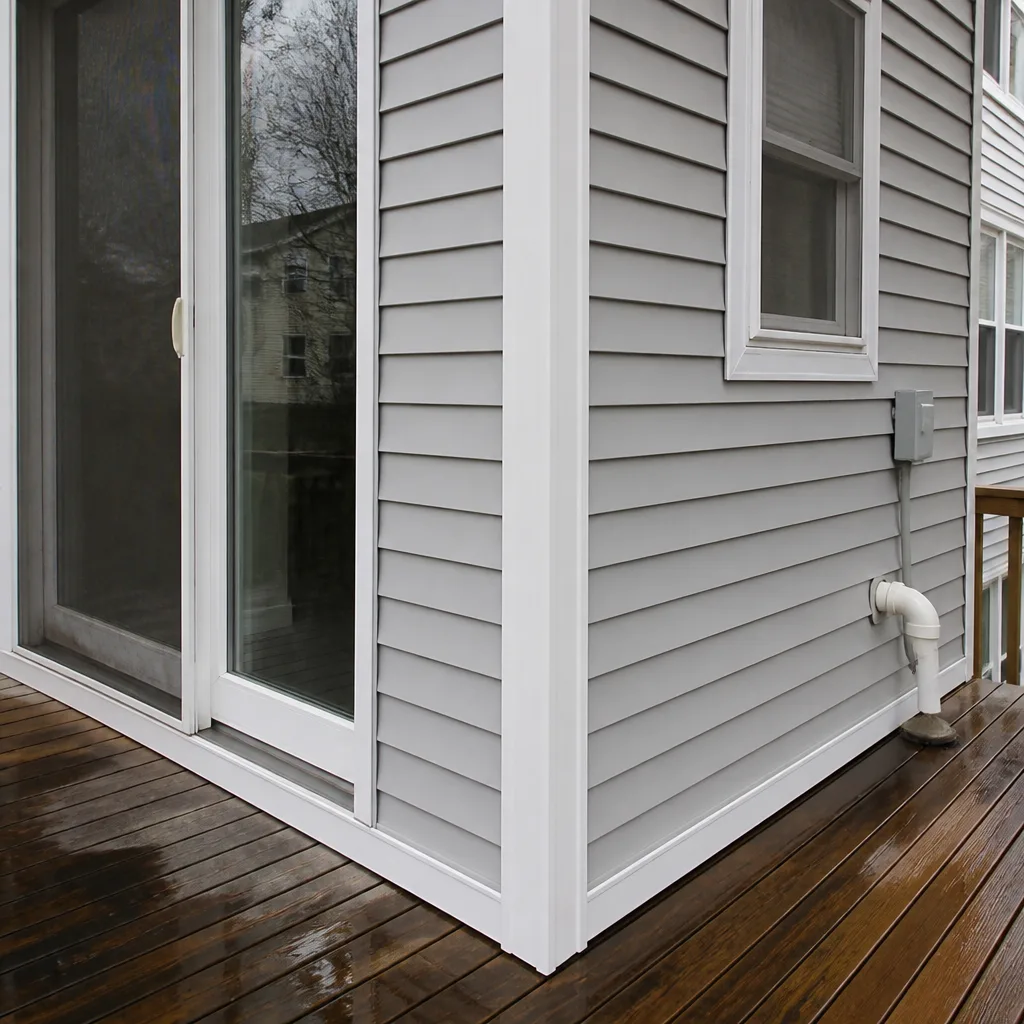 After
After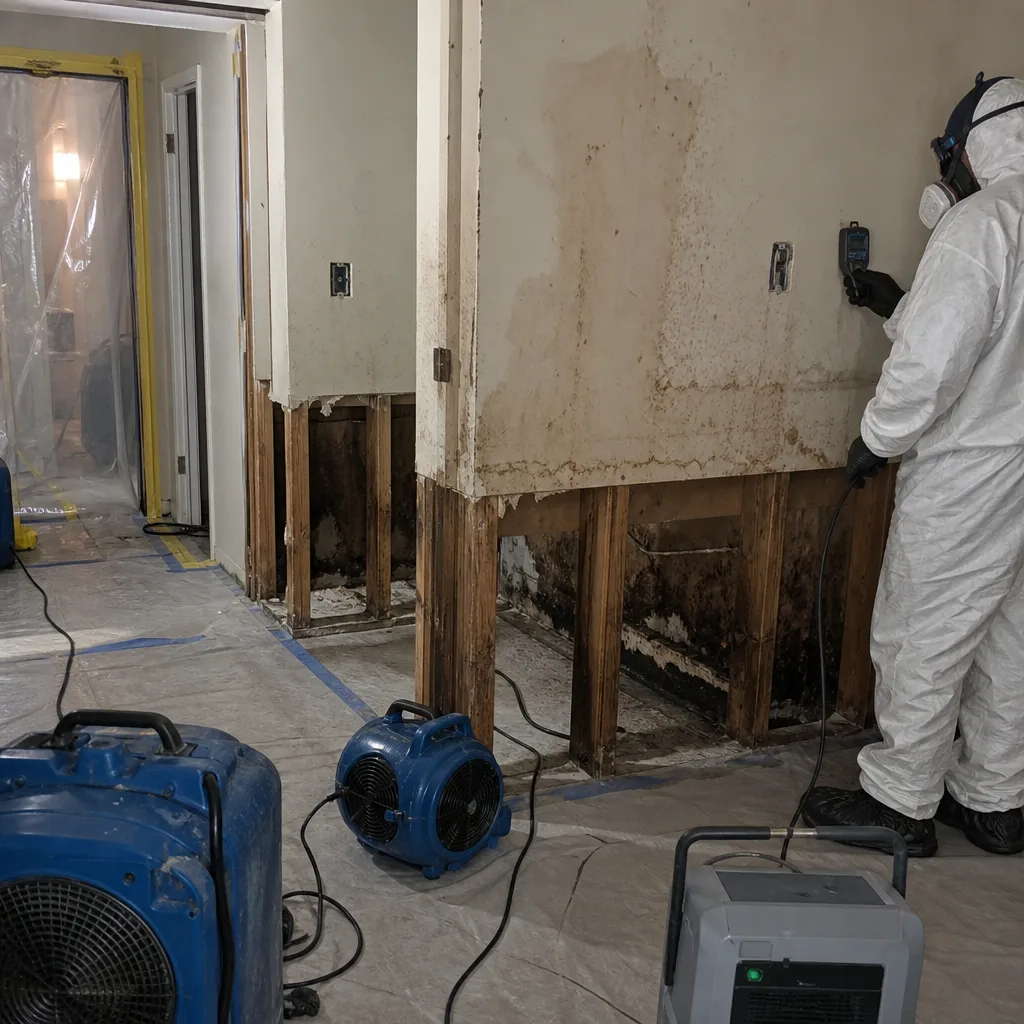 Before
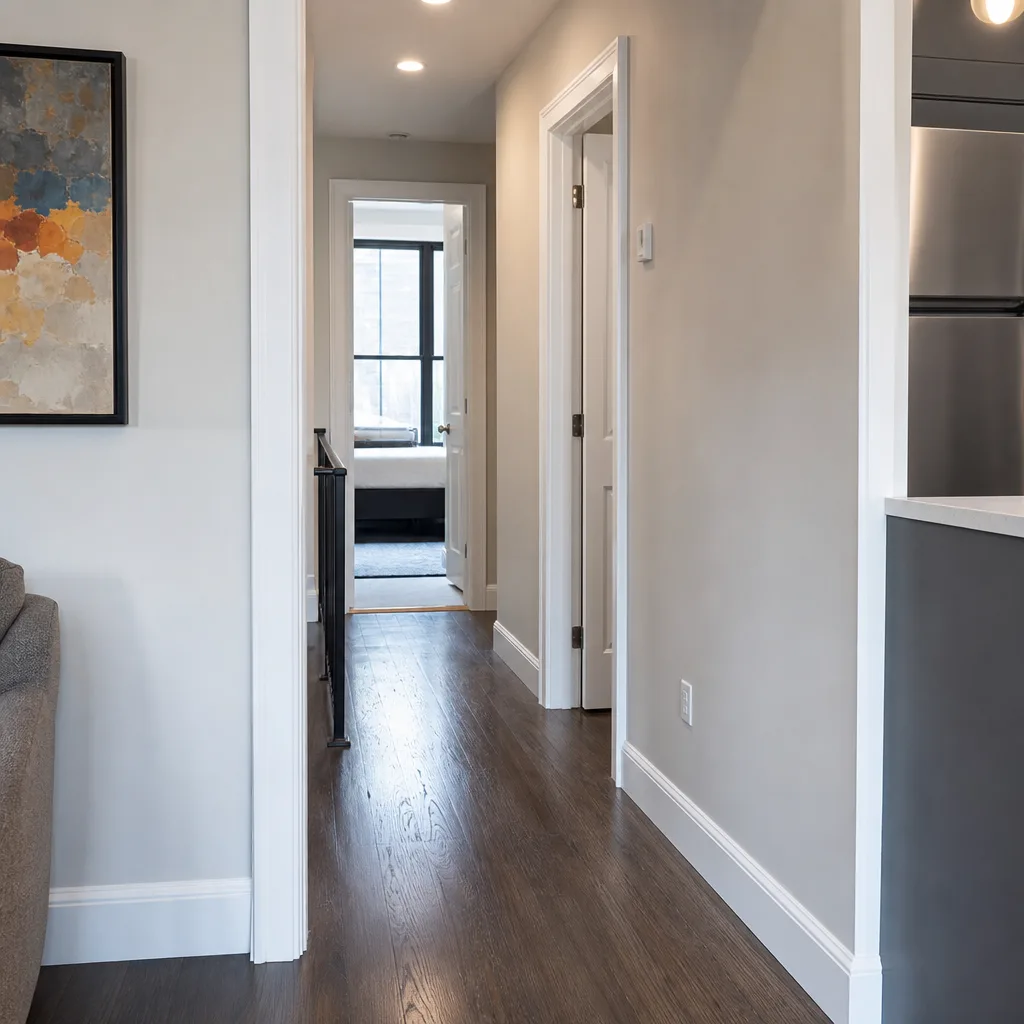 After
After24/7 Emergency Biohazard & Crime Scene Cleanup in Little Neck
Biohazard and crime scene cleanup in Little Neck typically costs between $1,800 and $6,500 depending on the severity of the contamination, the square footage affected, and whether hidden structural moisture from storm-surge requires concurrent drying. We answer the phone live at (917) 924-4221 at any hour, because a trauma scene inside a 1930s Cape Cod near Northern Boulevard can’t wait until morning. Our Biohazard & Crime Scene Cleanup team dispatches crews into Little Neck within 45 minutes of your call, not after a callback from an answering service.
The first hour matters for reasons that go beyond the visible. Blood and bodily fluids seep into original oak flooring and behind plaster-over-lath walls within minutes, and in bay-side homes, that contamination often meets residual moisture already trapped from a decade of nor’easter cycles. We start with a free visual inspection, explain exactly what we’re seeing in plain terms, and begin containment immediately. No sales pitch, no delay.
Understanding Biohazard & Crime Scene Cleanup Severity in Little Neck Properties
Little Neck’s housing stock makes biohazard work more complicated than it looks. Most homes here are detached Colonials, Tudors, and Cape Cods built between the 1920s and 1950s, with full basements, original plaster-over-lath walls, and unvented crawl spaces. That construction holds moisture differently than modern drywall. Blood, bodily fluids, and decomposition byproducts don’t just sit on the surface; they wick into porous plaster, travel along open floor joists, and bond with old flooring adhesives that predate modern sealants. A technician who only cleans what’s visible leaves behind proteins that bacteria feed on for weeks.
Severity in Little Neck breaks into three practical levels. Level one is contained contamination: a single room, minimal porous materials affected. Level two involves fluids that have reached subflooring, baseboards, or wall cavities. Level three is where our work here most often lands: contamination that intersects with hidden moisture, a damaged sewer backup, or a crawl space that has been holding storm-surge water since Sandy. At that level, the job is a dual-contamination event, and it must be treated with the same containment discipline as the trauma scene itself.
Why Little Neck Property Owners Choose Floodline Restoration Co. of Manhattan
- 45-minute response commitment: dispatch is coordinated from our New York City office, and crews reach Little Neck homes along the Northern Boulevard corridor quickly, any hour, any day.
- Live answer, 24/7: a real dispatcher picks up at 2 a.m. Not a phone tree. Not a recording. We’ve run it that way since Curt Bowman founded the company in 2010.
- IICRC-certified crews: our technicians hold WRT, FSRT, and AMRT certifications and train to IICRC, RIA, and IFA standards, so the crew that contains a biohazard scene also understands structural drying to the dry standard.
- Free visual inspection: we show up, we look, we walk you through what we see, and you get a written scope before any work starts. No obligation.
- Direct insurance billing: we document the scene, talk to your adjuster, and bill the carrier directly. You never play messenger between Floodline and the insurance company.
- One team, start to finish: the same background-checked, uniformed crew that sets containment on day one handles daily moisture readings, sanitization, and any rebuild. No mid-job handoff.
Every job carries the 90-Day Done Right Promise, the Keystone Standard, in writing. If it’s not done right, we make it right. No paperwork battles, no arguing. That’s the deal, and it applies to every biohazard and crime scene cleanup we perform in Little Neck.
Our Biohazard & Crime Scene Cleanup Process
Inspection & Assessment
We begin with a room-by-room assessment that includes thermal imaging and moisture readings from the first visit. This is where Little Neck conditions matter: we check behind original plaster, inside crawl spaces, and along basement walls for hidden moisture that would compromise a surface-only cleanup.
Containment & Stabilization
Airborne pathogens move fast in 1920s-1950s homes with open floor joists and shared wall cavities. We seal the affected zone with negative-pressure containment and HEPA air scrubbers before we disturb any contaminated material.
Extraction & Removal
Fluids that have reached porous materials, plus any category 3 water present in basements or crawl spaces, are extracted using professional-grade equipment. Contaminated materials are removed, logged, and disposed of under applicable New York biohazard waste regulations.
Cleaning & Sanitization
We clean surfaces with antimicrobial agents registered for the specific pathogens present, then sanitize wall cavities, subflooring, and joists. Injectidry systems reach cavities we can’t open without unnecessary demolition, which matters in older Little Neck homes where original millwork can’t be replaced easily.
Structural Drying & Dehumidification
Where hidden moisture exists, we set air movers and Dri-Eaz or Phoenix dehumidifiers inside containment, with hygrometers logging readings daily until the dry standard is met. In Little Neck, this step often runs longer than expected because original plaster releases moisture slowly.
Repairs & Restoration
Once clearance testing confirms the space is safe, we repair or rebuild what was removed. Plaster patching, flooring replacement, trim work: same crew, same scope, done to the Keystone Standard and backed by the 90-Day Done Right Promise.
Need Emergency Biohazard & Crime Scene Cleanup in Little Neck Now?
Crews minutes away, answering live 24 hours a day. The sooner we start, the less it costs.
Working With Your Insurance Company
Most homeowner policies cover biohazard and crime scene cleanup when the event is sudden and accidental, and Little Neck policies written for bay-side properties often include additional water and sewage endorsements. We handle the claim paperwork from the first hour: photo documentation before demolition, moisture readings, line-item scopes coded to industry-standard estimating software, and direct adjuster communication. You shouldn’t have to explain trauma scene protocol to an insurance carrier on top of everything else.
What We Provide Your Insurer
- Thorough documentation of the loss
- Photos of all damage, room by room
- Moisture readings and drying logs
- A detailed, line-item scope of work
- Direct coordination with your carrier
Built for Little Neck’s Loss Calendar
Biohazard and crime scene calls in Little Neck follow a seasonal pattern that inland Queens neighborhoods don’t experience. Nor’easters between October and April push bay water onto low-lying residential blocks near Northern Boulevard, and the city’s older combined stormwater system overflows before it can drain the volume. That storm-surge water enters basements and crawl spaces, soaks original plaster, and lingers for months. When a trauma or unattended death occurs in one of those homes, whether in January or August, the cleanup almost always intersects with moisture that has been there since the last major storm.
Summer brings a different pattern: heat and humidity accelerate decomposition, and airborne bacteria spread faster through unvented attics and closed-up Colonials. Hoarding situations in Little Neck often go unnoticed longest in spring, when neighbors who have been inside all winter begin to notice odors. Infectious disease disinfection calls cluster in high-season when extended families, many of whom have lived in the neighborhood for decades, gather in the same house for holidays. We schedule for all of it, and we answer the phone when the call comes.
Biohazard & Crime Scene Cleanup Across Little Neck’s Neighborhoods
Little Neck isn’t one uniform grid. The bay-side blocks south of Northern Boulevard and west of Little Neck Parkway sit low, and those streets flood first during nor’easters. Homes there, mostly 1920s Colonials and Tudors, carry the highest risk of hidden moisture behind original plaster and inside unvented crawl spaces. Glenwood Street and the blocks around Memorial Field hold some of the oldest housing stock in the neighborhood, with original fieldstone foundations that wick groundwater upward even without a storm.
North of the LIRR tracks, toward Little Neck Parkway and the Great Neck border, the lots are larger and the homes newer, many 1940s and 1950s Cape Cods with full basements. Elevation is slightly higher, but the same open floor joists and plaster wall systems run through every block. The area around P.S. 94, built in the 1950s, includes a pocket of split-levels with crawl spaces under the lower level. We know these blocks because we work them. A response route down Little Neck Parkway to Northern Boulevard to Marathon Parkway puts a crew anywhere in this neighborhood within 45 minutes.
Specialized Biohazard & Crime Scene Cleanup Services We Offer in Little Neck
Crime Scene Cleanup
When law enforcement releases a scene, what remains is a physical hazard: blood, bodily fluids, and often fingerprint dust or tear gas residue. Our crime scene cleanup in Little Neck begins with containment, then careful removal of affected materials, then antimicrobial treatment of the structural surfaces beneath. We coordinate with your timeline, not ours, and we document everything for your insurer.
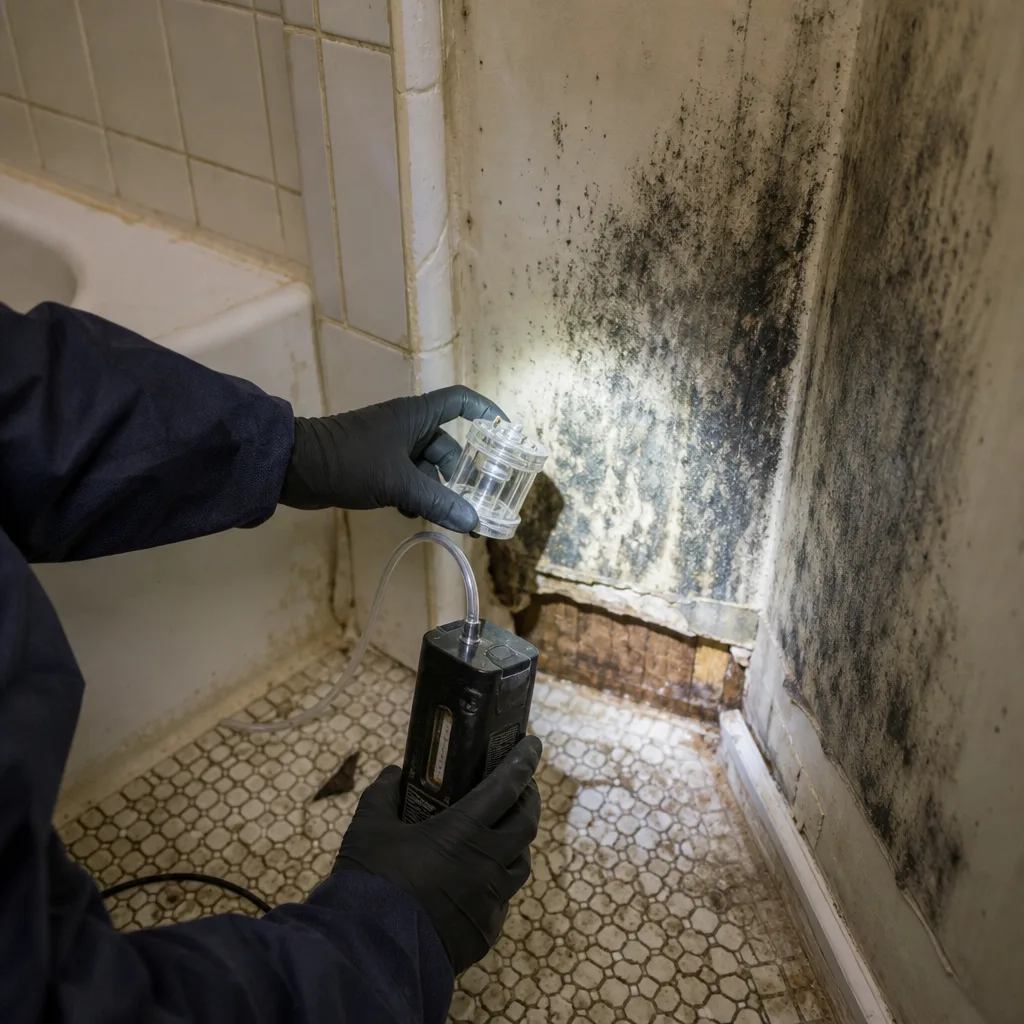
Trauma & Unattended Death Cleanup
Unattended death in a Little Neck home presents a specific challenge here: decomposition fluids penetrate original oak flooring and plaster walls quickly, and in bay-side basements they mix with storm-surge moisture. We were called to a 1930s Colonial near Little Neck Bay after an unattended death, and our containment setup revealed dark moisture staining behind the original plaster in an adjacent basement wall, a hidden Sandy-era water intrusion. We performed category 3 water extraction from the crawl space, set air movers and a Phoenix dehumidifier inside negative-pressure containment, and completed an antimicrobial treatment on the wall cavities before final moisture readings confirmed structural drying.
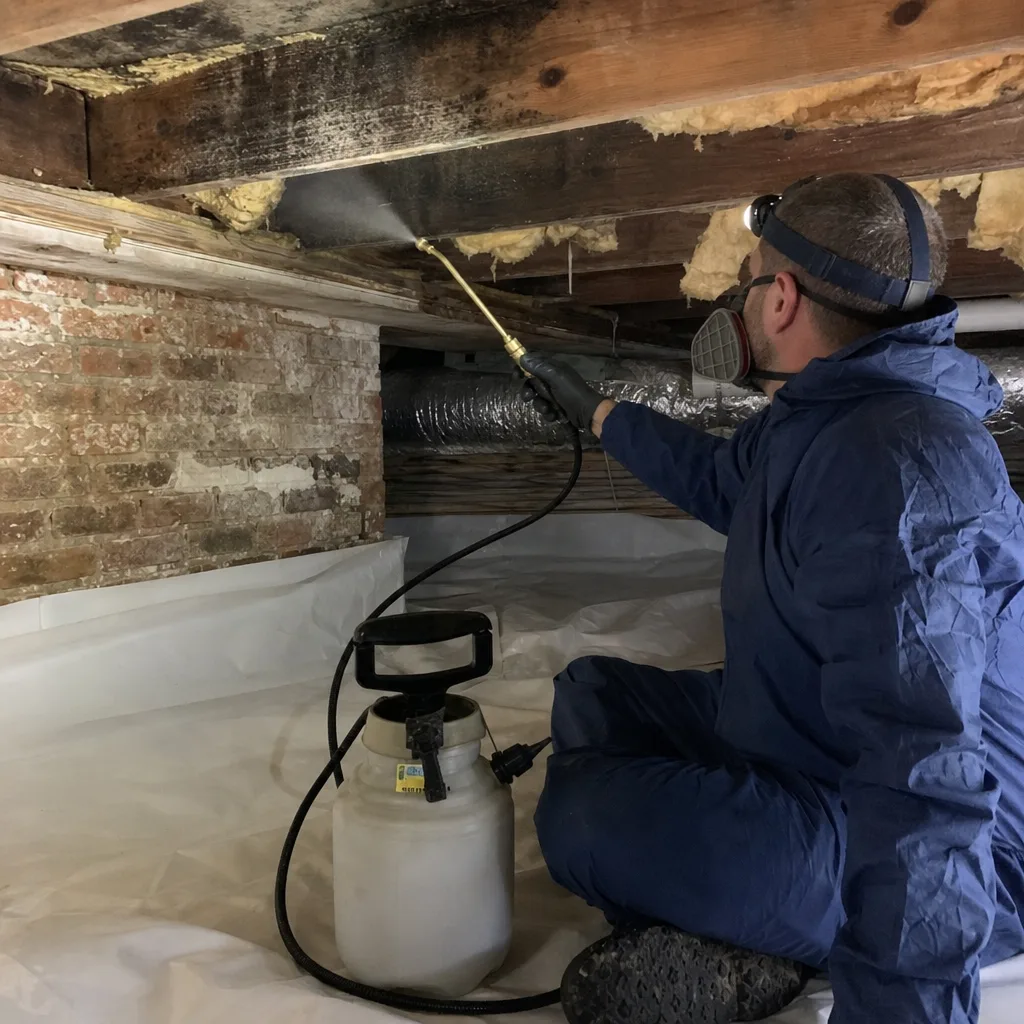
Hoarding Cleanup
Hoarding in a Little Neck Tudor or Colonial means more than volume. Ten or fifteen years of accumulated material blocks access to walls, floors, and plumbing, and in bay-side homes it hides water damage that has been spreading underneath the clutter. We clear, separate, document items for the family, and then assess the structural surfaces the way we would any biohazard scene: moisture readings first, then containment, then cleaning. The Senior & Veteran 5% discount always applies for eligible homeowners.
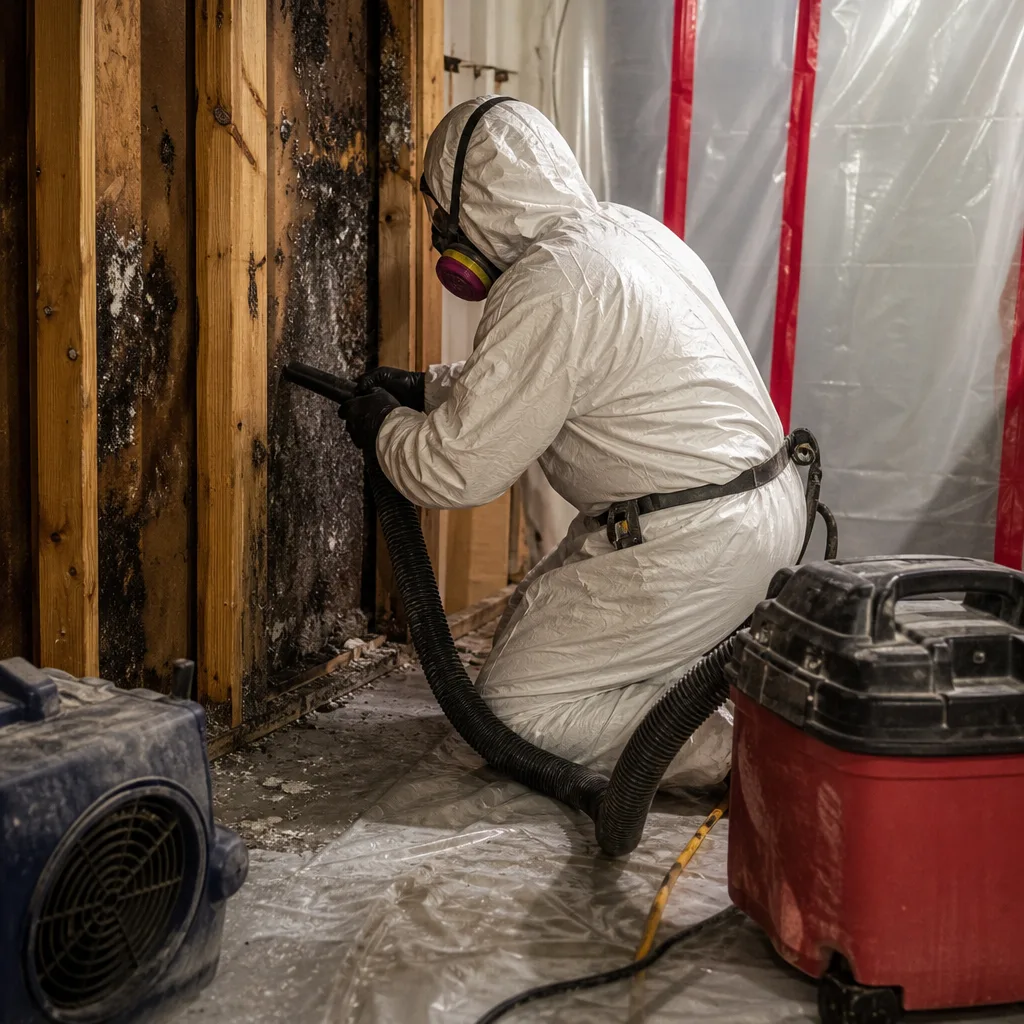
Blood & Bodily Fluid Cleanup
Blood is a biohazard because it carries bloodborne pathogens, and in Little Neck’s older homes it travels. Fluids follow floor slope into wall cavities, soak through old carpet padding, and pool in subfloor bays. We remove what can’t be sanitized, treat what can, and test to confirm the space is safe before we leave.
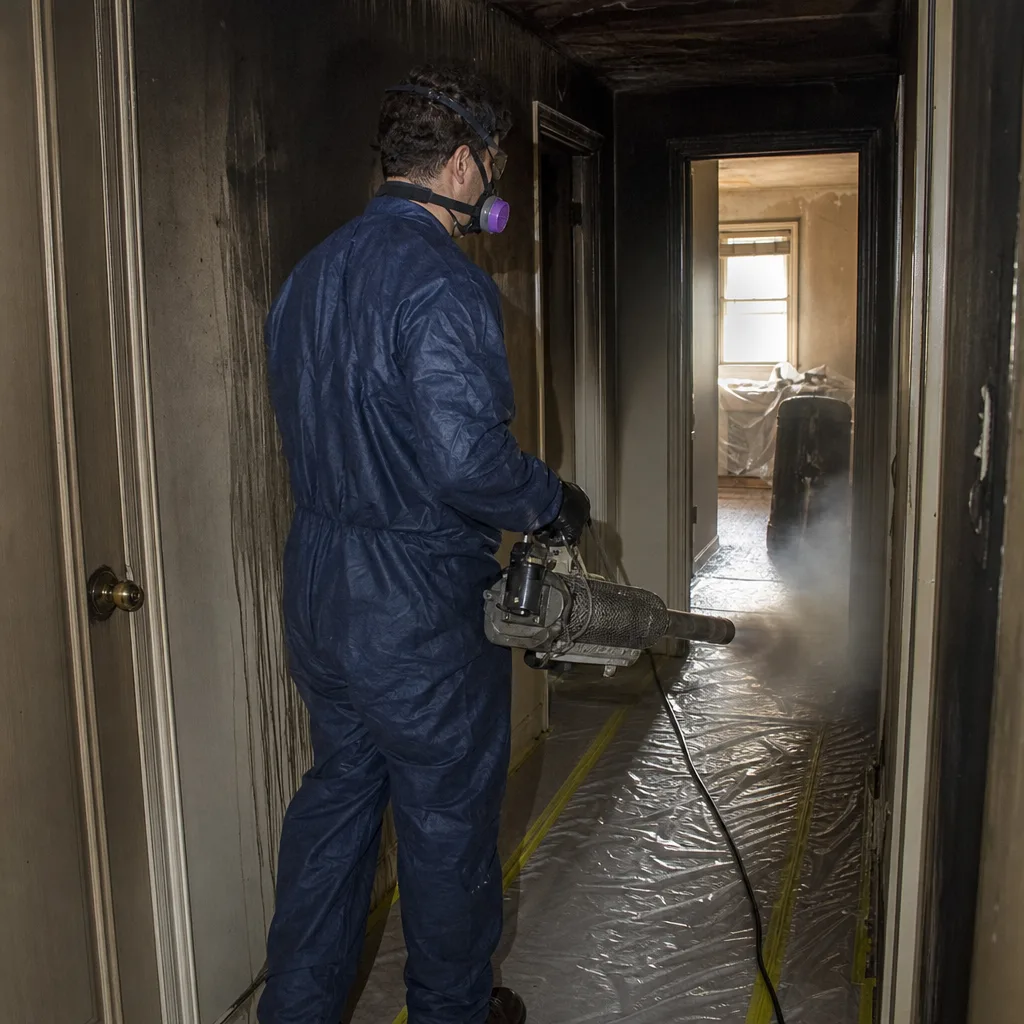
Infectious Disease Disinfection
When a household member is discharged from a hospital with an infection that requires environmental decontamination, or when a virus spreads through a multi-generation Little Neck home, we treat surfaces with hospital-grade disinfectants registered for the specific pathogen involved. Original plaster and old wood trim need dwell times and application methods that differ from modern surfaces, and our IICRC-certified technicians know the difference.
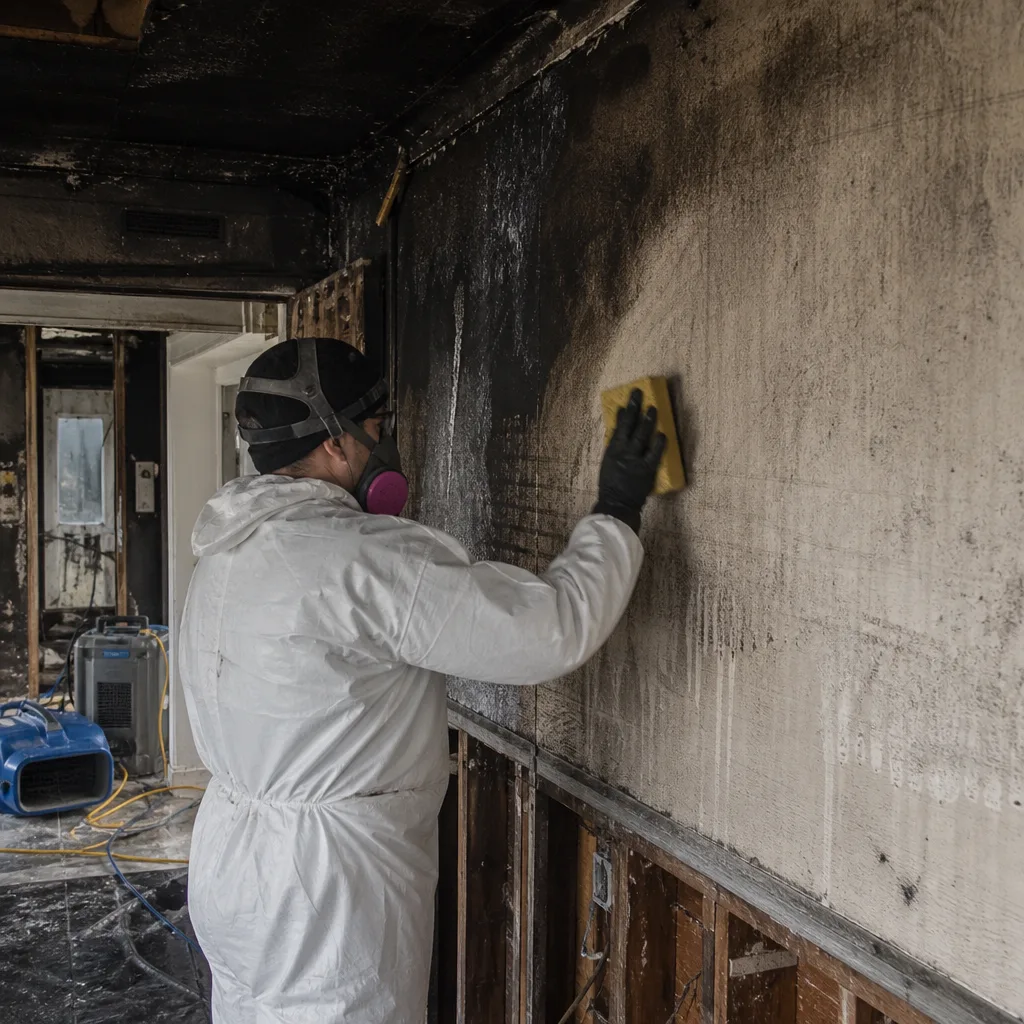
What happens when you call
- 1
A real person answersNo phone trees - you reach a local pro.
- 2
You get an upfront price rangeHonest numbers before anyone is dispatched.
- 3
A background-checked tech heads outLicensed & insured, dispatched right away.
- 4
You approve before work beginsNothing starts until you say go.
Biohazard & Crime Scene Cleanup Costs in Little Neck, NY
A contained crime scene cleanup in a single room of a Little Neck home typically runs $1,800 to $3,500. That covers containment, removal of affected materials, cleaning, sanitization, and clearance testing. Trauma and unattended death cleanup in Little Neck generally lands between $3,000 and $6,500, because decomposition fluids spread further and soak deeper into original flooring and plaster. Hoarding cleanup is priced by volume and condition; in Little Neck, where hoards have often hidden water damage for years, expect $4,000 to $12,000 or more when structural drying and rebuild are needed.
What moves the price: square footage affected, whether fluids reached wall cavities or subflooring, whether category 3 water is present in a basement or crawl space, and whether original plaster or trim must be removed to reach contamination. Many Little Neck policies cover the cleanup when the event is sudden and accidental. We provide a free visual inspection and a written scope before work starts, so you know the number first. Call (917) 924-4221 for an estimate.
We Also Serve Cities Near Little Neck
Our crews work the full corridor around Little Neck Bay. We handle biohazard and crime scene cleanup in Great Neck, Glen Oaks, Bellerose, and Oakland Gardens with the same 45-minute response commitment and the same written guarantee.
Little Neck Biohazard & Crime Scene Cleanup Questions, Answered
How does hidden moisture from Hurricane Sandy behind original plaster affect a biohazard cleanup in a Little Neck home?
Hidden moisture behind original plaster creates a pre-existing mold colony that must be contained under the same protocol as the trauma scene itself. If we sanitize surfaces without drying the wall cavities, mold spreads behind the new work and forces a re-clean within weeks. In Little Neck, we check behind plaster and inside crawl spaces on every biohazard job because Sandy-era moisture is still present in many bay-side homes.
Do I need a separate permit for biohazard cleanup in Little Neck if storm-surge water also entered the basement?
Biohazard cleanup itself does not require a separate New York City permit, but if structural repairs involve plumbing, electrical, or structural changes, those permits apply. We handle the permit path for any repair work within our scope and include it in the written estimate before work starts.
What category of water is present in a Little Neck basement after a nor’easter, and why does it matter for a crime scene cleanup?
Nor’easter storm surge entering a Little Neck basement is category 3 water, the most contaminated classification, because it carries sewage, bay sediment, and bacteria. When that water is present during a crime scene cleanup, the entire affected area must be treated under dual-contamination protocol: biohazard containment plus category 3 extraction and structural drying. Skipping that step spreads contamination during the drying cycle.
Can you handle a hoarding cleanup in a Little Neck Tudor where the clutter blocked access to a Sandy-damaged wall for over a decade?
Yes. We clear and separate the hoard, document what the family wants to keep, and then assess the wall the way we would any biohazard or water damage scene: thermal imaging, moisture readings, and containment before any material is disturbed. The same crew runs the entire job from clearing to drying to repair.
How quickly can mold start growing after a biohazard cleanup in a Little Neck home if hidden basement moisture isn’t dried?
Mold can begin colonizing within 24 to 48 hours when organic material, moisture, and a food source are present. In a Little Neck basement with storm-surge moisture behind original plaster, that timeline is already active before we arrive. That’s why structural drying runs concurrently with biohazard cleanup on any job where moisture readings confirm hidden water.
How fast can a crew actually get to a Little Neck home for an emergency biohazard cleanup?
Our commitment is 45 minutes, any hour, any day. Dispatch is coordinated from our New York City office, and crews are positioned along the Northern Boulevard corridor. Call (917) 924-4221 and a live dispatcher starts the process immediately.
Will my homeowner’s insurance cover crime scene or unattended death cleanup in Little Neck?
Most policies cover biohazard cleanup when the event is sudden and accidental, which includes crime scenes, accidents, and unattended deaths. Coverage depends on your specific policy and endorsements. We document the loss thoroughly, provide photos and line-item scopes to your adjuster, and bill the carrier directly. We’ll also tell you plainly if something isn’t covered so there are no surprises on the bill.
What should I do in the first 30 minutes after discovering a biohazard situation in my Little Neck home?
Do not enter the affected area. Do not attempt to clean blood, bodily fluids, or decomposition material yourself; these carry bloodborne pathogens and improper cleaning spreads contamination. Close doors to the area if you can do so without entering, keep children and pets out, and call us at (917) 924-4221. We’ll walk you through what to do until the crew arrives.
Serving Little Neck, NY - Our Local Coverage Area
We’re based in the Little Neck area and know this community well. Use the map below to see our service coverage - if you’re nearby, we can almost certainly help.
In Little Neck, the water mark and the biohazard mark are the same job.
Little Neck’s geography makes it unlike nearly every other Queens ZIP code. The bay pushes storm surge into low-lying basements, the older housing stock holds that moisture behind original plaster, and a biohazard event in one of those homes is rarely a surface-only problem. Contractors who miss the hidden moisture fail the cleanup. Technicians who treat the trauma scene but ignore the category 3 water in the crawl space fail the homeowner. In Little Neck, you need one crew that understands both, and that’s what Floodline Restoration Co. of Manhattan does: full-cycle restoration, direct insurance billing, and a written guarantee behind every job.
Call (917) 924-4221 for a free visual inspection. A live person answers, any hour. That’s how we’ve run it since day one.
Written by Curt Bowman, Owner at Floodline Restoration Co. of Manhattan, serving Little Neck and the surrounding communities since 2010.