
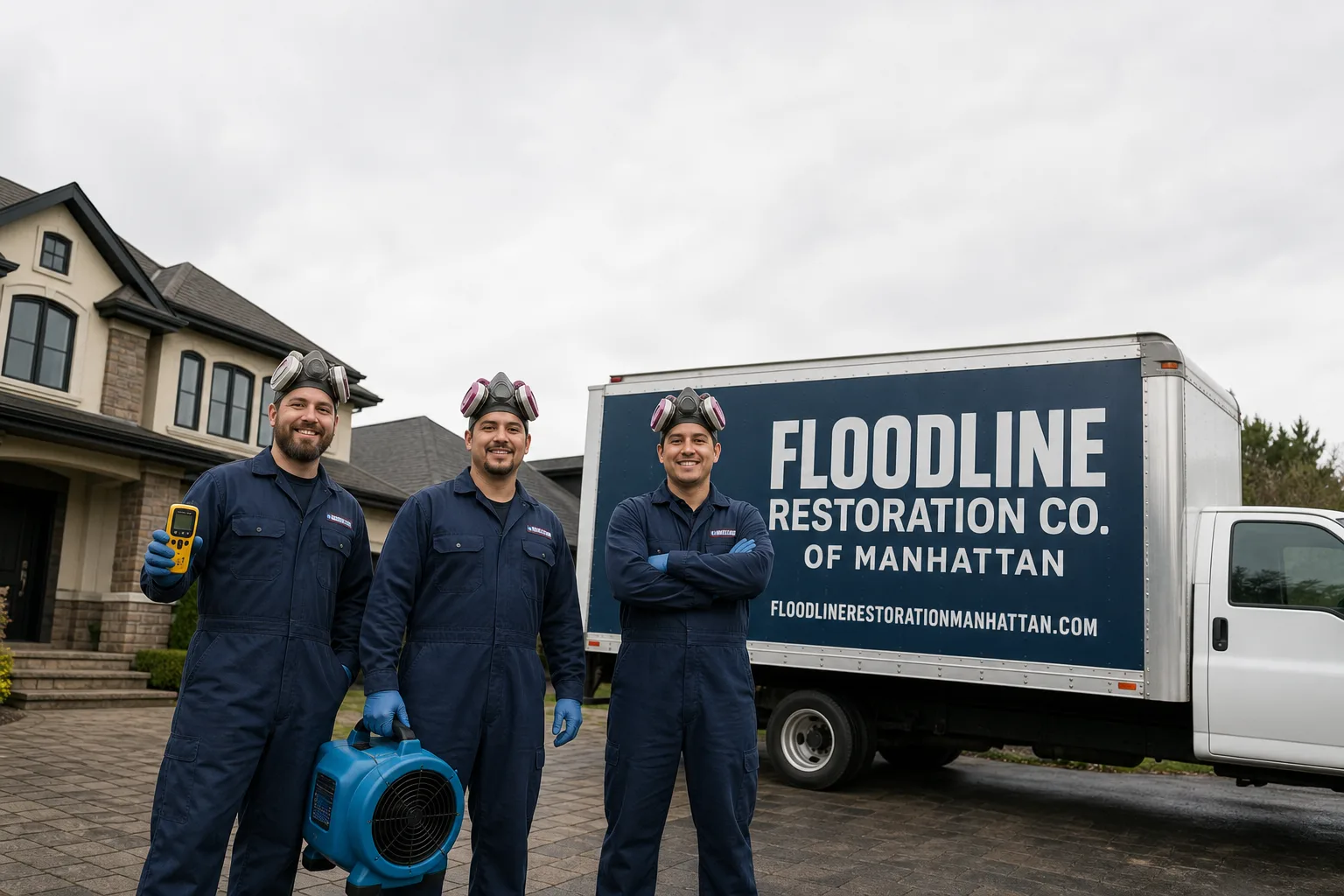
Free visual inspection and a written scope of work before any mitigation begins - photos, moisture readings, and drying logs go in your claim file
The scope we write is the scope we bill. Anything new gets shown to you, in writing, before we touch it.






 Before
 After
After Before
 After
After Before
 After
After24/7 Emergency Commercial Restoration in Forest Hills
A commercial water, fire, or sewage loss in Forest Hills needs a crew on site fast, and our live dispatchers answer (917) 924-4221 at any hour, every day. We do not use answering services or callbacks. A certified crew is dispatched inside the Forest Hills area and can have extraction running the same visit in most cases. The first hour decides whether your flooring, drywall, and inventory survive or get written off. That hour also decides how long your doors stay closed. Floodline Restoration Co. of Manhattan handles the full cycle from first extraction through reconstruction, so you are never handed off to a different company after the emergency phase. Call now and we will put a crew on the road.
Understanding Commercial Restoration Severity in Forest Hills Properties
Commercial restoration in Forest Hills runs into three distinct severity tiers, and the building age usually tells you which one you are facing. Category 1 water comes from a clean supply line, a burst supply valve, or a leaking water heater. Category 2 carries contaminants from appliance overflows or sump failures. Category 3 is sewage, stormwater backflow, or standing water that has picked up bacteria, and it demands full containment, antimicrobial treatment, and aggressive drying before any rebuild. Forest Hills compounds this in two ways. First, the pre-war brick apartments and rowhouses along Queens Boulevard and Austin Street often have lath-and-plaster walls, not drywall. Water migrates inside those cavities and saturates the plaster keys, which stay wet long after the surface feels dry. That hidden moisture is why we use thermal imaging and invasive moisture mapping rather than touching a wall and guessing. Second, the combined sewer system that serves much of Queens backs up into Forest Hills basements during heavy downpours. That means a burst-pipe Category 1 loss can get re-contaminated days later through a floor drain nobody noticed. A proper assessment in Forest Hills means reading the building, not just the puddle.
Why Forest Hills Property Owners Choose Floodline Restoration Co. of Manhattan
- 45-minute response commitment: when you call with an active commercial loss in Forest Hills, we commit to having a crew dispatched and en route inside 45 minutes, day or night.
- 24/7 live answer, always: a real person picks up. Always. Not a recording, not a callback queue. At 3 a.m. on a Sunday, you get a dispatcher.
- IICRC-certified crews: our technicians hold IICRC certifications including WRT (water), FSRT (fire and smoke), and AMRT (mold), plus RIA and IFA training across the roster.
- Free visual inspection: for non-emergency cases, we will walk the property with you, explain what we are seeing, and give you a written scope before any work begins.
- Direct insurance billing: we bill your carrier, deal with your adjuster, and give them the documentation they need. You stay out of the middle.
- One team, start to finish: the same certified crew that extracts on day one handles daily moisture readings, the drying log, and the rebuild. No handoff, no inherited crew.
Our Commercial Restoration Process
Inspection & Assessment
We walk the entire loss area, not just the visible damage. Thermal imaging plus moisture meters tell us how far water has traveled through walls and under flooring. For fire losses, we map soot residue by type and location. You get a written scope with the findings.
Extraction & Stabilization
We remove standing water using truck-mounted and portable extraction units, then set containment if the water is Category 2 or 3. Structural materials that can be saved are stabilized in place. Materials that cannot are documented and removed before they spread contamination.
Drying & Dehumidification
Professional-grade Dri-Eaz dehumidifiers, Phoenix air movers, and Injectidry drying mats go in, positioned off a moisture map, not a guess. We log daily readings and hand you the drying log, which your insurance adjuster uses to close the loss.
Cleaning & Sanitization
All affected surfaces get cleaned and treated to the standard required by the water category or fire residue type. HEPA air scrubbers run during and after the cleaning to capture airborne particulates before finish work begins.
Specialty Treatment
This is where Forest Hills commercial losses separate from the rest. Horsehair-plaster walls get dried in place where possible and repaired with period-appropriate materials where not. Custom millwork, original wood baseboards, and landmarked exterior details are matched and documented, not replaced with big-box stock.
Repairs & Restoration
The same crew rebuilds what was removed, to pre-loss condition. We hand you the completed moisture log, the scope reconciliation, and the 90-Day Done Right Promise in writing.
Need Emergency Commercial Restoration in Forest Hills Now?
Crews minutes away, answering live 24 hours a day. The sooner we start, the less it costs.
Working With Your Insurance Company
A commercial loss in Forest Hills means lost revenue for every day the doors are closed, and the insurance conversation has to move fast. We have handled thousands of these claims and we know what adjusters need to approve a scope without stalling. Documentation starts the first hour: photos of the loss room by room, moisture readings from day one, a line-item scope of work, and a daily drying log. The owner of the building never plays messenger between us and the carrier. We speak to the adjuster directly. Curt Bowman and the entire Floodline Restoration Co. team stand behind the 90-Day Done Right Promise, in writing, on every commercial job.
What We Provide Your Insurer
- Thorough documentation of the loss
- Photos of all damage, room by room
- Moisture readings and drying logs
- A detailed, line-item scope of work
- Direct coordination with your carrier
Built for Forest Hills’s Loss Calendar
Forest Hills commercial properties take losses on a pattern that matches the New York City weather calendar. January and February deep freezes burst supply lines in pre-war buildings with original galvanized and early copper piping, and those bursts saturate lath-and-plaster walls and flooring before anyone discovers them. March and April bring thaw and spring rain, which overloads the combined sewer system and pushes Category 3 backups into basement offices and storage rooms along Queens Boulevard and Austin Street. Summer thunderstorms dump inches of water in an hour, and the neighborhood’s many flat-roofed pre-war apartment buildings and commercial strips pond water until it finds a crack and migrates down into tenant spaces, soaking original plaster ceilings. Nor’easter season in the fall and early winter repeats the cycle with wind-driven rain and extended power outages that complicate drying. Forest Hills commercial owners should know their building’s loss season before it arrives, and have our number saved.
Commercial Restoration Across Forest Hills’s Neighborhoods
Forest Hills is not one building type, and a commercial restoration call on one side of Queens Boulevard is not the same job as one on the other. Along the Queens Boulevard corridor and Austin Street, we respond to storefronts and mixed-use buildings from the 1920s through 1940s, where a water loss above a retail space drops through original wood-framed floors and into the shop below. In Forest Hills Gardens, the 1909 Tudor Revival commercial and mixed-use buildings inside the landmarked district require Landmarks Preservation Commission approval before any exterior repair or period-material replacement, and interior losses in those properties often involve horsehair plaster and custom millwork that cannot be bought off a shelf. The attached brick rowhouse blocks near Metropolitan Avenue and the surrounding side streets see more basement sewage backups during heavy rain, because they sit on the same overtaxed combined sewer lines as the older residential stock. And the multi-unit co-op and condo buildings around 71st Avenue and Continental bring HOA restoration calls where the building’s insurance, the unit owner’s insurance, and the commercial tenant’s policy all have to be satisfied with one documented scope. We run every one of those response routes weekly.
Specialized Commercial Restoration Services We Offer in Forest Hills
Office & Retail Restoration
A water or fire loss in a Forest Hills office or storefront means lost revenue for every hour the space is dark. We extract, dry, and rebuild with a schedule built around getting your doors back open, and we document every day of business interruption for your claim.
Multi-Unit & HOA Restoration
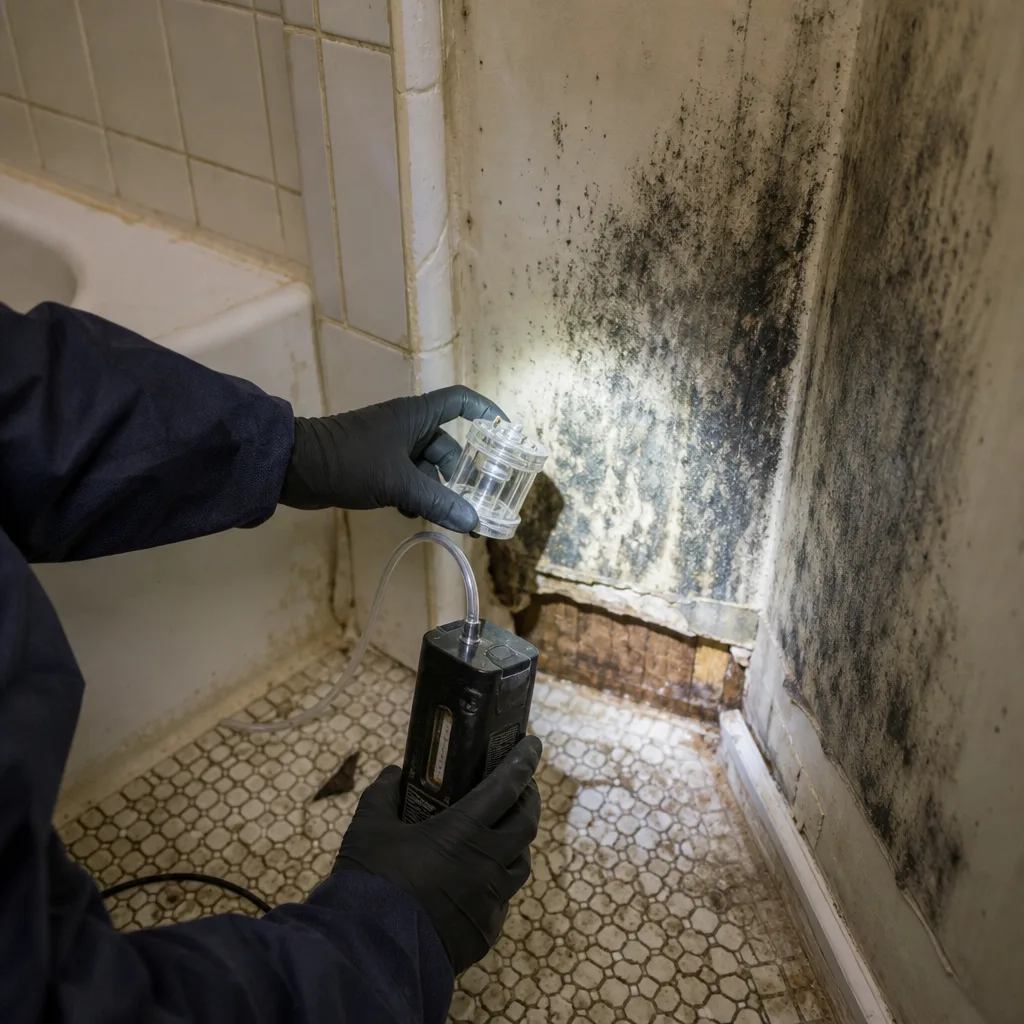
Forest Hills is dense with co-ops, condos, and managed multi-unit buildings, and those losses involve three parties: the building policy, the unit owner, and the commercial tenant. We produce one documented scope that satisfies all of them, and we bill the carriers directly so the board isn’t chasing paper.
Industrial Facility Cleanup
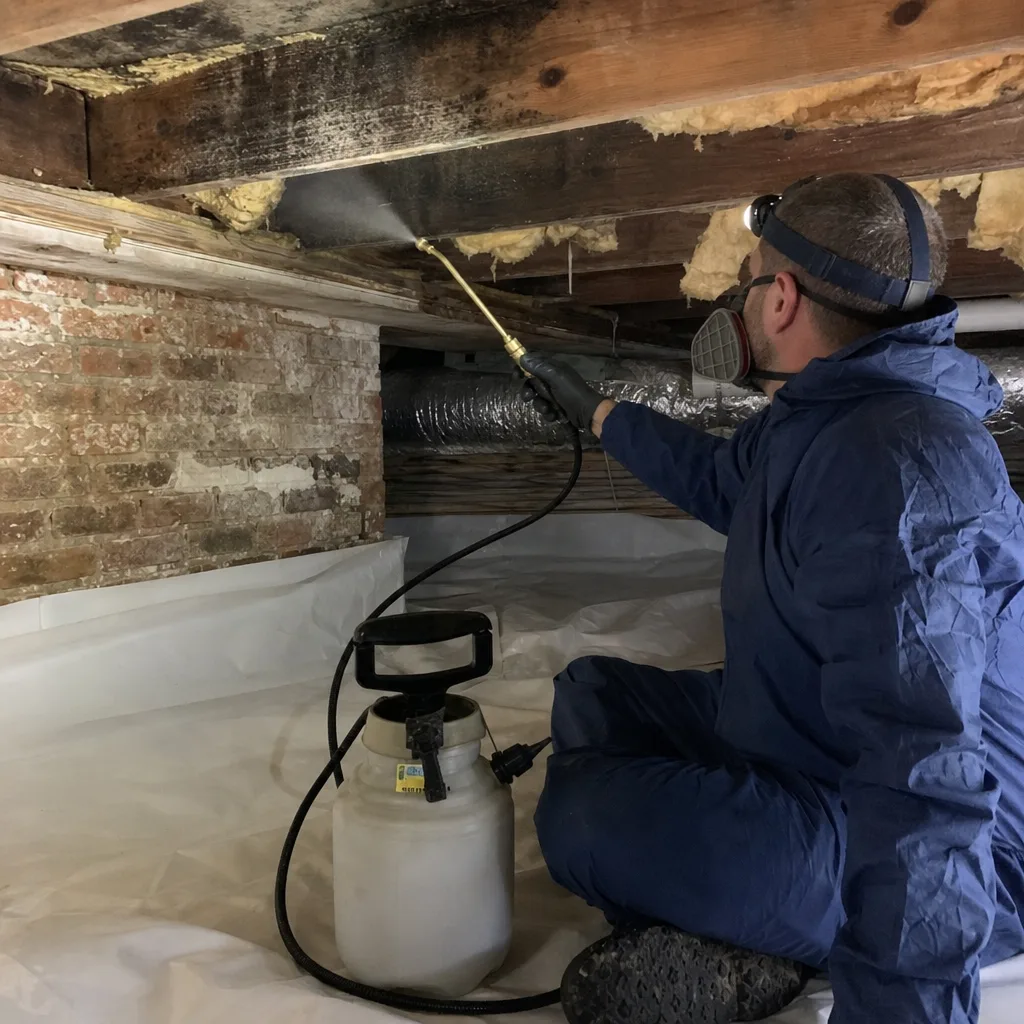
For warehouse and light industrial spaces in Forest Hills and the surrounding blocks, we handle large-scale water extraction, contamination cleanup, and structural drying with commercial-grade Dri-Eaz and Phoenix equipment sized for the square footage.
Large-Loss Response
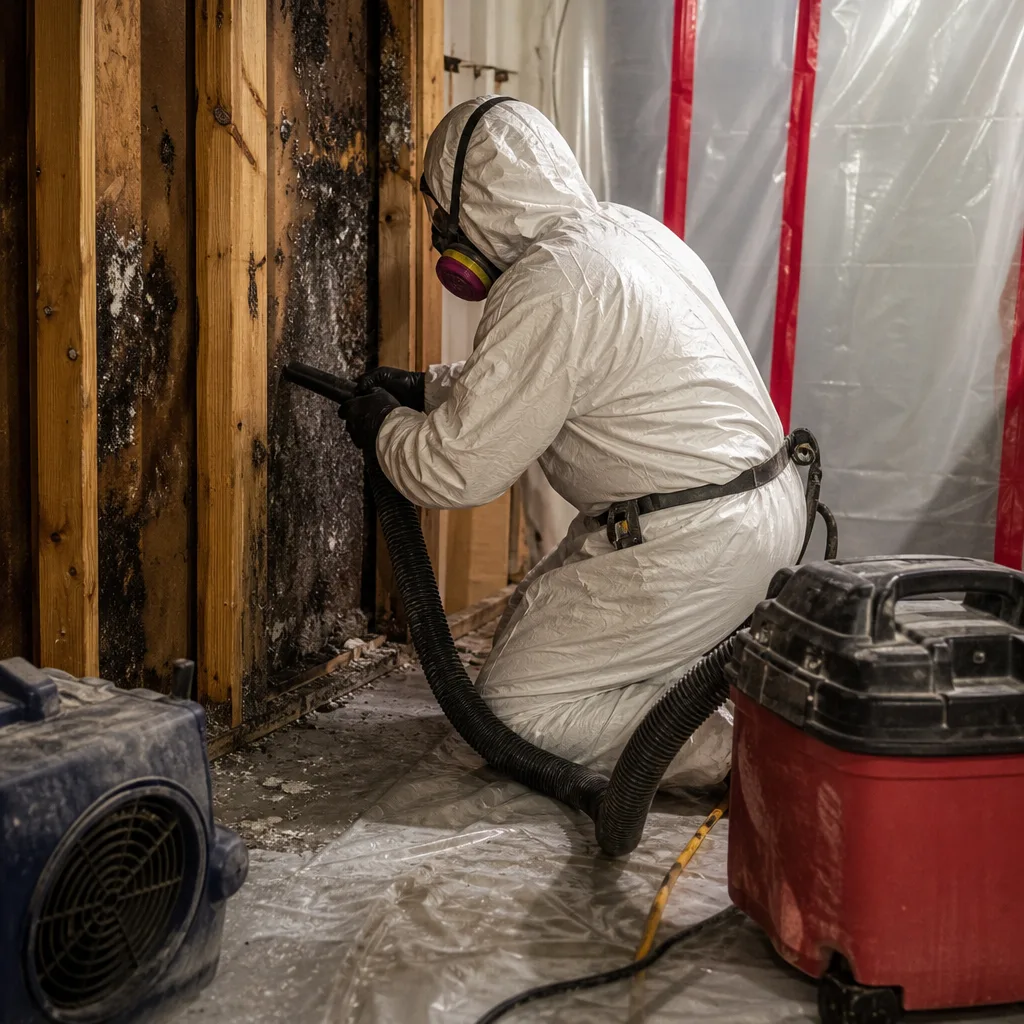
When a nor’easter or a major sewage backup hits an entire Forest Hills building, we mobilize multiple crews with full equipment sets. Large-loss response means an incident command plan, not a pickup truck with a wet vac.
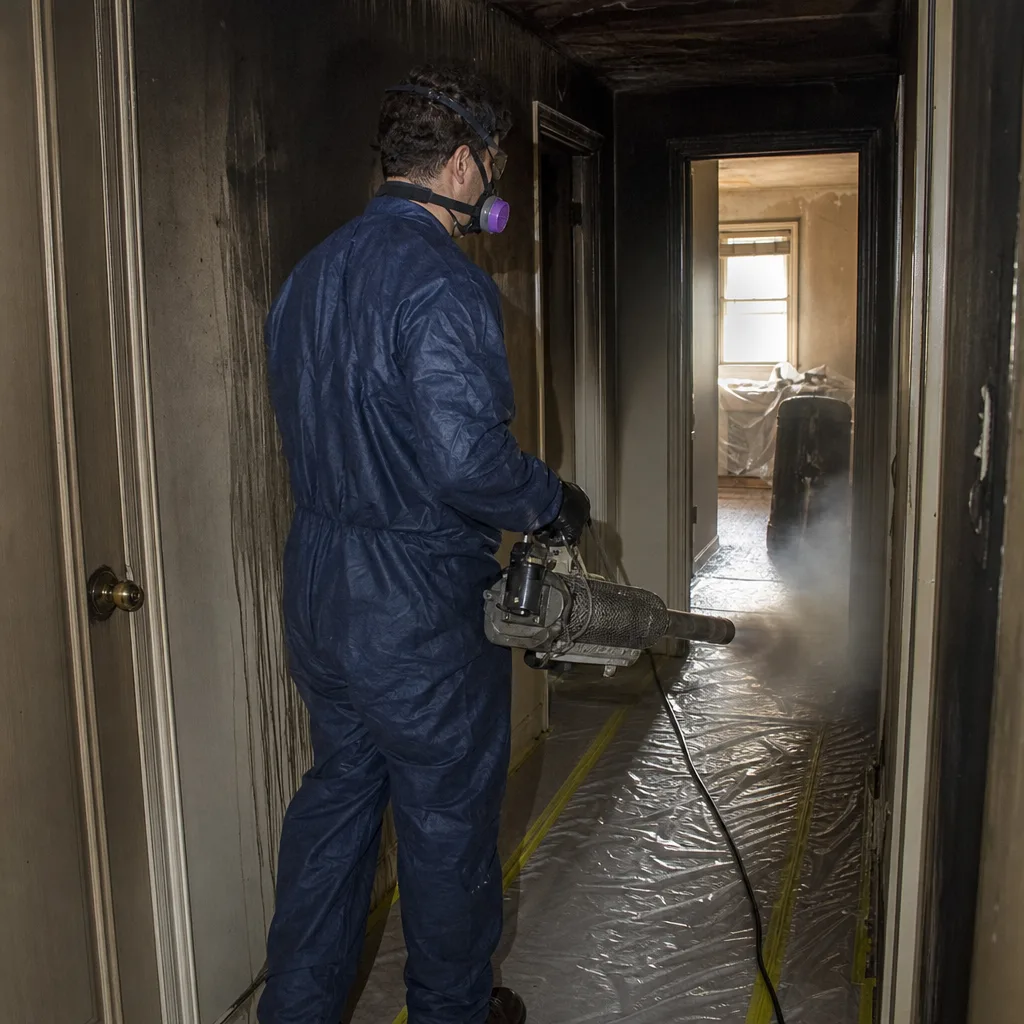
Business Interruption Minimization
Speed and documentation are the two levers that minimize business interruption. We respond inside 45 minutes, contain the loss, and start drying the same visit, and we give your carrier the daily documentation they need to keep the claim moving.
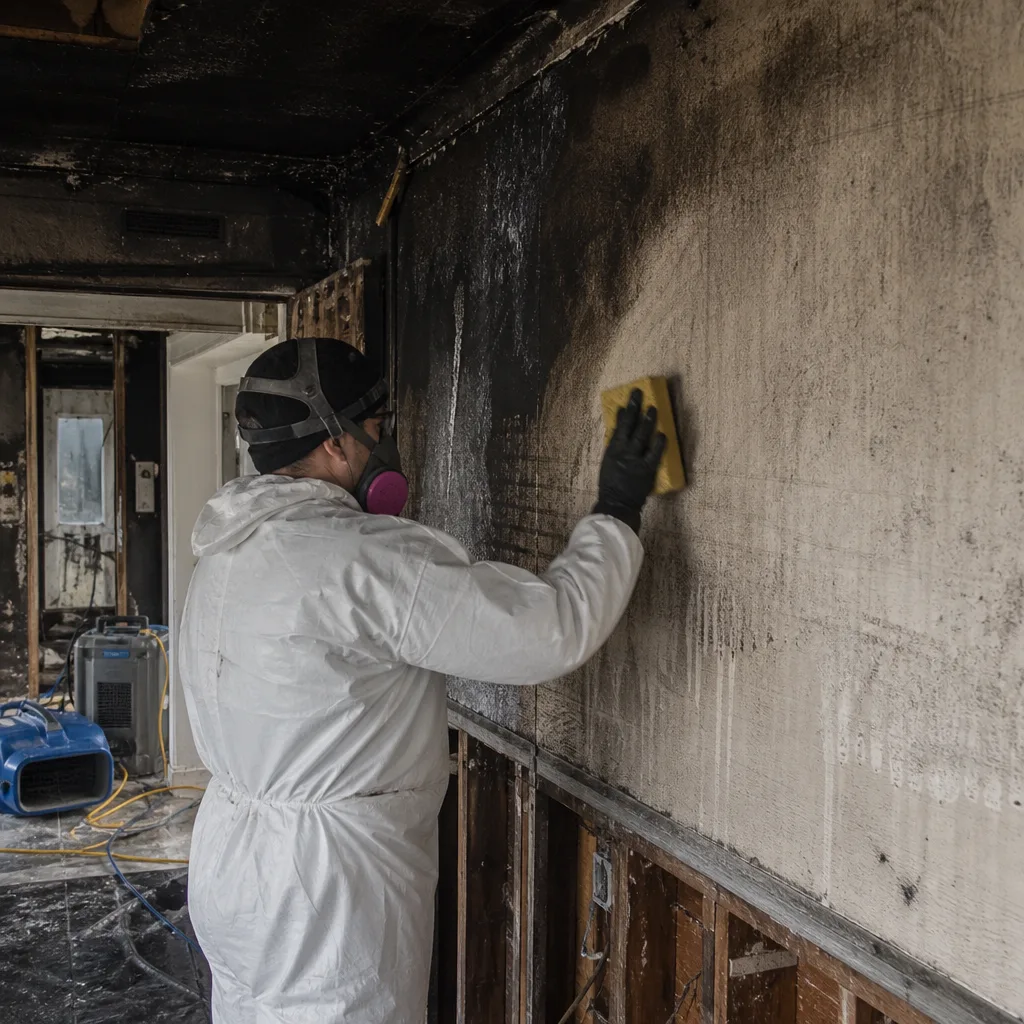
Document & Inventory Recovery
For Forest Hills offices, medical practices, and retail spaces with paper files, inventory, or electronics caught in a water or fire loss, we document, pack out, and stabilize salvageable items while the structural restoration proceeds. The inventory list becomes part of your claim file.
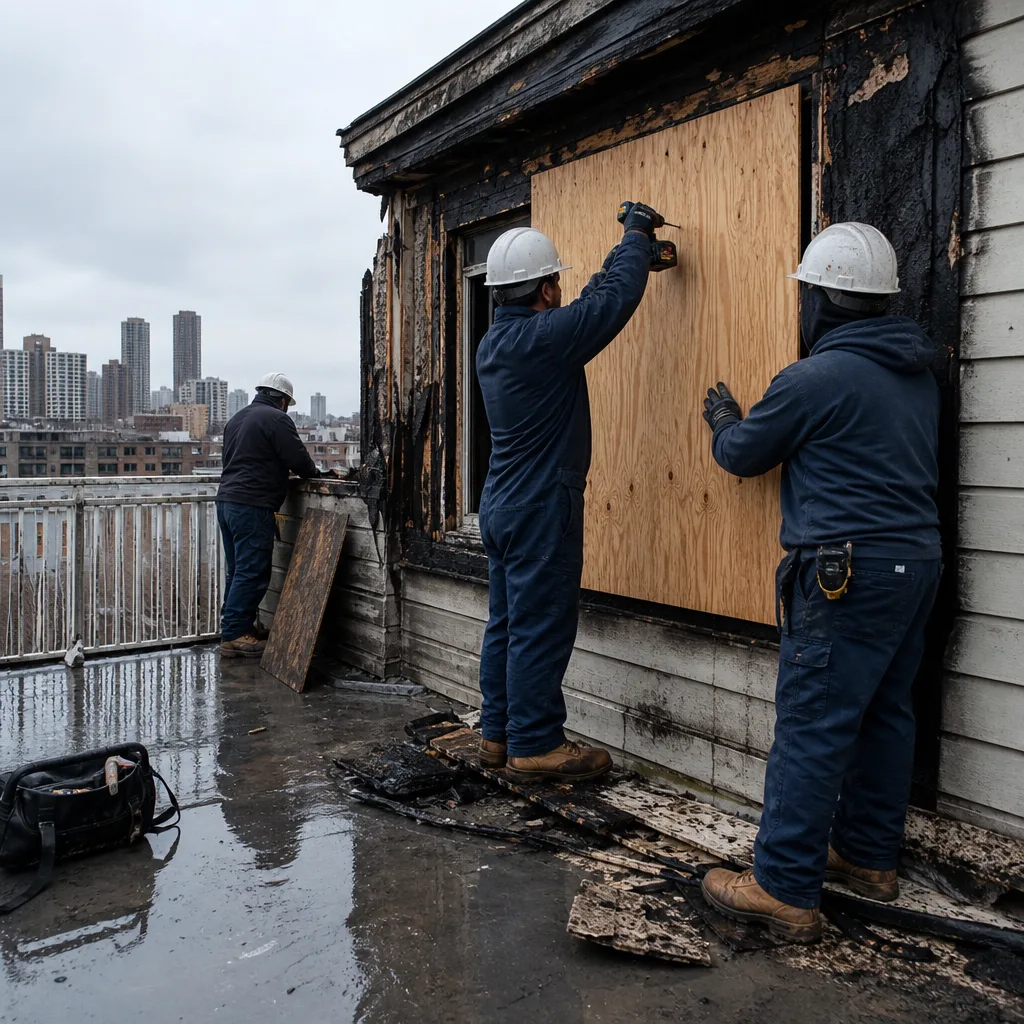
What happens when you call
- 1
A real person answersNo phone trees - you reach a local pro.
- 2
You get an upfront price rangeHonest numbers before anyone is dispatched.
- 3
A background-checked tech heads outLicensed & insured, dispatched right away.
- 4
You approve before work beginsNothing starts until you say go.
Commercial Restoration Costs in Forest Hills, NY
Commercial restoration pricing in Forest Hills runs higher than in newer-built parts of Queens, because the building stock is older and the standards are stricter. A straight Category 1 water extraction with drying on a modern office buildout in Forest Hills typically runs $2,500 to $6,000. A sewage backup in a basement commercial space on a Queens Boulevard storefront, with containment, antimicrobial treatment, and structural drying, runs $6,000 to $18,000 depending on square footage and how far the water migrated. A commercial fire loss in a pre-war building with smoke sealing, soot removal, and reconstruction commonly runs $15,000 to $60,000 or more. Forest Hills Gardens jobs add another layer: LPC filing, period-material sourcing, and horsehair-plaster artisans push material and labor costs up by 30 to 50 percent over a comparable Rego Park job. Every estimate starts from a free visual inspection and a written scope, so you know the number before work starts. Call (917) 924-4221 and we will walk you through it.
We Also Serve Cities Near Forest Hills
Our crews respond to commercial losses in Forest Hills and the surrounding areas, including Rego Park, Kew Gardens, Corona, and Middle Village. If your building sits just over the boundary, call us and we will get a crew moving.
Serving Forest Hills, NY - Our Local Coverage Area
We’re based in the Forest Hills area and know this community well. Use the map below to see our service coverage - if you’re nearby, we can almost certainly help.
Forest Hills Commercial Restoration Questions, Answered
Do Forest Hills Gardens commercial properties really need Landmarks Preservation Commission approval for every restoration step?
Yes, for any exterior work or any repair that alters a landmarked interior feature, the Landmarks Preservation Commission must approve the scope and the replacement materials before the work proceeds. The commercial buildings inside Forest Hills Gardens fall under the LPC district designation, and a water or fire loss that opens a wall or damages original millwork triggers a filing. Restoration crews that try to patch those properties with standard drywall and stock trim get red-flagged at inspection and the owner pays for a redo. We file the LPC paperwork as part of the restoration scope and have period-material sources already lined up. Call (917) 924-4221 if you are facing a loss inside the Gardens.
What makes water extraction in a 1920s pre-war commercial building on Queens Boulevard different from a modern office?
The walls and floors hold water differently. In a modern office with drywall and plywood subfloor, water extracts fast and the cavity dries in days. In a 1920s pre-war commercial building, the walls are lath-and-plaster over wood framing and the floors are often original pine or oak over old-growth joists. Water saturates the plaster and the framing, and it stays there long after the surface dries. If you stop drying early, the hidden moisture blooms into mold inside the wall cavity months later. We leave drying equipment in place until the moisture log shows the material has returned to dry standard, not just dry to the touch.
How do you handle sewage backups in Forest Hills basements without shutting down the whole business?
We contain. A Category 3 sewage loss in a basement office or storage room does not have to close your entire operation if we get containment set quickly. We isolate the affected zone with poly sheeting and negative air pressure, extract the contaminated water, treat the surfaces, and run HEPA air scrubbers at the containment boundary. The rest of the building stays operational while the contained area dries. The key is starting before the contamination aerosolizes and spreads through the HVAC system. The sooner you call after the backup, the smaller the contained zone has to be.
Can a burst pipe in a Forest Hills Gardens office be dried in place, or does the wall always come out?
Often it can be dried in place. If the water is Category 1 from a clean supply line and we reach it before saturation has compromised the plaster, we use Injectidry drying mats pushed against the affected wall with controlled airflow behind them. That pulls the moisture out of the plaster and the framing without opening the wall at all, which means no LPC filing and no period-material replacement. If the plaster is already failing or the water is contaminated, the wall section has to come out and be rebuilt to LPC standards. The moisture readings make that call, not the clock.
What documentation does our business need from a restoration contractor for an insurance claim on a Forest Hills pre-war building?
Your carrier needs a documented chain from loss to dry standard. That means photos of the damage room by room before any demolition, a moisture map showing the affected materials and the drying goal for each, daily moisture readings until every surface meets dry standard, a line-item scope of work with materials specified, and clear documentation of any Category 2 or 3 water so the adjuster knows the treatment was appropriate. We produce all of that as part of the job and hand it to your adjuster directly. The 90-Day Done Right Promise in writing is the backstop that every bit of that work stands up.
How fast can you actually reach a commercial property in Forest Hills?
We commit to a 45-minute dispatch for active commercial losses in Forest Hills, and our local crews usually reach the property faster than that. The dispatch office is live 24 hours a day, so the clock starts when you call, not when someone checks a voicemail. For non-emergency commercial inspections, we schedule same-day or next-day walkthroughs and keep those appointments.
Is commercial restoration in Forest Hills more expensive than nearby areas like Rego Park or Kew Gardens?
It depends on the building. A modern office with drywall walls and a concrete slab in Rego Park costs less to restore than a 1920s Forest Hills commercial building with lath-and-plaster walls and original millwork, because the materials and the labor are different. A Forest Hills Gardens property costs the most, since LPC filing, period-material sourcing, and artisan plaster work add 30 to 50 percent to the scope. We give you a written line-item estimate before work starts, so you see exactly where the money goes. Call us and we will walk the property with you.
What should our staff do in the first 30 minutes after a commercial water loss in Forest Hills?
Safety first: cut power to the affected area if water has reached outlets or electrical panels, and keep staff out of standing water until the source is confirmed. Do not open walls or pull flooring yourself, especially in a pre-war building, because you may disturb asbestos or lead paint that a licensed crew must handle. Call us at (917) 924-4221 and start taking photos for the insurance file. Then keep doors closed to limit airflow and contamination spread. A call in the first 30 minutes usually means a smaller contained zone, a shorter drying time, and a faster reopening.
If your Forest Hills commercial property is standing in water, filled with smoke, or facing a sewage backup, call (917) 924-4221 right now. A live dispatcher answers, a crew gets dispatched, and we stay with the job from first extraction through finished rebuild. Free visual inspection, direct insurance billing, and the 90-Day Done Right Promise in writing on every job. That is the deal. We stand behind it.
Written by Curt Bowman, Owner at Floodline Restoration Co. of Manhattan, serving Forest Hills and all of New York City since 2010.