
Free visual inspection and a written scope of work before any mitigation begins - photos, moisture readings, and drying logs go in your claim file
The scope we write is the scope we bill. Anything new gets shown to you, in writing, before we touch it.
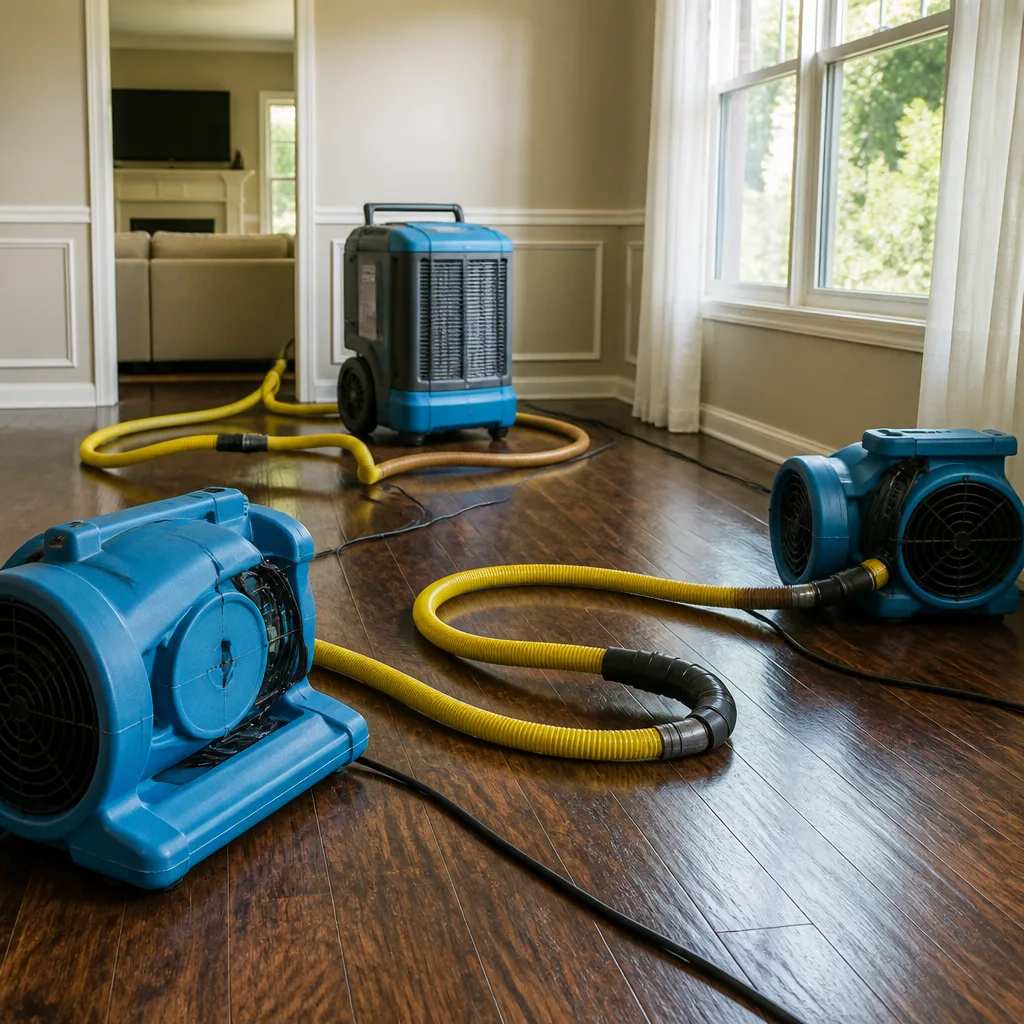
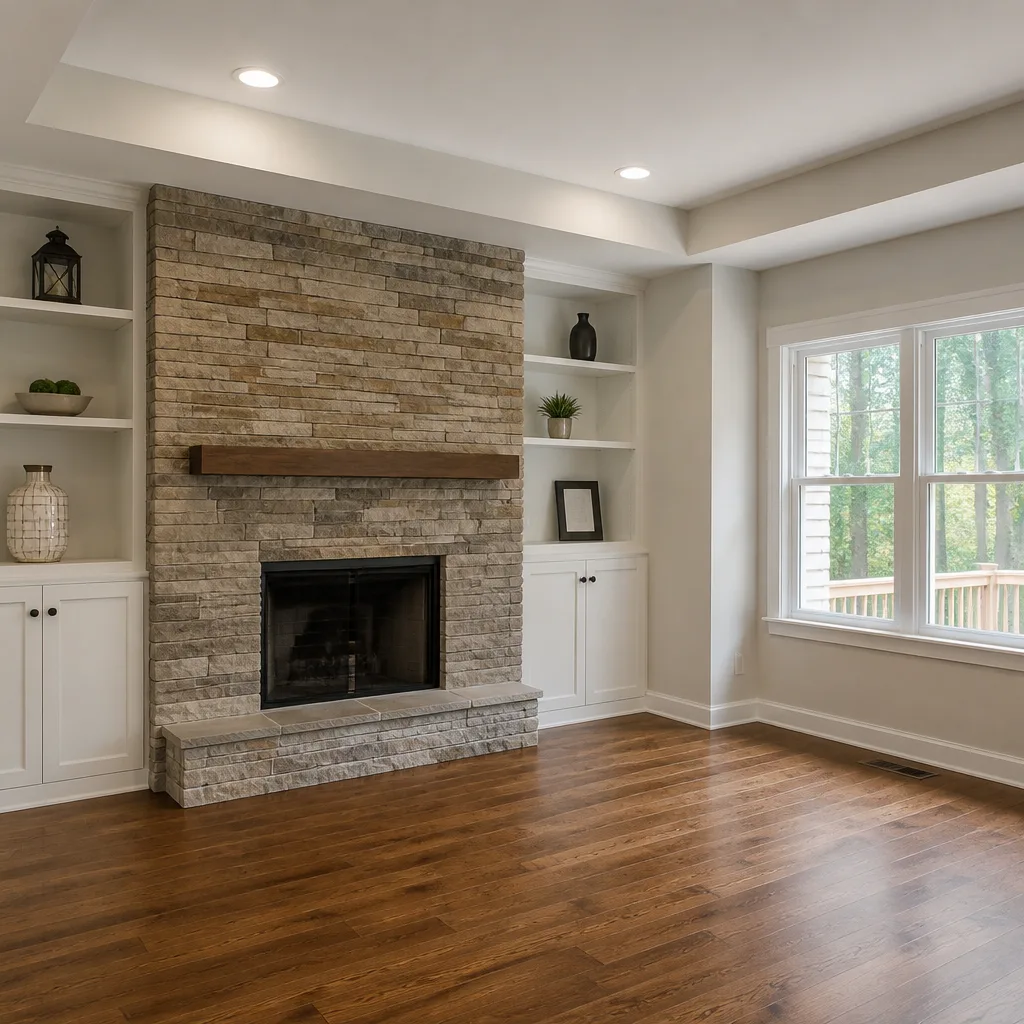
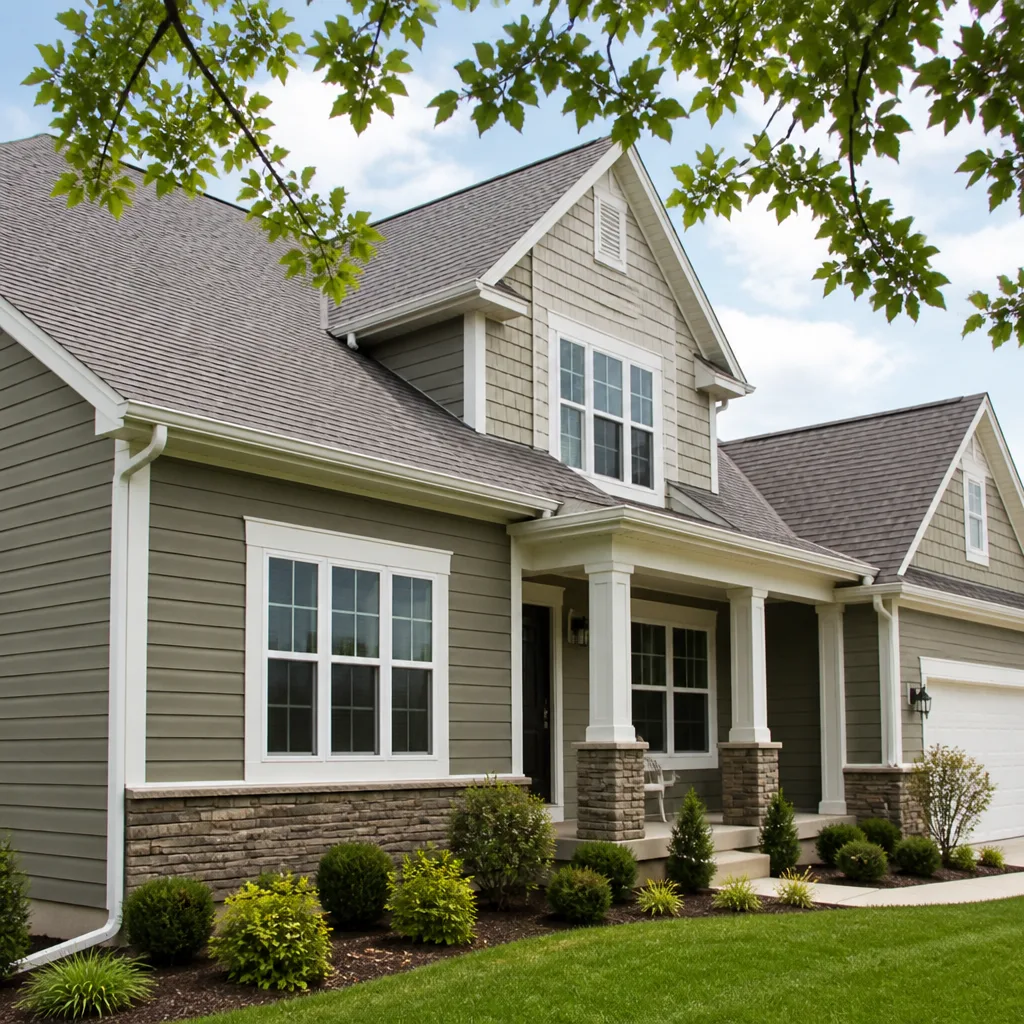
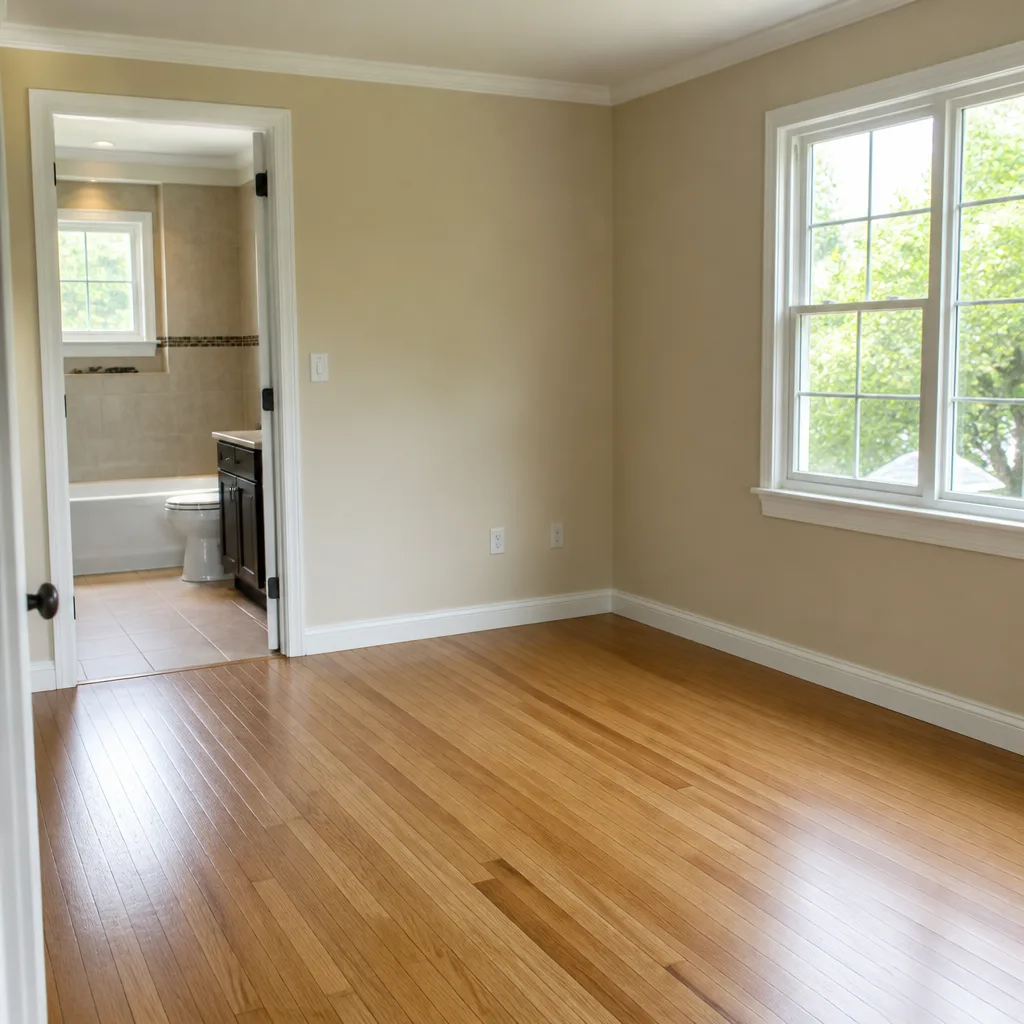
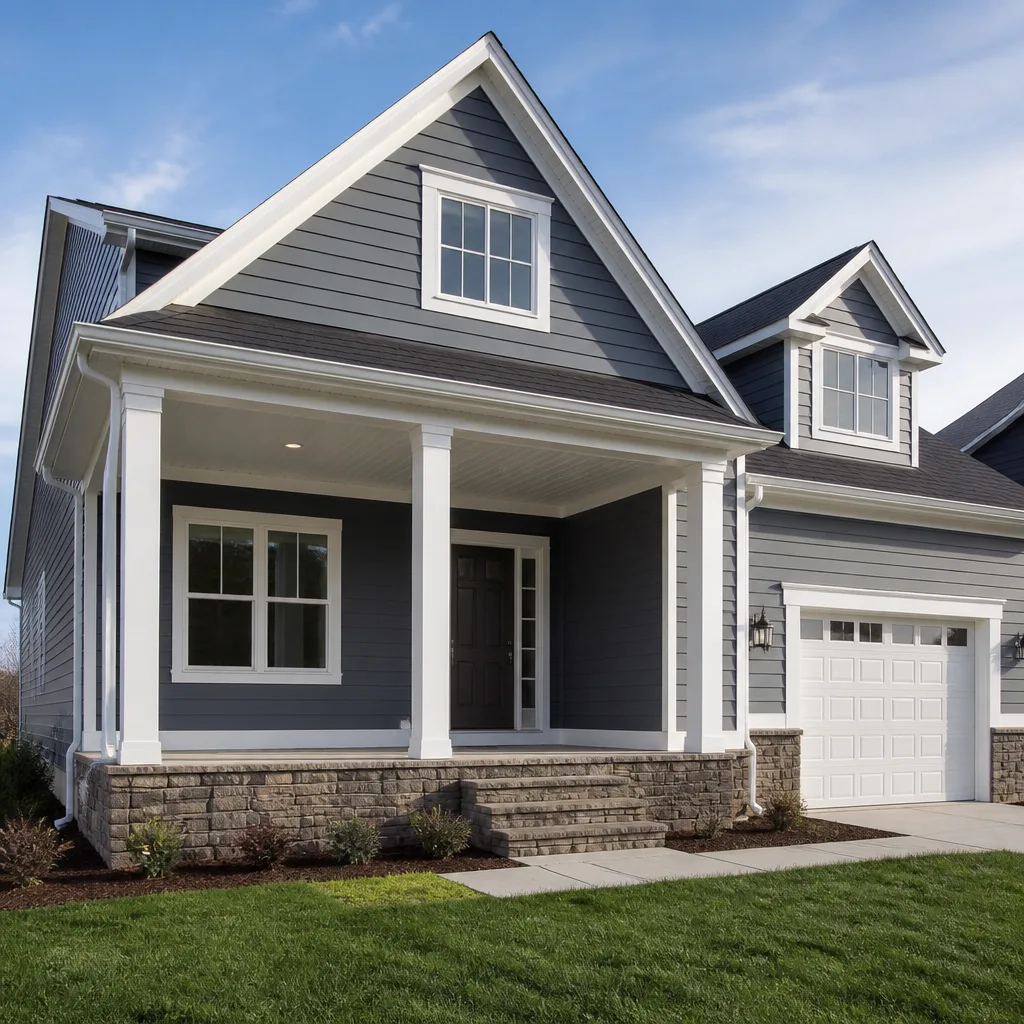
 Before
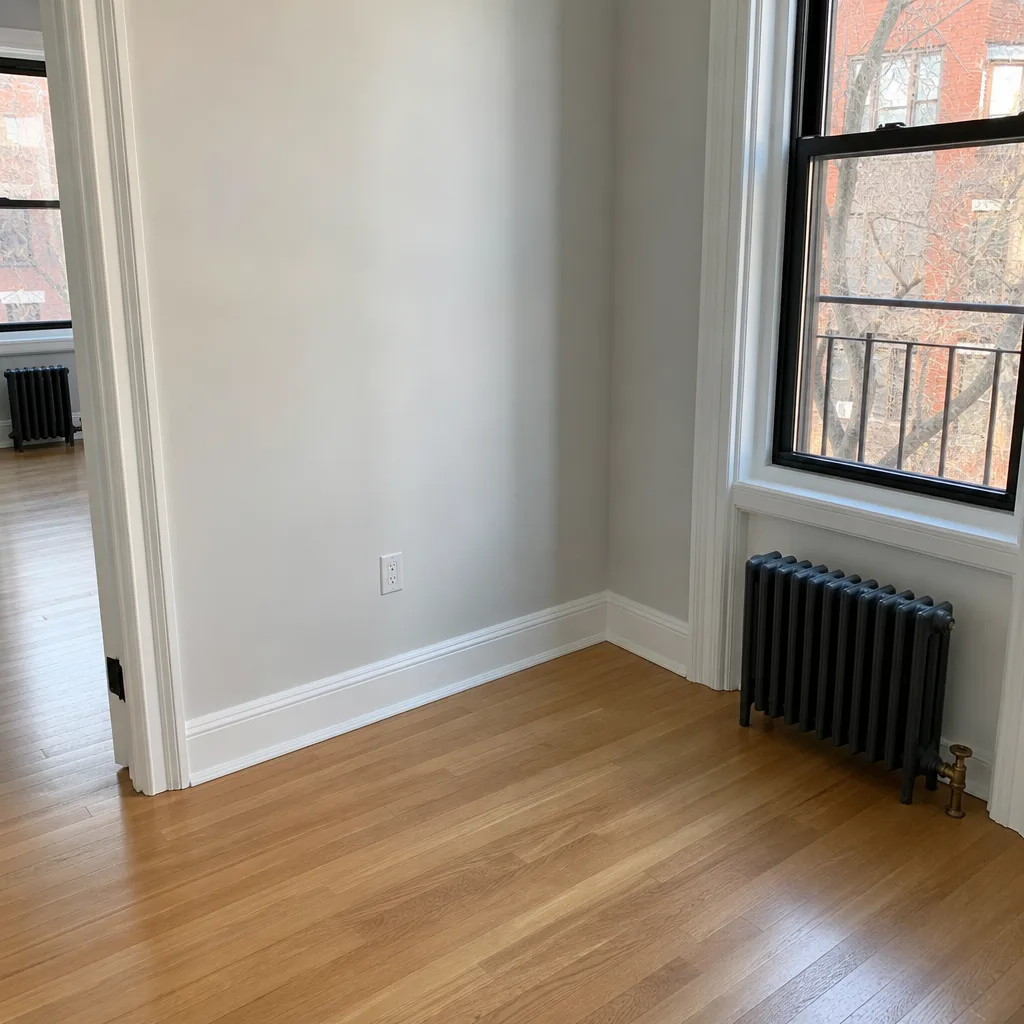 After
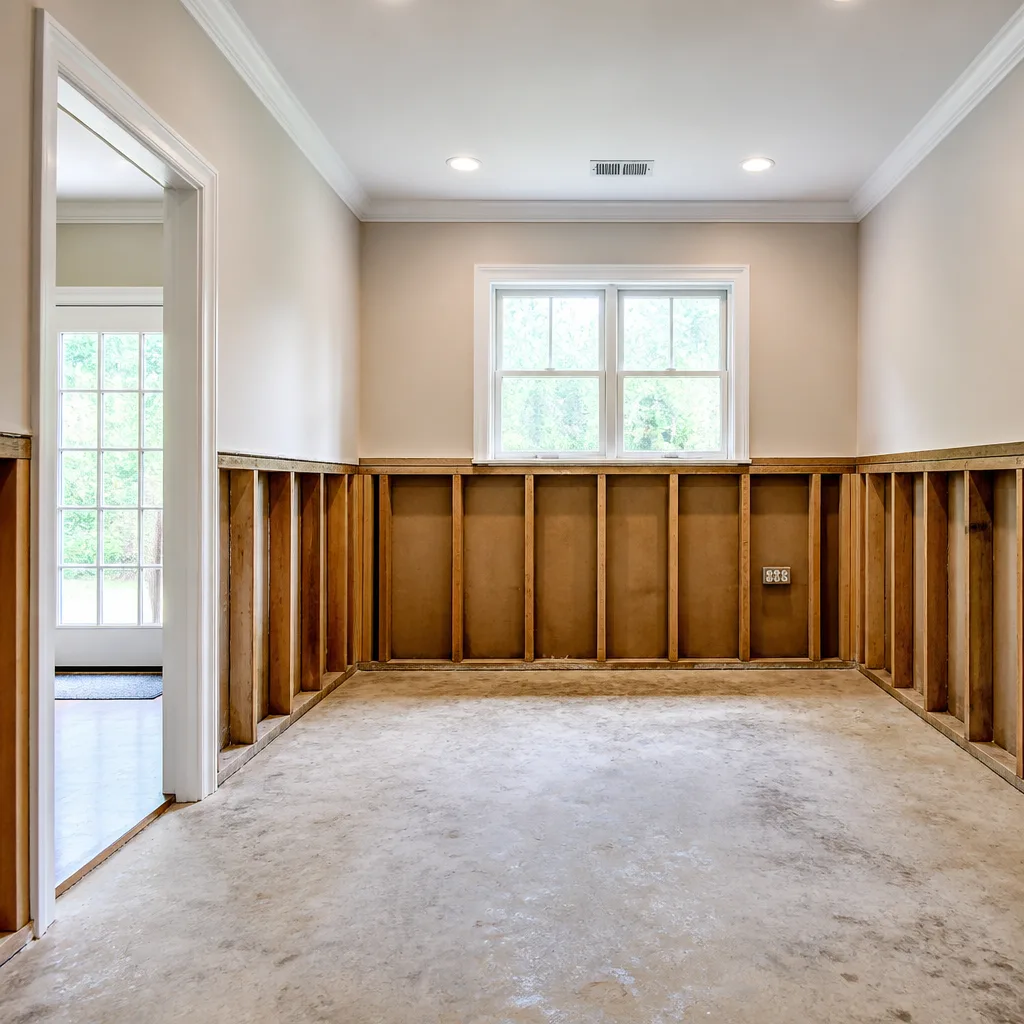
After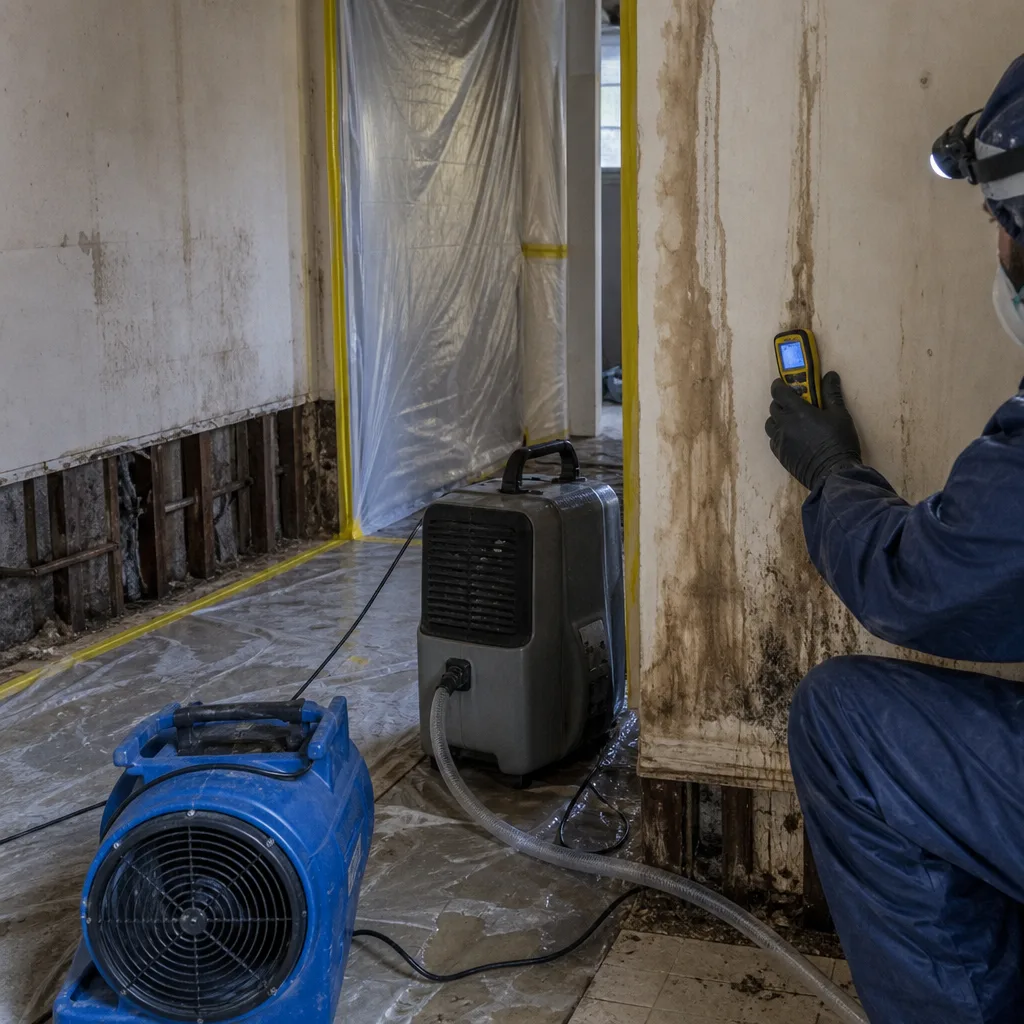 Before
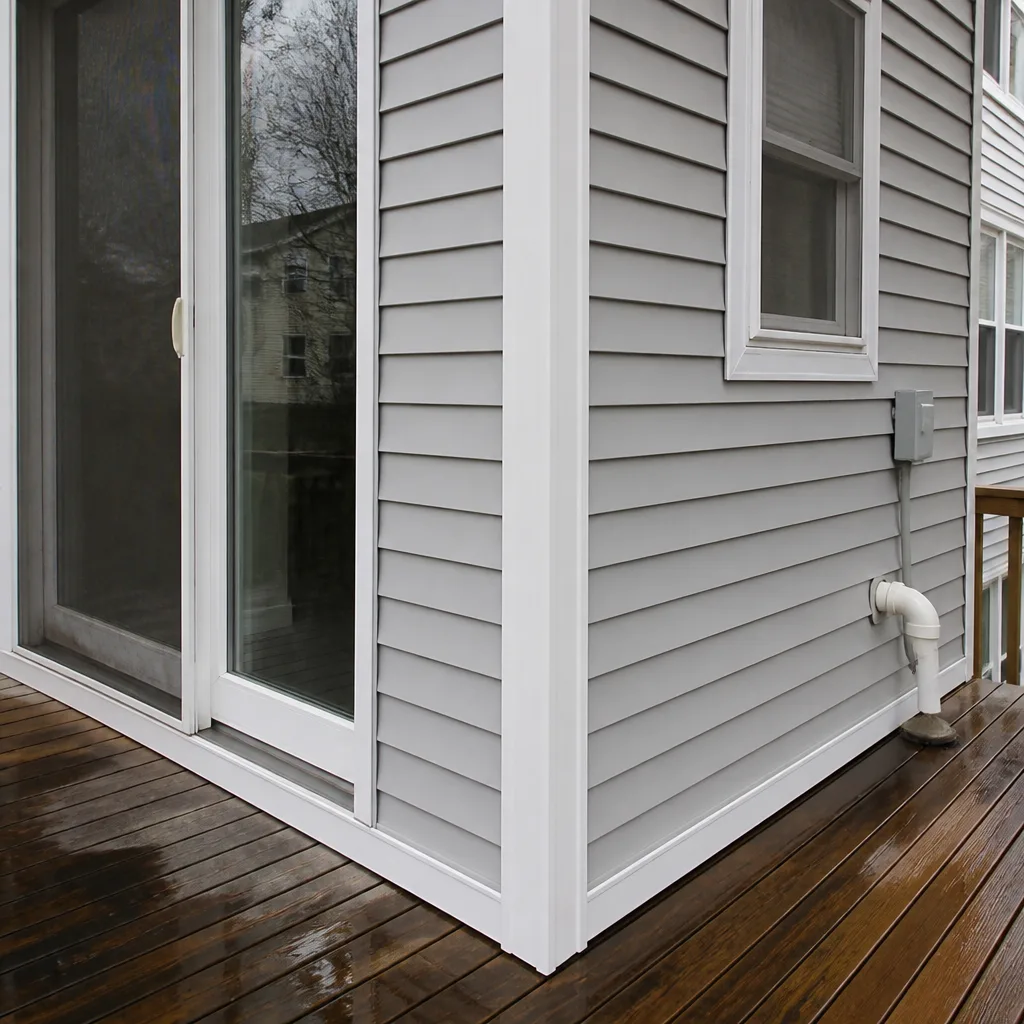 After
After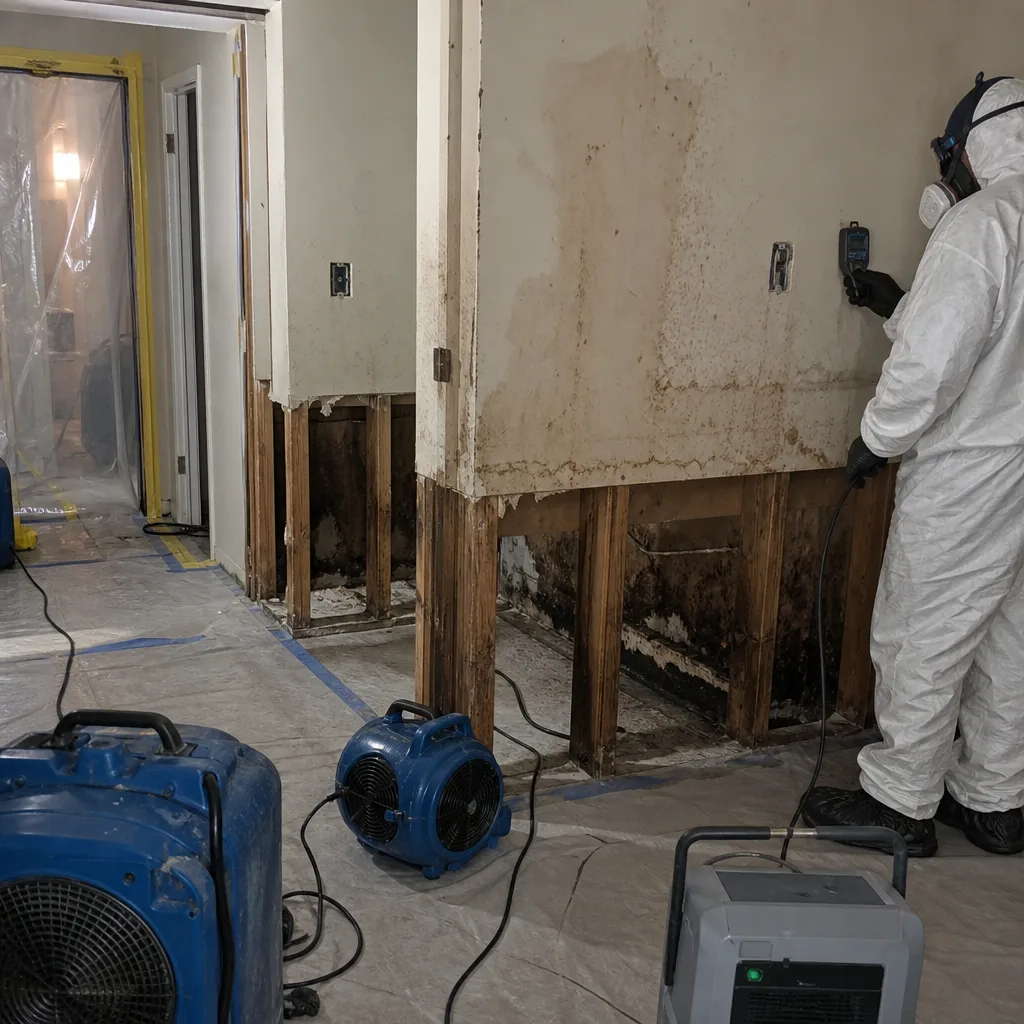 Before
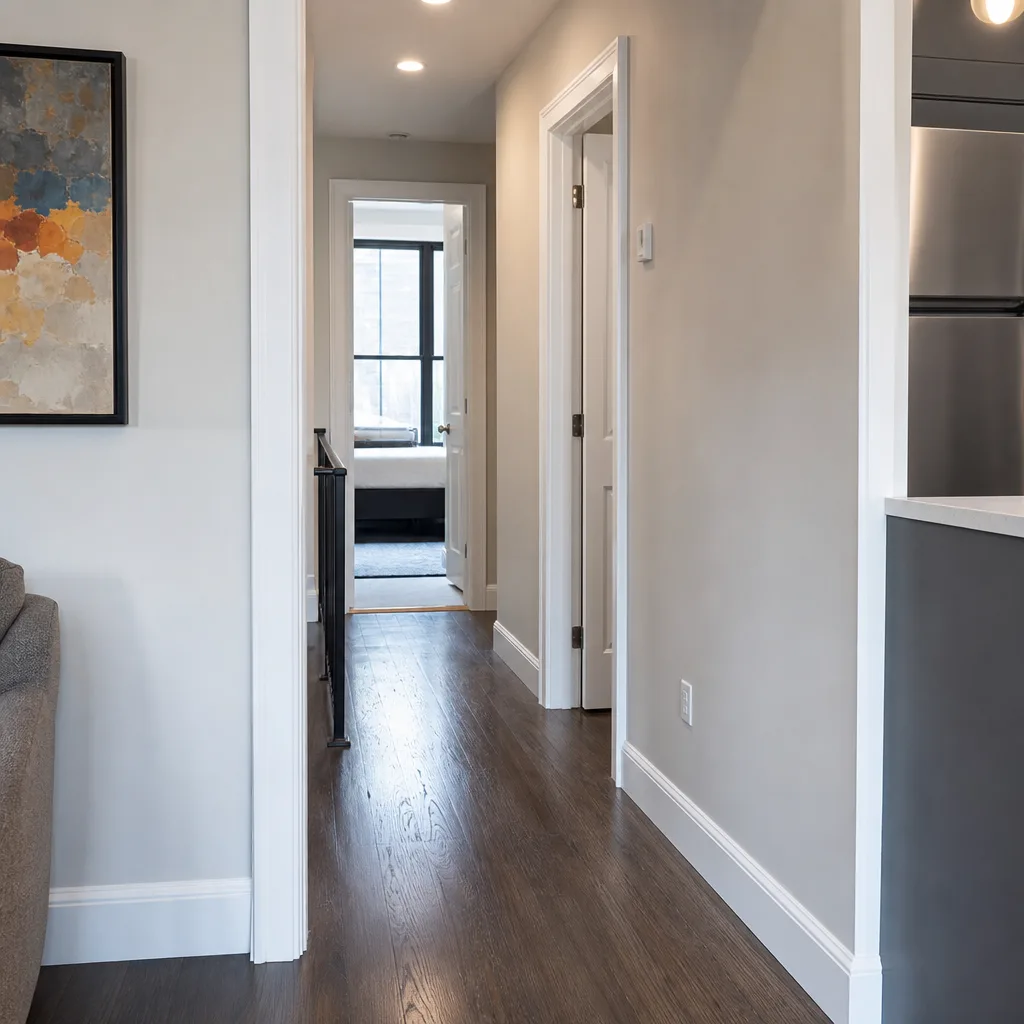 After
After24/7 Emergency Commercial Restoration in Lower Manhattan
Commercial restoration in Lower Manhattan means responding fast when a pipe lets go inside a 19th-century cast-iron building or storm surge finds its way into a sub-grade mechanical room. We answer live, 24 hours a day, and dispatch crews into the Financial District, TriBeCa, and Battery Park City within 45 minutes. Call (917) 924-4221 and a real person picks up, not a recording. The first hour after a commercial water event decides whether you’re drying out or tearing out. Free visual inspection on every call, day or night.
Understanding Commercial Restoration Severity in Lower Manhattan Properties
Lower Manhattan’s commercial stock is unlike any other restoration market in the country. We’re talking about 19th- and early 20th-century masonry warehouse buildings with cast-iron facades, converted into offices, retail, and residential lofts, sitting alongside 1980s-era towers built on Hudson River landfill. Category 3 black water from a sewer backup or storm surge moves differently through these buildings. The thick brick and stone walls absorb water and hold it for weeks. Deep sub-grade basements sit at or near the water table, so even a clean Category 1 supply-line break becomes a mold risk within 24 to 48 hours because ambient humidity in those spaces rarely drops below 60%. Restoration here requires moisture mapping behind walls, not just on surfaces, and structural drying plans built around masonry’s slow release of bound water. A technician who stops when the drywall feels dry is leaving a mold colony behind in a TriBeCa loft building.
Why Lower Manhattan Property Owners Choose Floodline Restoration Co. of Manhattan
- 45-minute response commitment to any Lower Manhattan address. From the Battery to Canal Street, our crews are already in the neighborhood, not coming from a depot in Queens or Jersey.
- A live person answers at 2 a.m. Our dispatch board is staffed around the clock by people who know restoration, not an automated phone tree. That’s been true since Curt Bowman founded this company in 2010.
- IICRC-certified crews with the right codes for commercial work. WRT for water damage, FSRT for fire and smoke, AMRT for mold. Background-checked, uniformed, and trained to RIA and IFA standards as well.
- Free visual inspection before any work begins. We walk the loss with you, show you what we found, and put a scope in writing. No pressure, no surprise line items.
- Direct insurance billing. We talk to your carrier directly so you never play messenger. We document everything from the first hour and hand the adjuster a complete file.
- One team from extraction to reconstruction. The same certified crew that reads the moisture map on day one dries the building, logs daily readings, and rebuilds what needs rebuilding. No mid-job handoff.
Our Commercial Restoration Process
Inspection & Assessment
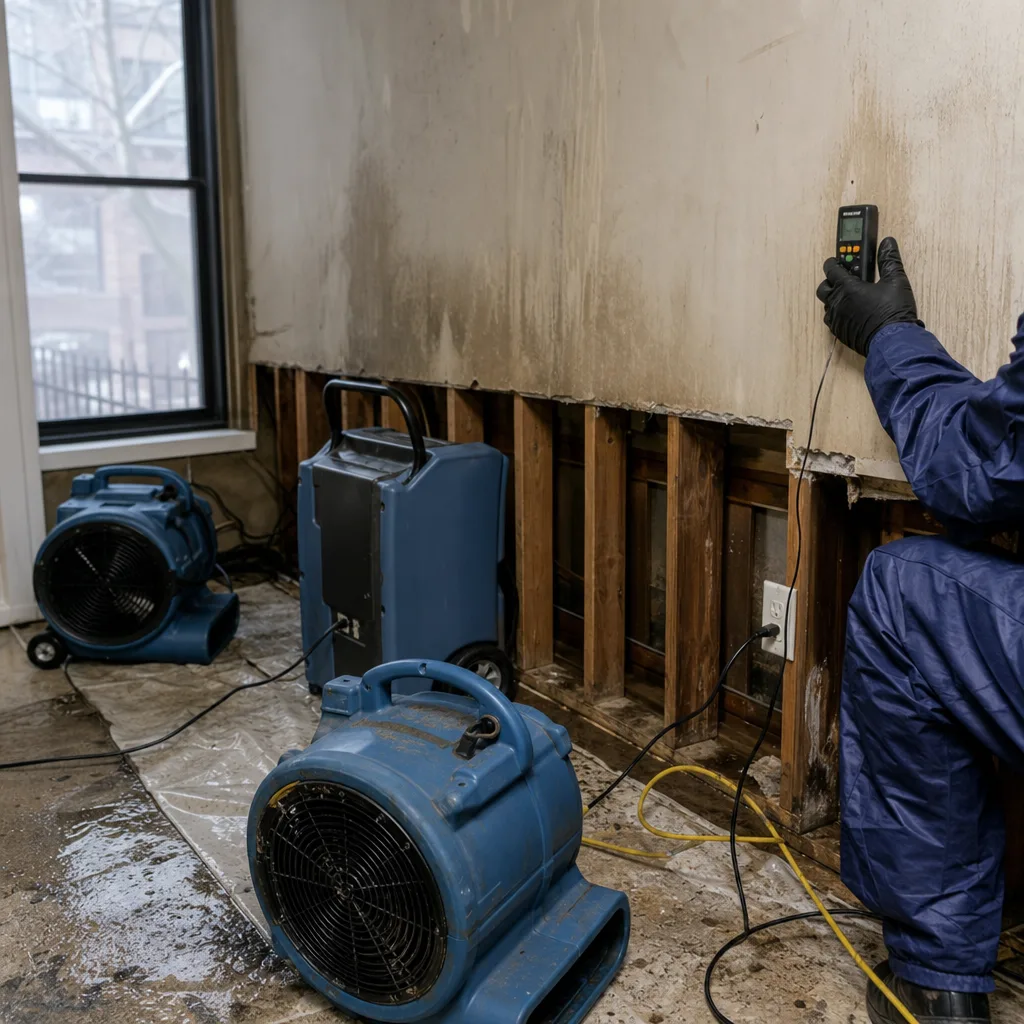
We arrive, walk the full loss with you, and document everything. Thermal imaging finds water behind walls and under floors. In Lower Manhattan, we also check upper-floor mechanical closets and rooftops, because so many buildings moved critical equipment above the flood line after Sandy.
Extraction & Stabilization
We pump standing water out immediately, starting in sub-grade spaces where Category 3 water from storm surge or sewer backup carries contaminants. The faster extraction starts, the less masonry absorbs. That’s the difference between a 5-day dry and a 3-week mess.
Drying & Dehumidification
Phoenix air movers and Dri-Eaz dehumidifiers run behind containment, sized to the cubic footage of each affected space. Hygrometers take daily readings, and we log every one. Thick 19th-century walls dry slower than modern drywall, so we do not rush this step.
Cleaning & Sanitization
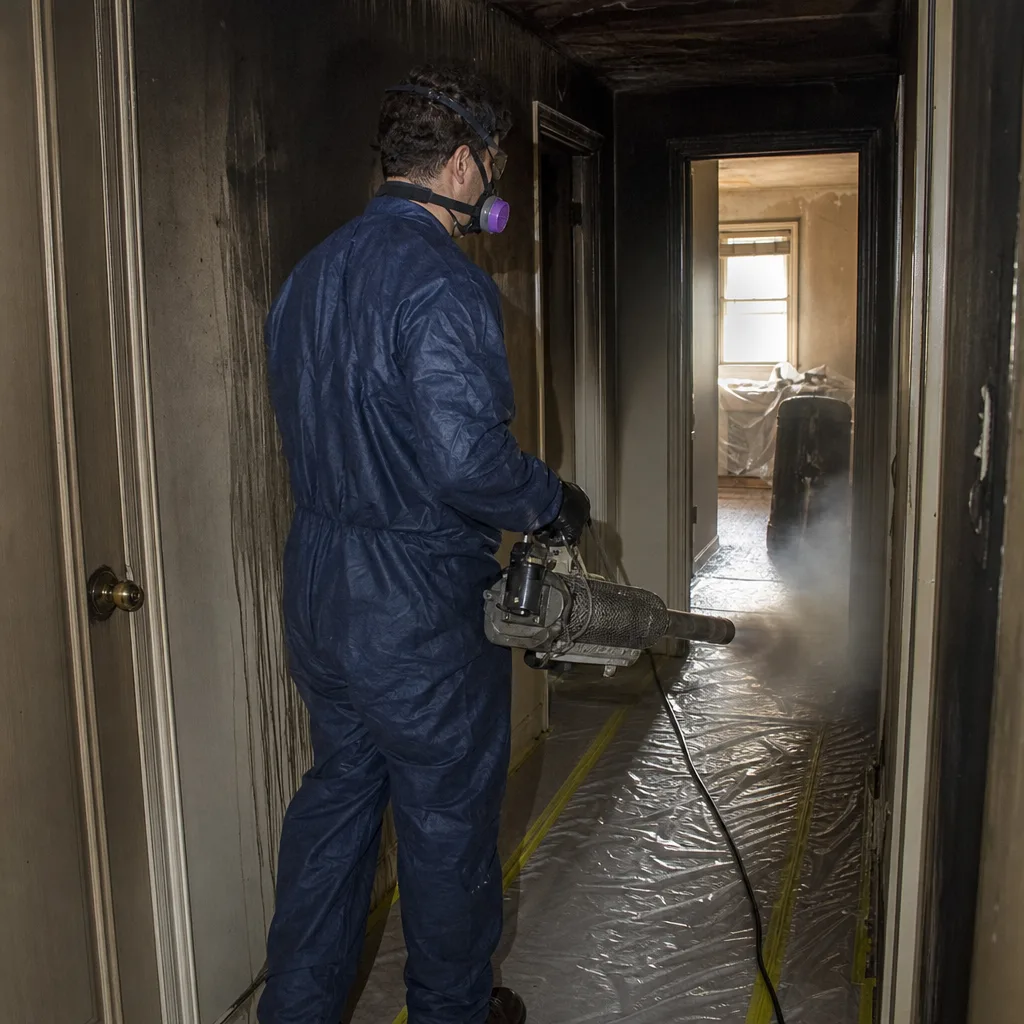
Every contaminated surface gets treated to the correct standard for the water category involved. HEPA air scrubbers run continuously to pull airborne particulates out of the workspace, protecting areas of the building that were never wet.
Salt Corrosion & Specialty Treatment
Lower Manhattan storm surge leaves salt behind. Salt corrodes structural steel, electrical connections, and HVAC components even after surfaces feel dry. We treat affected metal with corrosion inhibitors and document every system we touched for your carrier.
Repairs & Restoration
Reconstruction is part of the same job. We rebuild walls, replace damaged mechanical components, repaint, and restore your commercial space to pre-loss condition. The 90-Day Done Right Promise is handed to you in writing when we finish.
Need Emergency Commercial Restoration in Lower Manhattan Now?
Crews minutes away, answering live 24 hours a day. The sooner we start, the less it costs.
Working With Your Insurance Company
We handle insurance the way a Lower Manhattan property owner should: directly, thoroughly, and in writing. From the first hour, we photograph every affected area, log moisture readings daily, and build a line-item scope of work that your adjuster can process without back-and-forth. We talk to your carrier ourselves, so you’re not sitting on hold or relaying messages between two parties who have never met. If the claim involves storm surge, groundwater, or sewer backup, the documentation standard changes, and we know exactly what those claims require in a FEMA Flood Zone AE building. Call (917) 924-4221 and we’ll start the file and the mitigation in the same visit.
What We Provide Your Insurer
- Thorough documentation of the loss
- Photos of all damage, room by room
- Moisture readings and drying logs
- A detailed, line-item scope of work
- Direct coordination with your carrier
Built for Lower Manhattan’s Loss Calendar
January and February bring deep freezes that burst supply lines in vacant upper-floor offices, and that water travels down through a century of chases and finds the lowest point, which in Lower Manhattan is almost always a sub-grade space at the water table. Spring thaw and heavy rain push groundwater up through the landfill under Battery Park City, flooding basements and parking structures even when no storm has been named. Summer thunderstorms dump rain faster than 19th-century roof drains and combined sewers can handle, sending water into retail storefronts along Broadway and Fulton Street. Nor’easter season, from September through April, is the big one. Hudson River and East River surge funnels into the Financial District and Battery Park City with almost no geographic buffer, and every nor’easter re-tests the flood barriers and relocated mechanical systems put in place after Sandy. This is the actual loss calendar we work from when we plan our dispatching across Lower Manhattan.
Commercial Restoration Across Lower Manhattan’s Neighborhoods
TriBeCa’s cast-iron loft buildings hold water in their thick masonry walls for weeks after a flood, and the moisture hides behind brick facades and original timber framing. The Financial District’s pre-war office towers and converted bank buildings have deep sub-grade vaults and mechanical rooms that sit below sea level, meaning even a clean water break becomes a mold race within 48 hours. Battery Park City’s residential and commercial towers stand on landfill that lets groundwater seep into basements and parking garages chronically, not just after storms. Around the Seaport and along Water Street, older mercantile buildings with wooden floor systems and shared party walls move water sideways into adjacent tenant spaces, which means containment and air scrubbing have to start immediately to protect occupied units. Each of these corridors has its own failure mode, and our crews know which one they’re walking into before they arrive.
Specialized Commercial Restoration Services We Offer in Lower Manhattan
Office & Retail Restoration
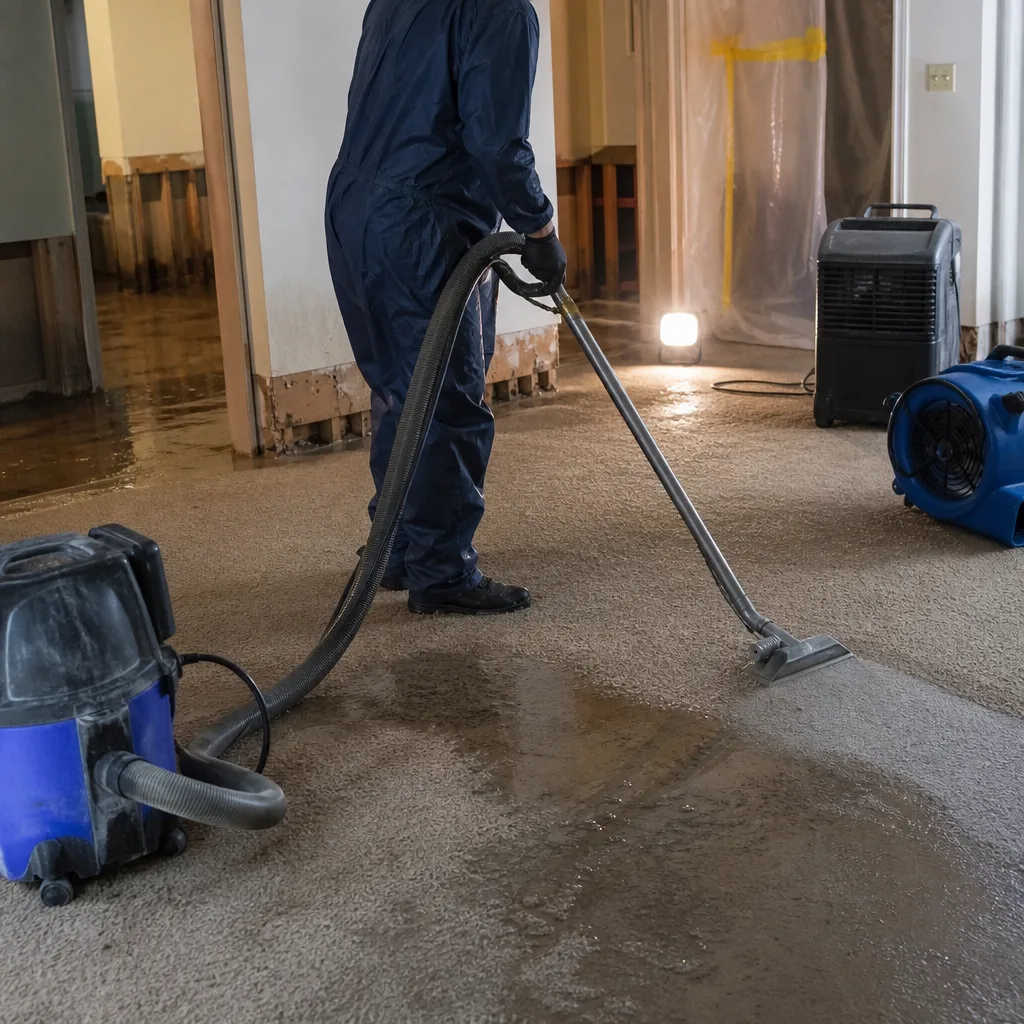
When a supply line lets go above a Financial District trading floor or a Canal Street retail space, every hour of downtime is real revenue lost. We extract, dry, and restore the space while keeping your staff informed at every step. Our goal is getting you back to business without a weeks-long shutdown.
Multi-Unit & HOA Restoration
Condominium boards and property managers in Battery Park City and TriBeCa deal with losses that cross unit lines, common areas, and shared mechanical systems. We work directly with your board, document everything to the standard your master insurance policy requires, and coordinate access with residents so mitigation doesn’t stall.
Industrial Facility Cleanup
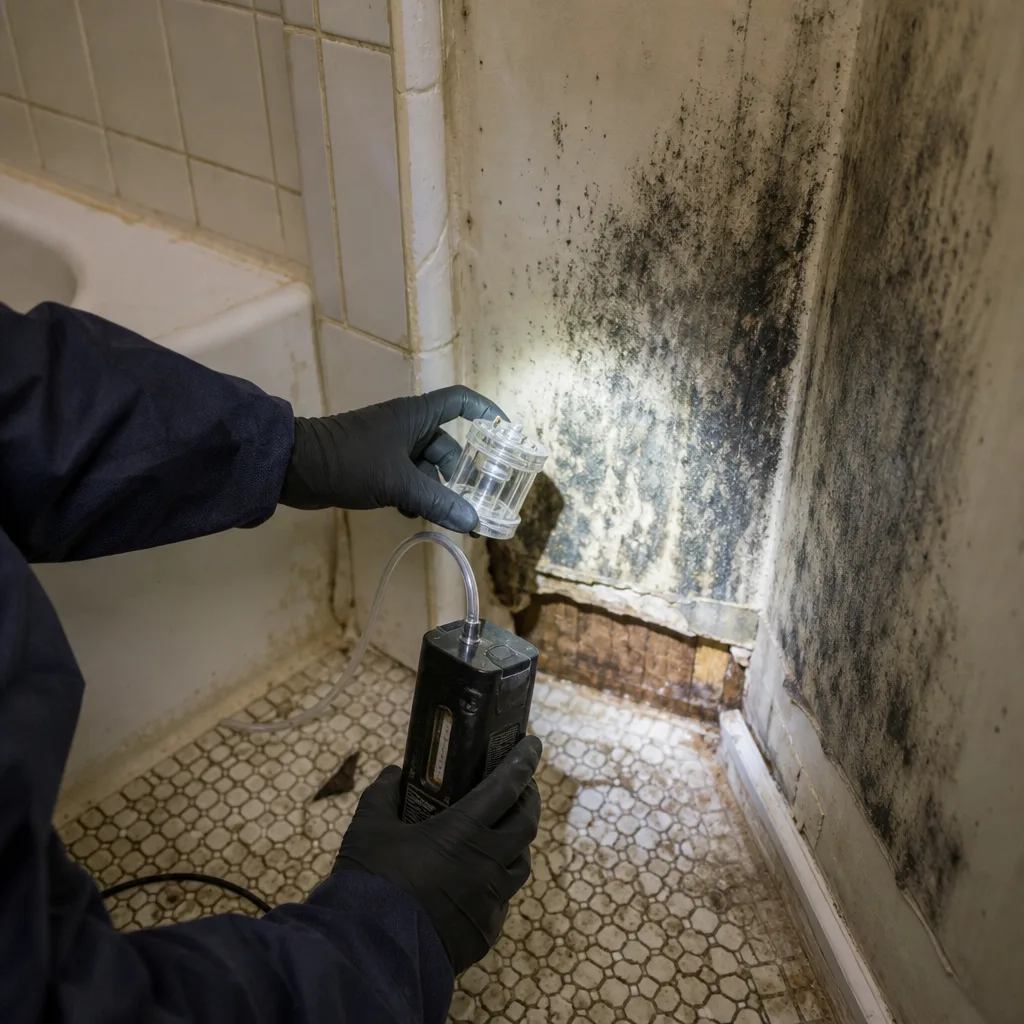
Warehouse and light-industrial spaces around the South Street Seaport and along the Hudson River face saltwater corrosion and contaminated runoff that standard cleanup crews are not equipped to handle. We remediate to the correct category for the water involved and treat metal surfaces for salt damage before it eats into structural steel.
Large-Loss Response
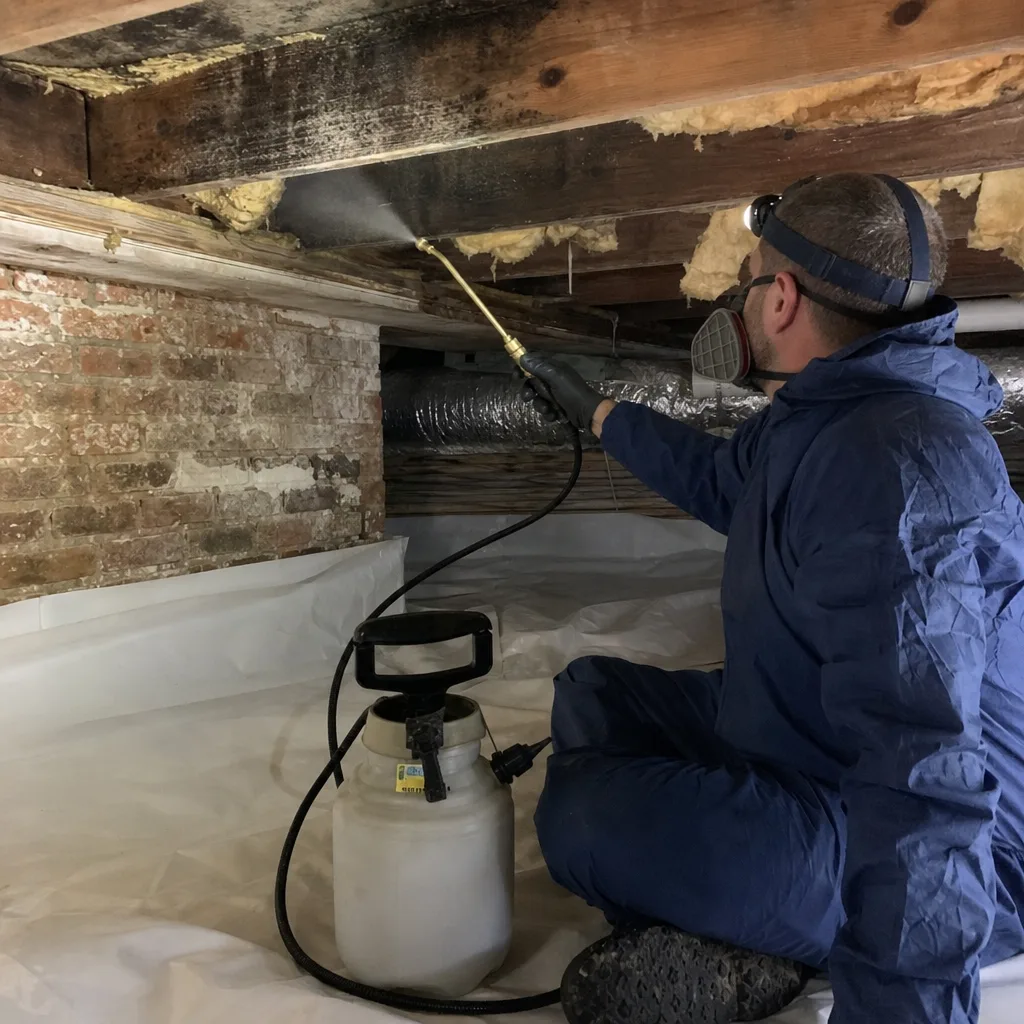
A full-building flood in Lower Manhattan is a multi-day, multi-trade job. We bring the full commercial drying fleet, Phoenix and Dri-Eaz equipment sized for large cubic footage, and a crew that runs continuously until the dry standard is met. One project manager stays with the job from start to finish, and you get a moisture log, not a phone call saying “it’s dry.”
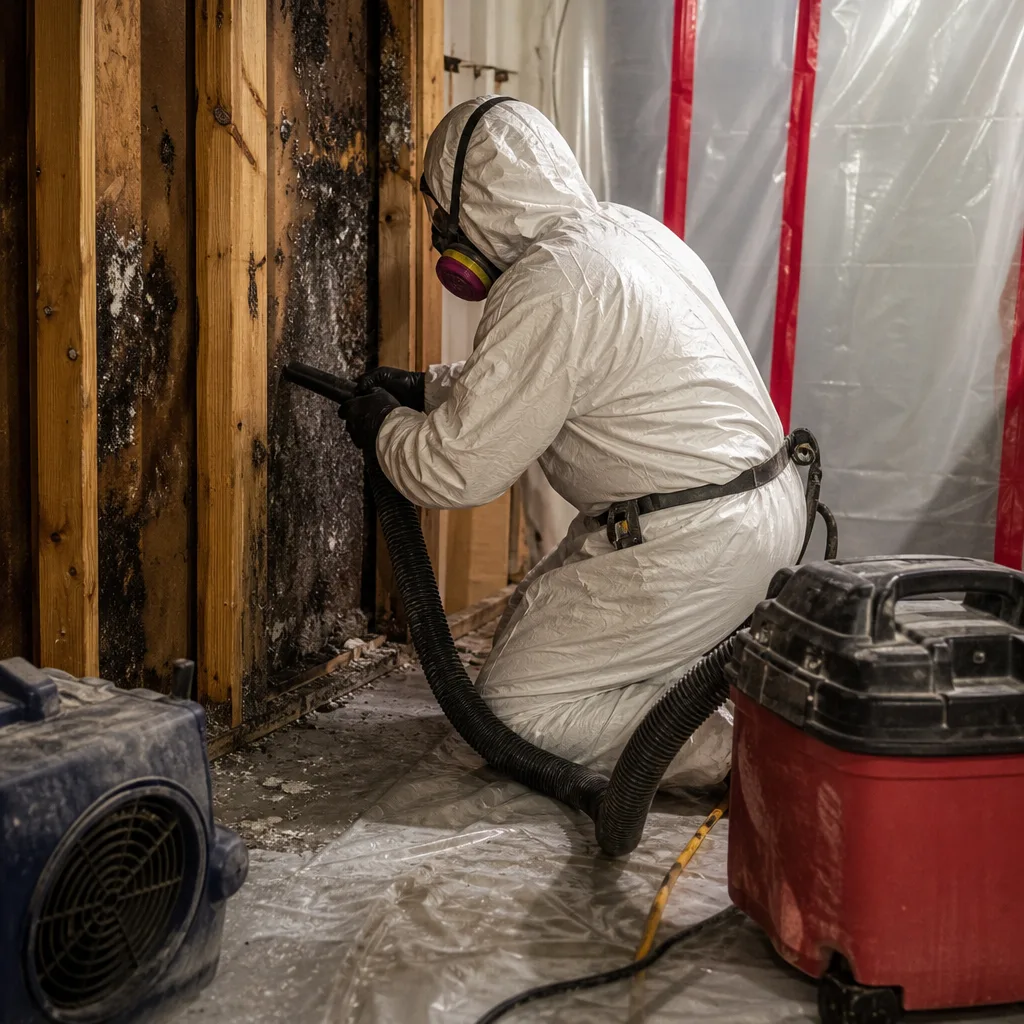
Business Interruption Minimization
Lower Manhattan businesses cannot afford a month of lost revenue because restoration work dragged on. We sequence the work so occupied areas stay open when it’s safe, run air scrubbers to keep dust and particulates out of active spaces, and rebuild in phases when the footprint allows. We’ve kept restaurants on Stone Street serving dinner while we dried out the basement beneath them.
What happens when you call
- 1
A real person answersNo phone trees - you reach a local pro.
- 2
You get an upfront price rangeHonest numbers before anyone is dispatched.
- 3
A background-checked tech heads outLicensed & insured, dispatched right away.
- 4
You approve before work beginsNothing starts until you say go.
Commercial Restoration Costs in Lower Manhattan, NY
Commercial water extraction and drying for a single retail storefront or office suite in Lower Manhattan typically runs $4,000 to $18,000, depending on square footage, water category, and how long the water sat. A multi-floor TriBeCa loft building with masonry wall saturation runs higher, commonly $25,000 to $60,000 for full structural drying and mold prevention. Category 3 storm surge or sewer backup remediation adds containment, sanitization, and disposal costs, and those jobs often land between $30,000 and $90,000. The variables are the thickness of the walls, the depth of the sub-grade spaces, and whether saltwater reached electrical or mechanical systems. Insurance covers most of these losses when documented correctly, and we handle that documentation. Call (917) 924-4221 before you sign anything, and we’ll do a free inspection and give you a written scope with real numbers.
We Also Serve Cities Near Lower Manhattan
Our crews regularly run Commercial Restoration work in Fairview, Harrison, East Bronx, and Hunts Point, along with all of Lower Manhattan’s commercial corridors. If you manage property in any of those areas, the same live dispatch and the same written guarantee apply.
Lower Manhattan Commercial Restoration Questions, Answered
How does Lower Manhattan’s FEMA Flood Zone AE designation change the scope of commercial restoration after a storm?
Flood Zone AE means the water came from tidal surge, not a broken pipe, so it is always treated as Category 3 black water regardless of how clean it looks. Restoration must include full containment, sanitization, and salt corrosion treatment, and the insurance claim needs different documentation than a standard water loss. In a Zone AE building, every affected system gets inspected for salt damage, because salt keeps corroding long after the building feels dry. Call (917) 924-4221 and we’ll scope it correctly from the first hour.
Why do your techs need to know which Lower Manhattan buildings moved their boilers and switchgear above the flood line after Sandy?
Because the shutoffs are not where they used to be. In most neighborhoods, you kill power and water in the basement. In Lower Manhattan, dozens of buildings moved boilers, electrical switchgear, and elevator machinery to upper floors or rooftops after Hurricane Sandy. If a crew wastes time searching a sub-grade mechanical room for a shutoff that’s now on the roof, extraction is delayed and Category 3 water sits longer. We know which buildings reconfigured, and we check upper floors and rooftops on arrival.
Can you dry out a Battery Park City basement that floods regularly from groundwater, or does it need waterproofing?
Both, usually. We dry the space and remediate the mold, but if groundwater intrusion is chronic, the building needs a waterproofing solution or the same basement will re-wet in the next storm cycle. Battery Park City sits on landfill with a high water table, and many basements there seep continuously between named storms. We will tell you plainly if drying alone won’t solve it, because a mitigation that gets re-wet in six months is not a fix. Call (917) 924-4221 for a free inspection.
What does the 24-to-48-hour mold window mean for a TriBeCa loft building with thick masonry walls after a pipe break?
Mold begins colonizing within 24 to 48 hours in a damp environment, and masonry walls hold moisture much longer than modern drywall. In a TriBeCa cast-iron loft, the brick and stone absorb water deep into the wall cavity, so even if the visible surface feels dry, the interior of the wall is still wet. That hidden moisture feeds mold for weeks if drying stops early. Our moisture mapping reads behind the surface, and we dry until the readings at depth are back to pre-loss condition, not until someone’s palm says “dry enough.”
How do you handle a large-loss commercial flood in the Financial District without shutting down business for weeks?
We phase the work. Occupied floors or storefronts that were never wet stay open, while we contain the affected areas under negative air pressure and run air scrubbers to keep particulates from migrating. Extraction and drying run continuously while your staff works in adjacent spaces. The goal is to keep your doors open, and we’ve done it on large losses across the Financial District. Call (917) 924-4221 and we’ll walk you through a phased plan for your specific footprint before work starts.
How fast can someone actually get to a Lower Manhattan commercial property?
Within 45 minutes, usually faster. Our crews are dispatched from inside the Lower Manhattan service area, not from a depot in another borough. A live dispatcher takes your call and puts a uniformed crew on the road immediately, with the right equipment already loaded. Call (917) 924-4221, and you’ll be talking to a person who can tell you exactly when the crew arrives.
Will my commercial insurance cover storm surge restoration in Lower Manhattan?
It depends on your policy, your flood zone designation, and whether flood insurance was carried. Standard commercial property insurance often excludes storm surge, while a separate NFIP or private flood policy covers it. Groundwater seepage is usually treated differently than surge water. We document everything from the first hour and coordinate directly with your carrier and your adjuster, so the claim is filed with a complete file the first time. Call (917) 924-4221 and we’ll help you sort through the specifics for your building.
What should a property manager do in the first 30 minutes after discovering a commercial flood?
Call us at (917) 924-4221 first. Then, if it’s safe to do so, kill power to the affected area. Do not walk through standing water in a lower-level space if the power is still on, and do not touch electrical panels if you’re standing in water. If you can identify the water source and shut it off without putting yourself in danger, do that. Then keep foot traffic out of the wet area and wait for our crew. The first 30 minutes decide how much material gets saved.
Serving Lower Manhattan, NY - Our Local Coverage Area
We’re based in the Lower Manhattan area and know this community well. Use the map below to see our service coverage - if you’re nearby, we can almost certainly help.
Document & Inventory Recovery
Lower Manhattan is home to law firms, financial services companies, and archives that house paper records, legal files, and client documents that cannot be replaced. When water reaches a document storage room, the clock starts immediately. We offer document and inventory recovery as part of our Commercial Restoration service: we remove wet materials, stabilize them to prevent mold growth, and coordinate freeze-drying or professional document recovery for items that hold legal or financial value. The same applies to inventory in retail and commercial spaces along Broadway, Canal Street, and the Seaport. We document every item for your adjuster, from the first box to the last file, so nothing gets lost in the claim. Our Commercial Restoration team treats your records like the irreplaceable assets they are. For a deeper look at how we serve the full borough, see Commercial Restoration in Lower Manhattan.
Floodline Restoration Co. of Manhattan serves commercial property owners throughout Lower Manhattan, from the Battery to Canal Street, with 24/7 live dispatch and certified crews who know this neighborhood’s buildings. Call (917) 924-4221 for a free visual inspection and a written scope of work, backed by the 90-Day Done Right Promise. We stand behind it.
Written by Curt Bowman, Owner at Floodline Restoration Co. of Manhattan, serving Lower Manhattan since 2010.