
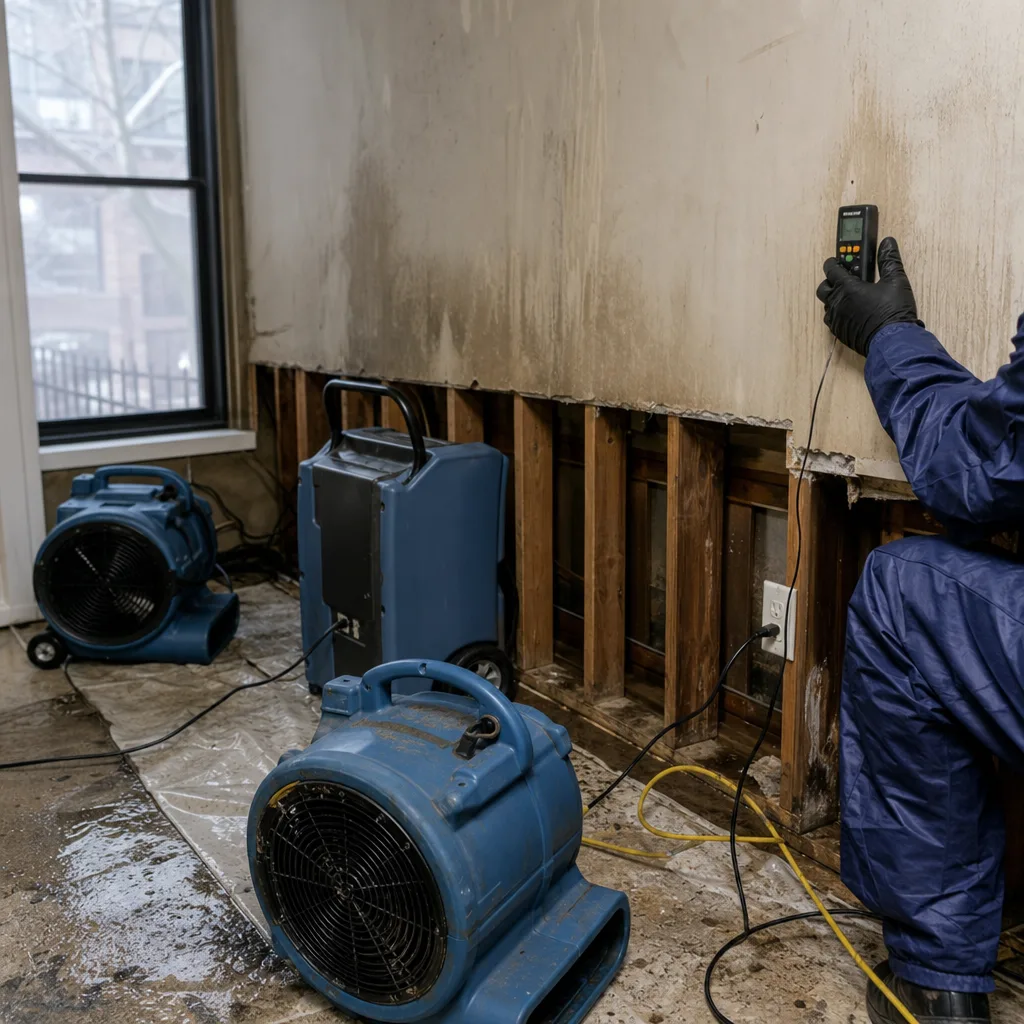
Free visual inspection and a written scope of work before any mitigation begins - photos, moisture readings, and drying logs go in your claim file
The scope we write is the scope we bill. Anything new gets shown to you, in writing, before we touch it.
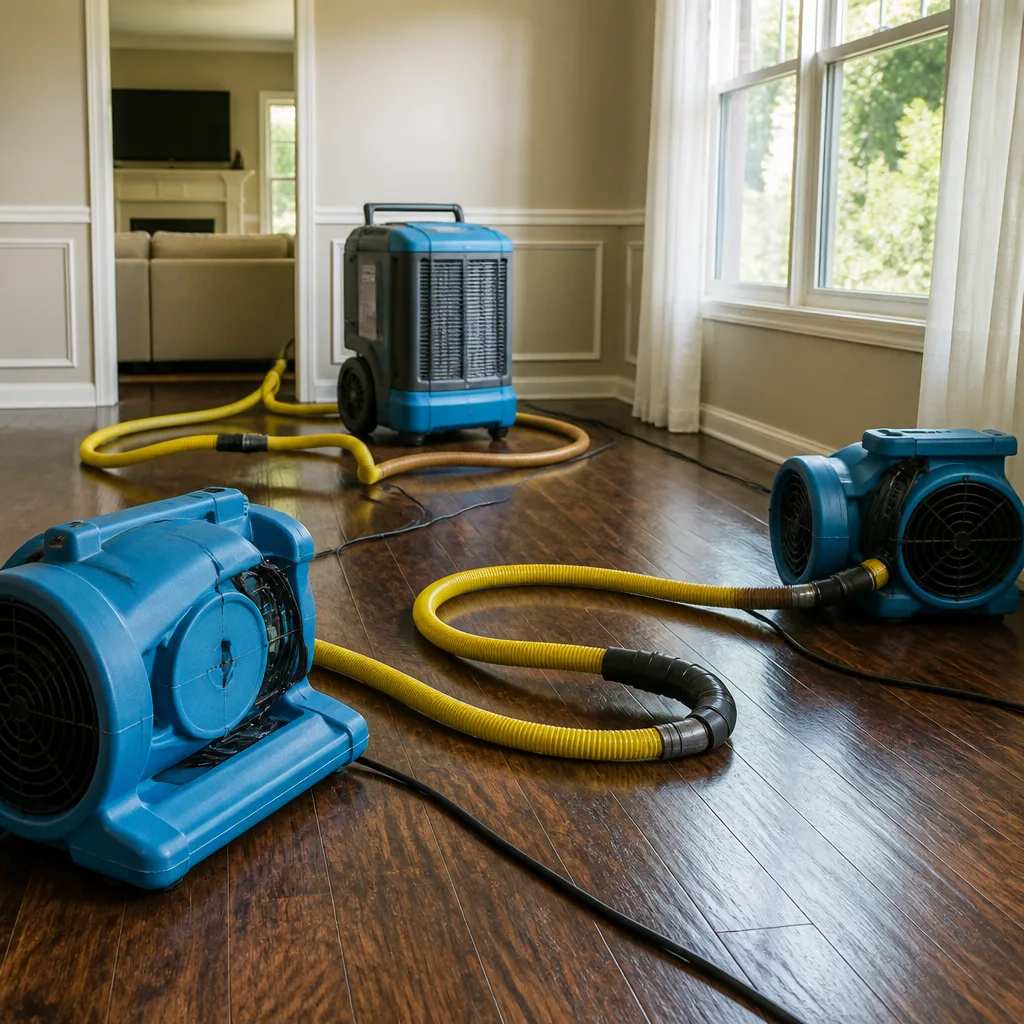
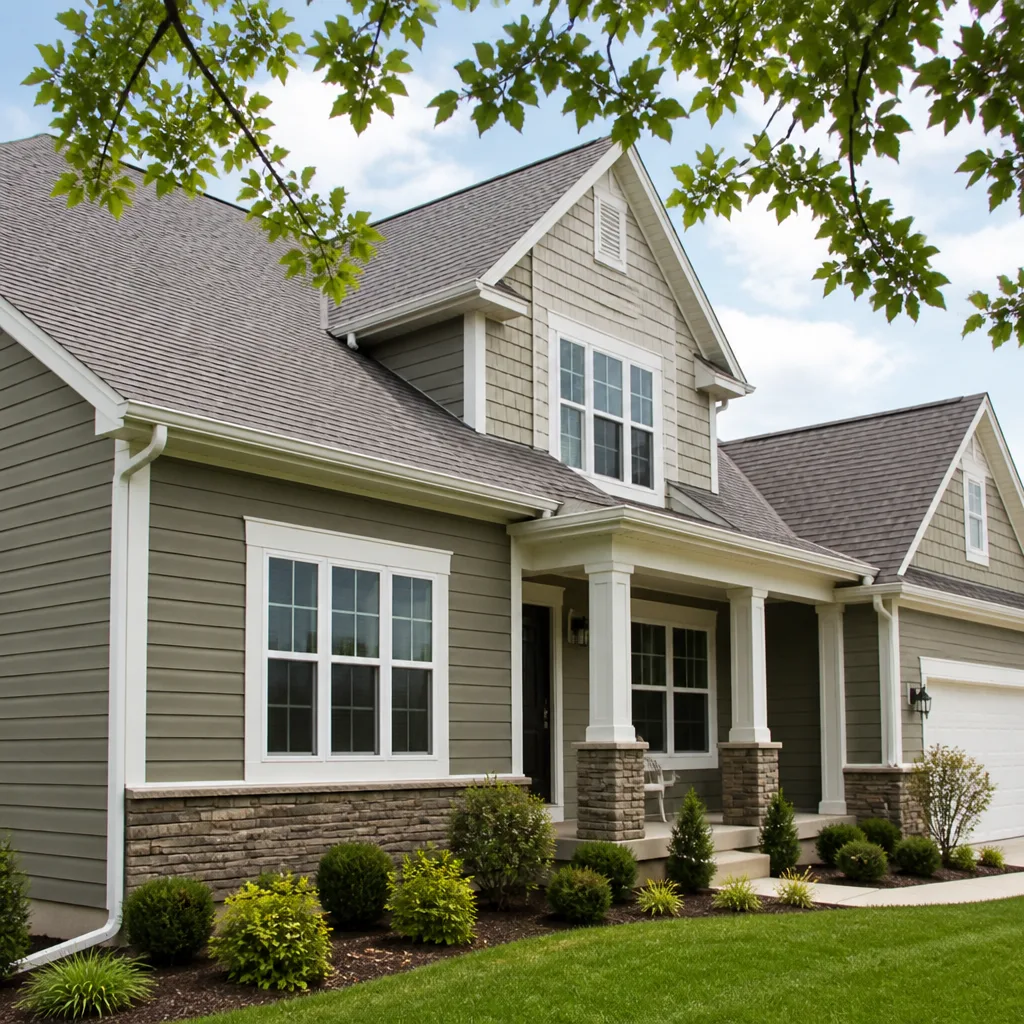
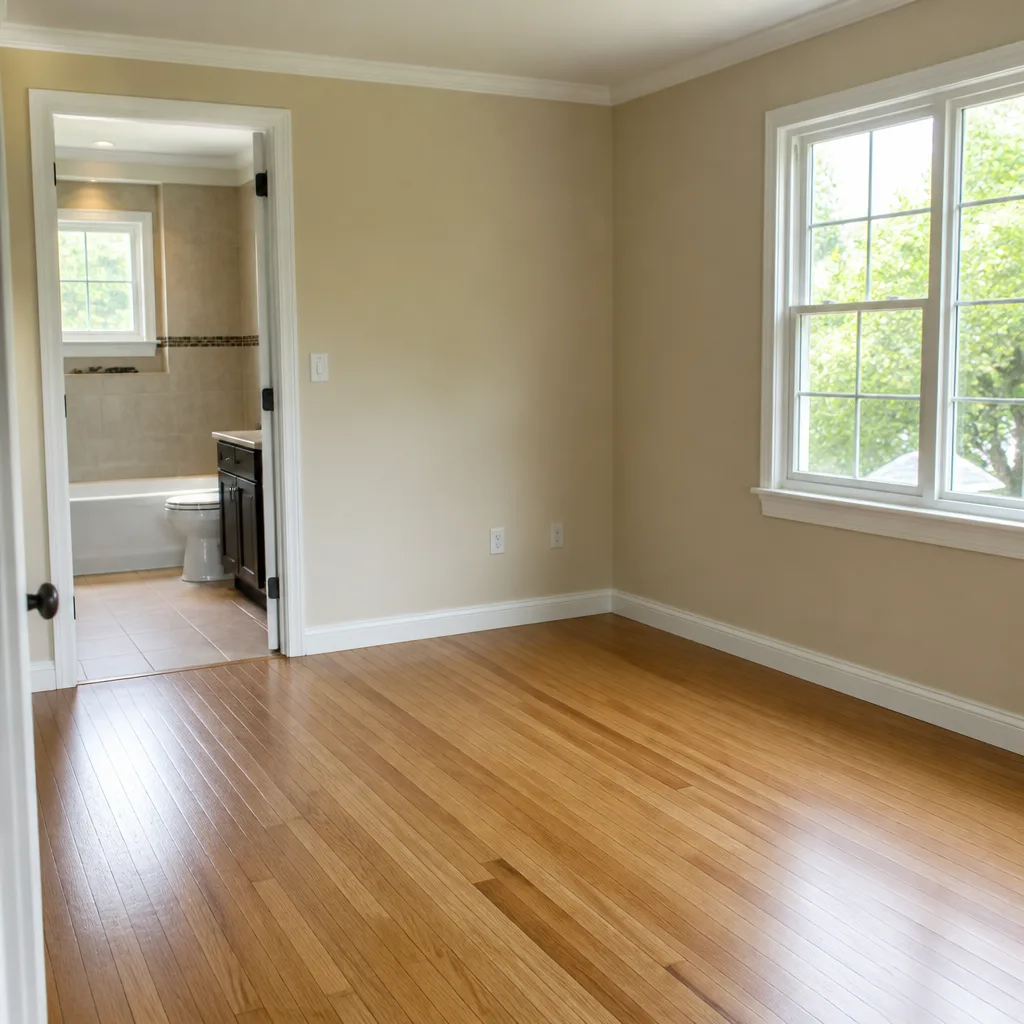
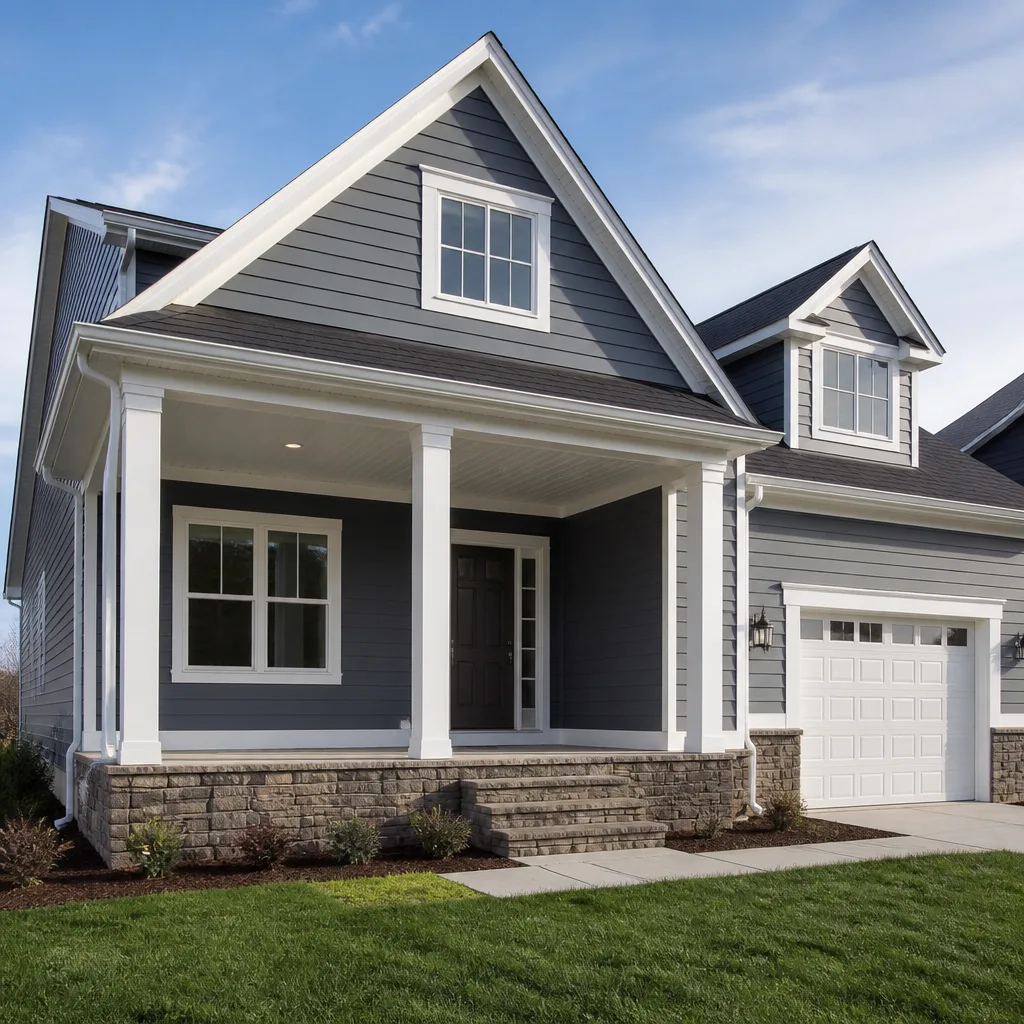
 Before
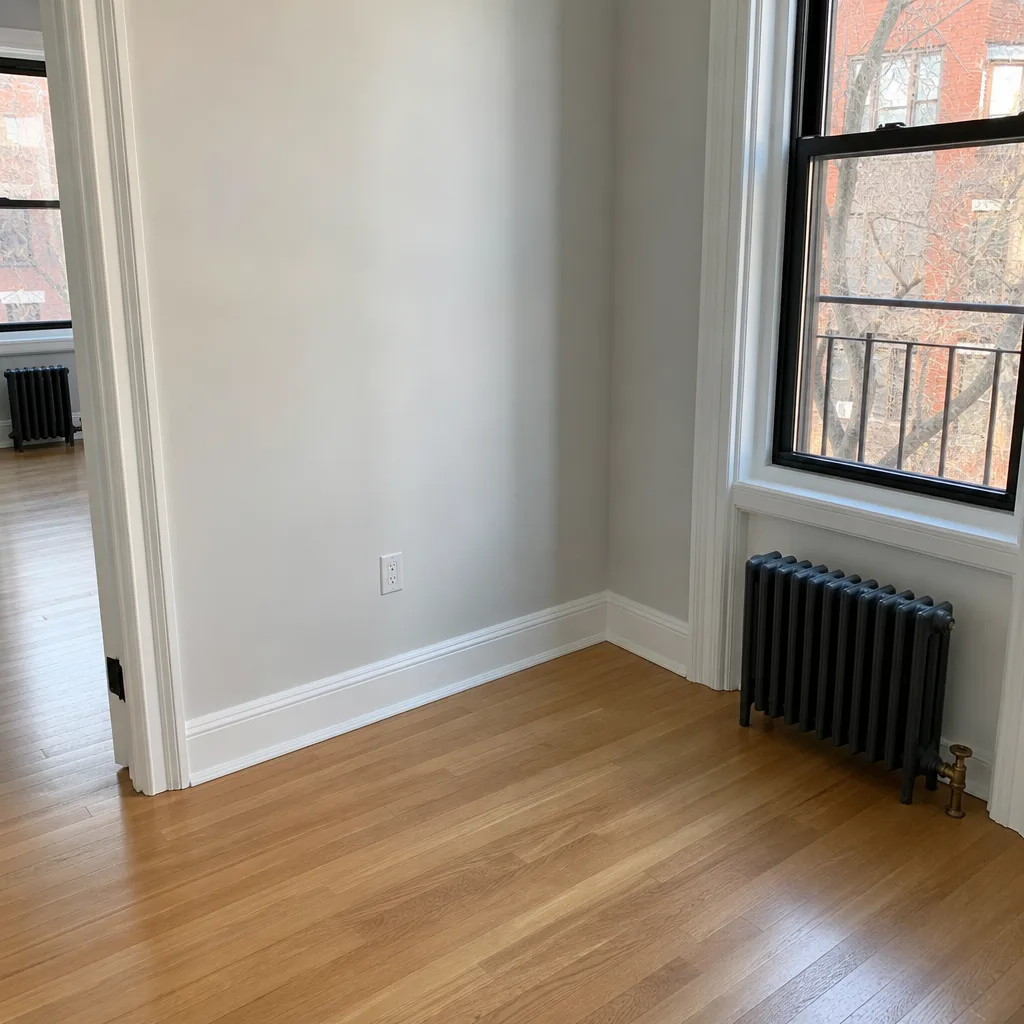 After
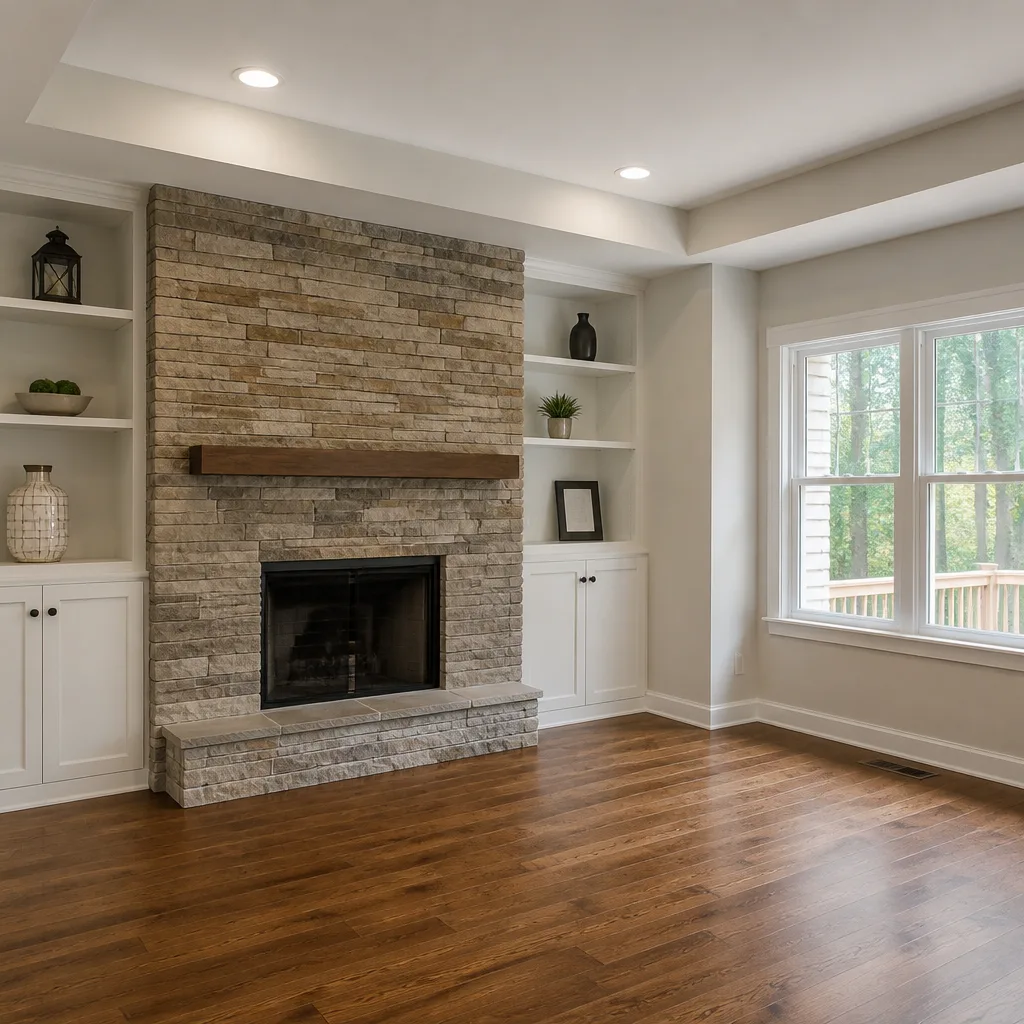
After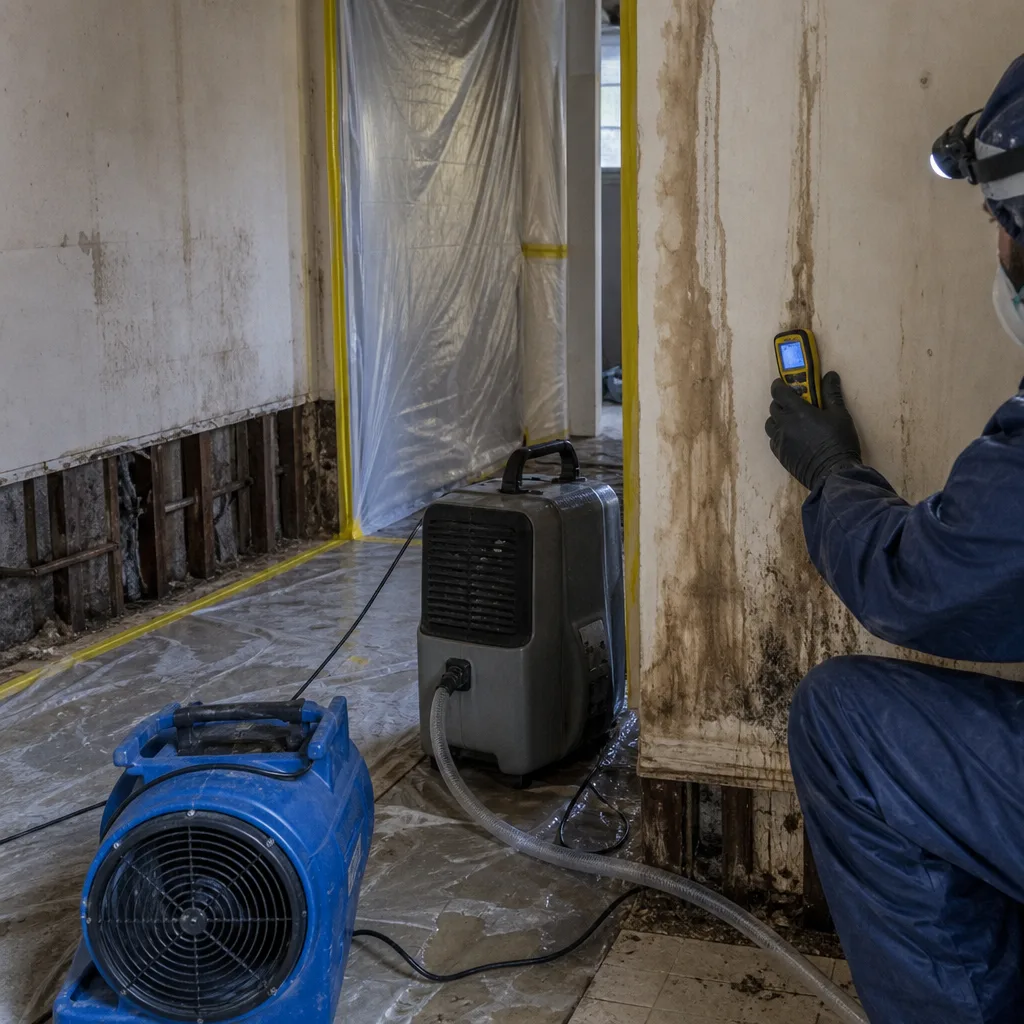 Before
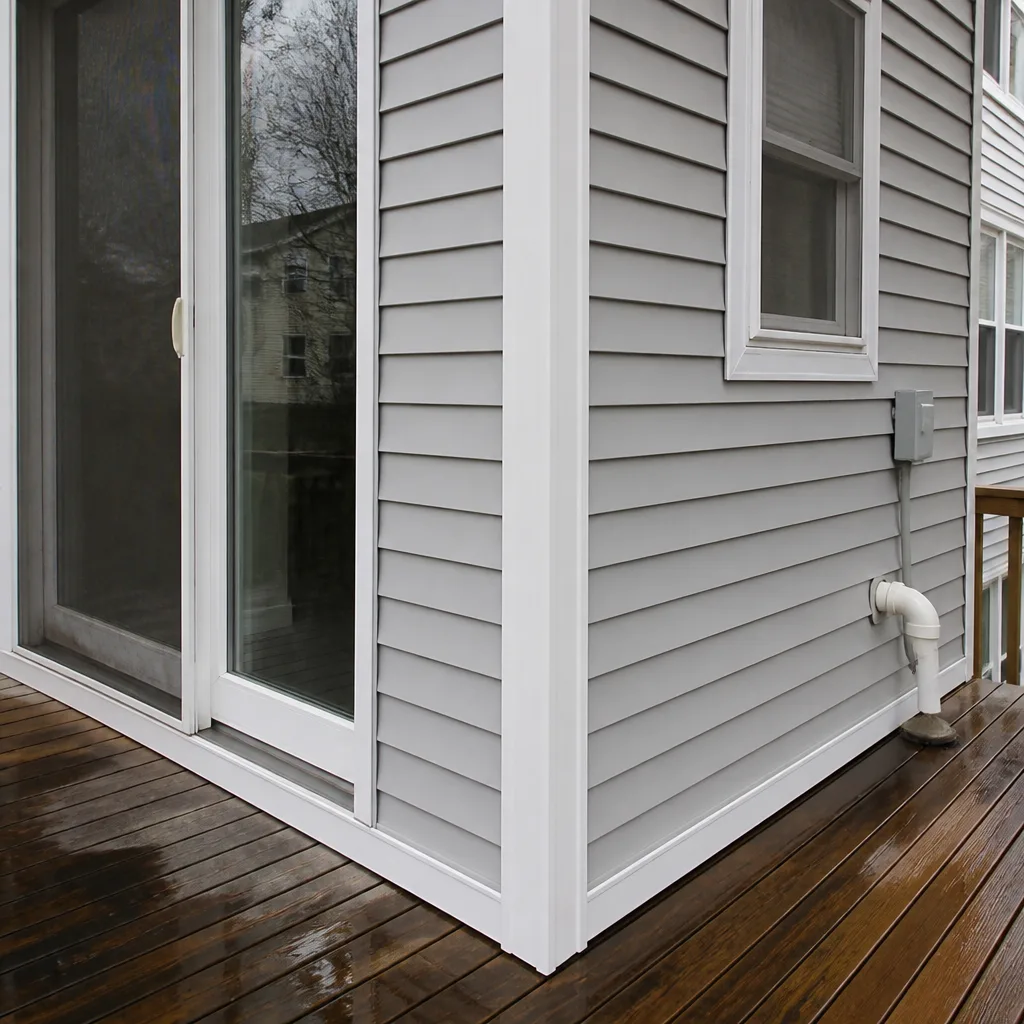 After
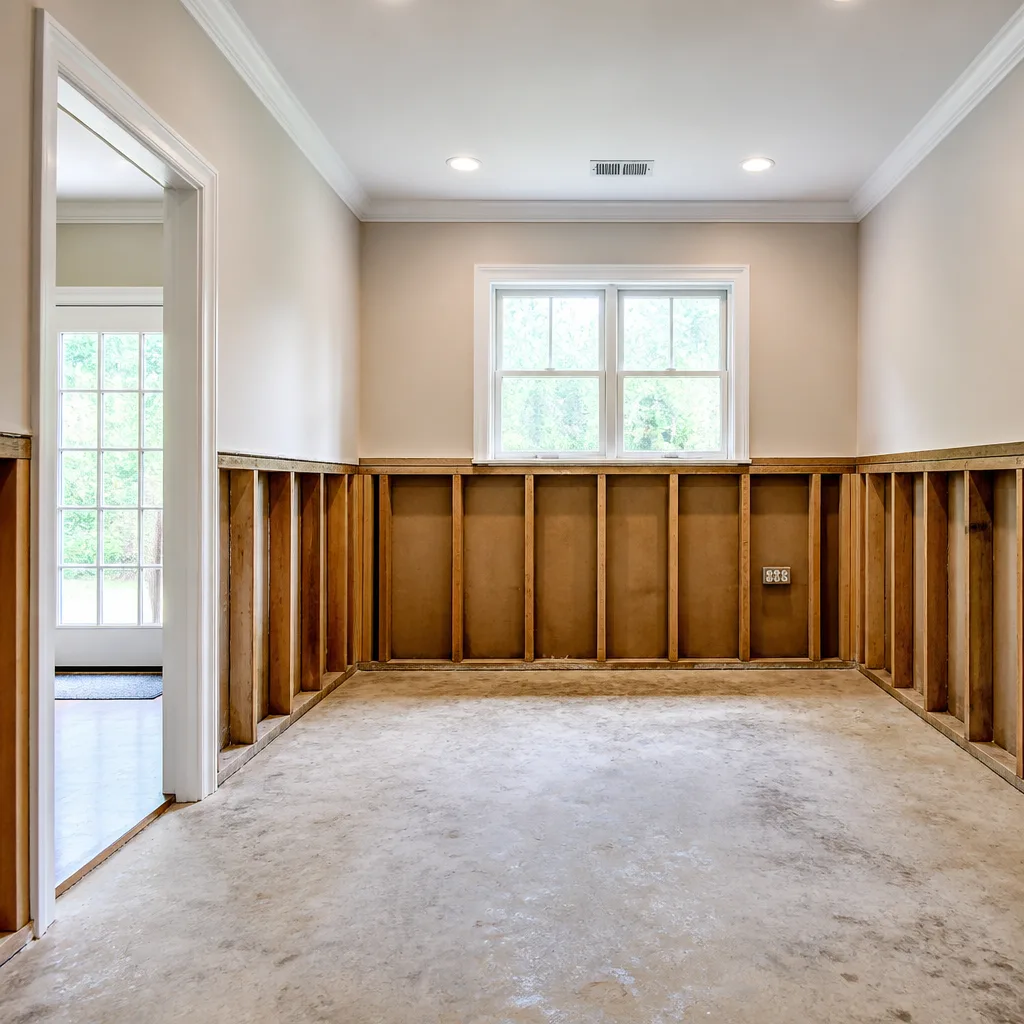
After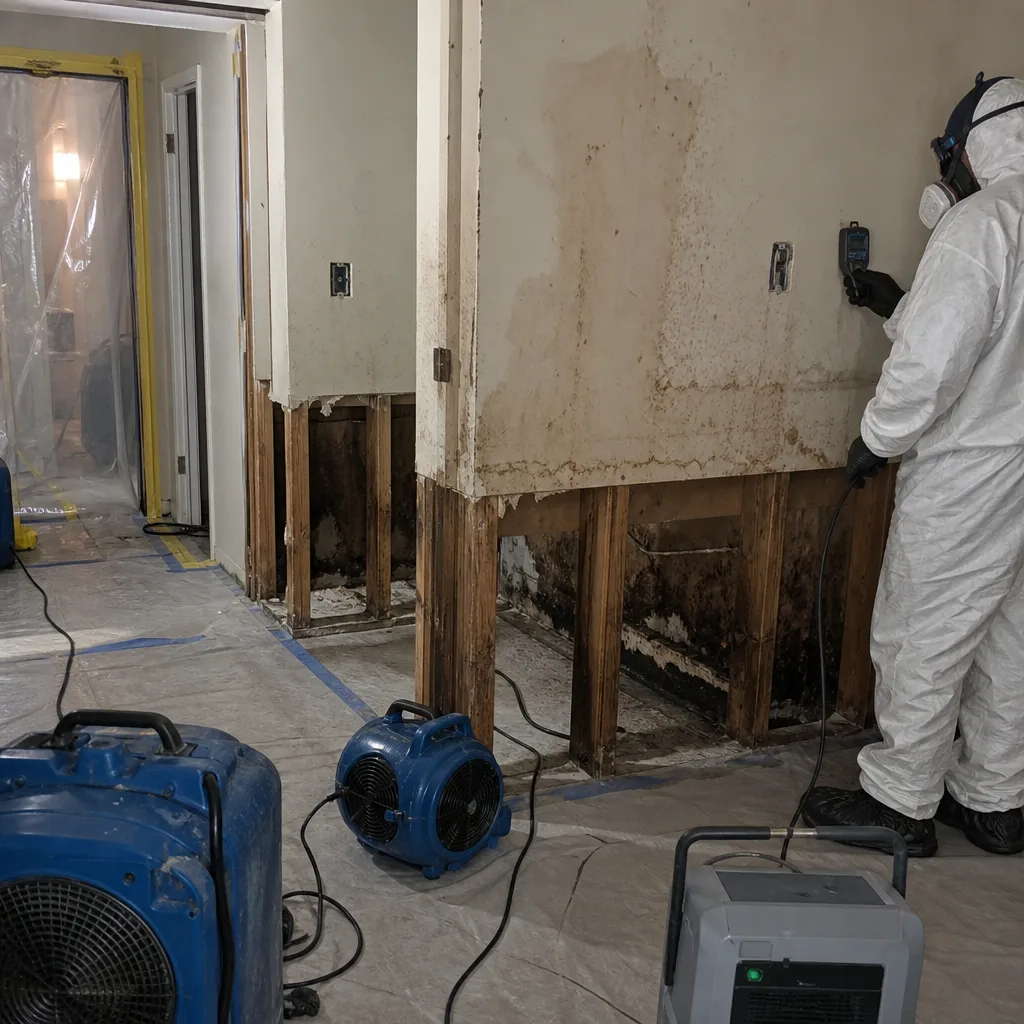 Before
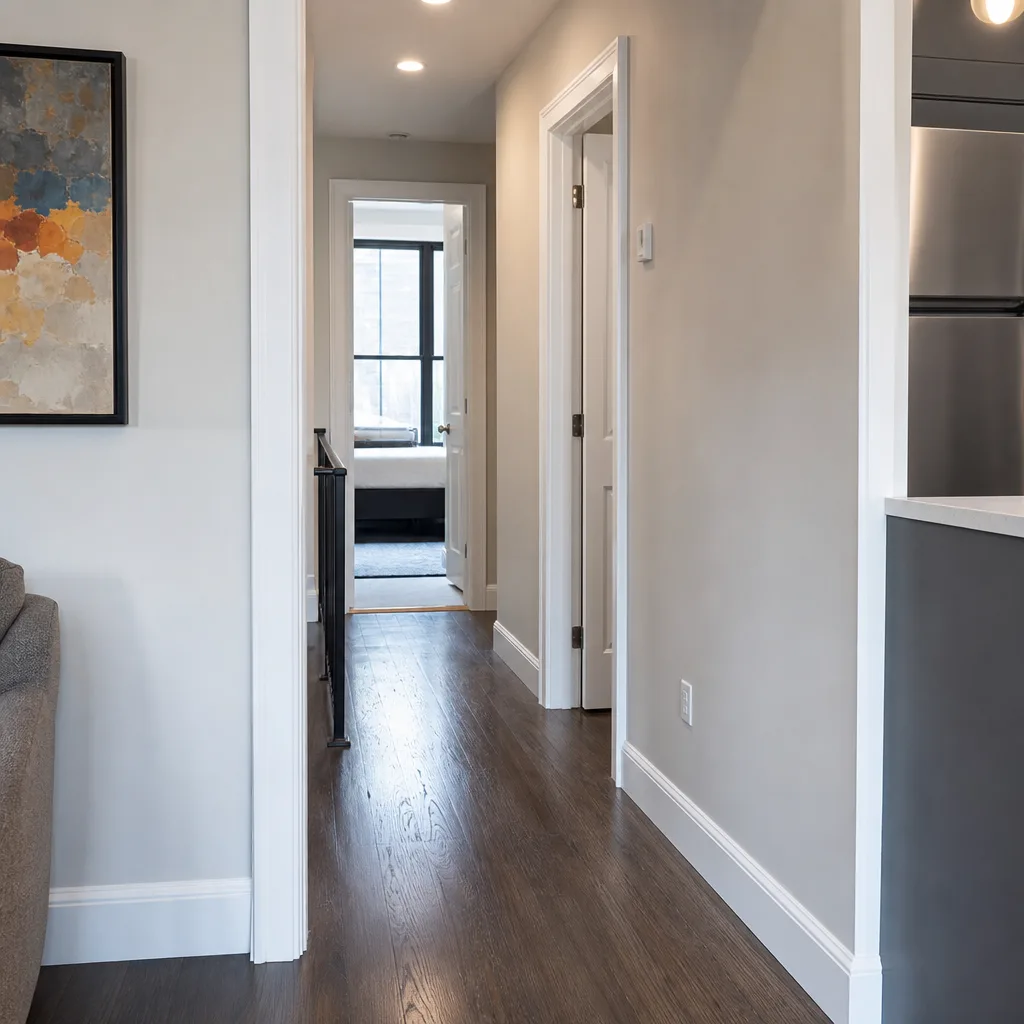 After
After24/7 Emergency Fire & Smoke Damage Restoration in Great Kills
Fire and smoke damage in Great Kills moves fast, and so do we. Our crews are dispatched into Great Kills neighborhoods around the clock, with a live person answering at (917) 924-4221 no matter the hour. The first hour after a fire determines how much of your home can be saved: soot sets into painted surfaces, smoke odor penetrates drywall and insulation, and fire suppressant water pools into post-Sandy crawl spaces and saturates framing. Waiting even a day means more demolition, more pack-out, and a longer reconstruction timeline. We offer a free visual inspection so you know exactly what you’re facing before any work begins. Our Fire & Smoke Damage Restoration team arrives with the equipment to stabilize the structure and stop the damage from spreading, the same day you call.
Understanding Fire & Smoke Damage Restoration Severity in Great Kills Properties
Fire damage in Great Kills is never just fire. It’s smoke, soot, suppressant water, and the salt-laden air of the south shore combining in ways our crews have learned to read over hundreds of local jobs. Smoke residue falls into three categories: dry soot from fast-burning paper and wood, protein soot from kitchen fires that bonds to painted surfaces and requires chemical degreasers, and oily soot from synthetic materials and plastics that smears if wiped incorrectly. Older Cape Cods, ranches, and colonials built between the 1950s and 1970s have open floor joist bays and unsealed framing cavities, which act as smoke highways. Particles travel from a first-floor kitchen fire into upper walls, attics, and post-Sandy crawl spaces in minutes. In Great Kills specifically, the elevated construction many homeowners installed after Hurricane Sandy means a fire above an open piling void pulls hot gases downward through floor penetrations, where they linger against framing already stressed by years of salt air.
Why Great Kills Property Owners Choose Floodline Restoration Co. of Manhattan
- 45-minute response commitment: We tell you when we’ll be there, and we mean it. Great Kills streets are narrow and tight around Hylan Boulevard and Amboy Road; our local crews know the routes and the shortcuts.
- 24/7 live answer: One number, (917) 924-4221. A real dispatcher picks up at 2 a.m., not a recording. You’re speaking to a person who can authorize a crew to your door.
- IICRC-certified crews: Our technicians hold FSRT and OCT certifications through IICRC, plus RIA and IFA certifications. They’re background-checked, uniformed, and they’ve worked Great Kills homes long enough to know what a post-Sandy crawl space looks like.
- Free visual inspection: No charge, no obligation. We walk the damage, we tell you what we see, and we give you a written scope before anything else happens.
- Direct insurance billing: We bill your carrier directly and provide the documentation adjusters need. You’re not the messenger.
- One team from extraction to reconstruction: The same crew that stabilizes the fire scene handles pack-out, structural drying, and rebuild. No handoffs, no inherited crews, no re-explanations.
Our Fire & Smoke Damage Restoration Process
Inspection & Assessment
We arrive, we look, we document. Thermal imaging shows us where heat traveled through framing. Moisture meters read the water from fire suppression. We check for FEMA elevation certificate issues if your Great Kills home sits in an AE or VE flood zone, because structural repairs that alter base flood elevation trigger compliance re-inspections before we can proceed.
Board-Up, Tarping & Stabilization
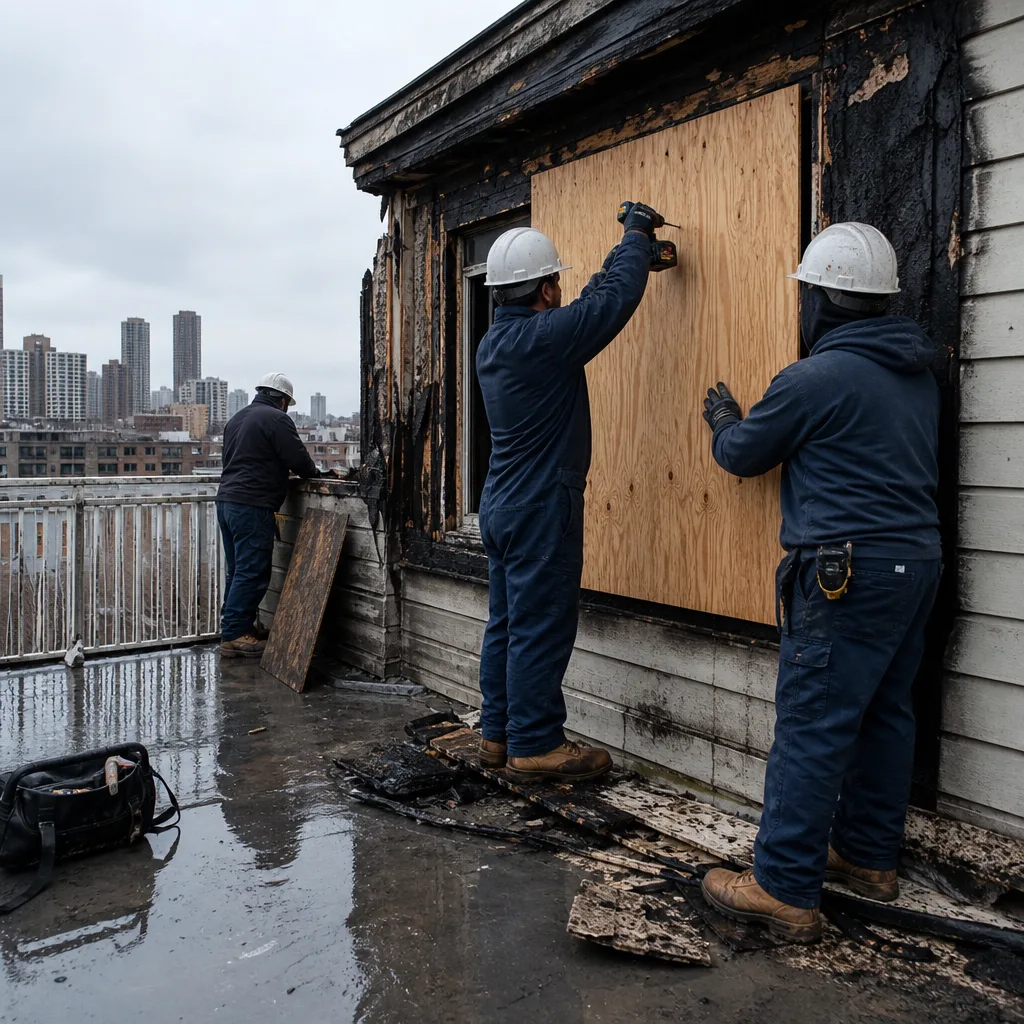
If the fire burned through a roof plane or windows, we board up and tarp first. Great Kills weather moves in from Raritan Bay fast, and an open penetration means more damage by morning.
Moisture Removal & Drying
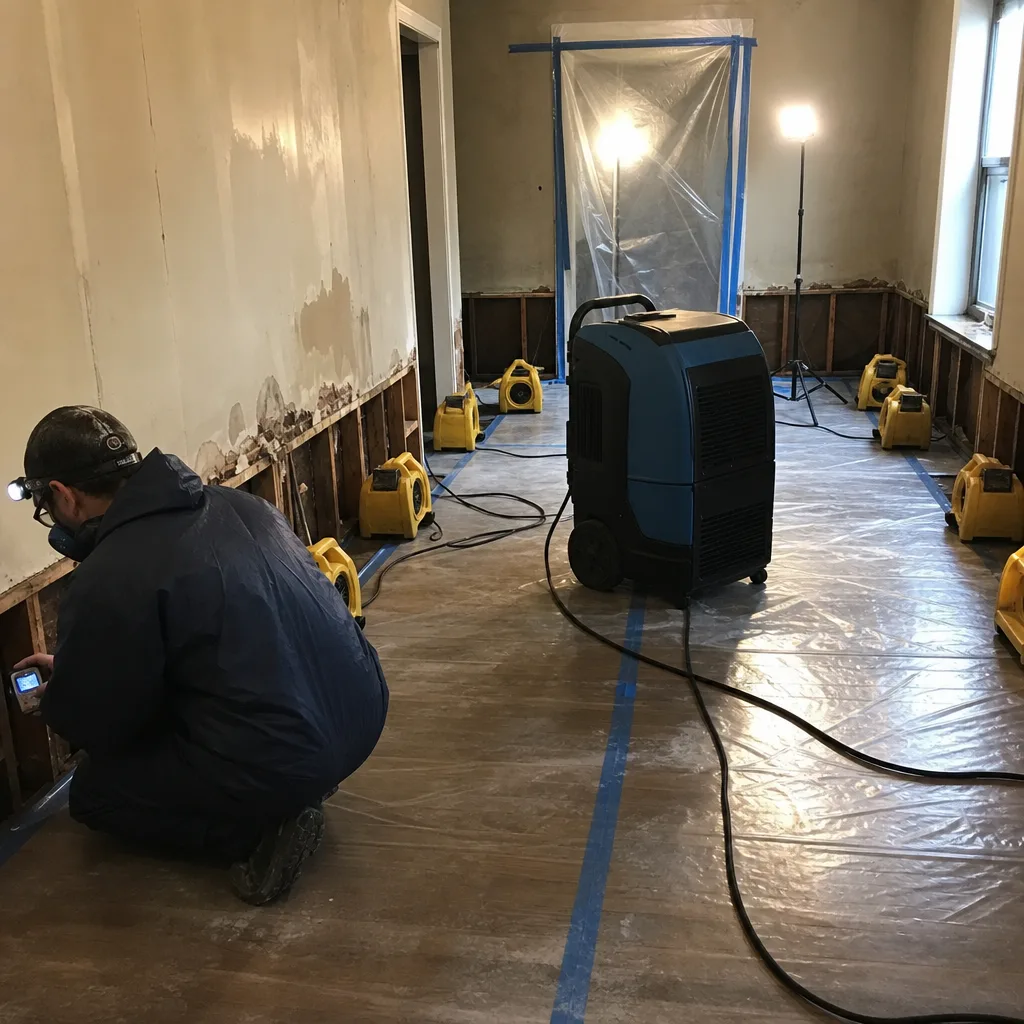
Suppressant water sits in flooring, framing, and crawl spaces. We run Dri-Eaz and Phoenix LGR dehumidifiers with air movers until moisture mapping confirms wood moisture content below 12%. In post-Sandy elevated homes, we treat the piling void separately, because trapped south shore humidity will keep feeding mold if we don’t.
Cleaning & Sanitization
Soot, char, and contaminated surfaces are HEPA-vacuumed and chemically cleaned. We use IFA-approved antimicrobial treatments on framing and floor joists, particularly where salt-contaminated wood is exposed, which standard fire cleanup protocols don’t address.
Odor Removal & Deodorization
Smoke odor in Great Kills homes migrates into sea-air-dampened plaster and insulation differently than inland properties. We run hydroxyl generators and thermal fogging, and in stubborn cases we’ll remove and replace insulation in wall cavities where odor persists.
Repairs & Restoration
From drywall and trim to full structural fire repair, our crews rebuild what the fire took. The 90-Day Done Right Promise goes in writing before we start, so you know we stand behind the entire job.
Need Emergency Fire & Smoke Damage Restoration in Great Kills Now?
Crews minutes away, answering live 24 hours a day. The sooner we start, the less it costs.
Working With Your Insurance Company
Insurance claims for fire damage in Great Kills have an extra layer of complexity most adjusters miss: whether your home was elevated after Sandy, whether hidden salt-contaminated framing was ever remediated, and whether the property sits in a post-2012 FEMA flood zone. We handle the answers from the first hour. Our team documents the fire scene room by room, records moisture readings and drying logs daily, and produces a line-item scope in the exact format carriers recognize. When the claim involves both fire and fire-suppressant water damage, we coordinate directly with your adjuster so you’re not stitching together reports from two companies. Curt Bowman built this company around a dispatch board, not a sales desk, and the insurance paperwork reflects that: precise, complete, and submitted the way adjusters want to see it.
What We Provide Your Insurer
- Thorough documentation of the loss
- Photos of all damage, room by room
- Moisture readings and drying logs
- A detailed, line-item scope of work
- Direct coordination with your carrier
Built for Great Kills’s Loss Calendar
Great Kills sees fire losses through the year in patterns shaped by the weather coming off Raritan Bay and the age of the housing stock. Winter is the kitchen-fire season, when closed windows keep smoke concentrated and heating systems run hard. Homes from the 1950s and 1960s still carry original wiring in some cases, and the combination of space heaters on overloaded circuits and holiday cooking creates the conditions our crews respond to most often between December and February. Spring brings electrical fire risks from damp framed areas where post-Sandy crawl spaces never got fully dried. Summer storm season means lightning strikes on exposed south shore homes, particularly the colonials with tall chimneys near the harbor side of Great Kills. And every October through November, the nor’easter threat returns, which is when wind-driven fires and electrical failures happen most. Fire losses here are rarely isolated to the fire itself; they arrive with salt air, aging materials, and the shadow of Sandy in every crawl space.
Fire & Smoke Damage Restoration Across Great Kills’s Neighborhoods
Great Kills isn’t uniform, and neither are the fire losses we see across its streets. Along Hylan Boulevard, commercial and mixed-use buildings present different challenges than the residential blocks branching off toward the harbor. The residential grid north of Amboy Road has block after block of post-war Capes and ranches with full basements, where fire suppressant water flows down into basement spaces that originally flooded during Sandy. Near Hillside Terrace and the streets running toward Great Kills Harbor, the elevated homes on new piling systems have open voids beneath them, which means hot smoke gets pulled downward through floor framing. Around the Great Kills Park side of the neighborhood, homes face more wind exposure, and post-fire board-up work has to account for open exposure in ways inland blocks don’t. On residential streets like Brower Court and Wiman Avenue, tight driveway approaches and narrow side yards often mean our 45-minute response has to include routing around parked cars and narrow turns. These aren’t theoretical differences; they’re what we navigate daily in Great Kills.
Specialized Fire & Smoke Damage Restoration Services We Offer in Great Kills
Emergency Board-Up & Tarping
When a fire burns through a roof or window, the opening becomes a liability before the truck pulls away from the curb. In Great Kills, we board up with wind loading in mind. Nor’easters off Raritan Bay will test any temporary covering, so we anchor panels and tarps the way a hurricane prep crew would, not the way an interior contractor might. The same job protects the home from rain, looters, and the south shore’s salt spray.
Structural Fire Repair
Structural fire repair in Great Kills frequently involves post-Sandy elevated homes, and that changes the work. If your house sits on pilings or a raised foundation and structural framing was charred, the repair has to be evaluated against your FEMA elevation certificate. Cutting into a raised floor system or replacing beams can trigger re-inspection requirements that a generic fire repair company never checks. We verify documentation before we cut.
Smoke & Soot Removal
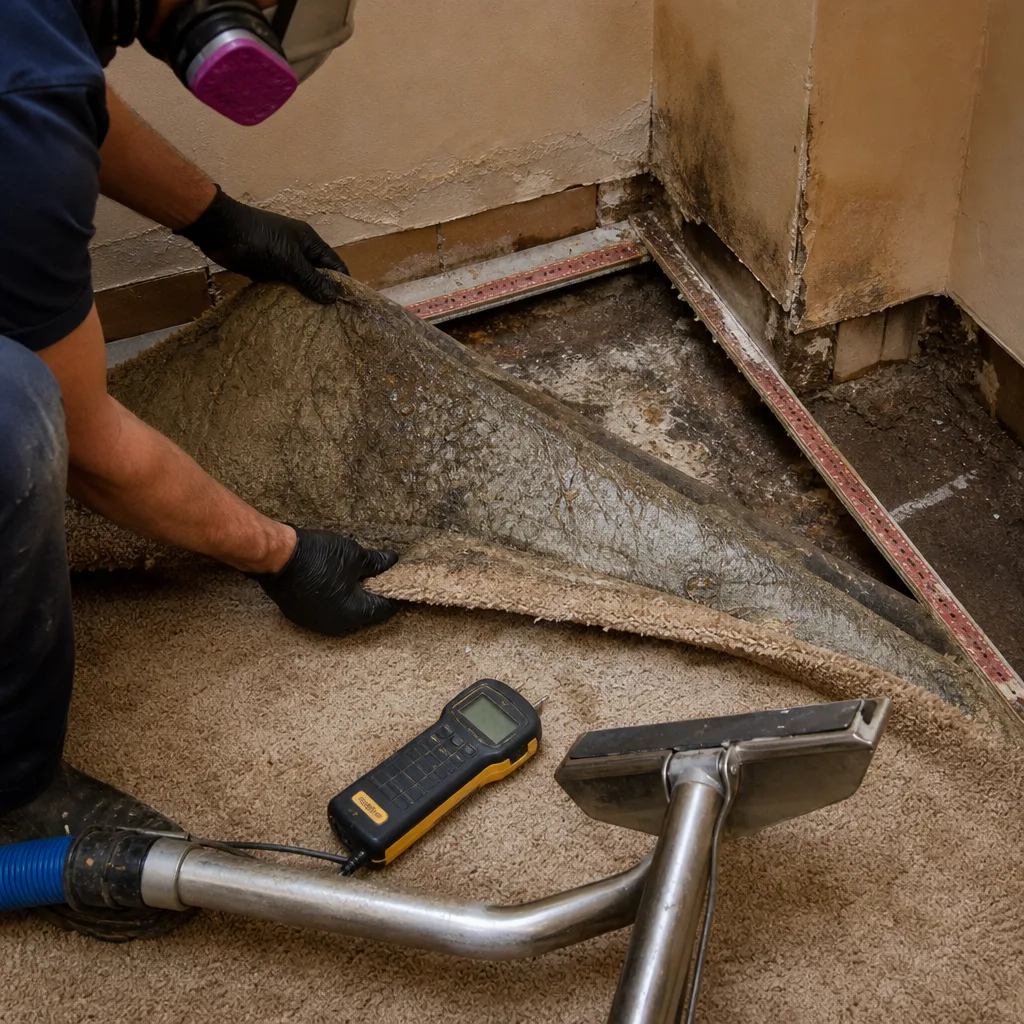
The smoke from a Great Kills fire travels through framing cavities that have been absorbing salt air for decades. Soot bonds differently to salt-crystallized drywall and plaster, requiring chemical agents and agitation methods that go beyond a standard smoke wipe-down. We test surfaces, identify the soot type, and use the right chemistry for oily kitchen residue versus dry structural soot.
Odor Removal & Deodorization
Odor is where most fire restoration jobs fail in this neighborhood. Homes near the harbor hold ambient moisture, which lets smoke odor molecules bind to surfaces more deeply. We run hydroxyl generators, thermal fogging, and seal exterior-deposited odor in wall cavities with encapsulating primers. When odor has traveled into fiberglass or cellulose insulation, we remove and replace it; there is no chemical that overrides trapped smoke smell in salt-dampened insulation.
Contents Cleaning & Pack-Out
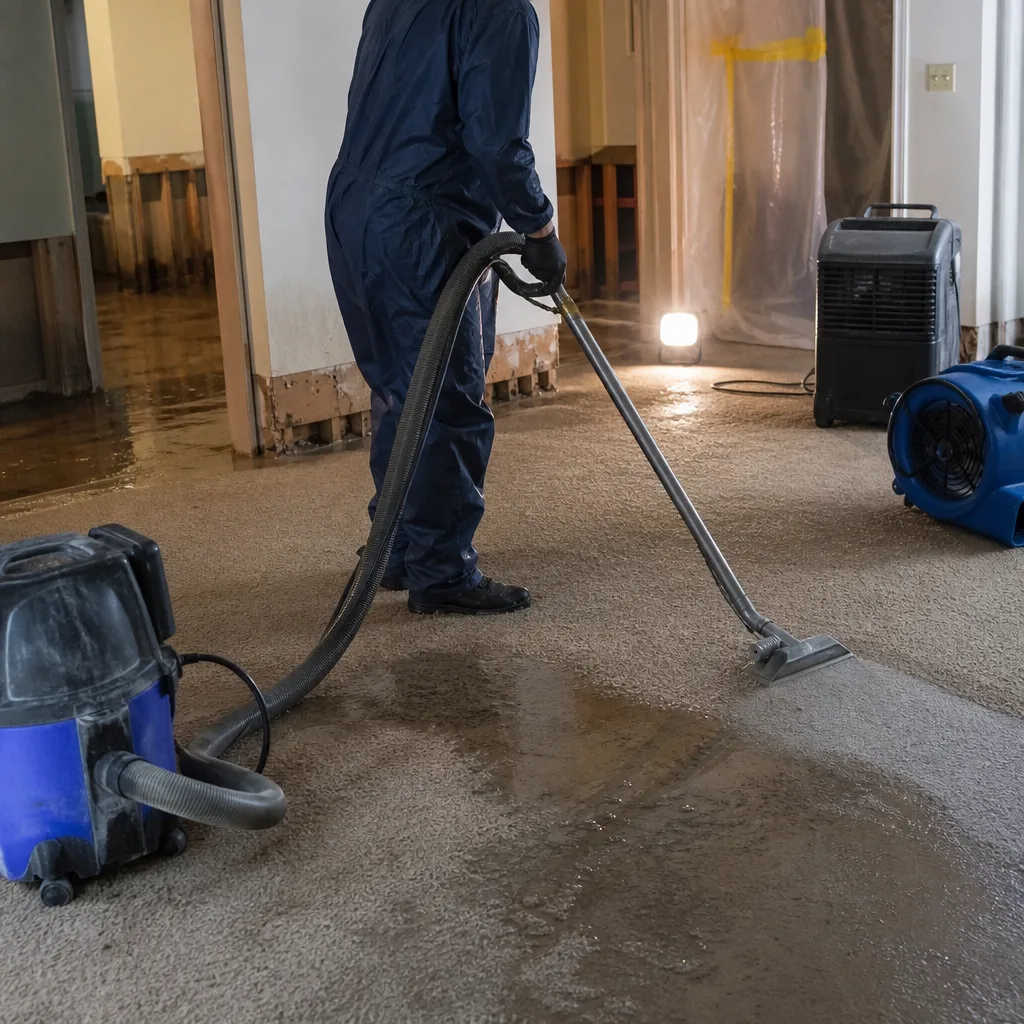
We pack out what survived, inventory it in detail, and clean it off-site when the home itself is too damaged to work in. For Great Kills homeowners who lost things in Sandy, the process has to be transparent. You get a written inventory, photos of everything, and no surprises about what went where. That matters when the adjuster reviews the claim.
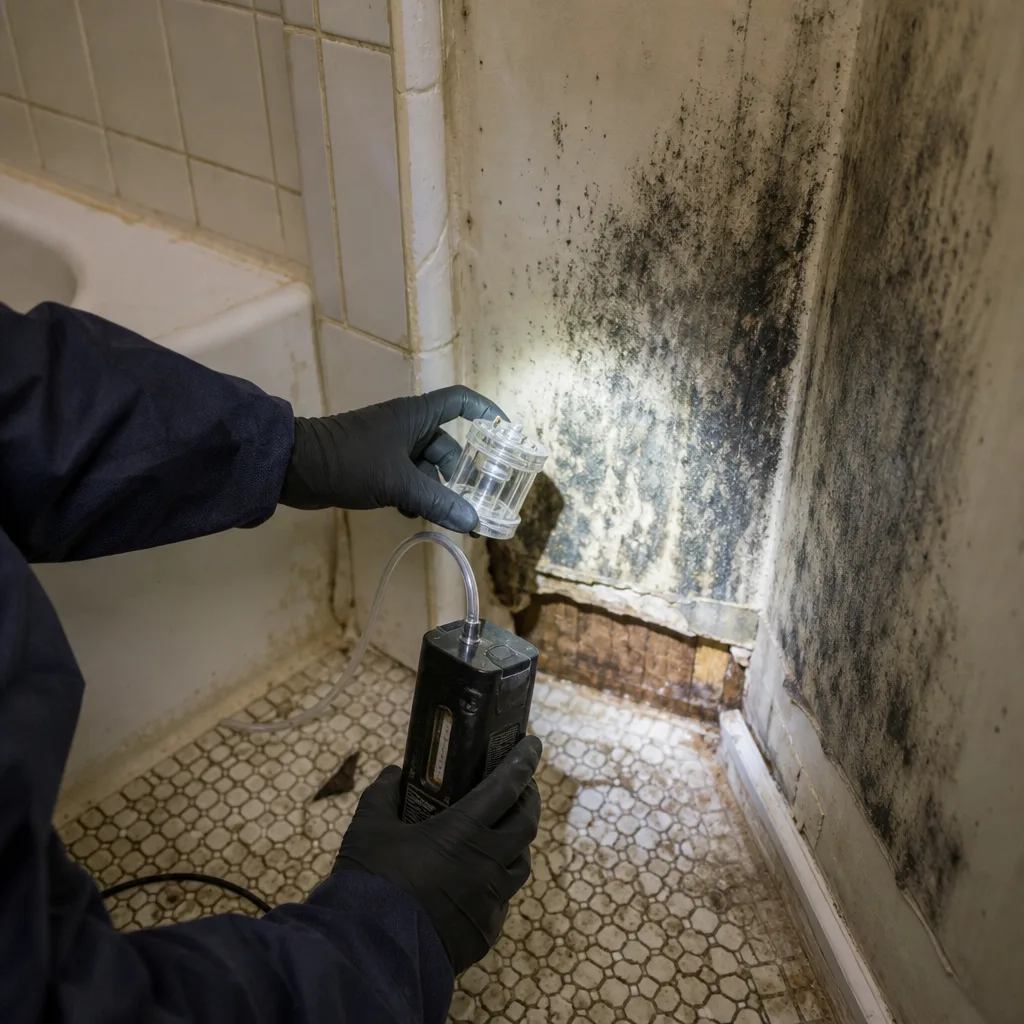
What happens when you call
- 1
A real person answersNo phone trees - you reach a local pro.
- 2
You get an upfront price rangeHonest numbers before anyone is dispatched.
- 3
A background-checked tech heads outLicensed & insured, dispatched right away.
- 4
You approve before work beginsNothing starts until you say go.
Fire & Smoke Damage Restoration Costs in Great Kills, NY
A typical fire and smoke damage cleanup in a Great Kills single-family home runs $4,500 to $18,000, with full structural repair ranging $25,000 to $80,000 or more depending on the fire’s point of origin and the age of the framing. Emergency board-up and tarping runs $500 to $2,500 depending on square footage and whether you need roof tarping or just window coverage. Odor removal alone runs $1,500 to $6,000, more when insulation replacement is required. Conditions unique to Great Kills push costs upward: post-Sandy crawl space smoke contamination, salt-corroded wiring that must be replaced rather than cleaned, and FEMA flood zone re-inspections that add fees. Most homeowner policies cover fire and smoke damage, including the fire department’s suppressant water, but salt-related corrosion claims may require documentation our team provides. The free inspection is the cleanest path to a fixed number; you get a written scope before any work begins.
We Also Serve Cities Near Great Kills
Floodline Restoration Co. of Manhattan serves the full south shore and the surrounding boroughs. If you’re in Fairview, Harrison, East Bronx, or Hunts Point and dealing with fire or smoke damage, the same crews, the same 90-Day Done Right Promise, and the same 24/7 live answer apply. Call (917) 924-4221 from any of these areas and a real person picks up.
Serving Great Kills, NY - Our Local Coverage Area
We’re based in the Great Kills area and know this community well. Use the map below to see our service coverage - if you’re nearby, we can almost certainly help.
Great Kills Fire & Smoke Damage Restoration Questions, Answered
How does saltwater intrusion from Sandy affect fire damage restoration in Great Kills homes?
Saltwater intrusion from the 2012 Sandy surge left chloride deposits in framing, drywall, and wiring throughout Great Kills. When fire damage is added, those salt-soaked materials corrode faster and absorb soot more aggressively, requiring cleaning and treatment protocols standard freshwater damage restoration never touches. Our crews test and treat every surface with the salt baseline in mind.
Do Great Kills elevated homes require special containment during fire and smoke cleanup?
Yes. Post-Sandy elevated homes have open voids below the living space where smoke collects, and air movement through those voids can pull contaminated particles into the living area during cleanup. We install containment barriers at floor level, isolate the crawl space, and run negative air pressure so the cleanup doesn’t cross-contaminate what survived the fire.
What happens if a fire-damaged Great Kills home is in a FEMA flood zone?
If your home sits in a post-2012 FEMA-mapped AE or VE flood zone, any structural fire repair that changes floor framing, foundation, or base flood elevation may trigger a compliance re-inspection before work can proceed. We verify your elevation certificate at the start and build that requirement into the repair plan; skipping it means work stoppage weeks into the project.
How does post-Sandy corrosion affect fire damage cleanup of electrical and HVAC systems in Great Kills?
Copper wiring and HVAC coils that were exposed to Sandy saltwater have already been corroding for years, often invisibly inside walls. Fire and fire suppressant water accelerate that corrosion, and components that look salvageable may fail shortly after cleanup. We inspect and test electrical and HVAC systems for chloride damage and document that condition for your insurance claim.
Why is odor removal different in Great Kills after a fire compared to inland Staten Island?
Ambient humidity near Great Kills Harbor means smoke odor molecules bind to surfaces more tenaciously than in drier inland areas. The south shore’s salt air also reacts with soot, creating chemical bonds that require more aggressive deodorization, including hydroxyl treatment and, in many homes, insulation removal and replacement. A standard ozone treatment isn’t enough here.
How fast can you actually get to a Great Kills fire damage job?
We commit to 45 minutes from your call to a crew at your door. Our dispatcher, reached at (917) 924-4221, knows the Great Kills street grid, including tight harbor-side roads and Hylan Boulevard traffic patterns, and routes the closest available crew immediately. Board-up and tarping usually starts the same visit.
Will my insurance cover fire and smoke damage restoration in a post-Sandy elevated home?
Most homeowner policies cover fire, smoke, and fire-suppressant water damage. What’s often contested is salt-related corrosion from Sandy, which predates the fire. We document the condition of wiring, framing, and HVAC at the time of inspection, including photographic evidence connecting fire damage to pre-existing salt exposure, so your adjuster has what they need to approve the full scope.
What should I do in the first 30 minutes after a fire in my Great Kills home?
Get every person and pet out, call 911 if you haven’t already, then call us at (917) 924-4221. Don’t wipe soot off surfaces, don’t run your HVAC system (it spreads smoke), and don’t walk through soot-saturated areas unless necessary. Opening windows briefly helps air out, but keep doors closed between rooms to slow smoke migration. The less you disturb, the more we can save.
Written by Curt Bowman, Owner at Floodline Restoration Co. of Manhattan, serving Great Kills and the south shore. Done right, and backed in writing.