
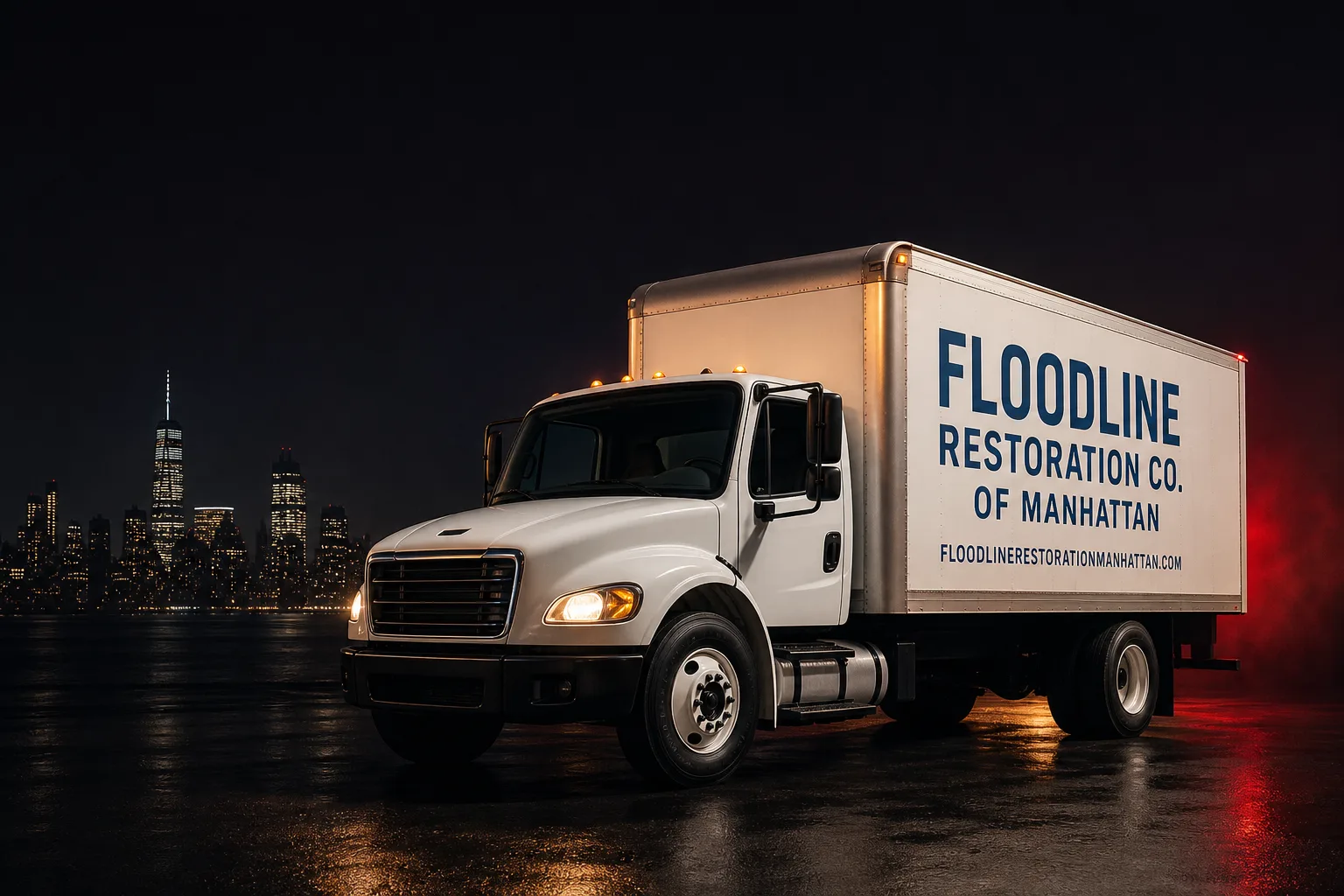
Free visual inspection and a written scope of work before any mitigation begins - photos, moisture readings, and drying logs go in your claim file
The scope we write is the scope we bill. Anything new gets shown to you, in writing, before we touch it.
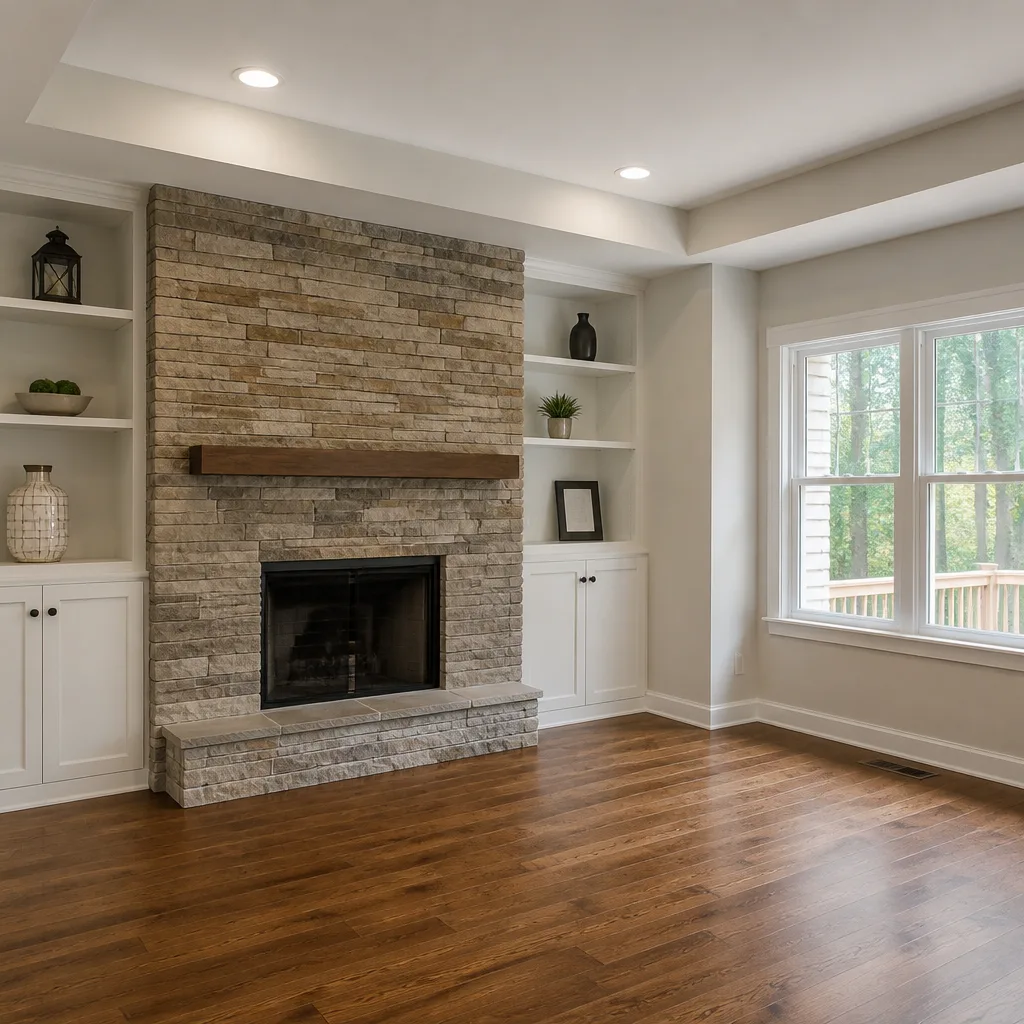
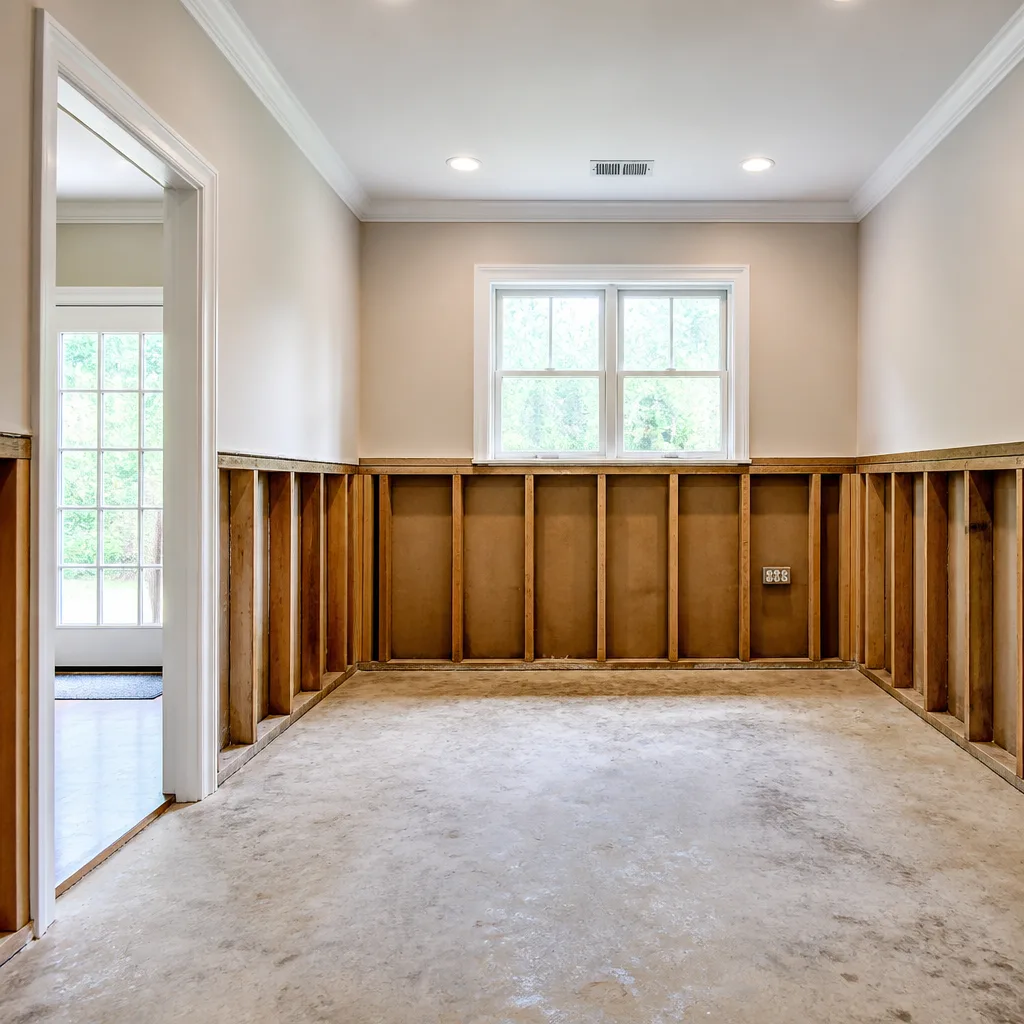
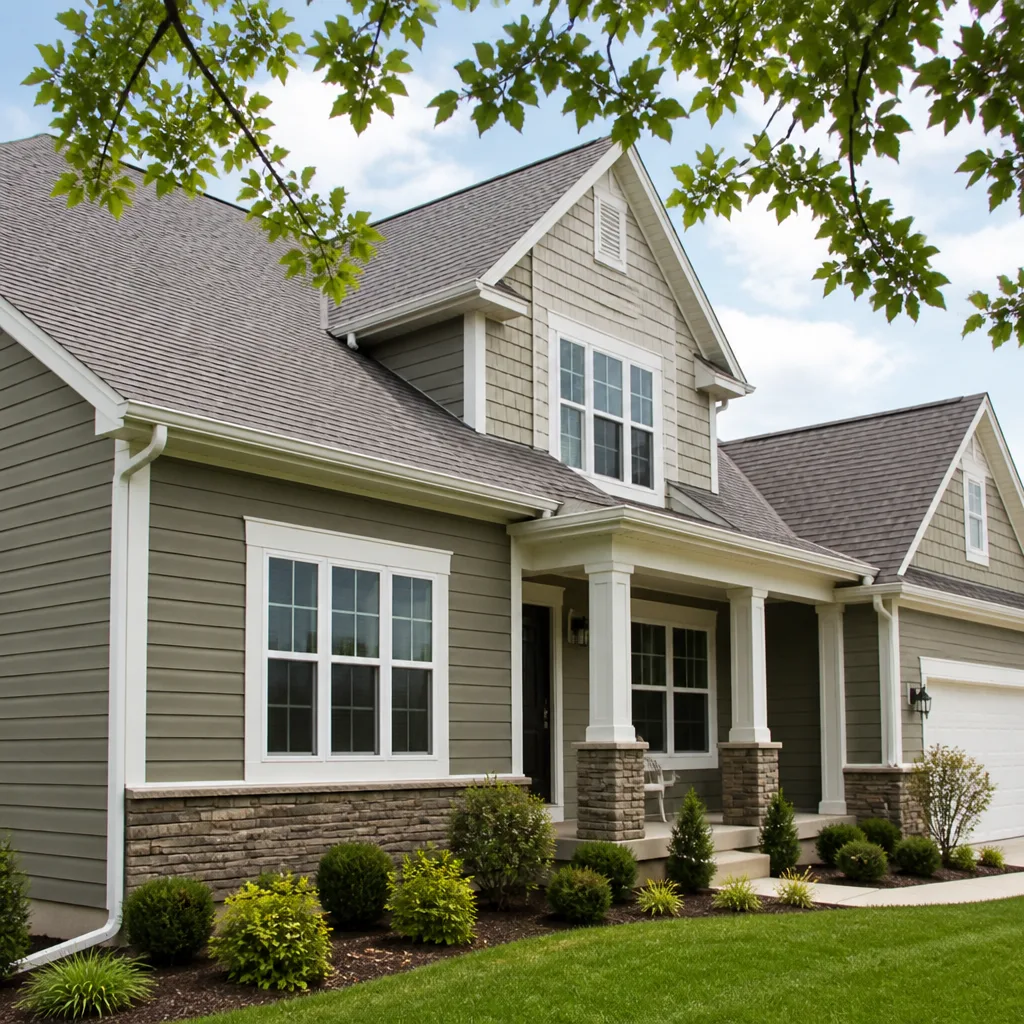
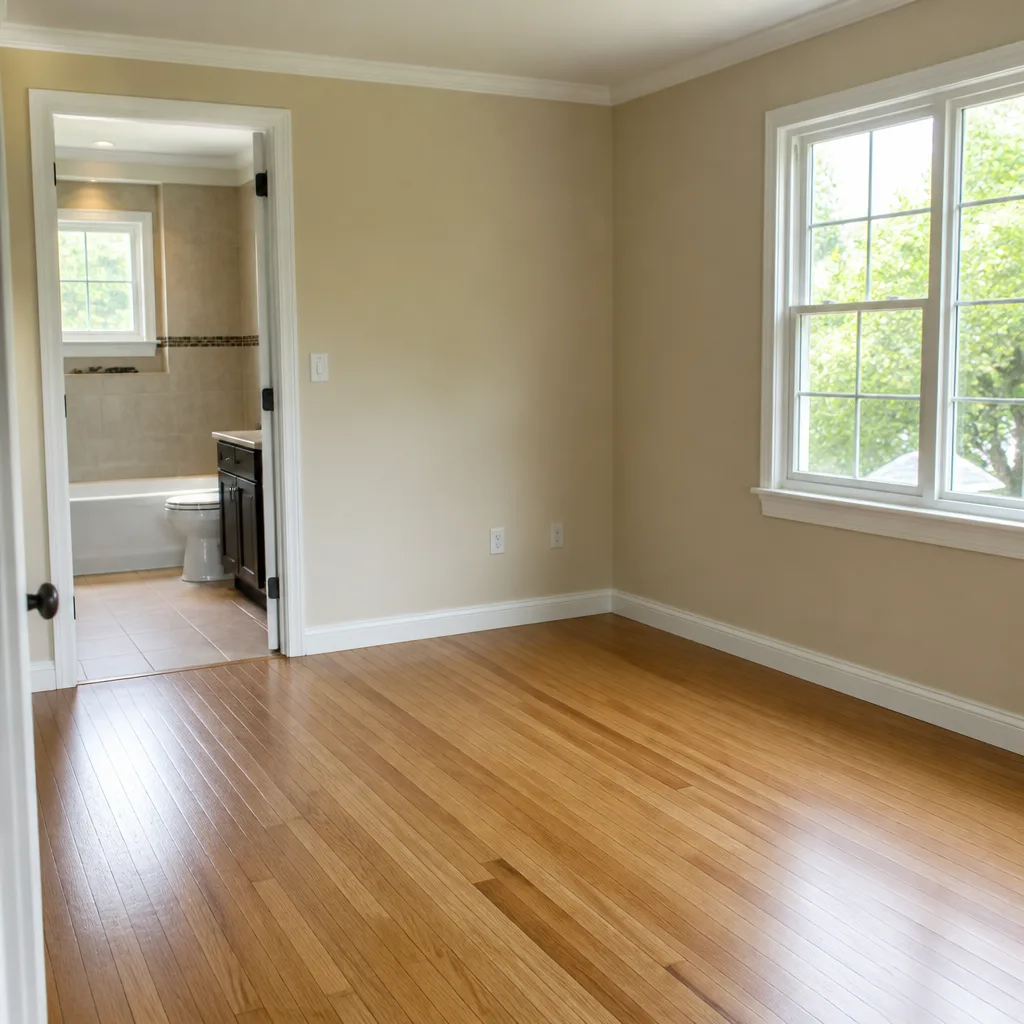
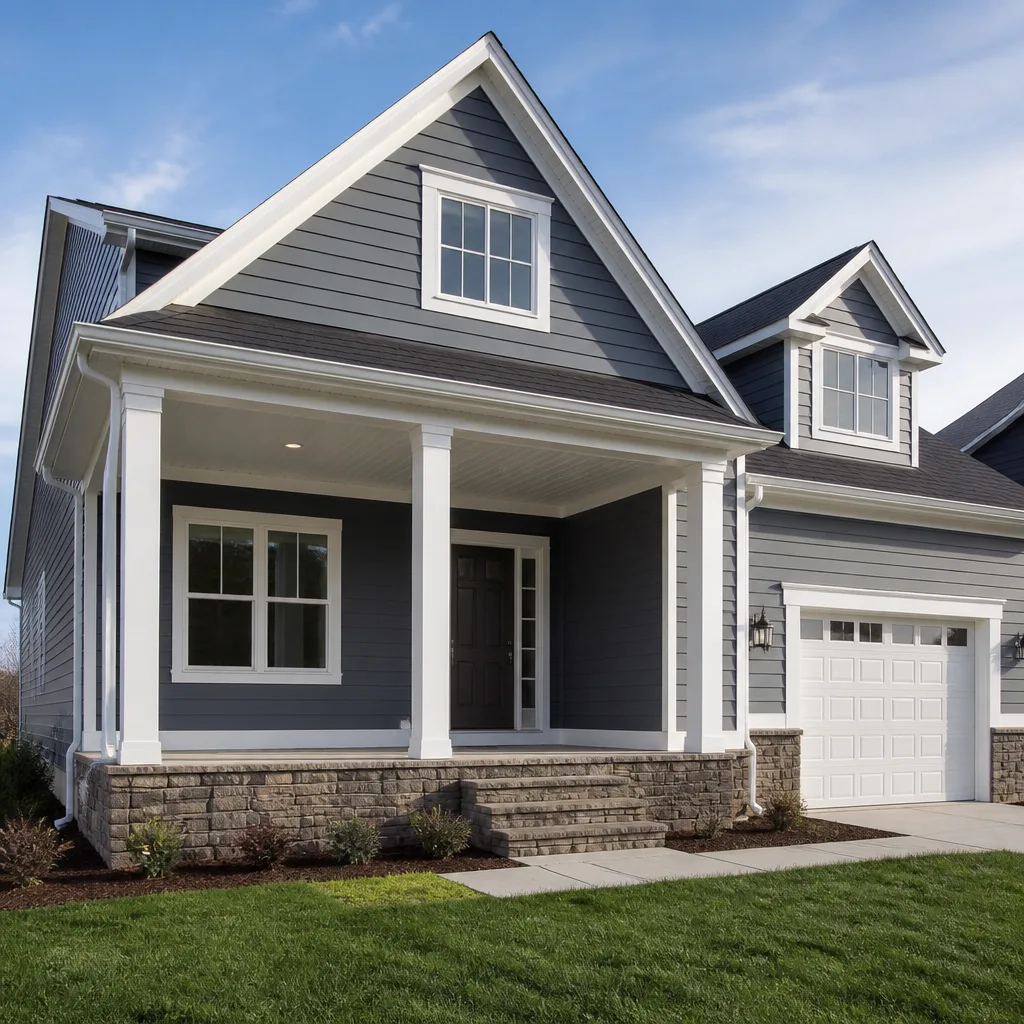
 Before
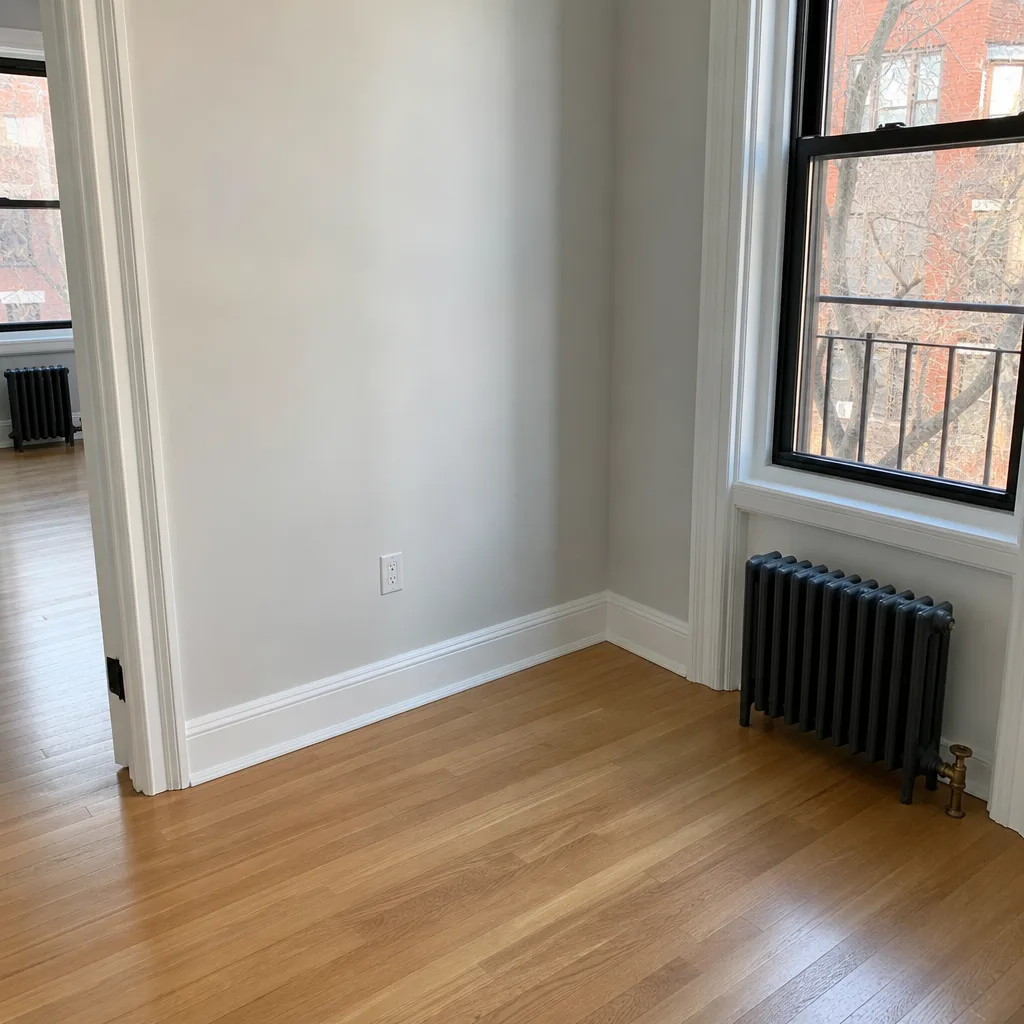 After
After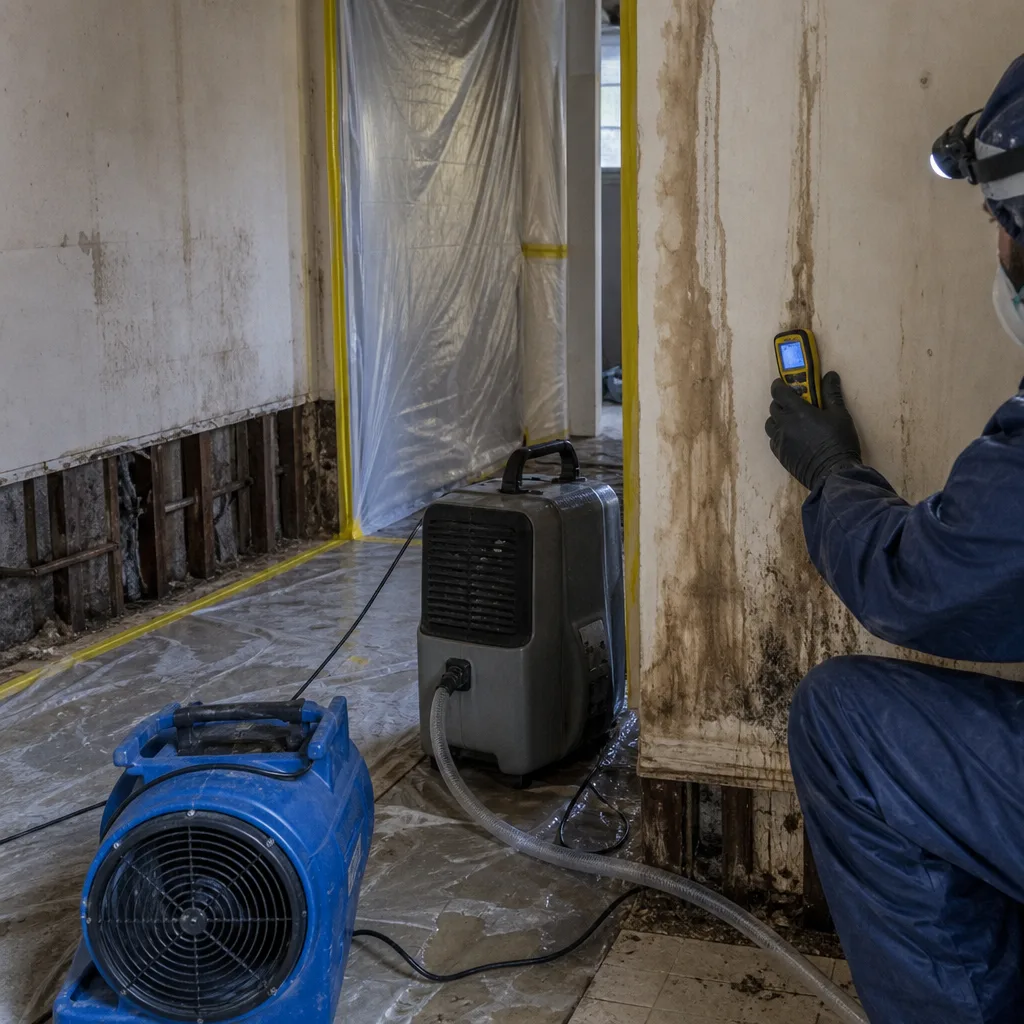 Before
 After
After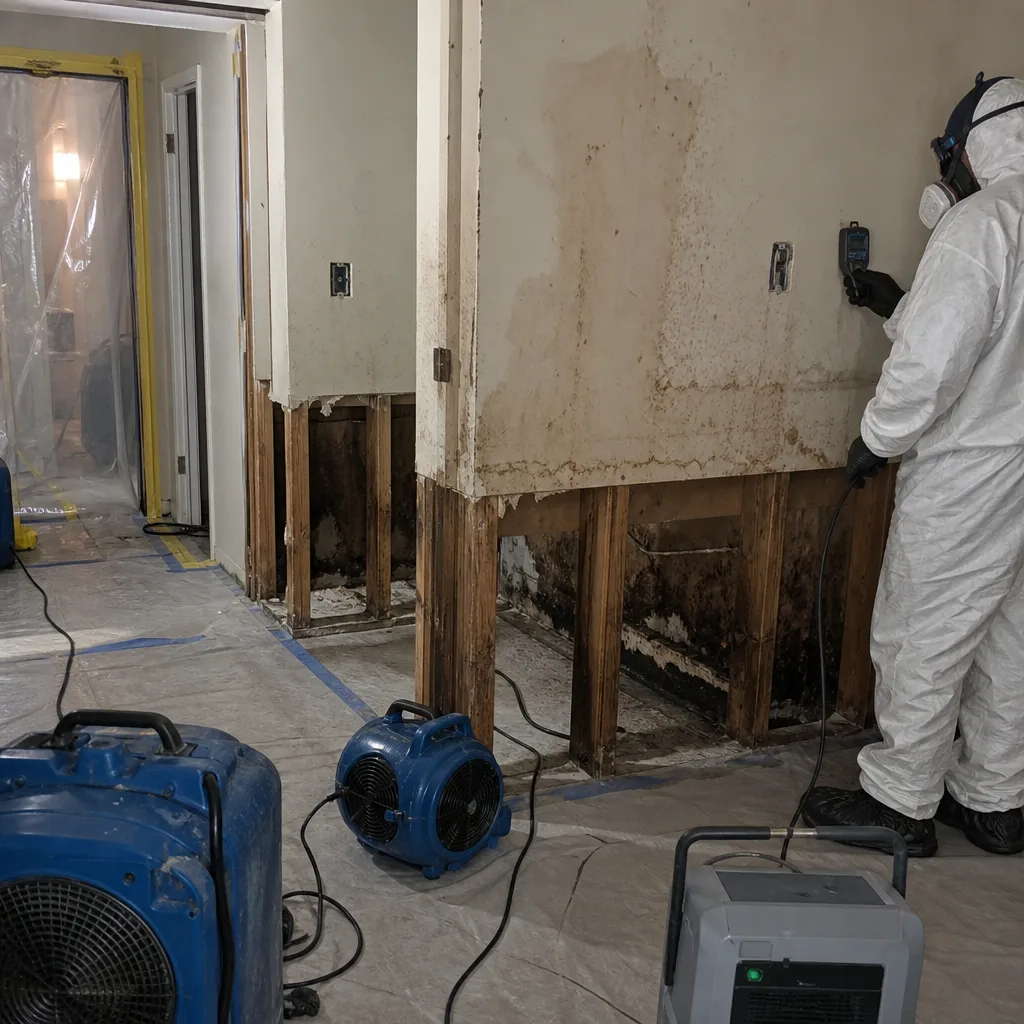 Before
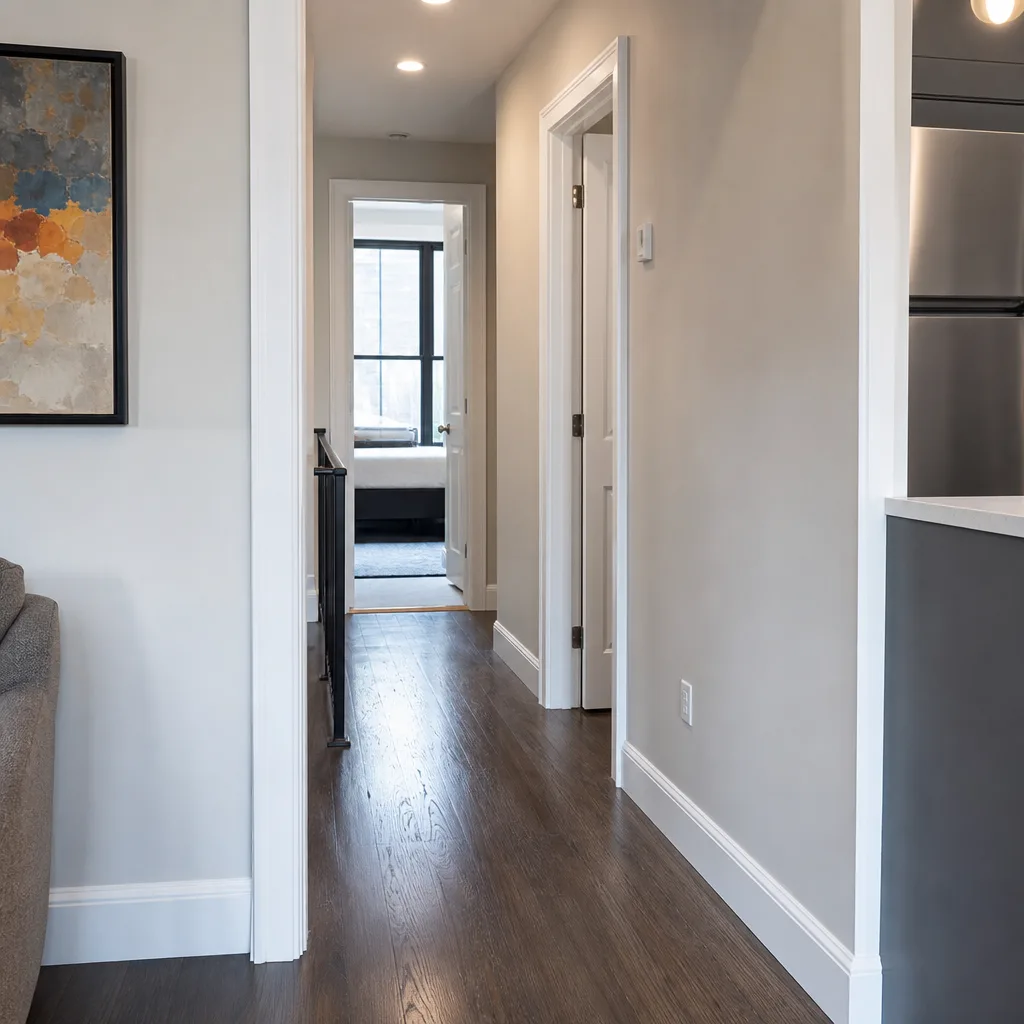 After
After24/7 Emergency Mold Remediation in East Village
Mold remediation in East Village typically runs $1,800-$6,500 depending on how many floors of a shared plumbing stack are involved, with black mold and crawl space jobs on the higher end. Most single-unit work is done in one to three days. We answer the phone at (917) 924-4221 around the clock, every day, and a live dispatcher sends a crew from our New York City office into East Village without voicemail hoops.
Here’s what matters: in a pre-war tenement, moisture behind plaster and lath colonizes within 24 to 48 hours. That clock runs faster in summer when humidity sits in uninsulated wall cavities with nowhere to go. If you’ve had a pipe burst, an appliance overflow, or a roof leak above a top-floor unit, the first call should be to a crew that can contain the affected area before spores ride the building’s shared air movement into neighboring apartments. We arrive for a free visual inspection, take moisture readings, and tell you plainly whether you’re looking at drying or full remediation. Nothing oversold. The first hour determines whether this is a one-unit job or a four-floor problem.
Understanding Mold Remediation Severity in East Village Properties
Every mold job in East Village starts with the same question: how far did the moisture travel, and through what? In the 1880s to 1920s old-law and new-law tenements that define this neighborhood, walls are plaster over wood lath, joists are original, and the plumbing stacks running vertically through the building were never insulated. That means a Category 1 water release from a clean supply line can become a Category 2 or 3 contamination event when it soaks through decades of dust, rodent debris, and degraded plaster before it reaches the next floor down.
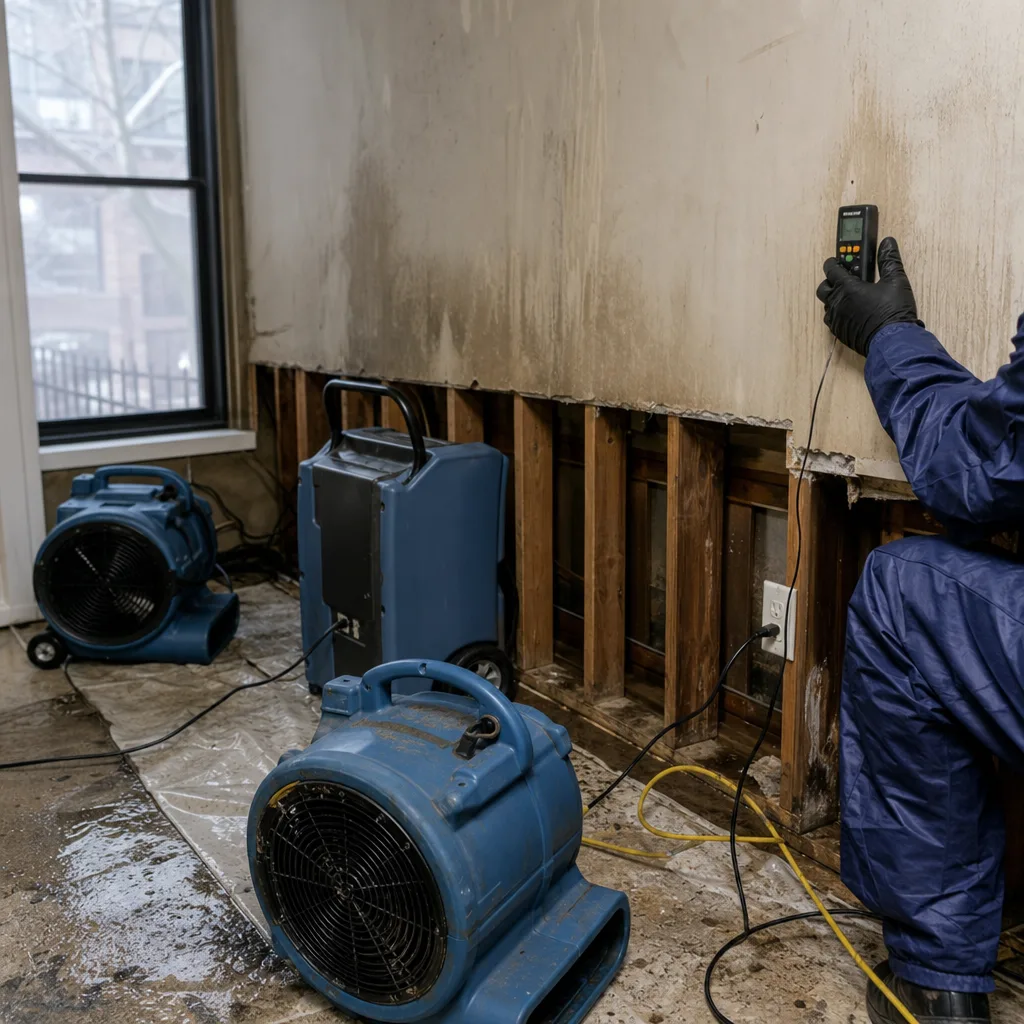
Containment is the first order of business. We seal the work area with 6-mil poly, run HEPA-filtered negative air machines, and establish a pressure differential so spores don’t migrate into hallways, stairwells, or neighboring units through gaps around riser pipes. Air scrubbing runs continuously while we remove affected materials. Clearance testing follows, not before. For East Village buildings with original wood joists, the goal is almost always selective repair rather than wholesale removal: clean and treat what’s structurally sound, cut out what’s not, and document every moisture reading in a drying log the building owner and carrier can both see. This is precise, methodical work. No shortcuts on a pre-war frame.
Why East Village Property Owners Choose Floodline Restoration Co. of Manhattan
The company our founder Curt Bowman built in 2010 runs on a dispatch board, not a sales desk. When you call at 2 a.m. or 2 p.m., the same priorities apply.
- 45-minute response commitment to East Village addresses, with a live dispatcher confirming crew location and ETA while you’re still on the phone.
- 24/7 live answer, never a recording. A person picks up at 3 a.m. on a holiday and starts the dispatch. That’s the whole system.
- IICRC-certified crews trained to WRT, FSRT, and AMRT standards. Every tech is background-checked and uniformed, and knows tenement plumbing stacks better than any franchise trainee ever will.
- Free visual inspection with moisture readings and a straight answer about whether you need full remediation or just targeted drying.
- Direct insurance billing. We prepare the scope, submit the photos and drying logs, and talk to the adjuster. You don’t carry messages.
- One team from extraction to finish. The same moisture-mapped crew that sets containment on day one handles daily readings and rebuilds affected areas. No mid-job handoff to strangers.
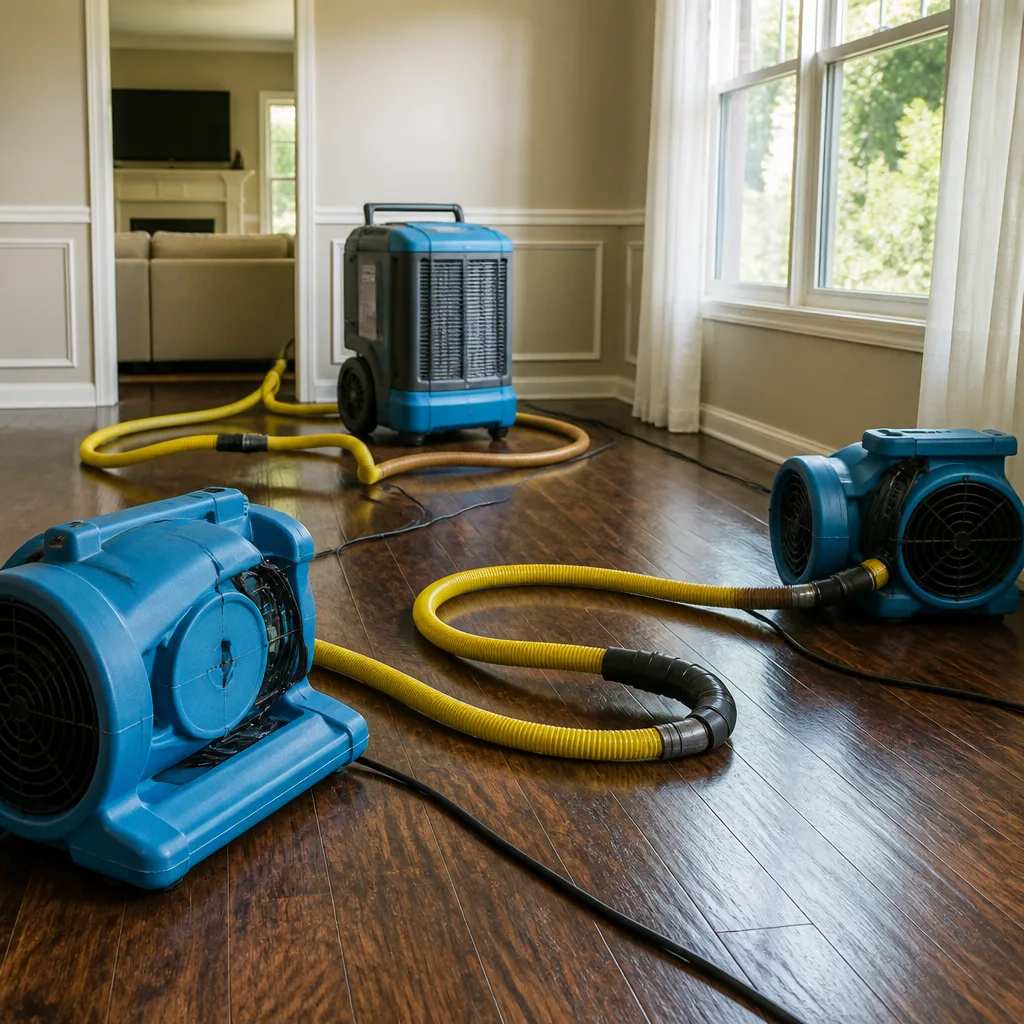
Our Mold Remediation team carries Dri-Eaz and Phoenix dehumidifiers, XPOWER air movers, and HEPA scrubbers sized for tight walk-up access. Equipment matters, but the log matters more: every dry standard we reach is recorded and shared.
Our Mold Remediation Process
Inspection & Assessment
We start with thermal imaging and moisture meters across walls, floors, and the shared plumbing chase. In an East Village tenement, that often means testing cavities in adjacent apartments, because a leak above doesn’t stay above. We map the full spread and tell you the honest scope in writing.
Extraction & Stabilization
Any standing water comes out first with truck-mounted extraction. Then we remove baseboard sections and drill strategic openings to expose cavity saturation. Stabilization means stopping the moisture source before any further demolition happens.
Drying & Dehumidification
Dri-Eaz and Phoenix dehumidifiers pull humidity while XPOWER air movers direct airflow across damp surfaces. In uninsulated plaster cavities, this phase often runs 72 to 96 hours. Daily moisture readings track progress against the dry standard, and the log goes to you and your carrier.
Cleaning & Sanitization
HEPA vacuuming removes fine particulates from all exposed surfaces, followed by antimicrobial treatment on retained framing and joists. We work through a sealed containment area and scrub the air continuously so spores never ride shared air movement to other floors.
Black Mold Remediation
When Stachybotrys is present, we isolate and remove the affected material rather than trying to seal it in place. That typically means cutting out soaked plaster and lath, wire-brushing exposed structure, and applying a registered antimicrobial. Clearance testing confirms the job is finished, not guesses.
Repairs & Restoration
We install new drywall or restore plaster, prime and repaint, and replace any removed trim. If original wood floors or joists were affected, selective repair preserves what’s sound. The same crew handles the rebuild, with the 90-Day Done Right Promise in writing before we pack out.
Need Emergency Mold Remediation in East Village Now?
Crews minutes away, answering live 24 hours a day. The sooner we start, the less it costs.
Working With Your Insurance Company
Mold claims in East Village tenements get complicated fast. Coverage often hinges on the cause of the water intrusion, the timing of the response, and whether the building’s master policy or an individual renter’s or owner’s policy applies. We’ve handled enough of these to keep the paperwork straight from hour one. Our techs document the source of the moisture, record readings before touching anything, and photograph every affected surface room by room. That evidence package goes to the adjuster directly.
We don’t make you the middleman. The carrier gets our line-item scope, our moisture logs, and our drying records. If the adjuster has questions, they call us. For landlords with rent-stabilized tenants across multiple floors, we also document each unit’s condition separately, which is exactly what a multi-party claim requires. This is Mold Remediation in East Village handled with the documentation an insurer actually accepts.
What We Provide Your Insurer
- Thorough documentation of the loss
- Photos of all damage, room by room
- Moisture readings and drying logs
- A detailed, line-item scope of work
- Direct coordination with your carrier
Built for East Village’s Loss Calendar
East Village mold problems follow a seasonal pattern as reliably as the rent-stabilized leases do. January and February freeze-thaw cycles stress the uninsulated pipe chases behind old-law bathrooms, and a burst supply line sends water down four to six floors before anyone notices. Spring thaw brings basement seepage through original rubble-stone foundations along Avenue B and the C corridor, where ground moisture finds its way into crawl spaces and under floor joists and starts the slow mold clock. Summer is the worst: weeks of 80-plus degree heat with high humidity trapped in buildings that never had mechanical ventilation, so a small dishwasher leak behind a kitchen cabinet becomes a wall-cavity mold bloom within 48 hours. Nor’easters push wind-driven rain against aging parapets and top-floor units on north-facing facades.
The lesson across all of it: don’t wait for the weekend to end. A moisture reading on a Sunday night costs less than containment across three occupied floors by Tuesday.
Mold Remediation Across East Village’s Neighborhoods
Alphabet City, the grid from Avenue A to Avenue D, has some of the oldest tenement stock in the neighborhood, much of it old-law buildings with vertical plumbing stacks shared across five or six floors. A single fixture backup here often means opening walls on three levels, not one. Along St. Mark’s Place and the blocks around St. Mark’s Church in-the-Bowery, mixed-use buildings put residential moisture problems directly above restaurants and bars, where heat and humidity from commercial kitchens complicate the dry standard upstairs. We know those floor plates and the vent shafts that connect them.
Over near Tompkins Square Park on East 7th through 10th Streets, walk-up buildings with rear garden extensions are prone to roof-to-cavity leaks that saturate the shared wall between the front and rear sections. In the pre-war co-ops running along Second Avenue and across to Astor Place, property owners tend to face stricter board-level documentation requirements, so we produce the moisture logs and clearance reports those boards expect without delays. Different blocks, same discipline: full containment, documented drying, and a written scope before any work starts.
Specialized Mold Remediation Services We Offer in East Village
Mold Inspection & Testing
We start with thermal imaging and moisture meters, not a sales pitch. In East Village tenements, that means checking the plumbing chase, the baseboards, and the underside of windows where condensation gathers in uninsulated rooms. If lab testing is warranted, we take air and surface samples before any demolition, so the species and spore count are documented for the record.
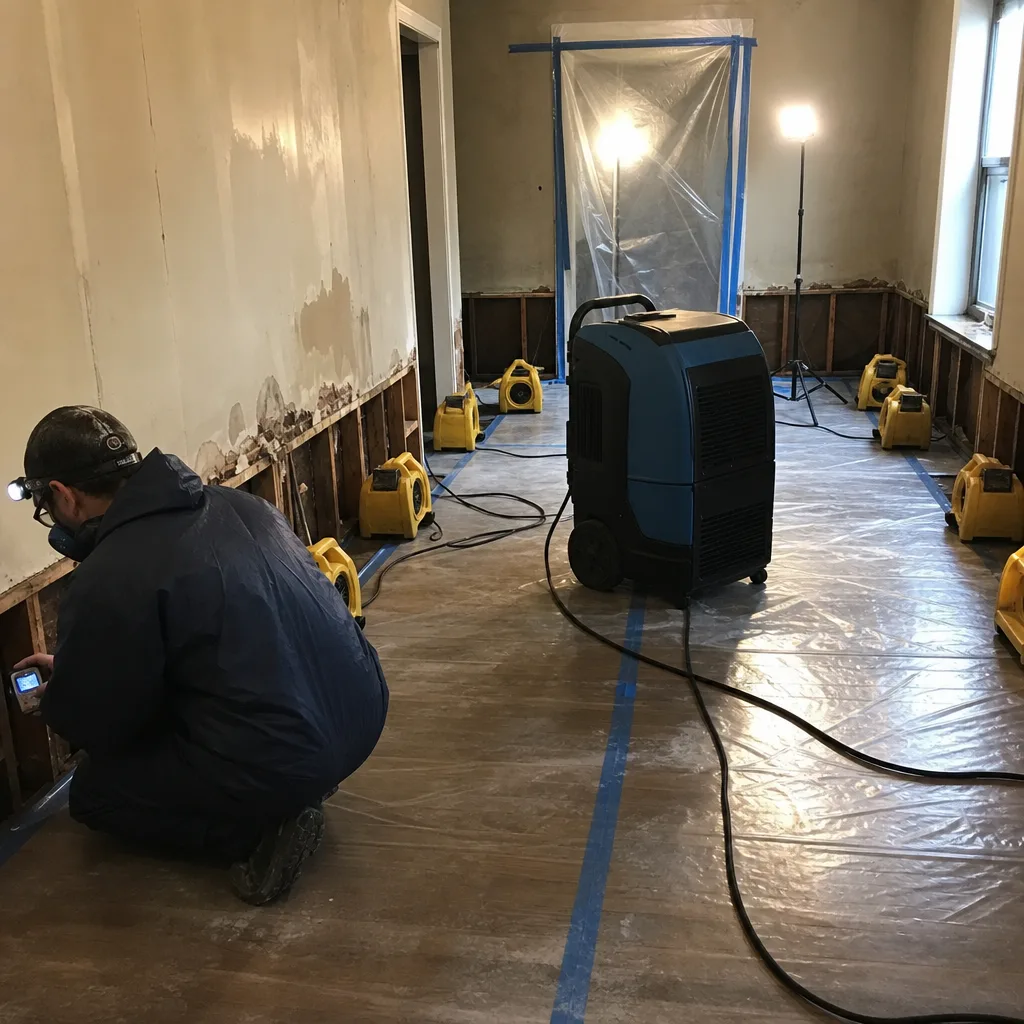
Mold Removal
Removal here is rarely contained to one room. Because shared stacks run through uninsulated interior walls, we open cavities carefully and follow the moisture path, not just the visible staining. The goal is to remove affected material and stop the source, not to paint over a problem that returns in six weeks.
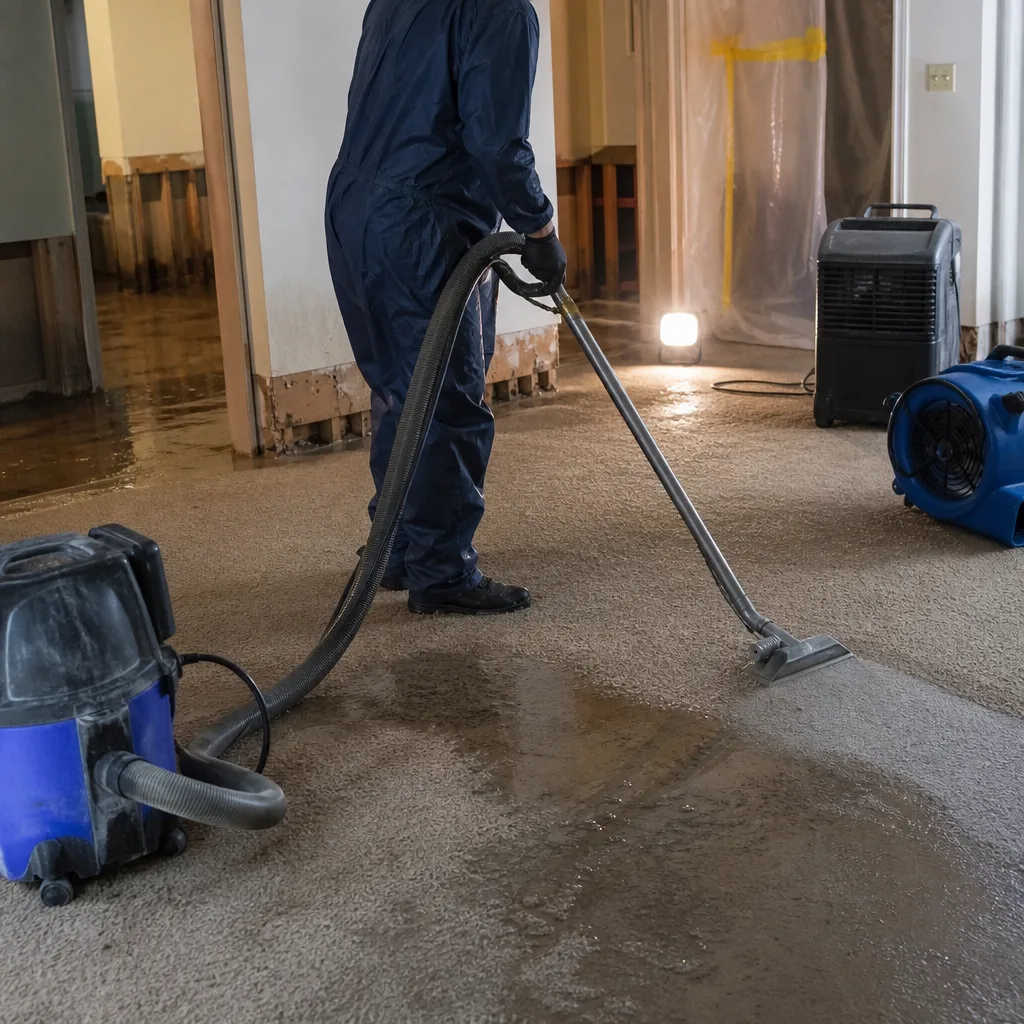
Black Mold Remediation
Stachybotrys and other toxigenic molds are common in East Village buildings because plaster-and-lath walls hold moisture longer than drywall ever did. When black mold is present, we isolate the space with negative air pressure, remove the affected plaster or drywall, wire-brush the structural members, treat with a registered antimicrobial, and verify with clearance testing. No shortcuts on this one. A wrong move with black mold sends spores through the same air shaft that carries your neighbors’ air.
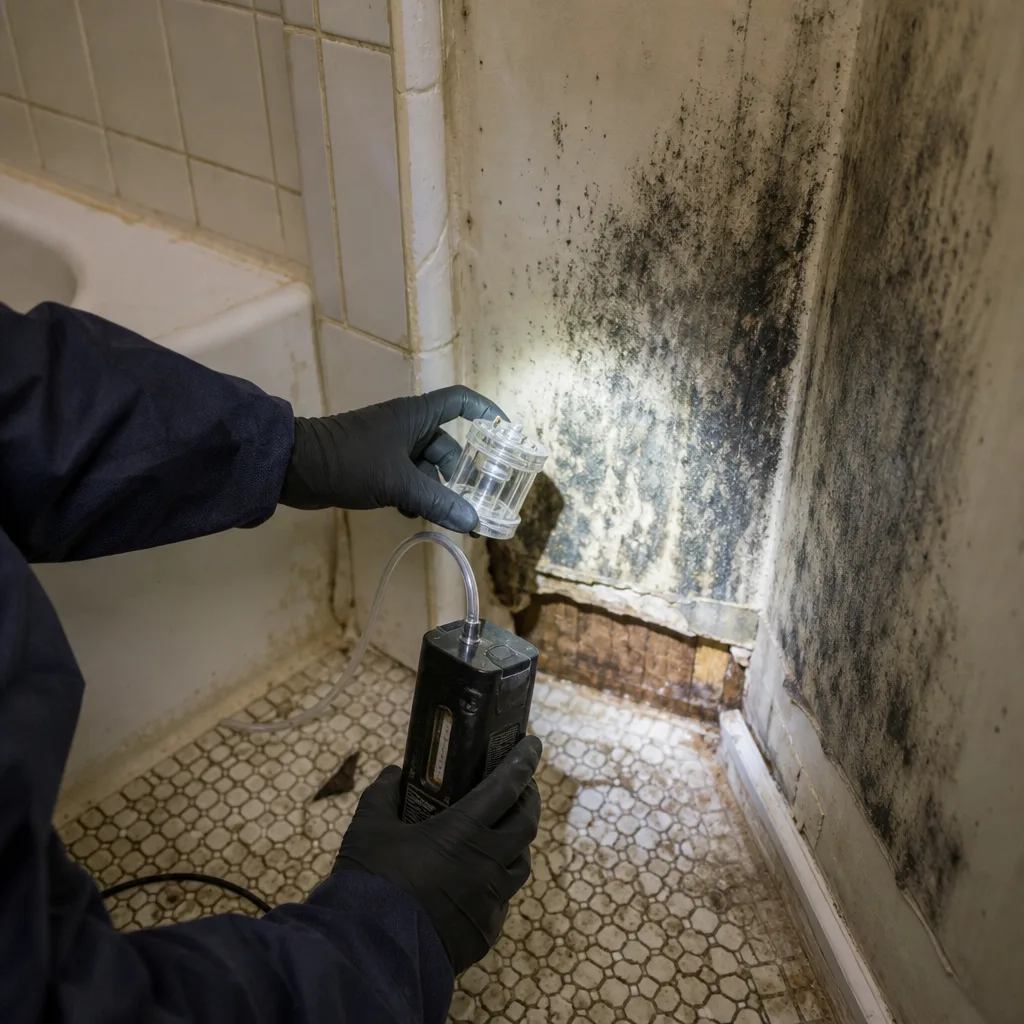
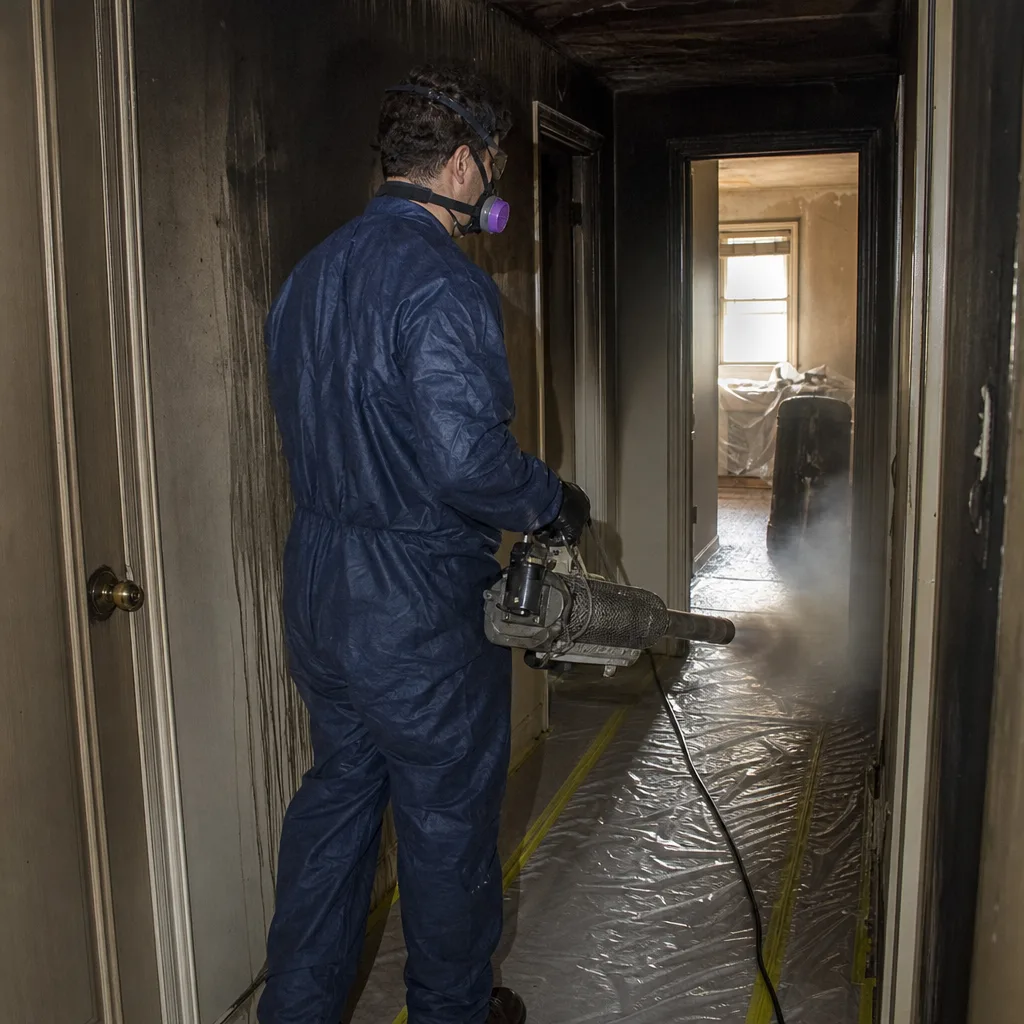
Air Quality Restoration
After physical removal, we run HEPA air scrubbers continuously until the air in the contained area meets the same particulate count as the building’s unaffected floors. For East Village units with shared ventilation shafts, this is the step that prevents cross-contamination between apartments. The scrubber runs until clearance testing confirms the job is finished.
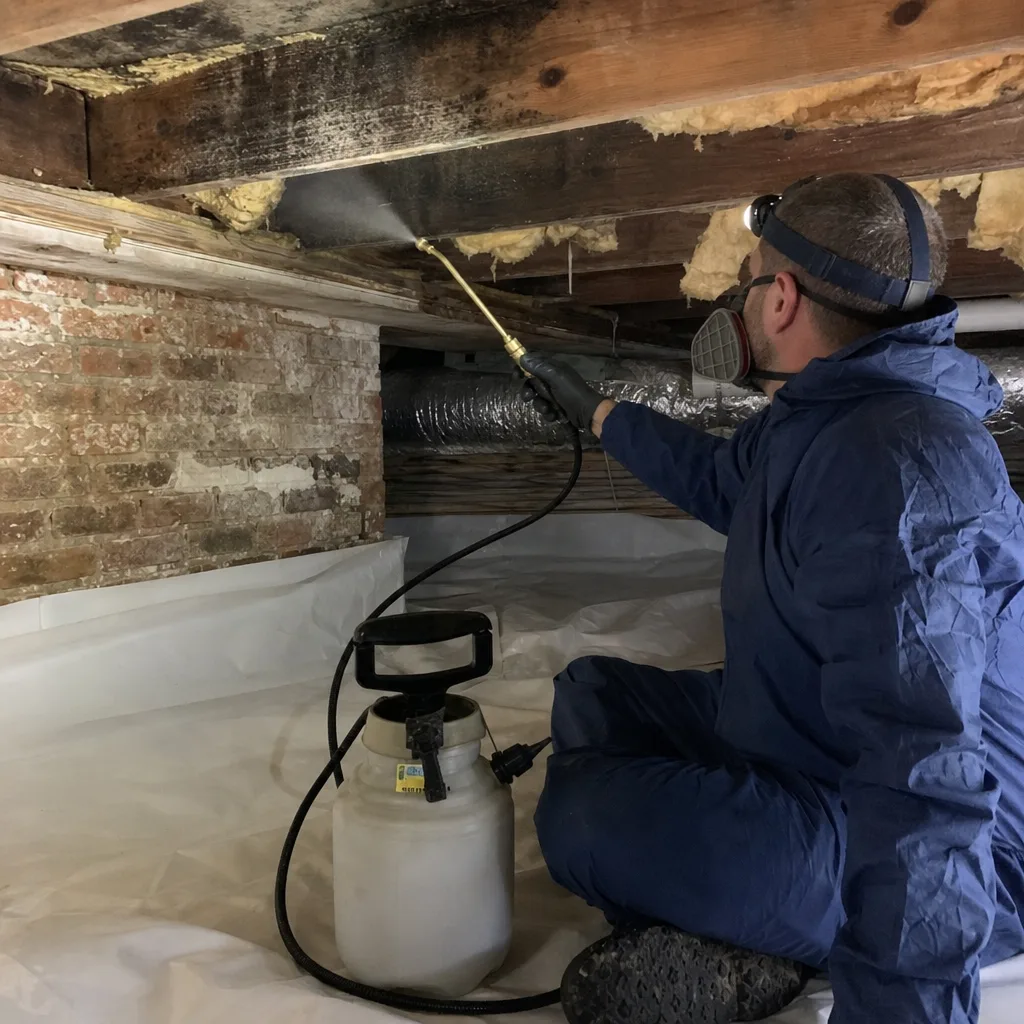
Moisture & Humidity Control
The long-term fix for most East Village mold problems isn’t more chemicals, it’s less moisture. We identify where humidity enters: uninsulated pipe chases, rear garden walls, basement air, or simply the lack of mechanical ventilation in an old-law layout. Then we recommend dehumidification, air movement, or sealing measures that make sense for a pre-war building, not a suburban split-level.
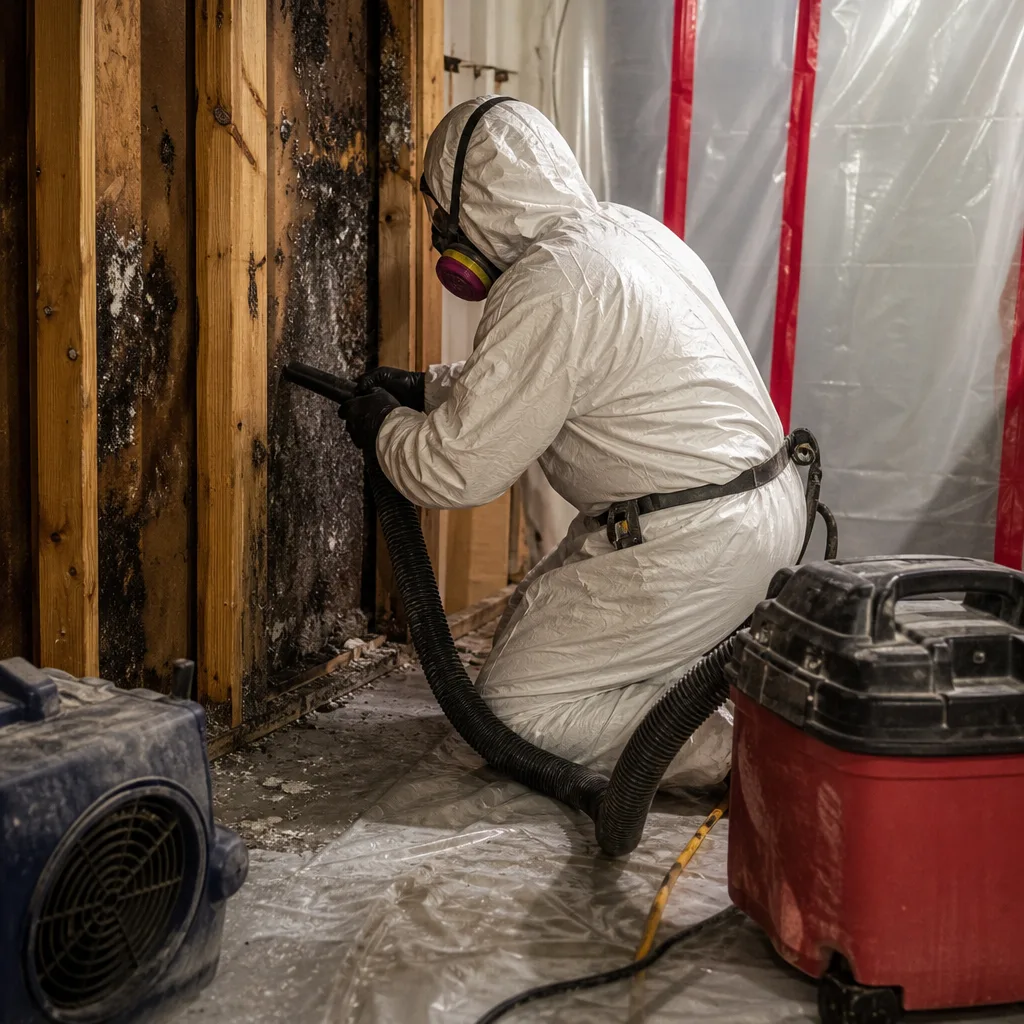
Crawl Space Treatment
East Village rowhouses and some ground-floor commercial conversions have shallow crawl spaces that hold moisture year-round. We treat those spaces with structural drying, vapor barrier installation, and antimicrobial application to the joists, then document the dry standard so you have a record if mold ever appears again.
What happens when you call
- 1
A real person answersNo phone trees - you reach a local pro.
- 2
You get an upfront price rangeHonest numbers before anyone is dispatched.
- 3
A background-checked tech heads outLicensed & insured, dispatched right away.
- 4
You approve before work beginsNothing starts until you say go.
Mold Remediation Costs in East Village, NY
Expect a typical single-unit mold remediation in East Village to run $1,800-$4,200. When a shared-stack leak spreads across multiple floors, costs commonly land between $4,500 and $6,500, and structural rebuilds on top of remediation can push past $10,000. Mold inspection and testing alone runs $350-$700 depending on lab analysis. Crawl space treatment in a rowhouse starts around $1,400. These are honest ranges for this market, where pre-war access and containment on occupied floors add real labor hours.
What moves the price: how many floors share the moisture path, whether tenants need to be relocated during remediation, whether asbestos-containing materials are found in pipe wrap or plaster, and how long the problem went unnoticed. Insurance covers the remediation when the moisture source is a sudden event like a pipe burst, but a landlord who ignored a known slow leak may be looking at out-of-pocket costs. The free visual inspection is the path to a firm written scope. Call (917) 924-4221 and we’ll tell you exactly what you’re facing before you spend a dollar.
| Service | Typical East Village Range |
|---|---|
| Mold Inspection & Testing | $350-$700 |
| Single-unit Mold Remediation | $1,800-$4,200 |
| Multi-floor / Shared-stack Remediation | $4,500-$6,500 |
| Crawl Space Treatment | $1,400-$3,000 |
We keep the numbers straight and the scope in writing before work begins. No surprises on the bill, and the 90-Day Done Right Promise backs every job we complete.
We Also Serve Cities Near East Village
Our crews regularly dispatch from East Village to neighborhoods across the area, including Fairview, Harrison, East Bronx, and Hunts Point. The same live 24/7 answer and the same written scope apply everywhere we work.
Serving East Village, NY - Our Local Coverage Area
We’re based in the East Village area and know this community well. Use the map below to see our service coverage - if you’re nearby, we can almost certainly help.
East Village Mold Remediation Questions, Answered
How quickly does mold appear in an East Village tenement after a pipe burst?
Mold can colonize in 24 to 48 hours when moisture sits in an uninsulated plaster-and-lath cavity, which is exactly what East Village tenements have in abundance. In summer, the window is closer to 24 hours. Don’t wait through the weekend.
Does a mold job in one East Village apartment affect tenants on other floors?
Yes, almost always. Shared vertical plumbing stacks and uninsulated interior walls mean moisture and spores travel between units. We set containment and negative air pressure early to protect occupied floors. Other tenants are often kept in place during the work, with clear communication about what’s happening above or below them.
Why does my East Village landlord need a hazmat assessment before mold removal?
Because pre-war buildings in this neighborhood commonly contain asbestos in pipe wrap, floor tiles, and ceiling texture. Disturbing those materials during mold removal triggers regulatory requirements. A licensed assessment protects the landlord, the contractor, and every tenant in the building.
How do you contain mold without spreading spores through a shared ventilation shaft?
We seal the work area with 6-mil poly and run HEPA-filtered negative air machines to create airflow into the contained space, not out of it. That pressure differential keeps spores from riding air currents through riser gaps, stairwells, or shared ventilation shafts. Air scrubbers run until clearance testing confirms the air is clean.
Can you restore our original wood joists instead of ripping them out?
Yes, when the wood is structurally sound. We remove the damaged plaster and lath, wire-brush the joists, treat them with a registered antimicrobial, and dry them to the standard before closing the wall. Ripping out original framing is a last resort, not a default. If a joist is compromised, we replace only what’s necessary and document the reason in the drying log.
Will my insurance cover mold remediation in East Village?
Coverage depends on the cause. Sudden events like a burst pipe are typically covered; gradual leaks that went unchecked may not be. We document the source and timing from the first visit and coordinate directly with your adjuster, so the claim is built on evidence the carrier can act on.
How long does mold remediation take in an East Village apartment?
A single-unit job typically runs one to three days for removal and drying, then another one to two days for repairs once the dry standard is met. Multi-floor jobs affecting three or more units can run five to seven days. We provide a written schedule after the initial inspection.
What should I do in the first 30 minutes after I find mold or a leak?
Stop the water source if it’s safe to do so, move any furniture and belongings away from the wet area, and call (917) 924-4221. Don’t disturb the area: opening walls or running a household fan spreads spores and makes the job bigger. A free visual inspection with moisture readings costs you nothing and tells you exactly what you’re facing.
We worked a mold outbreak behind a cast-iron supply line in a fifth-floor walk-up on East 7th Street between Avenues B and C. After a Category 1 pipe burst, moisture mapping showed saturation in the shared wall cavity. Containment and air movers were running within hours, and our techs coordinated pack-out and antimicrobial treatment with three rent-stabilized tenants while the building’s owner handled DOB paperwork. That’s the shape of most jobs here: a single leak, a shared wall, and several families who all need answers. We’ve done it enough times to move fast without cutting corners.
The 2015 gas explosion on Second Avenue between 7th and 8th Streets remains in the back of every experienced contractor’s mind in this neighborhood. Aging infrastructure under East Village streets can convert a routine restoration call into a structural emergency overnight. On any mold or water job, our techs assess the condition of exposed pipes and the surrounding masonry early, and we know which block faces have had Con Edison emergencies in recent years. When the building itself is the question, we involve the right people sooner rather than later.
If you own or manage a building anywhere in East Village, call us at (917) 924-4221 for a free visual inspection and a written scope before any work starts. We’ll be there when we say, and the work is backed by the 90-Day Done Right Promise. $50 off any repair over $250, a $89 seasonal tune-up, and a senior and veteran 5 percent discount are always available.
Written by Curt Bowman, Owner at Floodline Restoration Co. of Manhattan, serving East Village and surrounding neighborhoods.