

Free visual inspection and a written scope of work before any mitigation begins - photos, moisture readings, and drying logs go in your claim file
The scope we write is the scope we bill. Anything new gets shown to you, in writing, before we touch it.






 Before
 After
After Before
 After
After Before
 After
After24/7 Emergency Mold Remediation in SoHo
Mold remediation in SoHo typically costs $2,100-$5,400 for a contained removal in a cast-iron loft, with inspection-only services starting around $450. Most jobs we handle are completed within 3-7 days from first assessment to clearance testing. If you’re seeing mold spread across a wall or ceiling, call (917) 924-4221 right now. We answer live around the clock, and a certified crew can be at your building within 45 minutes of your call.
The first hour matters with mold because moisture keeps feeding it. In a SoHo loft where 12-foot ceilings and open square footage give spores room to travel, waiting means paying to remediate a larger area later. We’ll do a free visual inspection, map the moisture, and give you a written scope before any work begins.
Understanding Mold Remediation Severity in SoHo Properties
Mold problems in SoHo fall into three severity bands, and the band you’re in changes the remediation plan. Level 1: surface contamination covers up to about 10 square feet of visible mold, usually from condensation on bathroom ceilings or around window frames. Level 2: hidden mold behind walls is the one we see most in cast-iron lofts. Water has been inside the wall cavity, and the mold is growing on the back side of drywall, behind baseboards, or along plumbing chases. Level 3: mold within HVAC systems or structural cavities requires full containment, negative air pressure, and HEPA air scrubbing throughout the affected area.
SoHo’s 1860s-1890s cast-iron buildings make Level 2 the default. These buildings were not designed for residential plumbing. The conversion-era pipes run through original brick chases, and when a slow leak develops behind a cast-iron facade panel, mold can colonize the cavity for months before visible staining appears on interior walls. By the time a homeowner sees it, the affected area is almost always larger than it looks.
Why SoHo Property Owners Choose Floodline Restoration Co. of Manhattan
- 45-minute response commitment. We dispatch from our Manhattan office directly into SoHo, and our crews know the loading zones, freight elevators, and supers well enough to get to work fast.
- A live person answers, 24/7. No phone tree, no answering service. You’ll speak to a dispatcher who can read your building’s layout over the phone and tell you exactly who’s coming and when.
- IICRC-certified crews. Our technicians hold IICRC certifications including AMRT (Applied Microbial Remediation Technician) and WRT (Water Damage Restoration Technician), trained to RIA and IFA standards.
- Free visual inspection. We’ll assess the visible mold, take moisture readings with thermal imaging and hygrometers, and tell you honestly whether you need full remediation or a targeted cleaning, before you spend a dollar.
- Direct insurance billing. We document everything from the first hour and bill your carrier directly. You never play messenger between us and your adjuster.
- One team from start to finish. The same Floodline crew that sets containment and removes mold also handles the rebuild. No mid-job handoff to a subcontractor you’ve never met.
Our Mold Remediation Process
1. Inspection & Assessment
We start with a visual inspection and moisture mapping using thermal imaging cameras and hygrometers. In SoHo lofts, this means checking walls adjacent to cast-iron facade panels, around plumbing chases, and beneath conversion-era fixtures. If hidden mold is suspected, we’ll recommend air sampling or wall cavity testing.
2. Containment & Source Stop
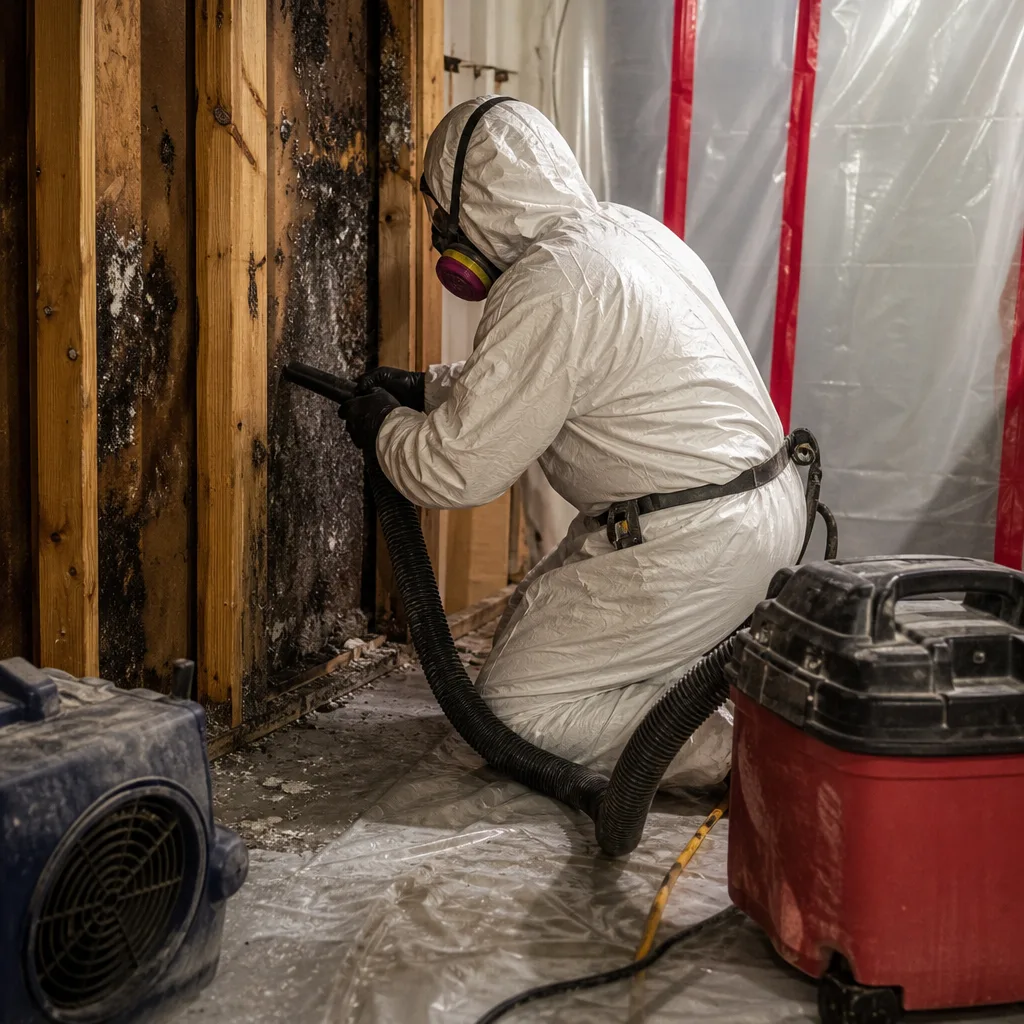
Before disturbing mold, we set up full containment with 6-mil polyethylene barriers and negative air pressure. This keeps spores from spreading across open loft square footage during removal. We also identify and stop the water source, because removing mold without fixing the leak means it returns.
3. Air Scrubbing & Mold Removal
HEPA air scrubbers run continuously during the removal phase, filtering spores from the air. Moldy drywall, insulation, and affected porous materials are bagged and removed under containment. Non-porous surfaces get HEPA vacuuming and antimicrobial treatment.
4. Cleaning & Sanitization
We clean all affected surfaces with professional-grade antimicrobial agents appropriate for the material. For historic elements like original wood joists or cast-iron structural members, we use methods that kill mold without damaging period-appropriate finishes.
5. Drying & Dehumidification
Professional-grade Dri-Eaz and Phoenix dehumidifiers and air movers run until moisture readings match the dry standard for the material type. We log readings daily and provide the log to you and your insurer. Drying in a cast-iron building often takes longer because masonry retains moisture differently than modern construction.
6. Repairs & Restoration
The same crew that removed the mold rebuilds the affected area. If LPC review applies to any exterior-adjacent work, we coordinate that before we touch anything that could trigger a stop-work order. You get a pre-loss condition unit and a written 90-Day Done Right Promise.
Need Emergency Mold Remediation in SoHo Now?
Crews minutes away, answering live 24 hours a day. The sooner we start, the less it costs.
Working With Your Insurance Company
Mold claims in SoHo are not always straightforward. Coverage depends on the source of the water, and cast-iron loft buildings can complicate the adjuster’s job. When a pipe fails inside your walls, mold remediation is typically covered as part of the water damage claim. When the source traces back to long-term seepage through a deteriorated facade, carriers sometimes push back. We’ve navigated both scenarios in SoHo for years, and we document from the first hour so the claim file is complete before the adjuster ever sees it.
One thing we flag early: if your unit carries a JLWQA zoning designation, we note it in the scope documentation. Some carriers are unfamiliar with the classification, and a note up front prevents approval delays later.
What We Provide Your Insurer
- Thorough documentation of the loss
- Photos of all damage, room by room
- Moisture readings and drying logs
- A detailed, line-item scope of work
- Direct coordination with your carrier
Built for SoHo’s Loss Calendar
SoHo’s mold problems follow the weather and the building stock. In January and February, freezing temperatures burst supply lines in uninsulated wall cavities. The water pools behind cast-iron facade panels, and because the interior walls stay warm from heating, mold grows actively while the leak stays hidden. By the time a homeowner notices staining on interior drywall in March, the cavity has been wet for six to eight weeks.
Spring brings its own pattern. April and May rain saturates aging mortar joints on 19th-century brick, and wind-driven rain from nor’easters pushes water through those joints into wall cavities. We respond to a cluster of these calls every storm season along Greene Street, Mercer Street, and Broadway.
Summer humidity is the quiet driver. SoHo’s open lofts with minimal interior walls and tall ceilings are hard to dehumidify evenly, and units without supplemental dehumidification see condensation-driven mold around windows, behind furniture against exterior walls, and in closets along the building’s north side. Hurricane Sandy’s 2012 storm surge left a lasting awareness of below-grade flood risk in the neighborhood, and basement and cellar spaces in SoHo get additional scrutiny after every significant nor’easter.
Mold Remediation Across SoHo’s Neighborhoods
SoHo is compact, but its building stock and response patterns shift block by block. The stretch of Broadway from Houston to Canal has the heaviest mixed-use buildings, where commercial drain lines run above residential units. A restaurant sink backup on the third floor becomes a mold problem in the second-floor loft, and we’ve learned to check the ceiling cavity before the floor stain even shows.
The Mercer Street and Greene Street corridors are dominated by full-floor residential lofts, many with original cast-iron columns still exposed. Mold remediation here must work around structural columns, and containment is harder because open floor plans mean no natural barriers to spore migration. The buildings have freight elevators, which speeds our equipment staging when those elevators are operational.
West Broadway’s newer residential conversions tend to have more conventional wall layouts, but the conversion dates are recent enough that plumbing failures are still common. We’ve run mold remediation in converted units where the original manufacturing floor drains were never properly capped, introducing a chronic moisture source that only shows up as recurring mold.
The blocks around Prince and Spring Streets hold some of SoHo’s oldest standing structures. Buildings here have deeper setbacks from the street and narrower service access, which changes how we stage air scrubbers and negative pressure equipment. We plan the freight elevator schedule with the super before arrival, because a 45-minute response doesn’t help if the crew spends that 45 minutes waiting in the lobby.
Specialized Mold Remediation Services We Offer in SoHo
Mold Inspection & Testing
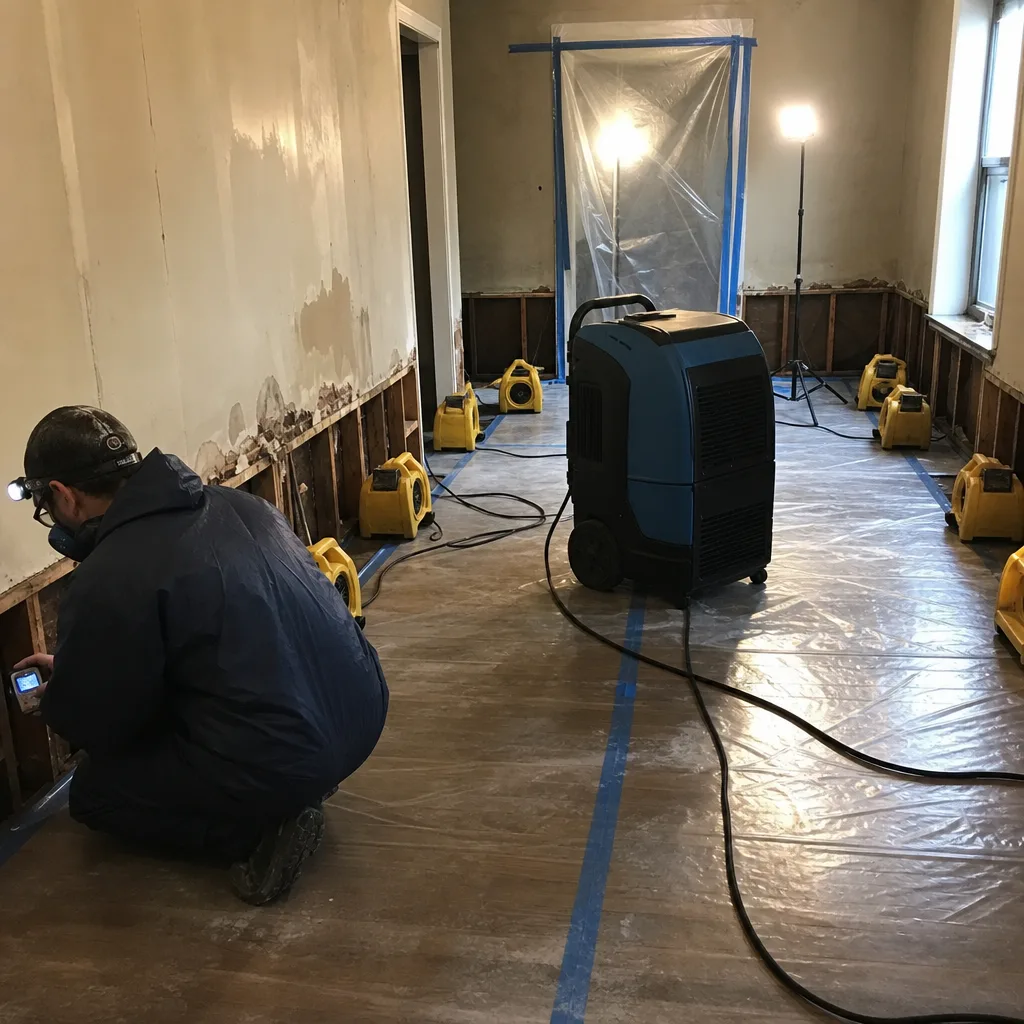
A thorough inspection in a SoHo loft includes more than spraying a test kit and walking away. We check wall cavities adjacent to cast-iron facade panels, the spaces behind conversion-era plumbing chases, and the top plates of walls near roof drains. Air sampling tells us what’s in the air; thermal imaging tells us where the moisture is hiding. Inspection-only pricing in SoHo runs $450-$900 depending on square footage and the number of sampling points.
Mold Removal
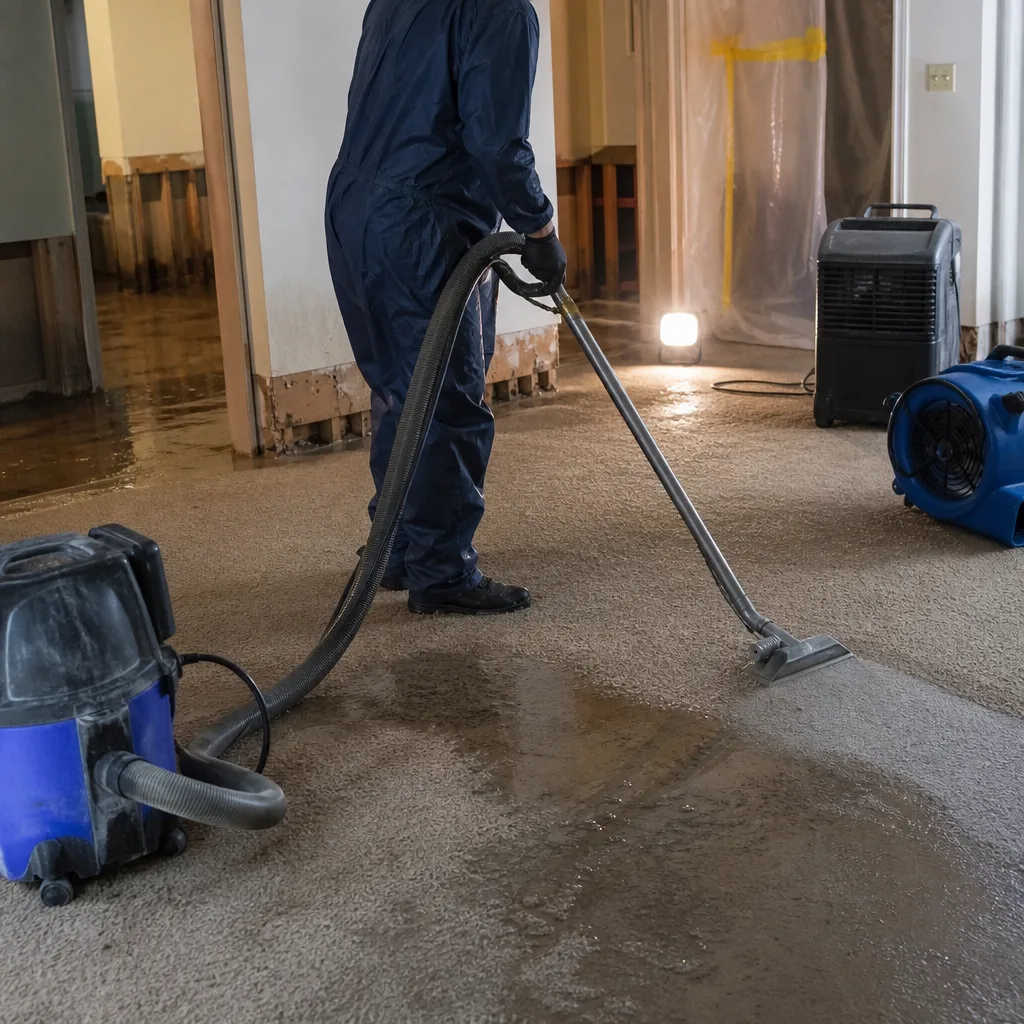
Removal means physically extracting moldy materials under containment, not spraying over visible staining and calling it done. In a SoHo loft, that often means cutting out contaminated drywall while preserving original hardwood floors, cast-iron columns, and any historic finishes that can be saved. Typical removal runs $1,800-$4,200 depending on the affected square footage and the containment complexity.
Black Mold Remediation
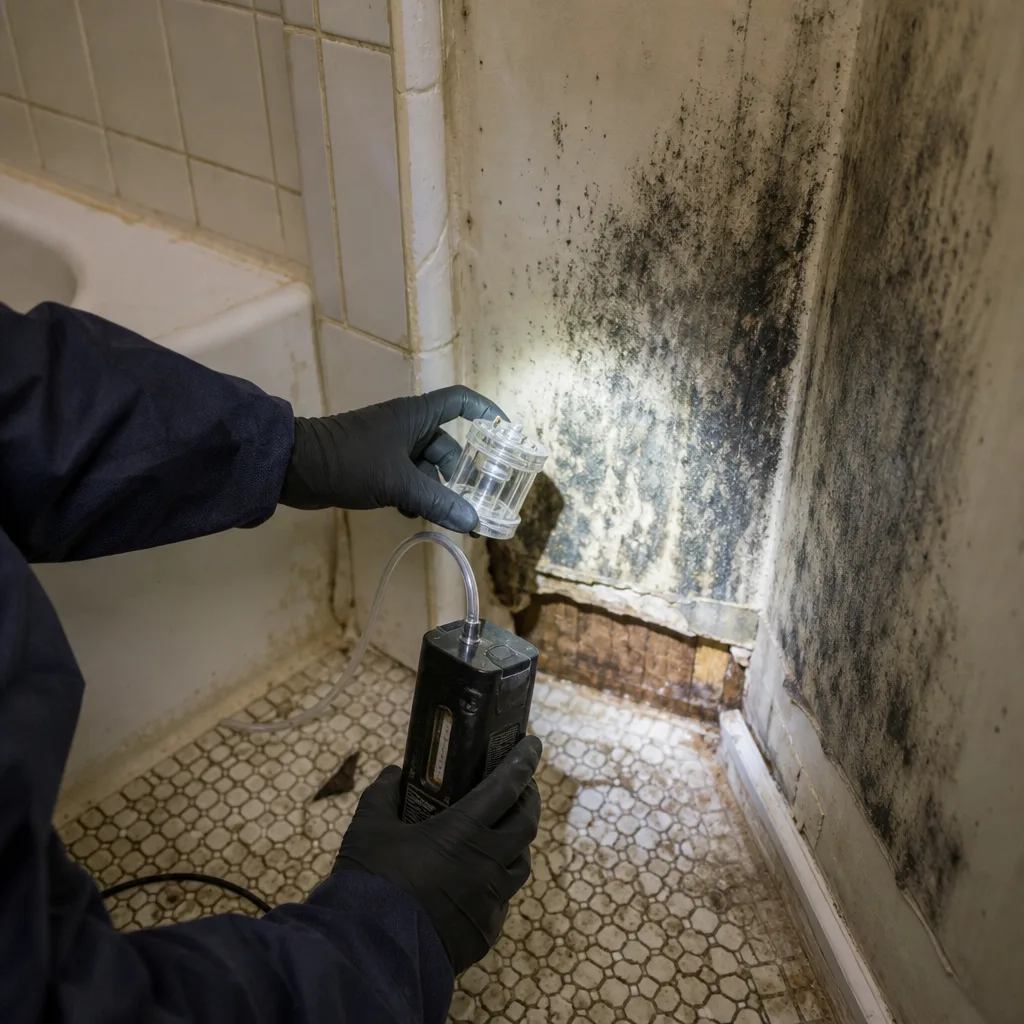
Stachybotrys, the mold commonly called black mold, needs a constant moisture source and cellulose-rich material to grow. We see it behind drywall that has been wet for months, often on the back side of walls facing cast-iron facade panels where mortar joints have failed. Black mold remediation demands full containment and HEPA air scrubbing, and we treat every black mold job as a Level 2 or Level 3 response. SoHo pricing for contained black mold removal runs $2,500-$6,500.
Air Quality Restoration
After any mold removal, the air in the unit should be cleaner than it was before the mold appeared. We run HEPA air scrubbers during the entire remediation and perform post-remediation clearance testing to confirm spore counts have returned to normal ranges. Air quality restoration as a standalone service, including assessment and scrubber deployment, runs $600-$1,400 in SoHo lofts.
Crawl Space Treatment
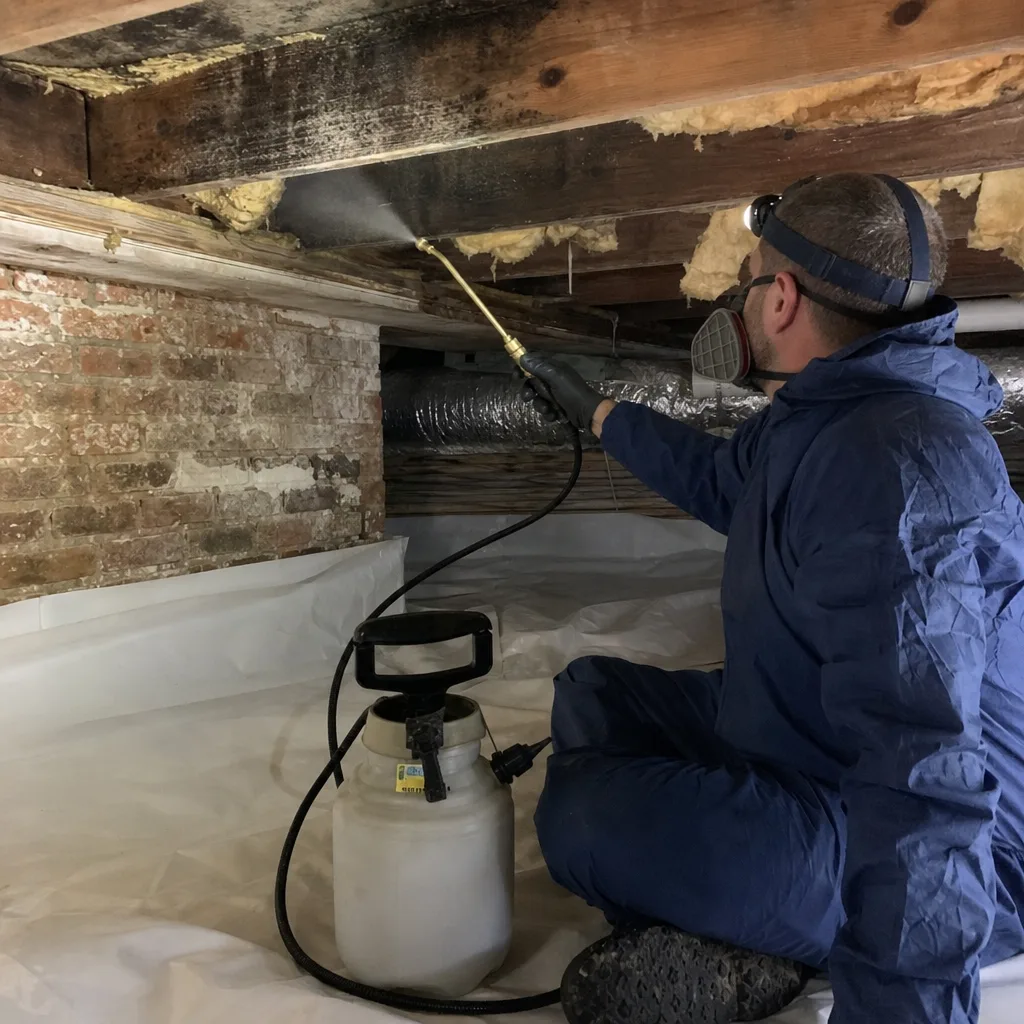
Some SoHo buildings retain original cellar and sub-cellar spaces that function like crawl spaces under converted units. These areas trap humidity against the building’s foundation wall, and mold in a sub-cellar can migrate upward through floor assemblies. We treat these spaces with dehumidification, antimicrobial application, and vapor barrier installation where the structure allows. Crawl space treatment in SoHo buildings runs $800-$2,200.
What happens when you call
- 1
A real person answersNo phone trees - you reach a local pro.
- 2
You get an upfront price rangeHonest numbers before anyone is dispatched.
- 3
A background-checked tech heads outLicensed & insured, dispatched right away.
- 4
You approve before work beginsNothing starts until you say go.
Mold Remediation Costs in SoHo, NY
Expect to pay $2,100-$5,400 for a typical contained mold remediation in a SoHo loft. Inspection and testing alone runs $450-$900. Black mold containment adds cost because of the stricter containment protocols, typically $2,500-$6,500. What moves the number: square footage of affected material, whether the mold is behind walls or on visible surfaces, whether LPC review applies to any exterior-adjacent area, and how many days the drying phase requires. Cast-iron buildings dry slower than modern construction, so drying time in SoHo tends to run longer than the same job in a postwar building on the Upper East Side.
Insurance covers most mold remediation in SoHo when the source is a sudden water event like a burst pipe. Long-term seepage claims get more scrutiny. The free visual inspection is the straightest path to a firm number: we assess, we write a scope, and you’ll know the cost before you sign anything. And every job carries the 90-Day Done Right Promise in writing, no arguments.
We Also Serve Cities Near SoHo
We provide Mold Remediation throughout SoHo and the surrounding area, including Fairview, Harrison, East Bronx, and Hunts Point. If you’re in a neighboring neighborhood and seeing mold, the same live dispatch and 45-minute response commitment applies to you. Call (917) 924-4221 and we’ll have a crew on the way.
SoHo Mold Remediation Questions, Answered
Does mold remediation in a SoHo cast-iron loft require Landmarks Preservation Commission approval?
Not always, but often. If the remediation requires removing or altering exterior elements, or opening walls directly behind cast-iron facade panels, LPC review and period-appropriate material matching apply before work can proceed. Interior-only mold removal with no exterior wall involvement typically does not trigger LPC review, but we check the scope against the district’s rules before filing anything. Call (917) 924-4221 and we’ll tell you whether your specific job needs LPC sign-off.
How do you prevent mold from returning behind a SoHo cast-iron facade after remediation?
You stop the water source, not just the mold. Behind a cast-iron facade, that means repairing failing mortar joints, sealing the panel-to-brick interface, and often installing a moisture barrier appropriate for the building’s historic structure. If the water source is not addressed by a contractor who knows cast-iron construction, the mold returns in the same cavity. We coordinate the structural fix with the remediation so the job gets done once, and our 90-Day Done Right Promise covers the result in writing.
Can mold spread faster in a SoHo open-plan loft than in a typical apartment?
Yes. Open-plan lofts with 12-15 foot ceilings and minimal interior walls give mold spores a larger air volume to travel through, and no wall barriers to slow migration. A mold problem in one corner of a 4,000-square-foot loft can affect air quality across the entire floor within days. This is why we set up full containment with negative air pressure from the first hour on any SoHo loft job, not just the big ones.
What does ‘pre-loss condition’ mean for a SoHo loft with historic finishes?
Pre-loss condition means the unit is restored to the state it was in before the water event, with materials and workmanship appropriate to the building’s historic character. For a SoHo loft, that means matching plaster finishes to the original, preserving exposed brick where possible, and never substituting modern materials that would clash with the building’s 19th-century fabric unless LPC review requires a period-appropriate equivalent. We document the pre-loss condition during the initial assessment and restore to that standard.
Why do SoHo restoration contractors care about the JLWQA zoning designation?
Because it affects permits and insurance. The Joint Living-Work Quarters for Artists designation, still attached to many SoHo units, triggers additional DOB scrutiny when pulling restoration permits. Some insurance carriers also handle JLWQA units differently than standard residential units. We flag the designation before filing paperwork so your remediation does not stall in DOB review or get bounced by an adjuster who has never encountered the classification.
How fast can someone actually get to a mold problem in SoHo?
Within 45 minutes, and usually faster. Our dispatch is coordinated from our Manhattan office, and we run crews into SoHo throughout the day and night. When you call (917) 924-4221, a live dispatcher takes the call, confirms your building and unit, and tells you who’s coming. We know the freight elevator situation at most SoHo buildings, and we plan equipment staging to match.
Will my insurance cover mold remediation in a SoHo loft?
Most of the time, yes, when the mold traces to a sudden water event like a burst supply line or an appliance failure. Carriers scrutinize claims that involve long-term seepage through a facade, which is common in SoHo’s aging cast-iron buildings. We document every step, photograph the damage room by room, and bill your carrier directly. We’ll also flag anything about your unit’s zoning designation or historic status that the adjuster needs to know before they approve the claim.
What should I do in the first 30 minutes after finding mold in my SoHo unit?
Stop the water source if you can see it and it’s safe to do so. Shut off the water supply to the affected area, turn off the HVAC system so spores are not circulated through the loft, and do not paint over or bleach the visible mold, both of which make the underlying problem harder to assess. Then call us at (917) 924-4221. We’ll walk you through what to check while the crew is on the way.
Serving SoHo, NY - Our Local Coverage Area
We’re based in the SoHo area and know this community well. Use the map below to see our service coverage - if you’re nearby, we can almost certainly help.
Mold Remediation in SoHo’s Cast-Iron Historic District
Here is the thing no generic mold page tells you: Mold Remediation in SoHo operates under a legal framework that does not exist anywhere else in Manhattan. Every building in SoHo sits within the SoHo-Cast Iron Historic District, and when remediation requires removing or altering exterior elements, or even opening walls directly behind cast-iron facade panels, the Landmarks Preservation Commission must review the scope and approve the materials before work proceeds. That means period-appropriate material matching, not whatever the supply house has on the shelf.
There is a real cost to waiting. When water infiltrates behind a cast-iron facade panel, a common failure mode in these 1860s-1890s buildings, the trapped moisture drives rust expansion that accelerates as the iron oxidizes. That rust expansion can destabilize the ornamental ironwork itself, and what began as a mold removal job becomes a structural repair that involves LPC review at a more involved level. We have seen this play out on Greene Street, Mercer Street, and along Broadway. A small leak behind a panel, left for a season, becomes a six-figure cast-iron restoration project.
Sitting entirely inside the historic district changes how we sequence remediation work. When we find mold behind a wall adjacent to a cast-iron facade, we map the moisture, stop the source, and determine whether the wall cavity is wet beyond the interior plane. If LPC review applies, we document the conditions, photograph everything, and coordinate with the commission before touching the area. That coordination does not slow the emergency response; it prevents a stop-work order later. Homeowners who skip this step end up with a remediation job frozen mid-way and a unit they cannot legally restore to occupancy until the LPC signs off.
There is also the zoning layer. A significant number of SoHo residential units retain their JLWQA designation, the Joint Living-Work Quarters for Artists classification created during the 1970s conversion era. That designation affects how the Department of Buildings processes restoration permits, and some insurers handle JLWQA units differently. A contractor unfamiliar with the classification can file permits incorrectly and stall a mold remediation for weeks while mold remains active in a 4,000-square-foot open loft. We check the unit’s legal use before filing anything, because that single step has saved our SoHo clients more time than any piece of equipment on the truck.
After a nor’easter drove wind-driven rain through failing mortar joints on a cast-iron loft building on Greene Street, our crew mapped moisture readings behind the ornamental ironwork and found category 3 water trapped against the original 1870s brick. We set up containment, performed structural drying with Dri-Eaz dehumidifiers and air movers, and coordinated LPC-approved material matching before replacing compromised insulation. The unit was restored to pre-loss condition, the facade stayed intact, and the 90-Day Done Right Promise went out in writing.
What we see on the ground, more often than mold itself, is the cost of ignoring moisture. SoHo’s narrow, dense street canyon traps humidity against aging brick and cast-iron facades all year. The building envelope is the first and last line of defense. When a facade lets water in, the mold grows. When the facade is repaired correctly, with period-appropriate materials and proper flashing behind the ironwork, the mold does not come back. If you’re in a SoHo loft and see staining, a musty smell, or peeling paint near an exterior wall, call (917) 924-4221. We’ll map the moisture, tell you honestly what the job involves, and walk you through the LPC and permit path before any work begins.
Floodline Restoration Co. of Manhattan, led by Curt Bowman, has been answering live calls around the clock since 2010. We dispatch the same certified crew from first extraction to final rebuild, and we stand behind the work with the 90-Day Done Right Promise, in writing. Mention you found us online and ask about the Senior & Veteran 5% discount.
Written by Curt Bowman, Owner at Floodline Restoration Co. of Manhattan, serving SoHo since 2010.