
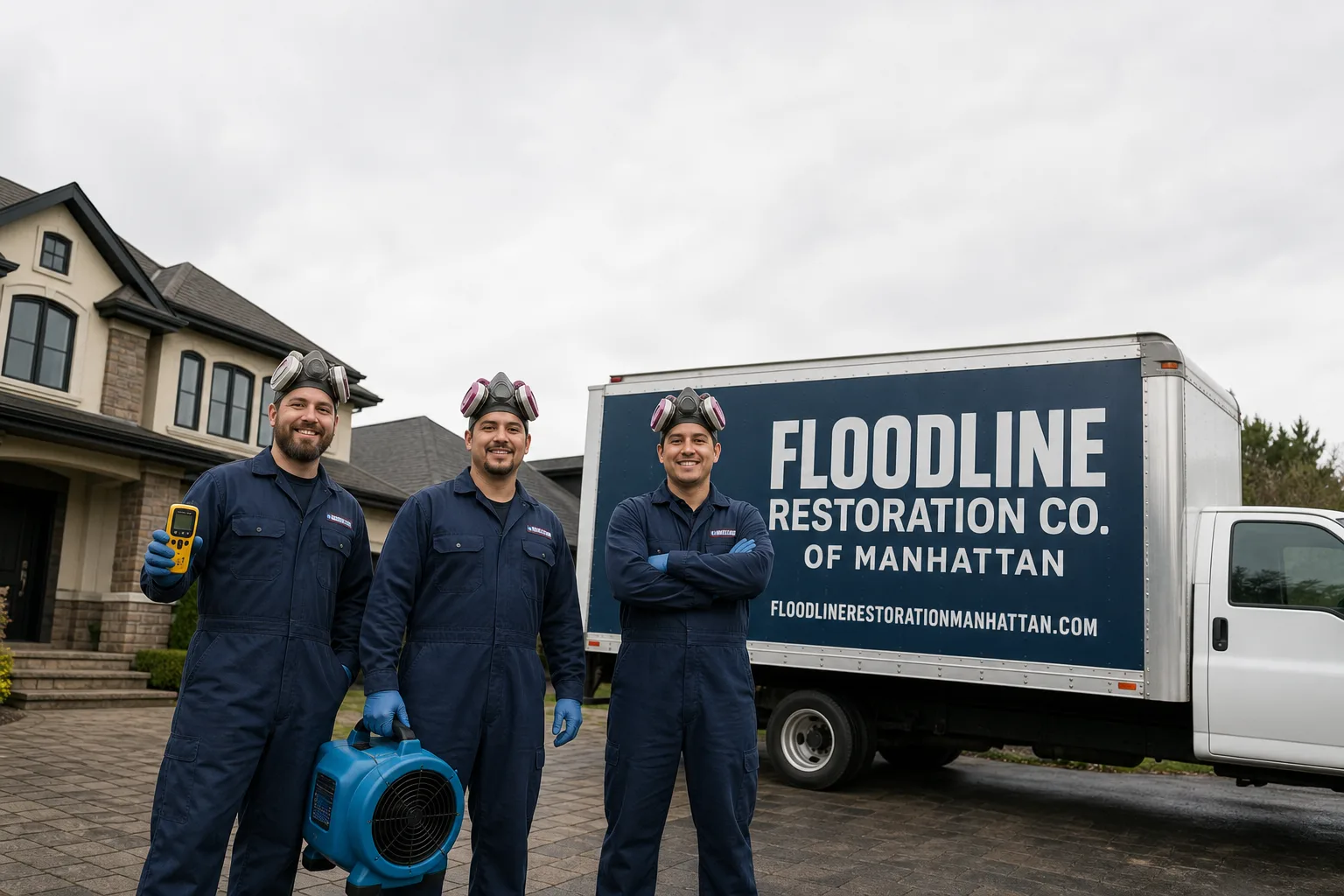
Free visual inspection and a written scope of work before any mitigation begins - photos, moisture readings, and drying logs go in your claim file
The scope we write is the scope we bill. Anything new gets shown to you, in writing, before we touch it.
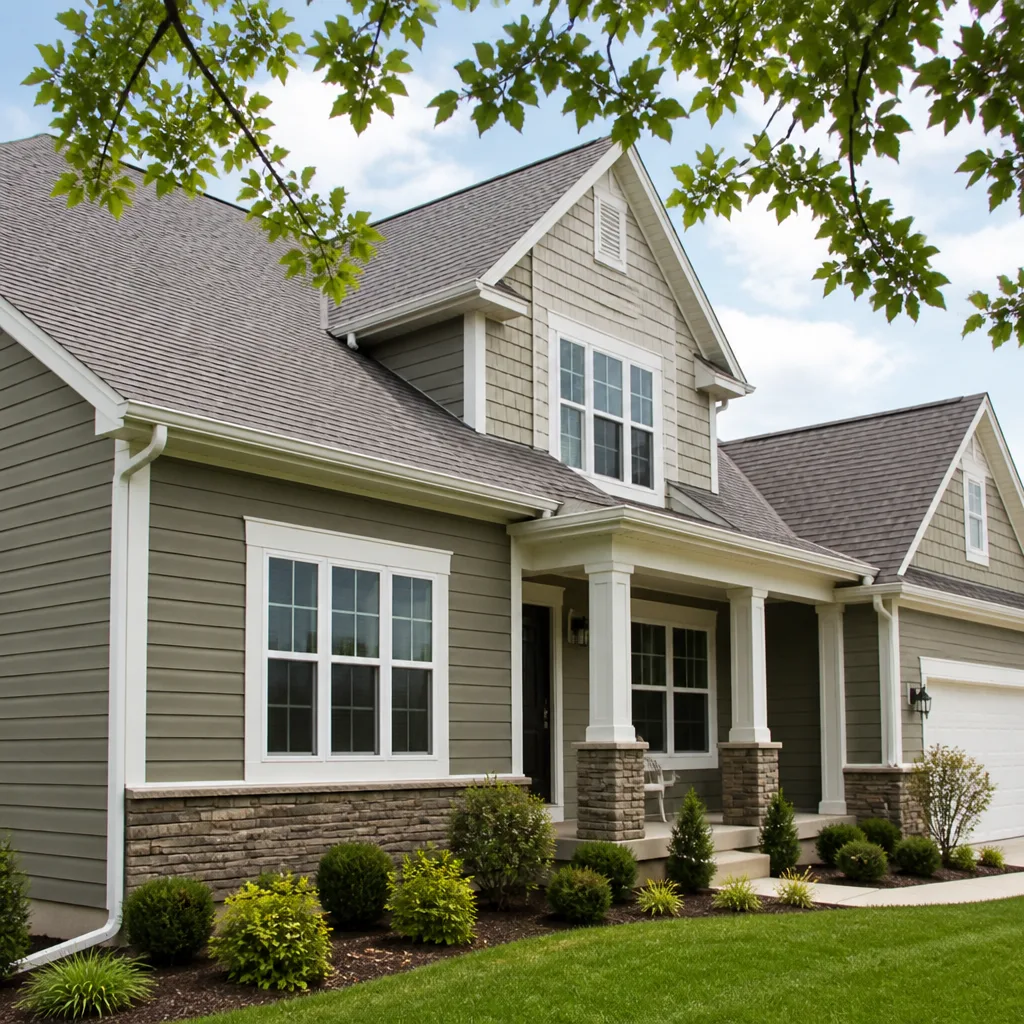
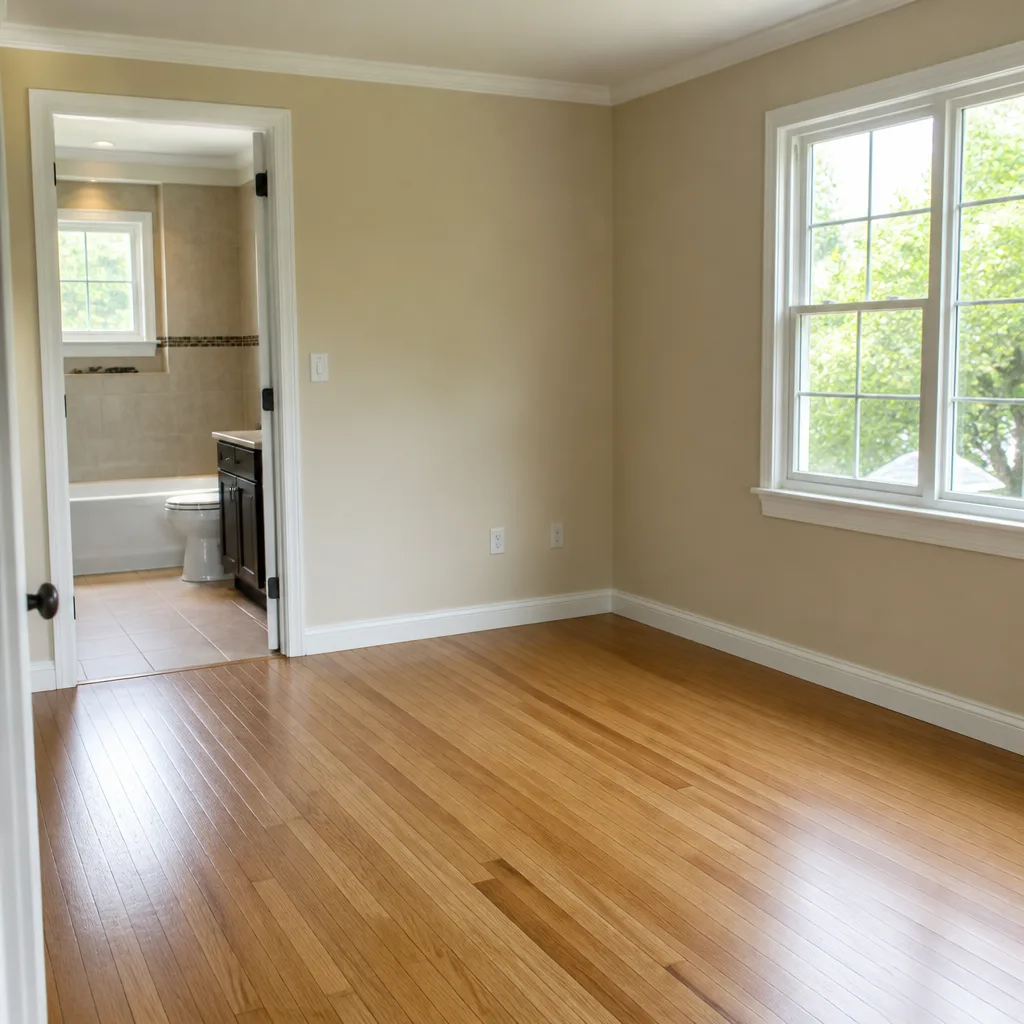
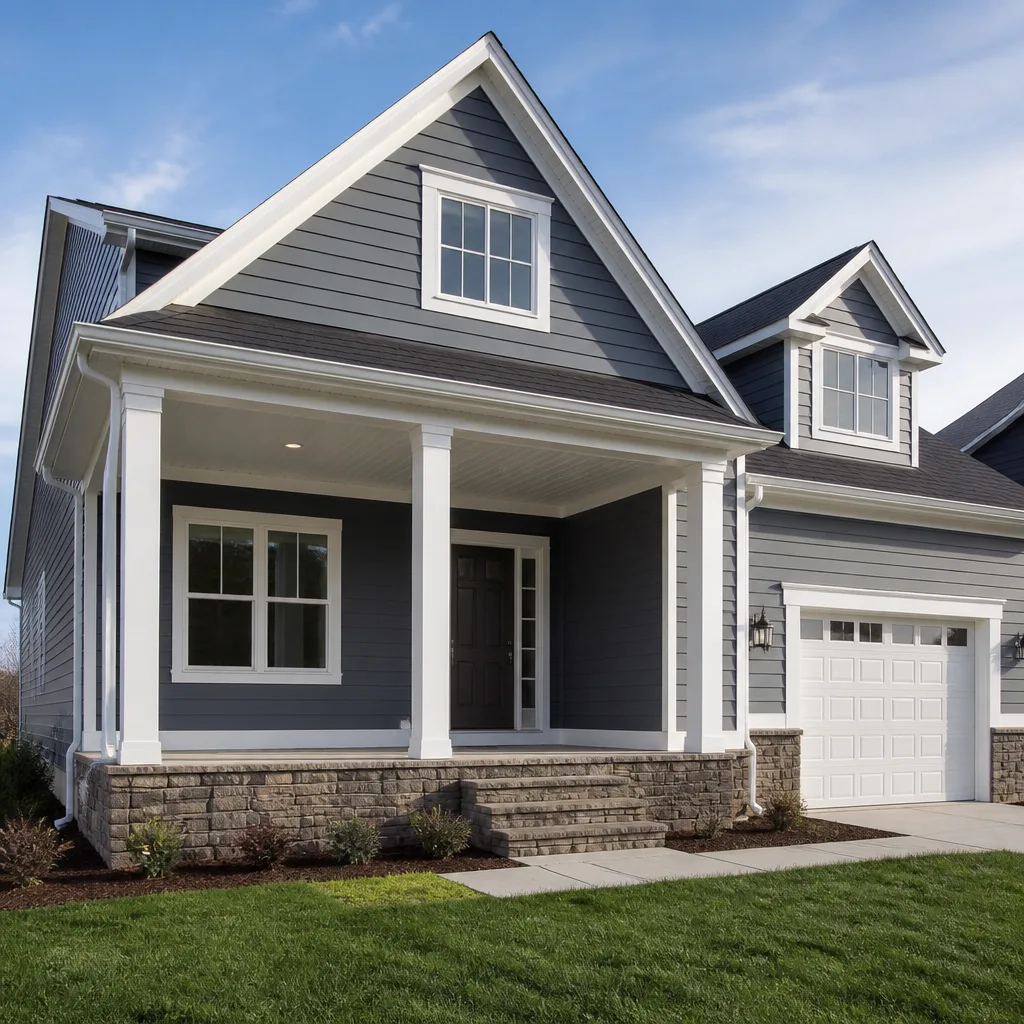
 Before
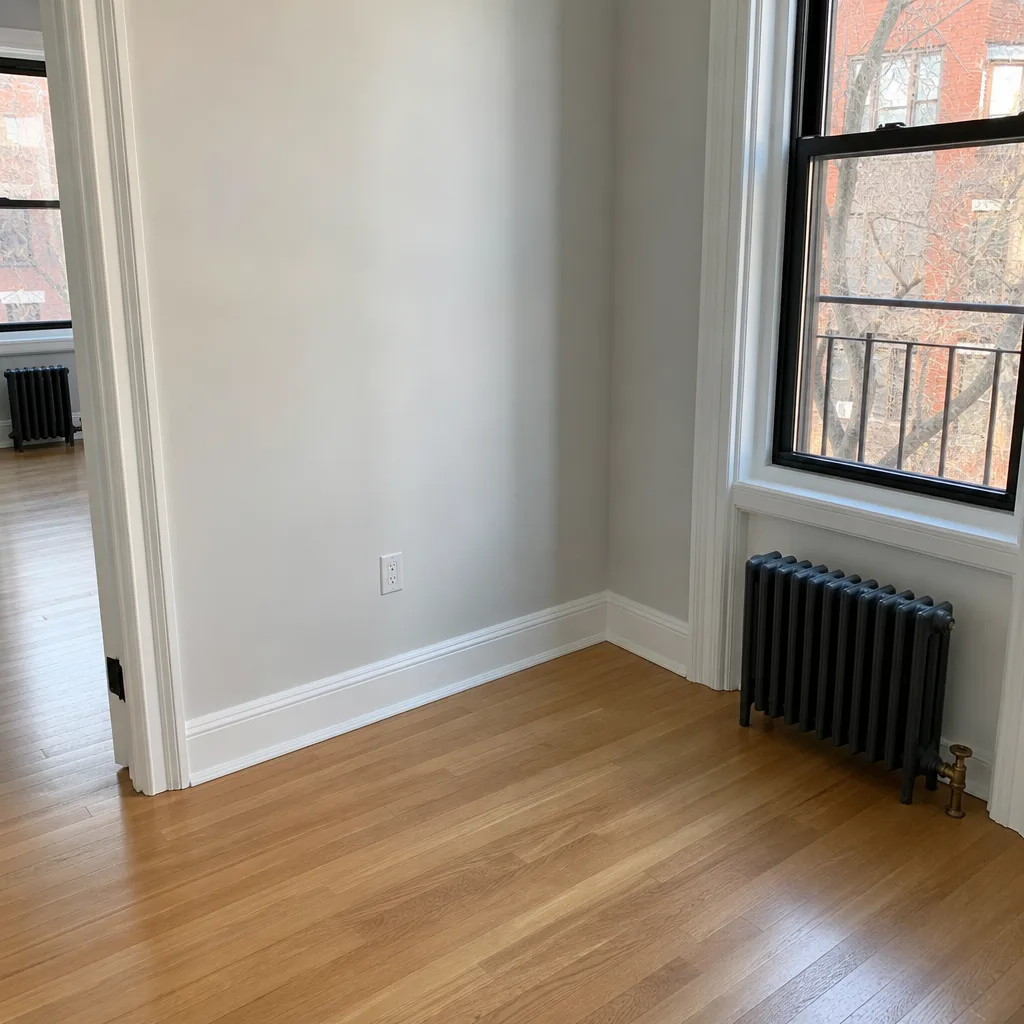 After
After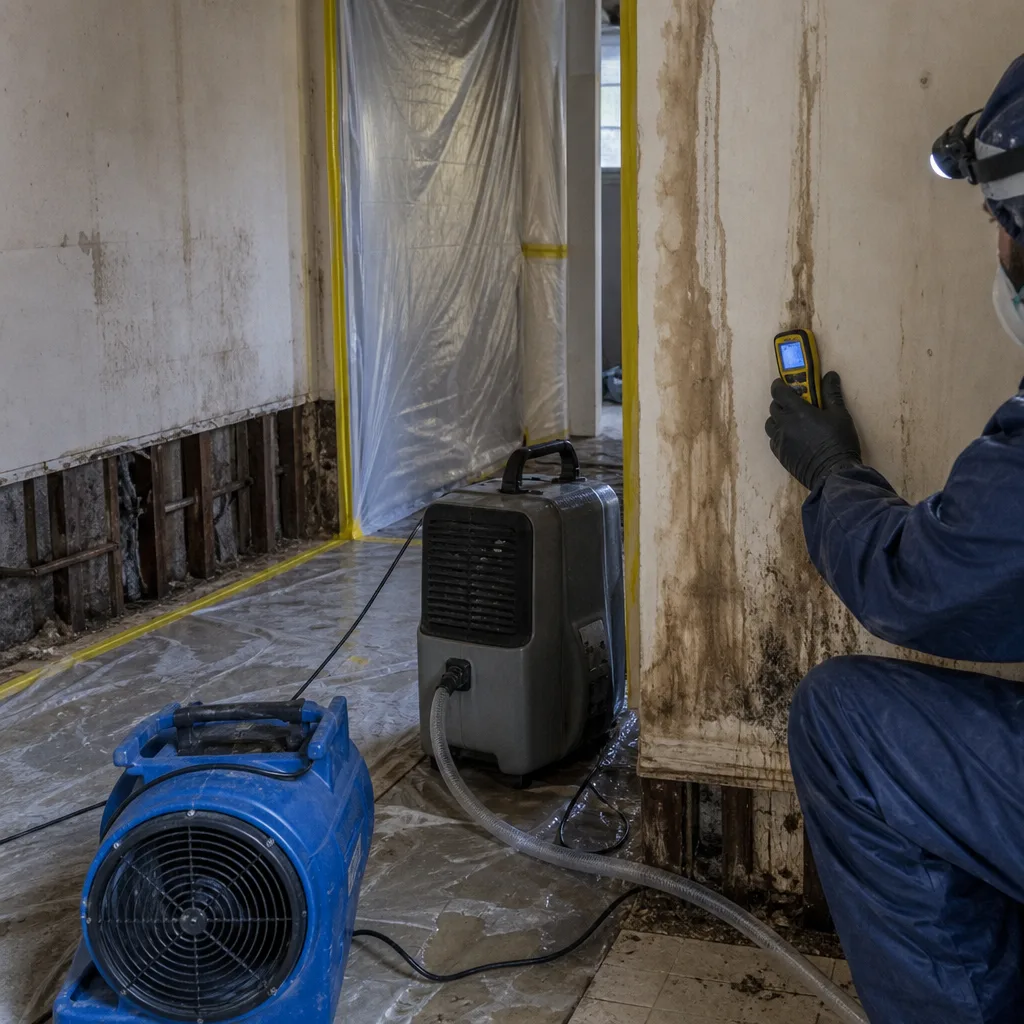 Before
 After
After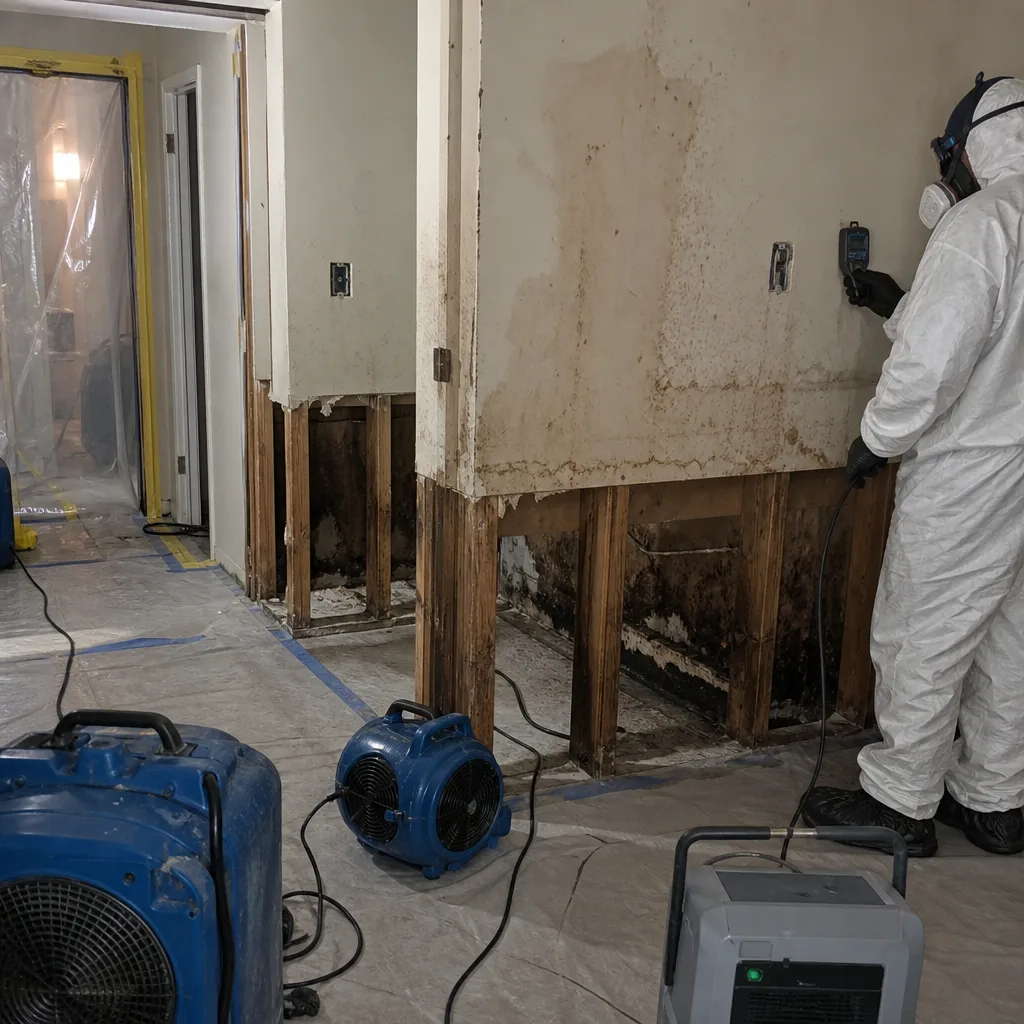 Before
 After
After24/7 Emergency Mold Remediation in Woodmere
Mold in a Woodmere basement or crawl space moves fast, especially in homes south of Peninsula Boulevard where salt-laden air and tidal groundwater keep masonry damp for months after every storm. A visible patch the size of a dinner plate can hide colony growth behind plaster walls and under baseboards within days. When you call (917) 924-4221, a live dispatcher answers immediately, any hour of any day, and a background-checked crew starts toward Woodmere right away. We don’t put you through an automated tree or ask you to leave a message at two in the morning. The first visual inspection is free. The sooner we contain the affected area and start pulling moisture out, the less of your house we have to open up and rebuild. Mold remediation in Woodmere is a race against humidity that sits high over this hamlet well into autumn.
Understanding Mold Remediation Severity in Woodmere Properties
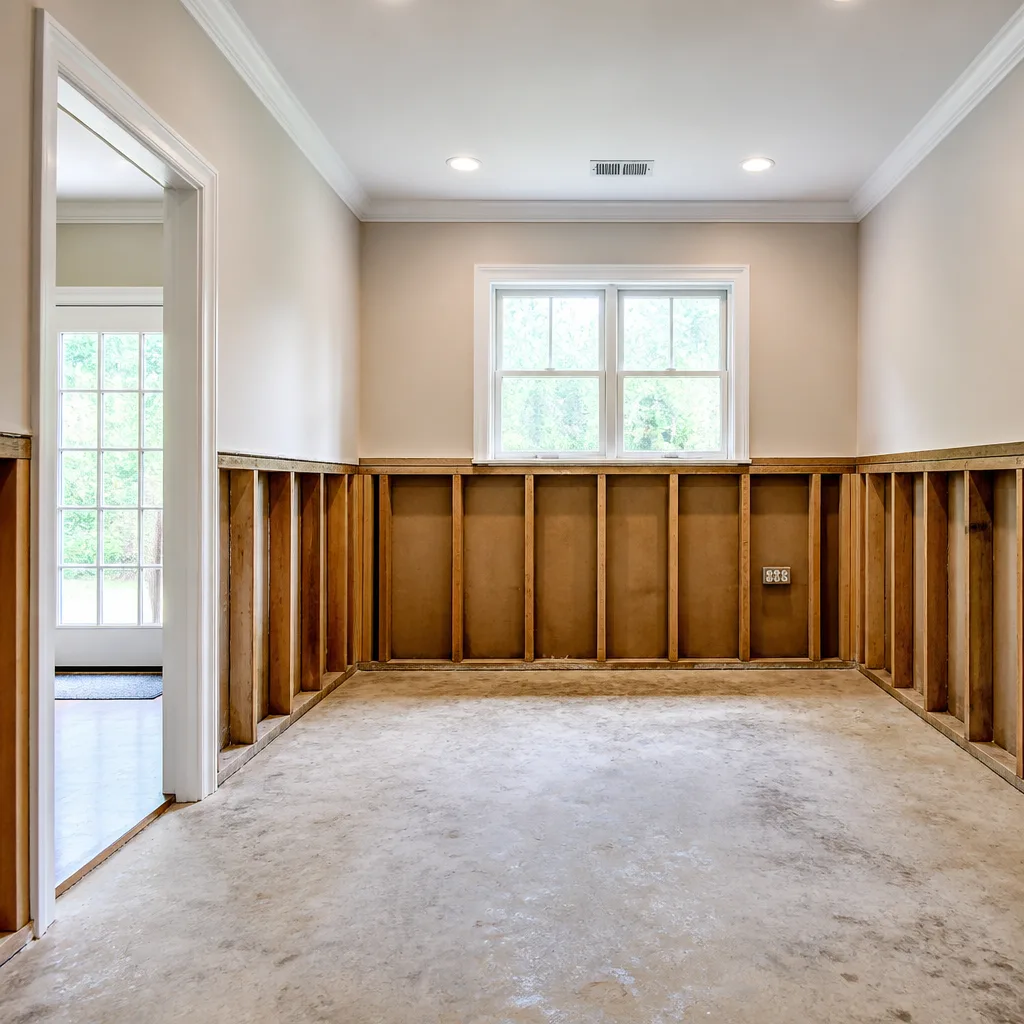
Mold severity in Woodmere falls into three general bands, and the building stock here dictates how each plays out. Mild cases are surface-level: visible spotting on drywall, baseboards, or ceiling tiles, usually from a slow pipe drip under a sink or condensation on an uninsulated crawl space wall. These often resolve with containment, HEPA air scrubbing, antimicrobial application, and source correction. Moderate cases involve mold inside wall cavities or behind original plaster-over-lath in the postwar colonials and Cape Cods that dominate Woodmere’s housing stock. These require opening walls, removing saturated insulation and bottom plates, and treating framing before rebuild. Severe cases are the legacy of brackish water intrusion: Category 3 surge water from Sandy-era flooding or a nor’easter that pushed bay water through the back channels and into finished basements. Full containment, negative air pressure, removal of affected building materials, and disposal per IICRC S520 protocols are standard. In homes with original plaster and solid-wood framing, moisture wicks upward through horsehair plaster keys and holds for weeks longer than modern drywall, so drying logs drive the timeline, not the calendar.
Why Woodmere Property Owners Choose Floodline Restoration Co. of Manhattan
- 45-minute response commitment: When you call about active mold growth, a crew inside the Woodmere area moves immediately, not after a sales call-back.
- 24/7 live answer: A real dispatcher picks up at 3 a.m. on a Sunday. No automated system, no answering service relay. You talk to a human who can send help.
- IICRC-certified crews: Our technicians hold WRT and AMRT credentials and train to RIA and IFA standards, so restoration decisions follow written industry protocols, not guesswork.
- Free visual inspection: We assess the scope before any work is authorized, and you get a written scope and a straight price before any wall is opened.
- Direct insurance billing: We communicate with your adjuster, provide photo documentation and drying logs, and bill your carrier directly so you aren’t playing messenger.
- One team from extraction to reconstruction: The same Floodline crew that runs containment and HEPA air scrubbers also rebuilds the wall, so nobody inherits a half-finished job.
Our Mold Remediation Process
Inspection & Assessment
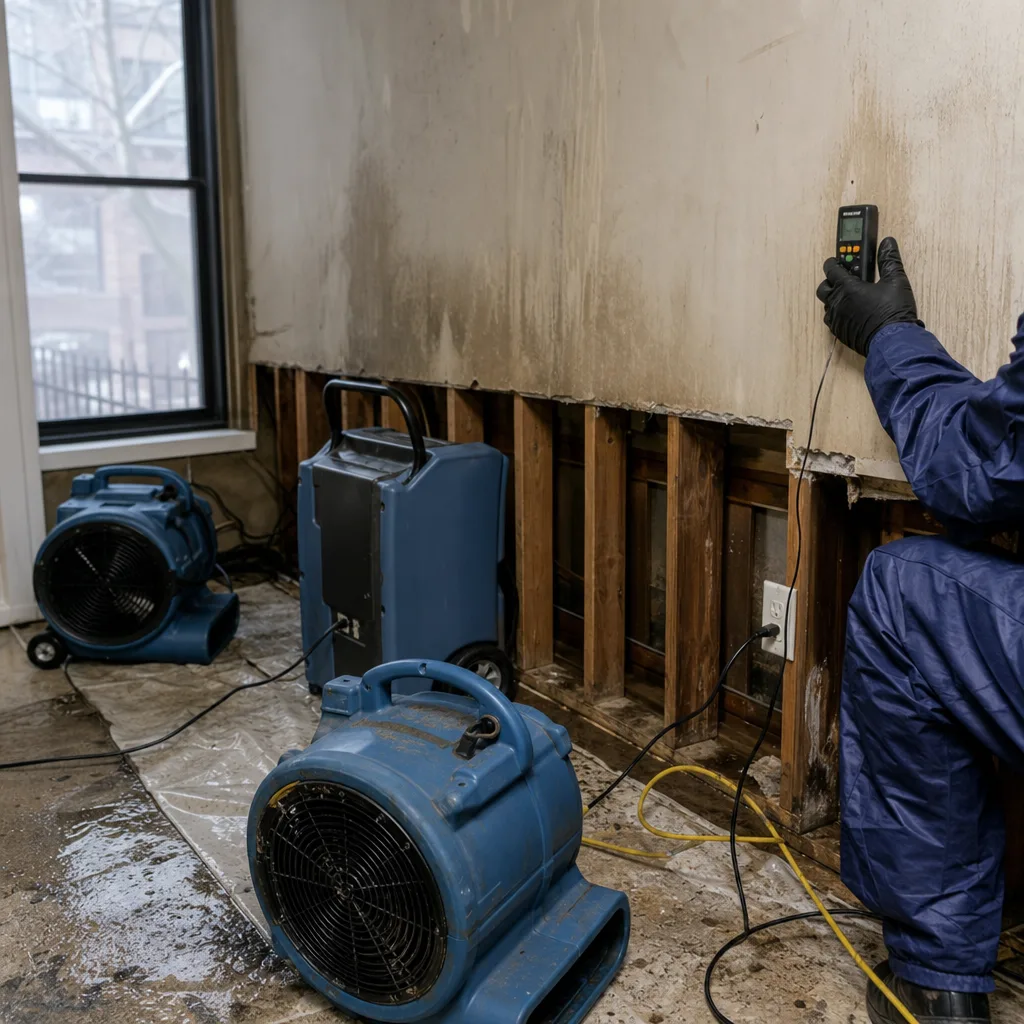
We start with a visual inspection and moisture mapping across affected surfaces using thermal imaging and penetrating moisture meters. For Woodmere basements, we specifically check concrete block foundations for salt-wicking and efflorescence, which indicate masonry moisture that standard drying misses.
Containment & Stabilization
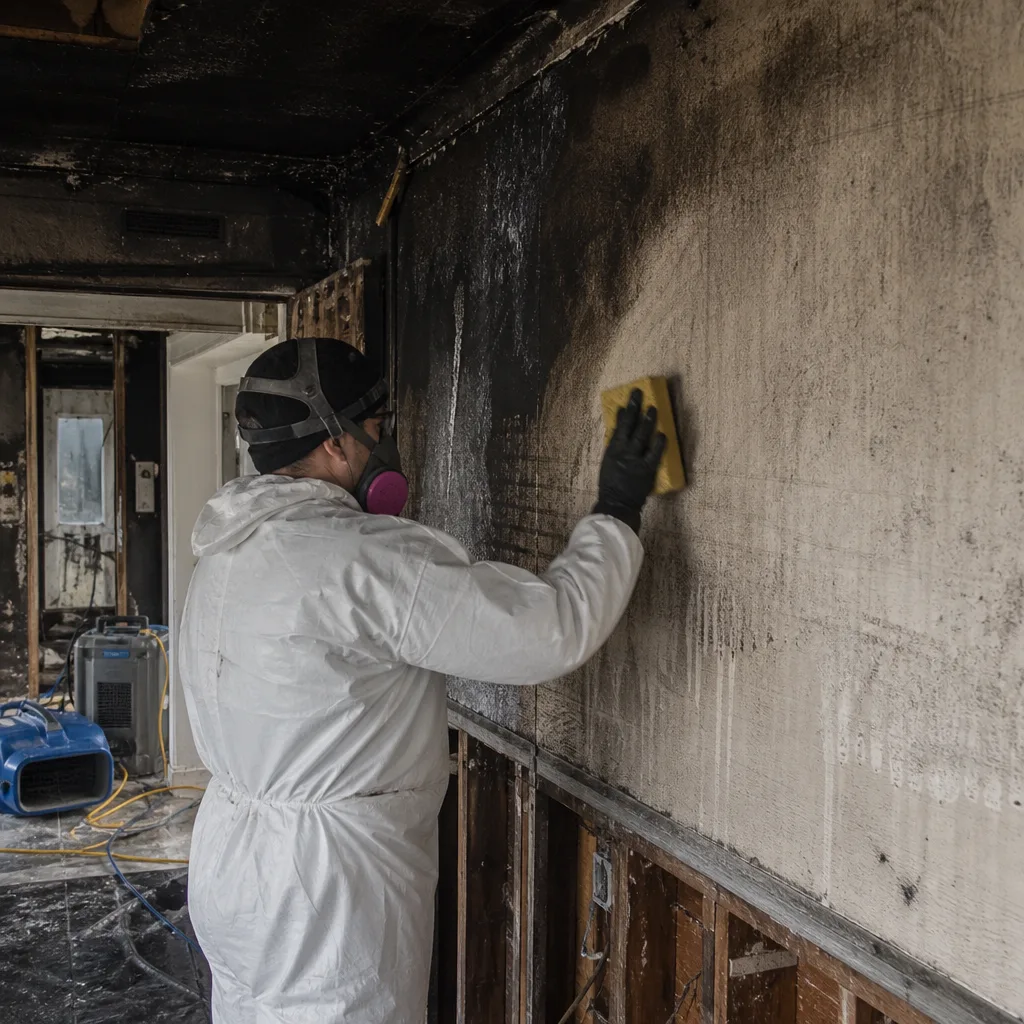
Before any material is disturbed, we set critical barriers and run negative air pressure with HEPA-filtered air scrubbers. This keeps mold spores from spreading into living areas during removal. Stabilization includes stopping the moisture source, whether that is a plumbing leak, a foundation crack, or crawl space humidity.
Drying & Dehumidification
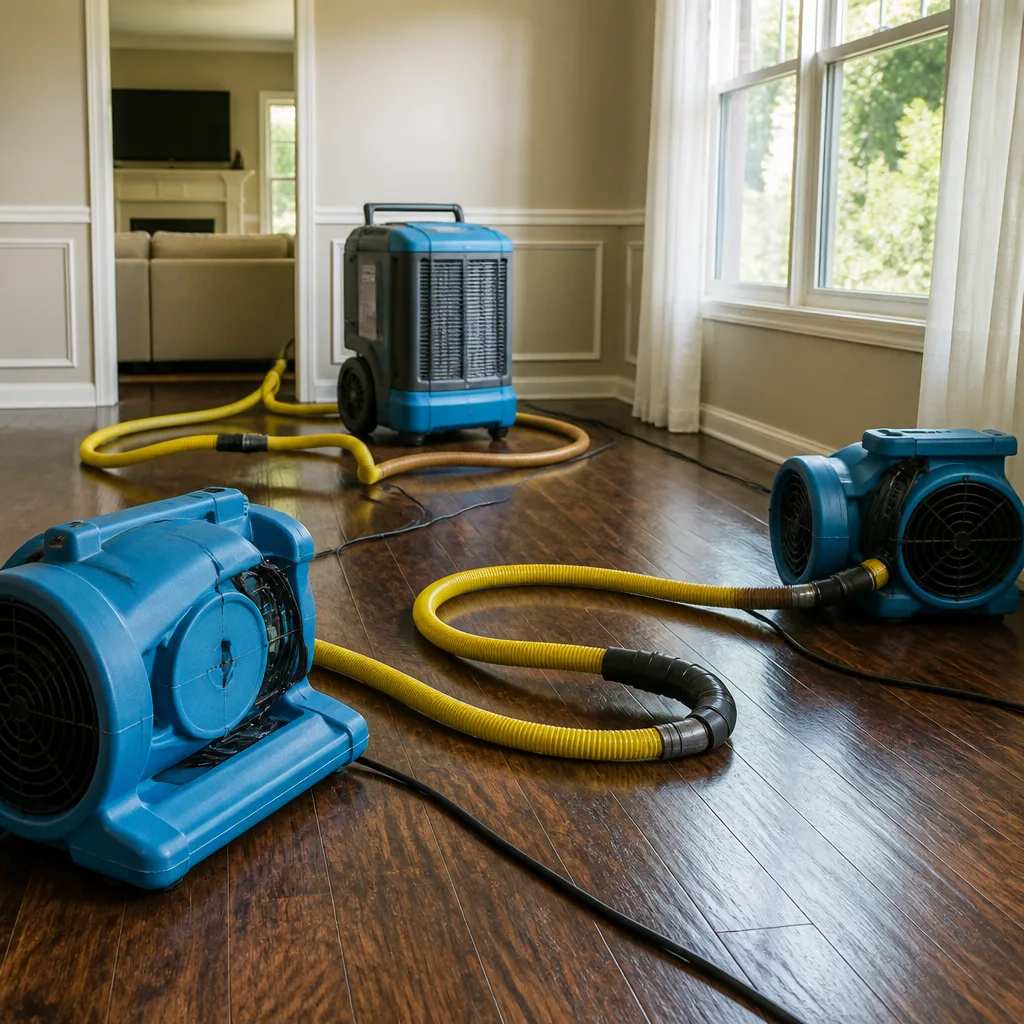
Professional-grade Dri-Eaz dehumidifiers and XPOWER air movers run continuously, with daily moisture readings logged until materials reach dry standard. For original plaster-over-lath walls, we hold equipment longer than a drywall home would require, because plaster and solid-wood framing release moisture slowly.
Cleaning & Sanitization
Affected surfaces receive antimicrobial treatment appropriate to the material. On concrete block foundations showing salt-wicking, we treat the masonry itself, because surface cleaning alone will not stop chronic moisture and mold recurrence in southern Woodmere basements.
HEPA Air Scrubbing & Clearance
HEPA air scrubbers run throughout remediation and after material removal to capture airborne spores. We conduct post-remediation verification to confirm the indoor air quality meets clearance benchmarks before containment comes down.
Repairs & Restoration
Floodline rebuilds what was removed, from bottom plates and insulation to drywall, trim, and paint. The same crew that mapped moisture on day one finishes the job, and the 90-Day Done Right Promise covers the result in writing.
Need Emergency Mold Remediation in Woodmere Now?
Crews minutes away, answering live 24 hours a day. The sooner we start, the less it costs.
Working With Your Insurance Company
Mold remediation claims get denied more often than they should, usually because the homeowner didn’t document the initial moisture source or waited too long between discovery and mitigation. We close that gap. Our crew begins photo documentation the first visit, including moisture readings, thermal imaging captures, and a room-by-room photo log that shows exactly what was damaged and when. We generate line-item scope-of-work estimates in the same format most insurance carriers expect, and we speak directly with your adjuster. You stay informed, but you don’t carry messages. For Woodmere homeowners with flood insurance, Category 3 water from storm surge carries specific requirements; we know those policy terms and document accordingly. Curt Bowman founded Floodline in 2010 around a dispatch board and a promise, and that promise includes never leaving you alone in a claim dispute.
What We Provide Your Insurer
- Thorough documentation of the loss
- Photos of all damage, room by room
- Moisture readings and drying logs
- A detailed, line-item scope of work
- Direct coordination with your carrier
Built for Woodmere’s Loss Calendar
Woodmere’s mold season runs year-round, but the causes shift by month. January and February bring deep freezes that burst supply lines in unheated crawl spaces and exterior walls, and by the time the leak is caught, mold has usually started on insulation and framing. March and April are thaw season, when groundwater rises and seeps through hairline cracks in concrete block foundations across the southern tier. Late spring through summer delivers the thunderstorms that overwhelm back-bay drainage and send surface water toward split-levels on the low ground near the inlets. September through November is nor’easter season, when storm surge pushes brackish water through channels and into first floors and finished basements, a pattern Woodmere knows too well from Sandy. Each season produces a different water source, but the mold threat that follows is the constant. Homes within walking distance of the tidal inlets or in FEMA Special Flood Hazard zones need a remediation partner who understands saltwater, not just freshwater plumbing losses. Our Mold Remediation team runs the same playbook across every season: find the source, map the moisture, set containment, dry to standard, and rebuild once, done right.
Mold Remediation Across Woodmere’s Neighborhoods
Homes along Peninsula Boulevard and the side streets running south toward the inlets tend to sit lowest and closest to the water, which means finished basements there see the most Category 3 surge action and the most salt-wicking into concrete block. We’ve worked basements within sight of the tidal channels where efflorescence climbs the foundation wall in white streaks two years after any flooding event, a signal the masonry itself is still moving moisture upward. North of Central Avenue, the housing shifts toward larger colonials on higher ground. Those homes face fewer surge problems but more crawl space humidity and condensation-driven mold in uninsulated rim joist bays. In the neighborhoods east of Woodmere Boulevard, split-levels from the 1960s often have finished lower levels with original wood paneling over concrete slab, a combination that traps moisture behind paneling and hides mold until the musty smell gives it away. The west side near the Lawrence border has older stock, some pre-war homes mixed in with early postwar Capes, where plaster-over-lath is nearly universal and drying timelines stretch accordingly. Whether your house is five hundred feet from the water or up on the higher ground near Grand Central Parkway’s edge, the Mold Remediation in Woodmere response starts the same way: a free visual inspection, a moisture map, and a straight answer about what needs to open and what can stay.
Specialized Mold Remediation Services We Offer in Woodmere
Mold Inspection & Testing
For Woodmere homes where a musty smell persists but no visible mold is apparent, we inspect the likely hiding places first: behind baseboards, under stair framing, inside crawl space rim joists, and along foundation walls below grade. When air or surface sampling is warranted, we collect samples and send them to an independent accredited laboratory. You get a clear report, not a scare tactic.
Mold Removal
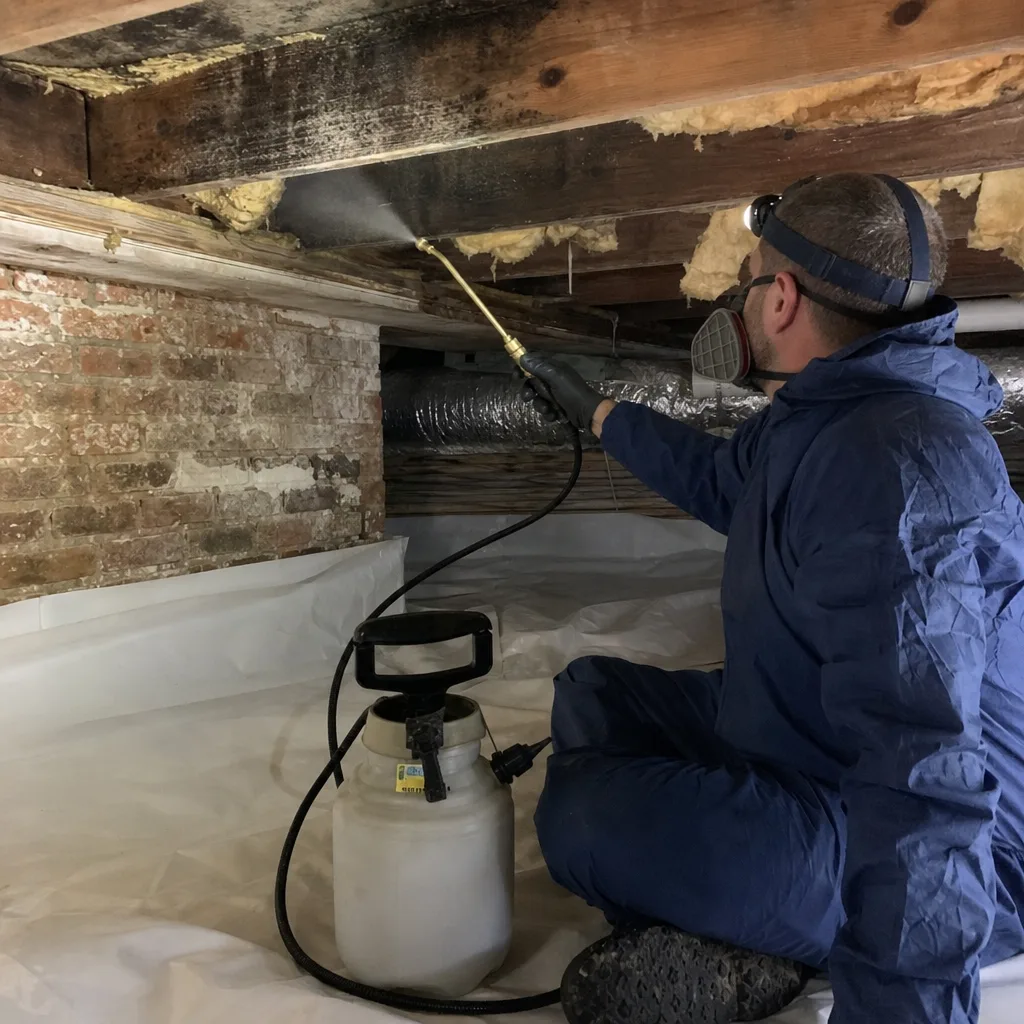
Mold removal in Woodmere means more than wiping visible spots. We remove affected porous materials that can’t be cleaned to standard, HEPA-vacuum surfaces, and treat framing and masonry with appropriate antimicrobials. On original plaster walls, where full removal is destructive and expensive, we assess whether restoration cleaning can reach standard before advocating demolition.
Black Mold Remediation
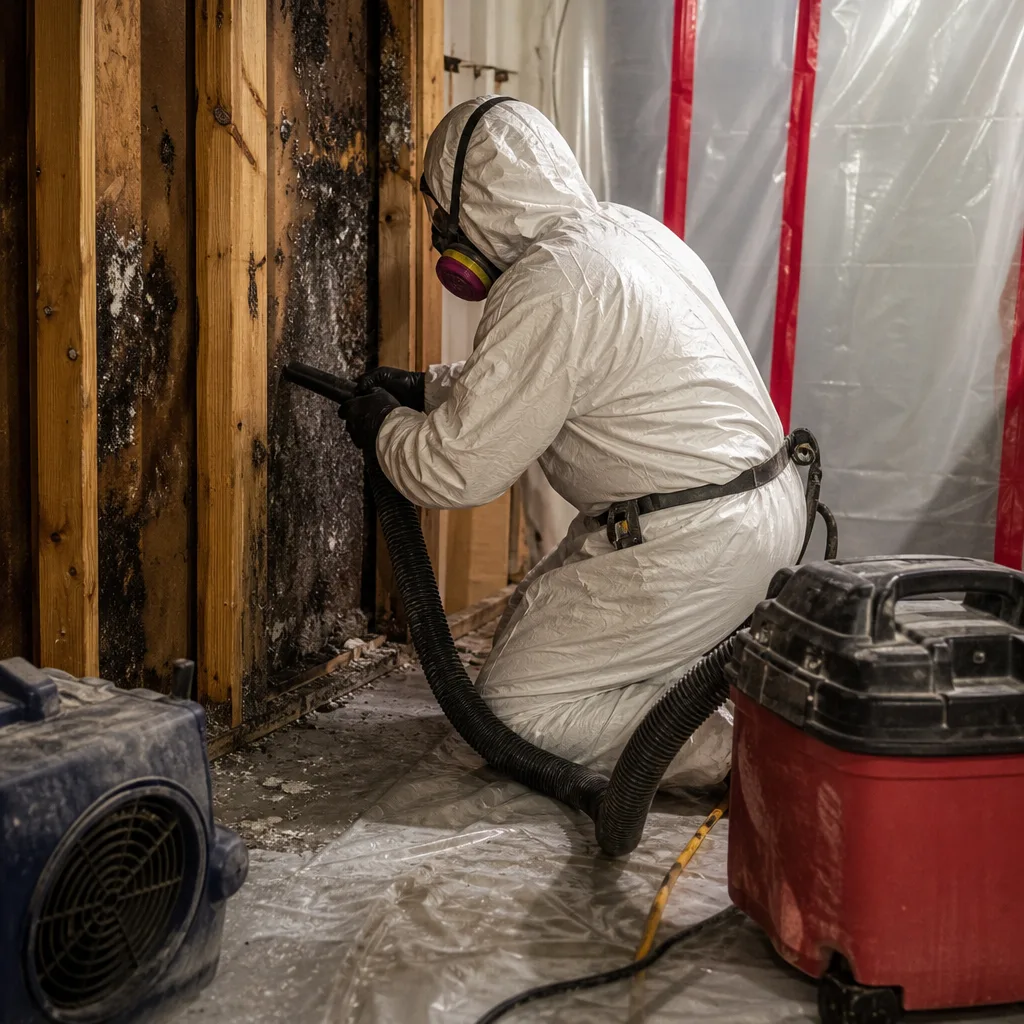
Stachybotrys, commonly called black mold, needs two things our coastal environment supplies in abundance: persistent moisture and cellulose material. Finished basements in southern Woodmere that took brackish water during Sandy or a later nor’easter and were dried too quickly are the common culprits. For comprehensive recovery from such events, see our Storm & Disaster Restoration in Woodmere. Full containment, negative air pressure, removal of affected materials, and post-remediation clearance testing are all standard here.
Air Quality Restoration
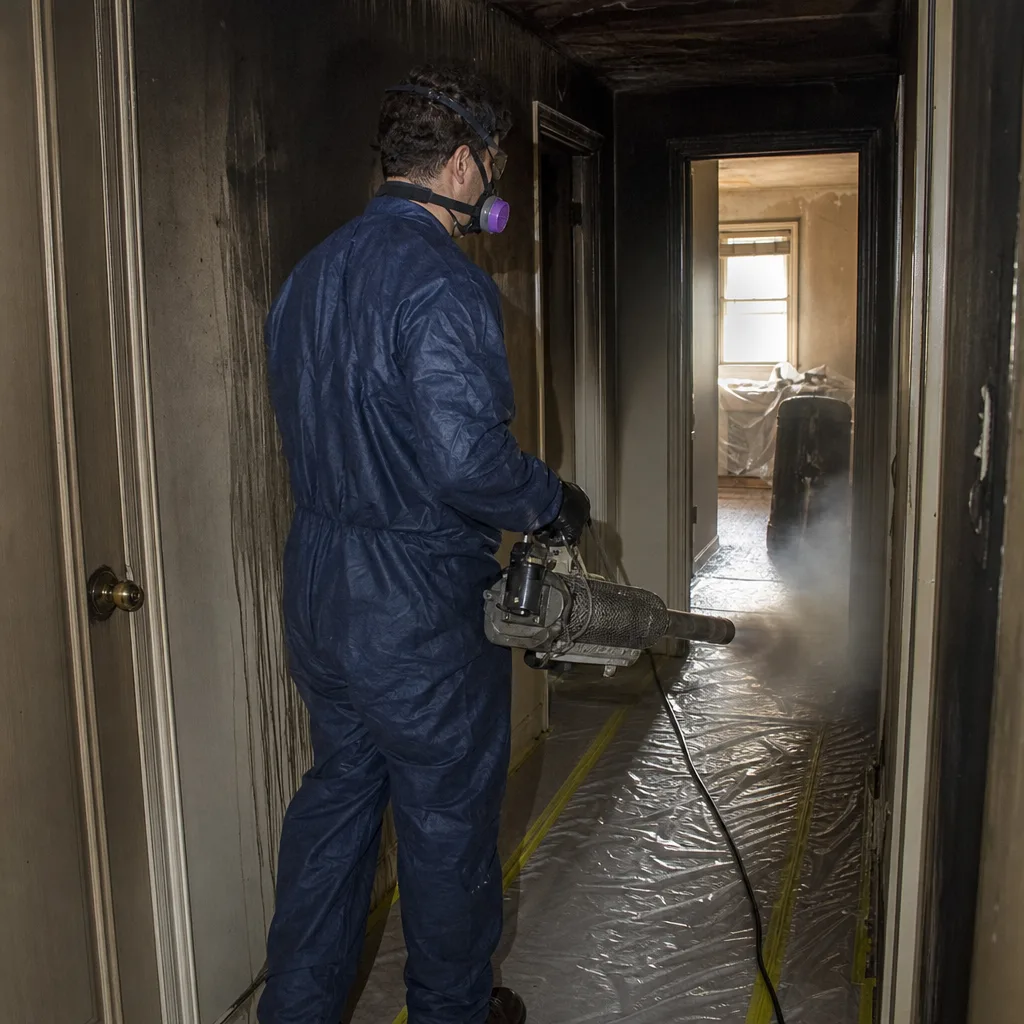
After remediation, the air inside the house should test cleaner than before the mold appeared. We run HEPA air scrubbers during the entire job and verify clearance before removing containment. For homeowners with respiratory sensitivities or who simply want to know the number, we can arrange for independent post-remediation verification.
Crawl Space Treatment
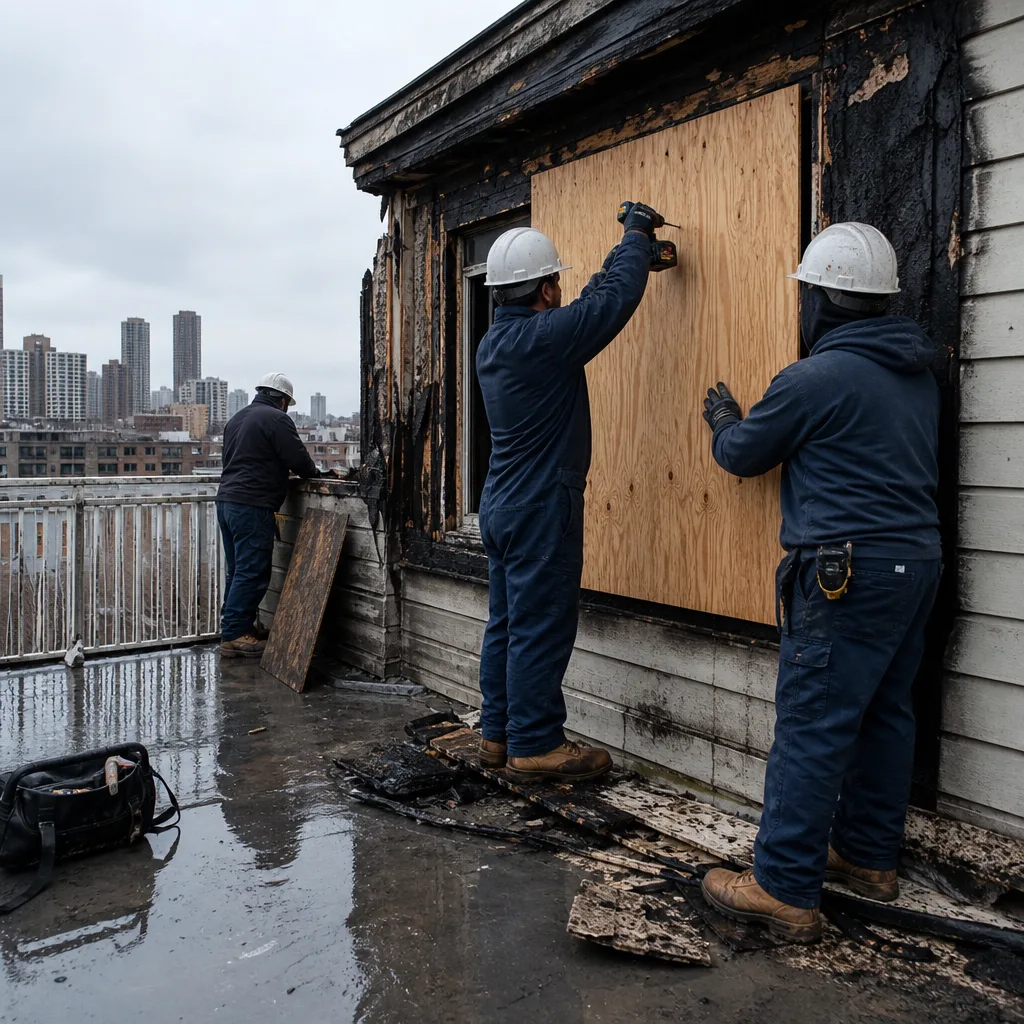
Crawl spaces under Woodmere’s older colonials and Capes gather humidity from the same high water table that feeds the tidal channels. We install vapor barriers, seal rim joist gaps with rigid insulation, and where needed add mechanical dehumidification. The goal is simple: your crawl space should stay dry enough that mold never has a foothold in the first place.
What happens when you call
- 1
A real person answersNo phone trees - you reach a local pro.
- 2
You get an upfront price rangeHonest numbers before anyone is dispatched.
- 3
A background-checked tech heads outLicensed & insured, dispatched right away.
- 4
You approve before work beginsNothing starts until you say go.
Mold Remediation Costs in Woodmere, NY
In Woodmere, a small contained mold removal on a single wall typically runs between $1,200 and $3,800. A moderate basement remediation with containment, material removal, drying, and antimicrobial treatment usually lands between $4,000 and $9,500, depending on how much wall cavity has to open. A full Category 3 basement job, with salt-wicking foundation treatment, full gut-out, extended drying on plaster-over-lath walls, and rebuild, commonly runs $12,000 to $35,000 or more. What moves the price here: whether the foundation masonry needs direct treatment (common south of Peninsula Boulevard), whether original plaster walls extend drying time, and whether the damage source was clean water from a pipe or contaminated surge water that requires material disposal under stricter protocols. Insurance coverage depends on your policy and the water source; the free visual inspection gives you a written scope and a firm price before any wall is opened. Call (917) 924-4221 for an exact quote. You’ll get a square deal: no surprises on the bill.
We Also Serve Cities Near Woodmere
Our crews regularly run the same coastal-water protocols through Cedarhurst, Lawrence, Inwood, and Rosedale. Each of these South Shore communities shares the same tidal-groundwater pressure and postwar housing stock that shape mold problems in Woodmere.
Serving Woodmere, NY - Our Local Coverage Area
We’re based in the Woodmere area and know this community well. Use the map below to see our service coverage - if you’re nearby, we can almost certainly help.
Woodmere Mold Remediation Questions, Answered
How does saltwater flooding from storm surge affect mold remediation in Woodmere basements differently than a freshwater pipe burst?
Saltwater surge is Category 3 water, meaning it carries sewage, marine sediment, bacteria, and salt that wicks into masonry and corrodes metal framing components. This is why Sewage Cleanup in Woodmere requires specialized handling. Remediation requires removal and disposal of affected porous materials rather than drying in place, plus direct antimicrobial treatment of concrete block foundations to stop salt-wicking. A freshwater pipe burst in a closed system is generally Category 1 and can often be dried without full material removal. Call (917) 924-4221 if surge water has entered your Woodmere basement, even if you think it dried on its own.
Our Woodmere home has original plaster walls. How long does mold remediation take compared to drywall?
Plan on drying and remediation taking roughly one and a half to two times longer than an identical job in a drywall home. Plaster-over-lath holds water inside the plaster keys and solid-wood lath strips, releasing it slowly even after the surface reads dry. We keep Dri-Eaz dehumidifiers and XPOWER air movers running until moisture meters confirm the wall cavity is below the dry standard, and we log those readings daily. Cutting drying short on plaster walls in Woodmere is exactly why mold comes back.
Why is the concrete block foundation in our southern Woodmere basement showing white crust and a musty smell years after Sandy?
The white crust is efflorescence: salt minerals wicking through the block as groundwater or retained surge water moves through the masonry by capillary action. The musty smell means the block is still holding enough moisture to support mold, likely inside the cores or behind framing. Standard dehumidification won’t fix this. The masonry itself must be treated with appropriate antimicrobials and, where needed, sealed after drying to stop the wicking cycle. Call (917) 924-4221 and ask for a foundation moisture assessment.
What should we do if we had Category 3 black water in our Woodmere basement from a nor’easter surge?
First, do not enter the basement without protective gear, and do not attempt to dry contaminated materials. Category 3 water contains sewage and marine pathogens. Affected porous materials, including drywall, carpet, insulation, and bottom plates, must be removed and disposed of under IICRC S520 protocols, not dried in place. Solid materials like concrete block must be cleaned and treated. The longer contaminated materials sit, the worse the mold and health risk. Call (917) 924-4221 immediately for a same-day response.
Does our coastal Woodmere location require more frequent mold inspections than inland Nassau County homes?
Yes, especially if you live south of Peninsula Boulevard or inside a FEMA Special Flood Hazard zone. The combination of tidal groundwater, salt air, high relative humidity, and older masonry foundations means moisture intrudes more often and hides longer. An annual crawl space or basement inspection catches early efflorescence, condensation, or small leaks before mold becomes a full remediation job. The inspection is free, and you’ll get a straight answer about whether any action is needed.
How fast can a mold remediation crew actually get to my Woodmere home?
Within about 45 minutes for active mold or standing water from a live leak, any time of day or night. Our dispatchers are live around the clock, and our crews are based to reach Woodmere quickly. For non-emergency inspections, we schedule at your convenience, often same or next day. The first visual inspection is free.
Will my insurance cover mold remediation from a burst pipe or a storm?
Most standard homeowners policies cover mold remediation when it results from a sudden and accidental covered water loss, such as a burst pipe or storm intrusion. Flood surge from a nor’easter typically requires separate flood insurance with specific mold provisions. We document everything from hour one, bill your carrier directly, and coordinate with your adjuster. If your claim is denied or underpaid, we’ll help you understand why and what your options are.
Do I really need full mold remediation, or can I just clean the visible mold with bleach?
If the visible patch is small and on a non-porous surface, cleaning may be enough, but you still need to find and fix the moisture source. If mold is on drywall, insulation, carpet, or inside a wall cavity, or if the home flooded with anything other than clean water, full remediation is the only reliable path. Bleach does not penetrate porous materials and can make the problem worse by adding moisture. The free inspection answers this question honestly for your specific situation. Call (917) 924-4221.
Near the tidal inlets off Peninsula Boulevard, we opened a mid-century colonial where a finished basement had wicked saltwater after Sandy. The original plaster-over-lath walls held moisture years after the flood, and the concrete block foundation was pushing efflorescence through the paint. We removed saturated bottom plates, mapped moisture across every block course to track the salt-wicking path, and set containment with Dri-Eaz dehumidifiers and XPOWER air movers. The drying logs showed the masonry staying elevated long after the wall cavities hit dry standard, so we applied antimicrobial treatment directly to the block before rebuilding to pre-loss condition. That house needed masonry treatment, not just drying. This is the difference between restoration that lasts and work that fails the next season, and it’s why our Mold Remediation process is built around the moisture map, not the calendar.
Call (917) 924-4221 for a free visual inspection and a written scope before any work starts. Floodline Restoration Co. of Manhattan serves Woodmere and the surrounding South Shore communities with live 24/7 dispatch, IICRC-certified technicians, professional-grade Dri-Eaz and Phoenix equipment, direct insurance billing, and the 90-Day Done Right Promise behind every job. Current offers: $50 off any repair over $250, an $89 seasonal tune-up, and a 5% discount for seniors and veterans, always honored.
Written by Curt Bowman, Owner at Floodline Restoration Co. of Manhattan, serving Woodmere since 2010.