
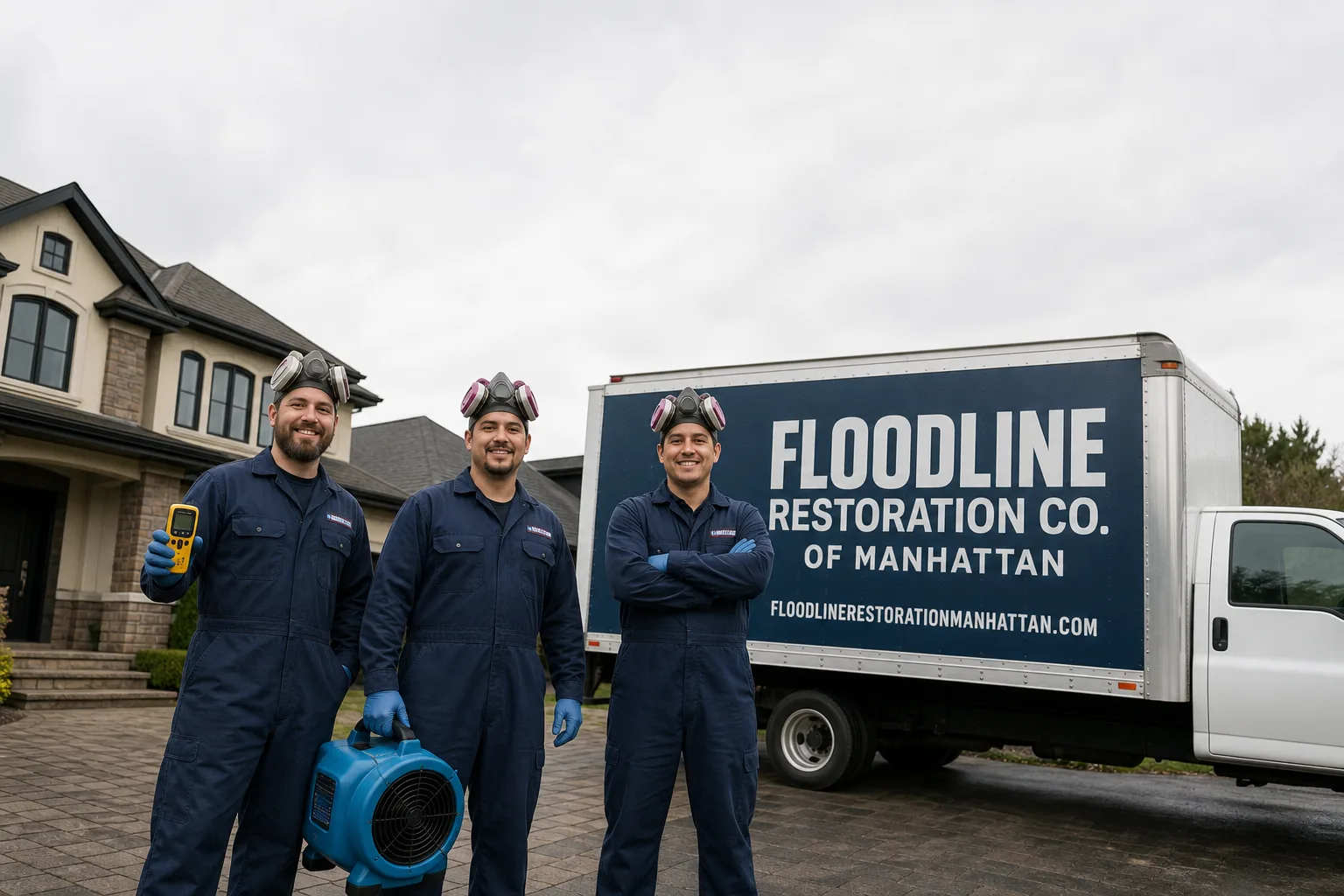
Free visual inspection and a written scope of work before any mitigation begins - photos, moisture readings, and drying logs go in your claim file
The scope we write is the scope we bill. Anything new gets shown to you, in writing, before we touch it.
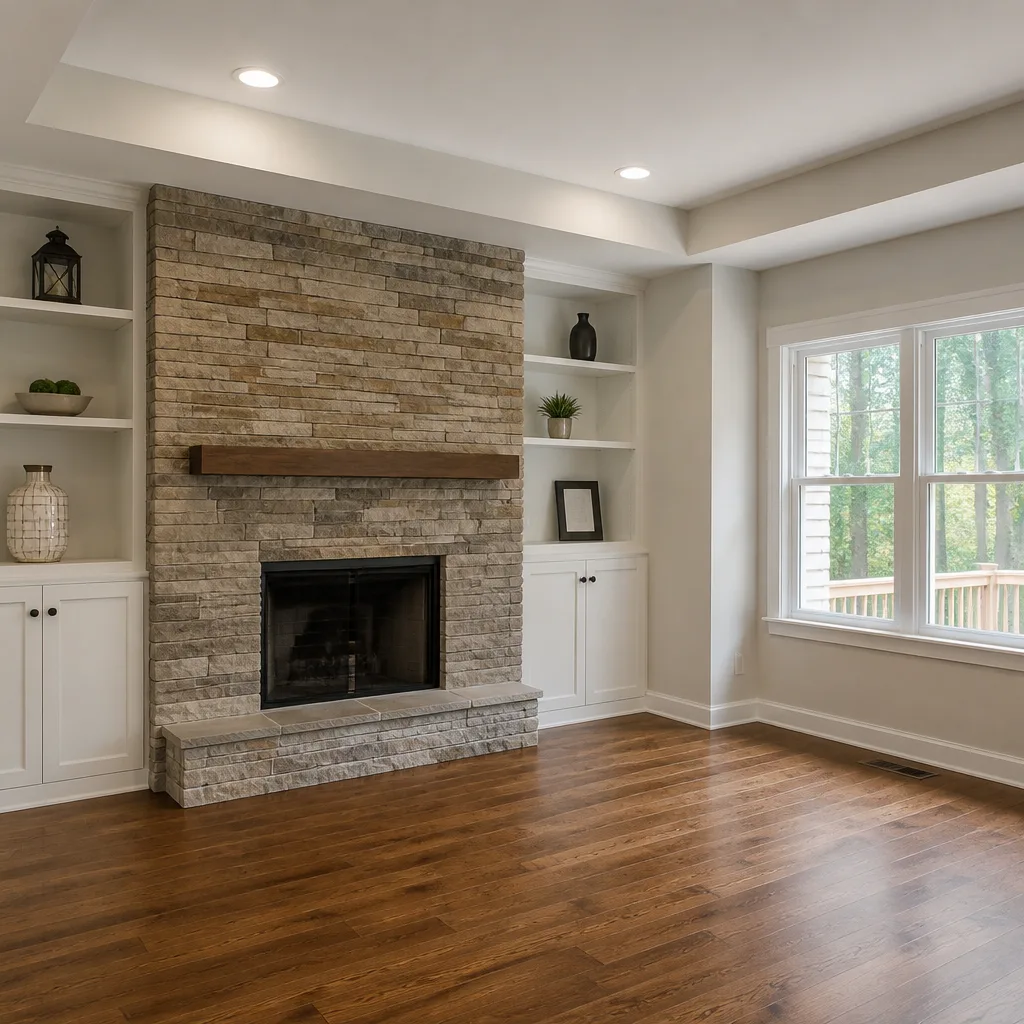
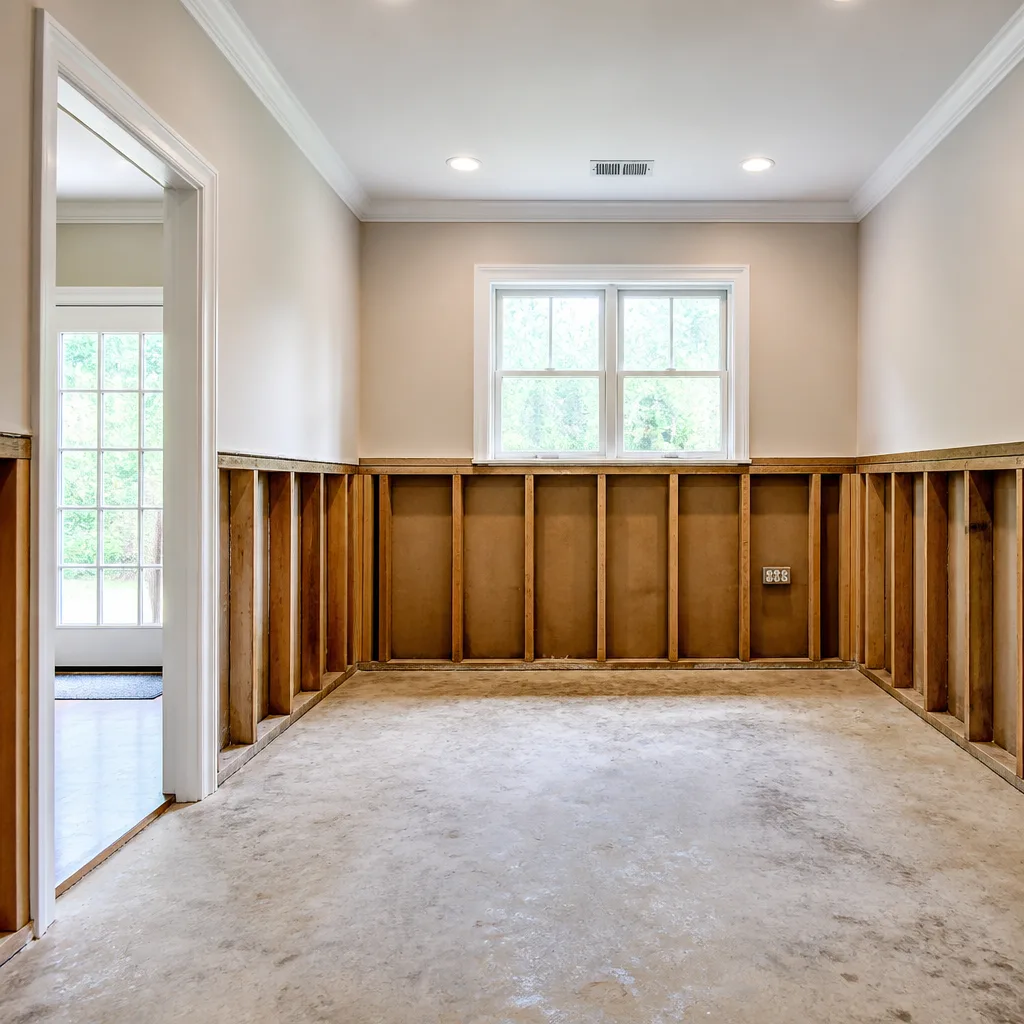
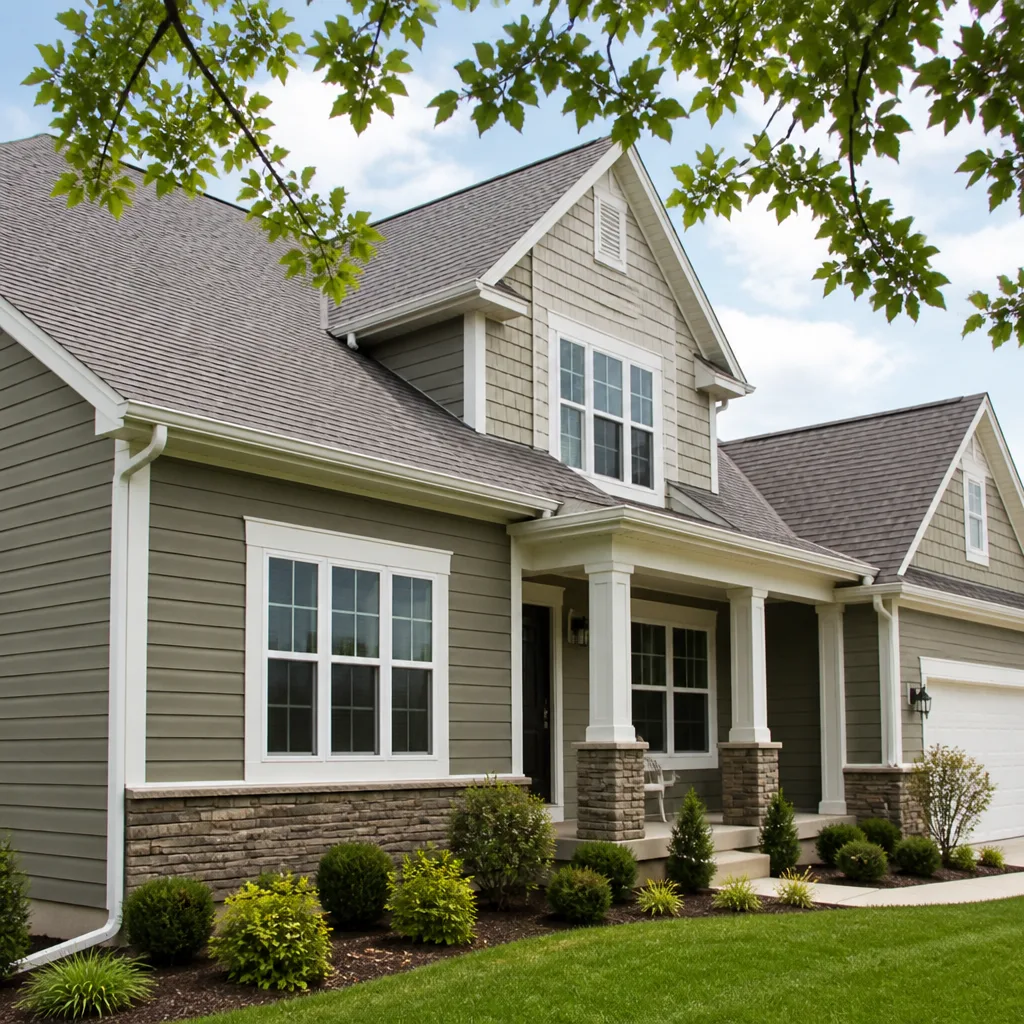
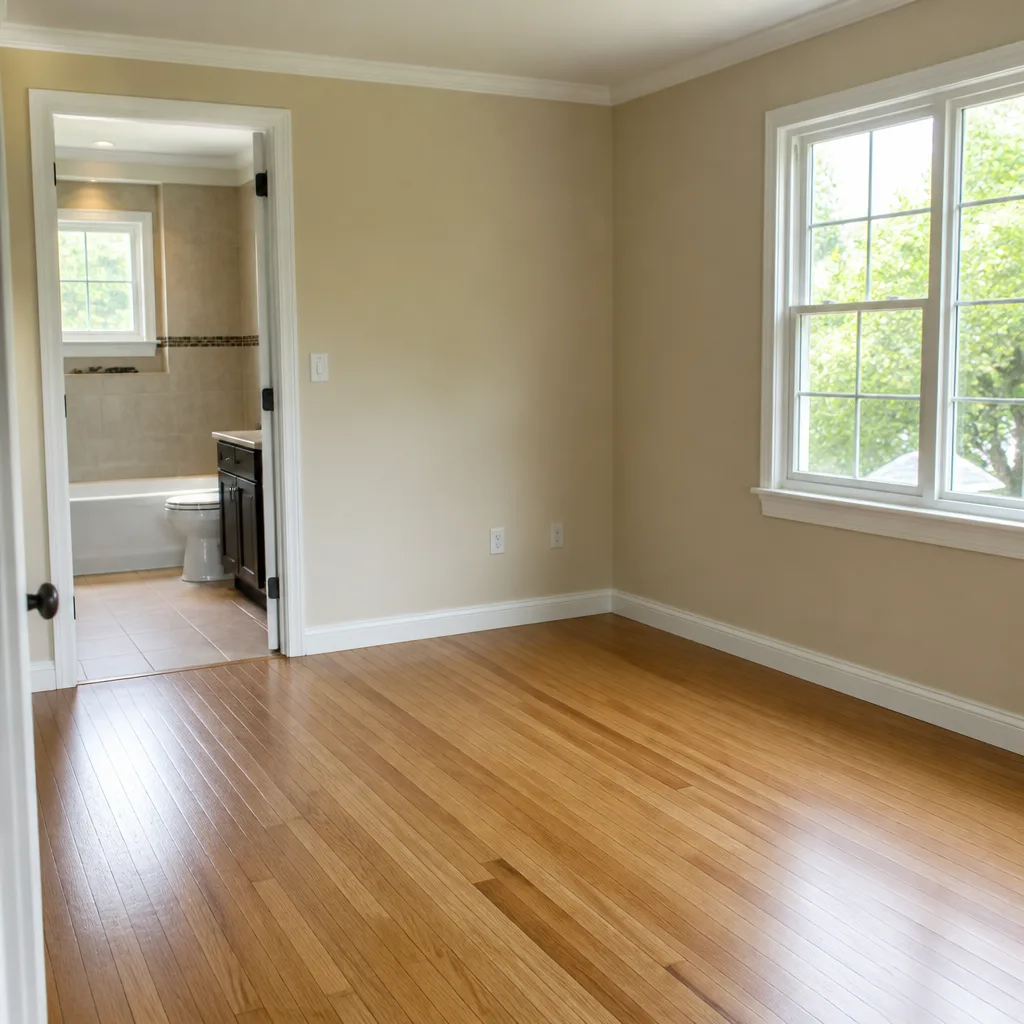
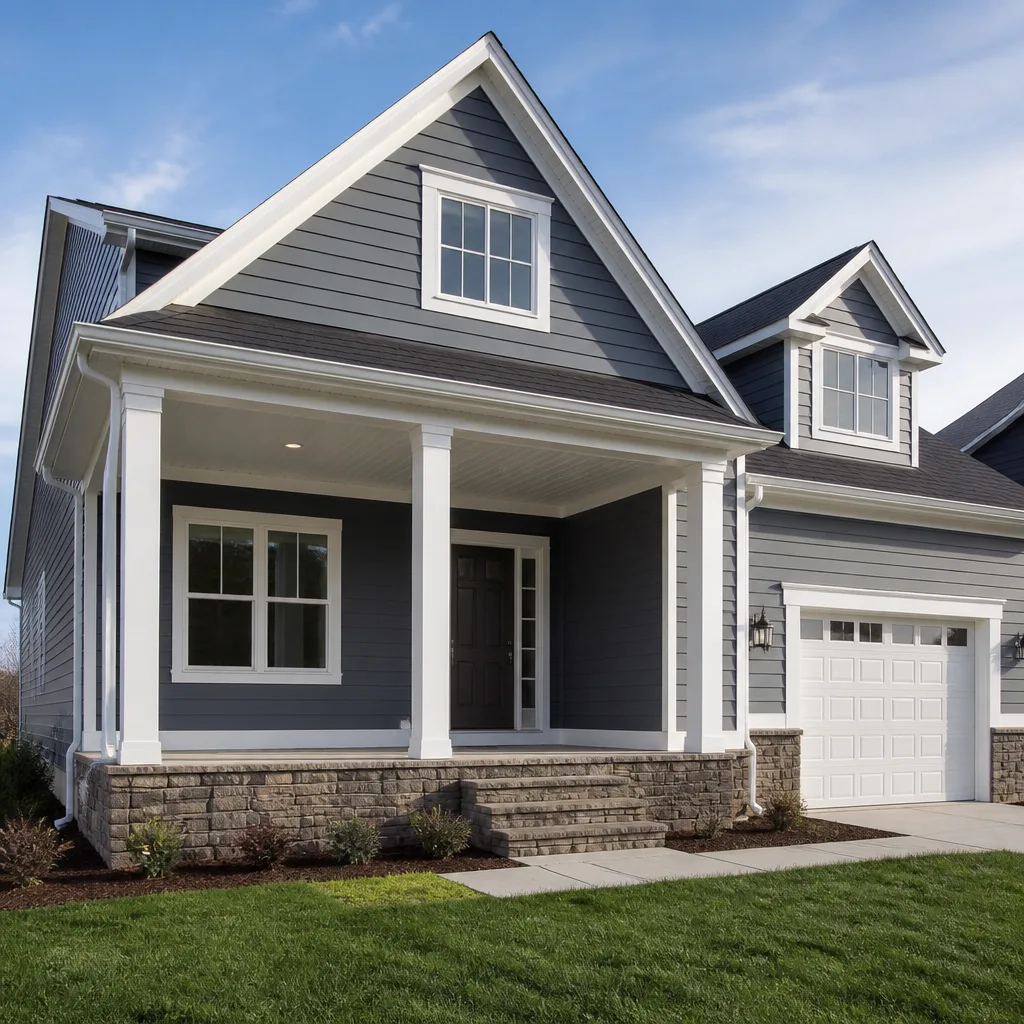
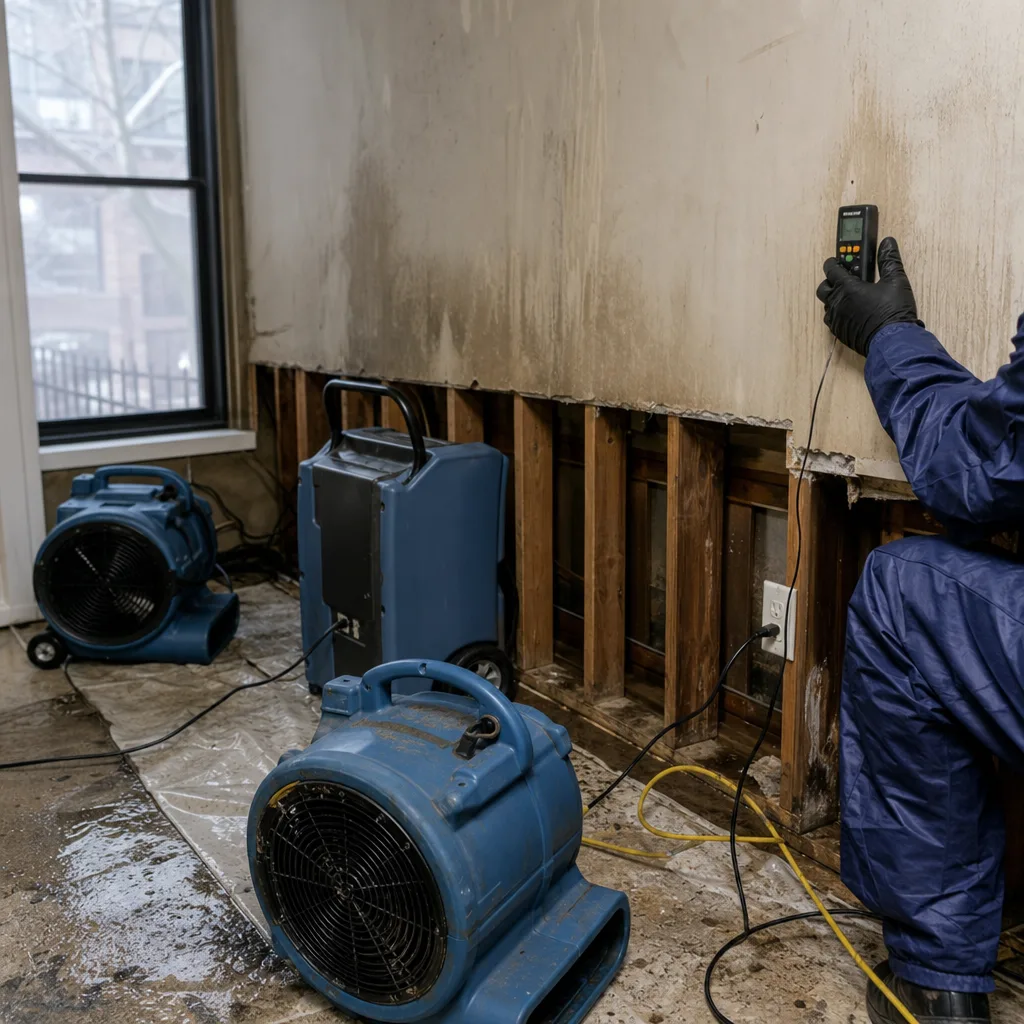 Before
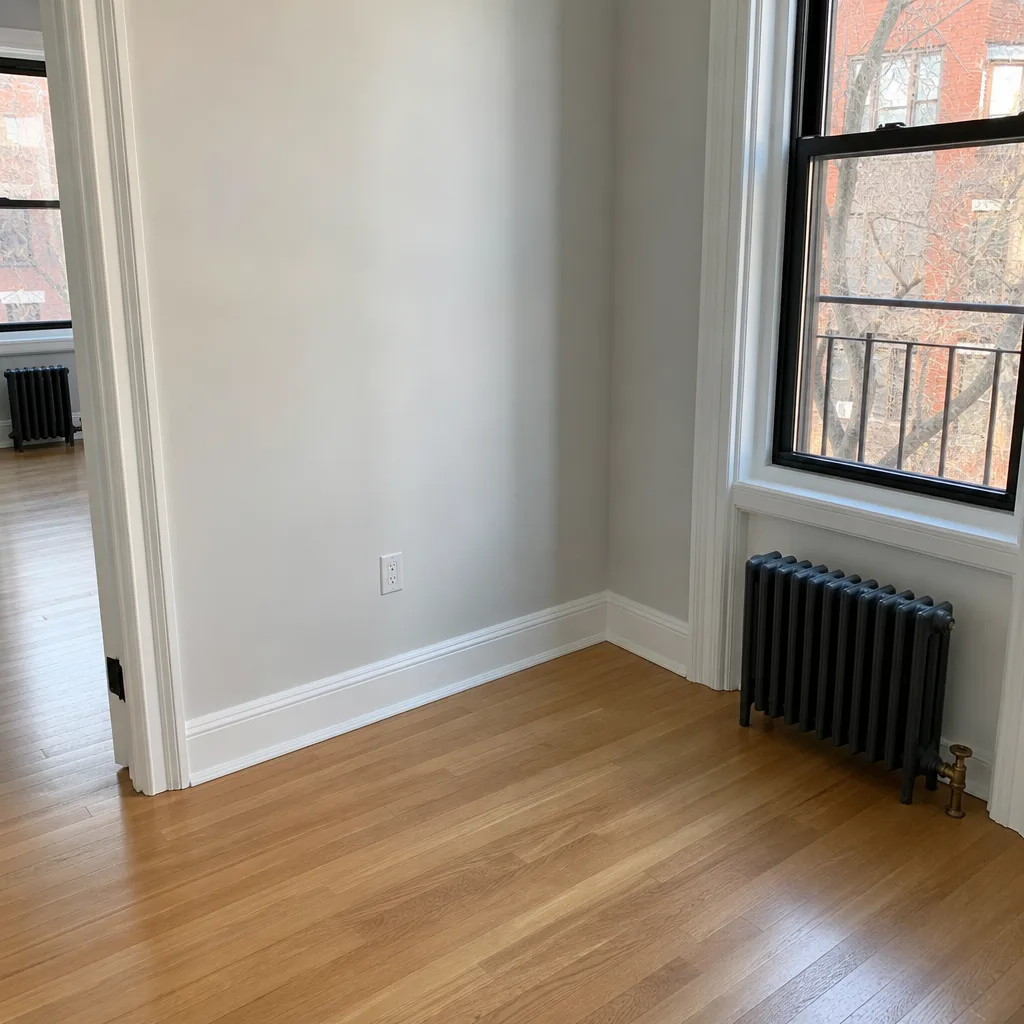 After
After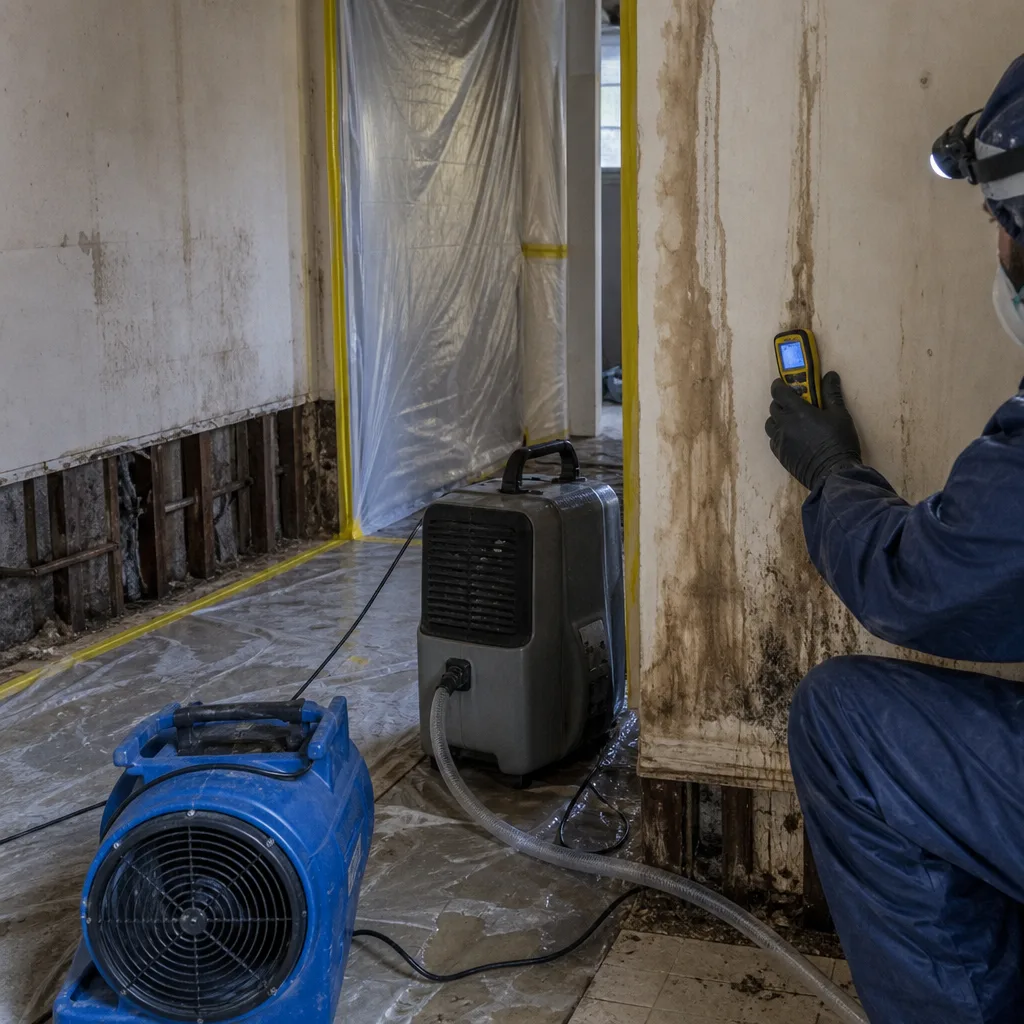 Before
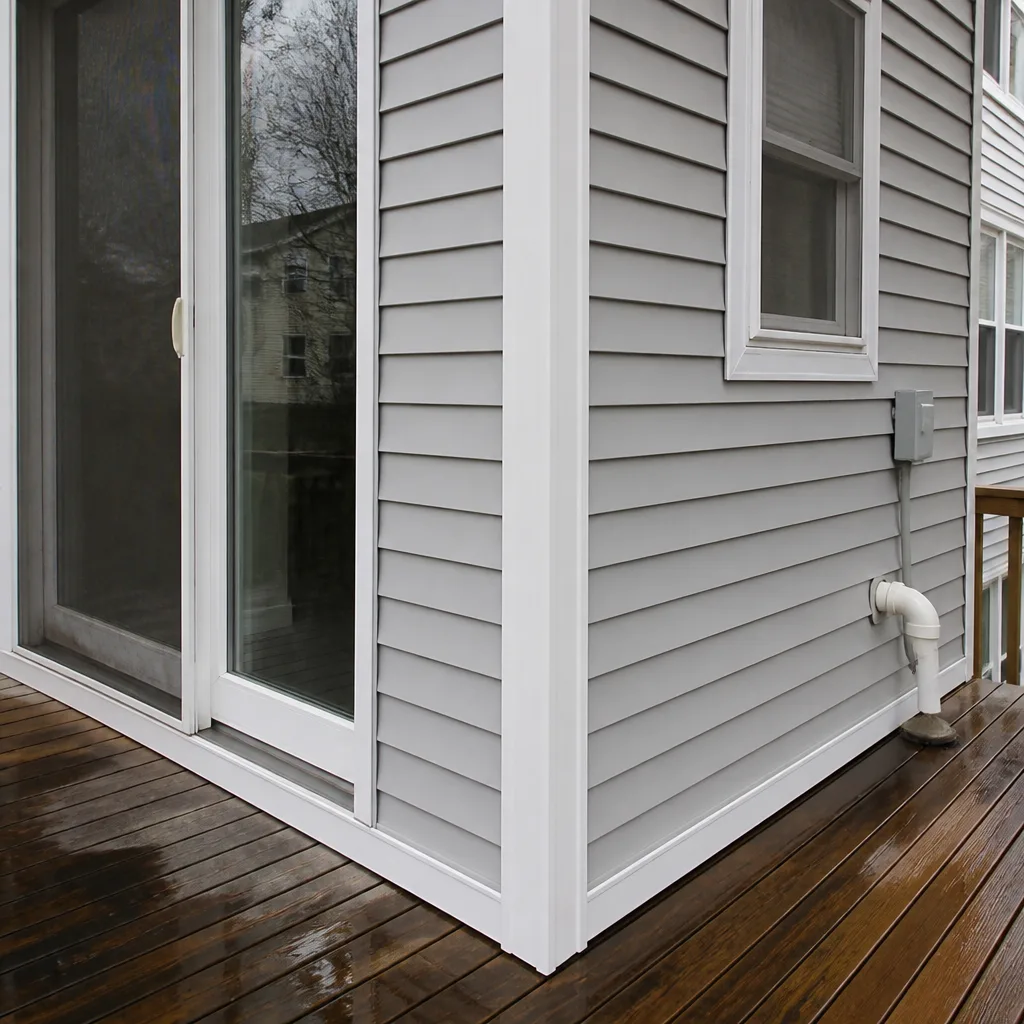 After
After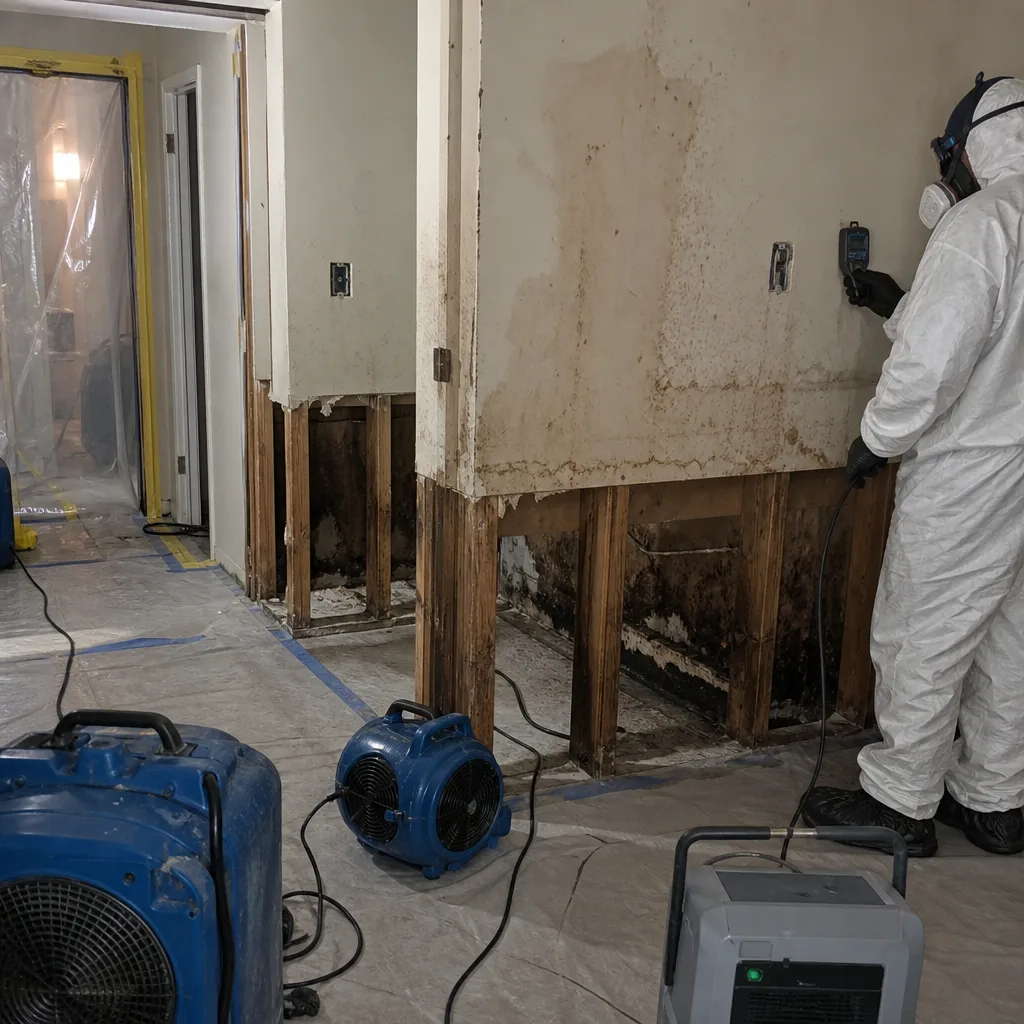 Before
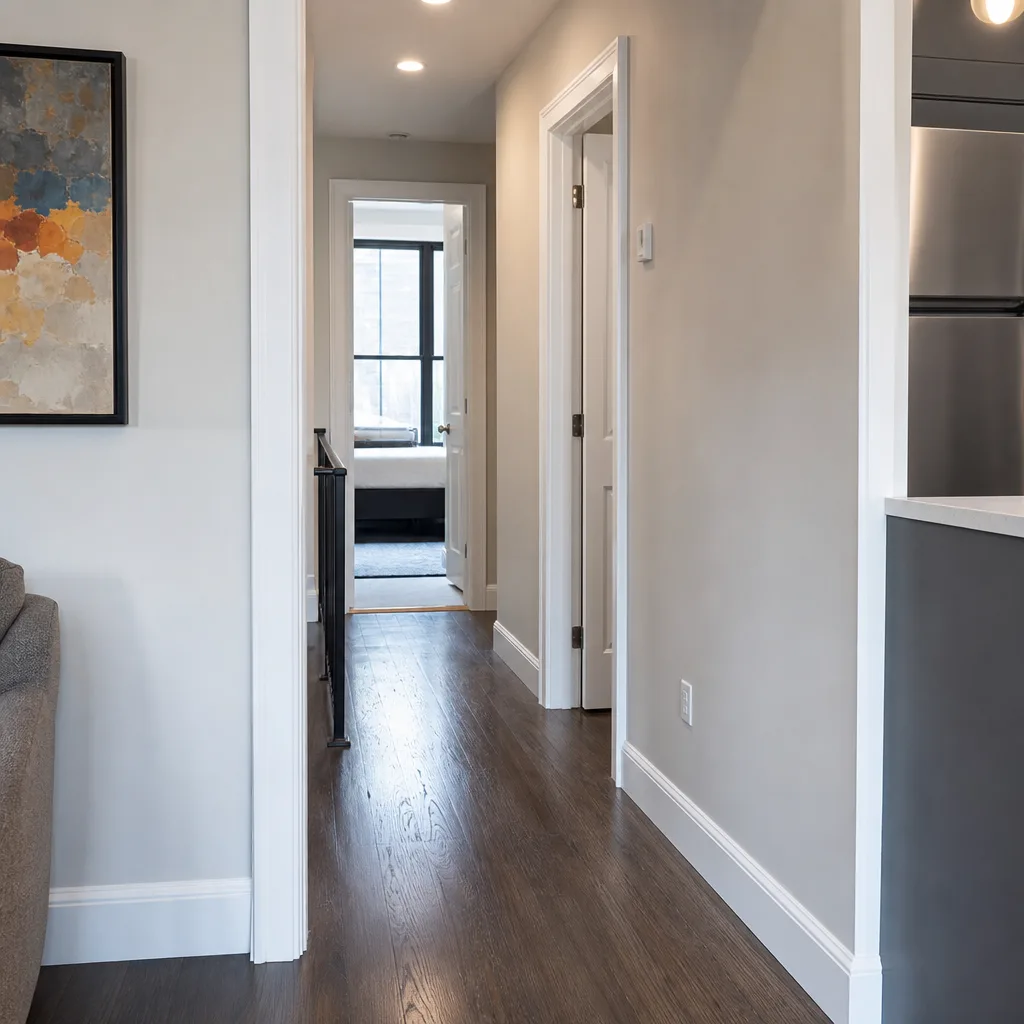 After
After24/7 Emergency Reconstruction & Cleanup in East Elmhurst
Storm surge from Flushing Bay doesn’t wait for business hours, and neither do we. When a nor’easter pushes bay water into a 1930s brick semi-detached on Ditmars Blvd, the first call needs to reach a live person, not a voicemail. Floodline Restoration Co. of Manhattan answers at (917) 924-4221 around the clock, and our crews dispatch into East Elmhurst immediately. Salt-laden surge water saturates plaster, shorts aging panels, and starts corroding metal within hours. That first hour decides whether you’re looking at drying and repair or full reconstruction. We start with a free visual inspection, map the moisture with thermal imaging, and get extraction running the same visit. No recording, no callback queue. A certified crew heads your way the moment you hang up.
Understanding Reconstruction & Cleanup Severity in East Elmhurst Properties
East Elmhurst homes, mostly 1920s through 1950s brick semi-detached and attached structures, handle water very differently than newer construction. The basements sit close to the Flushing Bay water table, so a Category 3 surge event, water carrying sewage, marine debris, and salt, doesn’t just wet the floor. It wicks up into original lath and plaster, saturates oak flooring, and finds its way into cast-iron drain lines already thinned by decades of use. We classify every water intrusion the same way IICRC standards require: Category 1 is clean supply water from a burst pipe. Category 2 carries contaminants from appliances or sump overflow. Category 3 is the storm surge you get near Ditmars Blvd and 23rd Avenue, filthy water that demands containment, negative air pressure, and hazmat-aware tear-out. Salt in that surge water accelerates corrosion on fasteners, electrical connections, and garage-door tracks. We map moisture daily with hygrometers and thermal imaging, log readings until the dry standard is met, and only then start rebuilding. Guessing at dry-out is how you end up with mold behind fresh drywall six months later.
Why East Elmhurst Property Owners Choose Floodline Restoration Co. of Manhattan
- 45-minute response commitment from local dispatch. When a surge event hits East Elmhurst, our nearest certified crew is routed immediately and typically reaches Ditmars Blvd or Astoria Blvd corridors within the hour.
- A live person answers at 2 a.m., not a bot. Our dispatchers work the same 24/7 board around the clock, so you describe what happened once and a crew shows up knowing what to bring.
- IICRC-certified technicians, WRT and ASD trained. Every uniformed, background-checked tech carries current water restoration, applied structural drying, and mold remediation credentials. No day laborers. No subcontractor roulette.
- Free visual inspection and written scope before any work begins. You get a line-item plan on paper. You approve it. We don’t start ripping out walls on a handshake and surprise you later.
- Direct insurance billing, not you playing messenger. We document, photograph, and negotiate with your carrier. You get a copy of everything. We bill them directly wherever your policy allows.
- One crew from extraction to final rebuild. The same technicians who read the moisture map on day one handle daily readings, pack-out, drywall, and finish work. No mid-job handoff to a stranger.
Our Reconstruction & Cleanup Process
Inspection & Assessment
We walk the full property with you, inside and out. We identify the water category, map affected materials with thermal imaging and moisture meters, and photograph every surface before we touch anything. You get a written assessment with actual numbers, not a vague “looks bad.”
Extraction & Stabilization
We remove standing water using truck-mounted extraction units and submersible pumps where needed. We then stabilize the structure to prevent further damage: shoring where necessary, cutting away ruined drywall, and salvaging what can be saved.
Drying & Dehumidification
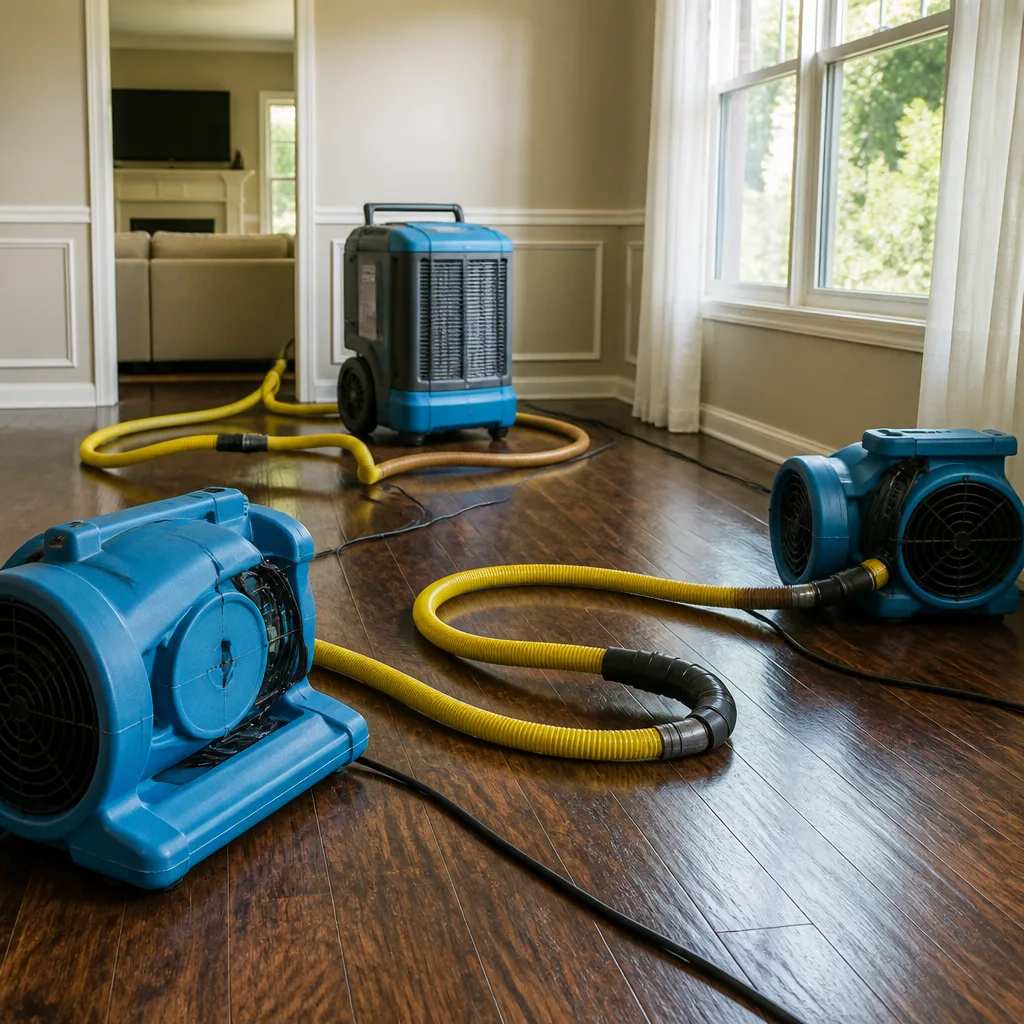
Professional-grade Dri-Eaz dehumidifiers and Phoenix air movers go in the same day. We create a closed drying system using daily hygrometer readings to track the dry standard, not guesswork. Moisture logs get shared with you and your carrier.
Cleaning & Sanitization
For Category 2 and 3 water, we apply antimicrobial treatments and run air scrubbers with HEPA filtration to capture particulate from dried surge contamination. This step matters enormously near Flushing Bay, where marine sediment carries more than just dirt.
Contents Handling & Corrosion Control
Salt air is brutal on metal, and surge water is worse. We inspect garage-door tracks, springs, fasteners, and electrical connections for salt-caused corrosion. Salvageable contents get packed out, cleaned, and stored under roof. We document everything for your adjuster.
Repairs & Full Reconstruction
This is where we differ from most restoration companies. We don’t hand you a list of subcontractor phone numbers. Our own carpenters replace framing, hang drywall, refinish floors, and rebuild your East Elmhurst basement to pre-loss condition, backed by our 90-Day Done Right Promise in writing.
Need Emergency Reconstruction & Cleanup in East Elmhurst Now?
Crews minutes away, answering live 24 hours a day. The sooner we start, the less it costs.
Working With Your Insurance Company
The difference between a covered claim and a denied one often comes down to documentation in the first 48 hours. We build the file as we work. Photographs before, during, and after. Daily moisture readings with instrument logs. A line-item scope of work that matches carrier estimates line-for-line. And when your adjuster has questions about why a cast-iron drain line needed replacement or why that plaster wall had to come out entirely, we talk to them directly. No homeowner should have to explain the difference between Category 2 and Category 3 water to an insurance desk.
What We Provide Your Insurer
- Thorough documentation of the loss
- Photos of all damage, room by room
- Moisture readings and drying logs
- A detailed, line-item scope of work
- Direct coordination with your carrier
Built for East Elmhurst’s Loss Calendar
East Elmhurst’s destruction calendar runs different from the rest of Queens. January deep freezes crack supply lines in unheated basements along Astoria Blvd, especially in 1930s homes where original copper has been patched for decades. March and April thaw sends groundwater up through floor cracks in the low-lying blocks near Flushing Bay, where the water table sits close enough to the surface that sump pumps run constantly. Summer thunderstorms dump inches of rain faster than storm drains near LaGuardia’s perimeter can handle, turning Ditmars Blvd into a river and basements into reservoirs. Fall nor’easters and the tail end of hurricane season drive salt surge into waterfront homes, and that salt changes everything: faster corrosion, deeper contamination, and a timeline for reconstruction that inland neighborhoods like Corona never face. We plan for this calendar. It’s why our East Elmhurst crews carry more extraction capacity and more dehumidifier units than they would in Woodside.
Reconstruction & Cleanup Across East Elmhurst’s Neighborhoods
The Ditmars Blvd corridor near LaGuardia’s perimeter road is ground zero for storm surge. Homes along 23rd Avenue and the low blocks approaching Flushing Bay sit in FEMA Special Flood Hazard Zones, and we’ve reconstructed more than a few basements there after nor’easters pushed bay water past bulkheads. These are almost all 1920s through 1950s brick semis with full basements, and the failure pattern is consistent: salt surge soaks original plaster, which holds moisture longer than modern drywall, and that hidden saturation is where mold colonizes within 48 hours. Up toward Astoria Blvd and the higher ground near the Grand Central Parkway, we see more winter pipe breaks and sewer backups from aging cast-iron lines than storm surge. The homes are similar vintage, but the water source changes the work. In the blocks between 31st Avenue and Northern Blvd, the concern shifts toward overcrowded basements with older electrical panels that surge events can short out. Each pocket of East Elmhurst has its own signature loss. We know them because we’ve worked them.
Specialized Reconstruction & Cleanup Services We Offer in East Elmhurst
Full-Service Reconstruction
From stripped studs to finished trim, our own crew rebuilds it. We don’t dry out a basement and hand you a list of contractors. We replace framing, hang and finish drywall, install flooring, and repaint, all backed by the 90-Day Done Right Promise. In East Elmhurst’s flood-zone homes, that means rebuilding with materials rated for moisture exposure where appropriate, not just whatever is cheapest at the supply house.
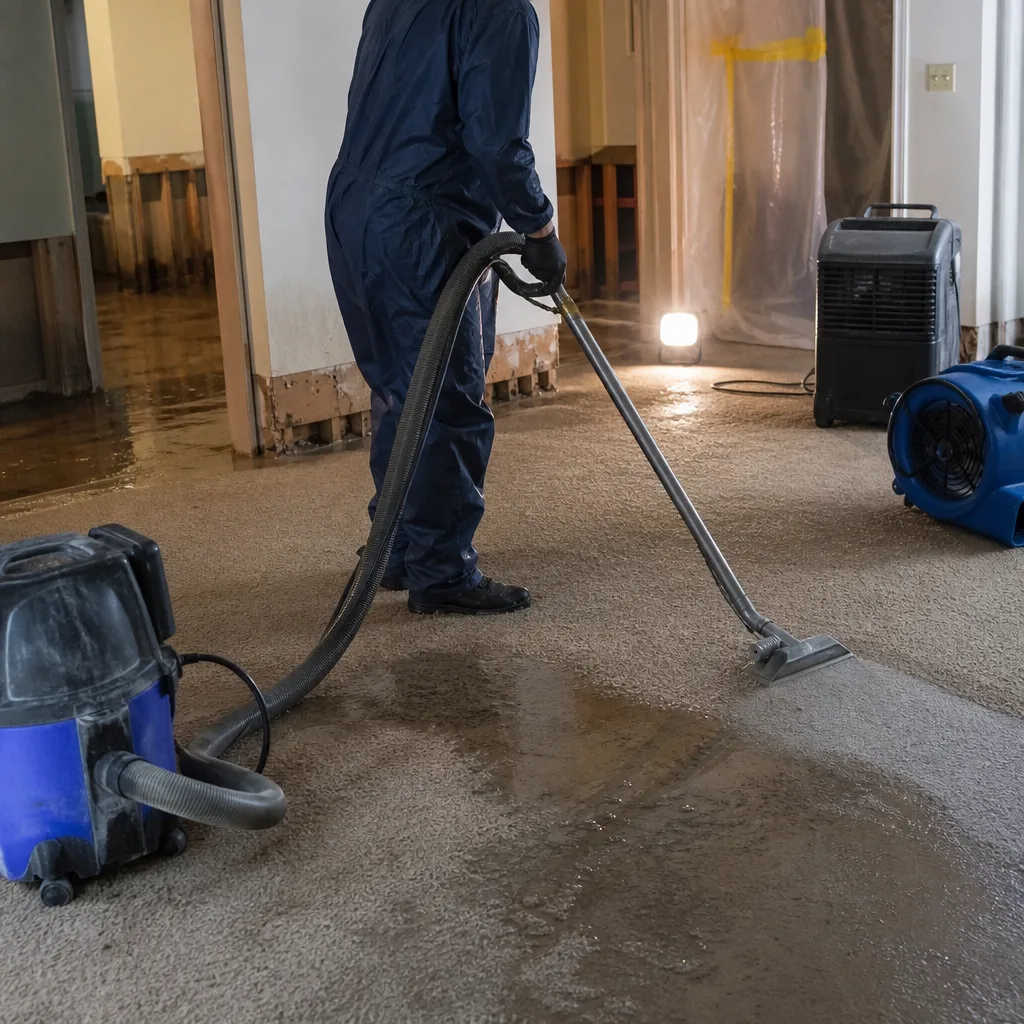
Contents Restoration & Pack-Out
After a surge, the stuff in your basement, furniture, tools, storage bins, and family heirlooms, needs immediate attention. Salt water ruins fabric and corrodes metal quickly. Our team inventories, packs out, cleans, and stores salvageable items under roof, then returns them after reconstruction. We photograph everything and log it for your claim. What can’t be saved gets documented so your carrier can see why.
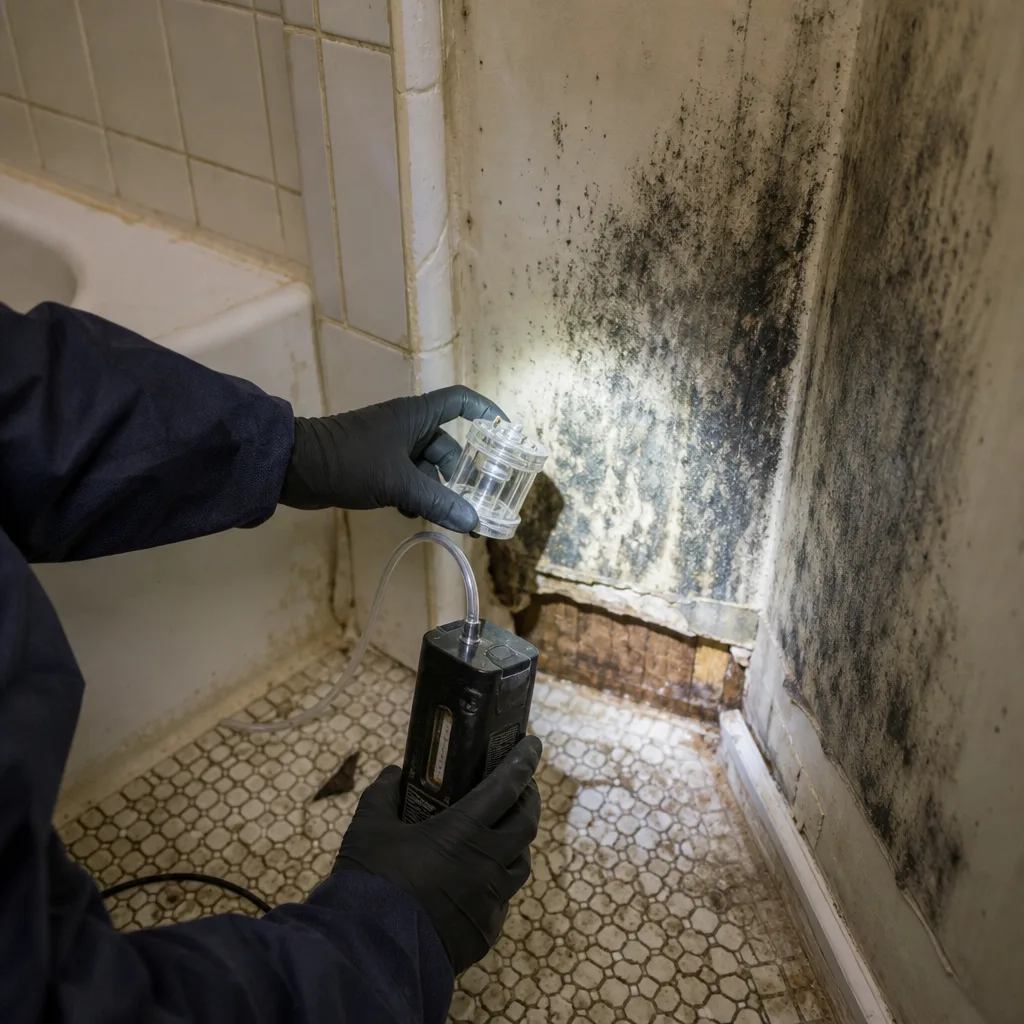
Insurance Claim Documentation
This is the service that separates a smooth recovery from a six-month battle. We produce the file your adjuster needs: initial photos, moisture maps, daily drying logs, line-item scope, and final condition report. For East Elmhurst homeowners in FEMA flood zones near Ditmars Blvd, documentation quality often makes the difference between a covered loss and a check that arrives months late. We know what FEMA and private carriers look for because we’ve written hundreds of these files for this exact neighborhood.
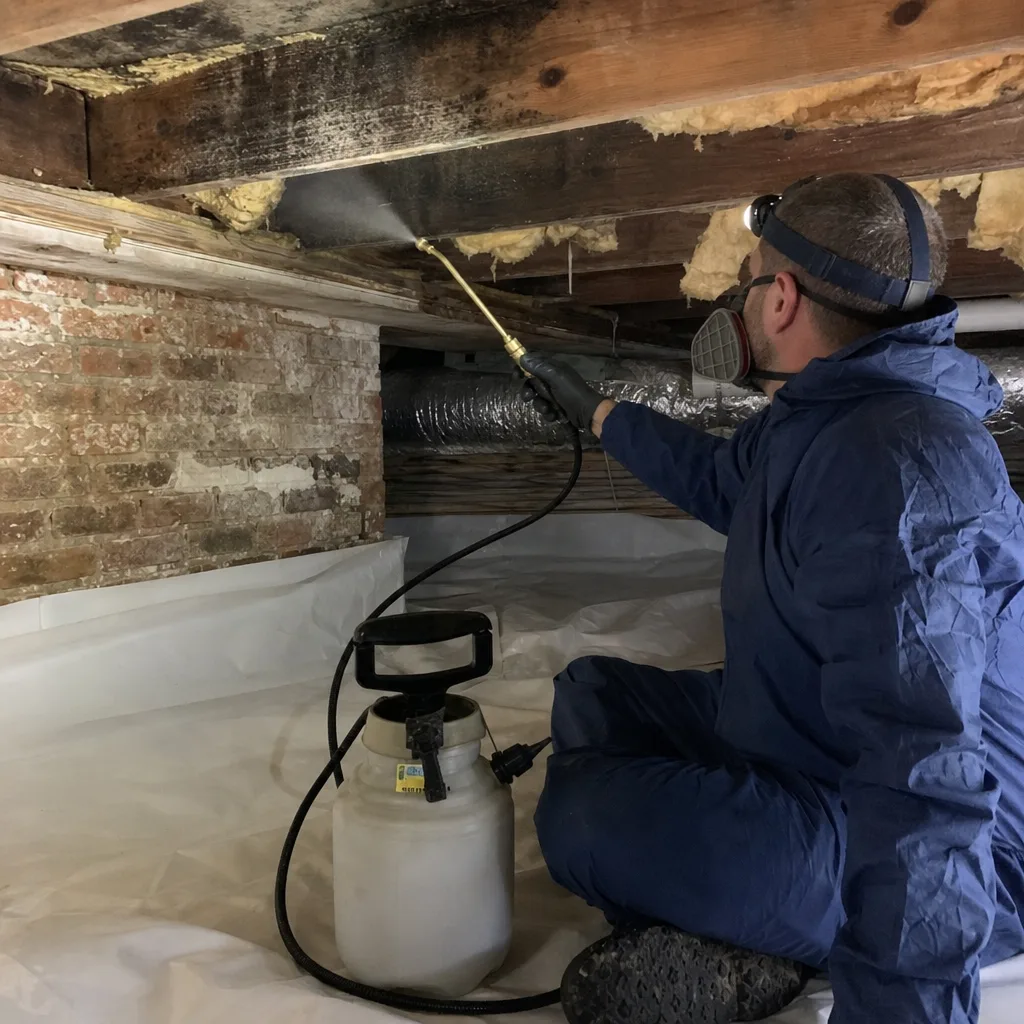
Drywall & Flooring Repair
Flood events in older East Elmhurst homes almost always mean floor and wall replacement. Original oak strip flooring warps and buckles after saturation. Plaster walls hold water long after readings look dry on the surface. We remove damaged sections, replace with properly cured materials, and match the level of finish your home had before. The goal is that you can’t see where the damage was.
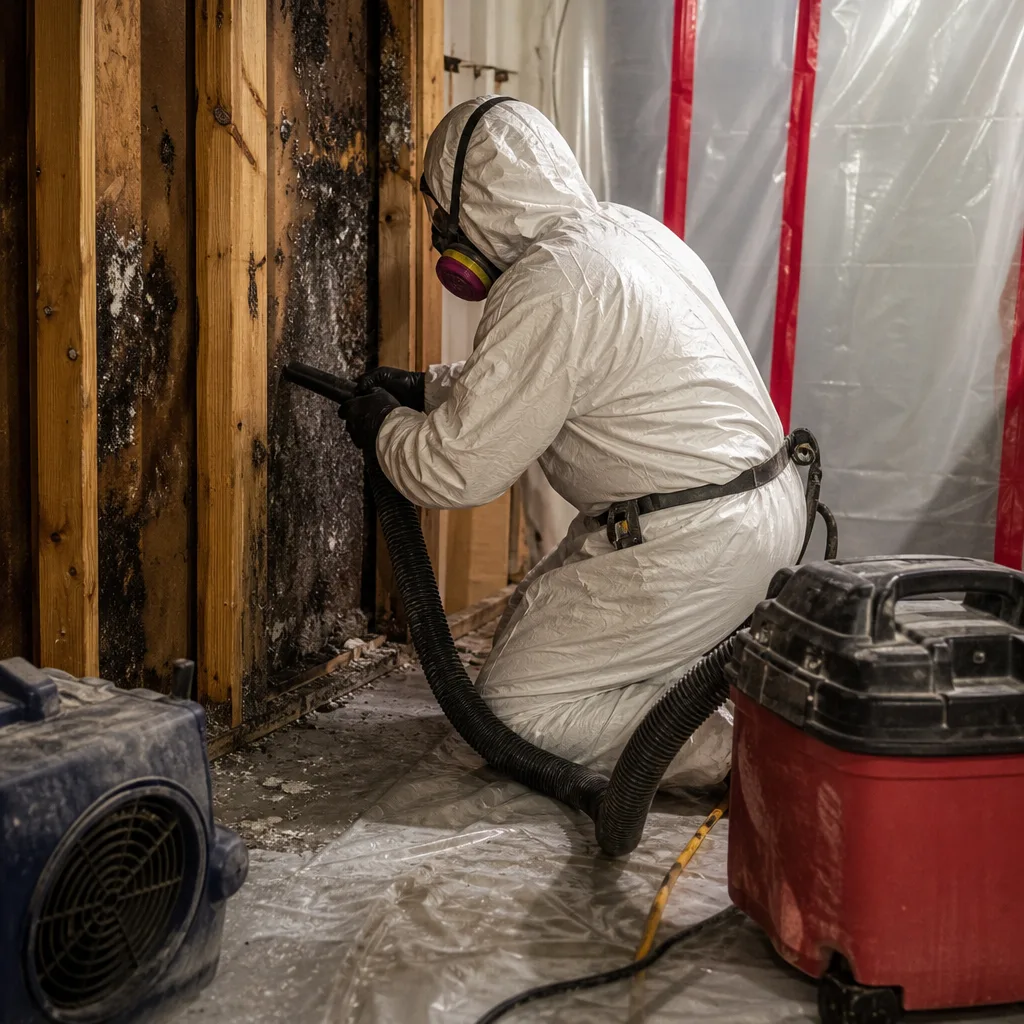
Carpet & Upholstery Cleaning
Salvageable carpet and upholstered furniture need more than a rental machine. After Category 2 or 3 water exposure, we run hot-water extraction, apply appropriate antimicrobial treatments, and dry thoroughly with air movers. Near the bay, where humidity stays high, drying saves items that would otherwise mildew within days.
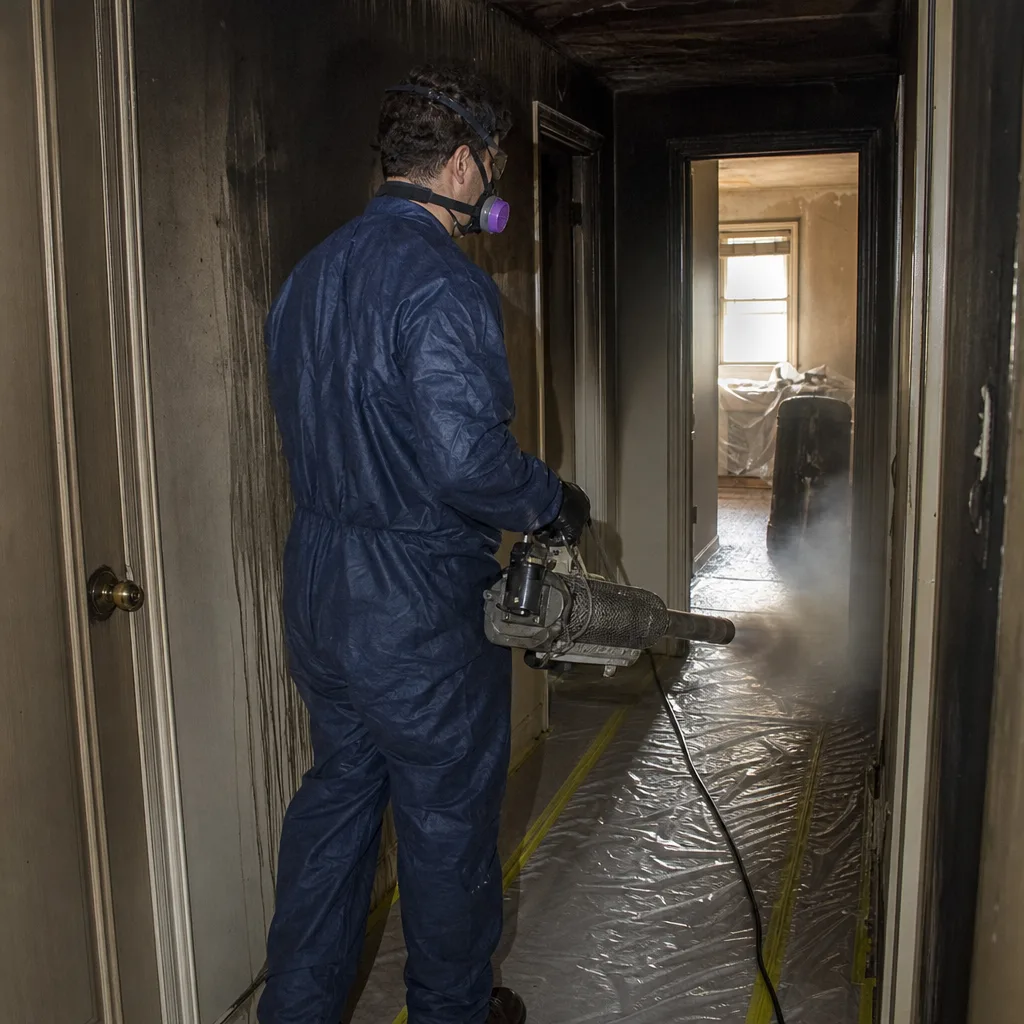
Post-Construction Cleanup
When reconstruction finishes, the dust doesn’t just disappear. We run HEPA-filtered air scrubbers during and after the work, clean every surface, and walk the property with you before we call it done. No sawdust in the vents. No drywall mud on the windows. You get your home back finished, not mostly finished.
What happens when you call
- 1
A real person answersNo phone trees - you reach a local pro.
- 2
You get an upfront price rangeHonest numbers before anyone is dispatched.
- 3
A background-checked tech heads outLicensed & insured, dispatched right away.
- 4
You approve before work beginsNothing starts until you say go.
Reconstruction & Cleanup Costs in East Elmhurst, NY
A full basement reconstruction after a Flushing Bay surge in East Elmhurst typically runs $18,000 to $45,000 depending on square footage, finish level, and how much original plaster and flooring requires replacement. A Category 3 water event confined to an unfinished basement often lands between $6,000 and $14,000 when structural drying, sanitization, and minimal rebuilding are involved. Drywall and flooring repairs alone run $3,500 to $9,000 for a typical 1930s semi-detached basement. Carpet and upholstery restoration services fall in the $400 to $1,800 range depending on scale. Contents pack-out and storage add $800 to $3,500. The big cost drivers here: salt corrosion damage to electrical and mechanical systems, cast-iron drain line replacement, and the hazmat-aware demolition that older brick homes require. If insurance is involved, your out-of-pocket may only be the deductible. The path to a firm number starts with our free inspection; we write the scope and price it before any work begins, and we give you the plan in writing.
We Also Serve Cities Near East Elmhurst
Our crews cover the full Reconstruction & Cleanup corridor around East Elmhurst every day. You’ll find us in Jackson Heights, Corona, Elmhurst, and Woodside. Same live dispatch, same certified technicians, same written guarantee. If you’re a few blocks across the neighborhood line, the answer is still (917) 924-4221.
Serving East Elmhurst, NY - Our Local Coverage Area
We’re based in the East Elmhurst area and know this community well. Use the map below to see our service coverage - if you’re nearby, we can almost certainly help.
East Elmhurst Reconstruction & Cleanup Questions, Answered
How does salt air near LaGuardia affect garage-door hardware in East Elmhurst homes during reconstruction?
Salt air near Flushing Bay and LaGuardia’s perimeter corrodes garage-door springs, tracks, hinges, and opener chains years faster than inland Queens. During reconstruction after a surge event, we inspect every metal component for pitting and weakening. In many East Elmhurst homes, garage-door springs seize or snap within two to three years of salt exposure. We replace failed hardware with galvanized or stainless components and coated springs designed for coastal environments, then document the corrosion for your insurance file. Call (917) 924-4221 for a free inspection if your door is binding or groaning.
What category of water typically enters East Elmhurst basements during a Flushing Bay surge?
Flushing Bay storm surge is almost always Category 3 water, the most contaminated classification. It carries sewage, marine sediment, salt, and debris from the bay. That means every surface it touches needs either hazmat-aware removal or aggressive sanitization. In the low blocks near Ditmars Blvd and 23rd Avenue, we treat every surge event as Category 3 by default and set up containment with negative air before opening any walls. If your basement flooded from the bay, treat the water as hazardous until proven otherwise and call us at (917) 924-4221.
Do I need special documentation for reconstruction in a FEMA flood zone near Ditmars Blvd?
Yes, and it’s not just a good idea; it’s often the difference between a claim paid in full and one reduced. FEMA flood zone properties in East Elmhurst require documentation that shows the source of water, the extent of saturation, drying logs to the approved standard, and a line-item scope that matches the claim. We write these files daily for homes along the Ditmars Blvd corridor and coordinate directly with your adjuster and FEMA-assigned reviewers when applicable. The free inspection starts the paper trail immediately.
How soon after a flood should I call for structural drying in East Elmhurst?
Call within the first hour if you can. In East Elmhurst’s humid post-surge conditions, mold colonization in saturated plaster and drywall can begin within 24 to 48 hours. Once mold establishes behind walls, the scope shifts from drying to full tear-out and remediation. The faster our Dri-Eaz dehumidifiers and Phoenix air movers start moving air, the more of your home remains in place. We answer live 24/7 at (917) 924-4221 and dispatch into East Elmhurst immediately.
Why do older brick homes in East Elmhurst need hazmat-aware reconstruction after flooding?
The 1920s to 1950s brick semis and attached homes along the bayfront often contain original plaster, cast-iron drain lines, and electrical panels placed decades before modern codes. Plaster holds moisture and contamination differently than drywall. Cast-iron pipes crack and release built-up material when saturated repeatedly. Old panels may not trip when they short out. Hazmat-aware reconstruction means setting up proper containment, using HEPA air scrubbers, and handling contaminated building materials as the hazard they are. Generic crews skip this step. We don’t.
Can my family stay in the home during reconstruction in East Elmhurst?
For minor repairs, usually yes. For Category 3 surge events involving significant demolition, drying equipment noise, and air scrubbers, we usually recommend temporary relocation during the gut-and-dry phase. We’ll give you a straight answer during the free inspection, based on the actual conditions, not on what’s convenient for our schedule. Your policy may cover additional living expenses; we document everything needed to support that claim.
Are your East Elmhurst crews certified and employed by you?
Every technician we send into East Elmhurst is our employee, not a subcontractor. They’re background-checked, uniformed, and certified to IICRC standards including Water Damage Restoration Technician and Applied Structural Drying. The same names you see on day one are the names on the final walkthrough. No one gets handed your house mid-job.
What should I do in the first 30 minutes after flooding in East Elmhurst?
If it’s safe to do so, shut off electricity to the affected area. Move small valuables and electronics to higher ground. Don’t wade through Category 3 surge water without proper protection. Then call us at (917) 924-4221; the sooner extraction starts, the less reconstruction you’ll need. We’ll walk you through the immediate steps on the phone while the crew is en route to your East Elmhurst address.
Written by Curt Bowman, Owner at Floodline Restoration Co. of Manhattan, serving East Elmhurst and surrounding Queens neighborhoods from our New York City office since 2010.