
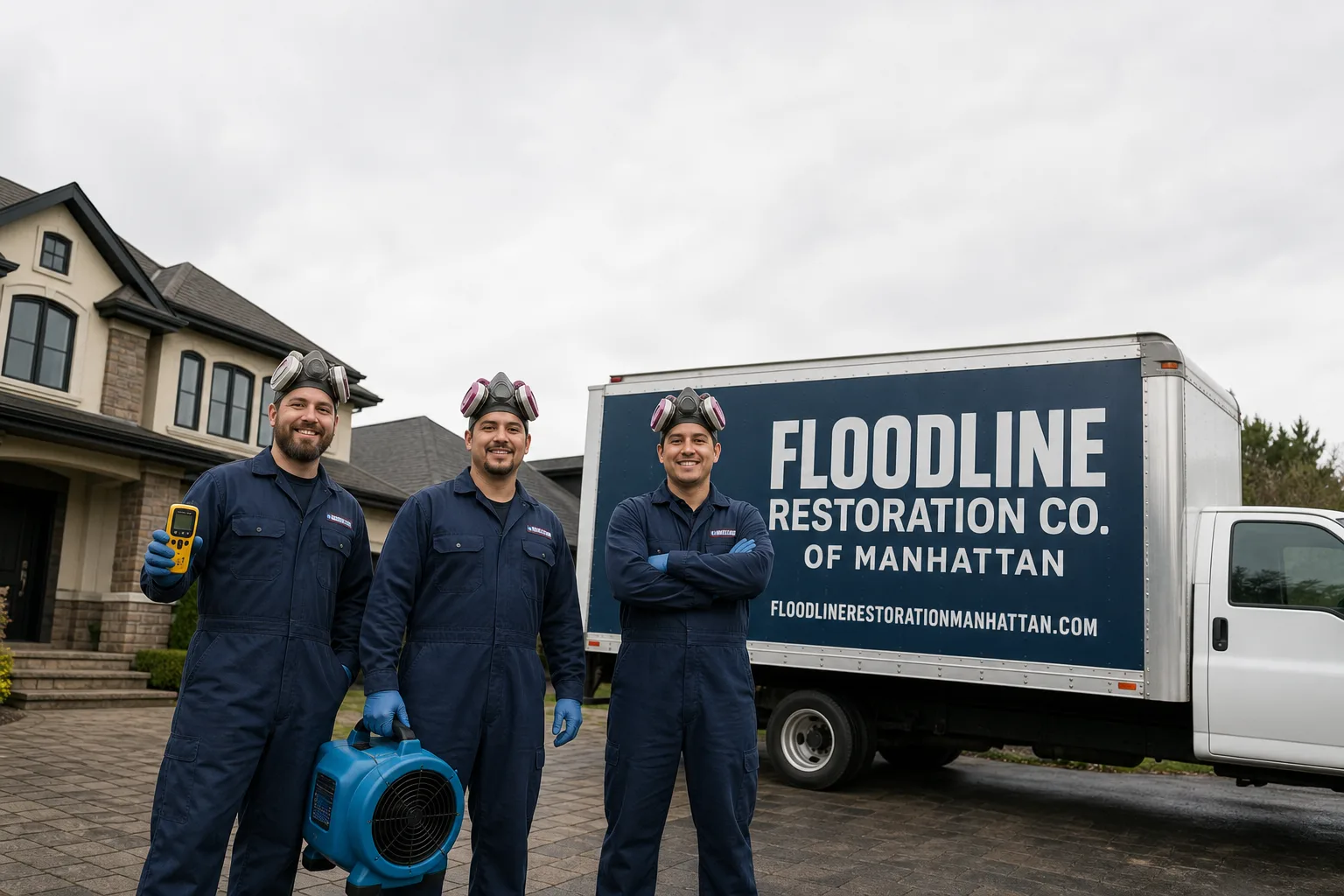
Free visual inspection and a written scope of work before any mitigation begins - photos, moisture readings, and drying logs go in your claim file
The scope we write is the scope we bill. Anything new gets shown to you, in writing, before we touch it.






 Before
 After
After Before
 After
After Before
 After
After24/7 Emergency Reconstruction & Cleanup in Flatlands
When a basement in Flatlands floods from groundwater or a nor’easter backs up the storm drains, the clock starts before you hang up the phone. Our crews reach Flatlands properties fast, usually within 45 minutes of your call, and start extraction the same visit. A live dispatcher answers at (917) 924-4221 every hour of the day and night, no recording, no callback queue. The first hour matters because water sitting against the original block foundation walls in this neighborhood wicks upward fast, climbing into stud bays and behind drywall within 48 hours. Once that happens, you’re not looking at a dry-out. You’re looking at reconstruction. Call now, before Category 2 water becomes a Category 3 problem.
Understanding Reconstruction & Cleanup Severity in Flatlands Properties
The homes across Flatlands share a structural history that makes damage assessment here different from higher-ground Brooklyn neighborhoods. Most of the housing stock went up between 1950 and 1975: one- and two-family detached brick homes, cape cods, colonials, and ranches, nearly all with full finished basements poured directly into former tidal marshland. The block and poured-concrete foundations sit in persistently high water-table soil, so moisture wicks through capillary action even when the streets stay dry. That changes how we classify severity. A Category 1 water loss here, clean supply-line water, often turns Category 2 within a day because the saturated block walls introduce contaminants from the surrounding soil. Category 3 floodwater, what comes up through floor drains during a nor’easter or storm-surge event, carries sewage, salt, and microbial load from Jamaica Bay’s drainage basin. Fire and smoke losses follow similar rules of escalation: soot residue from older 1950s electrical systems penetrates the same plaster and gypsum that absorbed the last flood. Our technicians map moisture with thermal imaging and hygrometers before cutting anything, because in Flatlands the damage behind a dry basement wall is often older than the paint on it.
Why Flatlands Property Owners Choose Floodline Restoration Co. of Manhattan
- 45-minute response commitment: We dispatch crews stationed near Flatlands immediately, and a uniformed technician is usually on your block within the window. No waiting until morning.
- 24/7 live answer, always a person: Call (917) 924-4221 at 2 a.m. during a January pipe burst and Curt Bowman’s dispatch team picks up. Not a recording, not an answering service. A local dispatcher who can send a crew.
- IICRC-certified crews on every job: Our technicians hold WRT, FSRT, and AMRT certifications and follow the standards those codes require. You get trained hands, not day labor.
- Free visual inspection, no obligation: We walk the damage with you, point to what we’re seeing, and give you a written scope before any work starts. No high-pressure estimate.
- Direct insurance billing: We bill your carrier directly and handle the adjuster conversation. You don’t play messenger between us and your insurance company.
- One team, extraction to reconstruction: The same certified crew that reads the moisture map on day one handles daily drying logs, fram-out, and the finished rebuild. No mid-job handoff, no inherited crew.
Our Reconstruction & Cleanup Process
Inspection & Assessment
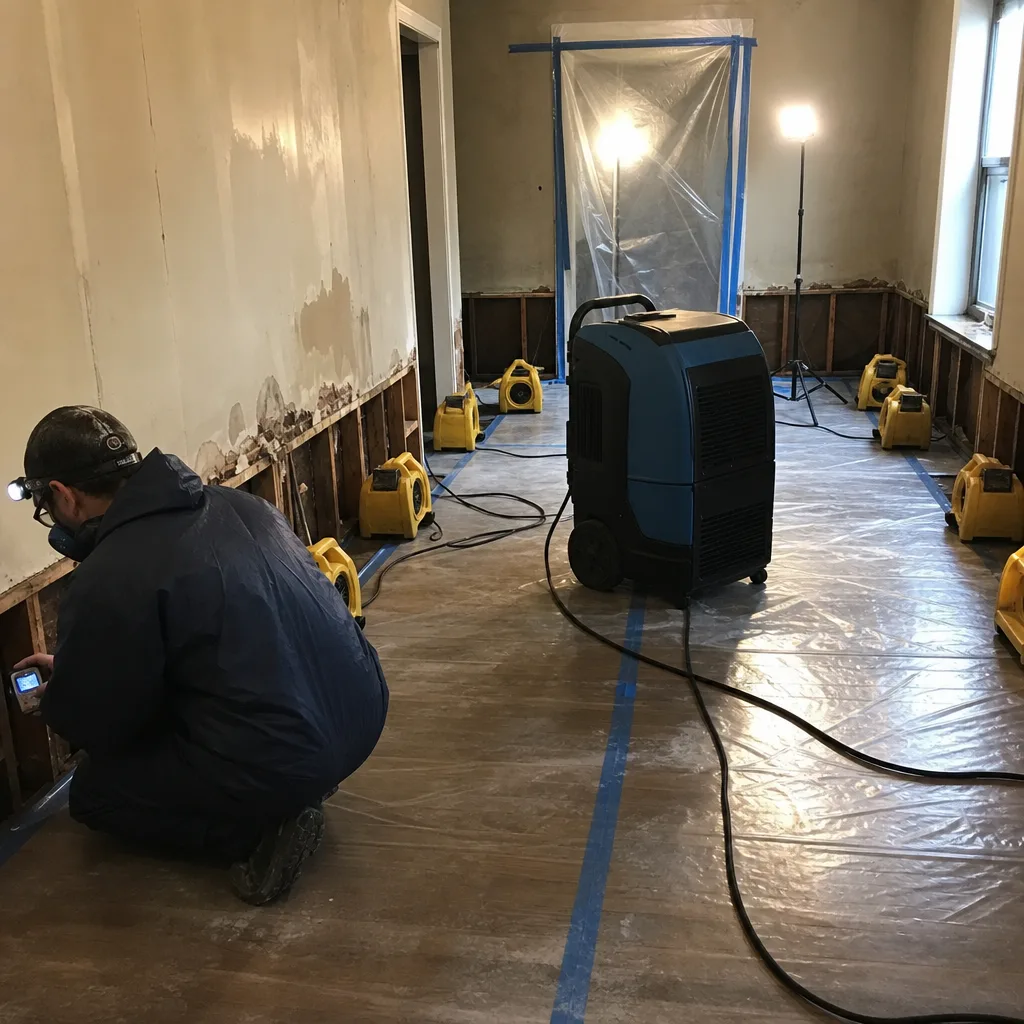
We start with thermal imaging and moisture meters across every affected wall, floor, and stud bay. In Flatlands, that means checking behind post-Sandy drywall for active efflorescence on original block. You get a written scope with a firm price before we cut anything.
Extraction & Stabilization
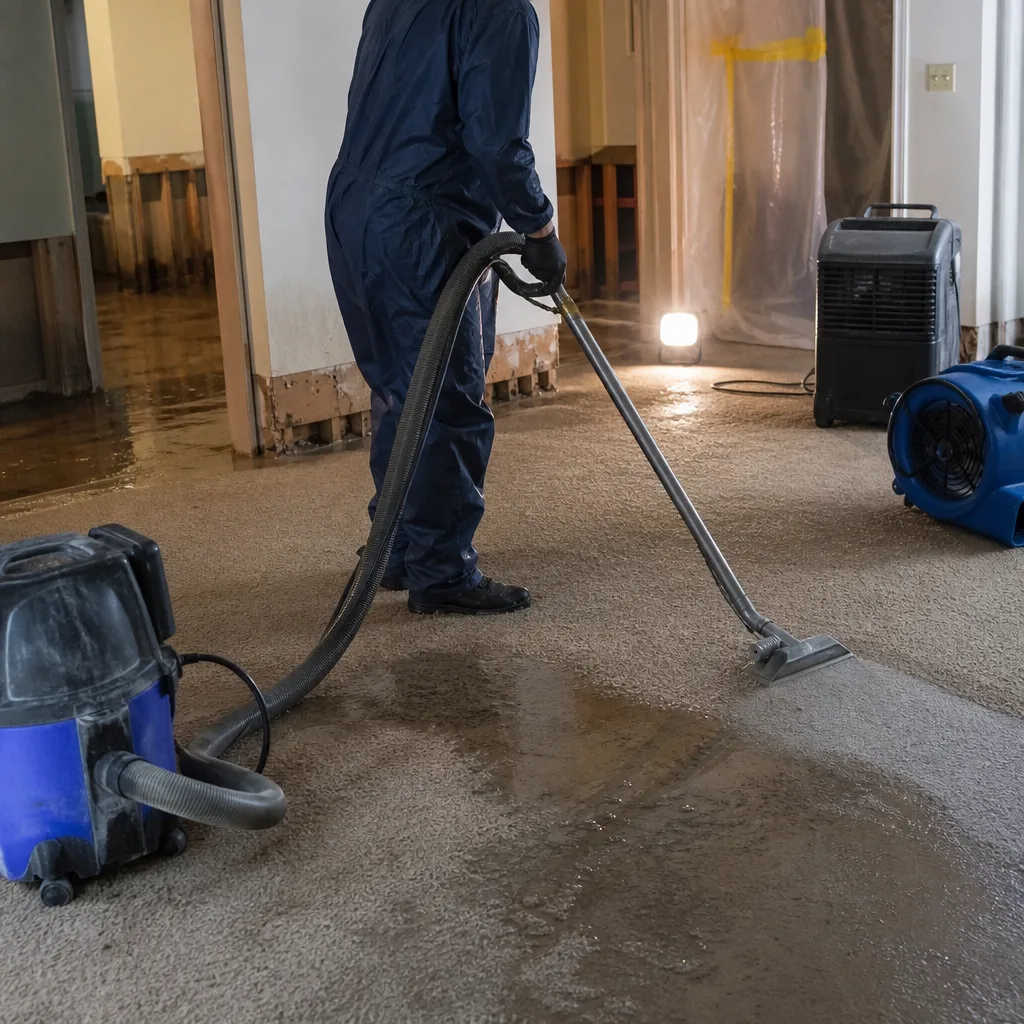
Standing water comes out with truck-mounted extraction units. We remove saturated carpet pad, baseboard, and drywall that has wicked moisture, then stabilize the structure to prevent further spread before drying begins.
Drying & Dehumidification
Professional-grade Dri-Eaz and Phoenix air movers with low-grain refrigerant dehumidifiers run continuously, with daily moisture readings logged until we hit the dry standard. The moisture map from day one guides every placement.
Cleaning & Sanitization
HEPA air scrubbers run through the full cleaning phase. We sanitize all affected surfaces with antimicrobial treatments appropriate to the water category, including behind opened walls where hidden mold colonies sat.
Specialty Treatment: Mold & Efflorescence
After contaminated drywall comes out, we treat the original block foundation walls. That means removing the efflorescence, applying waterproofing and vapor-barrier coatings where appropriate, and running antimicrobial before anything gets closed back in.
Repairs & Restoration
We rebuild with moisture-resistant drywall, seal the block, install new flooring, trim, and paint. The same crew that did the drying does the finish work. You get one accountable team for the whole job, backed by the 90-Day Done Right Promise in writing.
Need Emergency Reconstruction & Cleanup in Flatlands Now?
Crews minutes away, answering live 24 hours a day. The sooner we start, the less it costs.
Working With Your Insurance Company
Most Flatlands reconstruction claims involve two layers of damage, the pre-Sandy original and the post-Sandy cosmetic repair, and carriers need documentation that separates them clearly. We handle that from the first hour. Our technicians photo-document every room before demolition, log moisture readings daily through the drying phase, and produce a line-item scope that names each component: block wall, stud bay, drywall, flooring, trim. We coordinate directly with your adjuster so you’re not on the phone trying to explain why the new paint is bubbling three months after the last “fix.” And because we bill the carrier directly, you’re not fronting thousands in out-of-pocket costs waiting for reimbursement.
What We Provide Your Insurer
- Thorough documentation of the loss
- Photos of all damage, room by room
- Moisture readings and drying logs
- A detailed, line-item scope of work
- Direct coordination with your carrier
Built for Flatlands’s Loss Calendar
Flatlands’s damage season doesn’t follow a simple calendar. January deep freezes burst supply lines in the 1950s and 1960s homes along Flatbush Avenue and Avenue N, dumping Category 1 water into finished basements within hours. Spring thaw saturates the already-high water table, and basement seepage starts as early as March in the low-lying blocks west of Ralph Avenue. Summer thunderstorm downpours overwhelm the flat terrain, what the old timers call a three-inch rain in an hour, and surface ponding pushes water through floor drains and foundation seams before the storm even passes. Nor’easters in fall and winter are the heavy hitters: storm surge from Jamaica Bay backs up the drainage system, and Category 2 water rises through basement floor drains across the neighborhood. Hurricane Sandy’s 2012 surge remains the defining event locals measure everything against, and the cosmetic repairs made after it are now, in many homes, the very drywall we’re pulling out. Flatlands is a recurrent-damage market, not a one-time-event market, and any Reconstruction & Cleanup plan here has to account for that.
Reconstruction & Cleanup Across Flatlands’s Neighborhoods
The blocks between Flatbush Avenue and Ralph Avenue hold the oldest stock in the neighborhood, much of it built in the 1950s on the lowest ground, and that’s where we see the deepest basement water intrusion and the most layered reconstruction jobs. Around Avenue N and Veterans Avenue, the colonial and ranch homes sit on slightly better grade, but the finished basements still fight the water table, especially after a nor’easter. East of Flatbush Avenue toward the railroad cut, homes built in the 1960s and 1970s run into the same block foundation issues, aggravated by aging perimeter drains that were never designed for today’s rainfall. Down near the Paerdegat Basin side, the ground sits lowest of all, and storm surge from Jamaica Bay is a standing threat to the homes closest to the water. Our crews know the response routes through Flatlands and the building types on each block, because the house on Avenue N with a 1965 poured foundation fails differently from the 1952 cape cod on Flatbush Avenue with original block. In this neighborhood, we don’t guess. We look at the street, the age, and the foundation type, because that tells us what’s behind the wall before we open it.
Specialized Reconstruction & Cleanup Services We Offer in Flatlands
Full-Service Reconstruction
A Flatlands basement rebuild after groundwater intrusion means more than new drywall. We cut out the damaged material, seal the original block foundation walls with waterproofing treatments, run new moisture-resistant drywall, and finish with flooring and trim. The 90-Day Done Right Promise comes in writing, so if anything fails within 90 days, we come back and make it right. No paperwork battle, no arguing. That’s the Keystone Standard.
Contents Restoration & Pack-Out
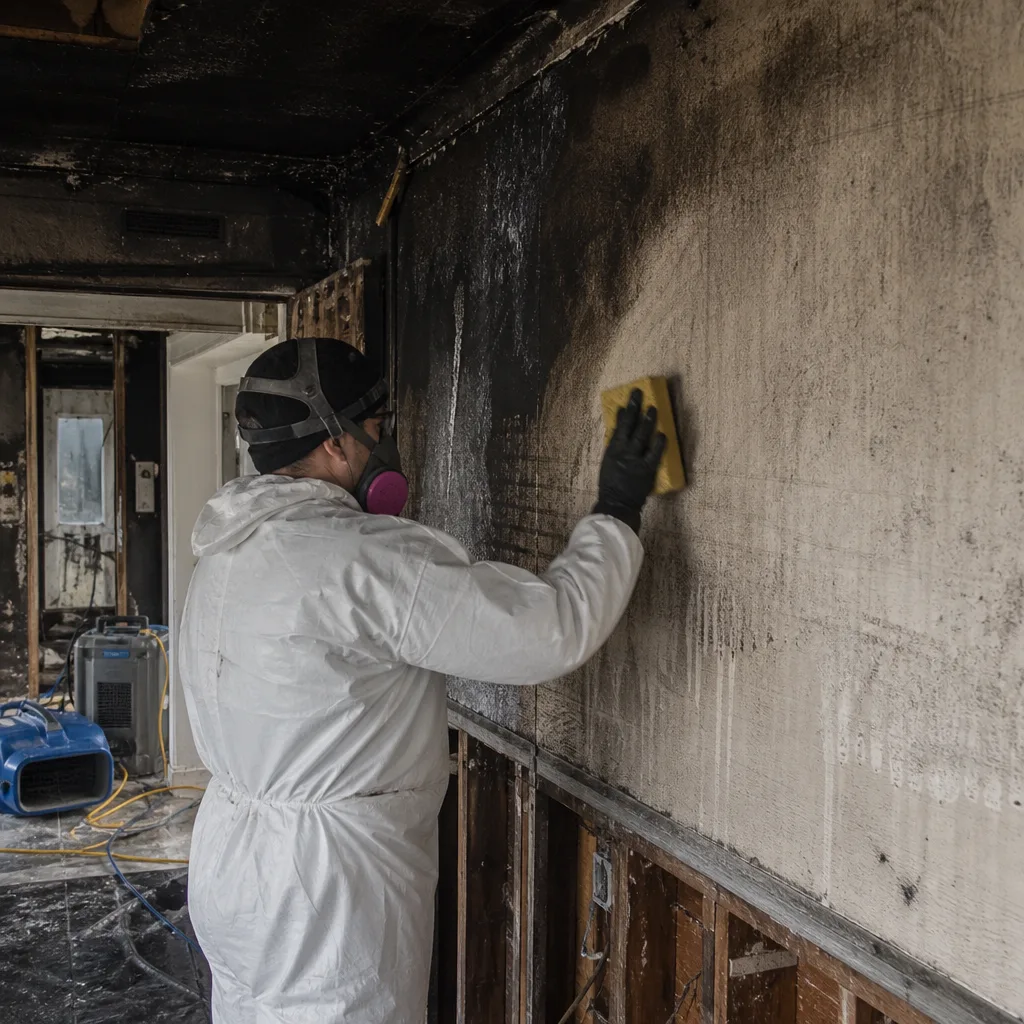
Finished basements in Flatlands hold more than old furniture. They hold family photos, holiday decorations, records, and the boxes people have moved house to house for decades. When water rises, we offer pack-out services: we inventory, photograph, and move your contents to a secure, climate-controlled facility for cleaning and restoration, while the structure dries and rebuild happens. You don’t throw away your family’s history because a nor’easter pushed Category 2 water through the floor drains. We clean, deodorize, and restore what can be saved, and we document everything for your carrier as we go.
Carpet & Upholstery Cleaning
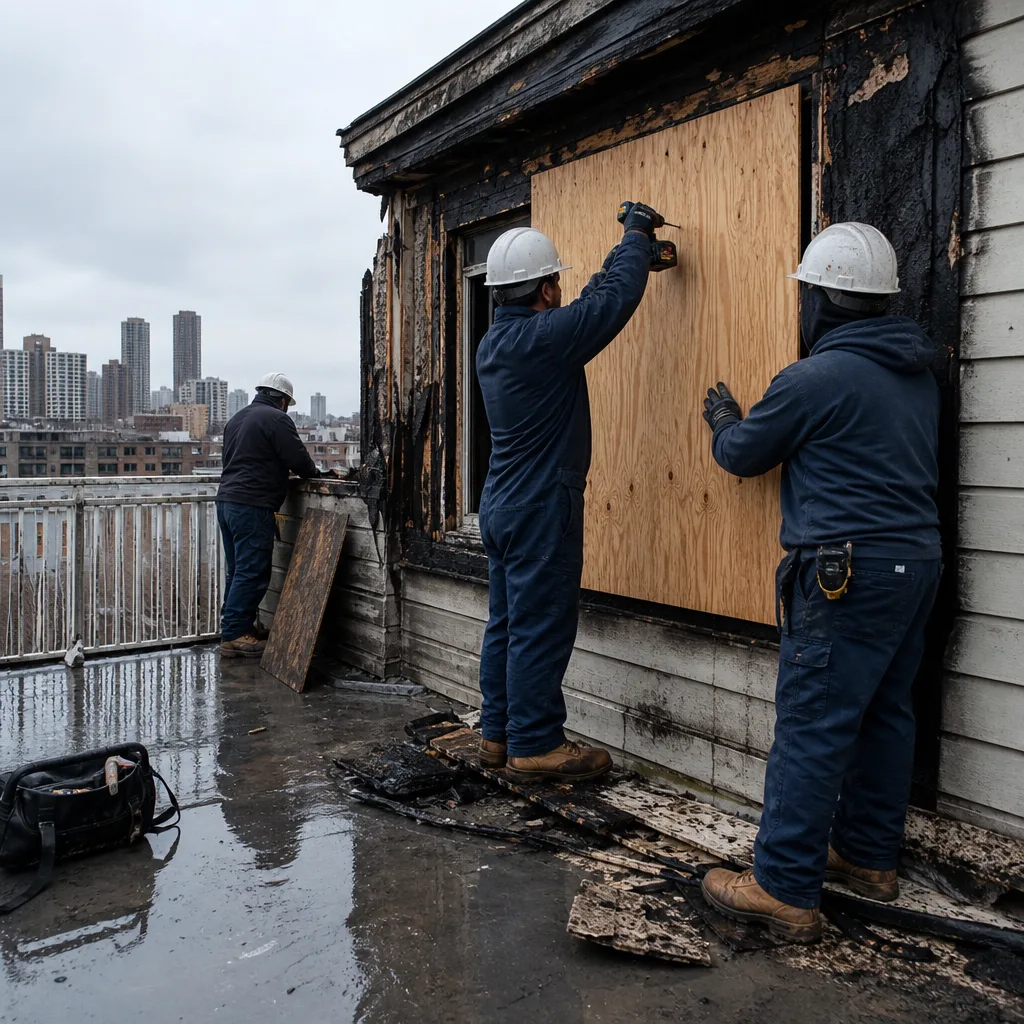
After a Category 2 flood event in Flatlands, carpet and upholstery need more than a rental machine from the hardware store. We extract, deep-clean, and sanitize with professional-grade equipment, then dry to the standard using Dri-Eaz and XPOWER air movers and dehumidifiers. But the honest answer matters more: carpet that soaked up groundwater from the block-foundation wicking cycle may need replacement, not cleaning, especially if it’s been wet for more than 48 hours. We tell you which one you’re looking at before we start, and we show you the moisture readings that support the call.
Drywall & Flooring Repair
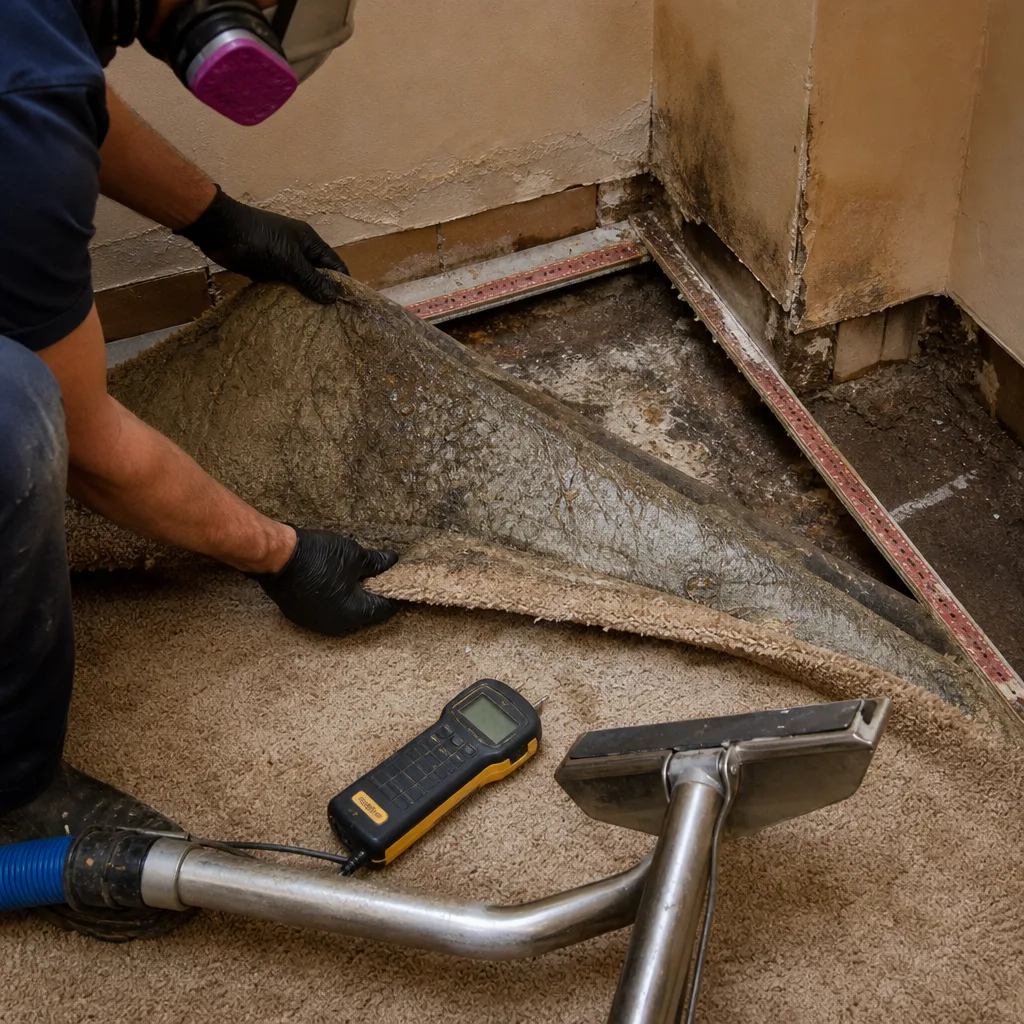
The Sandy sandwich problem, original block wall with pre-2012 water damage hidden behind post-Sandy cosmetic drywall, means drywall repair in Flatlands often becomes drywall replacement. We remove the failed sections, treat the block behind them, and rebuild with moisture-resistant board so the current repair doesn’t become the next demolition. Flooring follows the same logic: laminate and MDF trim in a below-grade Flatlands basement will fail again unless the moisture source is addressed first. We fix the source, then the floor.
Post-Construction Cleanup
Reconstruction leaves dust, drywall compound residue, and construction debris in its wake. Our post-construction cleanup crews run HEPA air scrubbers during the entire demolition and rebuild process, then clean every surface before you walk back in. That means no drywall dust on the baby’s crib, no construction debris in the corner of the finished basement. The job isn’t done when the paint dries. It’s done when the space is clean enough for your family to live in.
What happens when you call
- 1
A real person answersNo phone trees - you reach a local pro.
- 2
You get an upfront price rangeHonest numbers before anyone is dispatched.
- 3
A background-checked tech heads outLicensed & insured, dispatched right away.
- 4
You approve before work beginsNothing starts until you say go.
Reconstruction & Cleanup Costs in Flatlands, NY
Reconstruction and cleanup costs in Flatlands run from about $1,200 to $4,500 for a small single-room drywall and flooring job after minor water intrusion, up to $12,000 to $30,000 or more for a full finished-basement rebuild with pack-out and content restoration following a Category 2 or Category 3 flood event. The variables are the extent of the framing damage, whether the original block foundation walls need sealing and waterproofing, and how much drywall has to come out to reach dry material. Carpet and upholstery cleaning alone typically runs $150 to $600 per room, but replacement of saturated carpet pad and carpet after a flood pushes that higher, usually $3 to $7 per square foot installed. Insurance-covered losses generally cover the work minus the deductible; out-of-pocket post-construction cleanup after a contractor’s remodel or a single-room repair runs on the lower end of the scale. The free visual inspection is the path to a firm number. We walk the property, open a test hole where we need to, and give you a written scope with line items before any work begins, so you know the square deal up front, not after the crew is in.
We Also Serve Cities Near Flatlands
Our crews serve Flatlands and the surrounding neighborhoods across the New York metro area. That includes Flatlands itself, plus Fairview, Harrison, East Bronx, and Hunts Point. If you’re in any of those areas and dealing with water, fire, mold, or storm damage, the same live dispatcher at (917) 924-4221 sends the same IICRC-certified crews to your door.
Serving Flatlands, NY - Our Local Coverage Area
We’re based in the Flatlands area and know this community well. Use the map below to see our service coverage - if you’re nearby, we can almost certainly help.
Flatlands Reconstruction & Cleanup Questions, Answered
How do you restore a Flatlands basement when the original block wall is still weeping groundwater behind post-Sandy drywall?
We don’t patch over a weeping wall. We cut the damaged drywall out, expose the block, remove the efflorescence, and apply a waterproofing and vapor-barrier treatment to the foundation wall itself. Then we run structural drying with air movers and dehumidifiers until moisture readings in the block and stud bays meet the dry standard, and only then do we rebuild with moisture-resistant drywall. The wall has to be sealed at the source, or the next paint job is doomed before it dries. Call (917) 924-4221 for a free inspection and a written scope.
Can you save post-Sandy drywall in Flatlands, or does hidden mold behind it require full removal?
In our experience across Flatlands, post-Sandy drywall over original block almost always hides active mold or ongoing moisture, and it needs to come out to the point of dry substrate. We don’t run drywall through a cleaning cycle and hope. The Sandy sandwich means two flood episodes stacked in the same stud bay, and the only honest repair is removal, treatment, and rebuild. The good news is you’re not paying for drywall twice, because your insurance carrier sees the same photo documentation we do.
What’s different about pack-out needs for Flatlands homes with full finished basements that flood repeatedly?
Repeated flooding means the same contents get wet more than once, and by the second or third event, many items that could have been cleaned the first time now need replacement. We inventory and photo-document everything, then move contents to our secure climate-controlled facility for cleaning, drying, and deodorizing. For items that have been through multiple flood events, we’ll tell you straight if restoration no longer makes sense, and we document that for your carrier so the adjuster sees a complete picture, not a guess. Call (917) 924-4221 to start a pack-out before the next nor’easter hits.
After a nor’easter floods my Flatlands basement with Category 2 water, can my carpet be saved or must it be replaced?
Category 2 water carries contaminants, and when it saturates carpet and pad, the pad almost always goes. The carpet itself may be restorable if we reach it within 24 to 48 hours and the water came from a single event, not from ongoing groundwater wicking. We extract, sanitize, and dry with professional equipment, then run a moisture check on the backing. If the backing shows mold growth or the carpet was wet more than 48 hours, we recommend replacement, and we document the evidence for your insurer. You get the truth either way, with a written scope before any work begins.
How do you document a Flatlands reconstruction claim when there are two layers of water damage from different years?
We separate the old from the new in writing. Our technicians photo-document the exposed stud bays, showing the pre-2012 flood line on the block, the post-Sandy drywall layer, and any active mold or efflorescence behind it. We log moisture readings daily, and we write a line-item scope that names each component by age and condition, so your adjuster sees clearly what’s new damage from the current event and what’s old damage the previous repair never addressed. That documentation is what gets the claim approved without you playing middleman. Call (917) 924-4221 and we’ll handle the adjuster directly.
How fast can a crew actually get to my Flatlands home?
Our commitment is 45 minutes from your call to a technician on site. Crews stage near Flatlands, and the live dispatcher at (917) 924-4221 sends the closest team immediately. For a January pipe burst or a nor’easter-driven basement flood, that means extraction running the same visit, not a callback tomorrow.
Will my insurance cover a Flatlands basement reconstruction?
Most Flatlands homeowner policies cover sudden and accidental water damage, including nor’easter-driven basement flooding and burst pipes, but groundwater seepage through the original block foundation may fall under an exclusion depending on your policy. We read your policy with you, document the loss in the exact language the carrier uses, and bill the carrier directly. If the ground water exclusion applies, we walk you through exactly what’s covered and what isn’t before the first cut, so there’s no surprise at the end. Call (917) 924-4221 and we’ll start with the documentation the adjuster needs.
What should I do in the first 30 minutes after my Flatlands basement floods?
Shut off power to the affected area if you can do so safely, move what you can to higher ground, and call (917) 924-4221. Don’t run a shop vac on standing water over a wet basement floor. Don’t open walls to “let them dry.” The water is already wicking up the block foundation and into the stud bays, and every hour it sits makes the reconstruction larger. Our crew arrives fast, starts extraction the same visit, and runs professional-grade drying equipment with daily moisture logs. The first 30 minutes matter most, and the first call should be to us.
Written by Curt Bowman, Owner at Floodline Restoration Co. of Manhattan, founded in 2010 and serving New York City with certified, background-checked crews and the 90-Day Done Right Promise in writing. Call (917) 924-4221 for a free estimate on reconstruction and cleanup in Flatlands.