

Free visual inspection and a written scope of work before any mitigation begins - photos, moisture readings, and drying logs go in your claim file
The scope we write is the scope we bill. Anything new gets shown to you, in writing, before we touch it.






 Before
 After
After Before
 After
After Before
 After
After24/7 Emergency Reconstruction & Cleanup in Throggs Neck
Reconstruction and cleanup in Throggs Neck after a flood, fire, or sewage backup typically runs $3,800-$14,500 depending on the extent of wall framing, electrical, and finish work required. We dispatch crews out of the Bronx into Throggs Neck any hour of the day, every day. Call (917) 924-4221 and a live person answers. No answering service, no callback queue. The crew that arrives will be background-checked, uniformed, and trained to IICRC, RIA, and IFA standards, and they’ll begin stabilization during that first visit because every hour saltwater or sewage sits in a 1950s finished basement, it wicks higher into the framing and the scope grows. If you’re standing in a wet basement on Hollywood Avenue or a smoke-damaged kitchen near the Whitestone Bridge ramp, don’t wait until morning.
Understanding Reconstruction & Cleanup Severity in Throggs Neck Properties
Reconstruction severity in Throggs Neck breaks down by water category, drying standard, and structural age. Category 1 water comes from a supply-line break, Category 2 contains some contamination from a sump failure, and Category 3 is what we see after nor’easters and sewer backups: saltwater or sewage that carries bacteria, oils, and harbor sediment into your walls and under your subfloor. Moisture mapping with thermal imaging and hygrometers tells us where water traveled behind baseboards and inside plaster. Structural drying to an industry dry standard means bringing wood framing, subfloor sheathing, and sill plates below 10-12% moisture content before anything gets closed back up. Throggs Neck’s housing stock makes this exacting work: most homes here are post-WWII brick and wood-frame builds from the 1940s through the 1960s with finished basements, and older bungalows in waterfront enclaves like Harding Park date to the 1920s and 1930s. Those older foundations were never designed for modern storm-surge levels, and original framing that absorbed brackish water during Sandy is sometimes hiding behind drywall that a prior owner re-hung before the wood ever dried. We open walls expecting that.
Why Throggs Neck Property Owners Choose Floodline Restoration Co. of Manhattan
- 45-minute response commitment in Throggs Neck: live dispatch knows the peninsula’s access routes and gets a crew rolling immediately; we don’t put you on a schedule for tomorrow when water is moving through the house tonight.
- 24/7 live answer, every time: call (917) 924-4221 at 2 a.m. and a dispatcher picks up. Not a recording. A person who can get a truck moving while you’re still on the phone.
- IICRC-certified crews on every job: our technicians hold WRT for water damage, FSRT for fire and smoke, and AMRT for mold remediation. Certification matters when your insurance adjuster reviews the drying logs.
- Free visual inspection before any work starts: we assess what’s actually damaged, show you what we found, and agree on a written scope. No pressure, no surprise charges.
- Direct insurance billing and documentation: we photograph every room, log moisture readings daily, and coordinate with your adjuster directly. You don’t play messenger between Floodline and the carrier.
- One team from extraction through reconstruction: the same crew that sets up air movers on day one is the crew that re-hangs drywall and reinstalls trim at the end. No mid-job handoff, no inherited subcontractor you never met.
Our Reconstruction & Cleanup Process
Inspection & Assessment
We arrive with thermal imaging cameras and hygrometers, not just a flashlight. We map the moisture in walls, floors, and framing, categorize the water, and document everything with photos and notes for your insurance file. This first hour determines the entire scope and cost.
Extraction and Stabilization
Standing water comes out with truck-mounted extraction units. Contaminated drywall, insulation, and trim get removed and properly bagged for disposal. We stabilize what’s left so nothing else fails while drying begins. In flood zones in Throggs Neck, this often means removing drywall from the bottom four feet, not just the damp line.
Drying & Dehumidification
We set up Dri-Eaz dehumidifiers, Phoenix air movers, and XPOWER ventilation to force air into wall cavities and pull moisture into the air where the dehumidifiers capture it. Daily readings get logged in the moisture log. We don’t stop until framing, sill plates, and subfloor are consistently below the dry standard.
Cleaning & Sanitization
Every affected surface gets cleaned or removed. We use HEPA filtration and air scrubbing when mold spore counts or smoke particulates require it, and we apply EPA-registered antimicrobial products where water damage involved Category 2 or 3 water. The goal is a clean, stable environment before rebuilding starts.
Contents Restoration & Pack-Out
Furniture, clothing, and personal belongings that survived the water or fire get assessed, cleaned, and stored or returned. We pack out what needs to be offsite while structural work happens, and we document everything that goes, comes back, or gets declared a loss for your claim.
Repairs & Restoration
New drywall, flooring, trim, and paint go in. We rebuild to code, including any FEMA-required repairs if you have an ICC claim for flood mitigation. The job isn’t done until your house looks like it should and the 90-Day Done Right Promise is in your hands, in writing.
Need Emergency Reconstruction & Cleanup in Throggs Neck Now?
Crews minutes away, answering live 24 hours a day. The sooner we start, the less it costs.
Working With Your Insurance Company
Insurance work is where we earn our reputation in Throggs Neck. Flood claims here are not simple: NFIP policies require FEMA Elevation Certificates, and Increased Cost of Compliance claims require specific documentation of code-mandated improvements. We handle that paperwork alongside the drying logs and scope of work. From the first hour, we photograph every room, categorize the water, note the depth line, and record daily moisture readings with equipment calibration. Our documentation is written to survive an adjuster’s review. You should never be in the position of begging a carrier to believe what happened. From the first hour, we photograph the water line, the damaged materials, and the equipment placement. We send your adjuster a detailed, line-item scope in industry-standard format, not a one-page estimate with a round number. We coordinate with them directly and bill the carrier directly. You get a copy of everything.
What We Provide Your Insurer
- Thorough documentation of the loss
- Photos of all damage, room by room
- Moisture readings and drying logs
- A detailed, line-item scope of work
- Direct coordination with your carrier
Built for Throggs Neck’s Loss Calendar
Throggs Neck’s loss calendar follows the water. January and February bring deep freezes that burst supply lines in uninsulated basements and exterior walls; the sub-freezing air off Eastchester Bay seeps into 1960s brick veneers and freezes pipes that have run fine for fifty years. March and April are thaw and heavy-rain months: groundwater rises, sump pumps run continuously, and older perimeter drains from the 1950s finally give out. Late spring and summer mean thunderstorms that overwhelm storm drains along East Tremont Avenue and the lower blocks near the water, sending Category 2 and occasionally Category 3 water into basement stairwells and window wells. Fall is nor’easter season: storm surge gets funneled up the East River and Eastchester Bay and pushed over bulkheads in Throggs Neck, Floodline’s crews see the same call patterns year after year. The calls we get in Throggs Neck stack toward water, and they stack toward basements. Salt air is a year-round contributor too: corrosion on electrical panels, breaker boxes, and HVAC components creates fire risks and service failures that inland Bronx homes simply don’t face.
Reconstruction & Cleanup Across Throggs Neck’s Neighborhoods
The peninsula has distinct pockets, and each shapes the work differently. Along Pennyfield Avenue and the blocks running down toward Eastchester Bay, we see finished basements on mid-century two-family homes taking on stormwater from the street and salt contamination from spray. The lower blocks near the water, especially around the Throggs Neck Little League fields, are ground zero for post-remapping flood claims; homeowners there now carry Elevation Certificates that shape what we’re allowed to rebuild and how high. Harding Park, out on the spit, is its own animal: original bungalows with shallow footings, wood-framed crawl spaces, and doors you have to duck through. Floodwater there doesn’t just soak walls; it attacks the structure from below. Up around the northern stretches near the East River side, the pre-war housing stock has original plaster walls that hold moisture differently than drywall and require a slower, more careful drying schedule. The cross streets that run down to the water, like Layton and Hollywood, are narrow and parked-up; we plan alley-load and equipment-staging so a dehumidifier setup doesn’t block a neighbor’s driveway.
Specialized Reconstruction & Cleanup Services We Offer in Throggs Neck
Full-Service Reconstruction
We rebuild from the studs out. After extraction and drying, we hang new drywall, tape and finish, install trim, flooring, and paint. We handle structural repairs to framing and sill plates and coordinate any FEMA or DOB code requirements that apply to your flood zone. This is the phase where a lot of restorers drop the ball and tell you to find a contractor. We don’t hand off. The crew that dried the house is the crew that rebuilds it, and the 90-Day Done Right Promise covers the finished work.
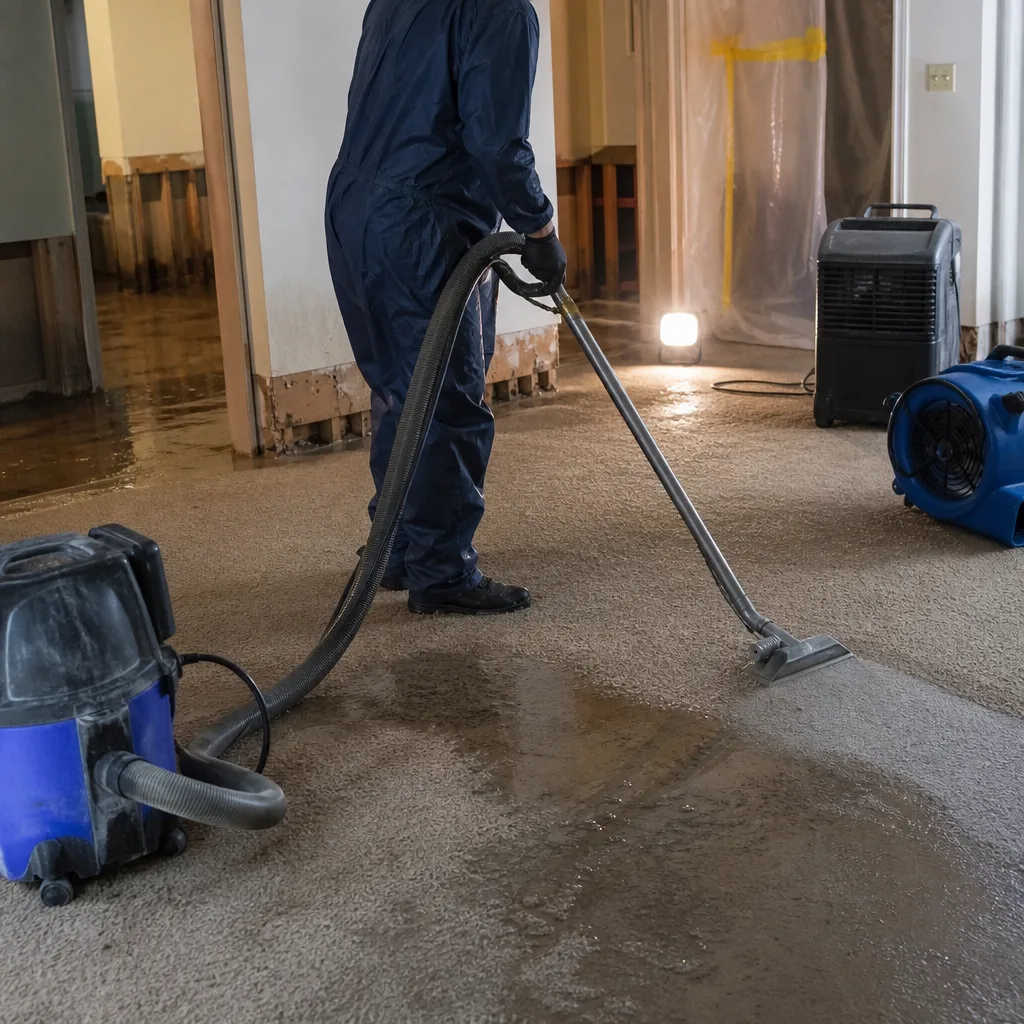
Drywall & Flooring Repair
Flood cuts are our most common drywall repair in Throggs Neck, but we also see fire-damaged ceilings, cracked plaster, and soft subfloors from slow leaks. We match texture, prime with stain-blocking sealers, and install flooring rated for the room’s moisture history. For basements in AE flood zones, we’ll advise on materials that handle occasional water, like tile and vinyl plank, rather than hardwood that will cup and fail.
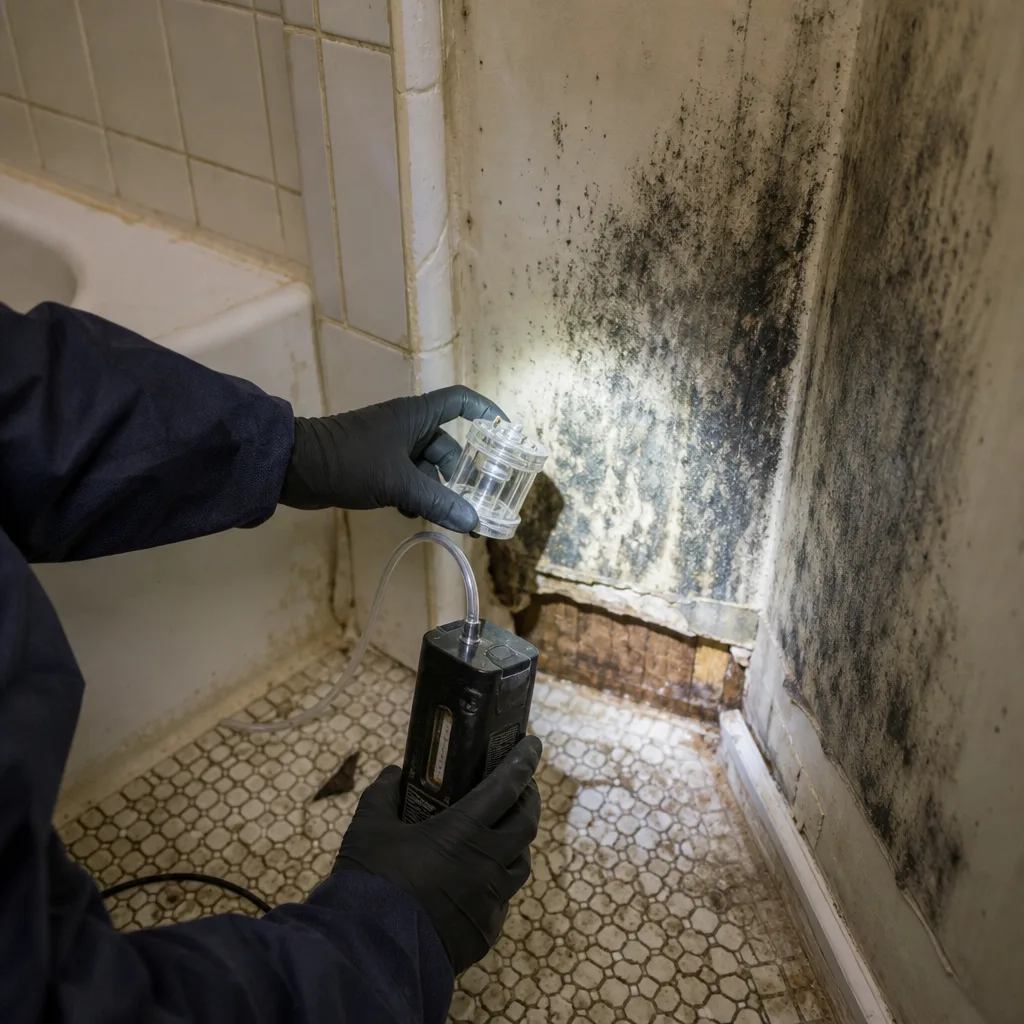
Contents Restoration & Pack-Out
Your furniture, clothes, rugs, and keepsakes get assessed, cleaning, and restoration on site or we pack them out to a secure facility while structural work happens. We deal with saltwater damage on electronics, smoke odor in upholstery, and mold growth on textiles. Everything is documented: what left, where it went, what came back, and what the carrier needs to see. In Throggs Neck, where families have lived in the same house for decades, contents mean more than replacement value. We treat them that way.
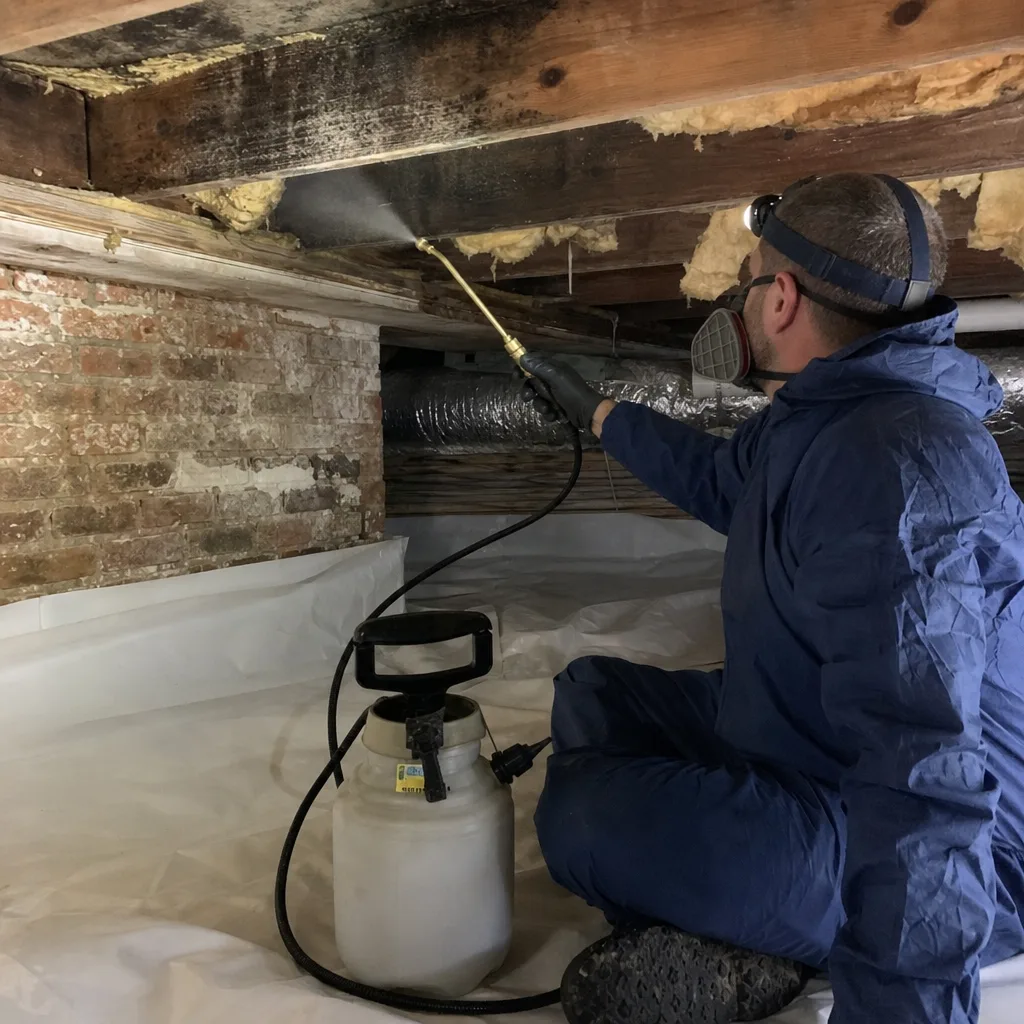
Carpet & Upholstery Cleaning
After a loss event, carpets and upholstery hold water, bacteria, and smoke odor long after the walls dry. We extract, sanitize, and dry carpets that are salvageable and recommend replacement when the padding is saturated. For upholstery, we use professional-grade cleaning systems that remove contaminants without soaking the piece. In saltwater events, this usually means replacement, but we’ll tell you straight rather than clean something that shouldn’t be saved.
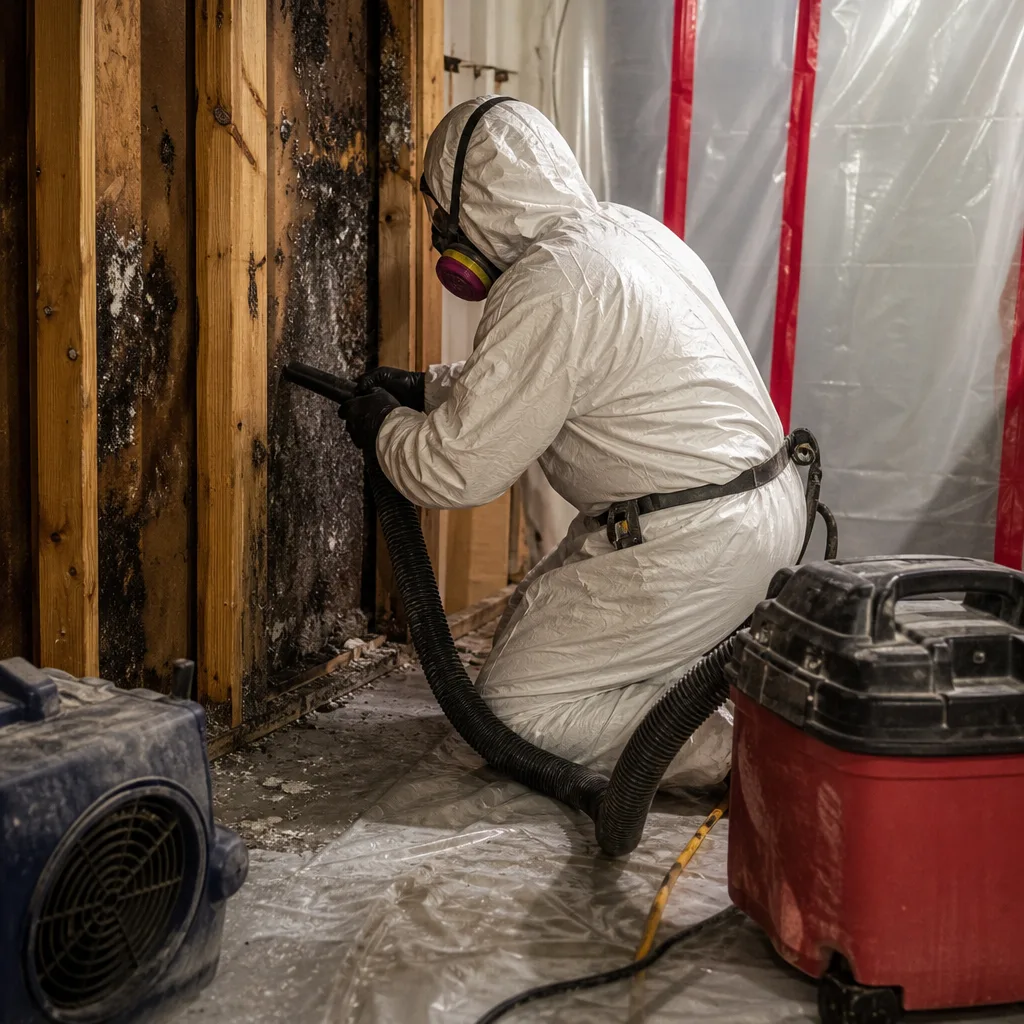
Post-Construction Cleanup
Rebuilding leaves dust, debris, and construction residue behind. Our Reconstruction & Cleanup team removes debris, wipes down surfaces, deep-cleans floors, and leaves the job ready to live in. We don’t leave tool marks on the trim and call it done. The house gets reset: dishes cleaned, floors vacuumed and washed, air filters replaced. Throggs Neck homeowners shouldn’t have to hire a second company to clean up after the first.
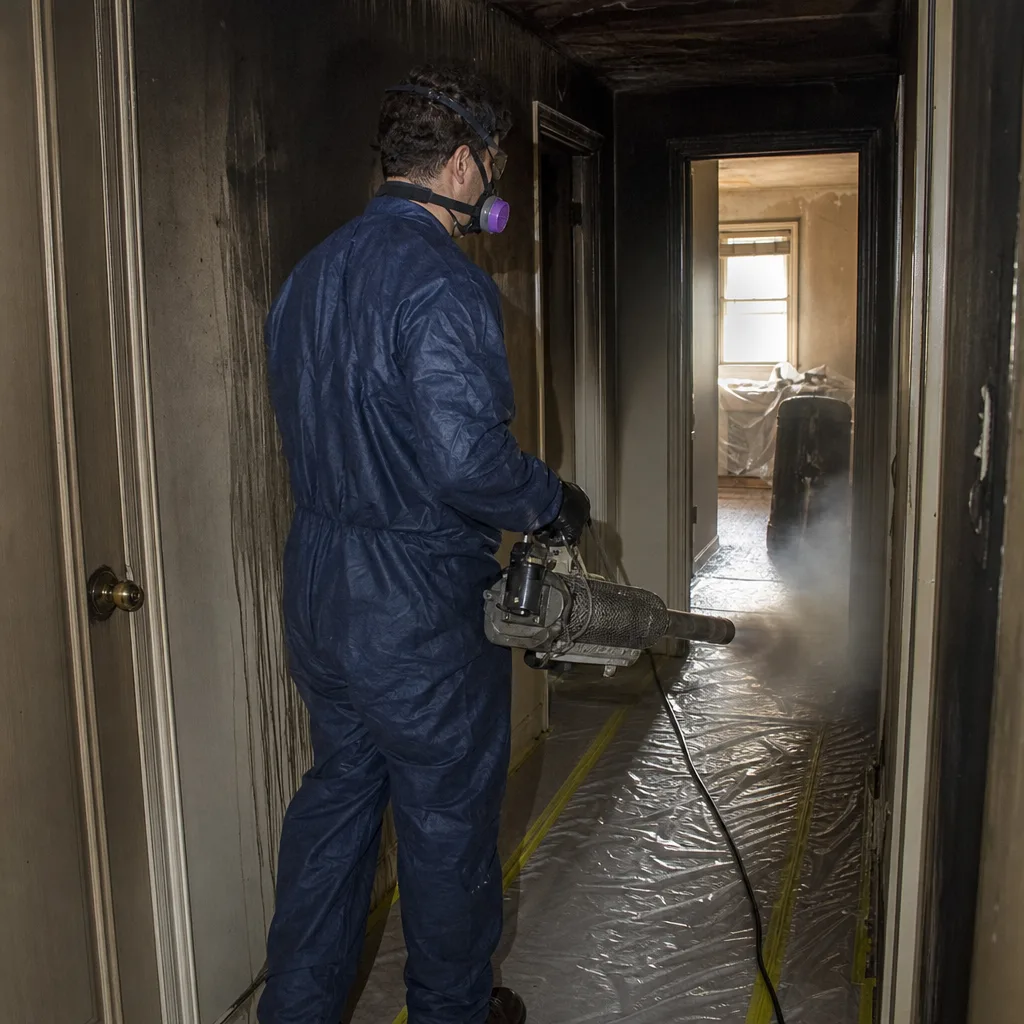
Insurance Claim Documentation
This is the part most people don’t know to ask for, and it’s the difference between a denied claim and a fully funded rebuild. We generate Incident Reports, moisture maps, drying logs with daily readings, pH and humidity logs, and full photo documentation. For flood claims, we assemble the Elevation Certificate, proof of NFIP coverage, and ICC-eligible repair documentation. We don’t leave you to explain to a desk adjuster why the sill plate in a Harding Park bungalow corroded after saltwater saturation. We already documented it.
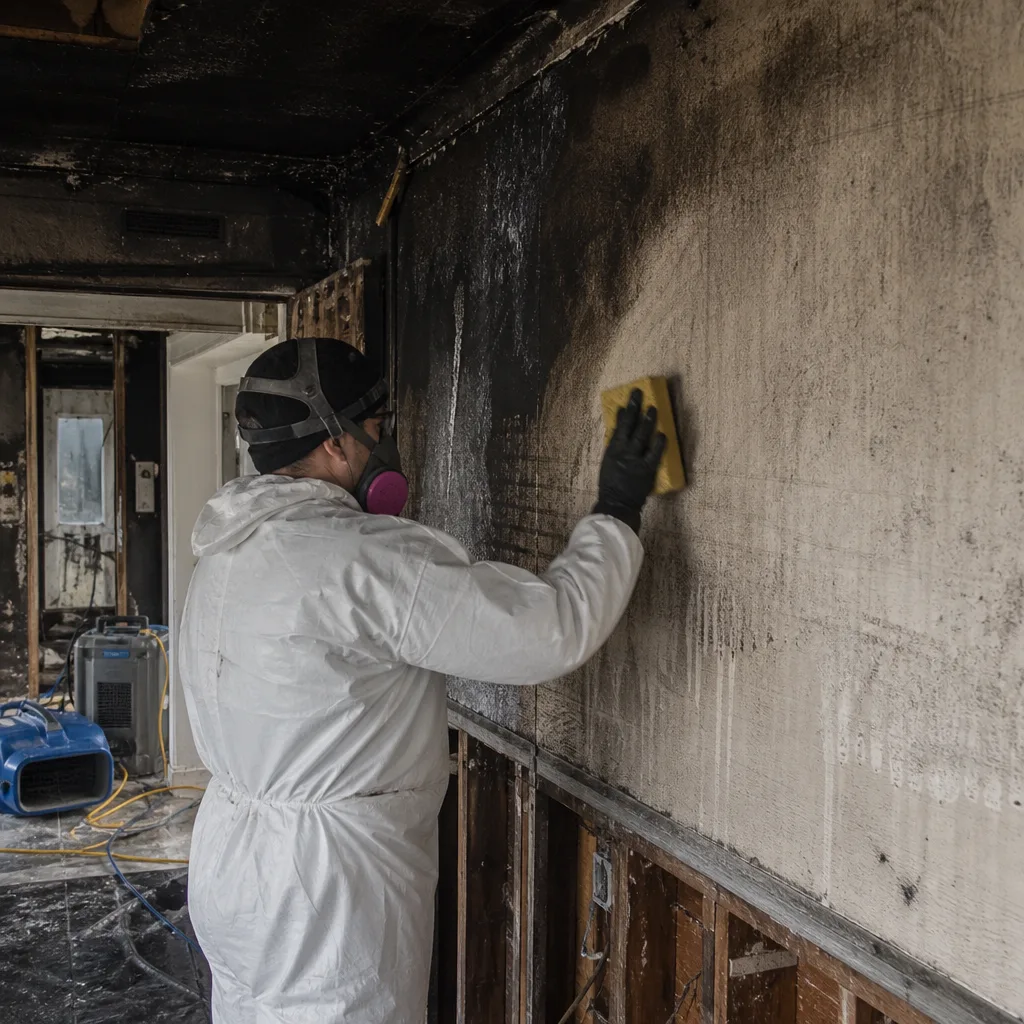
What happens when you call
- 1
A real person answersNo phone trees - you reach a local pro.
- 2
You get an upfront price rangeHonest numbers before anyone is dispatched.
- 3
A background-checked tech heads outLicensed & insured, dispatched right away.
- 4
You approve before work beginsNothing starts until you say go.
Reconstruction & Cleanup Costs in Throggs Neck, NY
What you’ll pay depends on what got wet and how long it sat, but here’s what Throggs Neck jobs actually run. Structural drying with professional equipment typically runs $2,200-$5,800 for a finished basement flood, including extraction, containment, and a week of daily monitoring. Drywall removal and replacement in a water-damaged basement on a mid-century home near East Tremont Avenue runs $4,500-$11,000, depending on how many rooms, whether ceilings are involved, and whether framing needs replacement. Hardwood floor refinishing after water damage runs $3-$8 per square foot, full replacement $8-$14. Smoke and soot cleanup after a kitchen fire typically lands between $4,000 and $18,000, with reconstruction above that. Contents restoration runs $1,500-$7,000 depending on how much needs pack-out and textile cleaning. If you have an ICC claim, the mitigation work on your home’s structural flood resistance is insurable and we’ll help you file it. The way to know your exact number is a free inspection: we come out, map the damage, and hand you a written scope with the number on it before any work starts.
We Also Serve Cities Near Throggs Neck
Our crews respond across the Throggs Neck peninsula and into neighboring Bronx and Westchester communities every day. We also serve property owners in Fairview, Harrison, East Bronx, and Hunts Point. The same live dispatch, the same certified technicians, and the same 90-Day Done Right Promise apply wherever the job takes us.
Throggs Neck Reconstruction & Cleanup Questions, Answered
Why does my Throggs Neck home need an Elevation Certificate for reconstruction after a flood?
An Elevation Certificate documents your home’s lowest floor elevation relative to the base flood elevation on FEMA’s current map, and in Throggs Neck’s AE and VE flood zones, your NFIP reconstruction claim and any ICC mitigation funding depend on it. Without one, your carrier cannot process code-mandated improvements, and the city will not issue rebuild permits for a flood-damaged structure in a mapped zone. Call (917) 924-4221 and we’ll explain what your block’s remap actually requires.
Should I tear out all drywall in my Harding Park bungalow after saltwater flooding?
In a Harding Park bungalow, yes, you should assume that saltwater did more than wet the drywall; brackish water wicks into original 1930s framing, corrodes anchor bolts, and rots sill plates behind the walls. Removing only the visible wet line leaves contaminated wood inside your walls, and that’s where hidden mold and structural rot begin. Our crew on Pennyfield Avenue found exactly that: drywall that looked fine on the outside, salt-damaged framing on the inside.
How do you protect against mold when drying a finished basement on Pennyfield Avenue?
We set containment barriers, run HEPA air scrubbers to capture airborne spores, and use Dri-Eaz dehumidifiers with XPOWER air movers to drive moisture out of wall cavities before mold has a chance to establish. In your Pennyfield Avenue basement, we’d also pull baseboards and drill small access points to read moisture inside the wall cavity, because hidden moisture is where mold starts. We log daily readings until every cavity is below the dry standard.
Can you handle reconstruction in a two-family home with tenants living upstairs during a basement cleanup?
Yes, and we do it regularly in Throggs Neck’s two-family homes. We isolate the work area with containment, route equipment power so it doesn’t disturb the upstairs unit, and schedule noisy demolition for daytime hours. We coordinate access, document tenant belongings, and make sure the upstairs occupants aren’t breathing whatever we’re removing from the basement. The reconstruction cost doesn’t change because tenants are present, but access and scheduling do, so call (917) 924-4221 and we’ll set that up properly.
Will my insurance cover sewer backup cleanup differently than storm flood damage in Throggs Neck?
Yes, completely separately. Sewer backup coverage is an endorsement on your homeowners policy, and without that specific rider, the carrier will deny the claim regardless of what caused the backup. Storm flood damage is covered only by an NFIP policy through FEMA, with its own limits and deductible structure. In Throggs Neck, many homeowners carry both but file under the wrong one first. We document both water categories on the same claim and coordinate with the adjuster to route coverage correctly.
How quickly can a crew actually get to Throggs Neck?
Our response commitment is 45 minutes from dispatch to your door anywhere on the peninsula. We know the bottlenecks: the Throgs Neck Expressway merge at rush hour, the bridge approaches, the narrow blocks off East Tremont. Our crews stage equipment in the area, not in Midtown, so a live dispatcher answering at midnight can have a certified technician in your Throggs Neck basement before one in the morning. Call (917) 924-4221 and find out.
Do I really need full reconstruction or just a cleanup after a minor flood?
It depends on the water category and where it went, not just how deep it got. Clean Category 1 water from a burst supply line might need only extraction and drying if we get there early. Category 3 water from storm surge or a sewer backup requires demolition of saturated drywall, insulation, and often flooring, because the contamination isn’t something you clean off; it’s something you remove. We’ll tell you straight which one you have and show you the moisture readings behind our answer.
What should I do in the first 30 minutes after a flood or water backup in Throggs Neck?
Shut off electricity to the affected area at the breaker if you can do so safely without stepping into standing water, and call (917) 924-4221 immediately. Don’t use a shop vac on Category 3 water, don’t open walls yourself, and don’t wait to see if it recedes. The first hour determines whether framing can be dried or has to be replaced. We’ll have a live dispatcher on the phone and a crew en route while you’re still getting the breakers off.
Serving Throggs Neck, NY - Our Local Coverage Area
We’re based in the Throggs Neck area and know this community well. Use the map below to see our service coverage - if you’re nearby, we can almost certainly help.
Get the Throggs Neck Reconstruction Team That Documents Everything
If your basement took water, your kitchen smoked out, or your walls are hiding what a prior owner never dried, call (917) 924-4221. We’ll come out, assess it with real equipment, and give you a written scope before any work starts. If you’re in an AE or VE flood zone, we’ll help you understand exactly what your Elevation Certificate and ICC claim mean for your rebuild. No pressure, no guessing, and no mid-job handoff. One team, from the line the water left to the finished trim. Done right and backed in writing.
Written by Curt Bowman, Owner at Floodline Restoration Co. of Manhattan, serving Throggs Neck and the broader Bronx with full-cycle Reconstruction & Cleanup in Throggs Neck since founding the company in 2010.