
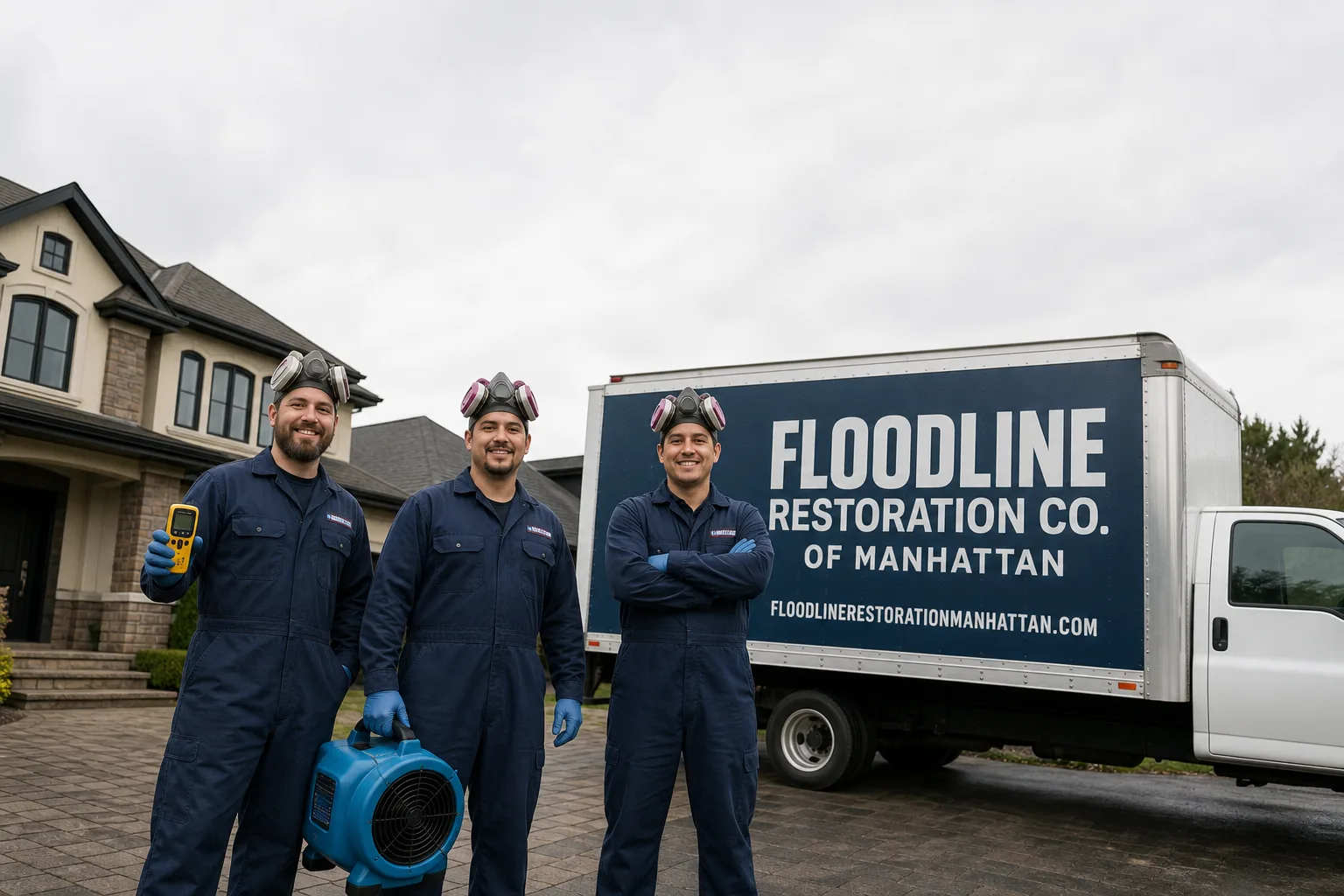
Free visual inspection and a written scope of work before any mitigation begins - photos, moisture readings, and drying logs go in your claim file
The scope we write is the scope we bill. Anything new gets shown to you, in writing, before we touch it.






 Before
 After
After Before
 After
After Before
 After
After24/7 Emergency Sewage Cleanup in Coney Island
Sewage cleanup in Coney Island typically costs $1,800 to $6,500 depending on how far the black water traveled and whether crawl spaces or mechanical rooms are involved. A crew can usually be on site within 45 minutes of your call, because we keep technicians staged across southern Brooklyn specifically for this kind of emergency. Call (917) 924-4221 now and you’ll speak to a live dispatcher, not a recording, any hour of the day or night. The first hour matters because Category 3 water carries pathogens that move through porous framing fast, and in Coney Island’s older bungalows that framing is often already compromised by decades of coastal moisture.
We’re Floodline Restoration Co. of Manhattan, and our Sewage Cleanup team handles black water from the first extraction to the finished rebuild. No mid-job handoff, no arguing with a third-party crew about who did what. We stand behind the work with our 90-Day Done Right Promise, in writing.
Understanding Sewage Cleanup Severity in Coney Island Properties
Not all sewage backups are equal, and Coney Island’s housing stock makes the distinctions sharper than in most of Brooklyn. A toilet overflow that stays on tile and gets extracted within the hour is a Category 2 problem, unpleasant but manageable. A waste-line backup that sends black water into an unsealed crawl space or soaks into subfloor framing is Category 3 water: contaminated with fecal bacteria, viruses, and parasites. That’s the kind of loss we see most often in the converted summer bungalows between Mermaid Avenue and the boardwalk, where crawl spaces were never sealed and sill plates have been absorbing salt-laden air for fifty or sixty years.
In the NYCHA towers like Coney Island Houses and O’Dwyer Gardens, the severity equation changes. A sewage spill inside a mechanical room doesn’t just sit on concrete; it aerosolizes. Without containment set up before extraction begins, those pathogens ride the building’s shared ventilation to other floors and other units. We treat every mechanical-room spill as a full containment job from the first minute, with HEPA air scrubbers running before we pull the first gallon of water.
Why Coney Island Property Owners Choose Floodline Restoration Co. of Manhattan
- 45-minute response commitment. We keep crews staged near Coney Island because sewage doesn’t wait for traffic on the Belt Parkway, and neither should you.
- 24/7 live answer, every call. A real person picks up at 2 a.m. Not an answering service that takes a message and hopes someone checks it by morning.
- IICRC-certified crews. Our technicians hold WRT and AMRT certifications, so the extraction and the antimicrobial treatment are done to a standard your insurer recognizes.
- Free visual inspection. Before any money changes hands, we walk the loss with you and tell you what we’re seeing. No charge, no obligation.
- Direct insurance billing. We bill your carrier directly and handle adjuster communication, so you’re not playing messenger with a claim file.
- One team from extraction to reconstruction. The same certified crew that extracts the waste also dries the framing and rebuilds the cabinet boxes. Nobody inherits a half-finished job.
Our Sewage Cleanup Process
Inspection & Assessment
We map the affected area with thermal imaging and moisture meters, then classify the water category and determine containment requirements. In Coney Island bungalows, this is when we check the crawl space access and existing sill-plate moisture before touching anything.
Extraction & Stabilization
Professional-grade truck-mounted and portable extractors from Dri-Eaz and Phoenix pull the black water out. In tight alley-loaded yards, we run hoses through the structure rather than across a neighbor’s walkway.
Drying & Dehumidification
Low-grain refrigerant and desiccant dehumidifiers bring the space to dry standard, with daily moisture readings logged until we hit the number. Salt-compromised framing in older bungalows often needs extended drying time.
Cleaning & Sanitization
We remove affected porous materials, then apply EPA-registered antimicrobial treatments to all remaining surfaces. HEPA air scrubbers run throughout to capture aerosolized pathogens.
Containment Verification
Before we drop containment in NYCHA mechanical rooms or shared walls, we verify negative air pressure is holding so nothing migrates to adjacent units or floors.
Repairs & Restoration
The same crew rebuilds what was removed: subfloor sections, cabinet boxes, drywall, trim. We don’t hand you a list of contractors and wish you luck. We finish the job and hand you the 90-Day Done Right Promise in writing.
Need Emergency Sewage Cleanup in Coney Island Now?
Crews minutes away, answering live 24 hours a day. The sooner we start, the less it costs.
Working With Your Insurance Company
Most homeowners policies in Coney Island cover sewage backup damage, but the claim goes smoother when the documentation starts in the first hour. We photograph everything before we move anything, log moisture readings daily until the dry standard is met, and prepare a line-item scope of work that speaks your adjuster’s language. We also bill the carrier directly. You shouldn’t have to front thousands of dollars and wait for reimbursement while your kitchen cabinets are still out.
What We Provide Your Insurer
- Thorough documentation of the loss
- Photos of all damage, room by room
- Moisture readings and drying logs
- A detailed, line-item scope of work
- Direct coordination with your carrier
Built for Coney Island’s Loss Calendar
Sewage backups in Coney Island don’t follow one season, but they do cluster. Nor’easter season from November through March combines storm surge with saturated ground, and in a neighborhood sitting inside FEMA AE and VE flood zones, that means water pushes into the same waste lines that are trying to drain away from it. The converted bungalows along Mermaid Avenue and Neptune Avenue feel this worst: their waste lines run through unheated crawl spaces, and when a nor’easter pushes street-level flooding under the structure, the cast-iron pipe joints that have been corroding in salt air for decades finally let go.
Summer brings its own pattern. The boardwalk crowds mean restaurants and public restrooms along Stillwell Avenue run at capacity, and the aging municipal sewer laterals under the amusement district back up under load. When those backups reach residential blocks like West 24th or West 29th Street, we see toilet overflows and floor-drain backups in the older brick walk-ups. January deep freezes are the third wave: supply lines freeze and burst, but the real sewage risk comes when the thaw hits and unclogs lines that were already partially obstructed. Whatever the trigger, the faster extraction starts, the less framing has to come out.
Sewage Cleanup Across Coney Island’s Neighborhoods
Response time and access vary block by block in Coney Island, and we plan routes accordingly. In the residential blocks between Mermaid Avenue and the boardwalk, from West 8th Street out to West 33rd, the dominant structure is the converted wood-frame bungalow. These homes have narrow side yards, often shared driveways, and crawl space access that’s tighter than any rowhouse basement. We stage smaller extractors and portable HEPA units for these jobs because a full truck-mount won’t reach the back of the lot without running hose through a neighbor’s yard.
Around Coney Island Houses and O’Dwyer Gardens, north of Surf Avenue, the work shifts to NYCHA mid-rises with mechanical rooms that need containment before extraction. We coordinate with building management and set negative air pressure so a sewage spill in one mechanical room doesn’t push pathogens into shared hallways. The big residential towers along Neptune Avenue have their own pattern: cast-iron waste stacks running through concrete slabs, where a backup on a lower floor sends black water up through floor drains on the ground level. Every one of these jobs starts with the same question: where did the water go, and what did it touch on the way. We don’t guess. We map it.
Specialized Sewage Cleanup Services We Offer in Coney Island
Crawl Space Sewage Removal
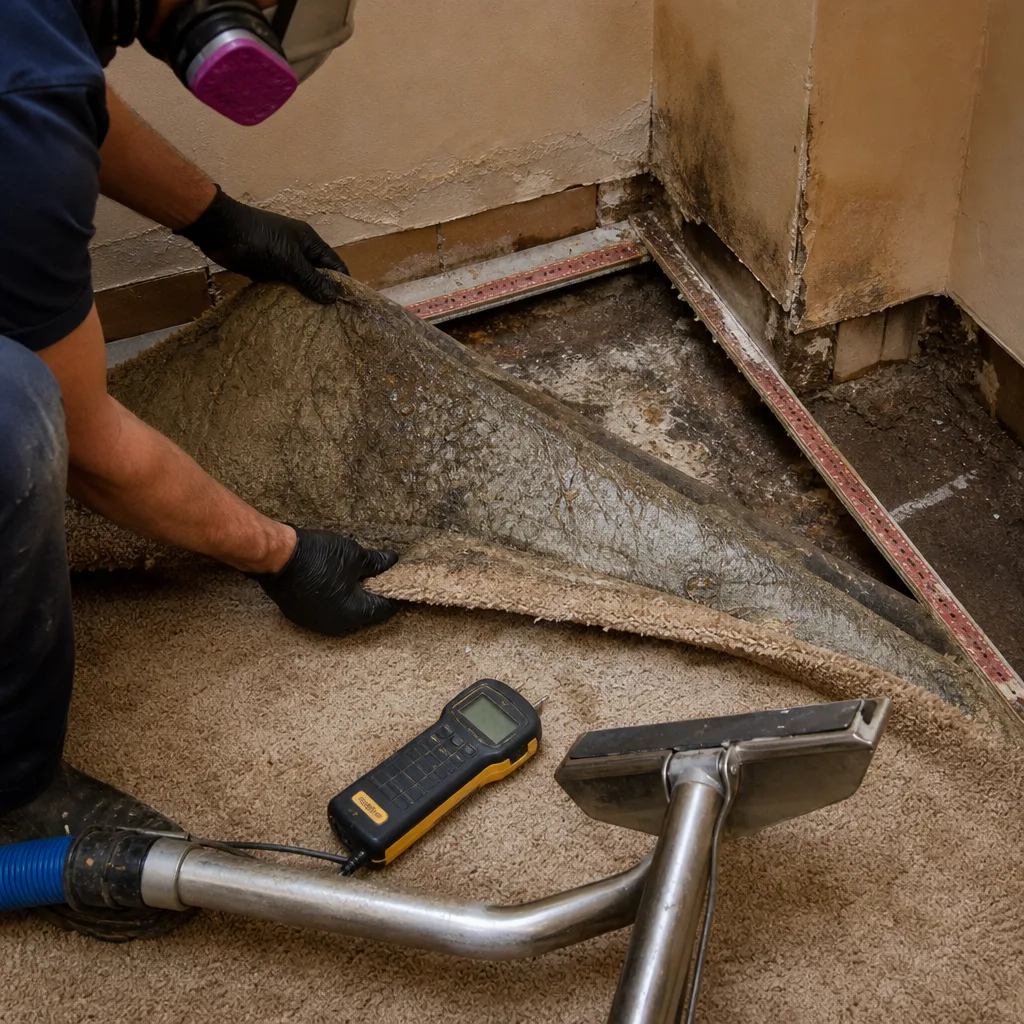
The crawl spaces under Coney Island’s converted bungalows are the hardest hit by sewage backups and the least forgiving to clean. Most of these spaces were never sealed against moisture, so the salt air has been working on the framing for decades. When black water enters, it soaks into sill plates and rim joists that were already compromised. We set containment at the crawl access point, extract with portable equipment, and run antimicrobial treatment on every surface the water touched.
Black Water Extraction
Category 3 water extraction isn’t just pumping. It’s knowing what to remove and what can be saved. In Coney Island’s older wood-frame homes, that call is harder because subfloor and lower wall framing may have pre-existing moisture damage. We use thermal imaging and penetrating moisture meters from Phoenix and Dri-Eaz to separate fresh contamination from old salt intrusion, then extract the contaminated water before it wicks up into wall cavities.
Sanitization & Disinfection
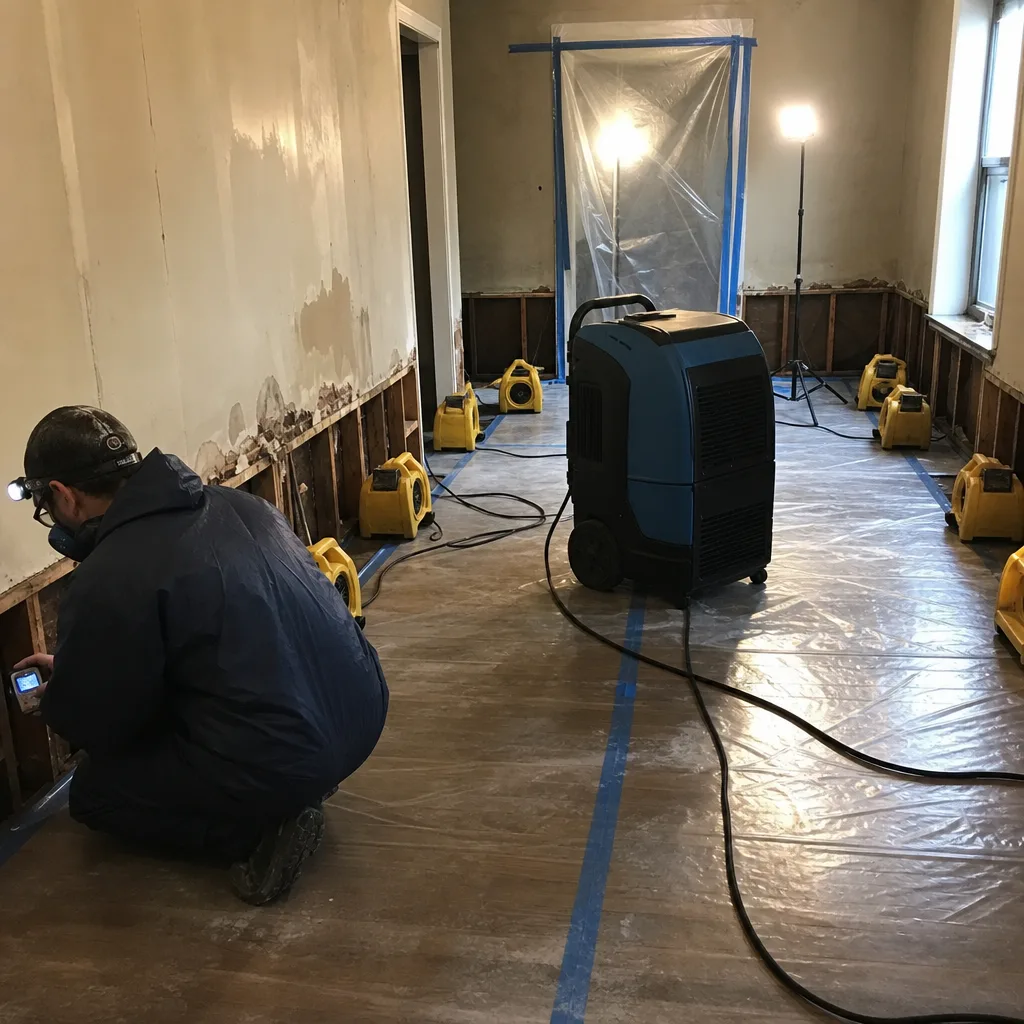
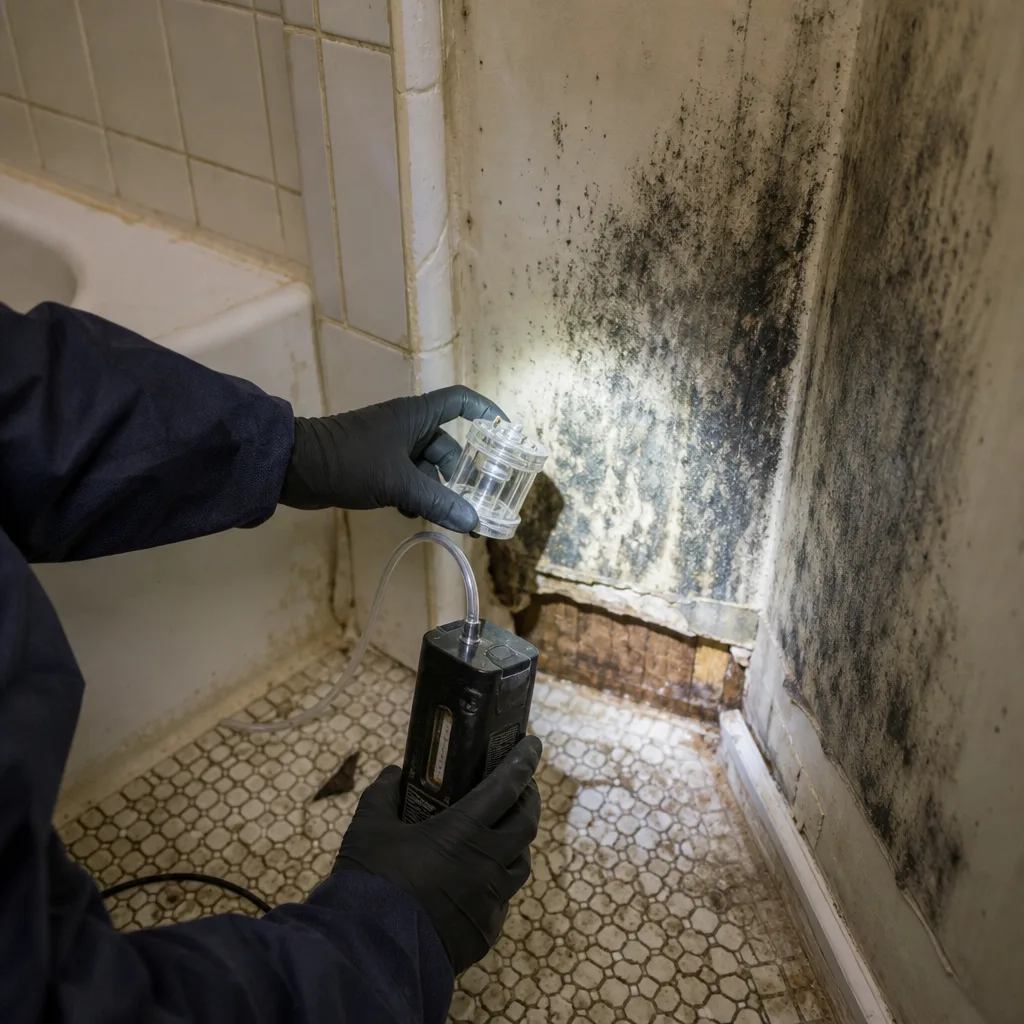
After extraction and structural drying, every affected surface gets EPA-registered antimicrobial treatment. In tight Coney Island apartments, we’re treating not just the floor but the lower cabinets, baseboards, and any porous material within the splash zone. HEPA air scrubbers run throughout the process to capture aerosolized waste particles. The goal isn’t just dry; it’s safe to live in.
Toilet Overflow Cleanup
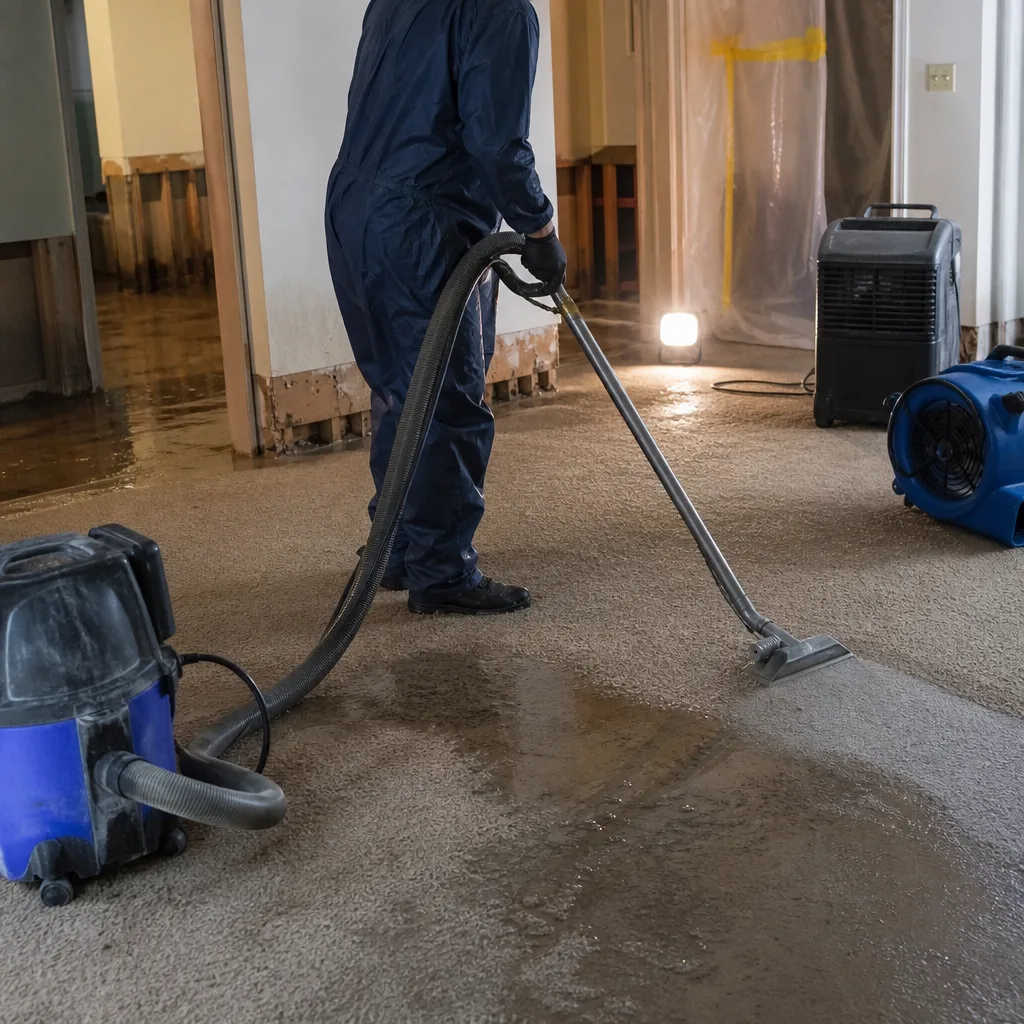
A toilet overflow in a Coney Island high-rise can send water through the floor assembly into the unit below before you even shut the supply valve. We respond to these fast, extract the contaminated water, and check the ceiling cavity below for trapped moisture. The first hour matters because Category 2 water becomes Category 3 water quickly at room temperature.
Septic Failure Cleanup
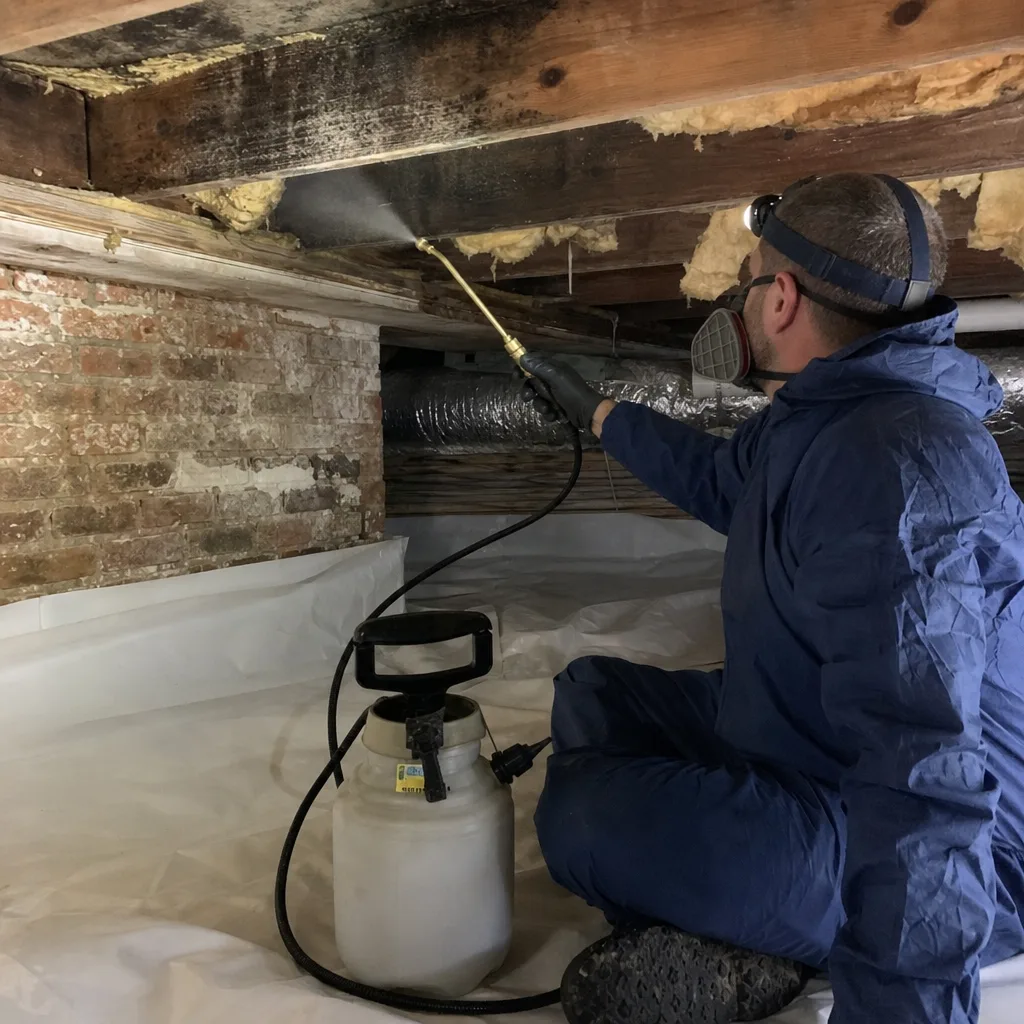
A few of the older bungalows out toward Sea Gate still operate on private septic systems, and when those fail, the backup usually surfaces in the yard or the lowest floor. We handle the cleanup and coordinate any necessary city permits for repair. The salt-compromised framing under these homes makes fast extraction especially critical.
What happens when you call
- 1
A real person answersNo phone trees - you reach a local pro.
- 2
You get an upfront price rangeHonest numbers before anyone is dispatched.
- 3
A background-checked tech heads outLicensed & insured, dispatched right away.
- 4
You approve before work beginsNothing starts until you say go.
Sewage Cleanup Costs in Coney Island, NY
A toilet overflow contained to one bathroom in Coney Island typically runs $800 to $1,900 including extraction, drying, and antimicrobial treatment. A crawl space sewage backup under a converted bungalow usually lands between $2,800 and $5,200, because the containment and extended structural drying add real labor hours. A NYCHA mechanical room spill with full containment and multi-day HEPA scrubbing can reach $4,500 to $7,500. What moves the price most is how far the black water traveled and whether framing has to come out. The free visual inspection turns an estimate into a firm, written scope, so there are no surprises on the bill. Senior and veteran households get 5% off, always.
We Also Serve Cities Near Coney Island
Our crews routinely handle sewage cleanup in Fairview, Harrison, East Bronx, and Hunts Point. If you’re on the edge of Coney Island and not sure who covers your block, call us. We’ll tell you straight.
Coney Island Sewage Cleanup Questions, Answered
Why does sewage cleanup in Coney Island bungalows take longer than in a typical Brooklyn row house?
Because the crawl spaces under those converted summer bungalows were never sealed against moisture, and decades of salt air have already weakened the subfloor framing before any backup happens. Once black water enters that space, it soaks into wood that’s already holding elevated moisture, so drying takes longer and more framing often has to be removed. A typical rowhouse has a concrete or stone basement floor that contains the spill; a bungalow crawl space lets it spread and soak.
How do you handle sewage spills inside NYCHA mechanical rooms at Coney Island Houses or O’Dwyer Gardens?
We set containment before extraction. A sewage spill in a mechanical room aerosolizes pathogens, and without negative air pressure and HEPA scrubbing, those particles move through shared ventilation to other floors and other units. We coordinate with building management, establish containment, and run HEPA air scrubbers throughout the job.
What’s different about black water extraction under Coney Island’s boardwalk-area bungalows after a nor’easter?
The storm surge pushes seawater under the structure at the same time waste lines are backing up, so we’re often extracting a mix of floodwater and sewage from a crawl space that was already salt-compromised. The unsealed crawl access and low clearances mean extraction has to happen with portable equipment, and the framing usually needs extended drying before antimicrobial treatment can hold.
Do you need to pack out furniture during sewage cleanup in small Coney Island apartments?
Sometimes. If black water reached lower cabinets, furniture legs, or anything porous within the splash zone, we pack out and inventory those items so they can be cleaned and dried separately. In tight apartments, we use the building’s hallway or street access carefully, with floor protection laid down so we’re not tracking contamination through common areas.
How do you keep sewage from a Coney Island backup out of the neighbor’s alley-load door?
We run hoses through the structure, not across shared walkways, wherever possible. In alley-loaded blocks where that’s not possible, we lay down containment sheeting and sanitize the path after extraction. The goal is to make sure one backup doesn’t become a whole-block biohazard.
How fast can someone actually get to Coney Island?
Our commitment is 45 minutes from your call to a crew on site, 24 hours a day. We keep technicians staged across southern Brooklyn specifically because Coney Island’s housing stock can’t afford an overnight wait once black water hits wood framing. Call (917) 924-4221 and you’ll talk to a live dispatcher.
Will my insurance cover sewage cleanup in Coney Island?
Most homeowners policies cover sewage backup damage, but the claim is smoother when documentation starts immediately. We photograph everything before we move anything, log moisture readings daily, and bill your carrier directly. You don’t play messenger between us and the adjuster.
Do I really need full remediation, or just a cleaning?
If the water contained sewage and soaked into porous material like wood framing, drywall, or insulation, it’s Category 3 and needs full remediation: extraction, removal of affected porous material, antimicrobial treatment, and structural drying. A surface cleaning leaves pathogens living in the framing. We’ll tell you honestly which situation you have during the free inspection.
Serving Coney Island, NY - Our Local Coverage Area
We’re based in the Coney Island area and know this community well. Use the map below to see our service coverage - if you’re nearby, we can almost certainly help.
Contact Floodline Restoration Co. of Manhattan
If you’re dealing with a sewage backup in Coney Island, don’t wait to see how bad it gets. Call (917) 924-4221 now for a free visual inspection and a firm, written scope before any work begins. Our team serves Coney Island and the surrounding neighborhoods, and we answer live around the clock. Every job we finish gets the 90-Day Done Right Promise, in writing. We stand behind it.
Written by Curt Bowman, Owner at Floodline Restoration Co. of Manhattan, serving Coney Island, NY.