
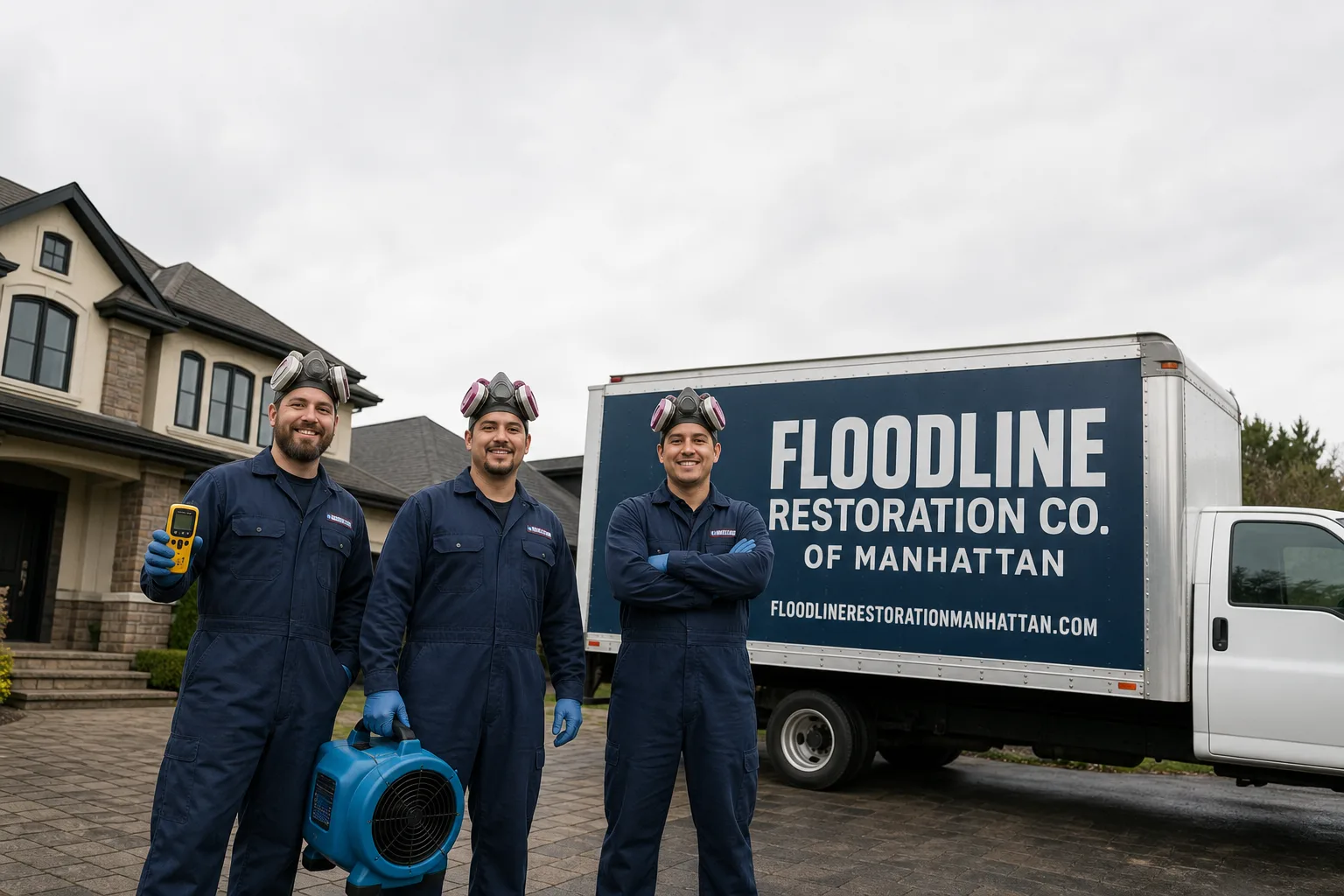
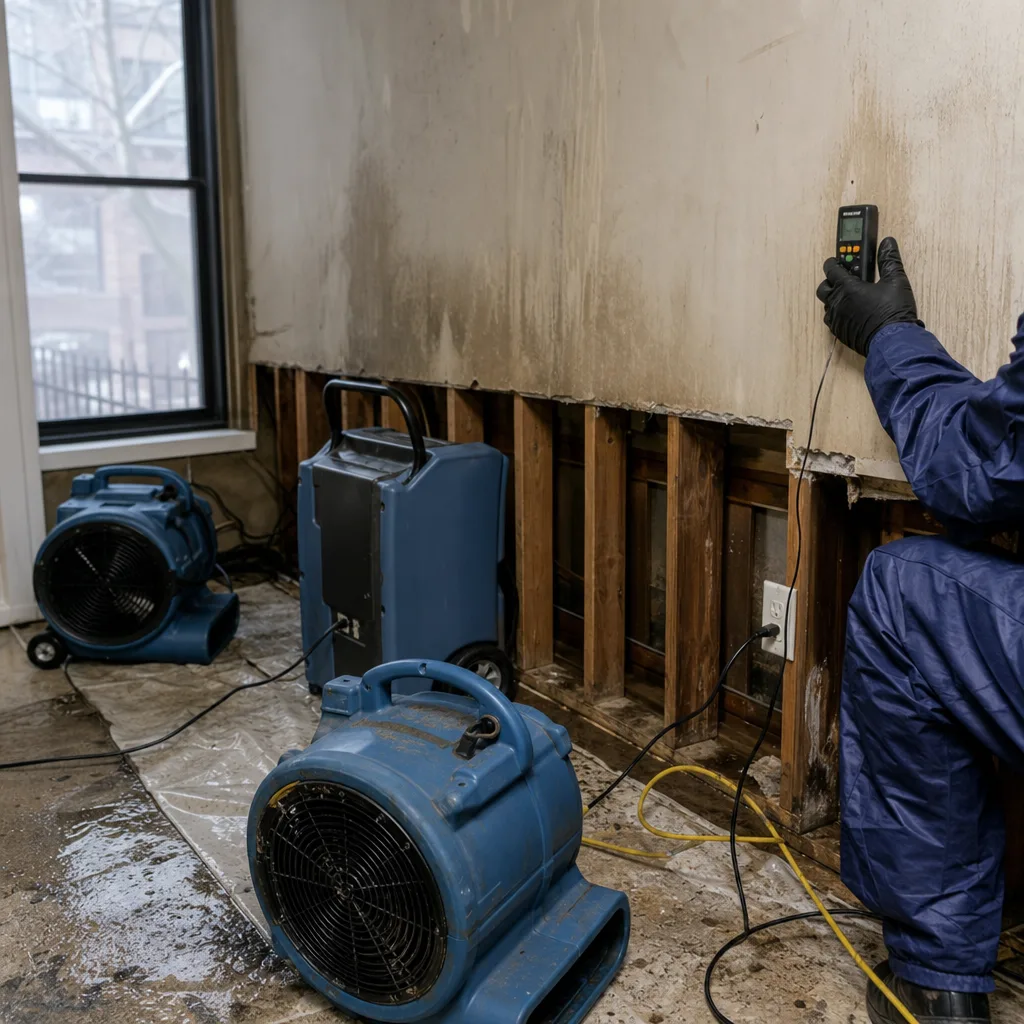
Free visual inspection and a written scope of work before any mitigation begins - photos, moisture readings, and drying logs go in your claim file
The scope we write is the scope we bill. Anything new gets shown to you, in writing, before we touch it.
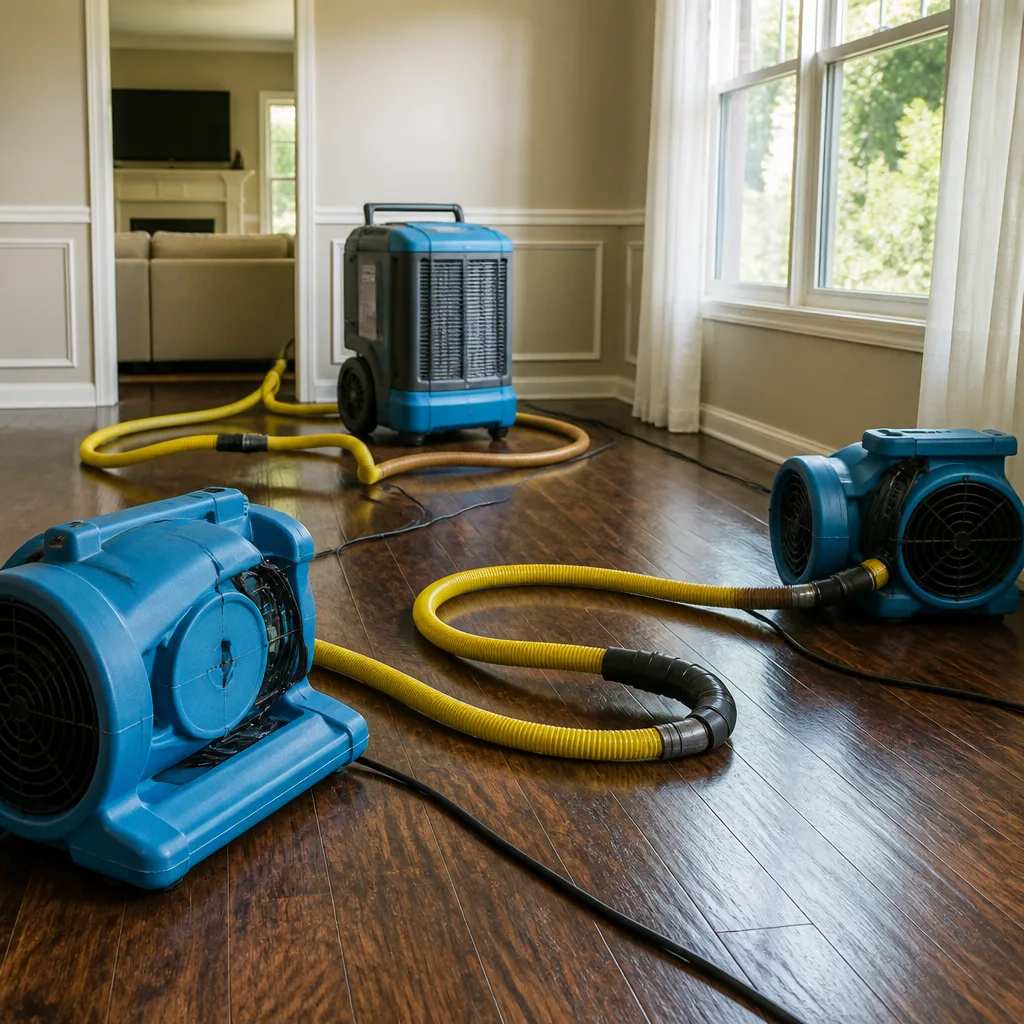
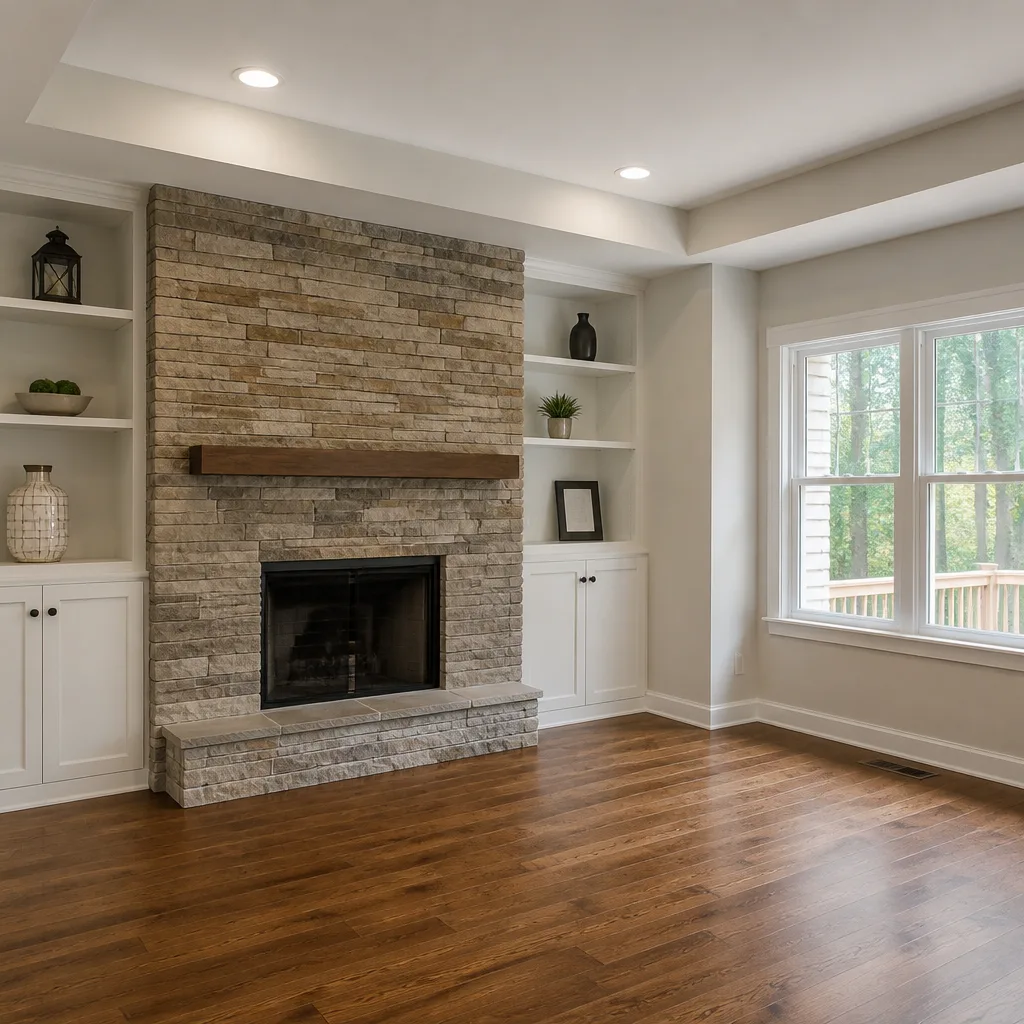
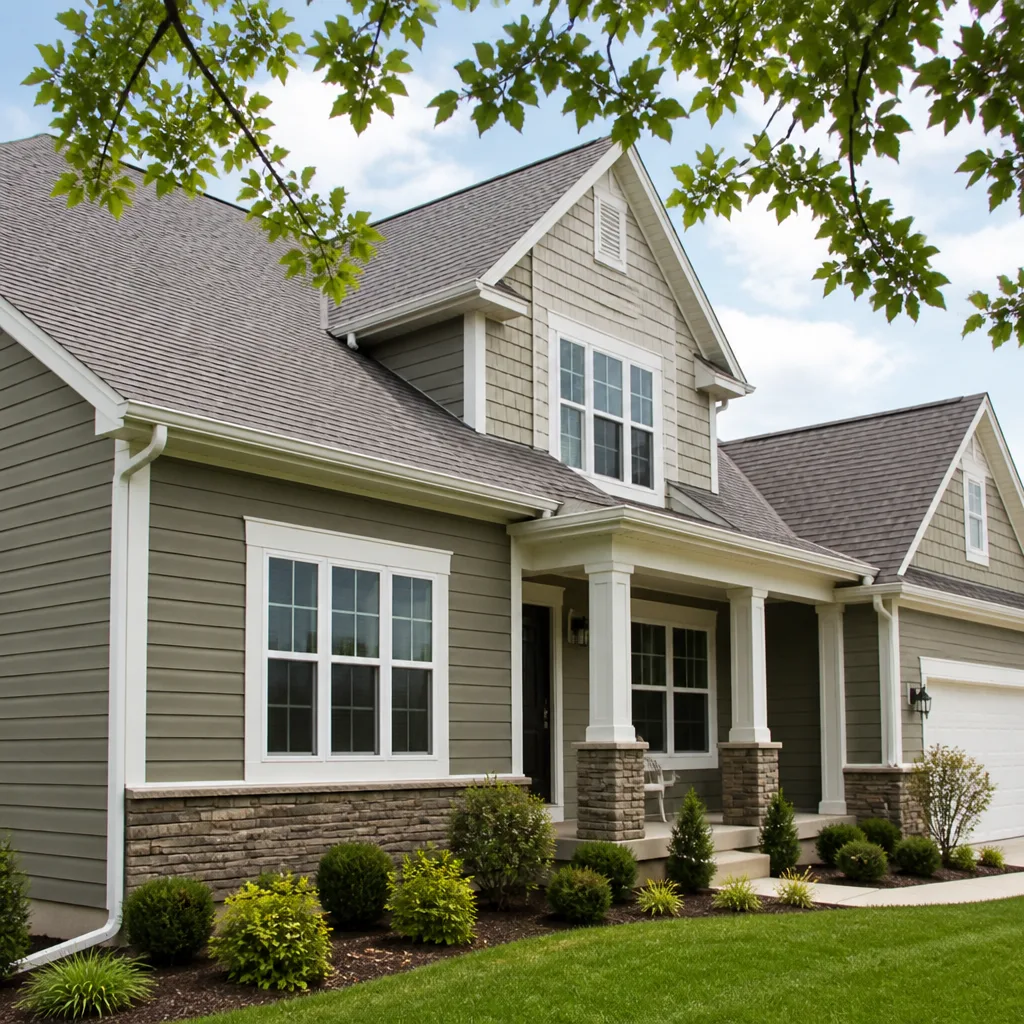
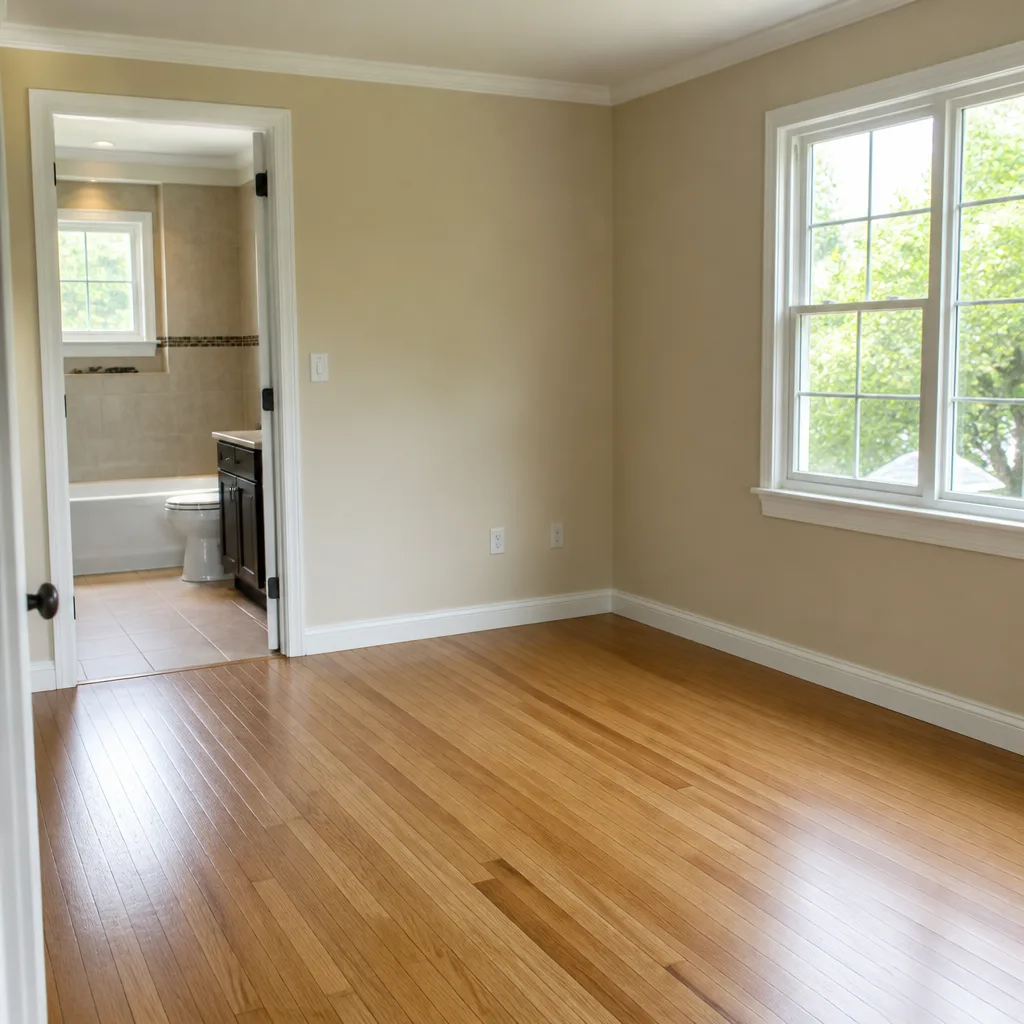
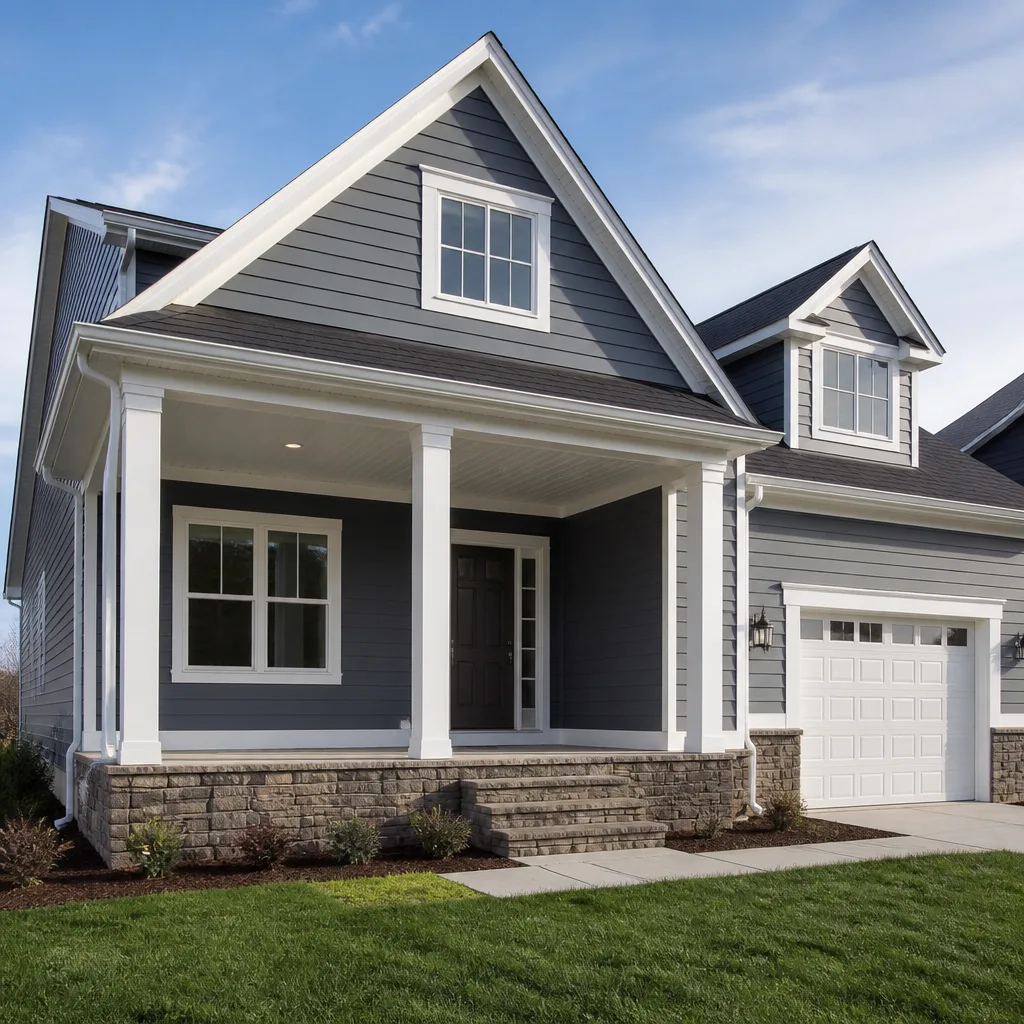
 Before
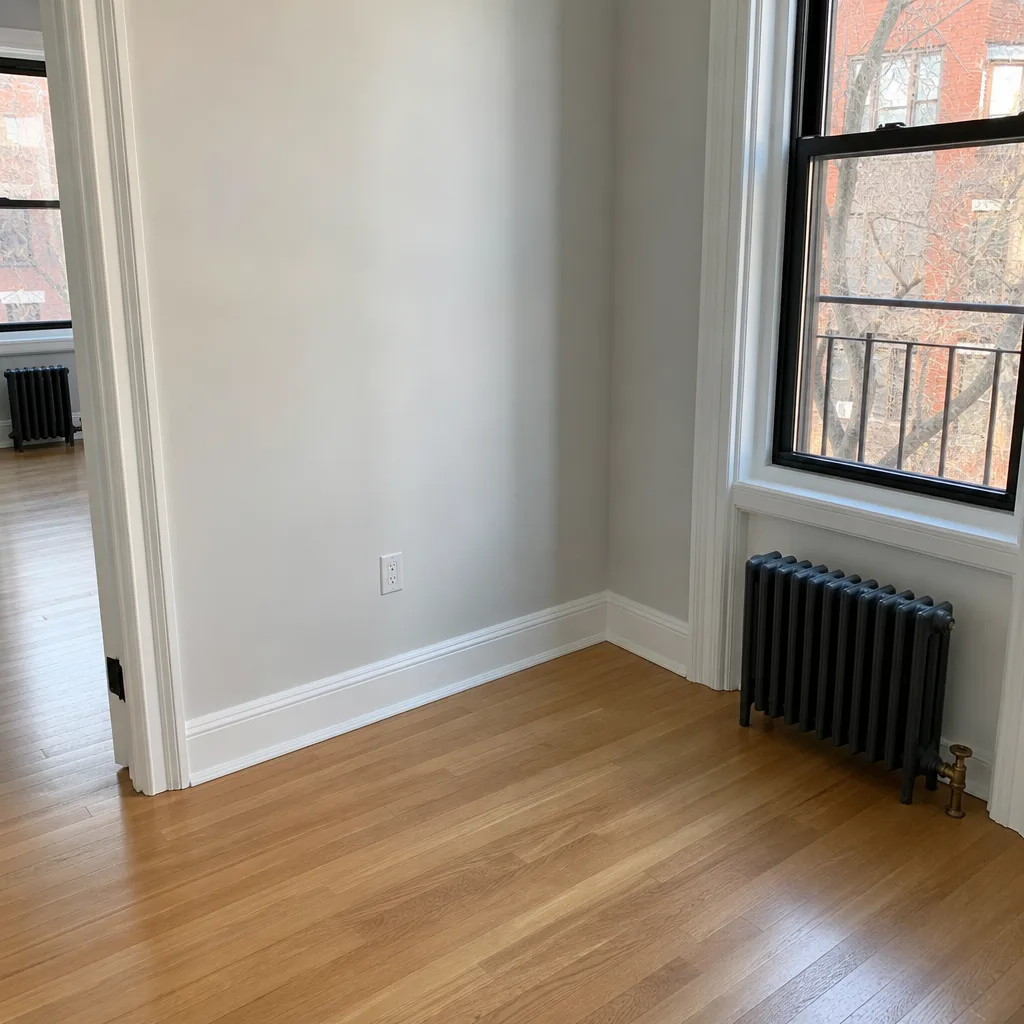 After
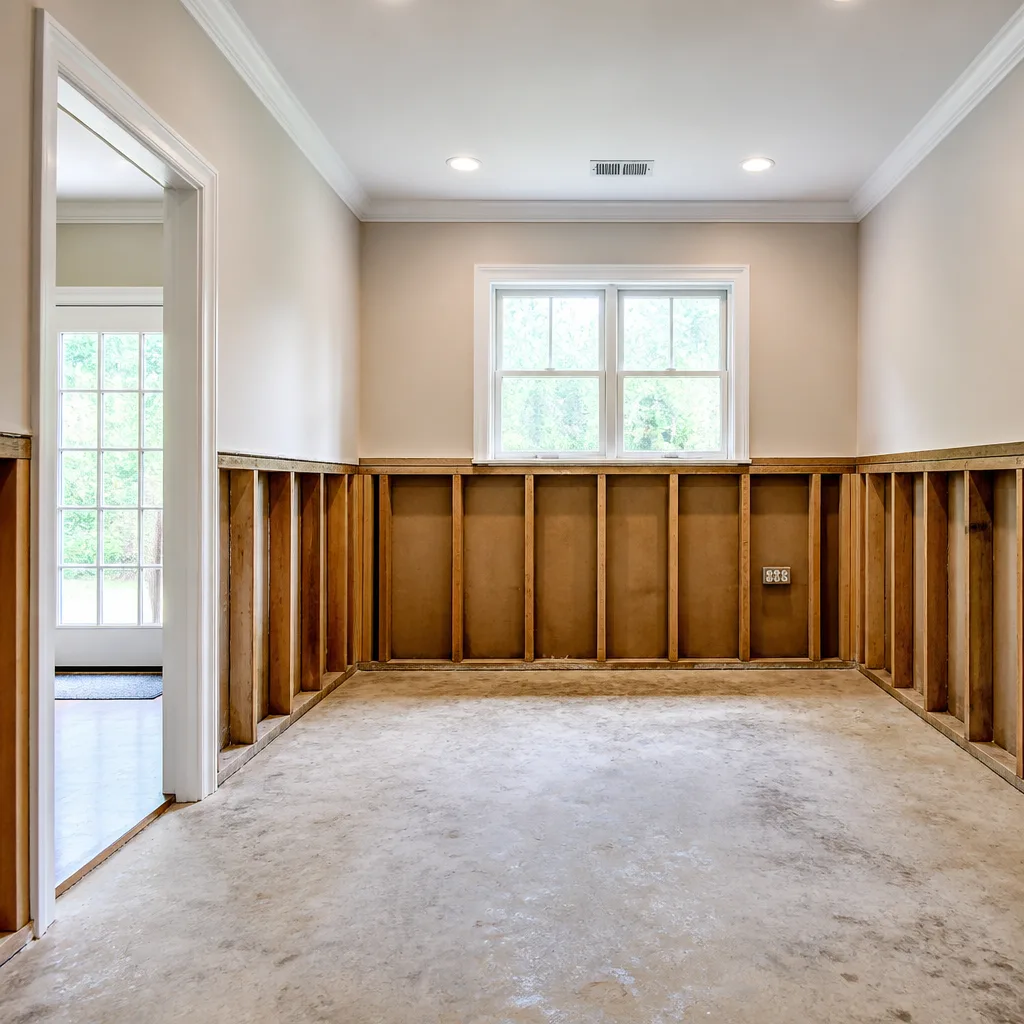
After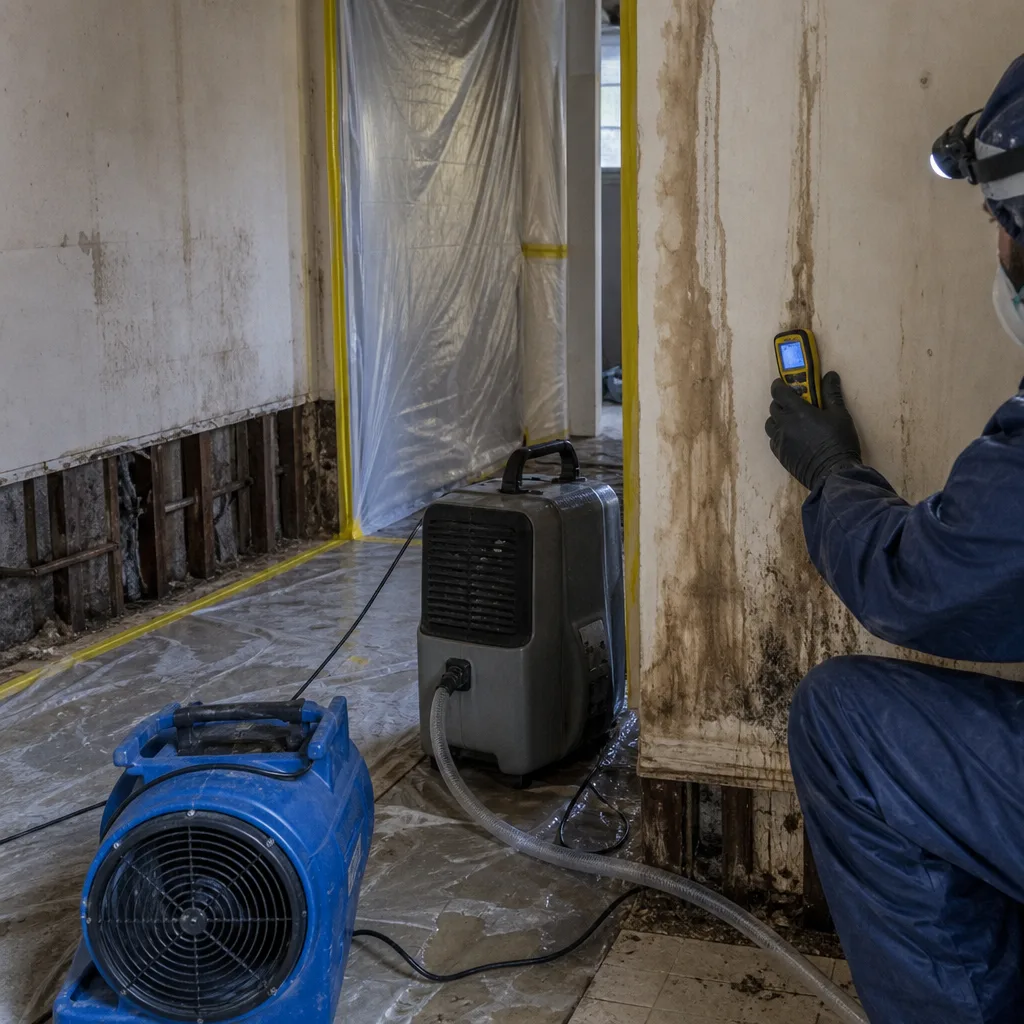 Before
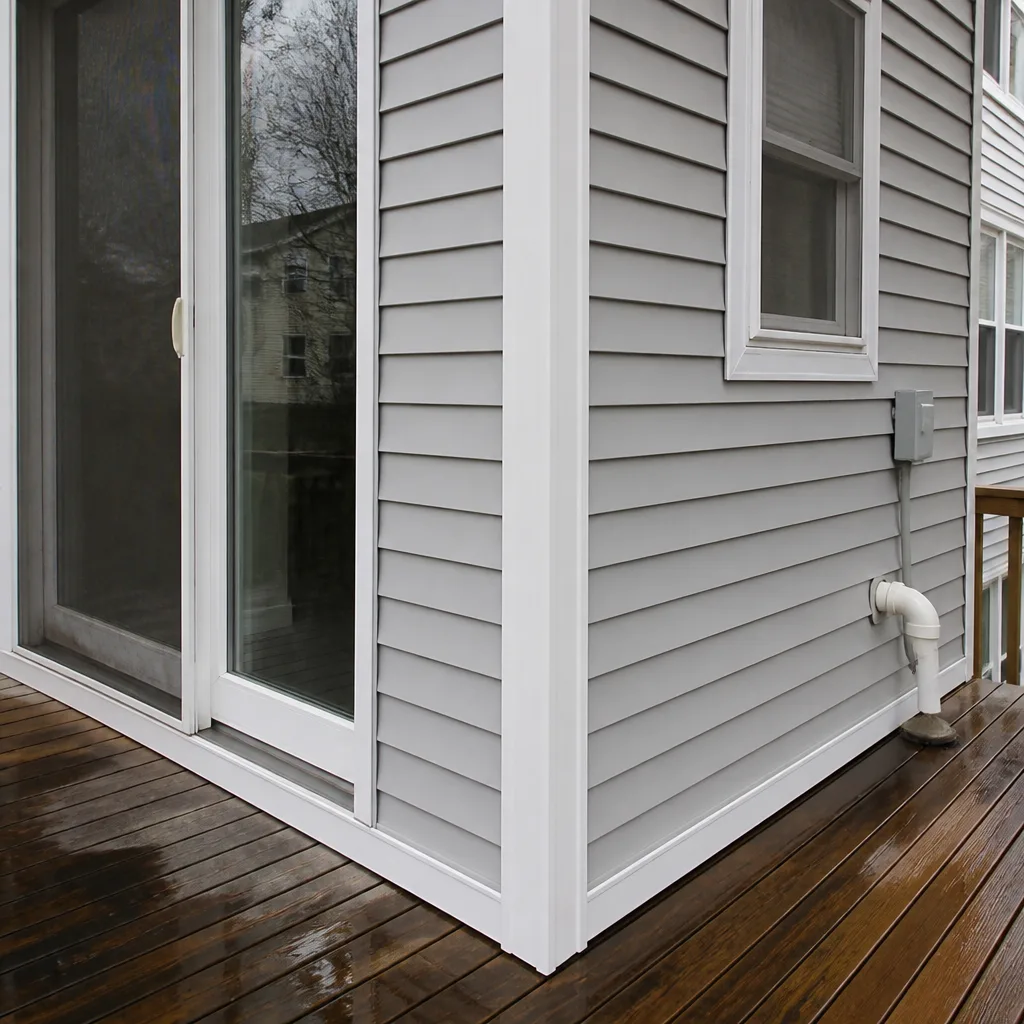 After
After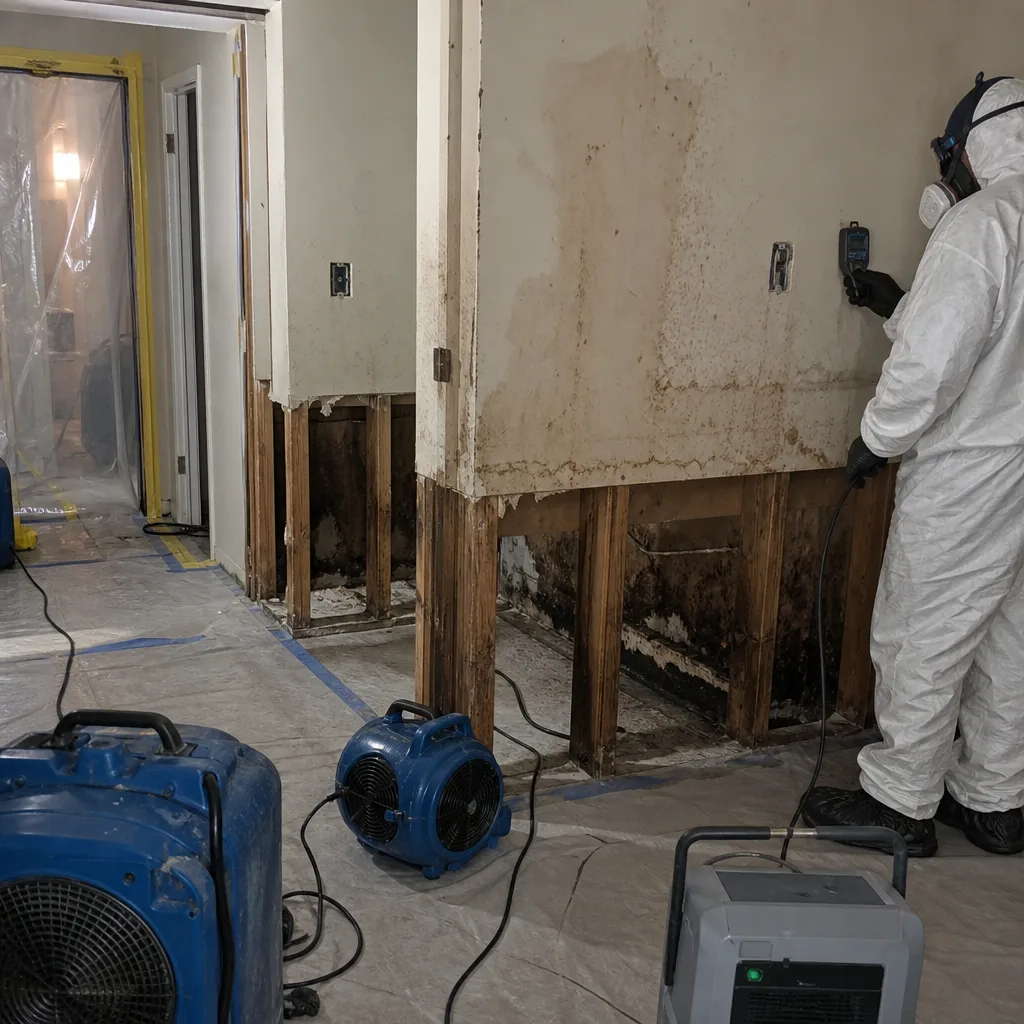 Before
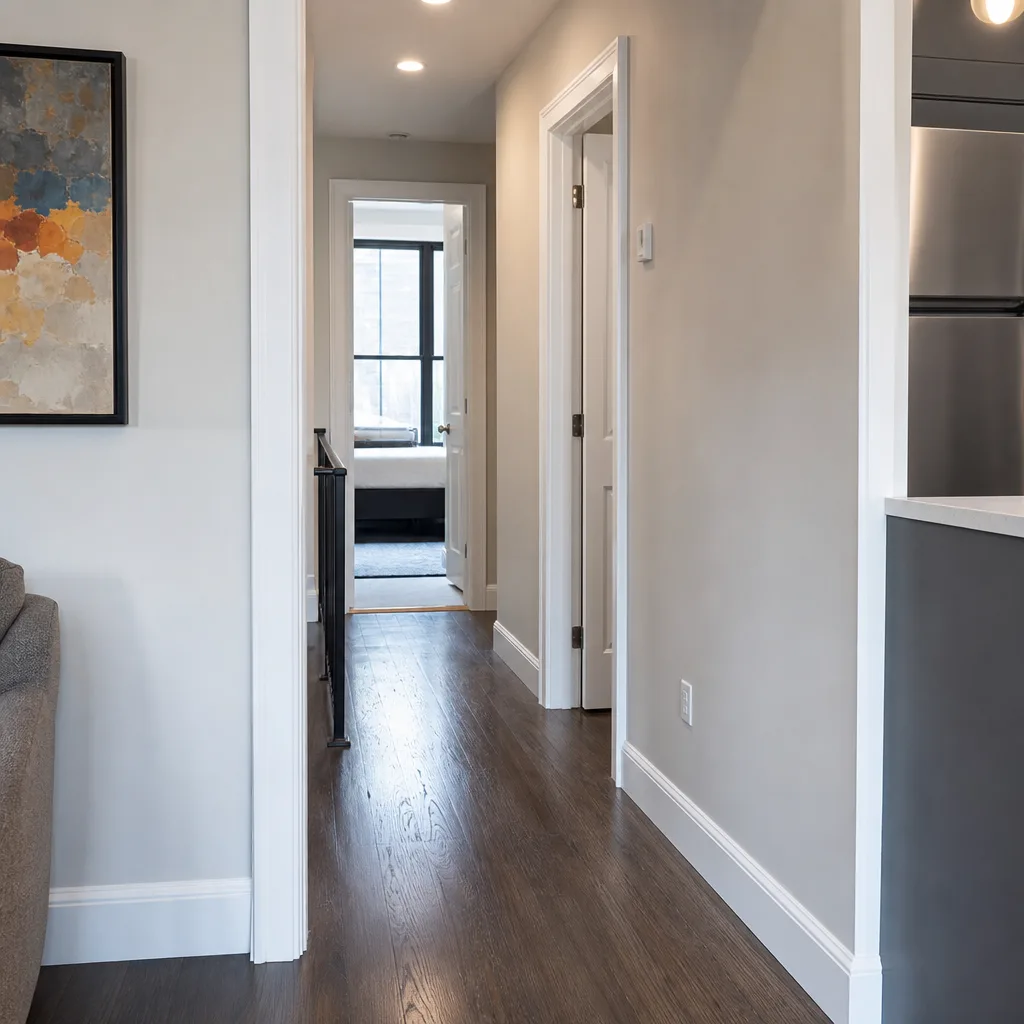 After
After24/7 Emergency Commercial Restoration in Coney Island
Commercial storm damage in Coney Island doesn’t wait for business hours, and neither do we. Floodline Restoration Co. of Manhattan answers every call with a live dispatcher, 24 hours a day, 7 days a week. When a nor’easter tears through a roll-up door on Stillwell Avenue or a burst supply line floods a ground-floor retail space on Mermaid Avenue, you reach a person on the first ring, not a recording. Crews stationed to serve Coney Island can be on site and running extraction the same visit, often within 45 minutes of your call. The water that enters a commercial building in the first hour is the water that ends up in your framing, your inventory, and your insurance claim. Call (917) 924-4221 for a free visual inspection, any hour, any day. The sooner we read the moisture, the sooner we stop the loss.
Understanding Commercial Restoration Severity in Coney Island Properties
Not all water damage on a commercial property in Coney Island is created equal, and treating them the same way is how buildings end up with chronic mold and failed rebuilds. Category 1 water is clean, like a fresh supply-line break. Category 2 carries contaminants, like washing-machine overflow or sump-pump discharge. Category 3 is black water: seawater, sewage, marine debris mixed with storm surge. In Coney Island, the distinction matters more than almost anywhere in Brooklyn. Surge water that pushed under a boardwalk-adjacent storefront or into the mechanical room of a NYCHA-adjacent property is not gray water. It’s Category 3, full stop, and it calls for full tear-out, not drying in place.
We also watch for salt-air corrosion as a hidden aggravator. Commercial buildings a few blocks from the beach, especially older wood-frame structures converted from seasonal bungalows, often have untreated metal door thresholds, rusted track hardware, and degraded HVAC coils. Moisture mapping after any water event has to account for the fact that pre-existing corrosion was likely already weakening subfloor fasteners and steel door guides. We read the building, not just the puddle.
Why Coney Island Property Owners Choose Floodline Restoration Co. of Manhattan
This is not a sales pitch. It is what we do and what we put in writing. Here’s what property owners and property managers in Coney Island get when they call us:
- 45-minute response commitment. When you call with an active loss, crews are dispatched immediately and typically reach Coney Island commercial properties within 45 minutes. Extraction starts the same visit.
- 24/7 live answer. A real person picks up the phone at 2 a.m. You never sit through an automated tree or leave a voicemail that gets returned the next morning.
- IICRC-certified crews. Our technicians are background-checked, uniformed, and certified to IICRC, RIA, and IFA standards. Water damage techs carry WRT and ASD certifications; mold work is handled under AMRT protocols. Curt Bowman has insisted on this standard since day one.
- Free visual inspection. Before any work begins, we document what we see, explain what we can and cannot know without opening walls, and give you a straight answer on scope.
- Direct insurance billing. We work with your carrier directly and bill them for covered work. You never play messenger between Floodline and the adjuster.
- One team, start to finish. The same crew that extracts the water reads the daily moisture logs, handles the rebuild, and hands you the 90-Day Done Right Promise in writing. No mid-job handoff, no inherited crew.
Our Commercial Restoration Process
Inspection & Assessment
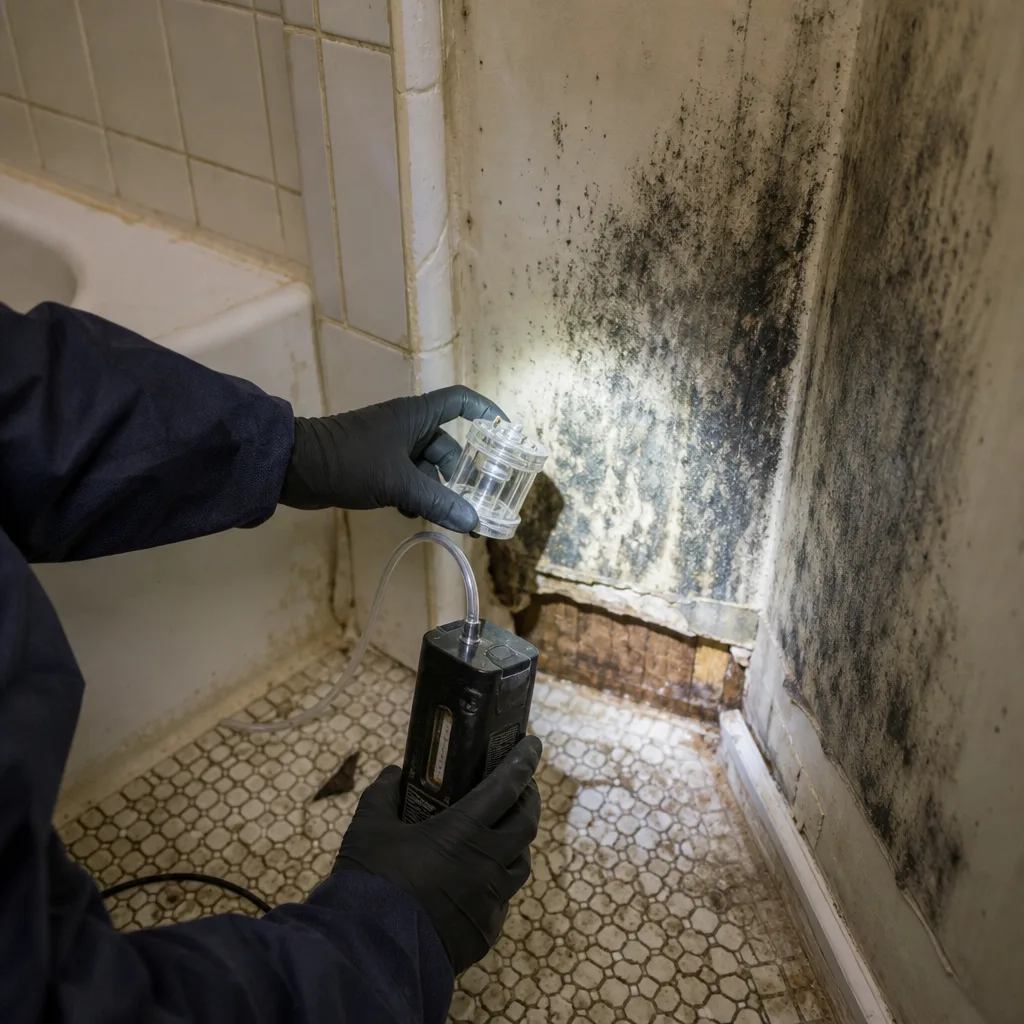
We arrive on site ready to map the loss. Thermal imaging identifies moisture behind walls and under flooring; hygrometers read ambient and embedded humidity. We classify the water category and document everything photographically for your insurer before any work starts.
Extraction & Stabilization
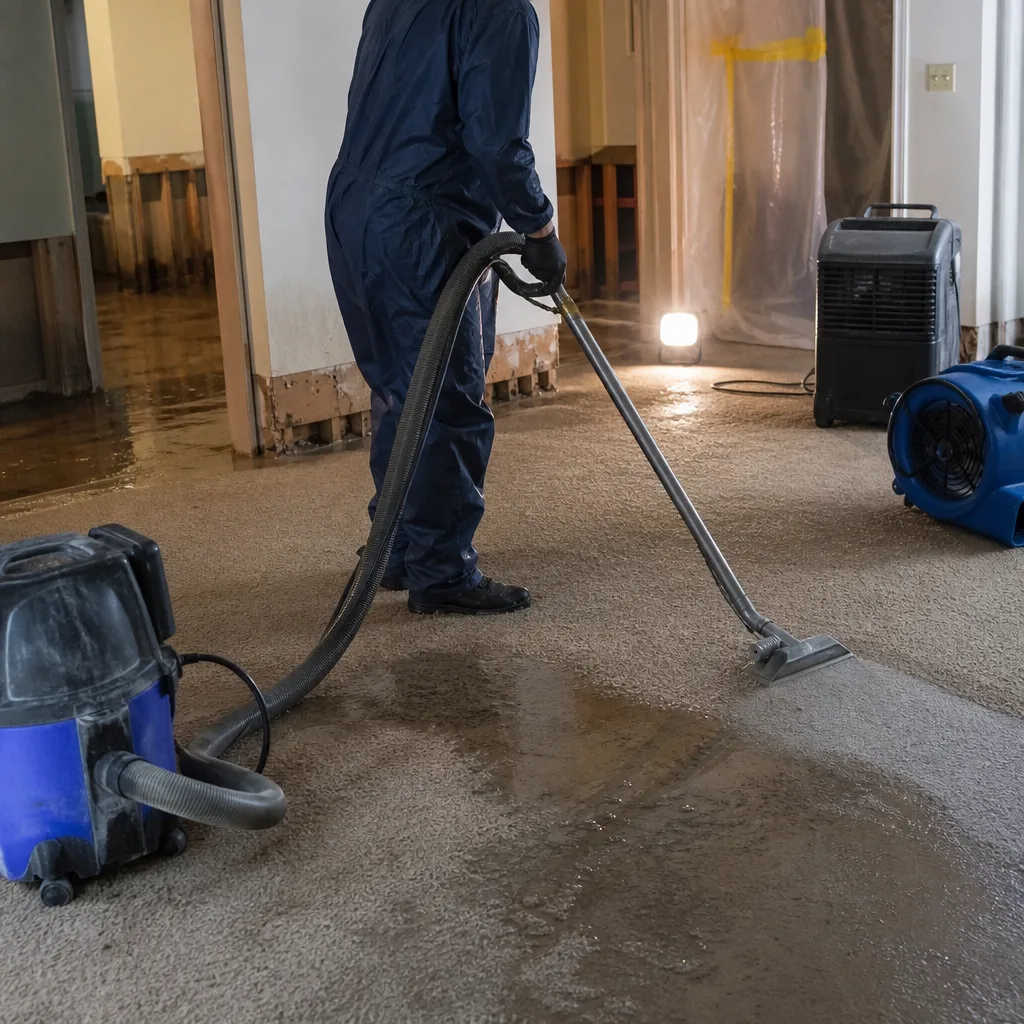
Standing water is removed using truck-mounted and portable extraction units. If a storm-damaged door or window is open to the elements, we board up and secure the envelope to prevent further intrusion. Salt-contaminated water gets extraction plus aggressive initial flushing of affected surfaces.
Drying & Dehumidification
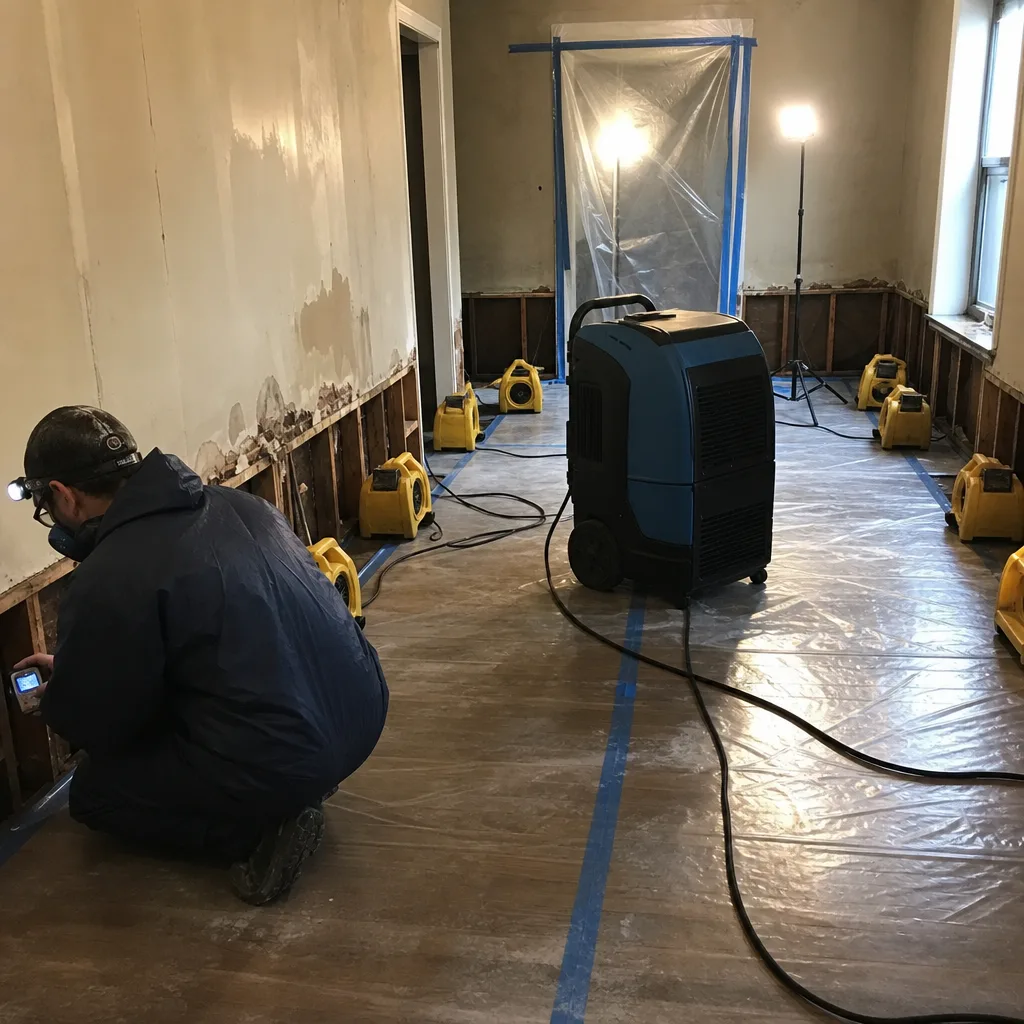
Professional-grade Dri-Eaz and Phoenix dehumidifiers, plus XPOWER air movers, are placed according to a psychrometric map, not guesswork. Daily readings are logged until the dry standard is met, and the moisture log goes to you and your carrier. In Coney Island’s marine air, we extend drying targets when we find pre-existing corrosion-driven moisture retention.
Cleaning & Sanitization
Surfaces are cleaned and treated with EPA-registered antimicrobials where Category 2 or 3 water was present. For surge-contaminated spaces, we treat under-threshold cavities and salt-exposed metal components. HEPA air scrubbers run during containment work to protect occupants and adjacent inventory.
Specialty Commercial Treatment
For commercial doors and roll-ups, we assess wind-load capacity against ASCE 7 exposure categories for Coney Island, document pre-existing track corrosion, and replace damaged panels with wind-rated units where code requires. Document and inventory recovery runs parallel where needed: sorting salvageable items, separating unsalvageable material, and logging what we remove for your claim.
Repairs & Restoration
Rebuild follows dry standard, not calendar. We replace what needs replacing, from drywall and subfloor to storefront door assemblies. The job is not closed until the structure is stable, the building is dry, and you have our 90-Day Done Right Promise in writing. Done right, and backed in writing.
Need Emergency Commercial Restoration in Coney Island Now?
Crews are minutes away, and a live dispatcher answers 24 hours a day. The sooner we start, the less it costs.
Working With Your Insurance Company
Commercial claims for storm and water damage in Coney Island get complicated fast. Surge water floods a storefront, a nor’easter peels off a roll-up door, and suddenly the carrier wants proof of causation, proof of pre-existing condition, proof of everything. We handle that. From the first hour on site, we document the loss the way an adjuster reads it: photos room by room, moisture readings, drying logs, a line-item scope of work that separates storm-caused damage from normal wear. Curt Bowman built this company around the principle that a restoration contractor should make the claim easier, not harder. We talk to your adjuster directly, so you don’t have to translate construction into insurance language at midnight while your business is closed.
What We Provide Your Insurer
- Thorough documentation of the loss
- Photos of all damage, room by room
- Moisture readings and drying logs
- A detailed, line-item scope of work
- Direct coordination with your carrier
Built for Coney Island’s Loss Calendar
Coney Island has a rhythm to its commercial losses, and it is not like inland Brooklyn. January and February bring deep freezes that burst supply lines in older wood-frame structures and under-insulated commercial kitchens. March and April turn snowmelt into groundwater seepage through cracked foundations, especially in the converted bungalows between Mermaid Avenue and the boardwalk where crawl spaces were never sealed. Summer brings flash thunderstorms that overwhelm drainage on Surf Avenue and Stillwell Avenue, sending sheet water into low-lying storefronts. Then comes the fall nor’easter season, when wind-driven rain and surge test every commercial door, awning, and storefront assembly from West 8th Street to the Creek. Coastal exposure means every season carries a specific threat. We respond to all of them.
Commercial Restoration Across Coney Island’s Neighborhoods
If you run a business in Coney Island, you already know the geography shapes the damage. Along Mermaid Avenue, the commercial strip that runs from Stillwell Avenue east toward the community’s residential heart, we see older two-story mixed-use buildings with storefronts at grade. These are the spaces that take surge water first, and the ones with decades-old salt corrosion behind the stucco.
On Surf Avenue and the blocks approaching the boardwalk, storefronts face the full force of ocean wind. Roll-up doors get peeled by gusts before the rain even becomes an issue. Around West 8th Street and the amusement district, seasonal, semi-outdoor commercial structures demand restoration that respects both speed and code compliance for wind-rated assemblies. Over by the NYCHA towers, O’Dwyer Gardens and the surrounding multi-unit properties, a mechanical-room flood affects dozens of households at once, and the restoration scope must be coordinated around occupied residential units above and beside the commercial space. Each area demands a different first response. We know the routes and the building types.
Specialized Commercial Restoration Services We Offer in Coney Island
Multi-Unit & HOA Restoration
Commercial and mixed-use buildings with multiple units and shared mechanical systems live or die by how fast water is found and stopped. We work with property managers and HOA boards across the residential towers and mid-rise buildings of Coney Island. Our crews coordinate access, containment, and drying schedules around occupied units, and our documentation keeps the whole association’s claim straight.
Large-Loss Response
When a nor’easter takes out half the roof on a commercial building near the boardwalk, or a fire suppression system dumps thousands of gallons into a retail floor off Stillwell Avenue, the scope is beyond what a two-person crew can hold. Floodline runs large-loss response with the same live dispatch and the same equipment standard, scaled up. We have handled losses across Coney Island where the damage covered multiple floors, and we do not hand the job off to an outside firm once the water is out.
Business Interruption Minimization
The longer a commercial space in Coney Island sits wet, the longer the revenue stops. We get that number out of the insurance equation as fast as possible by running drying and rebuild as one continuous operation. The 90-Day Done Right Promise means we are not walking away and hoping the drying worked; we are logging every day, finishing the rebuild, and standing behind it. For storefronts on Surf Avenue, every lost summer weekend is real money. We move like that matters, because it does.
Office & Retail Restoration
Office spaces and retail storefronts in Coney Island have their own restoration fingerprint: drop ceilings that trap moisture, carpet tiles over concrete slabs that wick water silently, storefront glass systems with salt-etched aluminum frames. We dry these spaces with the same psychrometric care as a hospital, because visible surface dryness means nothing if the slab below is still feeding mold. We also recover what we can: file storage, retail inventory, point-of-sale equipment. If it can be saved, we document it and save it.
Industrial Facility Cleanup
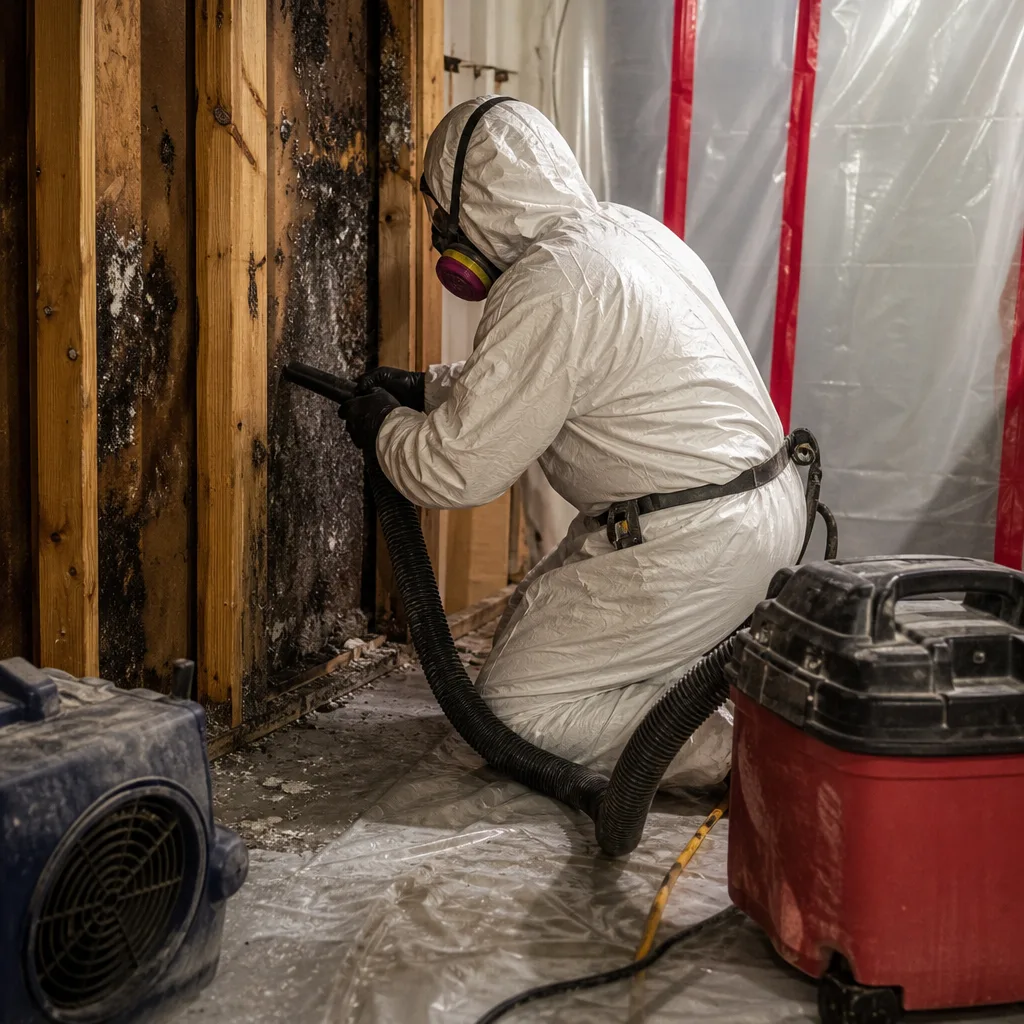
Industrial properties near Coney Island Creek and Gravesend Bay face a different category of loss. Equipment rooms, loading docks, and warehouse spaces collect water that is often mixed with fuel residue, salt, and debris. Our crews are trained to handle contaminated industrial water events with full containment and proper disposal. No shortcuts on Category 3, no matter how big the space.
What happens when you call
- 1
A real person answersNo phone trees - you reach a local pro.
- 2
You get an upfront price rangeHonest numbers before anyone is dispatched.
- 3
A background-checked tech heads outLicensed & insured, dispatched right away.
- 4
You approve before work beginsNothing starts until you say go.
Commercial Restoration Costs in Coney Island, NY
Straight numbers help, so here they are. A small commercial water extraction and drying job in a Coney Island storefront, say 500 square feet with Category 1 or 2 water, typically runs $3,000 to $8,000. Category 3 surge-water tear-out and full rebuild in a ground-floor commercial space on Mermaid Avenue or Surf Avenue commonly lands between $12,000 and $45,000 depending on how much drywall, cabinetry, and door assembly needs replacement. A commercial roll-up door replacement with wind-rated panels and reinforced tracks, after a nor’easter has buckled the originals, generally runs $4,000 to $15,000 depending on opening size and wind-load requirements. Salt-corroded threshold and subfloor repair adds $1,500 to $7,000 when it is discovered during moisture mapping. The surest way to a firm number is our free visual inspection; we walk the space, take readings, and hand you a written scope before any work is authorized. Call (917) 924-4221. Estimates are free, and the price we quote is the price we stand behind.
We Also Serve Cities Near Coney Island
Our Coney Island crews also cover commercial restoration work in Fairview, Harrison, East Bronx, and Hunts Point. If your property is near the coast but not in Coney Island proper, call us. We’ll tell you if we serve the address, and we’ll be straight about response time. A square deal: no surprises on the bill.
Serving Coney Island, NY - Our Local Coverage Area
We’re based in the Coney Island area and know this community well. Use the map below to see our service coverage - if you’re nearby, we can almost certainly help.
Coney Island Commercial Restoration Questions, Answered
How fast can you reach a commercial property in Coney Island?
We typically reach commercial properties in Coney Island within 45 minutes of your call. Dispatch is live 24/7, so the crew rolls the moment you hang up. Call (917) 924-4221 and we’ll give you a real ETA.
Do commercial buildings in Coney Island need wind-rated doors even if they are not directly on the boardwalk?
Yes, in most cases. Coney Island sits inside FEMA VE and AE coastal high-hazard zones, and the building code applies wind-load requirements across the whole neighborhood, not just the boardwalk frontage. A door that fails ASCE 7 wind-load standards for Coney Island’s exposure category leaves the building open to the next nor’easter. We assess every commercial door we touch against those standards.
How do you handle Category 3 storm surge water in a Coney Island commercial crawl space or basement?
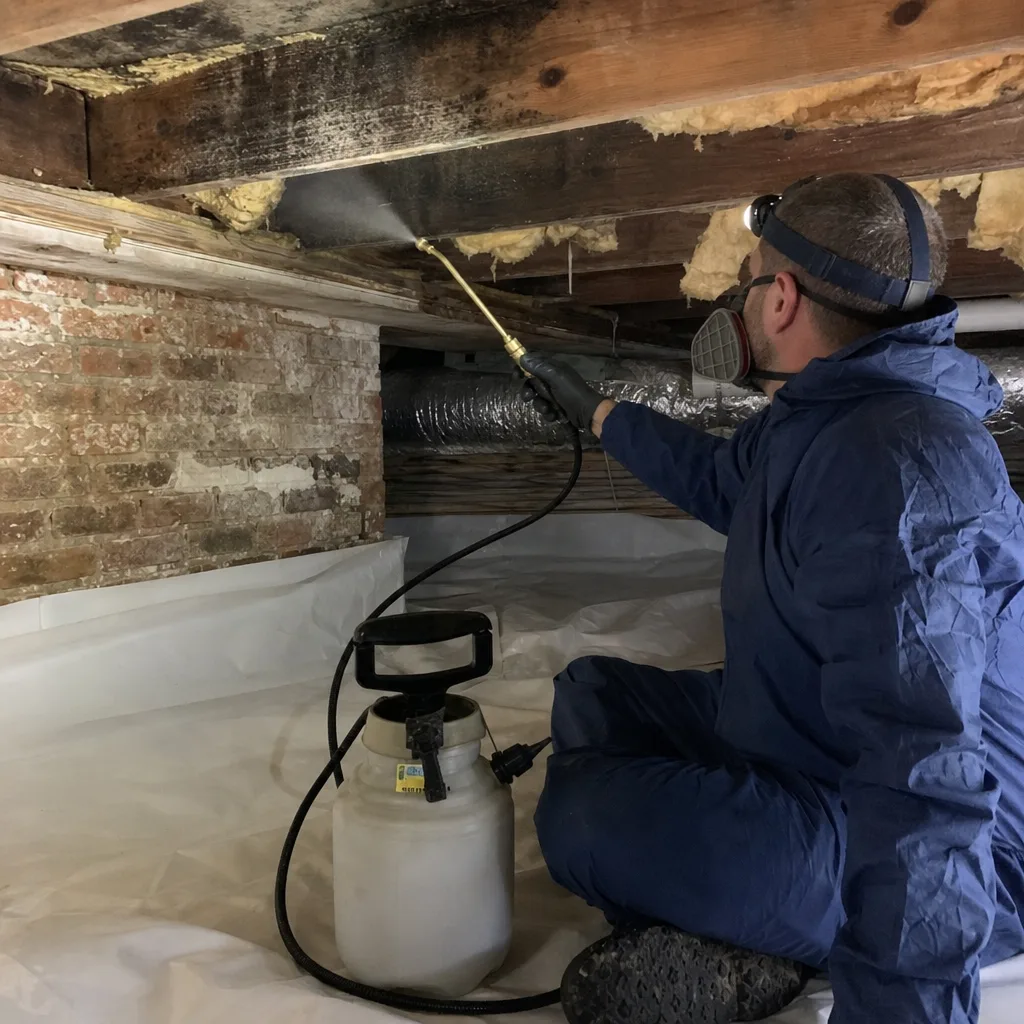
Category 3 water is treated as contaminated. Full tear-out of saturated materials, not drying in place. We extract, remove affected drywall and insulation, treat surfaces with EPA-registered antimicrobials, and run HEPA air scrubbing during containment. In Coney Island’s converted bungalow stock, crawl spaces often hide pre-existing salt-moisture damage that must be addressed during the same scope, or mold returns.
What does salt-air corrosion do to commercial HVAC equipment here, and how does it affect restoration?
Salt-laden marine air accelerates corrosion on HVAC coils, condenser fins, electrical connections, and metal fasteners. When water damage occurs, that pre-existing corrosion complicates drying and rebuild decisions. Coils that looked fine last season may fail when we pressure-test after a flood. We document what is storm-caused and what is salt-air wear, so your claim stays accurate.
What is the first thing your crew checks on a commercial storefront door after a storm in Coney Island?
The first check is structural: is the door still mounted square, are the tracks deformed, has the bottom panel buckled from impact, and does it still meet Coney Island’s wind-load requirement? Only after the envelope is secured do we start moisture mapping. A damaged door left in place invites the next storm inside.
Can you dry out a commercial building in Coney Island without tearing out the drywall after a Category 2 water loss?
Sometimes. If the water is genuinely Category 2, the drywall is not saturated beyond its wicking zone, and moisture mapping shows no hidden pockets, we can dry in place with professional-grade dehumidifiers and air movers. The decision rests on readings, not guesses. We will show you the moisture log and walk you through why drying is or is not safe.
Will my commercial insurance cover storm surge and wind damage in Coney Island?
Most commercial policies in Coney Island carry separate wind and flood provisions, and the answer depends on your specific policy language. We document everything from hour one so your adjuster sees exactly what the storm did. We also bill your carrier directly for covered work. You don’t play messenger.
What should I do in the first 30 minutes after water enters my commercial property in Coney Island?
Call us. Then, if it is safe to do so, shut off electricity to the affected area and move what you can to higher ground. Do not enter standing water that may be surge-contaminated. Do not attempt to operate damaged roll-up doors or storefront assemblies. The first hour is when extraction does the most good. Call (917) 924-4221 and a live dispatcher will walk you through the next steps.
Written by Curt Bowman, Owner at Floodline Restoration Co. of Manhattan, serving Brooklyn and Coney Island commercial properties with certified restoration crews since 2010.