
Free visual inspection and a written scope of work before any mitigation begins - photos, moisture readings, and drying logs go in your claim file
The scope we write is the scope we bill. Anything new gets shown to you, in writing, before we touch it.






 Before
 After
After Before
 After
After Before
 After
After24/7 Emergency Reconstruction & Cleanup in Coney Island
When a nor’easter sends surge water under a bungalow on West 24th Street, or a fire gutted a kitchen in Coney Island Houses, reconstruction can’t wait until Monday. Our crews answer live at (917) 924-4221 any hour, any day. We dispatch into Coney Island, NY within 45 minutes for storm, fire, and water damage. The first hour matters: salt water and fire soot both turn worse fast in this marine air, and a free visual inspection gives you a written scope before any work starts. No answering service. No callback tomorrow. A live person picks up at two in the morning.
Understanding Reconstruction & Cleanup Severity in Coney Island Properties
Coney Island splits between two building types, and severity follows that split. The NYCHA towers from the 1950s and 60s, like Coney Island Houses and O’Dwyer Gardens, are masonry and steel with dense mechanical cores. Water damage there often travels vertically through chase ways and conduit, meaning one flooded unit on a lower floor can compromise drywall and insulation several floors up. The older wood-frame bungalows between Mermaid Avenue and the boardwalk are a different animal entirely. Seasonal cottages converted to year-round homes decades ago, they were never fitted with proper vapor barriers, elevated utility runs, or sealed crawl spaces. When Category 3 storm surge or sewage water gets under them, subfloor framing that sat in salt-laden marine air for forty years is often already compromised. That’s the severity gap nobody in inland Brooklyn deals with: in Coney Island, restoration crews find pre-existing salt corrosion as the baseline, not an anomaly. Which changes the entire drying and rebuild strategy.
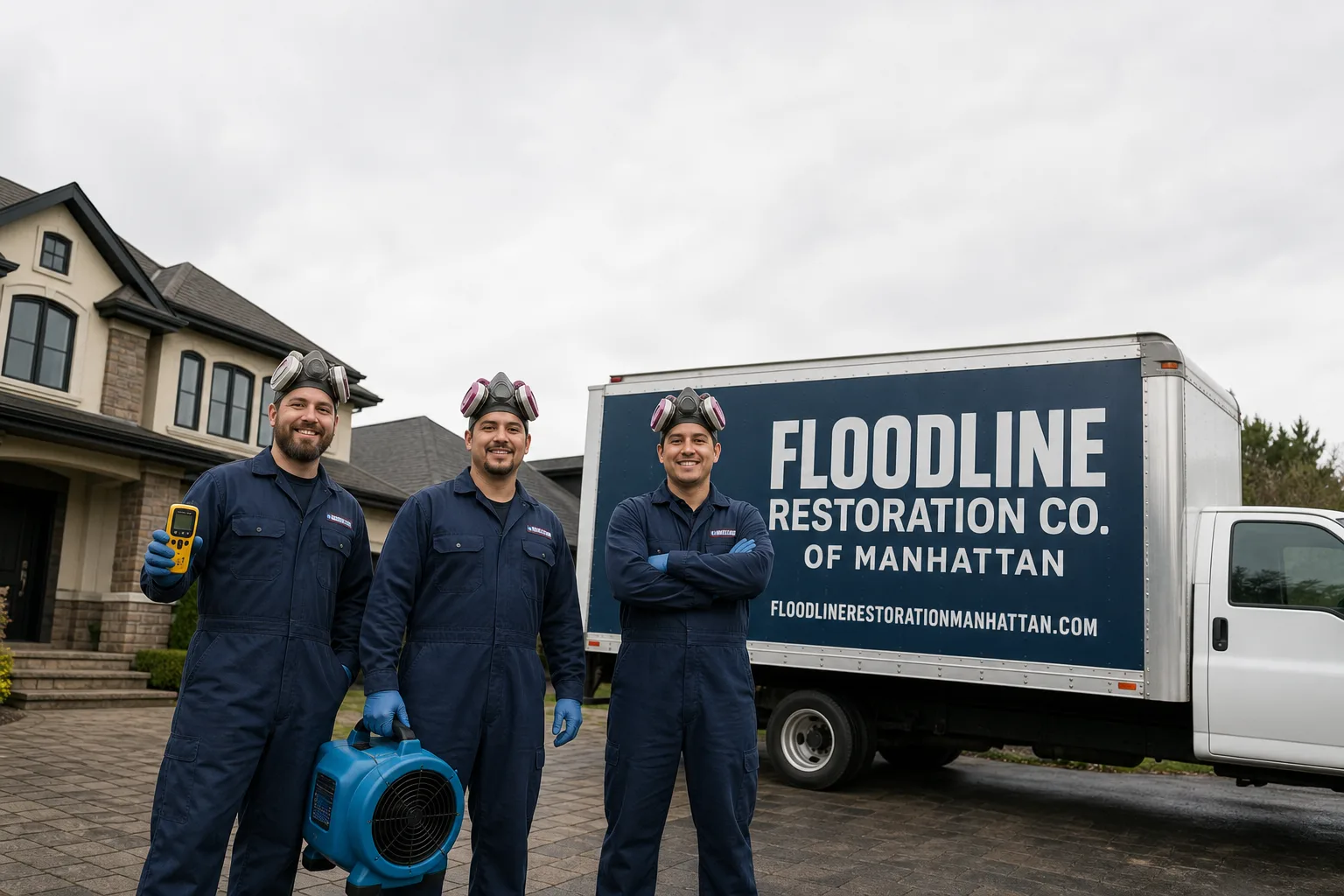
Why Coney Island Property Owners Choose Floodline Restoration Co. of Manhattan
- 45-minute response commitment for Coney Island calls. Our dispatcher confirms the crew’s route and ETA before you hang up.
- A live person answers, 24/7/365. Not a recording. Not a robocall. A dispatcher in New York who can send a certified crew to your block in Coney Island immediately.
- IICRC-certified crews, WRT and FSRT certified, trained to RIA and IFA standards. Background-checked and uniformed, every job, no exceptions.
- Free visual inspection with a written scope before you agree to a dollar of work. You’ll never be oversold.
- Direct insurance billing. We bill your carrier, we talk to your adjuster, and you never play messenger.
- One crew from first extraction to finished rebuild. Our Reconstruction & Cleanup team handles the whole job, start to finish. No mid-job handoff to a subcontractor you never met.
Our Reconstruction & Cleanup Process
Inspection & Assessment
We start with thermal imaging and moisture meters across every affected surface. In Coney Island, that includes a salt-air baseline check on framing, fasteners, and electrical connections. You get the full picture in writing before we touch anything.
Extraction & Stabilization
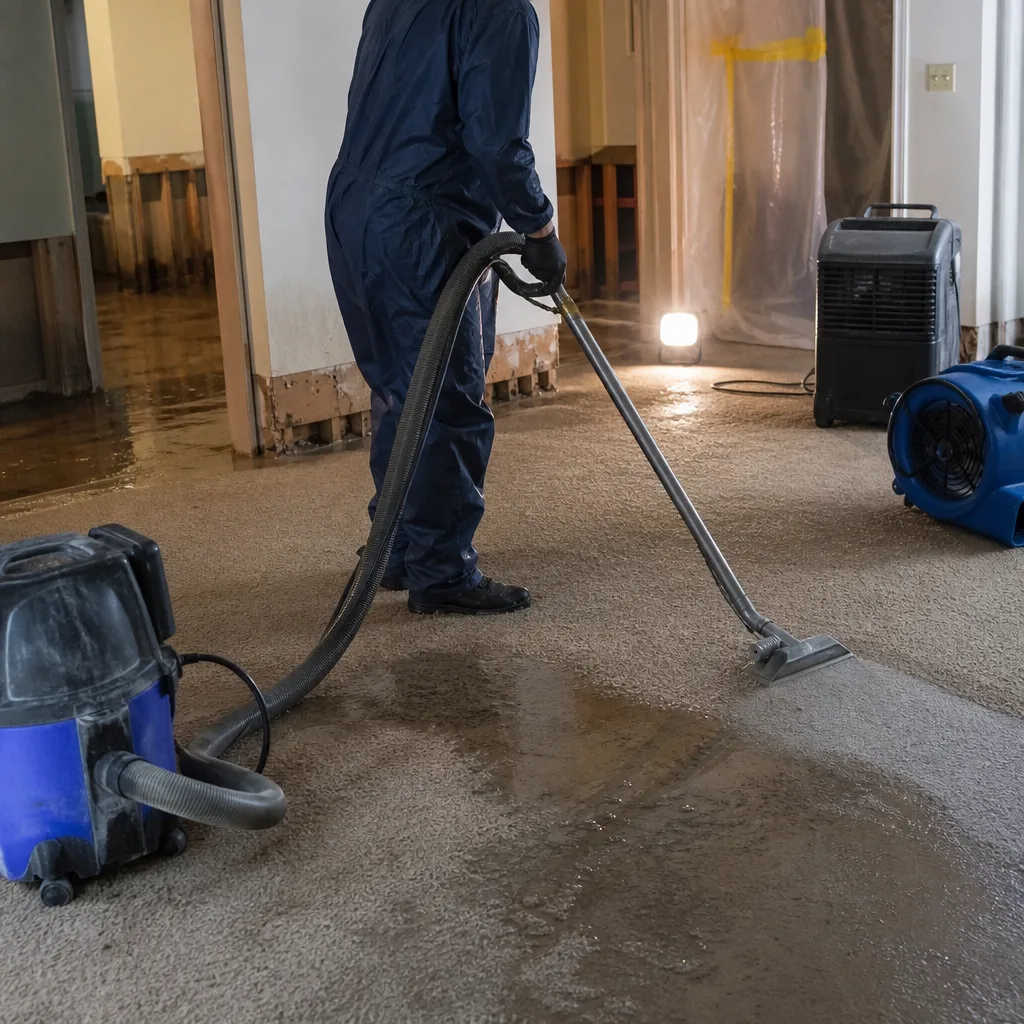
Standing water comes out with truck-mounted and portable extraction units. Damaged drywall, insulation, and unsalvageable flooring are cut out and removed. We stabilize the structure so nothing collapses while drying runs.
Drying & Dehumidification
Phoenix axial air movers and desiccant dehumidifiers get placed to create real airflow under subfloors and inside wall cavities. In Coney Island’s marine humidity, refrigerant dehumidifiers don’t cut it. We log readings daily until lumber hits the dry standard.
Cleaning & Sanitization
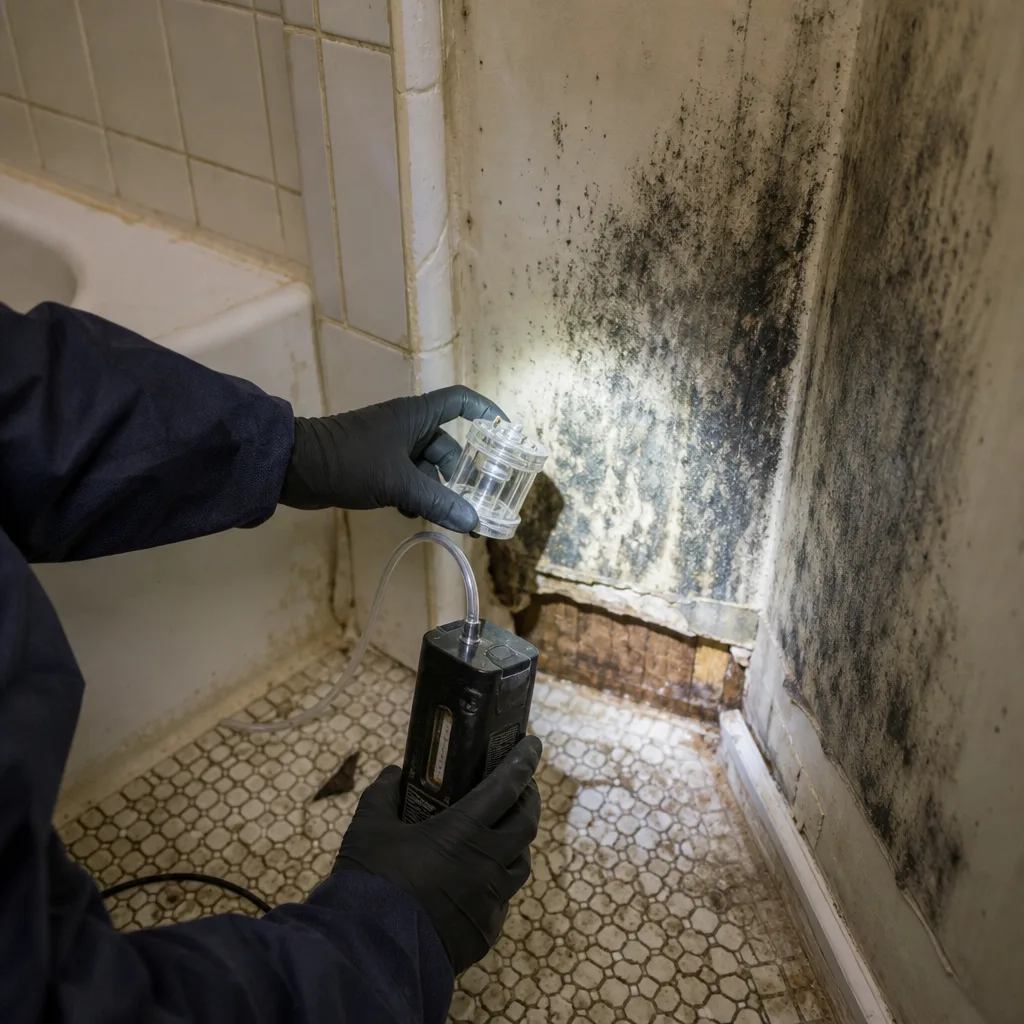
HEPA air scrubbers run during all demolition and cleaning. We treat surfaces with the appropriate antimicrobials for the water category involved. Contents get cleaned, sanitized, and packed out if the rebuild demands it.
Corrosion & Salt-Air Treatment
This is the Coney Island-specific step most outfits skip. We identify and replace salt-corroded fasteners, rusted metal studs, and compromised sill plates before any new drywall or flooring goes down. New pressure-treated lumber goes in where marine air has done damage.
Repairs & Restoration
Full-service reconstruction: framing, drywall, taping, painting, flooring, trim, and wind-rated door and window installation. When we leave, the structure is dried, rebuilt, and documented, with the 90-Day Done Right Promise in writing.
Need Emergency Reconstruction & Cleanup in Coney Island Now?
Crews minutes away, answering live 24 hours a day. The sooner we start, the less it costs.
Working With Your Insurance Company
We’ve sat across the table from enough adjusters to know that documentation wins claims. From the first hour on-site in Coney Island, we photograph every room, log every moisture reading, and write a line-item scope that separates storm damage from pre-existing conditions. That matters here more than anywhere: when a bungalow’s rim joist shows forty years of salt corrosion alongside fresh surge damage, the carrier needs to see both, clearly identified, with separate line items. We talk to your adjuster directly. We submit the drying logs, the scope, and the photos. You get a copy of everything at the same moment your insurer does. No surprises, and a square deal on the bill, because we bill the carrier directly for covered losses.
What We Provide Your Insurer
- Thorough documentation of the loss
- Photos of all damage, room by room
- Moisture readings and drying logs
- A detailed, line-item scope of work
- Direct coordination with your carrier
Built for Coney Island’s Loss Calendar
Coney Island’s damage calendar runs on ocean wind and salt. January and February bring deep freezes that burst supply lines in uninsulated bungalow crawl spaces and older tower plumbing chases. Spring thaw pushes groundwater up through slab cracks and into basements along Mermaid Avenue and Neptune Avenue. Summer thunderstorms dump enough rain in an hour to flash-flood streets and pour into below-grade entries. And from September through November, nor’easters push storm surge under the boardwalk-adjacent streets, flooding crawl spaces and ground-floor units. Every season has a failure mode. What makes Coney Island different from inland Brooklyn is the compounding factor: each event lands on a structure already breathing forty years of salt air. The corrosion you didn’t fix last year becomes the fastener that fails this year. We schedule reconstruction around this calendar, not around a sales cycle.
Reconstruction & Cleanup Across Coney Island’s Neighborhoods
Response routes through Coney Island shape our dispatch. Along Surf Avenue and the blocks toward the boardwalk, converted summer bungalows dominate. These are wood-frame structures with low crawl spaces, unsealed pier foundations, and decades of direct salt spray. Calls from this corridor are typically surge-related: flooded subfloors, rotted rim joists, and insulation that wicked moisture up into wall cavities. Around Mermaid Avenue, the mix shifts toward commercial storefronts and multifamily walk-ups, where a single burst pipe on an upper floor can saturate three levels of stacked drywall. Up near the Coney Island Houses and O’Dwyer Gardens, our crews work with NYCHA building staff to isolate chases and mechanical rooms, because one flooded laundry room can compromise hallway drywall and elevator thresholds building-wide. West of Stillwell Avenue by Gravesend Bay, wind-driven rain and nor’easter surge hit hardest. Homeowners there have watched water run under their front doors during storms that barely made the evening news. Each of these areas has its own signature loss pattern, and our dispatchers and lead techs know them by heart. That’s what serving Coney Island means: knowing which blocks flood first, which framing rots fastest, and which buildings need a wind-load audit before any repair makes sense.
Specialized Reconstruction & Cleanup Services We Offer in Coney Island
Full-Service Reconstruction
From a single flooded room in a Coney Island bungalow to a multi-unit fire loss in a NYCHA tower, we handle framing, drywall, trim, paint, and finish work. Our reconstruction crew is the same one that ran the drying and demolition, so nobody has to re-learn the job midway through.
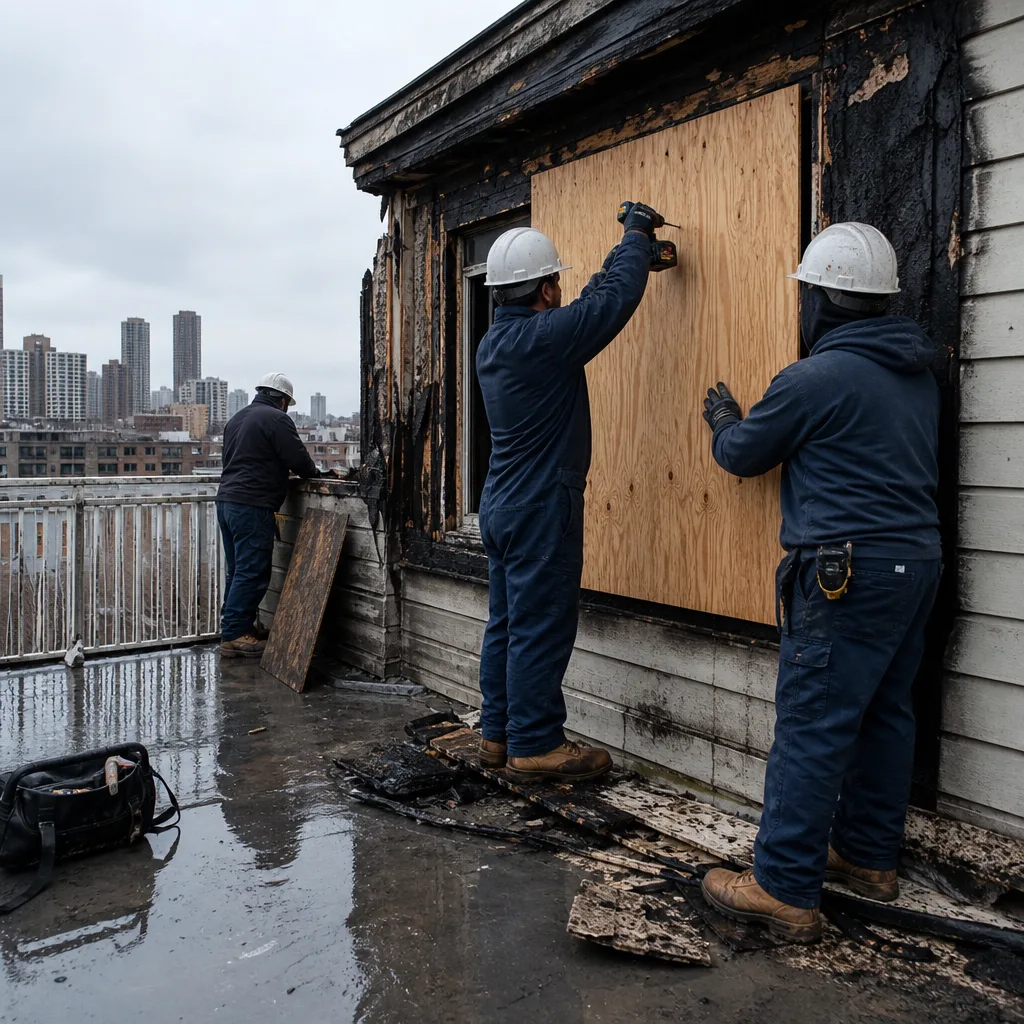
Drywall & Flooring Repair
Salt air and storm water destroy drywall and flooring from the inside out. We cut out saturated sections, treat the framing behind them for corrosion, and install new material rated to handle coastal humidity. In Coney Island, that means sealed edges, proper vapor management, and no shortcuts on fastener quality.
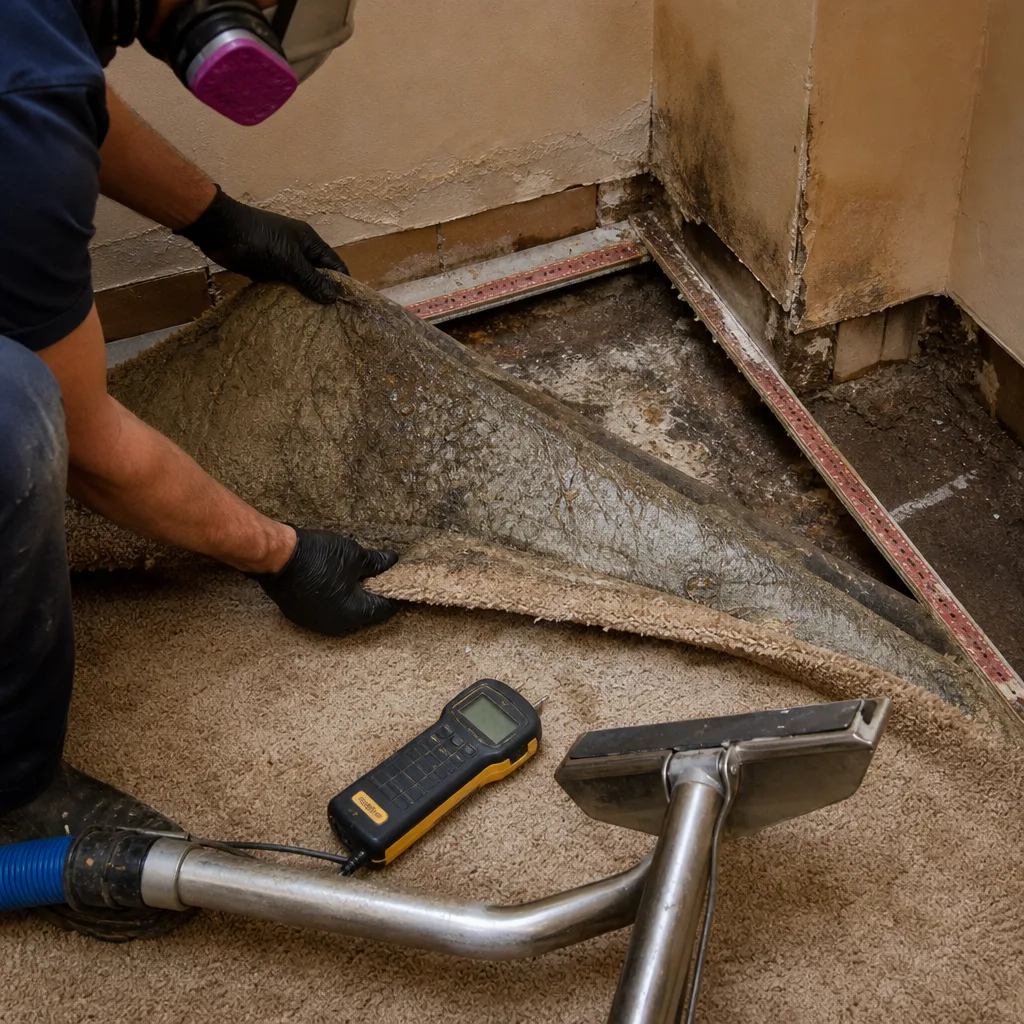
Contents Restoration & Pack-Out
When a Mermaid Avenue walk-up floods, the furniture, clothing, and personal items need as much attention as the walls. We inventory, pack out, clean, and store contents, then deliver them back when the rebuild is done. Photo-documented at every step, so your carrier sees exactly what happened to every item.
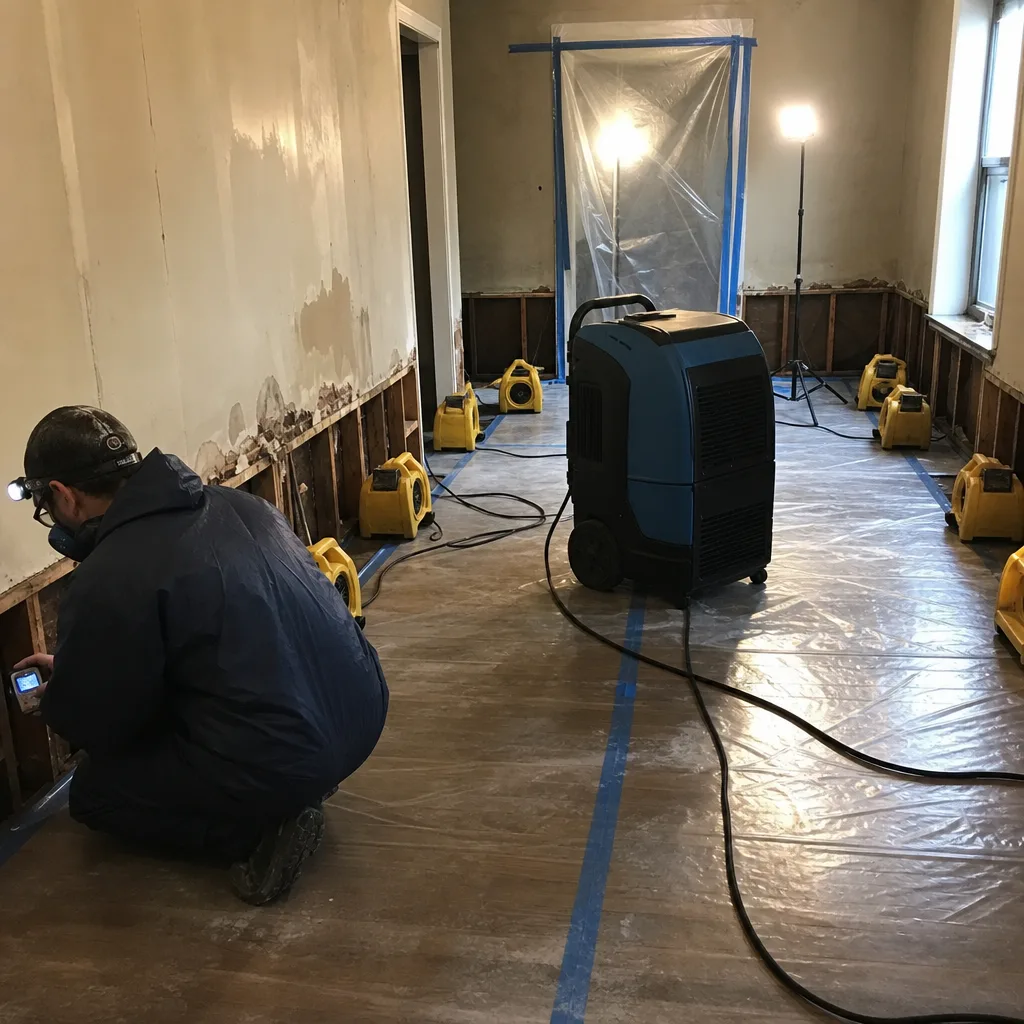
Carpet & Upholstery Cleaning
Storm water on Coney Island is Category 3 water: sewage, seawater, and ground muck. We extract it, dispose of affected padding, and deep-clean salvageable carpet and upholstery with commercial-grade equipment. If it can’t be safely restored, we tell you in writing and document why.
Post-Construction Cleanup
After a rebuild, the dust settles everywhere, inside walls, in ductwork, across every surface. Our crews run HEPA air scrubbers, wipe down all surfaces, and clean the HVAC registers so you walk back into a finished home, not a construction site.
What happens when you call
- 1
A real person answersNo phone trees - you reach a local pro.
- 2
You get an upfront price rangeHonest numbers before anyone is dispatched.
- 3
A background-checked tech heads outLicensed & insured, dispatched right away.
- 4
You approve before work beginsNothing starts until you say go.
Reconstruction & Cleanup Costs in Coney Island, NY
Reconstruction pricing in Coney Island runs higher than inland Brooklyn, and the reasons are structural. A standard drywall and flooring repair after a burst pipe in a Coney Island bungalow typically lands between $4,500 and $11,000, depending on square footage and whether subfloor framing needs replacement. Full crawl space remediation with vapor barrier installation, pressure-treated sill replacement, and structural drying runs $8,000 to $18,000 in this market. Post-storm reconstruction on a flooded ground-floor unit in a NYCHA building often falls between $12,000 and $30,000 once chase isolation, vertical drying, and code-compliant rebuild work are factored in. What moves the cost most is the salt-air factor: if our inspection finds corroded fasteners or rim joists, the scope expands. That’s not a hidden fee, it’s a written line item before we start. Insurance covers most storm and water losses; your out-of-pocket is often just the deductible. The free inspection gives you a firm number in writing before you commit to anything.
We Also Serve Cities Near Coney Island
Our crews run from Coney Island into the surrounding neighborhoods regularly. That includes Fairview, Harrison, East Bronx, and Hunts Point. If your property is close by but not in Coney Island proper, call (917) 924-4221 and we’ll confirm the response time to your street.
Serving Coney Island, NY - Our Local Coverage Area
We’re based in the Coney Island area and know this community well. Use the map below to see our service coverage - if you’re nearby, we can almost certainly help.
Coney Island Reconstruction & Cleanup Questions, Answered
What wind rating should a new exterior door have for a Coney Island bungalow rebuild?
A new exterior door on a Coney Island bungalow rebuild should carry a design pressure (DP) rating of at least DP-50, and ideally impact-rated glass if the entry faces the ocean or Gravesend Bay. Coastal wind loads along Surf Avenue and the boardwalk-adjacent blocks routinely exceed inland Brooklyn by 20 to 30 miles per hour during nor’easters. An unrated door will flex, buckle, or blow in entirely, re-exposing the rebuilt interior to wind-driven rain. We specify impact-rated doors on every ocean-facing rebuild, and the line item shows up clearly in your scope of work for the carrier to review.
Why do Coney Island crawl space repairs need a different drying approach than inland Brooklyn?
Coney Island crawl spaces sit at or near sea level, surrounded by salt water on three sides, with ambient humidity that defeats refrigerant dehumidifiers. We use marine-rated desiccant dehumidifiers, such as the Dri-Eaz units our crews run, which pull moisture out of lumber and air even when relative humidity exceeds 80 percent. Add to that the decades of salt-air corrosion already present in bungalow framing, and drying without a salt-baseline inspection simply hides the long-term problem under new drywall. Call (917) 924-4221 for a crawl space inspection that tells you what you’re actually dealing with.
How do NYCHA tower reconstruction jobs in Coney Island differ from bungalow work?
NYCHA tower work in buildings like Coney Island Houses and O’Dwyer Gardens revolves around vertical water migration and mechanical chases. One flooded unit can wick moisture through conduit openings and plumbing chases to damage drywall and insulation three floors above. Access is restricted by building layouts, elevator scheduling, and NYCHA coordination requirements. Bungalow work is single-story and horizontal, focused on subfloor framing, crawl space drying, and salt corrosion at the sill plate. Different equipment, different sequencing, same certified crew.
Can insurance claim documentation from a Coney Island storm job include pre-existing salt corrosion as a separate line item?
Yes, and it should. Carriers in the Coney Island market regularly see pre-existing marine corrosion identified as a separate condition from the covered storm damage. Our scope of work lists it that way: storm-caused damage on one line, pre-existing salt corrosion on another. That gives your adjuster a clean picture of what the storm did versus what the ocean air has been doing for decades. We coordinate directly with the carrier so this separation is clear from the first submission. Estimates are free, so call (917) 924-4221 to get yours started.
What happens if you don’t reinforce a wind-rated door before the next nor’easter in Coney Island?
The next nor’easter’s wind load blows the unrated door and re-exposes the just-dried interior. We’ve seen it on West 24th Street: a homeowner had a flooded bungalow dried and patched, then a November storm tore the standard door loose and pushed rain across the new flooring. The rebuild had to be partially redone. A wind-rated, impact-rated door installed during reconstruction prevents that cycle. It’s not an upsell. It’s the difference between a one-time repair and paying for the same job twice.
How fast can a crew actually reach a Coney Island address?
Our Coney Island response commitment is 45 minutes from the time you hang up with our dispatcher. We run crews out of the Brooklyn and South Brooklyn area, and our dispatcher knows the routes: Ocean Parkway to Surf Avenue, Neptune Avenue across, or Stillwell Avenue down to the boardwalk blocks. A live person answers at (917) 924-4221 and tells you exactly when the crew will arrive.
Will insurance cover reconstruction after a Coney Island storm?
Most storm and water losses in Coney Island are covered under standard homeowner policies or NFIP flood policies. The key is documentation: photos from the first hour, daily drying logs, and a line-item scope that separates storm damage from pre-existing corrosion. We provide all of that directly to your carrier and bill them directly for covered work. Your out-of-pocket is typically the deductible. If you’re unsure what your policy covers, call (917) 924-4221 and we’ll help you read it before any work begins.
What should I do in the first 30 minutes after water or fire damage in Coney Island?
Shut off the water or power if you can do so safely, remove small valuables from the affected area, and call (917) 924-4221. Do not walk through standing water in a flooded basement or crawl space, and do not open walls or floors yourself. Salt water and sewage water carry contaminants, and the marine air in Coney Island makes mold colonization begin fast. A trained crew with proper extraction and drying equipment will start faster than any DIY attempt, and your insurance claim will be stronger for it.
Written by Curt Bowman, Owner at Floodline Restoration Co. of Manhattan, serving Coney Island and surrounding communities. Founded in 2010, built around a dispatch board, not a sales desk.
Call (917) 924-4221 for a free estimate. We answer live, 24 hours a day.